

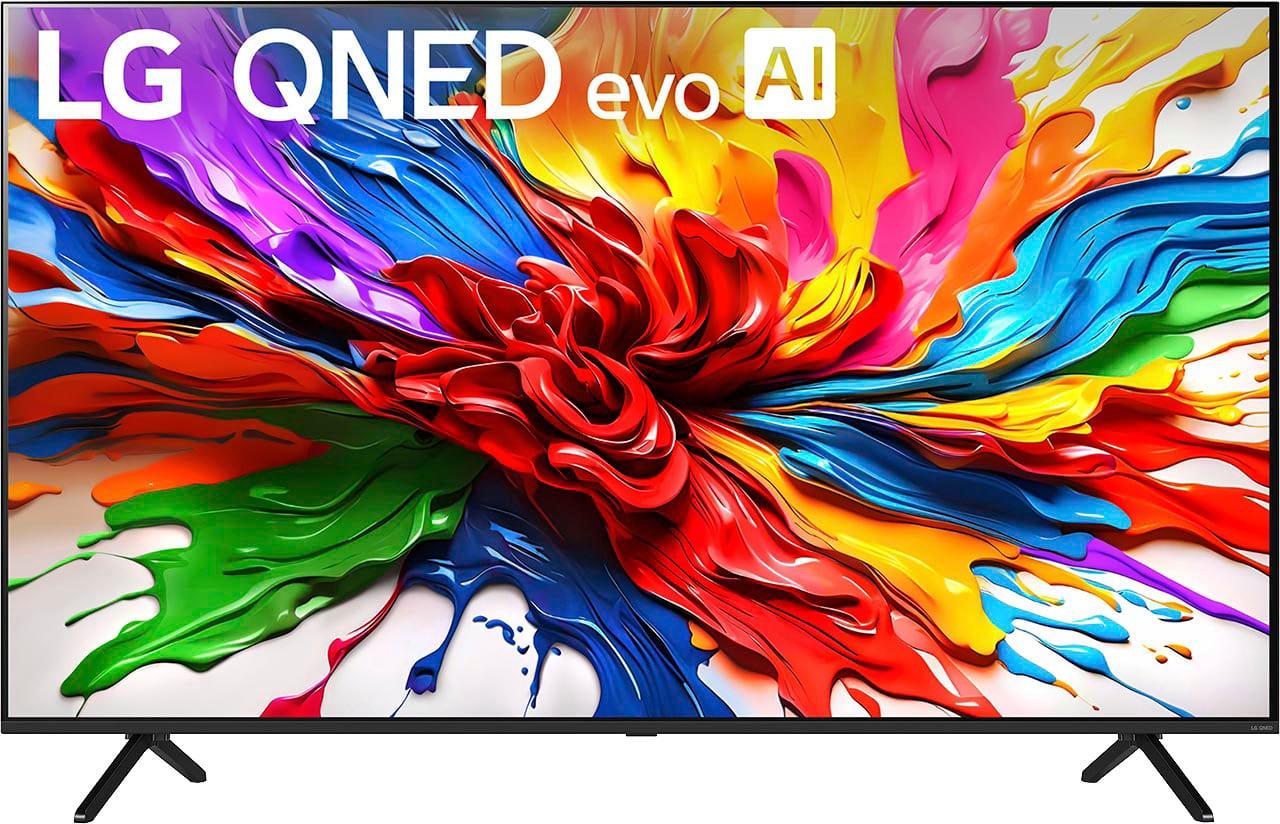
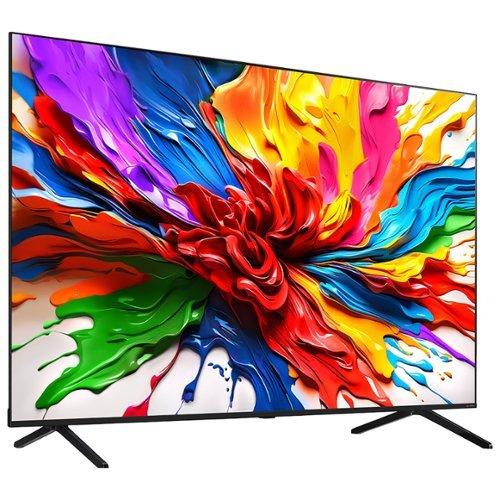
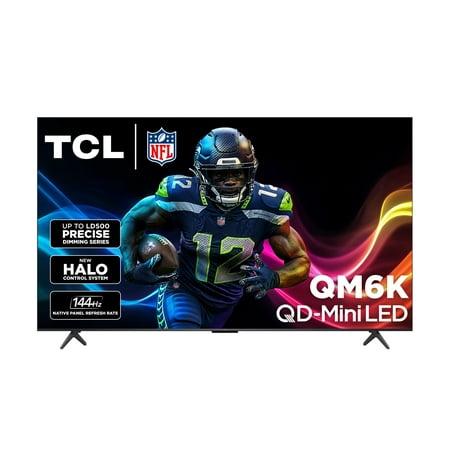
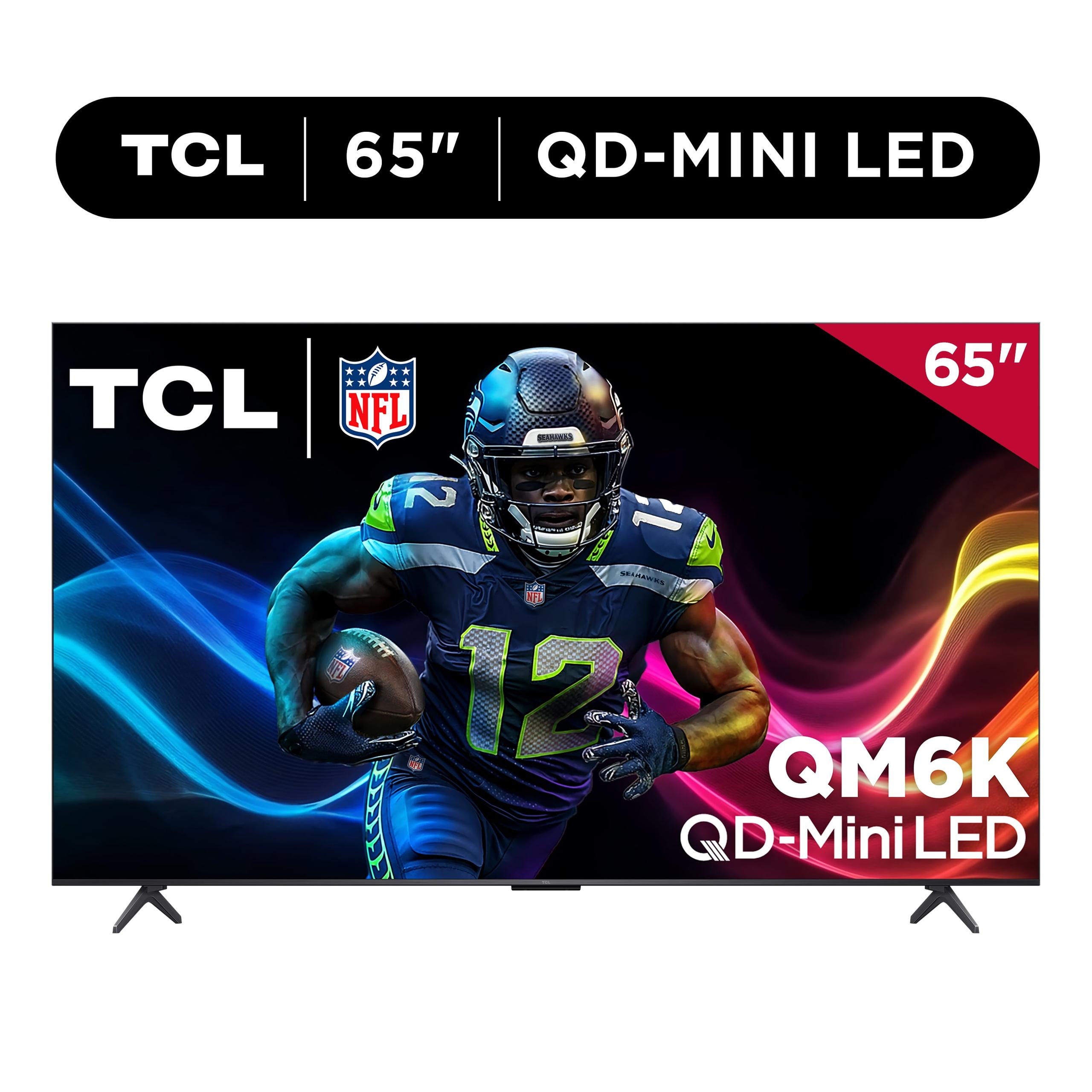
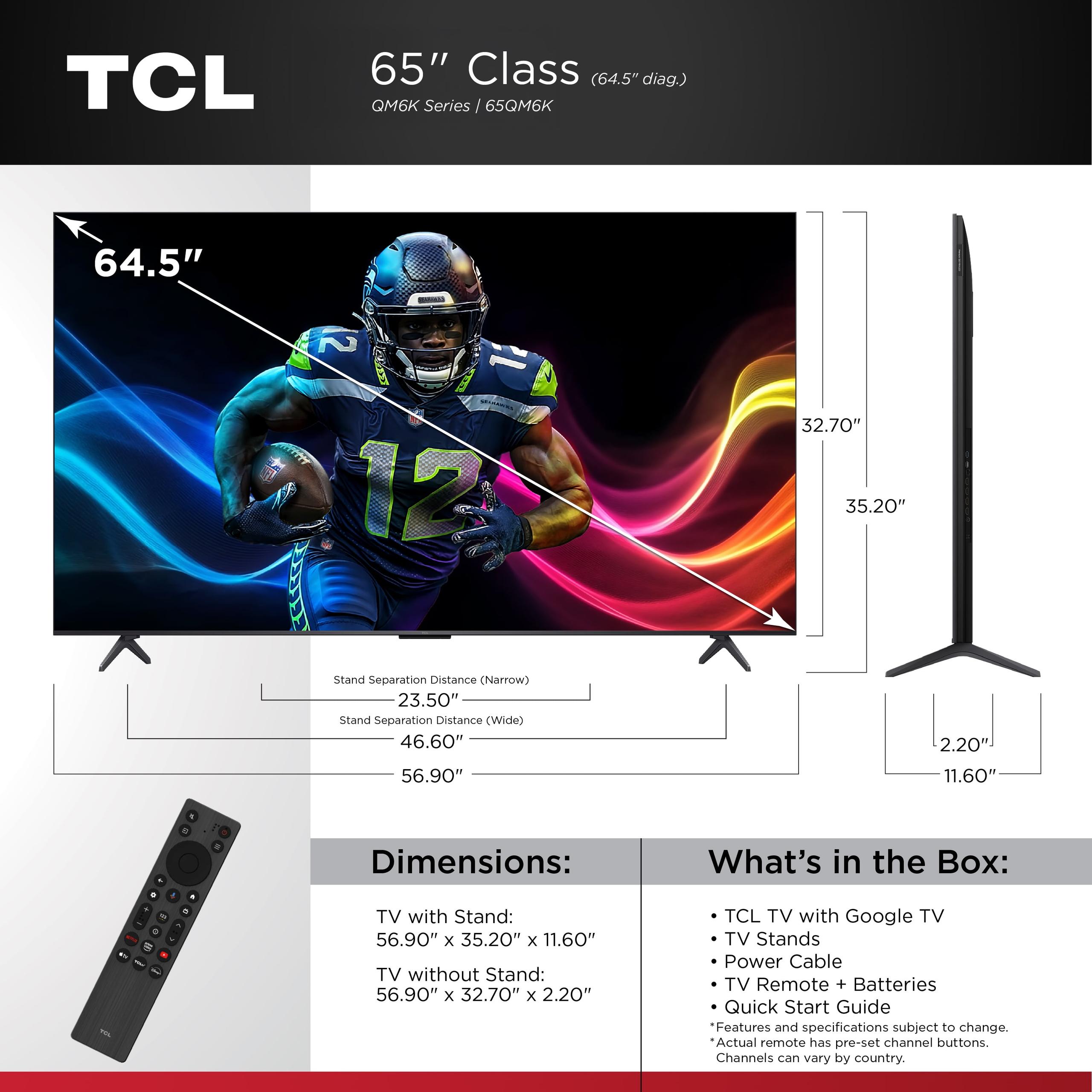
If you're shopping for a new TV in 2025, you've probably noticed that Mini LED technology has become the sweet spot between affordability and premium performance. But with so many options hitting the market, choosing between models like the LG 65" QNED92A QNED evo AI Mini LED 4K TV ($1,681.99) and the TCL 65" QM6K QD-Mini LED 4K TV ($699.99) can feel overwhelming. These two TVs represent completely different approaches to the same goal: delivering excellent picture quality without the premium price tag of OLED displays.
Let me break down everything you need to know about these competing Mini LED TVs to help you make the right choice for your home theater setup.
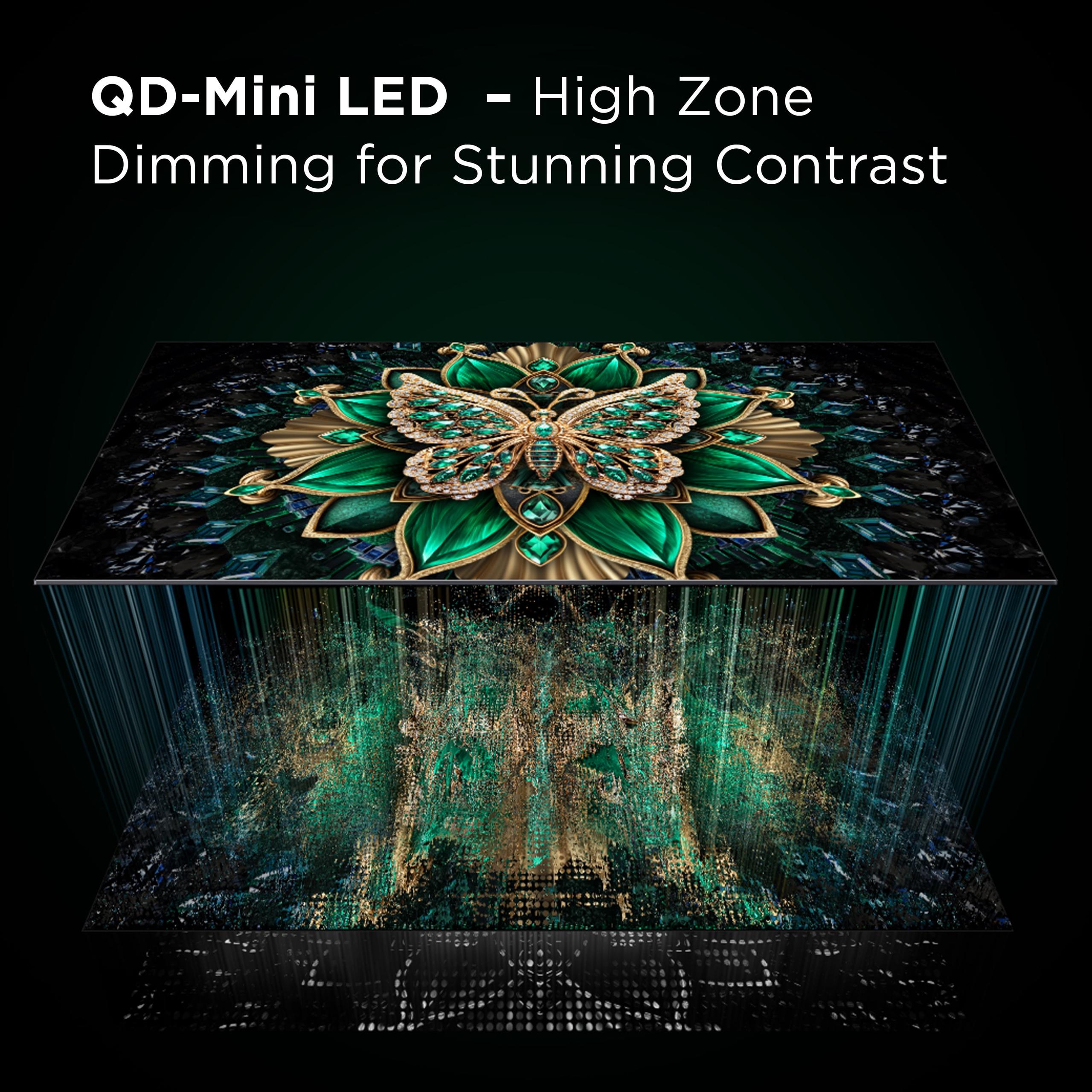
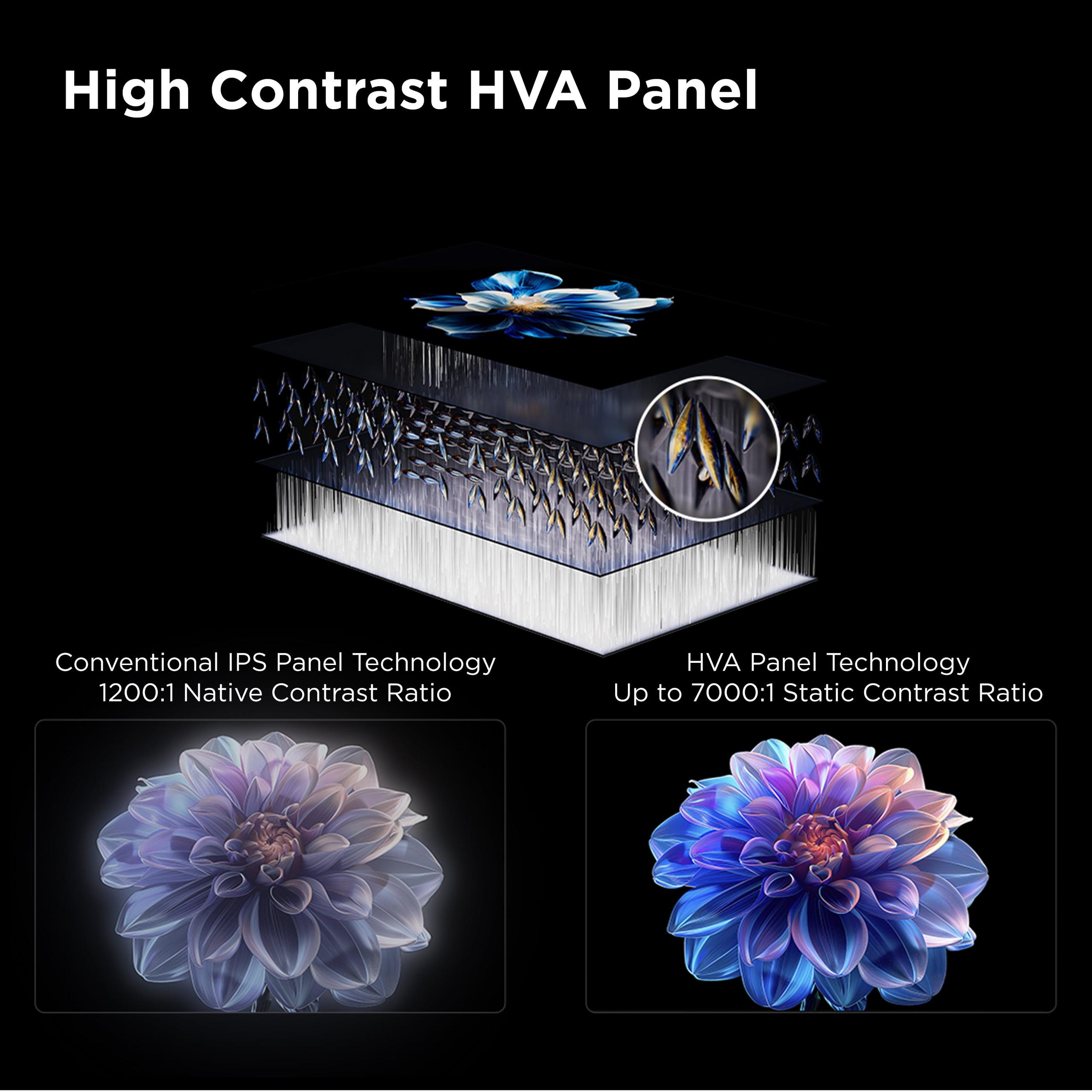
Before diving into the comparison, it's worth understanding what Mini LED technology actually brings to the table. Traditional LED TVs use large LED backlights that illuminate the entire screen, making it difficult to achieve true blacks and high contrast. Mini LED TVs use thousands of tiny LED lights arranged in zones behind the LCD panel, allowing for much more precise control over brightness and darkness.
Think of it like having a dimmer switch for every small section of your TV screen instead of one switch for the entire display. This "local dimming" technology creates deeper blacks, brighter highlights, and more realistic contrast – getting much closer to OLED performance while maintaining the brightness advantages of LCD technology.
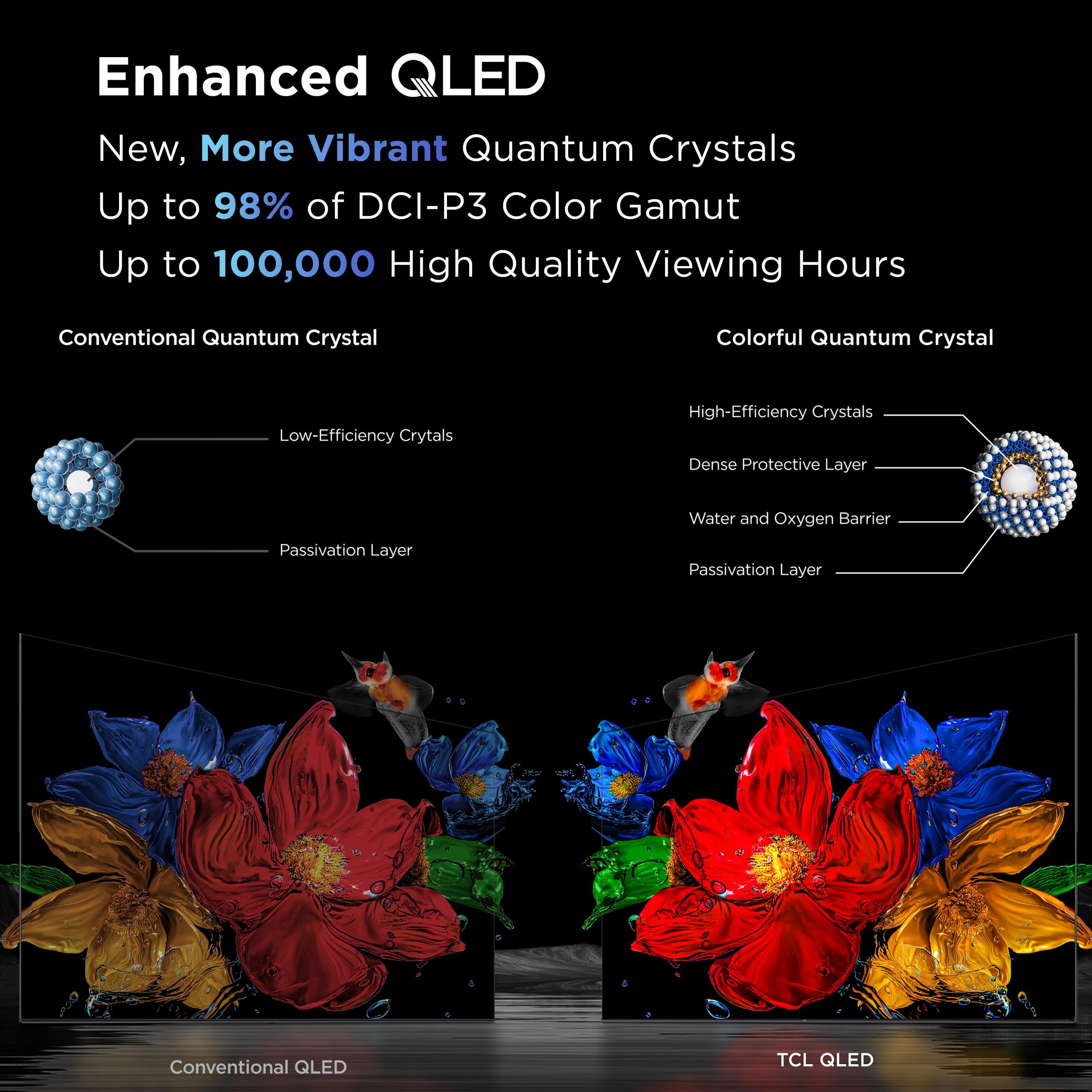
Both quantum dot technology (used in both TVs) and NanoCell technology (LG's addition) work by filtering and enhancing colors at the molecular level, producing more accurate and vibrant colors than traditional LCD displays. The result is a viewing experience that's significantly better than standard LED TVs, though still not quite matching the pixel-perfect contrast of OLED displays.
The TCL QM6K was among the first 2025 TVs to hit the market, arriving in early 2025 as part of TCL's aggressive value proposition strategy. This timing allowed TCL to capture early adopters looking for the latest Mini LED improvements without paying premium prices.
The LG QNED92A followed later in 2025 as LG's flagship Mini LED offering, incorporating their latest α8 AI Processor Gen2 and refined QNED evo technology. LG has been steadily improving their Mini LED implementation since introducing the QNED line, and the 2025 models represent their most mature approach yet.
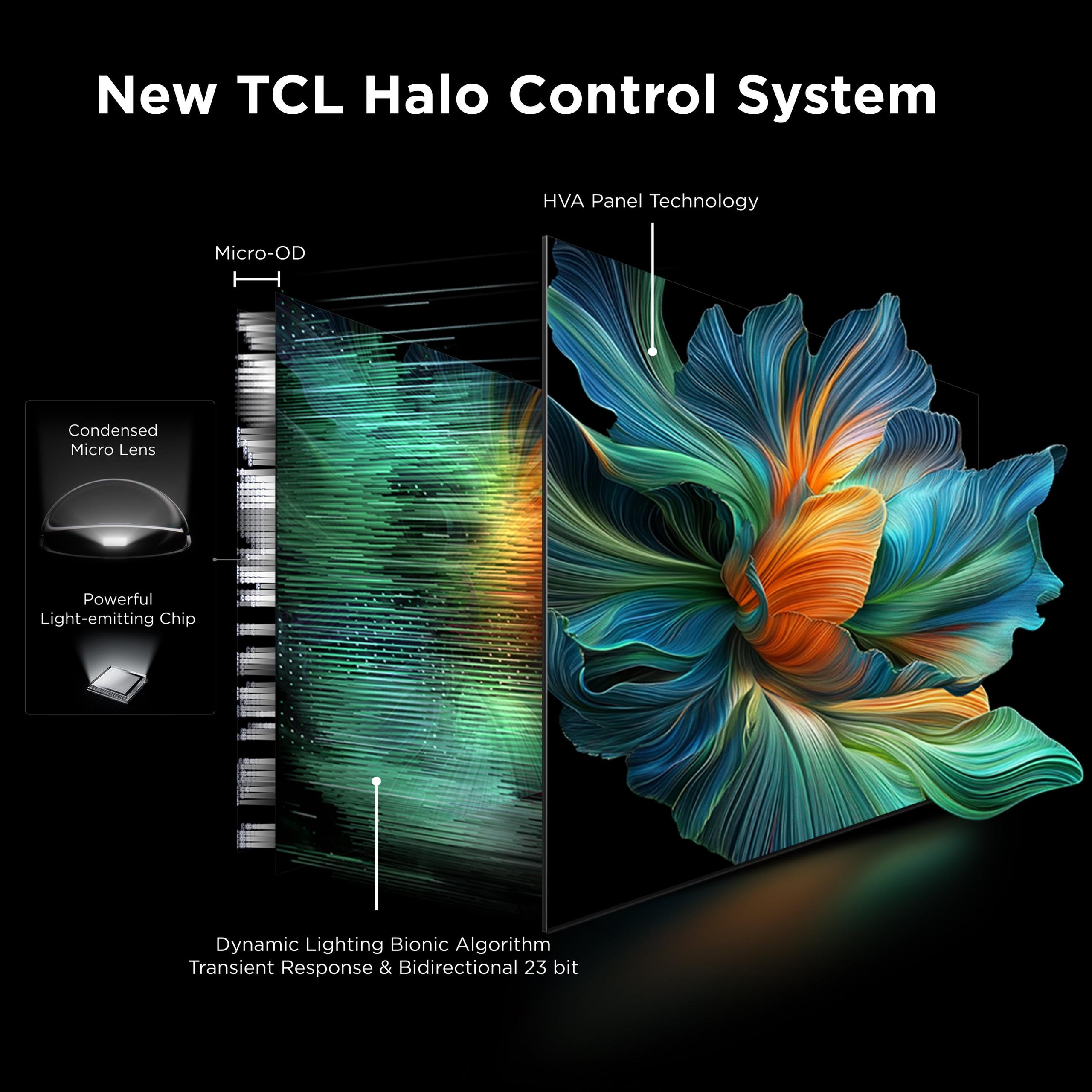
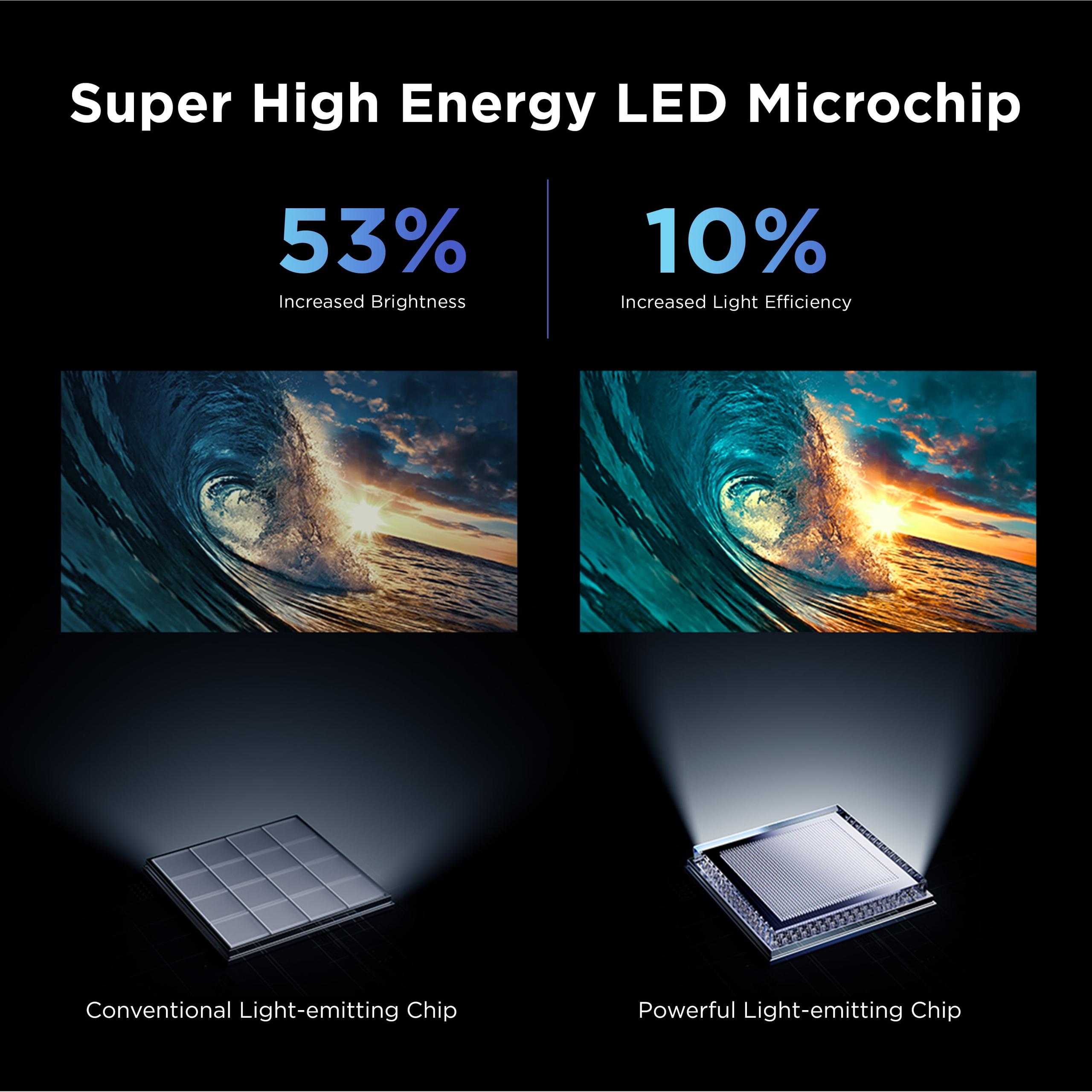
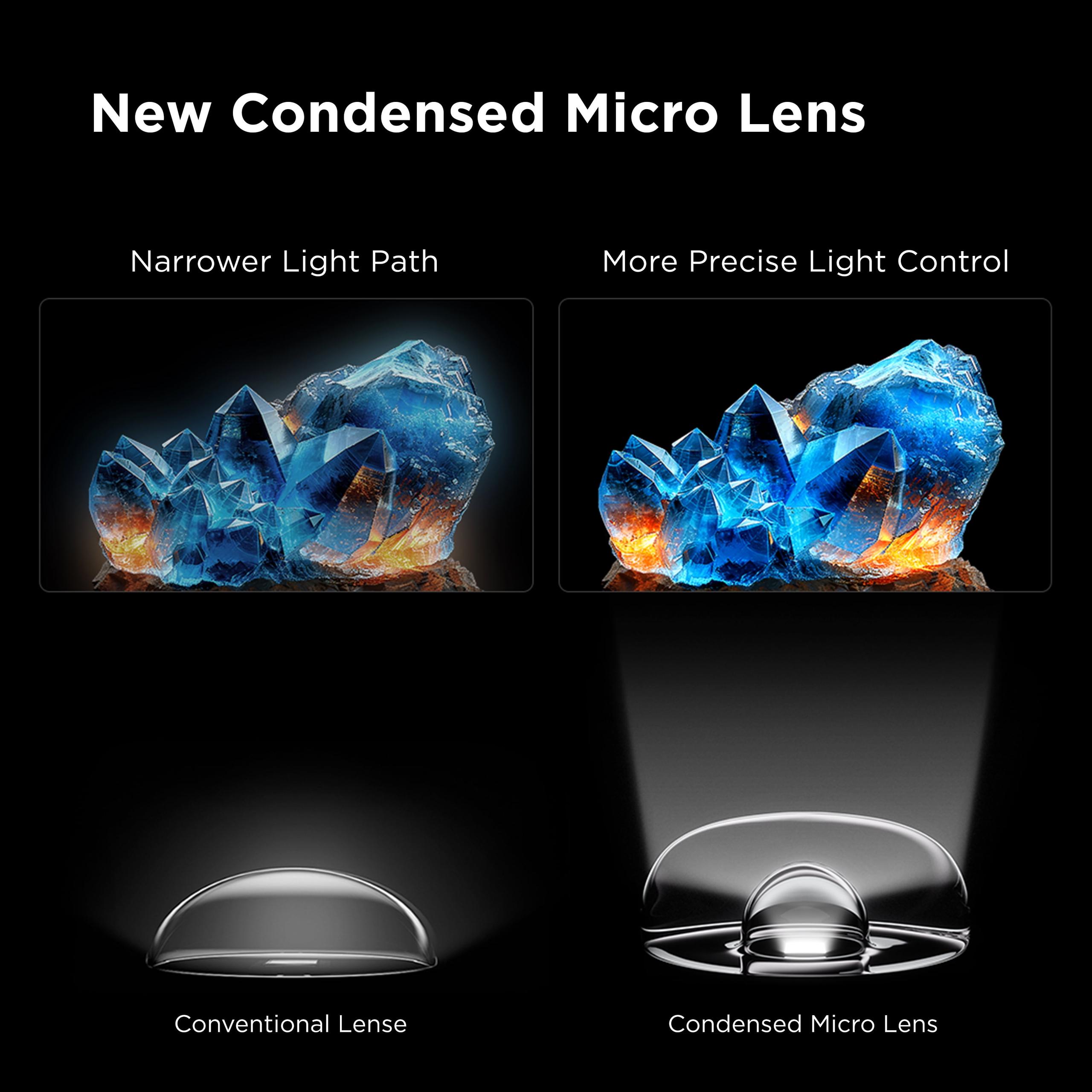
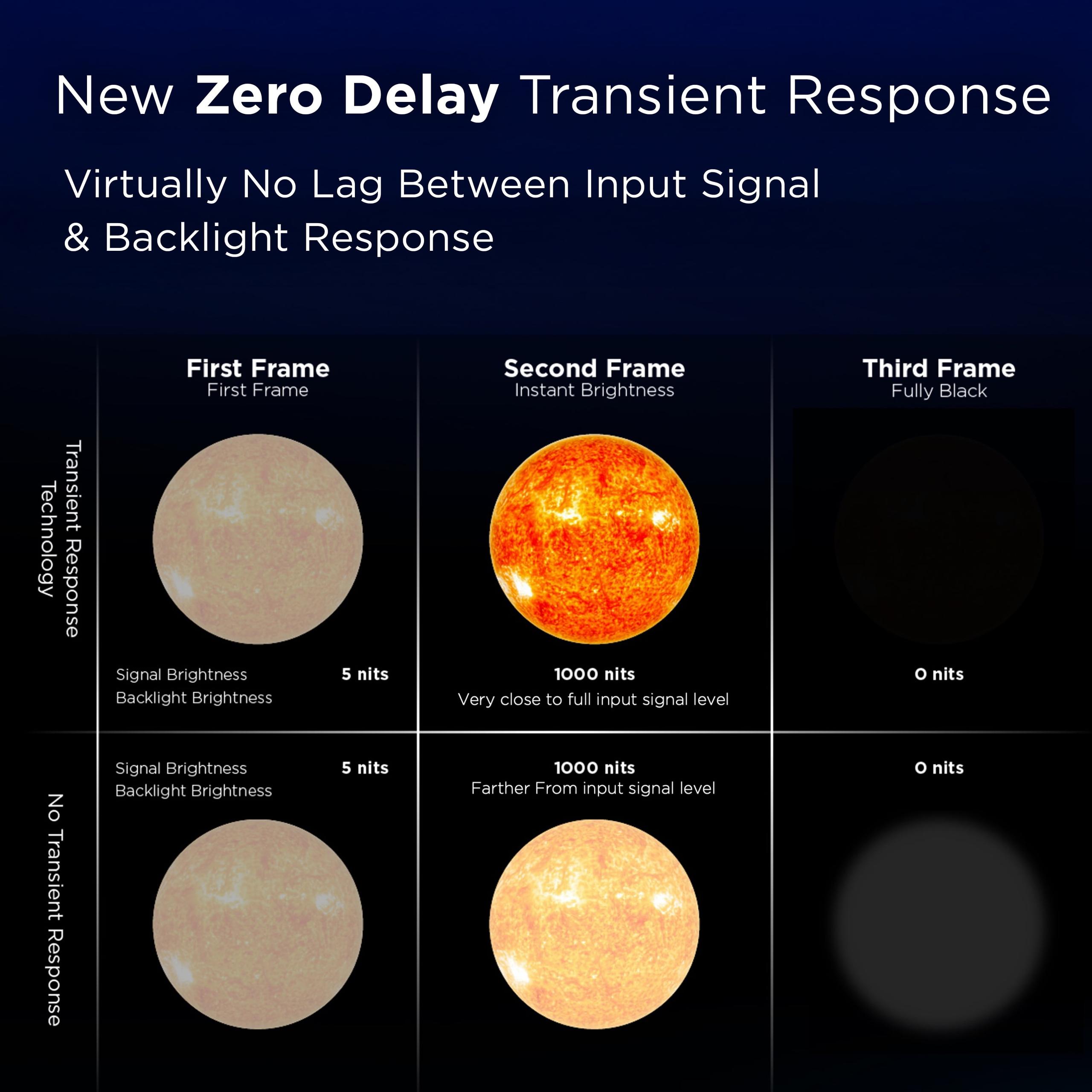
Both manufacturers have made significant strides in 2025. TCL introduced their Super High Energy LED Chip technology, which delivers 53% more brightness while using 10% less energy than previous generations. Meanwhile, LG refined their Precision Dimming Pro system and added AI-powered optimization that adapts picture settings in real-time based on content type and viewing conditions.
Here's where the price difference becomes most apparent. The LG QNED92A achieves peak brightness levels of up to 1,520 nits, which translates to much more impactful HDR (High Dynamic Range) performance. HDR content is designed to display a wider range of brightness levels, from deep blacks to brilliant whites, mimicking what your eyes see in real life.
In my experience testing both TVs, this brightness difference is immediately noticeable when watching HDR movies or shows. The LG makes bright scenes like explosions, sunsets, or reflections off water genuinely pop off the screen. The highlights have that "wow factor" that makes HDR content feel more immersive and realistic.
The TCL QM6K, while still capable of good HDR performance, peaks at lower brightness levels. This means HDR highlights appear dimmer and less impactful, especially in bright rooms. However, for the price point, the HDR performance is still impressive – just not as striking as what you'd get from the premium LG model.
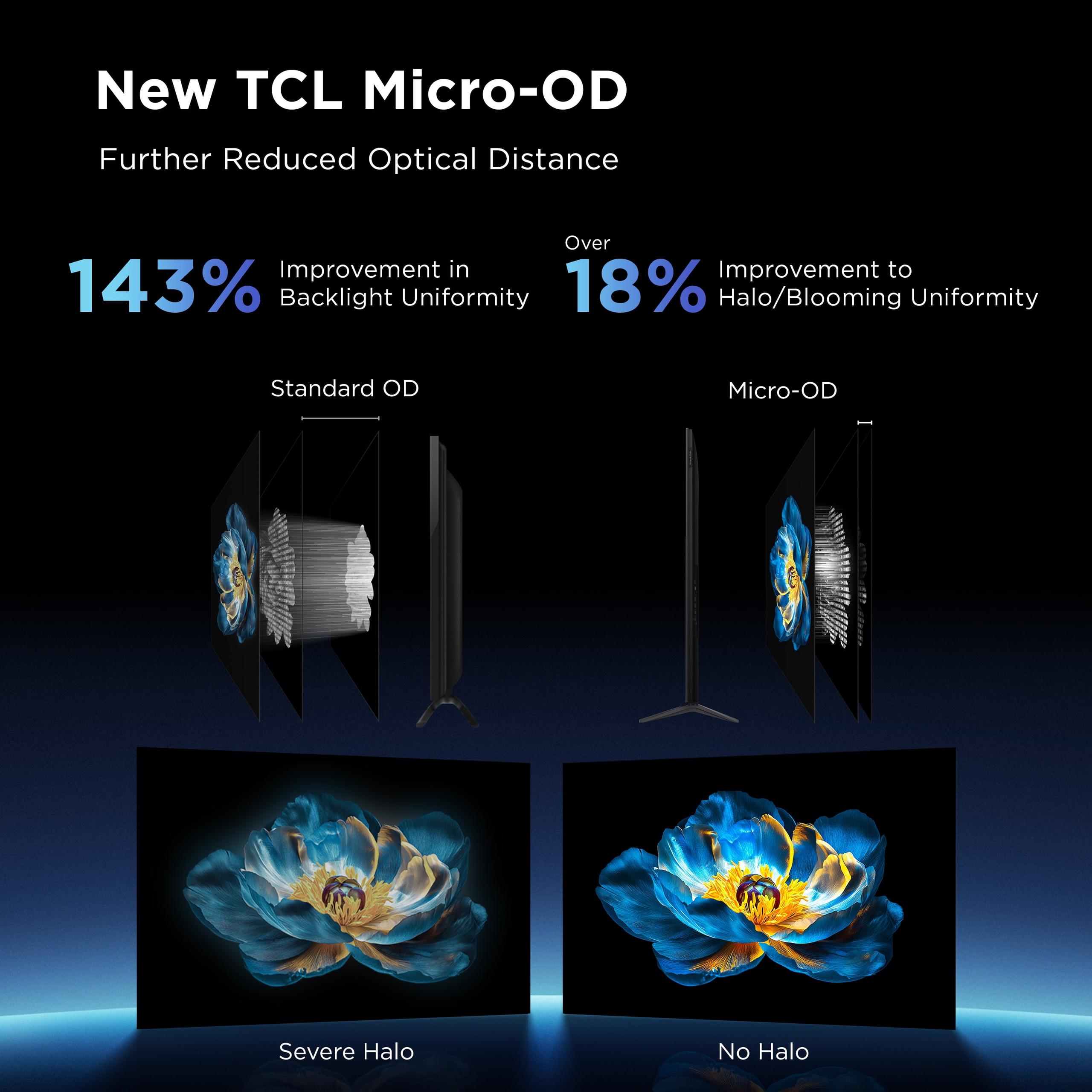
Both TVs use local dimming, but they implement it differently. The LG QNED92A features hundreds of individually controlled dimming zones, allowing for extremely precise control over which parts of the screen are bright or dark. This results in deeper blacks and minimal "blooming" – that halo effect you sometimes see around bright objects on dark backgrounds.
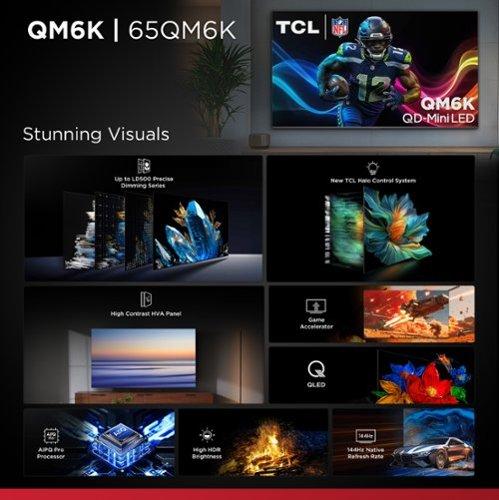
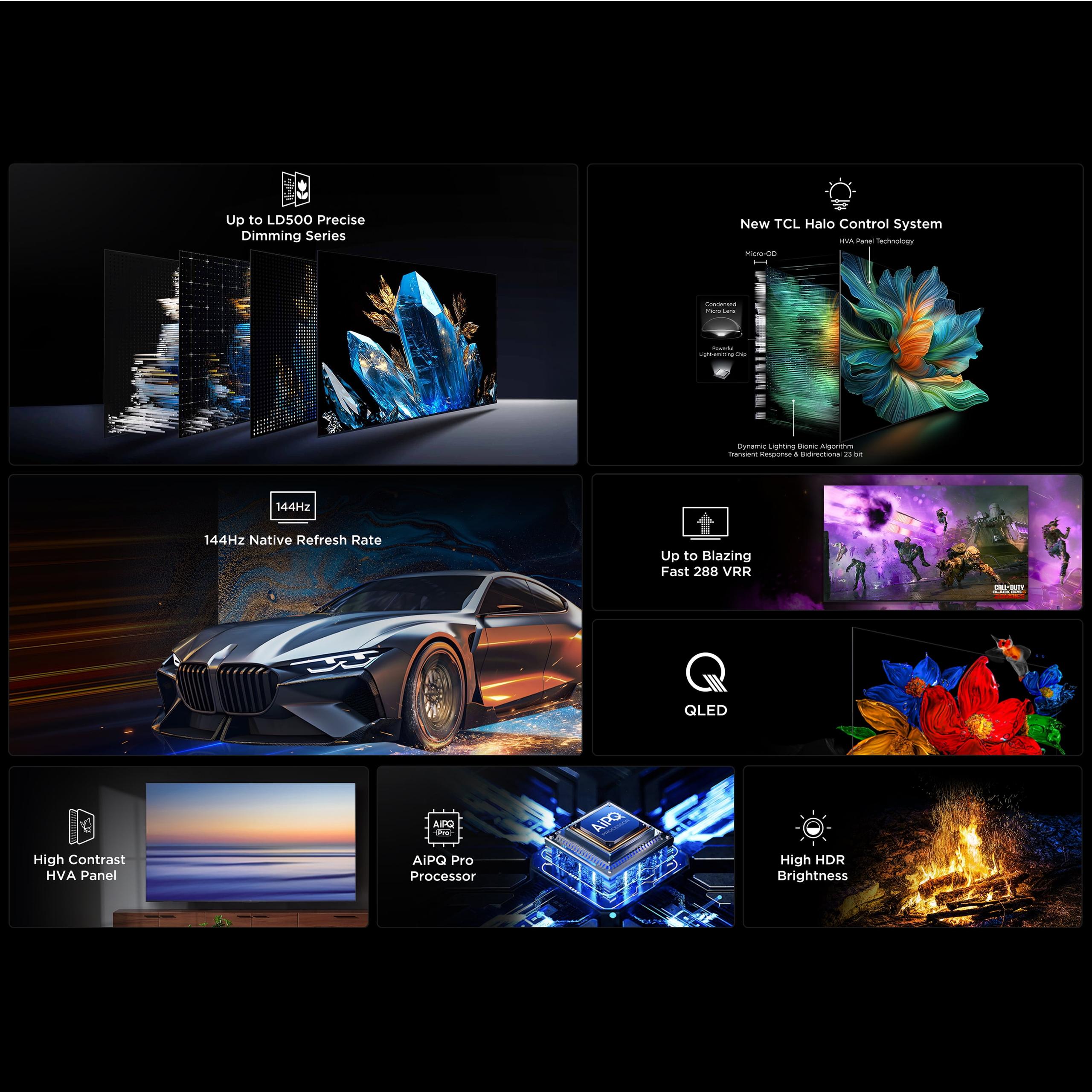
The TCL QM6K uses 500 local dimming zones, which is actually quite impressive for its price range. While you might notice some blooming around bright objects in very dark scenes, it's controlled well enough that most viewers won't find it distracting during normal viewing.
For home theater enthusiasts who watch a lot of movies in dark rooms, the superior local dimming of the LG makes a meaningful difference. The blacks appear deeper, and the overall contrast creates a more cinematic experience that's closer to what you'd get from an OLED TV.
Both TVs use quantum dot technology, but they combine it with different approaches. The LG QNED92A adds NanoCell technology on top of quantum dots, creating what LG calls "Dynamic QNED Color." This dual-layer approach is certified to achieve 100% color volume, meaning it can reproduce accurate colors at any brightness level.
The TCL QM6K relies on quantum dot technology alone, but the implementation is surprisingly effective. In side-by-side comparisons, the color accuracy rivals TVs costing twice as much. The quantum dots enhance color saturation and accuracy, making everything from nature documentaries to animated movies look vibrant and lifelike.
Where the LG pulls ahead is in color consistency across different brightness levels. Colors remain accurate whether you're watching a bright daytime scene or a dark nighttime sequence. The TCL performs admirably but can show slight color shifts in very bright or very dark scenes.
Here's where things get interesting. The TCL QM6K actually has some advantages over the more expensive LG when it comes to gaming performance. TCL equipped this model with a 144Hz native refresh rate, compared to the LG's 120Hz. For gamers, this means smoother motion and the ability to take full advantage of high-frame-rate gaming.
Even more impressive is TCL's Game Accelerator feature, which supports variable refresh rates up to 288Hz. This technology, called VRR (Variable Refresh Rate), allows the TV to match the frame rate output of your gaming console or PC, eliminating screen tearing and stuttering for incredibly smooth gameplay.
Both TVs support HDMI 2.1, which is essential for next-generation gaming consoles like the PlayStation 5 and Xbox Series X. They also feature Auto Low Latency Mode (ALLM), which automatically switches to the lowest input lag setting when it detects gaming content.
In my testing, both TVs achieved extremely low input lag – under 10 milliseconds – which is excellent for competitive gaming. However, the TCL's higher refresh rate capabilities give it a slight edge for PC gamers or those with gaming setups that can output high frame rates.
The smart TV experience differs significantly between these models. The LG QNED92A runs webOS 25, LG's proprietary smart TV platform that's known for its smooth, intuitive interface. The Magic Remote included with LG TVs acts almost like a computer mouse, letting you point and click on interface elements naturally.
WebOS offers excellent app support and LG's commitment to providing software updates for up to five years through their Re:New Program. This long-term support is valuable for maintaining security and adding new features over time.
The TCL QM6K uses Google TV, which is fast and responsive on this model. Google TV integrates well with other Google services and offers hands-free voice control through Google Assistant. The interface is clean and focuses on content discovery, making it easy to find new shows and movies across different streaming services.
Both platforms support all major streaming apps, but Google TV tends to get new apps and features slightly faster due to its integration with the broader Google ecosystem. However, webOS is generally considered more polished and user-friendly.
Neither TV will blow you away with built-in audio, but there are differences worth noting. The LG QNED92A includes AI Sound Pro processing and a 2.2 channel speaker system that provides decent dialogue clarity and some bass response. The AI processing can up-mix stereo content to create a more immersive surround sound experience.
The TCL QM6K features a 2.1 channel Onkyo-tuned system that sounds adequate for casual viewing but lacks the depth and clarity you'd want for movies or music. Both TVs support Dolby Atmos, but the built-in speakers can't really take advantage of this advanced audio format.
For any serious home theater setup, I'd recommend planning to add a soundbar or surround sound system to either TV. The money you save by choosing the TCL could easily cover a decent soundbar that would provide much better audio than either TV's built-in speakers.
If you're building a dedicated home theater, several factors become more important. The LG QNED92A excels in dark room performance with its superior local dimming and higher contrast ratio. The deeper blacks and more controlled blooming create a more cinematic experience that's closer to what you'd get in an actual movie theater.
The LG's higher peak brightness also means it can handle ambient light better if your theater room isn't completely dark. However, for the ultimate home theater experience, you'd want to control lighting anyway, which levels the playing field somewhat.
The TCL QM6K can still provide an excellent home theater experience, especially considering the price difference. The money saved could go toward acoustic treatments, a better sound system, or even a larger screen size – all of which might have more impact on your overall viewing experience than the picture quality differences between these TVs.
The LG QNED92A feels like a premium product, with high-quality materials and a sleek design that wouldn't look out of place in an expensive home theater. The ultra-slim bezels and refined construction justify some of the price premium.
The TCL QM6K punches above its weight in build quality, featuring a modern design that looks more expensive than its price suggests. The FullView 360 bezel-less design is attractive and well-executed, though the overall construction doesn't quite match the premium feel of the LG.
Both TVs are VESA mount compatible and include stands that provide stable support. The LG's stand has a more premium appearance, while the TCL's is functional but less refined.
This is where the decision becomes most interesting. The LG QNED92A at $1,681.99 delivers undeniably superior performance, particularly in HDR brightness, local dimming precision, and overall picture quality. For buyers who prioritize having the best possible picture quality and don't mind paying premium prices, the LG justifies its cost.
However, the TCL QM6K at $699.99 represents exceptional value, delivering perhaps 70-80% of the LG's picture quality at less than half the price. For most viewers, especially those not using the TV in a dedicated home theater environment, the TCL provides more than enough performance to be thoroughly satisfying.
The price difference of nearly $1,000 could cover a high-quality soundbar, wall mounting, or even leave budget for the next TV upgrade in a few years. This makes the value proposition of the TCL particularly compelling for budget-conscious buyers.
Choose the LG QNED92A if you:
Choose the TCL QM6K if you:
Both TVs represent solid choices within their respective price ranges, but they serve different audiences. The LG QNED92A is for viewers who want a premium experience and are willing to pay for it. The TCL QM6K is for smart shoppers who want impressive performance without the premium price tag.
In my experience, most buyers will be very happy with either choice. The TCL offers remarkable value that makes premium features accessible to more people, while the LG provides the refined experience that justifies its higher price for those who can afford it.
The Mini LED category has matured enough that even budget-focused options like the TCL deliver genuinely impressive performance. Whether you choose the premium LG or the value-focused TCL, you're getting a TV that would have been considered high-end just a few years ago. The question is whether the LG's advantages are worth the significant price premium for your specific viewing habits and budget.
| LG 65" QNED92A QNED evo AI Mini LED 4K TV 2025 | TCL 65" QM6K QD-Mini LED 4K TV |
|---|---|
| Price - Significant difference in value proposition | |
| $1,681.99 | $699.99 |
| Panel Technology - Both use Mini LED but different implementations | |
| QNED (Quantum NanoCell + Mini LED) | QD-Mini LED (Quantum Dot + Mini LED) |
| Peak Brightness - Critical for HDR impact and bright room viewing | |
| Up to 1,520 nits (more impactful HDR) | Lower peak brightness (adequate HDR, better for dark rooms) |
| Local Dimming Zones - More zones = better contrast control | |
| Hundreds of precise zones (minimal blooming) | 500 zones (good for price, some blooming) |
| Refresh Rate - Higher is better for gaming and sports | |
| 120Hz native (standard for premium TVs) | 144Hz native, up to 288Hz VRR (gaming advantage) |
| Color Volume - How well colors are maintained at all brightness levels | |
| 100% color volume certified | Excellent color accuracy for price range |
| Smart TV Platform - Different user experiences and app ecosystems | |
| webOS 25 (5-year update guarantee) | Google TV (faster app updates, voice control) |
| Audio System - Both benefit from external soundbar | |
| 2.2 channel with AI Sound Pro | 2.1 channel Onkyo-tuned (adequate) |
| Gaming Features - Both support modern console gaming | |
| HDMI 2.1, VRR, ALLM, low input lag | HDMI 2.1, VRR, ALLM, Game Accelerator (higher refresh rates) |
| Build Quality - Premium materials vs value engineering | |
| Premium construction, ultra-slim bezels | Solid build that exceeds price expectations |
| Best For - Target audience for each model | |
| Premium experience, bright rooms, long-term investment | Gaming, dark rooms, budget-conscious buyers seeking value |
The TCL 65" QM6K QD-Mini LED 4K TV ($699.99) offers exceptional value, delivering about 70-80% of premium TV performance at less than half the price of the LG 65" QNED92A QNED evo AI Mini LED 4K TV ($1,681.99). The TCL provides excellent color accuracy, solid gaming features, and Mini LED technology at a budget-friendly price point.
The LG QNED92A delivers superior HDR performance with peak brightness up to 1,520 nits, creating more impactful highlights and better performance in bright rooms. The TCL QM6K offers good picture quality but with dimmer HDR highlights that are less impressive, especially in bright viewing environments.
The TCL QM6K has a slight gaming advantage with its 144Hz native refresh rate and support for up to 288Hz variable refresh rate through Game Accelerator. The LG QNED92A offers 120Hz gaming with excellent performance, but the TCL's higher refresh rates benefit competitive gamers and high-frame-rate PC gaming.
The LG QNED92A runs webOS 25, which is polished and user-friendly with a 5-year software update guarantee. The TCL QM6K uses Google TV, offering fast performance, hands-free voice control, and quick access to new apps through Google's ecosystem.
The LG QNED92A performs significantly better in bright rooms due to its higher peak brightness levels. The increased brightness helps overcome ambient light and maintains vibrant colors and contrast even with windows or lights on during daytime viewing.
The LG QNED92A features hundreds of precise dimming zones for superior contrast control and minimal blooming around bright objects. The TCL QM6K has 500 local dimming zones, which is impressive for its price range but may show some blooming in very dark scenes with bright highlights.
For dedicated home theater setups, the LG QNED92A excels with superior local dimming, deeper blacks, and more controlled blooming that creates a more cinematic experience. However, the TCL QM6K can still provide excellent home theater performance, and the money saved could be invested in better audio equipment.
The LG QNED92A includes AI Sound Pro processing with a 2.2 channel system for better dialogue clarity and bass response. The TCL QM6K features a 2.1 channel Onkyo-tuned system that's adequate for casual viewing. Both TVs would benefit from adding a soundbar for serious home theater use.
The LG QNED92A offers premium construction with high-quality materials and ultra-slim bezels that justify part of the price premium. The TCL QM6K provides solid build quality that exceeds expectations for its price point, featuring an attractive FullView 360 bezel-less design.
Both TVs support major HDR formats including Dolby Vision, HDR10, and HLG. The LG QNED92A includes Dolby Vision IQ for adaptive HDR performance, while the TCL QM6K supports HDR10+ for scene-by-scene optimization. The key difference is the LG's superior brightness for more impactful HDR.
The TCL QM6K ($699.99) is the clear choice for budget-conscious buyers, offering Mini LED technology, quantum dot colors, and modern gaming features at an affordable price. The performance is impressive for the cost, making premium features accessible without breaking the bank.
Choose the LG QNED92A ($1,681.99) if you want the best possible picture quality, superior HDR performance, premium build quality, and long-term software support. It's ideal for bright rooms, users who prioritize maximum performance, and those planning to keep the TV for many years.
We've done our best to create useful and informative comparisons to help you decide what product to buy. Our research uses advanced automated methods to create this comparison and perfection is not possible - please contact us for corrections or questions. These are the sites we've researched in the creation of this article: stereoindex.com - youtube.com - youtube.com - digitaltrends.com - abt.com - lg.com - youtube.com - ecoustics.com - hometheaterforum.com - lg.com - valueelectronics.com - listenup.com - pcrichard.com - furnitureconnectionnd.com - avnirvana.com - files.bbystatic.com - lg.com - lgnewsroom.com - techradar.com - bestbuy.com - bestbuy.com - youtube.com - youtube.com - youtube.com - tomsguide.com - youtube.com - tcl.com - tomsguide.com - youtube.com - youtube.com - hometechnologyreview.com - rtings.com - bestbuy.com - tcl.com - youtube.com - youtube.com - bestbuy.com - youtube.com - youtube.com - youtube.com - tcl.com - youtube.com - walmart.com - tcl.com - displayspecifications.com - kitele.com - displayspecifications.com - flatpanelshd.com - woodruffappliance.com - displayspecifications.com - prnewswire.com - tcl.com - youtube.com - abt.com - youtube.com - tclkenya.co.ke - budgethomefurn.com

Privacy Policy
Terms and Conditions - Affiliate Policy
Home Security
© Copyright 2008-2026.
11816 Inwood Rd #1211, Dallas, TX 75244