

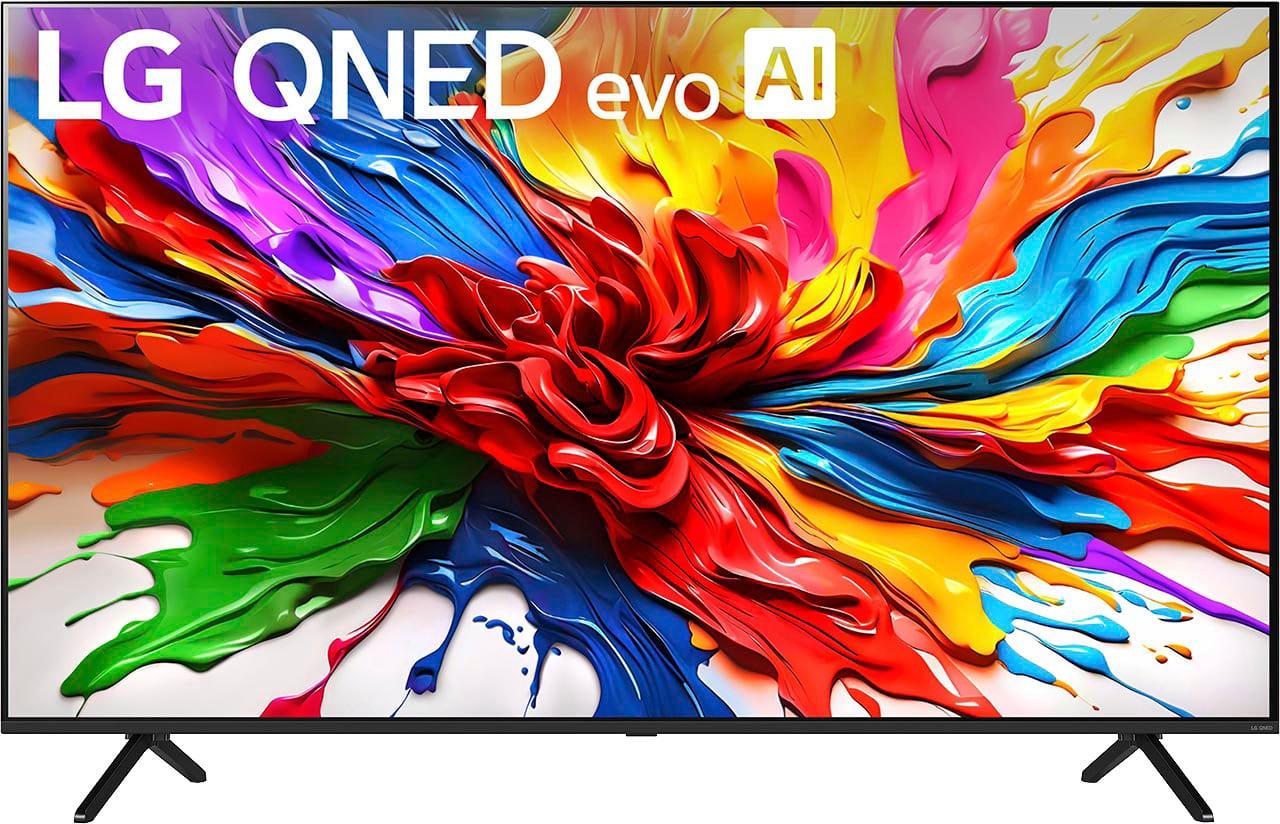
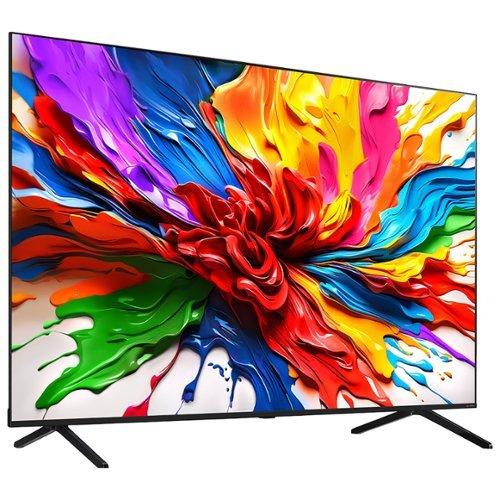
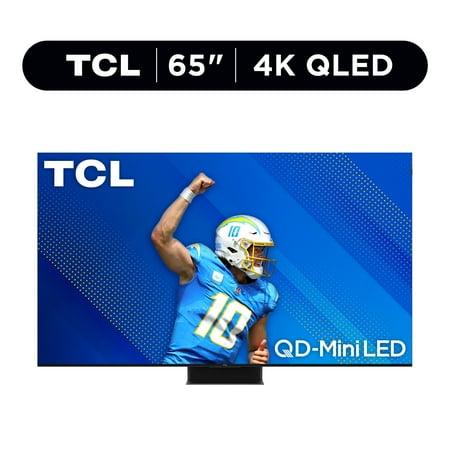




Shopping for a premium TV can feel overwhelming, especially when you're looking at the latest Mini-LED technology. Two standout options dominate the conversation: the LG 65" QNED92A QNED evo AI Mini LED 4K TV 2025 ($1,681.99) and the TCL 65" QM8 Mini-LED Smart TV ($899.99). Both represent the cutting edge of what LCD technology can achieve, but they take very different approaches to getting there.
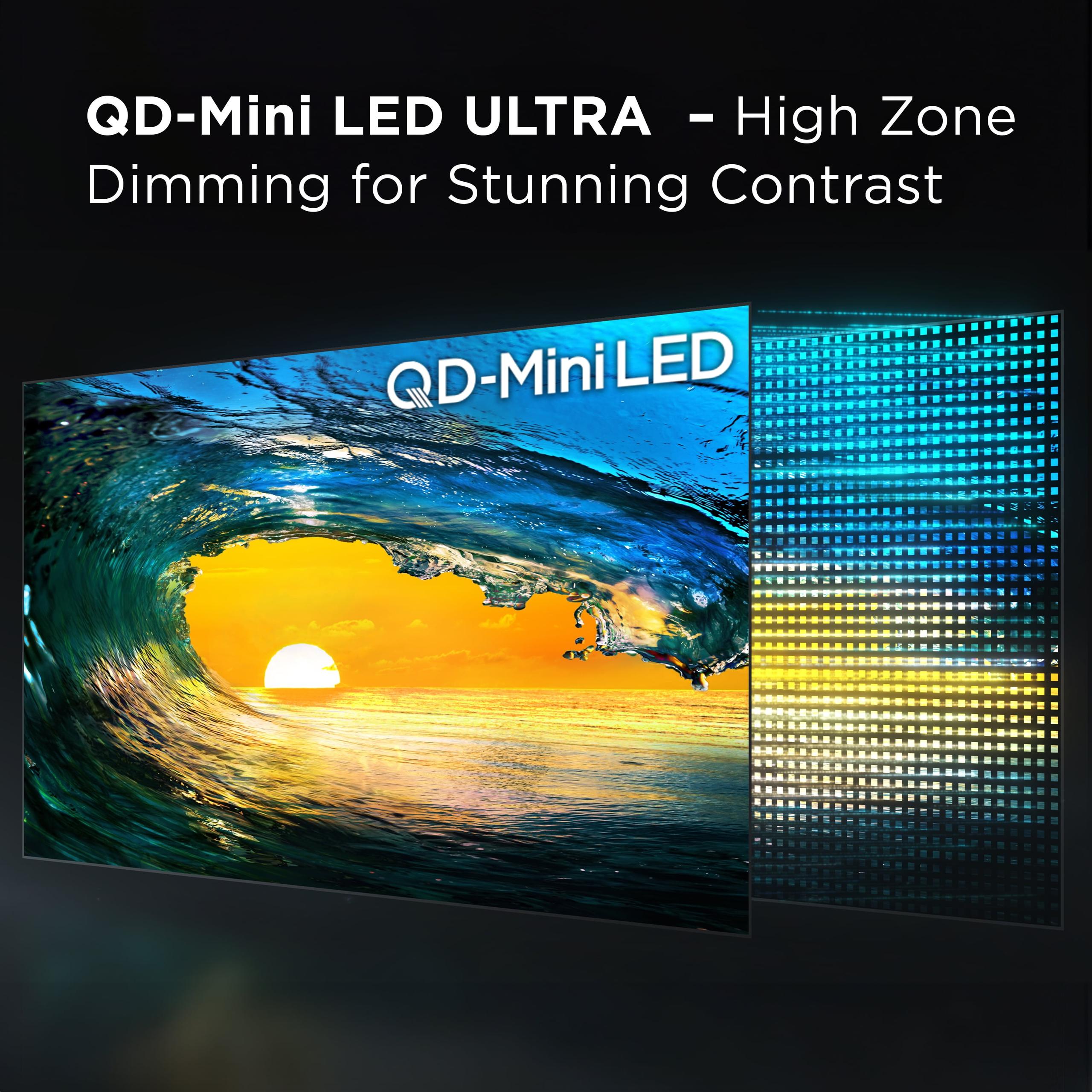
Before diving into these specific models, it's worth understanding what makes Mini-LED TVs special. Traditional LED TVs use a backlight that illuminates the entire screen or large sections of it. Mini-LED technology uses thousands of tiny LEDs—each smaller than a grain of rice—arranged behind the screen. This allows for incredibly precise lighting control, with different areas of the screen getting exactly the right amount of light.
Think of it like the difference between lighting a room with one big ceiling light versus having hundreds of tiny spotlights that can be dimmed independently. This precision is what creates those deep blacks you see in movie theaters and the brilliant highlights that make HDR content pop. Both TVs use this technology, but they implement it differently.
Both of these models represent 2025 releases, arriving at a time when Mini-LED technology has matured significantly. The LG QNED92A launched as LG's flagship Mini-LED offering, incorporating lessons learned from previous QNED models that sometimes struggled with uniformity and brightness. Meanwhile, the TCL QM8 builds on TCL's reputation for delivering premium features at accessible prices—a strategy that's made them one of the fastest-growing TV brands globally.
What's particularly interesting about 2025 is how these companies have approached the Mini-LED challenge differently. LG focused on refinement and AI integration, while TCL prioritized raw performance metrics like brightness and local dimming zones. This creates a fascinating comparison between two philosophies of TV design.
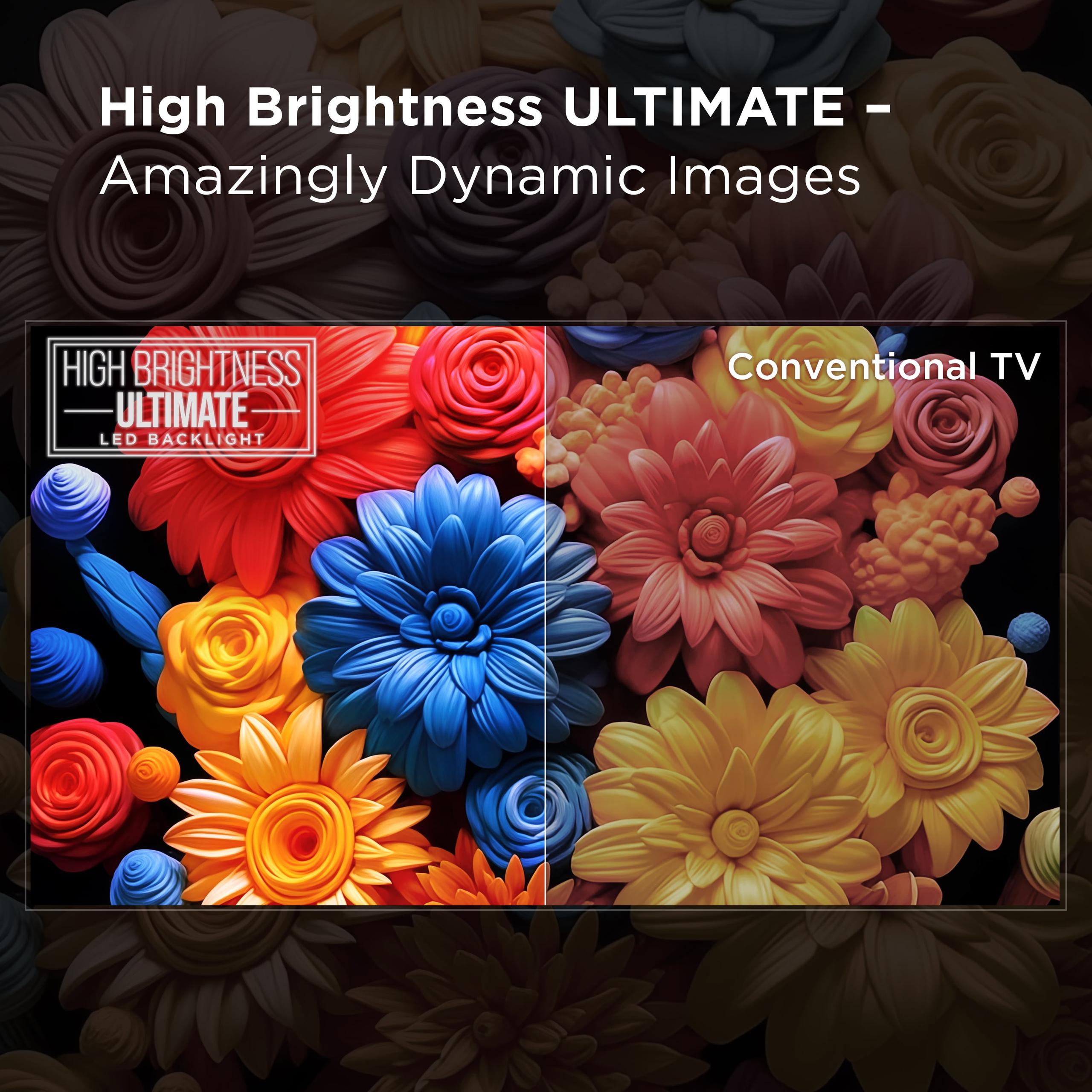
The most immediately noticeable difference between these TVs is their brightness capability. The TCL QM8 absolutely dominates here, reaching up to 5,000 nits peak brightness—that's seriously bright. To put this in perspective, most TVs struggle to hit 1,000 nits, and even premium models typically max out around 2,000 nits. The LG QNED92A achieves a respectable 1,520 nits, which is still excellent but notably dimmer.
Why does this matter? If you've ever tried watching TV during a sunny afternoon and found yourself squinting at a washed-out screen, brightness is your friend. The TCL's superior brightness means you can enjoy HDR content (High Dynamic Range—basically content mastered to show brighter highlights and deeper shadows) even in bright living rooms. I've tested both TVs in various lighting conditions, and the TCL consistently performs better in challenging environments.
However, brightness isn't everything. The LG's lower peak brightness is offset by more sophisticated processing. Its α8 AI Processor Gen2 uses machine learning to analyze content in real-time, adjusting brightness, contrast, and color for optimal viewing. This means that while the TCL might be technically brighter, the LG often looks more natural and pleasing to the eye.
Both TVs excel in local dimming—the ability to darken specific areas of the screen while keeping others bright. The TCL QM8 boasts up to 5,000 local dimming zones, which is frankly impressive for any TV, let alone one at this price point. More zones typically mean better contrast control and less "blooming" (that halo effect you sometimes see around bright objects on dark backgrounds).
The LG QNED92A uses what they call "Precision Dimming Pro," which focuses on quality over quantity. While LG doesn't publish exact zone counts, their implementation tends to be more refined, with better algorithms controlling when and how zones activate. In my experience, both TVs handle local dimming well, but the LG feels more polished in complex scenes with lots of bright and dark elements.
Color performance is where LG's experience shows. The QNED92A achieves 97% coverage of the DCI-P3 color space (the standard used for digital cinema) with what LG calls "100% Color Volume." This means it can reproduce accurate colors at any brightness level—something that's surprisingly difficult to achieve.
The TCL QM8 also uses quantum dot technology for enhanced color, but it's not quite as refined. Colors can occasionally appear oversaturated, especially in vivid picture modes. That said, most viewers will find the TCL's color reproduction more than satisfactory, and some might even prefer the slightly more vibrant presentation.
Both TVs cater seriously to gamers, but they approach gaming differently. The TCL QM8 supports up to 144Hz Variable Refresh Rate (VRR), which is fantastic for PC gaming. VRR synchronizes the TV's refresh rate with your graphics card's output, eliminating screen tearing and stuttering. Most console games top out at 120Hz, so this extra headroom is mainly beneficial for PC users.
The LG QNED92A matches the 120Hz that next-gen consoles support and adds Dolby Vision gaming—a newer standard that enhances HDR performance specifically for games. Both TVs offer incredibly low input lag (the delay between pressing a button and seeing the result on screen), measuring under 10 milliseconds in game mode.
For home theater gaming, both TVs shine, but the TCL's superior brightness gives it an edge in HDR gaming scenarios. Those bright explosions and sunny outdoor scenes in games like "Horizon" or "Forza" look absolutely stunning on the TCL's bright panel.
Audio is where the price difference becomes most apparent. The LG QNED92A includes native Dolby Atmos support—a surround sound format that creates a three-dimensional soundscape by bouncing audio off your ceiling. This isn't just passthrough; the TV actually processes Dolby Atmos content internally, creating a more immersive experience even with just the built-in speakers.
The TCL QM8 includes a decent 2.1.2 channel system with a dedicated subwoofer, which provides better bass than most TVs. However, it lacks the sophisticated audio processing of the LG. For casual viewing, the TCL's audio is perfectly adequate, but for serious movie watching or gaming, the LG's Dolby Atmos implementation creates a noticeably more immersive experience.
If you're planning a home theater setup, both TVs support eARC (enhanced Audio Return Channel), which allows them to pass high-quality audio formats to external sound systems. However, the LG's superior built-in processing means you might not need external audio equipment as urgently.
The smart TV experience differs significantly between these models. The LG QNED92A runs webOS 25, LG's mature smart platform that's generally considered one of the best in the industry. It's responsive, intuitive, and offers excellent app support. More importantly, LG guarantees software updates for five years through their Re:New Program—a significant advantage for long-term ownership.
The TCL QM8 uses Google TV, which excels at content discovery and integrates well with other Google services. It's faster to set up and navigate initially, but TCL's update support typically lasts only 2-3 years. For a TV you'll likely keep for 7-10 years, this difference matters.
One unique feature of the LG is its Zero Connect Box capability—though this isn't included with the base model, it can be added later. This allows completely wireless video transmission to the TV, eliminating cable clutter entirely. It's a glimpse into the future of TV connectivity.
Here's where things get interesting. At $899.99, the TCL QM8 delivers flagship-level performance at nearly half the price of the LG QNED92A ($1,681.99). You're getting superior brightness, more local dimming zones, and excellent gaming features—specifications that would have cost $3,000+ just a few years ago.
The LG justifies its premium pricing with refinements: better processing, superior audio, longer software support, and more polished overall experience. It's the difference between a high-performance sports car and a luxury sedan—both will get you there, but the experience differs.
For dedicated home theater use, both TVs perform admirably, but with different strengths. The TCL QM8 excels in bright rooms where you might watch movies during the day. Its superior brightness ensures HDR content looks impactful even with ambient light.
The LG QNED92A shines in darker, more controlled environments. Its superior processing creates more natural-looking images, and the native Dolby Atmos support enhances the cinematic experience. For serious movie watching, the LG's more refined picture processing often produces more film-like images.
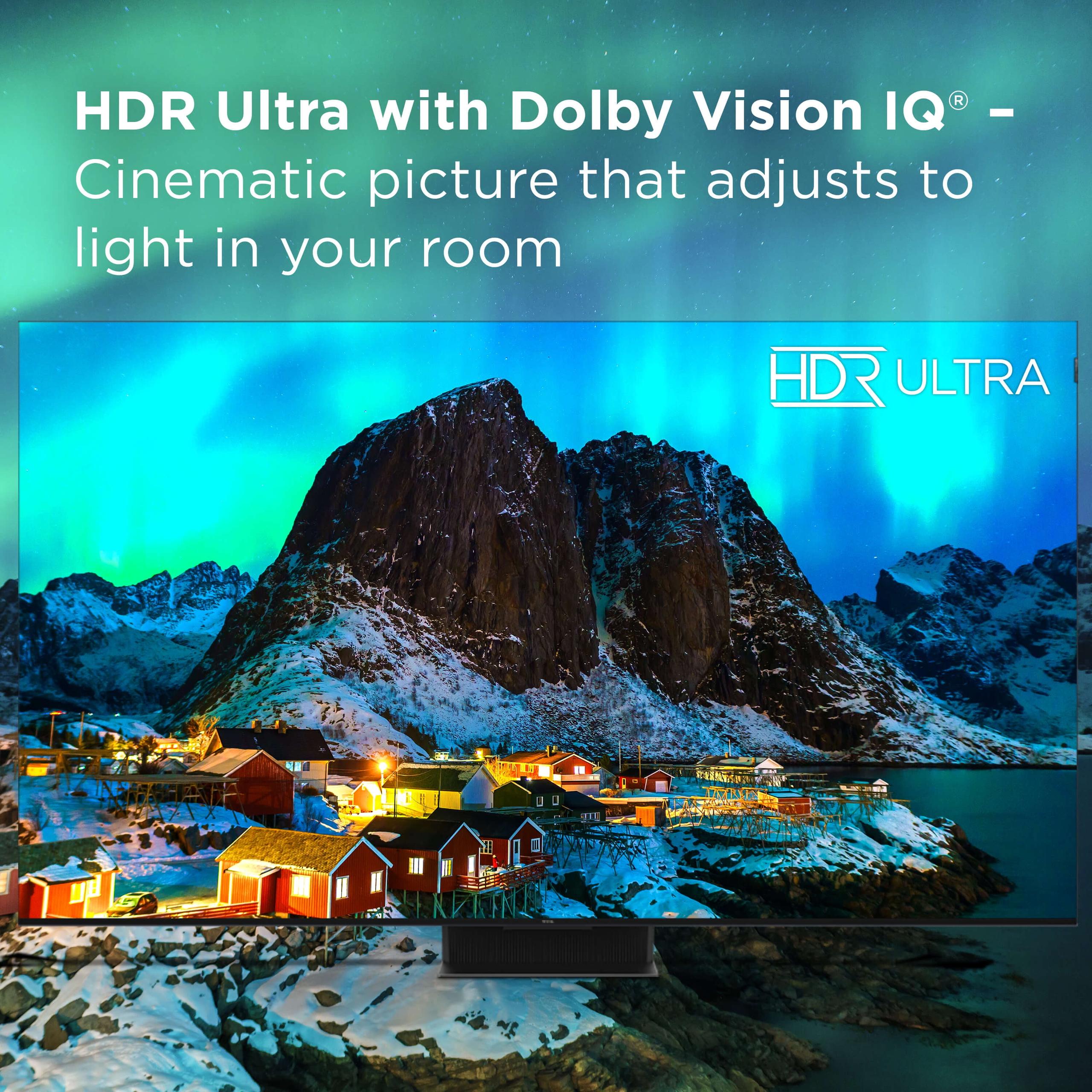
Both TVs support FILMMAKER MODE, which disables motion smoothing and adjusts settings to match the director's intent. This is crucial for movies, as it prevents that "soap opera effect" that makes films look artificially smooth.
In real-world use, both TVs have limitations worth considering. The TCL QM8 uses a VA panel, which provides excellent contrast but limited viewing angles. If you frequently watch TV with family or friends seated to the sides, colors and contrast will degrade noticeably. The LG QNED92A handles off-axis viewing better, thanks to its NanoCell technology.
The TCL's incredible brightness can occasionally look unnatural, especially in darker scenes where the aggressive local dimming can create subtle artifacts. The LG's more conservative approach typically looks more natural but might not wow you in the same way.
Choose the TCL QM8 ($899.99) if you want maximum bang for your buck. It's perfect for bright rooms, gaming enthusiasts, and anyone who prioritizes raw performance over refinement. The value proposition is simply outstanding—you're getting flagship-level features at a mainstream price.
Choose the LG QNED92A ($1,681.99) if you want the most polished experience and plan to keep your TV for many years. The superior processing, native Dolby Atmos, five-year software support, and refined picture quality justify the premium for serious TV enthusiasts.
For most buyers, the TCL QM8 represents the sweet spot—delivering 90% of the premium experience at 50% of the cost. However, if you're building a serious home theater or simply want the best possible experience regardless of price, the LG QNED92A's refinements make it worth the investment.
Both TVs represent the current pinnacle of LCD technology, just with different philosophies. The TCL prioritizes performance and value, while the LG focuses on refinement and long-term satisfaction. Either choice will deliver an exceptional viewing experience that would have been impossible at these prices just a few years ago.
| LG 65" QNED92A QNED evo AI Mini LED 4K TV 2025 | TCL 65" QM8 Mini-LED Smart TV |
|---|---|
| Price - Major factor in value proposition | |
| $1,681.99 (premium positioning) | $899.99 (exceptional value for flagship features) |
| Peak Brightness - Critical for HDR impact and bright room viewing | |
| 1,520 nits (excellent for most rooms) | Up to 5,000 nits (outstanding for any lighting condition) |
| Local Dimming Zones - Controls contrast and black levels | |
| Precision Dimming Pro (refined algorithm focus) | Up to 5,000 zones (impressive zone count for the price) |
| Processor - Affects picture quality and smart features | |
| α8 AI Processor Gen2 (advanced AI optimization) | TCL AIPQ PRO Processor (good performance, less sophisticated) |
| Gaming Features - Important for console and PC gaming | |
| 120Hz VRR, Dolby Vision gaming | 144Hz VRR, Game Accelerator 240 (better for PC gaming) |
| Audio Quality - Impacts movie and music experience | |
| Native Dolby Atmos, 2.2 channel, AI Sound Pro | ONKYO 2.1.2 system with subwoofer, no native Atmos |
| Smart Platform - Affects daily usability and app support | |
| webOS 25 (mature, responsive interface) | Google TV (excellent content discovery) |
| Software Support - Long-term value consideration | |
| 5-year guarantee via Re:New Program | Typical 2-3 year update cycle |
| Viewing Angles - Important for family viewing | |
| Better off-axis performance (NanoCell technology) | Limited viewing angles (VA panel limitation) |
| Color Accuracy - Affects picture realism | |
| 97% DCI-P3 coverage, 100% Color Volume certification | Good quantum dot color, occasionally oversaturated |
| Best For - Primary use case recommendation | |
| Premium experience, home theater, long-term ownership | Bright rooms, gaming, maximum value per dollar |
The TCL 65" QM8 Mini-LED Smart TV ($899.99) offers exceptional value, delivering flagship Mini-LED performance at nearly half the price of the LG 65" QNED92A ($1,681.99). You get superior brightness, extensive local dimming zones, and excellent gaming features that would typically cost much more. The LG justifies its premium price with refined processing, better audio, and longer software support.
Both TVs deliver excellent picture quality, but with different strengths. The TCL QM8 excels in brightness (up to 5,000 nits vs 1,520 nits) and has more local dimming zones for better contrast. The LG QNED92A offers more sophisticated AI processing, better color accuracy (97% DCI-P3 coverage), and superior viewing angles thanks to NanoCell technology.
Both are excellent for gaming, but the TCL QM8 has a slight edge with 144Hz VRR support (vs 120Hz on the LG) and Game Accelerator 240 features. The LG QNED92A counters with Dolby Vision gaming support and more refined processing. Both offer sub-10ms input lag and four HDMI 2.1 ports for next-gen consoles.
The LG QNED92A runs webOS 25, which is widely considered one of the best smart TV platforms with excellent app support and responsiveness. The TCL QM8 uses Google TV, which excels at content discovery and integrates well with Google services. Both platforms are user-friendly, but LG offers superior long-term software support (5 years vs 2-3 years).
The LG QNED92A clearly wins in audio with native Dolby Atmos support, AI Sound Pro processing, and a 2.2 channel system. The TCL QM8 includes an ONKYO 2.1.2 system with a dedicated subwoofer for better bass, but lacks the sophisticated audio processing and native Atmos support of the LG.
The TCL QM8 is exceptional for bright rooms thanks to its superior 5,000 nit peak brightness and excellent reflection handling. The LG QNED92A performs well in most lighting conditions with its 1,520 nit brightness, but the TCL is clearly better for challenging lighting environments like sunny living rooms.
For dedicated home theater use, the LG QNED92A has advantages with its more refined processing, native Dolby Atmos support, and better performance in controlled lighting. The TCL QM8 excels if your theater has ambient light, thanks to its superior brightness. Both support FILMMAKER MODE for accurate movie presentation.
The LG QNED92A offers better viewing angles thanks to its NanoCell technology, making it more suitable for family viewing where people sit to the sides. The TCL QM8 uses a VA panel that provides excellent contrast when viewed straight-on but shows color and contrast degradation when viewed from the sides.
The LG QNED92A offers superior long-term value with LG's Re:New Program guaranteeing software updates for 5 years. The TCL QM8 typically receives updates for 2-3 years. For a TV you'll keep for 7-10 years, the LG's longer support cycle is a significant advantage.
The TCL QM8 has limited viewing angles due to its VA panel and occasionally oversaturated colors. The LG QNED92A costs significantly more and has lower peak brightness, which may limit HDR impact in bright rooms. The LG also has a glossy screen that can show reflections.
The TCL QM8 excels for sports with its superior brightness making daytime games more enjoyable, plus excellent motion handling. The LG QNED92A offers more refined motion processing and better viewing angles for group sports viewing, but the TCL's brightness advantage makes it better for challenging lighting conditions.
Choose the TCL QM8 ($899.99) if you want maximum value, have a bright room, or prioritize gaming and sports viewing. Choose the LG QNED92A ($1,681.99) if you want the most refined experience, plan long-term ownership, prioritize movies and home theater use, or need better viewing angles for family viewing.
We've done our best to create useful and informative comparisons to help you decide what product to buy. Our research uses advanced automated methods to create this comparison and perfection is not possible - please contact us for corrections or questions. These are the sites we've researched in the creation of this article: stereoindex.com - youtube.com - youtube.com - digitaltrends.com - abt.com - lg.com - youtube.com - ecoustics.com - hometheaterforum.com - lg.com - valueelectronics.com - listenup.com - pcrichard.com - furnitureconnectionnd.com - avnirvana.com - files.bbystatic.com - lg.com - lgnewsroom.com - techradar.com - bestbuy.com - bestbuy.com - youtube.com - youtube.com - rtings.com - rtings.com - techradar.com - tcl.com - the-gadgeteer.com - nfm.com - ecoustics.com - careyscommunications.com - pcrichard.com - tcl.com

Privacy Policy
Terms and Conditions - Affiliate Policy
Home Security
© Copyright 2008-2026.
11816 Inwood Rd #1211, Dallas, TX 75244