




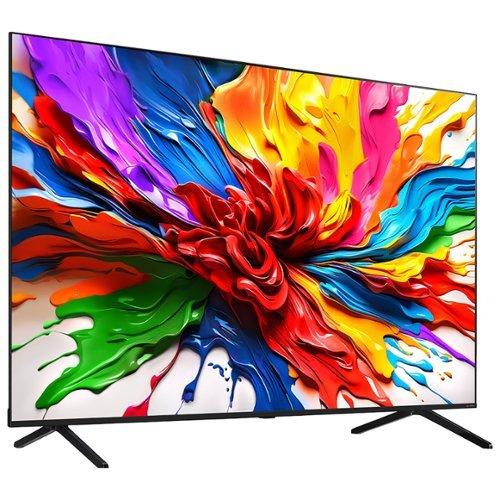
The 65-inch 4K TV market has split into fascinating directions in recent years. On one side, you have traditional performance-focused displays that prioritize picture quality above all else. On the other, lifestyle TVs that try to solve the age-old problem of having a big black rectangle dominating your living room when it's turned off. The TCL NXTVISION and LG QNED92A represent these two philosophies perfectly – and choosing between them depends entirely on what matters most to you.
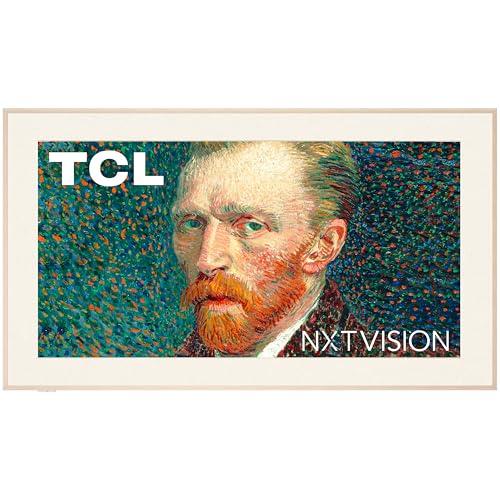
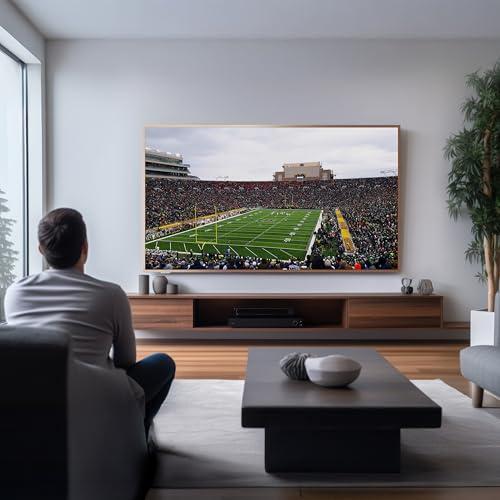
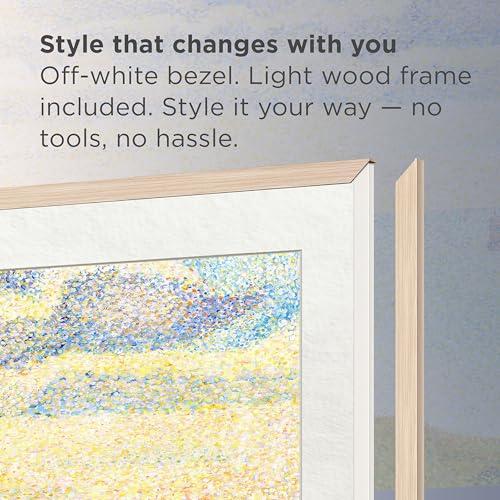
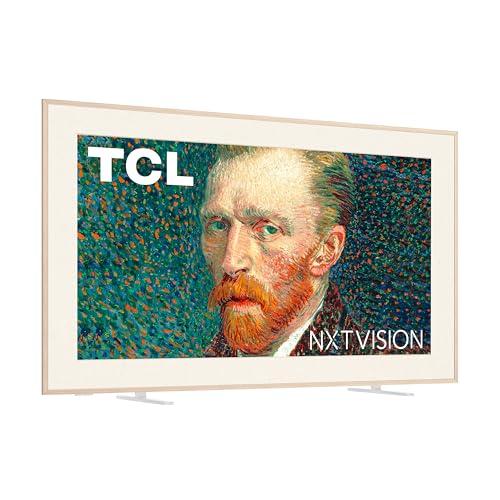
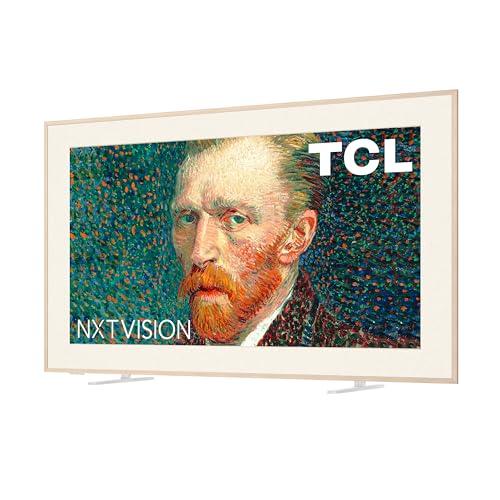
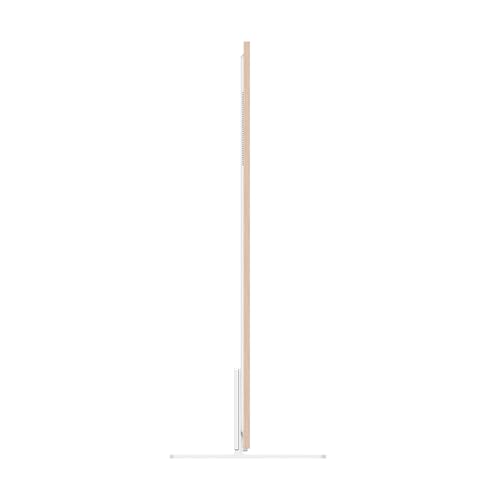
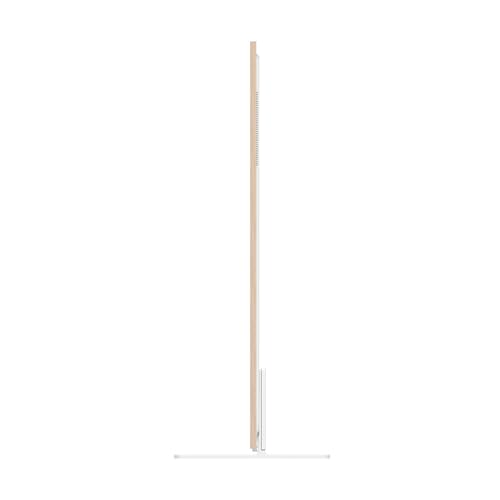
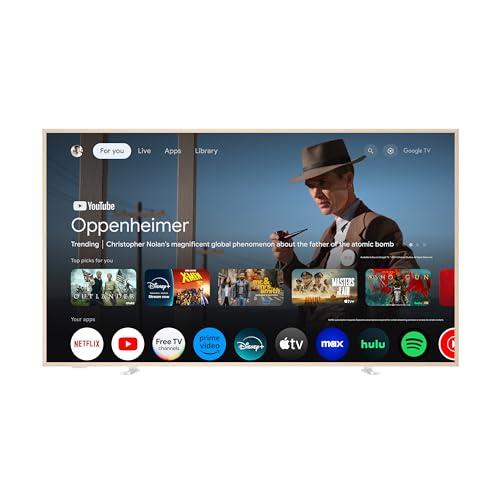
The TCL NXTVISION, released in 2024, takes the "disappearing TV" concept seriously. It's designed to look like a framed piece of art hanging on your wall, complete with customizable wooden frames and an ultra-matte screen that eliminates reflections. When it's displaying art instead of Netflix, most guests won't even realize it's a TV.
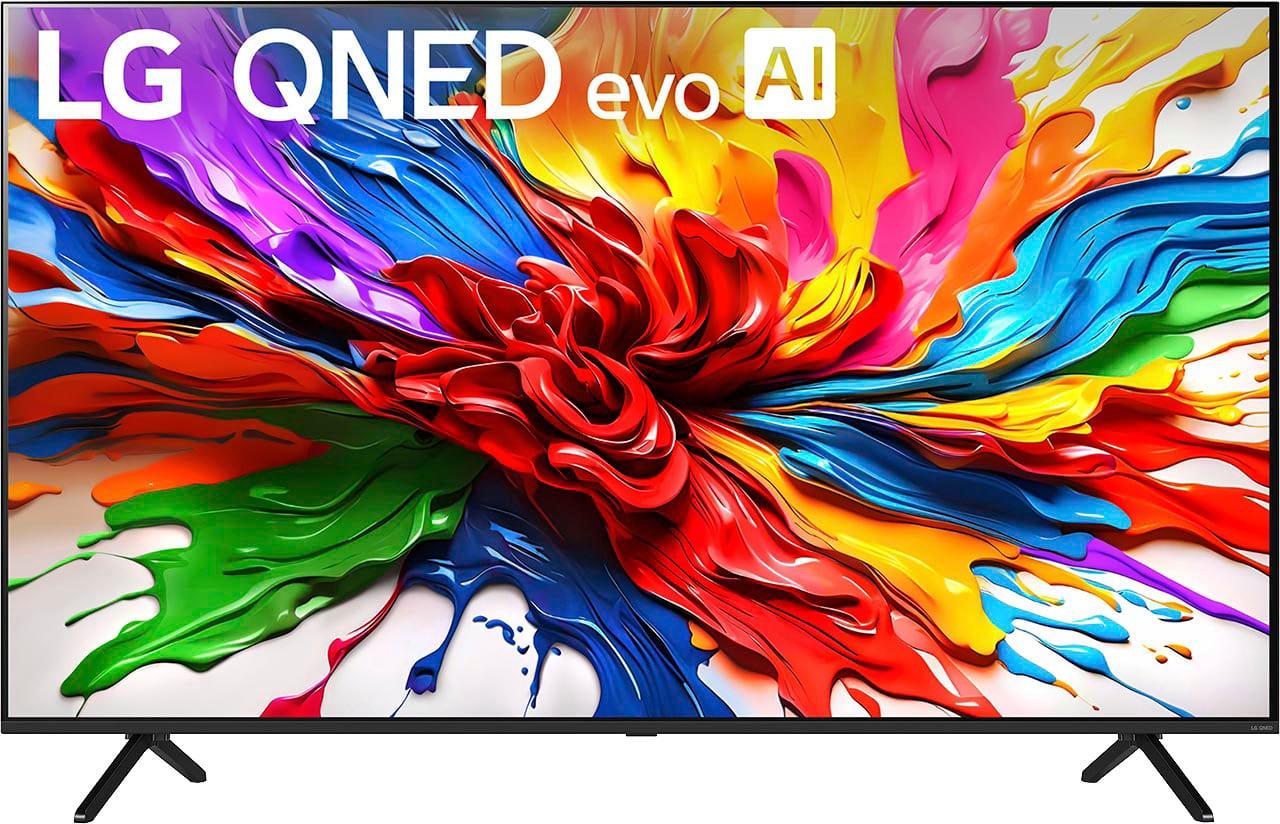
The LG QNED92A, part of LG's 2025 lineup, goes all-in on display technology. It uses Mini LED backlighting – a system where thousands of tiny LEDs create hundreds of individually controlled brightness zones – combined with LG's QNED color technology that blends Quantum Dot and NanoCell layers for enhanced color reproduction.
These represent fundamentally different priorities, and understanding which approach fits your lifestyle is crucial before diving into technical details.
This is where the biggest performance gap emerges. The LG QNED92A achieves peak brightness levels of 1,520 nits in small highlight areas, which means those bright explosions in action movies or the glint of sunlight on water actually pop off the screen. HDR content – which stands for High Dynamic Range and provides much brighter highlights and deeper shadows than standard content – truly shines on displays that can get this bright.
The TCL NXTVISION, by contrast, uses traditional edge-lit LED backlighting, where LEDs only line the edges of the screen rather than sitting behind it. This limits peak brightness to around 600-800 nits based on similar models, meaning HDR highlights appear dim and lack the visual impact they should have. It's the difference between a sunset that makes you squint and one that looks like a regular daytime scene.
Here's where Mini LED technology really flexes. The LG QNED92A's hundreds of dimming zones can turn off completely in dark areas while keeping bright areas illuminated. This creates deep blacks that approach OLED quality – OLED being the premium display type where each pixel produces its own light and can turn completely off.
The TCL NXTVISION can't do this. Without local dimming zones, dark scenes appear gray rather than truly black. This affects movie watching significantly, especially in darker scenes where shadow details get lost and the overall image looks washed out.
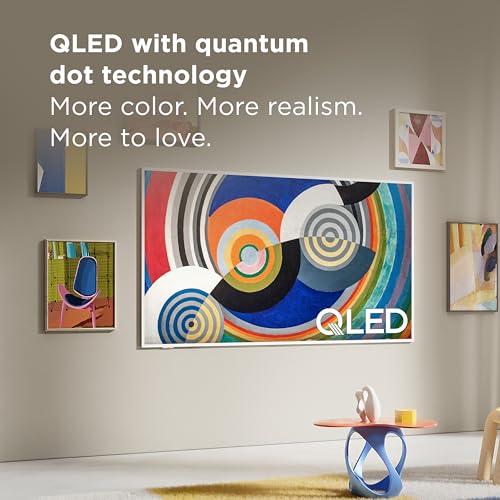
Both TVs use Quantum Dot technology, which enhances color reproduction by using microscopic particles that emit very pure colors when hit by light. However, the LG QNED92A achieves 97% coverage of the DCI-P3 color space (the standard used for digital cinema) with certified 100% color volume, meaning it can reproduce these accurate colors at any brightness level.
The TCL NXTVISION produces rich, vibrant colors, but they're often oversaturated and inaccurate. Colors pop but don't represent what content creators intended. For casual viewing, this might actually look more appealing, but it's not technically correct.
Gaming performance reveals another significant gap. While both TVs support 4K at high refresh rates – the TCL supports up to 144Hz and the LG up to 120Hz natively with 144Hz VRR – the real-world experience differs dramatically.
The LG QNED92A achieves an impressive 9.6ms input lag, which is the delay between when you press a controller button and when the action appears on screen. It also has fast pixel response times, meaning moving objects appear sharp rather than blurry. Combined with its superior contrast, dark gaming environments like caves or nighttime scenes maintain their atmosphere while keeping details visible.
The TCL NXTVISION, despite its impressive refresh rate specifications, suffers from slow pixel response times. Fast-moving objects blur noticeably, making competitive gaming frustrating. The poor black levels also mean you'll struggle to see enemies hiding in shadows – a real disadvantage in competitive scenarios.
For serious gamers, this isn't even close. The LG QNED92A provides a professional gaming experience, while the TCL treats gaming as an afterthought despite its marketing claims.
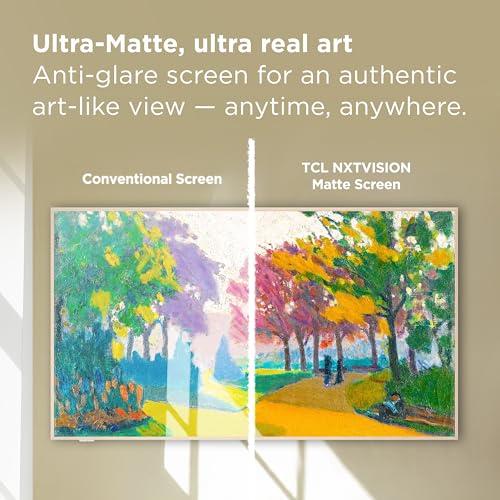
This is where the TCL NXTVISION truly differentiates itself. The ultra-matte screen coating virtually eliminates reflections, making the TV viewable even with direct sunlight hitting it. When displaying the built-in art library of over 400 pieces or AI-generated artwork, it genuinely looks like a canvas print hanging on your wall.
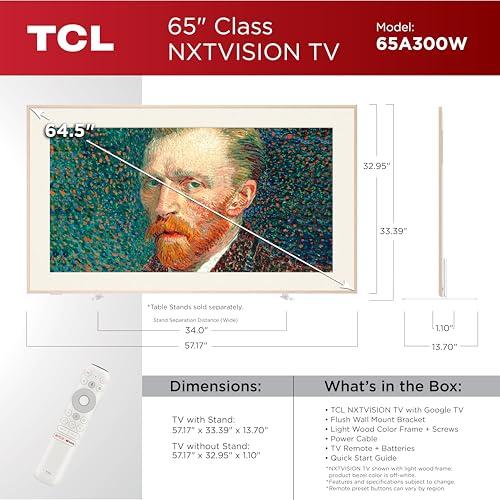
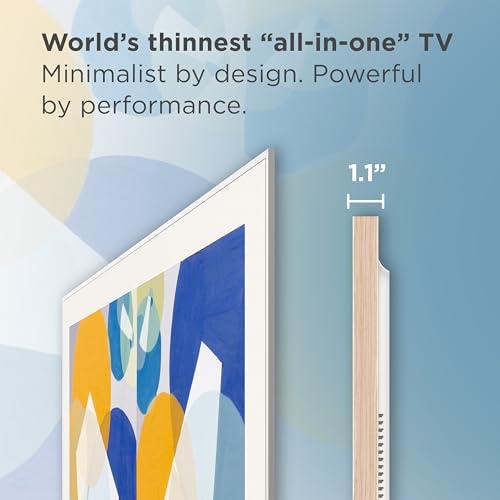
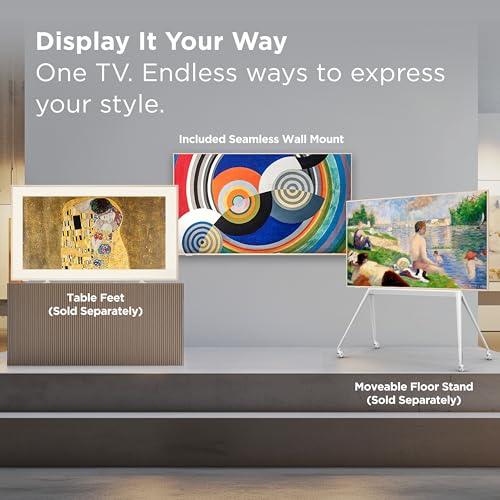
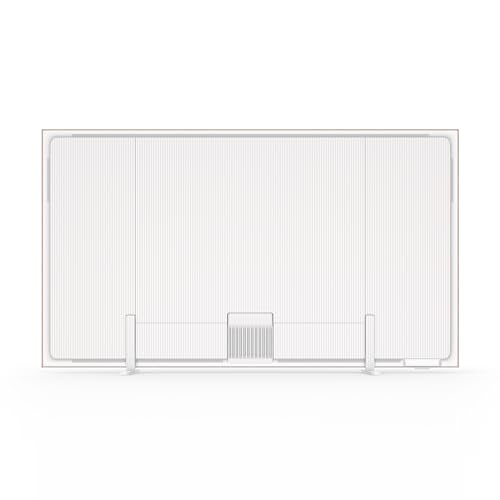
The magnetic wooden frame system lets you swap decorative borders to match your décor, and the included flush wall mount makes the entire TV sit just 1.1 inches from the wall. This creates a gallery-like appearance that's genuinely impressive in person.
The art mode isn't just a gimmick either. The TV can display personal photos in gallery mode with multiple matte finish options, making it a functional digital picture frame when not in use for entertainment. For households where the TV is in a main living area that prioritizes aesthetics, this capability is genuinely valuable.
The software experience favors the LG QNED92A significantly. LG's webOS 25 platform is mature, responsive, and includes a commitment to five years of software updates through their Re:New program. This means your TV will continue getting new features and security updates well into the future.
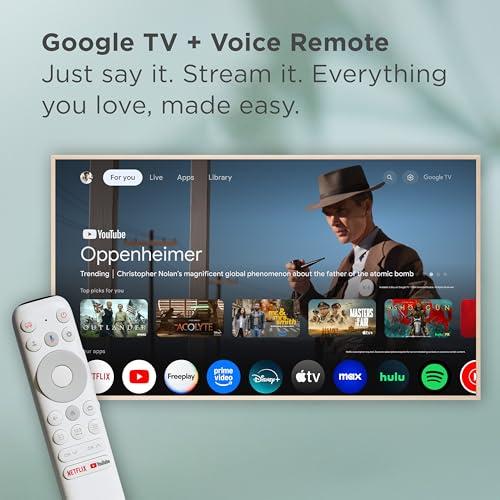
The TCL NXTVISION runs Google TV, which is perfectly functional but lacks LG's long-term update commitment. Given that smart TV platforms become obsolete quickly as streaming services change their requirements, this matters more than many buyers realize.
Neither TV will blow you away with built-in audio, but the LG QNED92A has a clear advantage with its 2.2 channel system and AI Sound Pro processing. The TCL NXTVISION's thin design severely limits speaker space, resulting in basic 2x10-watt speakers that sound exactly as constrained as you'd expect.
Both support Dolby Atmos passthrough to soundbars, which is how most serious viewers will handle audio anyway. But for casual viewing, the LG provides a more satisfying experience out of the box.
For dedicated home theater setups, the LG QNED92A is the clear choice. Its superior contrast ratio, accurate colors, and FILMMAKER MODE – which disables motion smoothing and adjusts settings to match the director's intent – provide a cinema-like experience at home.
The Mini LED backlighting creates the kind of dramatic lighting effects that make movies feel immersive. Dark theater scenes maintain their atmosphere while bright outdoor scenes have the punch they need. HDR content, especially Dolby Vision titles, delivers the visual impact that makes upgrading from older TVs worthwhile.
The TCL NXTVISION simply can't compete here. Its edge-lit backlighting and poor black levels turn movie watching into a compromise, especially in darker viewing environments where its bright room advantages disappear.
You live in a bright, modern living space where the TV needs to blend into your décor when not in use. If your TV is mounted prominently in a room with large windows or white walls, and you value aesthetics over technical performance, the TCL NXTVISION serves a purpose no other TV can match.
It's also ideal for casual viewers who primarily watch daytime TV, news, or streaming content in bright rooms. The anti-glare screen makes it genuinely usable in lighting conditions that would wash out other TVs completely. If you've struggled with reflections on previous TVs, this solves that problem definitively.
The art display functionality appeals to households that see their TV as furniture first and entertainment device second. If you'd genuinely use the art mode daily and appreciate the customizable frames, you're paying for unique functionality rather than compromised performance.
Anyone who prioritizes actual TV performance. If you watch movies, sports, play games, or care about picture quality, the LG QNED92A delivers what you're paying for without compromise.
It's essential for gamers who want responsive, blur-free gaming with proper contrast for competitive advantages. The technical specifications aren't just marketing numbers – they translate into real performance benefits.
Home theater enthusiasts will appreciate the accurate colors, deep blacks, and bright highlights that make HDR content impressive rather than disappointing. If you've invested in a good sound system and want visuals to match, this TV won't hold you back.
At the time of writing, both TVs occupy the premium price segment for 65-inch models, though the LG QNED92A commands a higher price reflecting its advanced display technology. The question isn't which is cheaper, but which provides better value for your specific needs.
The TCL NXTVISION offers unique lifestyle integration that has no direct competition. You're paying for industrial design, aesthetic considerations, and functionality that solves real problems for the right buyer. But you're also accepting significant performance compromises.
The LG QNED92A provides exceptional value for display performance, gaming capabilities, and long-term software support. You get technology that competes with much more expensive displays, plus gaming features that satisfy enthusiast requirements.
These TVs succeed at completely different things, making the choice surprisingly straightforward once you understand your priorities.
Choose the TCL NXTVISION if your living space and lifestyle make its aesthetic advantages worth the performance trade-offs. It's a lifestyle product that happens to be a TV, not the other way around.
Choose the LG QNED92A if you want excellent TV performance without compromise. It's a display technology showcase that delivers on every technical promise.
The mistake would be expecting the TCL to match the LG's picture quality, or expecting the LG to disappear into your décor like the TCL. Each succeeds brilliantly at its intended purpose while failing at the other's strengths.
Your decision should reflect how you actually use your TV space rather than theoretical preferences. Be honest about whether you'll actually use art mode daily, whether picture quality differences matter for your viewing habits, and whether your room setup benefits more from aesthetic integration or technical performance. The right choice becomes obvious once you answer those questions honestly.
| TCL 65" NXTVISION QLED 4K Art Frame TV | LG 65" QNED92A QNED evo AI Mini LED 4K TV 2025 |
|---|---|
| Display Technology - Determines contrast and picture quality | |
| QLED with edge-lit LED backlighting | Mini LED with hundreds of dimming zones + QNED color |
| Peak Brightness - Critical for HDR impact and bright room viewing | |
| ~600-800 nits (dim HDR highlights) | 1,520 nits (excellent HDR punch) |
| Black Levels - Affects contrast and movie experience | |
| Gray blacks (no local dimming) | Deep blacks from Mini LED zones |
| Design Philosophy - Determines room integration | |
| Ultra-slim art frame (1.1" deep) with magnetic wooden frames | Traditional TV design focused on performance |
| Anti-Glare Screen - Important for bright living rooms | |
| Ultra-matte coating eliminates reflections | Standard screen with typical reflections |
| Art Display Mode - Unique lifestyle feature | |
| 400+ artworks, AI art generation, personal photos | Not available |
| Gaming Performance - Input lag and motion clarity | |
| Poor (slow response times despite 144Hz specs) | Excellent (9.6ms lag, sharp motion at 120Hz) |
| Color Accuracy - Affects realistic picture reproduction | |
| Oversaturated but vibrant colors | 97% DCI-P3 with professional accuracy |
| Smart TV Platform - Long-term software support | |
| Google TV (standard update cycle) | webOS 25 with 5-year Re:New program commitment |
| HDMI 2.1 Ports - For next-gen gaming consoles | |
| 2 ports with 4K@144Hz support | 4 ports with 4K@120Hz support |
| Audio System - Built-in sound quality | |
| Basic 2x10W speakers | 2.2 channel with AI Sound Pro processing |
| Best Use Case - Who should choose this TV | |
| Bright living rooms prioritizing aesthetics over performance | Home theaters, gaming setups, and critical viewing |
| Value Proposition - What you're paying for | |
| Unique lifestyle integration with performance compromises | Premium display technology without aesthetic innovation |
The LG 65" QNED92A delivers significantly better picture quality with its Mini LED backlighting system that creates hundreds of dimming zones for deeper blacks and brighter highlights. It achieves 1,520 nits peak brightness compared to the TCL NXTVISION's estimated 600-800 nits, making HDR content much more impactful. The LG QNED92A also offers superior color accuracy with 97% DCI-P3 coverage, while the TCL NXTVISION tends toward oversaturated colors.
Only the TCL 65" NXTVISION is designed specifically for art display, featuring over 400 curated artworks, AI-generated art options, and personal photo gallery modes. Its ultra-matte screen and customizable wooden frames make it look like a real framed artwork on your wall. The LG QNED92A is a traditional TV without dedicated art display features.
The LG QNED92A is far superior for gaming with 9.6ms input lag, sharp motion clarity, and four HDMI 2.1 ports supporting 4K at 120Hz. Despite the TCL NXTVISION's impressive 144Hz specifications, it suffers from slow pixel response times that cause motion blur during fast-paced gaming, making the LG QNED92A the clear choice for serious gamers.
The TCL NXTVISION excels in bright rooms thanks to its ultra-matte anti-glare screen that virtually eliminates reflections, even with direct sunlight. The LG QNED92A's higher peak brightness helps overcome ambient light, but it lacks the specialized anti-glare coating of the TCL NXTVISION, making it more susceptible to reflections in very bright environments.
The LG QNED92A offers superior smart features with webOS 25 and LG's Re:New program guaranteeing software updates for five years. While the TCL NXTVISION runs Google TV adequately, it lacks the long-term update commitment and mature platform experience of the LG QNED92A.
The LG QNED92A is excellent for home theaters with its Mini LED technology providing deep blacks, bright highlights, and accurate colors essential for cinematic viewing. It includes FILMMAKER MODE for authentic movie presentation. The TCL NXTVISION is poorly suited for home theaters due to its edge-lit backlighting, gray blacks, and dim HDR performance.
The TCL NXTVISION is ultra-thin at just 1.1 inches deep and includes a proprietary flush wall mount that makes it sit nearly flat against the wall like a picture frame. The LG QNED92A has a more traditional thickness and uses standard VESA mounting, making it less integrated into wall décor than the TCL NXTVISION.
The LG QNED92A provides better audio with its 2.2 channel speaker system and AI Sound Pro processing compared to the TCL NXTVISION's basic 2x10W speakers. However, both TVs benefit significantly from external sound systems, and the LG QNED92A offers better connectivity options for soundbars.
Both the TCL NXTVISION and LG QNED92A support all major streaming services including Netflix, Amazon Prime Video, Disney+, HBO Max, and others. The LG QNED92A may receive new streaming apps sooner due to LG's stronger platform partnerships and longer software support commitment.
The LG QNED92A is superior for sports viewing with its higher brightness, better motion handling, and superior color accuracy that makes sports broadcasts look vibrant and clear. While the TCL NXTVISION works adequately for casual sports viewing in bright rooms, the LG QNED92A delivers more engaging sports experiences.
The LG QNED92A works well as a computer monitor with low input lag and four HDMI 2.1 ports for multiple device connections. The TCL NXTVISION is less suitable due to its BGR subpixel layout that can affect text clarity and slower response times that impact cursor movement and scrolling.
The LG QNED92A provides better long-term value for most buyers with superior display technology, gaming capabilities, and five-year software support commitment. The TCL NXTVISION offers unique value for specific lifestyle needs where art display and aesthetic integration matter more than technical performance, making the best choice dependent on your priorities.
We've done our best to create useful and informative comparisons to help you decide what product to buy. Our research uses advanced automated methods to create this comparison and perfection is not possible - please contact us for corrections or questions. These are the sites we've researched in the creation of this article: rtings.com - tcl.com - bestbuy.com - tcl.com - bestbuy.com - tcl.com - youtube.com - rcwilley.com - businessinsider.com - bestbuy.com - target.com - youtube.com - support.tcl.com - nfm.com - woodruffappliance.com - flatpanelshd.com - tcl.com - stereoindex.com - youtube.com - youtube.com - digitaltrends.com - abt.com - lg.com - youtube.com - ecoustics.com - hometheaterforum.com - lg.com - valueelectronics.com - listenup.com - pcrichard.com - furnitureconnectionnd.com - avnirvana.com - files.bbystatic.com - lg.com - lgnewsroom.com - techradar.com - bestbuy.com - bestbuy.com - youtube.com - youtube.com

Privacy Policy
Terms and Conditions - Affiliate Policy
Home Security
© Copyright 2008-2026.
11816 Inwood Rd #1211, Dallas, TX 75244