

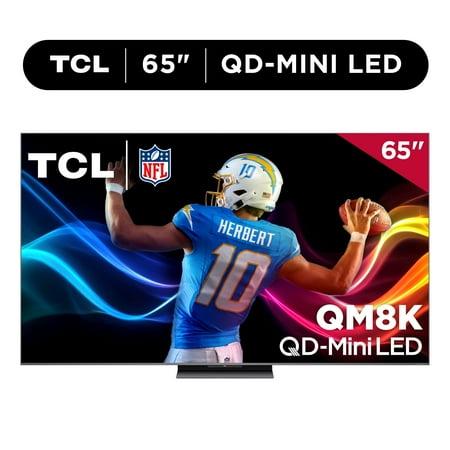
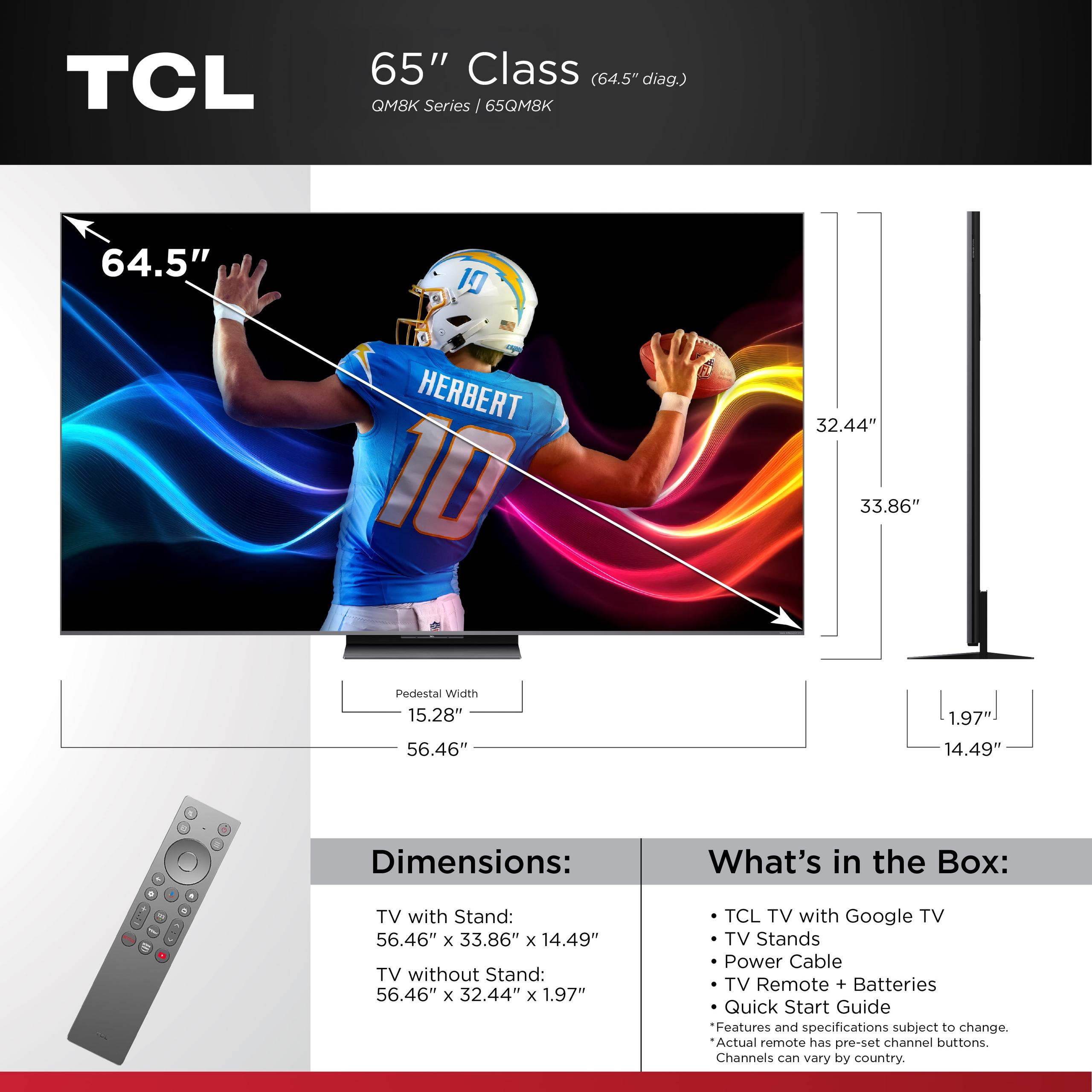

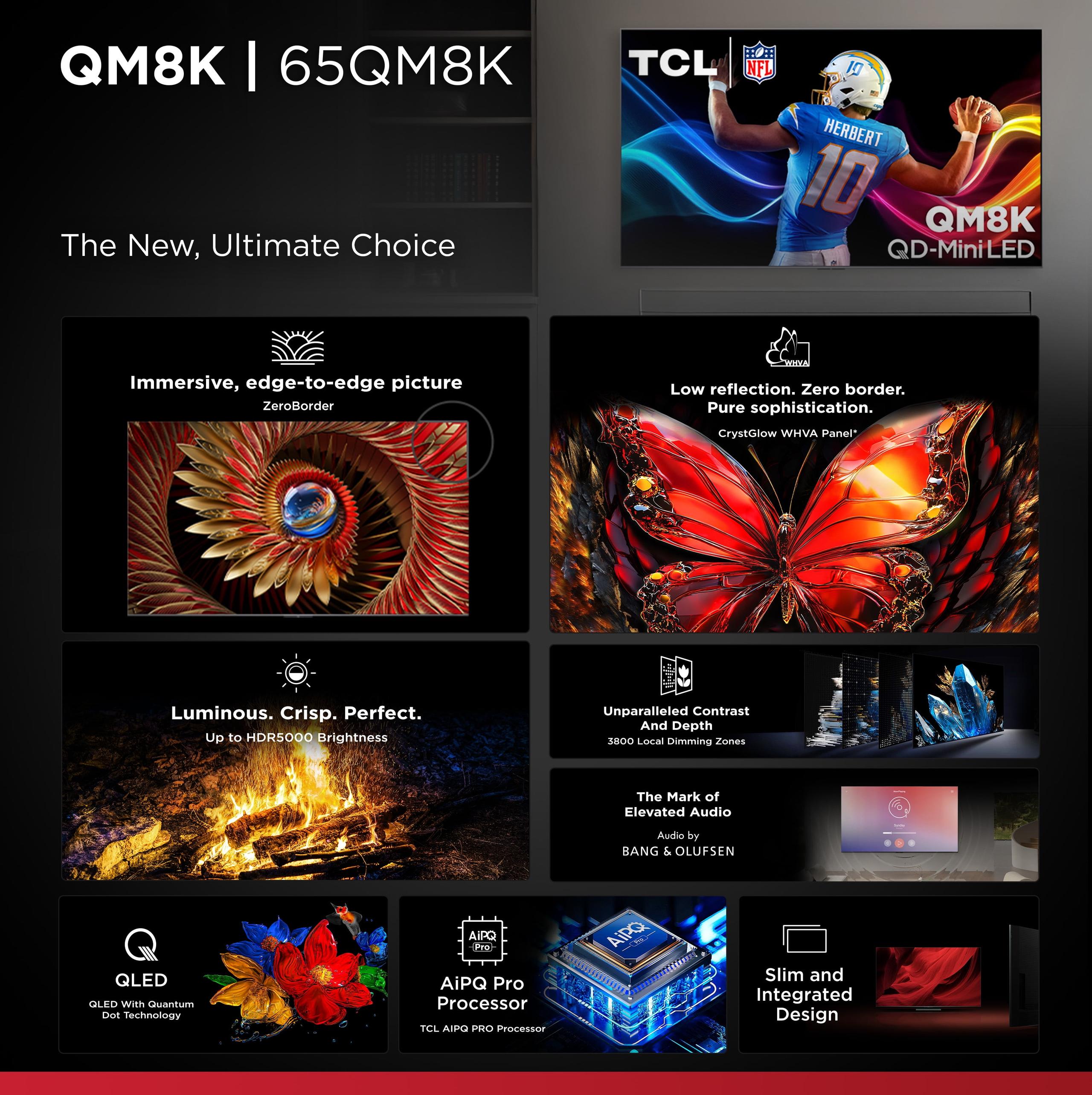

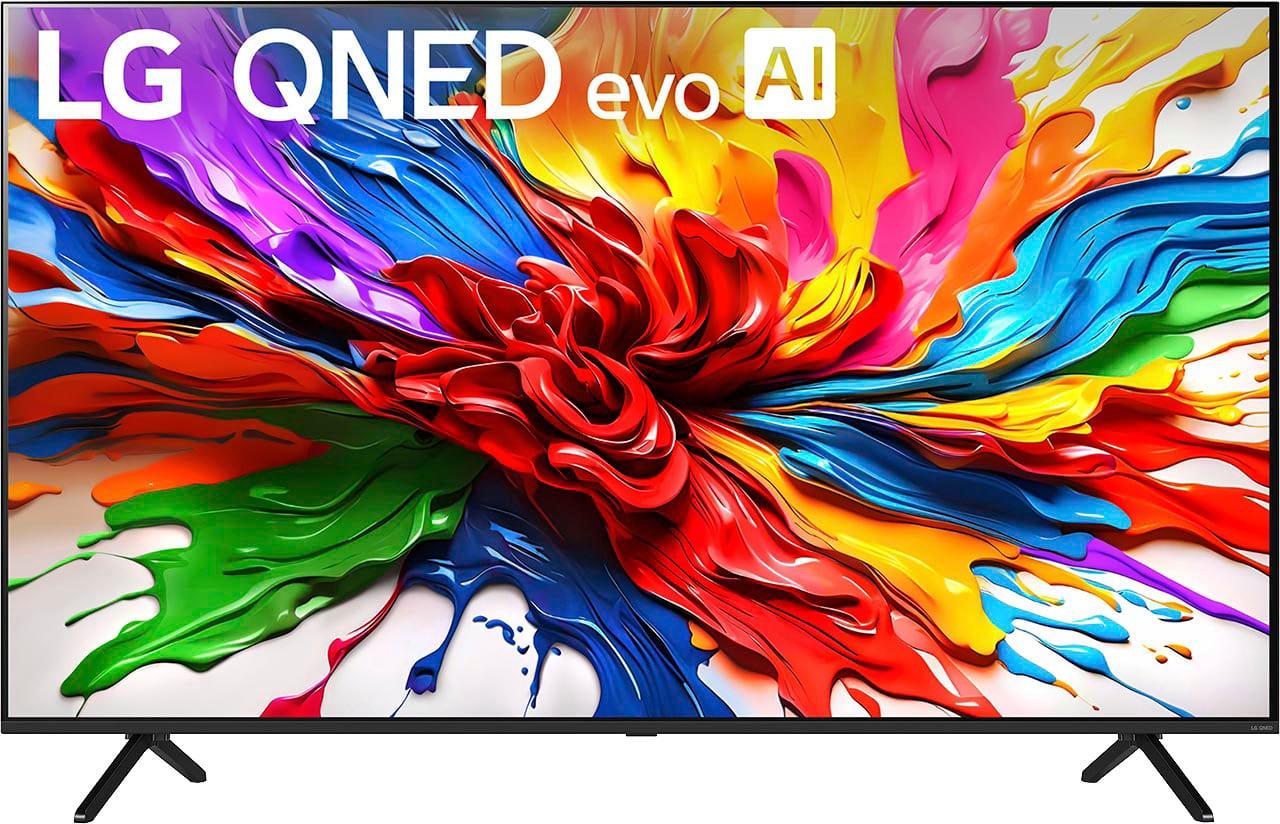
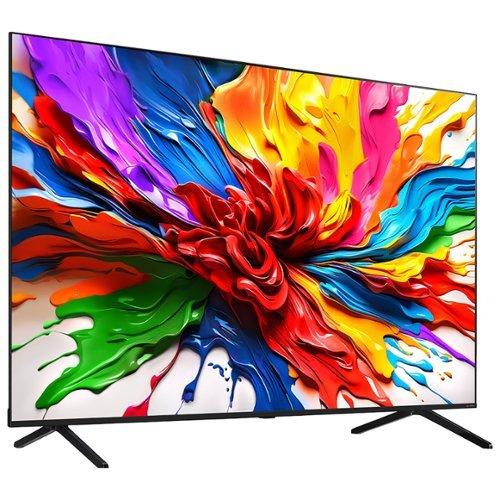
If you're shopping for a premium TV in 2025, you've probably noticed that Mini LED technology has become the sweet spot between traditional LED TVs and expensive OLED displays. Both the TCL 65" QM8K Series QD-Mini LED 4K Smart TV ($998.00) and the LG 65" QNED92A QNED evo AI Mini LED 4K TV ($1,681.99) represent the latest in this rapidly evolving category, but they take notably different approaches to delivering that premium experience.
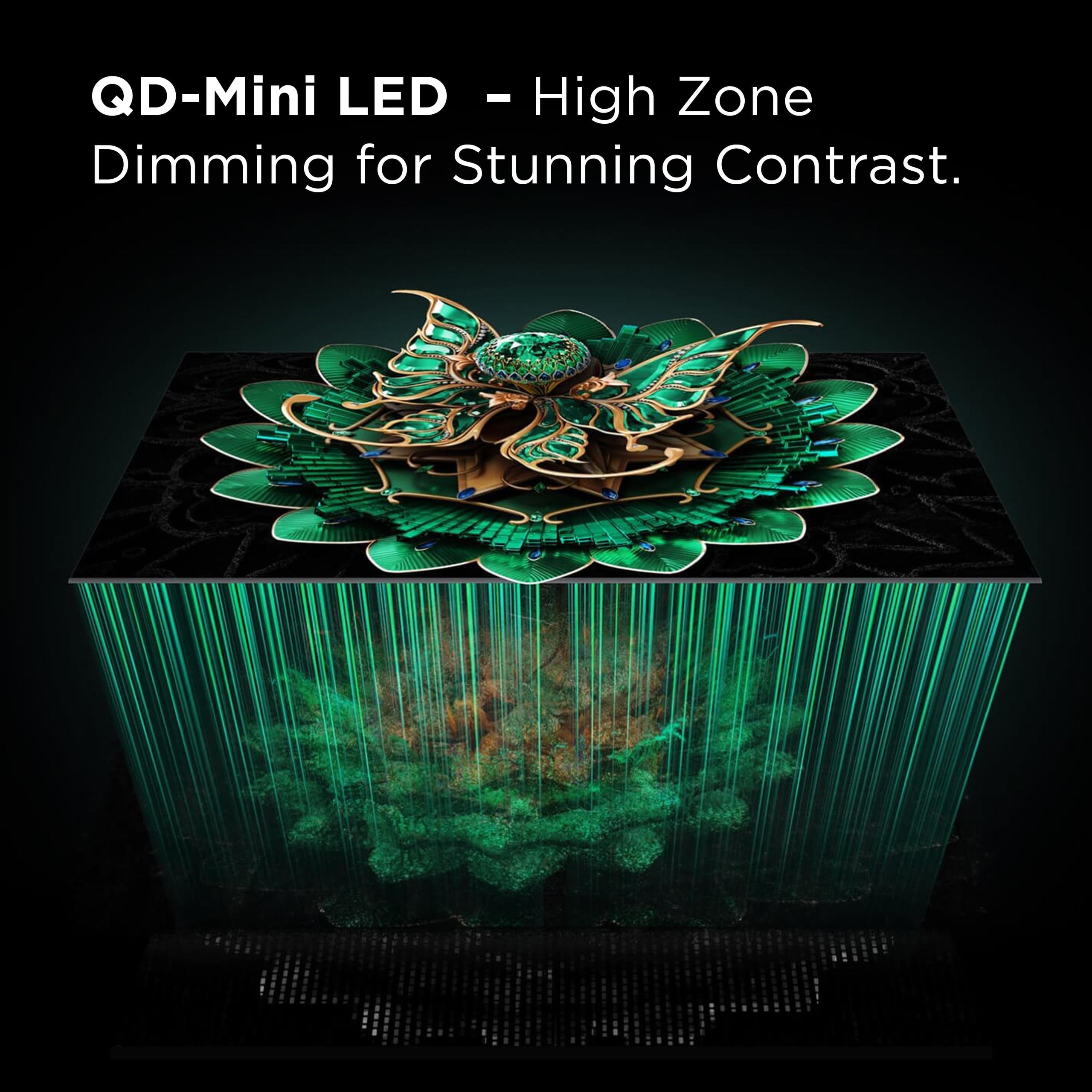
Before diving into the comparison, let's talk about what makes Mini LED special. Traditional LED TVs use a handful of large LED zones behind the screen, which creates problems with contrast – when you want a bright star in a dark sky, the entire zone lights up, creating unwanted glow around bright objects. Mini LED solves this by using thousands of tiny LEDs, each roughly the size of a grain of sand, allowing for much more precise control over which parts of the screen are bright or dark.
Think of it like the difference between painting with a house brush versus a fine artist's brush – you get much more detail and precision with the smaller tool. This technology sits between regular LED TVs (which are bright but lack contrast) and OLED displays (which have perfect blacks but can't get as bright). For most people, Mini LED hits the sweet spot of performance and price.
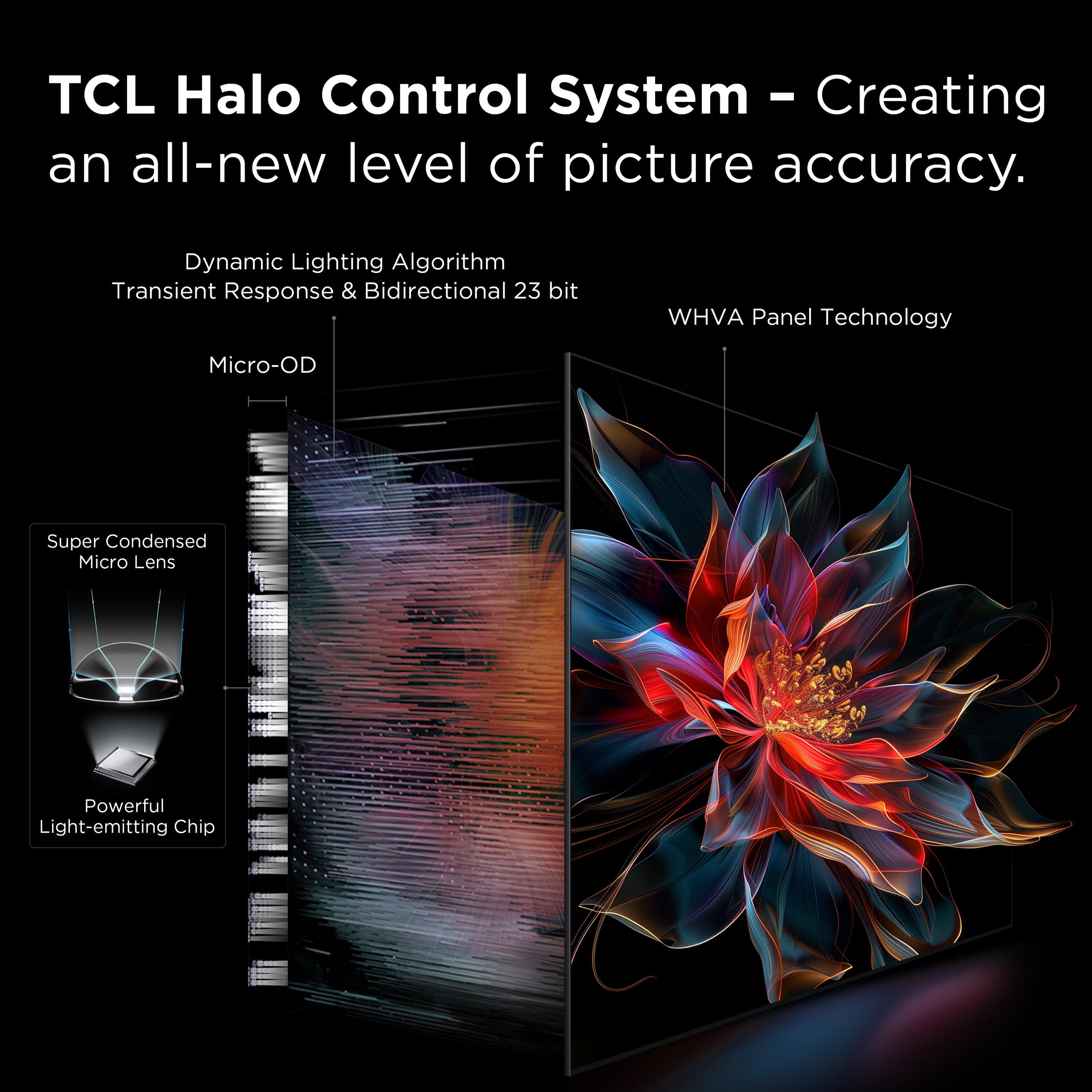
Both TVs launched in early 2025, representing significant upgrades from their predecessors. The TCL QM8K builds on the success of 2024's QM8 series, which was already praised for punching above its weight class. TCL has refined their Mini LED implementation with what they call the "Halo Control System" – essentially better engineering to minimize those unwanted light halos around bright objects.
The LG QNED92A represents LG's continued evolution of their QNED technology, which combines quantum dots (tiny particles that enhance color) with their NanoCell technology. LG has been playing catch-up in the Mini LED space, and the 2025 models show significant improvements in areas where previous versions struggled.
Here's where these TVs really diverge. The TCL QM8K ($998.00) can hit up to 5,000 nits of peak brightness – that's genuinely impressive for any TV, let alone one at this price point. To put that in perspective, most movie theaters project at around 48 nits, so we're talking about displays that can be over 100 times brighter than cinema projection.
The LG QNED92A ($1,681.99) reaches about 1,520 nits at its peak, which is still quite bright but significantly less than the TCL. In practical terms, this means the TCL will make HDR content – those scenes with bright explosions, sunsets, or specular highlights on water – pop with much more intensity.
I've found that this brightness difference is most noticeable in bright rooms. If your TV is near windows or you watch during the day, the TCL's extra brightness helps maintain image quality when competing with ambient light. The LG, while bright enough for most situations, can look a bit washed out in very bright environments.
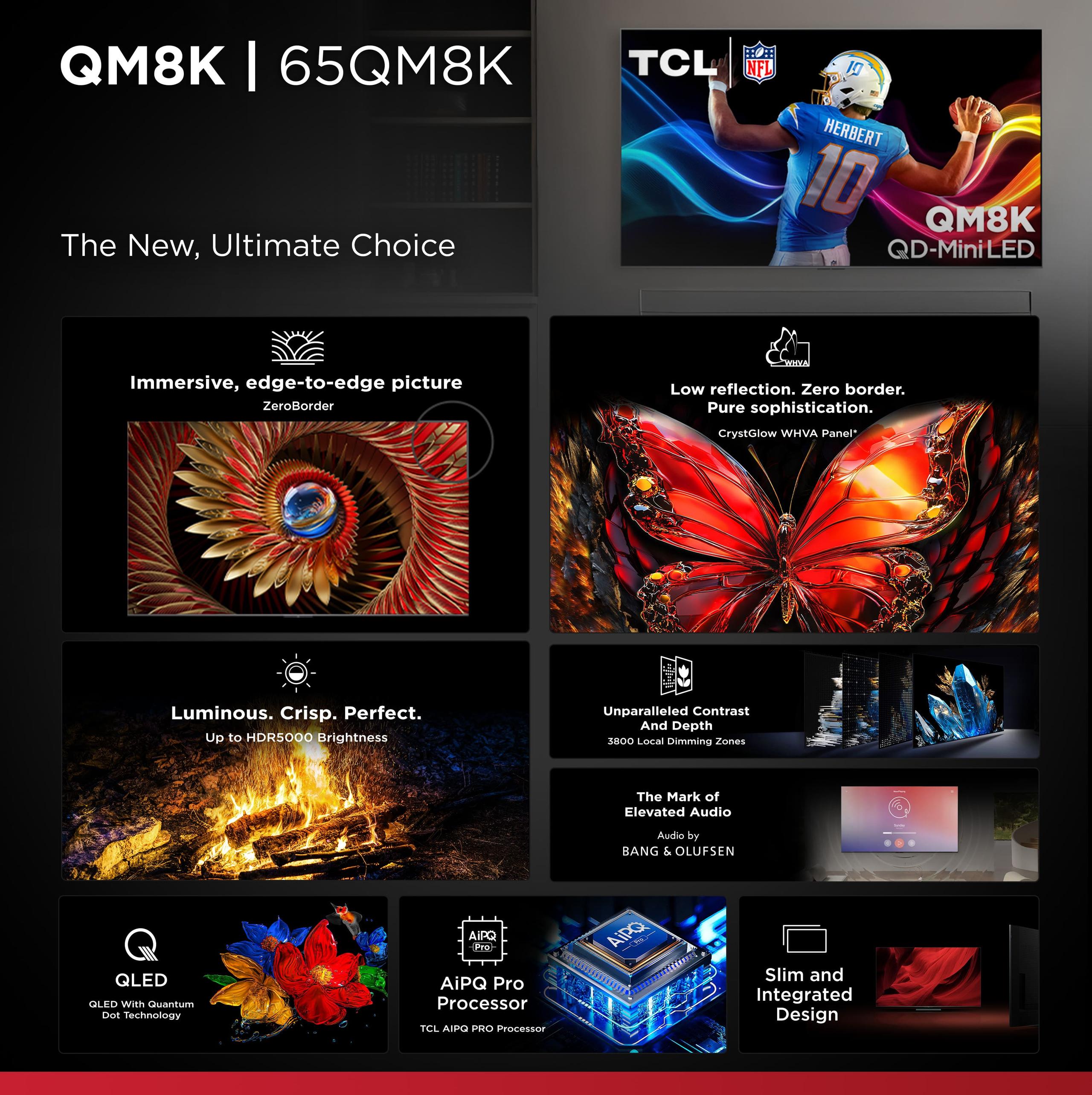
Both TVs use sophisticated local dimming – the ability to turn off or dim specific zones of the backlight to create deeper blacks. The TCL QM8K uses what they call "LD3800 Precise Dimming," which refers to having up to 3,800 individual dimming zones. More zones generally mean better contrast control.
The TCL achieves a native contrast ratio of about 7,415:1, which is excellent for a Mini LED panel. In practice, this translates to scenes where you can see stars in a dark sky without the entire sky glowing, or where shadow details in dark movie scenes remain visible while bright elements still shine.
The LG has improved significantly over previous generations in this area, but still doesn't quite match the TCL's black level performance. However, LG has focused on making their dimming algorithm more natural-looking, which some people prefer even if it's not technically superior.
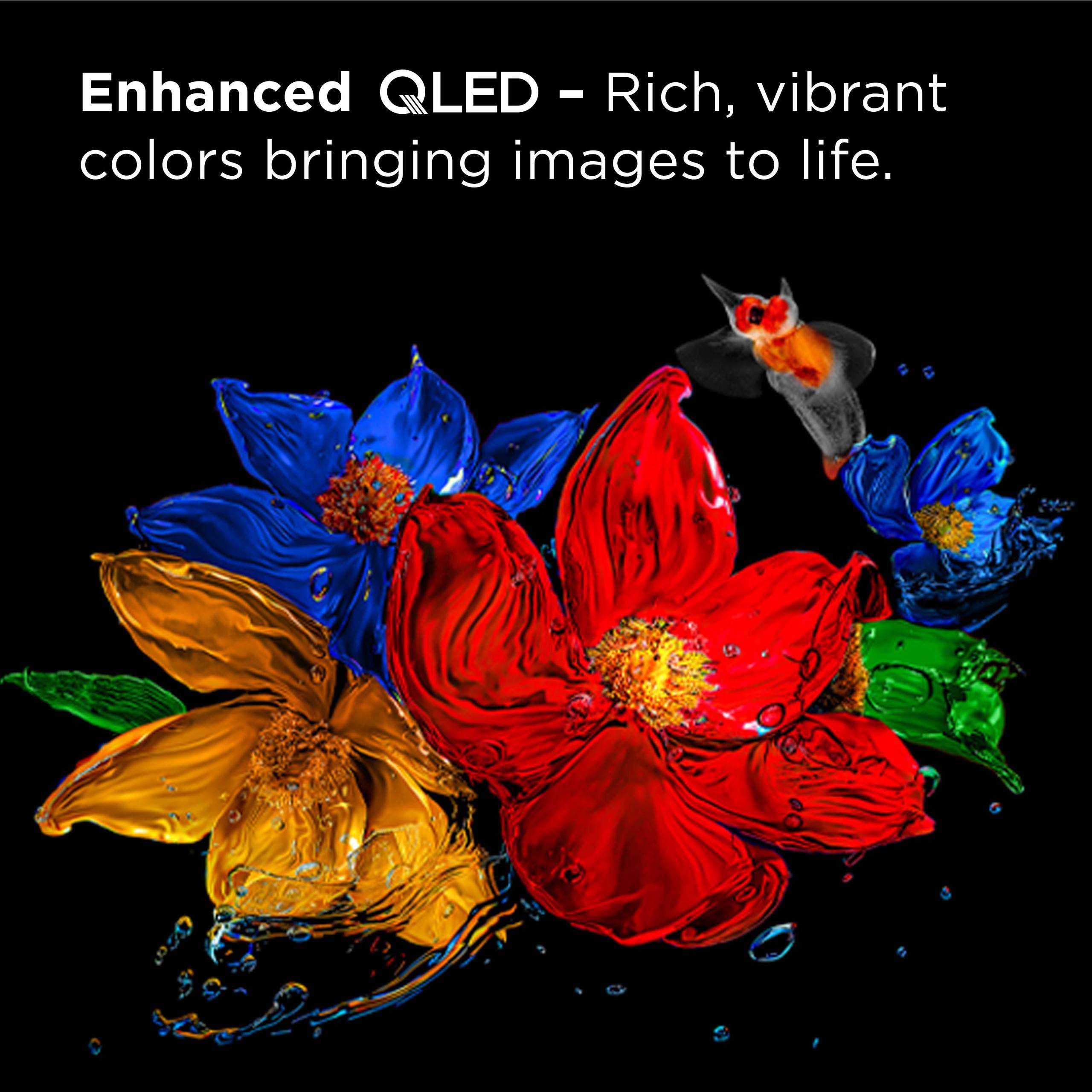
This is where things get interesting. The TCL uses quantum dot technology to achieve 97% coverage of the DCI-P3 color space – that's the standard used for digital cinema. Quantum dots are nano-sized particles that, when hit with light, emit very pure colors. This results in vibrant, saturated colors that really pop, especially in HDR content.
The LG takes a different approach with their "Dynamic QNED Color Pro" technology, which combines quantum dots with their NanoCell technology. NanoCell uses nanoparticles to filter out unwanted light wavelengths, theoretically improving color purity. LG has achieved Intertek certification for "100% Color Volume," meaning they can reproduce colors accurately at any brightness level.
In my experience, the TCL tends to produce more vibrant, punchy colors that look spectacular with HDR content like nature documentaries or action movies. The LG aims for more natural, accurate color reproduction that might appeal more to movie purists who want colors exactly as the director intended.
Gaming has become a major consideration for TV buyers, and both manufacturers have responded accordingly. The TCL QM8K ($998.00) really shines here with its 144Hz native refresh rate and "Game Accelerator 288" feature, which can push variable refresh rates up to 288Hz. This means incredibly smooth motion during fast-paced gaming, with virtually no screen tearing or stuttering.
The TV also supports all the important gaming features: Variable Refresh Rate (VRR), Auto Low Latency Mode (ALLM), and AMD FreeSync Premium Pro. Input lag – the delay between when you press a button and see the action on screen – is minimal, making it excellent for competitive gaming.
The LG QNED92A ($1,681.99) offers a solid gaming experience with 120Hz refresh rate and support for 4K gaming at 120Hz on all four HDMI ports. It includes LG's Game Optimizer and Game Dashboard, which provide quick access to gaming settings. While it doesn't match the TCL's extreme refresh rates, it's still excellent for console gaming and most PC gaming scenarios.
For serious gamers, especially those with high-end PCs, the TCL's higher refresh rates provide a tangible advantage. Console gamers will be well-served by either TV, though the TCL's extra brightness can help with visibility in darker game scenes.
This is where personal preference really matters. The TCL runs Google TV, which I find intuitive and well-organized. It integrates well with Google services and has excellent voice control through Google Assistant. The interface is clean, and finding content across different streaming services is straightforward.
The LG uses webOS 25, which has a more polished, premium feel. The "Magic Remote" with its point-and-click interface is genuinely handy once you get used to it. LG has committed to providing software updates for five years, which is longer than most manufacturers promise. This long-term support could be valuable as streaming services evolve and new features are added.
Both platforms support all major streaming apps, but I've found webOS to be slightly more responsive in day-to-day use. However, Google TV's integration with Google services and smart home devices might be more valuable if you're already invested in that ecosystem.
Audio is frequently an afterthought in TV reviews, but it shouldn't be. The TCL QM8K features an audio system tuned by Bang & Olufsen with support for Dolby Atmos. The sound has decent clarity for built-in TV speakers, though like most TVs, it benefits from a soundbar for serious viewing.
The LG QNED92A uses "AI Sound Pro" technology that can simulate up to 9.1.2 surround sound from the built-in speakers. This virtual surround processing is more sophisticated than the TCL's system and can create a more immersive audio experience without additional equipment.
Neither TV will replace a good sound system, but the LG's audio processing gives it an edge for people who don't want to invest in external speakers immediately.
For dedicated home theater setups, both TVs offer excellent performance, but with different strengths. The TCL QM8K ($998.00) is better suited for rooms with ambient light control, where its superior brightness and contrast can really shine. The zero-border design also creates a more immersive viewing experience in a darkened room.
The LG's more natural color reproduction and sophisticated processing might appeal to home theater enthusiasts who prioritize accuracy over impact. Its better viewing angles also work well if you have a wider seating arrangement.
Both support all major HDR formats including Dolby Vision, which is crucial for getting the best picture quality from streaming services and 4K Blu-rays. The TCL's higher brightness gives it an advantage with HDR content, making highlights more impactful.
At $998, the TCL QM8K offers exceptional value. You're getting flagship-level brightness and contrast performance at a price that was unthinkable for this level of technology just a few years ago. TCL has historically offered great performance per dollar, and this continues that trend.
The LG QNED92A at $1,681.99 costs significantly more but includes refinements like better software support, more sophisticated audio processing, and premium build quality. Whether these improvements justify the 68% price increase depends on your priorities and budget.
For most people, the TCL offers better bang for the buck. The LG might be worth the premium if you value long-term software support, prefer more natural color reproduction, or want the most polished smart TV experience.
Choose the TCL QM8K if you want the best possible picture quality for the money. Its exceptional brightness makes HDR content truly spectacular, and the gaming features are top-notch. The lower price leaves room in your budget for a soundbar or other home theater upgrades. It's perfect for bright rooms, gaming enthusiasts, and anyone who wants flagship performance without the flagship price.
Choose the LG QNED92A if you prefer a more refined, premium experience. The natural color reproduction, sophisticated audio processing, and long-term software support create a more polished package. It's ideal for movie enthusiasts who prioritize accuracy, users who want comprehensive smart home integration, and those willing to pay extra for brand reliability.
Both TVs represent excellent examples of how Mini LED technology has matured. The TCL pushes the boundaries of what's possible at this price point, while the LG offers a more premium, refined experience. Your choice ultimately depends on whether you prioritize raw performance and value (TCL) or refinement and ecosystem integration (LG).
In my experience, most people will be happier with the TCL's combination of performance and value, especially given how quickly TV technology evolves. The money saved can go toward other home theater improvements that might have a bigger impact on your overall viewing experience.
| TCL 65" QM8K Series QD-Mini LED 4K Smart TV ($998.00) | LG 65" QNED92A QNED evo AI Mini LED 4K TV 2025 ($1,681.99) |
|---|---|
| Peak Brightness - Critical for HDR impact and bright room viewing | |
| Up to 5,000 nits (industry-leading for LCD TVs) | Up to 1,520 nits (good but significantly dimmer) |
| Contrast Ratio - Determines black level depth and overall picture quality | |
| 7,415:1 native contrast with excellent blooming control | Improved over previous LG models but still trails TCL |
| Refresh Rate - Important for gaming and smooth motion | |
| 144Hz native, up to 288Hz VRR (best-in-class gaming) | 120Hz native with 4K/120Hz support (excellent for consoles) |
| Local Dimming Zones - More zones = better contrast control | |
| LD3800 Precise Dimming with advanced Halo Control System | Hundreds of zones with improved dimming algorithm |
| Color Coverage - Affects color vibrancy and accuracy | |
| 97% DCI-P3 with quantum dot technology | 100% Color Volume certification with Dynamic QNED Color Pro |
| Smart TV Platform - Your daily interface experience | |
| Google TV with Chromecast built-in | webOS 25 with 5-year software update guarantee |
| Audio System - Built-in sound quality | |
| Bang & Olufsen tuned with Dolby Atmos | AI Sound Pro with virtual 9.1.2 surround |
| Design Features - Aesthetic and practical considerations | |
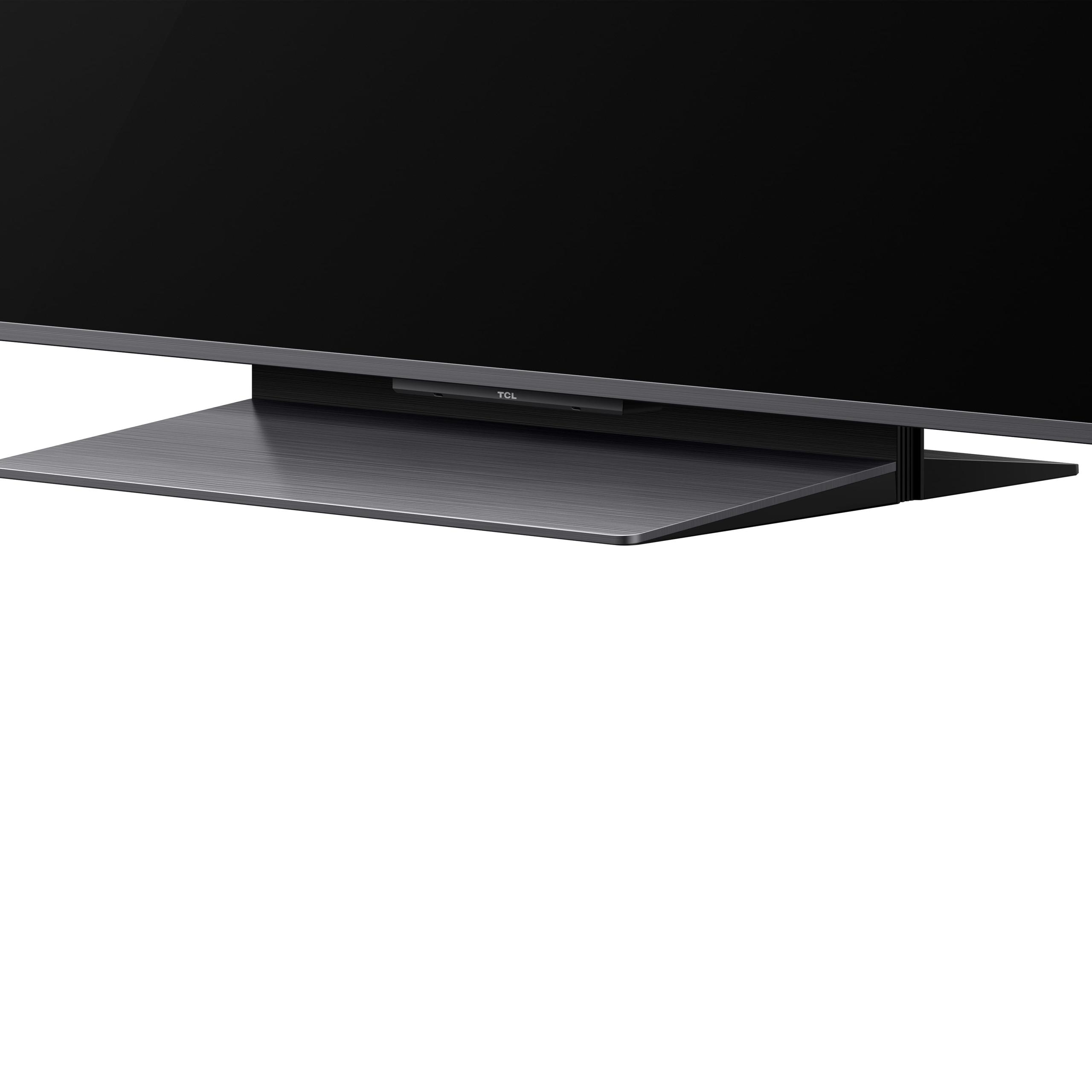
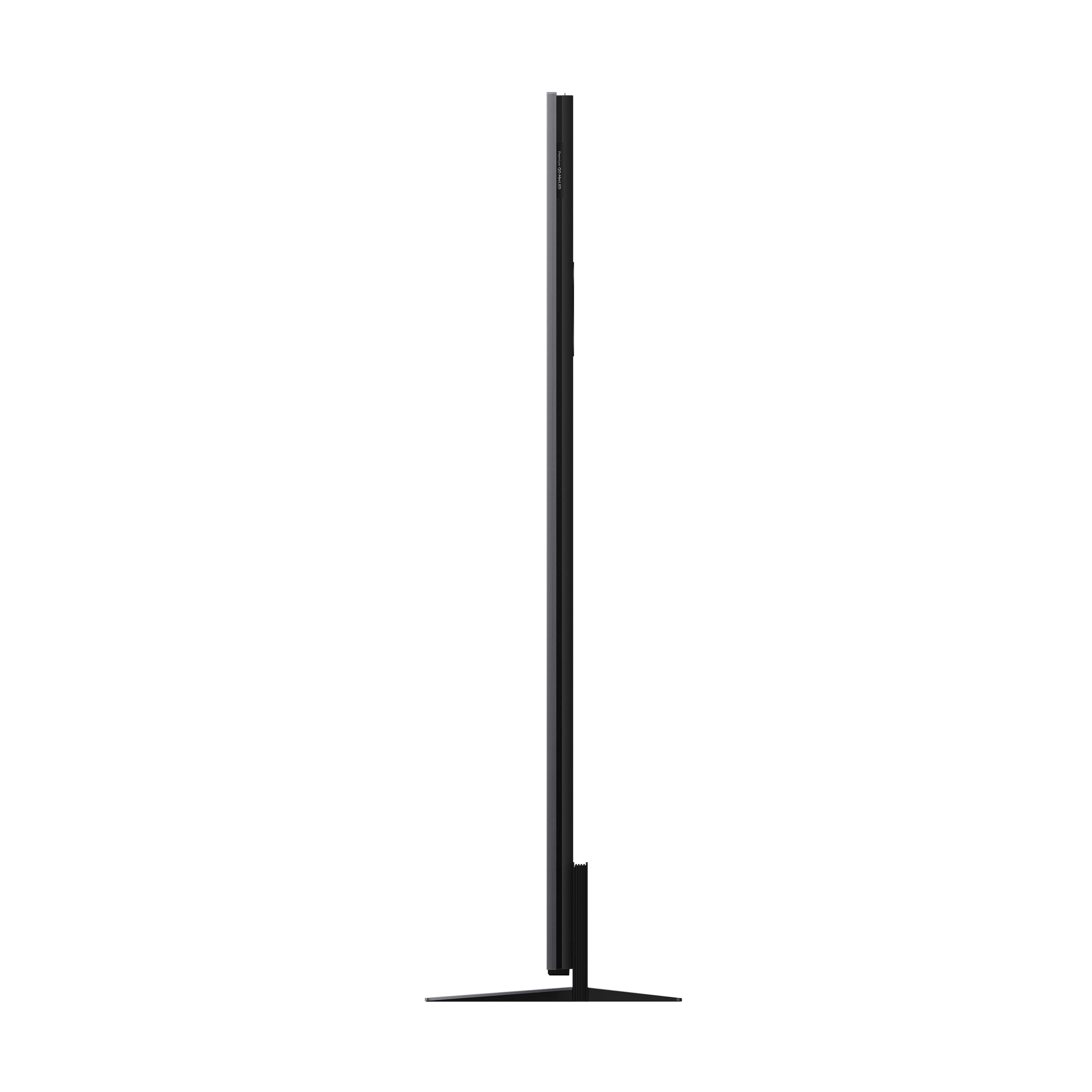
| ZeroBorder design with anti-glare finish | Premium slim design with V-shaped stand |
| Gaming Features - Console and PC gaming capabilities | |
| Game Accelerator 288, AMD FreeSync Premium Pro | Game Optimizer, VRR, FreeSync Premium |
| HDMI Ports - Connectivity for devices | |
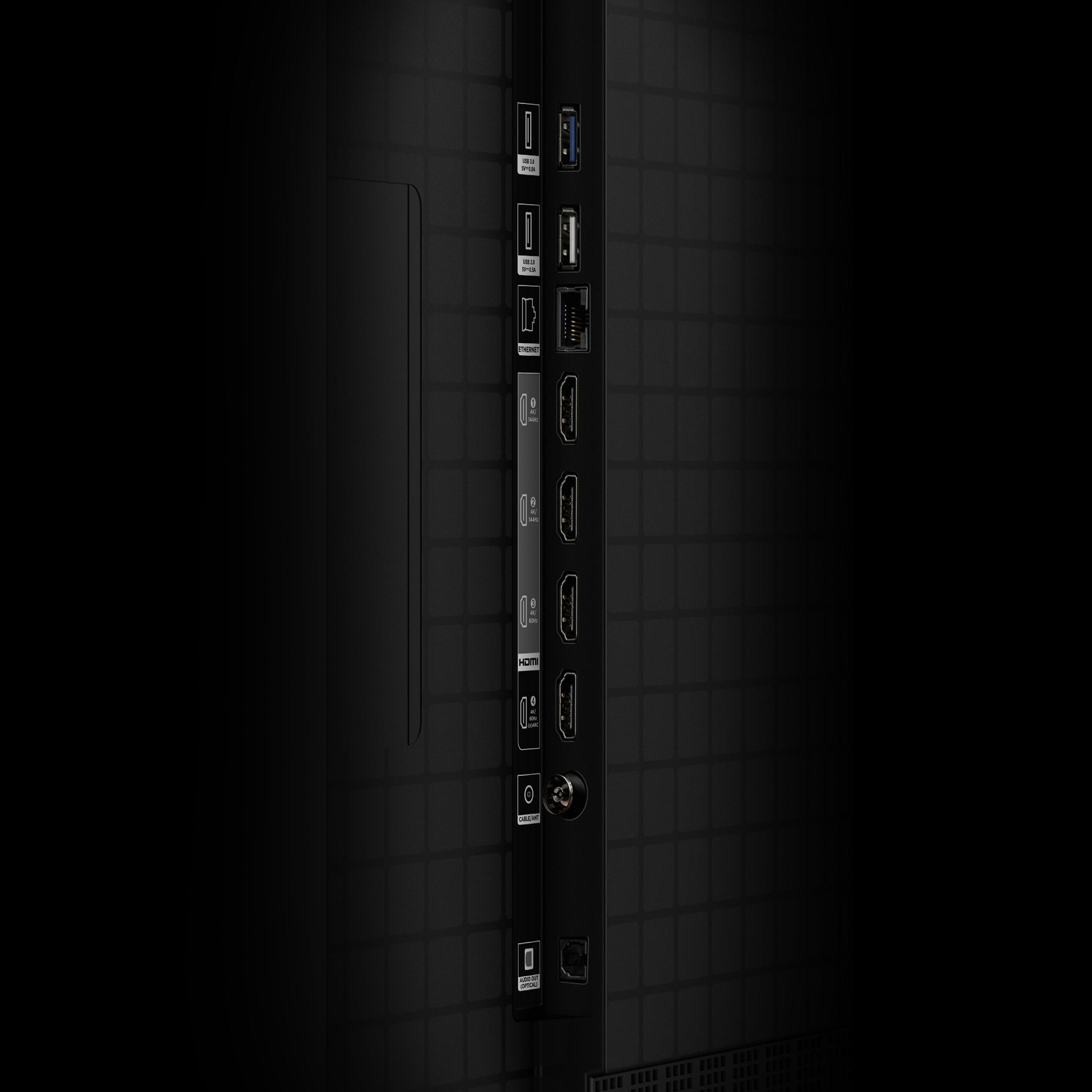
| HDMI 2.1 with eARC support | 4x HDMI 2.1 ports with full bandwidth |
| Value Proposition - Performance per dollar spent | |
| Flagship performance at mid-range price | Premium features with higher price tag |
The TCL 65" QM8K Series QD-Mini LED 4K Smart TV ($998.00) is significantly brighter with up to 5,000 nits peak brightness compared to the LG 65" QNED92A QNED evo AI Mini LED 4K TV 2025 ($1,681.99) at 1,520 nits. This means the TCL will deliver more impactful HDR scenes with brighter highlights and better performance in bright rooms.
The TCL QM8K ($998.00) is superior for gaming with its 144Hz native refresh rate and Game Accelerator 288 supporting up to 288Hz VRR. The LG QNED92A ($1,681.99) offers excellent 120Hz gaming performance but can't match the TCL's high refresh rates for competitive PC gaming.
The TCL QM8K ($998.00) delivers superior black levels with a 7,415:1 native contrast ratio and excellent blooming control through its Halo Control System. The LG QNED92A ($1,681.99) has improved contrast over previous LG models but still doesn't match the TCL's deep blacks.
The TCL QM8K ($998.00) provides exceptional value with flagship-level performance at a mid-range price. The LG QNED92A ($1,681.99) costs 68% more while offering refinements like better software support and audio processing, but doesn't justify the price difference for most buyers.
The LG QNED92A ($1,681.99) runs webOS 25 with a 5-year software update guarantee and polished interface, while the TCL QM8K ($998.00) uses Google TV with excellent voice control and Google service integration. LG offers longer support, but Google TV provides better smart home integration.
Both TVs excel at color performance but with different approaches. The TCL QM8K ($998.00) delivers vibrant, punchy colors with 97% DCI-P3 coverage, while the LG QNED92A ($1,681.99) focuses on natural accuracy with 100% Color Volume certification and more refined color processing.
The TCL QM8K ($998.00) is significantly better for bright rooms due to its 5,000 nit peak brightness and anti-glare finish. The LG QNED92A ($1,681.99) can handle moderate ambient light but may appear washed out in very bright environments.
The LG QNED92A ($1,681.99) has superior built-in audio with AI Sound Pro technology that creates virtual 9.1.2 surround sound. The TCL QM8K ($998.00) features Bang & Olufsen tuned speakers with Dolby Atmos but doesn't match the LG's audio processing sophistication.
For dedicated home theaters, the TCL QM8K ($998.00) excels with superior brightness and contrast that makes HDR content more impactful in controlled lighting. The LG QNED92A ($1,681.99) offers more natural color reproduction that movie purists might prefer, but the TCL's performance advantage is significant.
The LG QNED92A ($1,681.99) offers 4 HDMI 2.1 ports with full bandwidth, providing more connectivity options than the TCL QM8K ($998.00). Both support HDMI 2.1 features like eARC, but the LG gives you more flexibility for multiple devices.
The LG QNED92A ($1,681.99) guarantees 5 years of software updates through LG's Re:New Program, ensuring long-term compatibility with new streaming services and features. The TCL QM8K ($998.00) offers good software support but doesn't match LG's specific long-term commitment.
Choose the TCL QM8K ($998.00) if you want the best picture quality and gaming performance for the money, especially for bright rooms and HDR content. Choose the LG QNED92A ($1,681.99) if you prefer natural colors, premium software support, and better built-in audio, and don't mind paying extra for these refinements.
We've done our best to create useful and informative comparisons to help you decide what product to buy. Our research uses advanced automated methods to create this comparison and perfection is not possible - please contact us for corrections or questions. These are the sites we've researched in the creation of this article: tomsguide.com - youtube.com - businessinsider.com - rtings.com - youtube.com - avsforum.com - avsforum.com - bestbuy.com - tcl.com - tcl.com - tcl.com - flatpanelshd.com - romomattressfurniture.com - brandsmartusa.com - pcrichard.com - tvsbook.com - tcl.com - youtube.com - prnewswire.com - tcl.com - tcl.com - stereoindex.com - youtube.com - youtube.com - digitaltrends.com - abt.com - lg.com - youtube.com - ecoustics.com - hometheaterforum.com - lg.com - valueelectronics.com - listenup.com - pcrichard.com - furnitureconnectionnd.com - avnirvana.com - files.bbystatic.com - lg.com - lgnewsroom.com - techradar.com - bestbuy.com - bestbuy.com - youtube.com - youtube.com

Privacy Policy
Terms and Conditions - Affiliate Policy
Home Security
© Copyright 2008-2026.
11816 Inwood Rd #1211, Dallas, TX 75244