

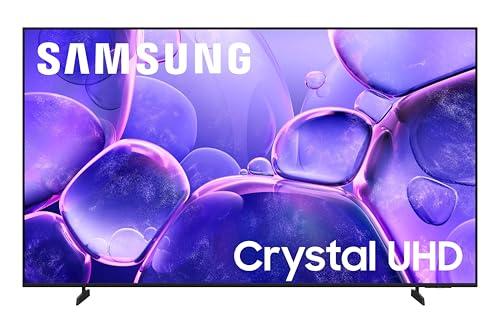
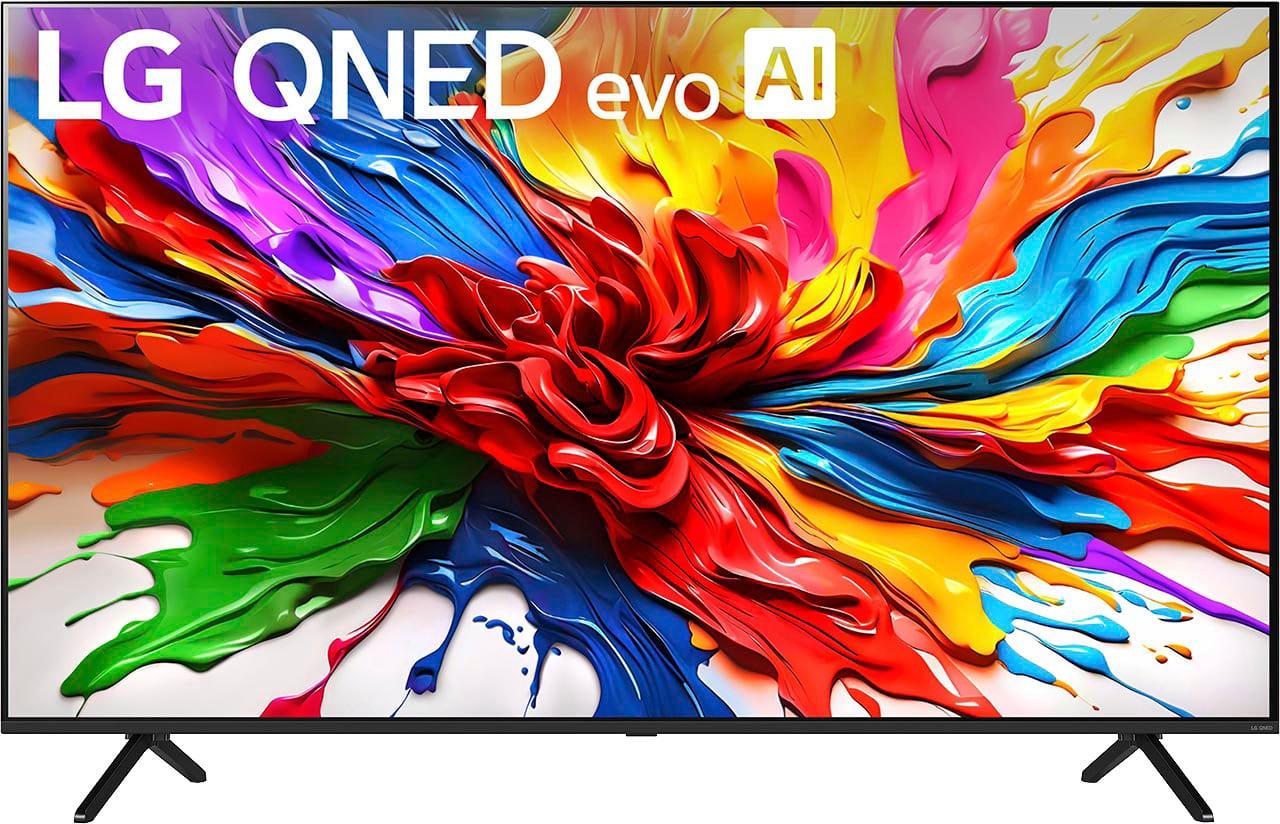
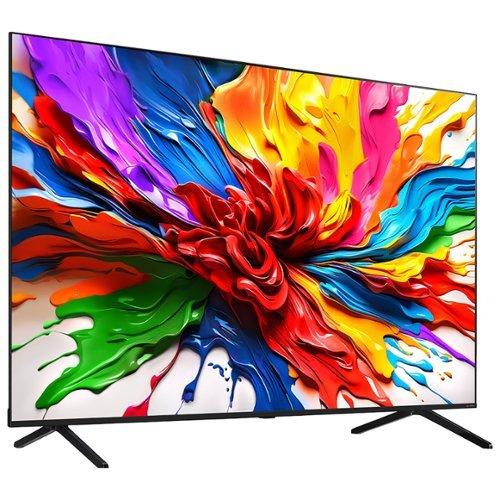
Shopping for a 65-inch 4K TV in 2025 means navigating a market that's more confusing than ever. You've got everything from basic LED panels under $500 to cutting-edge Mini LED displays pushing $3,000. The Samsung 65-Inch Crystal UHD U8000F and LG 65" QNED92A QNED evo AI Mini LED sit at opposite ends of this spectrum, representing fundamentally different approaches to television technology.
At the time of writing, these two TVs aren't really competitors in the traditional sense. The Samsung U8000F targets budget-conscious buyers who want decent 4K viewing without breaking the bank, while the LG QNED92A aims squarely at home theater enthusiasts willing to pay premium prices for near-OLED picture quality. Understanding which camp you fall into is crucial to making the right choice.
The biggest factor separating these TVs is their fundamental display technology. Think of it like comparing a basic sedan to a luxury sports car—both get you from point A to point B, but the experience is completely different.
The Samsung U8000F uses standard direct-lit LED backlighting, which is essentially a grid of white LEDs behind the LCD panel that lights up the entire screen. It's simple, reliable, and cheap to manufacture. Samsung adds their "UHD Dimming" technology, which divides the screen into zones and tries to adjust brightness across different areas, but it's still a basic approach compared to what premium TVs offer.
The LG QNED92A, on the other hand, employs Mini LED backlighting—a technology that's revolutionized LCD displays over the past few years. Instead of using large LEDs, Mini LED uses thousands of tiny LEDs (some smaller than a grain of rice) arranged behind the panel. These are grouped into hundreds of individually controllable zones, each capable of turning completely on or off independently.
Why does this matter? Imagine watching a movie scene with a bright full moon against a dark night sky. The Samsung U8000F would struggle to show deep blacks in the sky while keeping the moon bright, often resulting in a grayish, washed-out appearance. The LG QNED92A can turn off the LEDs behind the dark sky while cranking up the brightness just where the moon appears, creating stunning contrast that approaches what you'd get from an OLED TV.
Based on our research into professional reviews and user feedback, the picture quality difference between these TVs is substantial. The LG QNED92A achieves peak brightness levels around 1,520 nits in a 25% window measurement—that's bright enough to make HDR content really pop, even in a sunny living room. For reference, most budget TVs struggle to hit 400-500 nits, making HDR content look flat and unimpressive.
Color performance tells a similar story. The LG QNED92A covers 97% of the DCI-P3 color space (the standard used for digital cinema), thanks to its quantum dot technology combined with LG's NanoCell filtering. This means colors look more accurate and vibrant, whether you're watching nature documentaries or animated movies. Professional calibrations show the TV hitting color accuracy levels (DeltaE values) well below the threshold where differences become visible to the human eye.
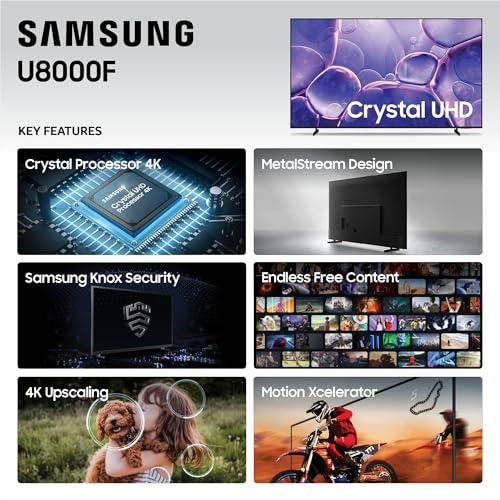
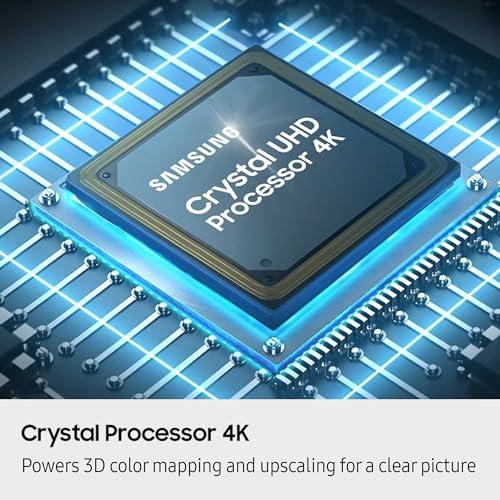
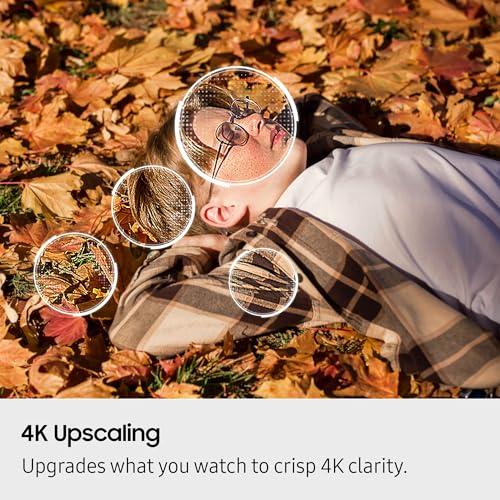
The Samsung U8000F relies on Samsung's Crystal Processor 4K for color enhancement and upscaling. While it does a respectable job making lower-resolution content look sharper, it simply can't match the color volume and accuracy of the LG's more advanced processing and display technology. Reviews consistently note that while the Samsung produces acceptable picture quality for its price range, it falls short when displaying premium HDR content or in bright viewing environments.
HDR (High Dynamic Range) support reveals another crucial difference. HDR essentially expands the range between the darkest darks and brightest brights your TV can display, making images look more lifelike. The Samsung U8000F supports HDR10+ but lacks Dolby Vision—the premium HDR format used by Netflix, Disney+, and most major streaming services for their flagship content. More importantly, even when it receives HDR signals, the TV's limited brightness means you won't see the full benefit.
The LG QNED92A supports all major HDR formats, including Dolby Vision, and has the brightness to actually deliver on HDR's promise. When watching supported content, highlights like sunlight glinting off water or the glow of lightsabers genuinely look brighter and more realistic than on standard TVs.
If you own a PlayStation 5, Xbox Series X, or game on a high-end PC, the choice between these TVs becomes crystal clear. The LG QNED92A is built for serious gaming, while the Samsung U8000F offers only basic gaming features.
Modern gaming consoles can output 4K resolution at 120 frames per second for supported games, creating incredibly smooth motion that's particularly noticeable in fast-paced shooters or racing games. The LG QNED92A supports this fully with its 120Hz native refresh rate and can even handle up to 144Hz with variable refresh rate (VRR) enabled. VRR is a technology that synchronizes the TV's refresh rate with the console's output, eliminating screen tearing and stuttering.
All four of the LG's HDMI ports support HDMI 2.1, the latest standard that enables these high-bandwidth gaming features. The TV also includes AMD FreeSync Premium, Auto Low Latency Mode (ALLM), and even supports Dolby Vision for gaming—a relatively new feature that enhances the visual quality of supported games.
Input lag, which measures the delay between pressing a button and seeing the action on screen, is crucial for competitive gaming. Professional testing shows the LG QNED92A achieves just 9.6 milliseconds at 4K/60Hz, which is excellent for a TV this size.
The Samsung U8000F maxes out at 60Hz and lacks HDMI 2.1 support entirely. While it does include basic VRR and ALLM features, these are largely ineffective given the 60Hz limitation. If you primarily play single-player games or aren't concerned with the absolute latest gaming features, this might be acceptable. But for anyone serious about gaming performance, the Samsung falls short of what modern consoles can deliver.
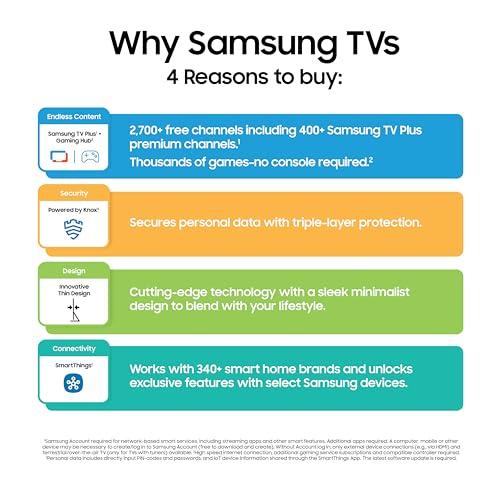
Both TVs run capable smart platforms, but with different approaches to user experience and long-term viability. The Samsung U8000F uses Samsung's Tizen operating system, which offers a clean, straightforward interface and includes Samsung TV Plus—a collection of free streaming channels that's genuinely useful for cord-cutters. The platform supports major streaming apps and includes basic voice control through Bixby, though the "Voice Ready" designation means you'll need Samsung's smart remote for voice commands.
The LG QNED92A runs webOS 25, LG's latest smart platform that's received significant praise for its responsiveness and AI-powered features. The system learns your viewing habits and suggests content across different services, while Quick Cards make it easy to jump back into recently watched shows. Voice control is more comprehensive, supporting Google Assistant, Amazon Alexa, and Apple HomeKit integration.
What sets the LG apart is LG's Re:New program, which guarantees webOS updates for up to five years after purchase. In an industry where smart TV platforms often become outdated within 2-3 years, this commitment to long-term software support adds significant value. The Samsung U8000F doesn't offer the same explicit long-term support guarantee.
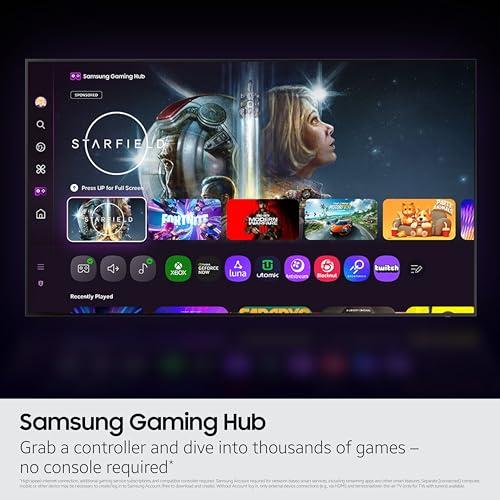
Both TVs include cloud gaming integration, but the LG QNED92A takes this further with native support for GeForce NOW and Xbox Cloud Gaming, turning the TV into a gaming console without additional hardware.
Audio quality is where both TVs show their limitations, though the LG QNED92A has a clear advantage. The Samsung includes a 20W 2-channel speaker system with Object Tracking Sound Lite, which attempts to move audio around the screen to match on-screen action. In practice, reviews suggest the audio is clear but lacks depth and power—pretty typical for a TV at this price point.
The LG QNED92A doubles the power with a 40W 2.2-channel system that includes Dolby Atmos support. Dolby Atmos creates three-dimensional soundscapes by bouncing audio off your ceiling and walls, though without dedicated upward-firing speakers, the effect is more subtle than with a proper Atmos soundbar setup.
Both TVs support integration with their manufacturers' soundbar ecosystems—Q-Symphony for Samsung and WOW Orchestra for LG. However, for serious home theater setups, you'll want to plan on adding a soundbar or speaker system to either TV. The LG QNED92A includes an optical digital audio output for easy soundbar connection, while the Samsung U8000F may require HDMI ARC for some setups.
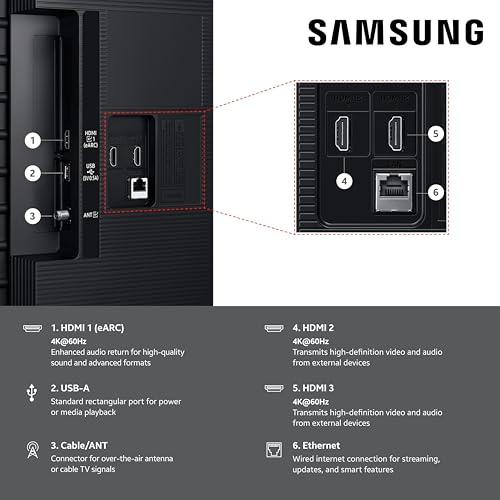
Here's where the Samsung U8000F shows its budget orientation most clearly. With just three HDMI ports and one USB connection, you might find yourself running out of inputs if you have multiple consoles, a streaming device, and a soundbar. None of the Samsung's HDMI ports support HDMI 2.1, limiting future compatibility with high-bandwidth devices.
The LG QNED92A provides four HDMI 2.1 ports, two USB connections, and includes features like eARC (enhanced Audio Return Channel) for high-quality audio passthrough to soundbars. The TV also supports Wi-Fi 6E, the latest wireless standard that provides faster, more reliable streaming, especially important for 4K and HDR content.
This connectivity difference matters more than you might think. Modern home entertainment setups often include gaming consoles, streaming devices, soundbars, and perhaps a cable box or antenna connection. The Samsung's limited connectivity could force you into using HDMI switches or giving up some functionality.
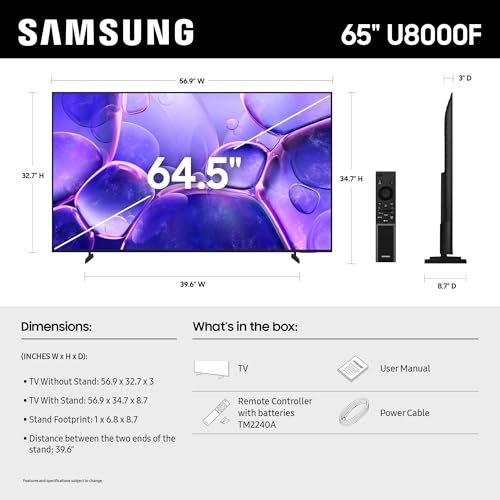
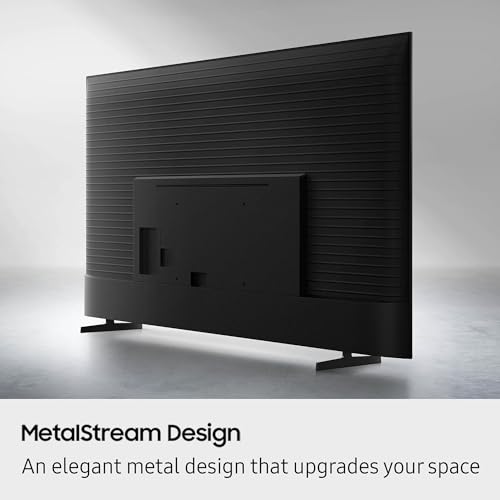
Both TVs sport modern, slim-bezel designs that look good in contemporary living rooms. The Samsung U8000F features Samsung's MetalStream Design, which incorporates aircraft-inspired metal elements that give it a more premium appearance than you'd expect at this price point. At about 3 inches thick, it's reasonably slim and wall-mountable.
The LG QNED92A takes a more minimalist approach with ultra-thin bezels and a sleek profile. Despite packing significantly more technology, it manages a similar thickness profile. The build quality feels more substantial, which makes sense given the price difference.
Both TVs use different stand approaches—the Samsung typically uses a central pedestal, while the LG employs V-shaped feet that require a wider TV stand but provide excellent stability.
If you're building a dedicated home theater setup, the LG QNED92A is the clear choice. Its Mini LED backlighting performs well in dark rooms, providing the contrast necessary for cinematic viewing. The TV includes Filmmaker Mode, which disables motion smoothing and adjusts color settings to display movies as directors intended.
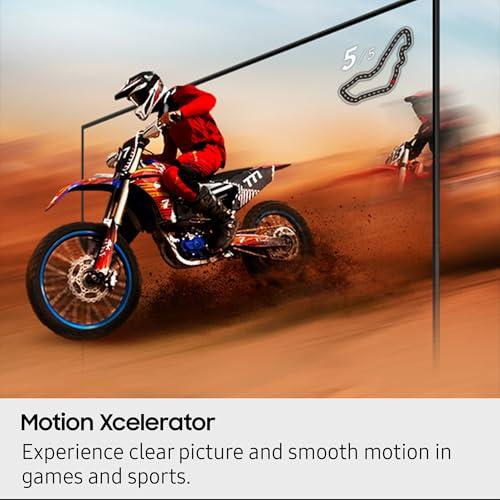
The comprehensive HDR support, including Dolby Vision, means you'll get the full benefit of premium streaming content and 4K Blu-rays. Combined with the 120Hz refresh rate, motion handling is smooth enough for action movies and sports without the soap opera effect that plagues many TVs.
For casual viewing or bedroom use, the Samsung U8000F offers a more practical approach. While it won't deliver reference-quality images, it provides perfectly watchable 4K content at a fraction of the cost. The smart features work well for streaming, and the picture quality is adequate for most content types.
The Samsung U8000F makes sense for specific buyers: those setting up a secondary TV, apartment dwellers who prioritize value over performance, or families who primarily stream content and don't need cutting-edge features. It's also a reasonable choice if you're planning to upgrade again in a few years and don't want to invest heavily now.
The LG QNED92A targets buyers who want a premium viewing experience without jumping to OLED pricing. It's ideal for serious gamers, home theater enthusiasts, and anyone who watches a lot of premium content in 4K and HDR. The long-term software support and future-proof connectivity make it a better investment for users who plan to keep their TV for 5-7 years.
These TVs serve fundamentally different needs despite sharing the same screen size. The Samsung U8000F delivers acceptable 4K viewing at an entry-level price, while the LG QNED92A offers near-premium picture quality with comprehensive modern features.
The performance gap is substantial enough that choosing between them should be straightforward based on your priorities and budget. If you want the best picture quality, gaming performance, and long-term features, the LG justifies its premium pricing. If you need basic 4K functionality at the lowest possible cost, the Samsung serves that purpose well.
At the time of writing, this represents one of the clearest examples of how TV market segmentation works in 2025. Rather than comparing similar products with minor differences, these TVs demonstrate how different price points deliver fundamentally different experiences. Choose based on which experience matches your needs and budget, not on trying to find the "better deal" between them.
| Samsung 65-Inch Crystal UHD U8000F 4K Smart TV 2025 | LG 65" QNED92A QNED evo AI Mini LED 4K TV 2025 |
|---|---|
| Display Technology - Determines contrast quality and brightness capability | |
| Direct-lit LED with basic UHD Dimming | Mini LED with hundreds of local dimming zones |
| Peak Brightness - Critical for HDR impact and bright room viewing | |
| Limited brightness suitable for moderate lighting | Up to 1,520 nits for excellent HDR and bright rooms |
| Refresh Rate - Essential for smooth gaming and sports | |
| 60Hz maximum (basic gaming only) | 120Hz native, up to 144Hz with VRR (next-gen gaming) |
| HDR Support - Affects premium streaming content quality | |
| HDR10+ only, lacks Dolby Vision | Full Dolby Vision, HDR10, HLG support |
| Color Accuracy - Important for realistic picture quality | |
| Basic Crystal Processor 4K color enhancement | 97% DCI-P3 coverage with quantum dot technology |
| HDMI Connectivity - Determines future device compatibility | |
| 3 HDMI ports (standard, no HDMI 2.1) | 4 HDMI 2.1 ports with full gaming features |
| Gaming Features - Matters for console and PC gaming | |
| Basic VRR and ALLM at 60Hz | Complete suite: 4K@120Hz, VRR, FreeSync, Dolby Vision Gaming |
| Input Lag - Critical for responsive gaming | |
| Adequate for casual gaming | Excellent 9.6ms at 4K/60Hz, under 2ms at 1080p/120Hz |
| Audio System - Affects need for external speakers | |
| 20W 2-channel with Object Tracking Sound Lite | 40W 2.2-channel with Dolby Atmos support |
| Smart Platform - Long-term usability and feature updates | |
| Tizen with Samsung TV Plus, no long-term update guarantee | webOS 25 with 5-year Re:New program support |
| Processor - Handles upscaling and smart features | |
| Crystal Processor 4K (basic) | α8 AI 4K Gen2 with advanced AI optimization |
| Wireless Connectivity - Streaming reliability and speed | |
| Basic Wi-Fi, Bluetooth 5.3 | Wi-Fi 6E, Bluetooth 5.3 (faster, more reliable) |
| Target Market - Who this TV is designed for | |
| Budget-conscious buyers, secondary rooms, casual viewing | Home theater enthusiasts, serious gamers, premium content viewers |
The LG QNED92A is significantly better for gaming. It offers 4K gaming at 120Hz, VRR up to 144Hz, and HDMI 2.1 support across all four ports—perfect for PlayStation 5 and Xbox Series X. The Samsung U8000F is limited to 60Hz gaming with basic features, making it suitable only for casual gaming.
The core difference is display technology. The Samsung U8000F uses basic LED backlighting for entry-level 4K viewing, while the LG QNED92A features advanced Mini LED technology with hundreds of dimming zones for premium picture quality approaching OLED performance.
The LG QNED92A performs much better in bright rooms with peak brightness up to 1,520 nits. The Samsung U8000F has limited brightness capability, making it better suited for moderate lighting conditions or darker viewing environments.
No, only the LG QNED92A supports Dolby Vision along with HDR10 and HLG. The Samsung U8000F supports HDR10+ but lacks Dolby Vision, which is used by Netflix, Disney+, and other premium streaming services for their best content.
The LG QNED92A is far superior for home theater use. It offers Mini LED contrast, full Dolby Vision support, Filmmaker Mode for accurate movie playback, and the brightness needed for impactful HDR content. The Samsung U8000F provides basic viewing quality insufficient for serious home theater applications.
The Samsung U8000F has 3 standard HDMI ports without HDMI 2.1 support. The LG QNED92A includes 4 HDMI 2.1 ports, providing better connectivity for multiple devices and future-proofing for high-bandwidth gaming and streaming.
Both offer capable smart platforms, but the LG QNED92A edges ahead with webOS 25, AI personalization, and LG's Re:New program guaranteeing 5 years of software updates. The Samsung U8000F uses Tizen with Samsung TV Plus but lacks long-term update commitments.
The LG QNED92A is excellent for sports with its 120Hz refresh rate, high brightness, and superior motion handling. The Samsung U8000F can handle sports viewing adequately but the 60Hz refresh rate and limited brightness make it less ideal for fast-paced action.
This depends on your needs. The Samsung U8000F offers excellent value for basic 4K viewing and streaming. The LG QNED92A provides premium features and performance that justify its higher cost for serious home theater enthusiasts and gamers.
Yes, but differently. The Samsung U8000F includes Bixby Voice Ready functionality. The LG QNED92A offers more comprehensive voice control with Google Assistant, Amazon Alexa, and Apple HomeKit integration built-in.
The LG QNED92A is superior for streaming with Wi-Fi 6E for faster connections, full HDR format support including Dolby Vision, and the brightness to properly display premium 4K content. The Samsung U8000F handles basic 4K streaming well but lacks the advanced features for premium content.
Choose the Samsung U8000F if you want an affordable 4K TV for basic streaming and casual viewing. Select the LG QNED92A if you're serious about picture quality, gaming, home theater use, or want premium features that will remain relevant for years to come.
We've done our best to create useful and informative comparisons to help you decide what product to buy. Our research uses advanced automated methods to create this comparison and perfection is not possible - please contact us for corrections or questions. These are the sites we've researched in the creation of this article: bestbuy.com - youtube.com - youtube.com - rtings.com - youtube.com - samsung.com - hometechnologyreview.com - rtings.com - samsung.com - displayspecifications.com - samsung.com - displayspecifications.com - walmart.com - billsmith.com - dentonstv.com - samsung.com - samsung.com - samsung.com - youtube.com - bestbuy.com - bestbuy.com - youtube.com - samsung.com - donstv.com - stereoindex.com - youtube.com - youtube.com - digitaltrends.com - abt.com - lg.com - youtube.com - ecoustics.com - hometheaterforum.com - lg.com - valueelectronics.com - listenup.com - pcrichard.com - furnitureconnectionnd.com - avnirvana.com - files.bbystatic.com - lg.com - lgnewsroom.com - techradar.com - bestbuy.com - bestbuy.com - youtube.com - youtube.com

Privacy Policy
Terms and Conditions - Affiliate Policy
Home Security
© Copyright 2008-2026.
11816 Inwood Rd #1211, Dallas, TX 75244