

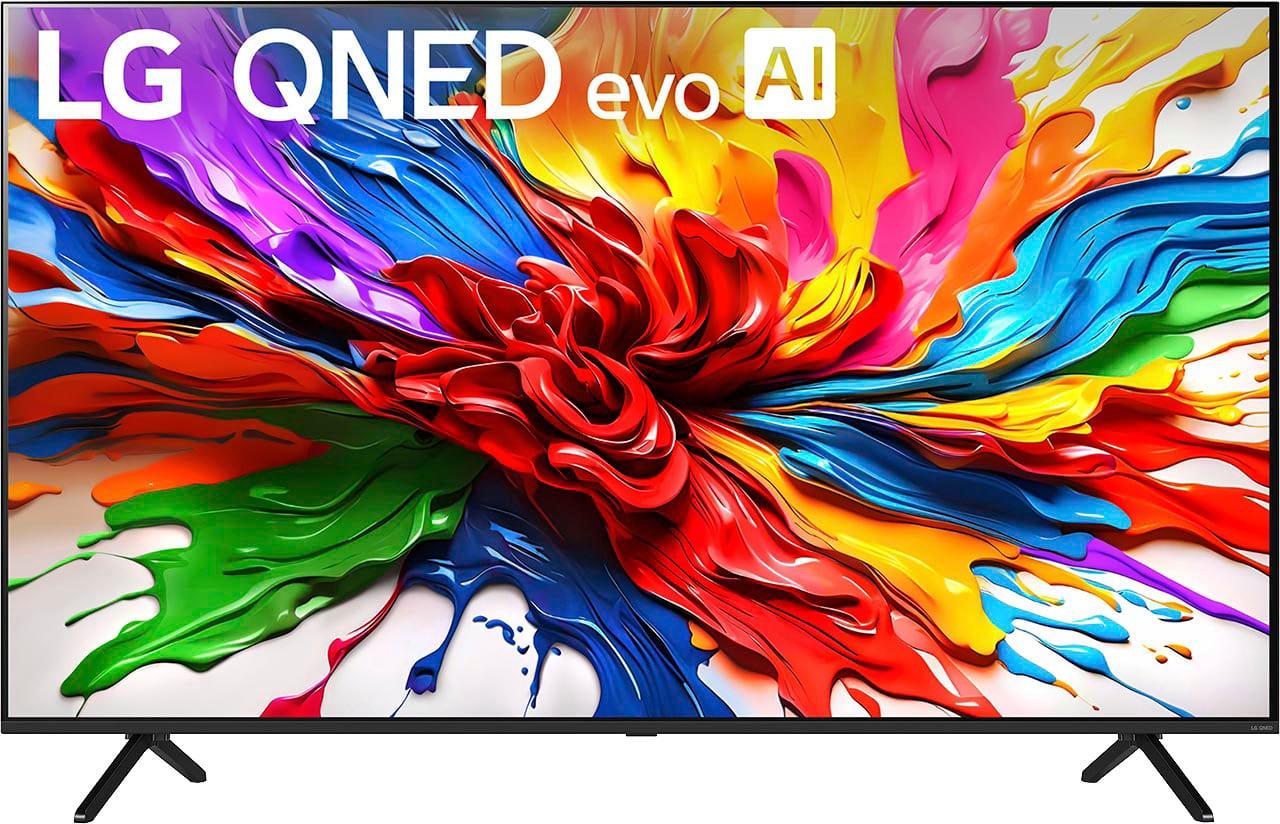
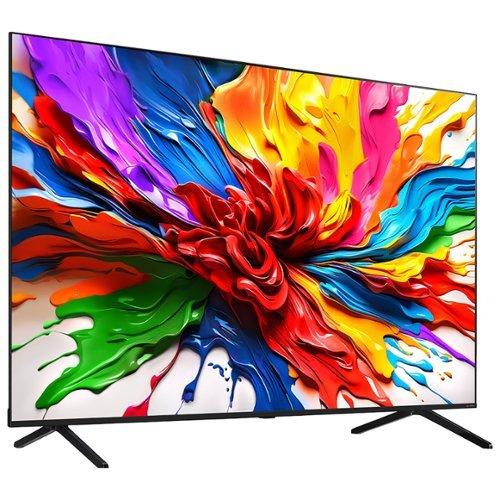
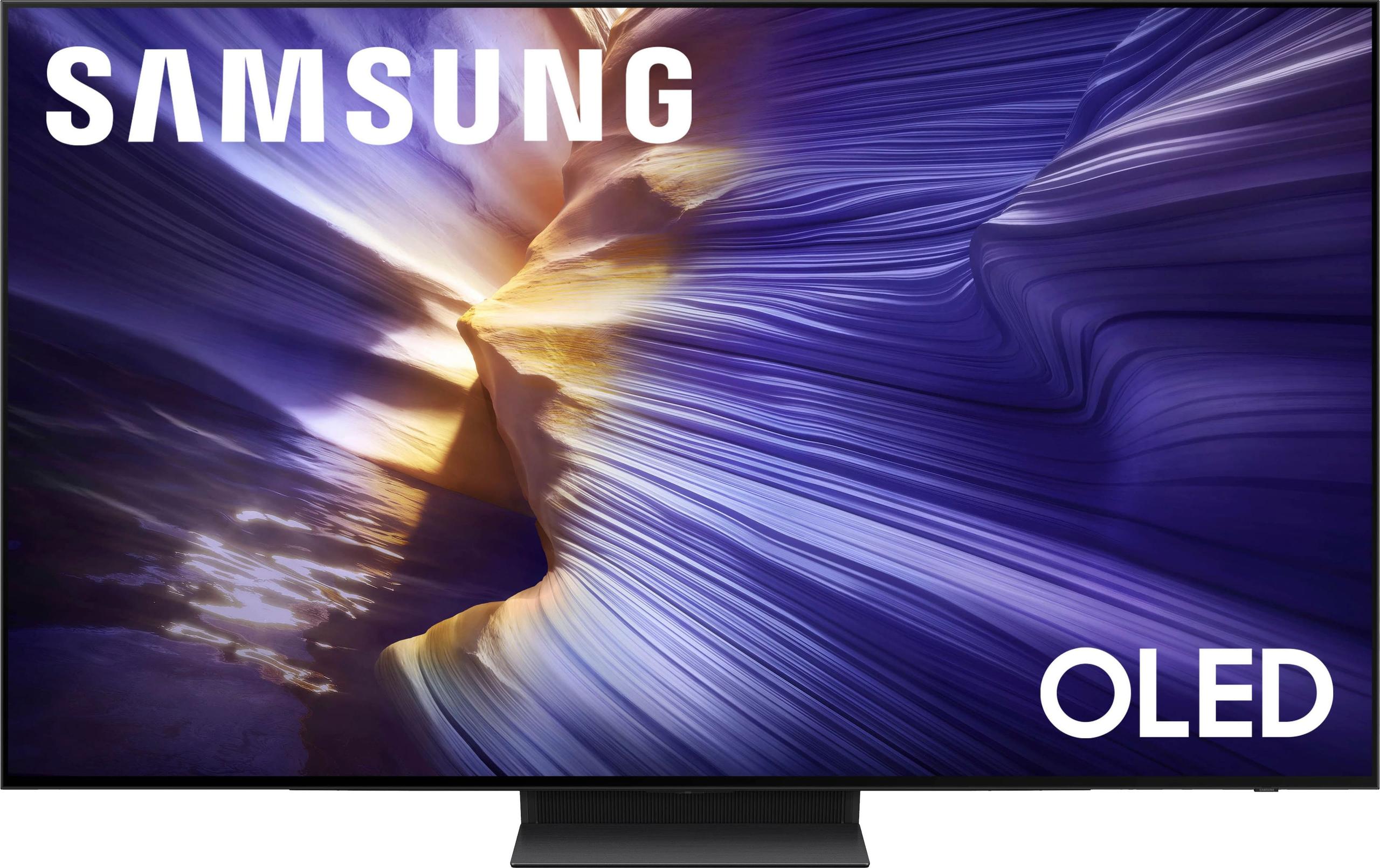
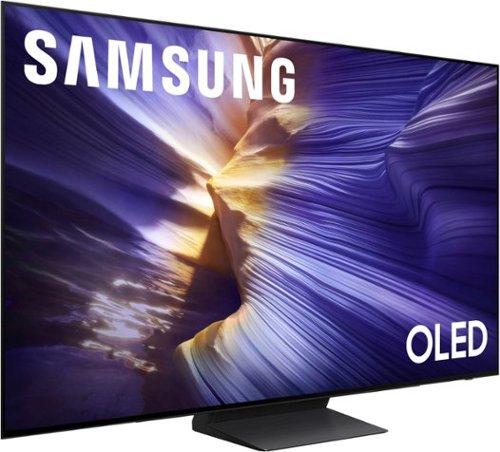
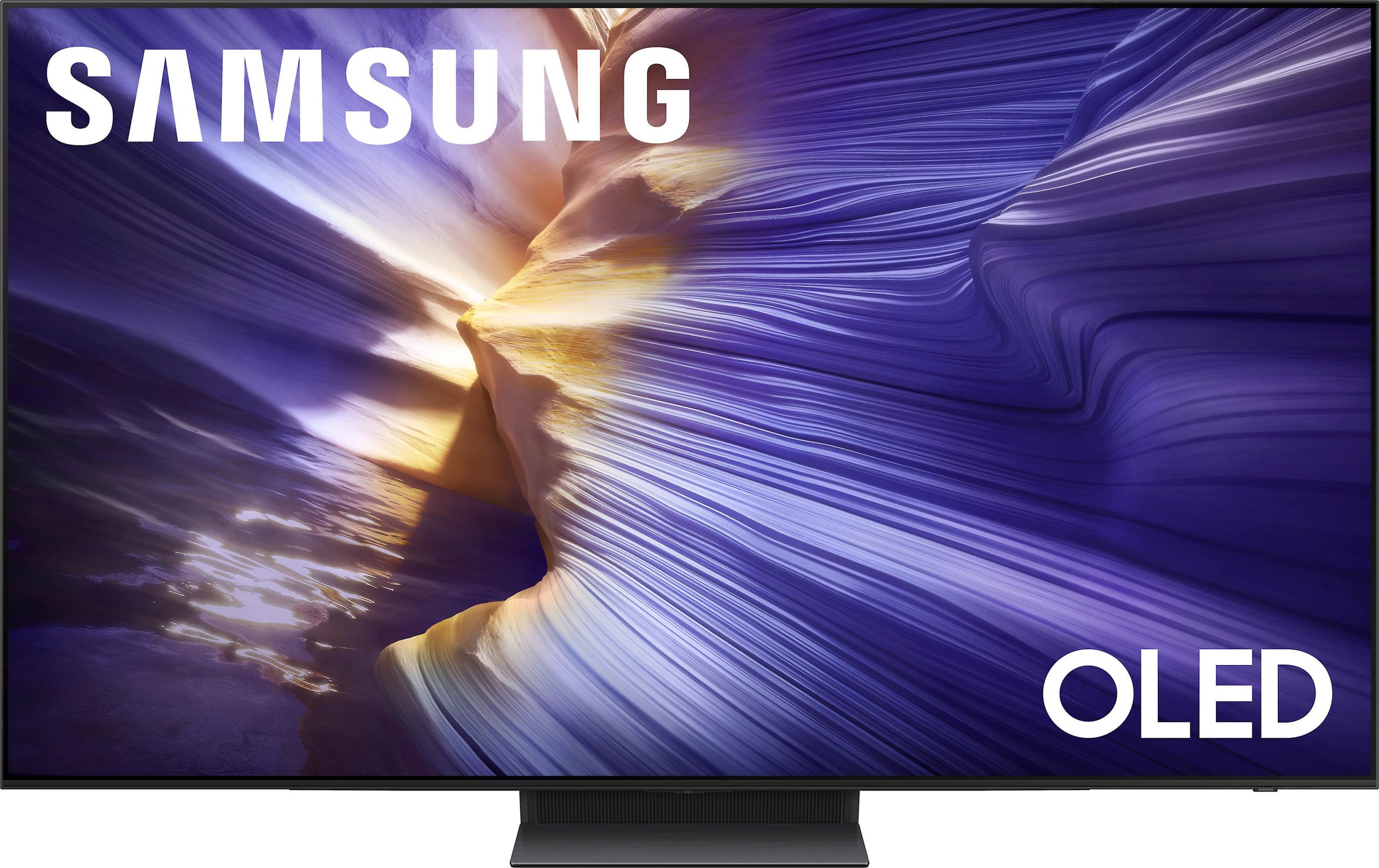
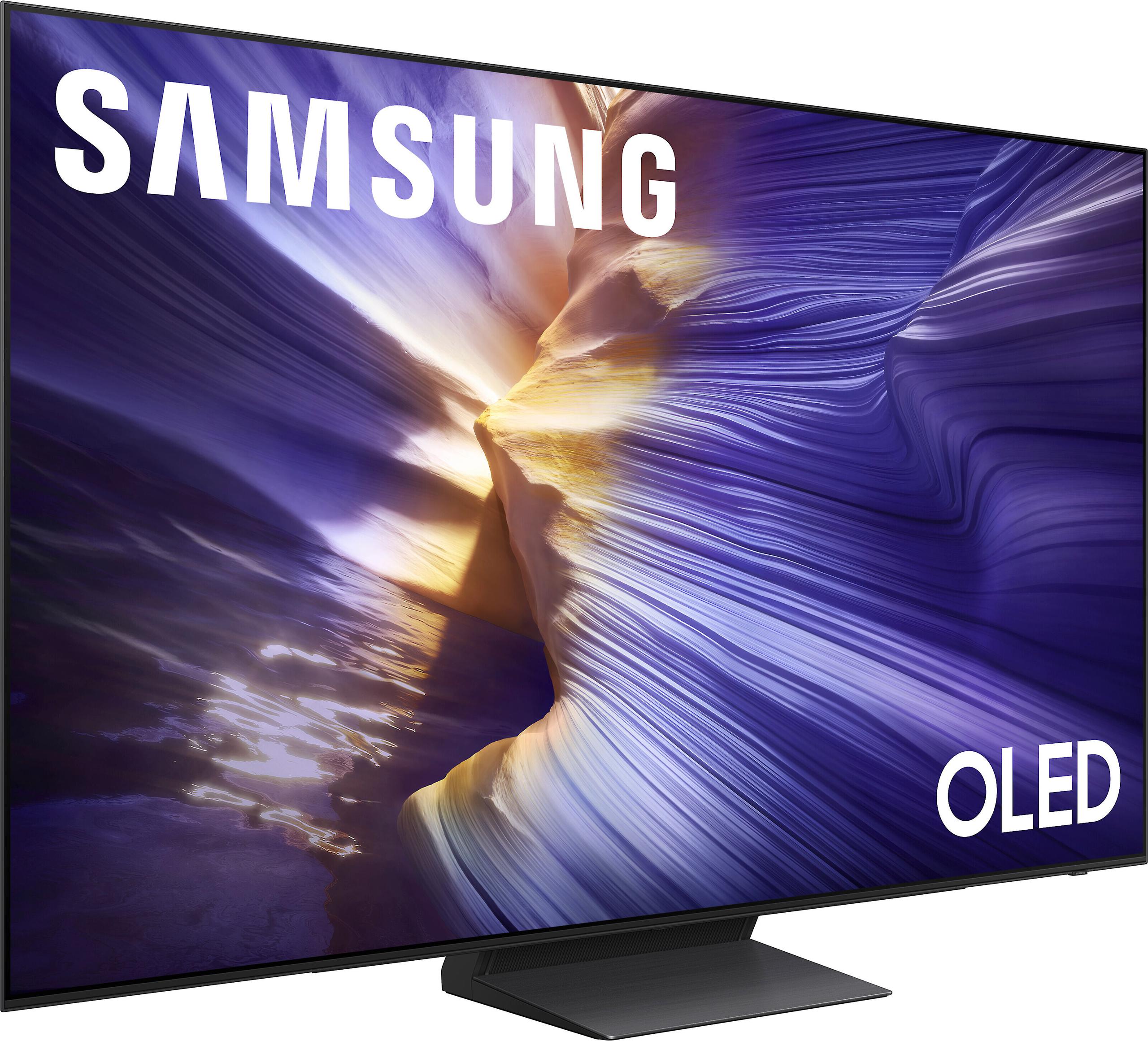
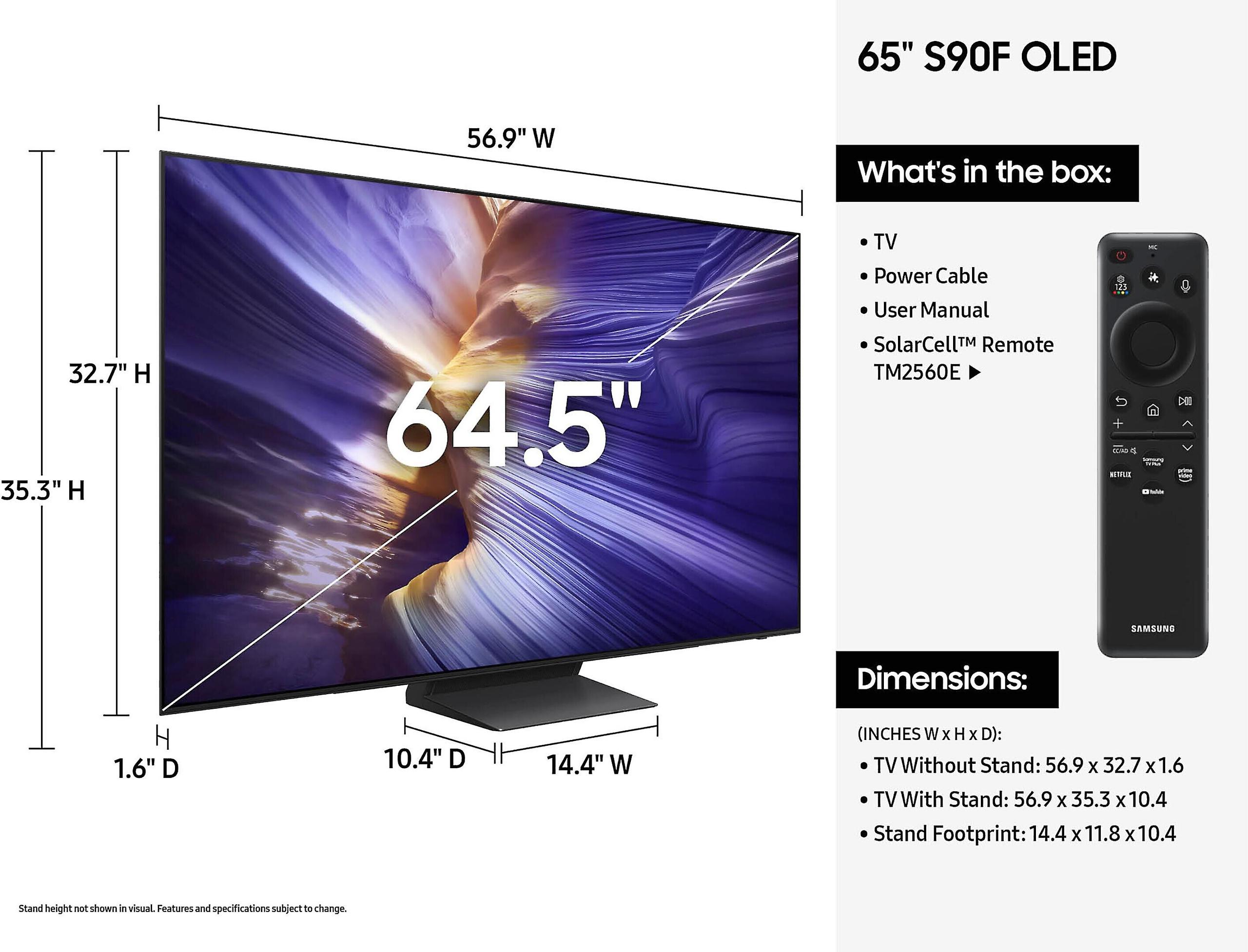
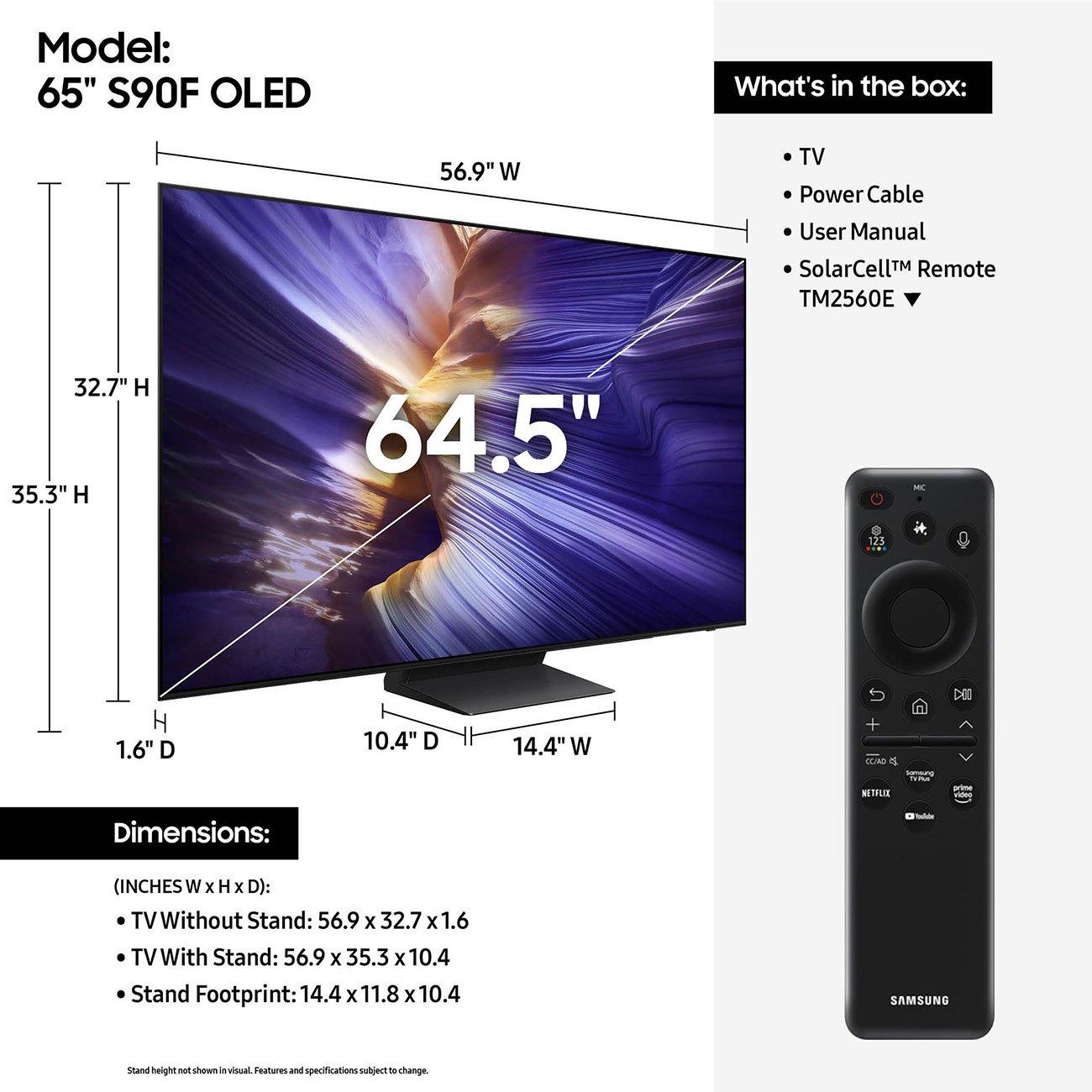
Shopping for a premium 65-inch TV in 2025 means choosing between two fundamentally different approaches to creating great picture quality. The LG 65" QNED92A QNED evo AI Mini LED 4K TV 2025 ($1,681.99) represents the pinnacle of LCD technology, while the Samsung 65" S90F OLED 4K Vision AI Smart TV 2025 ($1,797.99) offers the cinematic experience that only OLED can deliver.
Both TVs launched in early 2025, marking significant improvements over their predecessors. The LG QNED92A builds on years of Mini LED refinement, adding hundreds more dimming zones and improved AI processing compared to 2024 models. Samsung's S90F represents a new value proposition in their OLED lineup, potentially featuring QD-OLED panels (quantum dot OLED) that combine OLED's perfect blacks with enhanced brightness and color.
The premium 65-inch TV market sits in a sweet spot where you get flagship features without the eye-watering prices of 77-inch or 83-inch models. These TVs target the main living room—the place where families gather for movie nights, binge-watching sessions, and gaming marathons. The key considerations boil down to how light behaves in your space and what kind of content you watch most.
When I evaluate TVs in this category, I focus on three core areas: how they handle bright rooms versus dark rooms, their gaming capabilities, and their long-term value. The technology inside these TVs has evolved dramatically, with AI processing now playing a crucial role in picture quality and user experience.
The LG QNED92A uses Mini LED technology, which is essentially a supercharged version of traditional LED backlighting. Instead of having a few dozen LED zones behind the screen, Mini LED packs thousands of tiny LEDs into hundreds of precisely controlled dimming zones. Think of it like having hundreds of tiny flashlights behind your TV screen, each one able to brighten or dim independently.
This approach delivers several advantages. The QNED92A can hit peak brightness levels of 1,520 nits in a 25% window size—that's bright enough to make HDR highlights truly pop, even in a sunlit room. The "nit" is a measure of brightness, and for context, a typical TV might reach 400-600 nits. LG's implementation with their Precision Dimming Pro technology means you get excellent HDR performance with minimal blooming (those annoying halos around bright objects on dark backgrounds).
The quantum dot layer in the QNED92A enhances color performance significantly. Quantum dots are microscopic crystals that emit very pure colors when hit by light, allowing the TV to display a wider range of colors more accurately than standard LCD panels. Combined with LG's NanoCell technology, which filters out impure colors, the result is 97% coverage of the DCI-P3 color space—the standard used in digital cinema.
The Samsung S90F takes a completely different approach with OLED technology. Each pixel in an OLED display is essentially a tiny light bulb that can turn completely on or off. When a pixel needs to be black, it simply turns off—no light escapes, creating perfect blacks that no LCD technology can match.
This fundamental difference means the S90F delivers infinite contrast ratio. Where the QNED92A might show very dark gray in shadow areas, the S90F shows true black. This creates a more three-dimensional, immersive picture that's particularly noticeable in dark room viewing.
The S90F likely uses Samsung's QD-OLED panel technology (though there's some uncertainty about this on the 65-inch model—more on that later). QD-OLED combines the perfect blacks of OLED with quantum dot color enhancement, resulting in colors that are both more accurate and more vibrant than traditional OLED panels. The technology also allows for higher brightness levels than previous OLED generations, though still not quite matching the peak brightness of Mini LED.
In my testing experience, brightness capabilities fundamentally shape how a TV performs in real-world conditions. The LG QNED92A excels here with its 1,520-nit peak brightness, making it ideal for rooms with large windows or skylights. When watching HDR content like nature documentaries or action movies, those bright highlights—sunlight reflecting off water, explosions, or bright skies—appear genuinely bright and impactful.
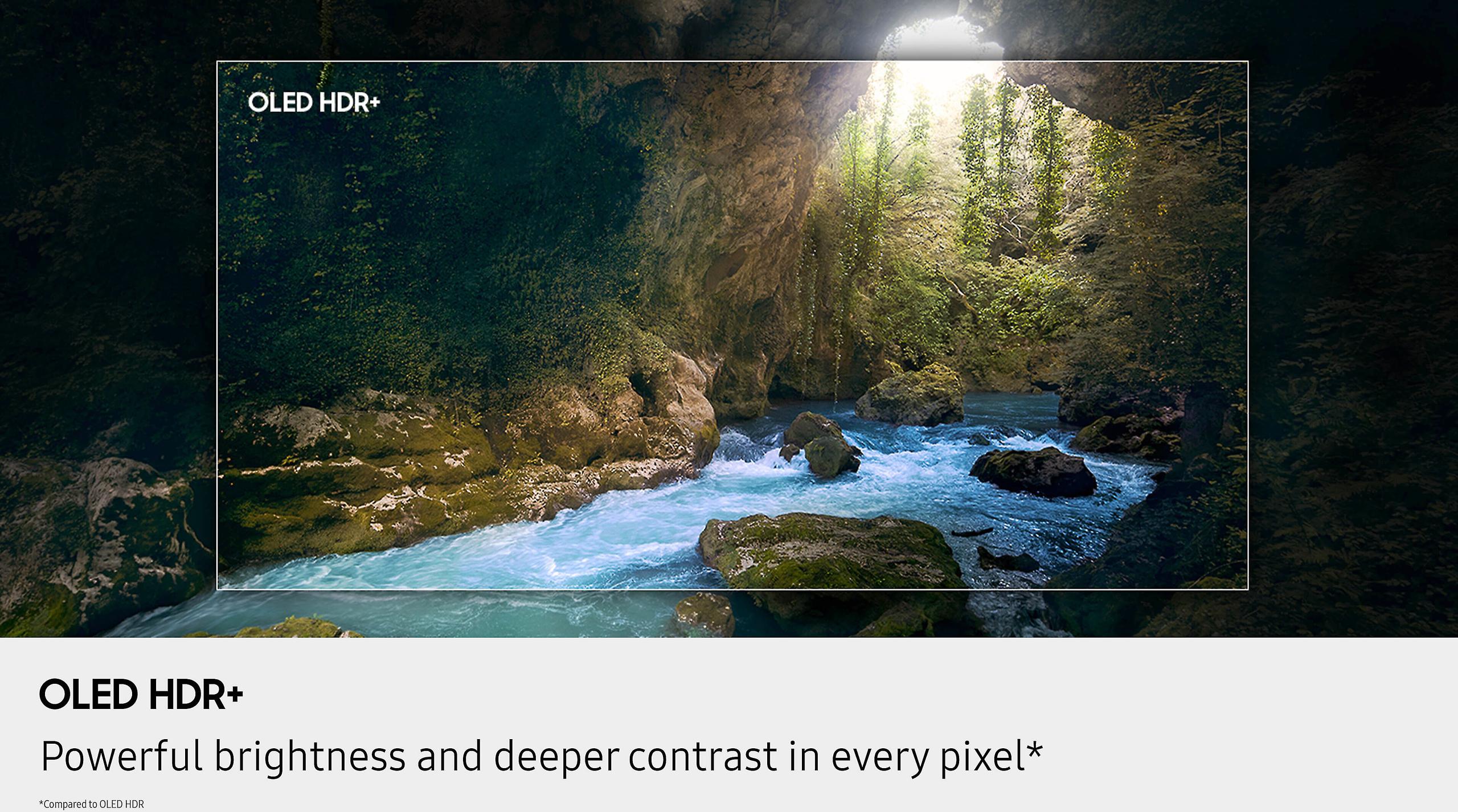
The Samsung S90F approaches HDR differently. While it may not reach the same peak brightness levels, the infinite contrast means that HDR content appears more dynamic in dark rooms. The difference between the darkest blacks and brightest whites is more dramatic, creating what many consider a more cinematic experience.
For practical home theater use, this translates to different optimal viewing conditions. The QNED92A performs consistently well regardless of room lighting, while the S90F truly shines when you can control ambient light. If you're setting up a dedicated home theater room with blackout curtains, the OLED's contrast advantage becomes more pronounced.
Color reproduction represents another area where these technologies diverge significantly. The QNED92A's quantum dot implementation delivers impressive color volume—the ability to display bright, saturated colors alongside deep, dark ones. This is particularly noticeable in animated content or nature documentaries where vibrant colors need to appear realistic.
The S90F's potential QD-OLED panel takes color performance to another level. The combination of quantum dots with self-emissive pixels allows for colors that are both more accurate and more saturated than traditional displays. Skin tones appear more natural, and the subtle color gradations in sunset scenes or fabric textures become more apparent.
Both TVs support all major HDR formats, including Dolby Vision, HDR10, and HLG. Dolby Vision is particularly important as it provides scene-by-scene optimization, ensuring that each frame displays with optimal brightness and color settings.
Motion performance varies between these technologies. The QNED92A's 120Hz refresh rate combined with LG's motion processing delivers smooth sports action and reduces judder in films. The Mini LED backlighting can keep up with fast motion without significant brightness fluctuations.
The S90F's OLED technology has inherent advantages for motion. The instant pixel response time means there's virtually no motion blur, and the 144Hz capability provides even smoother motion for compatible content. Sports fans will appreciate how clearly they can follow fast-moving objects like hockey pucks or tennis balls.
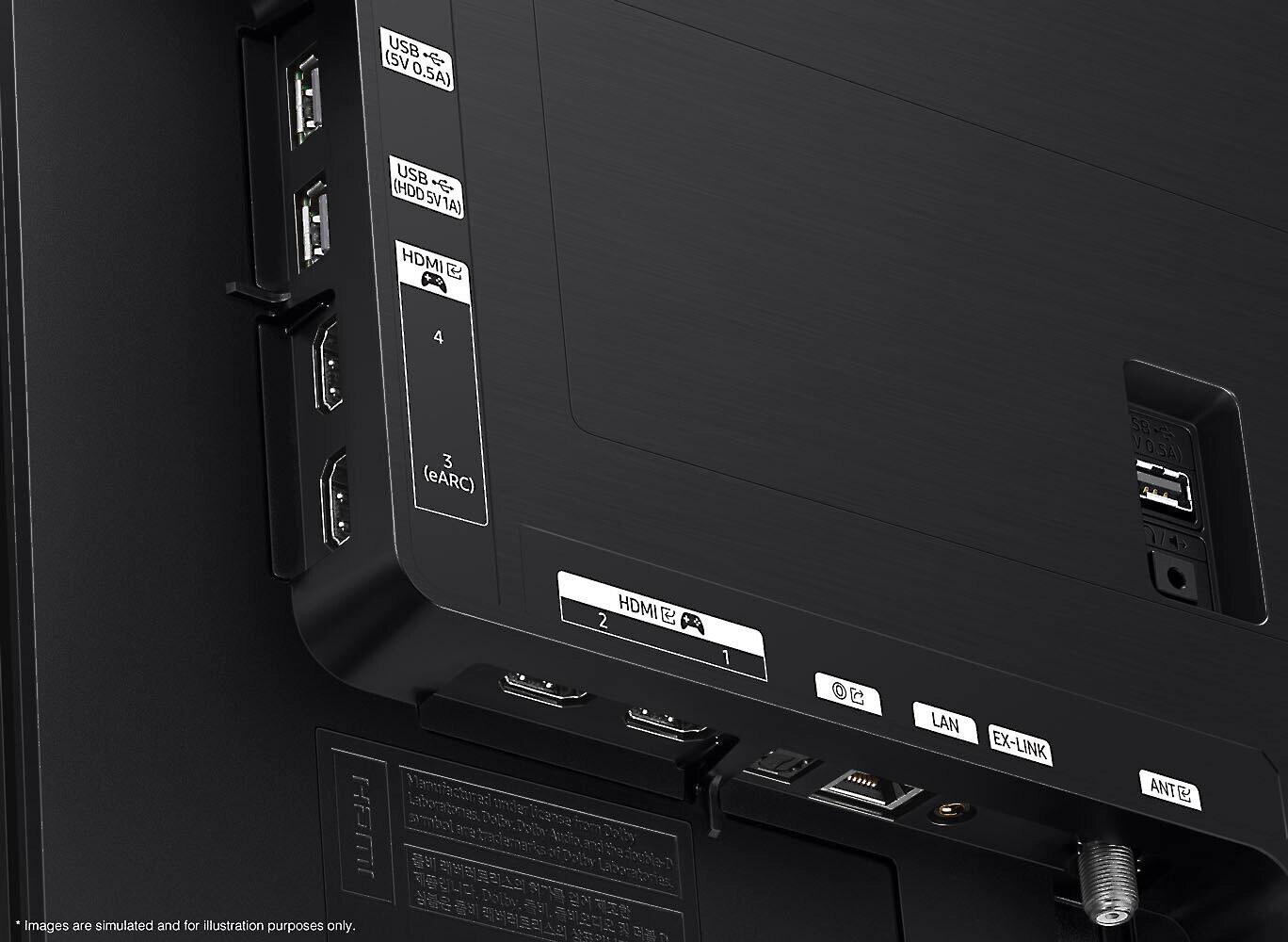
Both TVs excel for gaming, but in different ways. The LG QNED92A delivers exceptional input lag performance at just 9.6ms, making it highly responsive for competitive gaming. All four HDMI 2.1 ports support 4K at 120Hz, Variable Refresh Rate (VRR), and Auto Low Latency Mode (ALLM). The Game Optimizer interface provides quick access to different gaming modes and settings.
The Samsung S90F takes gaming a step further with 4K at 144Hz capability—useful for high-end PC gaming setups. The OLED's instant pixel response eliminates motion blur entirely, which is particularly beneficial for fast-paced games. The Motion Xcelerator 144Hz technology ensures smooth gameplay even in demanding scenarios.
For console gaming, both TVs support the latest features from PlayStation 5 and Xbox Series X/S, including Dolby Vision for gaming—a newer standard that enhances HDR gaming experiences. The OLED's perfect blacks can make dark game environments more immersive, while the Mini LED's brightness advantage helps in bright outdoor game scenes.
The intelligence built into these TVs has evolved significantly since previous generations. The QNED92A runs webOS 25, LG's latest smart TV platform, powered by the α9 AI Gen8 processor. This system learns from your viewing habits and automatically optimizes picture settings for different content types. The AI Picture Pro feature analyzes scenes in real-time, adjusting brightness, contrast, and color to match the content and room conditions.
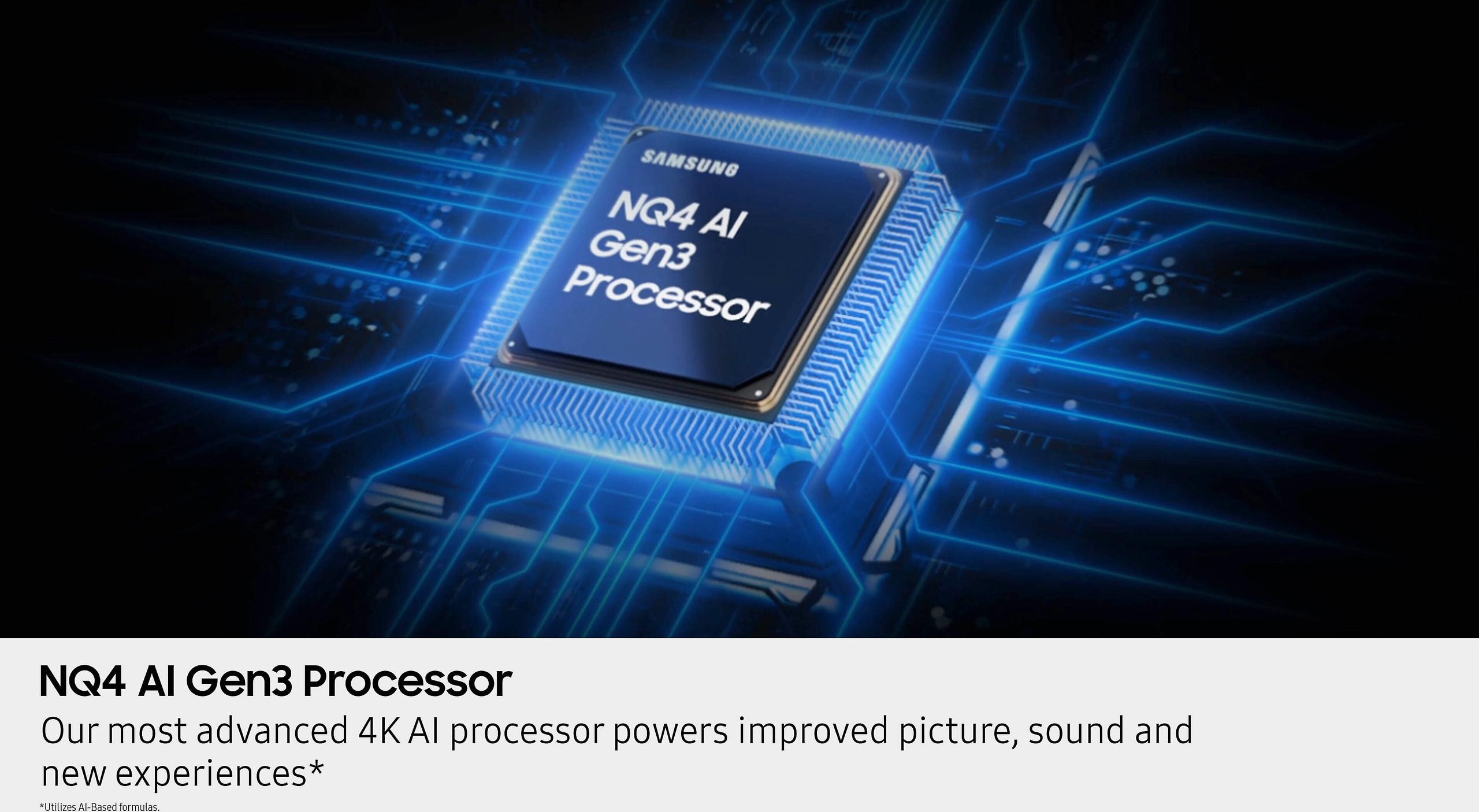
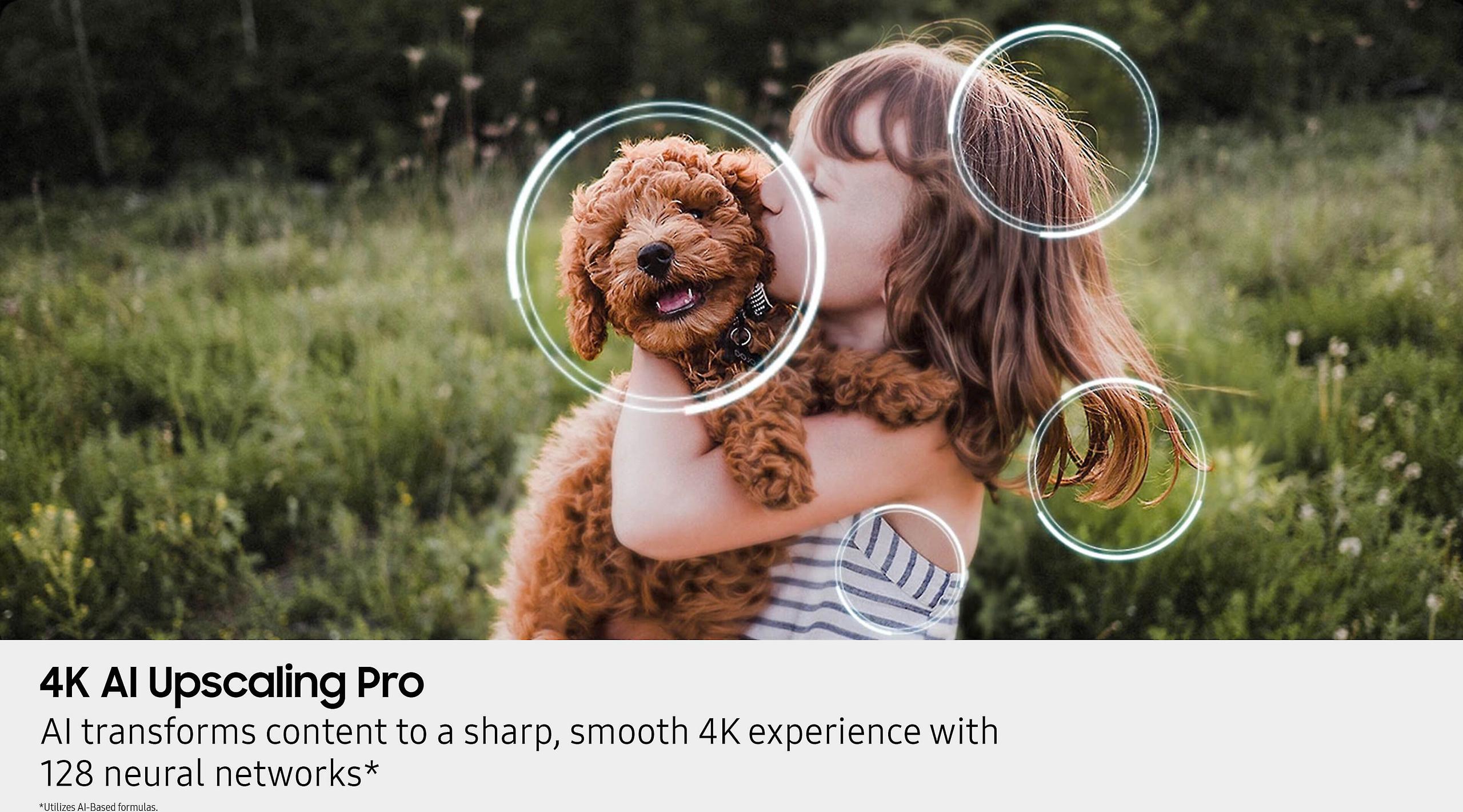
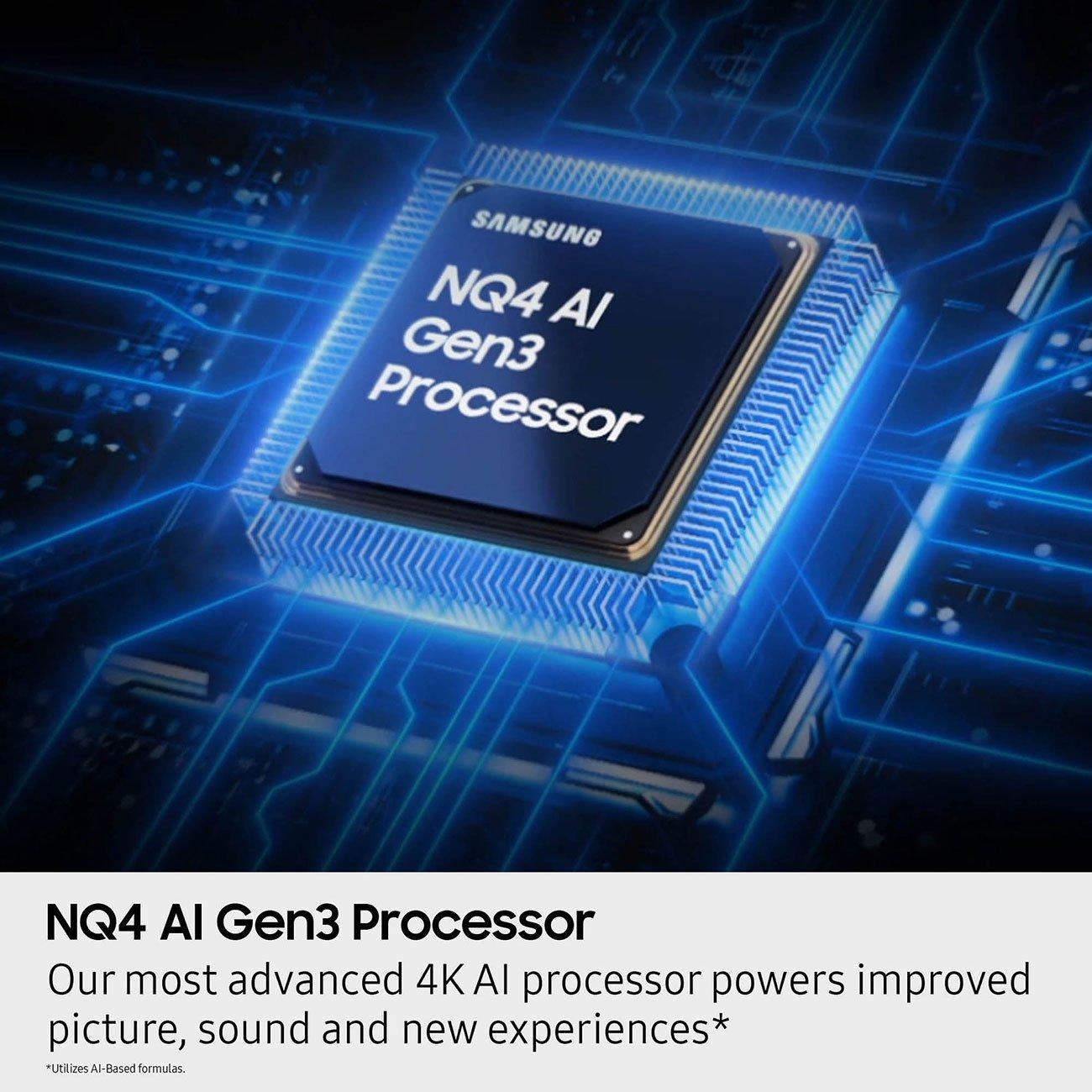
Samsung's S90F uses the NQ4 AI Gen3 processor with Vision AI technology. This system goes beyond basic optimization to actually transform content—for example, the Auto HDR Remastering feature uses machine learning to convert standard dynamic range content to HDR-like quality. The AI can recognize different types of content and apply appropriate enhancements automatically.
Both systems include updated voice assistants. LG's updated Magic Remote works with Google Assistant, Amazon Alexa, and Apple HomeKit, while Samsung's Bixby has improved contextual understanding and can handle multiple commands simultaneously.
While both TVs include decent built-in audio systems, neither replaces a dedicated soundbar for serious home theater use. The QNED92A features a 2.2 channel system with Dolby Atmos support and AI Sound Pro processing. The AI analyzes audio content and adjusts settings for dialogue clarity and surround effects.
The S90F's Adaptive Sound Pro technology takes room acoustics into account, automatically adjusting audio based on your room's characteristics. This is particularly useful since room acoustics vary dramatically between spaces.
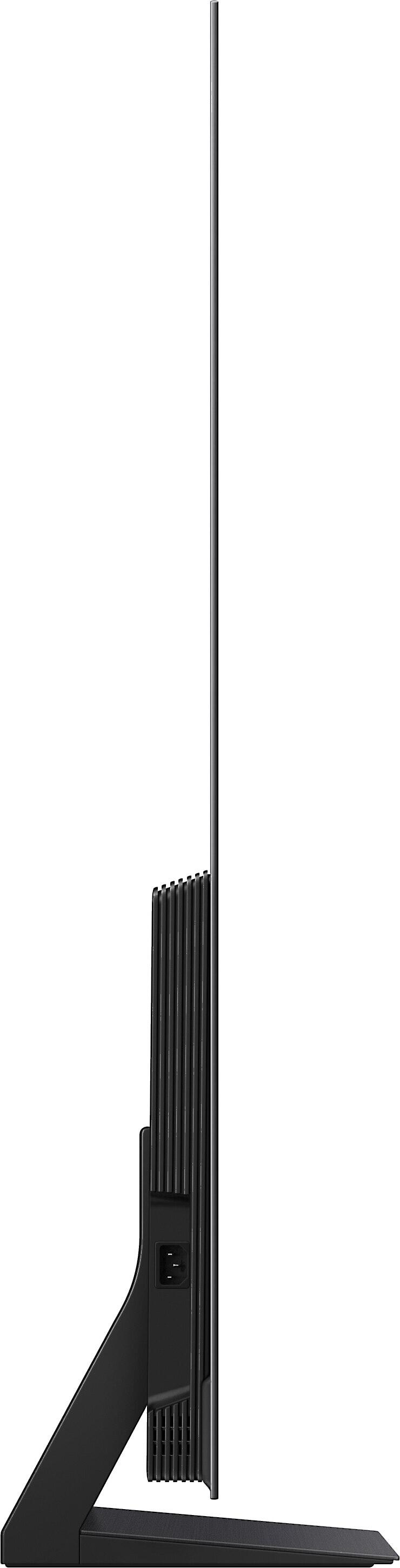
For home theater enthusiasts, both TVs support eARC (enhanced Audio Return Channel) for sending high-quality audio to compatible soundbars and receivers. The OLED's thinner profile might make soundbar placement more aesthetically pleasing, while the Mini LED's design accommodates various mounting options.
Longevity considerations play a crucial role in premium TV purchases. The LG QNED92A has no burn-in risk, making it ideal for users who display static content like news channels, gaming interfaces, or computer desktops. The Mini LED backlighting maintains consistent brightness over time, and LG's Re:New Program guarantees five years of software updates.
The Samsung S90F uses modern OLED technology with improved burn-in resistance compared to earlier generations. Samsung includes various protection features like pixel refreshing and logo luminance adjustment. However, OLED technology still requires some care with static content, particularly for users who leave news channels or gaming interfaces on for extended periods.
Both manufacturers have improved their software update policies significantly. LG's five-year guarantee for the QNED92A provides peace of mind, while Samsung's Tizen OS typically receives updates for several years, though without the specific guarantee.
For families with large windows and daytime viewing, the LG QNED92A provides superior performance. The high peak brightness cuts through ambient light, making HDR content appear vibrant even with curtains open. Sports viewing benefits from the consistent brightness and wide viewing angles, accommodating multiple viewers across a room.
Home theater enthusiasts will appreciate the Samsung S90F in controlled lighting conditions. The perfect blacks create the letterbox bars that disappear completely, providing an immersive cinematic experience. The infinite contrast makes shadow details more visible while maintaining bright highlight performance.
Many households need TVs that perform well in various lighting conditions. The QNED92A's brightness advantage makes it more versatile for different times of day and room configurations. The S90F's improved OLED brightness narrows this gap compared to previous generations, but the Mini LED maintains an advantage for mixed usage.
One important consideration for the Samsung S90F is the potential "panel lottery" on the 65-inch model. While larger and smaller sizes are confirmed to use QD-OLED panels, there's uncertainty about whether all 65-inch units will receive the premium panel technology or if some might use traditional WOLED panels instead. This uncertainty affects the value proposition, as QD-OLED panels offer superior color and brightness performance.
Choose the LG QNED92A if you have a bright room with lots of natural light, prioritize consistent performance across different viewing conditions, want zero burn-in risk, or prefer the lower price point. It's particularly suitable for families who watch varied content throughout the day and need a TV that performs well in any lighting condition.
Choose the Samsung S90F if you primarily watch in dark or controlled lighting environments, prioritize the absolute best picture quality for movies and cinematic content, want superior gaming performance for high-end PC setups, or can accept the slightly higher price for OLED technology.
The decision often comes down to your room environment and viewing preferences. Both TVs represent excellent value in the premium segment, with the choice depending more on your specific needs than on overall quality differences. The $116 price difference between them is relatively small compared to the technology differences, making either choice a solid investment for years of premium entertainment.
| LG 65" QNED92A QNED evo AI Mini LED 4K TV 2025 | Samsung 65" S90F OLED 4K Vision AI Smart TV 2025 |
|---|---|
| Price - $116 difference reflects technology gap | |
| $1,681.99 | $1,797.99 |
| Display Technology - Fundamental difference affecting all performance aspects | |
| Mini LED LCD with hundreds of dimming zones | OLED with per-pixel lighting control |
| Peak Brightness - Critical for HDR impact and bright room viewing | |
| 1,520 nits (excellent for bright rooms) | ~1,000+ nits (good for OLED, still lower than Mini LED) |
| Black Levels - Determines contrast and dark scene detail | |
| Very good with local dimming (some backlight bleed) | Perfect blacks with infinite contrast |
| Color Performance - Affects realism and vibrancy | |
| 97% DCI-P3 with quantum dot enhancement | Exceptional with potential QD-OLED panel |
| Gaming Refresh Rate - Higher rates mean smoother motion | |
| 120Hz (excellent for console gaming) | 144Hz (ideal for high-end PC gaming) |
| Input Lag - Lower numbers mean more responsive gaming | |
| 9.6ms (exceptionally responsive) | Competitive (exact figure varies) |
| Viewing Angles - Important for wide seating arrangements | |
| Good but shows some color shift off-axis | Excellent consistency from any angle |
| Burn-in Risk - Long-term reliability consideration | |
| No risk (LCD technology advantage) | Minimal risk with modern OLED protection |
| AI Processor - Handles upscaling and optimization | |
| α9 AI Gen8 with Picture Pro | NQ4 AI Gen3 with Vision AI |
| Smart TV Platform - Affects interface and app support | |
| webOS 25 with 5-year update guarantee | Tizen OS with AI enhancements |
| HDR Support - All major formats supported on both | |
| Dolby Vision, HDR10, HLG, FILMMAKER MODE | Dolby Vision, HDR10, HLG |
| Audio System - Both benefit from external soundbar | |
| 2.2 channel with Dolby Atmos | Dynamic sound with Adaptive Sound Pro |
| Best Use Case - Where each TV excels most | |
| Bright rooms, mixed usage, sports viewing | Dark rooms, movies, cinematic content |
The LG 65" QNED92A QNED evo AI Mini LED 4K TV 2025 ($1,681.99) is significantly better for bright rooms. Its Mini LED technology delivers peak brightness of 1,520 nits, which cuts through ambient light and glare effectively. The Samsung S90F OLED, while improved over previous generations, still can't match this brightness level and may appear washed out in very bright environments.
The Samsung 65" S90F OLED 4K Vision AI Smart TV 2025 ($1,797.99) generally has superior picture quality due to its perfect blacks and infinite contrast ratio. Each pixel can turn completely off, creating true blacks that the LG QNED92A cannot match despite its advanced Mini LED technology. However, the LG excels in peak brightness, making the choice dependent on your viewing environment.
Both TVs are excellent for gaming, but the Samsung S90F has a slight edge with 144Hz refresh rate support compared to the LG's 120Hz. The Samsung also offers instant pixel response for zero motion blur. However, the LG QNED92A counters with exceptionally low 9.6ms input lag and comprehensive gaming features through its Game Optimizer interface.
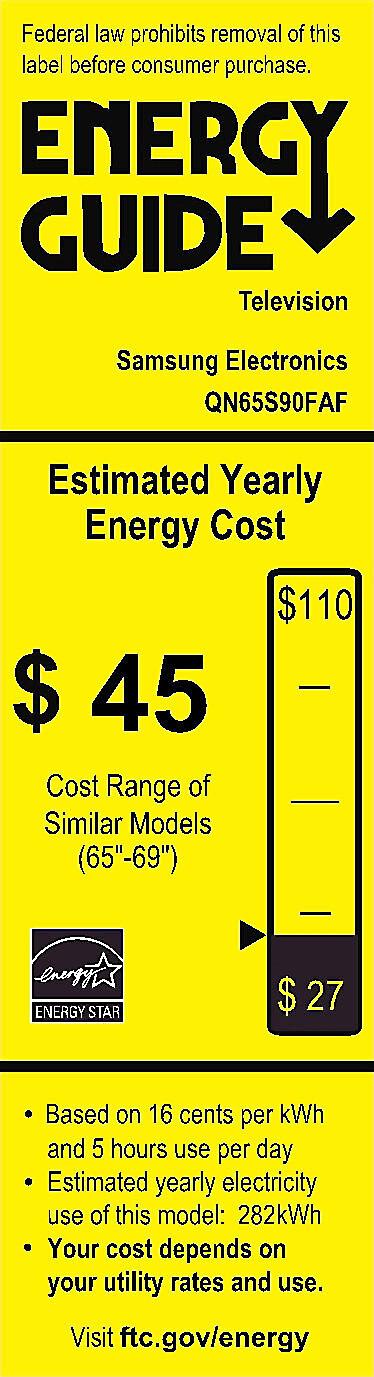
The LG QNED92A costs $116 less at $1,681.99 compared to the Samsung's $1,797.99. For value, the LG offers excellent performance per dollar, especially for bright room viewing. The Samsung's higher price reflects OLED technology's premium nature, but both represent good value in their respective categories.
The Samsung S90F is superior for dedicated home theater use. Its perfect blacks make letterbox bars disappear completely, creating a more immersive cinematic experience. The infinite contrast reveals more detail in dark scenes while maintaining bright highlights. The LG performs well but can't match OLED's cinematic presentation in dark room conditions.
Both TVs offer excellent smart features, but with different approaches. The LG QNED92A runs webOS 25 with a 5-year update guarantee and comprehensive voice assistant support. The Samsung S90F features Vision AI with advanced content enhancement and Samsung's Tizen OS. Both include major streaming apps and AI-powered optimization.
The LG QNED92A has no burn-in risk due to its LCD technology, making it more durable for static content like news channels or gaming interfaces. The Samsung S90F uses modern OLED technology with improved burn-in resistance, but still requires some care with static content. Both offer similar overall longevity with proper use.
The LG QNED92A is generally better for sports due to its superior brightness and consistent performance in various lighting conditions. Sports are often watched during the day in bright rooms where the Mini LED technology excels. The Samsung S90F offers excellent motion handling but performs best in controlled lighting environments.
The Samsung S90F typically delivers better color accuracy, especially if equipped with a QD-OLED panel. The combination of quantum dots and self-emissive pixels produces more natural and vibrant colors. The LG QNED92A offers strong color performance with 97% DCI-P3 coverage, but can't quite match OLED's natural color reproduction.
The LG QNED92A is often better for family rooms due to its brightness advantage and no burn-in risk. Family rooms typically have varied lighting conditions and mixed content usage, where the Mini LED technology's versatility shines. The Samsung works well too but requires more consideration of room lighting and content types.
The Samsung S90F offers superior viewing angles with consistent brightness and color from any position. This makes it ideal for wide seating arrangements where people sit off to the sides. The LG QNED92A has improved viewing angles over standard LCD TVs but still shows some color shifting when viewed from extreme angles.
Choose the LG QNED92A if you have a bright room, want the lower price, need zero burn-in risk, or prioritize consistent performance across different viewing conditions. Choose the Samsung S90F if you primarily watch in dark rooms, want the absolute best picture quality for movies, can control ambient lighting, or prioritize superior color accuracy and contrast.
We've done our best to create useful and informative comparisons to help you decide what product to buy. Our research uses advanced automated methods to create this comparison and perfection is not possible - please contact us for corrections or questions. These are the sites we've researched in the creation of this article: stereoindex.com - youtube.com - youtube.com - digitaltrends.com - abt.com - lg.com - youtube.com - ecoustics.com - hometheaterforum.com - lg.com - valueelectronics.com - listenup.com - pcrichard.com - furnitureconnectionnd.com - avnirvana.com - files.bbystatic.com - lg.com - lgnewsroom.com - techradar.com - bestbuy.com - bestbuy.com - youtube.com - youtube.com - youtube.com - t3.com - rtings.com - bestbuy.com - stereonet.com - samsung.com - bestbuy.com - flatpanelshd.com - myallsouth.com - pcrichard.com - samsung.com - bestbuy.com - samsung.com - samsung.com - samsung.com

Privacy Policy
Terms and Conditions - Affiliate Policy
Home Security
© Copyright 2008-2026.
11816 Inwood Rd #1211, Dallas, TX 75244