

Choosing between a $1,200-$1,500 TV isn't a decision you make every few years. When you're investing this much in your home entertainment setup, you want to understand exactly what you're getting—and more importantly, what trade-offs you're making. The Samsung 65" The Frame QLED 4K 2024 TV and LG 65" QNED92A QNED evo AI Mini LED 4K TV 2025 represent two fundamentally different approaches to premium television design, and the one you choose should align with how you actually use your TV.
At the time of writing, these TVs sit in the premium large-screen category where performance expectations run high. The Samsung Frame launched in 2024 as part of Samsung's continuing evolution of their art-focused TV concept, while the LG QNED92A represents LG's 2025 push into Mini LED technology to compete more directly with OLED performance characteristics.
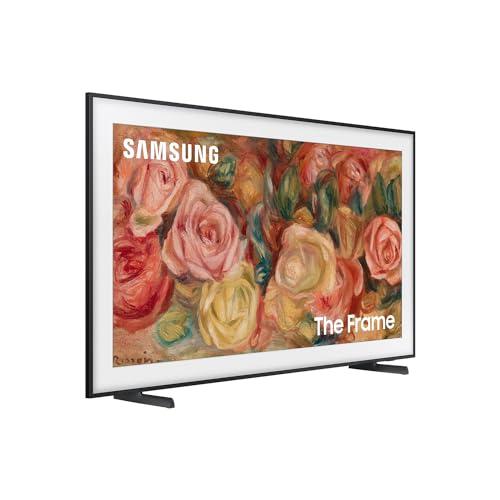
The core difference between these televisions lies in their fundamental design philosophy. The Samsung Frame prioritizes aesthetics and dual functionality—it's engineered to disappear into your décor when not actively displaying video content. The LG QNED92A, meanwhile, focuses on delivering maximum display performance using advanced backlighting technology.
This philosophical split affects everything from the panel technology to the user interface design. When Samsung developed the Frame series, they started with the question: "How do we make a TV that doesn't look like a TV?" LG's approach with the QNED92A asks: "How do we get LCD technology to perform more like OLED?" These different starting points lead to very different strengths and weaknesses.
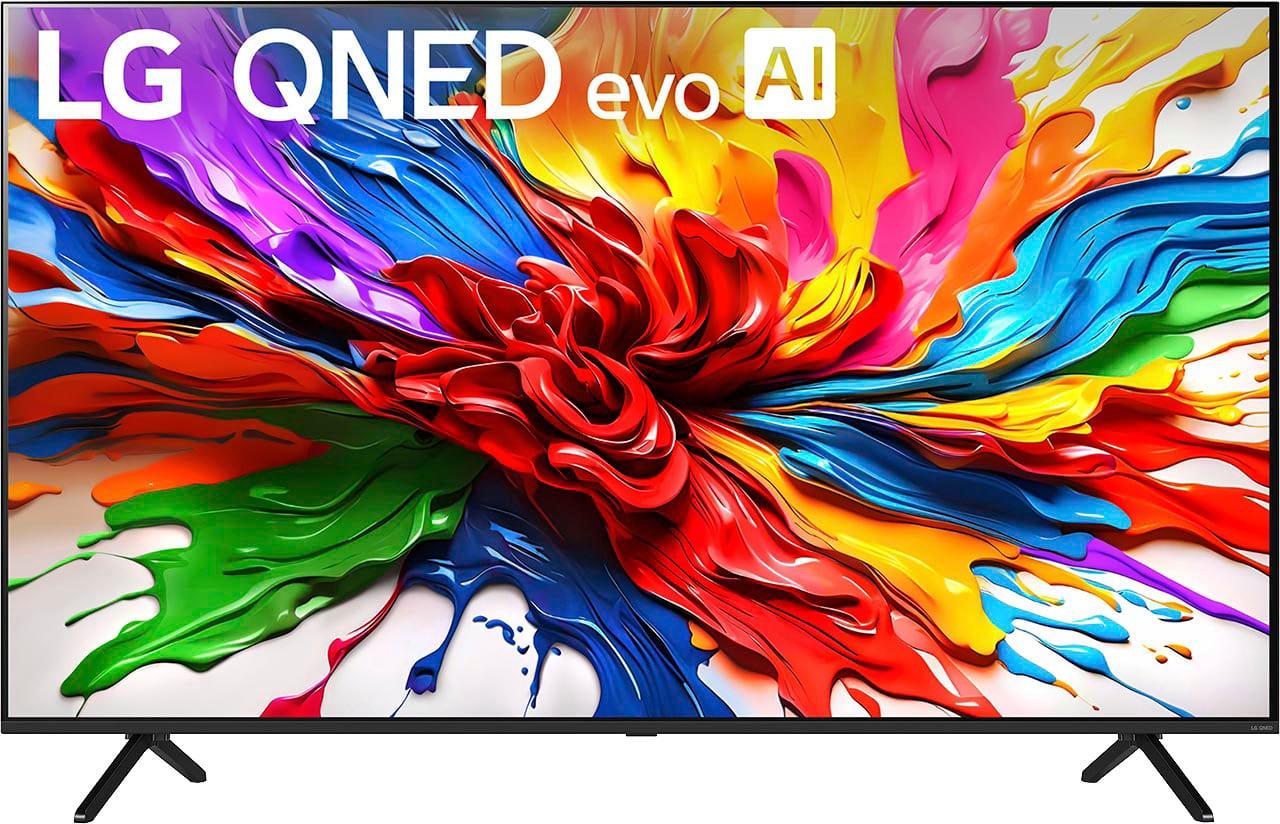
The most significant technical difference between these TVs lies in their backlighting systems, which fundamentally determines picture quality performance. The LG QNED92A uses Mini LED backlighting—a technology that places thousands of tiny LEDs behind the screen in hundreds of individually controlled zones. Think of it like having hundreds of tiny flashlights that can turn on and off independently to light up only the parts of the screen that need it.
This local dimming capability allows the LG QNED92A to achieve much deeper black levels than traditional LED TVs. When a movie scene shows stars against a black night sky, the Mini LED system can turn off the LEDs behind the black areas while keeping the star areas bright. The result is contrast performance that approaches OLED quality—the gold standard for TV contrast—while maintaining the brightness advantages of LED technology.
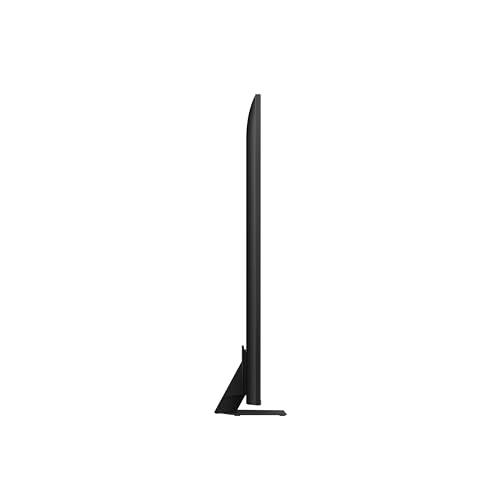
The Samsung Frame, by contrast, uses traditional edge-lit QLED technology. QLED stands for Quantum Dot Light Emitting Diode, which sounds more impressive than it actually is—it's still an LCD TV with LED backlighting, just with a layer of quantum dots that enhance color reproduction. The "edge-lit" part means the LEDs are positioned around the edges of the screen rather than directly behind it, which keeps the TV extremely thin but limits contrast performance since you can't control lighting in specific screen areas.
Peak brightness might sound like a spec sheet number, but it has real-world implications for your viewing experience. The LG QNED92A reaches approximately 1,520 nits of peak brightness—that's bright enough to make HDR highlights truly pop even in a room with windows and ambient lighting. For context, a typical indoor lighting environment runs about 100-200 nits, so this TV can produce highlights more than seven times brighter than your room's ambient light.
The Samsung Frame peaks around 590 nits, which is adequate for most content but won't deliver that "wow factor" when HDR content shows explosions, sunlight, or other bright elements. However, Samsung made a deliberate trade-off here—the Frame's matte anti-glare coating scatters ambient light to reduce reflections, making it more watchable in bright rooms despite lower peak brightness.
This creates an interesting dynamic: the LG QNED92A can overpower room lighting through sheer brightness, while the Samsung Frame reduces the impact of room lighting through reflection control. Both approaches work, but they excel in different environments.
Both TVs use quantum dot technology to enhance color reproduction, but they implement it differently. The LG QNED92A combines quantum dots with LG's NanoCell technology to achieve 97% coverage of the DCI-P3 color space—the standard used for digital cinema. This translates to more vibrant and accurate colors, particularly in reds and greens.
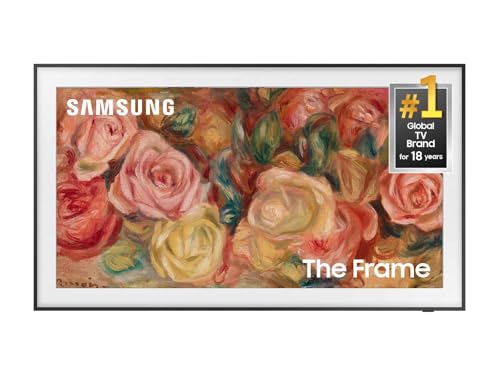
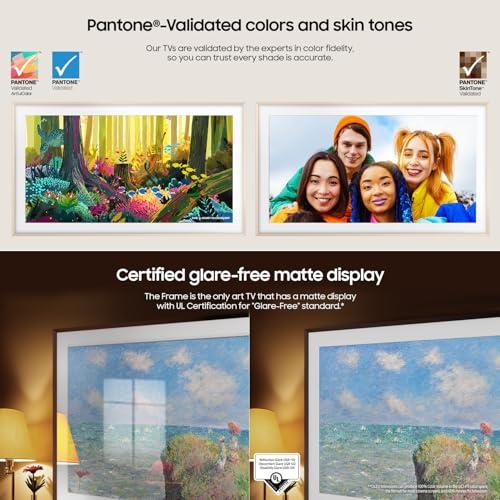
The Samsung Frame takes a unique approach with industry-first Pantone art certification. Pantone is the company that creates standardized color references used in professional printing and design. This certification means the Frame can accurately display artwork with the color precision that artists and photographers expect. For most TV content, this level of color accuracy is overkill, but it becomes crucial when the TV functions as a digital art display.
If gaming matters to you, the performance differences between these TVs are significant. The LG QNED92A delivers exceptional gaming performance with 9.6 milliseconds of input lag—that's the delay between when you press a controller button and when the action appears on screen. For competitive gaming, anything under 20ms is considered excellent, so 9.6ms puts this TV in enthusiast territory.
More importantly, all four HDMI ports on the LG QNED92A support HDMI 2.1 features including 4K resolution at 120Hz refresh rate and Variable Refresh Rate (VRR). This means you can connect a PlayStation 5, Xbox Series X, gaming PC, and Apple TV 4K simultaneously while maintaining full gaming performance on each. The TV even supports refresh rates up to 144Hz for PC gaming, matching high-end gaming monitors.
The Samsung Frame offers decent gaming performance with 9.2ms input lag, but only one HDMI port supports the full suite of gaming features. If you have multiple gaming systems, you'll need to swap cables or use an HDMI switcher, which adds complexity and potential points of failure.
However, the LG QNED92A has a significant weakness: poor motion handling at 60Hz. Many console games run at 60 frames per second, and this TV struggles to keep up with fast movement, creating blur and artifacts. This is particularly problematic for racing games, sports games, and fast-paced action titles. The Samsung Frame handles 60Hz motion better, making it more suitable for casual console gaming despite having fewer gaming-specific features.
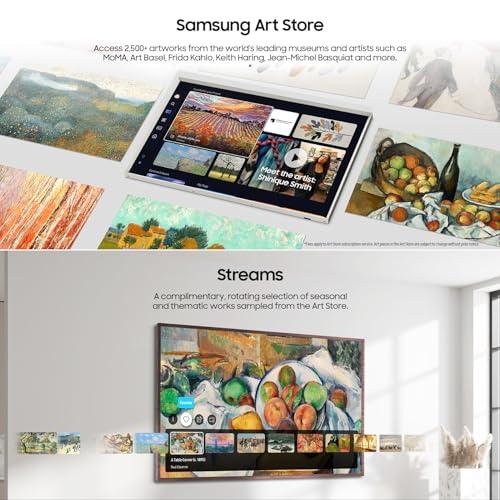
Both TVs run sophisticated smart TV platforms, but with different strengths. The Samsung Frame uses Tizen OS, Samsung's proprietary platform that integrates well with Samsung's ecosystem of devices and services. The standout feature is seamless access to Samsung's Art Store, which offers over 3,000 pieces of artwork for display when the TV isn't in use. However, accessing the full art library requires an ongoing subscription, adding to the long-term cost of ownership.
The LG QNED92A runs webOS 25, which generally receives higher marks for user interface design and app selection. More significantly, LG commits to five years of software updates through their Re:New program, ensuring the TV will receive new features and security patches well into the future. This kind of long-term support commitment is rare in the TV industry and adds real value to your investment.
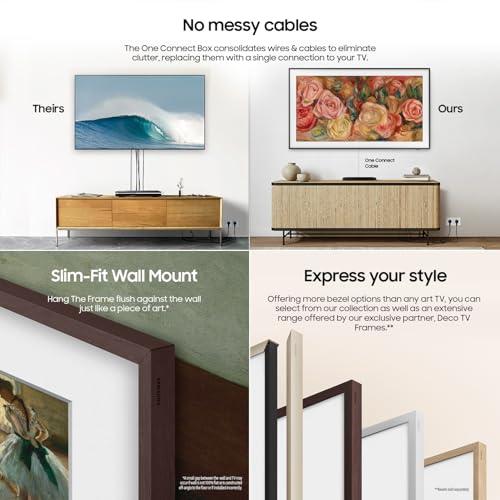
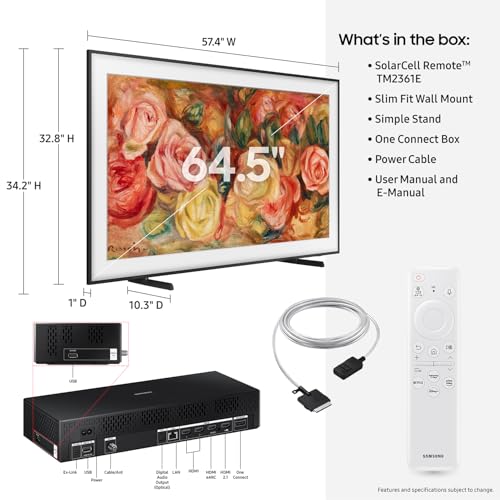
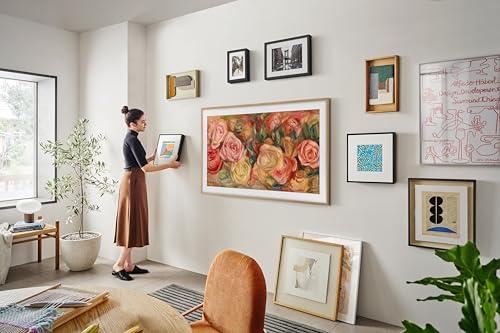
The Samsung Frame is engineered from the ground up for aesthetic integration. At just one inch thick, it mounts nearly flush to the wall, and the included One Connect Box consolidates all your device connections into a single, thin cable running to the TV. The magnetic bezel system lets you change the TV's appearance to match different décor—though these bezels are sold separately and can add significantly to the total cost.
When the TV displays artwork, it uses a motion sensor to detect when someone enters the room and automatically adjusts brightness and color temperature to mimic how real artwork appears under different lighting conditions. This attention to the "art display" use case is unmatched in the TV industry.
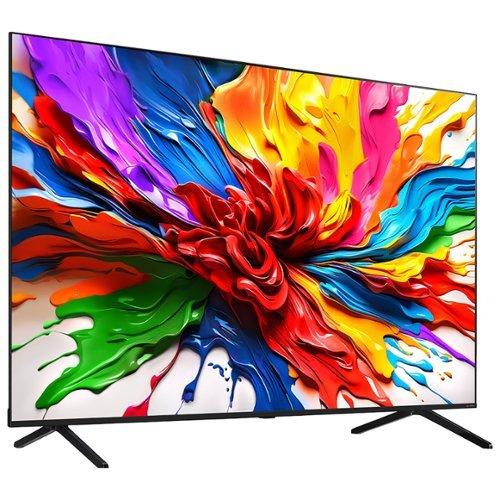
The LG QNED92A takes a different approach with its Zero Connect Box, which enables true wireless video transmission. This means only a power cable connects to the TV itself—all your devices connect to a separate box that can be placed up to 30 feet away. This creates even more installation flexibility than Samsung's wired One Connect solution, though it adds complexity and potential wireless interference issues.
Neither TV will replace a dedicated sound system, but both offer competent built-in audio. The LG QNED92A includes 2.2 channel speakers with AI-powered sound processing that attempts to create virtual surround sound effects. The Samsung Frame uses a 2.0.2 channel system with Object Tracking Sound, which tries to make audio follow the action on screen.
Both TVs support Dolby Atmos, the premium surround sound format that adds height channels for more immersive audio. However, Dolby Atmos through TV speakers is more of a processing trick than true surround sound. If you're serious about audio quality, both TVs work well with external soundbars and surround systems.
Many people place their primary TV in a living room with windows, lamps, and other light sources. This creates competing demands: you want great picture quality, but you also need the TV to remain watchable when ambient light hits the screen.
The Samsung Frame excels here through its matte anti-glare coating, which scatters reflected light to reduce the mirror-like reflections that plague most TVs. However, this matte coating slightly reduces overall image sharpness and can make colors appear less vibrant compared to glossy screens.
The LG QNED92A takes the opposite approach—it uses a traditional glossy screen but compensates with extremely high peak brightness. This works well with indirect lighting but struggles when direct light sources (like windows or lamps) reflect off the screen surface.
For dedicated home theater rooms with controlled lighting, the LG QNED92A is the clear choice. Its Mini LED backlighting delivers the deep blacks and bright highlights that make movies more engaging, while its superior brightness capabilities ensure HDR content displays as intended.
The TV's Dolby Vision support automatically adjusts picture settings based on each scene's requirements, and Filmmaker Mode disables processing that might interfere with the director's intended presentation. These features matter most in dark room viewing where you can appreciate subtle details in shadows and highlights.
Many households need their TV to serve multiple roles: entertainment center, gaming display, and occasionally, digital photo frame or art display. This is where the fundamental design philosophies of these TVs create the biggest trade-offs.
The Samsung Frame seamlessly transitions between these roles. When you're not actively watching, it displays artwork or family photos with professional-quality color accuracy. When you want to watch TV, it provides adequate picture quality for most content types. When you want to game casually, it offers responsive controls and decent motion handling.
The LG QNED92A excels at entertainment and gaming but looks like a black rectangle when turned off. If your TV is mounted prominently in a living space, this aesthetic consideration might outweigh the technical performance advantages.
At the time of writing, the LG QNED92A typically costs $200-300 less than the Samsung Frame, making it the better value from a pure performance perspective. You're getting significantly more advanced display technology for less money. However, this calculation becomes more complex when you factor in the Frame's unique functionality and the additional costs of each system.
The Samsung Frame requires ongoing costs for full art library access and optional bezel purchases, while the LG QNED92A includes all its features upfront with the promise of five years of software updates.
From a technology longevity perspective, Mini LED represents a newer, more advanced display technology that should age better than traditional QLED. However, the Samsung Frame's focus on timeless design aesthetics might make it feel less dated over time, even as display technology continues advancing.
The choice between these TVs ultimately comes down to how you prioritize performance versus aesthetics, and how you plan to use the TV in your specific environment.
Choose the LG QNED92A if you're primarily focused on getting the best picture quality and gaming performance for your investment. It delivers superior brightness, contrast, and gaming features at a lower price point. This makes it ideal for movie enthusiasts, serious gamers, and anyone who wants cutting-edge display technology. It's also the better choice for home theater setups or rooms where you can control ambient lighting.
Choose the Samsung Frame if the TV's aesthetic integration into your living space is equally important as its entertainment function. The ability to display artwork when not in use, combined with the ultra-slim wall-mount design and effective glare reduction, creates value that goes beyond traditional TV metrics. This makes it perfect for design-conscious households, prominent living room installations, and spaces where the TV needs to complement rather than dominate the décor.
Consider your specific environment carefully. If you're dealing with significant glare issues from windows or lighting, the Frame's anti-reflective coating might be worth the performance trade-offs. If you have multiple gaming systems or frequently watch HDR content in darker environments, the QNED92A's technical advantages become more valuable.
Both TVs represent solid choices within their design philosophies, but they're optimized for different priorities and use cases. The key is honestly assessing which set of strengths aligns better with how you'll actually use your TV over the next several years.
| Samsung 65" The Frame QLED 4K 2024 TV | LG 65" QNED92A QNED evo AI Mini LED 4K TV 2025 |
|---|---|
| Peak Brightness - Critical for HDR content and bright room viewing | |
| 590 nits (adequate for most content, limited HDR impact) | 1,520 nits (excellent HDR performance, overpowers ambient light) |
| Display Technology - Determines contrast and black levels | |
| Edge-lit QLED (thinner design, average contrast) | Mini LED with hundreds of dimming zones (superior contrast, some haloing) |
| Anti-Glare Performance - Essential for bright living spaces | |
| Matte anti-reflective coating (excellent glare reduction) | Standard glossy screen (distracting reflections in bright rooms) |
| Gaming Input Lag - Response time for competitive gaming | |
| 9.2ms (excellent for casual gaming) | 9.6ms (exceptional for serious gaming) |
| HDMI 2.1 Ports - For next-gen consoles and high refresh gaming | |
| 1 port (limits multi-device gaming setups) | 4 ports (connect all devices simultaneously) |
| Motion Handling - Important for sports and action content | |
| Good at 60Hz (suitable for console gaming) | Poor at 60Hz (problematic for console gaming despite 120Hz support) |
| Color Accuracy - Matters for art display and professional content | |
| Pantone art certification (industry-first for artwork display) | 97% DCI-P3 coverage (excellent for movies and TV content) |
| Unique Design Feature - What sets each TV apart | |
| Art Mode with customizable magnetic bezels (TV disappears into décor) | Zero Connect wireless transmission (ultimate cable management) |
| Smart Platform & Updates - Long-term software support | |
| Tizen OS with Art Store integration (subscription required for full library) | webOS 25 with 5-year update guarantee (better long-term value) |
| Audio System - Built-in speaker performance | |
| 2.0.2 channel, 40W with Object Tracking Sound | 2.2 channel with AI Sound Pro and Dolby Atmos |
| Wall Mounting - Installation flexibility | |
| 1" thick, flush mount with One Connect Box (single cable to TV) | Standard thickness, wireless setup option (power cable only) |
| HDR Format Support - Premium content compatibility | |
| HDR10, HDR10+, HLG (no Dolby Vision) | Dolby Vision, HDR10, HLG (full premium format support) |
The LG 65" QNED92A delivers superior picture quality with its Mini LED backlighting system that produces deeper blacks, brighter highlights, and better contrast than the Samsung Frame. The LG reaches 1,520 nits peak brightness compared to Samsung's 590 nits, making HDR content more impactful. However, the Samsung Frame offers better color accuracy for artwork display with Pantone certification.
The LG QNED92A is significantly better for serious gaming with four HDMI 2.1 ports supporting 4K at 120Hz, compared to just one port on the Samsung Frame. Both have excellent input lag (9.6ms vs 9.2ms), but the LG supports higher refresh rates up to 144Hz. However, the Samsung Frame handles 60Hz console gaming better due to superior motion processing.
The Samsung Frame excels in bright rooms thanks to its matte anti-reflective coating that eliminates glare from windows and lighting. While the LG QNED92A can overpower some ambient light with its higher brightness, it suffers from distracting reflections on its glossy screen in bright environments.
The Samsung Frame transforms into a digital art display when not watching TV, using Art Mode to show curated artwork or personal photos. It features customizable magnetic bezels to look like a real picture frame, ultra-slim 1-inch profile for flush wall mounting, and Pantone color certification for accurate art reproduction.
Yes, the LG QNED92A supports all major HDR formats including Dolby Vision, HDR10, and HLG. The Samsung Frame supports HDR10, HDR10+, and HLG but notably lacks Dolby Vision support, which is used by Netflix, Disney+, and other premium streaming services.
Both TVs offer comprehensive smart platforms, but the LG QNED92A runs webOS 25 with a 5-year update guarantee, ensuring long-term support and new features. The Samsung Frame uses Tizen OS with excellent Art Store integration, though accessing the full artwork library requires an ongoing subscription.
The LG QNED92A features a 2.2 channel speaker system with AI Sound Pro processing, while the Samsung Frame has a 2.0.2 channel 40W system with Object Tracking Sound. Both support Dolby Atmos, but neither replaces a dedicated sound system for serious home theater use.
Both TVs offer excellent wall mounting solutions. The Samsung Frame mounts flush to the wall at just 1 inch thick with a One Connect Box that requires only one cable to the TV. The LG QNED92A offers a Zero Connect wireless option that eliminates all cables except power, providing ultimate installation flexibility.
The LG QNED92A dominates for multi-console gaming with four HDMI 2.1 ports versus one on the Samsung Frame. The LG also supports higher PC gaming refresh rates up to 144Hz. However, the Samsung Frame provides better motion handling for standard 60Hz console gaming.
The LG QNED92A typically costs less while offering superior display technology with Mini LED backlighting, more gaming features, and longer software support. The Samsung Frame costs more but provides unique aesthetic value as a dual-purpose TV and art display, plus better bright room performance.
For dark room home theater use, the LG QNED92A is the clear winner with its Mini LED technology delivering deeper blacks, higher peak brightness for HDR content, and full Dolby Vision support. The controlled lighting environment eliminates the Samsung Frame's anti-glare advantage while highlighting the LG's superior contrast performance.
The Samsung Frame is specifically designed for this purpose, functioning as wall art when not in use and offering customizable bezels to match your décor. The LG QNED92A looks like a traditional black TV when off, making the Samsung Frame the obvious choice for design-conscious buyers who want their TV to disappear into their living space.
We've done our best to create useful and informative comparisons to help you decide what product to buy. Our research uses advanced automated methods to create this comparison and perfection is not possible - please contact us for corrections or questions. These are the sites we've researched in the creation of this article: tomsguide.com - rtings.com - rtings.com - youtube.com - bestbuy.com - techlicious.com - youtube.com - smalllilystudio.com - theeverymom.com - livingetc.com - pcrichard.com - image-us.samsung.com - samsung.com - images.samsung.com - samsung.com - buydig.com - tvsbook.com - bestbuy.com - samsung.com - samsung.com - flatpanelshd.com - stereoindex.com - youtube.com - youtube.com - digitaltrends.com - abt.com - lg.com - youtube.com - ecoustics.com - hometheaterforum.com - lg.com - valueelectronics.com - listenup.com - pcrichard.com - furnitureconnectionnd.com - avnirvana.com - files.bbystatic.com - lg.com - lgnewsroom.com - techradar.com - bestbuy.com - bestbuy.com - youtube.com - youtube.com

Privacy Policy
Terms and Conditions - Affiliate Policy
Home Security
© Copyright 2008-2026.
11816 Inwood Rd #1211, Dallas, TX 75244