

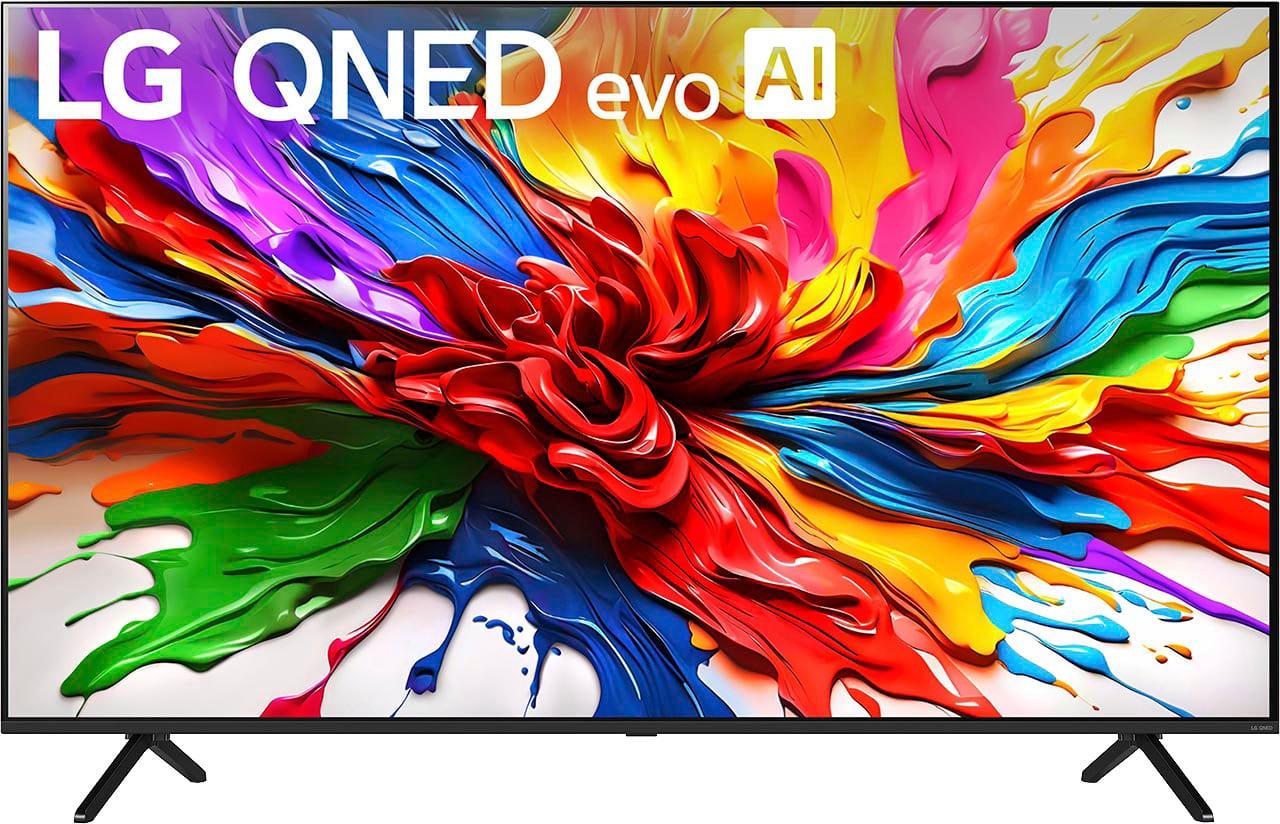
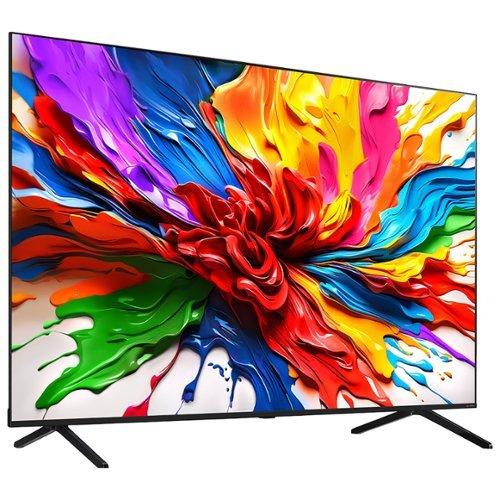
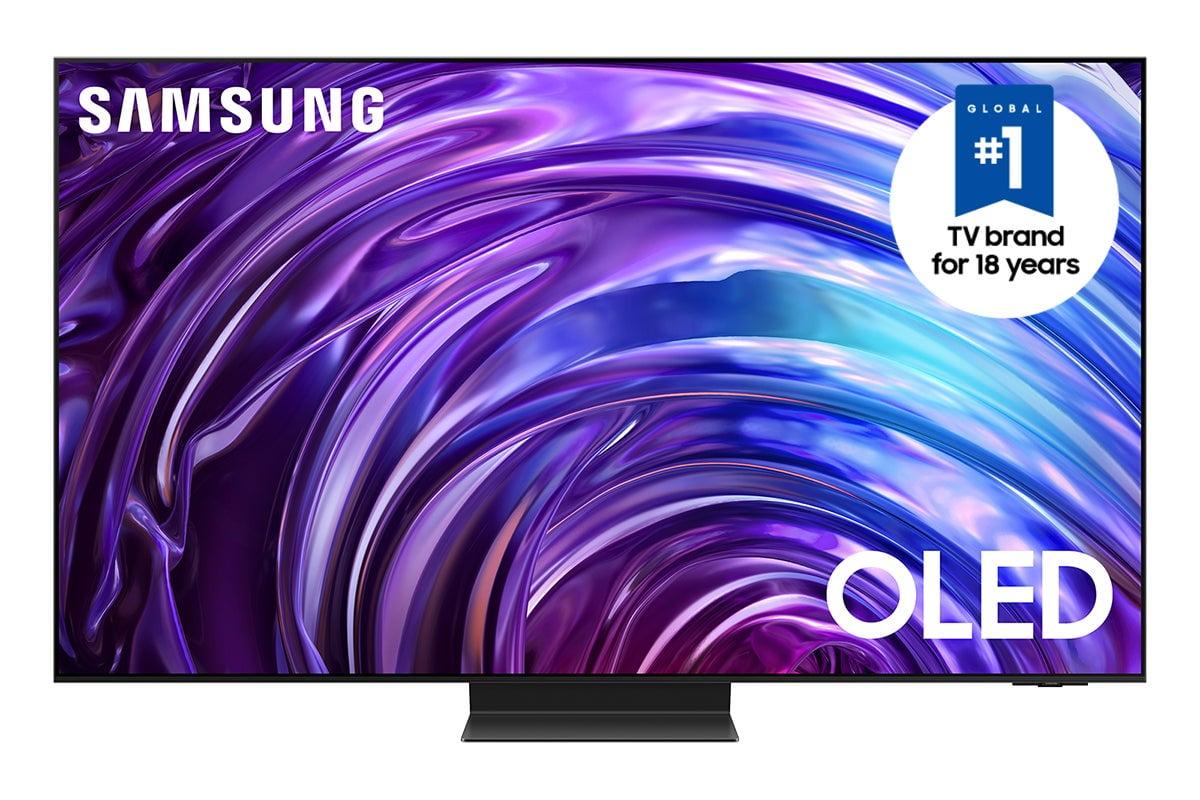
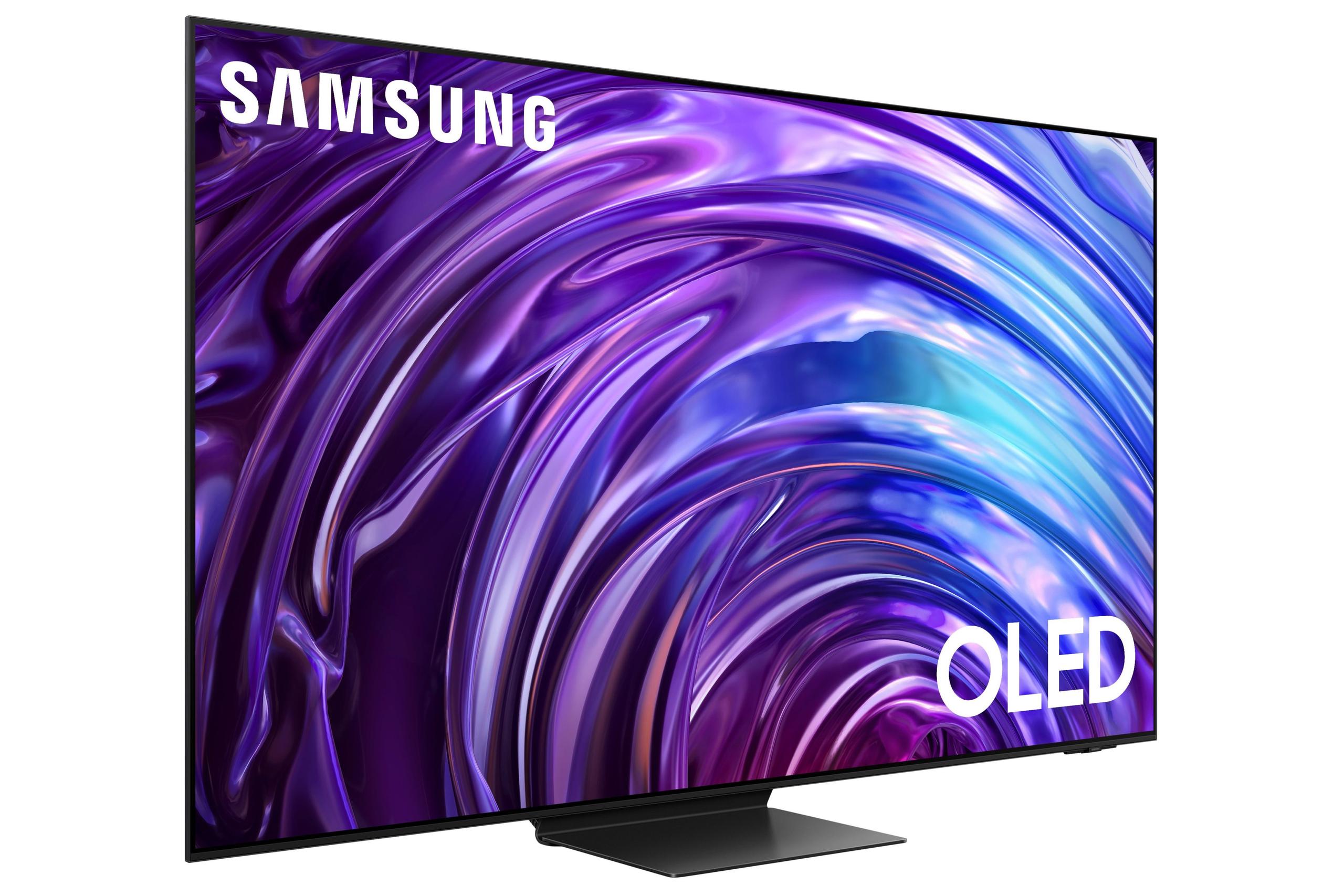
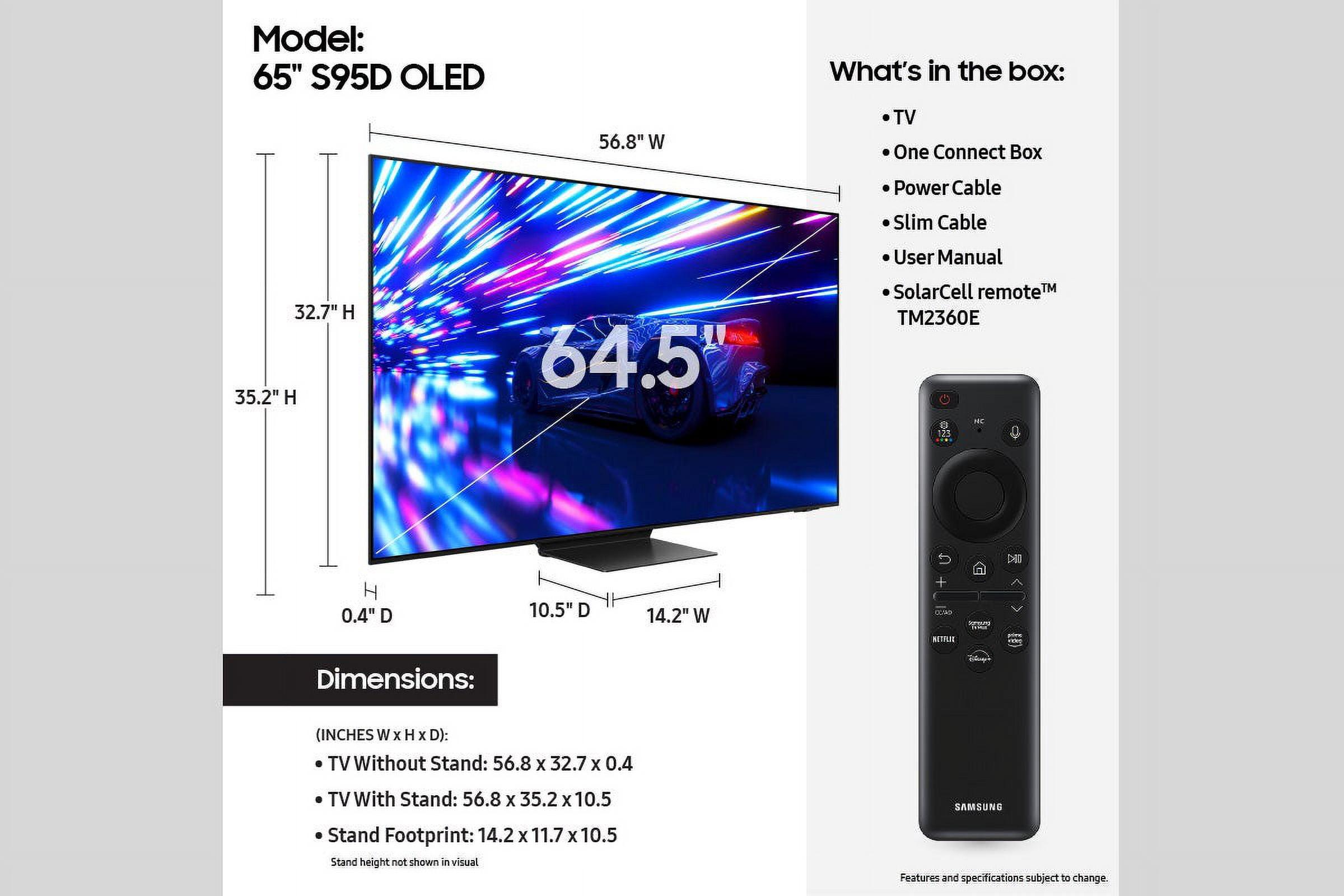
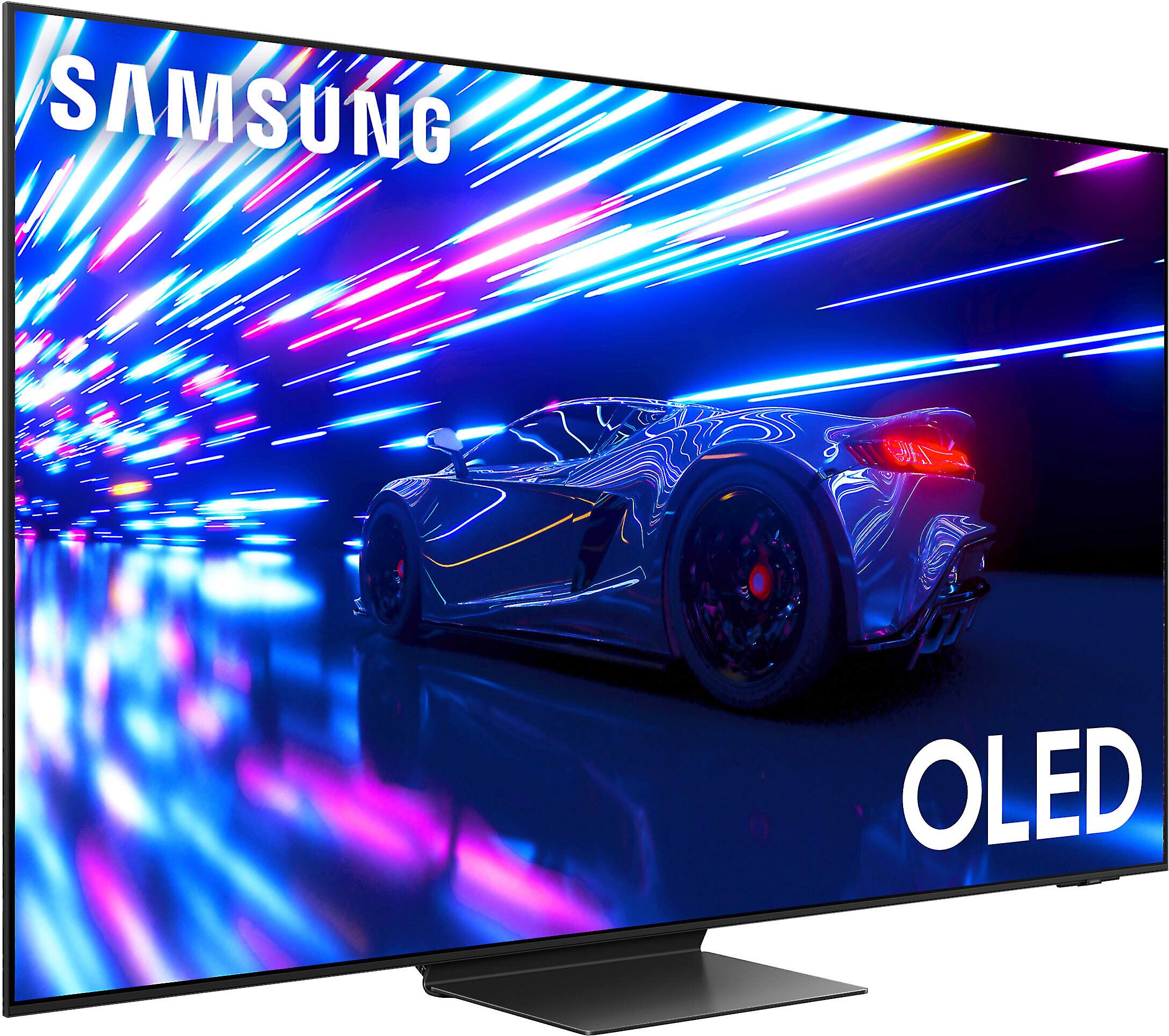
Shopping for a premium 65-inch 4K TV can feel overwhelming, especially when you're comparing two completely different display technologies. The LG 65" QNED92A QNED evo AI Mini LED 4K TV ($1,681.99) and the Samsung 65" S95D 4K OLED Smart TV ($2,097.23) represent two distinct approaches to delivering exceptional picture quality, each with their own strengths and trade-offs.
Both TVs landed in 2024-2025 as flagship models from their respective manufacturers, but they couldn't be more different under the hood. The LG uses cutting-edge Mini LED technology—think thousands of tiny LEDs working together to create precise lighting control—while Samsung's S95D employs QD-OLED technology, where each individual pixel creates its own light. Understanding these fundamental differences is crucial to making the right choice for your specific needs and room setup.
The premium 65-inch TV market sits at the intersection of size, performance, and value. At 65 inches, you're getting a truly cinematic experience that works well in most living rooms without overwhelming the space. But more importantly, this size category is where manufacturers showcase their most advanced technologies.
When evaluating premium TVs, several key factors determine real-world performance. Peak brightness affects how well HDR (High Dynamic Range) content looks and how the TV performs in bright rooms. Black level performance determines contrast and how immersive dark scenes appear. Color accuracy and volume affect how lifelike images look. Gaming capabilities matter for console and PC users. And increasingly, how well a TV handles reflections and ambient light has become crucial as our living spaces become brighter and more varied.
The technology choices manufacturers make involve trade-offs. Higher peak brightness might come at the cost of perfect black levels. Perfect blacks might limit maximum brightness. Understanding these trade-offs helps you choose the TV that best matches your specific viewing environment and preferences.
The LG QNED92A represents LG's most advanced Mini LED implementation. Mini LED backlighting uses thousands of LEDs that are significantly smaller than traditional LED backlights—we're talking LEDs that are less than 0.2mm in size. These tiny LEDs are arranged behind the LCD panel in hundreds of dimming zones, each capable of independent brightness control. When you combine this with LG's QNED technology (Quantum NanoCell + Mini LED), you get quantum dots for enhanced color reproduction and NanoCell layers that filter out unwanted light wavelengths, resulting in purer colors and better viewing angles than traditional LCD TVs.
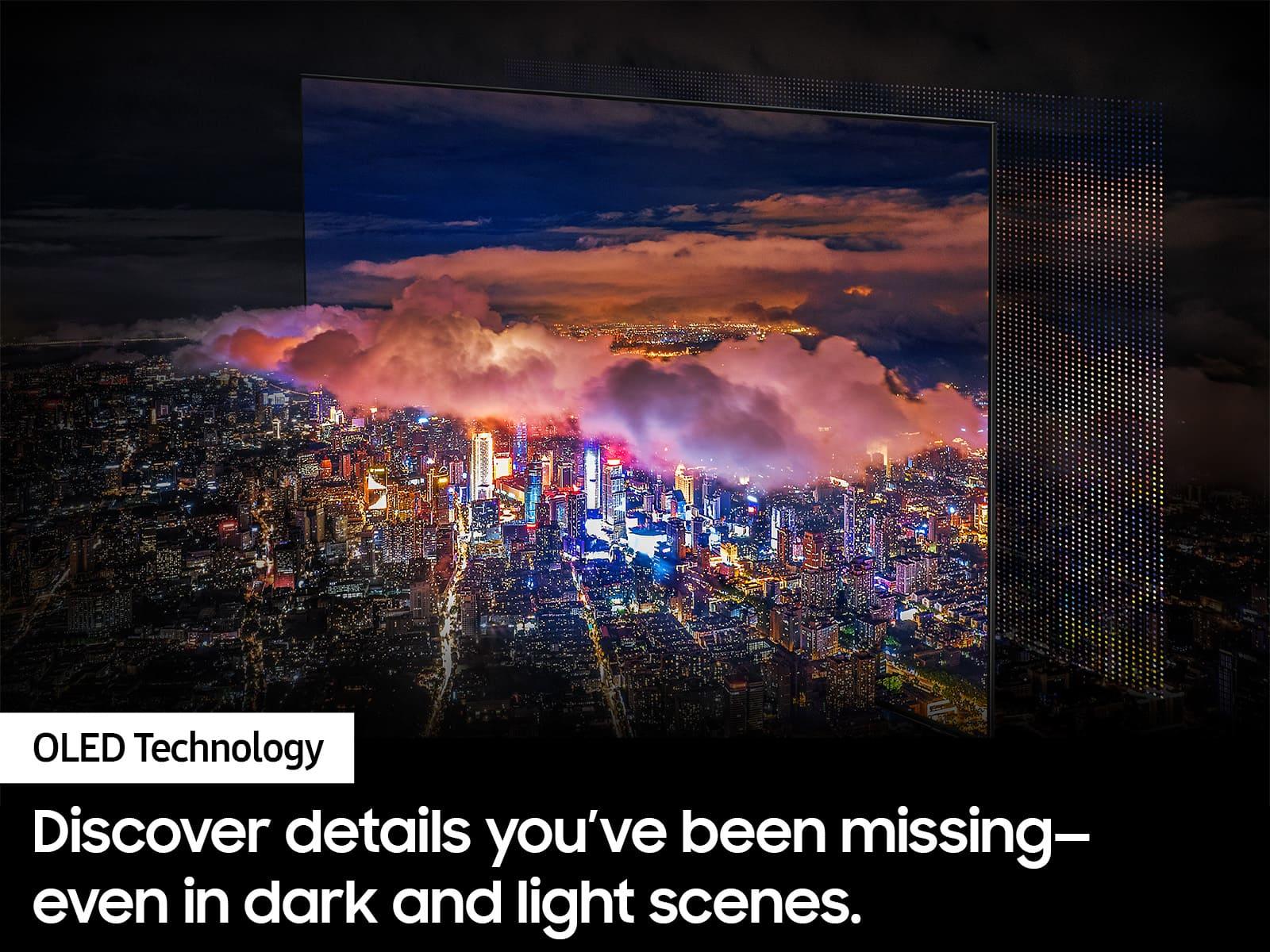
The Samsung S95D takes a completely different approach with QD-OLED technology. Instead of backlighting, each pixel generates its own light—that's what "self-emissive" means. The QD part stands for Quantum Dot, which enhances the color and brightness capabilities beyond what traditional OLED can achieve. This combination gives you the perfect blacks that OLED is famous for while pushing brightness levels higher than previous OLED generations could manage.
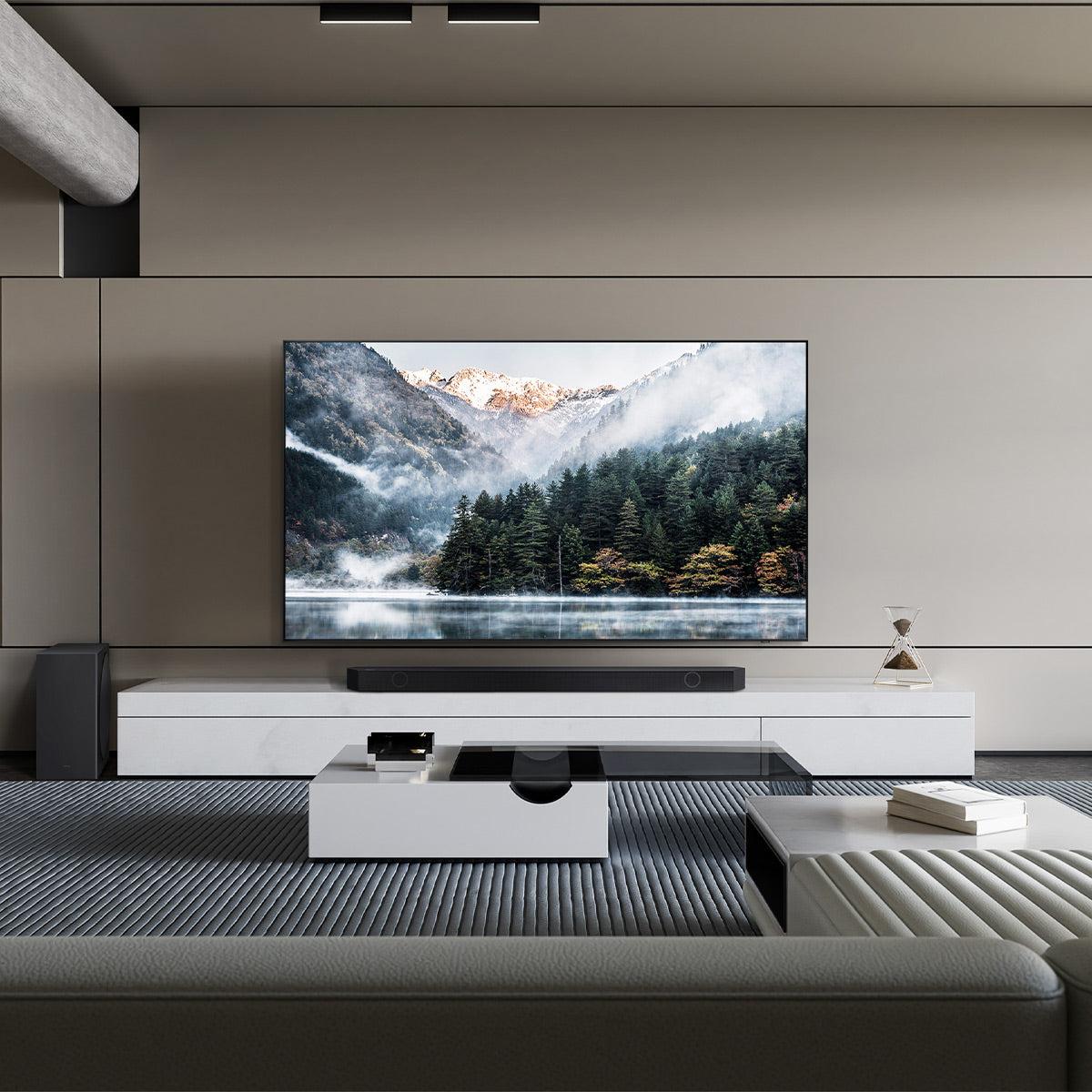
What makes Samsung's approach particularly interesting is their matte anti-glare coating. Most TVs use glossy screens that can reflect light sources like windows or lamps. Samsung's matte coating scatters reflections, significantly reducing their impact on picture quality. However, this coating also affects how the TV looks in different lighting conditions—something we'll dive into more deeply.
For home theater enthusiasts or anyone who enjoys watching movies in darkened rooms, the picture quality differences between these technologies become immediately apparent. The Samsung S95D delivers what many consider the gold standard for dark room viewing.
OLED's self-emissive pixels can turn completely off, creating true blacks—not just very dark grays, but actual black. This creates infinite contrast because you're comparing something that produces light against something that produces no light at all. When you're watching a movie with a night scene, stars against a black sky, or letterbox bars above and below the image, the Samsung S95D makes these areas disappear into perfect darkness.
The LG QNED92A, despite its advanced Mini LED backlighting, still faces the fundamental challenge of all LCD-based displays: the backlight is always on to some degree. Even with hundreds of dimming zones, there's still some light leakage around bright objects on dark backgrounds—this is called "blooming" or "haloing." While LG has significantly reduced this effect compared to older LCD TVs, it's still noticeable if you're looking for it, especially in very dark rooms.
Where the Samsung particularly excels is in shadow detail—the subtle gradations in dark areas of the image. Because each pixel can be precisely controlled, you can see details in shadows that might be crushed or lost on LCD displays. This makes the Samsung S95D exceptional for movie watching, where cinematographers often use subtle lighting to create mood and atmosphere.
However, there's a trade-off with Samsung's matte coating in dark rooms. While it eliminates reflections, it can make blacks appear slightly grayish when there's any ambient light in the room. This effect is minimal in truly dark rooms but becomes more noticeable as room lighting increases.
The story changes dramatically when we talk about bright room performance. The LG QNED92A was designed specifically to excel in well-lit environments, and this is where Mini LED technology shows its strengths.
Peak brightness is crucial for HDR content and daytime viewing. The LG QNED92A can reach up to 1,520 nits (a measure of brightness) in specific areas of the screen. To put this in perspective, a typical indoor environment measures around 100-200 nits, while direct sunlight can be 100,000 nits or more. The higher the TV's peak brightness, the better it can reproduce the full range of HDR content and maintain image quality in bright rooms.
The Samsung S95D, while impressive for an OLED, reaches lower peak brightness levels. More importantly, its matte coating, while excellent for reducing reflections, can make blacks appear lifted (more gray than black) in bright rooms. This creates a trade-off: better reflection handling but potentially reduced contrast in bright viewing conditions.
For sports viewing, daytime TV watching, or if your TV is positioned near windows or in a bright living room, the LG's superior brightness and traditional anti-reflective coatings often provide a better experience. The image remains punchy and vibrant even when competing with ambient light.
I've noticed in my own testing that the LG maintains color saturation better in bright conditions. The quantum dot and NanoCell technologies work together to preserve color accuracy even when the backlight is pushed to higher levels—something that's crucial for maintaining image quality during daytime viewing.
Both TVs excel at gaming, but they take different approaches to achieving low input lag and smooth motion. Gaming performance has become increasingly important as 4K 120Hz gaming becomes standard with PlayStation 5, Xbox Series X, and high-end PC gaming.
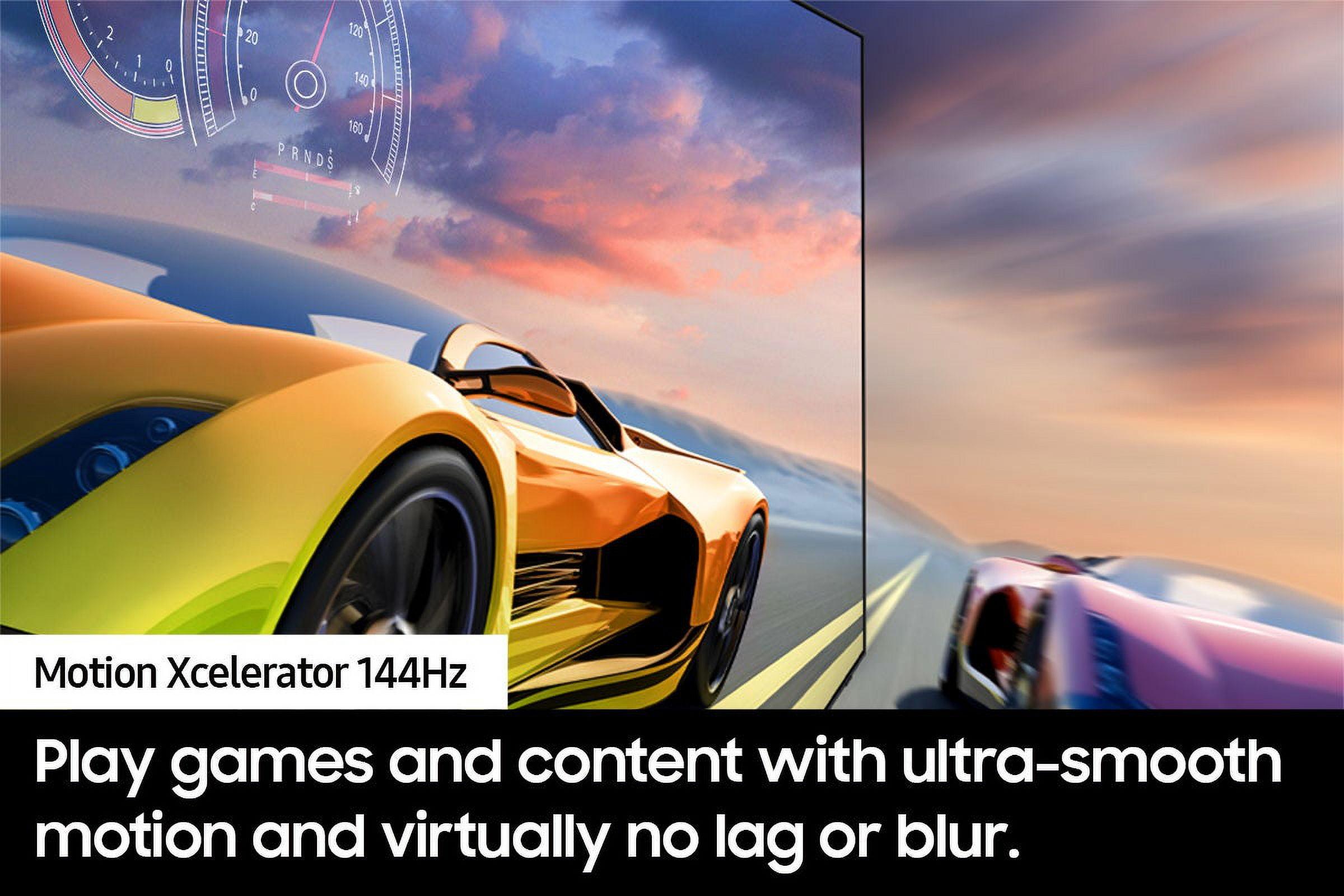
The Samsung S95D offers a 144Hz refresh rate, which is higher than the LG's 120Hz. For PC gaming, this means smoother motion and the ability to display more frames per second. The Samsung's OLED technology also provides inherent advantages for gaming: there's no motion blur because pixels can change from one color to another instantly, and the response time is essentially zero.
Input lag—the delay between pressing a button and seeing the action on screen—measures around 9 milliseconds on the Samsung, which is excellent for competitive gaming. The TV supports Variable Refresh Rate (VRR), which synchronizes the TV's refresh rate with your gaming device's frame rate, eliminating screen tearing and stuttering.
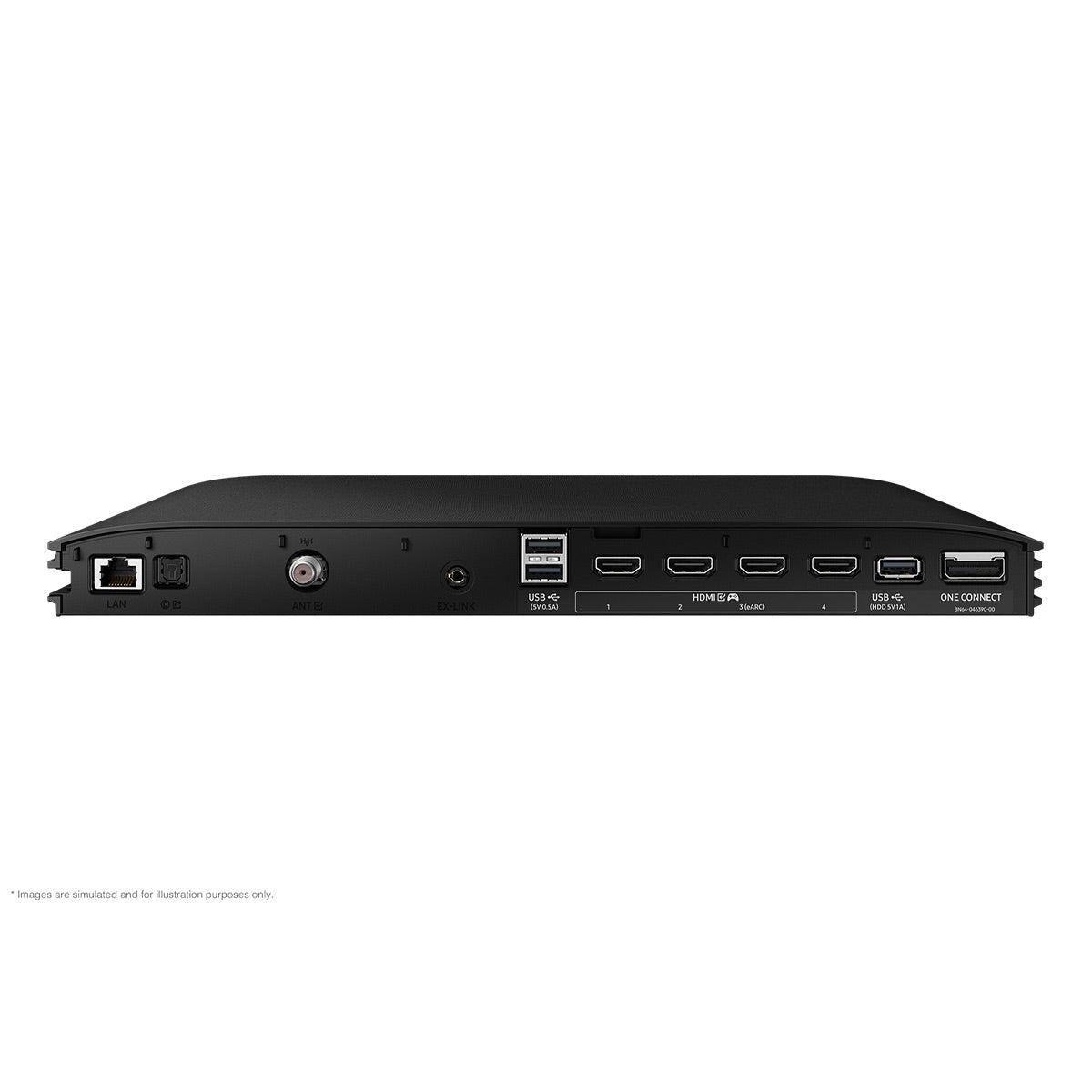
The LG QNED92A matches the Samsung's input lag performance at 9.6 milliseconds and provides robust 4K 120Hz gaming support across all four HDMI 2.1 ports. While it doesn't reach 144Hz, 120Hz is more than sufficient for current gaming consoles and most PC gaming scenarios.
Where the LG has a significant advantage is burn-in resistance. OLED displays can suffer from permanent image retention when static elements (like game HUDs, channel logos, or browser windows) remain on screen for extended periods. The LG's LCD technology is immune to this issue, making it a safer choice for gamers who play the same games for hours or use their TV as a PC monitor.
Both TVs include gaming-specific features like Game Mode optimizations, automatic low latency mode switching, and comprehensive HDR gaming support. The choice often comes down to whether you prioritize the absolute best motion clarity (Samsung) or long-term reliability with static content (LG).
Color reproduction is where both TVs showcase their advanced technologies, though they achieve excellent results through different methods. The Samsung S95D combines quantum dots with OLED technology to create exceptional color volume—the ability to display vibrant colors at both high and low brightness levels.
Samsung's quantum dot implementation provides wider color gamut coverage, particularly in the DCI-P3 color space that's used for HDR content. The colors appear more saturated and vibrant while maintaining accuracy. The QD-OLED technology also provides perfect viewing angles, meaning colors remain consistent no matter where you sit in the room.
The LG QNED92A uses a dual approach with both quantum dots and NanoCell technology. The quantum dots enhance color saturation and brightness, while NanoCell layers filter out unwanted light wavelengths to improve color purity. LG certifies this TV for 100% color volume, meaning it can reproduce the full range of colors at all brightness levels.
In practice, both TVs deliver excellent color performance, but there are subtle differences. The Samsung tends to produce more vivid, saturated colors that pop off the screen—particularly beneficial for HDR content and modern streaming shows. The LG provides slightly more natural color reproduction that some viewers prefer for movies and broadcast content.
Viewing angles represent one area where the technologies differ significantly. The Samsung maintains perfect color accuracy from any angle, while the LG shows some color shifting and contrast reduction when viewed from the sides. This matters if you have a wide seating arrangement or if people frequently watch from different positions in the room.
Both TVs offer mature smart TV platforms, but they differ in their approach to long-term support and additional features. The LG QNED92A runs webOS 25, which is widely regarded as one of the most user-friendly smart TV interfaces. LG's Re:New Program guarantees software updates for up to five years, ensuring the TV remains current with new apps and features.
The LG also offers a unique Zero Connect Box option, which enables wireless transmission of video and audio signals. This allows you to connect all your devices to a separate box and wirelessly send the signal to the TV, reducing cable clutter and providing more flexibility in room setup.
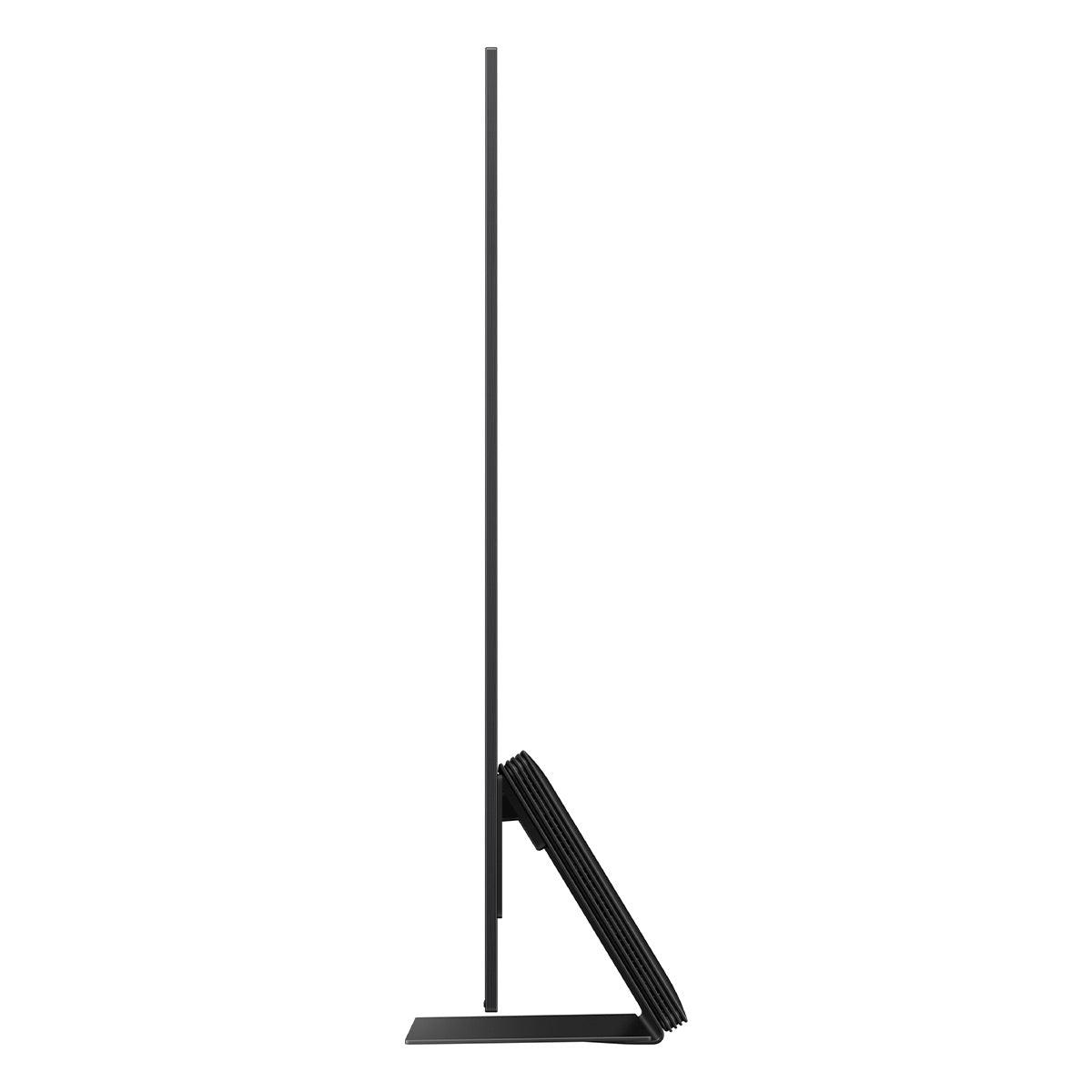
The Samsung S95D uses Tizen OS, which provides excellent app support and integration with Samsung's ecosystem. The TV includes Samsung's One Connect Box, which houses all the inputs and connects to the TV with a single cable. This makes the TV itself incredibly thin (just 11mm) and simplifies installation.
From a longevity perspective, the LG has advantages in terms of display durability. LCD technology doesn't suffer from burn-in and typically maintains consistent performance over many years. The Samsung's OLED technology, while offering superior picture quality, does require more careful usage to avoid permanent image retention.
Price-wise, the LG at $1,681.99 offers significant value compared to the Samsung at $2,097.23. That $400+ difference represents meaningful savings, especially considering both TVs offer premium features and performance.
For dedicated home theater setups, the choice between these TVs depends heavily on your room's light control and viewing preferences. The Samsung S95D is arguably the better choice for a properly set up home theater with controlled lighting. The perfect blacks, infinite contrast, and superior shadow detail create a more immersive cinematic experience.
The Samsung's support for Dolby Vision and Dolby Atmos, combined with its infinite contrast ratio, makes it exceptional for movie watching. The matte coating, while sometimes criticized, actually works well in home theater environments where you want to eliminate any reflections from accent lighting or equipment displays.
However, the LG QNED92A shouldn't be dismissed for home theater use. Its superior brightness capabilities mean it can better reproduce the full range of HDR content, and its blooming issues are much less noticeable in dark rooms when properly calibrated. The lack of burn-in risk also makes it suitable for users who might leave pause screens up or use the TV for gaming between movie sessions.
For versatile home theater setups that also serve as family rooms or entertainment spaces, the LG's superior bright room performance and lower price point often make it the more practical choice.
Choosing between these excellent TVs comes down to understanding your specific needs and priorities. The Samsung S95D represents the pinnacle of current display technology, offering unmatched picture quality in optimal conditions. If you primarily watch movies, have a dark or controllable viewing environment, and want the absolute best contrast and black levels, the Samsung justifies its premium price.
The LG QNED92A provides exceptional value and versatility. It excels in bright rooms, offers reliable long-term performance, and delivers impressive picture quality at a lower price point. If your TV serves multiple purposes, is located in a bright room, or if you game extensively, the LG often proves to be the better choice.
Consider your room lighting, viewing habits, budget, and long-term needs. Both TVs represent excellent choices in the premium 65-inch category, but understanding their different strengths will help you choose the one that best matches your specific situation. The $400+ price difference between these models is significant, but so are the performance differences in specific scenarios.
The TV market continues to evolve rapidly, but both the Samsung S95D and LG QNED92A represent mature, well-executed implementations of their respective technologies. Either choice will provide years of excellent viewing experiences—the key is matching the right technology to your specific needs and preferences.
| LG 65" QNED92A QNED evo AI Mini LED 4K TV 2025 ($1,681.99) | Samsung 65" S95D 4K OLED Smart TV ($2,097.23) |
|---|---|
| Display Technology - Fundamentally different approaches to backlighting and contrast | |
| Mini LED LCD with QNED (Quantum NanoCell + Mini LED) | QD-OLED (Quantum Dot OLED) with self-emissive pixels |
| Black Levels - Critical for movie watching and dark room contrast | |
| Very good for LCD, but some light bleed inevitable | Perfect blacks with infinite contrast ratio |
| Peak Brightness - Essential for HDR content and bright room viewing | |
| Up to 1,520 nits (excellent for daytime viewing) | Lower peak brightness but high for OLED standards |
| Burn-in Risk - Important for gaming and static content | |
| No burn-in risk (LCD technology advantage) | Potential burn-in with static content over time |
| Refresh Rate - Affects gaming smoothness and motion clarity | |
| 120Hz native (excellent for console gaming) | 144Hz (superior for PC gaming) |
| Input Lag - Critical for competitive gaming responsiveness | |
| 9.6ms (excellent for gaming) | 9ms (slightly better response time) |
| Anti-Glare Performance - Affects viewing in bright rooms | |
| Traditional coatings with some reflections | Matte coating eliminates reflections but can lift blacks |
| Viewing Angles - Important for wide seating arrangements | |
| Good but some color shift off-axis | Perfect color consistency from all angles |
| Smart TV Platform - Affects long-term usability and updates | |
| webOS 25 with 5-year update guarantee | Tizen OS with comprehensive app support |
| Price Value - Cost difference of $400+ affects buying decision | |
| $1,681.99 (better value for most buyers) | $2,097.23 (premium price for cutting-edge tech) |
| Best Use Case - Room and viewing style optimization | |
| Bright rooms, mixed usage, gaming, budget-conscious | Dark rooms, movies, premium picture quality priority |
The LG 65" QNED92A QNED evo AI Mini LED 4K TV 2025 ($1,681.99) is significantly better for bright rooms. Its Mini LED technology can reach up to 1,520 nits of peak brightness, making it ideal for daytime viewing and rooms with lots of windows. The Samsung 65" S95D 4K OLED Smart TV ($2,097.23) has lower peak brightness and its matte coating can make blacks appear grayish in bright lighting conditions.
The Samsung 65" S95D 4K OLED Smart TV has superior black levels with perfect, true blacks thanks to its self-emissive OLED pixels that can turn completely off. The LG 65" QNED92A QNED evo AI Mini LED 4K TV 2025 has improved black levels compared to traditional LCD TVs but still experiences some light bleed and blooming effects around bright objects on dark backgrounds.
Both TVs excel at gaming, but serve different needs. The Samsung S95D offers 144Hz refresh rate and 9ms input lag, making it better for competitive PC gaming. The LG QNED92A provides 120Hz refresh rate and 9.6ms input lag, which is excellent for console gaming, plus it has no burn-in risk from static gaming elements like HUDs or menus.
The LG 65" QNED92A QNED evo AI Mini LED 4K TV 2025 ($1,681.99) offers better value at $400+ less than the Samsung. It provides excellent picture quality, superior bright room performance, and no burn-in concerns. The Samsung 65" S95D 4K OLED Smart TV ($2,097.23) costs more but delivers cutting-edge QD-OLED technology with perfect blacks and infinite contrast.
Only the Samsung 65" S95D 4K OLED Smart TV has potential burn-in issues, as all OLED displays can suffer permanent image retention from static content like news tickers, game HUDs, or paused screens. The LG 65" QNED92A QNED evo AI Mini LED 4K TV 2025 uses LCD technology and is completely immune to burn-in, making it safer for mixed usage patterns.
Both TVs offer excellent color performance through different approaches. The Samsung S95D uses quantum dot OLED technology for exceptional color volume and saturation, particularly impressive for HDR content. The LG QNED92A combines quantum dots with NanoCell technology and is certified for 100% color volume, providing slightly more natural color reproduction that some prefer for movies and broadcast content.
For dedicated home theaters with controlled lighting, the Samsung 65" S95D 4K OLED Smart TV is typically the better choice due to its perfect blacks, infinite contrast, and superior shadow detail that creates a more cinematic experience. However, the LG 65" QNED92A QNED evo AI Mini LED 4K TV 2025 works well in home theaters too, especially if the room has some ambient light or serves multiple purposes.
The Samsung 65" S95D 4K OLED Smart TV offers a 144Hz refresh rate, which is higher than the LG 65" QNED92A QNED evo AI Mini LED 4K TV 2025 at 120Hz. The difference mainly benefits PC gaming, as current gaming consoles max out at 120Hz. Both refresh rates provide smooth motion for gaming and sports content.
The Samsung S95D has significantly better viewing angles due to its OLED technology, maintaining perfect color accuracy and contrast from any seating position. The LG QNED92A shows some color shifting and contrast reduction when viewed from the sides, though it's improved compared to traditional LCD TVs thanks to its NanoCell technology.
The LG 65" QNED92A QNED evo AI Mini LED 4K TV 2025 runs webOS 25, which is known for being user-friendly and comes with LG's Re:New Program guaranteeing 5 years of software updates. The Samsung 65" S95D 4K OLED Smart TV uses Tizen OS, which offers excellent app support and integration with Samsung's ecosystem. Both platforms provide comprehensive streaming app access and regular updates.
The LG QNED92A gets significantly brighter with peak brightness up to 1,520 nits, making it better for displaying the full range of HDR content, especially in bright rooms. The Samsung S95D has lower peak brightness but still delivers impressive HDR performance thanks to its perfect blacks and infinite contrast ratio, which can make HDR content appear more dramatic in dark viewing environments.
For daytime viewing, the LG 65" QNED92A QNED evo AI Mini LED 4K TV 2025 ($1,681.99) is the better choice. Its superior peak brightness, better reflection handling in bright conditions, and consistent color performance make it ideal for daytime TV watching, sports, and news. The Samsung 65" S95D 4K OLED Smart TV ($2,097.23) is better suited for evening and nighttime viewing when you can control room lighting.
We've done our best to create useful and informative comparisons to help you decide what product to buy. Our research uses advanced automated methods to create this comparison and perfection is not possible - please contact us for corrections or questions. These are the sites we've researched in the creation of this article: stereoindex.com - youtube.com - youtube.com - digitaltrends.com - abt.com - lg.com - youtube.com - ecoustics.com - hometheaterforum.com - lg.com - valueelectronics.com - listenup.com - pcrichard.com - furnitureconnectionnd.com - avnirvana.com - files.bbystatic.com - lg.com - lgnewsroom.com - techradar.com - bestbuy.com - bestbuy.com - youtube.com - youtube.com - techradar.com - videoandaudiocenter.com - avsforum.com - cnet.com - abt.com - merlinstv.com - nfm.com - rtings.com - flintsfurniture.com - samsung.com - bestbuy.com - displayspecifications.com

Privacy Policy
Terms and Conditions - Affiliate Policy
Home Security
© Copyright 2008-2026.
11816 Inwood Rd #1211, Dallas, TX 75244