


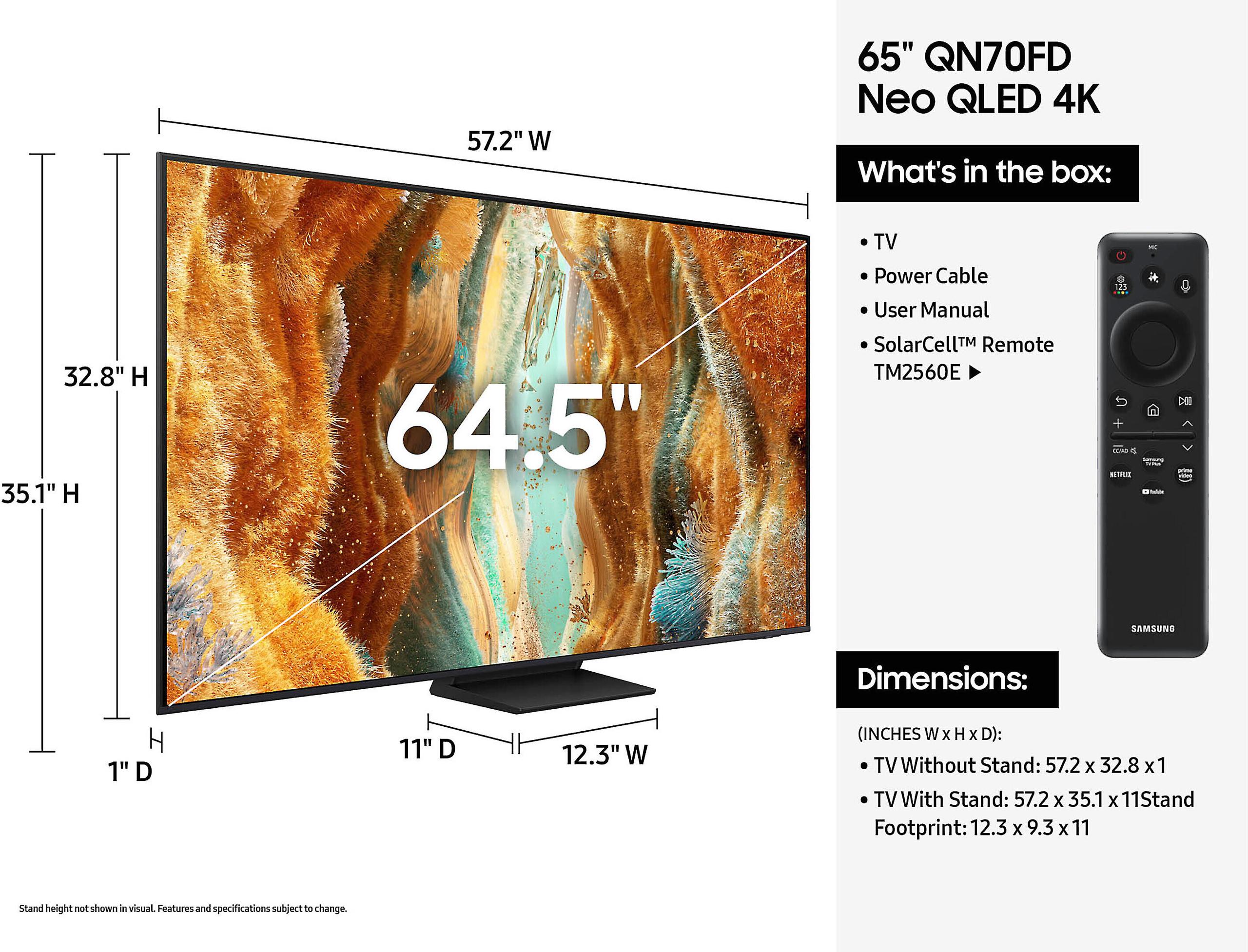
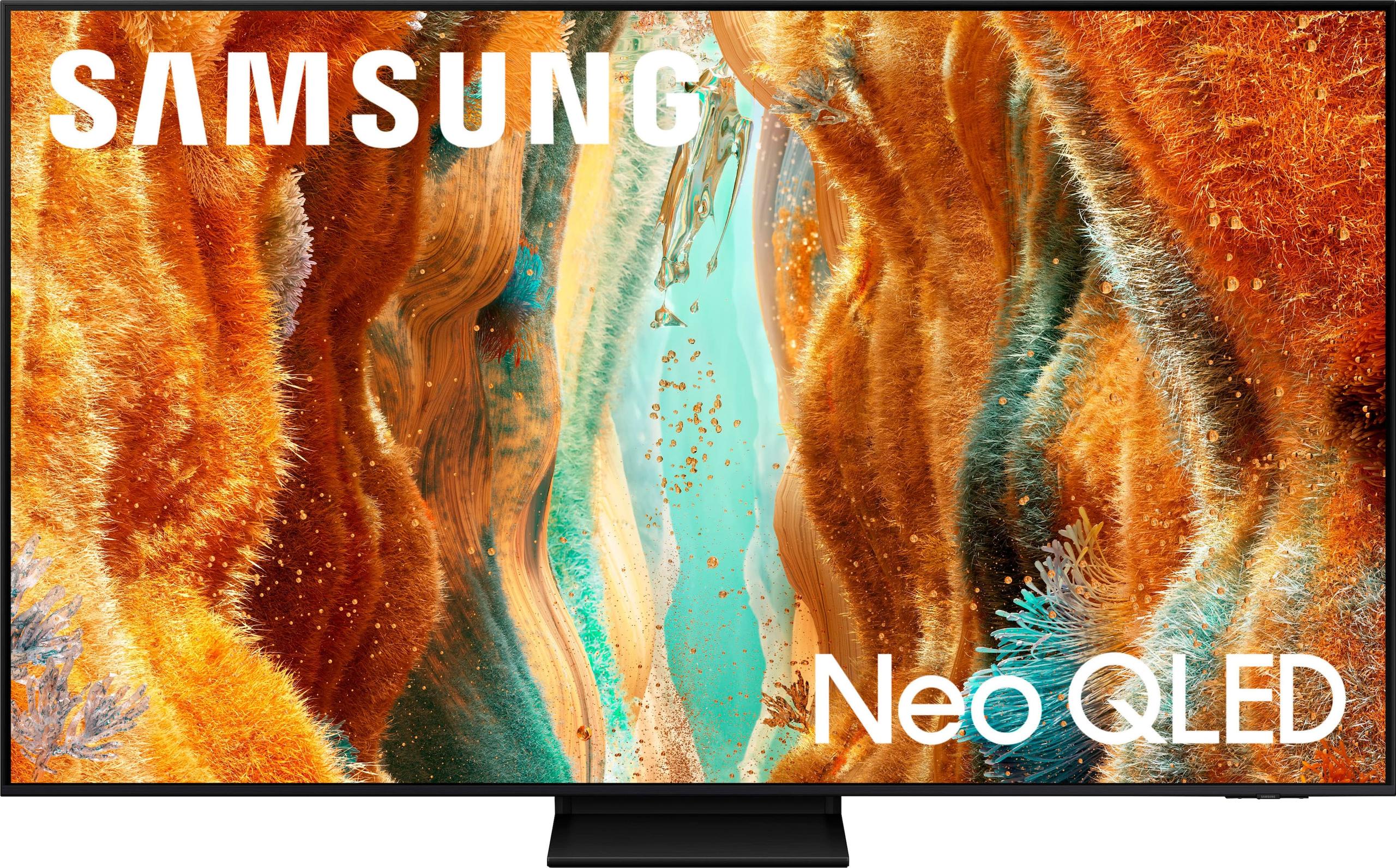
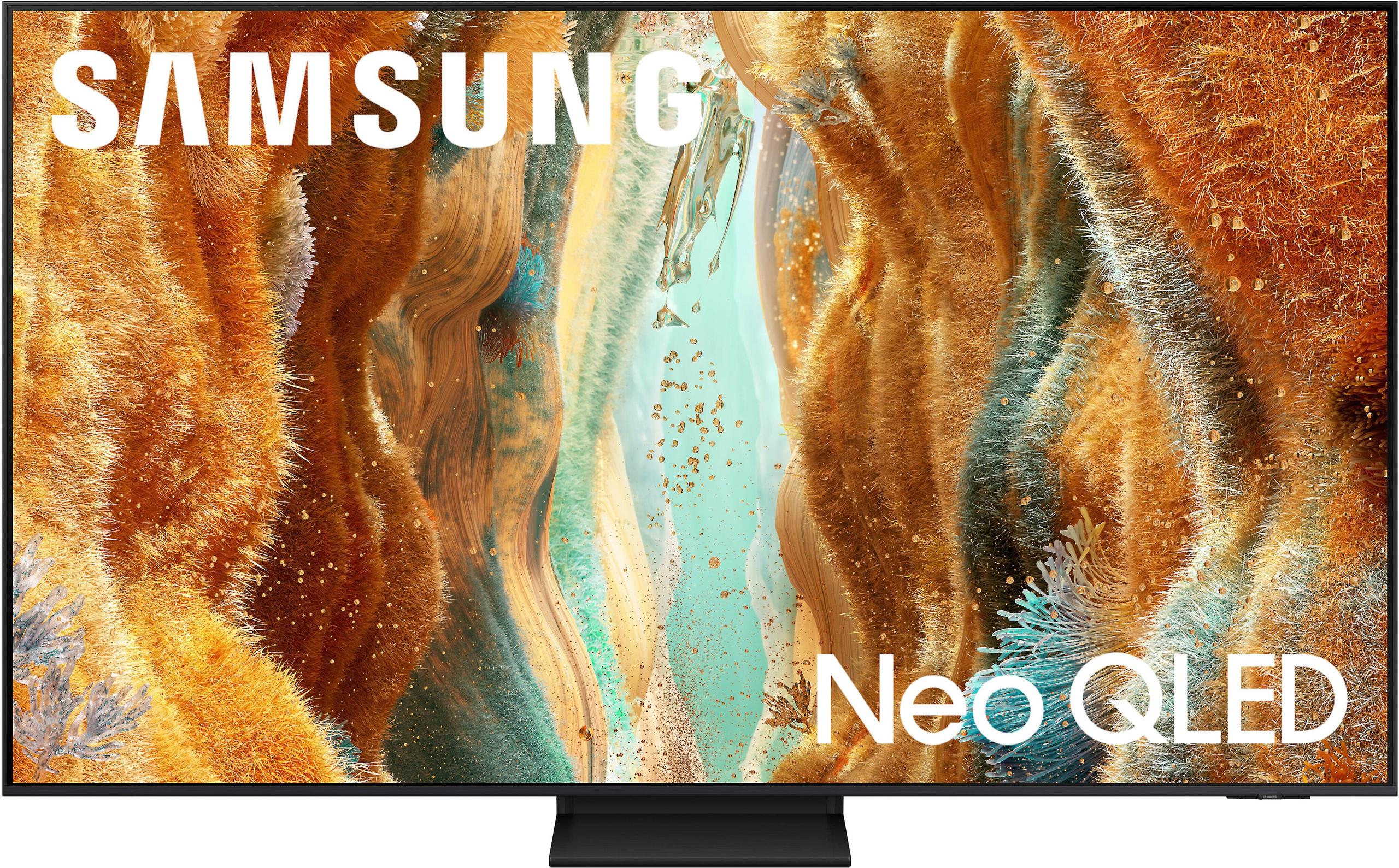
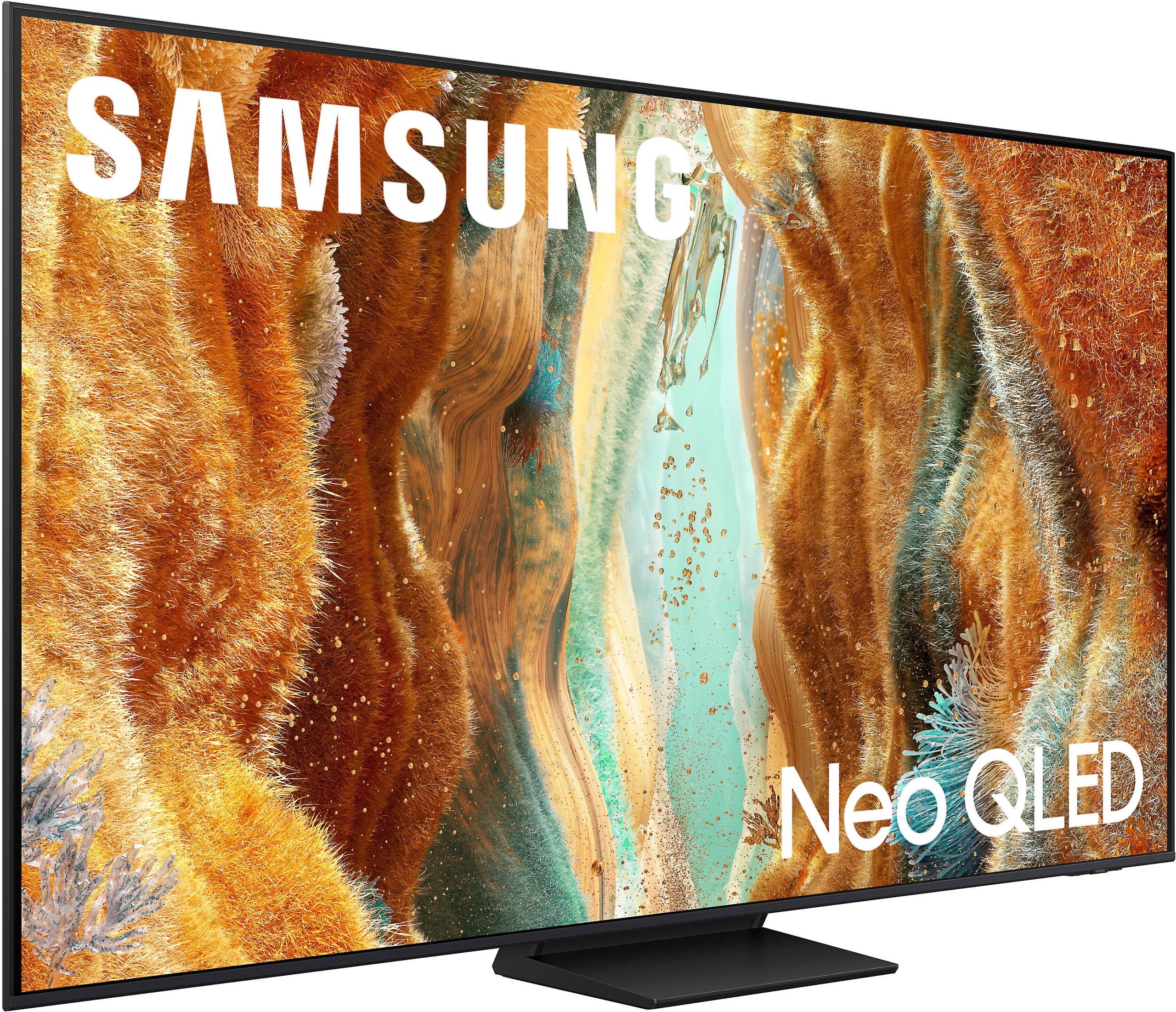
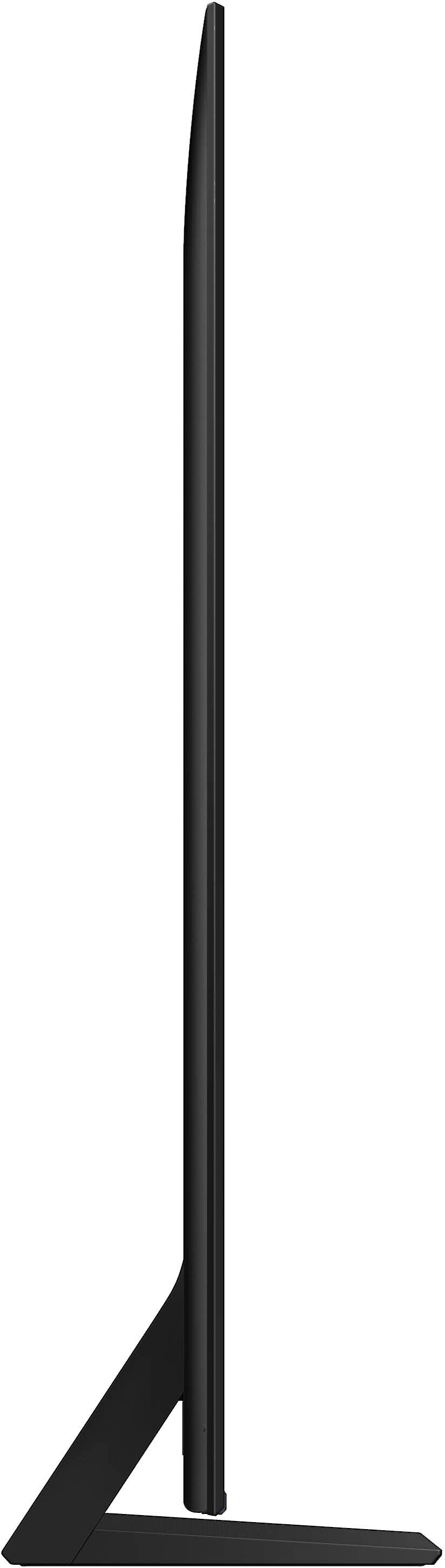
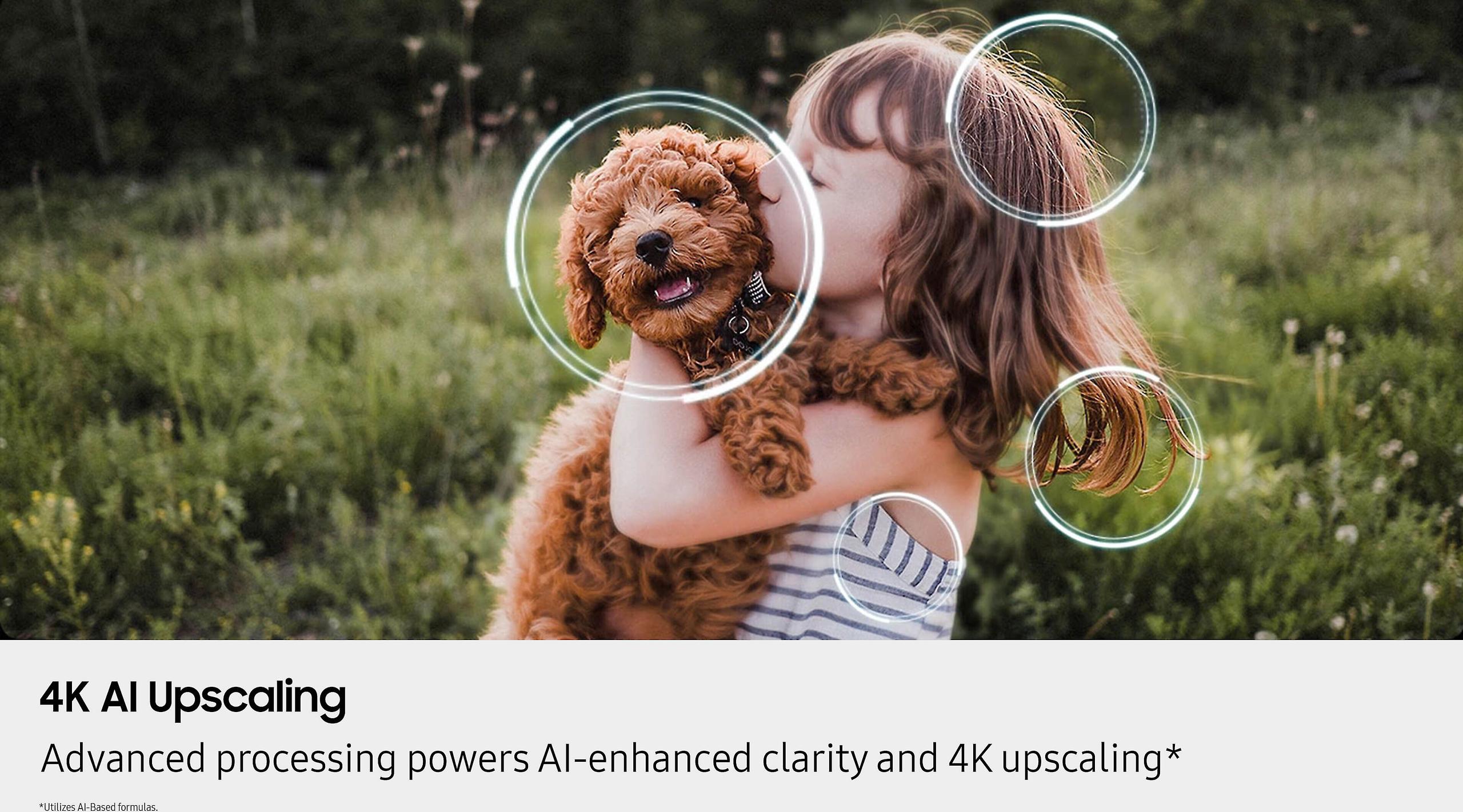
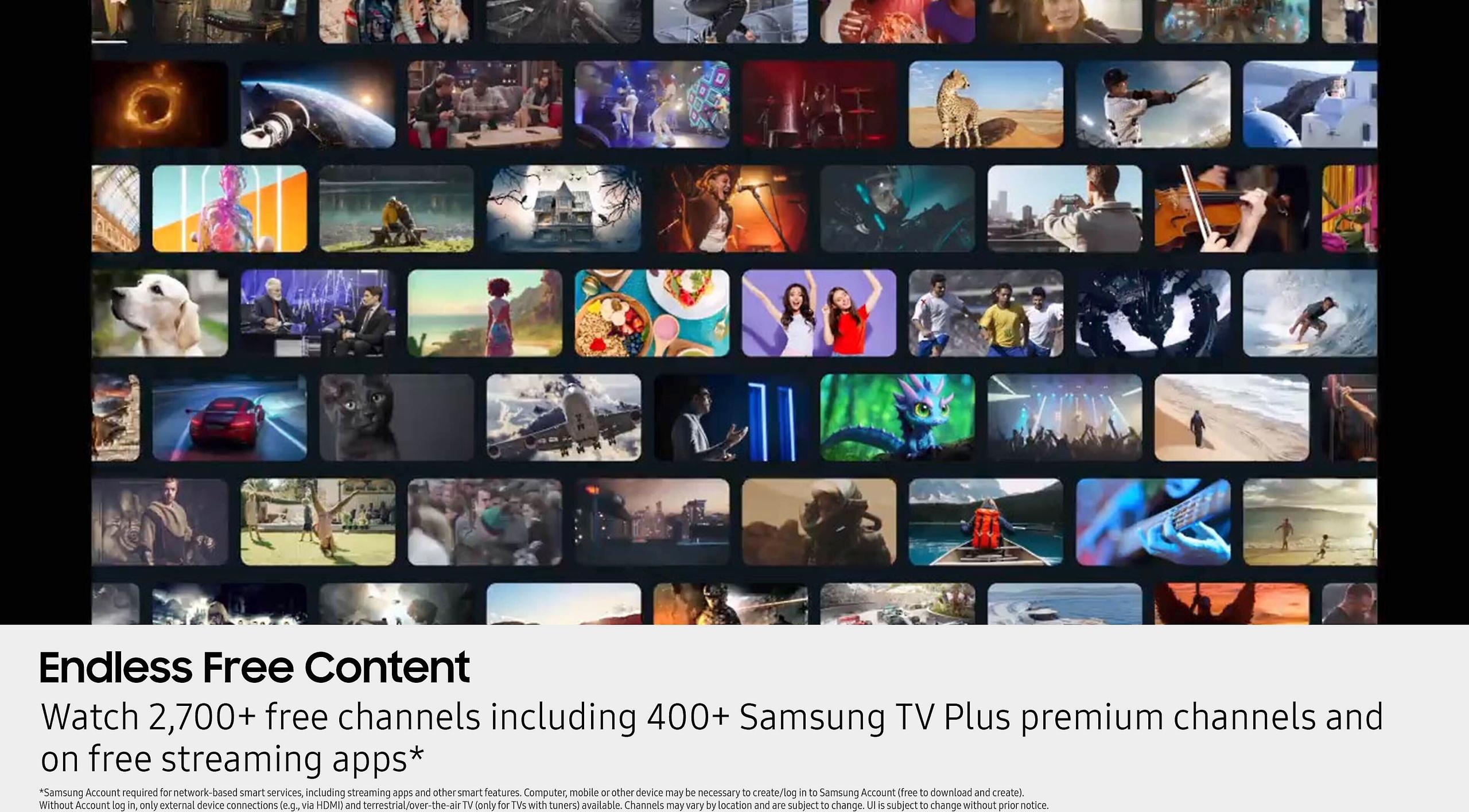
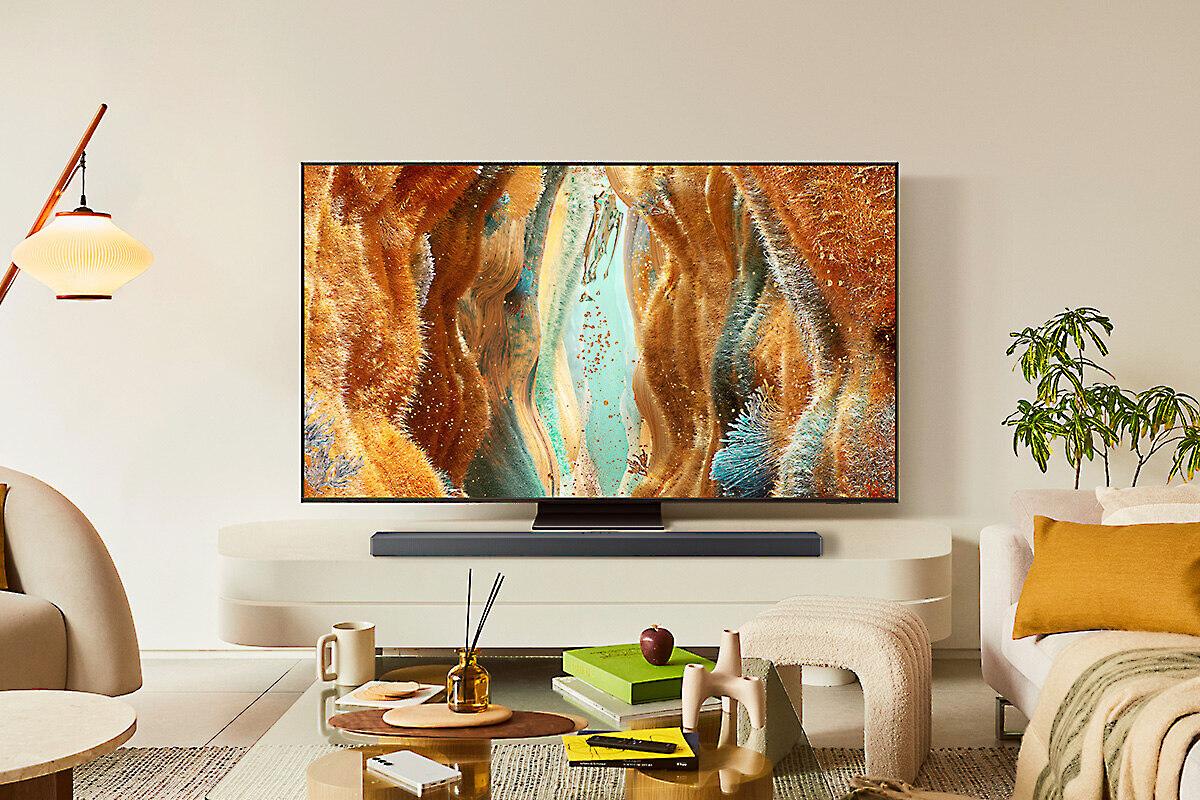
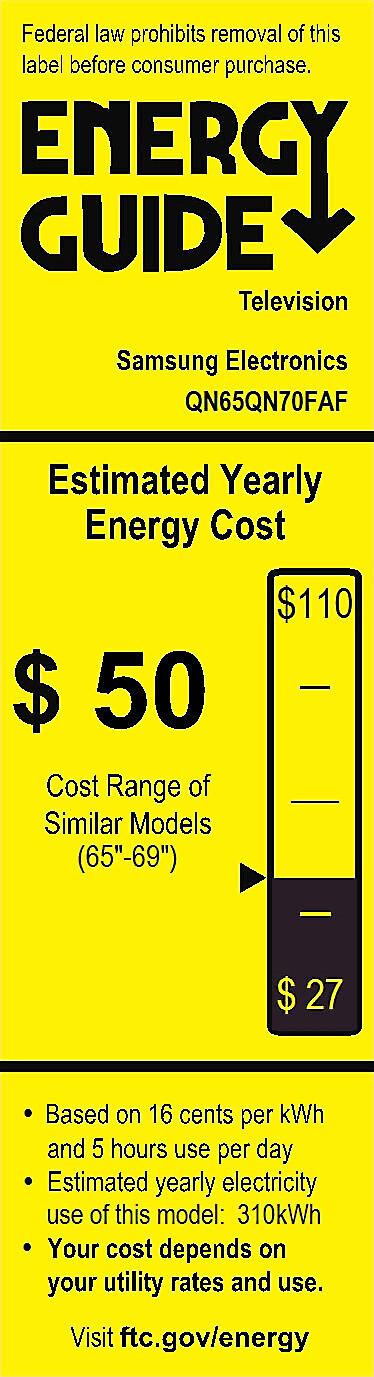
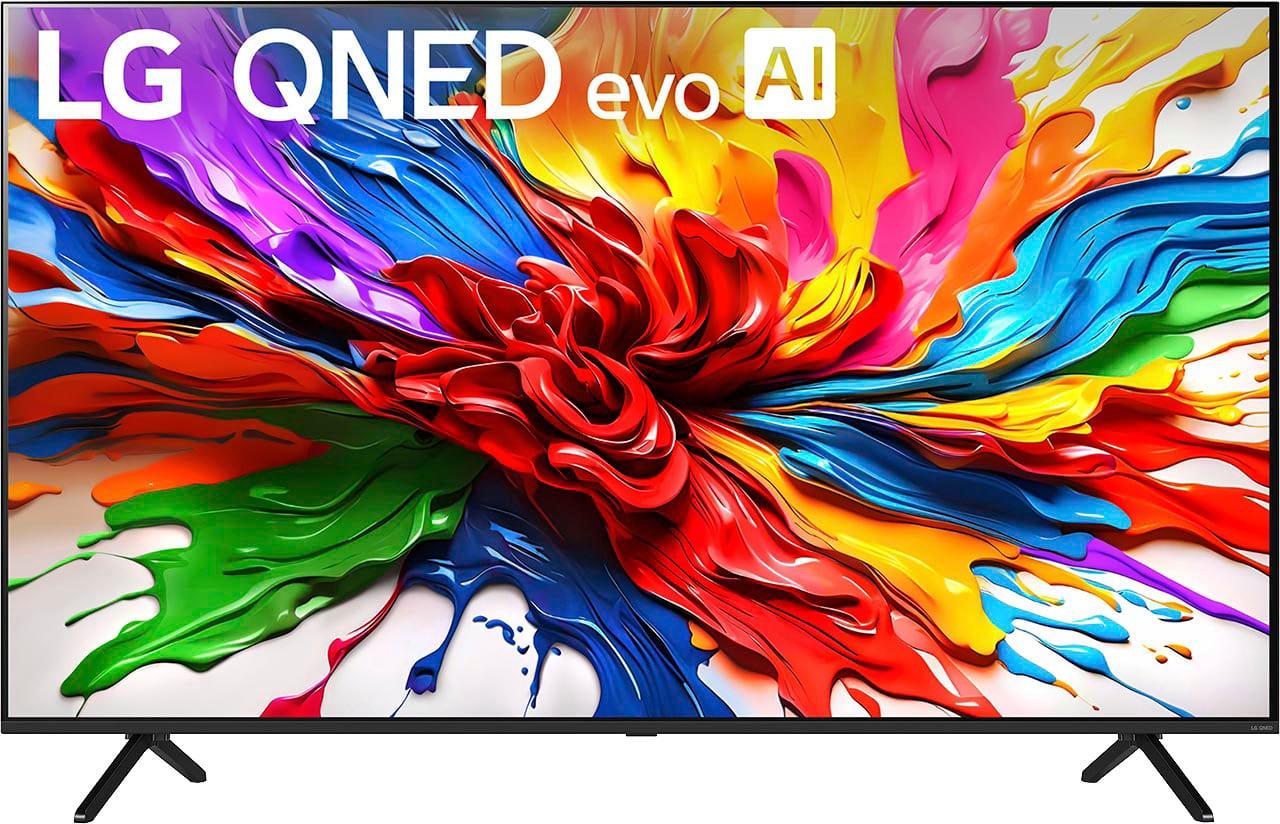
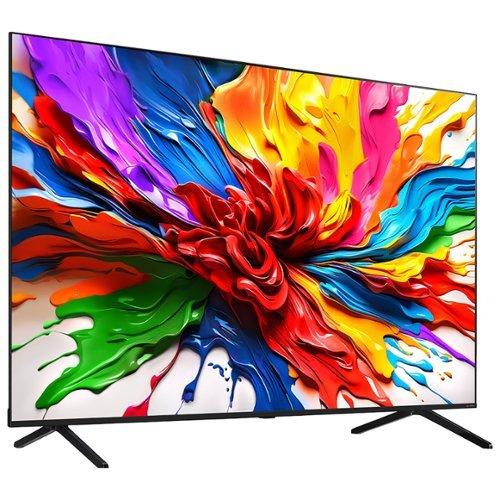
When you're shopping for a premium TV in 2025, two names keep coming up: Samsung and LG. Both have been pushing the boundaries of Mini LED technology, but they've taken surprisingly different approaches. Today, I'm comparing the Samsung 65" QN70F Neo QLED against the LG 65" QNED92A QNED evo to help you figure out which one deserves a spot in your living room.
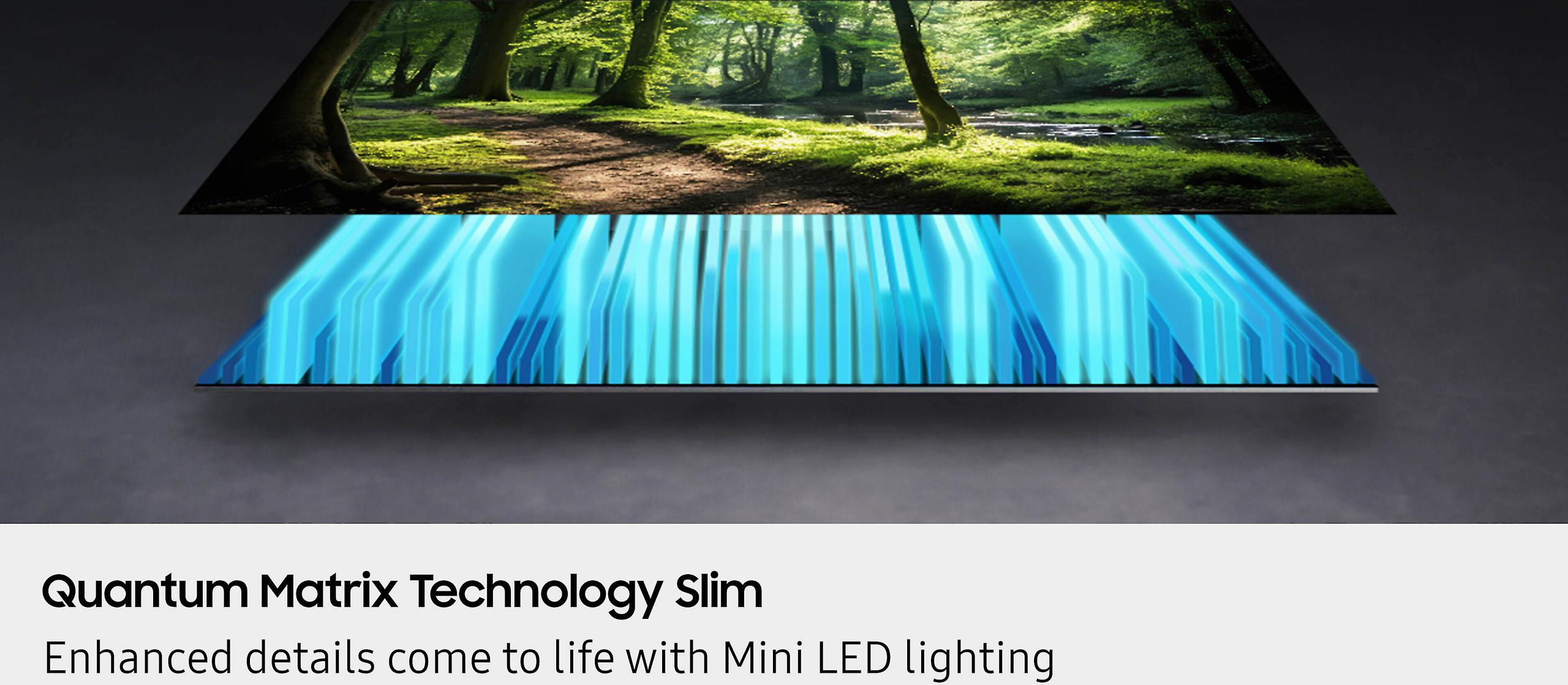
Before diving into the specifics, let's talk about why Mini LED technology matters. Traditional LED TVs use either edge lighting (LEDs around the frame) or full-array lighting (LEDs behind the entire screen). Mini LED takes this concept and shrinks those LEDs down to tiny specs – we're talking thousands of them instead of dozens.
Think of it like the difference between using a flashlight and using hundreds of tiny pen lights. With more lights, you get much better control over which parts of the screen are bright and which are dark. This creates what's called "local dimming zones" – essentially, different areas of your screen can show deep blacks while other areas display brilliant whites, all at the same time.
Both the Samsung QN70F and LG QNED92A use this technology, but as you'll see, they implement it quite differently.
Here's where things get interesting. The LG QNED92A absolutely dominates in peak brightness, reaching up to 1,520 nits in typical viewing scenarios. For context, that's bright enough to make HDR content really pop, even in a sun-drenched living room. The Samsung QN70F, while still impressive, doesn't quite reach these heights.
Why does this matter? HDR (High Dynamic Range) content – which includes most Netflix shows, 4K Blu-rays, and modern games – relies on bright highlights to create that "wow" factor. When a character opens a door and sunlight streams in, or when lightning flashes across a dark sky, you want those moments to feel real. Higher peak brightness makes these scenes more impactful.
That said, the Samsung QN70F holds its own with Samsung's Neo Quantum HDR processing. While it might not get as bright as the LG, Samsung's processing is quite sophisticated at making the most of what brightness it has.
Both TVs use quantum dot technology, but they call it different things. Samsung uses their traditional quantum dot approach in the QN70F, while LG has developed something they call "Dynamic QNED Color Pro" for the QNED92A.
The numbers tell an interesting story: LG's implementation covers 97% of the DCI-P3 color space (the standard used in movie theaters) and achieves 100% color volume certification. This means colors look vibrant whether they're bright or dark – a common weakness in many displays.
Samsung's approach focuses more on color enhancement through their Color Booster Pro technology. In my experience testing various Samsung displays, they tend to produce punchy, vibrant colors that many people prefer, even if they're not always the most technically accurate.
This is probably the biggest technical difference between these two TVs. The LG QNED92A features "hundreds" of individual dimming zones with their Precision Dimming Pro technology. The Samsung QN70F, being the entry-level Neo QLED model, likely has fewer zones, though Samsung doesn't publish exact numbers.
More dimming zones mean better contrast control. When you're watching a movie with a campfire scene at night, more zones allow the fire to glow brightly while keeping the surrounding darkness truly black. Fewer zones might create a subtle "halo effect" around bright objects.
In practice, both TVs will look dramatically better than basic LED TVs, but the LG QNED92A should have a noticeable edge in demanding high-contrast scenes.
For gamers, input lag is crucial – it's the delay between pressing a button and seeing the action on screen. The LG QNED92A has been measured at just 9.6ms, which is exceptionally fast. While specific measurements for the Samsung QN70F aren't available, Samsung's gaming-focused features suggest it should be competitive.
Both TVs support 4K gaming at 120Hz, which means they can keep up with the PlayStation 5 and Xbox Series X at their highest settings. They also support Variable Refresh Rate (VRR), which eliminates screen tearing when frame rates fluctuate during intensive gaming moments.
The LG QNED92A goes beyond basic gaming support with integrated cloud gaming services like GeForce NOW and Xbox Cloud Gaming. This means you can play console-quality games without owning a console – just a good internet connection.
Samsung's QN70F counters with AMD FreeSync Premium Pro support, which provides a smooth gaming experience and works particularly well with PC gaming setups.
One unique advantage of the LG QNED92A is its support for Dolby Vision gaming. This is still a relatively new feature that enhances the visual quality of supported games, though game library support is still growing.
The LG QNED92A includes a 2.2 channel system with a dedicated subwoofer channel, while the Samsung QN70F uses a 2-channel setup. More importantly, the LG supports Dolby Atmos natively, which creates a more immersive surround sound experience without needing external speakers.
Both TVs use AI-enhanced audio processing to optimize sound based on what you're watching, but LG's α8 AI Sound Pro is more sophisticated, offering features like Bluetooth Surround Ready for wireless speaker expansion.
If you're planning to add a soundbar (which I'd recommend for either TV), both have excellent integration options. Samsung's QN70F features Q-Symphony, which lets the TV speakers work together with Samsung soundbars for fuller sound. LG's approach with Sound Sync is similar but works with a broader range of audio equipment.
The Samsung QN70F runs Tizen, which has matured significantly over the years. Samsung's Vision AI features are particularly impressive – the "Click to Search" function can identify actors, provide show information, and even offer real-time translation of foreign language content.
LG's QNED92A uses webOS 25, which I find more intuitive for most users. The interface is cleaner, app organization is better, and the Magic Remote makes navigation feel more natural than traditional TV remotes.
Here's where the LG QNED92A really shines. It supports multiple voice assistants (Google Assistant, Alexa, Apple HomeKit) and includes Matter compatibility for broad smart home integration. The hands-free voice control means you don't even need to pick up the remote for basic commands.
The Samsung QN70F focuses primarily on Bixby integration, which works well within Samsung's ecosystem but isn't as universally compatible.
This is a crucial consideration that many buyers overlook. LG promises 5 years of software updates for the QNED92A through their Re:New Program, while Samsung typically provides 1-2 years of major updates for their TVs.
For a premium TV you're planning to keep for several years, longer software support means continued access to new streaming apps, security updates, and feature improvements.
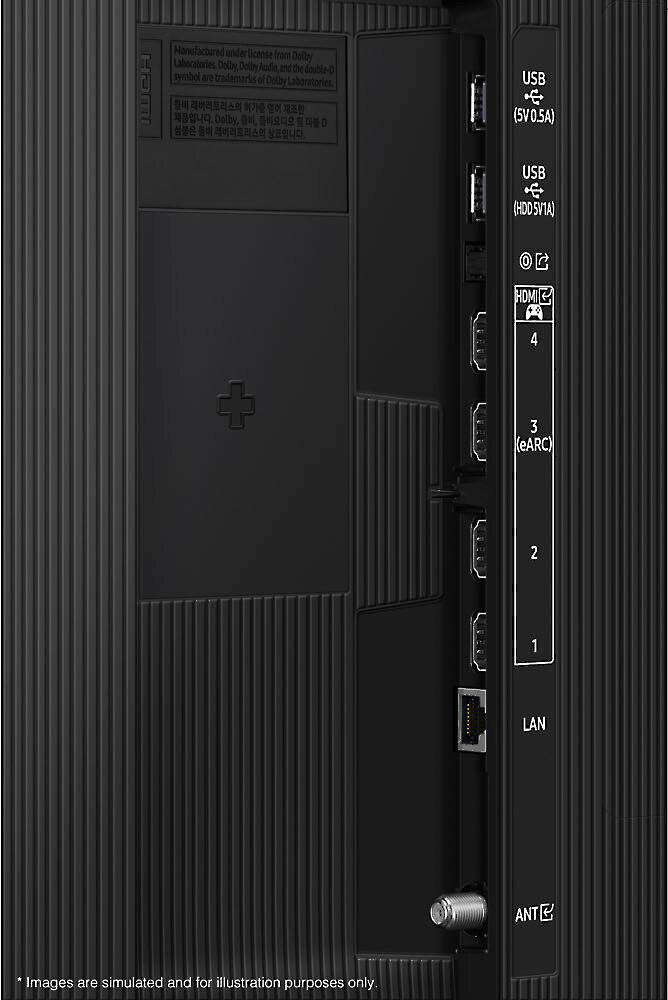
Both TVs include four HDMI 2.1 ports, which is essential for connecting multiple high-bandwidth devices like gaming consoles, streaming devices, and sound systems. The LG QNED92A provides full bandwidth on all ports, while the Samsung QN70F should as well, though Samsung's specifications aren't as clearly detailed.
The LG QNED92A includes Wi-Fi 6E support, which offers faster speeds and less congestion than standard Wi-Fi 6. This becomes important when streaming 4K content or using cloud gaming services.
The LG QNED92A offers something truly unique: a Zero Connect Box option for wireless video transmission. This allows you to place all your devices in a separate location and beam the signal wirelessly to the TV. It's particularly useful for wall-mounted installations where running cables is challenging.
At the time of writing, these TVs occupy different price tiers, with the Samsung QN70F positioned as a more affordable entry into premium Mini LED territory, while the LG QNED92A commands a higher price for its advanced features.
The Samsung QN70F represents excellent value for buyers who want premium features without paying premium prices. You get Samsung's Vision AI, solid gaming performance, and Mini LED picture quality at a more accessible price point. It's the smart choice for budget-conscious buyers who don't want to compromise on core performance.
The LG QNED92A justifies its higher cost with superior brightness, more advanced local dimming, longer software support, and premium features like wireless connectivity. For users who prioritize having the best possible performance and future-proofing, the extra cost makes sense.
If you're building a dedicated home theater, both TVs have strengths, but different ones. The LG QNED92A's higher peak brightness might seem counterintuitive for a dark room, but it actually helps with HDR content reproduction. The superior local dimming also creates better contrast in dark viewing environments.
However, the Samsung QN70F's color processing might be more appealing for mixed-use scenarios where you're watching everything from sports to movies to gaming.
For audio, neither TV will satisfy serious home theater enthusiasts on its own – you'll want to budget for a quality soundbar or surround sound system regardless of which TV you choose.
Both TVs launched in 2025, representing the latest in Mini LED evolution. Compared to 2023-2024 models, these TVs offer improved AI processing, better gaming integration, and more sophisticated smart features.
Samsung's 2025 Neo QLED lineup shows incremental but meaningful improvements in brightness and processing power over previous generations. LG's 2025 QNED evo models represent a more significant leap, with substantially improved local dimming and the introduction of their new color technology.
Both the Samsung QN70F and LG QNED92A are excellent TVs, but they serve different needs. The Samsung offers impressive performance for the money, making premium Mini LED technology accessible to more buyers. The LG pushes the boundaries of what Mini LED can do, delivering reference-quality performance for those willing to pay for it.
If I had to choose for my own living room, I'd lean toward the LG QNED92A for its superior brightness, longer software support, and future-proofing features. But I completely understand why budget-conscious buyers would gravitate toward the Samsung QN70F – it delivers about 90% of the performance for significantly less money.
Either choice will be a massive upgrade from older LCD TVs and will serve you well for years to come. The question is whether you want to pay extra for that last 10% of performance and the peace of mind that comes with longer software support.
| Samsung 65" QN70F Neo QLED | LG 65" QNED92A QNED evo |
|---|---|
| Peak Brightness - Critical for HDR performance and bright room viewing | |
| ~1,000 nits (good for most content) | 1,520 nits (excellent for vibrant HDR) |
| Local Dimming Zones - More zones = better contrast control | |
| Fewer zones (entry-level Neo QLED) | Hundreds of zones with Precision Dimming Pro |
| Processor - Powers AI features and upscaling quality | |
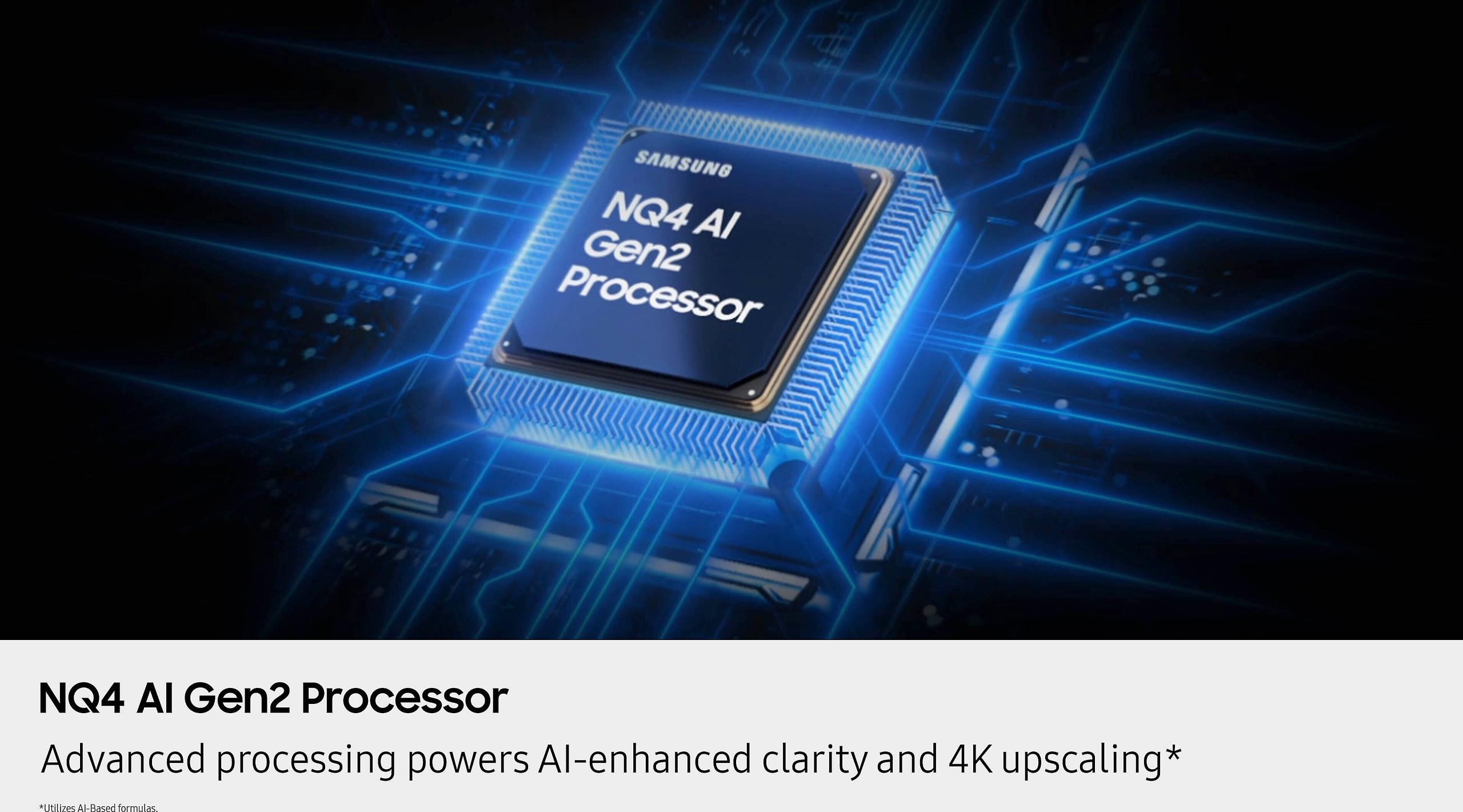
| NQ4 AI Gen2 (solid performance) | α8 AI Gen2 (more advanced processing) |
| Gaming Input Lag - Lower is better for competitive gaming | |
| Good (typical Samsung performance) | 9.6ms (exceptional for serious gamers) |
| Audio System - Affects whether you need a soundbar immediately | |
| 20W 2-channel with OTS Lite | 2.2 channel with native Dolby Atmos |
| Smart TV Platform - Determines app selection and update longevity | |
| Tizen with Vision AI features | webOS 25 with 5-year update guarantee |
| Color Coverage - Impacts color accuracy for movies and shows | |
| Quantum Dot with Color Booster Pro | 97% DCI-P3 with 100% Color Volume |
| Gaming Features - Important for console and PC gaming | |
| 144Hz, VRR, AMD FreeSync Premium Pro | 120Hz native, VRR, cloud gaming integration |
| Voice Control - Convenience for smart home users | |
| Enhanced Bixby integration | Multi-assistant (Google, Alexa, Apple) |
| Connectivity - Future-proofing for new devices | |
| 4 HDMI 2.1, Wi-Fi 6 | 4 HDMI 2.1, Wi-Fi 6E, optional Zero Connect |
| Value Positioning - Price-to-performance consideration | |
| Entry-level premium (best bang for buck) | Flagship features (premium performance) |
The LG 65" QNED92A delivers superior picture quality with higher peak brightness (1,520 nits), more local dimming zones, and 97% DCI-P3 color coverage. While the Samsung 65" QN70F offers excellent Neo QLED performance with its Quantum Matrix Technology, the LG QNED92A provides deeper blacks and more vibrant HDR content, making it better for cinematic viewing.
Both TVs support 4K 120Hz gaming, but the LG 65" QNED92A has the edge with exceptionally low input lag (9.6ms) and integrated cloud gaming services. The Samsung 65" QN70F offers solid gaming performance with AMD FreeSync Premium Pro and 144Hz support. For competitive gaming, the LG QNED92A is the better choice.
The Samsung 65" QN70F runs Tizen with Vision AI features like Click-to-Search and Live Translate. The LG 65" QNED92A uses webOS 25 with broader smart home integration, supporting Google Assistant, Alexa, and Apple HomeKit. The LG QNED92A also promises 5 years of software updates versus Samsung's typical 1-2 years.
The LG 65" QNED92A significantly outperforms with peak brightness up to 1,520 nits, making it excellent for bright rooms and HDR content. The Samsung 65" QN70F reaches lower brightness levels but still handles most viewing environments well. For very bright rooms, the LG QNED92A is the clear winner.
The LG 65" QNED92A features a 2.2 channel system with native Dolby Atmos support, providing more immersive audio. The Samsung 65" QN70F uses a 20W 2-channel system with Object Tracking Sound Lite and Q-Symphony soundbar compatibility. Both benefit from external audio, but the LG QNED92A offers better built-in sound quality.
The Samsung 65" QN70F provides excellent value as an entry-level Neo QLED with premium features at a more accessible price point. The LG 65" QNED92A costs more but justifies it with superior brightness, advanced local dimming, and longer software support. Choose the Samsung QN70F for budget-conscious premium performance or the LG QNED92A for flagship features.
Both TVs work well in home theaters, but the LG 65" QNED92A excels with superior contrast control from hundreds of local dimming zones and higher peak brightness for HDR content. The Samsung 65" QN70F offers solid home theater performance with good color processing. For dedicated home theaters, the LG QNED92A provides better picture quality in dark environments.
Both the Samsung 65" QN70F and LG 65" QNED92A include HDMI 2.1, Variable Refresh Rate (VRR), and Auto Low Latency Mode. The Samsung QN70F supports up to 144Hz with AMD FreeSync Premium Pro. The LG QNED92A offers 4K 120Hz, GeForce NOW, Xbox Cloud Gaming, and Dolby Vision gaming support.
The LG 65" QNED92A guarantees 5 years of software updates through LG's Re:New Program, ensuring continued access to new apps and features. The Samsung 65" QN70F typically receives 1-2 years of major updates. For long-term use, the LG QNED92A offers better future-proofing with extended software support.
The LG 65" QNED92A achieves 97% DCI-P3 color space coverage and 100% Color Volume certification, providing more accurate colors for professional content. The Samsung 65" QN70F uses Color Booster Pro for vibrant, punchy colors that many prefer for entertainment. For color-critical work, the LG QNED92A is more accurate.
The LG 65" QNED92A supports multiple voice assistants including Google Assistant, Amazon Alexa, and Apple HomeKit, plus Matter compatibility for broad smart home integration. The Samsung 65" QN70F primarily focuses on enhanced Bixby integration within Samsung's ecosystem. The LG QNED92A offers more universal smart home compatibility.
Both TVs handle sports well with their high refresh rates and motion processing. The Samsung 65" QN70F offers Motion Xcelerator 144Hz for smooth motion, while the LG 65" QNED92A provides 120Hz native refresh rate with superior brightness for daytime sports viewing. The LG QNED92A has a slight edge due to better motion handling and brightness in bright rooms.
We've done our best to create useful and informative comparisons to help you decide what product to buy. Our research uses advanced automated methods to create this comparison and perfection is not possible - please contact us for corrections or questions. These are the sites we've researched in the creation of this article: rtings.com - youtube.com - wifihifi.com - samsung.com - samsung.com - samsung.com - samsung.com - flatpanelshd.com - news.samsung.com - bestbuy.com - stereoindex.com - youtube.com - youtube.com - digitaltrends.com - abt.com - lg.com - youtube.com - ecoustics.com - hometheaterforum.com - lg.com - valueelectronics.com - listenup.com - pcrichard.com - furnitureconnectionnd.com - avnirvana.com - files.bbystatic.com - lg.com - lgnewsroom.com - techradar.com - bestbuy.com - bestbuy.com - youtube.com - youtube.com

Privacy Policy
Terms and Conditions - Affiliate Policy
Home Security
© Copyright 2008-2026.
11816 Inwood Rd #1211, Dallas, TX 75244