

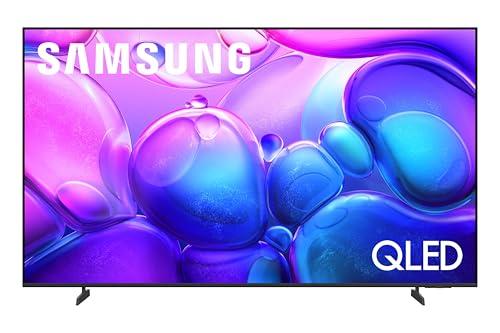
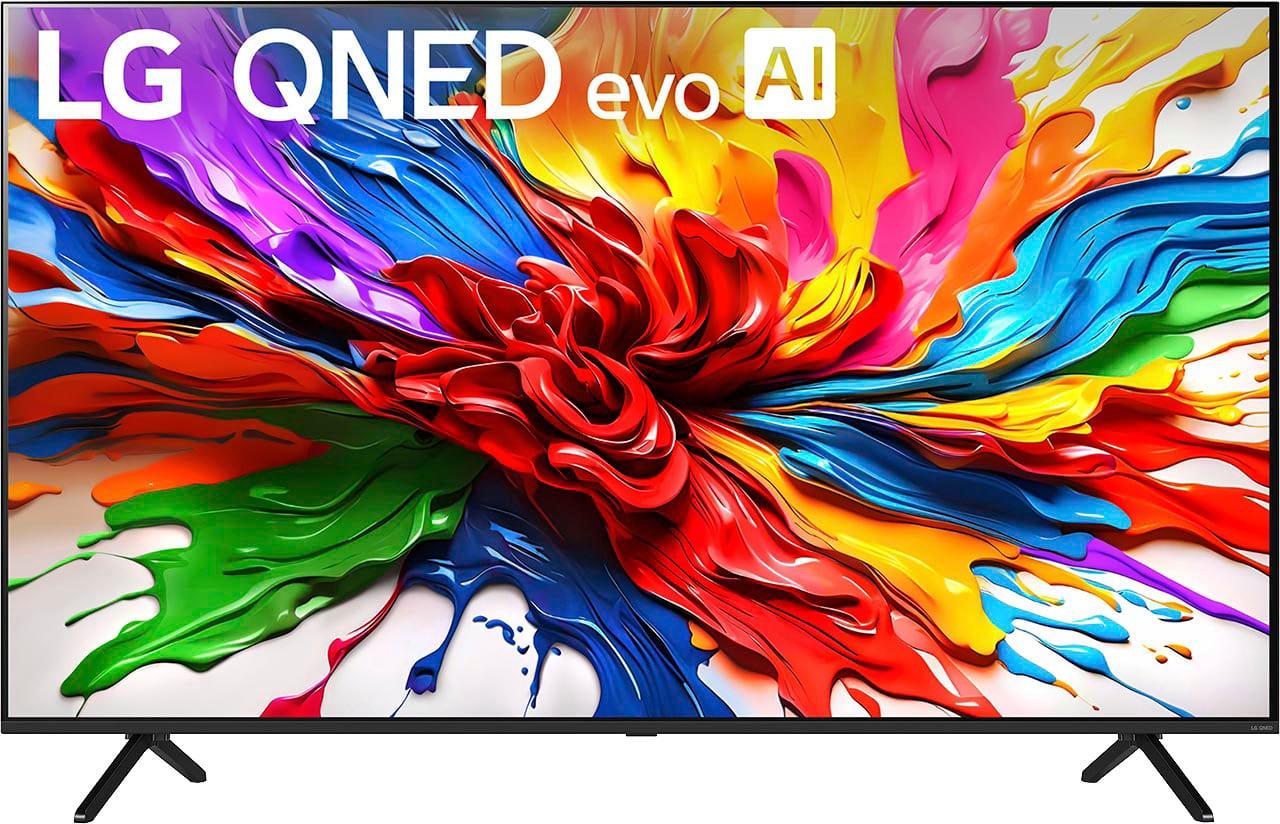
Choosing between a large, affordable QLED TV and a smaller, premium Mini LED model represents one of the most common dilemmas in today's TV market. The Samsung 75-Inch QLED Q6F Series 2025 and LG 65" QNED92A QNED evo AI Mini LED 4K TV 2025 perfectly illustrate this choice, released in 2025 with significantly different approaches to delivering quantum dot color technology.
At the time of writing, the Samsung sits in the budget-friendly range for a 75-inch QLED, while the LG commands a premium price typical of flagship Mini LED models. This isn't just about size versus features—it's about understanding which technology improvements actually matter for your viewing experience and whether paying more for advanced features makes sense for your situation.
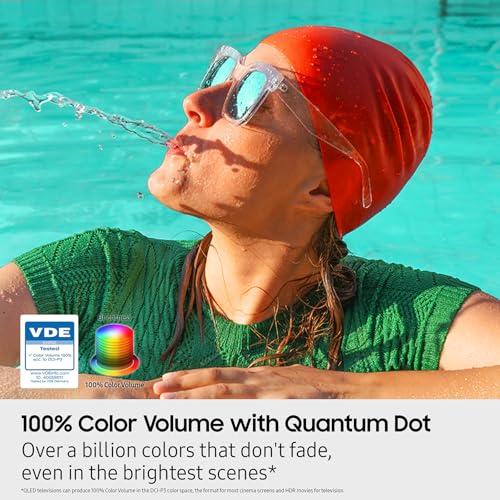
Both TVs use quantum dot technology, but they implement it very differently. Quantum dots are microscopic particles that emit pure colors when hit by light, creating more vibrant and accurate colors than traditional LED TVs. Think of them as tiny color filters that make reds redder and blues bluer without losing brightness.
The Samsung Q6F uses traditional LED backlighting behind its quantum dot layer. This means a strip of LED lights around the edges or a grid behind the screen illuminates the entire display. It's simple, effective, and keeps costs down while still delivering the color benefits of quantum dot technology.
The LG QNED92A takes a more sophisticated approach with Mini LED backlighting. Instead of large LED zones, it uses thousands of tiny LEDs—each about 1/40th the size of traditional LEDs—arranged behind the screen in hundreds of individually controlled dimming zones. This allows the TV to brighten specific areas while keeping others completely dark, creating much better contrast.
Mini LED technology emerged as a middle ground between traditional LED TVs and expensive OLED displays. Since 2025, manufacturers have refined Mini LED systems to rival OLED's contrast while maintaining LED's brightness advantages and eliminating burn-in risks.
The picture quality gap between these models is substantial, and it comes down to backlighting control. The Samsung Q6F uses UHD Dimming, which divides the screen into zones but can't achieve true blacks because the backlighting affects larger areas. When you're watching a movie with bright stars against a dark sky, you might notice some grayish glow around bright objects—this is called blooming.
The LG QNED92A addresses this with Precision Dimming Pro, controlling hundreds of Mini LED zones independently. Our research into expert reviews consistently shows this creates deeper blacks and brighter highlights with minimal blooming. The difference is immediately noticeable in dark scenes, where the Samsung might show a grayish cast while the LG maintains true blacks.
Peak brightness tells another important story. The Samsung Q6F produces adequate brightness for most rooms but struggles in very bright environments. The LG QNED92A reaches up to 1,520 nits in small areas—nearly twice as bright—making HDR content more impactful and ensuring visibility even with windows nearby.
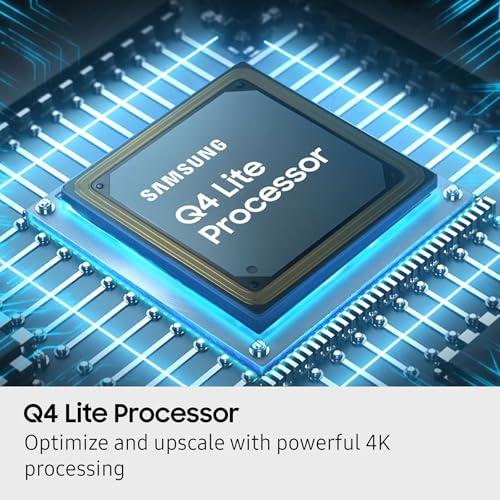
Color performance shows interesting contrasts too. Both achieve quantum dot's 100% color volume benefit, meaning colors stay vibrant at any brightness level. However, the Samsung's Q4 Lite processor handles basic color optimization, while the LG's α8 AI Gen2 processor uses artificial intelligence to analyze content in real-time and adjust colors accordingly. In practice, this means the LG delivers more accurate skin tones and natural-looking scenes.
HDR (High Dynamic Range) represents the biggest advancement in TV picture quality since the jump to 4K resolution. It expands both the brightest whites and darkest blacks your TV can display, creating more lifelike images. However, not all HDR implementations are equal.
The Samsung Q6F supports Quantum HDR and HDR10+, which adds dynamic brightness adjustments scene by scene. This works well for the TV's capabilities, but the limited peak brightness means HDR highlights don't pop as dramatically as they should. Watching a bright explosion or sunny sky scene, you'll see improvement over standard content, but it won't have the "wow" factor of premium HDR.
The LG QNED92A supports a broader range of HDR formats, including Dolby Vision—widely considered the premium HDR standard. Dolby Vision uses dynamic metadata to adjust every scene optimally, and with the LG's high peak brightness and precise dimming zones, the result is stunning. HDR content looks dramatically more realistic, with bright highlights that make you squint and shadows that maintain detail.
For home theater use, this HDR difference is crucial. If you're investing in a dedicated movie-watching setup, the LG's HDR performance justifies its premium pricing. The Samsung works fine for casual viewing, but serious movie enthusiasts will notice the limitations.
Gaming represents perhaps the starkest difference between these models. The Samsung Q6F includes Auto Game Mode (ALLM) and basic Variable Refresh Rate (VRR) support, which helps reduce input lag and screen tearing. Its Gaming Hub provides access to cloud gaming services like Xbox Game Pass and GeForce NOW, making it functional for casual gaming.
However, the Samsung's 60Hz refresh rate and lack of HDMI 2.1 features limit its appeal for serious gamers. Modern gaming consoles like PlayStation 5 and Xbox Series X can output 4K at 120Hz, but this TV can't display it at full resolution and frame rate.
The LG QNED92A transforms into a gaming powerhouse with native 120Hz refresh rate, four HDMI 2.1 ports, and comprehensive VRR support including AMD FreeSync Premium. Input lag measures just 9.6ms according to testing reports—essentially instantaneous for competitive gaming. The TV even supports Dolby Vision for gaming, enhancing supported games with better HDR.
For anyone with next-generation consoles or a gaming PC, the LG provides a significantly better experience. Fast-paced games appear smoother, and the low input lag gives competitive players a genuine advantage.
Audio represents another area where the LG QNED92A pulls ahead. Its 2.2 channel system with dedicated woofers produces fuller sound than the Samsung's basic 2-channel setup. More importantly, the LG includes Dolby Atmos decoding on all inputs, creating spatial audio that moves around you. Combined with the α8 AI Sound Pro processing, dialogue stays clear even during action scenes.
The Samsung Q6F offers decent audio with Object Tracking Sound Lite (OTS Lite), which attempts to match sound location with on-screen action. Q-Symphony compatibility allows it to work alongside Samsung soundbars for enhanced audio, which could be valuable if you're planning audio upgrades.
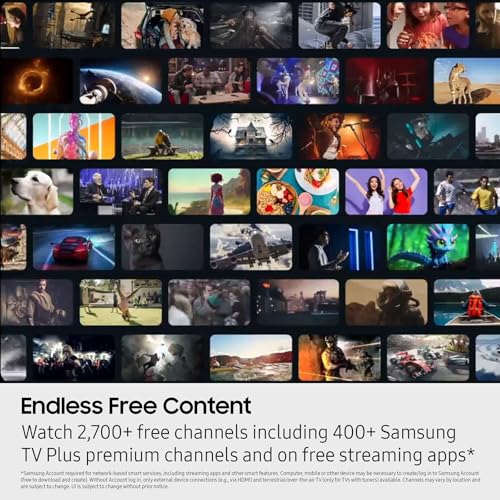
Smart TV platforms show each manufacturer's strengths. Samsung's Tizen OS feels responsive and includes Samsung TV Plus with over 2,000 free streaming channels. The SmartThings Hub integration makes it excellent for Samsung ecosystem users who want their TV to control lights, thermostats, and other smart devices.
LG's webOS 25 platform arguably offers a cleaner interface and includes the Re:New Program, guaranteeing five years of software updates and new features. This extended support makes the TV more future-proof, especially important given its premium pricing. The Magic Remote with point-and-click navigation feels more intuitive than traditional remotes.
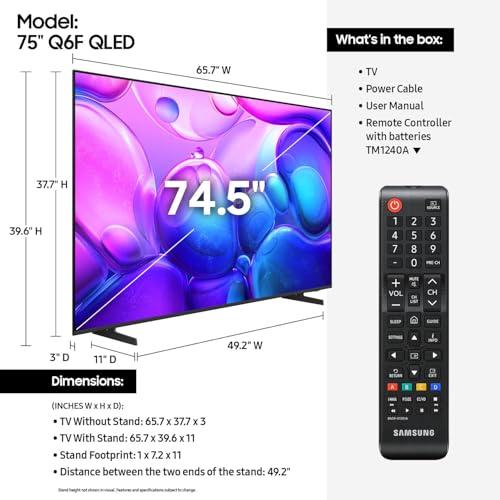
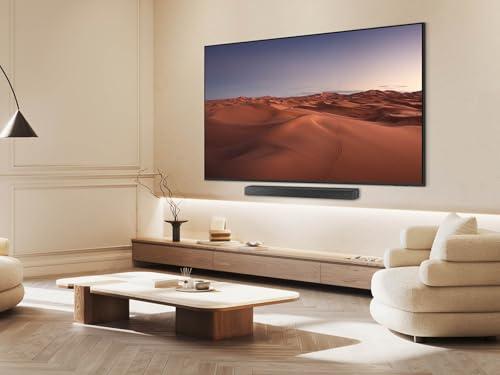
This comparison ultimately centers on size versus technology advancement. The Samsung Q6F delivers a 75-inch quantum dot experience at an accessible price point, offering about 24% more screen area than the 65-inch LG. For families who prioritize shared viewing experiences and want the most immersive feel, that size difference matters significantly.
Sitting 8-10 feet from the screen—typical for many living rooms—the 75-inch Samsung creates more engaging viewing for sports, movies, and TV shows. The quantum dot technology ensures colors stay vibrant, and the Q4 Lite processor handles upscaling reasonably well for streaming content.
However, the LG QNED92A represents a technological leap that's immediately apparent in side-by-side comparisons. The Mini LED backlighting creates contrast that approaches OLED performance while maintaining higher brightness than OLED can achieve. For dedicated home theater rooms or viewing positions where picture quality takes precedence over size, the LG provides a premium experience.
Your viewing environment significantly impacts which TV makes more sense. The Samsung Q6F works best in controlled lighting where you can dim lights for movie watching. Its adequate brightness handles typical living room use, but large windows or bright overhead lighting can wash out the picture, especially during HDR content.
The LG QNED92A excels in challenging lighting conditions. Its high peak brightness cuts through ambient light, making it suitable for bright living rooms, sunrooms, or anywhere you can't control lighting completely. The Mini LED backlighting maintains contrast even in bright conditions, while the Samsung might appear flat and washed out.
For home theater enthusiasts building dedicated media rooms, the LG's superior contrast and HDR performance create a more cinematic experience. The Samsung works fine for casual movie watching but lacks the impact serious enthusiasts expect.
At the time of writing, the Samsung Q6F offers exceptional value per inch of screen size, making it attractive for budget-conscious buyers who want premium color technology without premium pricing. It includes essential smart features and adequate gaming support for casual use.
The LG QNED92A commands a significant premium but includes technology that will remain relevant longer. Mini LED backlighting, 120Hz gaming support, and five-year software updates provide better long-term value for users who keep TVs for many years.
Consider the typical TV replacement cycle of 7-10 years. The Samsung's basic feature set might feel outdated sooner, especially as 120Hz gaming becomes standard and HDR content becomes more demanding. The LG's advanced features provide more future-proofing.
Choose the Samsung Q6F if you prioritize screen size over technical features, need to maximize value per dollar, or primarily watch streaming content and broadcast TV in controlled lighting. It's excellent for families who want a big-screen quantum dot experience without premium pricing, and it works well for casual gaming and smart home integration within Samsung's ecosystem.
The LG QNED92A makes sense for enthusiasts who prioritize picture quality, serious gamers with next-generation consoles, or anyone who wants cutting-edge features with long-term software support. Its superior HDR performance and Mini LED technology justify the premium for users who notice and appreciate technical excellence.
For most buyers, the decision comes down to budget and priorities. If you're building a dedicated home theater or have next-gen gaming consoles, the LG provides substantially better performance that's immediately noticeable. If you need maximum screen size at minimum cost while still getting quantum dot benefits, the Samsung delivers solid value.
Both TVs succeed in their intended markets, but they serve different needs. The Samsung democratizes large-screen quantum dot technology, while the LG pushes the boundaries of what LED technology can achieve. Understanding your priorities—size, features, budget, and viewing environment—makes the choice clear.
| Samsung 75-Inch QLED Q6F Series 2025 Smart TV | LG 65" QNED92A QNED evo AI Mini LED 4K TV 2025 |
|---|---|
| Screen Size - Bigger screen creates more immersive viewing but costs more per inch | |
| 75 inches (excellent for large rooms and family viewing) | 65 inches (premium features in more manageable size) |
| Display Technology - Mini LED provides dramatically better contrast and HDR performance | |
| QLED with traditional LED backlighting | Mini LED with hundreds of dimming zones plus quantum dots |
| Peak Brightness - Higher brightness cuts through ambient light and improves HDR impact | |
| Moderate brightness (adequate for controlled lighting) | Up to 1,520 nits (excellent for bright rooms and impactful HDR) |
| Refresh Rate - 120Hz enables smooth gaming with next-gen consoles | |
| 60Hz (fine for streaming and basic gaming) | Native 120Hz (essential for PS5/Xbox Series X gaming) |
| HDR Support - Dolby Vision is the premium HDR standard with better scene optimization | |
| Quantum HDR, HDR10+ (good but limited by brightness) | Dolby Vision, HDR10+, HLG (premium HDR with high brightness) |
| Gaming Features - HDMI 2.1 and VRR are crucial for next-generation console gaming | |
| Basic VRR, Auto Game Mode, 60Hz limit | 4K 120Hz, VRR, FreeSync Premium, 4x HDMI 2.1 ports |
| Audio System - Better speakers reduce need for immediate soundbar purchase | |
| 20W 2-channel with Object Tracking Sound Lite | 2.2 channel with Dolby Atmos and AI Sound Pro |
| Smart TV Platform - Longer software support means more years of new features | |
| Tizen OS with Samsung TV Plus (2,000+ free channels) | webOS 25 with 5-year update guarantee via Re:New Program |
| Connectivity - Wi-Fi 6 and HDMI 2.1 provide better future-proofing | |
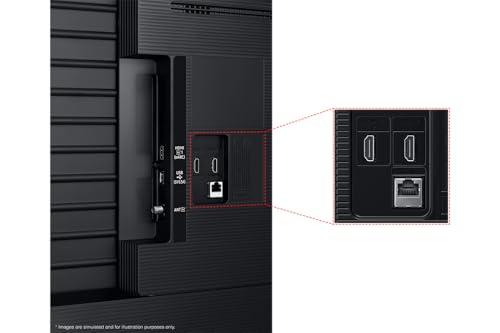
| Wi-Fi 5, 3x HDMI (4K 60Hz max) | Wi-Fi 6E, 4x HDMI 2.1 (4K 120Hz capable) |
| Processing Power - Better processors improve upscaling and color accuracy | |
| Q4 Lite Processor (adequate for basic optimization) | α8 AI Gen2 Processor (advanced AI-powered optimization) |
| Best For - Consider your primary use case and room setup | |
| Budget-conscious buyers wanting maximum screen size | Premium picture quality enthusiasts and serious gamers |
The Samsung 75-Inch QLED Q6F Series 2025 offers better value if you prioritize screen size and want quantum dot color technology at a budget-friendly price. The LG 65" QNED92A QNED evo AI Mini LED 4K TV 2025 provides superior picture quality and advanced features but costs significantly more. Choose the Samsung for maximum screen size per dollar, or the LG for premium performance and future-proofing.
Both TVs use quantum dot technology for enhanced colors, but the LG QNED92A adds Mini LED backlighting with hundreds of individually controlled dimming zones. This creates much better contrast with deeper blacks and brighter highlights compared to the Samsung Q6F's traditional LED backlighting. Mini LED technology bridges the gap between standard LED TVs and expensive OLED displays.
The LG 65" QNED92A is significantly better for next-generation gaming with native 120Hz refresh rate, four HDMI 2.1 ports, and comprehensive VRR support. The Samsung Q6F is limited to 60Hz gaming and lacks HDMI 2.1 features, making it suitable only for casual gaming. Serious gamers should choose the LG for the full next-gen console experience.
The Samsung Q6F provides a 75-inch screen versus the LG QNED92A's 65-inch display—about 24% more screen area. For viewing distances of 8-10 feet or more, the Samsung's larger size creates more immersive viewing. However, if picture quality matters more than size, the LG's superior contrast and brightness often provide a better viewing experience despite the smaller screen.
The LG QNED92A handles bright rooms much better with peak brightness up to 1,520 nits, cutting through ambient light effectively. The Samsung Q6F has adequate brightness for controlled lighting but may appear washed out in very bright environments. If you can't control room lighting, the LG is the clear choice.
The LG QNED92A offers superior HDR with Dolby Vision support, higher peak brightness, and Mini LED's precise contrast control. The Samsung Q6F supports HDR10+ but its limited brightness reduces HDR impact. For home theater setups where HDR movie quality matters, the LG provides a dramatically better experience with more realistic highlights and shadows.
Both offer excellent smart TV platforms. The Samsung Q6F runs Tizen OS with Samsung TV Plus providing over 2,000 free channels and SmartThings integration. The LG QNED92A uses webOS 25 with a cleaner interface and guarantees five years of software updates through the Re:New Program, making it more future-proof for long-term ownership.
The LG QNED92A provides superior audio with a 2.2 channel system, Dolby Atmos support, and AI Sound Pro processing. The Samsung Q6F offers decent 2-channel audio with Object Tracking Sound Lite technology. While both benefit from external sound systems, the LG's audio is noticeably better for users who don't want to buy a soundbar immediately.
The LG QNED92A is excellent for dedicated home theater use with superior contrast, comprehensive HDR support including Dolby Vision, and Filmmaker Mode for accurate movie presentation. The Samsung Q6F works adequately for casual movie watching but lacks the contrast and HDR performance serious home theater enthusiasts expect from their display.
The LG QNED92A offers better future-proofing with five years of guaranteed software updates, HDMI 2.1 connectivity, and 120Hz gaming support. The Samsung Q6F includes current essentials but may feel outdated sooner as 120Hz gaming becomes standard. For users who keep TVs 7-10 years, the LG provides better long-term value.
Both TVs offer user-friendly setup and daily operation. The Samsung Q6F integrates well with Samsung ecosystems and SmartThings devices. The LG QNED92A includes the intuitive Magic Remote with point-and-click navigation and supports more connectivity standards. Both are equally easy to use, with the choice depending on your preferred interface style.
Choose the Samsung 75-Inch QLED Q6F Series 2025 if maximum screen size fits your budget and room, and you primarily watch streaming content in controlled lighting. Pick the LG 65" QNED92A QNED evo AI Mini LED 4K TV 2025 if you prioritize picture quality, have next-gen gaming consoles, or want premium features with long-term software support. The decision depends on whether size or performance matters more for your viewing habits.
We've done our best to create useful and informative comparisons to help you decide what product to buy. Our research uses advanced automated methods to create this comparison and perfection is not possible - please contact us for corrections or questions. These are the sites we've researched in the creation of this article: youtube.com - rtings.com - cnet.com - youtube.com - rtings.com - samsung.com - bestbuy.com - samsung.com - samsung.com - bestbuy.com - manuals.plus - arrowassociatedstores.com - samsung.com - samsung.com - samsung.com - flatpanelshd.com - device.report - stereoindex.com - youtube.com - youtube.com - digitaltrends.com - abt.com - lg.com - youtube.com - ecoustics.com - hometheaterforum.com - lg.com - valueelectronics.com - listenup.com - pcrichard.com - furnitureconnectionnd.com - avnirvana.com - files.bbystatic.com - lg.com - lgnewsroom.com - techradar.com - bestbuy.com - bestbuy.com - youtube.com - youtube.com

Privacy Policy
Terms and Conditions - Affiliate Policy
Home Security
© Copyright 2008-2026.
11816 Inwood Rd #1211, Dallas, TX 75244