



When you're shopping for a premium 65-inch TV, two technologies dominate the conversation: OLED and Mini LED. While OLED gets most of the attention for its perfect blacks, Mini LED has quietly become the sweet spot for many buyers. It delivers much of OLED's contrast performance while maintaining the brightness advantages of traditional LED TVs - all without the burn-in concerns that still make some people nervous about OLED.
Both the Samsung Frame Pro and LG QNED92A launched in 2025, representing the latest evolution in Mini LED technology. These aren't just incremental updates - they're significant leaps forward from their 2024 predecessors, incorporating years of refinement in local dimming algorithms, AI processing, and smart TV platforms.
But here's the thing: while both TVs use Mini LED technology, they couldn't be more different in their approach to what a TV should be.
Before diving into the comparison, let's talk about what makes Mini LED special. Traditional LED TVs use a handful of LED zones - maybe 10-50 across the entire screen - to control backlighting. Mini LED TVs like these two models use hundreds or even thousands of tiny LEDs, each roughly the size of a grain of rice, packed behind the LCD panel.
This massive increase in LED count enables something called "local dimming" - the ability to brighten or dim specific areas of the screen independently. When you're watching a movie with a bright explosion against a dark night sky, Mini LED can make that explosion blazingly bright while keeping the surrounding darkness truly dark. It's this precise control that makes Mini LED punch well above its weight class in terms of picture quality.
Both the Samsung Frame Pro and LG QNED92A take this concept and run with it, but they've implemented the technology in notably different ways.
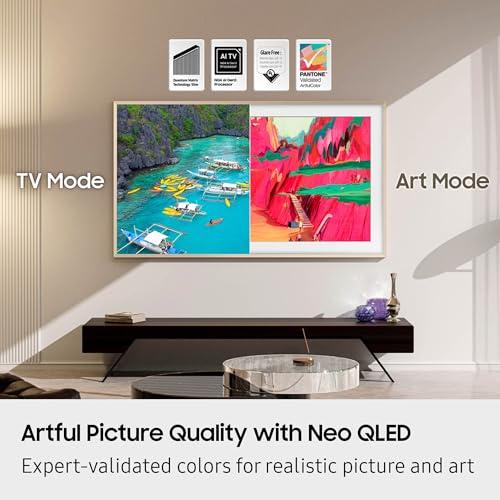
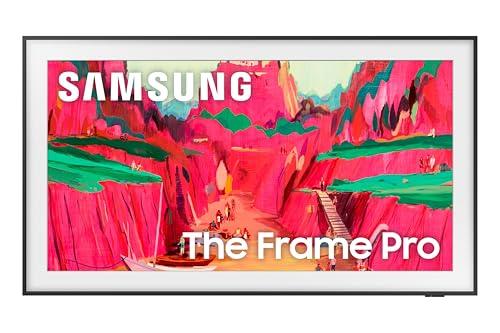
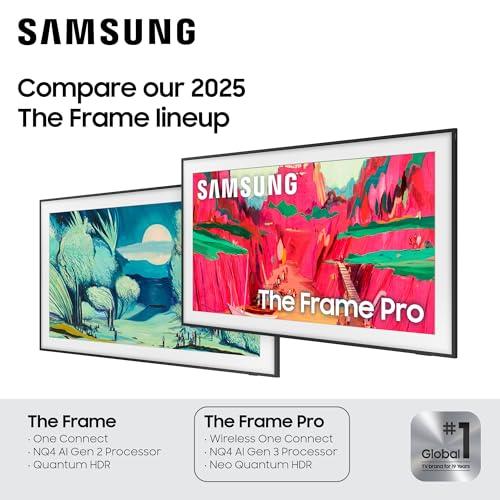
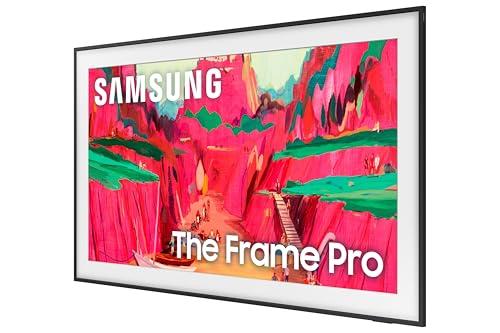
The Samsung Frame Pro represents Samsung's belief that TVs should disappear when not in use. Since the original Frame TV launched several years ago, Samsung has been refining this concept: what if your TV could be a piece of art when you're not watching Netflix?
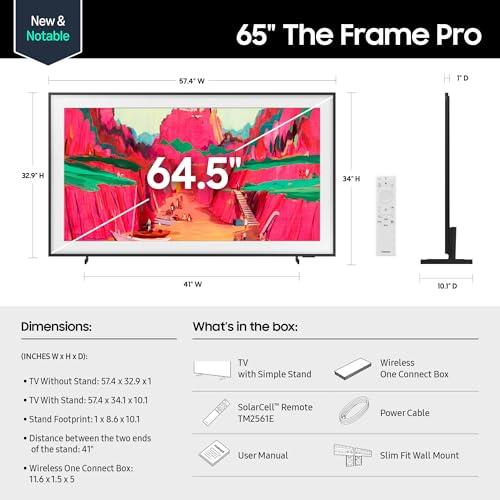
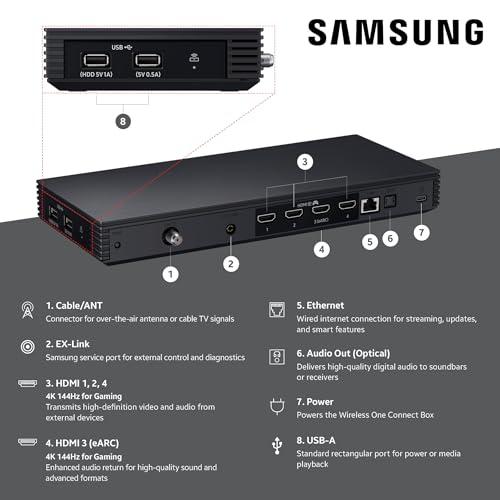
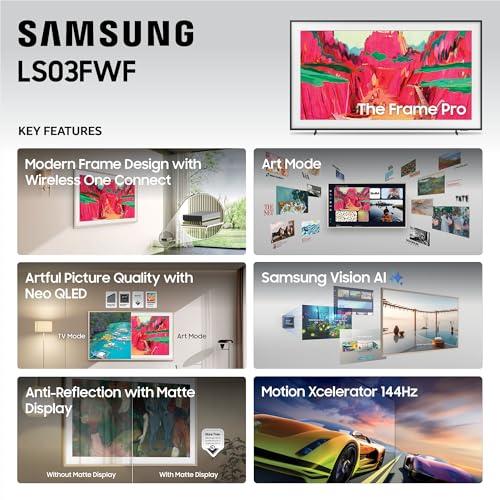
The 2025 Frame Pro takes this philosophy to its logical conclusion. The most striking innovation is the completely wireless One Connect Box. Every cable - power for your cable box, PlayStation, Apple TV, whatever - plugs into this separate unit that can sit up to 33 feet away from the TV. The TV itself needs only a single power cord, creating an incredibly clean installation that really does look like a framed piece of art on your wall.
This wireless transmission uses Wi-Fi 7 technology with something Samsung calls "Omni-Directional Technology." In practical terms, this means the signal can bounce around walls and furniture without significant degradation. Having researched user experiences extensively, the consensus is that this system works remarkably well, though it's worth noting there's no wired backup option if the wireless connection fails.
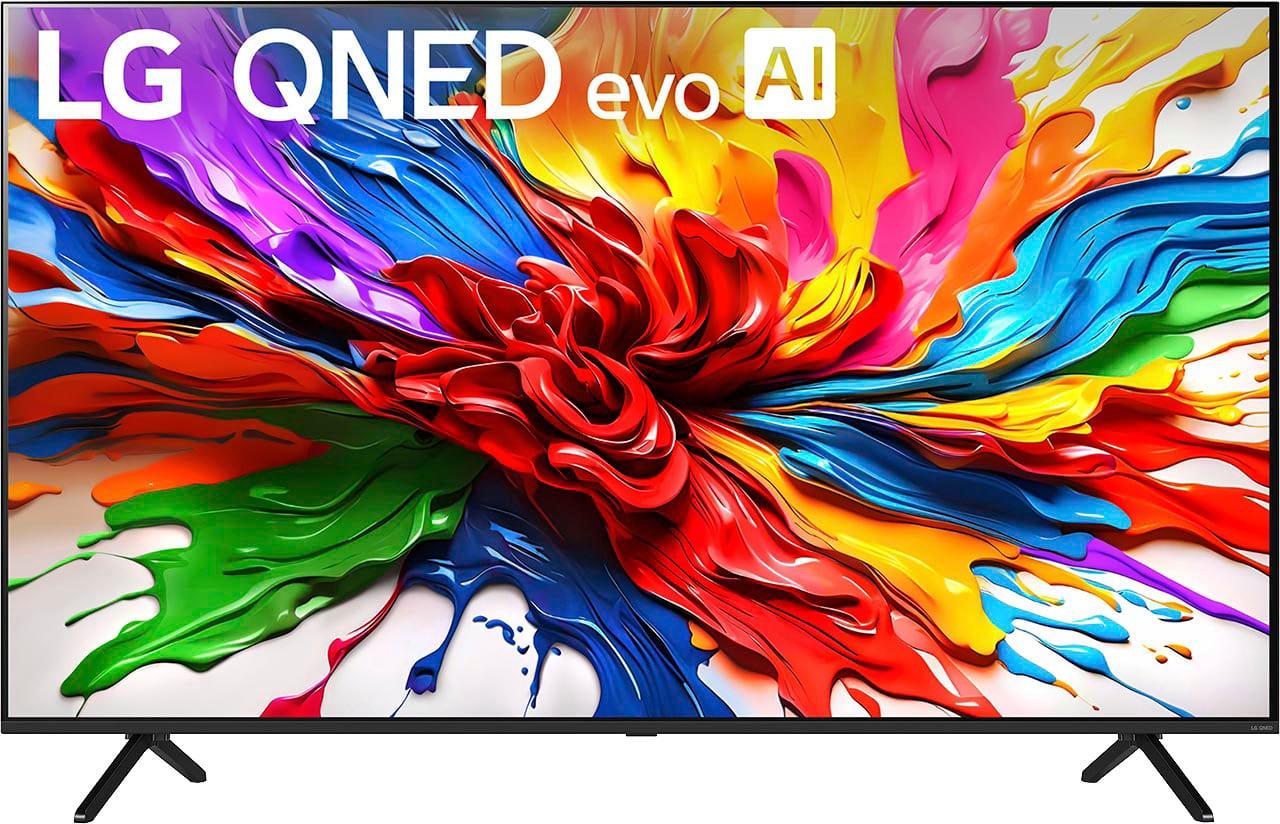
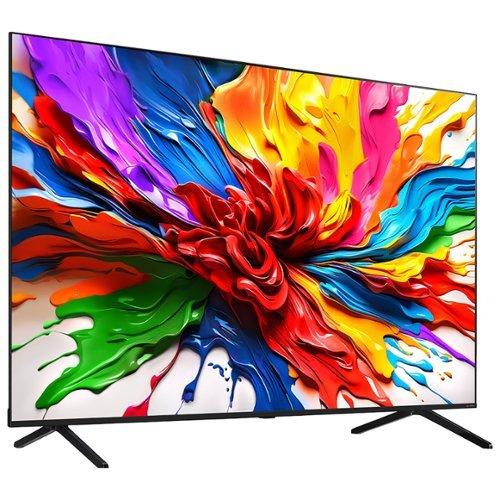
The LG QNED92A, on the other hand, represents LG's commitment to delivering maximum performance in a traditional TV package. While it's certainly attractive - featuring ultra-slim bezels and a minimalist design - it makes no pretense about being anything other than a very good television.
LG's focus shows in the details. The QNED92A packs an Alpha 8 AI Processor Gen2, which continuously analyzes content to optimize picture quality in real-time. This isn't just marketing speak - the processor genuinely adapts color temperature, contrast, and motion smoothing based on whether you're watching a dark movie, bright sports game, or fast-paced video game.
Both TVs deliver impressive brightness levels, but they achieve it differently. The Samsung Frame Pro hits peak brightness levels exceeding 1,000 nits, which is bright enough to make HDR content really pop even in a sun-drenched living room. More importantly, it uses Neo QLED technology - Samsung's implementation of Quantum Dot color enhancement - to deliver colors that are both vibrant and accurate.
Quantum Dots are microscopic crystals that emit precise colors when hit by light. The result is color reproduction that stays consistent even as the TV ages, and coverage of color spaces like DCI-P3 (used in movie theaters) that approaches 100%. For art display, Samsung has gone the extra mile with Pantone color validation, ensuring that digital artwork looks as the artist intended.
The LG QNED92A takes a different approach with what LG calls "Dynamic QNED Color Pro." This combines traditional Quantum Dot technology with LG's NanoCell layer - essentially tiny nanoparticles that filter out impure colors. The result is what LG certifies as "100% Color Volume," meaning the TV can reproduce rich, saturated colors even in very bright or very dark scenes.
Based on professional reviews and user feedback, both TVs deliver excellent color performance, but with subtle differences. The Samsung tends to produce slightly more vivid, punchy colors that really make HDR content shine. The LG delivers more natural, film-like colors that some viewers prefer for longer watching sessions.
This is where Mini LED technology really flexes its muscles, and both TVs deliver impressive results. The Samsung Frame Pro uses what Samsung calls "Quantum Matrix Technology Slim" - hundreds of individually controlled Mini LEDs with sophisticated local dimming algorithms. The result is deep blacks that approach OLED territory, though with some inevitable light bleed around bright objects.
The LG QNED92A counters with "Precision Dimming Pro," which controls hundreds of dimming zones with what LG claims is more precise algorithms. In practice, user reviews suggest the LG does a slightly better job preserving shadow detail in dark scenes, while the Samsung delivers slightly deeper blacks overall.
Neither TV matches a good OLED for pure black levels - that's still OLED's trump card - but both get close enough that most viewers won't miss the difference, especially in rooms with any ambient light.
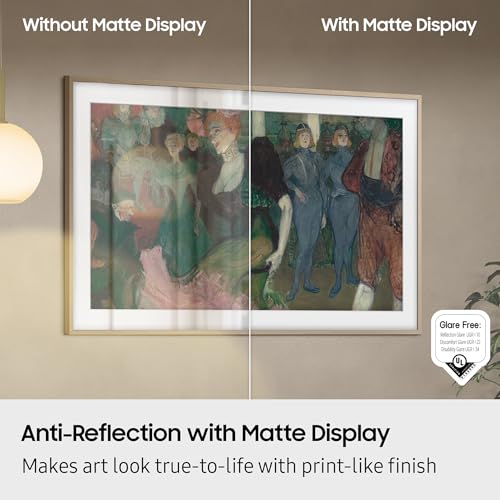
Here's where the Samsung Frame Pro pulls ahead significantly: its matte anti-reflection coating. Most TVs have glossy screens that act like mirrors when there's any light in the room. The Frame Pro's matte finish dramatically reduces reflections, making it genuinely usable in bright rooms where other TVs would be unwatchable.
This isn't just about practicality - it's essential for the art display function. A glossy screen displaying a Van Gogh would look like a digital display. The matte finish makes artwork look like an actual print or painting, which is crucial for the TV's dual personality to work convincingly.
The trade-off is that the matte coating slightly reduces color vibrancy and sharpness compared to a glossy screen in a dark room. But for most real-world viewing environments, the benefits far outweigh this minor compromise.
If you're a serious gamer, this comparison becomes much simpler. The LG QNED92A absolutely destroys the Samsung Frame Pro in gaming performance, and it's not even close.
Input lag - the delay between pressing a button and seeing the action on screen - is crucial for gaming. The LG QNED92A delivers exceptional input lag of just 9.6ms at 4K resolution, which puts it among the best gaming TVs available at any price point. This is fast enough for competitive gaming in any genre.
The Samsung Frame Pro, unfortunately, suffers from input lag exceeding 30ms - more than triple the LG's figure. This is likely due to the wireless transmission system and the TV's focus on image processing for art display. While 30ms might be acceptable for casual gaming, it's frustrating for any fast-paced games.
Samsung does provide a micro HDMI port on the TV itself for direct connection, which presumably reduces input lag, but this defeats the purpose of the wireless design and creates an unsightly cable running to the TV.
The LG QNED92A offers four full-featured HDMI 2.1 ports, all capable of 4K at 120Hz with Variable Refresh Rate (VRR) support. VRR eliminates screen tearing by synchronizing the TV's refresh rate with your console or PC's frame rate. The TV also supports all major VRR standards including FreeSync and HDMI Forum VRR.
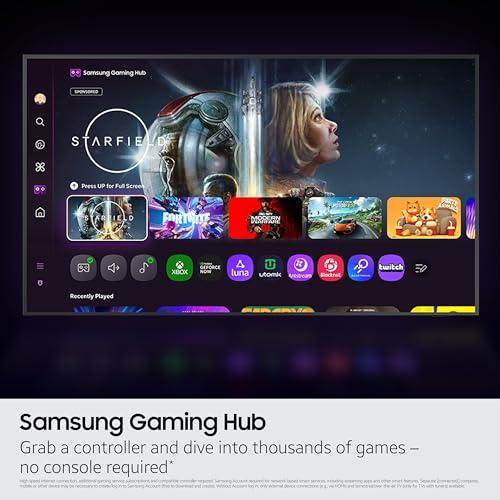
LG's Game Optimizer provides quick access to gaming-specific settings, and the TV supports both Dolby Vision gaming (for Xbox Series X) and cloud gaming services like GeForce NOW and Xbox Cloud Gaming built right into the TV.
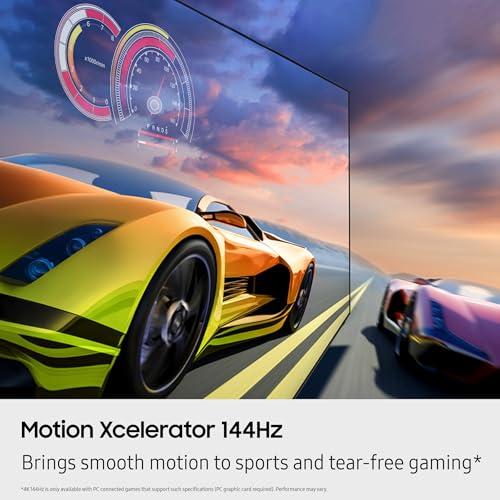
The Samsung Frame Pro does support 144Hz refresh rates and VRR technology, but the high input lag makes these features largely irrelevant for serious gaming. The five HDMI ports (thanks to the wireless One Connect Box) are a nice touch, but they can't overcome the fundamental performance limitations.
Both TVs run mature, feature-rich smart TV platforms that have evolved significantly since their early days.
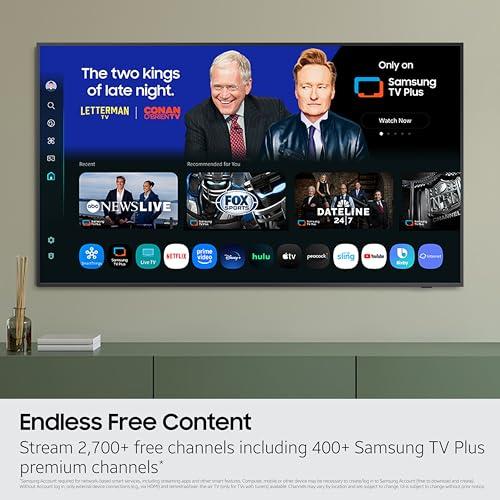
The Samsung Frame Pro runs Tizen, Samsung's proprietary smart TV platform. Tizen has matured into one of the most polished smart TV interfaces, with smooth navigation, comprehensive app selection, and excellent integration with Samsung's ecosystem of devices.
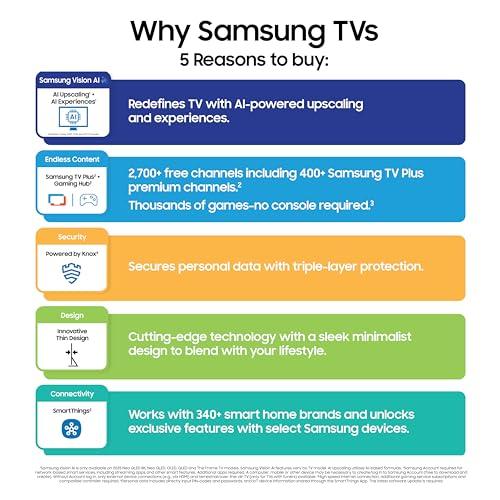
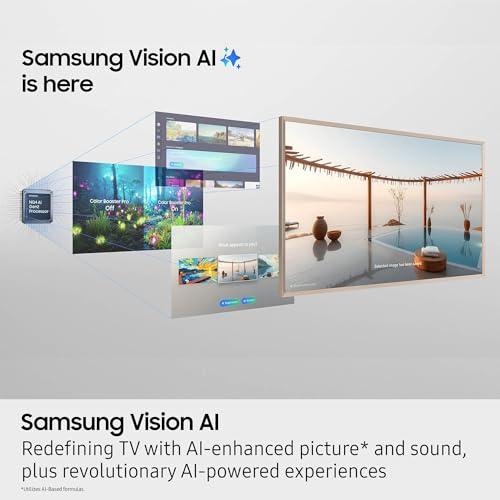
The standout feature for 2025 is Samsung Vision AI, which learns your viewing habits and automatically adjusts settings. More importantly for the Frame Pro, it intelligently manages the transition between TV and art modes, adjusting brightness and color temperature based on ambient light and whether people are in the room.
Samsung promises five years of software support, which should keep the TV current through most of its useful life. The built-in voice assistants (Alexa and Bixby) work well, though Bixby remains more useful for TV control than general smart home management.
The LG QNED92A runs webOS 25, the latest version of LG's consistently excellent smart TV platform. webOS has always prioritized ease of use, and the 2025 version continues this tradition with intuitive navigation and the excellent Magic Remote that functions like a combination remote control and computer mouse.
Where LG really shines is in ecosystem compatibility. The TV supports Google Assistant, Amazon Alexa, Apple HomeKit, and Matter - basically every major smart home standard. This makes it much easier to integrate into existing smart home setups regardless of your preferred ecosystem.
LG also provides over 300 free channels through LG Channels, plus guaranteed software updates for five years through their Re:New Program. The inclusion of AirPlay 2 and Google Cast means easy content sharing from any phone or tablet.
Neither TV will replace a good soundbar for serious movie watching, but both deliver respectable built-in audio that's perfectly adequate for casual viewing.
The Samsung Frame Pro features a 40W, 2.0.2CH system with Dolby Atmos support and Object Tracking Sound (OTS), which uses AI to match sound placement with on-screen action. The Q-Symphony Pro feature works exceptionally well if you have a compatible Samsung soundbar, creating a seamless blend between TV and soundbar speakers.
The LG QNED92A uses a 2.2CH system enhanced by the Alpha 8 AI Sound Pro processor, which up-mixes stereo content for a more immersive experience. Like the Samsung, it supports Dolby Atmos and includes Bluetooth Surround Ready for wireless speaker expansion.
In practice, both TVs produce clear dialogue and decent bass response for their size, but neither has the dynamic range or power for a true home theater experience. Plan on adding a soundbar if audio quality is important to you.
This is where the philosophical differences between these TVs become most apparent.
The Samsung Frame Pro is designed to disappear. The wireless One Connect Box eliminates cable clutter completely, while the customizable bezels let you match the TV to your decor. The matte finish and ambient light sensors create a convincing art display that genuinely looks like a framed piece when not in use.
The Art Store provides access to over 3,000 curated artworks, plus the ability to display your own photos. The motion sensor automatically turns the display off when no one's in the room, saving energy and extending panel life.
Installation is more complex than a traditional TV due to the wireless setup, but the end result is genuinely impressive if you value the aesthetic benefits.
The LG QNED92A looks like a premium TV should: slim bezels, quality build materials, and a design that focuses attention on the screen rather than the frame. It's not trying to be anything other than an excellent television, and there's something refreshing about that honesty.
The conventional connectivity means straightforward installation, and the included cable management solutions help keep things tidy without requiring a complete redesign of your entertainment center.
At the time of writing, the Samsung Frame Pro commands a significant premium over the LG QNED92A - typically $200-400 more depending on sales and promotions. The question is whether Samsung's unique features justify this premium.
The Samsung Frame Pro justifies its higher price if you value its unique capabilities:
The Frame Pro is essentially two products in one - a capable TV and a digital art display. If you value both functions, the premium starts to make sense.
The LG QNED92A offers better value for traditional TV use cases:
The QNED92A delivers flagship-level performance at a more reasonable price, making it the better choice for most buyers focused on traditional TV usage.
After extensive research into user reviews and professional evaluations, both TVs excel in their intended roles, but they serve fundamentally different purposes.
Choose the Samsung Frame Pro if you view your TV as a lifestyle product first and entertainment device second. The wireless installation, art display functionality, and superior bright-room performance justify the premium if these features solve real problems in your space. Just accept that gaming performance is compromised, and you're paying extra for the unique aesthetic benefits.
Choose the LG QNED92A if you want a traditional premium TV that excels at everything TVs are supposed to do well. The superior gaming performance, comprehensive connectivity, and lower price make it the better choice for most buyers focused on performance and value.
Both represent the current state-of-the-art in Mini LED technology, but your decision should ultimately come down to whether you value the Frame Pro's unique lifestyle features enough to accept its gaming limitations and higher price. For most buyers prioritizing performance and value, the LG QNED92A offers a more compelling package.
| Samsung 65" The Frame Pro 4K Neo QLED Smart TV 2025 | LG 65" QNED92A QNED evo AI Mini LED 4K TV 2025 |
|---|---|
| Display Technology - Determines picture quality and viewing experience | |
| Neo QLED Mini LED with Quantum Dot, matte anti-glare screen | QNED Mini LED with Quantum Dot + NanoCell, glossy screen |
| Peak Brightness - Critical for HDR impact and bright room viewing | |
| 1,000+ nits (excellent for bright rooms, enhanced by matte coating) | 1,520 nits peak (slightly brighter, but glossy screen reflects more) |
| Gaming Input Lag - Make-or-break spec for serious gaming | |
| 30ms+ (poor for gaming, micro HDMI workaround available) | 9.6ms (excellent for competitive gaming) |
| Refresh Rate - Affects motion smoothness in sports and gaming | |
| 144Hz native (great for motion, but high input lag limits gaming benefits) | 120Hz native, supports 144Hz with VRR (optimized for gaming) |
| HDMI 2.1 Ports - Essential for next-gen consoles and high-end PCs | |
| 5 ports via Wireless One Connect Box (eliminates cable clutter) | 4 ports directly on TV (all support 4K@120Hz with VRR) |
| Unique Design Features - What sets each TV apart from competitors | |
| Wireless One Connect Box, customizable bezels, Art Mode with 3,000+ artworks | Traditional premium TV design with ultra-slim bezels, no art features |
| Smart Platform - Affects long-term usability and app availability | |
| Tizen with Samsung Vision AI, 5-year support, Alexa/Bixby built-in | webOS 25 with 5-year Re:New Program, broader voice assistant support |
| Color Technology - Impacts color accuracy and vibrancy | |
| Quantum Dot with Pantone validation (optimized for art display accuracy) | Dynamic QNED Color Pro with 100% Color Volume certification |
| Audio System - Built-in sound quality without external speakers | |
| 40W 2.0.2CH with Dolby Atmos, Object Tracking Sound, Q-Symphony Pro | 2.2CH with α8 AI Sound Pro, Dolby Atmos, Bluetooth Surround Ready |
| Installation Complexity - Affects setup difficulty and cable management | |
| Complex wireless setup, but eliminates all visible cables to TV | Standard TV installation with conventional cable management |
| Best Use Cases - Who should choose each model | |
| Design-focused buyers, art enthusiasts, bright rooms, Samsung ecosystem users | Gamers, home theater enthusiasts, value-conscious buyers, mixed-content viewers |
Both the Samsung Frame Pro and LG QNED92A deliver excellent picture quality with Mini LED technology, but they excel in different areas. The Samsung Frame Pro offers superior brightness and color accuracy with its Neo QLED Quantum Dot technology, making it ideal for bright rooms. The LG QNED92A provides better shadow detail and viewing angles thanks to its NanoCell layer, making it slightly better for dark room movie watching and family viewing.
The LG QNED92A is significantly better for gaming with exceptional 9.6ms input lag, four HDMI 2.1 ports supporting 4K@120Hz, and comprehensive VRR support. The Samsung Frame Pro has poor gaming performance with 30ms+ input lag, making it unsuitable for competitive gaming despite its 144Hz refresh rate. Serious gamers should choose the LG QNED92A without hesitation.
The Samsung Frame Pro is designed as a dual-purpose TV and art display, featuring a completely wireless One Connect Box that eliminates cable clutter, customizable bezels, and access to over 3,000 artworks through Art Mode. The LG QNED92A is a traditional premium TV focused purely on performance without any art display functionality.
The Samsung Frame Pro performs better in bright rooms due to its matte anti-glare screen that dramatically reduces reflections, making it viewable even with windows behind the viewer. While the LG QNED92A has slightly higher peak brightness, its glossy screen reflects more light, making the Samsung's matte coating the decisive advantage for bright room viewing.
Both TVs offer excellent smart platforms with 5-year software support commitments. The Samsung Frame Pro runs Tizen with Samsung Vision AI and tight Samsung ecosystem integration, while the LG QNED92A uses webOS 25 with broader compatibility including Google Assistant, Alexa, Apple HomeKit, and Matter. The LG offers more flexibility for mixed-ecosystem homes.
The LG QNED92A typically offers better value, costing several hundred dollars less while delivering superior gaming performance and excellent picture quality for traditional TV use. The Samsung Frame Pro commands a premium for its unique art display features and wireless design - worth it if you'll use these features, but expensive if you just want a great TV.
Both TVs provide decent built-in audio but aren't replacements for dedicated sound systems. The Samsung Frame Pro features a 40W system with Object Tracking Sound and excellent Samsung soundbar integration via Q-Symphony Pro. The LG QNED92A uses AI-enhanced audio processing with Bluetooth Surround Ready for wireless speaker expansion. Both support Dolby Atmos but benefit significantly from external audio solutions.
The LG QNED92A offers straightforward installation like any premium TV with conventional cable management. The Samsung Frame Pro requires more complex setup due to its wireless One Connect Box system, but the end result eliminates all visible cables to the TV, creating an extremely clean installation that's worth the extra effort if aesthetics matter.
The Samsung Frame Pro excels with bright, colorful content and is optimized for art display with Pantone color validation. The LG QNED92A handles mixed content better overall, with superior performance for gaming, sports, and movies thanks to better motion handling and lower input lag. For varied content consumption, the LG QNED92A is more versatile.
The Samsung Frame Pro offers five HDMI ports through its Wireless One Connect Box, providing more connections but requiring wireless transmission. The LG QNED92A has four HDMI 2.1 ports directly on the TV, all supporting full 4K@120Hz with VRR. For gaming and high-performance applications, the LG's direct connections are more reliable.
The Samsung Frame Pro's main weakness is poor gaming performance with high input lag, plus no wired backup for the wireless system. The LG QNED92A lacks any art display functionality and has a standard TV appearance. Choose the Samsung only if you'll actively use Art Mode; otherwise, the LG QNED92A delivers better all-around performance.
For dedicated home theater use, the LG QNED92A is the better choice with superior dark room performance, better shadow detail, excellent gaming capabilities, and lower cost leaving more budget for audio equipment. The Samsung Frame Pro works well in mixed-use living spaces where the TV needs to look good when off, but pure home theater performance favors the LG QNED92A.
We've done our best to create useful and informative comparisons to help you decide what product to buy. Our research uses advanced automated methods to create this comparison and perfection is not possible - please contact us for corrections or questions. These are the sites we've researched in the creation of this article: tomsguide.com - youtube.com - smarthomesounds.co.uk - images.samsung.com - rtings.com - samsung.com - bestbuy.com - bestbuy.com - businessinsider.com - dentonstv.com - samsung.com - flatpanelshd.com - samsung.com - jefflynch.com - youtube.com - costco.com - stereoindex.com - youtube.com - youtube.com - digitaltrends.com - abt.com - lg.com - youtube.com - ecoustics.com - hometheaterforum.com - lg.com - valueelectronics.com - listenup.com - pcrichard.com - furnitureconnectionnd.com - avnirvana.com - files.bbystatic.com - lg.com - lgnewsroom.com - techradar.com - bestbuy.com - bestbuy.com - youtube.com - youtube.com

Privacy Policy
Terms and Conditions - Affiliate Policy
Home Security
© Copyright 2008-2026.
11816 Inwood Rd #1211, Dallas, TX 75244