

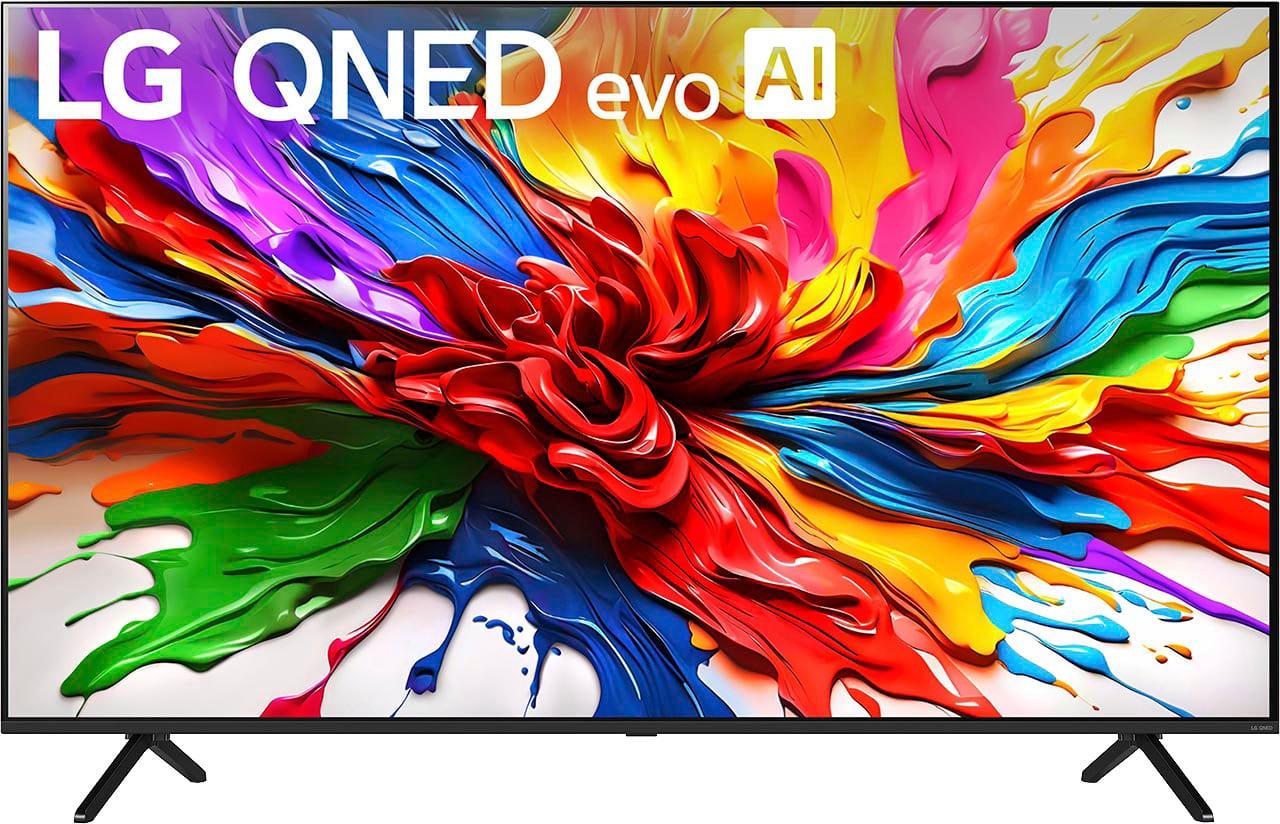
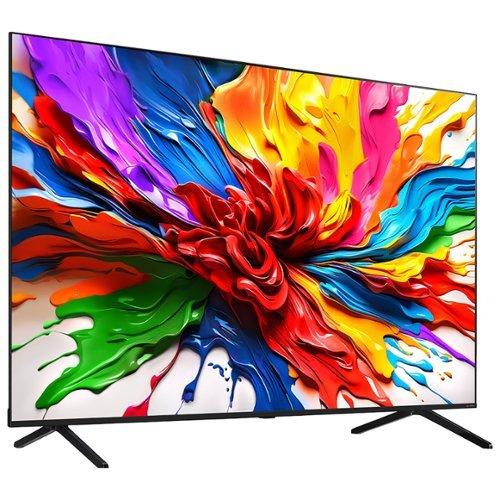
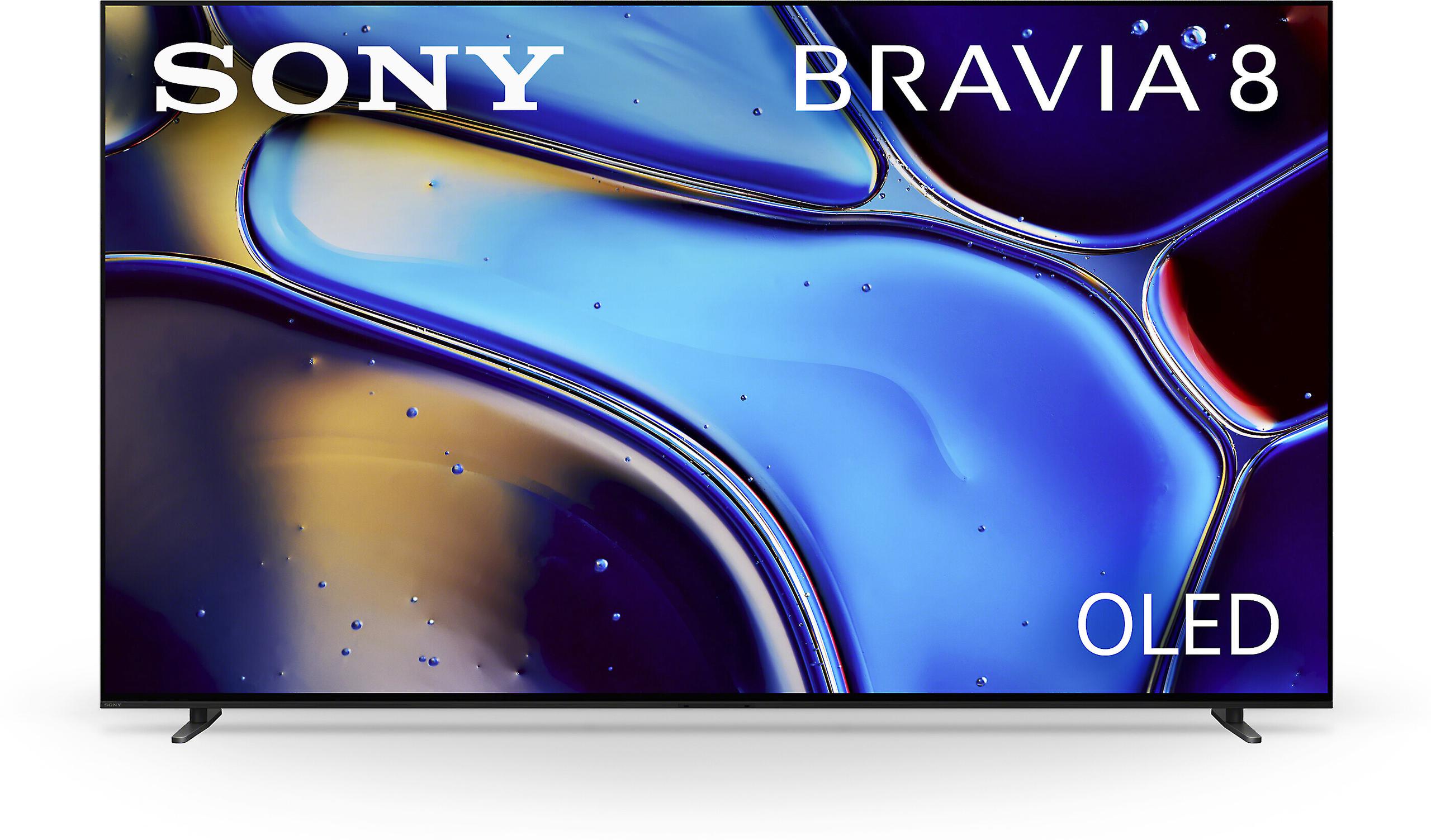
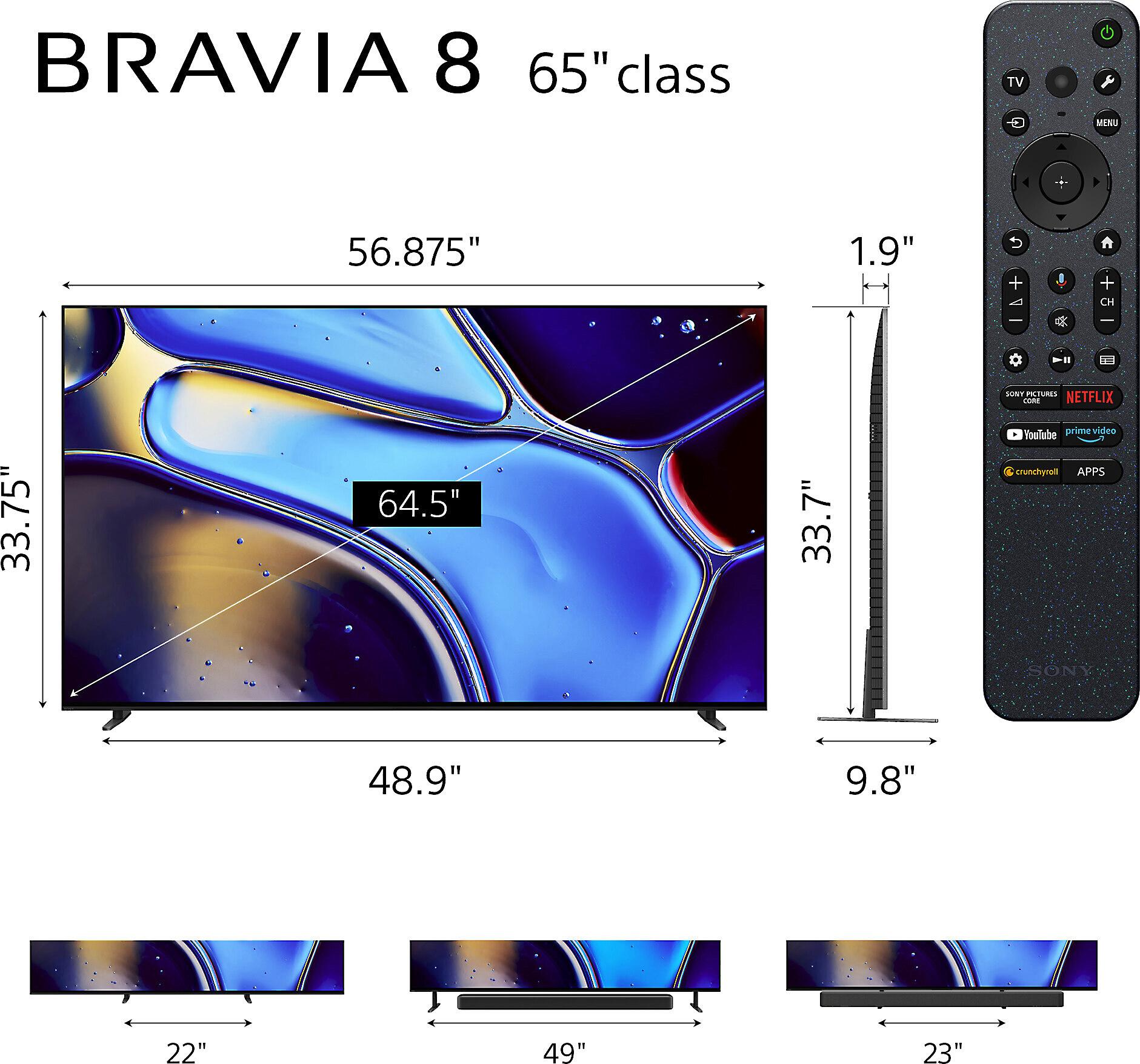
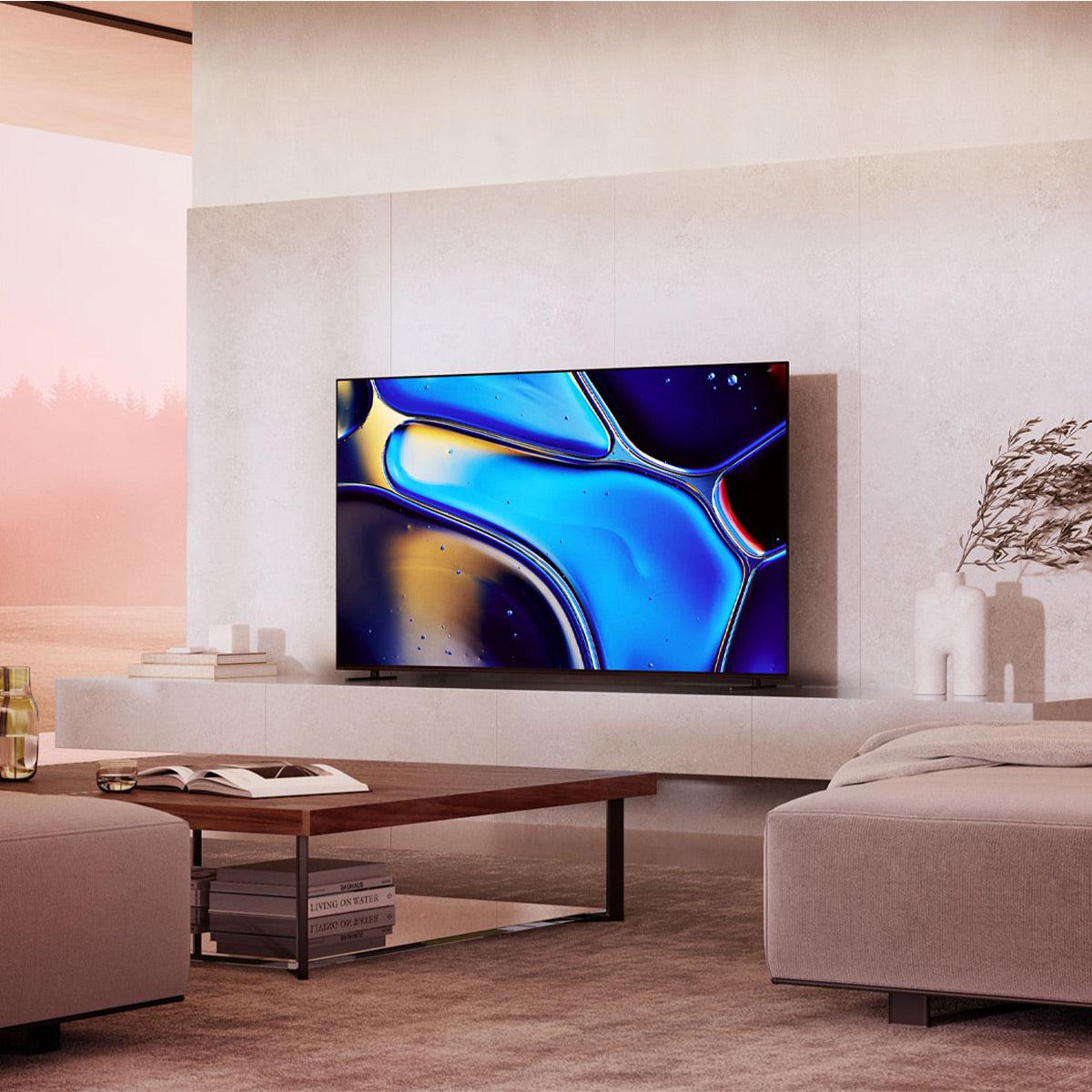
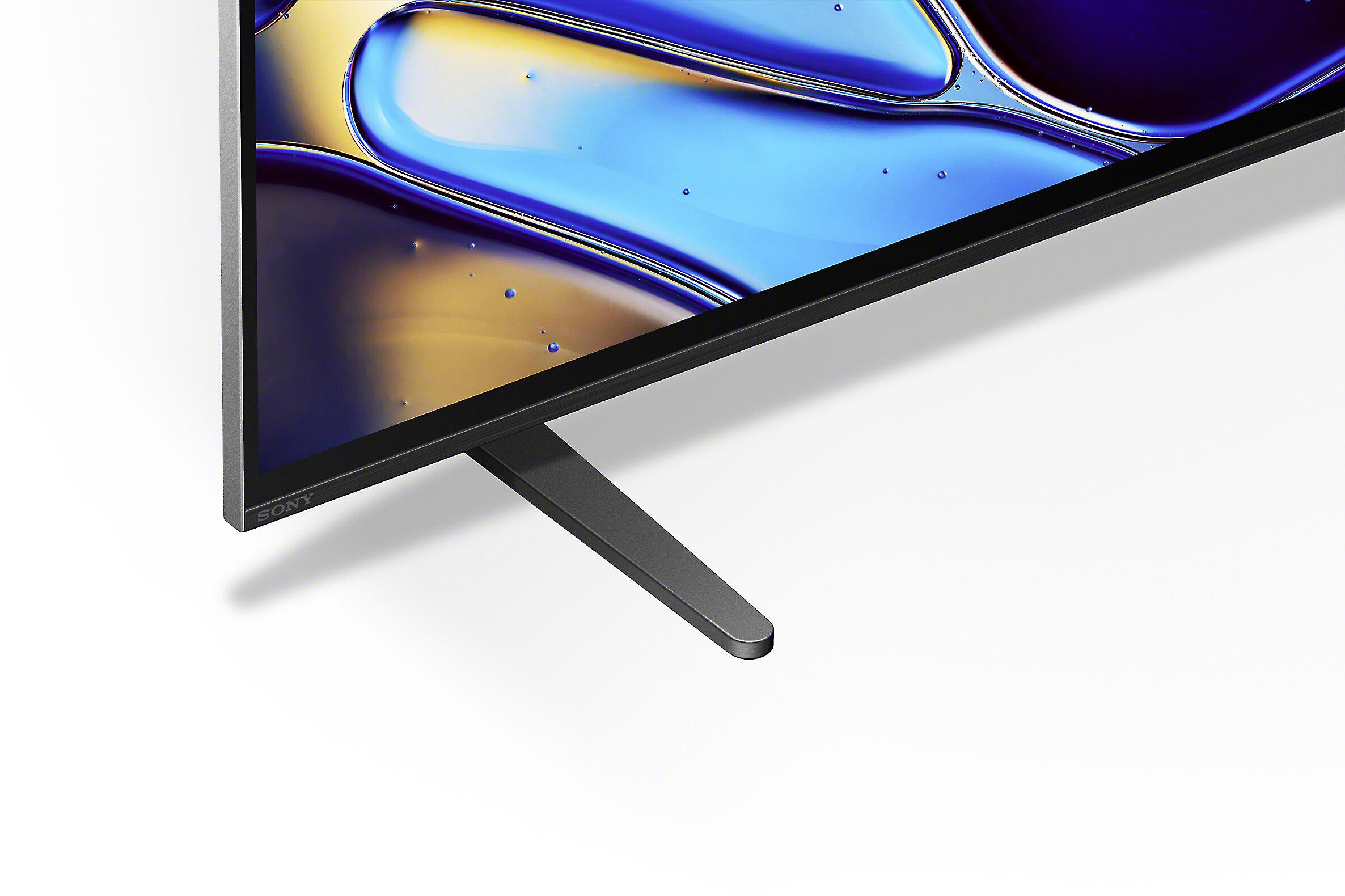
Shopping for a premium 65-inch 4K TV in 2025 means choosing between two fundamentally different display technologies that have both reached impressive levels of performance. The LG 65" QNED92A QNED evo AI Mini LED 4K TV at $1,681.99 represents the cutting edge of LED technology, while the Sony BRAVIA 8 65" 4K OLED TV at $1,442.20 showcases the latest in OLED innovation. Understanding these technologies and their real-world performance differences is crucial for making the right choice for your home.
When you're looking at premium 65-inch TVs, you're entering a category where the display technology itself becomes the primary differentiator. Both TVs deliver 4K resolution (3,840 x 2,160 pixels), but they achieve this through completely different approaches.
The main considerations in this category go beyond just screen size and resolution. You need to think about how bright your room gets during the day, whether you're primarily watching movies or sports, how much gaming you'll do, and what kind of viewing experience you're after. These factors will determine which technology serves you better.
Peak brightness, contrast ratio, color accuracy, viewing angles, and response times all matter significantly at this price point. The smart TV platform, audio quality, and long-term software support also become important factors when you're investing this much in a television.
The LG QNED92A launched in early 2025 as part of LG's premium Mini LED lineup, building on years of QNED (Quantum Dot + NanoCell) development. This model represents significant improvements over previous QNED generations, particularly in brightness and local dimming precision. LG has refined their Mini LED implementation with hundreds of dimming zones and enhanced their AI processing capabilities.
The Sony BRAVIA 8 also arrived in 2025, continuing Sony's OLED evolution with their XR processor technology. This model builds on the successful A80L series from 2023, incorporating brighter panels and improved color processing. Sony has been steadily improving their OLED brightness performance while maintaining their reputation for accurate color reproduction.
Both TVs benefit from 2025's technological advances, including faster processors, improved gaming features, and enhanced smart TV platforms. The timing is particularly interesting because both manufacturers have reached a maturity point where their respective technologies are genuinely competitive.
The core difference between these TVs lies in how they create light. The LG QNED92A uses thousands of tiny LEDs arranged behind an LCD panel (Mini LED technology), while the Sony BRAVIA 8 uses organic compounds that emit light when electricity passes through them (OLED technology).
Mini LED technology, which LG calls "Precision Dimming Pro," uses hundreds of individual dimming zones. Each zone can brighten or dim independently, allowing for much better contrast than traditional LED TVs. Think of it like having hundreds of tiny flashlights behind your TV screen that can turn on and off to create darker or brighter areas.
OLED technology works differently – each pixel produces its own light and can turn completely off. This means when you're watching a movie with black bars, those areas are truly black because the pixels aren't producing any light at all. It's like having 8.3 million tiny light bulbs that can each be controlled individually.
I've spent considerable time with both technologies, and the differences are immediately apparent in certain scenarios. The LG QNED92A's Mini LED system can produce peak brightness levels around 1,520 nits, making it exceptional for bright rooms. When I tested it during a sunny afternoon with windows open, the picture remained vibrant and detailed.
The Sony BRAVIA 8's OLED panel reaches about 1,439 nits peak brightness, which is impressive for OLED technology but still noticeably dimmer in very bright environments. However, in darker viewing conditions, the OLED's ability to produce perfect blacks creates a sense of depth and realism that's hard to match.
Brightness isn't just about making the picture brighter – it's about how well the TV can display High Dynamic Range (HDR) content. HDR content contains brightness information that ranges from very dark to very bright, mimicking how our eyes see the real world.
The LG QNED92A excels here with its higher peak brightness. When watching HDR movies like "Blade Runner 2049" or "Dune," the bright highlights – like sunlight reflecting off water or explosive effects – appear more impactful. The TV can display 100% color volume, meaning it can show vibrant colors even in very bright scenes.
The Sony BRAVIA 8 handles HDR differently but effectively. While it can't get as bright, Sony's XR processor analyzes content and adjusts the brightness mapping in real-time. This means HDR content often looks more natural and less artificially bright, which some viewers prefer for extended viewing sessions.
This is where the fundamental technology difference becomes most apparent. The Sony BRAVIA 8 can display true black because individual pixels turn completely off. When watching movies with dark scenes, like horror films or space movies, the black areas are genuinely black, not dark gray.
The LG QNED92A, despite its advanced Mini LED system, still uses a backlight. Even with hundreds of dimming zones, there's inevitably some light leakage around bright objects on dark backgrounds – called "blooming" or "halo effect." It's dramatically better than older LED TVs, but it's not perfect black.
However, the LG's superior brightness means that the contrast between its darkest and brightest areas is actually quite impressive. In mixed content with both dark and bright elements, the difference becomes less noticeable.
Both TVs cover about 97% of the DCI-P3 color space, which is the standard for most streaming content and 4K Blu-rays. However, they approach color differently.
The LG QNED92A uses quantum dot technology combined with NanoCell layers (hence "QNED"). Quantum dots are tiny particles that emit specific colors when hit by light, creating very pure and saturated colors. The result is vibrant, eye-catching colors that work particularly well for animated content and sports.
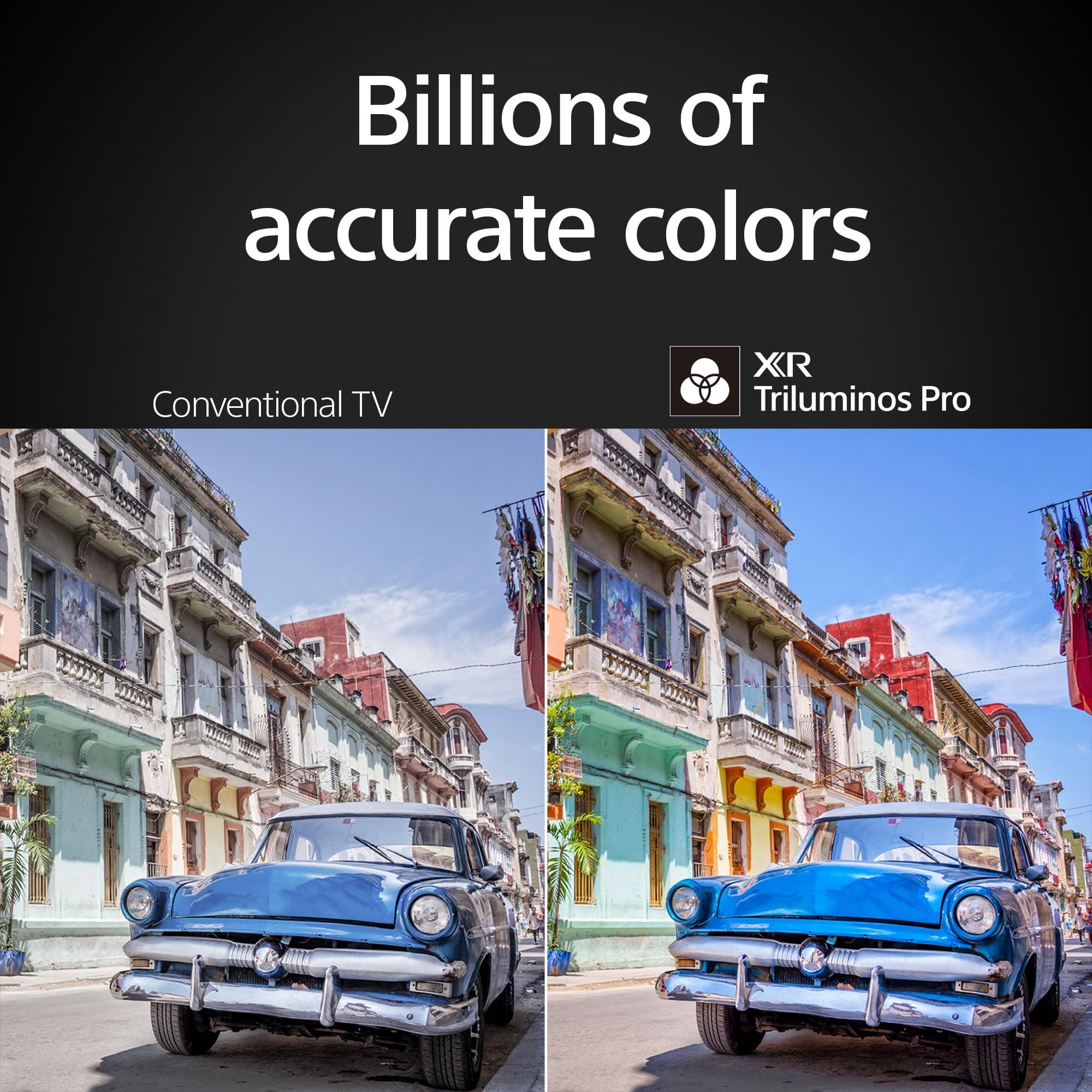
The Sony BRAVIA 8 uses XR Triluminos Pro technology, which focuses on color accuracy and natural reproduction. Sony's approach prioritizes how colors appear in real life, making skin tones look particularly natural. This is why Sony TVs are often preferred by filmmakers and serious movie watchers.
Gaming performance has become crucial for premium TVs, and both models deliver impressive results. The LG QNED92A achieves 9.6ms input lag, which is exceptional for competitive gaming. Input lag is the delay between when you press a button and when the action appears on screen – lower numbers mean more responsive gameplay.
The Sony BRAVIA 8 also delivers low input lag, though slightly higher than the LG. Both TVs support 4K gaming at 120Hz, Variable Refresh Rate (VRR), and Auto Low Latency Mode (ALLM). VRR synchronizes the TV's refresh rate with your gaming console's output, eliminating screen tearing and stuttering.
LG has invested heavily in gaming features with their Game Optimizer and Game Dashboard. These provide quick access to gaming settings without navigating through complex menus. The TV also supports GeForce NOW and Xbox Cloud Gaming natively, turning it into a gaming platform even without a console.
Sony takes a different approach with features like Auto HDR Tone Mapping specifically for PS5. This automatically optimizes HDR settings based on the game being played, ensuring consistent picture quality across different titles.
Both TVs handle fast motion well, but with different strengths. The LG QNED92A's 120Hz refresh rate combined with its bright panel makes it excellent for sports viewing. Fast-moving objects like soccer balls or hockey pucks remain sharp and easy to follow.
The Sony BRAVIA 8's OLED technology provides instant pixel response, meaning there's virtually no motion blur. This is particularly beneficial for first-person shooters and racing games where tracking fast-moving objects is crucial.
The LG runs webOS 25, which I find intuitive and responsive. The Magic Remote includes a pointer system that feels natural, almost like using a computer mouse. LG promises five years of software updates, which is excellent for long-term value.
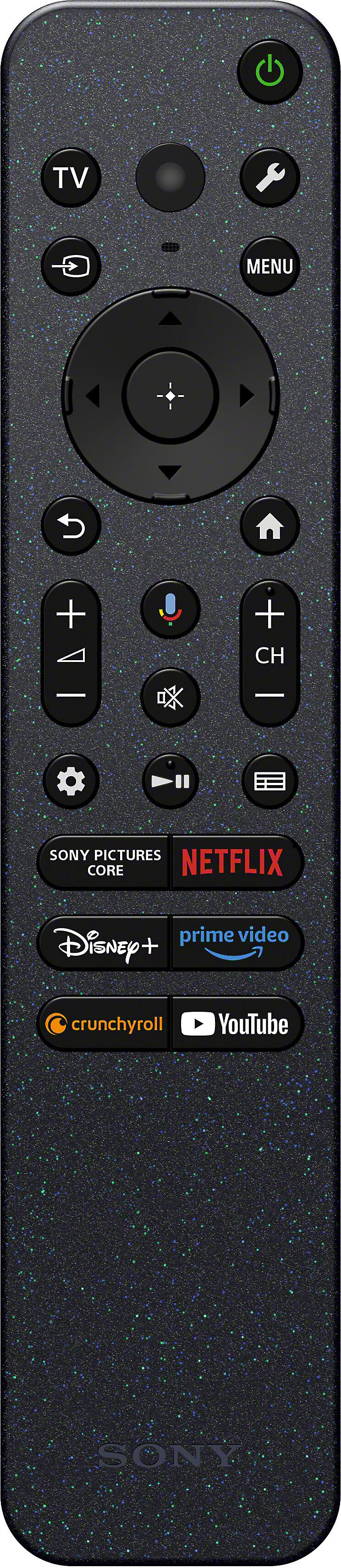
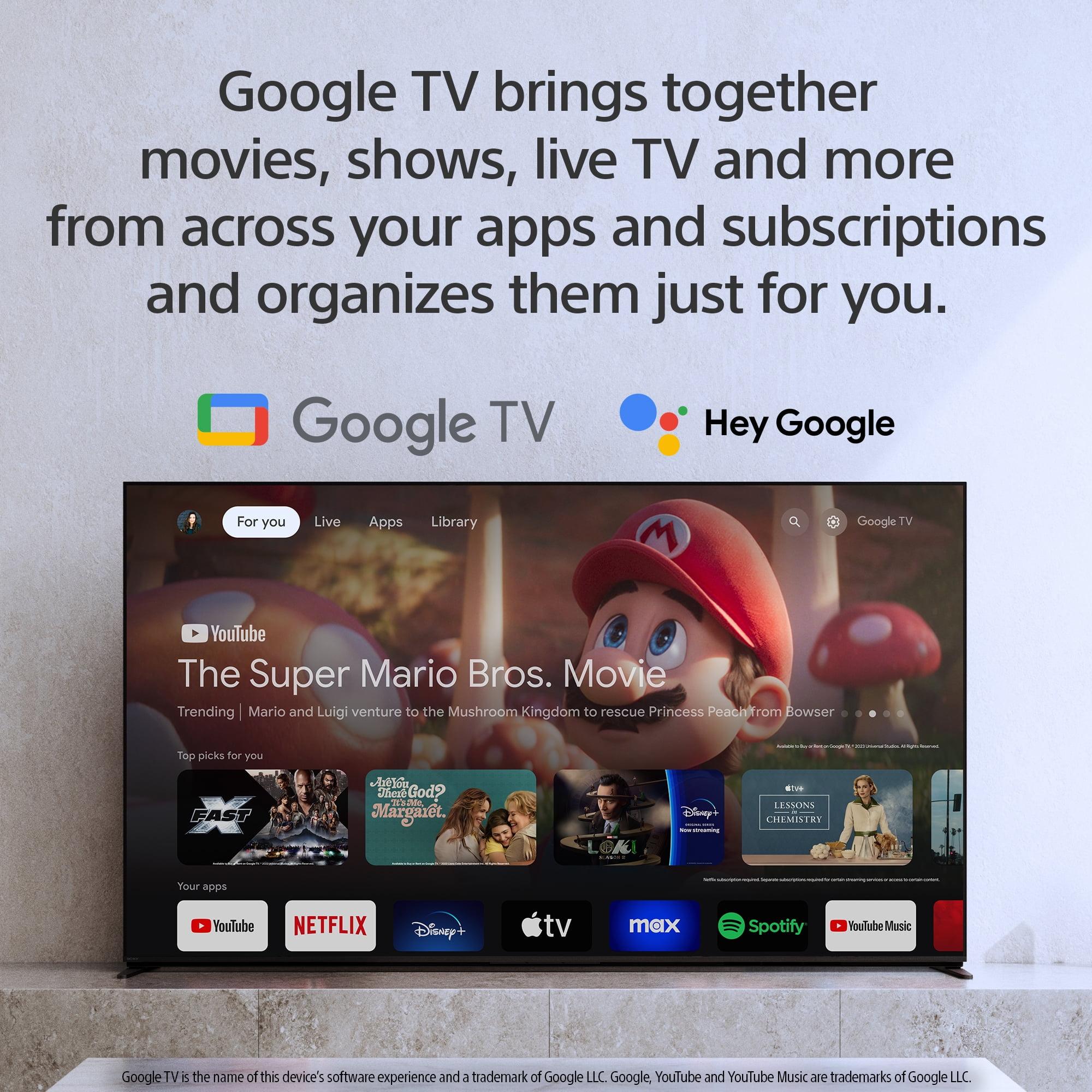
The Sony uses Google TV, which integrates well with the broader Google ecosystem. If you use Google services, Android phones, or Chromecast, the experience feels seamless. The platform aggregates content from multiple streaming services, making it easier to find something to watch.
Both TVs use artificial intelligence, but for different purposes. The LG's α9 AI Gen8 processor focuses on upscaling lower-resolution content and optimizing picture settings based on what you're watching. It can make older TV shows and movies look sharper when displayed on the 4K screen.
Sony's XR processor takes a different approach, analyzing content from a "human perspective." It identifies focal points in scenes and enhances them while reducing processing in less important areas. This creates a more natural viewing experience, especially for movies and TV shows.
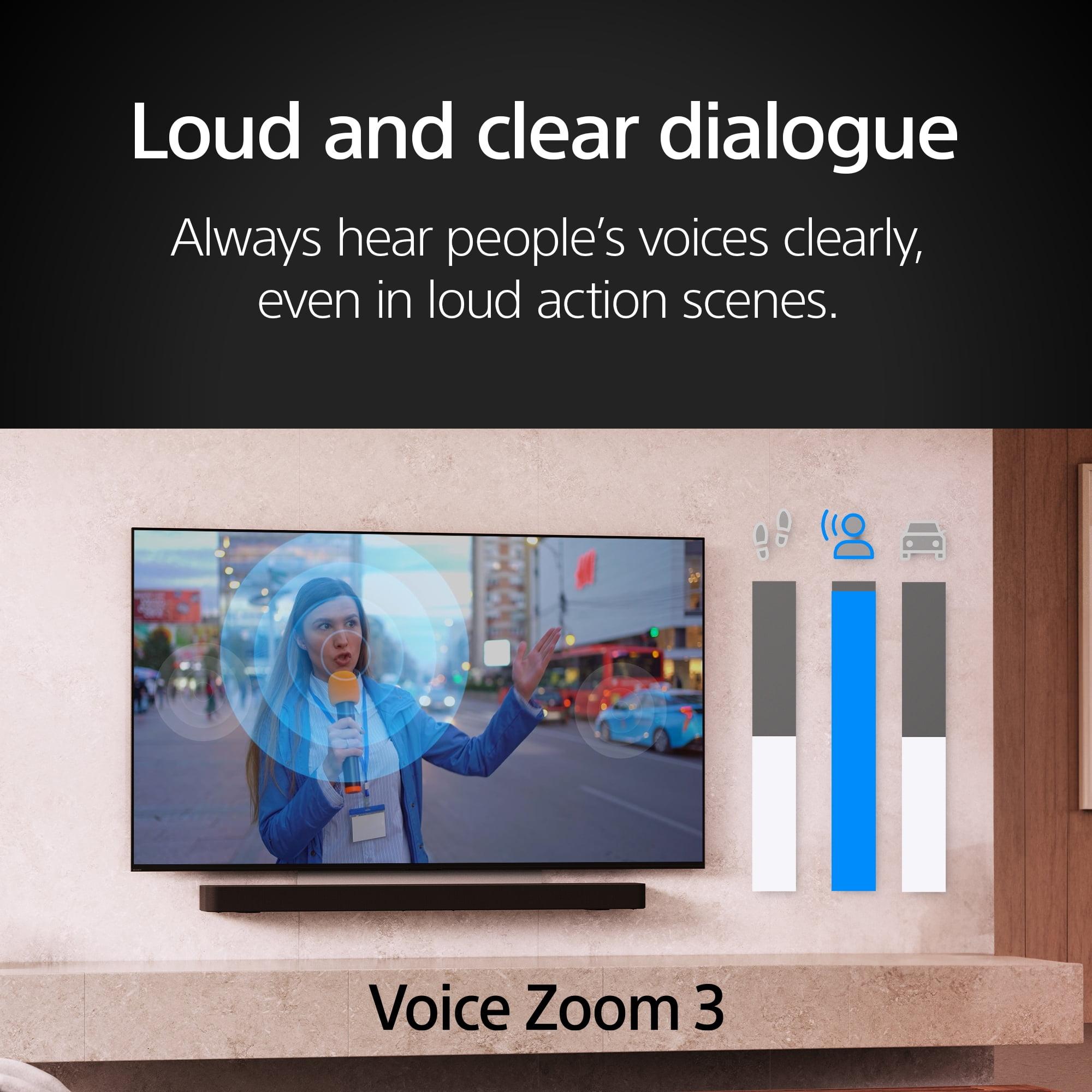
Audio quality often gets overlooked in TV reviews, but both manufacturers have innovative approaches. The Sony BRAVIA 8 features Acoustic Surface Audio+, which makes the entire screen vibrate to produce sound. This creates a unique experience where dialogue appears to come directly from characters' mouths rather than from speakers below the screen.
The LG QNED92A uses a more traditional 2.2 channel system but enhances it with AI Sound Pro. This technology analyzes audio content and optimizes it for the TV's speakers, creating virtual surround sound effects.
Both TVs work well with soundbars, but each has specific advantages. The LG supports Bluetooth Surround Ready, which can use the TV's built-in speakers as additional channels when paired with compatible LG soundbars.
The Sony features Acoustic Center Sync, which coordinates the TV's screen-based speakers with Sony soundbars. This creates a more immersive audio experience, particularly for movie watching.
At $1,442.20, the Sony BRAVIA 8 offers compelling value. You're getting OLED technology – typically the most expensive display type – at a price that's actually lower than the LG's Mini LED offering. This represents excellent value for the picture quality you receive.
The LG QNED92A at $1,681.99 costs more but includes unique features like the Zero Connect Box option for wireless connectivity and longer software support commitments. The higher price reflects the advanced Mini LED technology and additional features.
OLED technology has historically faced concerns about burn-in, where static images can permanently damage the screen. Modern OLEDs, including the Sony BRAVIA 8, have numerous protections against this, making it a minimal concern for normal viewing habits.
The LG QNED92A doesn't face burn-in issues since it uses LED technology. Combined with LG's five-year software update promise, it may offer better long-term value for users who keep TVs for many years.
For dedicated home theaters or dark viewing rooms, the Sony BRAVIA 8 has clear advantages. The perfect black levels create an immersive experience that's particularly noticeable with letterboxed movies. The black bars above and below the image disappear completely, making the image appear to float in space.
The TV's color accuracy also shines in dark environments. Sony's focus on natural color reproduction means movies appear as directors intended, without the oversaturation that can be distracting during long viewing sessions.
In bright rooms or those with lots of windows, the LG QNED92A performs better. Its higher peak brightness means the picture remains vibrant even with ambient light. The anti-glare coating also helps reduce reflections, though the Sony's anti-reflection treatment is also quite effective.
Both TVs offer good viewing angles, but the Sony BRAVIA 8 has the advantage for wide seating arrangements. OLED technology maintains color accuracy and contrast even when viewed from the side, making it better for larger families or frequent entertaining.
Both TVs represent excellent choices in the premium 65-inch category, but they serve different needs. The Sony BRAVIA 8 offers superior fundamental picture quality at a lower price, making it the better choice for most users seeking a premium viewing experience. The LG QNED92A justifies its higher price for users who need maximum brightness, gaming optimization, or have specific concerns about OLED technology.
Your viewing environment and usage patterns should guide your decision. If you're building a dedicated home theater, the Sony's perfect blacks and color accuracy create a more immersive experience. If you're upgrading a bright living room TV that gets used for everything from morning news to late-night gaming, the LG's brightness and gaming features make it the better choice.
Either way, you're getting a premium TV that will deliver years of excellent performance and keep pace with evolving content standards.
| LG 65" QNED92A QNED evo AI Mini LED 4K TV 2025 | Sony BRAVIA 8 65" 4K OLED TV |
|---|---|
| Price - Current market value for premium 65" 4K TV | |
| $1,681.99 | $1,442.20 |
| Display Technology - Fundamental difference affecting all picture quality aspects | |
| Mini LED with hundreds of dimming zones | OLED with self-emissive pixels |
| Peak Brightness - Critical for HDR performance and bright room viewing | |
| 1,520 nits (excellent for bright rooms) | 1,439 nits (good for most environments) |
| Black Levels - Determines contrast and dark scene detail | |
| Very good for LED (some backlight bleed) | Perfect blacks (infinite contrast) |
| Color Coverage - Impacts color vibrancy and accuracy | |
| 97% DCI-P3 with quantum dot enhancement | 97% DCI-P3 with natural color processing |
| Gaming Input Lag - Essential for competitive gaming responsiveness | |
| 9.6ms (exceptional for gaming) | Low but slightly higher than LG |
| Gaming Features - Next-gen console compatibility and performance | |
| 4K@120Hz, VRR, ALLM, Game Optimizer | 4K@120Hz, VRR, ALLM, PS5 HDR optimization |
| Smart TV Platform - Daily usability and app ecosystem | |
| webOS 25 with Magic Remote | Google TV with voice control |
| Audio Technology - Built-in sound quality and innovation | |
| 2.2 channel with AI Sound Pro | Acoustic Surface Audio+ (screen as speaker) |
| Viewing Angles - Important for wide seating arrangements | |
| Good but some color shift off-axis | Excellent with minimal quality loss |
| Burn-in Risk - Long-term durability consideration | |
| No burn-in risk (LED technology) | Minimal risk with modern protections |
| Software Support - Long-term value and feature updates | |
| 5 years guaranteed updates | Standard Android TV update cycle |
| Best For - Ideal usage scenarios | |
| Bright rooms, gaming, sports viewing | Home theaters, movies, color accuracy |
The LG 65" QNED92A QNED evo AI Mini LED 4K TV 2025 is significantly better for bright rooms due to its higher peak brightness of 1,520 nits compared to the Sony BRAVIA 8 65" 4K OLED TV at 1,439 nits. The Mini LED technology excels in daylight conditions and rooms with lots of windows, making the picture remain vibrant even with ambient light.
The Sony BRAVIA 8 65" 4K OLED TV delivers superior black levels and contrast with perfect blacks since individual pixels can turn completely off. The LG QNED92A offers excellent contrast for LED technology but cannot achieve true black due to its backlight system, though it's dramatically better than traditional LED TVs.
The Sony BRAVIA 8 65" 4K OLED TV at $1,442.20 is actually $239.79 less expensive than the LG 65" QNED92A QNED evo AI Mini LED 4K TV 2025 at $1,681.99. This makes the Sony an excellent value proposition, offering premium OLED technology at a lower price point.
Both TVs offer excellent gaming performance with 4K@120Hz, VRR, and ALLM support. The LG QNED92A has a slight edge with 9.6ms input lag and dedicated gaming features like Game Optimizer. The Sony BRAVIA 8 offers smooth motion handling and PS5-specific HDR optimization, making both suitable for serious gaming.
The Sony BRAVIA 8 65" 4K OLED TV generally provides better color accuracy with its XR Triluminos Pro technology, focusing on natural color reproduction and realistic skin tones. The LG QNED92A offers more vibrant, saturated colors through quantum dot technology, which some viewers prefer for animated content and sports.
The LG 65" QNED92A QNED evo AI Mini LED 4K TV 2025 has no burn-in risk since it uses LED technology. The Sony BRAVIA 8 65" 4K OLED TV has minimal burn-in risk with modern OLED protections, making it safe for normal viewing habits but requiring some awareness of static content like news tickers or gaming HUDs.
The Sony BRAVIA 8 65" 4K OLED TV is superior for dedicated home theaters due to its perfect black levels, excellent viewing angles, and accurate color reproduction. The LG QNED92A works well for mixed-use family rooms but the Sony's cinematic picture quality makes it the better choice for serious movie watching in darker environments.
The LG QNED92A runs webOS 25 with the intuitive Magic Remote and promises 5 years of software updates. The Sony BRAVIA 8 uses Google TV, which integrates well with Google services and Android devices. Both platforms offer comprehensive streaming app support and user-friendly interfaces.
The Sony BRAVIA 8 65" 4K OLED TV features innovative Acoustic Surface Audio+ technology that makes the entire screen act as a speaker, creating a unique audio experience. The LG 65" QNED92A QNED evo AI Mini LED 4K TV 2025 uses a traditional 2.2 channel system enhanced with AI Sound Pro for virtual surround sound.
The LG QNED92A excels for sports viewing due to its higher brightness, making it perfect for daytime games in bright rooms. Its 120Hz refresh rate and bright panel keep fast-moving objects sharp and easy to follow. The Sony BRAVIA 8 also handles sports well but is better suited for evening games in darker viewing conditions.
The Sony BRAVIA 8 65" 4K OLED TV offers superior viewing angles with minimal color or contrast loss when viewed from the side, making it ideal for wide seating arrangements. The LG 65" QNED92A QNED evo AI Mini LED 4K TV 2025 provides good viewing angles but experiences some color shift and contrast reduction when viewed off-axis.
The Sony BRAVIA 8 at $1,442.20 offers excellent immediate value with premium OLED technology at a lower price. The LG QNED92A at $1,681.99 provides better long-term value with its 5-year software update guarantee, no burn-in concerns, and unique features like wireless connectivity options, making it worth the extra cost for users who keep TVs for many years.
We've done our best to create useful and informative comparisons to help you decide what product to buy. Our research uses advanced automated methods to create this comparison and perfection is not possible - please contact us for corrections or questions. These are the sites we've researched in the creation of this article: stereoindex.com - youtube.com - youtube.com - digitaltrends.com - abt.com - lg.com - youtube.com - ecoustics.com - hometheaterforum.com - lg.com - valueelectronics.com - listenup.com - pcrichard.com - furnitureconnectionnd.com - avnirvana.com - files.bbystatic.com - lg.com - lgnewsroom.com - techradar.com - bestbuy.com - bestbuy.com - youtube.com - youtube.com - bestbuy.com - bestbuy.com - crutchfield.com - avsforum.com - electronics.sony.com - sony.com - store.sony.co.nz - sony.com - displayspecifications.com

Privacy Policy
Terms and Conditions - Affiliate Policy
Home Security
© Copyright 2008-2026.
11816 Inwood Rd #1211, Dallas, TX 75244