

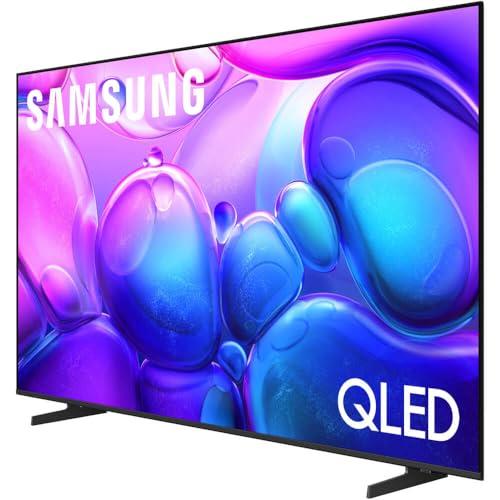
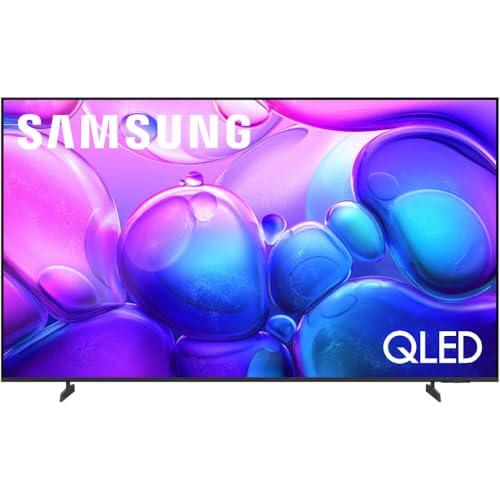
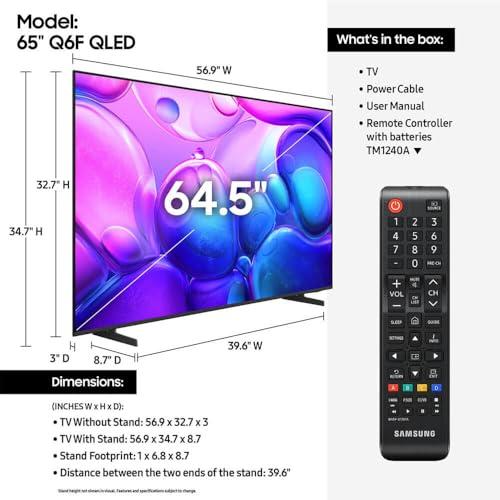
Choosing between Samsung's Q6F QLED and S95F OLED isn't just about picking a TV – it's about understanding two fundamentally different approaches to creating stunning pictures. Both released in 2025, these 65-inch models represent opposite ends of Samsung's lineup, yet they share the same screen size and smart TV foundation. The real question isn't which one is "better" overall, but which technology and feature set matches your viewing habits, room setup, and budget priorities.
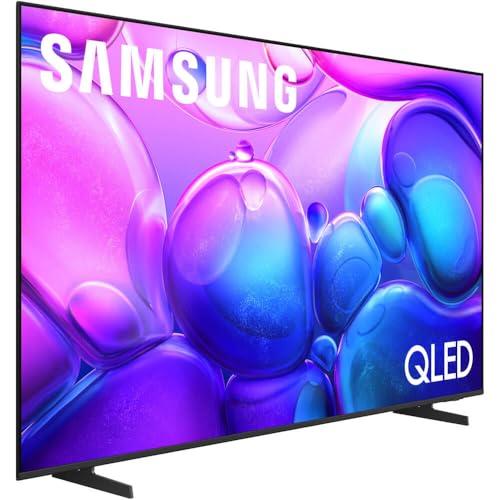
Before diving into specific models, you need to grasp why QLED and OLED technologies create such different viewing experiences. Think of it this way: QLED TVs like the Q6F work similarly to a laptop screen – they have a backlight (usually LED strips) that shines through layers of filters and a liquid crystal display to create images. The "quantum dot" enhancement adds microscopic particles that improve color accuracy, but the fundamental approach remains the same as traditional LCD TVs.
OLED TVs like the S95F take a radically different approach. Each pixel is essentially a tiny light bulb that can turn completely on, completely off, or anywhere in between. No backlight needed. This means when you're watching a space movie with stars against black space, those black areas are truly black – not dark gray like on LCD screens.
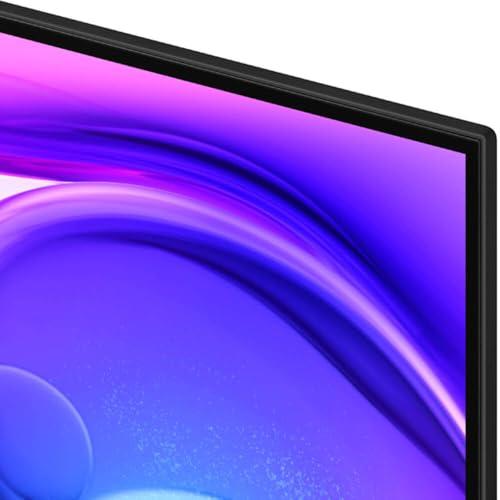
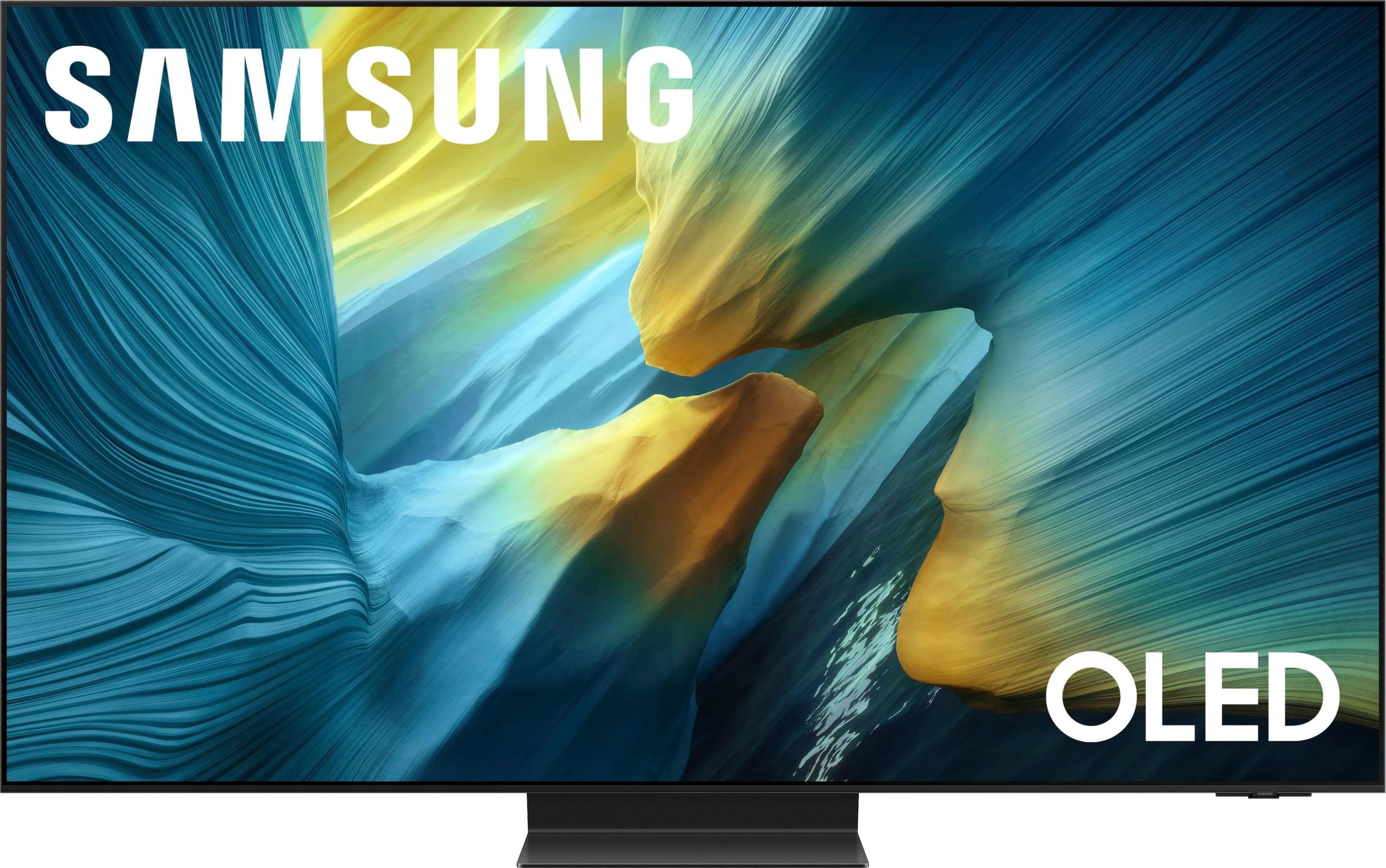
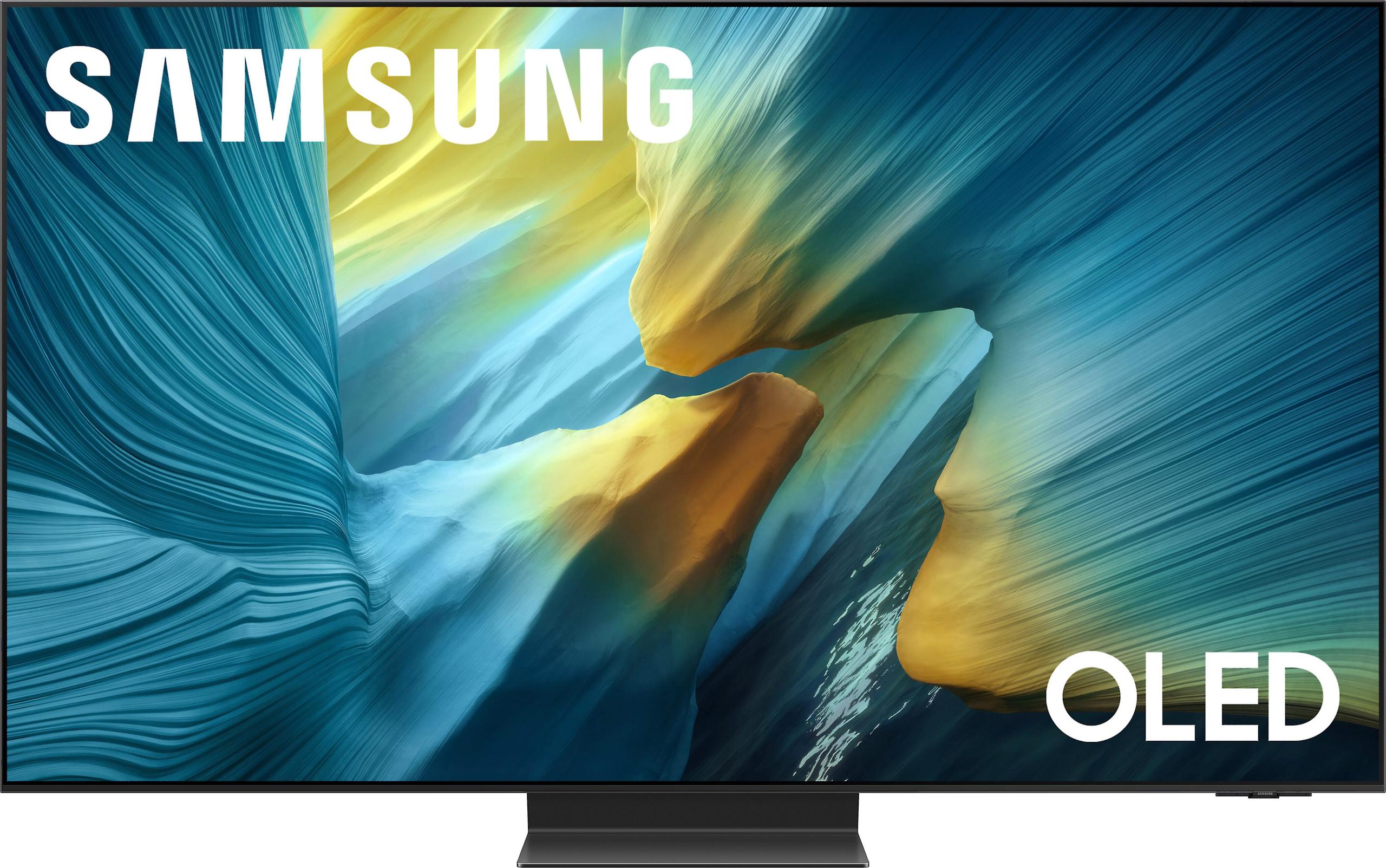
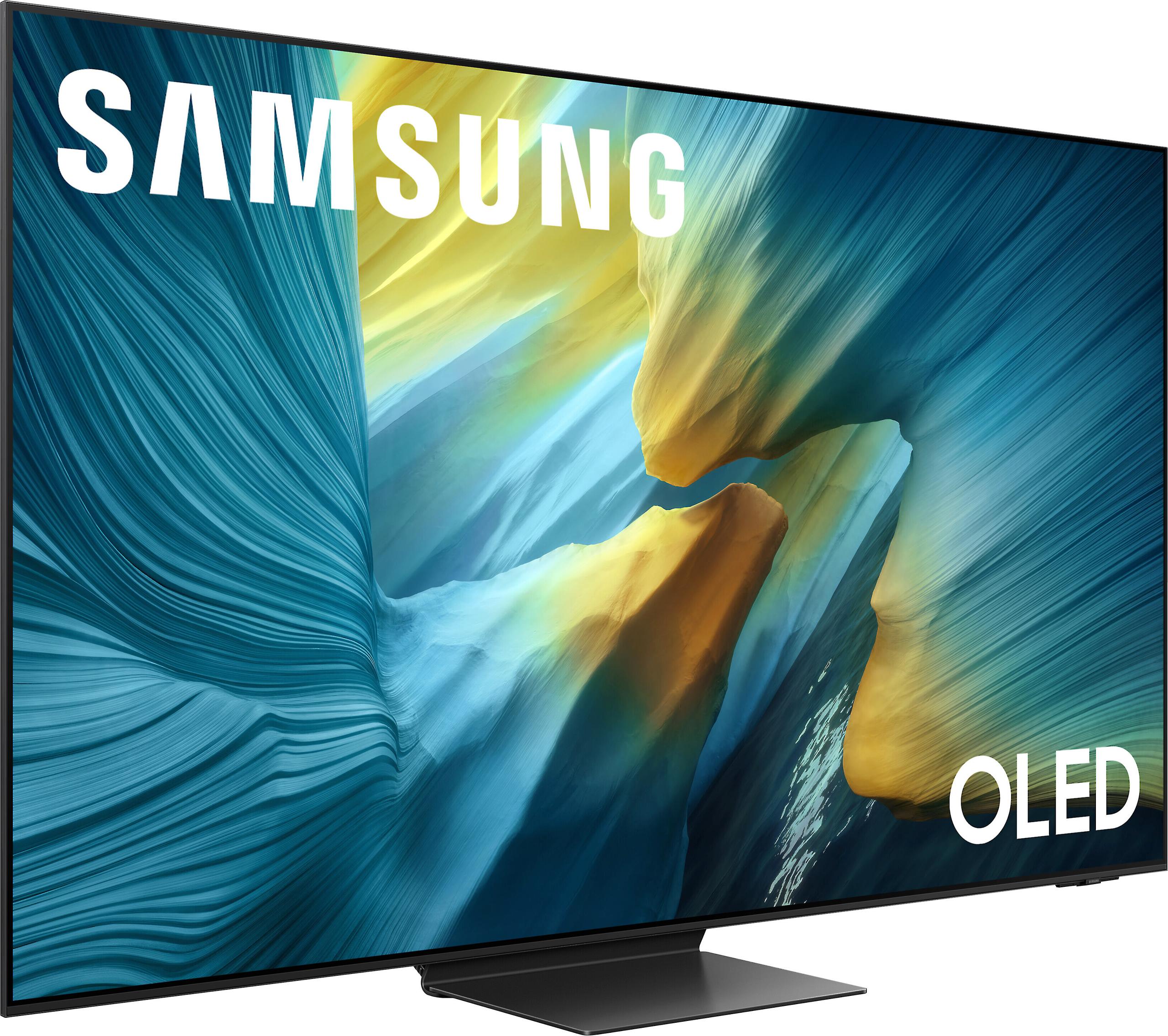
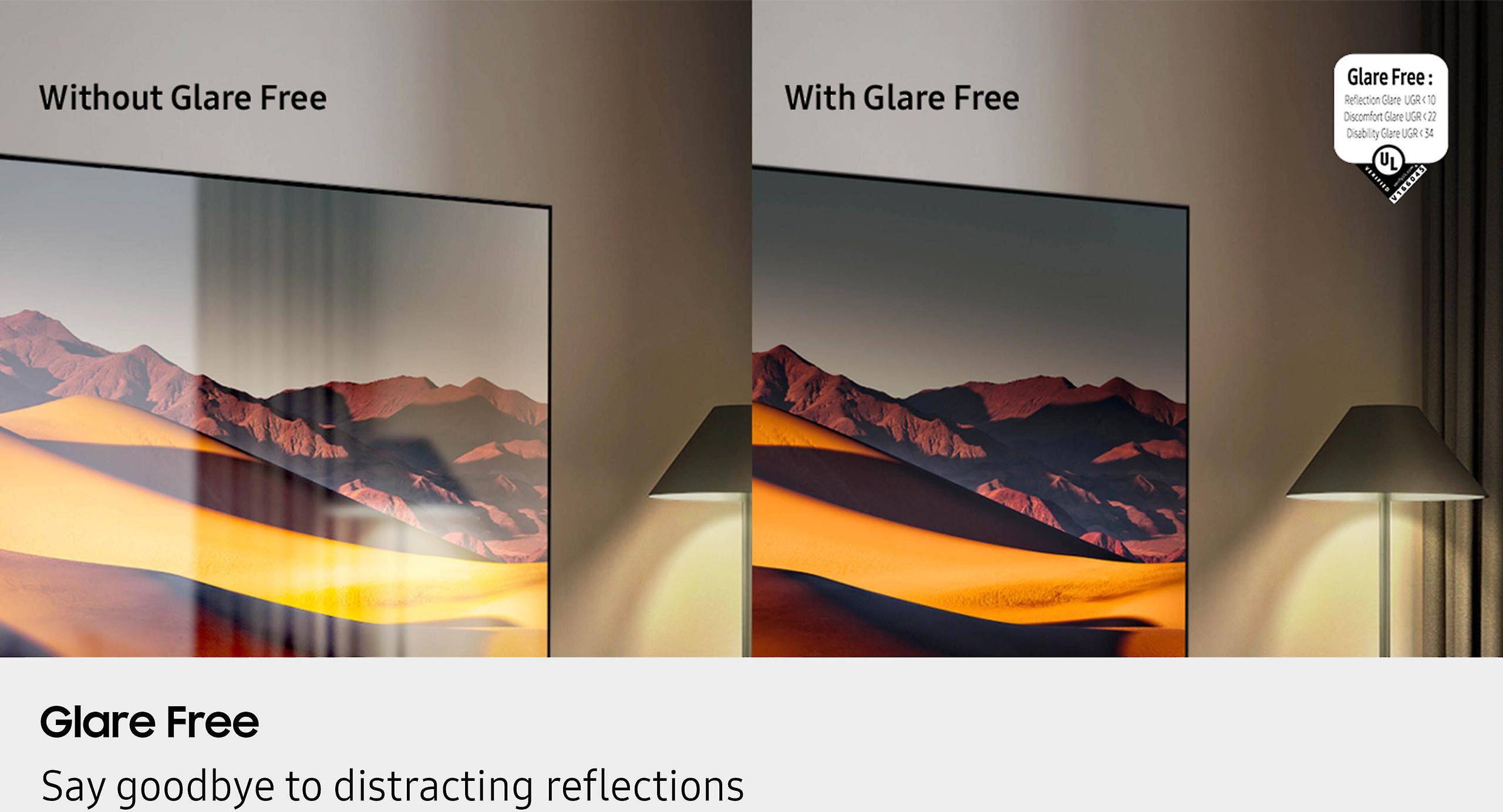
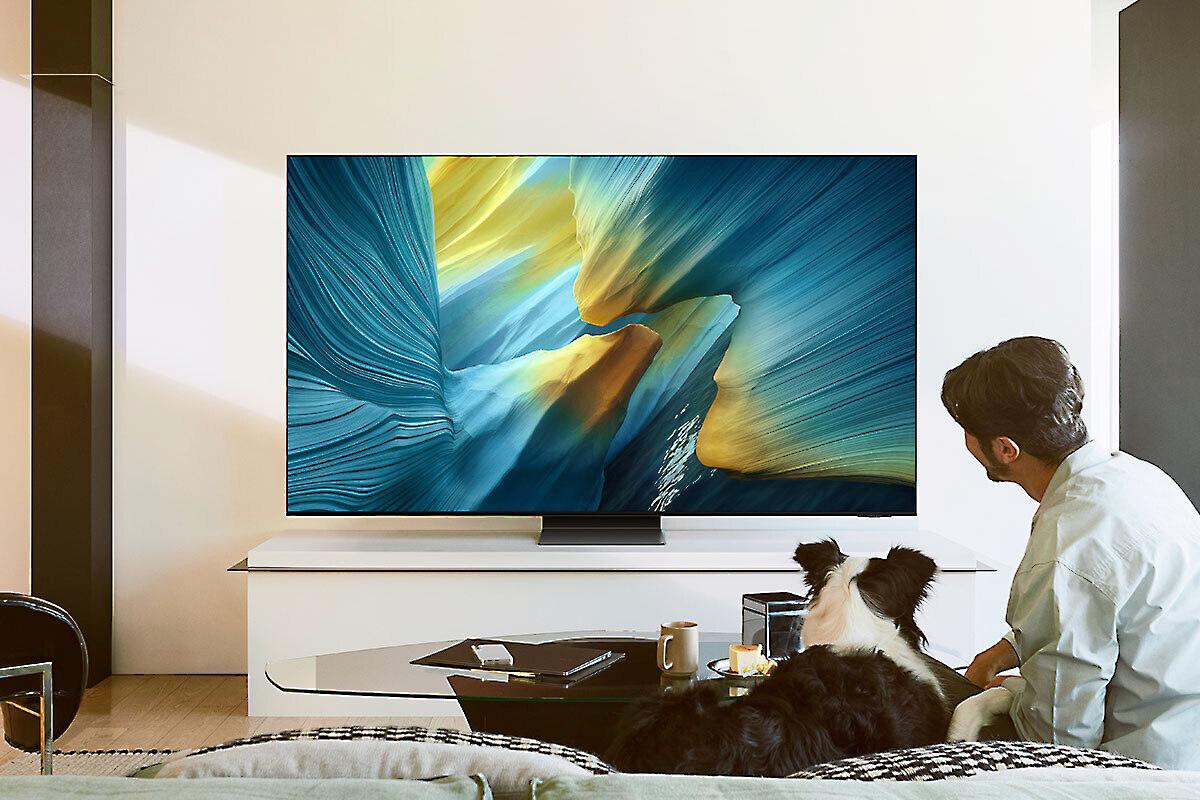
The Samsung S95F takes OLED technology even further by combining it with quantum dots (making it a "QD-OLED") and adding a revolutionary matte coating that nearly eliminates reflections. This addresses OLED's traditional weakness in bright rooms, a breakthrough that has transformed how we think about OLED placement in homes.
Your viewing environment dramatically influences which TV will serve you better. Traditional wisdom suggested OLED for dark rooms and LCD for bright ones, but Samsung's S95F challenges this conventional thinking.
The Q6F QLED, as an entry-level model with edge-lit backlighting, performs adequately in most lighting conditions. Edge-lit means LED strips along the edges of the screen illuminate the entire panel, rather than having lights directly behind every area (called full-array). This design keeps costs down but can create uneven brightness and some light bleed around bright objects in dark scenes.
Where the S95F OLED becomes game-changing is in bright rooms. Samsung's Glare Free 2.0 coating essentially eliminates reflections from windows, overhead lights, and even direct sunlight. Based on user feedback and expert evaluations, this feature alone justifies the premium for many buyers. One consistent theme in reviews is amazement at how well the S95F handles challenging lighting that would wash out traditional OLEDs or create distracting reflections on standard LCD screens.
However, there's a tradeoff. The matte coating slightly raises black levels in very bright rooms – they're not quite as perfectly black as they would be in darkness. For most content and viewing situations, this compromise is barely noticeable and far outweighed by the reflection elimination benefits.
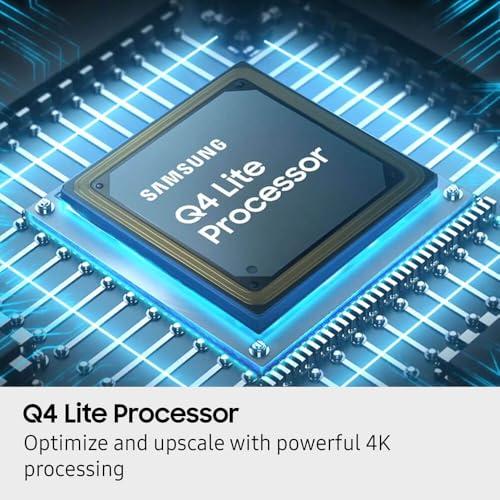
The picture quality gap between these models is substantial, rooted in their core technologies. The Q6F delivers respectable image quality for its price point, with quantum dots providing more accurate and vibrant colors compared to basic LCD TVs. Its Q4 Lite processor handles 4K upscaling reasonably well, making lower-resolution content look better than it actually is.
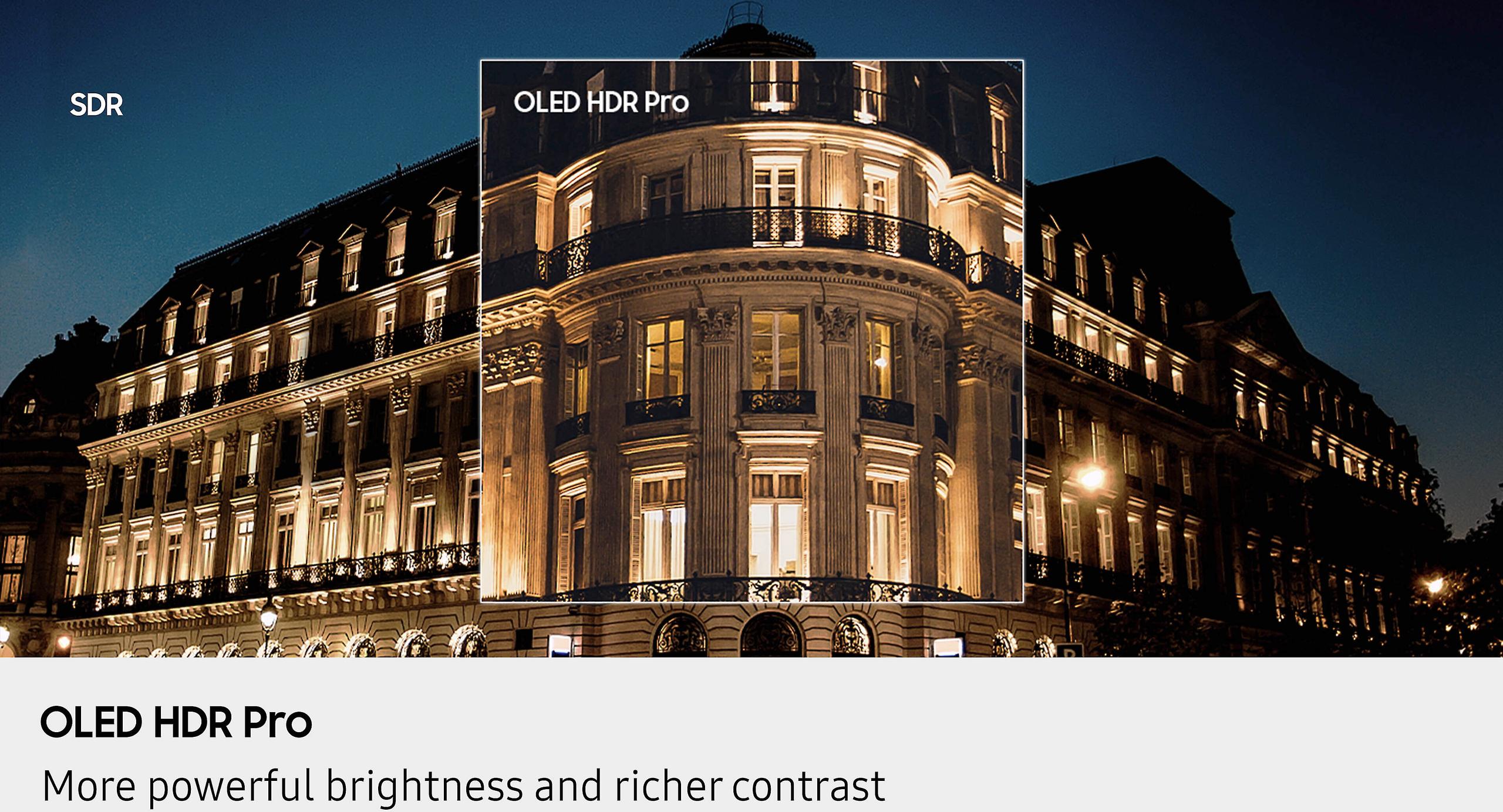
But the S95F operates in a different league entirely. The combination of perfect blacks, exceptional brightness (over 2,100 nits for small highlights), and wide color gamut creates images with dimensionality that's immediately apparent. HDR content – those ultra-bright, high-contrast movies and shows designed to showcase modern TV capabilities – truly shines on OLED technology.
The contrast difference is the most dramatic distinction. Contrast ratio measures the difference between the brightest whites and darkest blacks a TV can display. LCD TVs like the Q6F might achieve 3,000:1 or 5,000:1 contrast ratios in ideal conditions. The S95F achieves essentially infinite contrast because it can make pixels completely black while simultaneously making other pixels incredibly bright.
This translates into practical viewing benefits: better detail in dark movie scenes, more realistic nighttime content, and HDR effects that actually look like the bright sun or car headlights they're meant to represent. The difference is immediately obvious when watching content like space movies, crime dramas, or any show with mixed lighting conditions.
Gaming capabilities reveal another significant divide between these models. The Q6F QLED supports basic gaming features adequate for casual gaming, but specific refresh rate and response time details weren't extensively documented in our research.
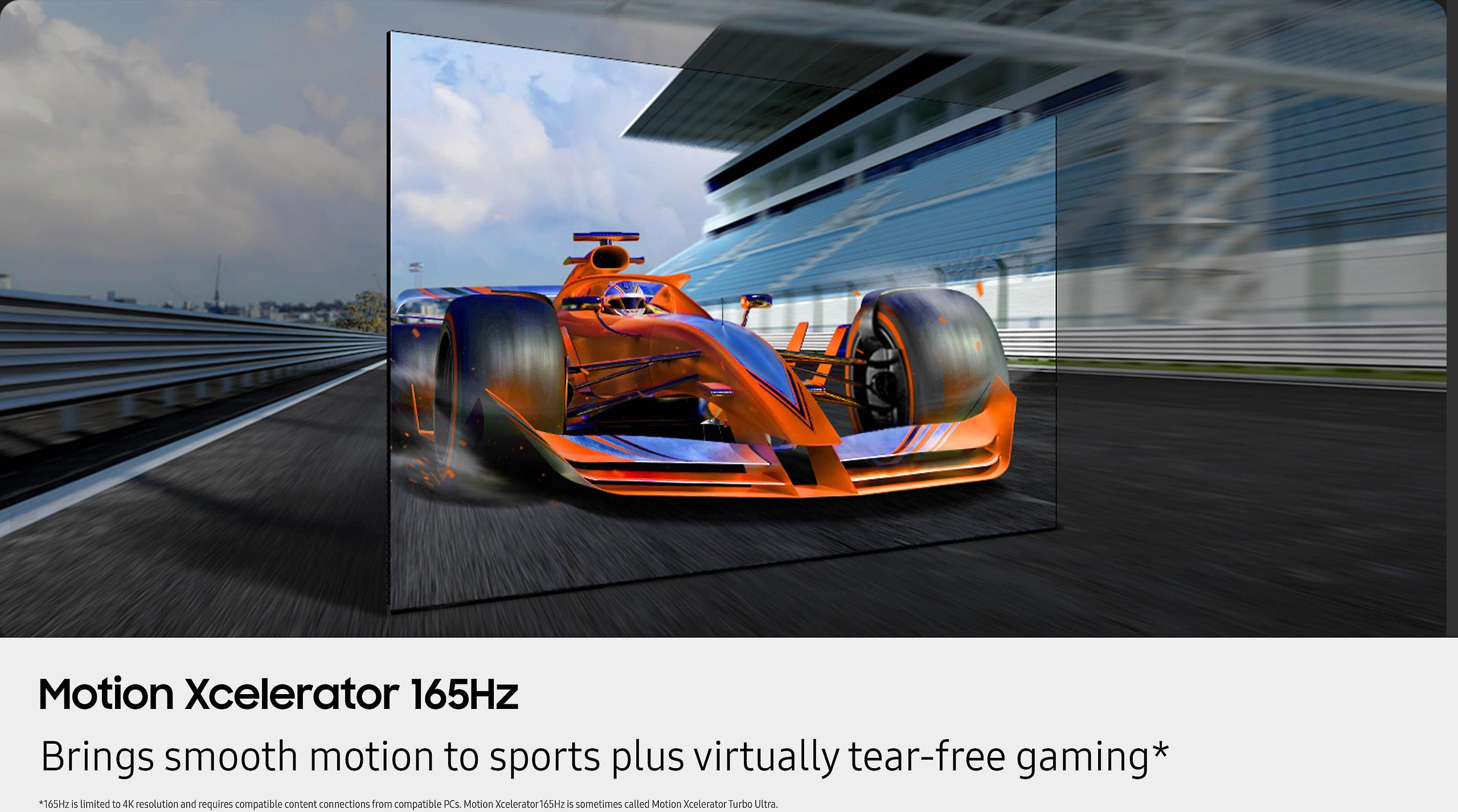
The S95F OLED positions itself as a premium gaming display with 165Hz refresh rate capability at 4K resolution – higher than most gaming monitors. This means smoother motion in fast-paced games and better compatibility with high-end gaming PCs and next-generation consoles. Response time (how quickly pixels change from one color to another) is nearly instantaneous on OLED technology, eliminating the motion blur that can affect competitive gaming performance.
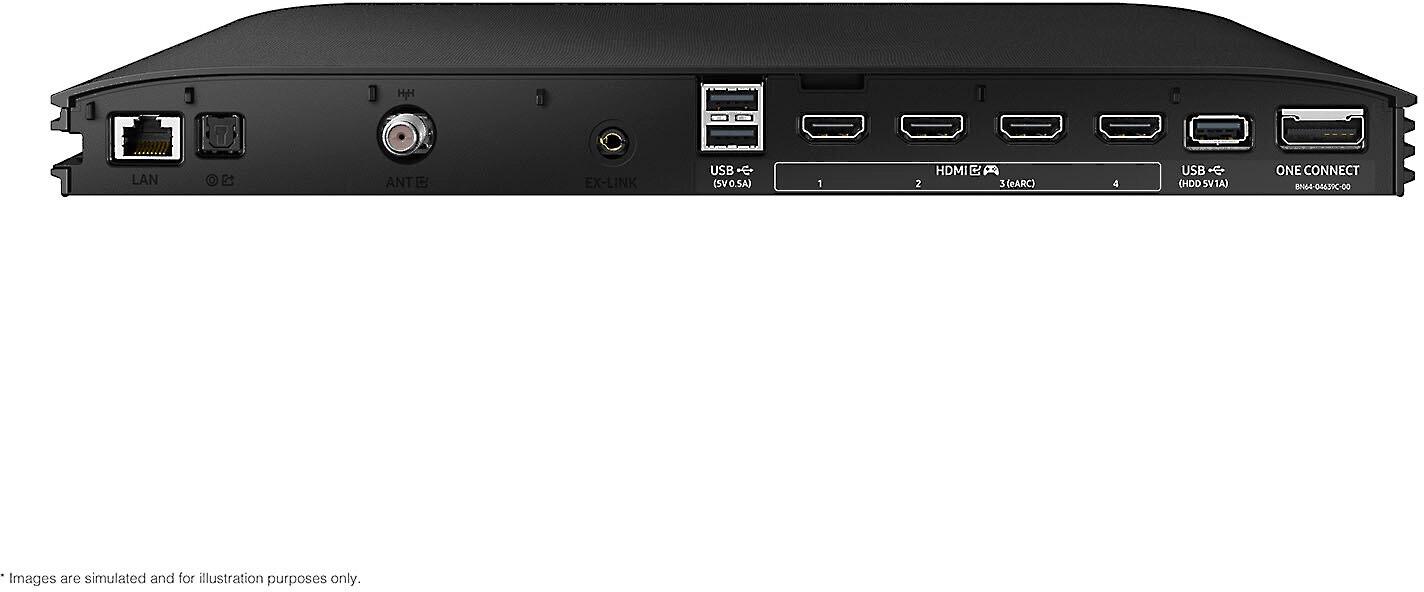
Variable Refresh Rate (VRR) support on all four HDMI 2.1 ports ensures smooth gameplay by matching the TV's refresh rate to your console or PC's output frame rate, preventing screen tearing. Auto Low Latency Mode automatically switches to the fastest response settings when it detects gaming input.
For serious gamers, especially those with PlayStation 5 or Xbox Series X consoles, the S95F provides a genuinely premium gaming experience that rivals dedicated gaming monitors while offering the large screen experience that smaller monitors can't match.
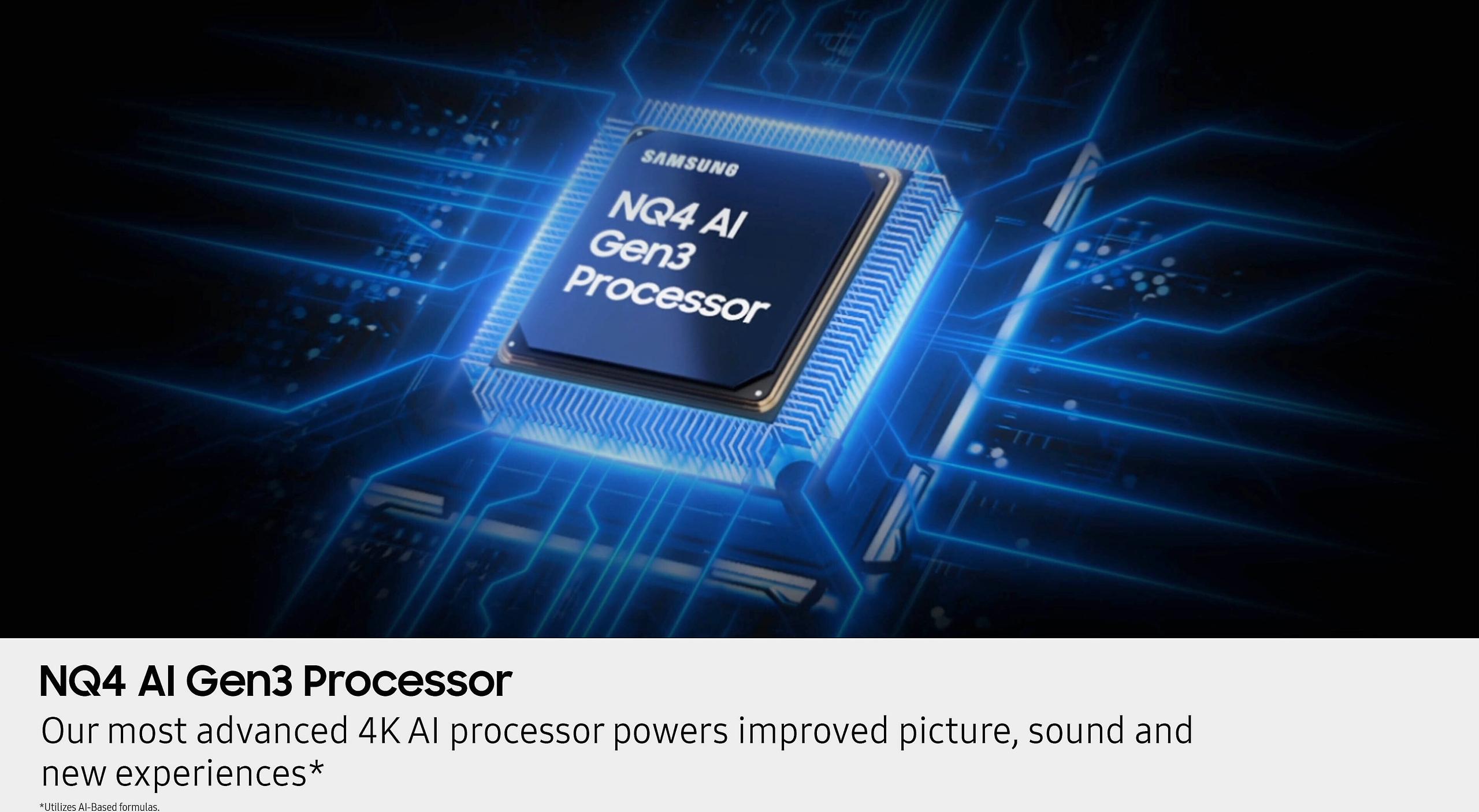
Both TVs run Samsung's Tizen operating system with similar app selection and interface design, but the S95F includes more advanced processing and AI features. The NQ4 AI Gen3 processor provides better upscaling of non-4K content and more sophisticated image optimization based on content type and viewing conditions.
One often-overlooked feature is Samsung's commitment to seven years of software updates for the S95F, ensuring long-term compatibility with new streaming services and features. This extended support timeline adds significant value to the premium investment.
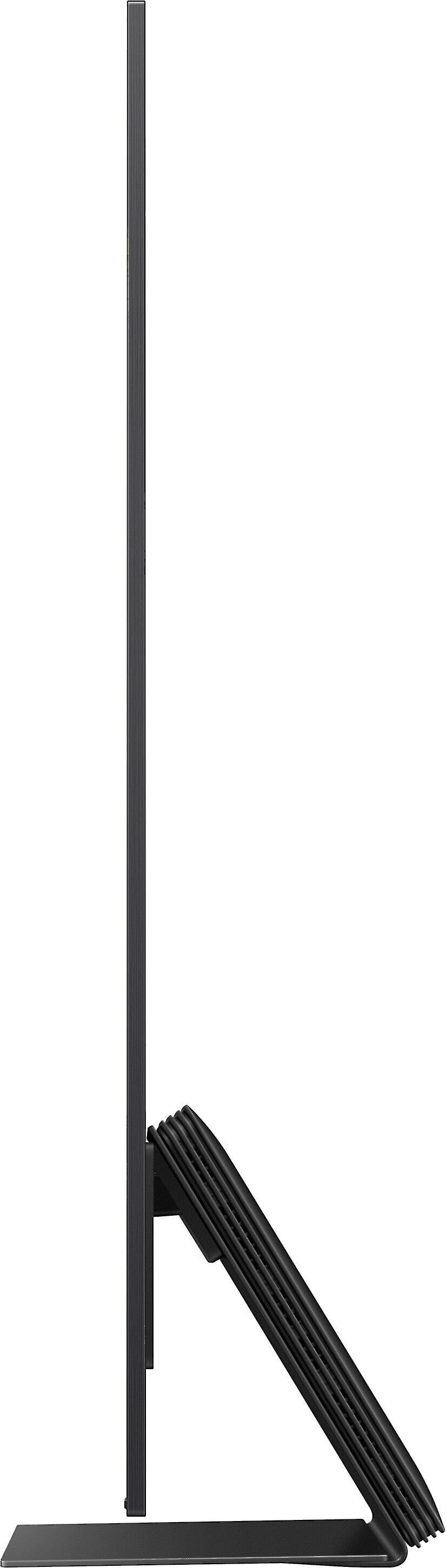
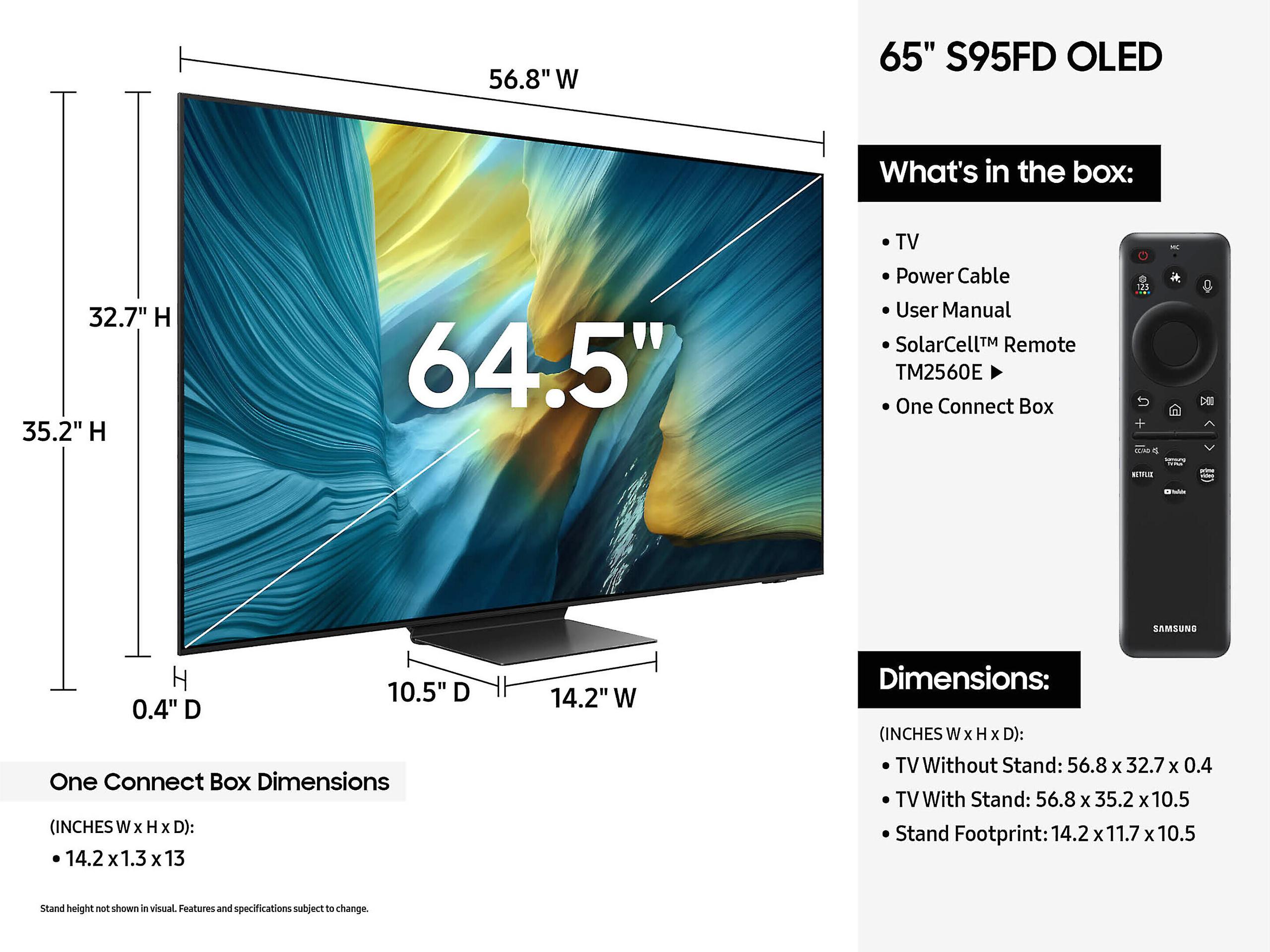
The S95F also includes Samsung's One Connect Box – a separate unit containing all the ports and processing, connected to the display panel via a single cable. This simplifies wall mounting and cable management while providing easy access to inputs even when the TV is mounted flush to the wall.
Audio quality differs substantially between models. The Q6F includes a basic 2-channel 20W speaker system adequate for casual viewing. The S95F features a 4.2.2 channel 70W system with Dolby Atmos support, providing significantly more immersive sound without requiring an immediate soundbar purchase.
For dedicated home theater setups, the S95F OLED provides clear advantages. The perfect black levels and high contrast ratio enhance the cinematic experience, particularly for darker content where detail in shadows becomes crucial. The wide viewing angles mean everyone in the room gets consistent picture quality, important for theater seating arrangements.
However, there's one significant limitation: like all Samsung TVs, neither model supports Dolby Vision HDR format, only HDR10 and HDR10+. While this doesn't dramatically impact the viewing experience for most content, home theater enthusiasts who prioritize absolute format compatibility might prefer brands that support Dolby Vision.
The S95F's exceptional brightness capabilities mean it performs well even in home theaters that aren't completely dark, providing flexibility in room design and usage. Many home theaters need to serve multiple purposes, and the S95F's bright room performance allows for this versatility.
At the time of writing, these TVs represent vastly different value propositions. The Q6F QLED targets budget-conscious buyers who want Samsung's ecosystem and quantum dot color enhancement without premium pricing. It's a solid choice for casual viewing, offering good smart TV features and respectable picture quality for typical living room use.
The S95F OLED commands premium pricing that reflects its flagship positioning and cutting-edge technology. The question isn't whether it's expensive – it absolutely is – but whether the performance benefits justify the investment for your specific situation and priorities.
Consider the cost per year of ownership over a typical 7-10 year TV lifespan. Premium TVs often provide better long-term satisfaction and retain relevance longer as technology standards evolve. The S95F's gaming capabilities, in particular, provide future-proofing for next-generation gaming that may not be fully utilized for several years.
Choose the Samsung Q6F QLED if you prioritize getting Samsung's smart TV ecosystem and decent picture quality at an accessible price point. It's ideal for casual viewing in controlled lighting conditions where you won't be pushing the limits of HDR content or demanding gaming performance. The Q6F works well for typical streaming content, news, and sports viewing where absolute picture quality isn't the primary concern.
The Q6F also makes sense if you're planning to upgrade again in a few years as TV technology continues evolving. Entry-level models serve as stepping stones, providing good performance while allowing you to experience current smart TV features without maximum investment.
Choose the Samsung S95F OLED if picture quality drives your decision and budget permits the investment. It's particularly compelling for bright living rooms where traditional OLED TVs wouldn't perform well due to reflections. The anti-glare technology alone represents a significant advancement that addresses OLED's primary weakness.
The S95F is essential for serious gaming enthusiasts who want 165Hz refresh rates and ultra-low input lag for competitive advantages. It's also the clear choice for home theater applications where contrast and black level performance directly impact the viewing experience.
These TVs serve fundamentally different market segments, and neither is objectively "wrong" for its intended audience. The Q6F provides solid value for buyers seeking Samsung features at entry-level pricing, while the S95F pushes technological boundaries for those prioritizing ultimate performance.
The most important insight from our research is that the S95F's anti-glare technology changes the OLED equation entirely. If bright room performance was previously keeping you from considering OLED, that barrier has been largely eliminated. Combined with exceptional gaming performance and picture quality that sets new standards, the S95F justifies its premium positioning for buyers who value cutting-edge technology.
For most buyers choosing between these specific models, the decision ultimately comes down to budget and priorities. If you can afford the S95F and value premium performance, it delivers genuinely superior capabilities across nearly every metric. If budget constraints are primary, the Q6F provides respectable performance and Samsung's ecosystem at an accessible price point.
The gap between entry-level and flagship TVs has never been wider, but for buyers willing to invest in premium technology, the benefits have never been more substantial either.
| Samsung 65" QLED Q6F 4K Smart TV 2025 | Samsung 65" OLED S95F 4K Smart TV 2025 |
|---|---|
| Display Technology - Fundamental difference affecting all picture quality aspects | |
| QLED with edge-lit LED backlight and quantum dots | QD-OLED with self-illuminating pixels and quantum dots |
| Contrast Ratio - Most dramatic visual difference between the TVs | |
| Typical LCD contrast (~3,000:1), cannot achieve true blacks | Near-infinite contrast with perfect blacks |
| Peak Brightness - Critical for HDR content impact | |
| Good brightness for entry-level QLED (specific measurements unavailable) | Over 2,100 nits peak, 1,000+ nits sustained - exceptional for OLED |
| Anti-Glare Performance - Game-changer for bright room viewing | |
| Standard anti-reflective coating, reflections visible in bright conditions | Revolutionary Glare Free 2.0 matte coating eliminates reflections |
| Viewing Angles - Important for wide seating arrangements | |
| Limited viewing angles with color shifting typical of LCD | Near-perfect 180° viewing with no color or brightness degradation |
| Refresh Rate - Critical specification for gaming and sports | |
| Standard refresh rate (likely 60Hz or 120Hz) | 165Hz at 4K resolution - higher than most gaming monitors |
| Gaming Features - Next-gen console compatibility | |
| Basic gaming mode and console compatibility | Four HDMI 2.1 ports, VRR, ALLM, ultra-low input lag, full PS5/Xbox compatibility |
| Processor - Affects upscaling quality and smart features | |
| Q4 Lite Processor with basic 4K upscaling | NQ4 AI Gen3 Processor with Samsung Vision AI and advanced processing |
| Audio System - Determines if you need immediate soundbar purchase | |
| 2CH 20W speakers with Object Tracking Sound Lite | 4.2.2CH 70W speakers with Dolby Atmos and Object Tracking Sound+ |
| Smart TV Updates - Long-term software support commitment | |
| Standard Tizen OS support timeline | 7 years of guaranteed OS and software updates |
| One Connect Box - Cable management and installation convenience | |
| Standard built-in ports and processing | Separate One Connect Box for clean wall mounting and easy port access |
| Market Position - Target audience and value proposition | |
| Entry-level QLED for budget-conscious buyers wanting Samsung features | Flagship OLED for enthusiasts prioritizing cutting-edge performance |
The primary difference is display technology. The Samsung Q6F QLED uses traditional LED backlighting with quantum dot enhancement, while the Samsung S95F OLED features self-illuminating pixels that can turn completely on or off. This means the S95F delivers perfect blacks and infinite contrast, while the Q6F offers good brightness but cannot achieve true black levels due to its always-on backlight system.
The Samsung S95F OLED is significantly better for bright rooms thanks to its revolutionary Glare Free 2.0 matte coating that essentially eliminates reflections from windows and overhead lights. The Samsung Q6F QLED has standard anti-reflective treatment and will show more visible reflections in challenging lighting conditions.
The Samsung S95F OLED offers superior gaming performance with 165Hz refresh rate at 4K, four HDMI 2.1 ports, Variable Refresh Rate (VRR), and ultra-low input lag. The Samsung Q6F QLED supports basic gaming features adequate for casual gaming but lacks the advanced specifications needed for competitive gaming or maximizing next-gen console performance.
The Samsung S95F OLED delivers significantly better picture quality with perfect blacks, exceptional contrast, and wider color gamut coverage. The Samsung Q6F QLED provides decent picture quality with quantum dot color enhancement, but cannot match the S95F's contrast performance, especially for dark movie scenes and HDR content.
Both TVs run Samsung's Tizen operating system, but the Samsung S95F OLED includes the more advanced NQ4 AI Gen3 processor with Samsung Vision AI features and comes with 7 years of guaranteed software updates. The Samsung Q6F QLED uses the Q4 Lite processor with basic smart features and standard update support.
The Samsung S95F OLED features a 4.2.2 channel 70W speaker system with Dolby Atmos support, providing significantly more immersive sound. The Samsung Q6F QLED includes a basic 2-channel 20W speaker system that's adequate for casual viewing but may require a soundbar upgrade sooner for optimal audio experience.
The Samsung S95F OLED is far superior for home theater use due to its perfect black levels, exceptional contrast ratio, and wide viewing angles that ensure consistent picture quality across theater seating arrangements. The premium audio system also reduces the immediate need for additional sound equipment.
The Samsung S95F OLED maintains consistent picture quality across nearly 180° viewing angles with no color shift or brightness reduction. The Samsung Q6F QLED has typical LCD viewing angle limitations where picture quality degrades when viewed from the side, making it less suitable for wide seating arrangements.
Both TVs support HDR10 and HDR10+, but the Samsung S95F OLED delivers dramatically better HDR performance with over 2,100 nits peak brightness and perfect contrast that makes HDR effects truly impactful. The Samsung Q6F QLED supports HDR formats but with more limited brightness and contrast capabilities.
The Samsung S95F OLED provides better long-term value despite higher upfront cost, with 7-year software update commitment, future-proof gaming features, and performance that will remain relevant longer. The Samsung Q6F QLED offers good short-term value for budget-conscious buyers but may need replacement sooner as technology standards evolve.
The Samsung S95F OLED includes premium features like the One Connect Box for clean cable management and wall mounting, plus higher-quality construction reflecting its flagship positioning. The Samsung Q6F QLED has standard build quality appropriate for its entry-level market position with basic connectivity and design features.
Choose the Samsung Q6F QLED if you want Samsung's smart TV ecosystem at an accessible price point for casual viewing in controlled lighting. Choose the Samsung S95F OLED if you prioritize cutting-edge picture quality, have a bright viewing room, are a serious gamer, or want premium home theater performance with long-term future-proofing.
We've done our best to create useful and informative comparisons to help you decide what product to buy. Our research uses advanced automated methods to create this comparison and perfection is not possible - please contact us for corrections or questions. These are the sites we've researched in the creation of this article: tomsguide.com - bestbuy.com - samsung.com - rtings.com - youtube.com - rtings.com - bestbuy.com - samsung.com - samsung.com - samsung.com - manuals.plus - shopjetson.com - samsung.com - samsung.com - samsung.com - samsung.com - bestbuy.com - jefflynch.com - businessinsider.com - tomsguide.com - youtube.com - avsforum.com - zdnet.com - samsung.com - pioneertvandappliance.com - samsung.com - displayspecifications.com - samsung.com

Privacy Policy
Terms and Conditions - Affiliate Policy
Home Security
© Copyright 2008-2026.
11816 Inwood Rd #1211, Dallas, TX 75244