

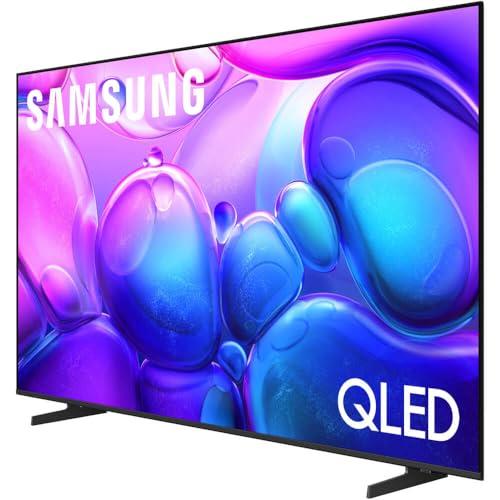
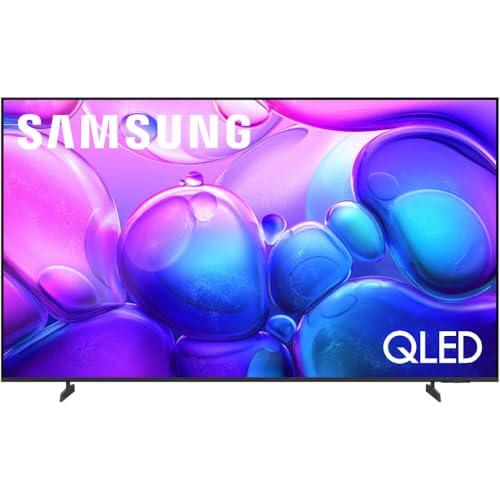
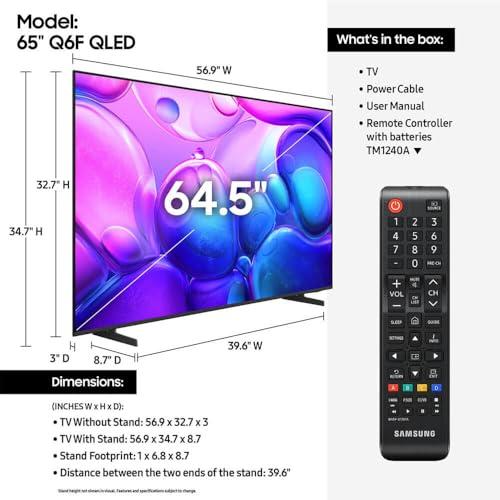
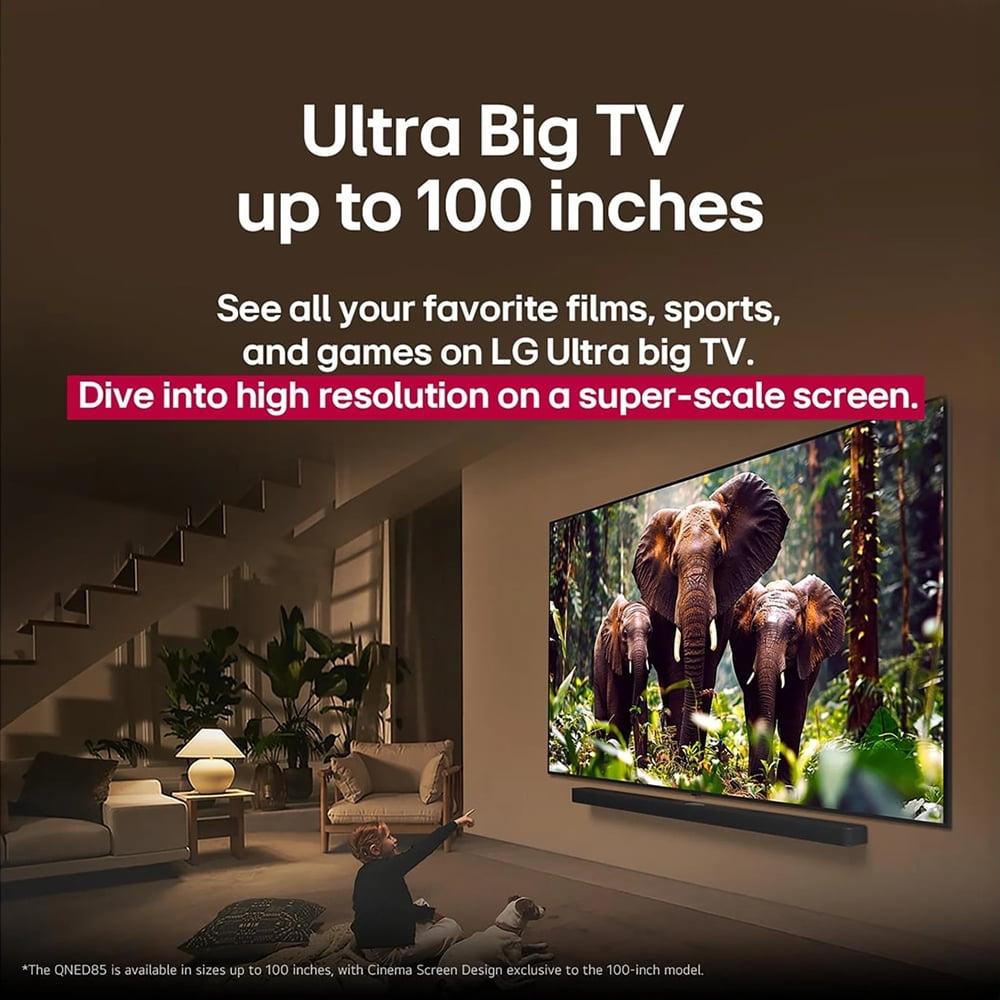
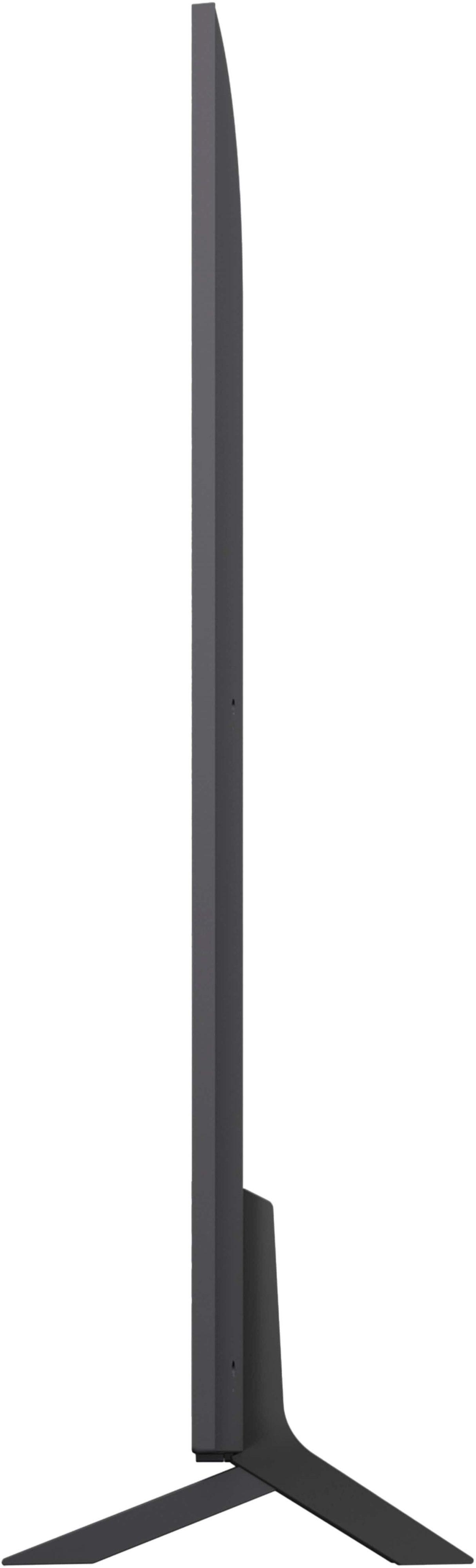
The mid-range 4K smart TV market has become incredibly competitive, and choosing between two seemingly similar 65-inch models can feel overwhelming. Both the Samsung 65" QLED Q6F and LG 65" QNED evo AI QNED85A launched in 2025, but they represent fundamentally different approaches to delivering premium TV experiences at accessible prices.
At the time of writing, both TVs target the same general price segment, making the choice between them particularly important. One prioritizes long-term software support with solid but basic hardware, while the other packs cutting-edge display technology that could remain relevant for years to come. Let me break down exactly what you're getting with each approach.
The most significant difference between these TVs lies in their core display technologies, and this impacts everything from picture quality to gaming performance.
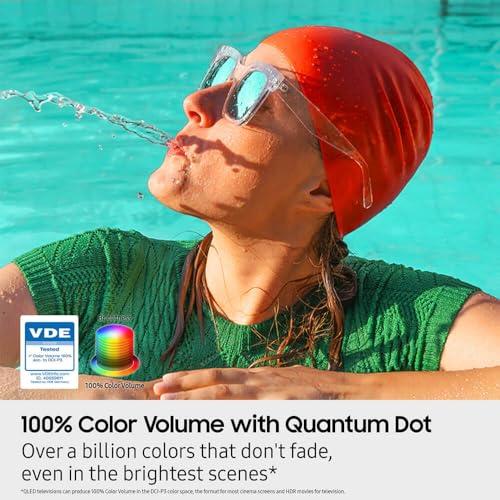
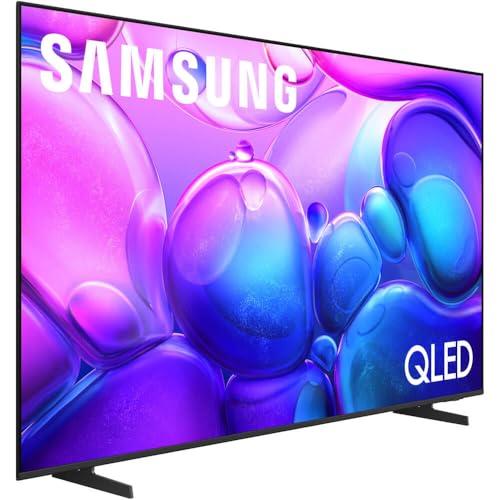
The Samsung Q6F uses traditional QLED technology, which places a layer of quantum dots over a standard LED backlight system. Think of quantum dots as microscopic particles that act like extremely precise color filters—when light hits them, they produce very pure, vibrant colors. Samsung has refined this technology over several years, and the Q6F delivers what Samsung calls "100% Color Volume," meaning it can produce rich, accurate colors across all brightness levels.
However, the Q6F relies on UHD Dimming for contrast control. This is essentially software-based processing that adjusts brightness across larger zones of the screen rather than controlling individual areas precisely. It's like having a dimmer switch for your living room that affects the whole space, rather than being able to control individual lamps.
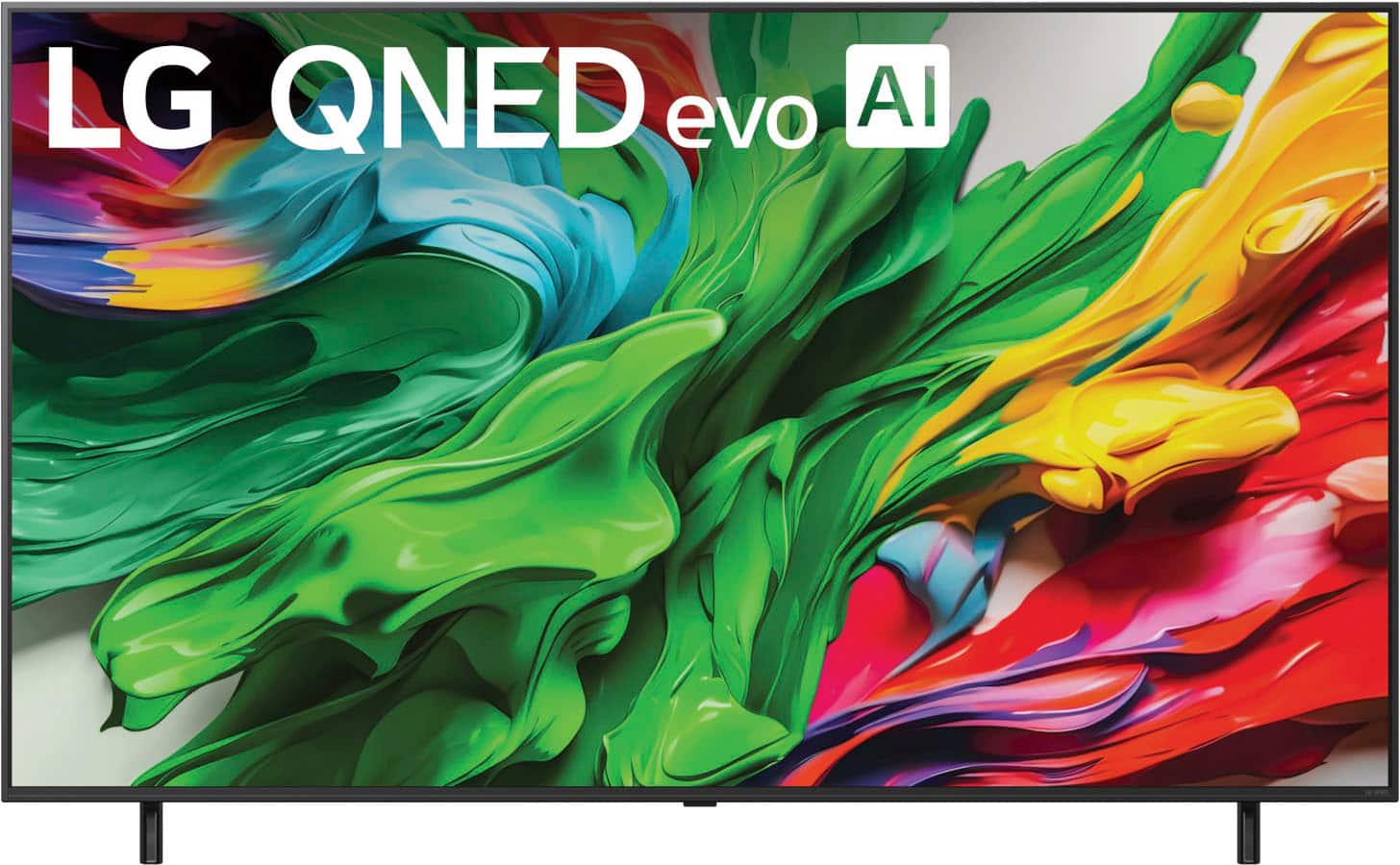
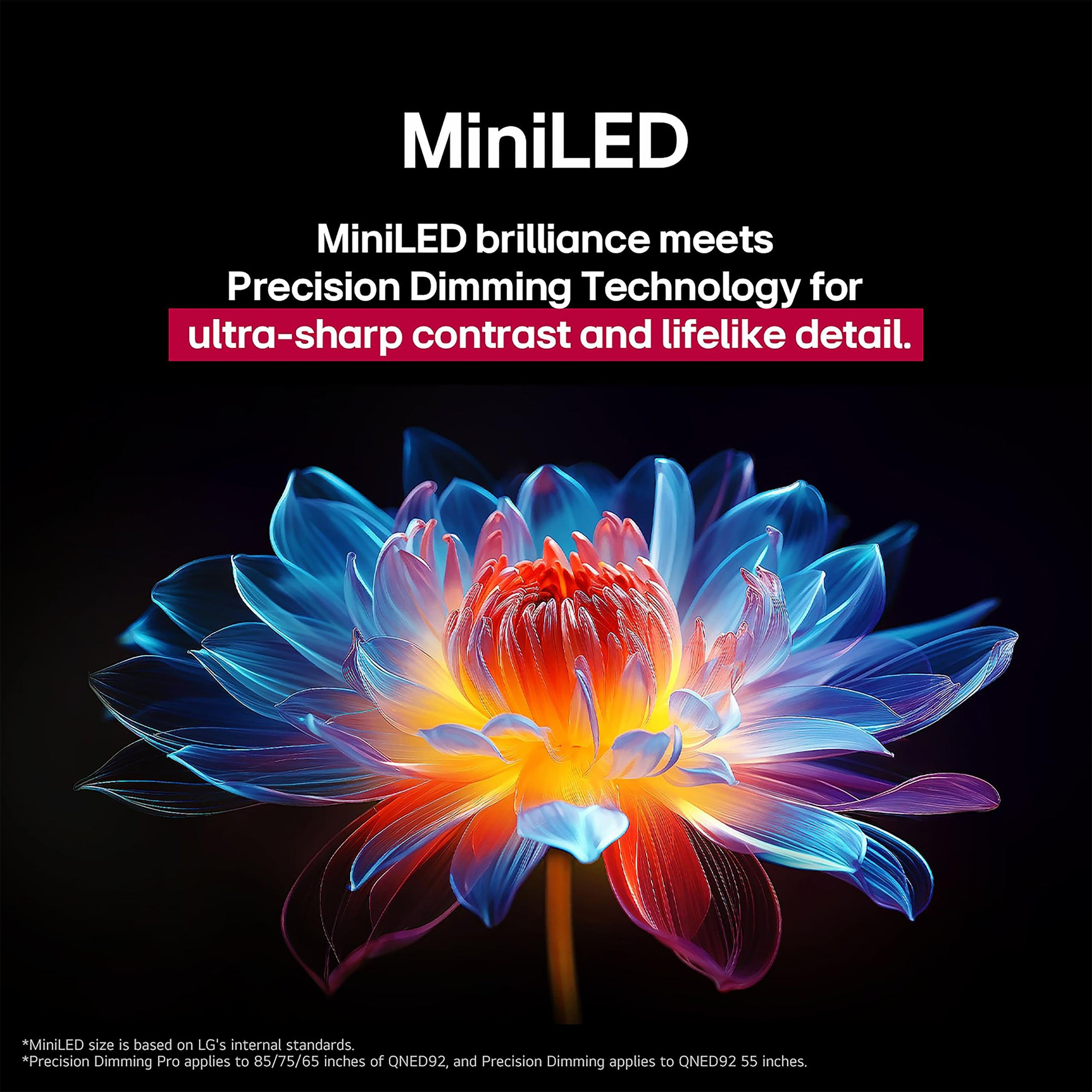
The LG QNED85A, by contrast, uses MiniLED technology—a significant hardware upgrade that represents one of the biggest advances in LED TV technology in recent years. Instead of a few dozen larger LEDs behind the screen, MiniLED uses approximately 30,000 tiny LEDs arranged in thousands of independently controllable zones. Each zone can brighten or dim based on what's happening in that specific part of the picture.
This matters enormously for contrast. When you're watching a movie with a bright explosion against a dark night sky, the LG QNED85A can make those bright areas incredibly luminous while keeping the surrounding darkness truly dark. The Samsung Q6F simply can't match this level of precision—it's working with much broader brush strokes.
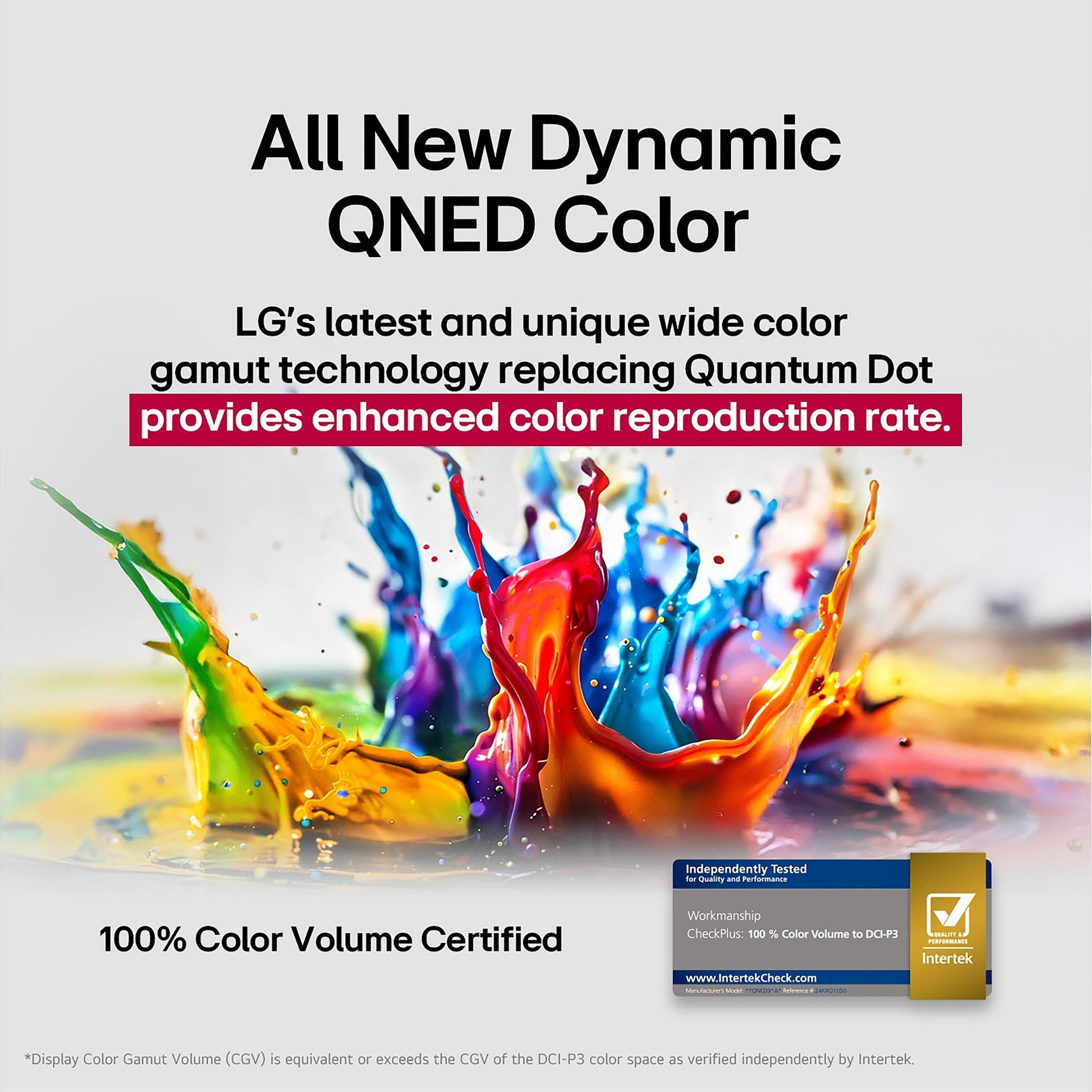
The LG also combines quantum dot technology with what LG calls NanoCell—microscopic particles that filter out impure colors before they reach your eyes. The result is what LG calls "QNED" technology, and in practice, it delivers both the vivid colors of quantum dots and the precise contrast of MiniLED backlighting.
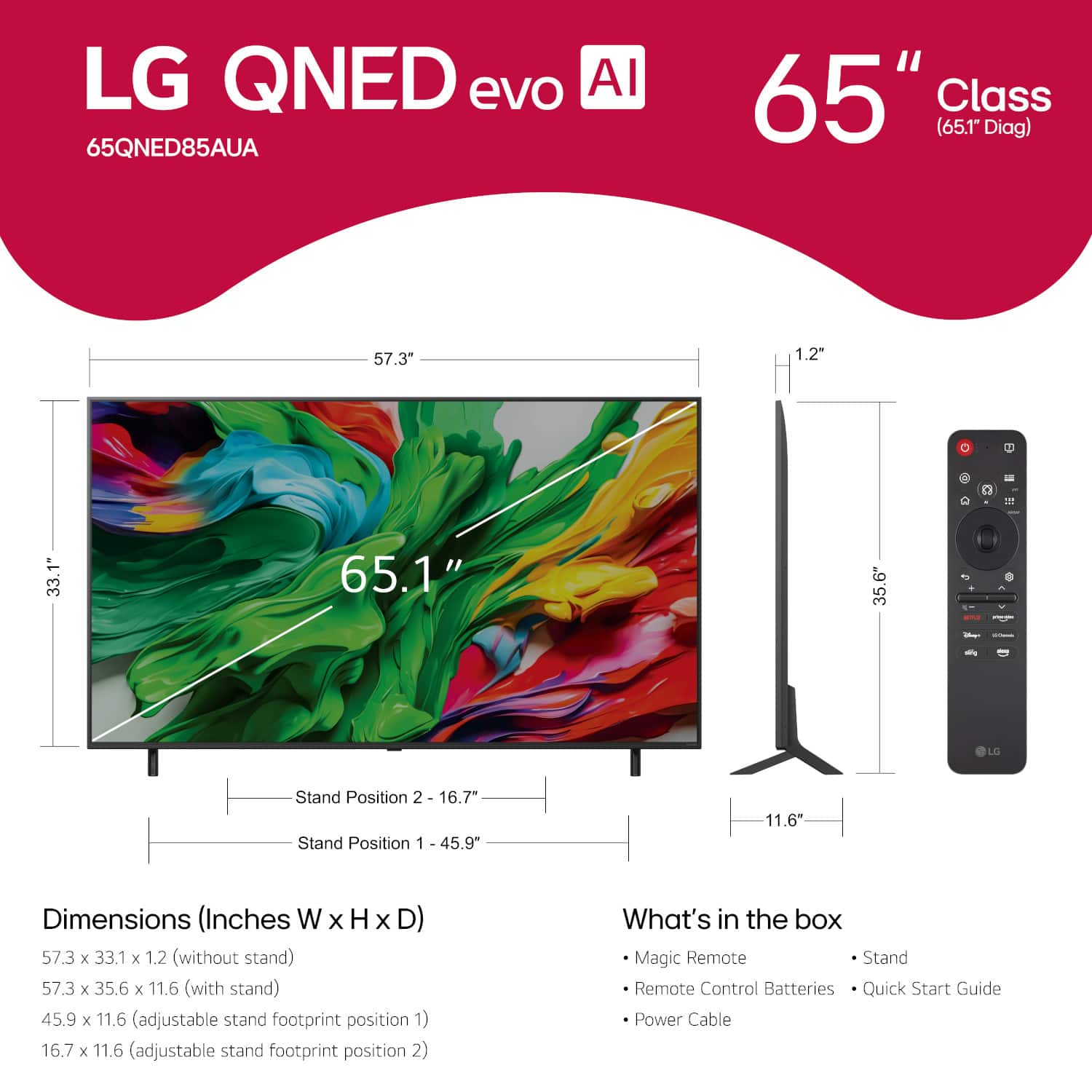
Peak brightness is where the LG QNED85A pulls significantly ahead. Modern content, especially HDR (High Dynamic Range) material from Netflix, Disney+, or 4K Blu-rays, is mastered with the assumption that your TV can produce very bright highlights. The LG can reach over 1,500 nits of peak brightness—that's bright enough to make HDR content look genuinely impressive even in a sunny living room.
The Samsung Q6F, while certainly capable of good brightness, operates at more modest levels. This means HDR content won't have the same impact, particularly during daytime viewing. If your TV room has large windows or you tend to watch during bright afternoons, this difference becomes quite noticeable.
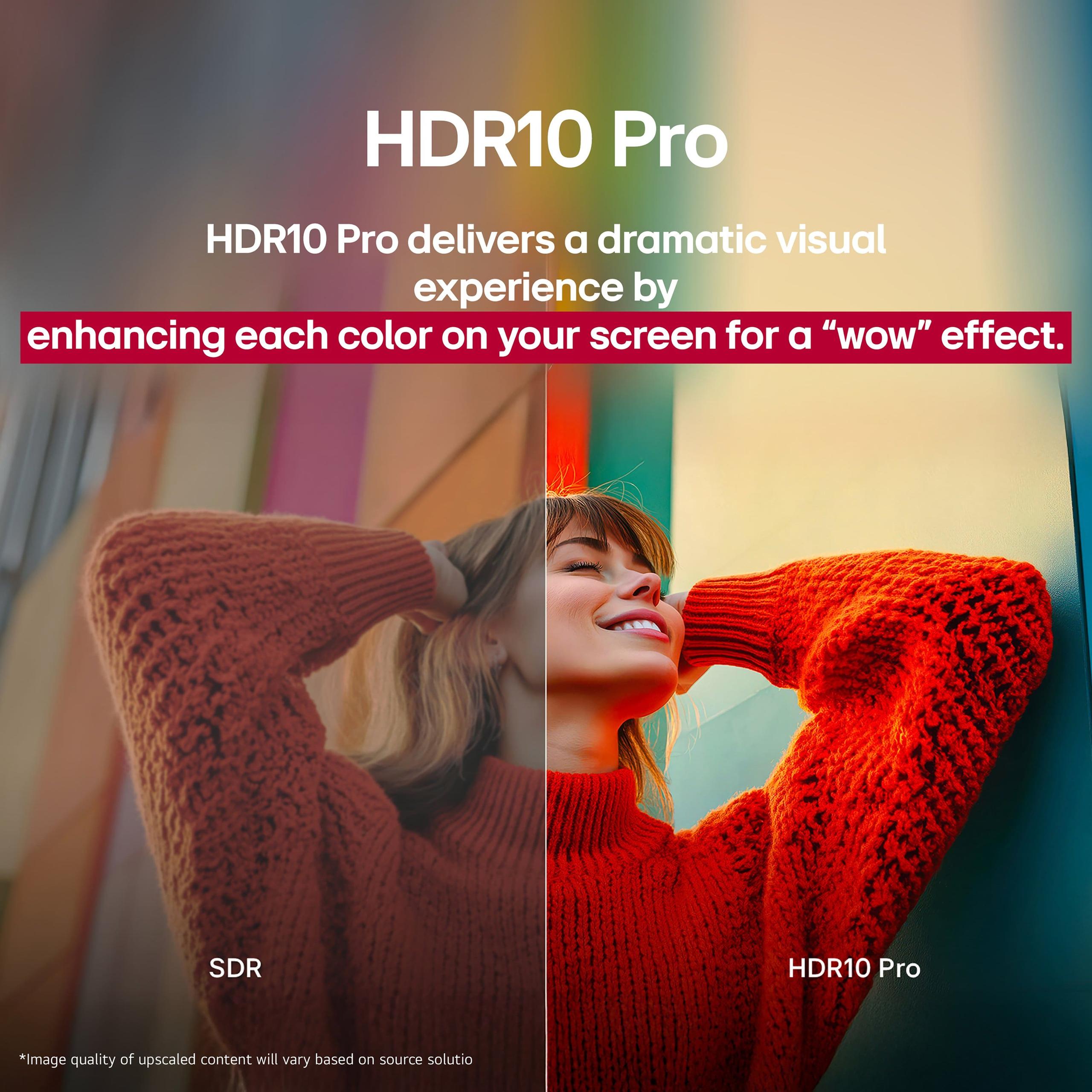
Both TVs support HDR10+, which uses dynamic metadata to optimize each scene's brightness and color mapping. However, the LG's superior brightness capabilities mean it can actually take advantage of this information more effectively. It's like having a sports car versus a regular sedan—both can follow the same route, but one has the performance to make the journey more exciting.
The processors in these TVs handle everything from upscaling lower-resolution content to optimizing colors and managing smart TV features. Here, there's a clear hierarchy.
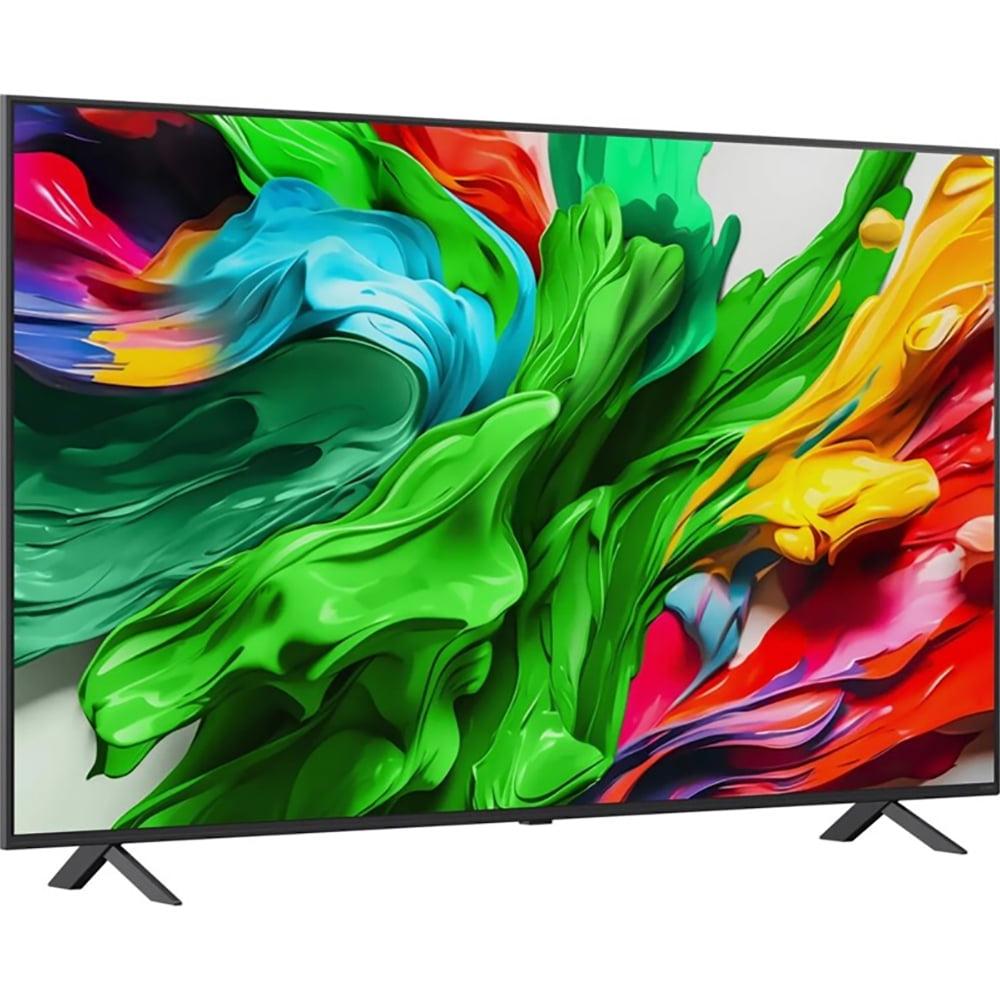
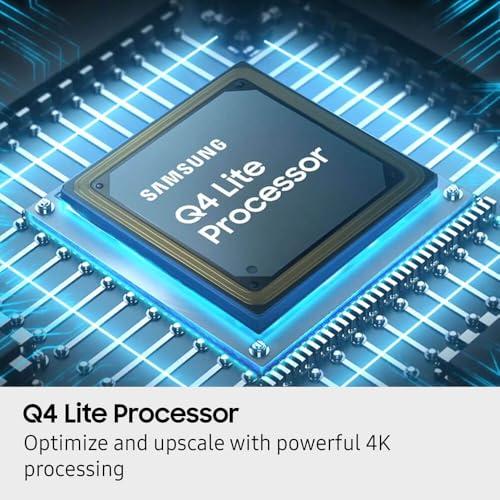
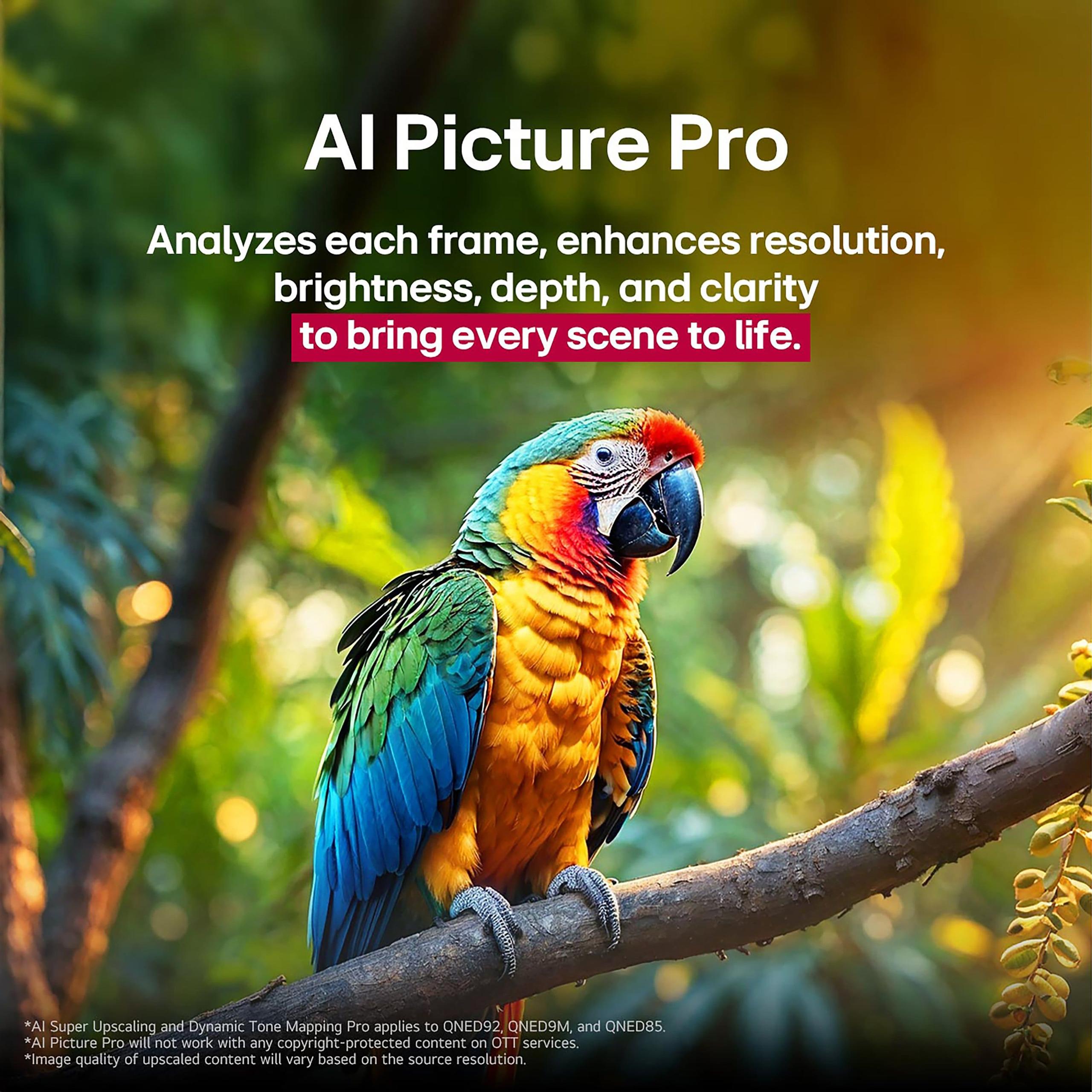
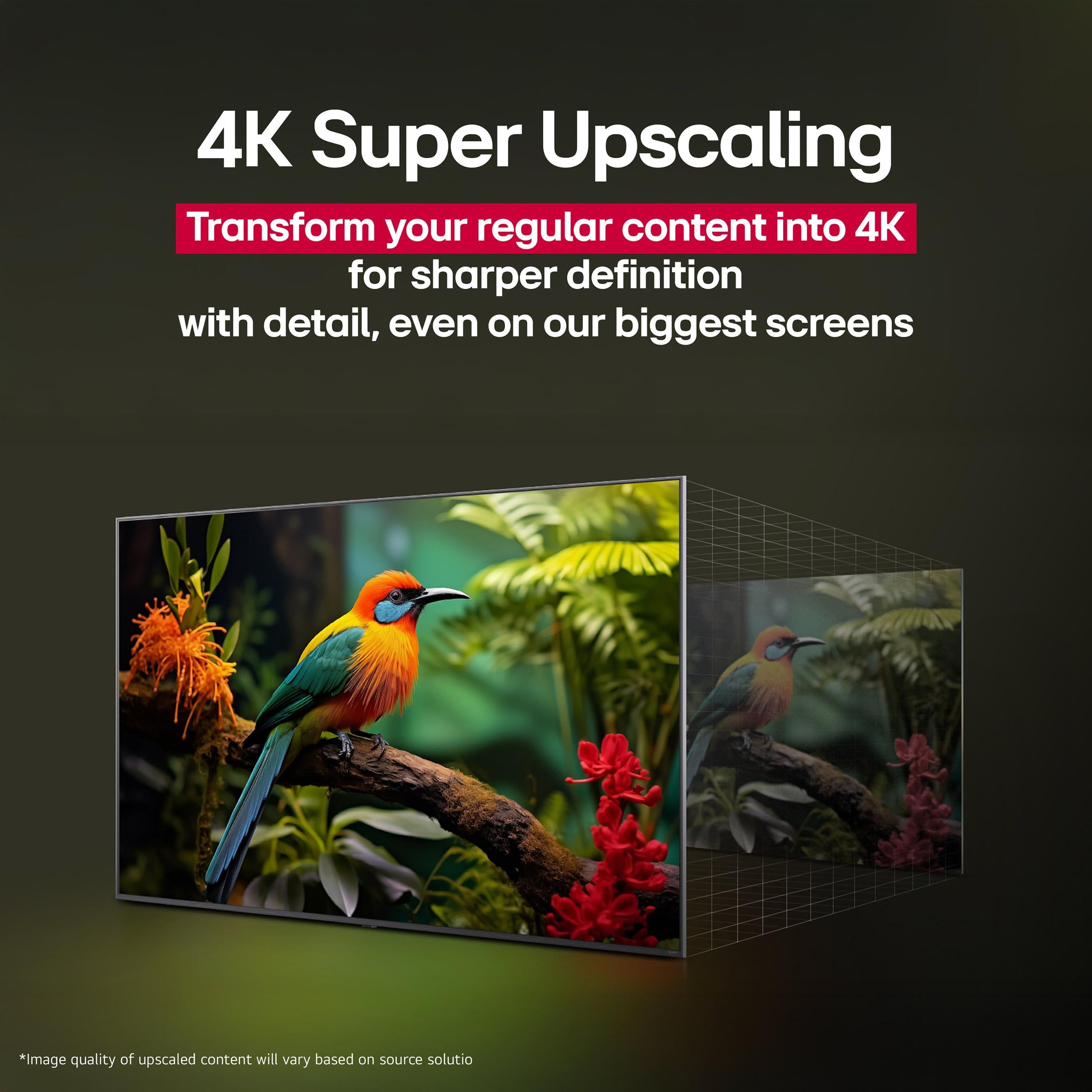
The Samsung Q6F uses Samsung's Q4 Lite Processor, which is their entry-level chip for 2025 QLED TVs. It handles 4K upscaling reasonably well—meaning it can take 1080p content from cable TV or older streaming and make it look decent on the 4K screen. The processor also includes AI features that analyze what you're watching and adjust picture settings accordingly.
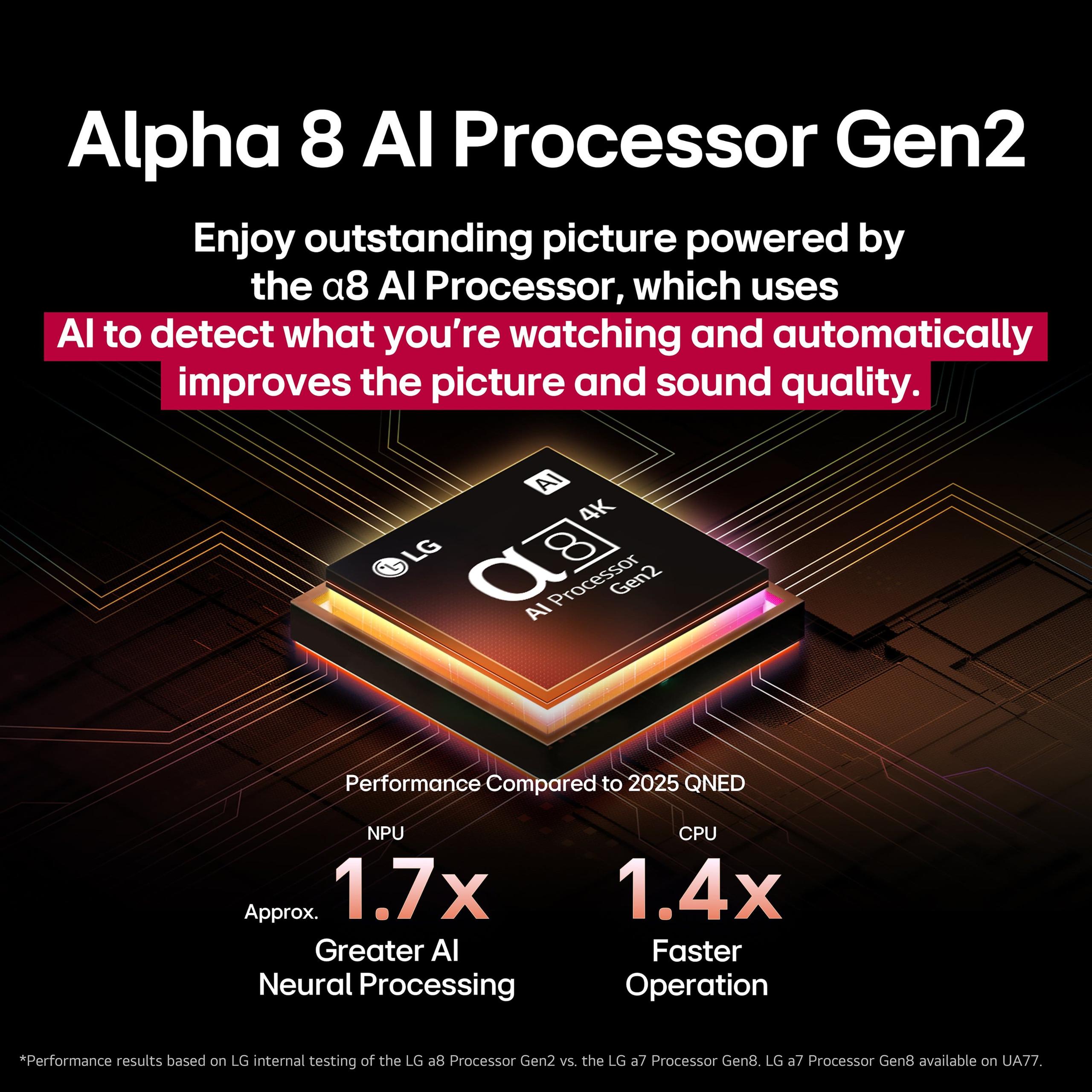
The LG QNED85A steps up to LG's α8 Gen 2 processor, which LG claims offers 70% better performance than previous generations. In practical terms, this translates to noticeably better upscaling of lower-resolution content, more sophisticated motion handling, and more responsive smart TV performance. When you're watching older TV shows or movies, or streaming content that isn't quite 4K quality, the difference in processing power becomes apparent.
The LG's processor also drives more advanced AI features, including personalized picture settings that adapt to your viewing preferences over time. It's the difference between a basic computer and a high-performance workstation—both can do the job, but one does it much more smoothly and with better results.
If you own a PlayStation 5, Xbox Series X, or game on PC, the refresh rate difference between these TVs is crucial. The Samsung Q6F tops out at 60Hz, which was standard for many years but is now becoming a limitation for modern gaming.
The LG QNED85A supports native 120Hz refresh rates, which means it can display 120 frames per second when connected to compatible gaming hardware. This isn't just about smoother motion in fast-paced games—it also reduces input lag, making controls feel more responsive.
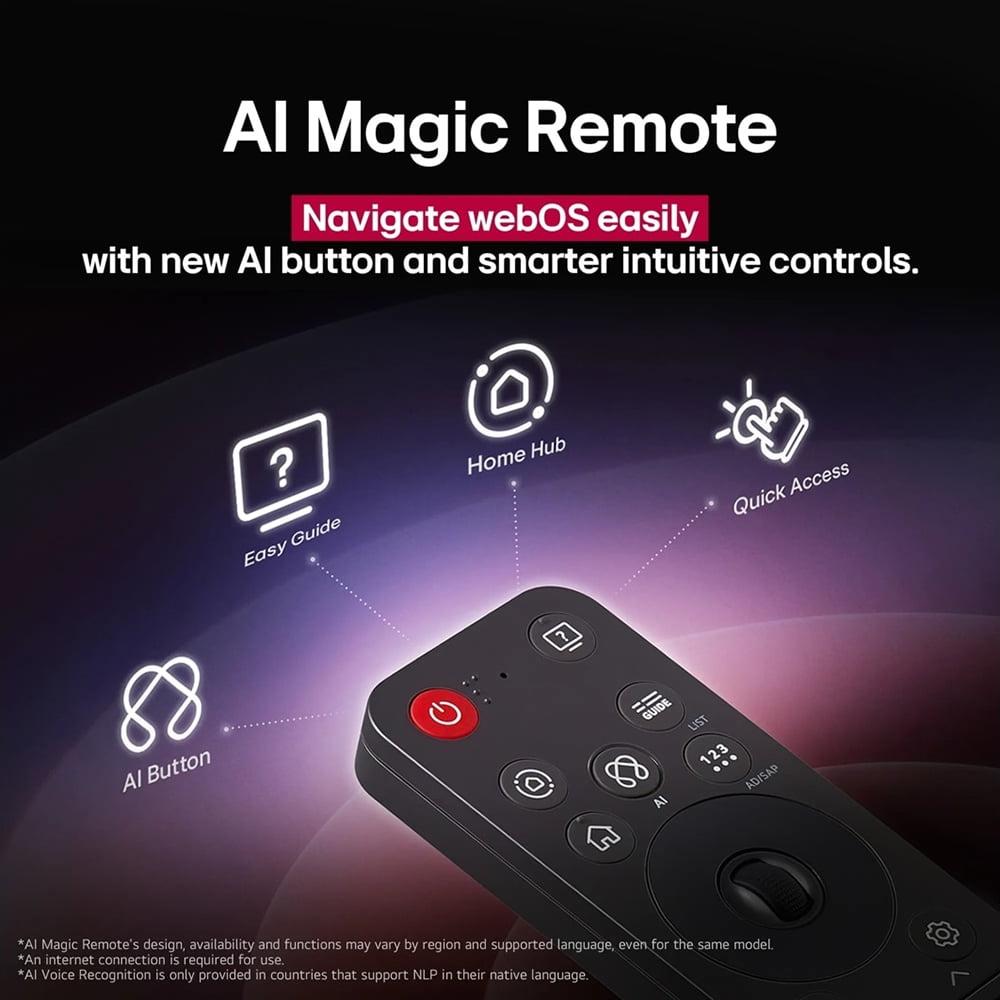
Both TVs include Variable Refresh Rate (VRR) and Auto Low Latency Mode (ALLM), features that help optimize gaming performance by synchronizing the TV's refresh rate with your console's output and automatically switching to the lowest-latency picture mode when it detects gaming. However, these features work much more effectively with the LG's 120Hz capability.
From a home theater gaming perspective, the LG QNED85A is significantly more future-proof. Gaming is increasingly moving toward higher frame rates, and many current games already offer 120fps modes. The Samsung's 60Hz limitation means you're missing out on these enhanced experiences right now.
This is where the Samsung Q6F fights back with its strongest advantage. Samsung committed to providing seven years of Tizen OS updates starting from the 2025 launch, which is exceptional in the TV industry. This means you'll continue receiving new features, security updates, and app compatibility through 2032.
The LG QNED85A offers five years of webOS updates—still very good, but two years shorter than Samsung's commitment. Both platforms offer comprehensive app support, voice assistants, and smart home integration, but Samsung's longer support window provides better long-term value if you tend to keep TVs for many years.
Samsung's Tizen platform has matured significantly since its early days and now offers smooth navigation and comprehensive streaming app support. LG's webOS 25 is arguably more visually appealing and includes more advanced AI personalization features, but the shorter support window is a consideration for long-term ownership.
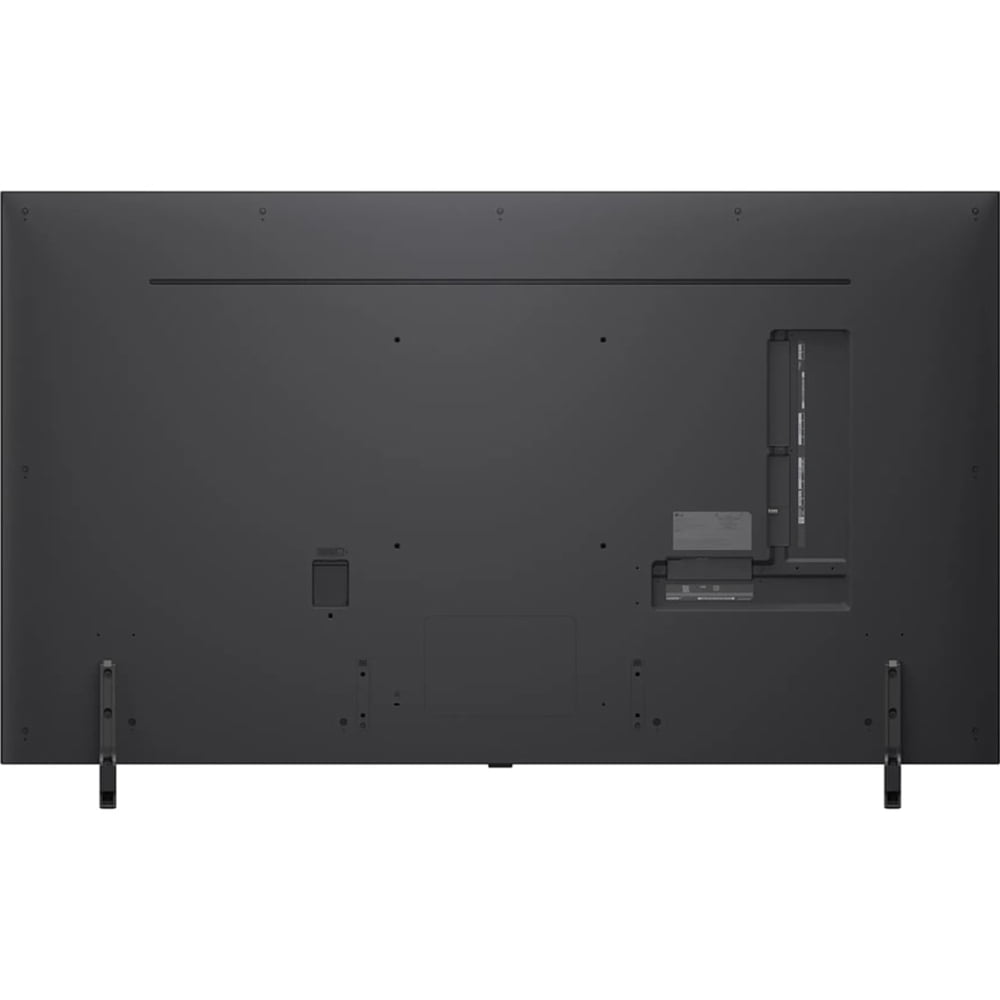
Neither TV excels in audio performance, which is typical for modern flat-panel displays. The Samsung Q6F includes a 20W 2-channel system with Object Tracking Sound Lite, which attempts to make audio follow action on screen. Q-Symphony compatibility means Samsung soundbars can work in harmony with the TV's built-in speakers.
The LG QNED85A features AI Sound Pro technology that analyzes content and optimizes audio accordingly. It can create virtual surround sound from the built-in speakers, but like the Samsung, it's primarily adequate for casual viewing.
For serious home theater use, both TVs benefit greatly from adding a soundbar or dedicated surround sound system. The good news is that both include eARC (enhanced Audio Return Channel) support for high-quality audio passthrough to external sound systems.
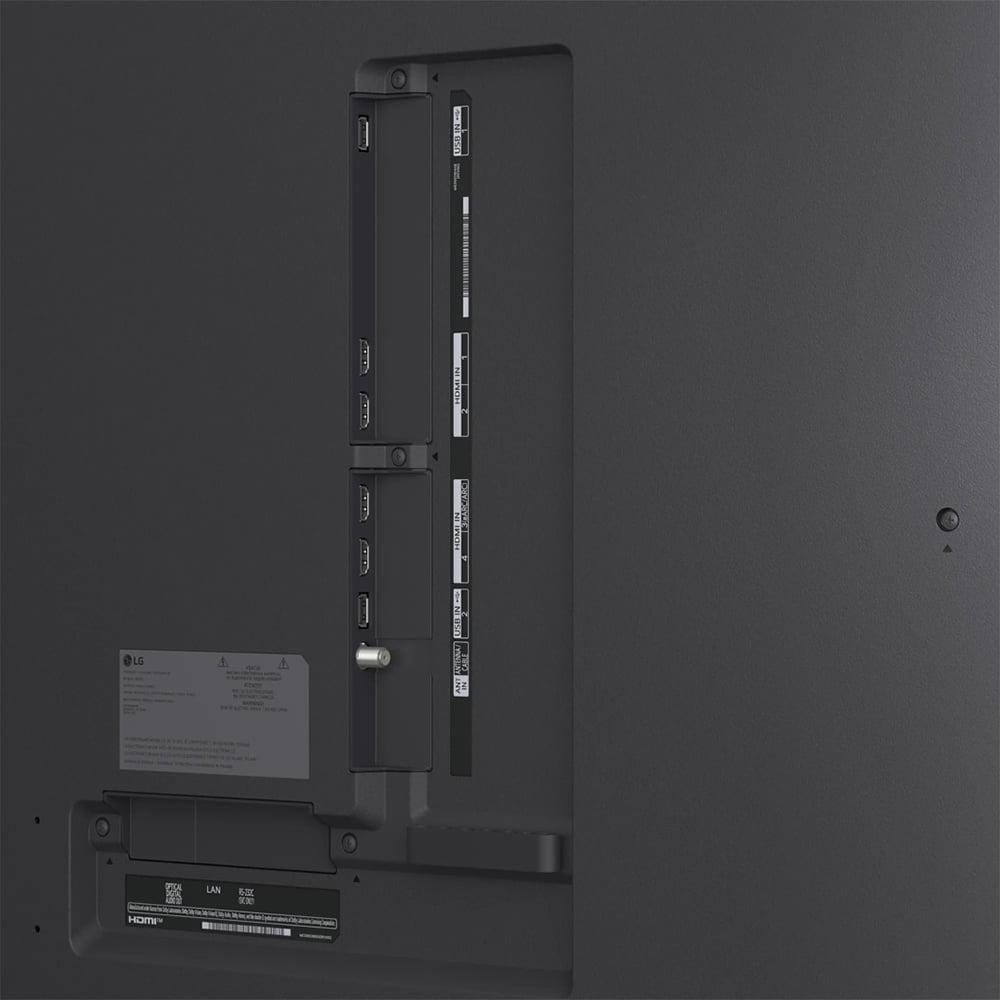
The Samsung Q6F provides three HDMI ports, all capable of 4K 60Hz input, plus one USB port, Ethernet, Wi-Fi 5, and Bluetooth 5.3. For many users, three HDMI ports feels limiting when you consider a gaming console, streaming device, soundbar, and perhaps a cable box or another device.
The LG QNED85A addresses this with four HDMI ports, all supporting 4K 120Hz where applicable. That extra port makes a meaningful difference in modern setups, and the higher bandwidth capability ensures compatibility with future devices.
Based on extensive research and analysis of expert reviews and user feedback, several key differences emerge in daily use:
Picture Quality: The LG QNED85A consistently delivers more impressive HDR performance, better contrast in mixed lighting conditions, and superior brightness for daytime viewing. The MiniLED technology creates more dramatic, cinema-like visuals that are particularly noticeable in darker content.
Gaming Experience: Owners of next-gen consoles report significantly better gaming experiences with the LG's 120Hz capability. Motion looks smoother, competitive games feel more responsive, and the overall gaming experience feels more premium.
Upscaling Performance: Both TVs handle 4K content beautifully, but the LG's more powerful processor shows its strength with lower-resolution content. Cable TV, older streaming content, and DVD material generally look cleaner and more detailed on the QNED85A.
Room Environment: The LG's superior brightness makes it much better suited for bright rooms. If your TV room has large windows or skylights, the Samsung can struggle to compete with ambient light, while the LG maintains good picture quality even in challenging lighting conditions.
For dedicated home theater use, the LG QNED85A is the clear winner. Its superior contrast, brightness, and processing power create a more cinematic experience. The MiniLED backlighting produces the kind of dramatic lighting that makes movies feel more immersive, particularly in darkened viewing environments.
However, both TVs include Filmmaker Mode, which preserves the director's intended picture settings by disabling motion smoothing and other processing that can make movies look artificial. This feature works well on both models, though the LG's superior hardware makes the most of the original content.
For sports viewing, the LG's brightness advantage and better motion handling create a more engaging experience, especially for daytime games in bright rooms.
At the time of writing, both TVs occupy similar price segments, making the choice primarily about features rather than budget constraints. However, the value proposition differs significantly.
The Samsung Q6F represents value through longevity and ecosystem integration. You're buying seven years of guaranteed software support, solid (if unspectacular) picture quality, and integration with Samsung's broader device ecosystem. It's the sensible choice for buyers who want acceptable performance and exceptional long-term support.
The LG QNED85A offers value through superior current technology. You're getting display technology that's genuinely a generation ahead, gaming capabilities that work with modern hardware, and processing power that handles current content better. It's the choice for buyers who want the best possible performance now and aren't primarily concerned with software support beyond five years.
Choose the Samsung Q6F if you:
Choose the LG QNED85A if you:
The LG QNED85A delivers genuinely superior technology across most performance metrics that matter for picture quality and modern usage. Its MiniLED display, 120Hz gaming capability, and powerful processing represent meaningful advances that improve the daily viewing experience.
The Samsung Q6F counters with exceptional software longevity and solid, if unspectacular, performance at what's likely a lower price point. It's a rational choice for buyers who prioritize long-term value over cutting-edge features.
For most buyers in 2025, especially those who game or watch a lot of HDR content, the LG represents better value despite any price premium. The display technology improvements are substantial enough to justify the investment, and five years of software support is still very reasonable for a modern TV purchase.
However, if you're particularly price-sensitive or truly value that extra two years of guaranteed updates, the Samsung makes sense as a more conservative but still capable choice. The key is understanding that you're trading current performance for long-term support—a trade-off that makes sense for some buyers but not others.
| Samsung 65" QLED Q6F 4K Smart TV 2025 | LG 65" QNED evo AI QNED85A 4K MiniLED Smart TV 2025 |
|---|---|
| Display Technology - Core difference that affects all picture quality aspects | |
| QLED with UHD Dimming (basic zone control) | MiniLED with ~30,000 LEDs in thousands of zones |
| Peak Brightness - Critical for HDR impact and bright room viewing | |
| Standard LED brightness levels | 1,500+ nits (dramatically better for daytime viewing) |
| Refresh Rate - Essential for gaming and smooth motion | |
| 60Hz (limits modern gaming potential) | 120Hz (full next-gen console compatibility) |
| Processor - Affects upscaling and smart TV responsiveness | |
| Q4 Lite Processor (entry-level performance) | α8 Gen 2 (70% better performance than previous generation) |
| Gaming Features - Important for console and PC gamers | |
| Gaming Hub, ALLM, VRR (limited by 60Hz) | Gaming Hub, ALLM, VRR, 4K 120Hz support |
| HDMI Ports - Connectivity for multiple devices | |
| 3 HDMI ports (4K 60Hz) | 4 HDMI ports (4K 120Hz capable) |
| Smart TV Updates - Long-term software support commitment | |
| 7 years of Tizen OS updates (exceptional longevity) | 5 years of webOS updates (still very good) |
| Audio System - Built-in sound quality | |
| 20W 2CH with OTS Lite and Q-Symphony | AI Sound Pro with virtual surround processing |
| Contrast Performance - Affects picture depth and realism | |
| Limited by UHD Dimming zones | Superior with thousands of MiniLED zones |
| Best For - Primary use case recommendations | |
| Budget-conscious buyers prioritizing long-term support | Gamers and bright-room viewing with premium features |
The LG QNED85A delivers superior picture quality with its MiniLED technology featuring approximately 30,000 tiny LEDs in thousands of controllable zones. This creates dramatically better contrast and brightness (1,500+ nits) compared to the Samsung Q6F, which uses traditional QLED with basic UHD Dimming. The LG's advanced display technology produces more vibrant HDR content and better performance in bright rooms.
Only the LG QNED85A supports 120Hz gaming for PlayStation 5 and Xbox Series X. The Samsung Q6F is limited to 60Hz, which means you'll miss out on the smoother gameplay and reduced input lag that modern consoles can deliver. Both TVs include gaming features like VRR and ALLM, but the LG's 120Hz capability makes it significantly more future-proof for gaming.
The LG QNED85A is much better suited for bright rooms due to its superior peak brightness of over 1,500 nits. The Samsung Q6F operates at more modest brightness levels, making it harder to see details and colors in sunny conditions. If you frequently watch TV during the day or have large windows in your viewing area, the LG provides a noticeably better experience.
The Samsung Q6F offers exceptional longevity with 7 years of guaranteed Tizen OS updates, while the LG QNED85A provides 5 years of webOS updates. Samsung's longer commitment means you'll receive new features, security patches, and app compatibility through 2032, making it the better choice if you plan to keep your TV for many years.
The LG QNED85A includes 4 HDMI ports compared to 3 on the Samsung Q6F. This extra port is valuable for modern setups with gaming consoles, streaming devices, soundbars, and cable boxes. Additionally, all of the LG's HDMI ports support 4K 120Hz where applicable, while the Samsung's ports are limited to 4K 60Hz.
For dedicated home theater use, the LG QNED85A is the superior choice. Its MiniLED backlighting creates more dramatic contrast and cinema-like visuals, especially in darkened viewing environments. Both TVs include Filmmaker Mode to preserve directors' intentions, but the Samsung Q6F works adequately for casual home theater use at a lower price point.
The LG QNED85A features the more powerful α8 Gen 2 processor, offering 70% better performance than previous generations for superior 4K upscaling of cable TV and older content. The Samsung Q6F uses the Q4 Lite Processor, which handles basic upscaling adequately but can't match the LG's processing capabilities for lower-resolution material.
The Samsung Q6F uses QLED technology with quantum dots over standard LED backlighting for vibrant colors but basic contrast control. The LG QNED85A combines quantum dots with MiniLED backlighting, using thousands of tiny LEDs that can be controlled individually for superior contrast, deeper blacks, and brighter highlights - representing a significant technological advancement.
Both TVs offer comprehensive smart features, but they differ in approach. The Samsung Q6F runs Tizen OS with excellent Samsung ecosystem integration and longer update support. The LG QNED85A uses webOS 25 with more advanced AI personalization features and arguably a more visually appealing interface, though it has shorter long-term support.
Neither the Samsung Q6F nor LG QNED85A excels in audio performance - both are adequate for casual viewing but benefit from soundbar additions for serious home theater use. The Samsung offers 20W 2-channel audio with Q-Symphony soundbar compatibility, while the LG includes AI Sound Pro with virtual surround processing.
Value depends on your priorities. The LG QNED85A offers superior current technology with MiniLED display, 120Hz gaming, and better processing power - providing more advanced features for the price. The Samsung Q6F represents value through exceptional 7-year software support and solid basic performance at a likely lower cost, making it better for budget-conscious buyers prioritizing longevity.
Choose the Samsung Q6F if you prioritize long-term software support, basic QLED performance, and Samsung ecosystem integration. Select the LG QNED85A if you want cutting-edge display technology, 120Hz gaming capability, superior brightness for daytime viewing, and the most advanced picture quality available in this price range.
We've done our best to create useful and informative comparisons to help you decide what product to buy. Our research uses advanced automated methods to create this comparison and perfection is not possible - please contact us for corrections or questions. These are the sites we've researched in the creation of this article: samsung.com - samsung.com - youtube.com - rtings.com - samsung.com - bestbuy.com - manuals.plus - shopjetson.com - samsung.com - samsung.com - samsung.com - samsung.com - bestbuy.com - jefflynch.com - rtings.com - rtings.com - youtube.com - lg.com - smarthomesounds.co.uk - abt.com - abt.com - lg.com - displayspecifications.com - walmart.com - bestbuy.com - lg.com - lg.com - lg.com - files.bbystatic.com - flatpanelshd.com - north-side-appliance.com - lgnewsroom.com - lg.com - youtube.com - youtube.com - hindustantimes.com

Privacy Policy
Terms and Conditions - Affiliate Policy
Home Security
© Copyright 2008-2026.
11816 Inwood Rd #1211, Dallas, TX 75244