

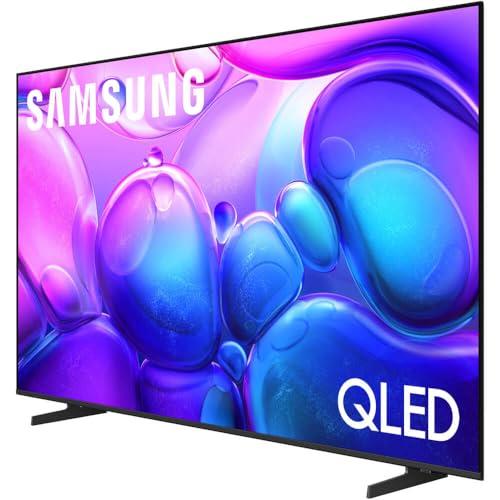
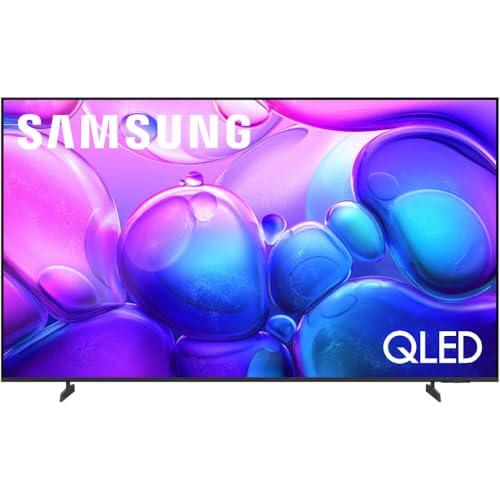
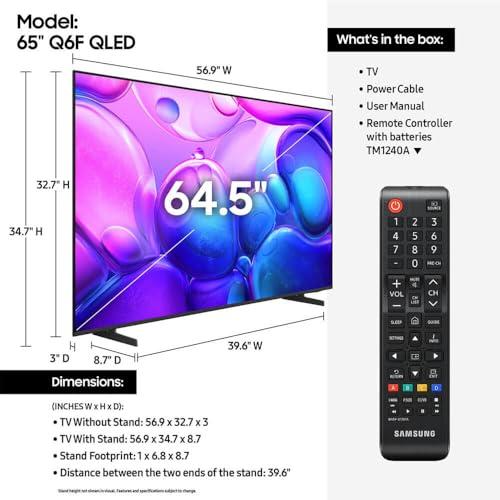

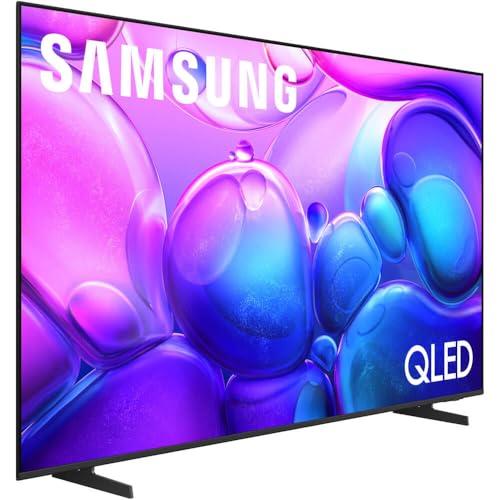
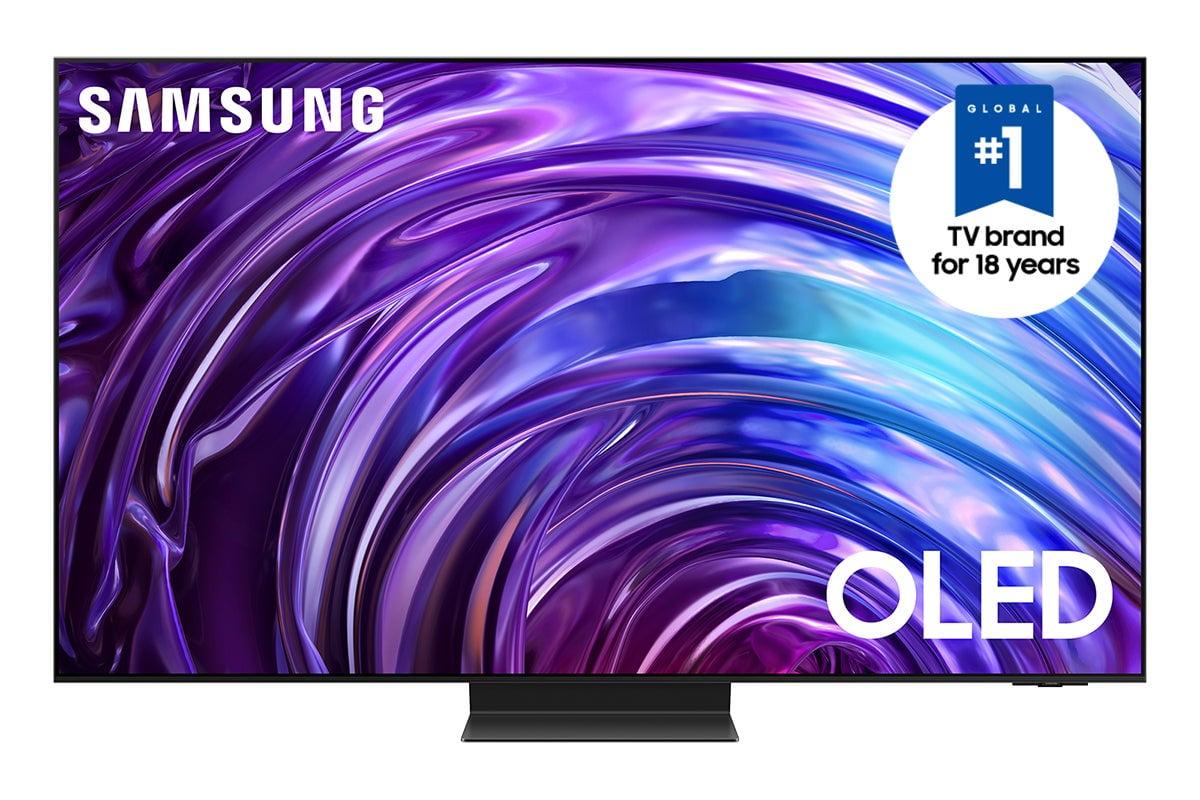
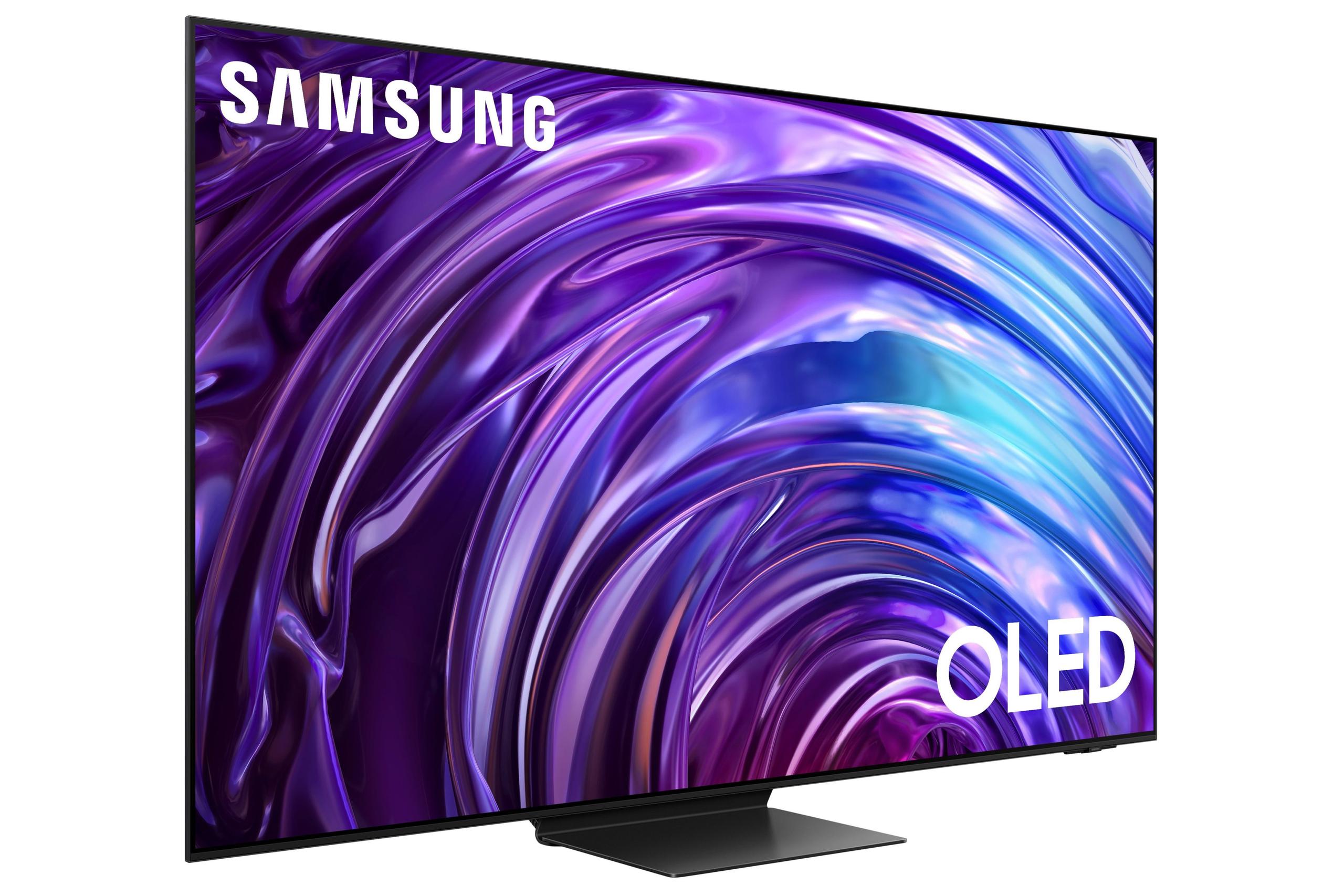
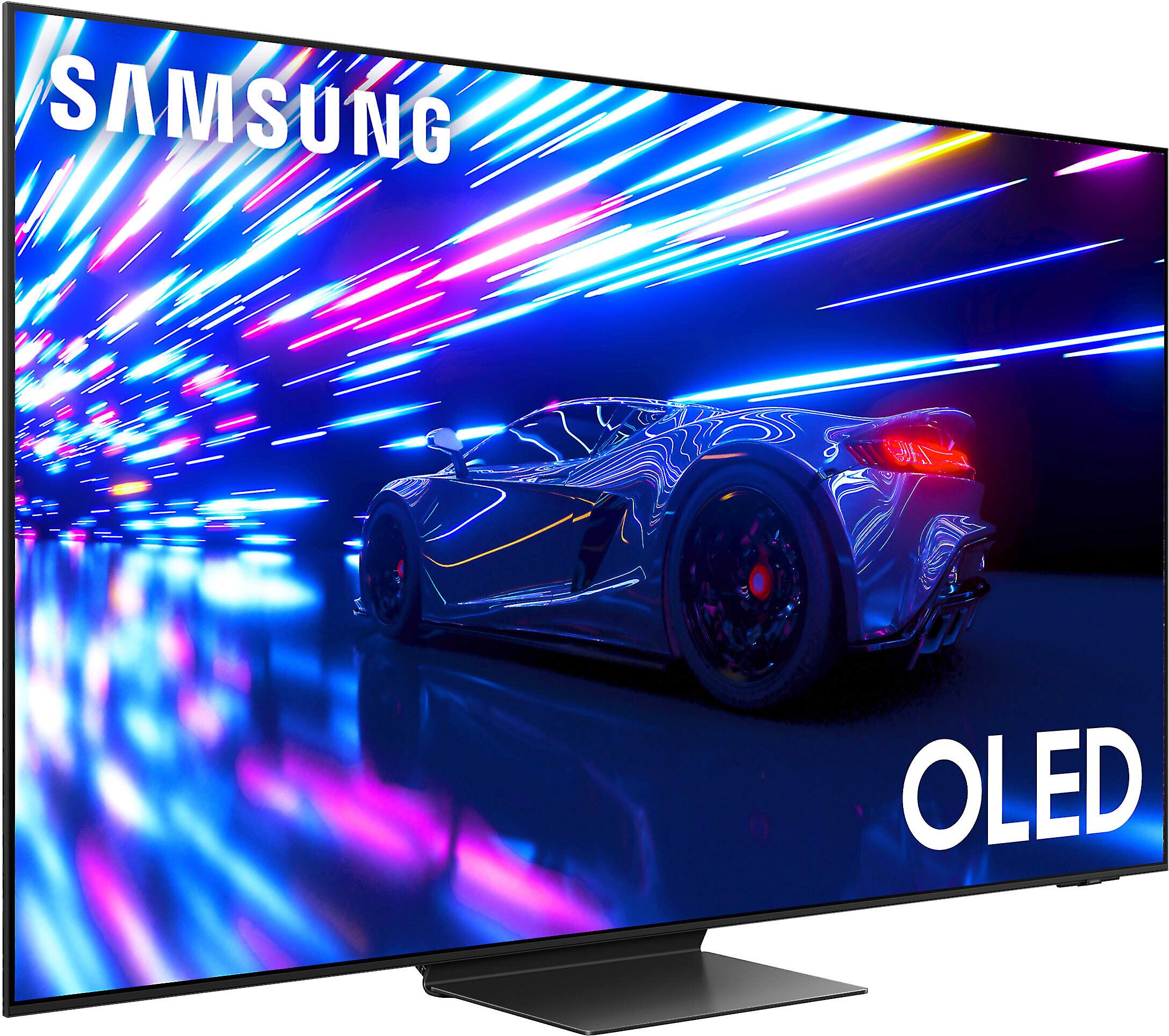
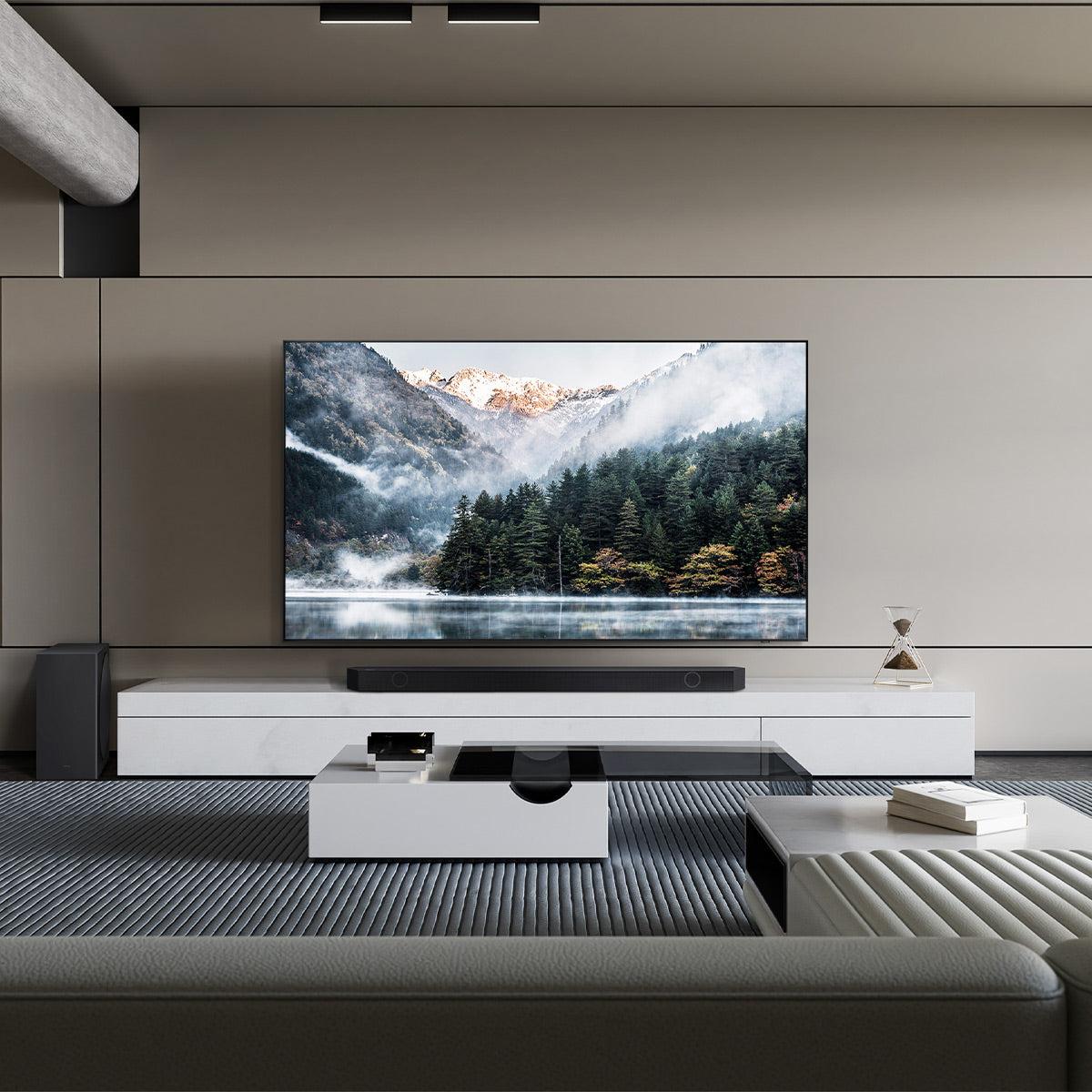
When shopping for a 65-inch 4K TV, the choices can feel overwhelming. Samsung's lineup alone spans from budget-friendly options around $600 to premium models exceeding $2,000. Today we're comparing two TVs that represent opposite ends of this spectrum: the entry-level Samsung 65" QLED Q6F from 2025 and the flagship Samsung 65" S95D OLED from 2024. While both deliver 4K resolution and smart TV features, they approach picture quality and user experience in fundamentally different ways.
Before diving into specifics, let's establish what separates these display technologies. Traditional LED TVs use a backlight (light source behind the screen) that shines through liquid crystal panels to create images. The Q6F uses quantum dots—microscopic particles that enhance color when hit by light—layered over this LED system. This quantum dot layer helps produce more vibrant colors than standard LED TVs, especially reds and greens.
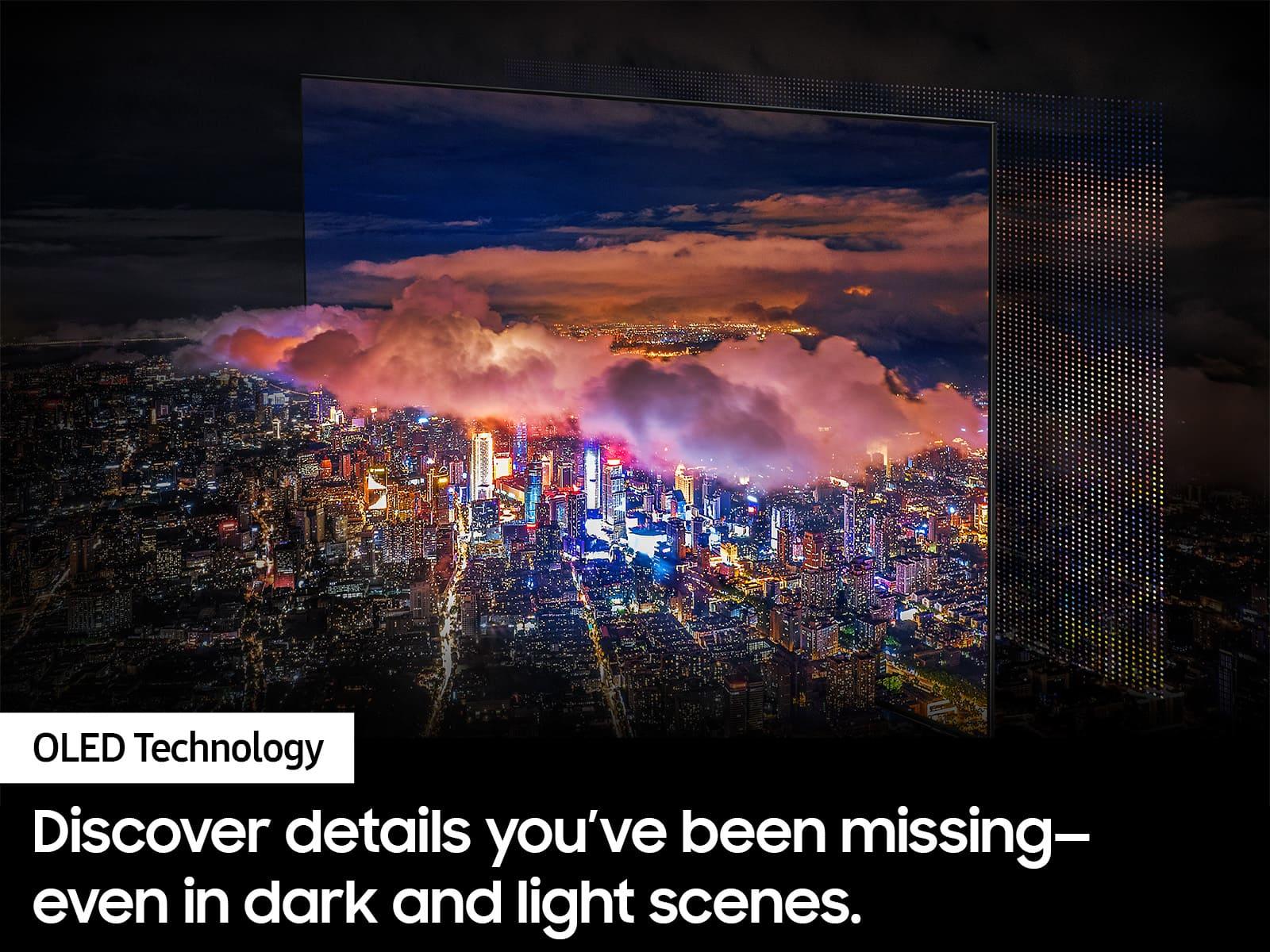
OLED technology, found in the S95D, works completely differently. Each pixel generates its own light and can turn completely off when displaying black. This creates perfect contrast because truly dark areas emit zero light. The S95D specifically uses QD-OLED (Quantum Dot Organic Light-Emitting Diode), which combines quantum dots with OLED for enhanced brightness and color compared to traditional OLED panels.
The price difference between these technologies reflects their fundamental capabilities. At the time of writing, budget QLED models like the Q6F typically retail for under $700, while premium OLEDs like the S95D command prices above $2,000. This gap isn't arbitrary—it represents genuinely different performance tiers.
Picture quality forms the foundation of any TV purchase decision, and here the differences between these models are dramatic. The Q6F uses edge-lit LED backlighting, meaning LEDs positioned around the screen's perimeter illuminate the entire panel. While this keeps costs down, it creates inherent limitations. Without local dimming zones (independent control over different screen areas), the entire backlight stays on even during dark scenes. This means blacks appear gray rather than true black, and you can't have bright highlights next to dark shadows simultaneously.
During dark movie scenes, the Q6F's limitations become apparent. A starfield scene will show gray space rather than deep black, and bright objects like explosions or car headlights won't have the dramatic impact they should. The quantum dots do help with color vibrancy compared to standard LED TVs, producing particularly impressive reds and blues that pop during daytime content.
The S95D represents a completely different league. Each pixel controls its own brightness independently, creating infinite contrast ratios. When displaying a night scene with streetlights, the dark areas between lights are perfectly black while the lights themselves can be brilliantly bright. This creates a sense of depth and realism that's immediately noticeable. Colors are exceptionally vibrant thanks to the quantum dot enhancement, and the overall color volume (how many colors the TV can display at different brightness levels) surpasses what traditional OLEDs can achieve.
Based on professional measurements and user feedback, the S95D delivers peak brightness levels that were considered remarkable for OLED technology in 2024. This helps HDR (High Dynamic Range) content look more impactful, with brighter highlights and deeper shadows creating the expanded contrast range HDR is designed to showcase.
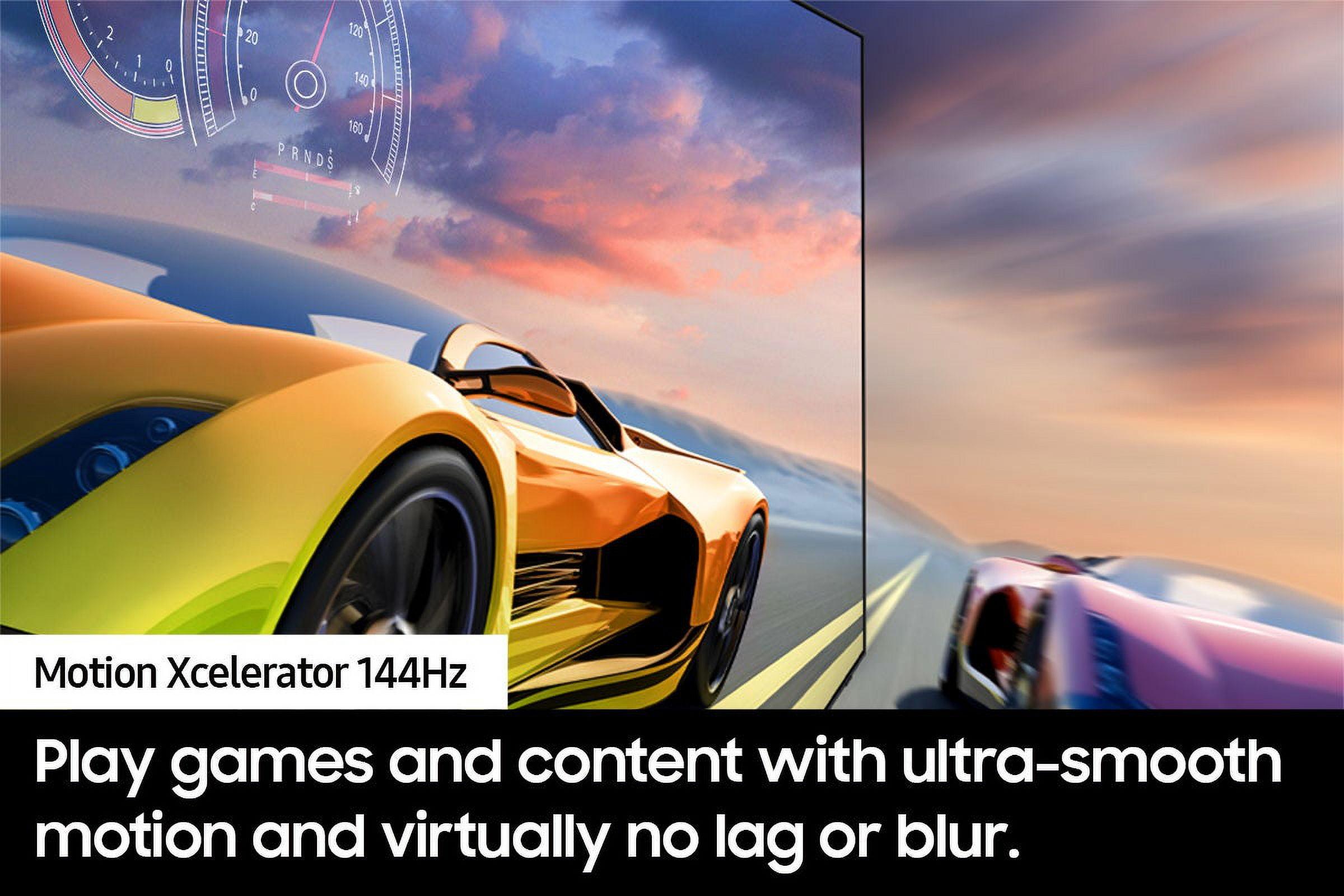
Gaming and sports viewing place unique demands on TVs, particularly regarding motion clarity and input responsiveness. The Q6F operates at 60Hz refresh rate, which means it can display 60 frames per second maximum. For most TV content and casual gaming, this proves adequate. The Motion Xcelerator feature attempts to reduce blur by predicting movement between frames, helping with sports and action scenes, though results vary depending on content.
Input lag—the delay between pressing a controller button and seeing the response on screen—matters enormously for gaming. The Q6F achieves acceptable input lag in its game mode, suitable for casual gaming but not ideal for competitive play where every millisecond counts.
The S95D operates in a different performance category entirely. Its 144Hz refresh rate allows incredibly smooth motion, particularly beneficial for gaming with PlayStation 5 or Xbox Series X consoles. The near-instantaneous pixel response time of OLED technology means moving objects appear razor-sharp without the motion blur that affects LED displays. Input lag measures around 9 milliseconds according to testing, making it one of the most responsive TVs available for gaming.
Variable Refresh Rate (VRR) support on the S95D synchronizes the TV's refresh rate with the console's frame rate, eliminating screen tearing and stuttering during games. Auto Game Mode (ALLM) automatically switches to optimized settings when gaming, ensuring the best possible experience without manual adjustment.
For home theater enthusiasts, the motion differences extend beyond gaming. Film content at 24 frames per second appears smoother on the S95D, while fast-paced action sequences maintain clarity that the Q6F simply cannot match due to its slower pixel response times.
Perhaps the S95D's most innovative feature is its matte screen coating, marketed as "Glare Free" technology. Traditional OLED TVs struggle with reflections in bright rooms because their glossy screens act like mirrors, reflecting windows, lights, and even viewers. This breakthrough matte coating virtually eliminates these reflections, making the S95D usable in rooms where traditional OLEDs would be impractical.
However, this innovation comes with trade-offs that potential buyers must understand. While the matte coating eliminates reflections, it also causes black levels to appear increasingly gray as ambient light increases. In a bright living room with windows and overhead lights, the perfect blacks that make OLED special begin washing out, appearing more like dark gray. This means the S95D's contrast advantage over the Q6F diminishes in very bright environments.
The Q6F uses a standard glossy screen finish, so reflections will be visible in bright rooms. However, its picture quality remains consistent regardless of ambient lighting since it doesn't rely on perfect blacks for its appeal.
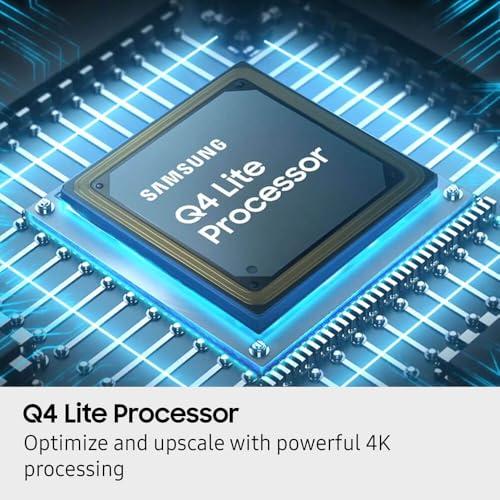
Both TVs run Samsung's Tizen operating system, providing access to popular streaming apps like Netflix, Disney+, Amazon Prime Video, and Samsung's own TV Plus service offering free channels. The interface remains largely consistent between models, though the S95D benefits from more powerful processing that makes navigation slightly more responsive.
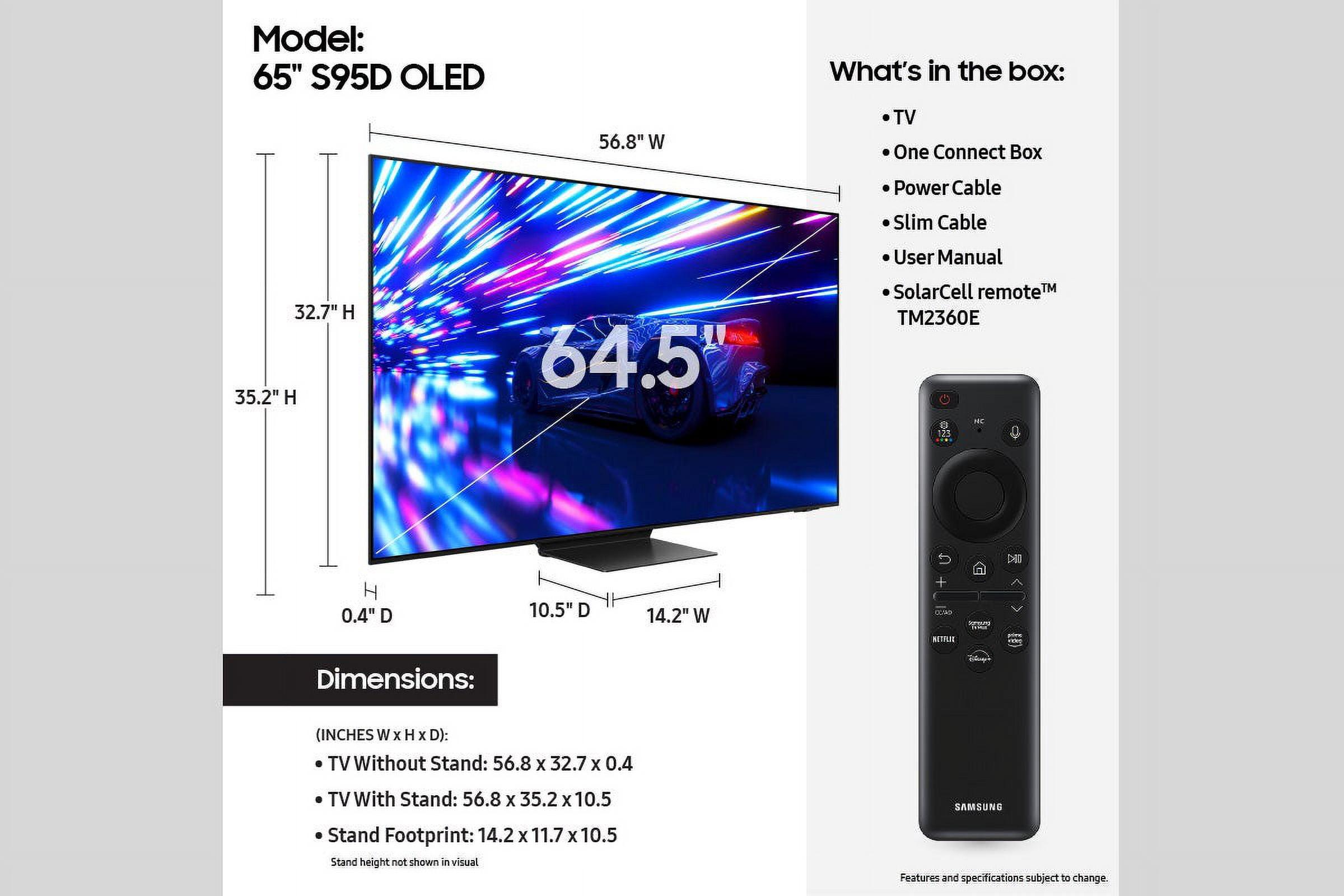
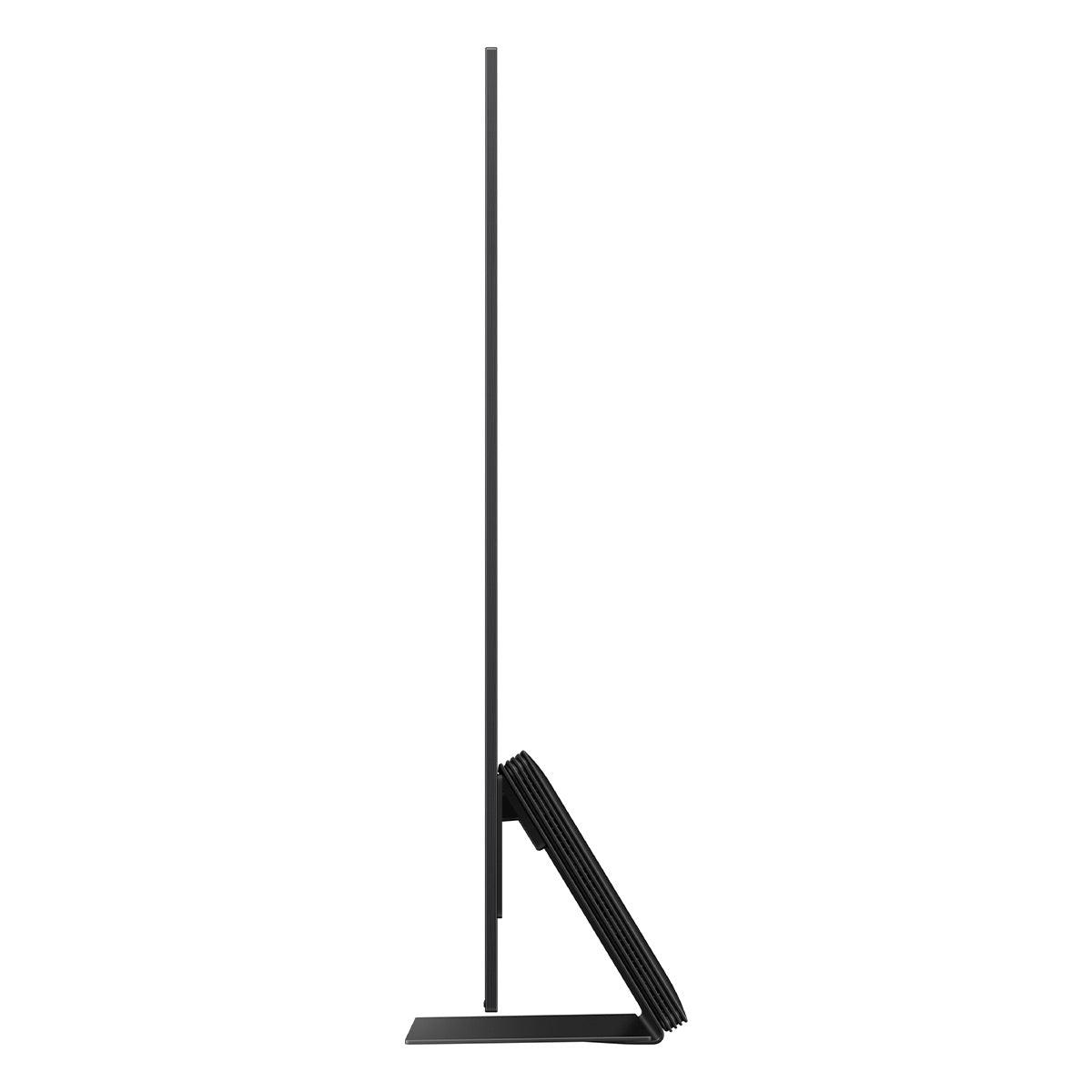
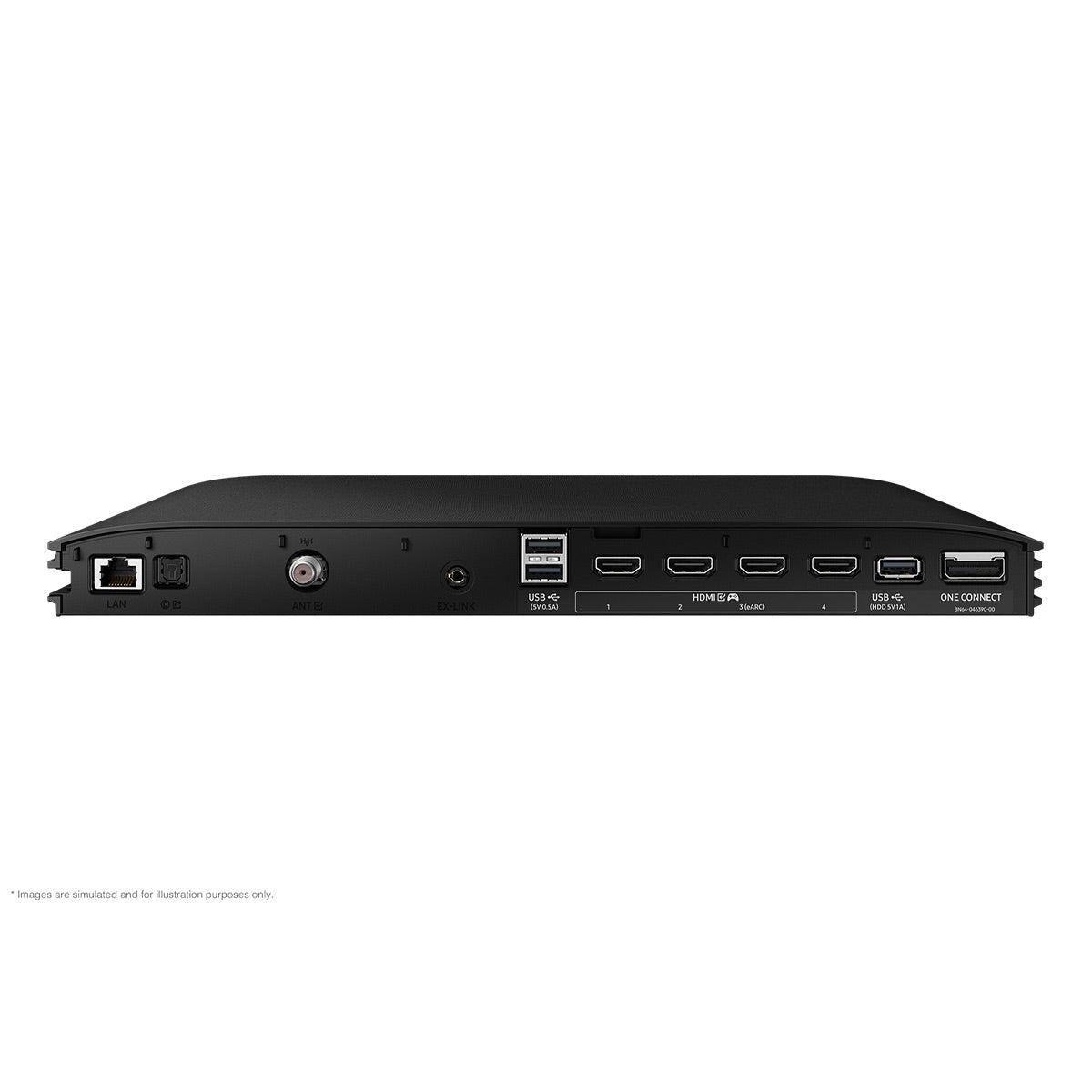
The S95D includes Samsung's Slim One Connect Box—an external unit housing all HDMI ports, power connections, and processing components. This design allows the TV panel itself to be remarkably thin (just 11mm) and makes wall mounting cleaner since only a single thin cable connects to the TV. When inputs need changing or troubleshooting, the One Connect Box provides easy access without reaching behind a wall-mounted display.
Voice control works through Bixby, Amazon Alexa, and Google Assistant on both models, though the S95D's superior built-in speakers make voice commands more reliable during loud scenes.
Neither TV supports Dolby Vision, which is worth noting since many streaming services and 4K Blu-rays use this HDR format. Both support HDR10+, Samsung's preferred HDR standard, but the lack of Dolby Vision represents a limitation compared to some competitors, particularly at the S95D's premium price point.
Built-in TV speakers rarely impress, but there's a clear hierarchy here. The Q6F includes basic 2-channel speakers with 20W total power, adequate for dialogue and casual viewing but lacking depth for movie soundtracks or music.
The S95D features a more sophisticated 4.2.2 channel system with 70W total power, including Object Tracking Sound+ technology that attempts to match audio direction with on-screen action. Dolby Atmos support provides enhanced spatial audio when available. While still not replacing a dedicated sound system, the S95D's speakers offer noticeably better clarity, bass response, and overall dynamics.
For serious home theater setups, both TVs support external soundbars and audio systems, though the S95D's additional HDMI ports and eARC support provide more flexibility for complex audio configurations.
The construction differences reflect each TV's market positioning. The Q6F uses standard plastic housing with a conventional central stand, prioritizing function over form while keeping costs reasonable. Cable management is basic, requiring careful routing of multiple cables to maintain a clean appearance.
The S95D represents Samsung's premium design philosophy. The ultra-thin profile, minimal bezels, and sophisticated stand create a more furniture-like appearance. The One Connect Box eliminates cable clutter, contributing to a cleaner installation whether wall-mounted or on a stand.
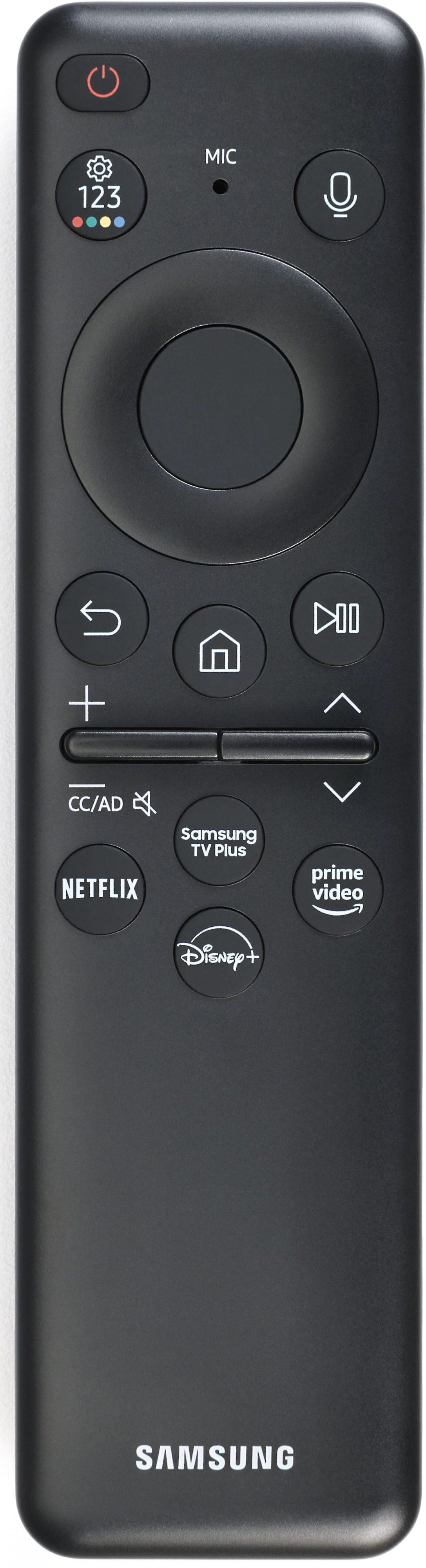
Both TVs include Samsung's SolarCell remote, which recharges via solar power or USB-C, reducing battery waste—a thoughtful environmental consideration across Samsung's 2024-2025 lineup.
When evaluating TV performance, several metrics deserve priority attention. Peak brightness determines HDR impact and daytime viewing quality. The S95D significantly outperforms the Q6F here, delivering highlights that truly pop during HDR content.
Contrast ratio measures the difference between the brightest whites and darkest blacks a display can produce. The Q6F's edge-lit design achieves roughly 3,000:1 contrast, while the S95D's OLED technology provides infinite contrast since pixels can turn completely off.
Color gamut refers to the range of colors a display can reproduce. Both TVs cover the DCI-P3 color space used for 4K content, but the S95D's quantum dot enhancement extends its capabilities into colors the Q6F simply cannot display.
Input lag directly affects gaming responsiveness, where the S95D's ~9ms significantly beats the Q6F's adequate but slower response times.
For dedicated home theater environments, the choice becomes more complex than pure specifications suggest. The S95D delivers superior picture quality in dark rooms, with perfect blacks and exceptional color creating cinema-like experiences that justify its premium pricing for enthusiasts.
However, many home theaters aren't perfectly dark. Ambient lighting from rope lights, sconces, or even street lights filtering through windows can trigger the S95D's matte coating trade-offs. In these situations, the dramatic picture quality advantage diminishes.
The Q6F provides consistent performance regardless of lighting conditions, making it predictable if not exceptional. For casual movie watching or situations where budget constraints are paramount, it delivers adequate 4K performance without requiring room modifications.
Based on extensive research into professional reviews and user feedback, clear usage scenarios emerge for each model. The Q6F excels as a secondary TV, guest room display, or primary TV where budget is the controlling factor. Its picture quality satisfies casual viewing needs while providing access to Samsung's ecosystem and quantum dot color enhancement at accessible pricing.
The S95D targets enthusiasts willing to invest in cutting-edge display technology. If you prioritize picture quality above all else and can accommodate its price point, the performance gains are substantial. Gaming enthusiasts, movie buffs, and anyone dealing with bright room glare will find the S95D's advanced features genuinely beneficial.
The decision often comes down to expectations versus budget reality. The Q6F won't disappoint viewers upgrading from older 1080p displays or basic 4K models, while the S95D sets a new standard that makes other displays look dated by comparison.
Consider the Q6F if you need basic 4K smart TV functionality, have controlled lighting conditions, game casually, or simply want Samsung quality at entry-level pricing. Choose the S95D if picture quality is your top priority, you have challenging bright room conditions, you're a serious gamer, or you want a TV that will remain relevant for years as content and gaming evolve.
At the time of writing, the price gap between these models reflects genuinely different performance tiers rather than marketing positioning. Your choice should align with both your current needs and how long you expect to keep your next TV.
| Samsung 65" QLED Q6F 4K Smart TV 2025 | Samsung 65" S95D 4K OLED Smart TV |
|---|---|
| Display Technology - The foundation that determines picture quality ceiling | |
| Edge-lit LED with Quantum Dots | QD-OLED with individual pixel control |
| Contrast Ratio - Critical for dark scene detail and HDR impact | |
| ~3,000:1 (grays instead of blacks due to always-on backlight) | Infinite contrast (perfect blacks with pixels turning completely off) |
| Peak Brightness - Determines HDR performance and daytime viewing | |
| Moderate brightness adequate for controlled rooms | Exceptional OLED brightness with outstanding HDR highlights |
| Refresh Rate - Essential for gaming and motion clarity | |
| 60Hz (basic motion handling) | 144Hz (ultra-smooth gaming and motion) |
| Gaming Features - Important for console gaming experience | |
| Basic Auto Game Mode, acceptable input lag | 4K@144Hz, VRR, ultra-low 9ms input lag, Auto AI optimization |
| Screen Finish - Affects usability in bright rooms | |
| Standard glossy finish (visible reflections) | Revolutionary matte "Glare Free" coating (eliminates reflections but grays blacks in bright rooms) |
| Local Dimming - Controls backlight precision for better contrast | |
| None (edge-lit limitation) | Per-pixel control (perfect local dimming) |
| Color Performance - Impacts vibrancy and accuracy | |
| Quantum Dot enhanced colors, good saturation | Outstanding color volume with quantum dot + OLED combination |
| Audio System - Built-in sound quality | |
| 2-channel 20W basic speakers | 70W 4.2.2 channels with Object Tracking Sound+ and Dolby Atmos |
| Smart Platform - User interface and app performance | |
| Samsung Tizen OS with standard processing | Samsung Tizen OS with faster processing and One Connect Box |
| Premium Features - Advanced technologies and conveniences | |
| Basic quantum dot enhancement | Slim One Connect Box, AI processing, premium design |
| HDR Format Support - Compatibility with streaming and disc content | |
| HDR10, HDR10+ (no Dolby Vision) | HDR10, HDR10+ (no Dolby Vision - limitation at this price point) |
| Best Use Cases - Who should consider each model | |
| Budget-conscious buyers, secondary TVs, controlled lighting rooms | Home theater enthusiasts, bright rooms with glare, serious gamers, premium experience seekers |
The biggest difference is display technology. The Samsung Q6F uses traditional LED backlighting with quantum dots, while the Samsung S95D features advanced OLED technology where each pixel produces its own light. This means the S95D can achieve perfect blacks and infinite contrast, while the Q6F will show gray instead of true black in dark scenes.
The Samsung S95D is significantly better for gaming. It offers 144Hz refresh rate, ultra-low 9ms input lag, Variable Refresh Rate (VRR), and 4K@144Hz support for next-gen consoles. The Samsung Q6F is limited to 60Hz with basic gaming features, making it suitable only for casual gaming.
The Samsung S95D has a revolutionary advantage with its matte "Glare Free" coating that virtually eliminates reflections from windows and lights. However, this coating causes blacks to appear gray in very bright rooms. The Samsung Q6F has a standard glossy screen that will show reflections but maintains consistent picture quality regardless of room brightness.
The Samsung S95D delivers dramatically superior picture quality for movies. Its OLED technology provides perfect blacks, infinite contrast, and exceptional color volume that creates a cinema-like experience. The Q6F offers adequate picture quality but cannot match the depth and realism of OLED technology, especially during dark movie scenes.
The Samsung S95D excels in dedicated home theater environments with its perfect blacks, exceptional HDR performance, and premium audio system. The Samsung Q6F works for basic home theater needs but lacks the contrast and color performance that home theater enthusiasts typically want. However, both TVs lack Dolby Vision support, which some home theater users consider essential.
Both the Samsung Q6F and Samsung S95D run Samsung's Tizen operating system with access to the same streaming apps. The key difference is that the S95D includes a Slim One Connect Box that houses all inputs separately from the TV, making installation cleaner and providing easier access to ports.
The Samsung S95D has significantly better audio with its 70W 4.2.2 channel system featuring Object Tracking Sound+ and Dolby Atmos support. The Samsung Q6F includes basic 2-channel 20W speakers that are adequate for dialogue but lack depth for movies and music.
This depends on your budget and priorities. The Samsung Q6F offers excellent value for basic 4K smart TV needs at an affordable price point. The Samsung S95D provides premium value for those willing to invest in cutting-edge display technology, though it commands a significantly higher price.
Neither the Samsung Q6F nor Samsung S95D supports Dolby Vision, which is a notable limitation. Both support HDR10 and HDR10+, Samsung's preferred HDR format. This means some streaming content and 4K Blu-rays won't display in their optimal HDR format.
The Samsung S95D is superior for sports due to its 144Hz refresh rate and near-instantaneous pixel response that eliminates motion blur. The Q6F includes Motion Xcelerator technology that helps with sports viewing, but it cannot match the motion clarity of OLED technology.
The Samsung S95D excels in dark rooms with its perfect black levels and infinite contrast creating an immersive viewing experience. The Samsung Q6F shows gray instead of black in dark scenes due to its edge-lit backlighting, which reduces the impact of dark movie scenes and nighttime content.
Choose the Samsung Q6F if you want basic 4K smart TV functionality at an affordable price and have controlled lighting. Select the Samsung S95D if you prioritize picture quality, have challenging bright room conditions with glare issues, are a serious gamer, or want premium features and are willing to invest in flagship display technology.
We've done our best to create useful and informative comparisons to help you decide what product to buy. Our research uses advanced automated methods to create this comparison and perfection is not possible - please contact us for corrections or questions. These are the sites we've researched in the creation of this article: tomsguide.com - bestbuy.com - samsung.com - rtings.com - youtube.com - rtings.com - bestbuy.com - samsung.com - samsung.com - samsung.com - manuals.plus - shopjetson.com - samsung.com - samsung.com - samsung.com - samsung.com - bestbuy.com - jefflynch.com - techradar.com - videoandaudiocenter.com - avsforum.com - cnet.com - abt.com - merlinstv.com - nfm.com - rtings.com - flintsfurniture.com - samsung.com - bestbuy.com - displayspecifications.com

Privacy Policy
Terms and Conditions - Affiliate Policy
Home Security
© Copyright 2008-2026.
11816 Inwood Rd #1211, Dallas, TX 75244