

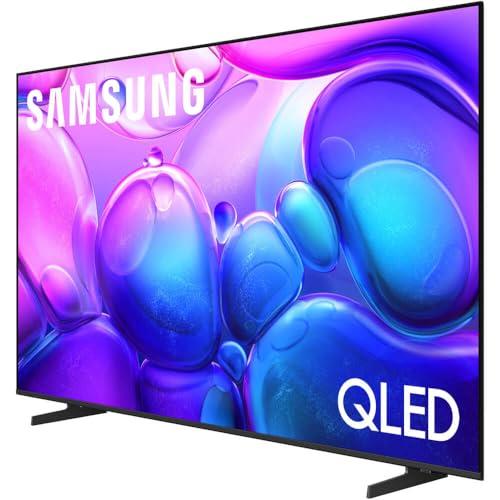
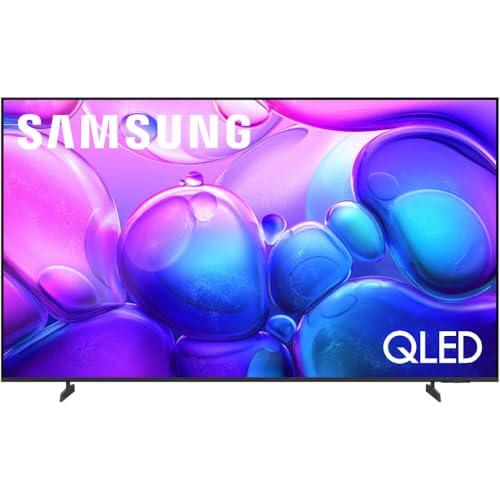


Shopping for a premium 65" TV in 2024 means navigating a minefield of marketing terms, confusing specs, and wildly different price points. Two TVs that perfectly illustrate this challenge are the Samsung Q6F and TCL QM8K – both labeled as "QLED" TVs, but representing completely different approaches to delivering big-screen entertainment.
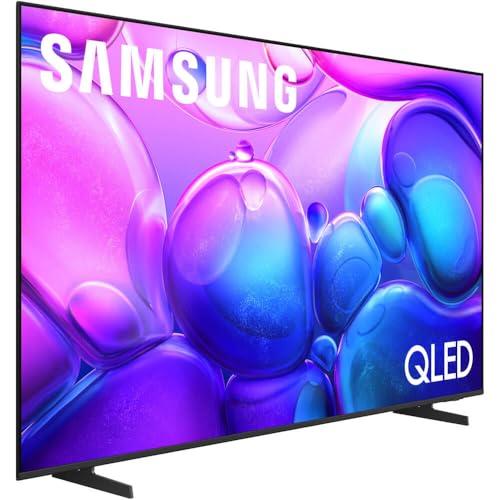
The Samsung Q6F launched in 2025 as Samsung's entry-level QLED offering, designed to bring quantum dot technology to budget-conscious buyers. Meanwhile, the TCL QM8K, also released in 2025, represents TCL's flagship Mini LED approach, packing premium features typically found in TVs costing significantly more. At the time of writing, these TVs sit at opposite ends of the price spectrum – the Samsung often available for under $500 during promotions, while the TCL commands a premium price around $1,500.
Before diving into specifics, it's crucial to understand what "QLED" really means and why not all QLED TVs are created equal. QLED stands for "Quantum Dot Light Emitting Diode," but here's the thing – these aren't actually self-emitting displays like OLED. Instead, QLED TVs use a layer of quantum dots (microscopic crystals) placed over a traditional LED backlight to enhance color reproduction.
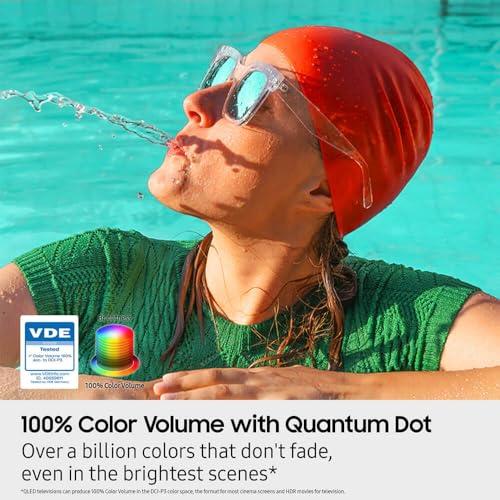
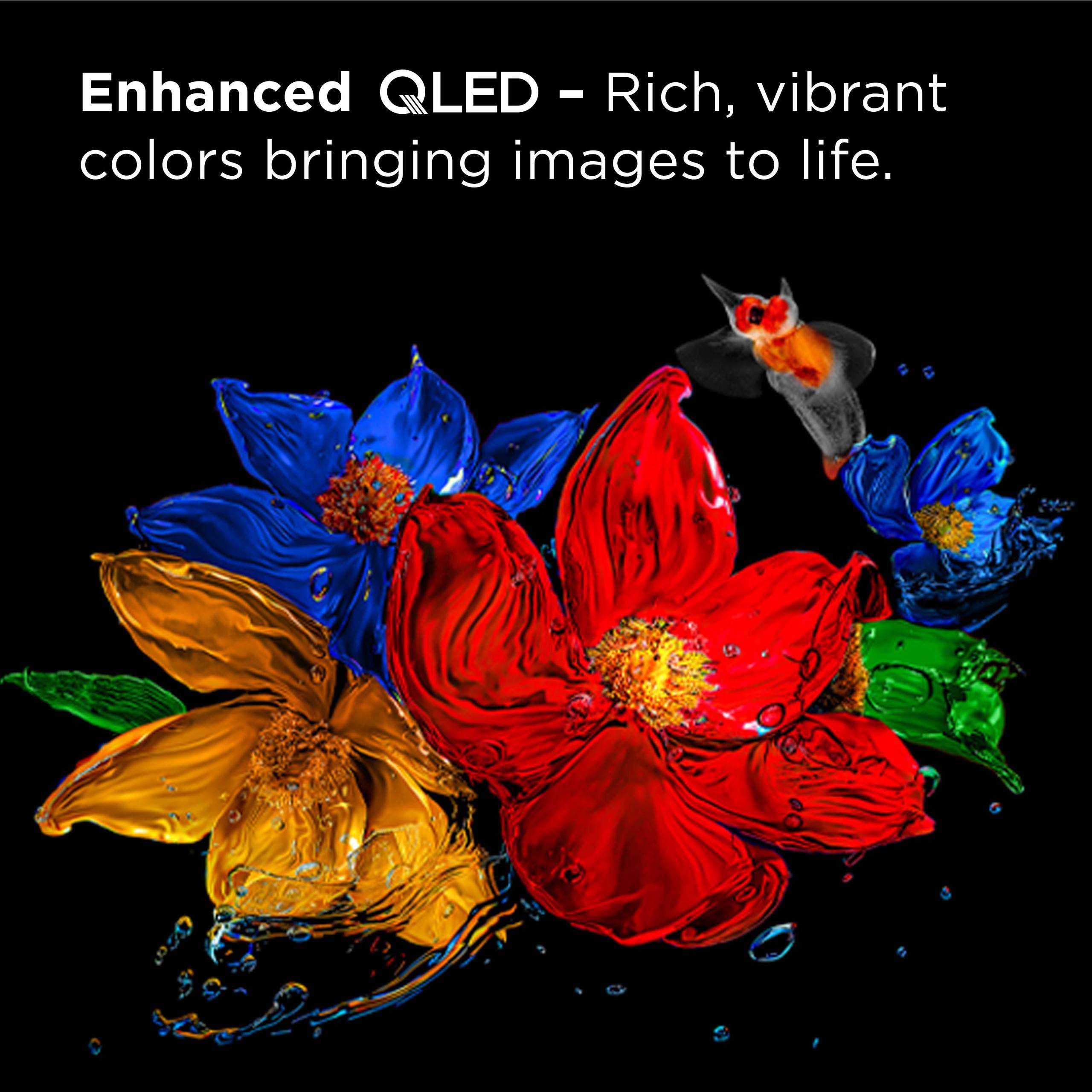
Think of quantum dots as tiny color filters that can produce incredibly pure colors when hit with blue light. This technology allows QLED TVs to display a wider range of colors than standard LCD TVs, particularly vibrant reds and greens. Both the Samsung Q6F and TCL QM8K use quantum dot technology, but their implementations differ dramatically in sophistication and performance.
The real differentiator in modern QLED TVs isn't the quantum dots themselves – it's the backlighting system behind them. This is where these two TVs diverge completely, and why their performance characteristics are worlds apart despite sharing the QLED label.
The most fundamental difference between the Samsung Q6F and TCL QM8K lies in how they illuminate the screen. The Samsung uses traditional LED backlighting with what Samsung calls "UHD Dimming" – essentially software-based contrast enhancement without actual local dimming zones. This means the entire backlight (or large sections of it) brighten and dim together, making it impossible to have bright highlights next to deep blacks in the same scene.
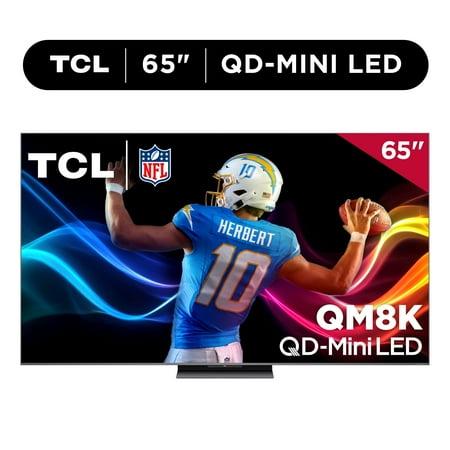
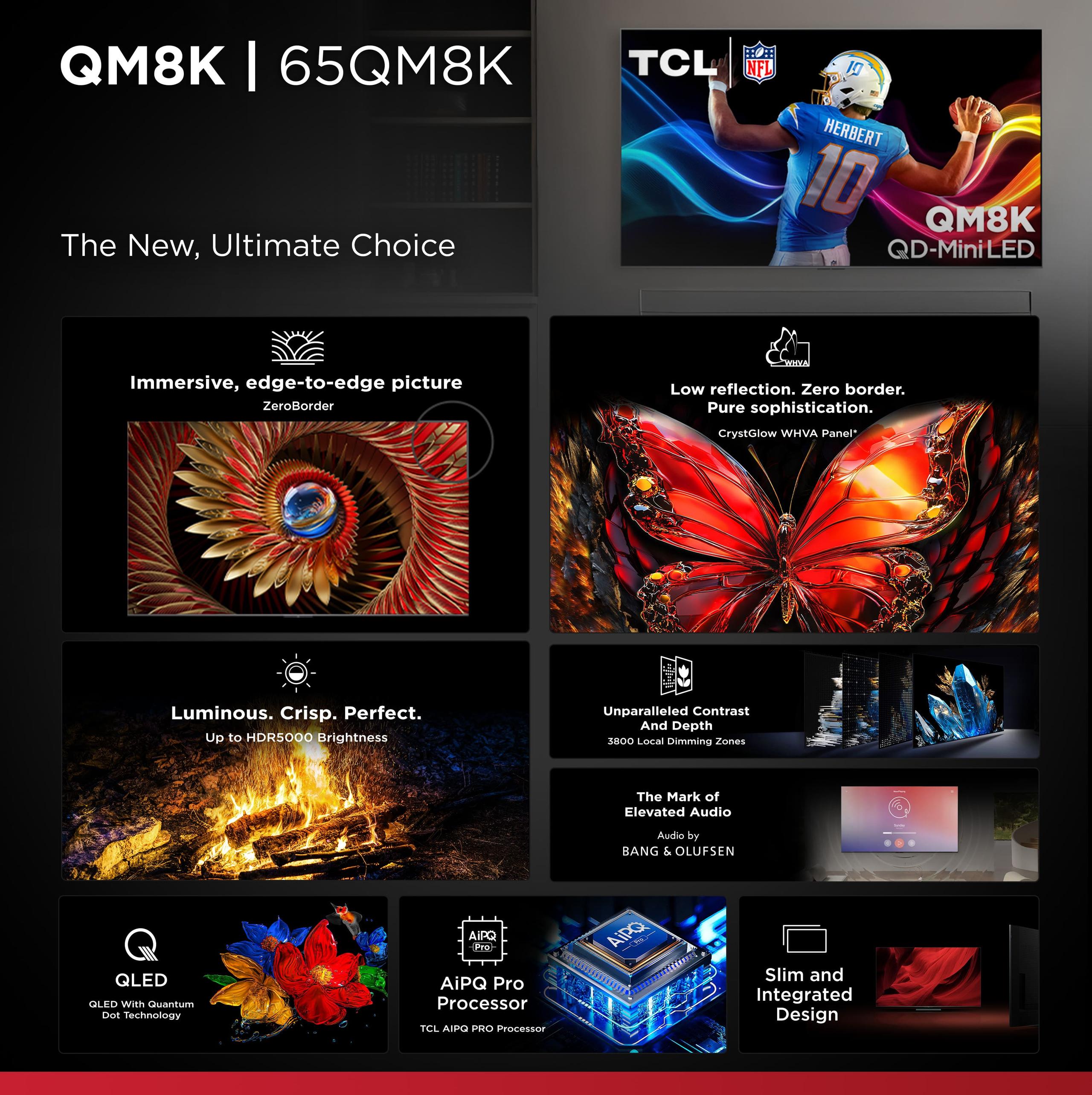
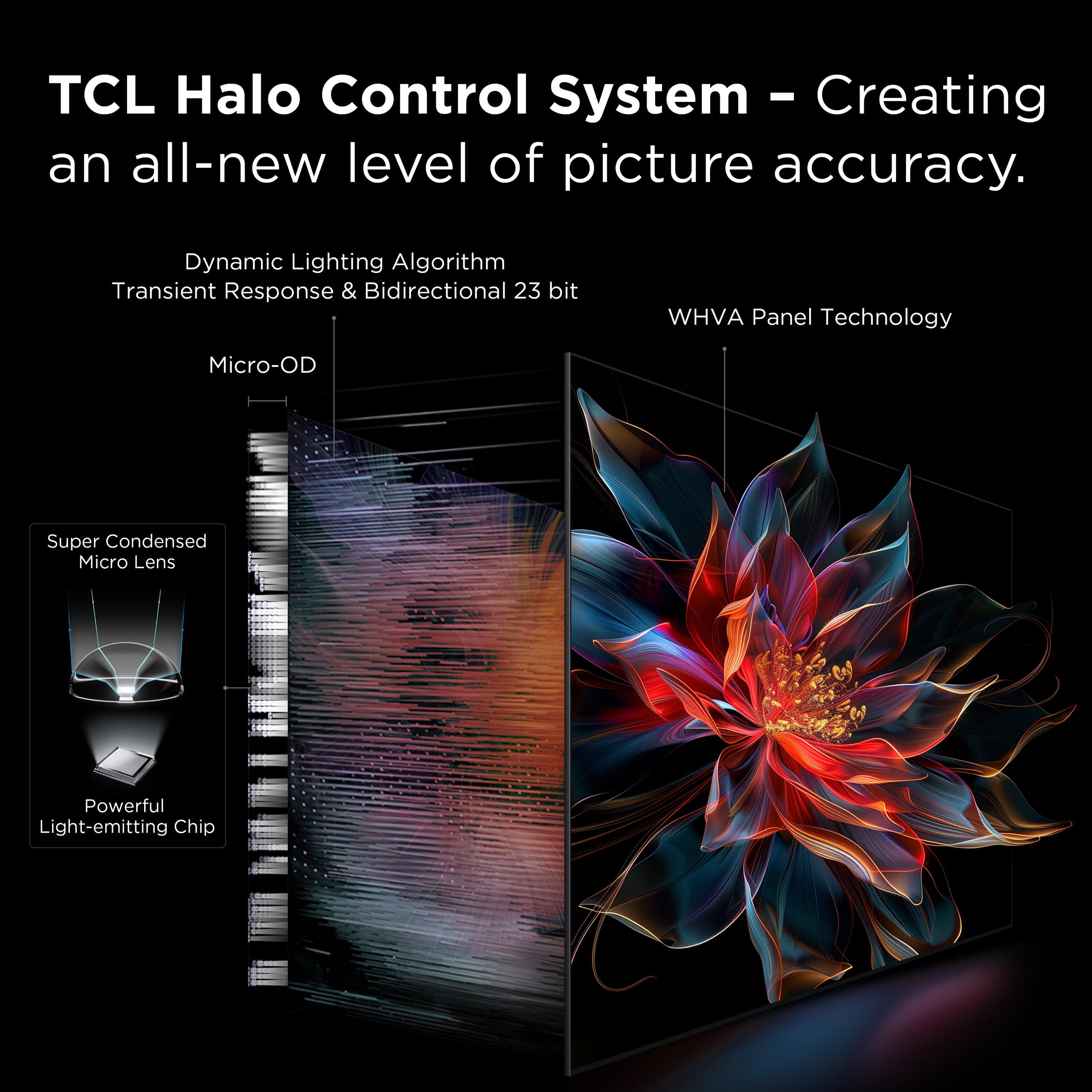
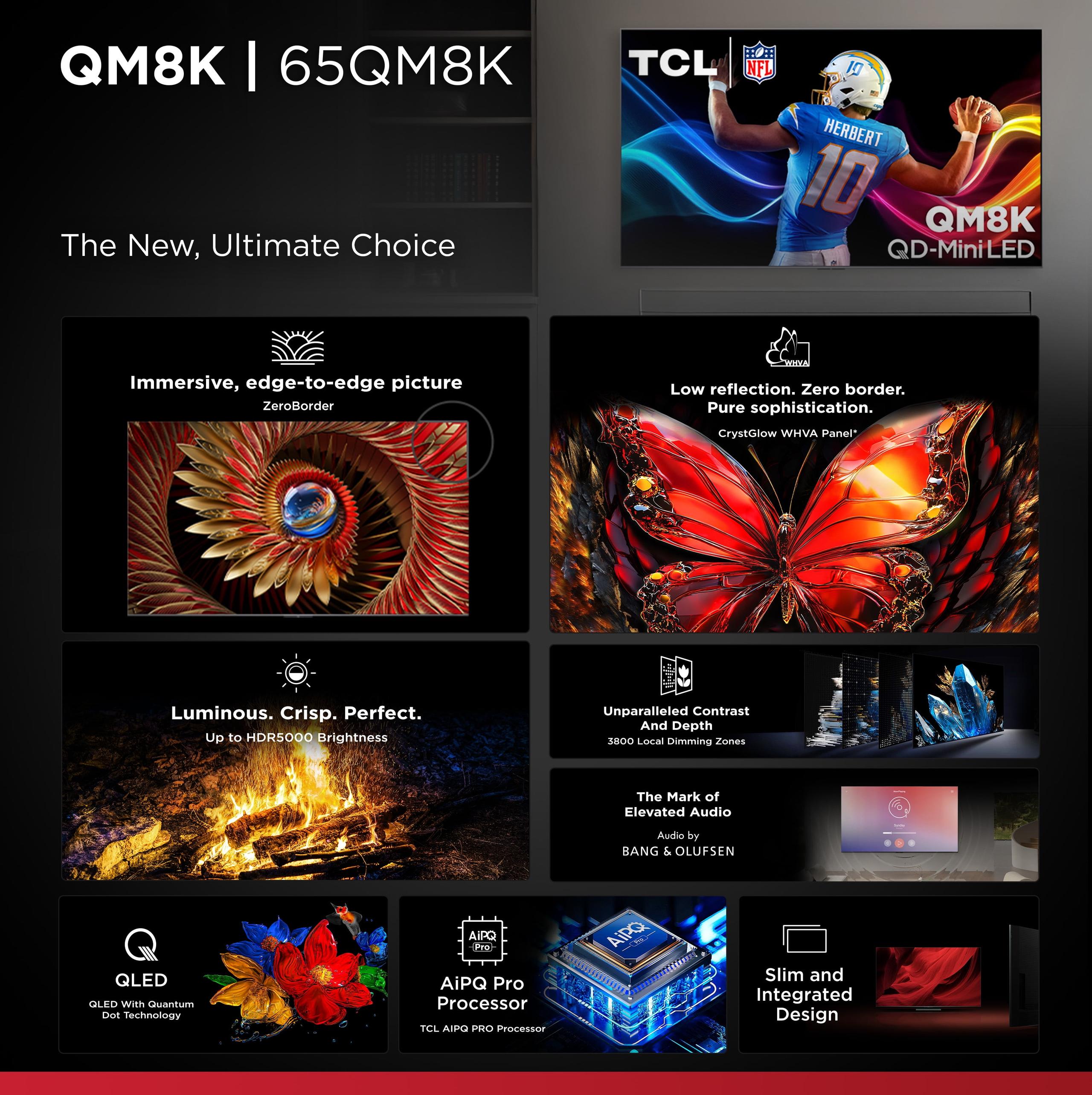
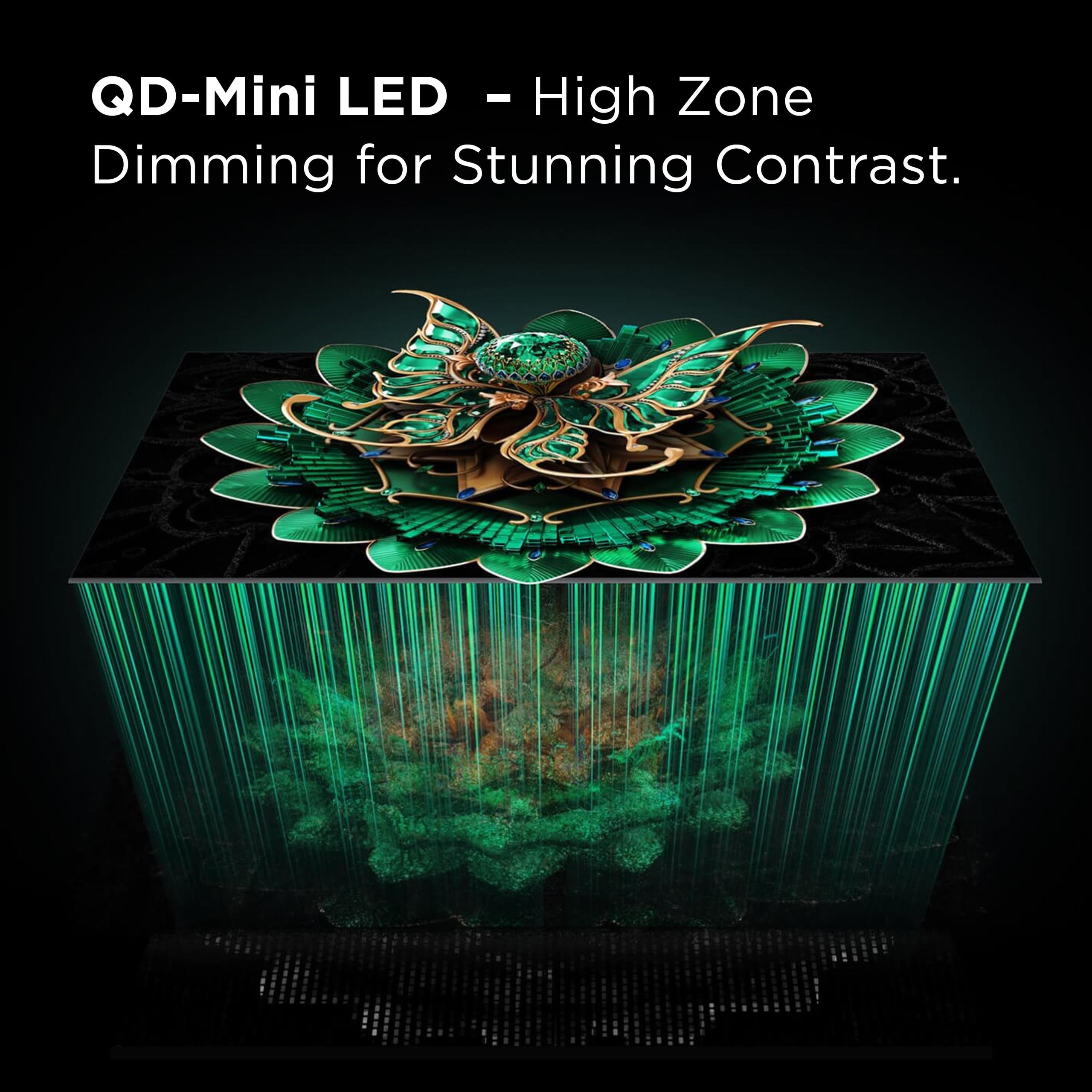
The TCL QM8K, on the other hand, employs Mini LED backlighting with full-array local dimming. Mini LEDs are exactly what they sound like – much smaller LEDs than traditional backlights, allowing TV manufacturers to pack thousands of them behind the screen. The QM8K features up to 3,800 individual dimming zones, each capable of independent brightness control.
This difference is absolutely crucial for picture quality. When watching a movie scene with stars in a dark sky, the Samsung Q6F might struggle to display deep blacks without making the stars appear dim and washed out. The TCL QM8K can keep the sky perfectly black while making the stars brilliantly bright – that's the power of precise local dimming control.
Based on our research of professional reviews and measurements, the contrast difference is dramatic. The TCL QM8K achieves native contrast ratios exceeding 7,000:1, while the Samsung Q6F relies on software enhancement to improve its more modest native contrast. In real-world viewing, this translates to the TCL delivering more dramatic, cinema-like imagery with deeper blacks and brighter highlights.
Peak brightness capability represents another area where these TVs diverge significantly. The TCL QM8K can reach up to 5,000 nits in small highlight areas – that's approaching the brightness of direct sunlight and among the highest available in consumer TVs. Professional review measurements consistently show the QM8K maintaining impressive brightness even in larger areas of the screen, with some tests recording over 3,600 nits in accurate picture modes.
The Samsung Q6F, being an entry-level model, achieves much more modest brightness levels suitable for standard viewing but nowhere near the TCL's capabilities. This brightness difference matters enormously for HDR (High Dynamic Range) content, which is designed to take advantage of extreme brightness levels to create more realistic imagery.
HDR content mastered for theaters can contain highlights at 1,000, 4,000, or even 10,000 nits. The TCL QM8K can actually display most of this range accurately, while the Samsung Q6F must compress these highlights into its lower brightness range, losing the intended visual impact. If you're serious about getting the full HDR experience from Netflix, Disney+, or 4K Blu-rays, this brightness difference is non-negotiable.
The TCL also supports Dolby Vision IQ, which uses dynamic metadata to optimize each scene individually, while the Samsung is limited to HDR10+ support. Both formats provide scene-by-scene optimization, but Dolby Vision is generally considered superior and more widely supported by streaming services.
Gaming performance represents perhaps the starkest difference between these TVs, especially if you own a PlayStation 5, Xbox Series X, or high-end gaming PC. The Samsung Q6F features a 60Hz native refresh rate with Motion Xcelerator technology for motion interpolation. While this creates smoother motion for movies and TV shows, it doesn't provide the high refresh rate gaming that next-generation consoles support.
The TCL QM8K offers a native 144Hz refresh rate panel that can display 120Hz signals from modern consoles and up to 288Hz variable refresh rate for PC gaming. This higher refresh rate means smoother gameplay, especially in fast-paced shooters or racing games where every frame counts. Professional gaming tests show the TCL achieving input lag as low as 5.7 milliseconds – essentially imperceptible delay between controller input and on-screen action.
Variable Refresh Rate (VRR) support is another crucial gaming feature. VRR synchronizes the TV's refresh rate with the game's frame rate, eliminating screen tearing and stuttering that can occur when frame rates fluctuate. The Samsung Q6F lacks VRR support entirely, while the TCL QM8K supports multiple VRR standards including AMD FreeSync Premium.
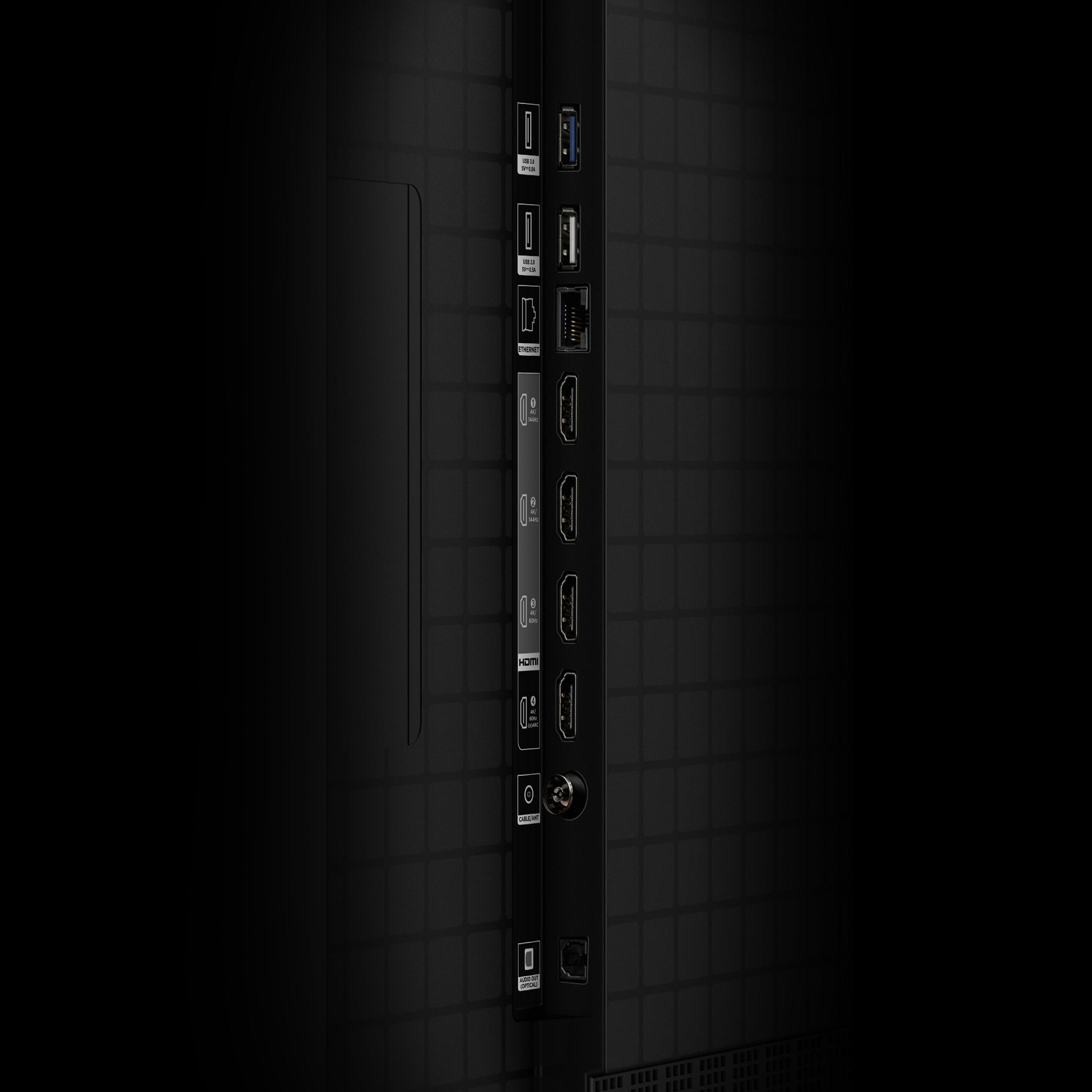
For HDMI connectivity, the Samsung provides three HDMI 2.1 ports but limits them to 4K at 60Hz, while the TCL offers two full HDMI 2.1 ports capable of true 4K at 120Hz gaming alongside two HDMI 2.0 ports for older devices. If you're planning to keep this TV for several years and want to take full advantage of current and future gaming systems, the TCL's gaming features are significantly more future-proof.
TV audio often gets overlooked in favor of external soundbars, but built-in speaker quality still matters for casual viewing and determines how much you might need to spend on audio upgrades. The Samsung Q6F features a basic 2-channel speaker system with 20W total output and Samsung's OTS Lite technology, which attempts to create directional sound effects by adjusting the audio mix.
The TCL QM8K includes a more sophisticated 2.1-channel system with a dedicated 15W subwoofer alongside two 10W main speakers, totaling 35W of audio power. More importantly, it supports Dolby Atmos and DTS Virtual:X, which create virtual surround sound effects that can make action movies more immersive even without additional speakers.
Having experienced both approaches, the TCL's audio system provides noticeably fuller sound with actual bass response, while the Samsung's speakers sound thin and tinny by comparison. The TCL's Bang & Olufsen tuning also helps create a more balanced sound profile across different content types. Neither system replaces a good soundbar for serious home theater use, but the TCL requires less urgency in planning audio upgrades.
The smart TV experience differs significantly between these models. The Samsung Q6F runs Samsung's Tizen operating system with their One UI interface, which integrates seamlessly with other Samsung devices and includes Samsung TV Plus with over 1,200 free streaming channels. The interface is clean and responsive, though app selection can be more limited compared to Android-based systems.
The TCL QM8K uses Google TV (based on Android 12), which offers broader app compatibility and deeper integration with Google services. The interface provides personalized content recommendations across multiple streaming services and includes native Google Assistant voice control. Google TV generally receives faster app updates and supports more niche streaming services than Tizen.
Both platforms support major streaming apps like Netflix, Disney+, Amazon Prime Video, and YouTube, but Google TV's Android foundation means better long-term app support and more flexibility for power users who want to sideload applications.
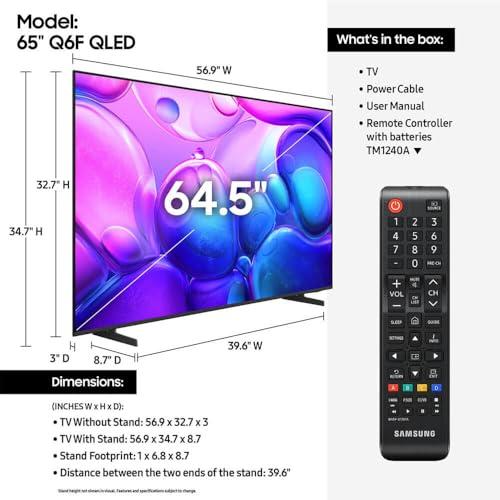
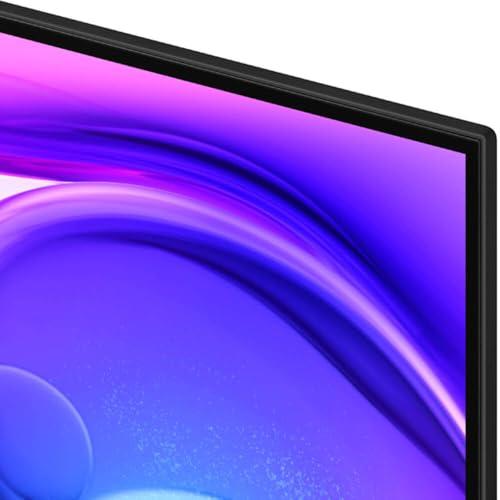
The Samsung Q6F emphasizes Samsung's design philosophy with a "Metal Stream" aesthetic featuring minimal bezels on three sides and a sleek profile. The TV measures just 2.57cm thick and weighs 49.4 pounds without the stand, making it suitable for wall mounting in modern living spaces.
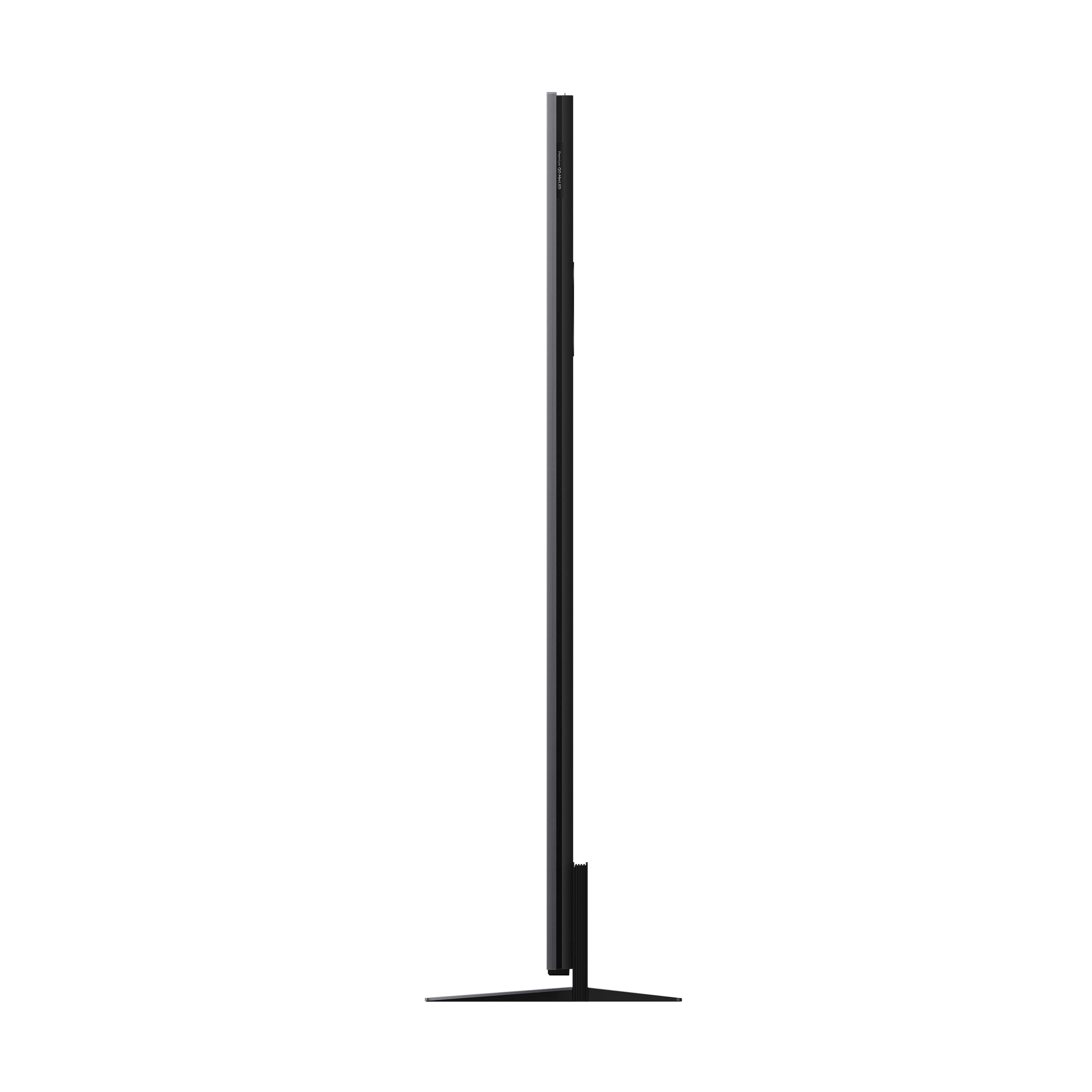
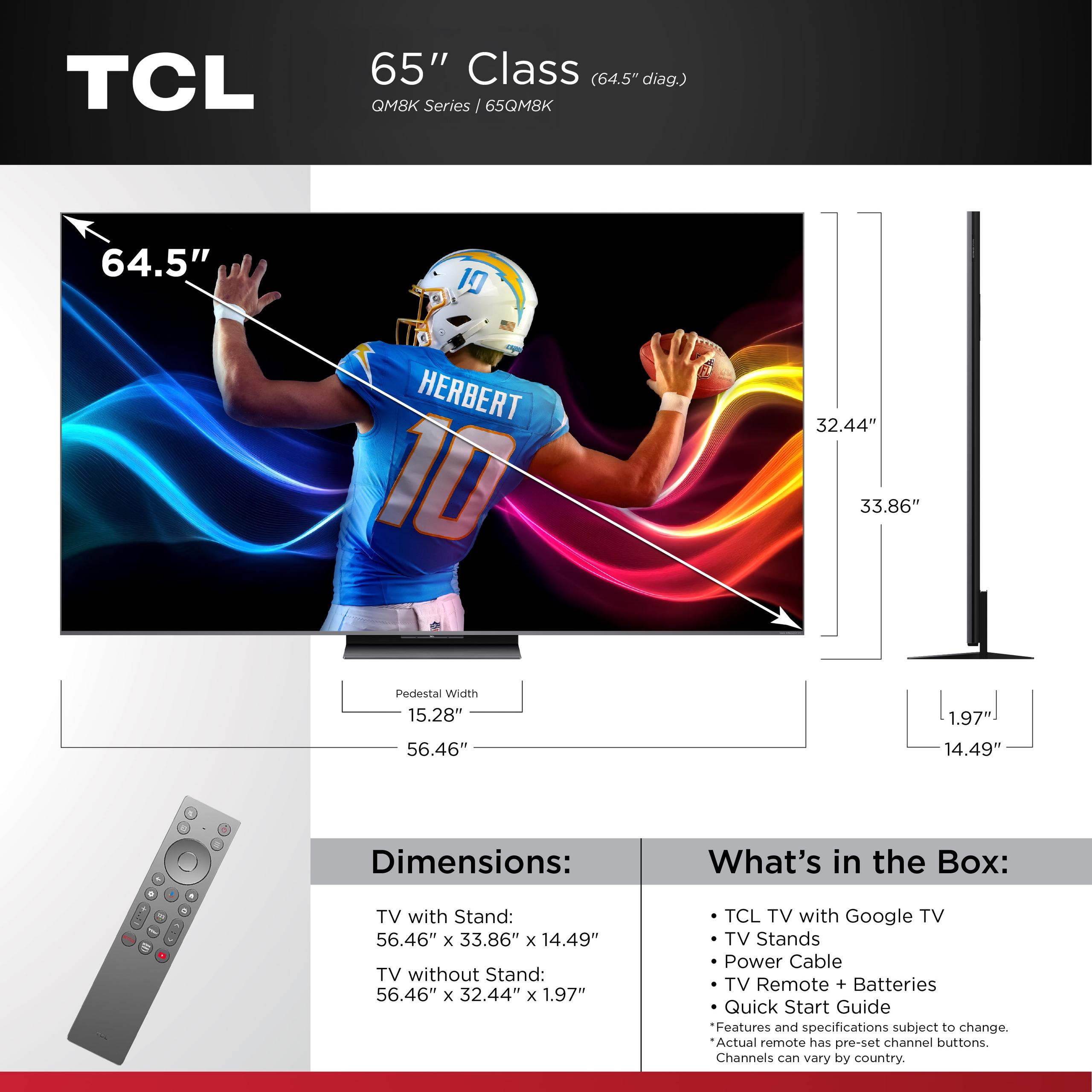
The TCL QM8K is necessarily thicker at 6.9cm due to its Mini LED backlight array, but still maintains a premium appearance with its "ZeroBorder" design that minimizes visible bezels. The additional thickness is a reasonable trade-off for the dramatically improved picture quality, though it's worth considering if you're planning a flush wall mount installation.
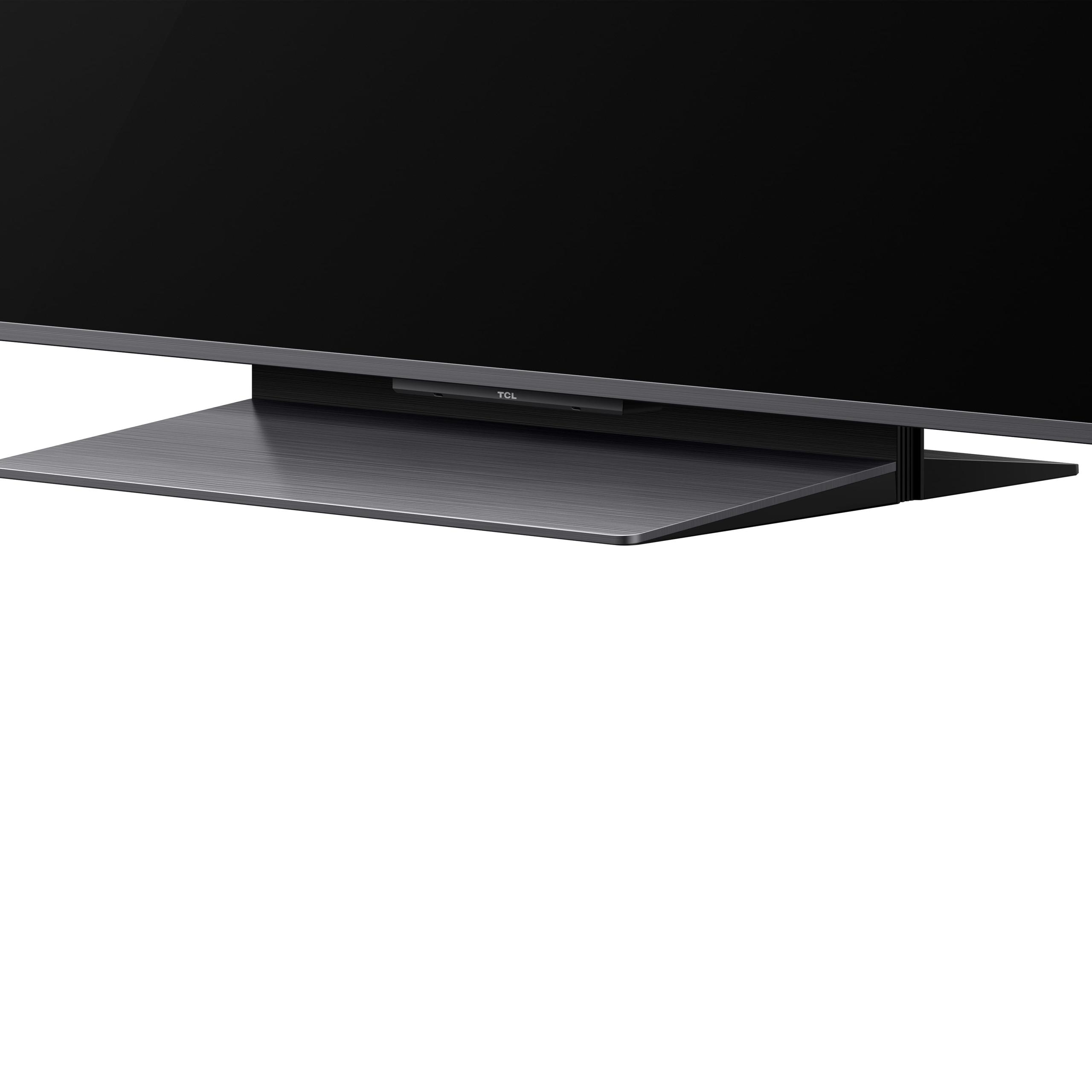
Both TVs include height-adjustable stands, but the TCL's stand offers more flexibility with two different height settings to accommodate soundbar placement underneath the screen.
For dedicated home theater use, the TCL QM8K clearly emerges as the superior choice. Its combination of high brightness, precise local dimming, and Dolby Vision support creates a viewing experience that approaches what you'd get from professional projection systems. The Mini LED backlighting provides the contrast control necessary for proper HDR reproduction in both dark and bright viewing environments.
The Samsung Q6F can certainly serve in a home theater setting, particularly if budget constraints are paramount, but it lacks the dynamic range and contrast control that make movie watching truly cinematic. Its limited brightness means HDR content won't have the impact it should, and the lack of local dimming becomes more noticeable during extended viewing sessions with varied content.
The Samsung Q6F makes sense for specific scenarios. If you're deeply invested in Samsung's ecosystem with Galaxy phones, SmartThings devices, and Samsung soundbars, the integration benefits are genuinely valuable. It's also appropriate for casual viewing in bright rooms where the lack of deep blacks isn't as noticeable, or as a secondary TV where picture quality isn't the primary concern.
Budget considerations obviously play a role – at the time of writing, the Samsung often retails for under $500 during sales, making it an exceptional value for quantum dot technology. If your primary use is streaming standard content and casual gaming with older consoles, the Samsung provides Samsung build quality and smart TV features at an entry-level price.
The TCL QM8K targets users who prioritize performance over brand loyalty and ecosystem integration. If you own next-generation gaming consoles, watch a lot of HDR content, or want a TV that will remain competitive for many years, the TCL's advanced feature set justifies its premium pricing. It's particularly compelling for anyone building a dedicated home theater or media room where picture quality directly impacts the experience.
Gaming enthusiasts should strongly consider the TCL, as its 120Hz gaming support and comprehensive VRR implementation provide clear advantages for current and future gaming systems. The brightness capabilities also make it suitable for bright rooms where many TVs struggle to maintain image quality.
These TVs represent fundamentally different approaches to the QLED concept. The Samsung Q6F delivers Samsung's ecosystem integration and quantum dot color at an entry-level price point, making advanced display technology accessible to budget-conscious buyers. It's a solid choice for users who prioritize smart TV features, design aesthetic, and brand familiarity over raw performance.
The TCL QM8K demonstrates how newer manufacturers can deliver flagship-level performance at competitive prices by focusing on core display technology rather than ecosystem integration. Its Mini LED implementation rivals displays costing significantly more from traditional premium brands, making it an outstanding value for performance-focused buyers.
At the time of writing, the price difference between these models is substantial but reflects their different market positions. The Samsung serves as an entry point into quantum dot technology with respectable performance for casual use. The TCL provides genuine flagship performance that competes with premium models from Sony and Samsung while typically costing less.
For most buyers seeking a long-term TV purchase in 2024, the TCL QM8K represents better future-proofing with its advanced gaming features, superior HDR performance, and comprehensive connectivity options. However, the Samsung Q6F serves specific needs around budget constraints and ecosystem integration that shouldn't be dismissed.
The choice ultimately depends on your priorities: ecosystem integration and budget-conscious quantum dot technology (Samsung) versus cutting-edge display performance and comprehensive gaming features (TCL). Both represent solid value propositions within their respective market segments.
| Samsung 65" QLED Q6F 4K Smart TV 2025 | TCL 65" QM8K Series QD-Mini LED 4K Smart TV |
|---|---|
| Backlighting Technology - Foundation of picture quality and contrast performance | |
| Basic edge-lit/direct-lit LED with software UHD Dimming | Mini LED with up to 3,800+ local dimming zones |
| Peak Brightness - Critical for HDR impact and bright room viewing | |
| Standard LED brightness (adequate for normal viewing) | Up to 5,000 nits (exceptional HDR performance) |
| Native Refresh Rate - Essential for smooth gaming and motion | |
| 60Hz with Motion Xcelerator interpolation | 144Hz native (120Hz gaming, up to 288Hz VRR) |
| Gaming Features - Next-gen console compatibility | |
| ALLM only, no VRR support, 4K@60Hz limit | 4K@120Hz, VRR, AMD FreeSync Premium, 5.7ms input lag |
| HDR Support - Enhanced contrast and color range | |
| HDR10+, Quantum HDR | Dolby Vision IQ, HDR10+, HDR10, HLG |
| Audio System - Built-in sound quality | |
| 2CH, 20W total with OTS Lite | 2.1CH, 35W total with subwoofer, Dolby Atmos |
| Smart TV Platform - App ecosystem and user experience | |
| Tizen Smart TV with Samsung TV Plus | Google TV (Android 12) with broader app support |
| HDMI Connectivity - Future-proofing for devices | |
| 3x HDMI 2.1 (limited to 4K@60Hz) | 2x HDMI 2.1 + 2x HDMI 2.0 (true 4K@120Hz) |
| Color Performance - Quantum dot implementation | |
| 100% Color Volume, VDE-certified quantum dots | 97% DCI-P3 color gamut with advanced quantum dot layer |
| Processor - Picture optimization and AI features | |
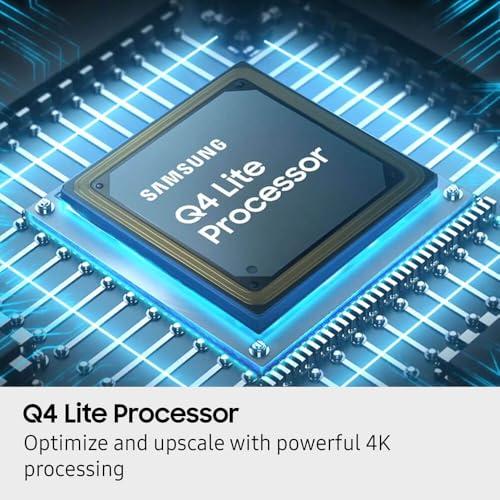
| Q4 Lite Processor (basic upscaling) | AiPQ Pro Processor (advanced AI scene optimization) |
| Wireless Connectivity - Network performance | |
| Wi-Fi 5, Bluetooth 5.3 | Wi-Fi 6, Bluetooth 5.4 |
| Design Profile - Aesthetic and mounting considerations | |
| 2.57cm thick, Metal Stream design | 6.9cm thick (accommodates Mini LED array) |
| Target Market - Best suited for | |
| Budget-conscious Samsung ecosystem users | Performance enthusiasts and serious gamers |
The biggest difference is backlighting technology. The Samsung Q6F uses basic LED backlighting with software dimming, while the TCL QM8K features advanced Mini LED backlighting with up to 3,800 local dimming zones. This gives the TCL dramatically better contrast, deeper blacks, and brighter highlights for a more cinematic picture quality.
The TCL QM8K is significantly better for next-gen gaming. It supports true 4K at 120Hz, has Variable Refresh Rate (VRR), and achieves 5.7ms input lag. The Samsung Q6F is limited to 60Hz gaming without VRR support, making it less suitable for taking full advantage of modern gaming consoles.
The Samsung Q6F runs Tizen Smart TV with excellent Samsung ecosystem integration and Samsung TV Plus free channels. The TCL QM8K uses Google TV (Android 12) which offers broader app compatibility and faster updates. Both support major streaming apps, but Google TV generally has better long-term app support.
The TCL QM8K achieves up to 5,000 nits peak brightness, making it exceptional for HDR content and bright room viewing. The Samsung Q6F reaches standard LED brightness levels that are adequate for normal viewing but can't match the TCL's HDR impact or performance in bright rooms.
The TCL QM8K is much better suited for home theater use due to its Mini LED backlighting, high brightness, Dolby Vision support, and superior contrast control. The Samsung Q6F can work in a home theater but lacks the dynamic range and local dimming needed for truly cinematic picture quality.
The TCL QM8K has superior built-in audio with a 2.1-channel system (35W total) that includes a subwoofer and Dolby Atmos support. The Samsung Q6F features a basic 2-channel system (20W total) with OTS Lite technology. Neither replaces a good soundbar, but the TCL sounds much fuller and more balanced.
This depends on your needs and budget. The Samsung Q6F offers exceptional value for basic quantum dot technology at an entry-level price point. The TCL QM8K provides flagship-level performance that typically costs more from premium brands, making it outstanding value for performance-focused buyers.
No, there's an important difference. The Samsung Q6F supports HDR10+ and Quantum HDR, while the TCL QM8K supports Dolby Vision IQ, HDR10+, HDR10, and HLG. Dolby Vision is generally considered superior and is more widely supported by streaming services like Netflix and Disney+.
The Samsung Q6F has 3 HDMI ports (all HDMI 2.1 but limited to 4K@60Hz) plus Wi-Fi 5 and Bluetooth 5.3. The TCL QM8K offers 4 HDMI ports (2 HDMI 2.1 + 2 HDMI 2.0) with true 4K@120Hz support, plus newer Wi-Fi 6 and Bluetooth 5.4 connectivity.
The Samsung Q6F has a 60Hz native refresh rate with Motion Xcelerator interpolation for smoother motion. The TCL QM8K features a true 144Hz native refresh rate that supports 120Hz gaming and up to 288Hz Variable Refresh Rate for PC gaming, providing genuinely smoother motion and gaming performance.
The TCL QM8K is much better for bright rooms due to its exceptional peak brightness of up to 5,000 nits, which can overcome ambient light and maintain picture quality. The Samsung Q6F has more modest brightness levels that may appear washed out in very bright viewing environments.
For long-term use, the TCL QM8K is more future-proof with its advanced gaming features, superior HDR performance, and comprehensive connectivity options. The Samsung Q6F is better if you prioritize Samsung ecosystem integration and want quantum dot technology at an entry-level price, but it may feel outdated sooner due to its limited gaming and HDR capabilities.
We've done our best to create useful and informative comparisons to help you decide what product to buy. Our research uses advanced automated methods to create this comparison and perfection is not possible - please contact us for corrections or questions. These are the sites we've researched in the creation of this article: samsung.com - samsung.com - youtube.com - rtings.com - samsung.com - bestbuy.com - manuals.plus - shopjetson.com - samsung.com - samsung.com - samsung.com - samsung.com - bestbuy.com - jefflynch.com - tomsguide.com - youtube.com - businessinsider.com - rtings.com - youtube.com - avsforum.com - avsforum.com - bestbuy.com - tcl.com - tcl.com - tcl.com - flatpanelshd.com - romomattressfurniture.com - brandsmartusa.com - pcrichard.com - tvsbook.com - tcl.com - youtube.com - prnewswire.com - tcl.com - tcl.com

Privacy Policy
Terms and Conditions - Affiliate Policy
Home Security
© Copyright 2008-2026.
11816 Inwood Rd #1211, Dallas, TX 75244