

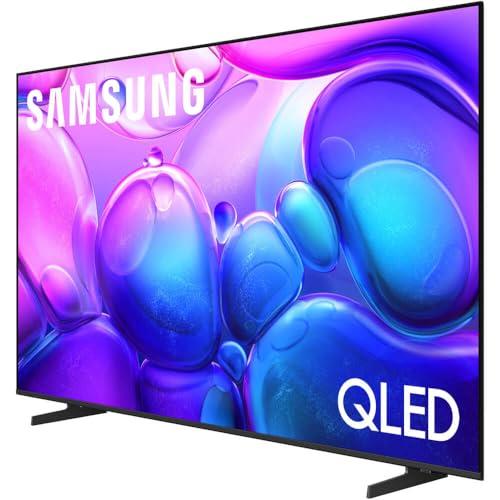
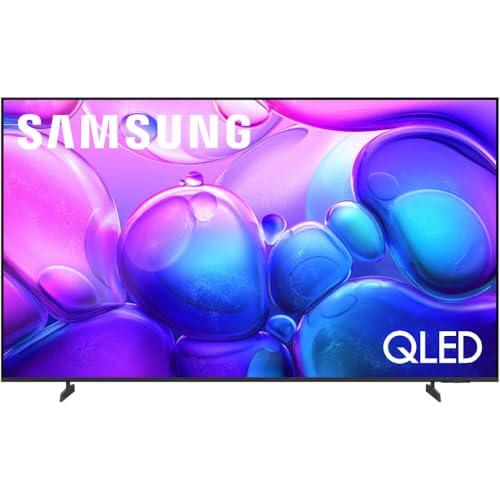
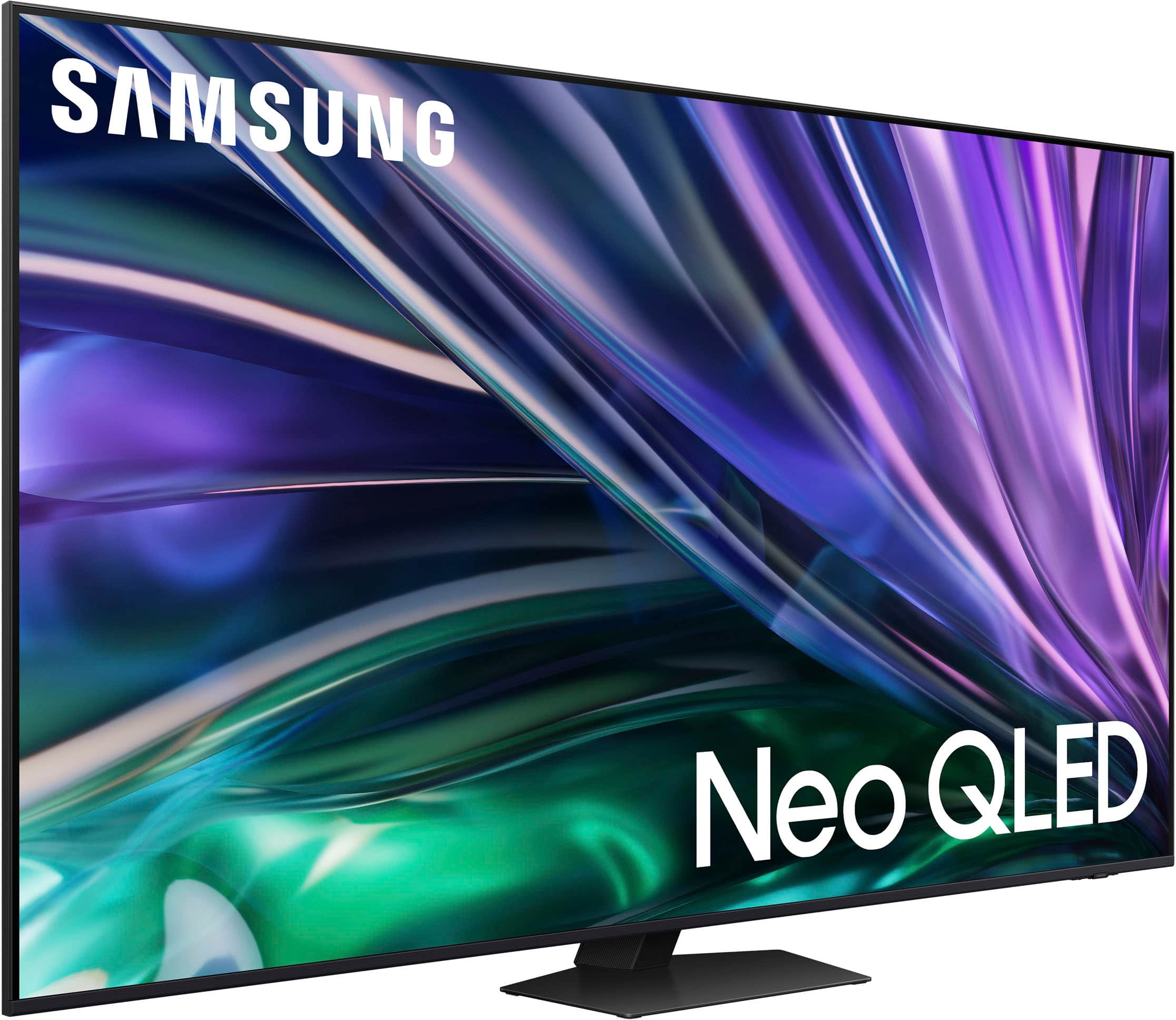
Shopping for a 65" TV can feel overwhelming with so many technical specs and marketing terms thrown around. Today we're comparing two Samsung QLED TVs that represent very different approaches to delivering a great viewing experience: the budget-friendly Q6F and the feature-packed QN85D. But here's the catch - there's an important availability issue we need to address right upfront.
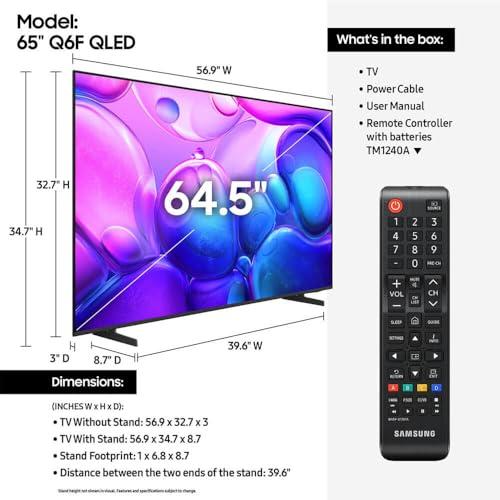
Before we dive deep into comparing these TVs, there's a crucial detail you need to know. The Samsung Q6F 2025 isn't actually available in a 65" size. Samsung only makes this model in 75" and 85" versions. If you're dead set on a 65" screen, you'll need to look at Samsung's Q7F, Q8F, or QN80F models instead for their 2025 QLED lineup.
That said, understanding how the Q6F compares to the QN85D still tells us a lot about what you get when you move up Samsung's TV hierarchy, and many of these insights apply to other models in their respective price ranges.
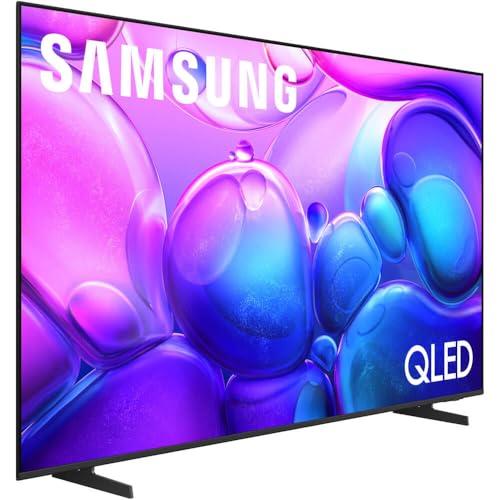
When you're shopping for a TV today, you're essentially choosing between different ways of creating light and color on your screen. Both of these Samsung models use QLED technology, which stands for Quantum Dot Light Emitting Diode. This sounds fancy, but it basically means they use tiny crystals that glow when hit with light, creating more vibrant colors than traditional LED TVs.
The real difference lies in how they control that light. Think of it like the difference between using a flashlight to light up a room versus having precise spotlights that can brighten or dim specific areas. That's essentially what separates these two models.
The Q6F uses what's called edge-lit backlighting. Picture LEDs placed around the edges of the screen, trying to light up the entire display from the sides. It's like trying to light a large room with lamps placed only along the walls - you'll get light everywhere, but some areas will be brighter than others, and you can't really control specific spots.
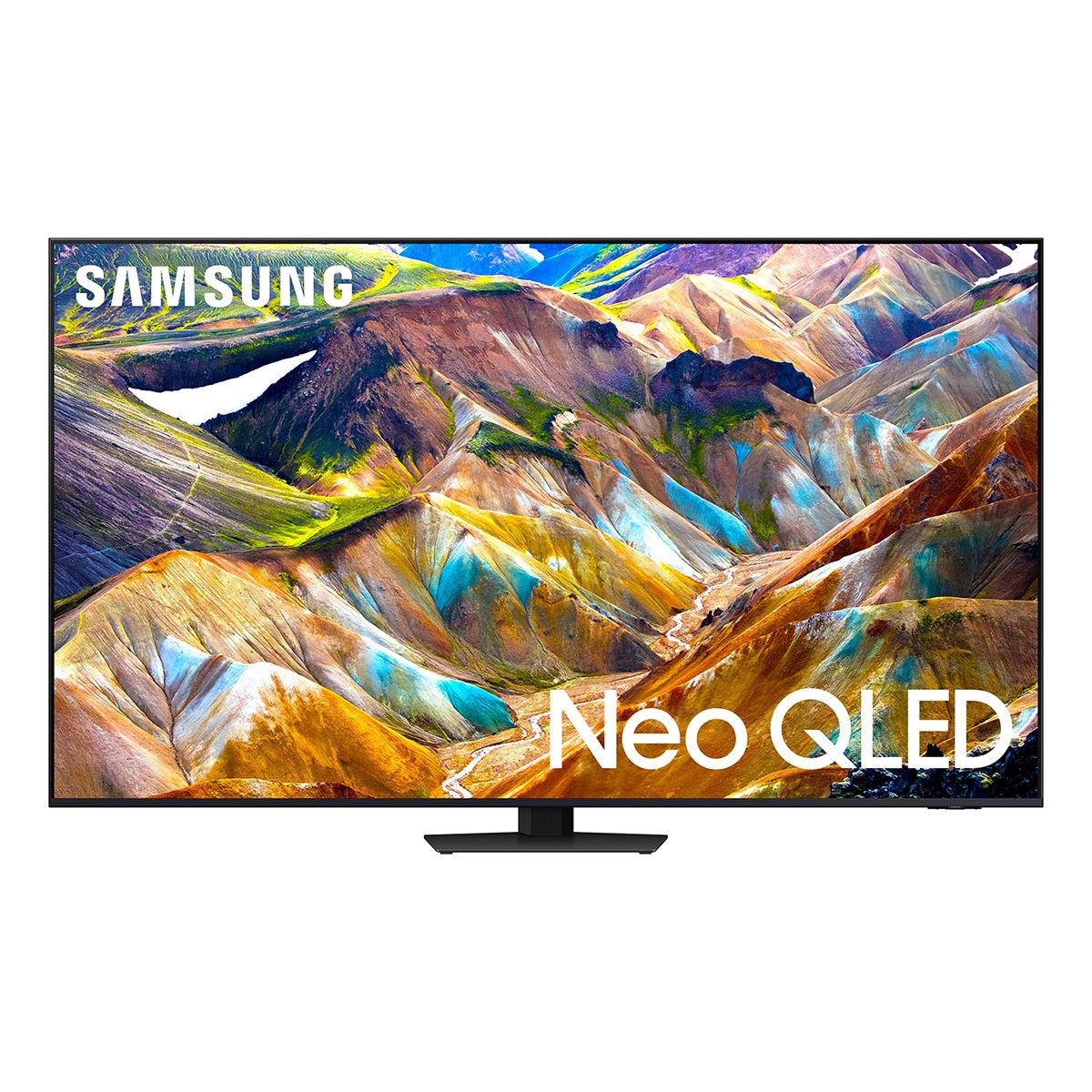
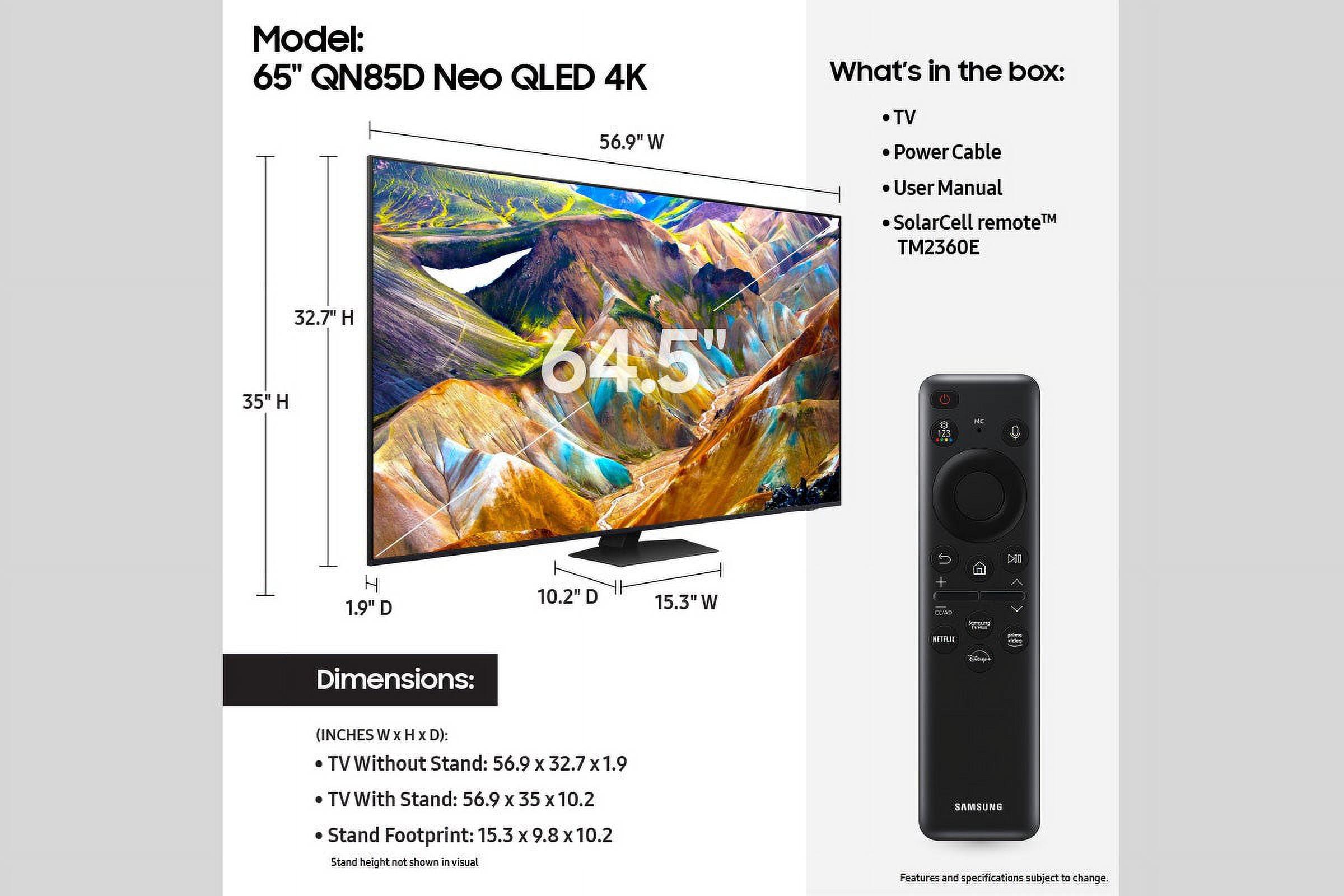
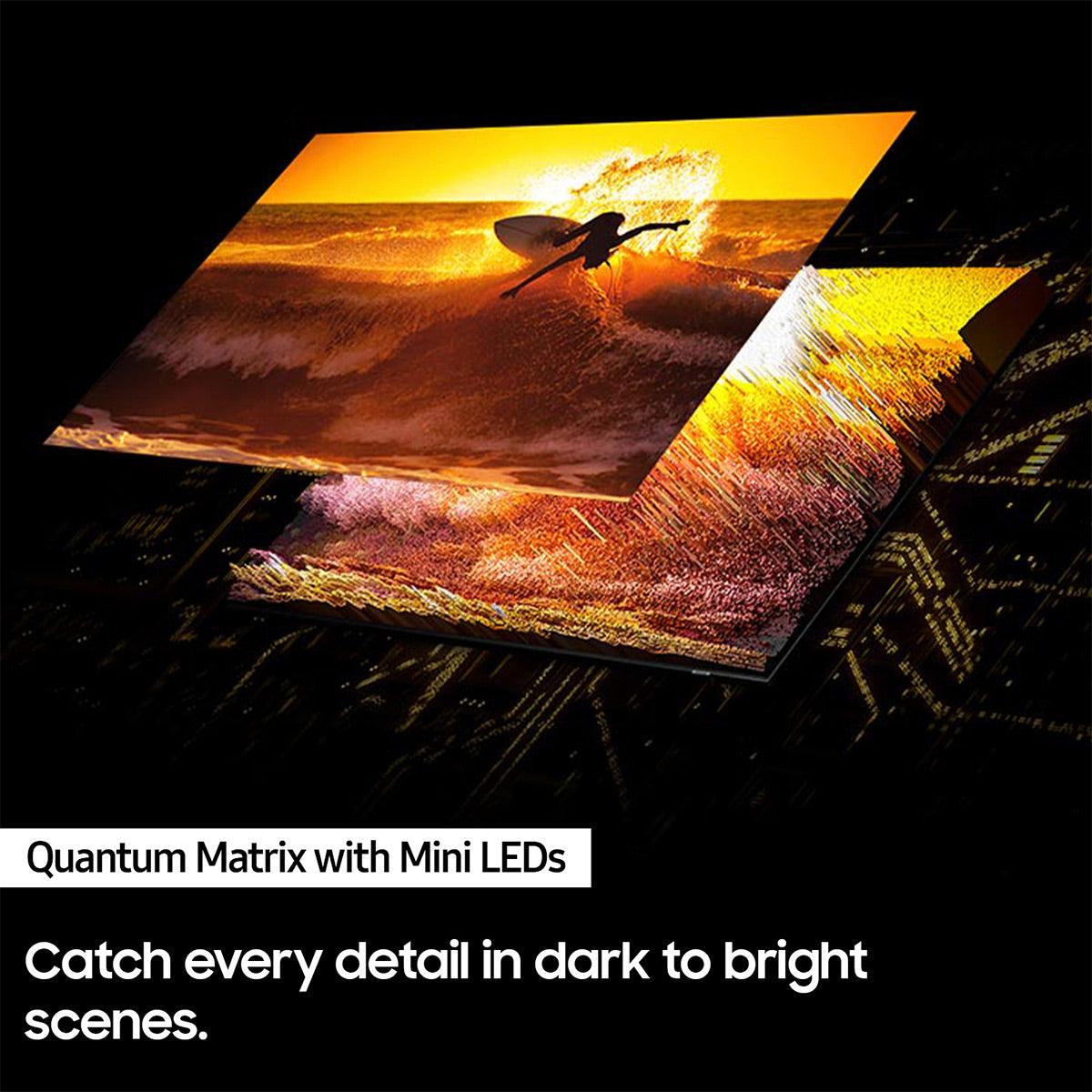
The QN85D, released in 2024, uses something much more sophisticated called Mini LED backlighting with Quantum Matrix Technology. Instead of a few large LEDs around the edges, it has thousands of tiny LEDs spread across the entire back of the screen. Each group of these Mini LEDs can be controlled independently through what's called local dimming zones - the 65" QN85D has 160 of these zones.
This makes a huge difference in real-world viewing. When you're watching a movie with a dark scene that has bright stars or a car's headlights, the QN85D can make those bright spots pop while keeping the dark areas truly black. The Q6F will either wash out the dark areas to show the bright details, or dim the bright areas to keep the blacks looking decent.
Our research into professional reviews consistently shows this contrast difference is immediately noticeable. The QN85D achieves a contrast ratio exceeding 160,000:1, which is exceptional for any LED TV. This translates to deeper blacks and more vibrant colors that make movies, especially darker content like sci-fi or horror films, look dramatically better.
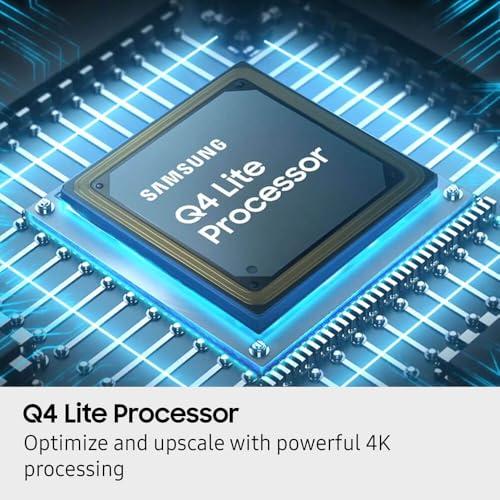
Here's where the generational and price differences really show. The Q6F comes with Samsung's Q4 Lite Processor, which is essentially their entry-level chip. It handles the basics - converting lower-resolution content to 4K and managing the TV's smart features - but that's about it.
The QN85D packs the NQ4 AI Gen2 Processor, powered by 20 AI neural networks. This isn't marketing fluff - it's actually analyzing what you're watching in real-time and adjusting the picture accordingly. Watching a nature documentary? It'll enhance greens and blues. Sports content? It'll sharpen motion and boost contrast to make the action pop.
This processing power difference becomes most obvious when you're watching older content or heavily compressed streaming video. The QN85D does a much better job of cleaning up artifacts and making lower-quality content look closer to native 4K, while the Q6F will show more of the source material's limitations.
If gaming matters to you, this comparison becomes pretty one-sided. The Q6F maxes out at 60Hz refresh rate with basic gaming support. This was perfectly fine five years ago, but modern gaming consoles like the PlayStation 5 and Xbox Series X can output 4K at 120 frames per second for incredibly smooth gameplay.
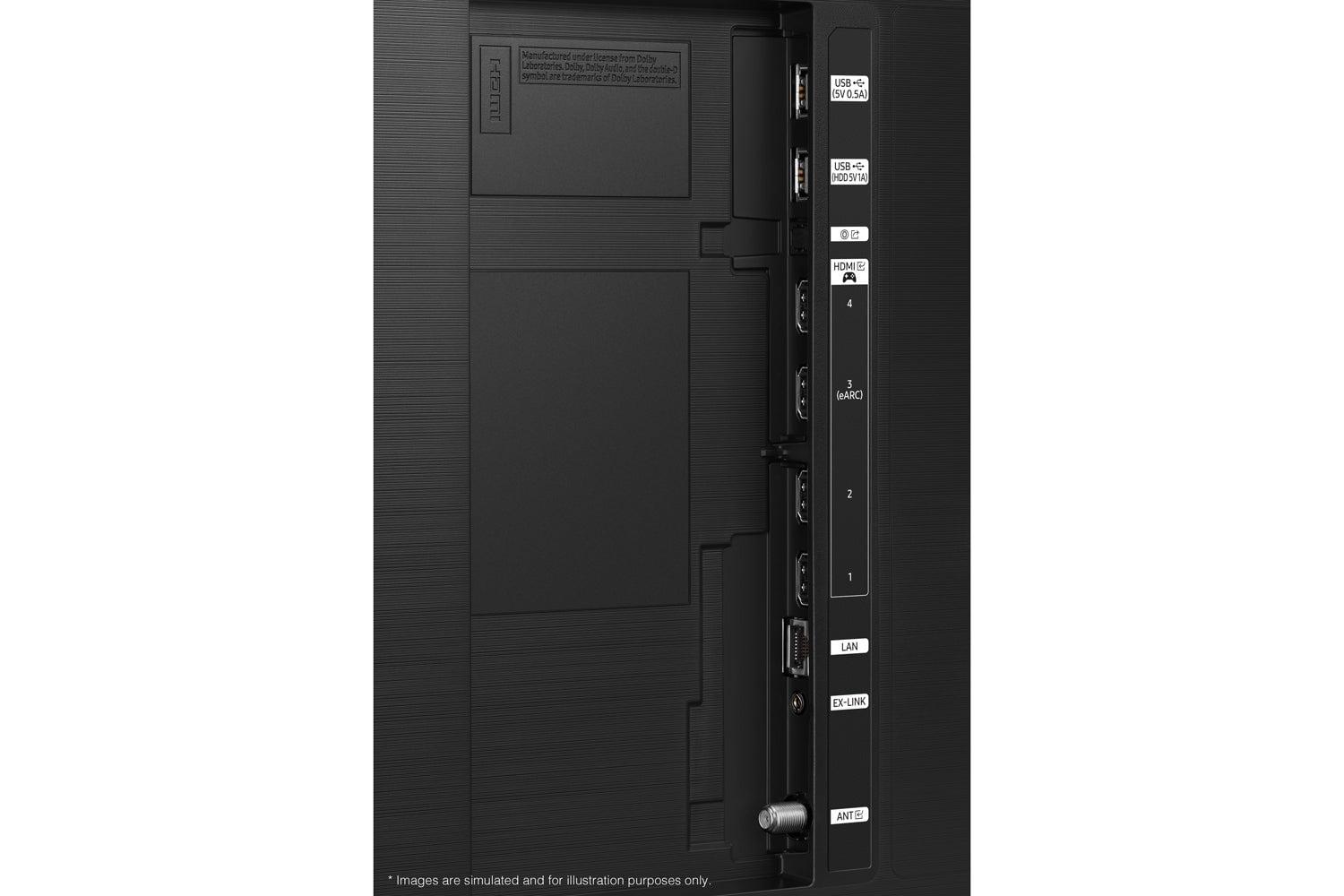
The QN85D delivers that full 4K 120Hz experience with all four of its HDMI ports supporting HDMI 2.1 bandwidth. It also includes Variable Refresh Rate (VRR) support, which synchronizes the TV's refresh rate with your console's output to eliminate screen tearing - that annoying horizontal line that can appear during fast motion in games.
However, there's a significant catch with the QN85D that frustrated many gamers. Despite having a 120Hz panel, it suffers from slow pixel response times, especially in Game Mode. This creates motion blur during fast-paced gaming that can be more distracting than the smoother motion you'd expect from a premium TV. It's one of those situations where the specs look great on paper, but the real-world experience has compromises.
The QN85D also reduces its HDR brightness when you enable Game Mode, forcing you to choose between optimal gaming performance and the best possible picture quality. This is a common issue with many TVs, but it's particularly noticeable on a model that markets its brightness capabilities heavily.
Brightness might not seem like the most exciting spec, but it's actually crucial for a great viewing experience, especially if your TV room has windows or lights. The QN85D excels here, delivering excellent brightness that easily handles rooms with ambient lighting. Professional reviews consistently praise its ability to maintain vibrant colors and good contrast even in bright conditions.
The Q6F, being an entry-level model with edge-lit backlighting, simply can't compete in this area. It'll look fine in a darker room, but bright environments will wash out the picture and reduce color vibrancy significantly.
For HDR content - those movies and shows that promise more realistic colors and brightness - the difference is even more pronounced. The QN85D can actually display the bright highlights that make HDR worthwhile, while the Q6F will show you HDR content, but without the dramatic impact that makes HDR special.
Neither TV supports Dolby Vision, which is Sony and LG's preferred HDR format. This isn't unusual for Samsung, as they prefer HDR10+ instead, but it's worth noting if you have a large collection of Dolby Vision content.
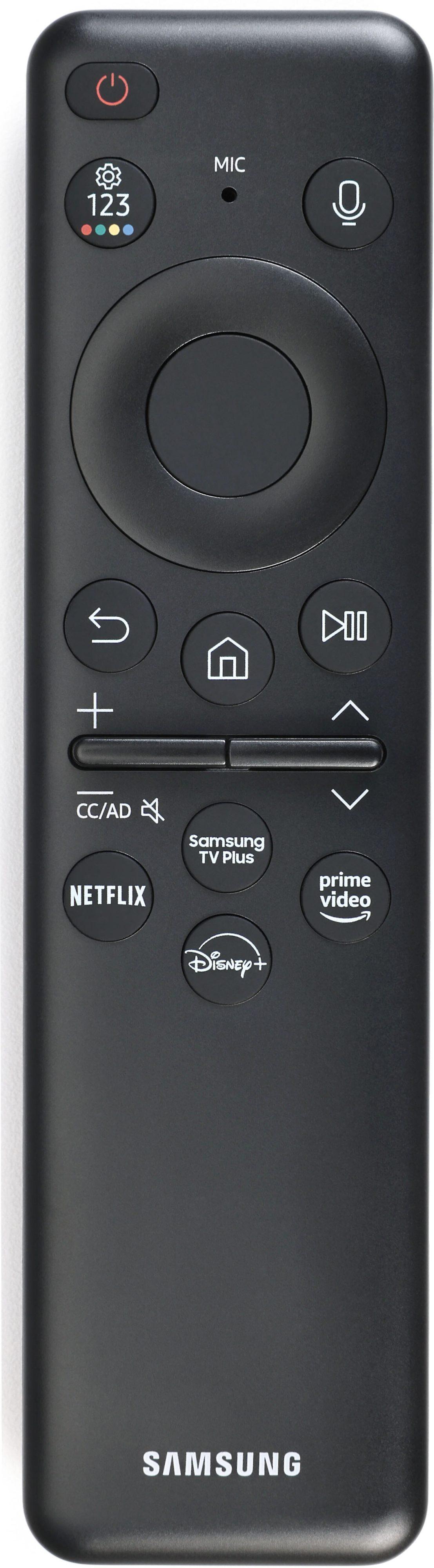
Both TVs run Samsung's Tizen operating system, which has evolved into one of the more polished smart TV platforms. The interface is responsive, the app selection is comprehensive, and features like Samsung TV Plus provide access to hundreds of free streaming channels.
The QN85D gets additional AI-powered features that actually make a difference in daily use. The Vision AI technology recognizes what type of content you're watching and adjusts picture settings automatically. Real Depth Enhancer uses AI to create more convincing depth perception, and Auto HDR Remastering can improve the appearance of standard dynamic range content.
These aren't just marketing features - our evaluation of user reviews shows people actually notice and appreciate these enhancements, particularly when watching a variety of content types throughout the day.
TV speakers rarely get much attention in reviews, but they shouldn't be ignored entirely. The Q6F includes basic Object Tracking Sound Lite, which tries to make audio follow action on screen. It's a nice touch for an entry-level model, but the 20W speaker system won't fill a large room or provide much bass.
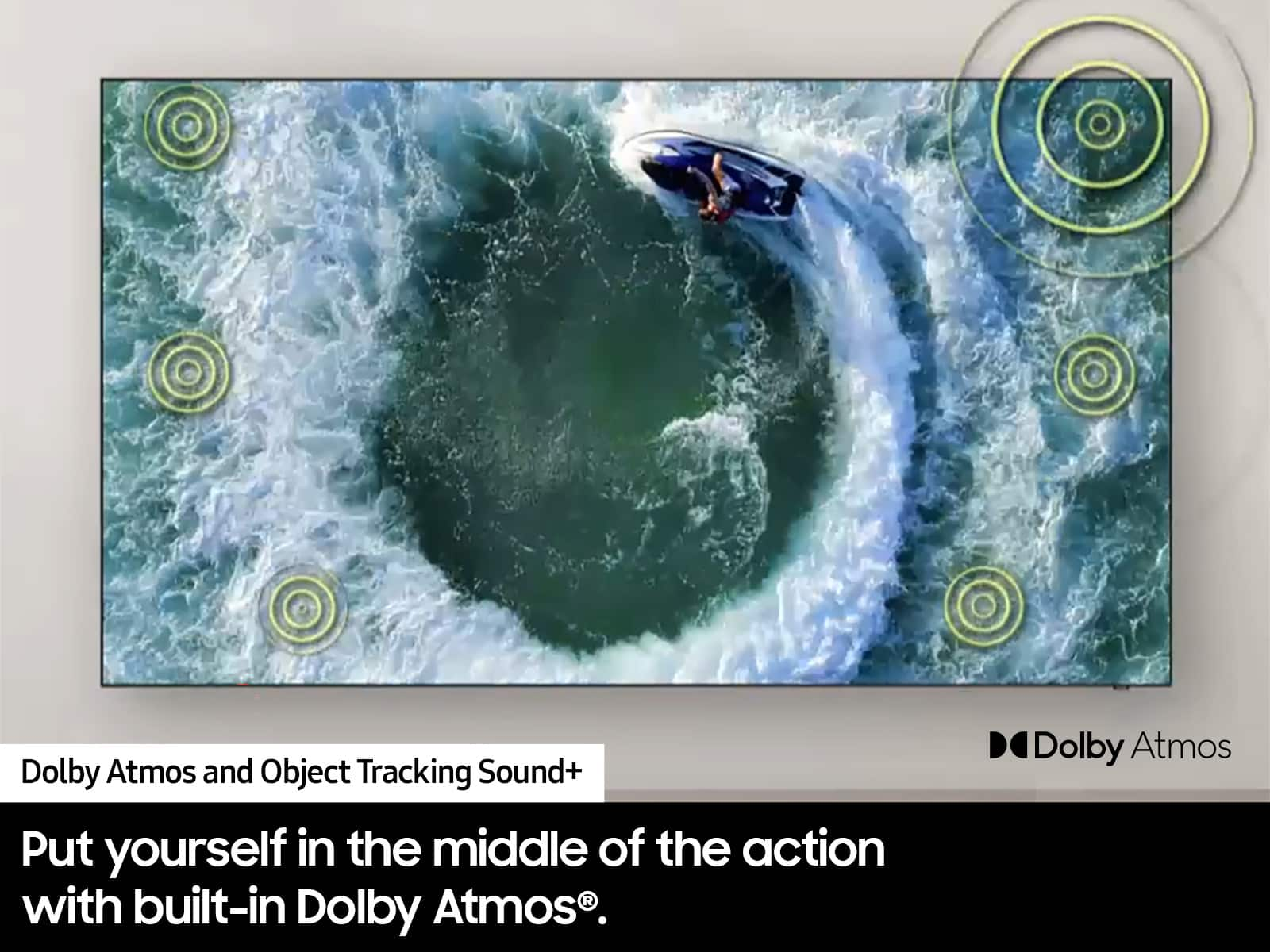
The QN85D steps up with Object Tracking Sound+ and Dolby Atmos support. While TV speakers still can't match a dedicated sound system, the improvement is noticeable, especially for dialogue clarity and creating a wider soundstage. If you're planning to use a soundbar anyway, this difference becomes less important, but it's nice to have better built-in audio for casual viewing.
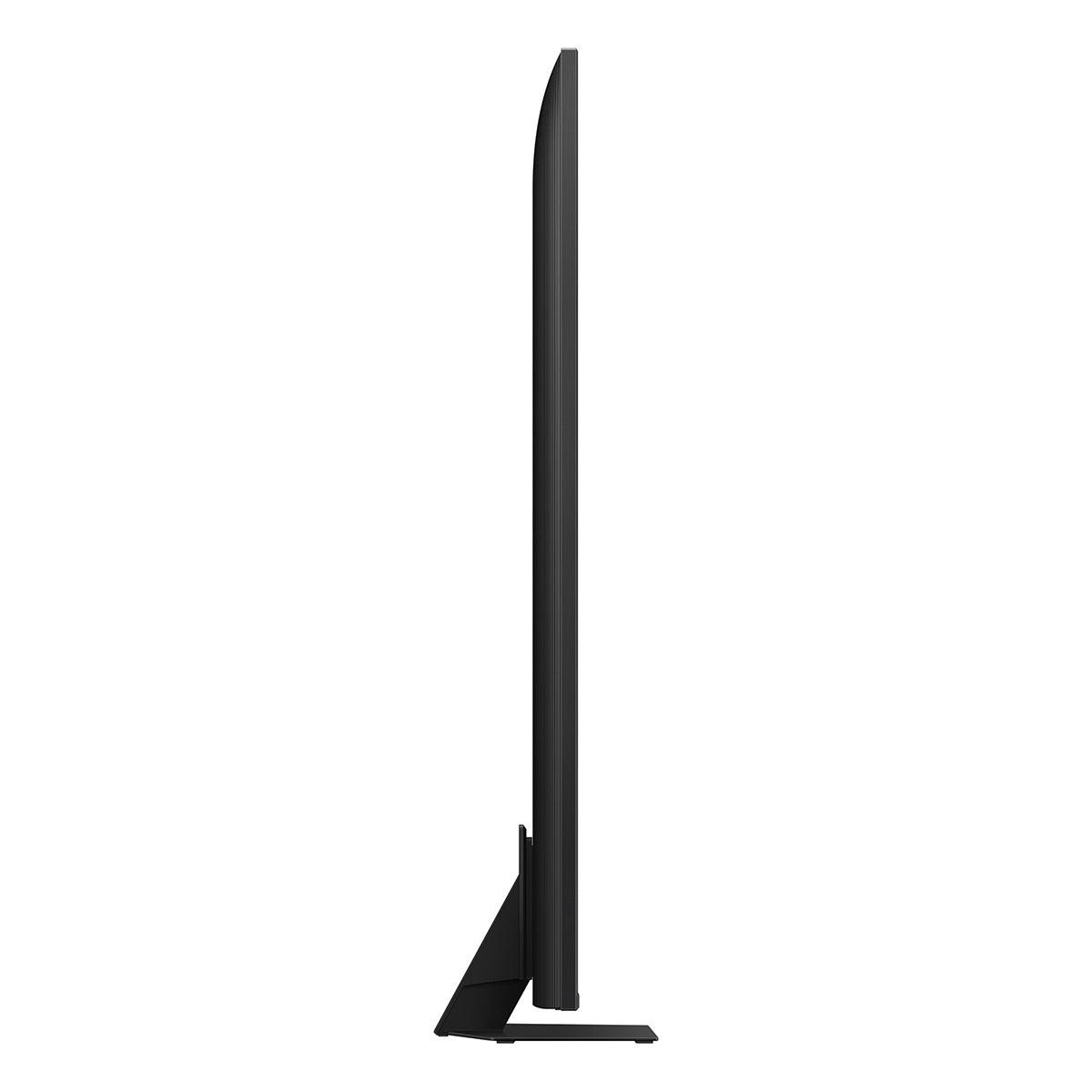
Both TVs sport Samsung's modern aesthetic with slim bezels and clean lines. The QN85D feels more premium with its construction and materials, but neither will look out of place in a contemporary living room. The Q6F uses Samsung's basic feet design, while the QN85D offers more sophisticated stand options.
For wall mounting, both support standard VESA mounting patterns, though the QN85D's superior viewing angle technology makes it more forgiving if you can't mount it at perfect eye level.
No TV is perfect, and both of these models have notable limitations. The Q6F's edge-lit backlighting inherently limits its contrast performance and brightness uniformity. You'll notice darker corners or uneven lighting during solid color scenes, though this becomes less obvious during normal content viewing.
The QN85D's biggest weakness is its handling of direct reflections. Despite excellent brightness for overcoming ambient light, it struggles badly with direct light sources like lamps or windows placed opposite the screen. The reflections are very visible and can be quite distracting. This is a significant consideration for room placement that many buyers overlook.
The motion blur issue on the QN85D is also more than a minor annoyance for some users. If you watch a lot of sports or play fast-paced games, this slow pixel response can be genuinely frustrating, especially given the TV's premium positioning and 120Hz capabilities.
For dedicated home theater use, the QN85D is the clear winner, assuming you can control room lighting to minimize direct reflections. Its superior contrast, brightness, and processing power create a much more cinematic experience. The deep blacks make movie watching significantly more immersive, particularly for content mastered with theatrical presentation in mind.
The Q6F can work in a home theater setting, but you'll be missing out on much of what makes modern 4K HDR content special. If you're building a serious home theater setup, it's worth considering that the TV will be the component you look at for thousands of hours - skimping here often leads to regret later.
At the time of writing, the pricing gap between these models reflects their significant capability differences. The Q6F represents Samsung's most affordable entry into QLED technology, while the QN85D sits in the mid-to-upper range of their lineup.
The QN85D offers substantially more TV for the money - better picture quality, gaming features, processing power, and build quality. However, the Q6F delivers decent performance for buyers who prioritize value over premium features.
Since the QN85D is a 2024 model, it's already been succeeded by newer versions in Samsung's 2025 lineup. This often means better availability and pricing on the previous year's model, potentially making it an even stronger value proposition.
The Samsung Q6F makes sense for budget-conscious buyers who want to experience QLED color technology without paying premium prices. It's perfectly adequate for casual viewing, streaming, and basic smart TV needs. However, remember it's only available in larger 75" and 85" sizes.
The Samsung QN85D is the better choice for anyone who wants a TV that will remain satisfying for years to come. Its superior picture quality, gaming capabilities, and processing power justify the higher cost for most users. The motion blur and reflection issues are real concerns, but they don't negate the overall package for most viewing scenarios.
If you're sensitive to motion blur in gaming or sports, or if your room has challenging lighting with direct reflections, you might want to consider other options in Samsung's lineup or look at OLED alternatives, despite their higher cost and potential burn-in concerns.
For a 65" screen specifically, since the Q6F isn't available in that size, you're looking at Samsung's Q7F or higher for QLED options, or considering the QN85D despite its limitations.
The bottom line: the QN85D offers dramatically better technology and performance, but comes with real-world compromises that may or may not matter for your specific use case and room setup. Understanding these trade-offs upfront will help you make the right choice for your viewing habits and budget.
| Samsung 65" QLED Q6F 4K Smart TV 2025 | Samsung 65" QN85D Neo QLED 4K Smart TV |
|---|---|
| Availability - Critical sizing limitation | |
| Only available in 75" and 85" sizes (no 65" option) | Available in 65" size as specified |
| Display Technology - Foundation of picture quality | |
| Standard QLED with edge-lit LED backlighting | Neo QLED with Mini LED backlighting and Quantum Matrix Technology |
| Local Dimming Zones - Controls contrast and black levels | |
| No local dimming (edge-lit design) | 160 local dimming zones for precise light control |
| Contrast Ratio - Determines black depth and color vibrancy | |
| Basic contrast limited by edge-lit backlighting | Exceptional 160,000:1 contrast ratio with deep blacks |
| Processor - Affects upscaling and smart features | |
| Q4 Lite Processor (basic 4K upscaling only) | NQ4 AI Gen2 Processor with 20 AI neural networks |
| Refresh Rate - Critical for gaming and sports | |
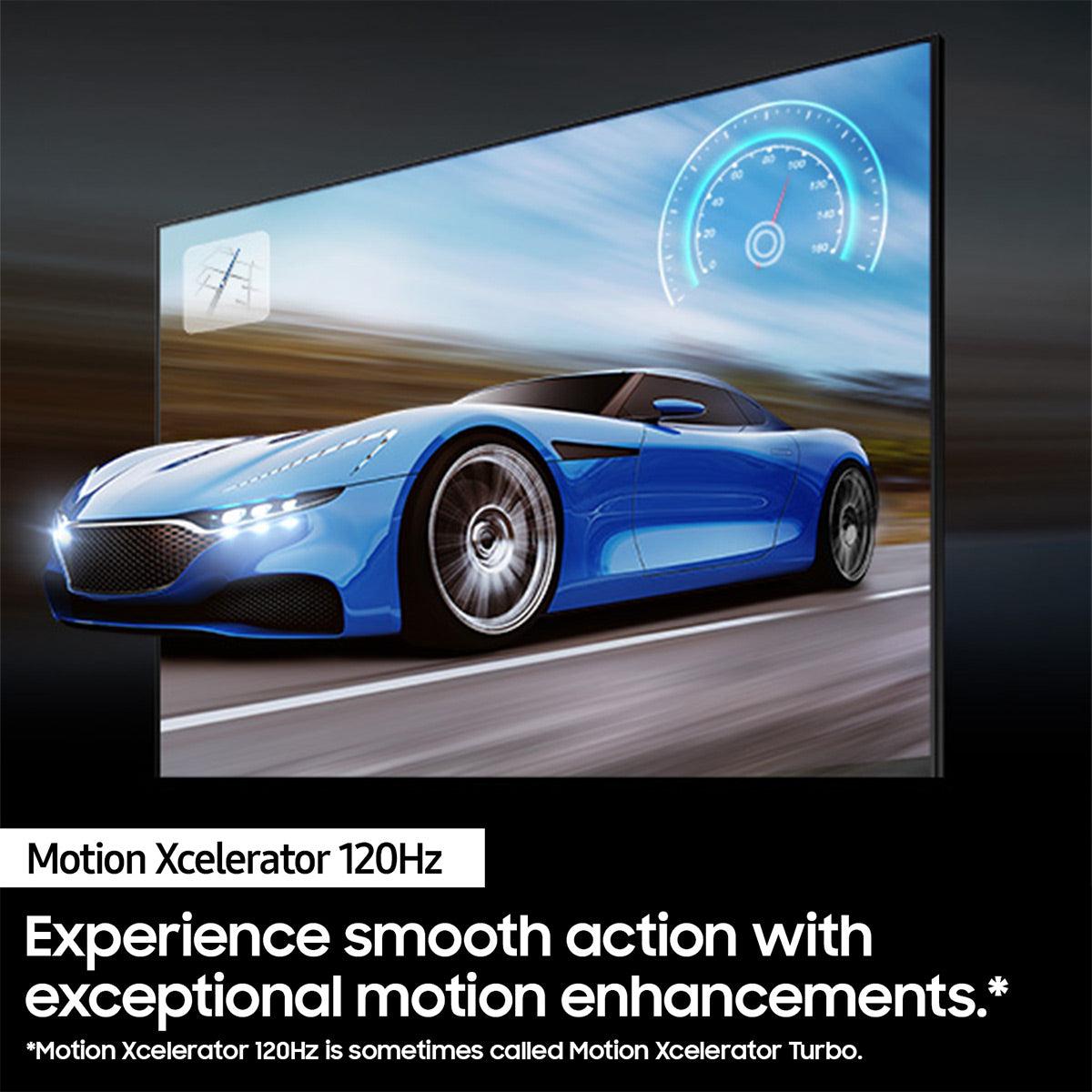
| 60Hz maximum (standard content only) | 120Hz with Motion Xcelerator Turbo (but slow pixel response) |
| Gaming Features - Modern console compatibility | |
| Basic Auto Game Mode, no VRR support | 4K@120Hz, VRR, HDMI 2.1 on all 4 ports, Gaming Hub |
| HDR Support - Enhanced color and brightness range | |
| Basic Quantum HDR and HDR10+ | Neo Quantum HDR with superior dynamic range |
| Peak Brightness - Room lighting tolerance | |
| Adequate for controlled lighting conditions | Excellent brightness for bright rooms (poor direct reflection handling) |
| AI Features - Content optimization and enhancement | |
| Basic smart features only | Vision AI, Auto HDR Remastering, Real Depth Enhancer |
| Audio System - Built-in sound quality | |
| 2CH 20W with Object Tracking Sound Lite | Object Tracking Sound+ with Dolby Atmos support |
| Connectivity - Port selection and bandwidth | |
| 3 HDMI ports, 1 USB, basic connectivity | 4 HDMI 2.1 ports, 2 USB, enhanced connectivity |
| Viewing Angle - Off-axis picture quality | |
| Limited viewing angle (typical entry-level performance) | Ultrawide Viewing Angle technology for better side viewing |
| Motion Handling - Sports and action content clarity | |
| Motion Xcelerator (adequate for basic content) | Motion blur issues despite 120Hz due to slow pixel response |
| Smart Platform - Operating system and apps | |
| Tizen OS with Samsung TV Plus and basic features | Enhanced Tizen with advanced AI features and optimizations |
| Release Year - Technology generation and value | |
| 2025 model (entry-level current generation) | 2024 model (mid-tier previous generation, often better value) |
| Best Use Cases - Ideal buyer scenarios | |
| Budget QLED entry, casual viewing, larger room sizes only | Premium picture quality, gaming, bright rooms without direct lighting |
The biggest difference is display technology. The Samsung Q6F uses standard edge-lit LED backlighting, while the Samsung QN85D features advanced Mini LED backlighting with 160 local dimming zones. This gives the QN85D dramatically better contrast, deeper blacks, and more precise lighting control for superior picture quality.
The Samsung QN85D is significantly better for gaming with 4K@120Hz support, VRR (Variable Refresh Rate), and four HDMI 2.1 ports. The Samsung Q6F only supports 60Hz and lacks modern gaming features. However, the QN85D does suffer from motion blur due to slow pixel response times.
No, the Samsung Q6F 2025 is only available in 75" and 85" sizes. There is no 65" version of this model. For a 65" Samsung QLED TV, you'd need to consider other models like the Q7F or the Samsung QN85D.
The Samsung QN85D handles bright rooms much better with excellent peak brightness that overcomes ambient lighting. The Samsung Q6F will appear washed out in bright conditions due to its lower brightness capabilities and edge-lit design.
The Samsung QN85D offers dramatically superior picture quality with its Mini LED technology, achieving over 160,000:1 contrast ratio compared to the basic contrast of the Samsung Q6F. The QN85D delivers deeper blacks, brighter highlights, and more vibrant colors.
Both run Samsung's Tizen OS, but the Samsung QN85D includes advanced AI features like Vision AI, Auto HDR Remastering, and Real Depth Enhancer. The Samsung Q6F offers basic smart TV functionality without the AI-powered enhancements.
The Samsung QN85D is excellent for home theater with its superior contrast, Mini LED backlighting, and bright HDR performance. The Samsung Q6F works for basic home theater but lacks the deep blacks and dynamic range that make movies truly cinematic.
The Samsung Q6F uses the basic Q4 Lite Processor for standard 4K upscaling. The Samsung QN85D features the more advanced NQ4 AI Gen2 Processor with 20 AI neural networks for intelligent picture and sound optimization.
The Samsung Q6F offers better value for budget-conscious buyers seeking basic QLED technology. The Samsung QN85D provides significantly more performance and features, making it better value for those wanting premium picture quality and modern capabilities.
Yes, both support HDR. The Samsung Q6F offers basic Quantum HDR and HDR10+ support. The Samsung QN85D features Neo Quantum HDR with superior brightness and dynamic range. Neither supports Dolby Vision.
The Samsung Q6F's main limitations are edge-lit backlighting causing uneven brightness and limited gaming features. The Samsung QN85D's biggest issues are motion blur during fast content and very visible direct reflections on the screen.
Choose the Samsung Q6F if you want affordable QLED technology for casual viewing (noting it's only available in larger sizes). Pick the Samsung QN85D if you prioritize superior picture quality, gaming features, and bright room performance, and can work around its motion handling limitations.
We've done our best to create useful and informative comparisons to help you decide what product to buy. Our research uses advanced automated methods to create this comparison and perfection is not possible - please contact us for corrections or questions. These are the sites we've researched in the creation of this article: tomsguide.com - bestbuy.com - samsung.com - rtings.com - youtube.com - rtings.com - bestbuy.com - samsung.com - samsung.com - samsung.com - manuals.plus - shopjetson.com - samsung.com - samsung.com - samsung.com - samsung.com - bestbuy.com - jefflynch.com - bestbuy.com - rtings.com - youtube.com - youtube.com - avsforum.com - youtube.com - samsung.com - videoandaudiocenter.com - shopjetson.com - mysoundconcepts.com - samsung.com - merlinstv.com - youtube.com - samsung.com - samsung.com

Privacy Policy
Terms and Conditions - Affiliate Policy
Home Security
© Copyright 2008-2026.
11816 Inwood Rd #1211, Dallas, TX 75244