

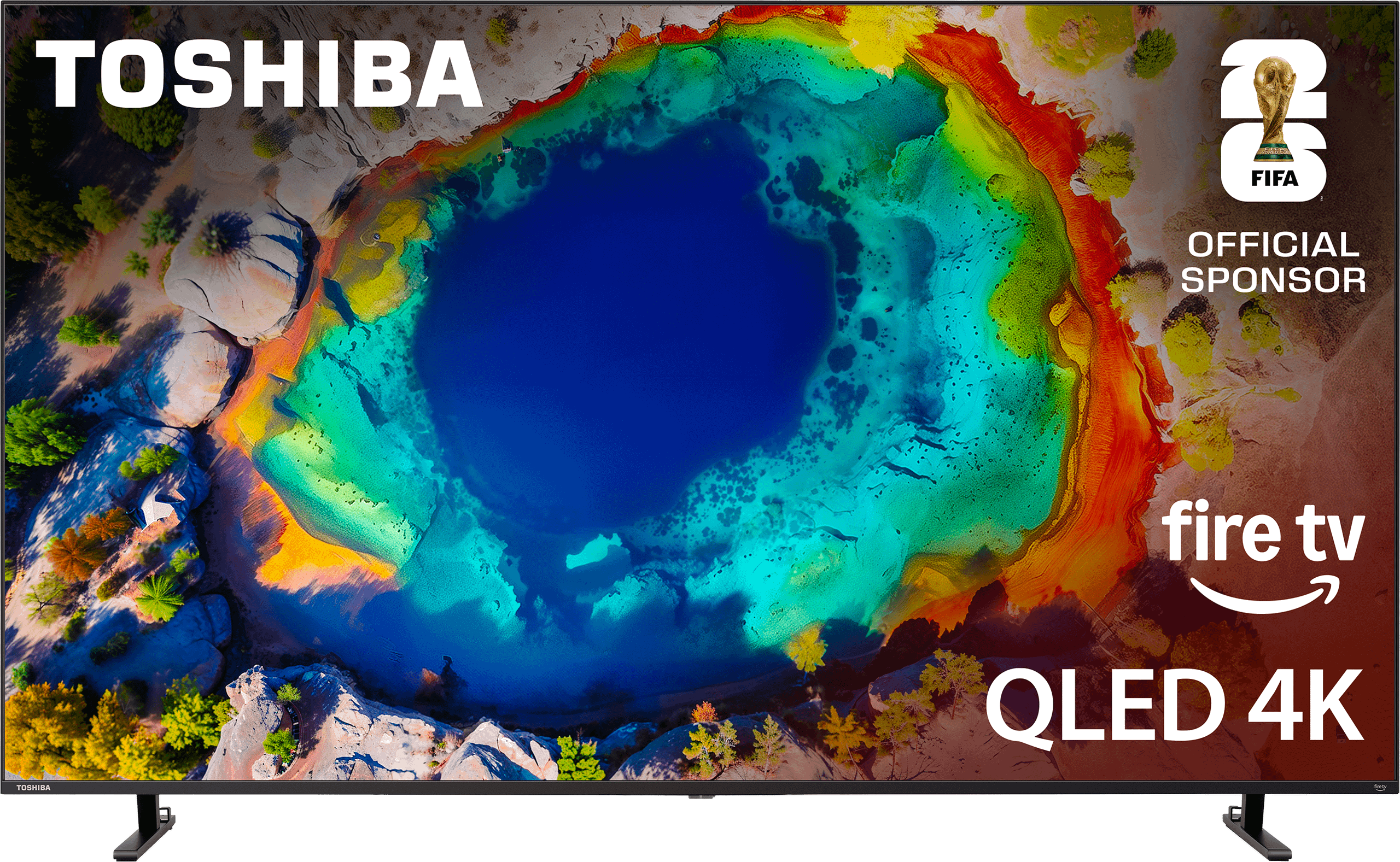
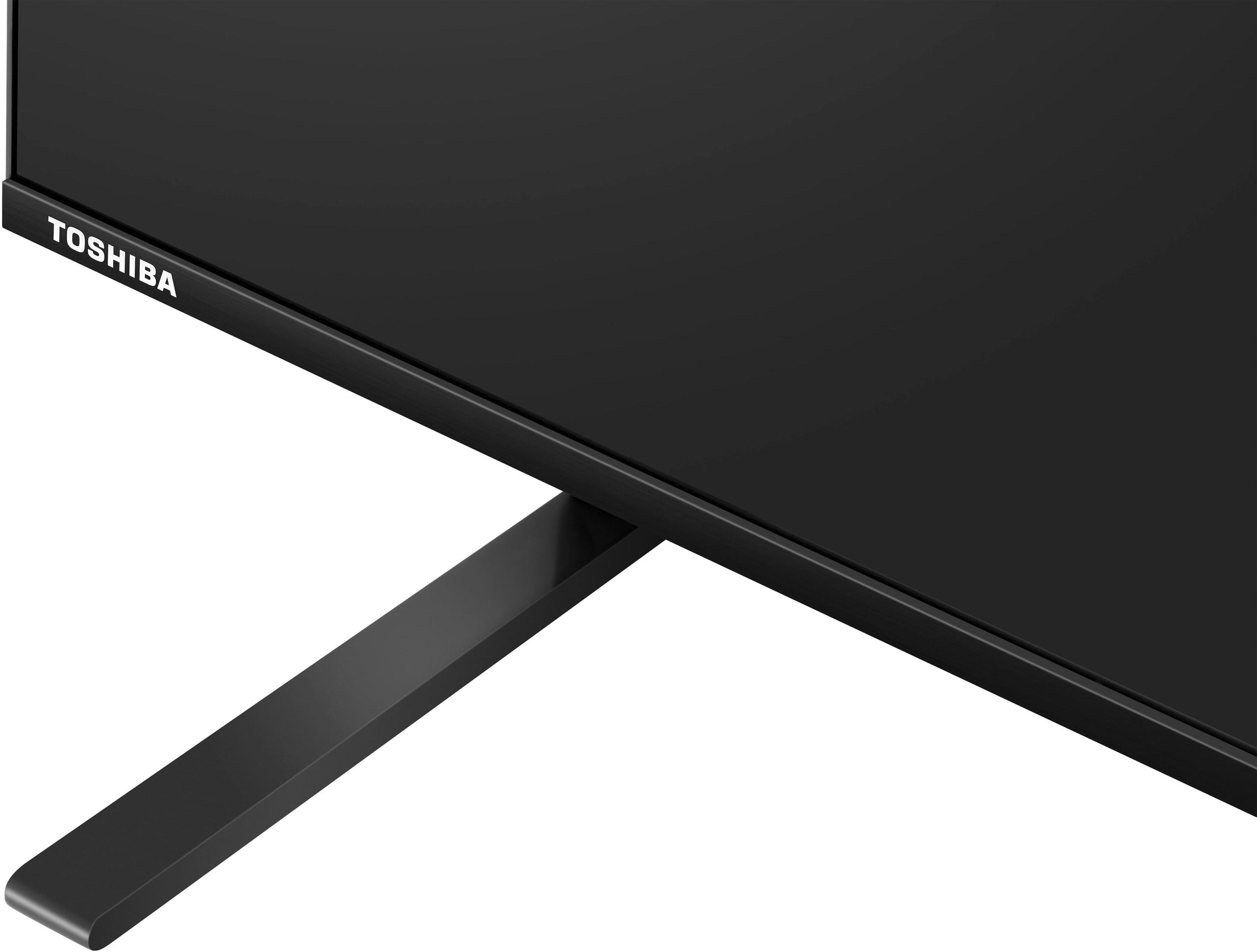
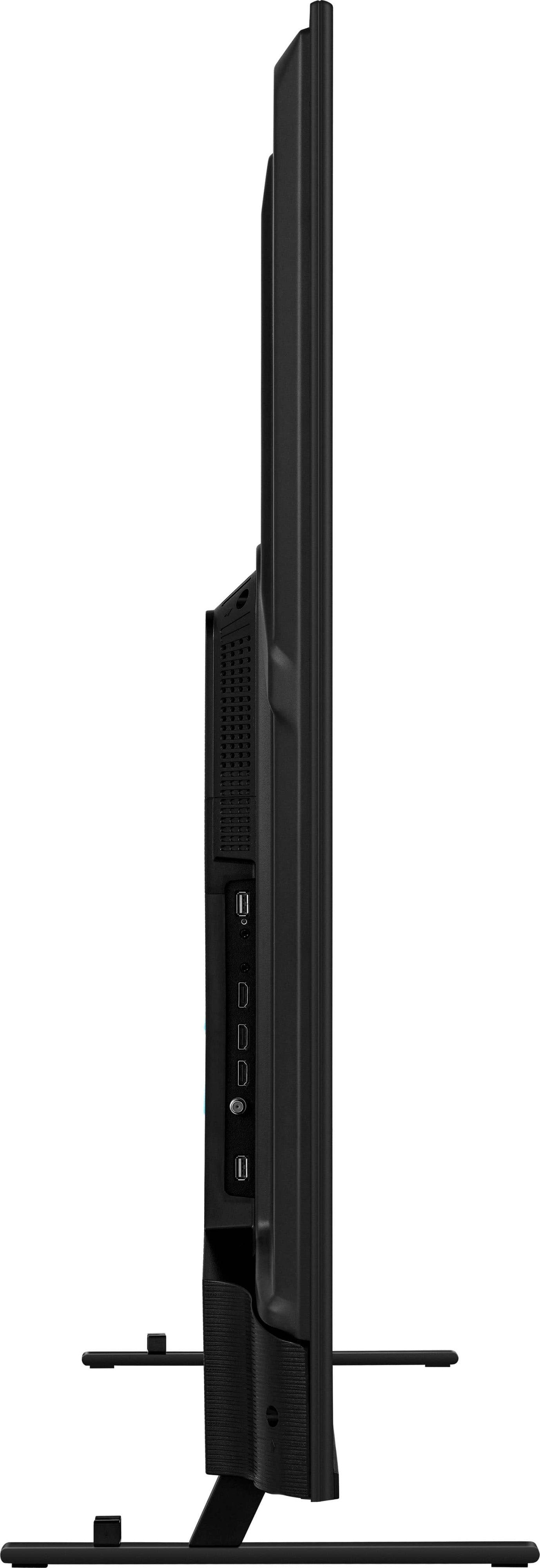
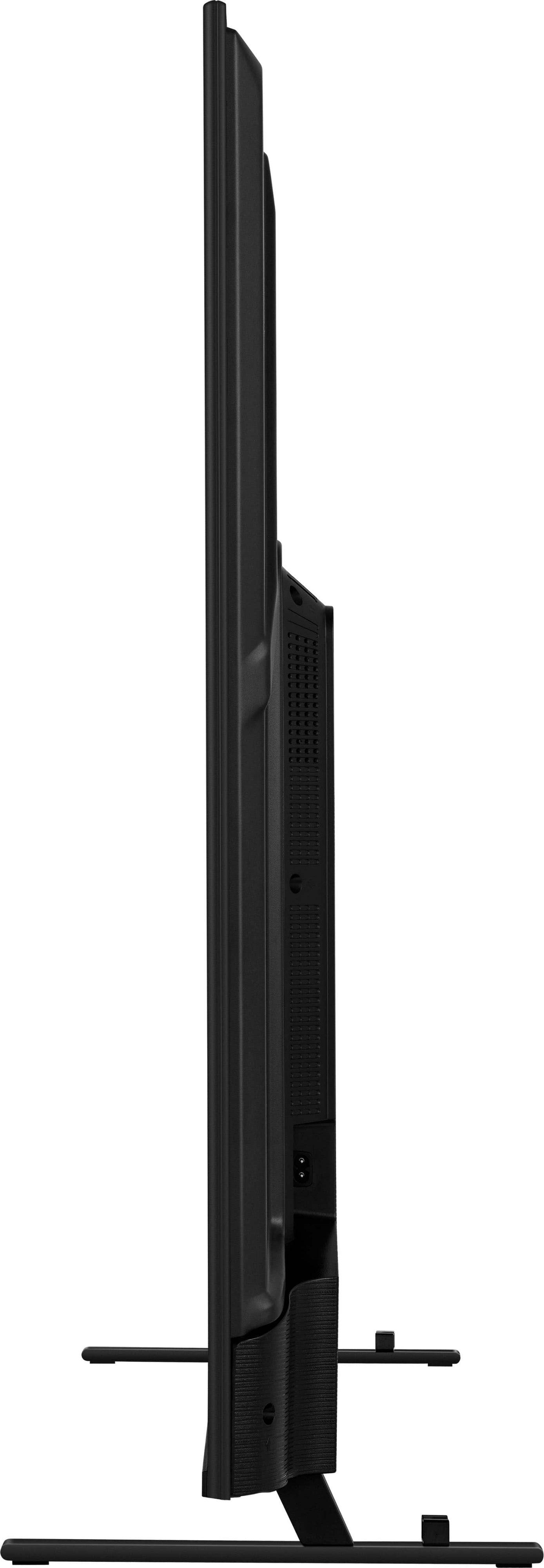
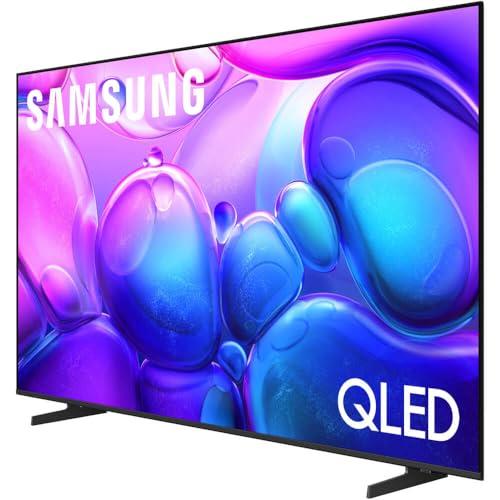
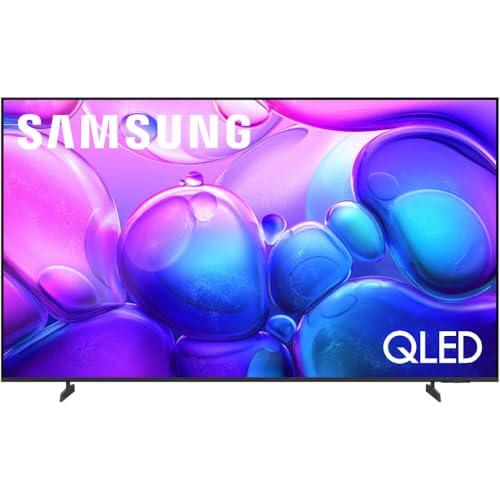
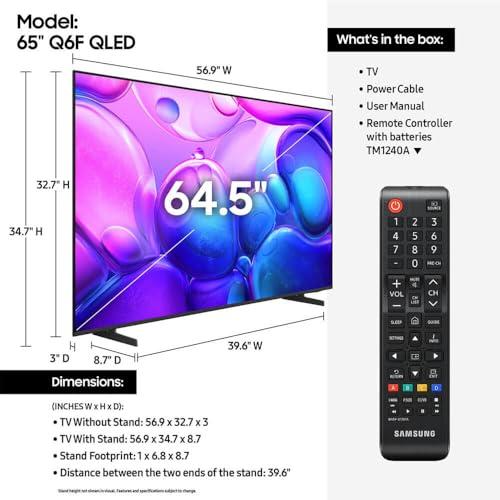
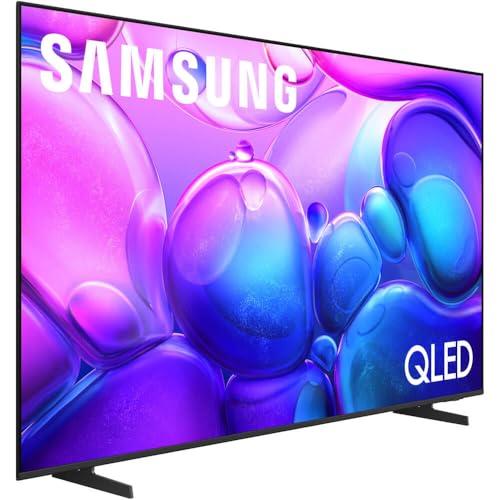
If you're shopping for a 65-inch QLED TV without breaking the bank, you've probably stumbled across two compelling options: the Toshiba M550 Series QLED Fire TV and the Samsung 65" QLED Q6F. Both promise quantum dot color technology at accessible prices, but they take dramatically different approaches to get there.
The QLED TV market has exploded in recent years, bringing premium color technology down from flagship models into budget-friendly options. These TVs use quantum dots—tiny semiconductor particles that emit pure colors when hit by light—to produce more vibrant, accurate colors than traditional LED TVs. The question isn't whether you should get a QLED (you should), but which one delivers the best balance of picture quality, smart features, and reliability for your money.
Before diving into specifics, let's talk about what matters most in this price range. Unlike flagship TVs where every feature is maxed out, budget QLEDs require compromises. The key is finding which compromises you can live with.
Picture quality remains paramount—after all, you're buying a TV to watch things. But in 2025, smart TV performance has become equally crucial. A gorgeous display means nothing if the interface freezes every time you try to open Netflix. Processing power, which determines how smoothly everything runs, has become the make-or-break factor for many users.
Gaming has also shifted the landscape. With PlayStation 5 and Xbox Series X consoles now mainstream, features like Variable Refresh Rate (VRR)—which synchronizes the TV's refresh rate with your console's frame rate to eliminate screen tearing—and Auto Low Latency Mode (ALLM)—which automatically switches to a low-lag mode when gaming—have moved from nice-to-have to expected features.
The Toshiba M550 and Samsung Q6F represent fundamentally different approaches to budget QLED design. Toshiba went all-in on display technology, packing premium features like Full Array Local Dimming into an affordable package but pairing it with an underpowered processor. Samsung took the opposite approach, prioritizing a smooth, reliable user experience over cutting-edge display features.
Released in 2025, both TVs incorporate lessons learned from the streaming boom of the early 2020s. The Toshiba M550 builds on Toshiba's REGZA heritage—the company's premium TV line known for excellent processing—while embracing Amazon's Fire TV platform. The Samsung Q6F represents Samsung's continued refinement of their Tizen operating system, now in its second decade of development.
This is where things get fascinating. On paper, the Toshiba M550 should destroy the Samsung Q6F. It features Full Array Local Dimming (FALD) with 48 individual zones that can brighten or dim independently. Think of it like having 48 tiny dimmers controlling different sections of your TV's backlight. This allows for much deeper blacks—when a scene shows a starry night sky, the zones behind the black space can turn completely off while the zones behind stars stay bright.
The Samsung Q6F uses edge-lit or direct-lit LED backlighting without local dimming. This means the entire backlight stays at roughly the same brightness level across the screen, leading to less impressive black levels and potential light bleed in dark scenes.
In practice, though, the story becomes more complex. The Toshiba M550 delivers stunning contrast in slow-moving scenes—dark movie theaters look genuinely black, and bright explosions pop with impressive intensity. The Dolby Vision support (which the Samsung lacks) adds dynamic metadata that optimizes HDR performance scene by scene, creating more lifelike images.
However, the Toshiba stumbles badly with motion. Fast-paced action scenes suffer from what reviewers describe as "phantom images" around moving objects and jerky motion that becomes distracting. Sports fans and action movie enthusiasts will find this frustrating. The Samsung Q6F, despite its simpler backlighting, handles motion more gracefully thanks to its Motion Xcelerator technology and more powerful processor.
Peak brightness heavily favors the Samsung Q6F. While exact measurements vary by unit, the Samsung consistently achieves higher brightness levels, making it better for bright rooms or HDR highlights. The Toshiba M550 compensates somewhat with its superior contrast ratio, but in well-lit living rooms, the Samsung's extra brightness proves more practical.
Color accuracy tells another layered story. Both use quantum dot technology, but the Samsung Q6F delivers more consistent colors across different viewing angles. The Toshiba M550 produces slightly more saturated colors that some find more appealing, but Samsung's tuning feels more natural and sustainable for long viewing sessions.
Here's where our research reveals the most dramatic difference. The Toshiba M550 suffers from a fundamental mismatch between its display capabilities and processing power. Users consistently report 30-60 second app loading times, frequent crashes, and the TV sometimes exiting apps on its own. One reviewer noted it takes "a full minute to get to a show after clicking continue watching"—unacceptable in 2025.
The Fire TV platform itself is solid, offering excellent integration with Amazon services and a vast app selection. The problem lies in the underpowered processor struggling to run the feature-rich interface smoothly. It's like trying to run modern software on an old computer—technically possible, but frustratingly slow.
The Samsung Q6F takes the opposite approach. Its Tizen operating system has been refined over years to run efficiently on mid-range hardware. Apps load quickly, navigation feels responsive, and crashes are rare. The interface might not look as flashy as Fire TV, but it works reliably day after day.
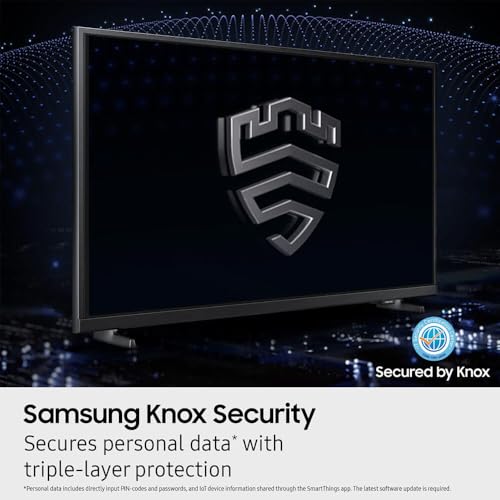
Samsung's multi-assistant support (Bixby, Alexa, and Google Assistant) provides more flexibility than Toshiba's Alexa-only approach. The SmartThings integration also appeals to smart home enthusiasts, letting the TV serve as a hub for connected devices.
For streaming quality, both handle 4K content well when the apps actually load. The Samsung Q6F's more stable platform means less interrupted viewing, while the Toshiba M550's superior display technology provides better image quality when everything works correctly.
Gaming reveals more philosophical differences. The Toshiba M550 includes impressive specs on paper—120Hz support at 1440p, VRR up to 60Hz, and dedicated Game Mode Plus. These features should make it excellent for PlayStation 5 and Xbox Series X gaming.
Reality proves more challenging. The same processing issues that plague smart TV performance affect gaming. Input lag varies inconsistently, and the motion handling problems that hurt movie watching also impact gaming. Fast-paced games like racing titles or first-person shooters suffer from the same motion artifacts that plague action movies.
The Samsung Q6F offers fewer gaming features—no 120Hz support and basic VRR implementation—but delivers more consistent performance. The Auto Game Mode works reliably, switching to low-latency settings when it detects console input. For casual gaming and most single-player experiences, the Samsung provides a more predictable, enjoyable experience.
Serious gamers willing to work around the Toshiba M550's quirks might appreciate its higher refresh rate capabilities, but most users will find the Samsung Q6F's reliability more valuable than the Toshiba's theoretical advantages.
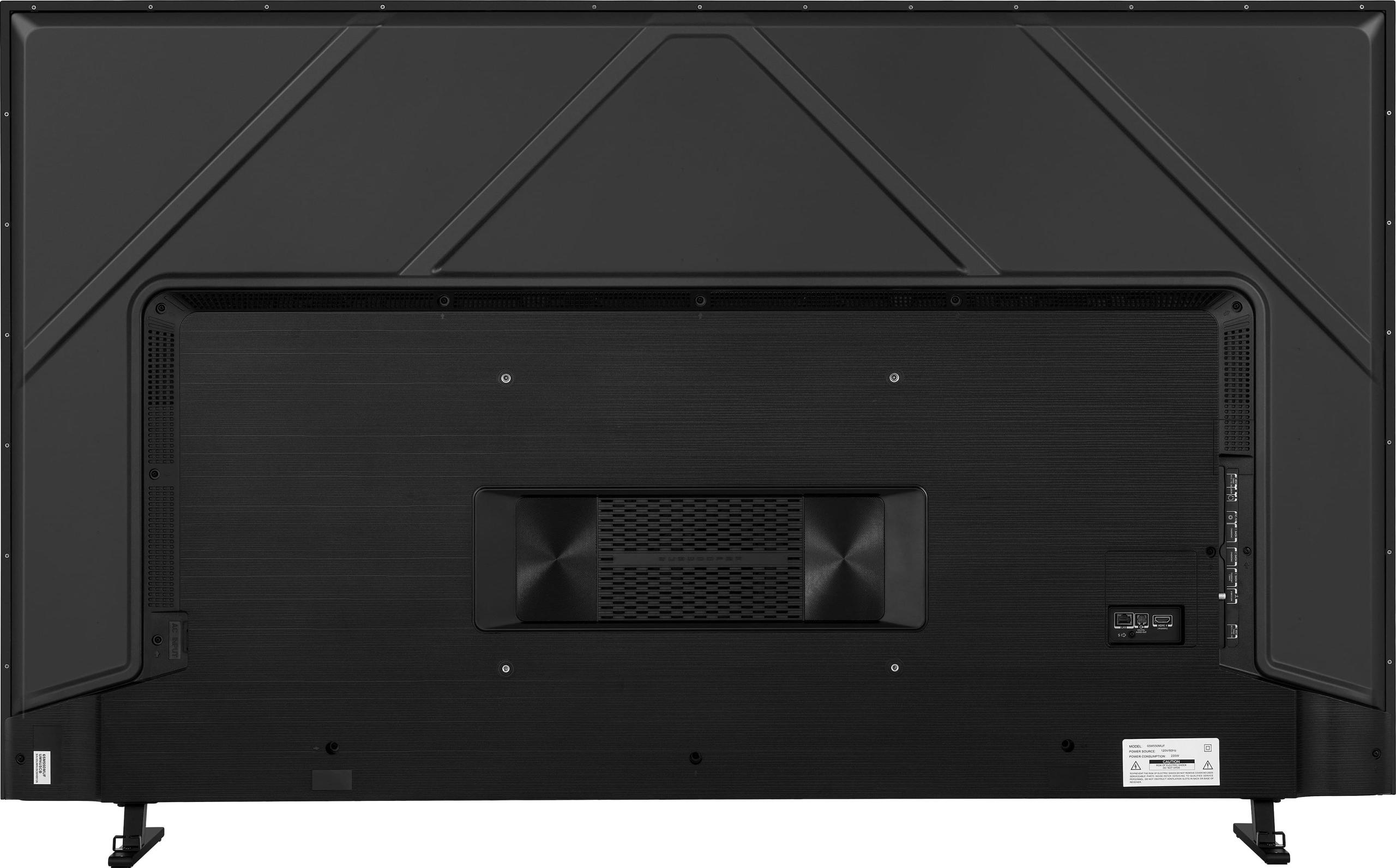
Audio quality represents one area where the Toshiba M550 clearly excels. Its REGZA Power Audio Pro system delivers 40 watts through three speakers including a dedicated subwoofer. The difference is immediately noticeable—dialogue sounds clearer, music has more depth, and action scenes carry more impact. Many users report the built-in audio eliminates their need for a separate soundbar.
The Samsung Q6F's 20-watt 2-channel system (40 watts in some regions with a subwoofer) sounds adequate but unremarkable. Samsung's Object Tracking Sound Lite tries to create immersive audio by moving sound across the screen, but the limited speaker setup constrains its effectiveness. The Q-Symphony feature, which lets the TV speakers work alongside compatible Samsung soundbars, offers future upgrade potential but requires additional investment.
For apartment dwellers or users who prefer not to add external speakers, the Toshiba M550's superior built-in audio becomes a significant advantage. Movie nights feel more cinematic without additional equipment.
In dedicated home theater setups, these TVs serve different roles. The Toshiba M550 works best as a display-focused centerpiece where picture quality matters most. Its Full Array Local Dimming and Dolby Vision support create more film-like images, especially in darkened rooms where the contrast advantages shine.
However, the smart TV performance issues become more problematic in home theater contexts. Enthusiasts expect reliable performance when cueing up movies or switching between sources. The Toshiba M550's inconsistent behavior disrupts the theater experience.
The Samsung Q6F serves better as an all-in-one solution for casual home theaters. While it lacks the Toshiba M550's display sophistication, its reliable performance and smart home integration make it easier to live with daily. The SmartThings hub functionality can even control other theater components.
For serious home theater applications, both TVs reveal their budget origins. Enthusiasts should consider whether investing in a higher-tier model or separating display and smart functions (using an external streaming device) might better serve their needs.
At the time of writing, both TVs compete in similar price ranges, making value comparison particularly relevant. The Toshiba M550 offers premium display technology typically found in much more expensive TVs. Full Array Local Dimming and Dolby Vision support represent genuine technological advantages that enhance viewing quality.
However, value encompasses more than just features. The reliability issues that plague the Toshiba M550 diminish its practical value. A TV with better specs that frustrates users daily provides less value than a simpler TV that works consistently.
The Samsung Q6F defines value differently—delivering dependable performance across all functions rather than excelling in specific areas. For most users, this proves more valuable long-term. The consistent smart TV experience, reliable gaming performance, and stable operation justify the price even without cutting-edge display features.
Consider total cost of ownership too. The Toshiba M550's superior built-in audio might eliminate soundbar costs, while its processing issues could drive users toward external streaming devices, adding complexity and expense.
After extensive research into user experiences and professional reviews, I believe most buyers should choose the Samsung Q6F. While the Toshiba M550 offers superior display technology, its fundamental performance issues create too much daily frustration for most users.
Choose the Samsung Q6F if you:
Choose the Toshiba M550 if you:
The Samsung Q6F represents the safer choice for most households. Its balanced approach delivers good enough picture quality with excellent usability. The Toshiba M550 appeals to enthusiasts willing to trade convenience for superior image quality, but its reliability issues make it hard to recommend broadly.
In the budget QLED segment, reliability often matters more than raw specifications. Both TVs deliver quantum dot colors and 4K resolution, but only one provides the consistent experience modern users expect from their primary entertainment device.
| Toshiba 65" M550 Series QLED Fire TV | Samsung 65" QLED Q6F 4K Smart TV 2025 |
|---|---|
| Screen Size & Resolution - Both deliver 4K clarity at living room scale | |
| 65" 4K UHD (3840 x 2160) | 65" 4K UHD (3840 x 2160) |
| Backlighting Technology - Critical for contrast and black levels | |
| Full Array Local Dimming (48 zones) - Superior contrast control | Edge-lit/Direct-lit LED - No local dimming, less uniform blacks |
| HDR Support - Determines color range and brightness in premium content | |
| Dolby Vision, HDR10, HDR10+, HLG - Most comprehensive support | HDR10+, HDR10, HLG - No Dolby Vision support |
| Refresh Rate - Affects motion smoothness in sports and gaming | |
| 60Hz native, 120Hz at 1440p/1080p | 50Hz/60Hz native only |
| Gaming Features - Console compatibility for PS5/Xbox Series X | |
| VRR up to 60Hz, ALLM, Game Mode Plus | VRR (limited), ALLM, Auto Game Mode |
| Smart TV Platform - Your daily interface experience | |
| Fire TV with Alexa - Rich features but slow performance | Tizen OS - Faster, more reliable, multi-assistant support |
| Audio Output - Built-in speaker quality | |
| 40W with subwoofer, Dolby Atmos - Eliminates need for soundbar | 20W 2-channel (40W in some regions) - Adequate but basic |
| Processing Power - Affects app loading and overall responsiveness | |
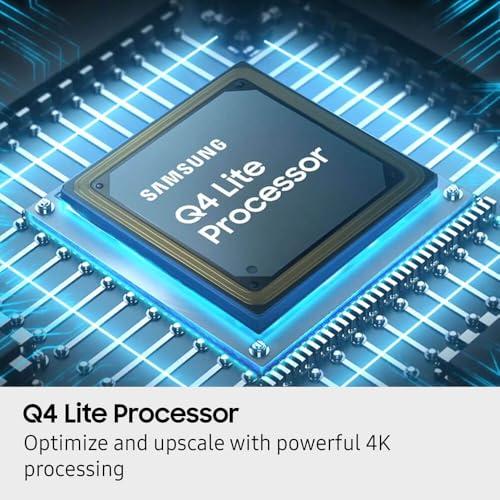
| REGZA Engine ZR - Underpowered, causes 30-60 second delays | Q4 Lite Processor - Well-optimized for smooth operation |
| HDMI Ports - Connection flexibility for devices | |
| 4 ports (1 with eARC) | 3 ports (1 with eARC) |
| Smart Home Integration - Connected device control | |
| Fire TV ecosystem, Alexa built-in | SmartThings Hub, Matter Hub, multi-assistant support |
| Motion Handling - Critical for action movies and sports | |
| Motion issues in fast scenes, phantom images reported | Motion Xcelerator - Smoother, more consistent performance |
| Peak Brightness - Important for HDR and bright room viewing | |
| Good brightness but lower than Samsung | Higher peak brightness, better for bright rooms |
| Overall Reliability - Day-to-day usability based on user reports | |
| Frequent freezing, app crashes, slow response times | Consistent performance, stable operation, reliable interface |
The Toshiba M550 delivers superior contrast and black levels thanks to its Full Array Local Dimming technology with 48 zones, making it excellent for dark room movie watching. It also supports Dolby Vision HDR, which the Samsung Q6F lacks. However, the Samsung Q6F offers higher peak brightness and more consistent colors, making it better for bright rooms and general viewing.
The Samsung Q6F runs significantly faster with its optimized Tizen OS, offering quick app loading and stable performance. The Toshiba M550 uses Fire TV but suffers from an underpowered processor that causes 30-60 second loading times and frequent crashes, making daily use frustrating despite Fire TV's excellent content selection.
Both TVs support gaming features like VRR and Auto Low Latency Mode, but the Toshiba M550 offers 120Hz at 1440p while the Samsung Q6F maxes out at 60Hz. However, the Toshiba's processing issues cause inconsistent input lag and motion problems that can hurt gaming performance, making the more reliable Samsung Q6F better for most gamers.
The Toshiba M550 clearly wins with its 40-watt system including a built-in subwoofer and Dolby Atmos support, delivering audio quality that often eliminates the need for a soundbar. The Samsung Q6F has basic 20-watt speakers that sound adequate but unremarkable, though it offers Q-Symphony compatibility with Samsung soundbars.
This depends on your priorities. The Toshiba M550 packs premium display features like local dimming and Dolby Vision typically found in much more expensive TVs. The Samsung Q6F offers better overall reliability and user experience. For most buyers, the Samsung's consistent performance provides better long-term value despite fewer advanced features.
The Samsung Q6F performs better in bright environments thanks to its higher peak brightness levels and anti-reflective screen treatment. While the Toshiba M550 has superior contrast, its lower brightness can make HDR content appear dim in well-lit rooms, reducing the impact of its advanced display technology.
The Samsung Q6F delivers smoother motion handling with its Motion Xcelerator technology and more stable processing. The Toshiba M550 struggles with motion, creating "phantom images" and jerky movement during fast-paced scenes, making it less suitable for sports viewing despite its higher refresh rate capabilities.
The Samsung Q6F proves far more reliable based on user reports, with consistent performance, stable smart features, and minimal crashes. The Toshiba M550 frequently suffers from freezing, app exits, and system instability that can disrupt viewing sessions, making it frustrating for everyday use.
For dedicated home theaters with controlled lighting, the Toshiba M550 excels with its Full Array Local Dimming creating cinematic blacks and superior contrast. However, its reliability issues can disrupt the theater experience. The Samsung Q6F works better as an all-in-one solution with consistent performance, though it lacks the premium display features serious enthusiasts prefer.
The Samsung Q6F offers superior smart home features with built-in SmartThings Hub, Matter Hub support, and compatibility with multiple voice assistants (Bixby, Alexa, Google Assistant). The Toshiba M550 focuses mainly on Amazon's ecosystem with Alexa integration but lacks the broader smart home connectivity options.
While both TVs access the same streaming services, the Samsung Q6F provides a much better experience with fast app loading, stable playback, and reliable interface navigation. The Toshiba M550 offers excellent picture quality when streaming works properly, but frequent crashes and slow performance make the streaming experience frustrating.
For most buyers, the Samsung Q6F delivers the best overall experience with reliable performance, consistent picture quality, and smooth smart TV operation. Choose the Toshiba M550 only if you prioritize picture quality above all else and can tolerate significant software issues for superior contrast and audio in dark room viewing scenarios.
We've done our best to create useful and informative comparisons to help you decide what product to buy. Our research uses advanced automated methods to create this comparison and perfection is not possible - please contact us for corrections or questions. These are the sites we've researched in the creation of this article: bestbuy.com - bestbuy.com - consumerreports.org - youtube.com - pcvarge.com - tomsguide.com - youtube.com - bestbuy.com - toshibatv-usa.com - marketplace-staging.paytomorrow.com - toshibatv-usa.com - productabout.com - leaseville.com - youtube.com - toshibatv-usa.com - tomsguide.com - bestbuy.com - samsung.com - rtings.com - youtube.com - rtings.com - bestbuy.com - samsung.com - samsung.com - samsung.com - manuals.plus - shopjetson.com - samsung.com - samsung.com - samsung.com - samsung.com - bestbuy.com - jefflynch.com

Privacy Policy
Terms and Conditions - Affiliate Policy
Home Security
© Copyright 2008-2026.
11816 Inwood Rd #1211, Dallas, TX 75244