

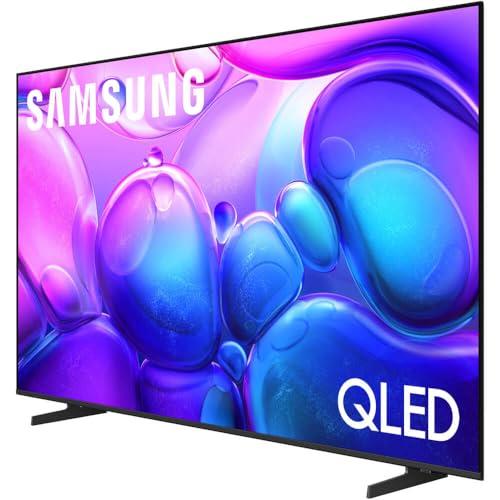
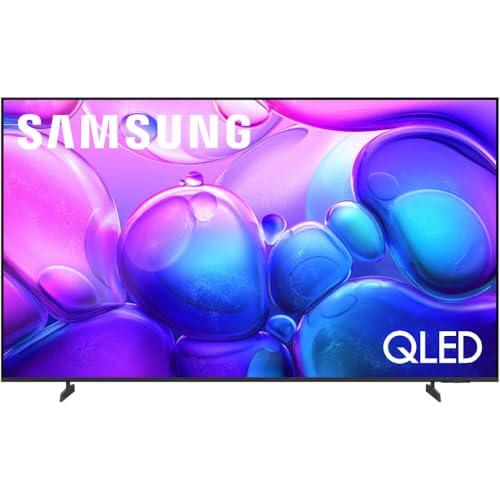
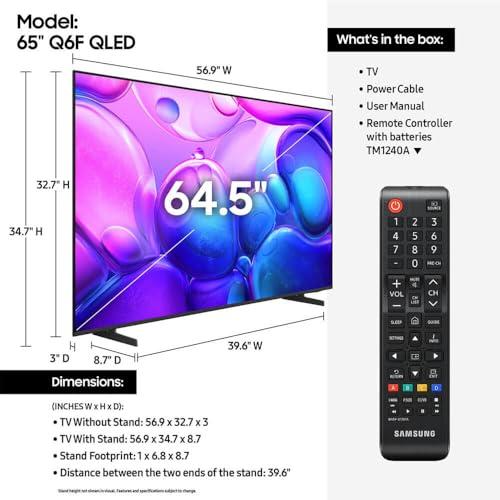
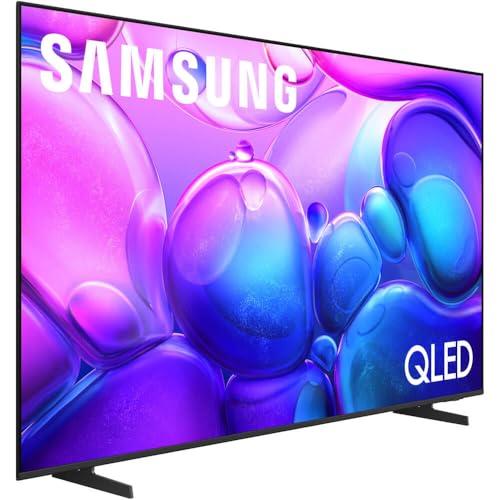
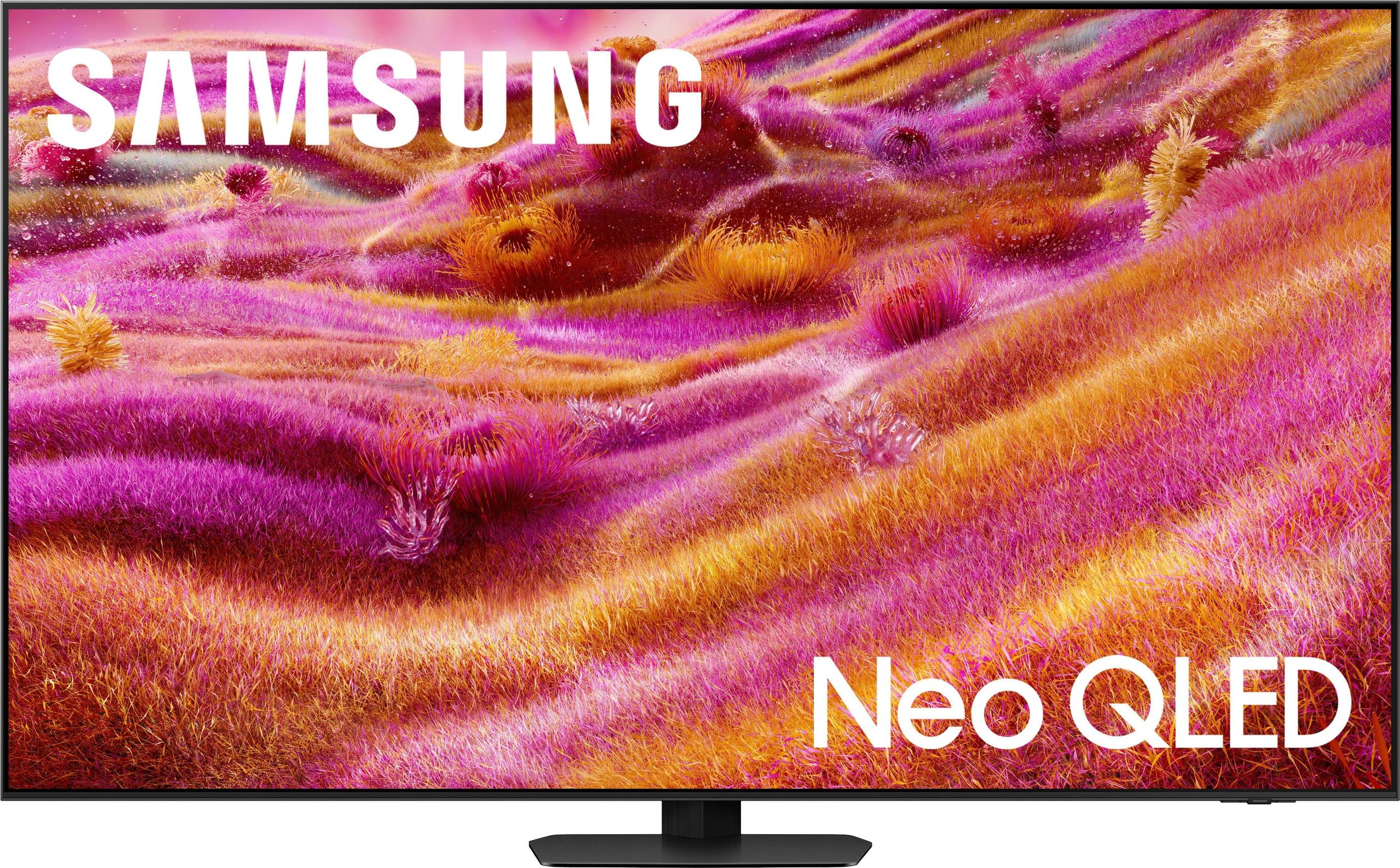
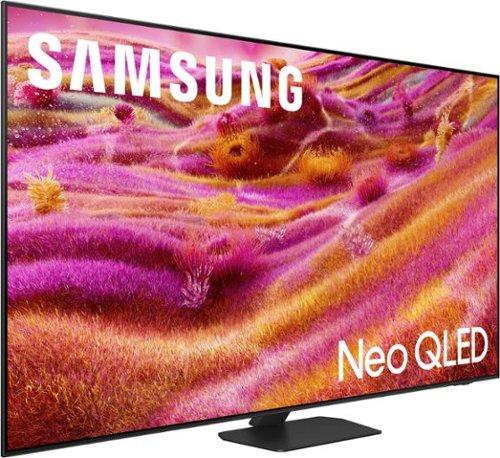


Samsung's 2025 QLED TV lineup spans an impressive range, from budget-friendly options to premium powerhouses. Two models that perfectly illustrate this spectrum are the 65" QLED Q6F and the 65" QN90F Neo QLED. While both carry the Samsung name and QLED technology, they're fundamentally different beasts designed for very different buyers.
The TV market has evolved dramatically over the past few years. In 2025, we're seeing manufacturers push the boundaries of what's possible with LED technology while making premium features more accessible. Samsung's approach has been to create distinct tiers that serve different needs, and these two models exemplify that strategy perfectly.
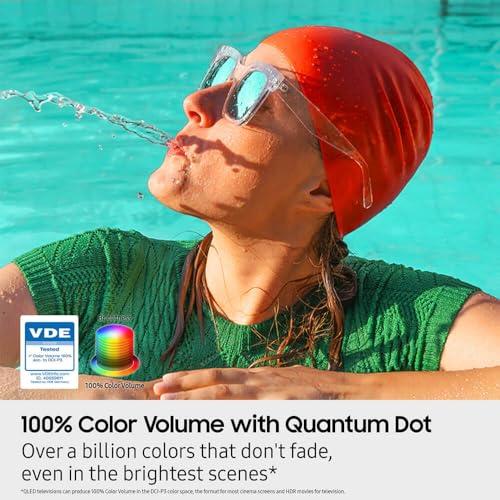
Before diving into specifics, it's worth understanding what QLED actually means and why it matters. QLED stands for Quantum Dot Light Emitting Diode – a technology that uses tiny semiconductor particles called quantum dots to produce incredibly pure colors. Think of quantum dots as microscopic color filters that can create more vibrant, accurate colors than traditional LED TVs.
The key factors that separate good QLED TVs from great ones come down to a few critical areas: how they control light (local dimming), how bright they can get (peak brightness), how they handle motion (refresh rate), and how smart they really are (processing power). These aren't just spec sheet numbers – they translate into real-world viewing experiences that can make or break your entertainment.
The most significant difference between the Samsung Q6F and QN90F lies in their backlighting systems, and this single distinction cascades into virtually every aspect of their performance.
The Q6F uses edge-lit LED backlighting – a cost-effective approach where LEDs line the edges of the screen and light travels across the panel. It's like having a flashlight shine from the side of a piece of paper. This works, but it doesn't give you precise control over different areas of the screen. You can't make one corner darker while keeping another bright.
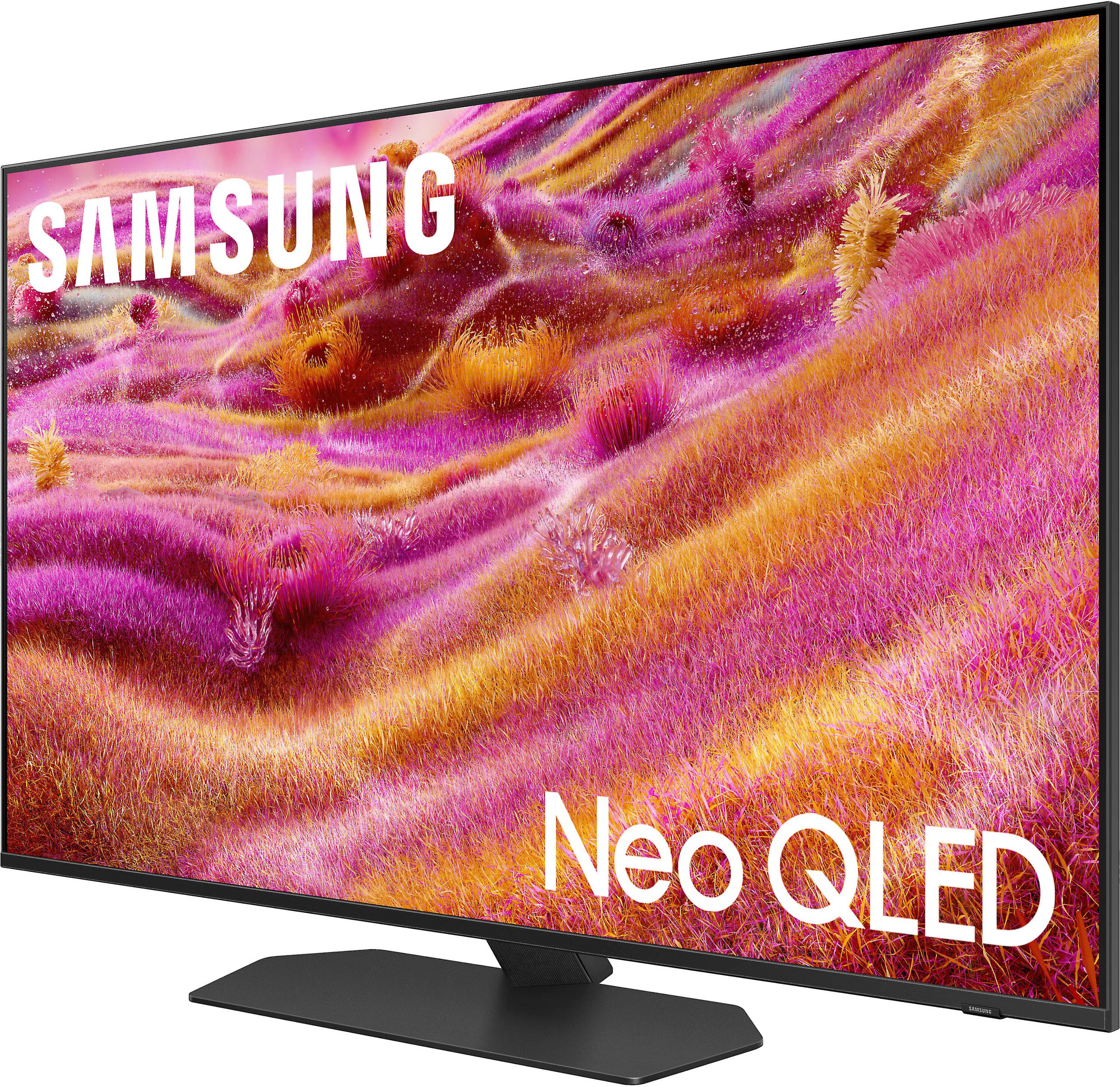
The QN90F, however, uses Samsung's Mini LED technology with what they call Quantum Matrix. This is a completely different approach – imagine having hundreds of tiny, individually controlled LED lights behind the screen. The larger 75" version has roughly 900 dimming zones, meaning the TV can independently control the brightness of 900 different areas of the picture. This is called full-array local dimming, and it's a game-changer for picture quality.
This technical difference explains why professional reviewers consistently praise the QN90F for its "excellent black levels with minimal blooming" while noting that the Q6F has elevated black levels due to its inability to turn off specific areas of backlighting.
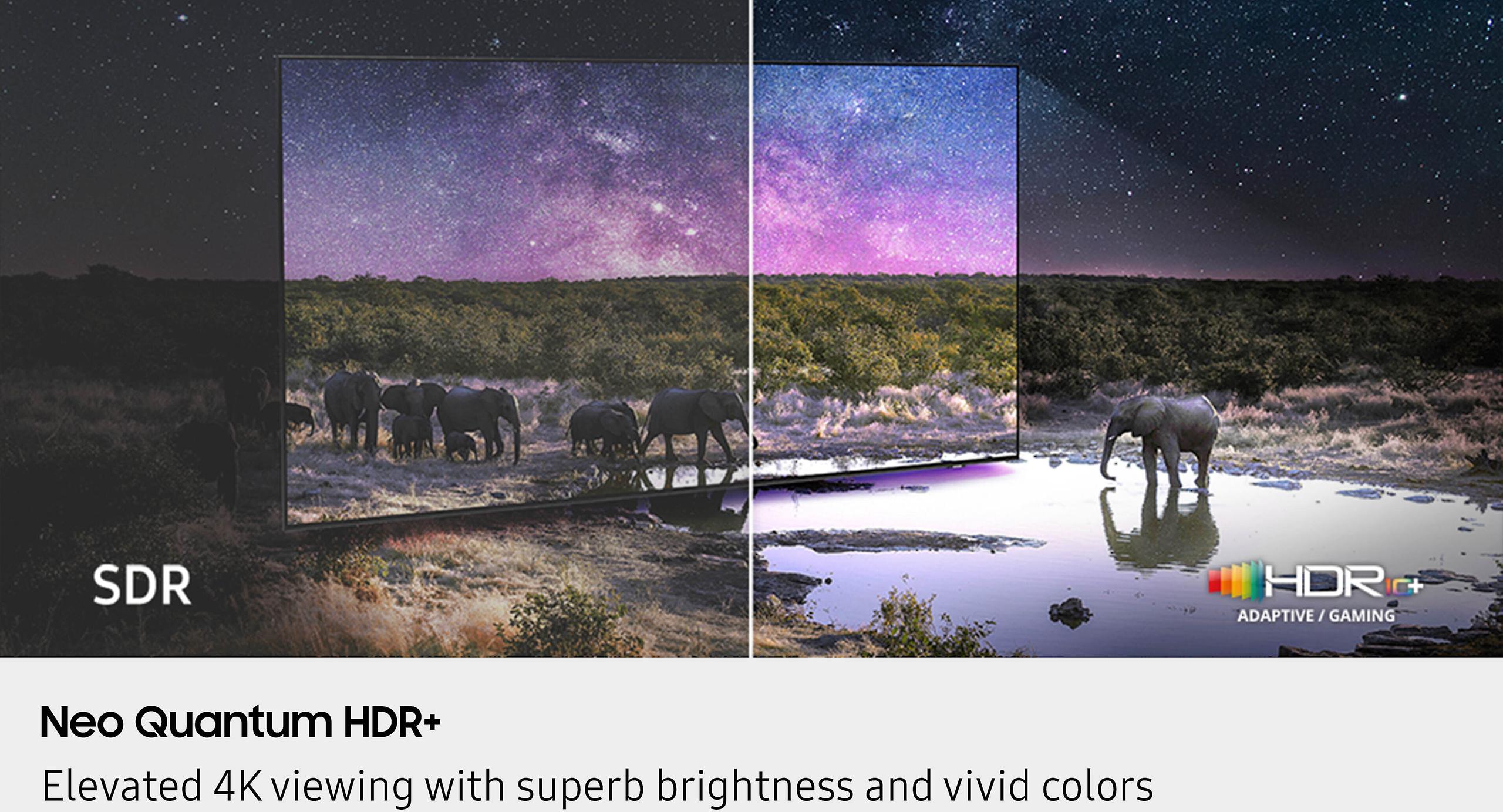
When it comes to brightness, the QN90F operates in a different league entirely. Professional testing shows it can reach peaks of 1,900 nits in HDR highlights – that's bright enough to create truly eye-catching specular highlights like sunlight reflecting off water or the glint of metal. For context, a typical LCD TV might reach 400-600 nits peak brightness.
HDR (High Dynamic Range) content is designed to take advantage of these brightness capabilities. When you're watching a movie with bright explosions, shimmering car paint, or brilliant sunsets, the QN90F can reproduce those visual elements with stunning realism. The Q6F, while supporting HDR formats, simply can't reach the brightness levels needed to make HDR content truly pop.
From our research into user experiences, Q6F owners appreciate the "vibrant colors that really pop," but when compared side-by-side with higher-end models, the limitations become apparent. It's like comparing a good smartphone camera to a professional DSLR – both take pictures, but the capabilities are in different worlds.
Here's where the Mini LED advantage becomes most obvious. The QN90F can achieve what reviewers describe as "very good black levels with minimal blooming." Blooming refers to that annoying halo effect you sometimes see around bright objects on dark backgrounds – like credits rolling over a black screen.
The Q6F lacks any local dimming capability, which means when there's supposed to be pure black on screen, you're actually seeing dark gray. This is particularly noticeable when watching movies with letterbox bars (those black bars above and below the picture) or when gaming in dark environments.
For home theater enthusiasts, this contrast performance is crucial. A movie like "Blade Runner 2049" or "Dune," with their dramatic interplay of light and shadow, simply looks more cinematic on the QN90F. The darker scenes have depth and mystery, while bright elements maintain their impact.
Gaming has become a major consideration for TV buyers, especially with the PlayStation 5 and Xbox Series X pushing 4K gaming at high refresh rates. This is where the QN90F shows its premium positioning most clearly.
The QN90F supports up to 165Hz refresh rate – nearly three times higher than the Q6F's 60Hz. But what does this mean practically? Higher refresh rates mean smoother motion, reduced input lag, and better responsiveness in fast-paced games. If you've ever played a racing game where the track seemed to stutter during quick turns, or a first-person shooter where your aiming felt sluggish, refresh rate is often the culprit.
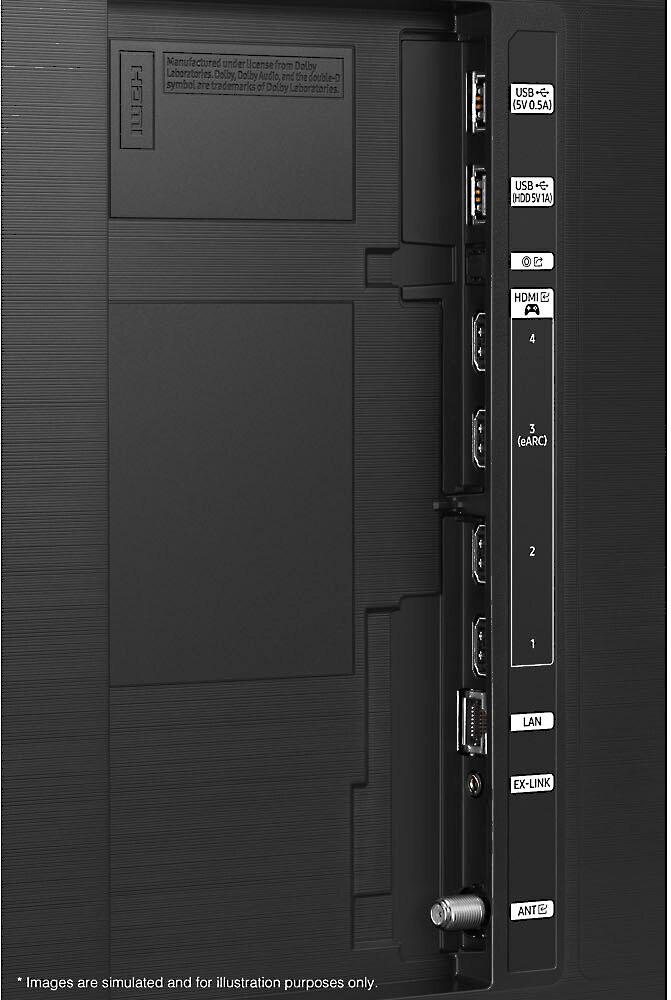
More importantly, the QN90F includes four HDMI 2.1 ports that can handle the full bandwidth needed for modern gaming. This means 4K gaming at high refresh rates with Variable Refresh Rate (VRR) support – a technology that synchronizes the TV's refresh rate with your console's output to eliminate screen tearing and stuttering.
However, there's an interesting caveat that professional reviewers have noted: the QN90F's black levels actually worsen in Game Mode, and zone transitions become slower, leading to some visible artifacts during gaming. It's still an excellent gaming TV, but it's not perfect.
The Q6F, while limited to 60Hz, still provides acceptable gaming performance for casual players. If you're primarily playing Nintendo Switch games or aren't concerned with the absolute latest in gaming technology, it's perfectly adequate.
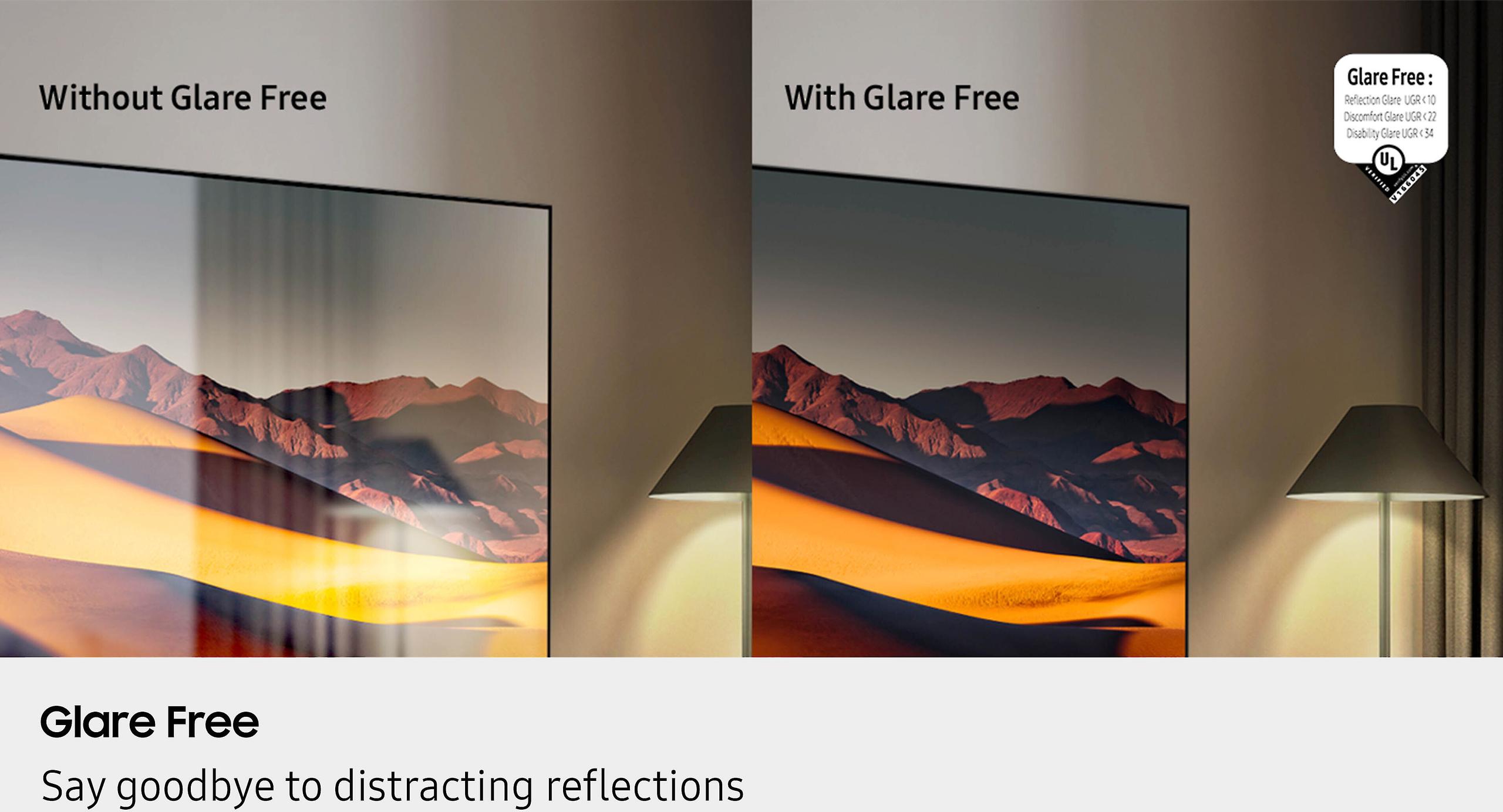
One of the most impressive features of the QN90F is its anti-glare matte screen coating – the same technology Samsung uses on their flagship S95F OLED. This might seem like a minor detail, but it's revolutionary for bright room viewing.
Traditional glossy TV screens act like mirrors in bright rooms. You end up seeing reflections of windows, lamps, and yourself instead of your content. The QN90F's matte coating virtually eliminates this problem. Professional reviewers describe being able to watch comfortably even in "extremely bright rooms" with direct sunlight hitting the screen.
The Q6F uses a standard glossy screen, which means it's best suited for controlled lighting environments. This isn't necessarily a dealbreaker, but it does limit where you can place the TV in your home.
For living rooms with large windows or bright overhead lighting, this difference is substantial. I've seen demonstrations where the reflection handling difference between models was described as "glaring" – quite literally.
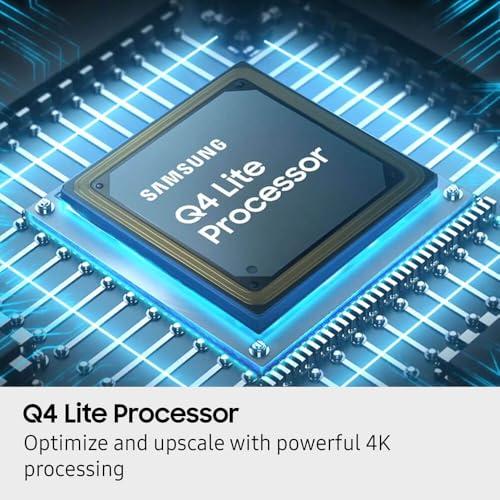
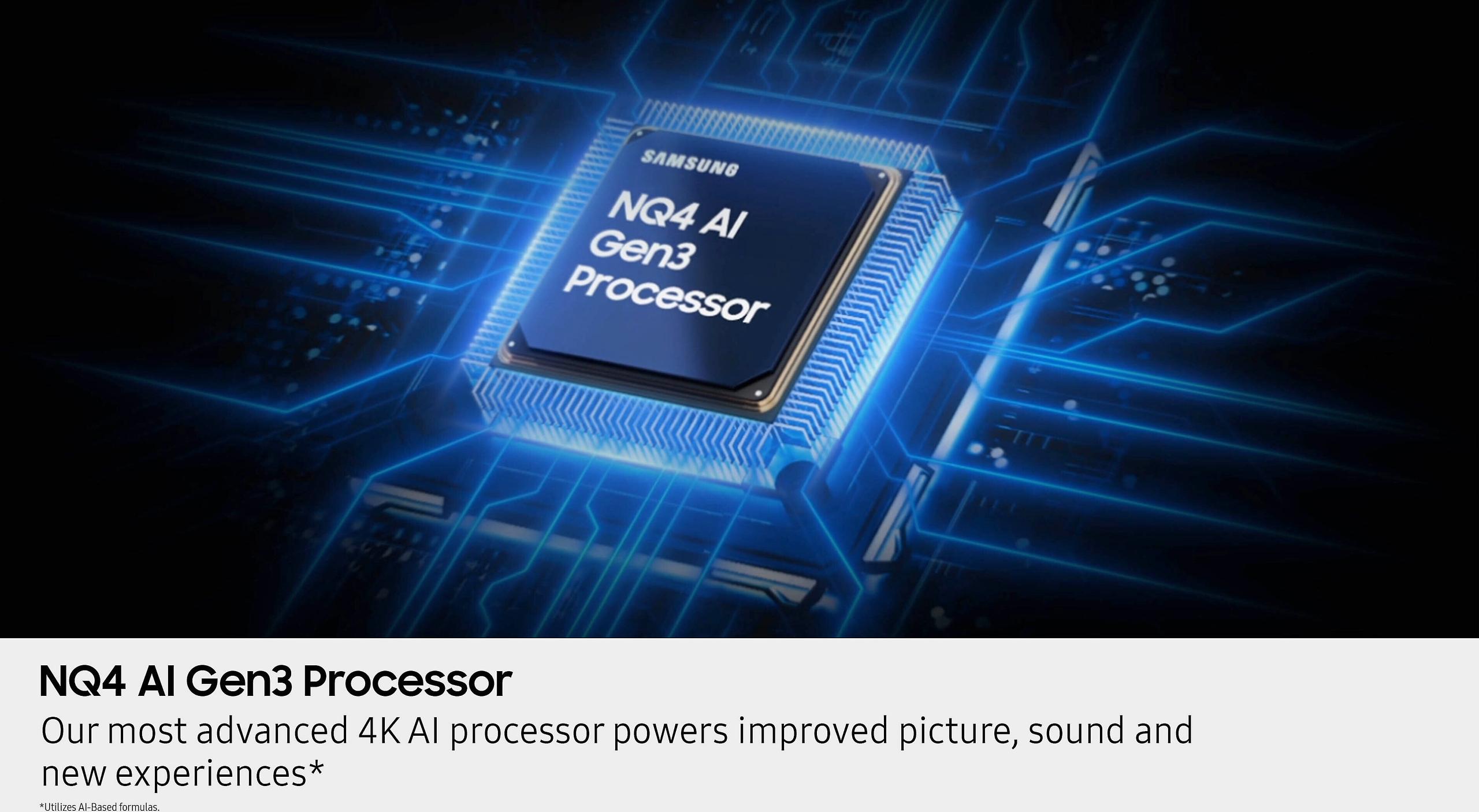
Both TVs run Samsung's Tizen operating system with their 2025 Vision AI features, but the underlying processing power creates noticeable differences in daily use. The QN90F includes Samsung's NQ4 AI Gen3 processor with 128 neural networks, while the Q6F uses the more basic Q4 Lite processor.
This processing difference shows up in several ways: menu navigation feels snappier on the QN90F, 4K upscaling is more sophisticated (meaning lower-resolution content looks better), and AI-driven picture optimization is more effective.
Both TVs include Samsung's Vision AI, which automatically adjusts picture settings based on content type and viewing environment. User reviews of the Q6F praise this feature, with one owner noting it "auto-adjusts the picture settings based on what I'm watching." However, the QN90F's more powerful processor enables more nuanced adjustments.
TV audio rarely gets the attention it deserves, but there's a meaningful difference here. The QN90F includes a 4.2.2 channel speaker system with 60 watts of power, featuring upward-firing speakers for Dolby Atmos content. This creates a more immersive soundscape where audio can seem to come from above and around you.
The Q6F has a more basic audio setup, though user reviews describe it as "impressive" for its class. For most viewers, either TV's built-in audio will be adequate, but home theater enthusiasts will appreciate the QN90F's more sophisticated system.
That said, serious home theater setups typically include dedicated sound systems anyway, so this might not be a deciding factor for everyone.
At the time of writing, there's roughly a 4-5x price difference between these models, which raises the obvious question: is the QN90F really worth that much more?
The answer depends entirely on your priorities and viewing environment. If you have a bright living room, enjoy gaming on current-generation consoles, or watch a lot of HDR content, the QN90F's advantages are immediately apparent and justify the premium.
However, if you're primarily streaming Netflix in a moderately lit room and gaming isn't a priority, the Q6F delivers a surprisingly complete experience. Customer reviews consistently praise its color quality and smart features, with many users expressing satisfaction with their purchase.
For dedicated home theater setups, the QN90F is the clear choice, but with some caveats. Its superior brightness, contrast, and color accuracy create a more cinematic experience, especially with HDR content. The anti-glare coating also helps in rooms where complete light control isn't possible.
However, neither TV supports Dolby Vision – a premium HDR format used by many streaming services and 4K Blu-rays. They're limited to HDR10 and HDR10+. For serious home theater enthusiasts, this omission might be significant enough to consider other brands or Samsung's QD-OLED models.
The Q6F can certainly work in a home theater, particularly in budget-conscious setups, but you'll miss out on the deep blacks and bright highlights that make HDR content truly impressive.
Choose the Q6F if:
Choose the QN90F if:
The Samsung Q6F represents excellent value in the entry-level QLED space. It brings Samsung's quantum dot color technology and smart platform to a much broader audience, and for many viewers, it's genuinely all they need.
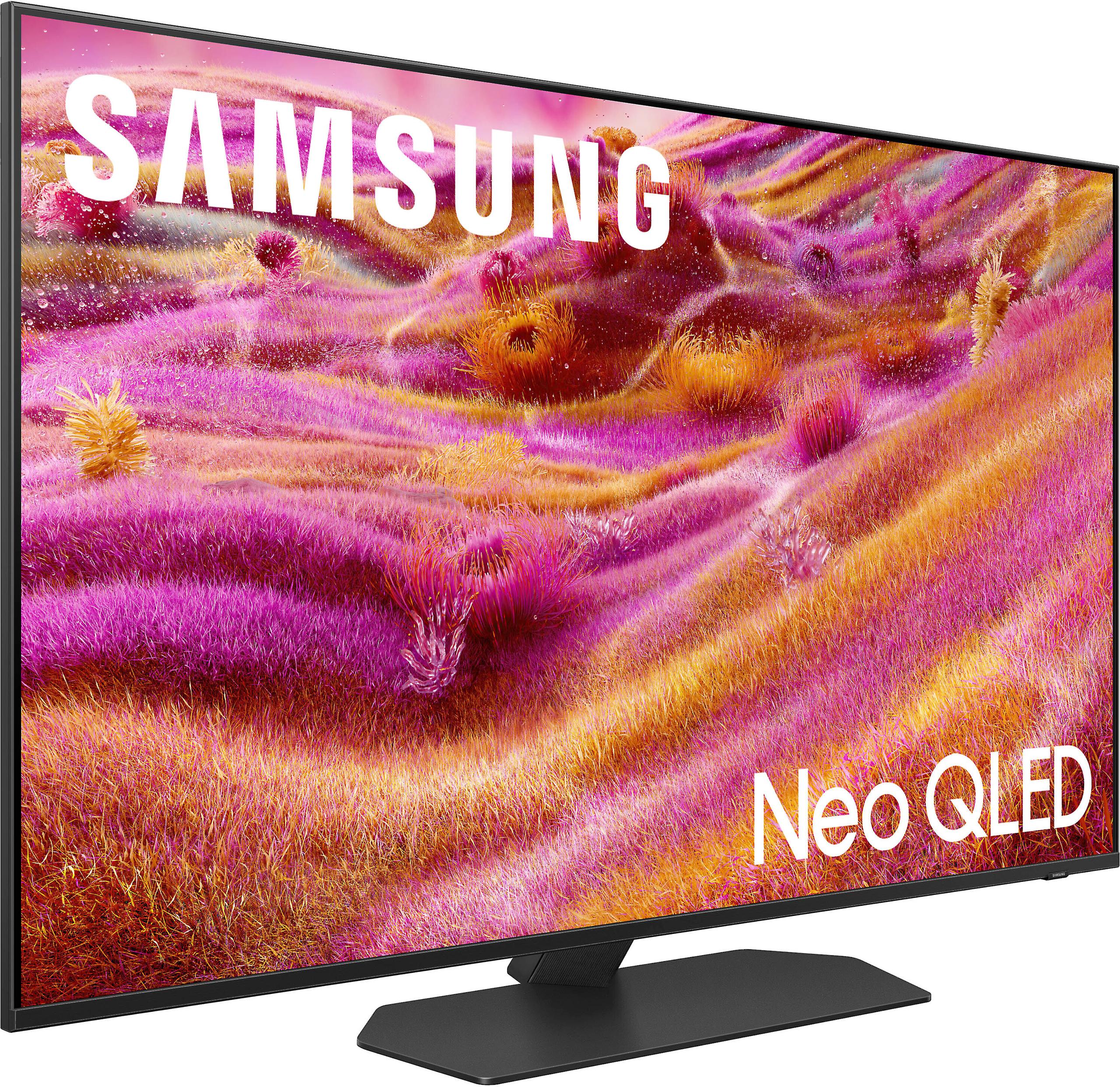
The Samsung QN90F, meanwhile, showcases what's possible when you don't compromise on technology. Its Mini LED backlighting, extreme brightness, anti-glare coating, and gaming features place it among the best LED TVs available.
The performance gap between these models is substantial and easily noticeable in side-by-side comparisons. Whether that gap justifies the price difference depends on your specific needs, viewing environment, and budget. Both are solid choices within their respective market segments, but they're designed for fundamentally different users.
At the time of writing, LED TV technology continues to evolve rapidly, with manufacturers finding new ways to challenge OLED displays through improved backlighting and processing. Both the Q6F and QN90F represent Samsung's 2025 vision for serving different market segments while maintaining their reputation for color accuracy and smart features.
The decision ultimately comes down to matching the technology to your needs – and being honest about what those needs really are.
| Samsung 65" QLED Q6F 4K Smart TV 2025 | Samsung 65" QN90F Neo QLED 4K Vision AI Smart TV 2025 |
|---|---|
| Display Technology - Core difference that affects all picture quality | |
| Edge-lit LED with Quantum Dot, no local dimming | Mini LED with ~900 dimming zones (Quantum Matrix Technology) |
| Peak Brightness - Critical for HDR impact and bright room viewing | |
| ~600 nits (decent for controlled lighting) | 1,900 nits in highlights (excellent for any environment) |
| Refresh Rate - Essential for gaming and smooth sports | |
| 60Hz (adequate for casual use) | 165Hz (excellent for gaming and fast motion) |
| Screen Coating - Makes or breaks bright room performance | |
| Standard glossy (reflects ambient light) | Anti-glare matte (virtually eliminates reflections) |
| Gaming Connectivity - Future-proofs for modern consoles | |
| Basic HDMI, 60Hz gaming only | 4x HDMI 2.1 ports, 4K@165Hz with VRR support |
| Processor - Affects smart features and upscaling quality | |
| Q4 Lite (basic AI upscaling) | NQ4 AI Gen3 with 128 neural networks (advanced processing) |
| Black Level Performance - Key for movie watching and contrast | |
| Elevated blacks due to no local dimming | Very good blacks with minimal light blooming |
| Audio System - Important if not using external speakers | |
| 2CH 20W basic speakers | 4.2.2CH 60W with Dolby Atmos and Object Tracking Sound+ |
| HDR Support - Affects premium content quality | |
| HDR10, HDR10+ (limited by brightness) | HDR10, HDR10+ with full brightness range (no Dolby Vision) |
| Smart Platform - Both use same OS but performance differs | |
| Tizen with Vision AI (responsive but basic) | Tizen with Vision AI (faster, more sophisticated features) |
| Best Use Case - Who should buy each model | |
| Budget-conscious buyers, controlled lighting, casual gaming | Bright rooms, serious gaming, HDR content, premium experience |
The key difference is display technology. The Samsung Q6F uses basic edge-lit LED backlighting without local dimming, while the Samsung QN90F features Mini LED technology with hundreds of dimming zones. This means the QN90F can produce much deeper blacks, brighter highlights, and better overall contrast for a more cinematic viewing experience.
The Samsung QN90F is significantly better for bright rooms thanks to its anti-glare matte screen coating and extreme brightness capabilities reaching 1,900 nits. The Samsung Q6F has a standard glossy screen that reflects ambient light, making it better suited for rooms with controlled lighting conditions.
The Samsung QN90F costs roughly 4-5 times more than the Samsung Q6F but offers substantial improvements in picture quality, gaming performance, and bright room viewing. It's worth the premium if you have a bright room, game on modern consoles, or watch lots of HDR content. For casual viewing in normal lighting, the Q6F provides excellent value.
The Samsung QN90F is far superior for next-gen gaming, offering 165Hz refresh rate, four HDMI 2.1 ports, and support for 4K gaming at high refresh rates with Variable Refresh Rate (VRR). The Samsung Q6F is limited to 60Hz gaming, making it suitable only for casual gaming or older consoles.
Yes, both the Samsung Q6F and Samsung QN90F run Samsung's Tizen operating system with Vision AI and support all major streaming apps. However, the QN90F has a more powerful processor that provides faster navigation, better 4K upscaling, and more sophisticated AI-driven picture optimization.
The Samsung QN90F features a superior 4.2.2 channel speaker system with 60W power, Dolby Atmos support, and Object Tracking Sound+ technology. The Samsung Q6F has a more basic audio setup, though users still find it impressive for the price point. For serious home theater setups, external speakers are recommended regardless of model.
Both the Samsung Q6F and Samsung QN90F support HDR10 and HDR10+ formats used by most streaming services. However, the QN90F can actually deliver the brightness needed to make HDR content look impressive, while the Q6F is limited by its lower peak brightness capabilities. Neither supports Dolby Vision.
For home theater use, the Samsung QN90F is the clear choice due to its superior contrast ratio, deeper blacks, and brighter highlights that create a more cinematic experience. The Q6F can work in a budget home theater setup, but you'll miss the dramatic visual impact that makes movies truly immersive, especially with HDR content.
The Samsung Q6F uses Samsung's basic Q4 Lite processor, while the Samsung QN90F features the advanced NQ4 AI Gen3 processor with 128 neural networks. This translates to significantly better 4K upscaling, more intelligent picture optimization, and faster smart TV performance on the QN90F.
The Samsung QN90F is better for sports due to its higher 165Hz refresh rate, superior motion handling, and anti-glare screen that performs well in bright living rooms where sports are typically watched. The Samsung Q6F handles sports adequately at 60Hz but may show more motion blur during fast action sequences.
The Samsung Q6F is designed for budget-conscious buyers who still want Samsung's Quantum Dot color technology and smart features. It delivers solid everyday viewing performance and represents excellent value in the entry-level QLED category, making it the obvious choice for those prioritizing affordability.
The Samsung Q6F is limited by its edge-lit design (no local dimming), 60Hz refresh rate, and glossy screen that reflects light. The Samsung QN90F lacks Dolby Vision support, has degraded black levels in Game Mode, and comes at a premium price point that may not be justified for casual viewers.
We've done our best to create useful and informative comparisons to help you decide what product to buy. Our research uses advanced automated methods to create this comparison and perfection is not possible - please contact us for corrections or questions. These are the sites we've researched in the creation of this article: tomsguide.com - bestbuy.com - samsung.com - rtings.com - youtube.com - rtings.com - bestbuy.com - samsung.com - samsung.com - samsung.com - manuals.plus - shopjetson.com - samsung.com - samsung.com - samsung.com - samsung.com - bestbuy.com - jefflynch.com - rtings.com - images.samsung.com - youtube.com - listenup.com - youtube.com - cullenshomecenter.com - shopjetson.com - youtube.com - samsung.com - samsung.com - videoandaudiocenter.com - rtings.com - bestbuy.com - youtube.com - news.samsung.com - news.samsung.com - news.samsung.com - bestbuy.com - news.samsung.com - youtube.com - news.samsung.com - youtube.com - smarthomesounds.co.uk

Privacy Policy
Terms and Conditions - Affiliate Policy
Home Security
© Copyright 2008-2026.
11816 Inwood Rd #1211, Dallas, TX 75244