

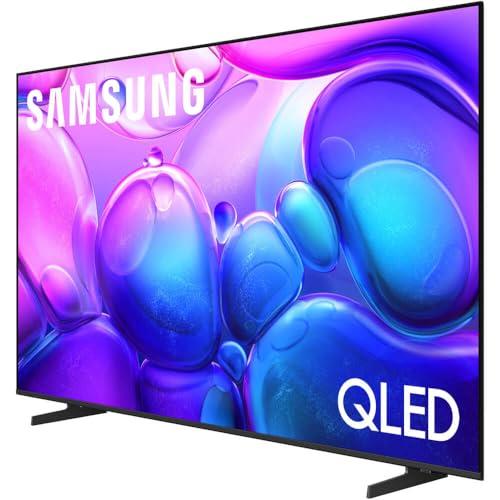
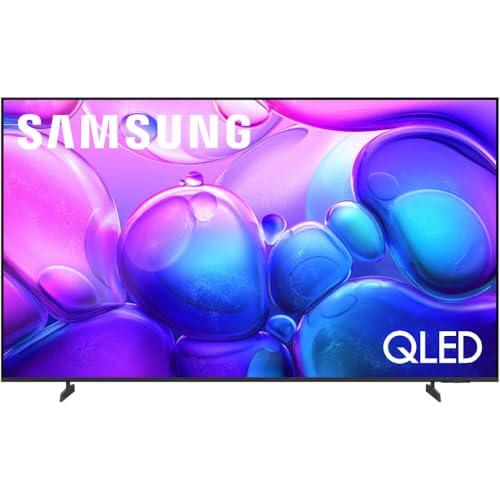
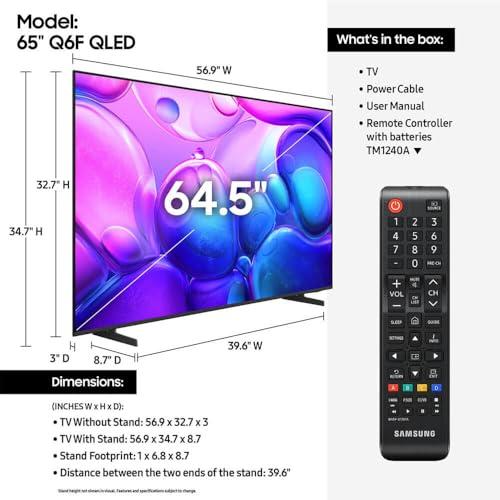
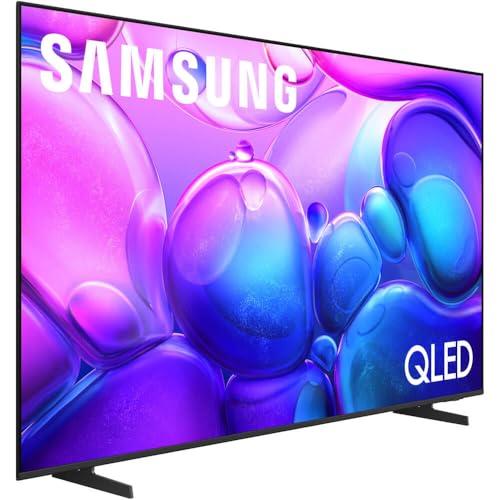




When shopping for a 65-inch 4K TV, you'll encounter two fundamentally different approaches to achieving great picture quality. The Samsung 65" QLED Q6F 2025 represents the traditional path—reliable quantum dot technology at an accessible price point. The TCL 65" QM8 Mini-LED Smart TV takes a more aggressive route, packing premium mini-LED technology into a price bracket that undercuts established flagship models.
Understanding which TV suits your needs requires diving into what makes each approach tick and where the performance differences actually matter in your living room.
The 4K TV landscape has evolved dramatically over the past few years. What started as a simple resolution upgrade has become a complex battleground of competing display technologies, each promising better colors, deeper blacks, and brighter highlights.
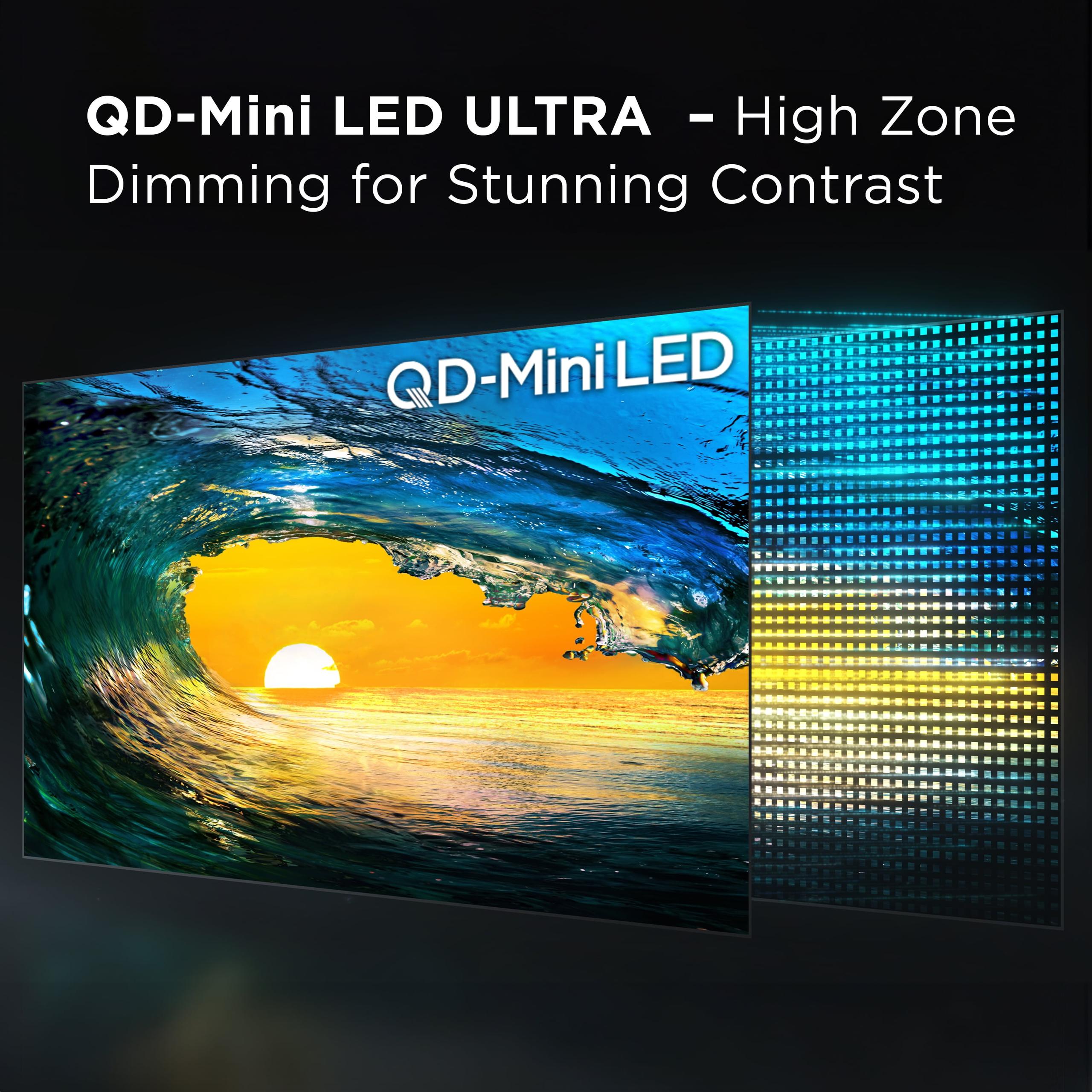
At the heart of these improvements lies local dimming—the ability to independently control different areas of the TV's backlight. Think of it like having thousands of tiny flashlights behind your screen, each capable of dimming or brightening based on what's being displayed. More zones typically mean better contrast control, which translates to more realistic images with proper black levels and punchy highlights.
HDR (High Dynamic Range) represents another crucial advancement. While standard content displays a limited range of brightness levels, HDR content contains information about much brighter highlights and darker shadows. However, your TV needs sufficient peak brightness and contrast control to actually display these improvements—which is where the technology differences between these models become critical.
The gaming landscape has also shifted significantly. With PlayStation 5 and Xbox Series X supporting higher refresh rates, and PC gaming pushing toward 4K at 120Hz or higher, TV gaming capabilities have become a major consideration for many buyers.
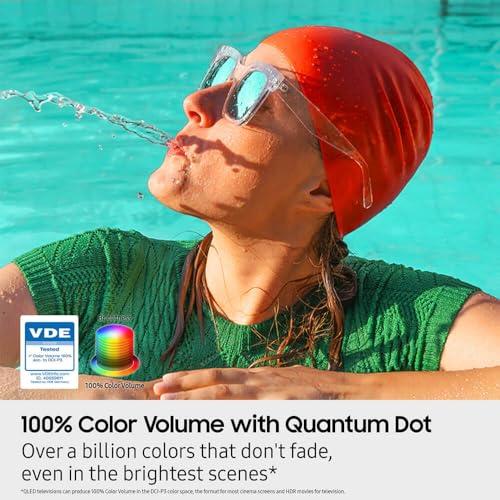
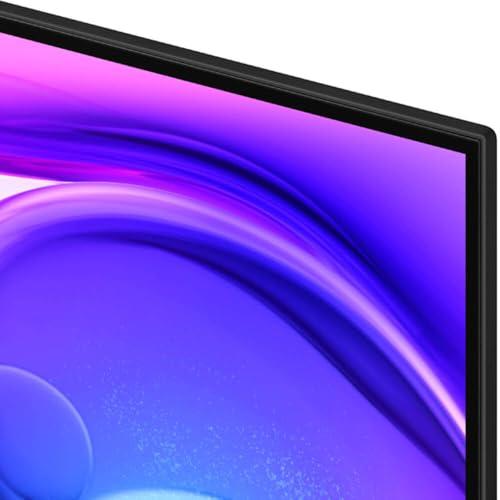
The Samsung Q6F employs what's become Samsung's entry-level QLED approach. Quantum dots are microscopic particles that enhance color reproduction when hit by LED backlighting. Samsung's implementation covers 100% of the DCI-P3 color space, delivering noticeably more vibrant and accurate colors compared to standard LED TVs.
However, the Q6F uses traditional direct-lit LED backlighting with basic edge dimming rather than full-array local dimming. This means the entire backlight operates more or less as one unit, making it difficult to achieve deep blacks when bright elements appear elsewhere on screen. It's like trying to create a spotlight effect with a floodlight—functional, but compromised.
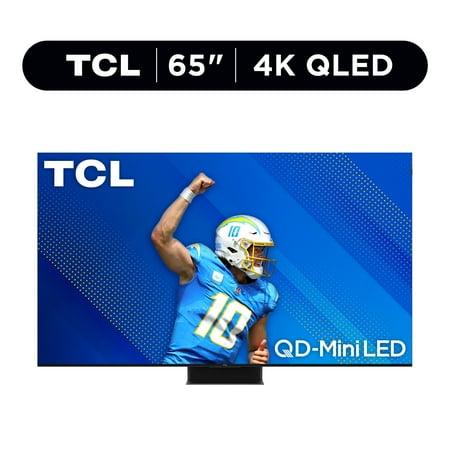
The TCL QM8 takes an entirely different approach with mini-LED technology. Instead of using larger LEDs, mini-LED employs thousands of LEDs that are roughly one-tenth the size of traditional LEDs. This allows for up to 5,000 individual dimming zones across the screen. Each zone can independently adjust its brightness, creating dramatically better contrast control.
Combined with quantum dot technology, the QM8's mini-LED system can simultaneously display deep, inky blacks alongside brilliant highlights—something that's extremely difficult with conventional LED backlighting. The result is contrast performance that approaches OLED displays while achieving much higher peak brightness levels.
Peak brightness represents one of the most significant performance differences between these displays. The Samsung Q6F achieves respectable brightness levels for its price category, suitable for most indoor viewing conditions. However, it lacks the brightness headroom necessary to make HDR content truly impactful.
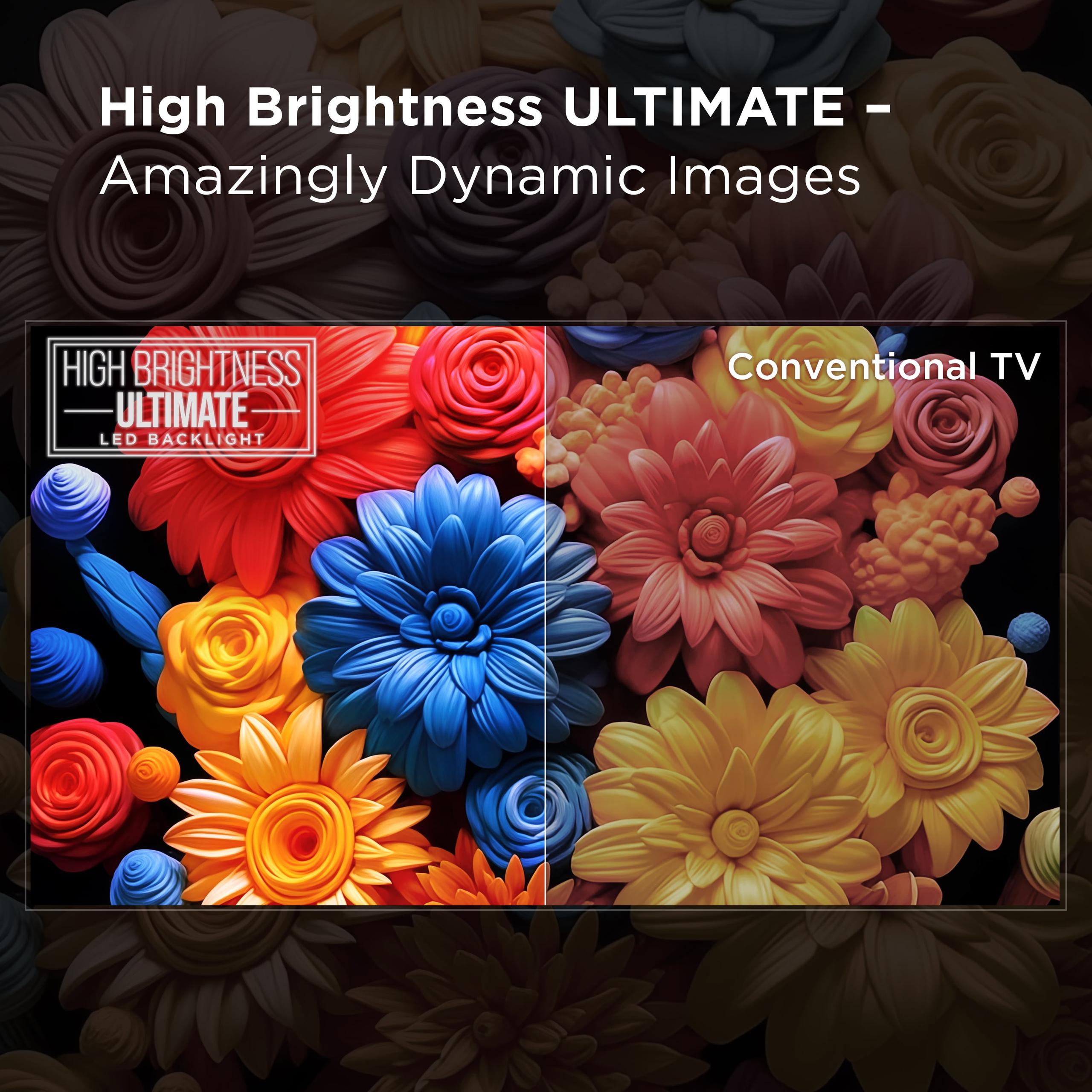
The TCL QM8 reaches peak brightness levels exceeding 3,000 nits—roughly three times brighter than many OLED displays and significantly brighter than the Samsung. This extreme brightness serves two purposes: it makes the TV usable in very bright rooms with lots of natural light, and it provides the dynamic range necessary to make HDR content look genuinely impressive.
When watching HDR movies or shows, the difference becomes immediately apparent. Explosions, sunlight, and other bright elements actually look bright rather than just "brighter than everything else." The mini-LED system can keep these highlights brilliant while maintaining deep blacks in other parts of the image—something the Samsung struggles with due to its simpler backlighting system.
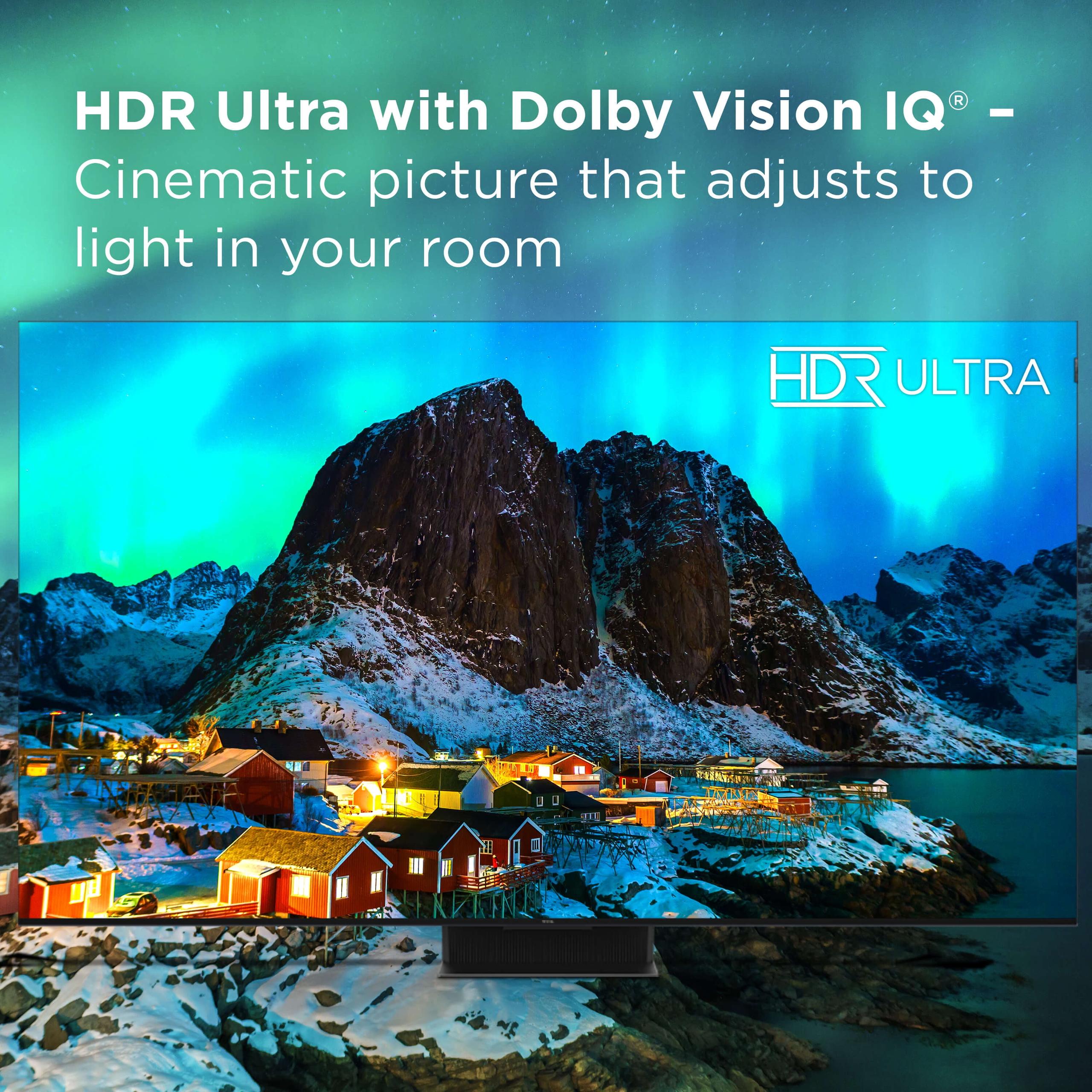
The format support also differs significantly. While the Samsung Q6F supports HDR10+ and Samsung's Quantum HDR, it lacks Dolby Vision support—the premium HDR format used by Netflix, Disney+, and other major streaming services. The TCL QM8 supports the full suite: Dolby Vision IQ, HDR10+, HDR10, HLG, and even IMAX Enhanced content.
For home theater enthusiasts, this brightness and format support difference is substantial. The QM8 can properly display the full dynamic range that content creators intended, while the Q6F presents a more modest interpretation of the same material.
Gaming capabilities represent another area where these TVs diverge significantly. The Samsung Q6F operates at a 60Hz refresh rate with support for Variable Refresh Rate (VRR) and Auto Low Latency Mode (ALLM). This makes it perfectly suitable for PlayStation 5 and Xbox Series X gaming at their standard 60fps output, with reduced input lag and tear-free gaming.
For most console gamers, this represents adequate performance. The Q6F handles modern console titles smoothly and includes Samsung's Gaming Hub, which provides access to cloud gaming services like Xbox Game Pass Ultimate and NVIDIA GeForce Now without requiring additional hardware.
The TCL QM8 operates in a different league entirely. With 144Hz refresh rate capability and comprehensive VRR support including FreeSync Premium, it's designed for serious PC gaming. If you're running a high-end graphics card capable of pushing 4K games above 60fps, the QM8 can display that extra smoothness.
This higher refresh rate also benefits console gaming as more titles begin supporting 120fps modes. Games like Call of Duty, Fortnite, and racing titles feel noticeably smoother on the QM8, though the improvement varies by title and personal sensitivity to motion clarity.
The input lag—the delay between pressing a button and seeing the result on screen—is excellent on both displays, though the QM8's gaming-focused design provides a slight edge for competitive gaming scenarios.
Both TVs offer comprehensive smart TV capabilities, though they take different approaches. The Samsung Q6F runs Samsung's Tizen operating system, which has matured significantly since its introduction. The interface is clean and responsive, with excellent integration into Samsung's broader ecosystem.
Samsung TV Plus provides access to over 1,200 free streaming channels, which adds genuine value for cord-cutters. The multi-voice assistant support (Bixby, Alexa, Google Assistant) and SmartThings integration make the Q6F particularly appealing if you're already invested in Samsung's smart home ecosystem.
The TCL QM8 typically ships with Google TV, providing comprehensive access to streaming services and a more traditional Android-based experience. The interface prioritizes content discovery and integrates well with Google services, though it may feel less polished than Samsung's implementation.
Both platforms support all major streaming apps, though minor differences in interface design and recommendation algorithms might influence your preference based on your viewing habits.
Neither display excels in audio performance, which reflects the broader challenge of integrating quality speakers into thin TV designs. The Samsung Q6F includes Object Tracking Sound Lite and Q-Symphony support, which allows it to work in harmony with compatible Samsung soundbars. However, the built-in 2-channel 20W system is adequate for casual viewing but lacks depth for movie watching.
The TCL QM8 includes enhanced speaker configuration compared to basic models, but reviews consistently note that external audio solutions significantly improve the experience. Both TVs would benefit from a dedicated soundbar or speaker system for optimal audio quality.
For home theater applications, plan to budget for external audio regardless of which display you choose.
The construction quality reflects each TV's market positioning. The Samsung Q6F features Samsung's clean design language with minimal bezels and a straightforward stand design. Materials are appropriate for the price point—functional and attractive without feeling premium.
The TCL QM8 requires more robust construction to support its advanced backlighting system. The additional components and heat management requirements result in a more substantial build that feels closer to traditional flagship models.
Both displays integrate well into modern living rooms, though the QM8's slightly larger footprint reflects its more complex internal components.
At the time of writing, the Samsung Q6F typically retails in the mid-range pricing tier for 65-inch TVs, making it an accessible entry point into quantum dot technology. For budget-conscious buyers who want noticeable color improvements over basic LED displays without breaking the bank, it represents solid value.
The TV excels at everyday viewing tasks: streaming shows, watching sports, and casual console gaming. The quantum dot enhancement makes colors more vibrant than standard LED TVs, and the smart platform provides comprehensive app support. However, the performance limitations become apparent with HDR content and bright room viewing.
The TCL QM8 commands a premium price but delivers performance that traditionally required spending significantly more on established flagship models. Based on our research into professional reviews and user feedback, the QM8 consistently delivers picture quality that competes with OLED displays while providing superior brightness performance.
For enthusiasts willing to spend more for dramatically better performance, the QM8 represents exceptional value in the premium TV category. The mini-LED technology provides tangible improvements in contrast, brightness, and HDR performance that are immediately apparent in side-by-side comparisons.
For dedicated home theater setups, the performance gap between these displays becomes most apparent. The TCL QM8 can properly display the full dynamic range of UHD Blu-ray discs and premium streaming content, with the brightness and contrast necessary to create that "cinematic" experience at home.
The mini-LED system's ability to maintain deep blacks while displaying bright highlights means that dark movie scenes retain detail while explosions and daylight scenes have genuine impact. The comprehensive HDR format support ensures compatibility with premium content from all major sources.
The Samsung Q6F provides a decent home theater experience for the price, but the limitations of its backlighting system become more noticeable with high-quality source material. Dark scenes may appear washed out, and HDR content won't have the same impact as on the QM8.
For casual movie watching and streaming, the Q6F is perfectly adequate. For enthusiasts who prioritize picture quality and have invested in premium content sources, the QM8 delivers substantially better performance.
The choice between these displays ultimately depends on your priorities and budget flexibility. The Samsung Q6F serves buyers who want a significant step up from basic LED TVs without venturing into premium pricing territory. It's ideal for families who primarily stream content, watch sports, and game casually on consoles.
The Q6F makes particular sense if you're already invested in Samsung's ecosystem, value the extensive free content from Samsung TV Plus, or simply want a reliable TV that delivers good performance without complexity.
The TCL QM8 targets buyers who prioritize picture quality and are willing to spend more for dramatically better performance. It's the right choice for movie enthusiasts, serious gamers, anyone with a bright living room, or viewers who have noticed the limitations of their current TV and want a genuine upgrade.
The QM8 also makes sense as a future-proofing investment. Its advanced display technology and gaming capabilities will remain relevant longer as content and gaming continue to evolve.
Based on our evaluation of expert reviews and user feedback, the performance difference between these displays is substantial enough to justify the price gap if picture quality is your primary concern. However, the Samsung provides excellent value for buyers whose needs align with its capabilities.
Consider your viewing habits, room lighting conditions, and how long you typically keep a TV before upgrading. The Samsung Q6F delivers solid performance for everyday use, while the TCL QM8 provides the picture quality and features that will satisfy demanding users for years to come.
| Samsung 65" QLED Q6F 4K Smart TV 2025 | TCL 65" QM8 Mini-LED Smart TV |
|---|---|
| Display Technology - Determines contrast performance and black levels | |
| Traditional direct-lit LED with Quantum Dot | Mini-LED with up to 5,000 dimming zones + Quantum Dot |
| Peak Brightness - Critical for HDR impact and bright room viewing | |
| Entry-level brightness suitable for most indoor conditions | 3,000+ nits peak brightness, excellent for any room |
| Refresh Rate - Important for gaming and motion clarity | |
| 60Hz native (adequate for console gaming) | 144Hz native (excellent for PC gaming and future-proofing) |
| HDR Format Support - Affects compatibility with premium streaming content | |
| HDR10+, Quantum HDR (no Dolby Vision) | Dolby Vision IQ, HDR10+, HDR10, HLG, IMAX Enhanced |
| Local Dimming Zones - Controls contrast and blooming around bright objects | |
| Basic edge dimming (limited contrast control) | Up to 5,000 zones (exceptional contrast control) |
| Gaming Features - Matters for console and PC gaming performance | |
| VRR, ALLM, Gaming Hub (good for 60fps console gaming) | 144Hz VRR, FreeSync Premium, ultra-low input lag (excellent for high-refresh gaming) |
| Smart TV Platform - Affects app availability and user experience | |
| Samsung Tizen with TV Plus (1,200+ free channels) | Google TV with comprehensive streaming support |
| Audio System - Built-in speaker performance | |
| 2CH 20W with Object Tracking Sound Lite | Enhanced speaker configuration (external audio still recommended) |
| Color Performance - Visual impact and accuracy | |
| 100% DCI-P3 color volume with Quantum Dot | Enhanced color accuracy with Quantum Dot + superior backlighting |
| Connectivity - HDMI ports and bandwidth capabilities | |
| 3 HDMI ports, Wi-Fi 5, limited bandwidth | 4 HDMI ports with higher bandwidth for gaming |
| Best For - Target buyer and use cases | |
| Budget-conscious buyers wanting basic QLED performance | Enthusiasts wanting premium picture quality at competitive pricing |
The TCL 65" QM8 Mini-LED Smart TV delivers significantly better picture quality for movies due to its mini-LED backlighting with up to 5,000 dimming zones. This provides deeper blacks, brighter highlights, and superior HDR performance compared to the Samsung 65" QLED Q6F 4K Smart TV 2025. The TCL also supports Dolby Vision, which many streaming services and UHD Blu-rays use for premium content.
Both TVs use Quantum Dot (QLED) technology for enhanced colors, but the TCL QM8 adds mini-LED backlighting with thousands of individual dimming zones for precise contrast control. The Samsung Q6F uses traditional LED backlighting with basic dimming, which can't achieve the same level of black depth and contrast performance as the TCL's advanced mini-LED system.
The TCL 65" QM8 Mini-LED Smart TV is superior for gaming with its 144Hz refresh rate, making it excellent for PC gaming and future console capabilities. The Samsung 65" QLED Q6F 4K Smart TV 2025 offers 60Hz with VRR and ALLM, which is adequate for current console gaming but lacks the high refresh rate capabilities of the TCL.
The TCL QM8 excels in bright rooms with peak brightness exceeding 3,000 nits, easily overcoming glare and reflections. The Samsung Q6F provides decent brightness for most indoor conditions but may struggle in very bright rooms with lots of natural light, making the TCL the better choice for sun-filled living spaces.
Value depends on your priorities. The Samsung 65" QLED Q6F 4K Smart TV 2025 offers excellent value for budget-conscious buyers seeking basic QLED performance. The TCL 65" QM8 Mini-LED Smart TV provides exceptional value in the premium category, delivering flagship-level picture quality at a competitive price point compared to other mini-LED displays.
Both the Samsung Q6F and TCL QM8 support all major streaming services including Netflix, Amazon Prime Video, Disney+, and more. The Samsung runs Tizen OS with Samsung TV Plus for free channels, while the TCL typically uses Google TV. Both platforms provide comprehensive app support and regular updates.
The TCL 65" QM8 Mini-LED Smart TV delivers superior HDR performance with higher peak brightness, better contrast control, and support for Dolby Vision IQ, HDR10+, and IMAX Enhanced. The Samsung 65" QLED Q6F 4K Smart TV 2025 supports HDR10+ and Quantum HDR but lacks Dolby Vision and the brightness levels needed for impactful HDR viewing.
For home theater use, the TCL QM8 is the clear winner with its cinema-quality contrast, comprehensive HDR format support, and ability to display the full dynamic range of premium content. The Samsung Q6F works for casual movie watching but lacks the contrast performance and brightness needed for a dedicated home theater experience.
Both the Samsung 65" QLED Q6F 4K Smart TV 2025 and TCL 65" QM8 Mini-LED Smart TV have adequate built-in audio for casual viewing, but neither excels in this area. The Samsung offers Object Tracking Sound Lite and Q-Symphony soundbar compatibility, while both TVs would benefit from external audio solutions for optimal sound quality.
The TCL QM8 offers better future-proofing with its 144Hz refresh rate, advanced display technology, and comprehensive HDR format support. The Samsung Q6F provides reliable performance but may feel dated sooner due to its 60Hz limitation and basic backlighting technology as content and gaming continue evolving.
The Samsung 65" QLED Q6F 4K Smart TV 2025 runs Tizen OS with excellent Samsung ecosystem integration and Samsung TV Plus free channels. The TCL 65" QM8 Mini-LED Smart TV typically features Google TV with comprehensive streaming support. Both offer voice control and regular updates, with the choice often coming down to ecosystem preference.
If budget is the primary concern, the Samsung Q6F provides solid QLED performance at an accessible price point. However, if you can stretch your budget, the TCL QM8 delivers dramatically better performance that justifies the higher cost, especially for users who prioritize picture quality, gaming capabilities, or bright room viewing.
We've done our best to create useful and informative comparisons to help you decide what product to buy. Our research uses advanced automated methods to create this comparison and perfection is not possible - please contact us for corrections or questions. These are the sites we've researched in the creation of this article: tomsguide.com - bestbuy.com - samsung.com - rtings.com - youtube.com - rtings.com - bestbuy.com - samsung.com - samsung.com - samsung.com - manuals.plus - shopjetson.com - samsung.com - samsung.com - samsung.com - samsung.com - bestbuy.com - jefflynch.com - rtings.com - rtings.com - techradar.com - tcl.com - the-gadgeteer.com - nfm.com - ecoustics.com - careyscommunications.com - pcrichard.com - tcl.com

Privacy Policy
Terms and Conditions - Affiliate Policy
Home Security
© Copyright 2008-2026.
11816 Inwood Rd #1211, Dallas, TX 75244