



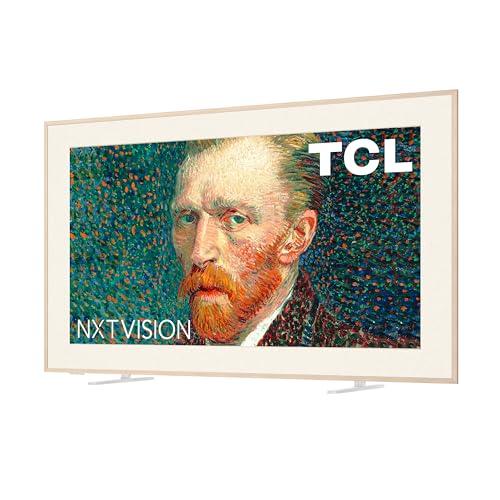
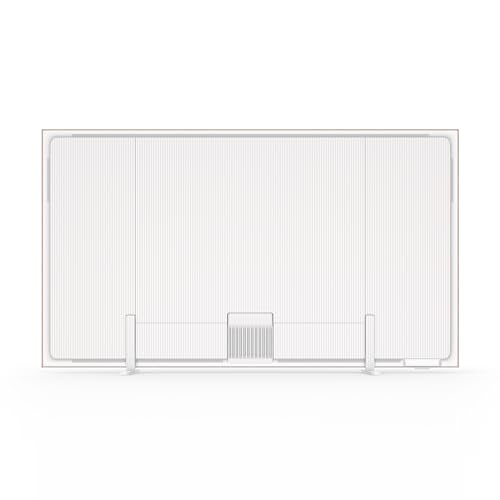
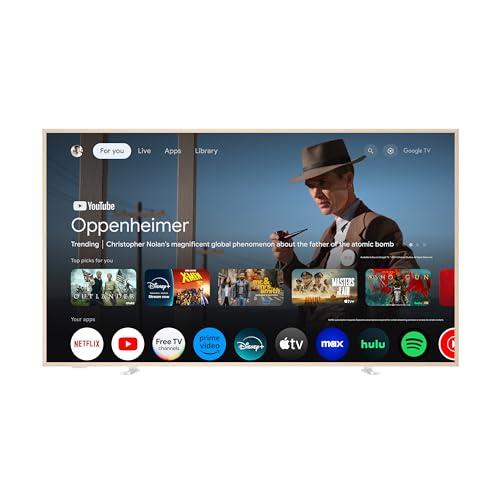
Shopping for a 65-inch 4K TV in 2025 means navigating an increasingly complex landscape where traditional televisions compete with lifestyle products that blur the line between entertainment and home décor. The Samsung 65" QLED Q6F represents the tried-and-true approach: deliver solid picture quality at an accessible price point. Meanwhile, the TCL 65" NXTVISION asks a different question entirely: what if your TV could disappear into your living room as a piece of art when you're not watching it?
These two TVs couldn't be more different in their design philosophy, yet they both use QLED (Quantum Dot Light Emitting Diode) technology to deliver vibrant colors. Understanding which approach fits your lifestyle requires diving deep into what each TV does well—and where each falls short.
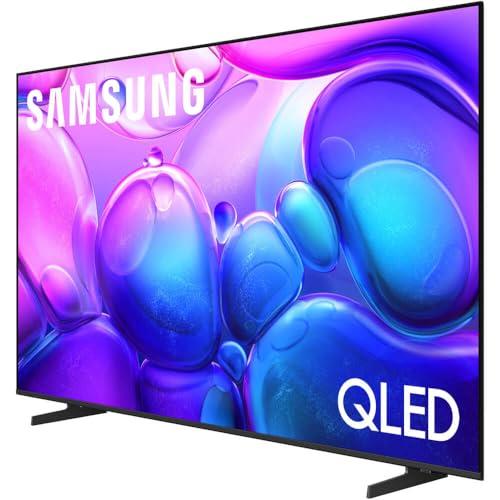
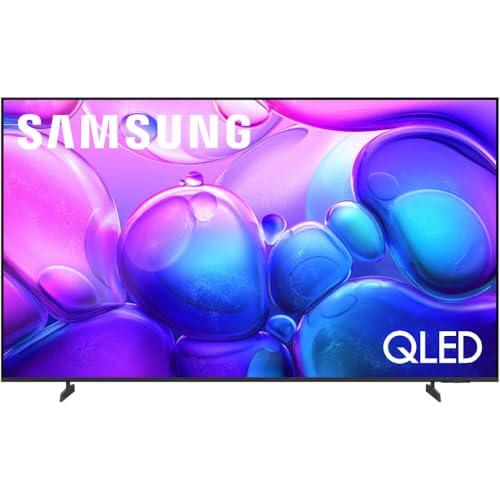
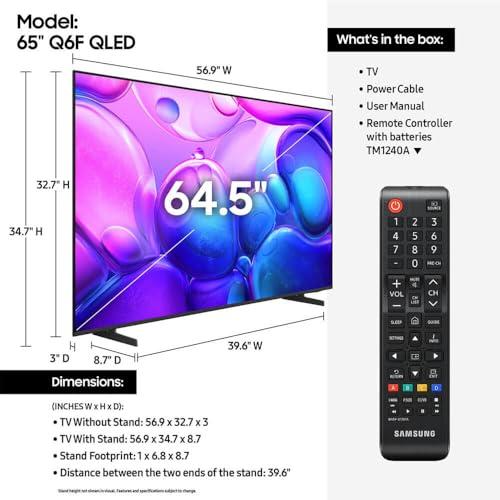
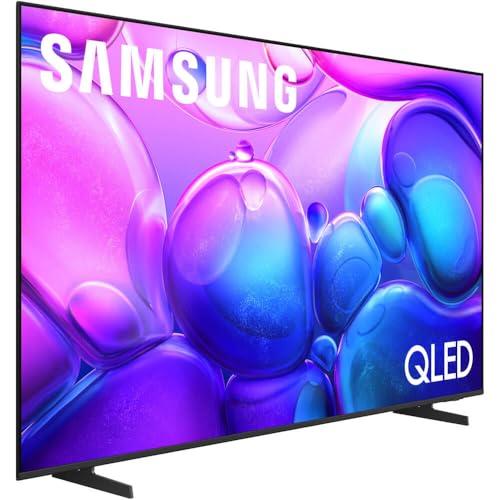
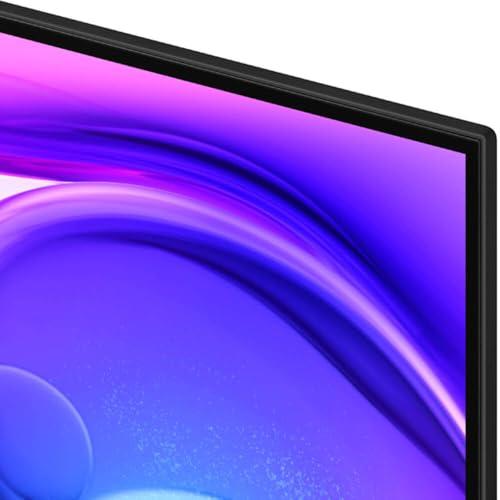
The fundamental question both TVs answer is how to deliver great 4K content in your living room, but their solutions reveal completely different priorities. The Samsung Q6F, released in 2025 as part of Samsung's refreshed entry-level lineup, follows the conventional wisdom: make a good TV that works everywhere and keeps costs reasonable. It features Samsung's familiar design language with standard bezels and a traditional stand, measuring about 3 inches deep.
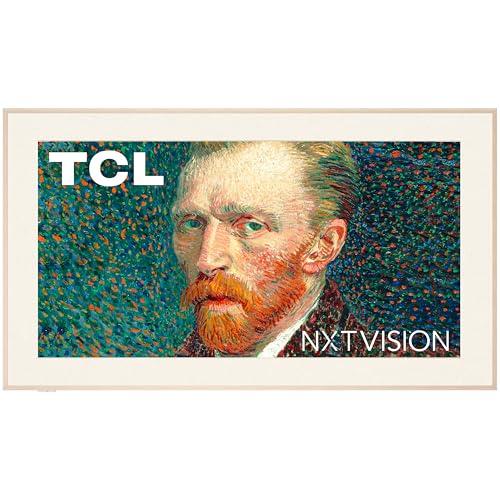
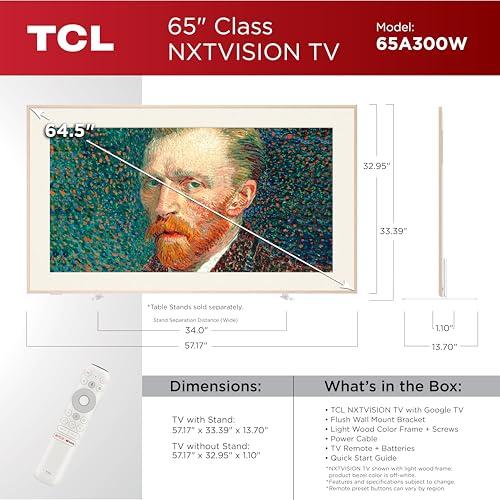
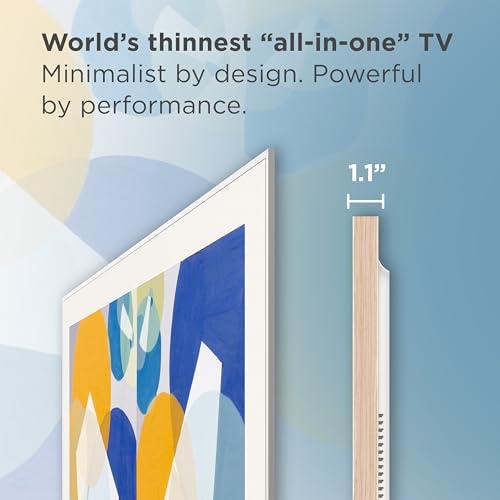
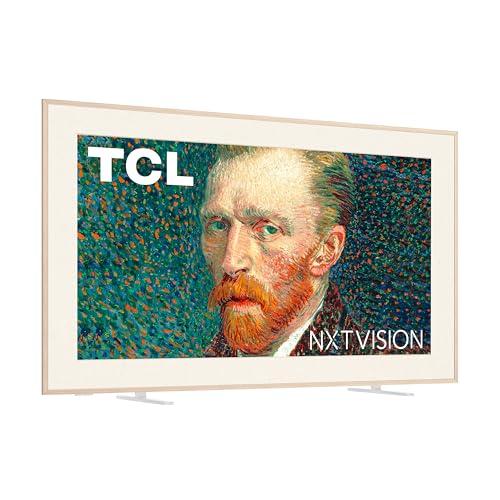
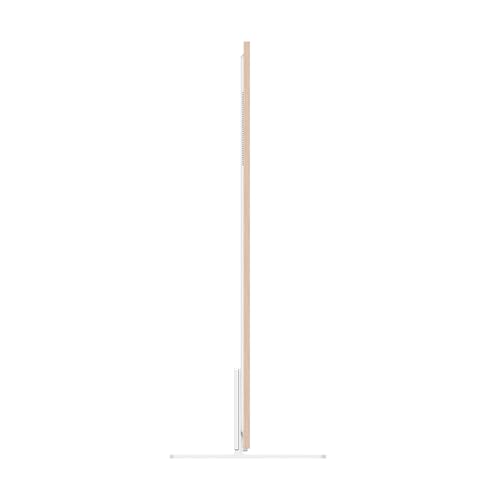
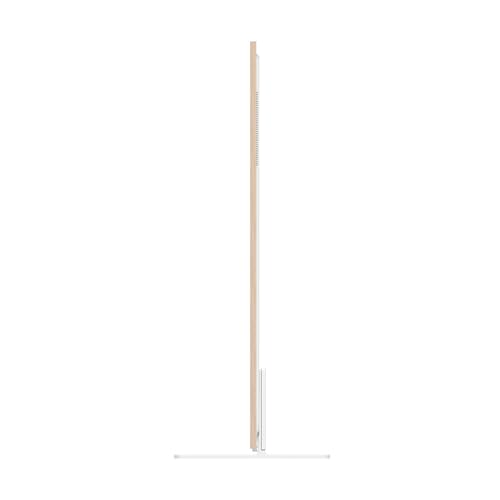
The TCL NXTVISION, which launched in 2024, represents TCL's bold entry into the "art TV" category pioneered by Samsung's Frame series. At just 1.1 inches deep, it's designed to mount flush against your wall like a piece of artwork. When you're not watching TV, it displays curated art, personal photos, or AI-generated images on its specially designed matte screen.
This fundamental difference in approach affects everything else about these TVs, from their technical specifications to who should buy them.
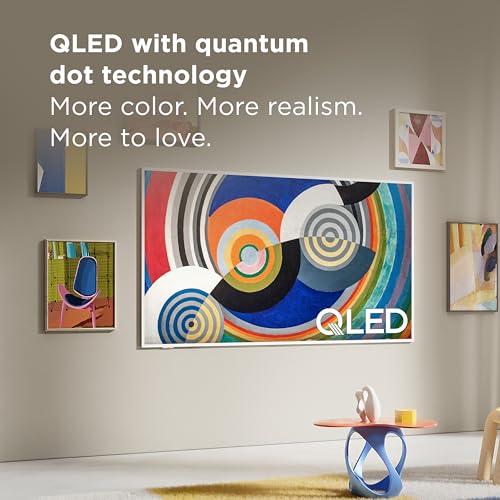
Both TVs use QLED technology, but their implementation reveals important differences. QLED works by placing a layer of quantum dots—microscopic particles that emit specific colors when hit by light—in front of a traditional LED backlight. This creates more vibrant colors than standard LED TVs, especially in bright rooms.
The Samsung Q6F uses edge-lit LED backlighting, where LEDs are positioned around the edges of the screen and shine light across the panel. This approach keeps costs down and allows for thinner designs, but it can create uneven brightness across the screen—you might notice darker corners or bright spots near the edges.
The TCL NXTVISION employs direct-lit LED backlighting, positioning LEDs directly behind the panel. This typically provides more uniform brightness across the entire screen, which is crucial for its art display function. However, neither TV includes local dimming—a feature that dims specific areas of the backlight to create deeper blacks—which limits their contrast performance in dark scenes.
High Dynamic Range (HDR) is where these TVs diverge significantly. HDR expands the range of colors and brightness levels your TV can display, making images look more realistic by showing brighter highlights and darker shadows simultaneously.
The Samsung Q6F supports HDR10+ and Samsung's Quantum HDR processing. HDR10+ uses dynamic metadata—essentially instructions that tell your TV how to display each scene—to optimize brightness and color on a scene-by-scene basis. However, it lacks support for Dolby Vision, which is increasingly common on streaming services.
The TCL NXTVISION supports the full HDR suite: Dolby Vision IQ, HDR10+, HDR10, and HLG. Dolby Vision is particularly significant because it uses 12-bit color processing instead of HDR10's 10-bit processing. In practical terms, this means Dolby Vision can display about 68 billion possible colors compared to HDR10's one billion colors. The "IQ" variant automatically adjusts the picture based on ambient lighting in your room.
For home theater enthusiasts, this HDR difference matters significantly. Most premium streaming content on Netflix, Disney+, and Apple TV+ uses Dolby Vision, and the visual improvement over standard HDR is noticeable in well-mastered content.
Gaming performance represents perhaps the starkest difference between these TVs. The Samsung Q6F offers a respectable but limited gaming experience with its 60Hz refresh rate. It includes Auto Game Mode (ALLM), which automatically switches to low-latency settings when it detects a gaming console, and basic Variable Refresh Rate (VRR) support to reduce screen tearing.
The TCL NXTVISION transforms into a gaming powerhouse with its 120Hz native refresh rate that can scale up to 144Hz with VRR. It supports 4K gaming at 144Hz and 1080p at an impressive 240Hz through its Game Accelerator 240 technology. For context, most TVs in this price range max out at 120Hz, making the NXTVISION competitive with much more expensive gaming-focused displays.
This difference becomes crucial if you own a PlayStation 5, Xbox Series X, or gaming PC. Modern games increasingly offer 120Hz modes that trade some visual fidelity for incredibly smooth motion. Racing games, first-person shooters, and sports titles benefit enormously from higher refresh rates, reducing input lag and making fast movements appear clearer.
The TCL also includes AMD FreeSync Premium, which synchronizes the TV's refresh rate with your graphics card to eliminate screen tearing—those horizontal lines that appear when your GPU and display fall out of sync. This feature is particularly valuable for PC gamers.
Both TVs offer comprehensive smart features, but they live in different ecosystems. The Samsung Q6F runs Tizen, Samsung's proprietary operating system that's matured significantly since its rocky early days. Tizen integrates deeply with Samsung's ecosystem—if you own Samsung phones, tablets, or appliances, everything works together seamlessly. Samsung TV Plus provides over 1,200 free streaming channels, and the SmartThings Hub functionality turns your TV into a smart home control center.
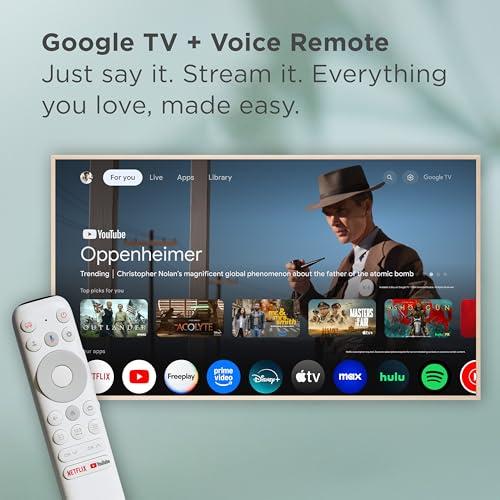
The TCL NXTVISION uses Google TV, which is essentially Android TV with a more user-friendly interface. If you're already invested in Google's ecosystem—using Gmail, Google Photos, or Chromecast—the integration feels natural. Voice control works through Google Assistant, and you can cast content directly from Android devices without additional apps.
Both systems support major streaming services and voice assistants, so your choice likely depends on which ecosystem you already use. Samsung's approach feels more traditional, while Google TV excels at content discovery and personalization.
Television audio often gets overlooked, but it significantly affects your viewing experience. Both TVs feature 20-watt, two-channel speaker systems, but their audio processing differs meaningfully.
The Samsung Q6F includes Object Tracking Sound Lite (OTS Lite), which attempts to match audio direction with on-screen action. Q-Symphony allows the TV's speakers to work in harmony with compatible Samsung soundbars for fuller sound. While these features help, the fundamental limitation of thin TV speakers remains.
The TCL NXTVISION takes a more advanced approach with Dolby Atmos and DTS Virtual:X processing. These technologies create virtual surround sound from the TV's built-in speakers, simulating the effect of sound moving around and above you. Enhanced Dialogue Mode specifically improves voice clarity—helpful when actors mumble or action scenes overwhelm dialogue.
Neither TV will satisfy serious audiophiles, but the TCL's audio processing provides a noticeably more immersive experience, particularly with streaming content that includes Dolby Atmos soundtracks.
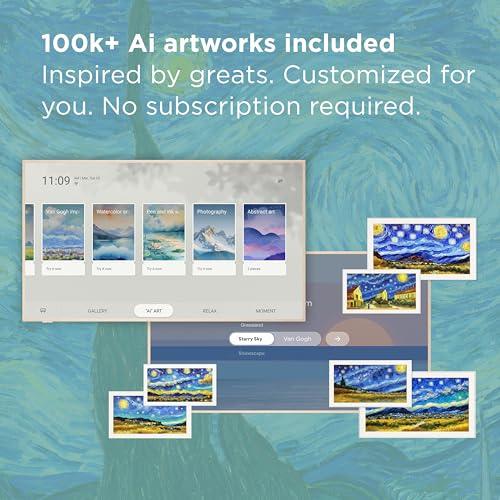
The TCL NXTVISION's art display functionality deserves serious consideration because it fundamentally changes how the TV integrates into your living space. When not actively watching content, the TV displays artwork from a curated library of over 400 pieces, ranging from classical paintings to contemporary photography.
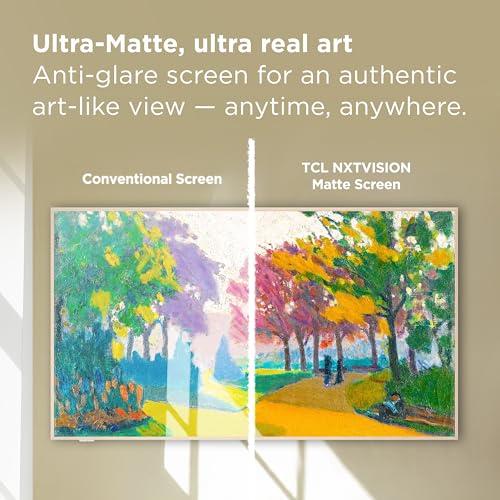
The ultra-matte anti-glare screen is crucial to this functionality. Traditional TV screens reflect room lighting, making them obviously electronic even when displaying static images. The NXTVISION's matte finish eliminates most reflections, creating a canvas-like appearance that genuinely resembles framed artwork from a distance.
The AI art generation feature adds personalization, creating unique abstract pieces based on your preferences. You can also display personal photos in gallery mode, turning family pictures into rotating exhibitions. Motion sensors automatically switch between art and TV modes, so the display activates when you enter the room and returns to art mode when you leave.
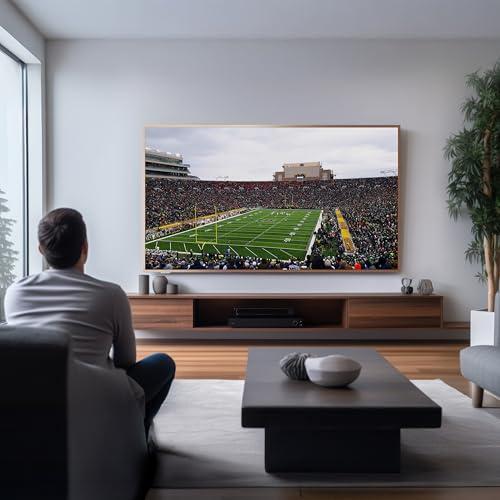
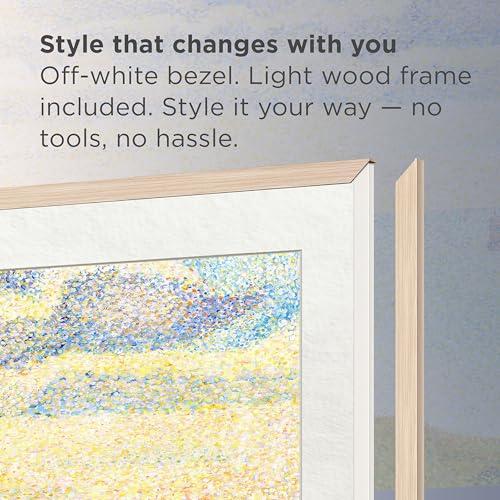
This isn't just marketing fluff—the visual transformation is striking. In bright rooms where traditional black TV screens stand out like dark rectangles, the NXTVISION blends seamlessly into your décor. The included magnetic wood bezel reinforces the artwork illusion, though TCL currently offers only two bezel colors compared to Samsung Frame TV's extensive customization options.
Understanding how these TVs perform in actual homes requires considering lighting conditions, viewing angles, and content types. The Samsung Q6F performs best in controlled lighting environments where its glossy screen can showcase vibrant colors without fighting reflections. Its edge-lit backlighting becomes more apparent in dark rooms, where uneven illumination might distract from movie watching.
The TCL NXTVISION's matte screen excels in bright rooms with lots of natural light—conditions where traditional TVs struggle with glare. However, the matte coating slightly reduces color vibrancy and contrast compared to glossy screens. For daytime viewing and art display, this trade-off makes sense. For dedicated home theater use in dark rooms, some users prefer the deeper blacks and more vibrant colors of glossy displays.
Both TVs use VA (Vertical Alignment) LCD panels, which provide good contrast and color accuracy when viewed straight-on but suffer from color shifting and brightness loss when viewed from wide angles. This limitation affects large living rooms where family members might sit significantly off-center.
At the time of writing, these TVs occupy different price tiers reflecting their different capabilities. The Samsung Q6F typically positions itself as an accessible entry into QLED technology, offering solid performance without premium features. You're paying for reliable Samsung build quality, comprehensive smart features, and the flexibility to place the TV anywhere in your home.
The TCL NXTVISION commands a premium for its art display functionality and superior gaming features. However, when compared to dedicated gaming TVs or other art-focused displays, it offers remarkable value. You're essentially getting two products—a competent 4K TV and a digital art frame—for less than you'd pay for each separately.
The value equation changes based on your priorities. If you simply want a good TV that works reliably, the Samsung delivers better bang for your buck. If you value design integration, advanced gaming, or the novelty of an art display, the TCL's higher price becomes justified.
These TVs require different approaches to installation and room integration. The Samsung Q6F works with any TV stand or wall mount, giving you complete flexibility in placement and room arrangement. This versatility matters if you rent your home, frequently rearrange furniture, or want to move the TV between rooms.
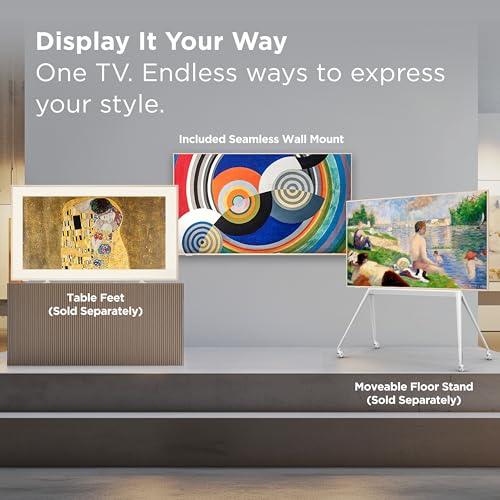
The TCL NXTVISION is designed specifically for wall mounting using its included flush mount system. Traditional TV stands won't work—TCL sells specialized table stands and easel-style floor stands separately. This limitation means committing to wall mounting and choosing your installation location carefully.
The flush mounting system is elegantly engineered, allowing the TV to sit just 1.1 inches from the wall with all cables hidden. However, accessing ports for setup or troubleshooting requires removing the TV from the mount, which is more involved than reaching behind a traditional TV.
After extensive research into user experiences and expert reviews, clear recommendations emerge for different user types.
Choose the Samsung Q6F if you prioritize flexibility, value, and straightforward functionality. It's ideal for families who want a reliable TV that works well in multiple rooms and lighting conditions. The Samsung ecosystem integration benefits users with other Samsung devices, and the traditional design approach means everyone in the household can use it intuitively.
The Samsung also makes sense for renters or anyone who might move frequently. Its installation flexibility and included stand mean you can set it up anywhere without permanent modifications to your living space.
Select the TCL NXTVISION if design integration and advanced features justify the higher investment. Homeowners with bright living rooms will appreciate the anti-glare screen, while gamers benefit from features typically found in much more expensive displays. The art functionality transforms your TV from an electronic device into a design element, which matters if aesthetic integration is important to your home.
The TCL particularly suits empty nesters or couples without children who can commit to wall mounting and appreciate the sophisticated art display functionality. Its advanced gaming features also make it attractive to serious gamers who want high refresh rates without buying a dedicated gaming TV.
These TVs represent fundamentally different approaches to the same problem. The Samsung Q6F executes the traditional TV concept very well, delivering reliable performance, comprehensive features, and excellent value for money. The TCL NXTVISION reimagines what a TV can be, offering unique functionality that justifies its premium positioning.
Neither TV is objectively better—they're optimized for different users and use cases. Your choice depends on whether you want a straightforward TV that works everywhere or a more sophisticated device that integrates into your home's design while offering advanced features for gaming and content consumption. Both represent solid choices within their respective philosophies, making the decision ultimately about matching your priorities with each TV's strengths.
| Samsung 65" QLED Q6F 4K Smart TV 2025 | TCL 65" NXTVISION QLED 4K Art Frame TV |
|---|---|
| Display Technology - Affects picture uniformity and brightness distribution | |
| QLED with edge-lit LED backlighting | QLED PRO with direct-lit LED backlighting (better uniformity) |
| HDR Support - Critical for streaming content quality and color accuracy | |
| HDR10+, Quantum HDR (no Dolby Vision) | Dolby Vision IQ, HDR10+, HDR10, HLG (full HDR suite) |
| Refresh Rate - Essential for gaming and smooth motion | |
| 60Hz native (50Hz in some regions) | 120Hz native, up to 144Hz VRR |
| Gaming Features - Determines compatibility with modern consoles and PCs | |
| Auto Game Mode, basic VRR, HGiG | Game Accelerator 240, AMD FreeSync Premium, 4K@144Hz, 1080p@240Hz |
| Screen Finish - Impacts viewing in bright rooms and art display quality | |
| Standard glossy screen (vivid colors, more reflections) | Ultra-matte anti-glare screen (canvas-like, minimal reflections) |
| Design & Installation - Affects placement flexibility and room integration | |
| Traditional 3.0" depth, includes stand, any mount compatible | Ultra-slim 1.1" depth, flush wall mount included, no stand included |
| Art Display Features - Unique selling point for lifestyle integration | |
| None (traditional TV only) | 400+ curated artworks, AI art generation, personal photo gallery |
| Smart Platform - Determines app ecosystem and voice control experience | |
| Tizen Smart TV with Bixby, Samsung TV Plus (1200+ channels) | Google TV with hands-free Google Assistant, Chromecast built-in |
| Audio Processing - Affects built-in sound quality without external speakers | |
| OTS Lite, Q-Symphony (20W 2CH) | Dolby Atmos, DTS Virtual:X, Enhanced Dialogue Mode (20W 2CH) |
| HDMI Connectivity - Important for multiple devices and future-proofing | |
| 3 HDMI ports (standard bandwidth) | 4 HDMI ports (2 with HDMI 2.1 for high refresh gaming) |
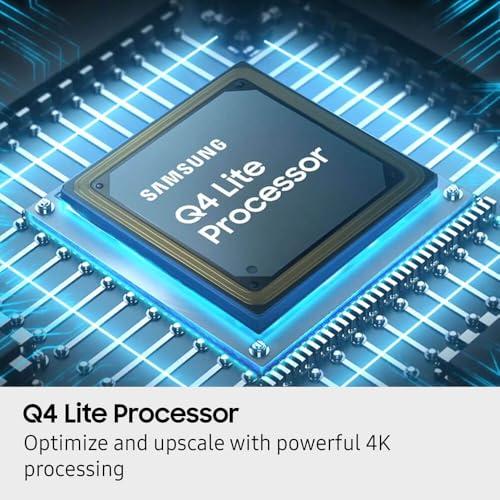
| Processor - Handles upscaling and picture optimization | |
| Q4 Lite Processor (4K upscaling, basic optimization) | AIPQ PRO Processor (AI-driven color, contrast, motion optimization) |
| Target Use Case - Best suited for different viewing priorities | |
| Budget-friendly general viewing, flexible placement | Design-conscious homes, gaming enthusiasts, art display integration |
The TCL NXTVISION is significantly better for gaming with its 120Hz native refresh rate that can reach 144Hz with VRR, compared to the Samsung Q6F's 60Hz limit. The TCL supports 4K gaming at 144Hz and 1080p at 240Hz, plus includes AMD FreeSync Premium and Game Accelerator 240 technology. If you own a PlayStation 5, Xbox Series X, or gaming PC, the TCL NXTVISION will provide much smoother gameplay.
The Samsung Q6F is a traditional QLED TV focused on solid everyday viewing, while the TCL NXTVISION is an "art TV" that displays artwork when not in use. The Samsung offers flexible placement with a standard stand, whereas the TCL is designed for flush wall mounting with an ultra-slim 1.1-inch profile and comes with a magnetic wood frame to look like wall art.
The TCL NXTVISION performs much better in bright rooms thanks to its ultra-matte anti-glare screen that reduces reflections and glare. The Samsung Q6F has a standard glossy screen that can struggle with reflections in very bright environments. If your living room gets lots of natural light, the TCL will provide a more comfortable viewing experience.
Both support major streaming services, but the TCL NXTVISION offers superior HDR support with Dolby Vision IQ, HDR10+, HDR10, and HLG. The Samsung Q6F only supports HDR10+ and lacks Dolby Vision, which is used by Netflix, Disney+, and Apple TV+. For the best streaming picture quality, the TCL has the advantage.
The Samsung Q6F typically costs less as an entry-level QLED TV and offers excellent value for basic viewing needs. The TCL NXTVISION costs more but includes premium features like art display, advanced gaming capabilities, and superior HDR that would cost significantly more in other TVs. Your value depends on whether you'll use the TCL's unique features.
No, they require different mounting approaches. The Samsung Q6F works with any standard VESA wall mount and includes a traditional stand. The TCL NXTVISION comes with a specialized flush wall mount system and requires wall mounting - it doesn't include a stand, though table stands are available separately. The TCL sits much closer to the wall for a seamless art-like appearance.
For dedicated home theater use, the Samsung Q6F may have a slight edge with its glossy screen providing more vibrant colors and deeper contrast in dark rooms. However, the TCL NXTVISION offers superior HDR with Dolby Vision support, which significantly improves picture quality for premium streaming content. Both lack local dimming, limiting their dark room performance compared to higher-end models.
The Samsung Q6F uses Tizen Smart TV with Samsung TV Plus offering 1200+ free channels and works best with Samsung devices. The TCL NXTVISION runs Google TV with built-in Chromecast and integrates better with Google services and Android devices. Both support major streaming apps and voice assistants - choose based on your existing device ecosystem.
The TCL NXTVISION transforms into a digital art frame when not watching TV, displaying over 400 curated artworks, AI-generated art, or personal photos. Its ultra-matte screen eliminates reflections to create a canvas-like appearance, and motion sensors automatically switch between TV and art modes. This makes the TCL blend into your home décor rather than looking like a black rectangle on the wall.
The Samsung Q6F is more family-friendly due to its flexible placement options, included stand, and straightforward operation that everyone can understand. The TCL NXTVISION requires careful wall mounting and is better suited for households that can commit to its art-focused design. The Samsung also typically costs less, which matters for budget-conscious families.
Both have 20W speaker systems, but the TCL NXTVISION includes more advanced audio processing with Dolby Atmos and DTS Virtual:X for more immersive sound. The Samsung Q6F features Object Tracking Sound Lite and Q-Symphony for Samsung soundbar integration. Neither will satisfy serious audiophiles, but the TCL's audio processing provides a noticeably better experience without external speakers.
Choose the Samsung Q6F if you want a reliable, affordable TV that works anywhere in your home with maximum placement flexibility. Pick the TCL NXTVISION if you're willing to wall mount, value design integration, want advanced gaming features, or love the idea of displaying art when not watching TV. The Samsung is better for traditional TV use, while the TCL offers unique lifestyle features that justify its higher cost.
We've done our best to create useful and informative comparisons to help you decide what product to buy. Our research uses advanced automated methods to create this comparison and perfection is not possible - please contact us for corrections or questions. These are the sites we've researched in the creation of this article: tomsguide.com - bestbuy.com - samsung.com - rtings.com - youtube.com - rtings.com - bestbuy.com - samsung.com - samsung.com - samsung.com - manuals.plus - shopjetson.com - samsung.com - samsung.com - samsung.com - samsung.com - bestbuy.com - jefflynch.com - rtings.com - tcl.com - bestbuy.com - tcl.com - bestbuy.com - tcl.com - youtube.com - rcwilley.com - businessinsider.com - bestbuy.com - target.com - youtube.com - support.tcl.com - nfm.com - woodruffappliance.com - flatpanelshd.com - tcl.com

Privacy Policy
Terms and Conditions - Affiliate Policy
Home Security
© Copyright 2008-2026.
11816 Inwood Rd #1211, Dallas, TX 75244