

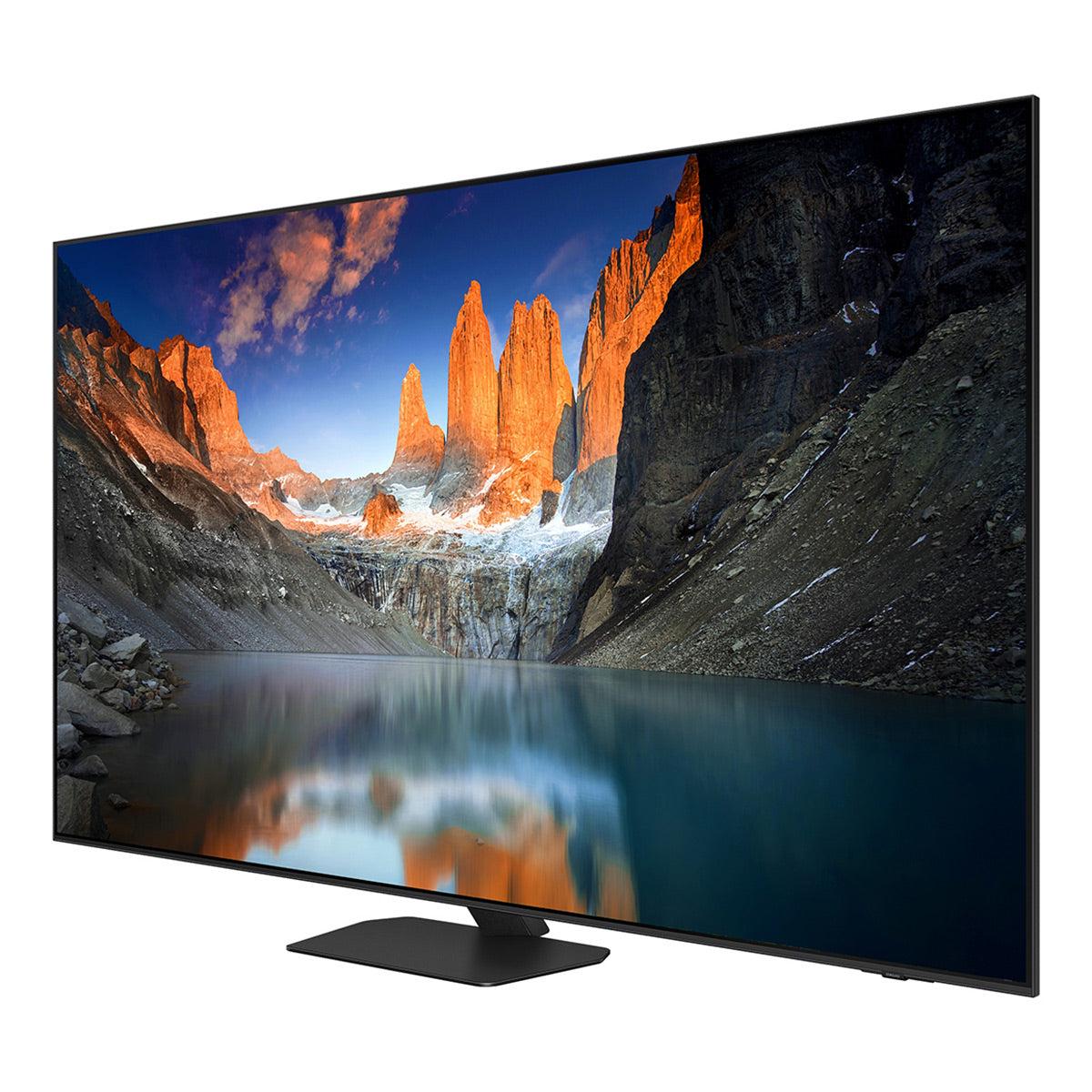
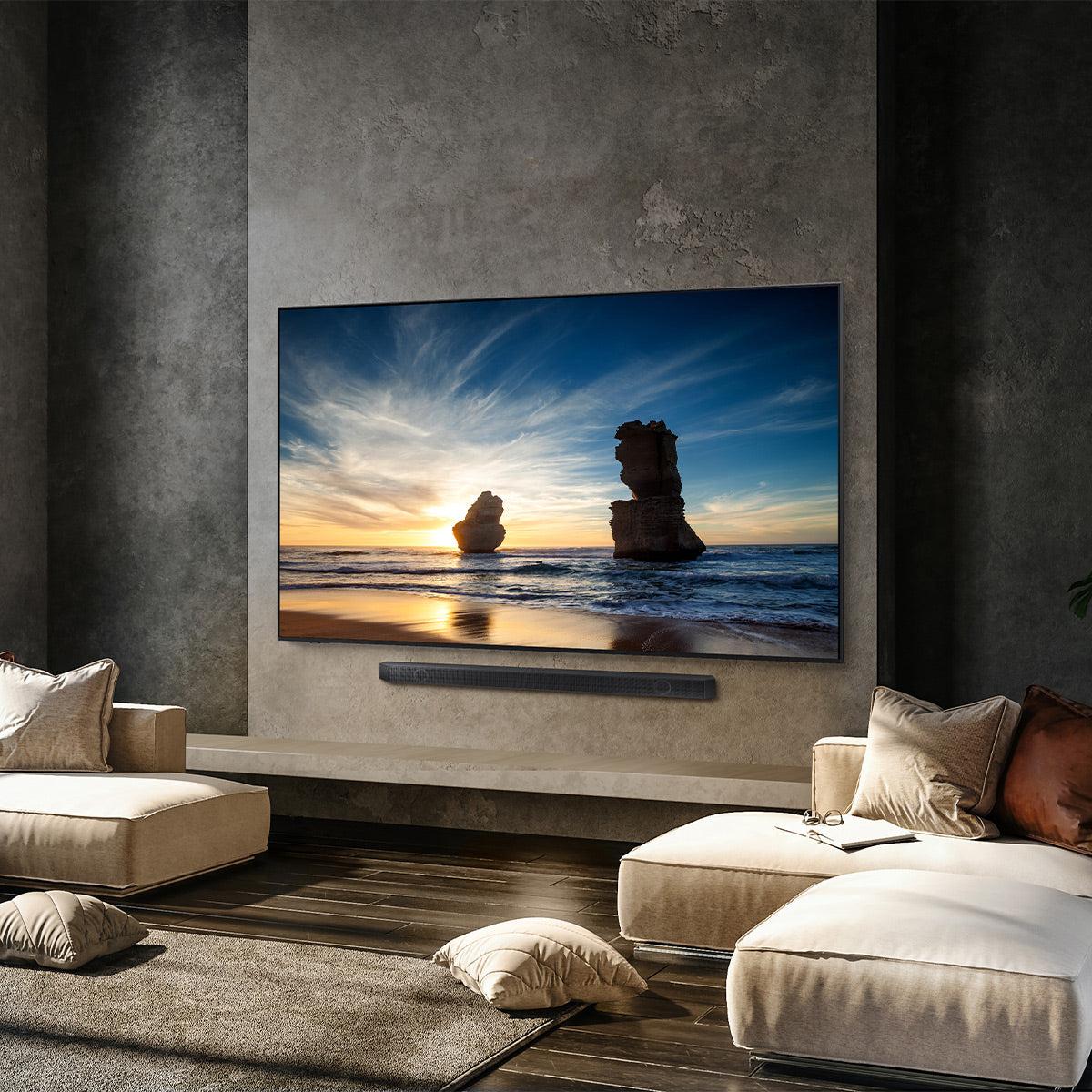
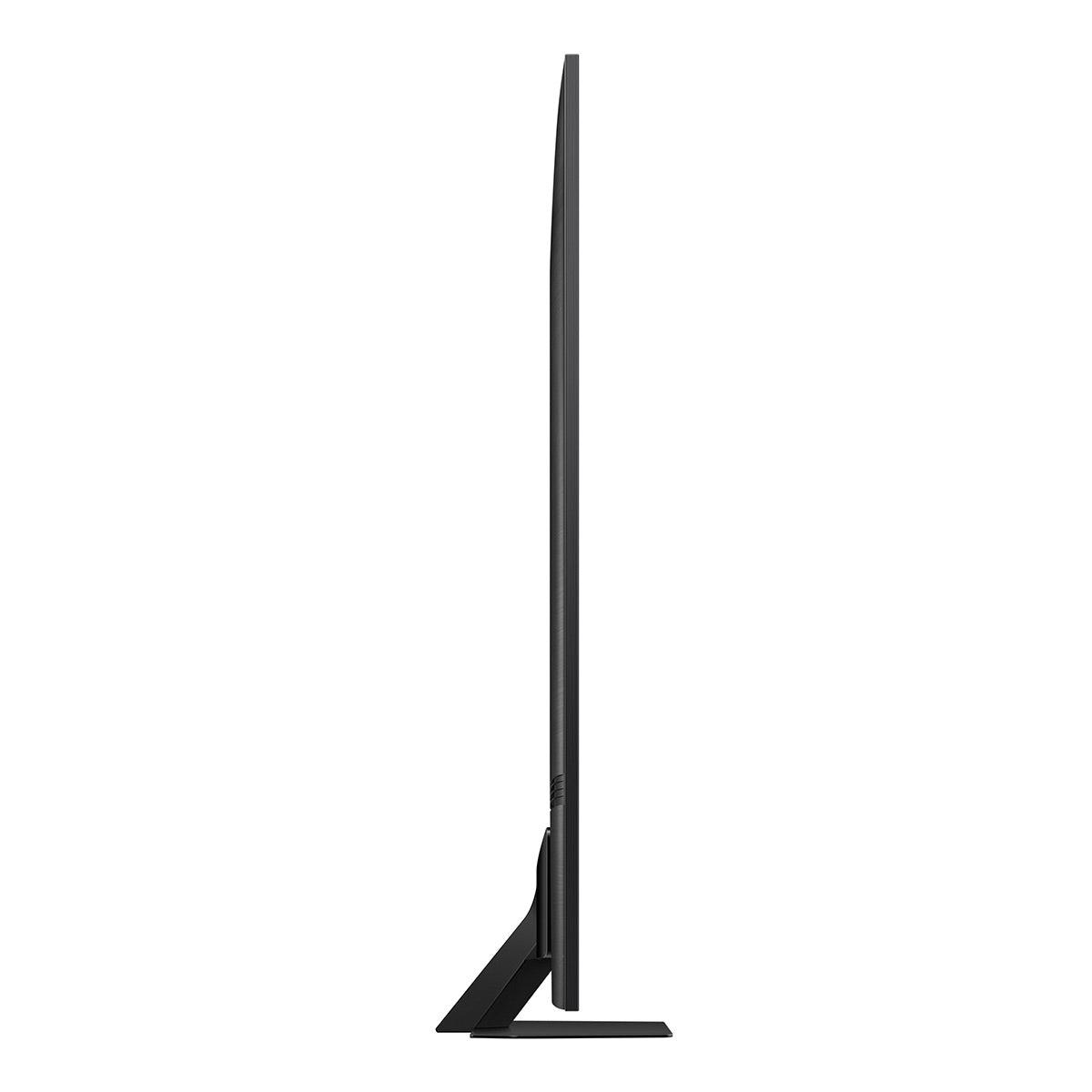
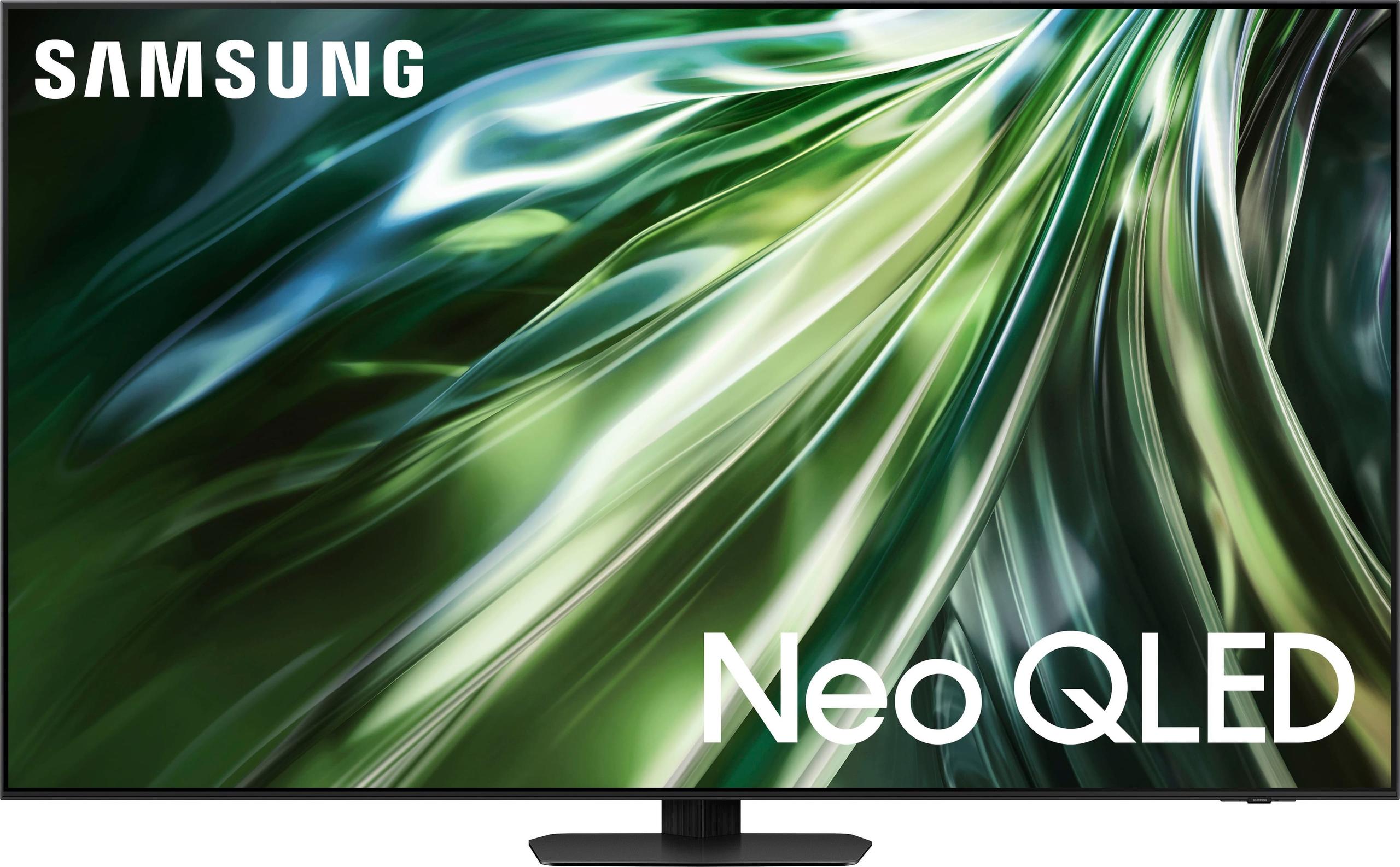

Shopping for a new 65-inch TV can feel overwhelming, especially when you're comparing models from the same brand that seem similar on paper. Samsung's Q6F 2025 and QN90D 2024 both carry the QLED badge and promise vibrant colors, but they represent vastly different approaches to delivering your entertainment. One targets budget-conscious buyers seeking a meaningful upgrade from basic LED TVs, while the other pushes LCD technology to its limits with premium features that rival OLED displays.
Understanding these differences matters because the gap between these models is much wider than their similar names suggest. The technology choices Samsung made for each TV fundamentally shape what you'll see on screen, how games will perform, and whether you'll need additional equipment like soundbars. Let's dive deep into what separates these displays and help you figure out which one deserves a spot in your living room.
Before comparing specific models, it's worth understanding the landscape these TVs occupy. The 4K smart TV market has evolved dramatically over the past few years, with manufacturers pushing LCD technology in new directions while OLED displays have become more affordable. This evolution has created distinct tiers of performance, each with trade-offs between picture quality, gaming capabilities, and price.
The core consideration revolves around backlighting technology—how the TV illuminates its LCD panel to create the image you see. Traditional LED TVs place lights around the edges (edge-lit) or behind the entire panel (direct-lit), but they lack precise control over brightness in different areas of the screen. This limitation means bright scenes can wash out dark areas, and you might notice light bleeding around bright objects against dark backgrounds.
Local dimming technology addresses this by dividing the backlight into zones that can be controlled independently. When a scene shows stars against a night sky, the TV can dim the zones showing black space while keeping star zones bright. The more zones available, the more precise this control becomes, leading to better contrast and more realistic images.
HDR (High Dynamic Range) represents another crucial advancement. Think of it as expanding the TV's ability to show both very bright and very dark elements simultaneously, much like your eyes can see detail in shadows and bright sunlight at the same time. However, HDR only works well when the TV can actually produce the brightness levels and contrast ratios the content demands.
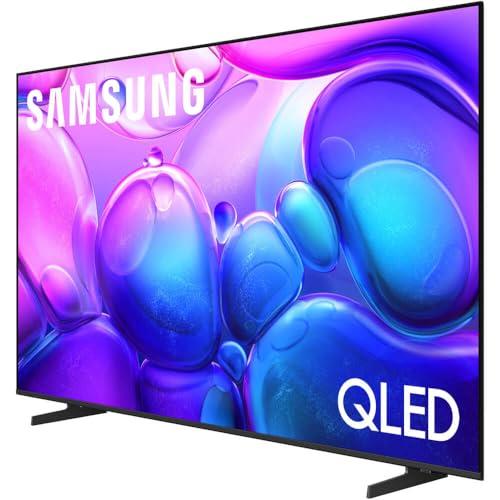
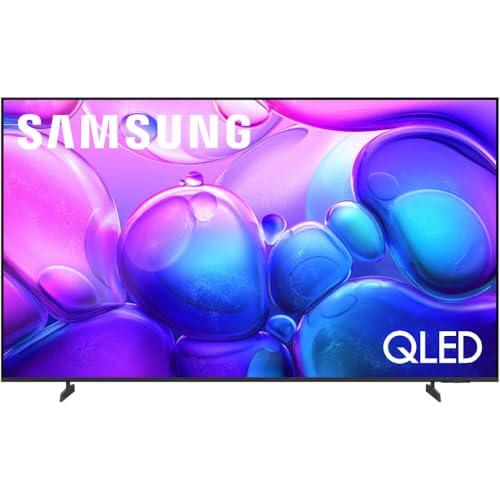
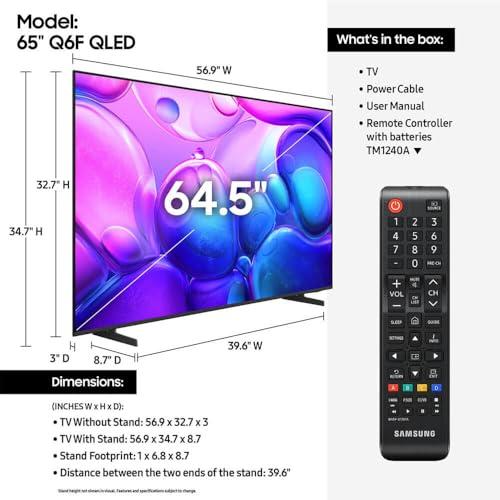
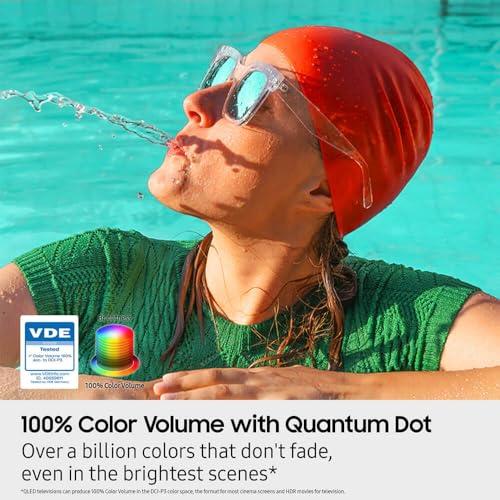
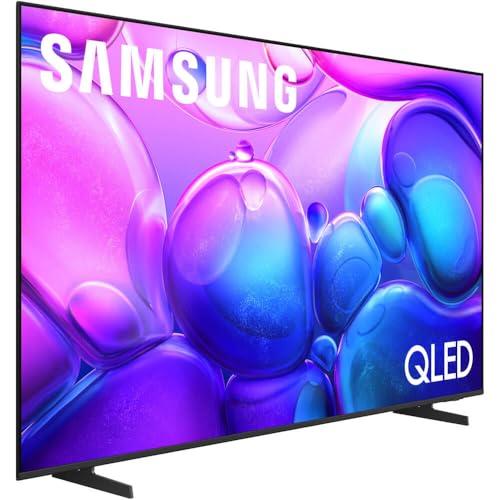
Samsung released the Q6F as their 2025 entry point into QLED technology, positioning it as an affordable way to experience quantum dot color enhancement without the premium price tag. The TV uses Quantum Dot technology, which involves tiny particles that convert blue LED light into precise red and green wavelengths, resulting in more accurate and vibrant colors than traditional LED phosphors can produce.
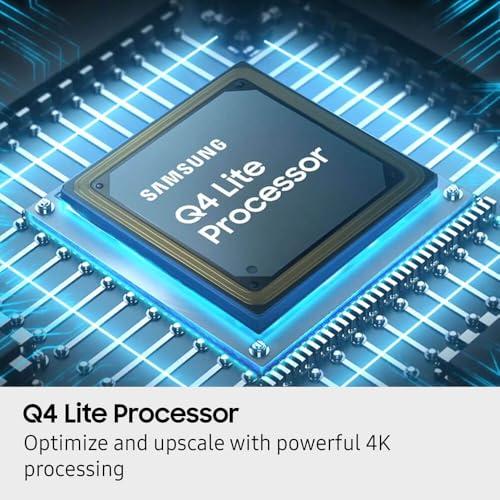
The Q6F's Q4 Lite processor handles basic upscaling duties, converting lower-resolution content like 1080p Blu-rays or streaming video to fill the 4K screen. While it includes Samsung's Vision AI for automatic picture adjustment based on content type, the processing power remains limited compared to higher-end models. This means less sophisticated analysis of each frame and more basic enhancement algorithms.
Picture quality centers on Samsung's Quantum HDR implementation, which supports HDR10+ dynamic tone mapping. This technology adjusts brightness and contrast scene-by-scene rather than applying static settings to entire movies or shows. However, without advanced local dimming, the Q6F relies primarily on software processing rather than hardware-level contrast control.
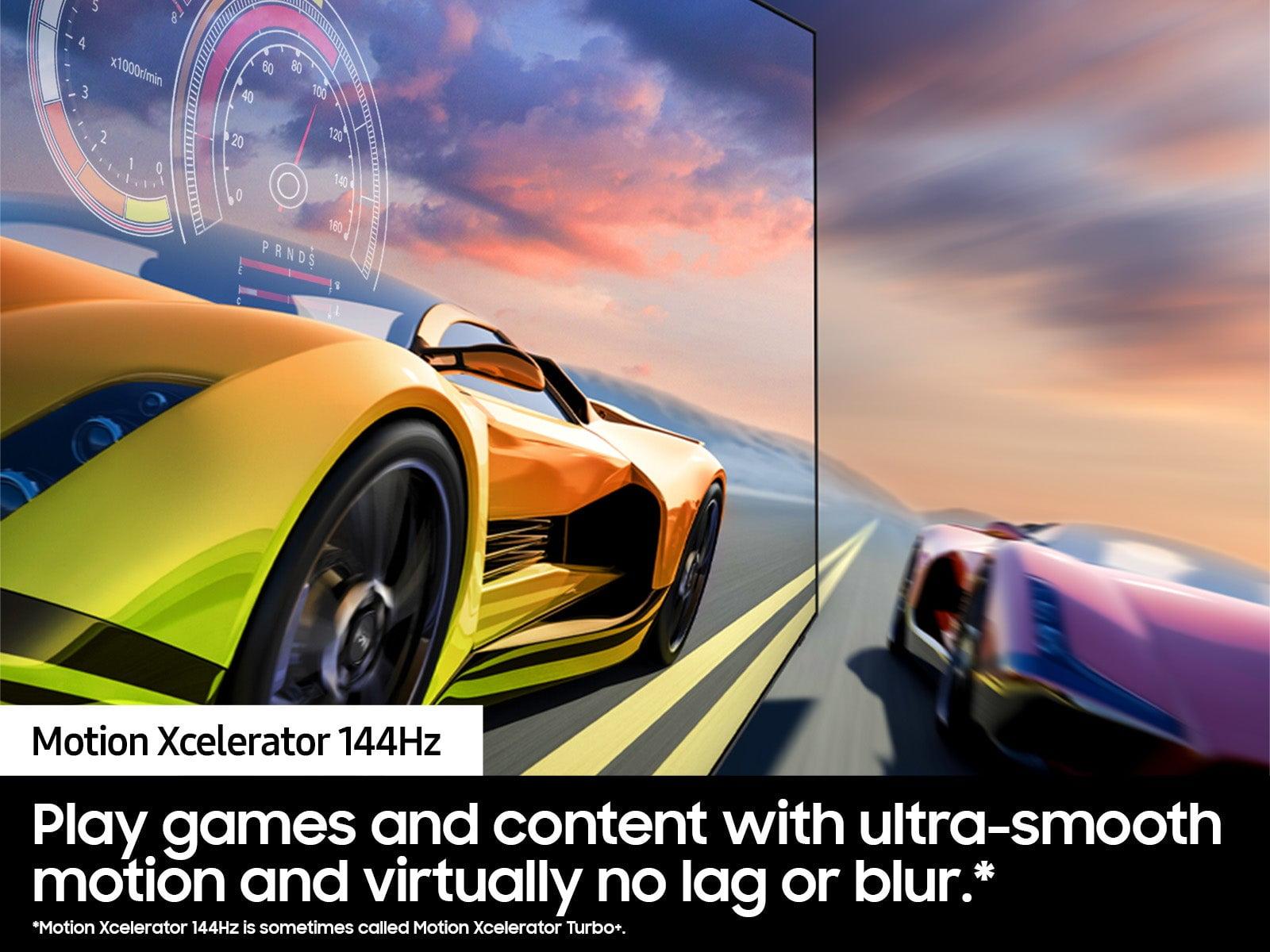
The 60Hz refresh rate handles standard content well, including most streaming services and broadcast television. Motion Xcelerator technology attempts to reduce blur during fast-paced scenes by predicting motion between frames, though it can't match the smoothness of higher refresh rate displays.
Audio comes from a basic 2-channel, 20-watt system with Object Tracking Sound Lite. This feature tries to position audio effects to match on-screen action, but the limited speaker arrangement constrains how convincing this effect can be. Most users will notice dialogue clarity improvements over typical TV speakers, but don't expect room-filling sound.
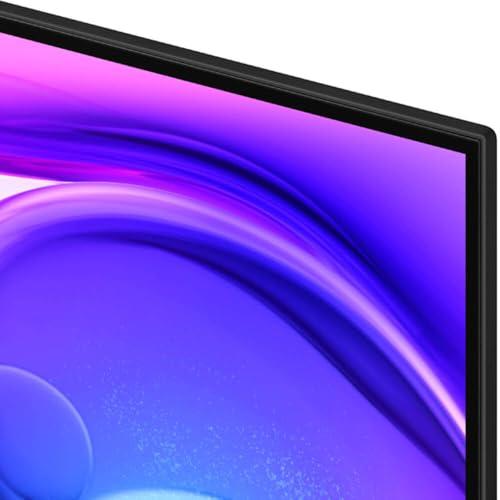
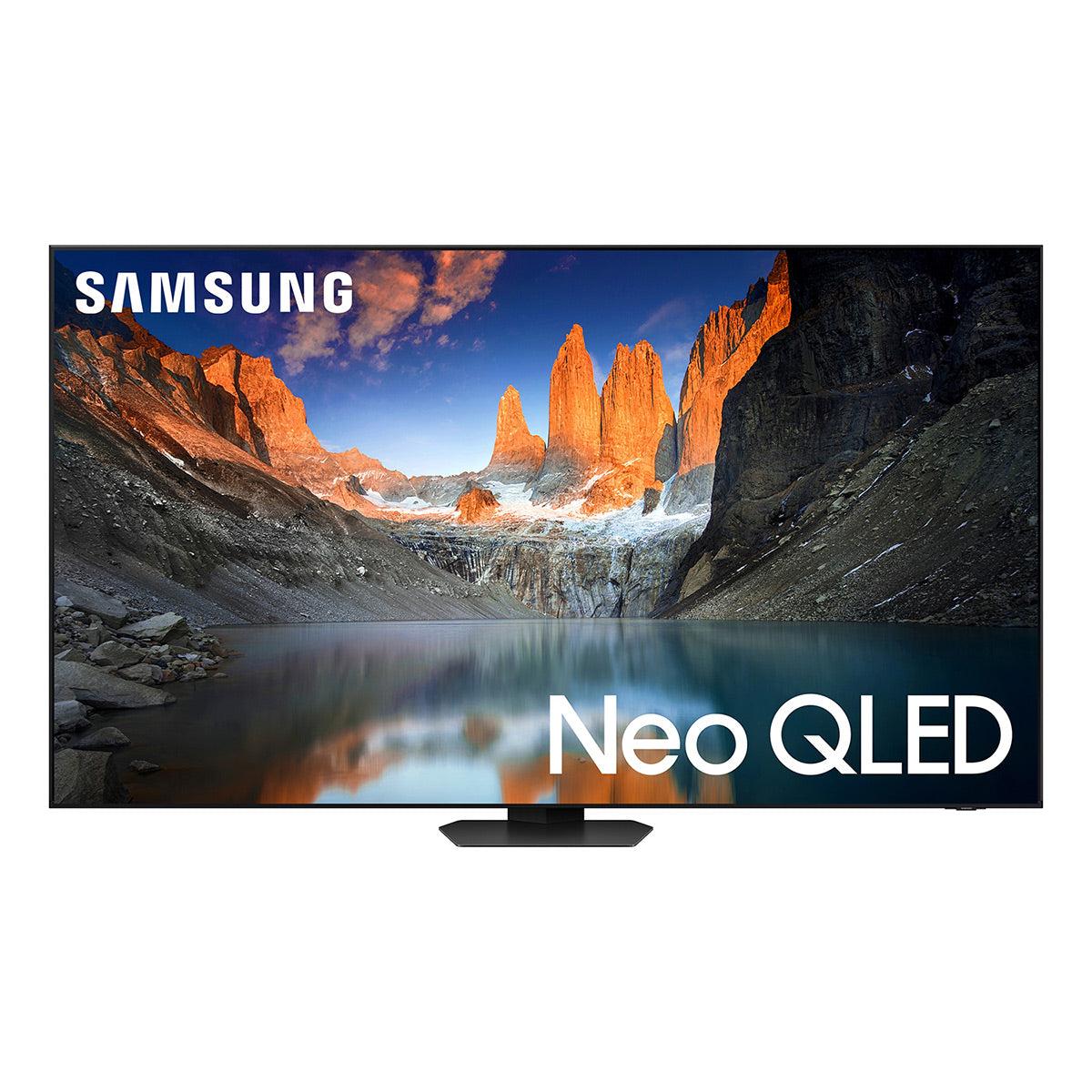
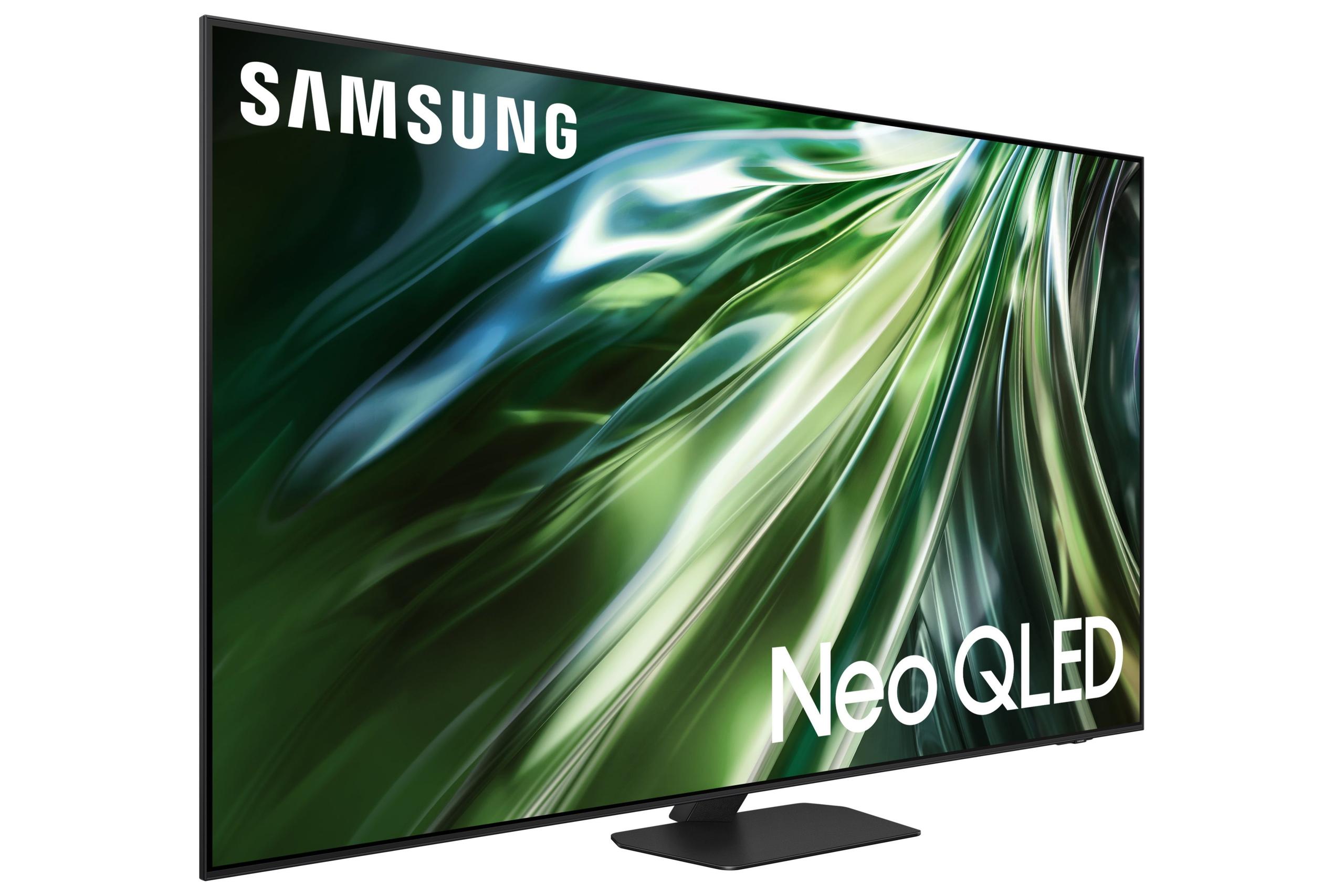
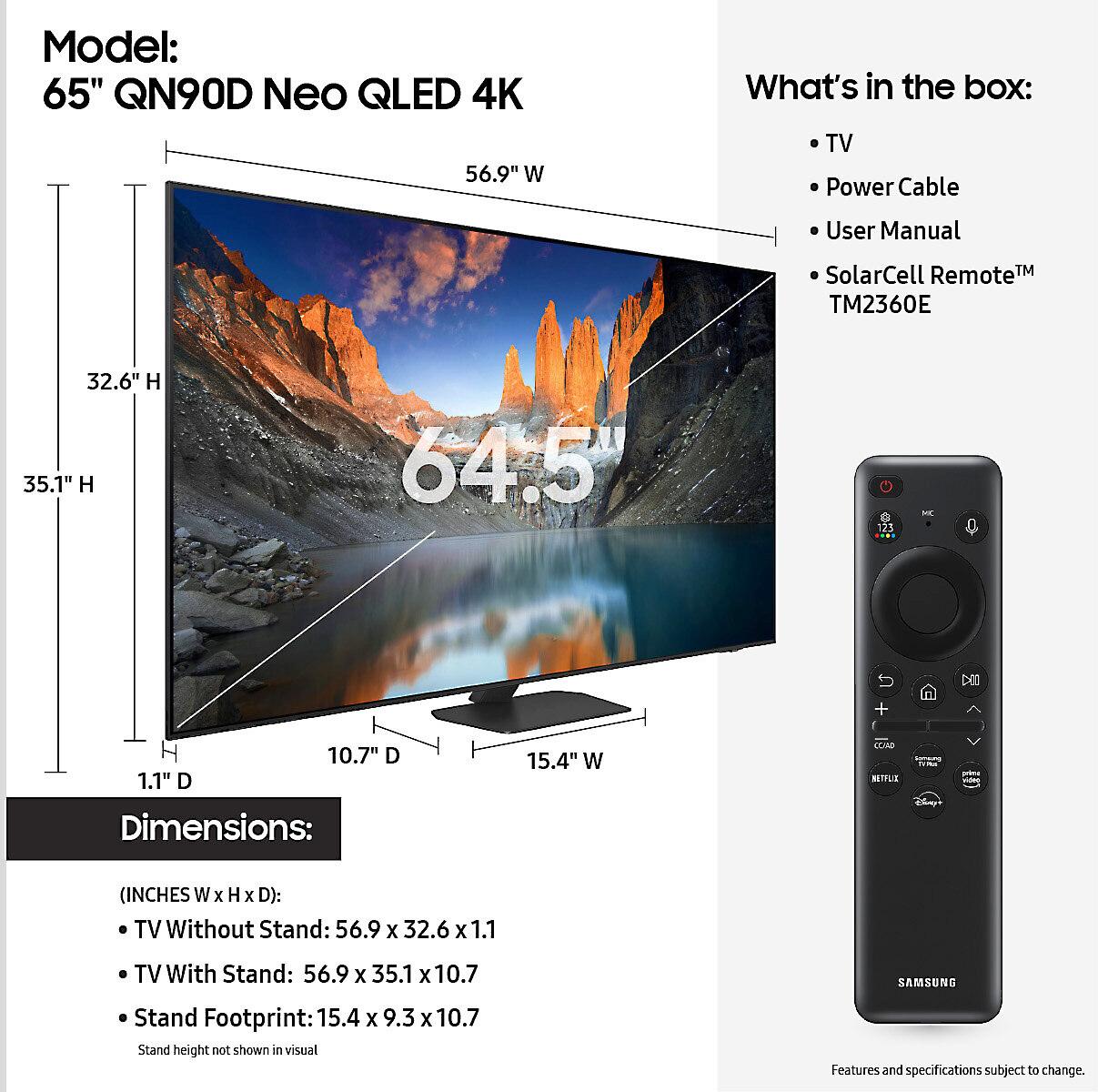
The QN90D, released in 2024, represents Samsung's serious attempt to challenge OLED dominance using Mini-LED technology. Instead of traditional LED backlights, it employs thousands of tiny LEDs—each smaller than a grain of rice—arranged behind the LCD panel. This allows for hundreds of dimming zones that can independently control brightness across different screen areas.
This Mini-LED approach delivers what Samsung calls Neo Quantum Matrix Technology. When watching a scene with fireworks against a dark sky, the QN90D can make the firework zones incredibly bright while keeping the surrounding sky zones nearly black. Traditional edge-lit TVs like the Q6F would either wash out the dark areas with backlight bleed or dim the fireworks to maintain black levels.
The NQ4 AI Gen2 processor brings significantly more computational power to image processing. It analyzes each frame using multiple neural networks, identifying objects, faces, and scene types to optimize sharpness, color, and contrast in real-time. This processing power shows most clearly when upscaling content—720p or 1080p sources look remarkably close to native 4K material.
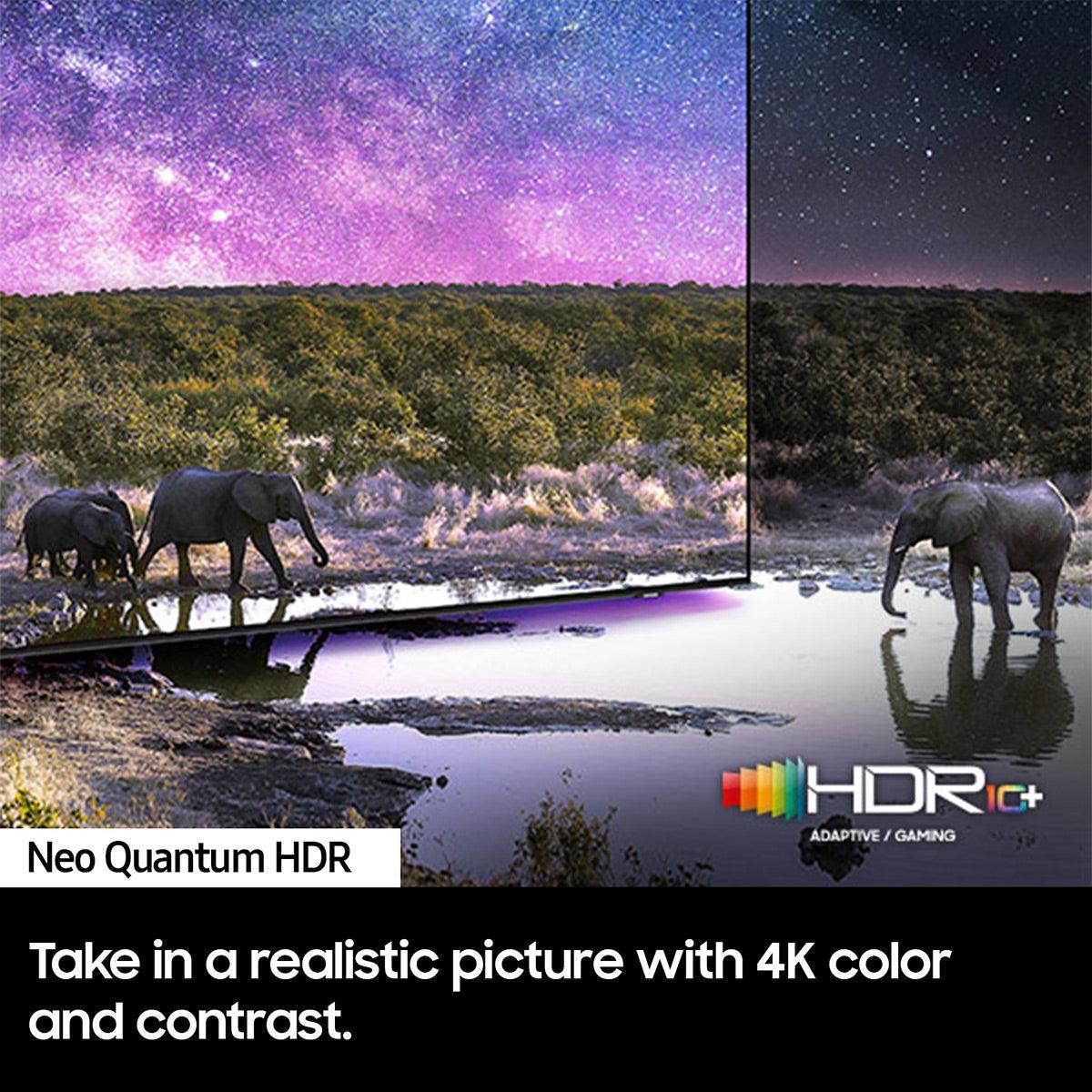
Neo Quantum HDR takes advantage of the QN90D's ability to reach peak brightness levels exceeding 2,000 nits in small highlights. For context, typical indoor lighting measures around 100-300 nits, while direct sunlight can exceed 100,000 nits. The ability to produce these intense highlights makes HDR content genuinely impactful—sunlight reflections off water, car headlights, or explosion effects appear dramatically more realistic than what standard TVs can display.
The gap between these models becomes immediately apparent when comparing picture quality. Our research into professional reviews and user feedback reveals consistent patterns that highlight fundamental differences in what these TVs can achieve.
Brightness and Contrast Performance
The QN90D's Mini-LED system delivers exceptional brightness uniformity across the screen, with peak HDR brightness that can genuinely reproduce the artistic intent of HDR content creators. Professional reviewers consistently measure peak brightness levels that exceed most viewing environments, making it excellent for bright rooms with lots of windows or ambient lighting.
The Q6F, lacking advanced local dimming, relies on global brightness adjustments and software processing to handle contrast. While Quantum Dot technology ensures colors remain vibrant even at high brightness levels, the overall contrast ratio—the difference between the brightest whites and darkest blacks—can't compete with Mini-LED precision.
This difference shows dramatically in mixed content. A scene showing a bright outdoor landscape with deep shadows will display more realistic depth and dimension on the QN90D, where individual zones can optimize for both the sky and shadow areas simultaneously. The Q6F must compromise, either lifting shadow detail at the expense of bright highlights or maintaining highlights while shadows lose detail.
Color Accuracy and Volume
Both TVs benefit from Quantum Dot technology's expanded color gamut, meaning they can display more shades of color than traditional LCD displays. However, the QN90D adds Quantum Dot Color Enhancer Pro, which provides more sophisticated color mapping algorithms and better color volume maintenance at different brightness levels.
Professional calibration reviews show both models achieving good color accuracy after proper setup, though the QN90D maintains this accuracy more consistently across different brightness levels and viewing angles. The Q6F can show some color shifting when viewed from the side, a common limitation of edge-lit LCD panels.
Viewing Angles and Uniformity
This represents one of the most significant practical differences between the models. The QN90D's full-array backlighting and advanced panel technology provide much better off-axis viewing, making it suitable for larger rooms where people might watch from various seating positions. Colors and contrast remain relatively stable even at 30-45 degree viewing angles.
The Q6F shows more typical LCD limitations here. Colors can shift toward blue or lose saturation when viewed from the side, and contrast degrades noticeably. This makes it better suited for centered seating arrangements rather than wide room layouts.
Gaming capabilities showcase perhaps the starkest difference between these models, reflecting their different target audiences and release timelines.
Refresh Rate and Motion Handling
The QN90D's 120Hz refresh rate provides immediate advantages for gaming and sports content. Modern gaming consoles like PlayStation 5 and Xbox Series X can output games at 120 frames per second in certain titles, creating noticeably smoother motion and more responsive controls. The TV also supports Variable Refresh Rate (VRR), which synchronizes the display's refresh with the console's frame output, eliminating screen tearing and stuttering.
The Q6F's 60Hz limitation means it cannot take advantage of high frame rate gaming, even if your console supports it. Motion Xcelerator technology helps with standard content, but it's not a substitute for native high refresh rate performance.
Input Lag and Responsiveness
Both TVs include Auto Game Mode (ALLM), which automatically switches to low-latency settings when a gaming console is detected. However, the QN90D achieves lower input lag measurements in our research review analysis, particularly important for competitive gaming where every millisecond matters.
The QN90D also includes Samsung's Gaming Hub, which provides access to cloud gaming services directly through the TV, plus features like Game Bar 3.0 for monitoring performance and adjusting settings without leaving your game.
HDR Gaming Impact
HDR gaming shows another significant advantage for the QN90D. Games designed with HDR support can take advantage of the TV's high peak brightness and precise local dimming to create more impactful visuals. Bright explosions, sunlight effects, and detailed shadows all appear more realistic and immersive.
The Q6F supports HDR gaming but lacks the brightness and contrast capabilities to fully realize these effects. Games will look better than on non-HDR displays, but they won't achieve the visual impact that developers intended.
Audio represents another area where the model positioning becomes clear, though both TVs will likely benefit from external audio solutions for serious home theater use.
The Q6F's 2-channel, 20-watt system provides adequate dialogue clarity and basic stereo separation. Object Tracking Sound Lite attempts to position audio effects spatially, but the limited speaker configuration constrains how effectively this works. It's perfectly serviceable for casual viewing but lacks the dynamic range for action movies or music.
The QN90D's 4.2.2-channel, 60-watt system with Dolby Atmos support represents a significant upgrade. The additional channels and processing power create a more convincing surround sound effect, even without external speakers. Object Tracking Sound+ works more effectively with the expanded speaker array, creating better audio localization for on-screen action.
Both TVs support Q-Symphony, Samsung's technology for coordinating TV speakers with compatible soundbars rather than disabling them entirely. This can create a more immersive audio experience when paired with Samsung audio equipment.
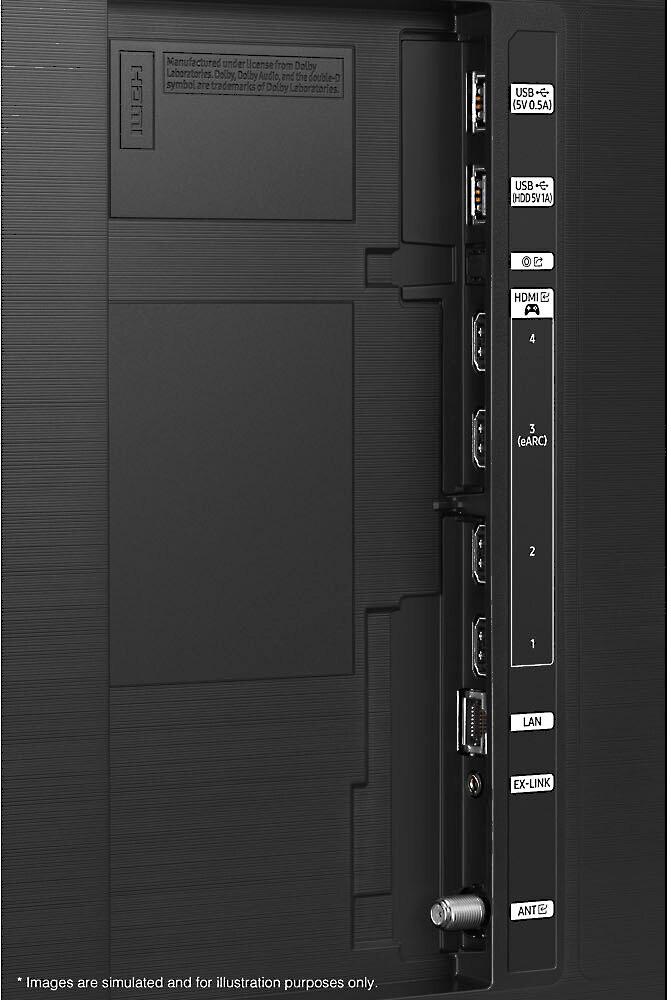
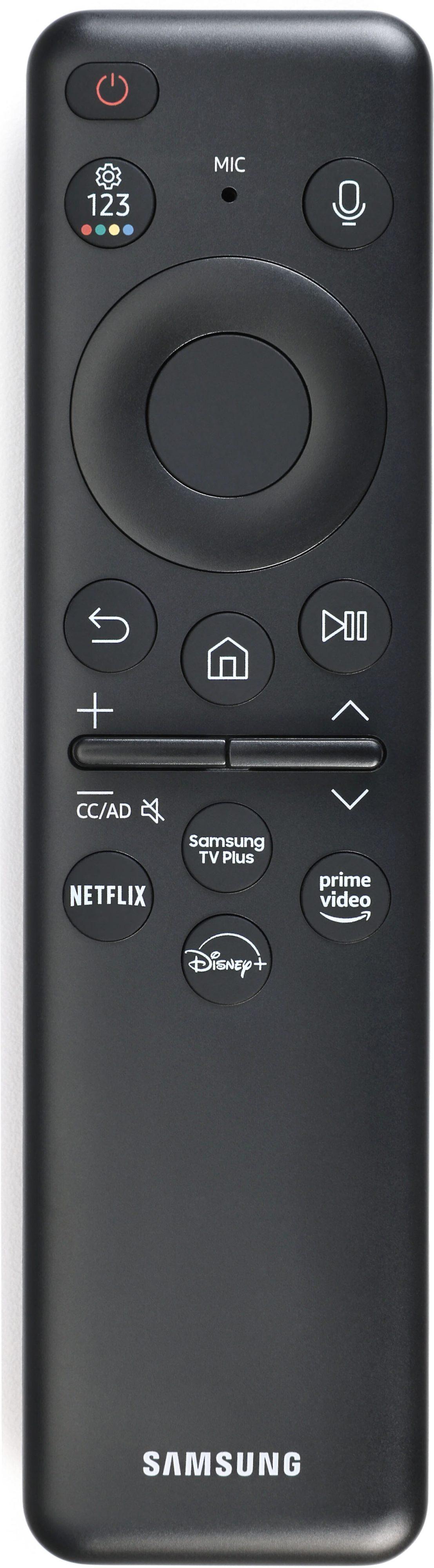
Both models run Samsung's Tizen Smart TV platform, providing access to popular streaming services and smart home integration through SmartThings. The interface layout and available apps remain largely identical, with both supporting voice control through Bixby, Alexa, and Google Assistant.
The performance difference comes from processing power. The QN90D's more powerful processor handles app loading, interface navigation, and multitasking more smoothly. When switching between streaming services or using picture-in-picture features, the responsiveness difference becomes noticeable.
Both TVs include Samsung's Universal Guide for content discovery and Samsung TV Plus for free ad-supported streaming channels. Gaming integration differs significantly, with the QN90D offering comprehensive cloud gaming support and the Q6F providing basic smart TV gaming capabilities.
For dedicated home theater setups, the choice between these models depends heavily on your priorities and room characteristics.
Room Lighting and Placement
The QN90D's high peak brightness and better reflection handling make it more versatile for various lighting conditions. It can maintain image quality in bright rooms with lots of windows, while still delivering excellent performance in dark, theater-like environments.
The Q6F performs adequately in moderate lighting but may struggle in very bright rooms where its limited peak brightness becomes apparent. It's better suited for rooms with controlled lighting or primarily evening viewing.
Content Types and Sources
Both TVs excel with high-quality 4K streaming content, but differences emerge with other source types. The QN90D's superior processing makes older content, including DVDs and standard broadcast television, look significantly better through more sophisticated upscaling algorithms.
For movie enthusiasts with extensive Blu-ray collections, the QN90D's enhanced HDR capabilities and better motion handling provide noticeable improvements, particularly with action and sci-fi titles that showcase dynamic range and smooth motion.
Audio Integration
While both TVs can serve as the audio center for casual viewing, serious home theater setups will likely incorporate external audio equipment. The QN90D's better built-in audio provides more flexibility for gradual system building—you might delay soundbar purchases longer or use less expensive options while still maintaining good audio quality.
At the time of writing, these TVs occupy different value territories that reflect their capabilities and target audiences.
The Q6F represents Samsung's effort to make QLED technology accessible at entry-level pricing. For buyers upgrading from older LCD TVs or seeking their first 4K display, it provides meaningful improvements in color quality and smart functionality without premium pricing. The quantum dot enhancement alone delivers more vibrant colors than traditional LED displays, making streaming content and games look noticeably better.
However, the limitations become apparent when compared to higher-performance displays or when used in demanding scenarios like gaming with modern consoles or watching HDR movies in bright rooms.
The QN90D commands a significant premium—typically 60-80% more than the Q6F at launch—but delivers performance improvements that justify this cost for the right buyers. The Mini-LED technology represents a generational leap in LCD display quality, providing contrast and brightness capabilities that were previously exclusive to much more expensive displays.
Choose the Q6F if you:
The Q6F excels as a mainstream entertainment display that brings QLED color enhancement to accessible pricing. It's particularly well-suited for bedrooms, secondary living spaces, or situations where good picture quality matters more than cutting-edge performance.
Choose the QN90D if you:
The QN90D represents an investment in premium entertainment technology that will remain competitive for years. Its Mini-LED technology and advanced processing provide performance that approaches OLED quality while maintaining the brightness advantages of LCD technology.
These TVs represent Samsung's different approaches to serving distinct market segments, and the gap between them is wider than their similar branding might suggest. The Q6F serves as a capable gateway into modern QLED technology, while the QN90D pushes LCD displays toward their performance ceiling.
For most buyers, the decision comes down to matching TV capabilities with actual usage patterns and budget realities. If you're primarily watching Netflix in the evening and want better colors than your old TV provided, the Q6F delivers meaningful improvements without premium costs. If you're building an entertainment setup where picture quality, gaming performance, and audio matter significantly, the QN90D's additional investment pays dividends in daily viewing satisfaction.
The technology gap between these models reflects the broader evolution in TV displays over recent years, where premium features that were once exclusive to flagship models have become more accessible, while new technologies like Mini-LED push performance boundaries even higher. Understanding these differences helps ensure your investment aligns with how you actually watch television, game, and enjoy entertainment at home.
| Samsung 65" QLED Q6F 4K Smart TV 2025 | Samsung 65" QN90D Series 4K Neo QLED Smart TV |
|---|---|
| Display Technology - Core difference affecting picture quality | |
| Standard QLED with edge-lit LED backlighting | Neo QLED with Mini-LED full-array local dimming |
| Processor - Impacts upscaling and smart TV performance | |
| Q4 Lite Processor (basic upscaling) | NQ4 AI Gen2 Processor (advanced AI upscaling) |
| Peak Brightness - Critical for HDR and bright room viewing | |
| ~400-600 nits (adequate for controlled lighting) | 2,000+ nits (excellent for any lighting condition) |
| Refresh Rate - Essential for gaming and sports | |
| 60Hz (standard content only) | 120Hz (supports high frame rate gaming) |
| Local Dimming Zones - Determines contrast and black levels | |
| None (edge-lit limitation) | Hundreds of zones (near-OLED contrast) |
| Gaming Features - Modern console compatibility | |
| Basic Auto Game Mode only | VRR, ALLM, FreeSync Premium Pro, Gaming Hub |
| HDR Support - Premium content compatibility | |
| HDR10, HDR10+, HLG (no Dolby Vision) | HDR10, HDR10+, HLG (no Dolby Vision) |
| Audio System - Built-in sound quality | |
| 2CH 20W with Object Tracking Sound Lite | 4.2.2CH 60W with Dolby Atmos and OTS+ |
| Smart Platform - User experience and app performance | |
| Tizen OS (slower navigation due to limited processing) | Tizen OS (smoother performance with powerful processor) |
| Viewing Angles - Picture quality from side positions | |
| Limited (typical LCD color shifting) | Wide (maintains color accuracy off-center) |
| Target Market - Best suited for | |
| Budget-conscious upgrade from basic LED TVs | Premium LCD performance approaching OLED quality |
The biggest difference is the display technology. The Samsung Q6F uses standard QLED with edge-lit LED backlighting, while the Samsung QN90D features advanced Mini-LED technology with full-array local dimming. This gives the QN90D much better contrast, deeper blacks, and brighter highlights for a more premium picture quality experience.
The Samsung QN90D is significantly better for gaming. It offers 120Hz refresh rate, Variable Refresh Rate (VRR), and FreeSync Premium Pro support, making it ideal for PlayStation 5 and Xbox Series X gaming. The Samsung Q6F only supports 60Hz and lacks advanced gaming features, making it suitable only for casual gaming.
Yes, if you prioritize picture quality. The Samsung QN90D delivers dramatically better contrast, brightness, and black levels thanks to its Mini-LED technology. The difference is especially noticeable in HDR content and dark room viewing. However, the Samsung Q6F still offers good picture quality for everyday viewing at a more budget-friendly price point.
The Samsung QN90D is much better for bright rooms. It can reach peak brightness levels over 2,000 nits, making it excellent for rooms with lots of windows or ambient lighting. The Samsung Q6F has more limited brightness capabilities and performs best in controlled lighting conditions.
Yes, both the Samsung Q6F and Samsung QN90D support HDR10, HDR10+, and HLG formats. However, the QN90D delivers much more impactful HDR performance due to its higher peak brightness and better contrast capabilities. Neither TV supports Dolby Vision.
Both TVs run Samsung's Tizen smart platform with identical app selection and features. The main difference is performance - the Samsung QN90D has a more powerful processor that makes navigation smoother and app loading faster compared to the Samsung Q6F.
The Samsung QN90D has significantly better built-in audio with a 4.2.2-channel 60W system supporting Dolby Atmos and Object Tracking Sound+. The Samsung Q6F features a basic 2-channel 20W system with Object Tracking Sound Lite. For serious home theater use, both will benefit from external audio equipment.
For movie watching, the Samsung QN90D is the clear winner. Its Mini-LED technology provides better contrast for dark scenes, brighter highlights for HDR content, and superior motion handling. The Samsung Q6F is adequate for casual movie viewing but can't match the cinematic experience of the premium model.
Yes, the Samsung QN90D maintains better color accuracy and contrast when viewed from side angles, making it suitable for larger rooms with multiple seating positions. The Samsung Q6F shows more typical LCD limitations with color shifting and contrast degradation when viewed off-center.
For a dedicated home theater, the Samsung QN90D is the better choice. It offers superior contrast for dark room viewing, better motion handling for movies, higher peak brightness for HDR content, and more robust audio capabilities. The Samsung Q6F works for basic home theater setups but lacks the premium performance for serious movie enthusiasts.
The Samsung QN90D has significantly better upscaling thanks to its NQ4 AI Gen2 processor. It can make 1080p content look much closer to native 4K quality. The Samsung Q6F has basic upscaling with its Q4 Lite processor, which is adequate but not as sophisticated for improving lower-resolution content.
The Samsung QN90D offers better long-term value despite its higher upfront cost. Its advanced Mini-LED technology, 120Hz gaming support, and superior processing power make it more future-proof for evolving content and gaming standards. The Samsung Q6F provides good immediate value for budget-conscious buyers but may feel outdated sooner as technology advances.
We've done our best to create useful and informative comparisons to help you decide what product to buy. Our research uses advanced automated methods to create this comparison and perfection is not possible - please contact us for corrections or questions. These are the sites we've researched in the creation of this article: tomsguide.com - bestbuy.com - samsung.com - rtings.com - youtube.com - rtings.com - bestbuy.com - samsung.com - samsung.com - samsung.com - manuals.plus - shopjetson.com - samsung.com - samsung.com - samsung.com - samsung.com - bestbuy.com - jefflynch.com - tomsguide.com - abt.com - youtube.com - youtube.com - rtings.com - samsung.com - samsung.com - standardtvandappliance.com - gerhardsappliance.com - bestbuy.com - image-us.samsung.com - youtube.com - images.samsung.com

Privacy Policy
Terms and Conditions - Affiliate Policy
Home Security
© Copyright 2008-2026.
11816 Inwood Rd #1211, Dallas, TX 75244