

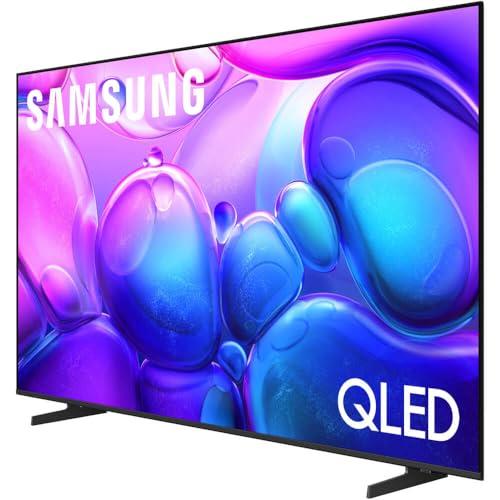
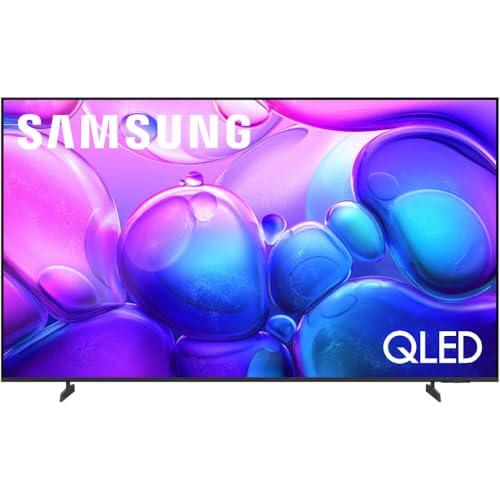
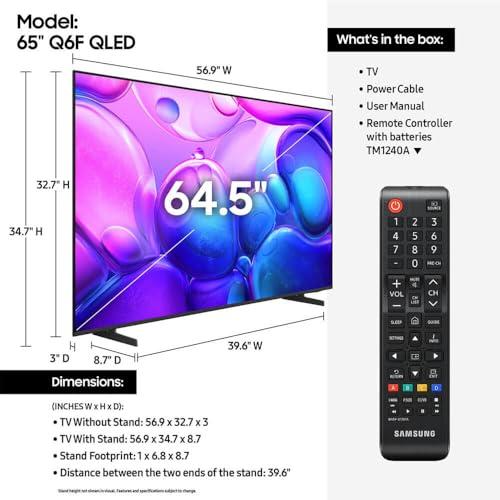
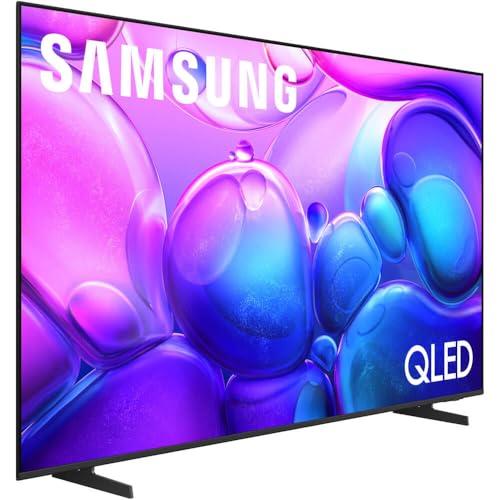
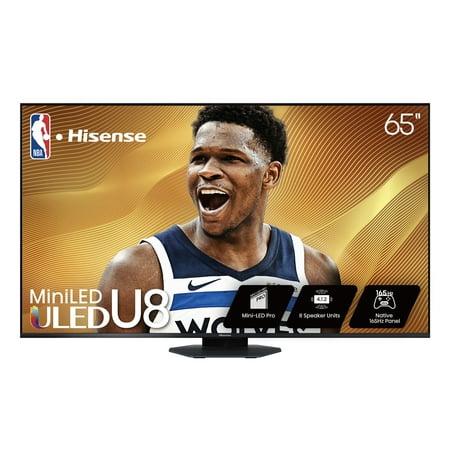
Shopping for a 65-inch TV in 2025 means navigating a landscape where mid-range models pack features that were flagship exclusives just a few years ago. The Samsung 65" QLED Q6F and Hisense 65" U8 Series Mini-LED represent two compelling but fundamentally different approaches to delivering premium picture quality without the premium price tag.
Both TVs launched in 2025 (with the U8 series refreshed from its 2024 predecessor), arriving at a time when quantum dot technology has matured and Mini-LED backlighting has become more affordable. This timing is crucial—it means you're getting access to display technologies that were reserved for $2,000+ TVs just two years ago.
The core difference between these televisions lies in their backlighting philosophy. Think of backlighting as the foundation of everything you see on screen—it controls how bright highlights can get, how dark shadows appear, and ultimately how realistic the image looks.
The Samsung Q6F uses what's called direct LED backlighting with UHD Dimming. This means LEDs are arranged behind the entire screen in zones that can dim independently, but we're talking about maybe a dozen zones across the whole 65-inch panel. It's functional, but not particularly precise.
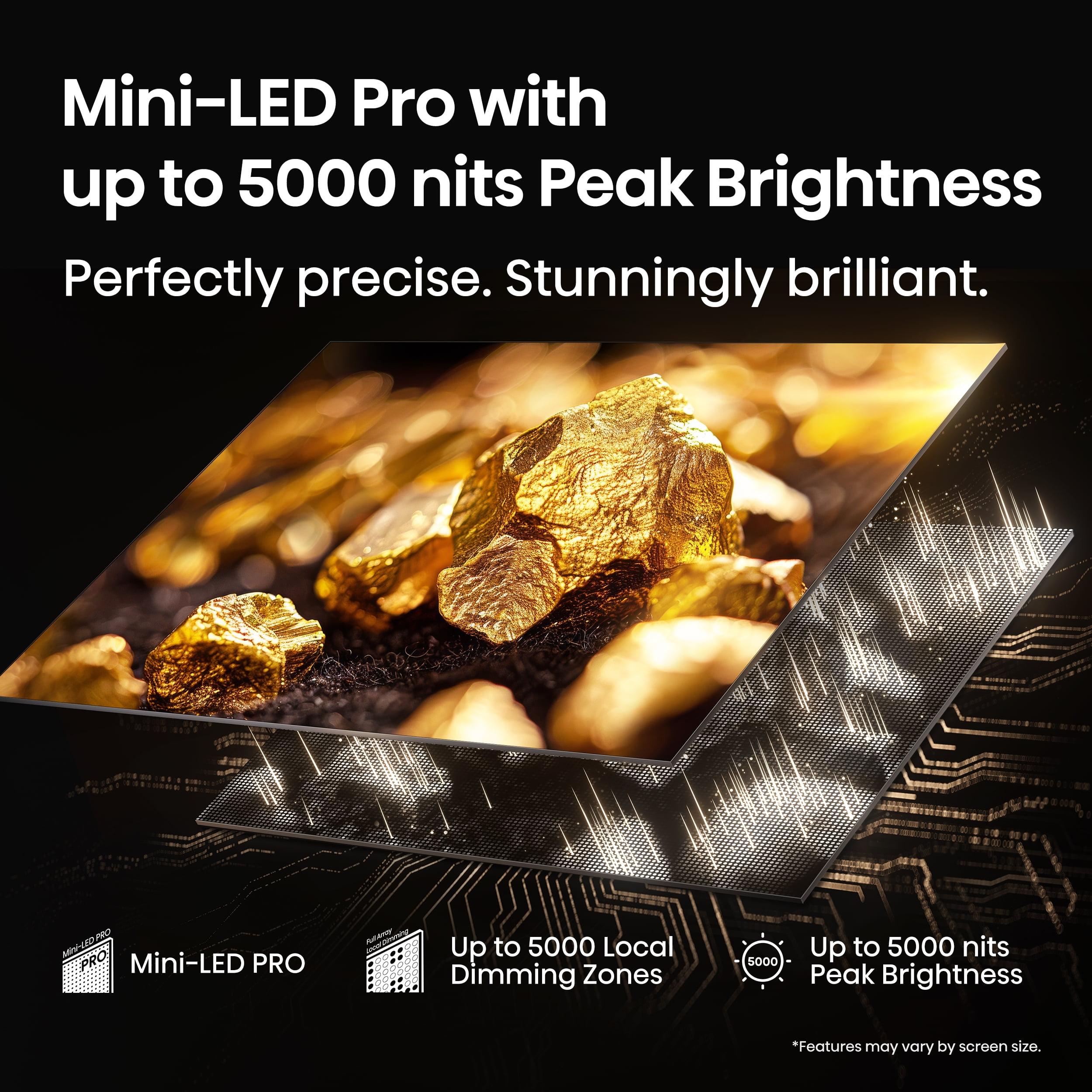
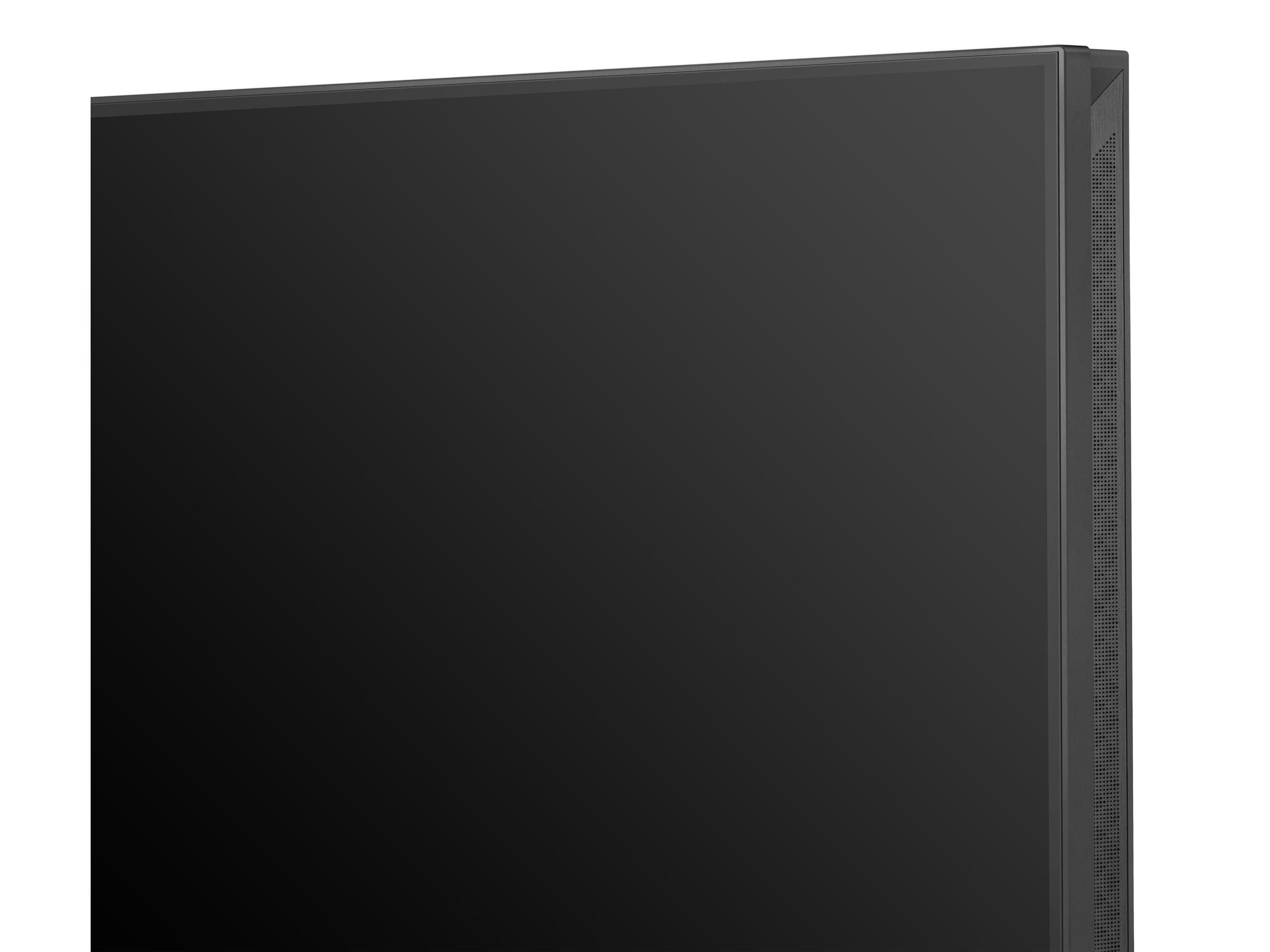
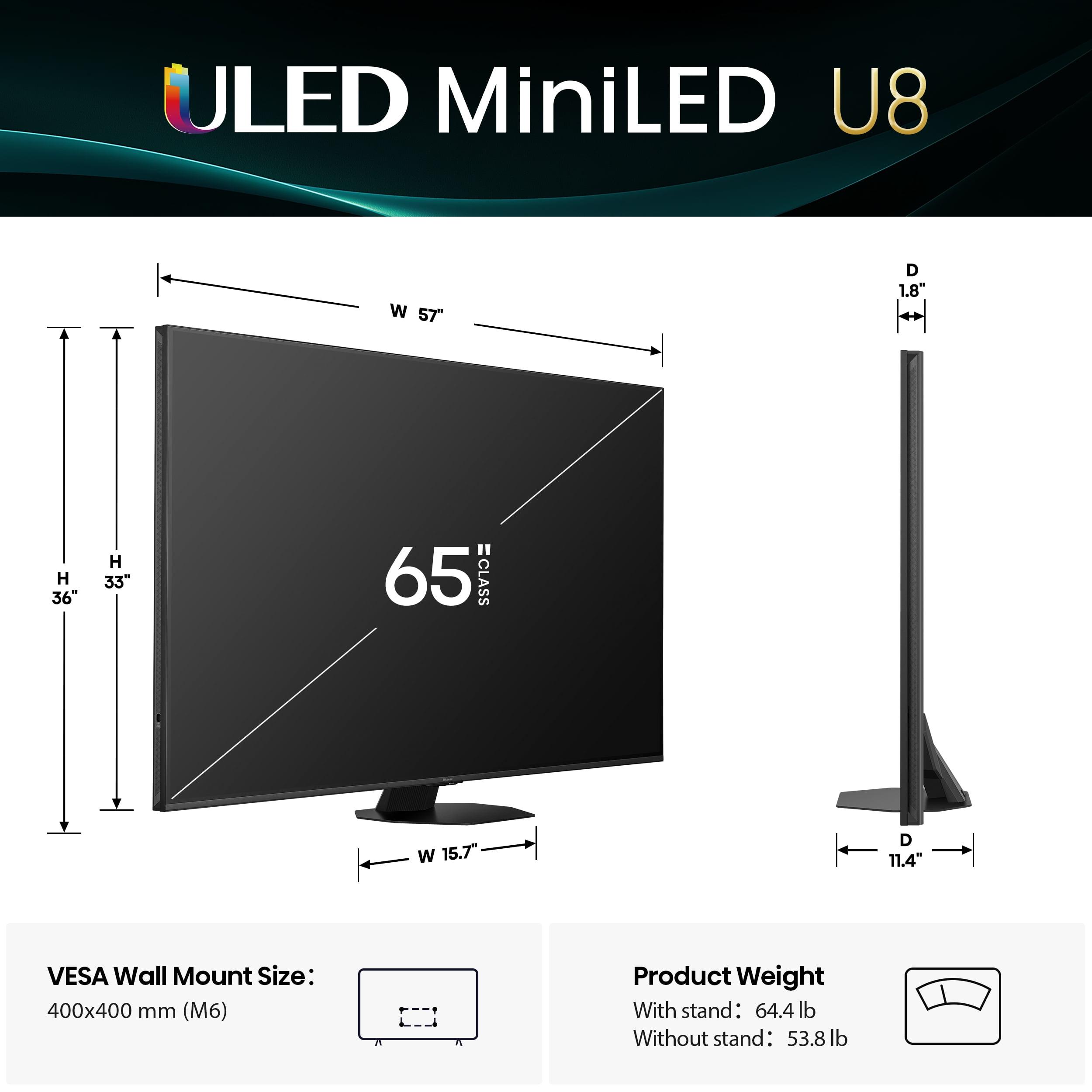
The Hisense U8 takes a dramatically different approach with Mini-LED Pro+ technology. Instead of larger LEDs in basic zones, it uses thousands of tiny LEDs arranged in over 2,000 individually controlled dimming zones. Imagine the difference between painting with a house brush versus a fine artist's brush—that's the level of precision we're talking about.
This technical difference cascades into real-world performance differences that you'll notice immediately when watching dark scenes in movies or playing games with dramatic lighting.
When evaluating TVs, black level performance often separates good from great. True blacks make colors pop more, create better depth perception, and simply look more realistic. This is where the Hisense U8 demonstrates its most significant advantage.
With over 2,000 dimming zones, the U8 can turn off LEDs behind dark areas of the screen while keeping adjacent bright areas fully lit. In practical terms, this means when you're watching a space movie with stars against the blackness of space, those dark areas actually look black rather than gray. The Samsung Q6F, with its basic zone system, will show elevated blacks—dark areas that look more gray than black.
Our research into professional reviews consistently highlights this as the most noticeable difference between these TVs. Users report that the Hisense delivers "OLED-like blacks" in many scenes, while the Samsung provides "acceptable but not exceptional" black performance typical of entry-level QLEDs.
Peak brightness might be the most underestimated specification when shopping for TVs. It determines how bright highlights can get—think sun reflections, explosions, or bright sky scenes. The Hisense U8 reaches up to 3,000 nits in peak areas, which is genuinely impressive for this price range. The Samsung Q6F operates closer to 600-800 nits, which is adequate but not spectacular.
This brightness difference becomes crucial for HDR (High Dynamic Range) content. HDR is designed to mimic how your eyes see the real world, with incredibly bright highlights and deep shadows existing simultaneously. Without sufficient peak brightness, HDR content loses its impact and looks flat. Netflix movies, 4K Blu-rays, and even YouTube HDR videos will simply look more dramatic and realistic on the Hisense.
For anyone planning to use their TV during the day or in a bright living room, this brightness advantage becomes even more important. The Hisense can overcome ambient light that would wash out darker TVs, maintaining vibrant colors and good contrast even with windows open.
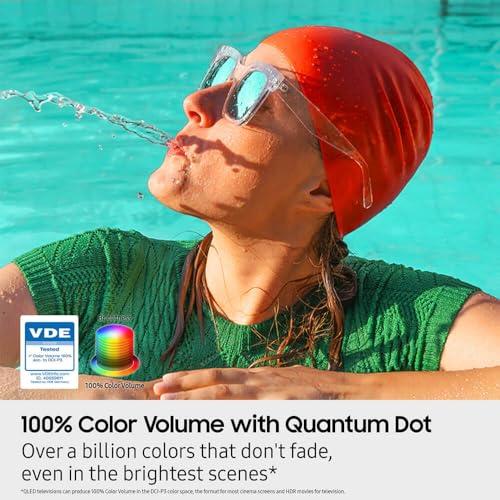
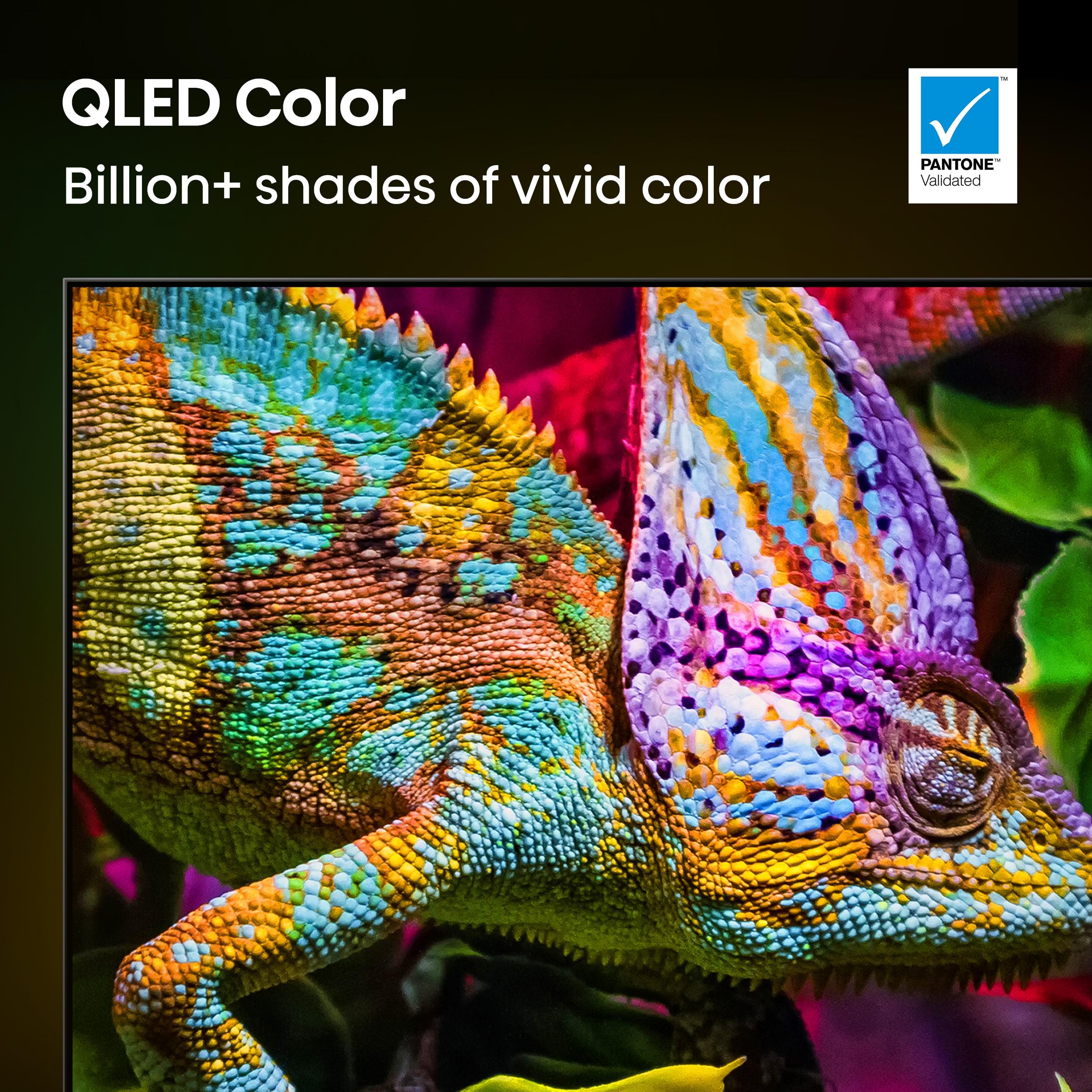
Both TVs use quantum dot technology, but they implement it differently. Quantum dots are microscopic particles that convert blue LED light into incredibly pure red and green light, resulting in more accurate and vibrant colors than traditional LED TVs can produce.
The Samsung Q6F emphasizes color accuracy and natural reproduction. Samsung has spent years perfecting their quantum dot implementation, and it shows in more realistic skin tones and natural-looking scenes. Their approach prioritizes what looks "right" over what looks "wow."
The Hisense U8 takes a more aggressive approach, delivering punchy, vibrant colors that immediately grab your attention. Some users prefer this more dramatic presentation, especially for animated content, sports, and gaming. However, it can occasionally oversaturate compared to how colors appear in real life.
Neither approach is wrong—it's a matter of preference. If you value accuracy and natural reproduction, Samsung's implementation will likely appeal more. If you want colors that pop and create immediate visual impact, Hisense's tuning might be your preference.
The smart TV experience has become just as important as picture quality for many users, and these TVs offer distinctly different approaches.
The Samsung Q6F runs Tizen OS with Samsung's One UI interface. This platform has matured significantly since its 2015 launch, offering smooth navigation and comprehensive app support. Samsung TV Plus provides over 1,200 free streaming channels, which adds genuine value for cord-cutters. The SmartThings integration is particularly compelling if you're building a smart home—your TV becomes a hub that can control lights, thermostats, and other connected devices.
The Hisense U8 uses Google TV, which launched in 2020 as Google's refresh of Android TV. The interface feels more modern and intuitive than older Android TV versions, with better content recommendations and seamless integration with Google services. If you're already using Google products—Gmail, Google Photos, YouTube Premium—the experience feels more cohesive.
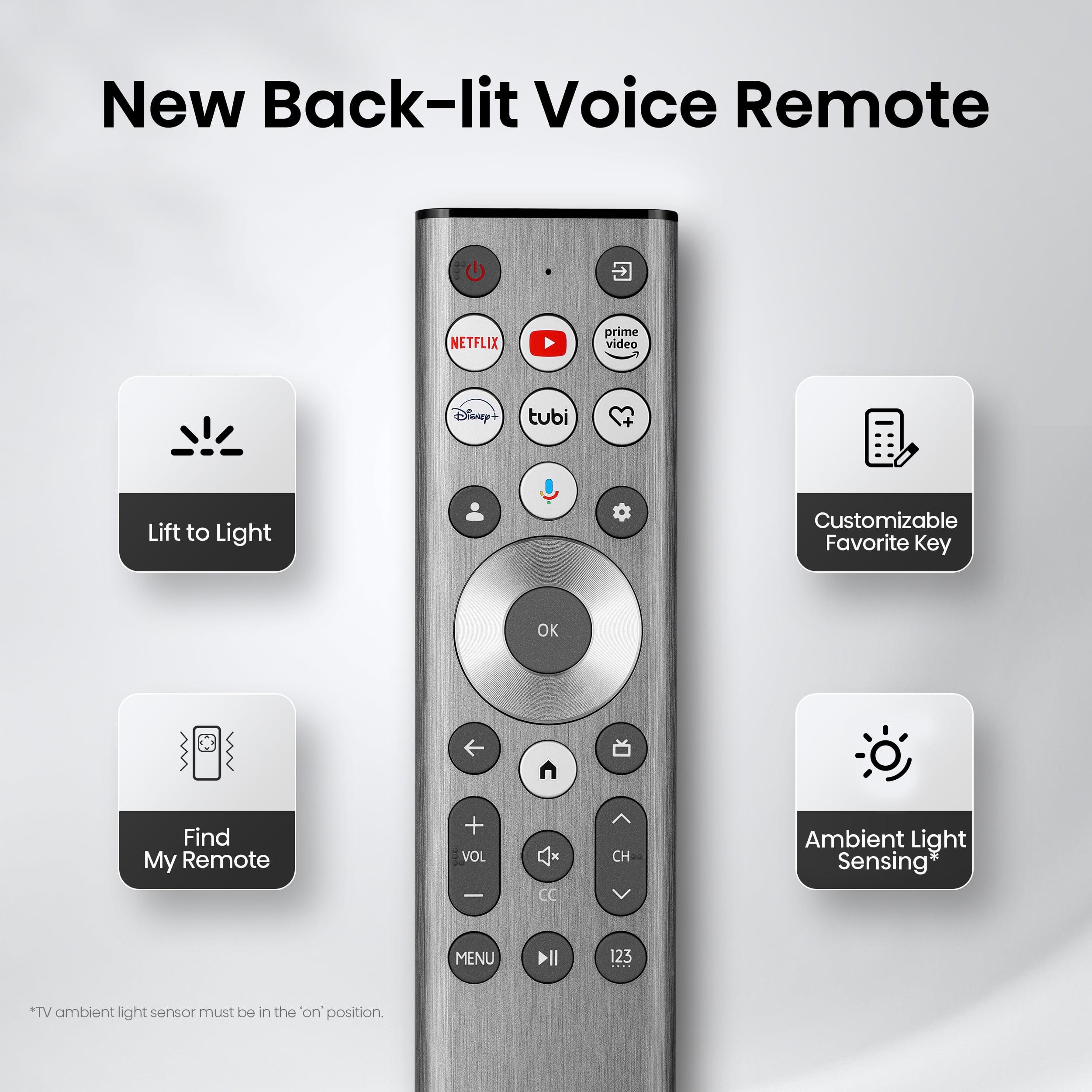
Both platforms support major streaming apps, but Google TV tends to get new apps slightly faster due to its larger user base. Voice control works well on both, with Samsung supporting Bixby, Alexa, and Google Assistant, while Hisense focuses primarily on Google Assistant integration.
Gaming capabilities have become increasingly important as consoles like the PlayStation 5 and Xbox Series X demand more from TVs. This is where the Hisense U8 demonstrates clear superiority.
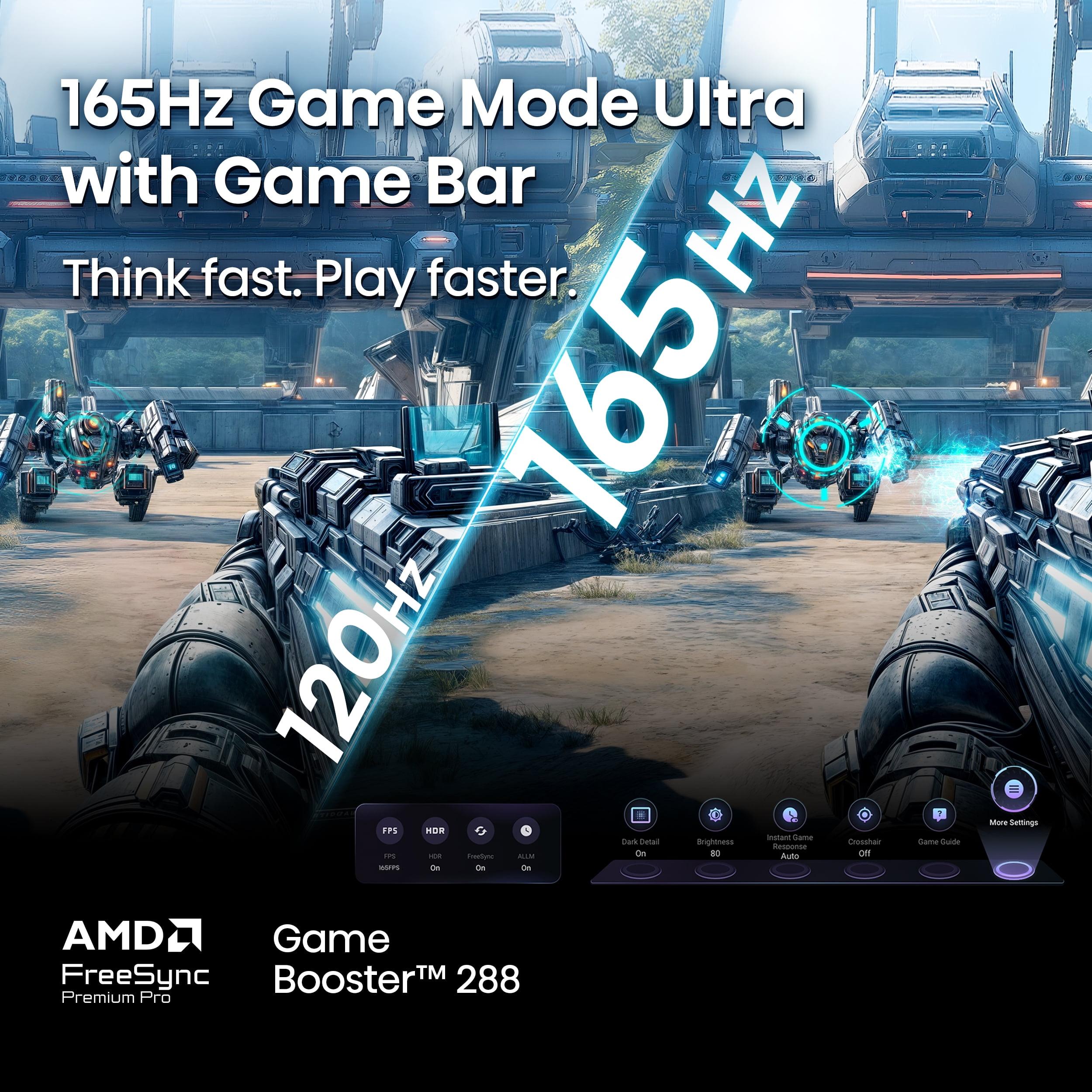
The U8's 144Hz refresh rate means it can display up to 144 frames per second, compared to the Samsung Q6F's 60Hz limit. While most current console games run at 60fps, PC gaming and future console updates will take advantage of higher refresh rates. The Hisense also supports Variable Refresh Rate (VRR) across a wider range (48Hz-144Hz) and includes AMD FreeSync Premium Pro for tear-free gaming.
Both TVs include Auto Low Latency Mode (ALLM), which automatically switches to game mode when it detects a console, reducing input lag—the delay between pressing a button and seeing the action on screen. However, the Hisense's overall gaming feature set is more comprehensive and future-proof.
For casual console gaming, both TVs perform adequately. For serious gamers or anyone planning to keep their TV for several years as gaming technology advances, the Hisense offers better long-term value.
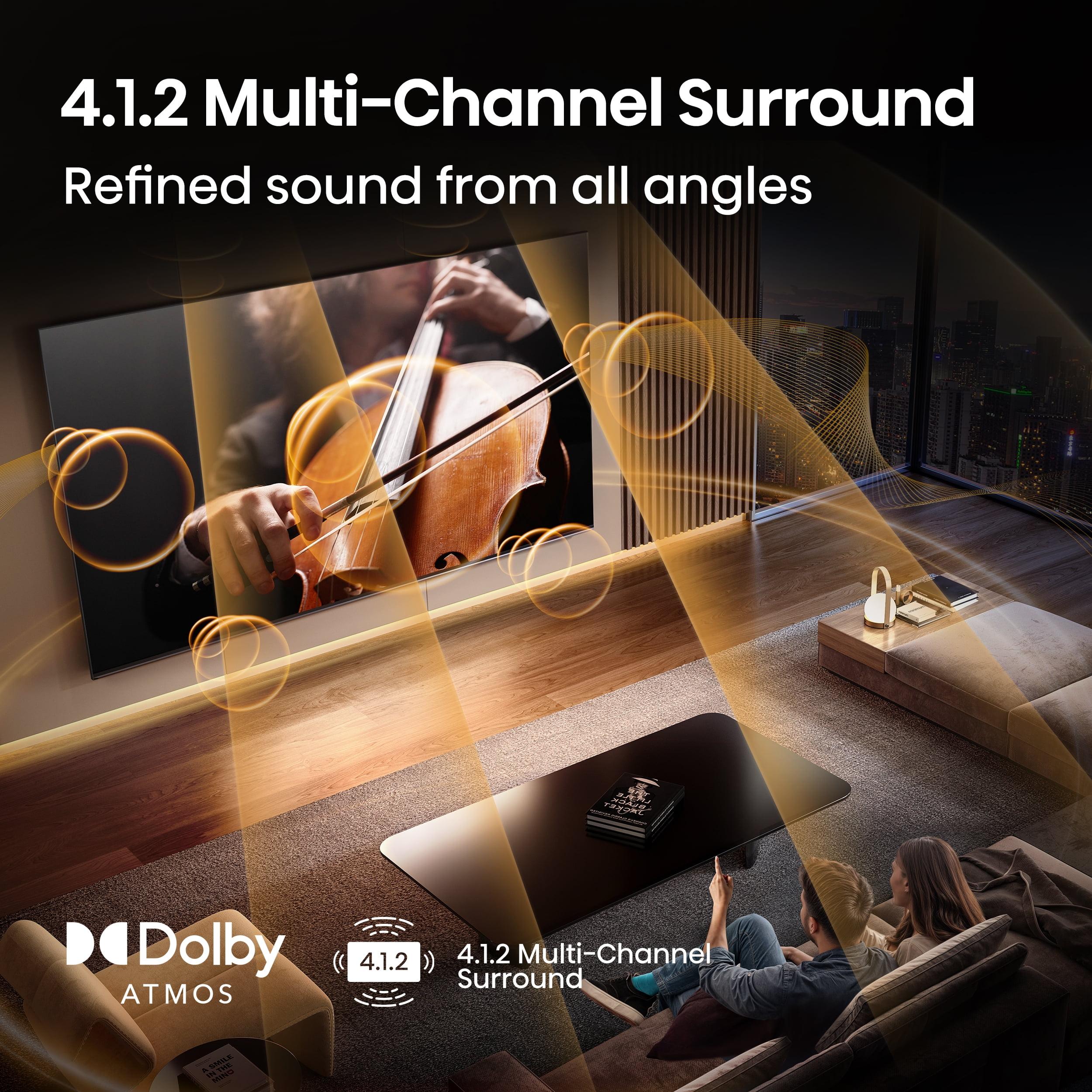
TV speakers often disappoint, but both models make genuine efforts to provide decent built-in audio. The Hisense U8 includes a 50W 2.1.2 channel system with Dolby Atmos support and an integrated subwoofer. This setup provides noticeably better bass response and spatial audio effects compared to typical TV speakers.
The Samsung Q6F offers 20W 2-channel audio with Object Tracking Sound Lite (OTS Lite), which attempts to match audio movement to on-screen action. While less powerful than the Hisense system, Samsung's Q-Symphony feature allows the TV speakers to work alongside compatible Samsung soundbars for enhanced audio.
For dedicated home theater setups, both TVs will likely be paired with external audio systems anyway. However, the Hisense provides a more complete out-of-the-box experience for users who prefer not to add additional components.
The Samsung Q6F maintains Samsung's reputation for premium design aesthetics. The "3-bezel-less" design creates a modern appearance, and the Metal Stream rear panel design looks sophisticated. Samsung's build quality has historically been excellent, and the Q6F continues this tradition with solid construction and thoughtful details like integrated cable management.
The Hisense U8 focuses more on performance than premium design elements. While well-built, it doesn't match Samsung's design polish. However, Hisense includes a 2-year warranty—double the industry standard—which demonstrates confidence in their product reliability.
For living rooms where the TV serves as a design element, Samsung's aesthetic advantage matters. For dedicated home theaters or users who prioritize performance over appearance, the design difference becomes less relevant.
At the time of writing, these TVs compete in the $900-1,300 range for 65-inch models, though pricing fluctuates regularly. The value equation depends entirely on your priorities.
The Hisense U8 delivers flagship-level picture performance at mid-range pricing. You're getting Mini-LED technology, exceptional brightness, and comprehensive gaming features that would cost significantly more from premium brands. For pure performance per dollar, it's hard to beat.
The Samsung Q6F offers ecosystem integration, design polish, and the Samsung brand reputation. You're paying partly for the Samsung experience—refined software, comprehensive smart home integration, and established customer support networks.
Choose the Hisense U8 if:
Choose the Samsung Q6F if:
The Hisense U8 represents the better choice for performance-focused buyers who want the most TV for their money. Its Mini-LED backlighting, exceptional brightness, and gaming capabilities deliver experiences that rival TVs costing significantly more.
The Samsung Q6F appeals to users who value refinement, ecosystem integration, and the Samsung brand experience. While it doesn't match the Hisense's raw performance, it offers a more polished overall experience.
In most cases, I'd recommend the Hisense U8 for its superior picture quality and future-proofing capabilities. The performance advantages are immediately noticeable and will remain relevant for years. However, if you're already invested in Samsung's ecosystem or strongly prefer their approach to smart TV software, the Q6F remains a solid choice.
Both TVs represent good value in today's market, but they cater to different priorities. Consider how you'll actually use the TV, what ecosystem you prefer, and whether you prioritize cutting-edge performance or refined user experience. Either choice will provide years of entertainment, but the Hisense delivers more of that "wow factor" that makes upgrading worthwhile.
| Samsung 65" QLED Q6F 4K Smart TV 2025 | Hisense 65" U8 Series Mini-LED ULED 4K Google TV |
|---|---|
| Display Technology - Determines black levels and contrast performance | |
| Direct LED with UHD Dimming (basic zone control) | Mini-LED Pro+ with 2000+ dimming zones (flagship-level precision) |
| Peak Brightness - Critical for HDR impact and bright room viewing | |
| ~600-800 nits (adequate for most content) | Up to 3,000 nits (exceptional HDR performance) |
| Refresh Rate - Important for gaming and smooth motion | |
| 60Hz native (sufficient for current consoles) | 144Hz native (future-proof for PC gaming and next-gen consoles) |
| Color Technology - Affects color accuracy and vibrancy | |
| 100% Color Volume Quantum Dot (natural, accurate colors) | QLED Quantum Dot with over 1 billion colors (vibrant, punchy presentation) |
| HDR Support - Enhances dynamic range for movies and streaming | |
| Quantum HDR, HDR10+ (good tone mapping within brightness limits) | Dolby Vision, HDR10, HDR10+, HLG (comprehensive support with high brightness) |
| Gaming Features - Determines console and PC gaming performance | |
| VRR, ALLM, HGiG, Gaming Hub (solid current-gen support) | 144Hz VRR (48-144Hz), AMD FreeSync Premium Pro, ALLM (superior gaming specs) |
| Smart TV Platform - Affects app selection and user experience | |
| Tizen OS with Samsung TV Plus (1200+ free channels, SmartThings integration) | Google TV (native Google services, Chromecast built-in, modern interface) |
| Audio System - Built-in sound quality without external speakers | |
| 20W 2-channel with OTS Lite, Q-Symphony soundbar support | 50W 2.1.2 multi-channel with Dolby Atmos and built-in subwoofer |
| Voice Control - Smart home and content search capabilities | |
| Bixby, Alexa, Google Assistant (multi-platform support) | Google Assistant native (seamless Google ecosystem integration) |
| Connectivity - Future-proofing and device compatibility | |
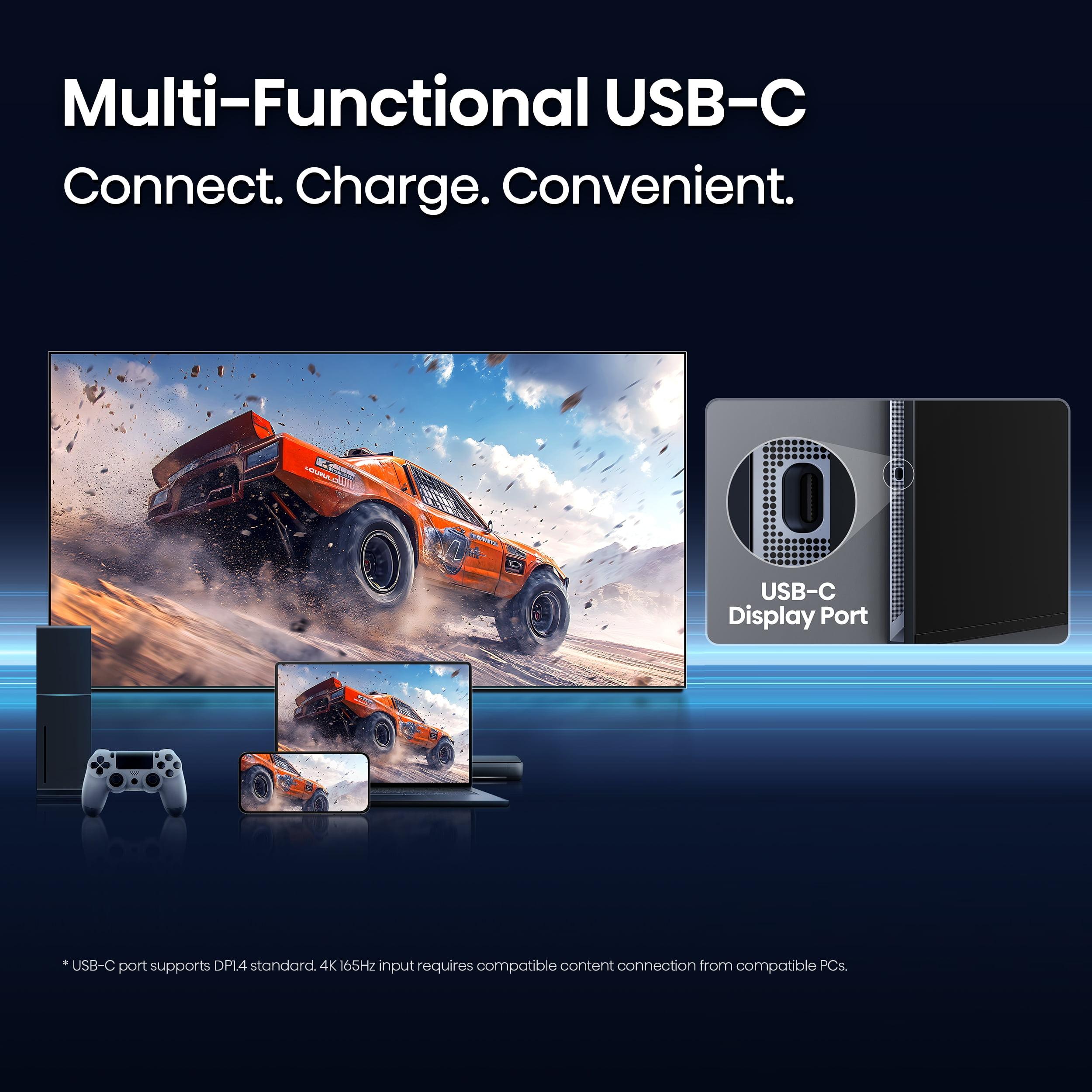
| 3x HDMI 2.1, 1x USB-A, Wi-Fi 5, Bluetooth 5.3 | HDMI 2.1 bandwidth, Wi-Fi 6E, NEXTGEN TV ATSC 3.0 tuner |
| Design & Build - Premium aesthetics and construction quality | |
| 3-bezel-less Metal Stream design, premium Samsung aesthetics | Functional design focused on performance over premium appearance |
| Warranty Coverage - Protection and manufacturer confidence | |
| Standard 1-year warranty | 2-year warranty (double industry standard) |
| Best For - Primary use case recommendations | |
| Samsung ecosystem users, refined experience, natural colors | Performance enthusiasts, gaming, movie watching, maximum value |
The Hisense 65" U8 Series Mini-LED delivers superior picture quality with its Mini-LED backlighting technology featuring over 2,000 dimming zones and peak brightness up to 3,000 nits. This creates deeper blacks, brighter highlights, and more impactful HDR performance compared to the Samsung 65" QLED Q6F, which uses basic direct LED backlighting. For dark room movie watching and streaming HDR content, the Hisense provides a more cinematic experience.
Mini-LED refers to the backlighting system using thousands of tiny LEDs for precise light control, while QLED refers to the quantum dot layer that enhances colors. The Hisense U8 combines both Mini-LED backlighting and quantum dot technology for superior contrast and brightness. The Samsung Q6F uses quantum dot technology but with traditional direct LED backlighting, resulting in less precise light control but still excellent color reproduction.
The Hisense 65" U8 Series offers superior gaming performance with its 144Hz refresh rate, VRR support up to 144Hz, and AMD FreeSync Premium Pro. This provides smoother gameplay and better future-proofing for next-generation gaming. The Samsung Q6F supports 60Hz with basic VRR and ALLM, which is adequate for current console gaming but less future-proof.
The Samsung QLED Q6F runs Tizen OS with Samsung TV Plus offering 1,200+ free channels, SmartThings smart home integration, and support for multiple voice assistants. The Hisense U8 uses Google TV with native Google services, Chromecast built-in, and seamless integration with Google ecosystem devices. Both platforms support major streaming apps, but offer different ecosystem advantages.
The Hisense Mini-LED U8 excels in bright rooms with its peak brightness up to 3,000 nits and anti-glare technology, maintaining vibrant colors and good contrast even with ambient light. The Samsung Q6F provides adequate brightness for most lighting conditions but may struggle to overcome significant ambient light, making the Hisense the better choice for bright living spaces.
The Hisense U8 Series features a superior 50W 2.1.2 multi-channel audio system with Dolby Atmos and a built-in subwoofer, providing more immersive sound. The Samsung Q6F offers 20W 2-channel audio with Object Tracking Sound Lite and Q-Symphony compatibility with Samsung soundbars. For users not planning to add external speakers, the Hisense provides better built-in audio quality.
The Hisense 65" U8 typically offers better value for performance-focused buyers, delivering flagship-level Mini-LED technology, exceptional brightness, and gaming features at a competitive price point. The Samsung Q6F provides value through ecosystem integration, refined software experience, and Samsung's brand reputation, making it worthwhile for users prioritizing these aspects over raw performance.
The Hisense U8 Series Mini-LED includes a 2-year warranty, which is double the industry standard and demonstrates manufacturer confidence in the product. The Samsung QLED Q6F comes with a standard 1-year warranty but benefits from Samsung's established customer support network and historically strong reliability reputation in the TV market.
For dedicated home theater use, the Hisense U8 is the superior choice due to its Mini-LED backlighting providing near-OLED black levels, exceptional peak brightness for HDR content, and comprehensive format support including Dolby Vision. The precise dimming control and high contrast ratio create a more cinematic experience in dark viewing environments compared to the Samsung Q6F.
The Hisense Mini-LED U8 provides more future-proof connectivity with Wi-Fi 6E, NEXTGEN TV ATSC 3.0 tuner, and HDMI 2.1 bandwidth supporting higher gaming refresh rates. The Samsung Q6F offers solid connectivity with HDMI 2.1, Wi-Fi 5, and comprehensive smart home integration through SmartThings, though with somewhat less advanced wireless capabilities.
The Samsung QLED Q6F typically produces more natural, accurate colors with its mature quantum dot implementation and Samsung's color processing expertise. The Hisense U8 delivers more vibrant, punchy colors that create immediate visual impact but may occasionally oversaturate compared to real-life color reproduction. The choice depends on whether you prefer accuracy or visual drama.
Samsung has a longer-established reputation in the TV market with proven reliability and extensive customer support networks, making the Samsung Q6F appealing for brand-conscious buyers. Hisense has rapidly improved in recent years and offers exceptional performance value with the U8 Series, backed by a 2-year warranty. Both brands now offer reliable products, with the choice depending more on features and ecosystem preferences than brand reputation alone.
We've done our best to create useful and informative comparisons to help you decide what product to buy. Our research uses advanced automated methods to create this comparison and perfection is not possible - please contact us for corrections or questions. These are the sites we've researched in the creation of this article: samsung.com - samsung.com - youtube.com - rtings.com - samsung.com - bestbuy.com - manuals.plus - shopjetson.com - samsung.com - samsung.com - samsung.com - samsung.com - bestbuy.com - jefflynch.com - bestbuy.com - hisense-usa.com - rtings.com - bestbuy.com - rtings.com - hisense-usa.com - youtube.com - hisense-usa.com - avsforum.com - hisense-usa.com - hisense-usa.com - rtings.com - avsforum.com - hisense-usa.com - prnewswire.com - hisense-usa.com - bestbuy.com - youtube.com - hisense-usa.com

Privacy Policy
Terms and Conditions - Affiliate Policy
Home Security
© Copyright 2008-2026.
11816 Inwood Rd #1211, Dallas, TX 75244