

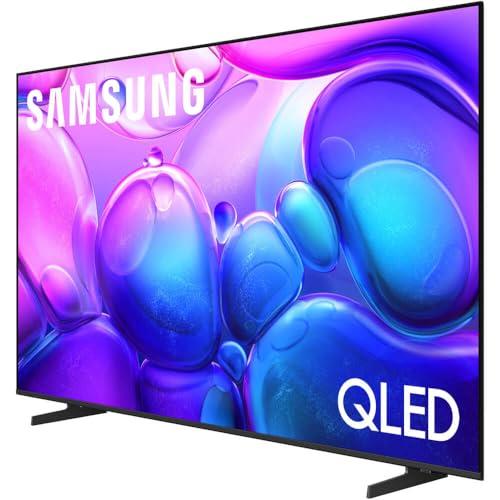
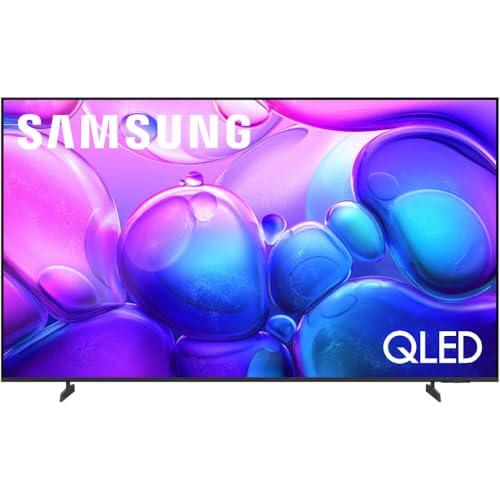
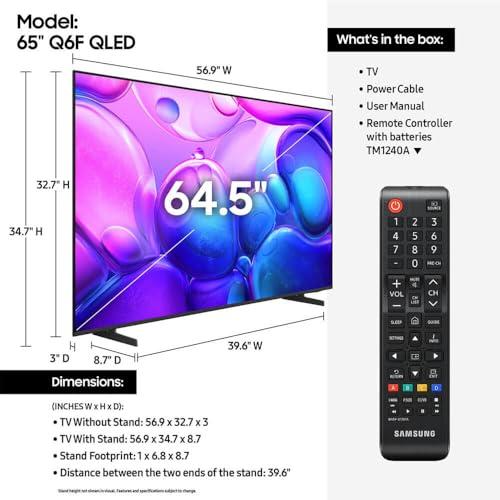
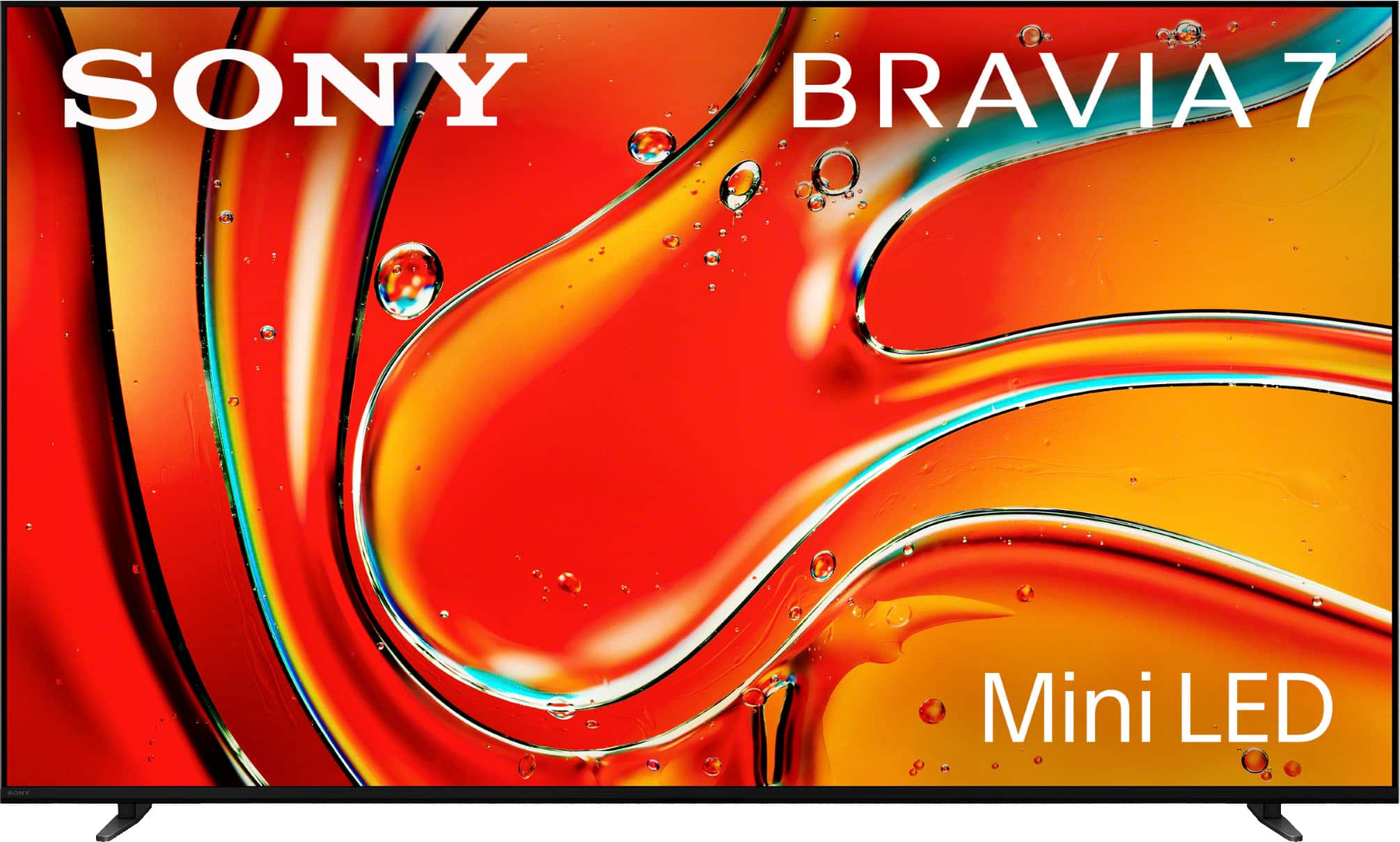
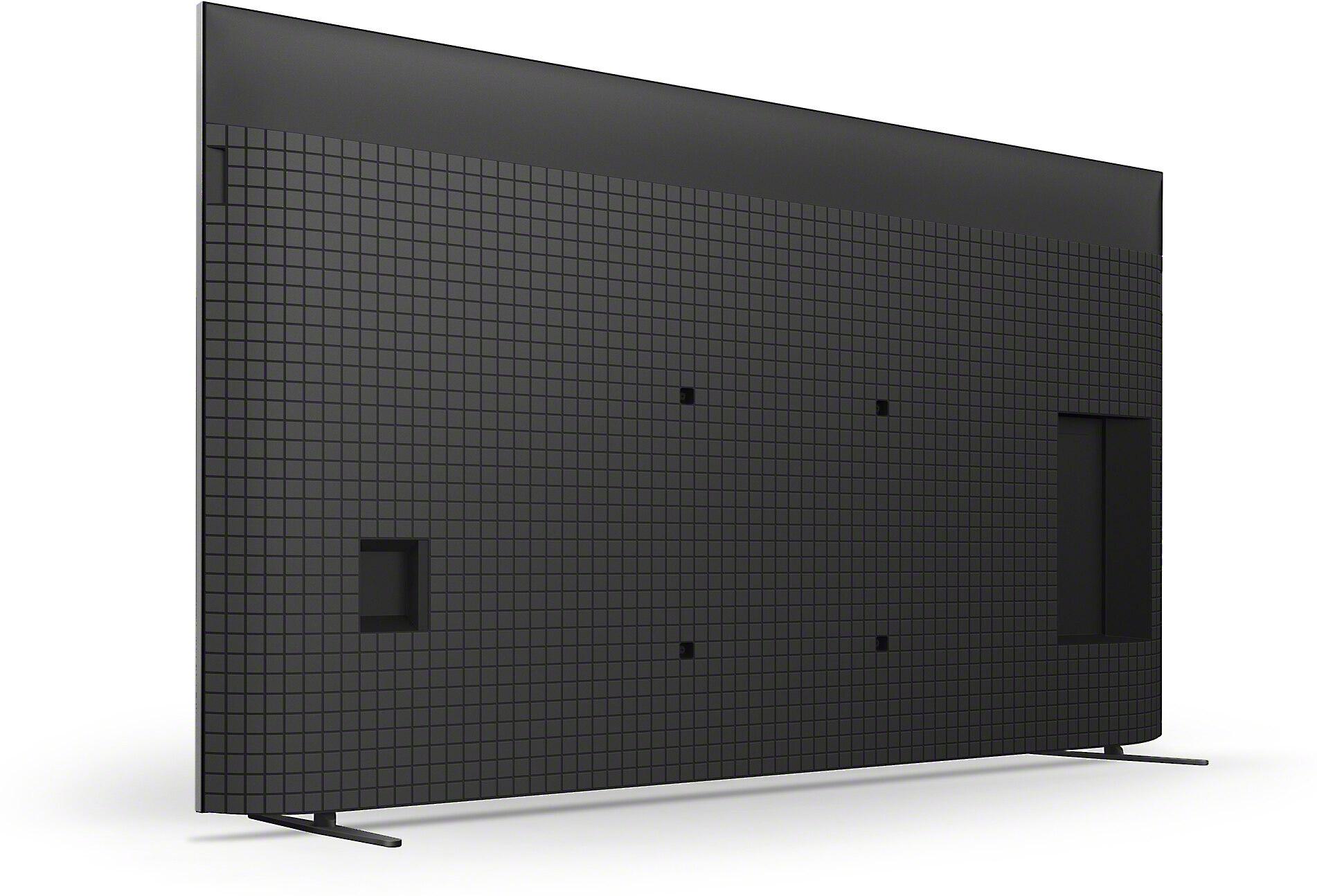
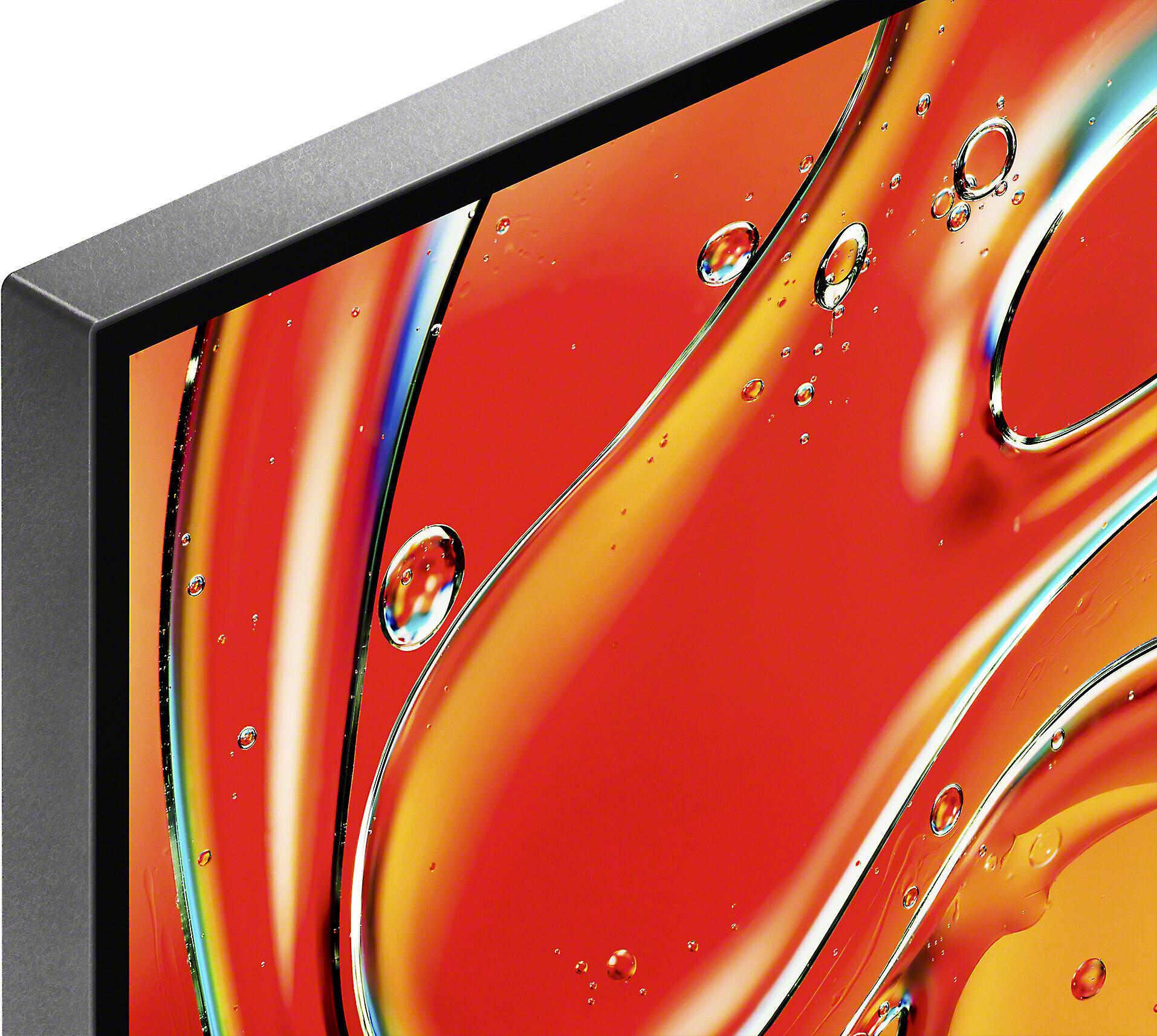
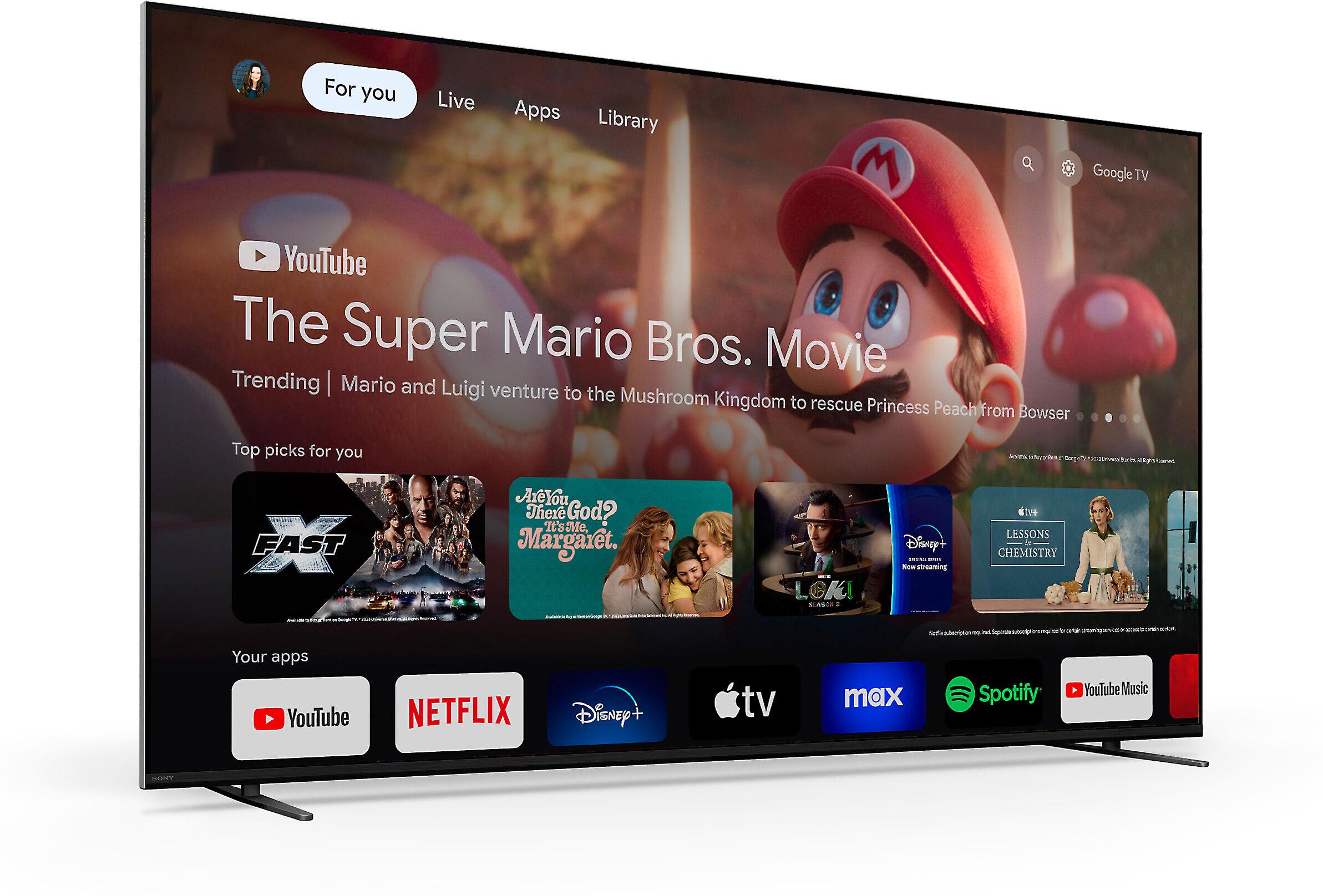
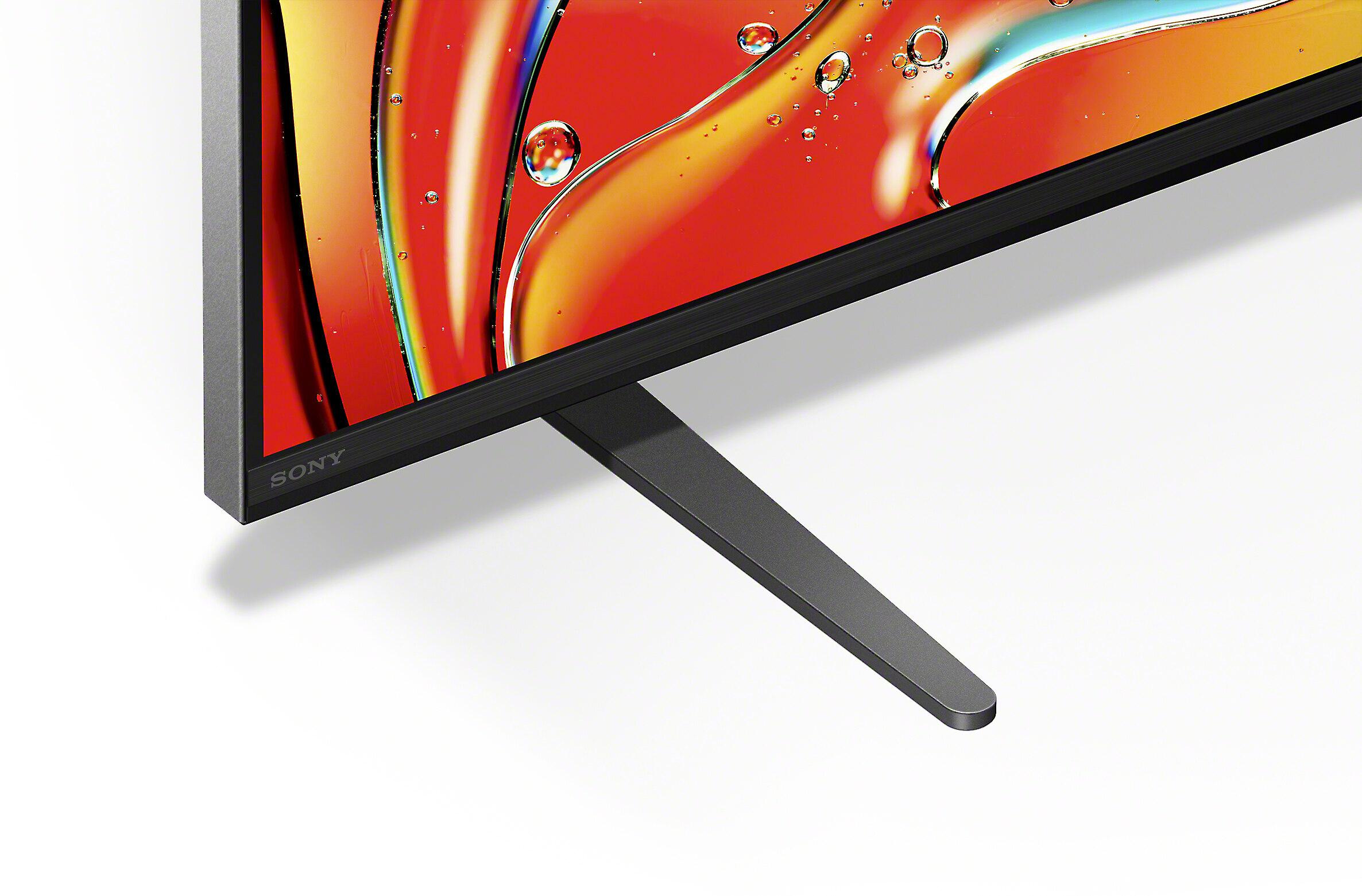
Shopping for a 65-inch 4K TV can feel overwhelming with so many options and technical terms thrown around. Today, we're comparing two popular choices that represent very different approaches to delivering great picture quality: the Samsung 65" QLED Q6F from 2025 and the Sony BRAVIA 7 65" from 2024. These TVs sit at opposite ends of the value spectrum, and understanding their differences will help you make the right choice for your home.
The 65-inch size has become the sweet spot for modern living rooms—large enough to feel cinematic but not so massive that it overwhelms your space. When evaluating these displays, several key factors determine your viewing experience and long-term satisfaction.
Display technology forms the foundation of picture quality. This includes how the TV creates light (backlighting), produces colors, and handles contrast between bright and dark areas. Processing power determines how well your TV upscales lower-resolution content and manages its smart features. HDR support (High Dynamic Range) affects how vibrant and realistic your streaming movies and games look. Gaming features matter increasingly as consoles become more sophisticated, while the smart platform determines daily usability.
Most importantly, you need to balance performance against price. A TV that costs twice as much should deliver meaningfully better performance, not just fancier marketing terms.
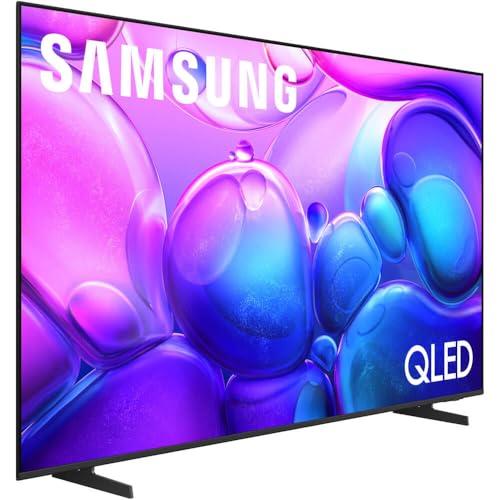
The fundamental difference between the Samsung Q6F and Sony BRAVIA 7 lies in their display architecture. Samsung uses QLED technology, which stands for Quantum Dot Light Emitting Diode. This involves a layer of quantum dots—microscopic particles that emit specific colors when hit by blue LED light. The result is more accurate colors and better brightness consistency than traditional LED displays.
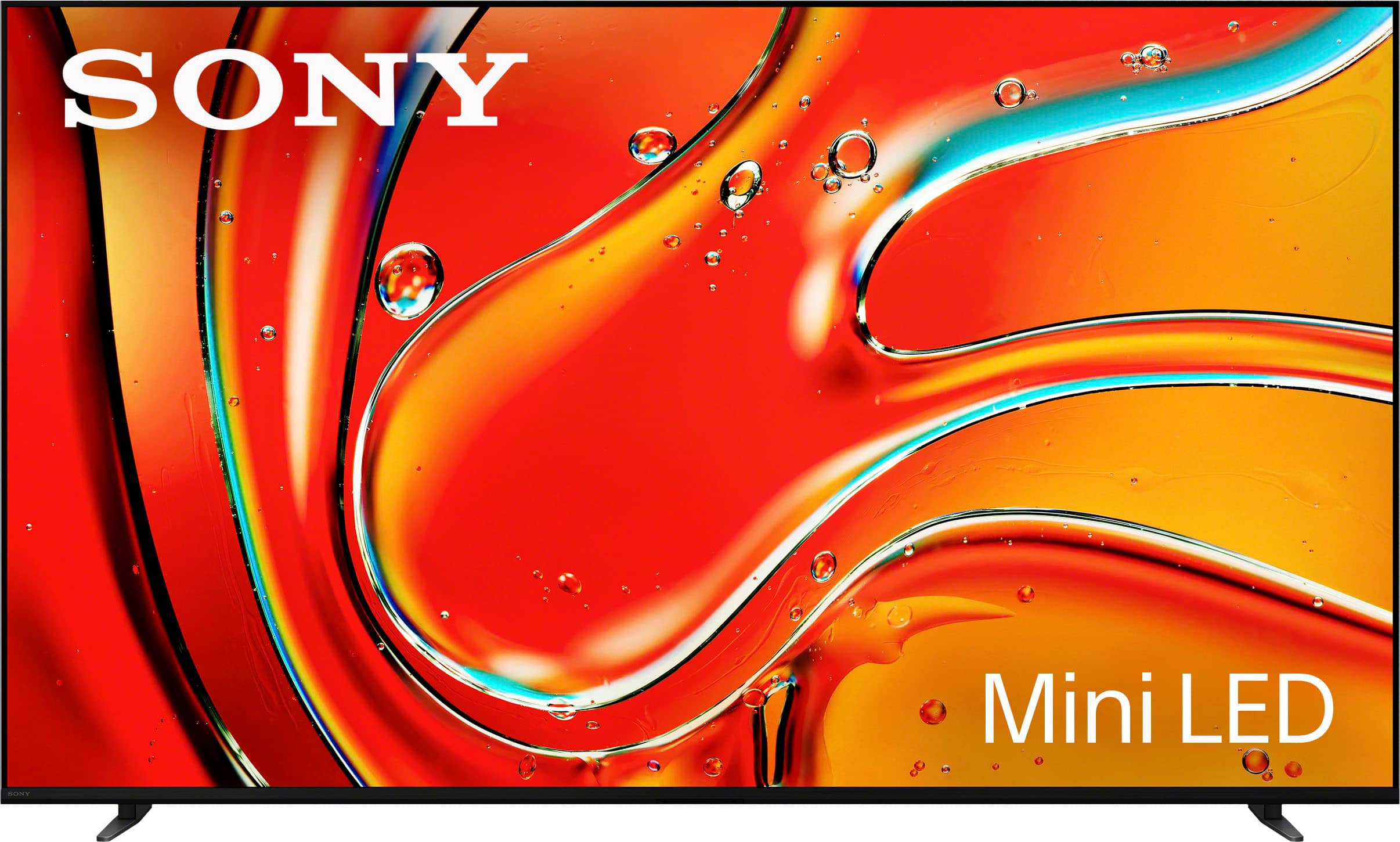
Sony takes a different approach with Mini LED backlighting. Instead of using standard-sized LEDs behind the screen, Mini LED employs thousands of tiny LEDs that are roughly one-fortieth the size of regular LEDs. This allows for much more precise control over brightness in different areas of the screen—imagine being able to dim just a small corner of your TV while keeping the rest bright.
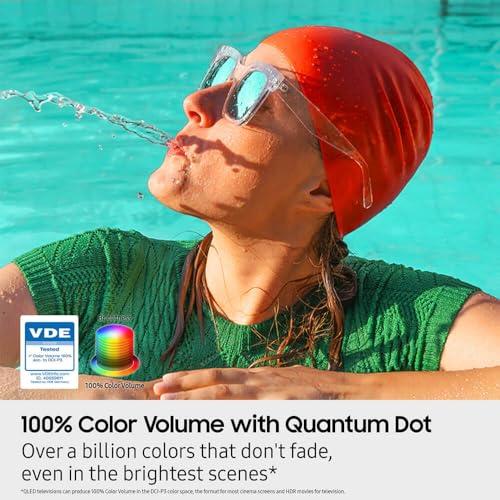
The Samsung Q6F achieves its colors through quantum dot technology that's been certified by TÜV (a German testing organization) to deliver 100% Color Volume. This means it can produce accurate colors at any brightness level, and importantly, it's cadmium-free, making it more environmentally friendly than older quantum dot displays.
The Sony BRAVIA 7, meanwhile, uses its Mini LED array with something called XR Backlight Master Drive. This system can control brightness in thousands of individual zones across the screen. When you're watching a movie with a bright explosion against a dark night sky, the Sony can make the explosion brilliant while keeping the surrounding areas truly dark. The Samsung, with its more basic direct LED backlighting, applies brightness changes across larger sections of the screen.
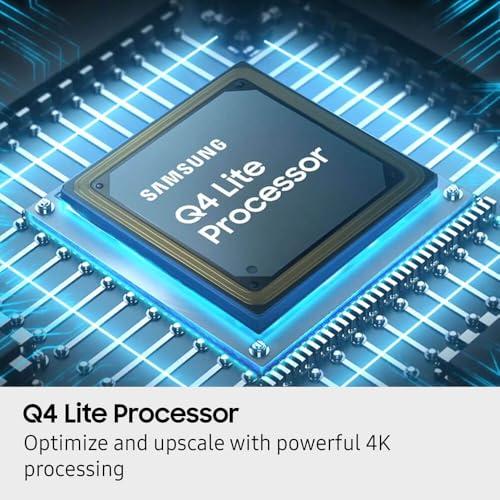
The difference in processing capabilities between these TVs is substantial. The Samsung Q6F uses Samsung's Q4 Lite Processor, which handles basic upscaling (making lower-resolution content look better on the 4K screen) and manages the smart TV functions adequately for everyday use.
The Sony BRAVIA 7 employs Sony's XR Cognitive Processor, which represents a more sophisticated approach to image processing. This chip analyzes each scene in real-time, adjusting not just brightness and color, but also focusing on where human eyes naturally look in a picture. It's particularly effective at upscaling older content—those 1080p Blu-rays and streaming shows look noticeably sharper and more detailed.
Having evaluated feedback from users and professional reviewers, the processing difference becomes apparent in daily use. The Sony responds faster when navigating menus, loads apps more quickly, and generally feels more premium in operation.
Both TVs offer comprehensive smart features, but with different philosophies. The Samsung Q6F runs Tizen OS, Samsung's proprietary platform that's matured significantly over recent years. Tizen integrates well with Samsung's ecosystem—if you have Samsung phones, tablets, or smart home devices, everything works together seamlessly. Samsung TV Plus provides hundreds of free streaming channels, and the platform supports Bixby, Alexa, and Google Assistant for voice control.
The Sony BRAVIA 7 uses Google TV, which many users find more intuitive and responsive than Tizen. Google TV excels at content discovery, learning your preferences and surfacing shows and movies you might enjoy across different streaming services. It also integrates naturally with Google services and supports AirPlay 2 for Apple device users.
Samsung commits to seven years of software updates from 2023, which means the Q6F should receive regular improvements and new features through 2030. Sony's update policy is less clearly defined, though Google TV platforms typically receive consistent updates.
The most significant performance difference lies in how these TVs handle brightness and contrast. The Sony BRAVIA 7's Mini LED system delivers substantially higher peak brightness and better contrast control than the Samsung Q6F's standard LED backlighting.
Peak brightness matters for HDR content—those stunning nature documentaries on Netflix or vibrant games on your PlayStation 5. The Sony can make HDR highlights truly pop while maintaining detail in darker areas of the same scene. The Samsung achieves good brightness levels but lacks the precise zone control to create the same dramatic contrast.
This difference is particularly noticeable in bright viewing environments. If your TV faces windows or you often watch during the day, the Sony's superior brightness capabilities help maintain picture quality despite ambient light.
Both TVs excel at color reproduction, but through different methods. The Samsung Q6F's quantum dot technology delivers consistent color accuracy across all brightness levels. Colors remain saturated and accurate whether you're watching a bright animated movie or a dark thriller.
The Sony BRAVIA 7 uses XR Triluminos Pro technology to expand its color gamut (the range of colors it can display). Combined with the precise brightness control from Mini LED, colors appear more natural and lifelike, particularly in premium HDR content.
The Sony BRAVIA 7 maintains better picture quality when viewed from the side, thanks to its Mini LED backlight providing more uniform illumination across the screen. The Samsung Q6F, like most edge-lit or direct-lit LED TVs, shows some color shifting and brightness changes when viewed from wider angles.
For most living room setups where viewers sit relatively centered, this difference isn't critical. However, if you have a wide seating arrangement or mount the TV in a corner, the Sony's better off-angle performance becomes valuable.
Gaming represents the starkest difference between these TVs. The Samsung Q6F provides basic gaming features suitable for casual play, while the Sony BRAVIA 7 delivers a premium gaming experience that justifies its higher price for serious gamers.
The refresh rate difference is fundamental. The Samsung operates at 60Hz (50Hz in some international markets), which means it can display up to 60 frames per second. This works fine for most content and casual gaming, but modern gaming consoles like PlayStation 5 and Xbox Series X can output 120 frames per second in many games.
The Sony BRAVIA 7 supports 120Hz refresh rates and can handle 4K gaming at 120fps when connected to compatible consoles. This results in smoother motion, especially noticeable in fast-paced games like racing simulators or first-person shooters.
Variable Refresh Rate (VRR) support on the Sony eliminates screen tearing—those annoying horizontal lines that appear when your console's frame rate doesn't match your TV's refresh rate. The Samsung lacks VRR support, which can result in less smooth gaming experiences with modern consoles.
Input lag (the delay between pressing a button and seeing the action on screen) is excellent on both TVs when in game mode, with the Sony achieving under 8.5 milliseconds. Both support Auto Low Latency Mode (ALLM), which automatically switches to game mode when it detects a console.
For PlayStation 5 owners specifically, the Sony BRAVIA 7 offers exclusive optimization features including Auto HDR Tone Mapping, which automatically adjusts HDR settings for the best gaming experience.
High Dynamic Range support significantly impacts your streaming and gaming experience. HDR content contains more color information and a wider range between the darkest blacks and brightest whites than standard content.
The Samsung Q6F supports Quantum HDR and HDR10+, which provides good HDR performance with dynamic scene optimization. However, it lacks Dolby Vision support, which is increasingly important as Netflix, Disney+, and other major streaming services prioritize this premium HDR format.
The Sony BRAVIA 7 supports Dolby Vision, HDR10, and HLG (Hybrid Log-Gamma), covering all major HDR formats. The Mini LED backlighting provides the brightness and contrast control necessary to truly showcase HDR content's potential. When watching Dolby Vision content on Netflix, the difference in picture quality is immediately apparent—brighter highlights, deeper shadows, and more realistic colors.
Studio-calibrated picture modes on the Sony ensure that content appears as directors intended, while the Samsung's Filmmaker Mode serves a similar purpose by disabling unnecessary image processing.
Neither TV replaces a dedicated sound system, but both offer respectable built-in audio for their class. The Samsung Q6F features Object Tracking Sound Lite, which attempts to match audio movement with on-screen action. Q-Symphony allows the TV's speakers to work alongside compatible Samsung soundbars for enhanced audio.
The Sony BRAVIA 7 includes Acoustic Multi-Audio with Voice Zoom 3 technology for clearer dialogue. Both TVs support Dolby Atmos for compatible content, though you'll need a proper soundbar or surround system to fully experience spatial audio.
For dedicated home theater setups, the Sony BRAVIA 7 emerges as the clear choice despite its higher price. The Mini LED backlighting provides the contrast control essential for cinematic viewing, particularly in darkened rooms where the deep blacks and bright highlights create a more immersive experience.
The comprehensive HDR format support, including Dolby Vision, ensures compatibility with premium streaming content and future-proofs your investment. The 120Hz refresh rate eliminates motion blur in action sequences and sports content.
The Samsung Q6F works adequately for casual home theater use but lacks the contrast performance and HDR capabilities that serious movie enthusiasts expect from their primary display.
At the time of writing, these TVs occupy different value segments. The Samsung Q6F typically costs several hundred dollars less than the Sony BRAVIA 7, representing excellent value for buyers seeking QLED color technology without premium pricing.
The Samsung makes sense for secondary bedrooms, kitchens, or family rooms where good picture quality matters but ultimate performance isn't critical. It's perfect for streaming shows, watching sports, and casual gaming. The smart features are comprehensive, and the build quality meets expectations for its price range.
The Sony BRAVIA 7 justifies its premium pricing with measurably superior performance. The Mini LED backlighting, 120Hz gaming capabilities, comprehensive HDR support, and faster processing create a noticeably better viewing experience. This TV targets home theater enthusiasts, serious gamers, and anyone who prioritizes long-term satisfaction over initial savings.
Choose the Samsung Q6F if you want solid QLED performance at a reasonable price point. It's ideal for general streaming, casual gaming, and situations where you need smart TV features without premium display technology. The quantum dot color reproduction is genuinely impressive for the price, and Samsung's software support commitment provides confidence in long-term usability.
Select the Sony BRAVIA 7 if you can budget for premium performance and want a TV that excels at gaming, HDR content, and home theater viewing. The Mini LED technology delivers contrast and brightness that budget displays simply cannot match. If you own current-generation gaming consoles or frequently stream premium HDR content, the performance difference justifies the additional investment.
The price gap between these TVs reflects genuine technological differences, not just marketing positioning. The Sony's Mini LED system, advanced processing, and comprehensive feature set create a viewing experience that's measurably superior in most scenarios. However, the Samsung provides excellent value for buyers whose priorities align with its capabilities and price point.
Consider your viewing habits, room lighting conditions, and long-term expectations when making your choice. Both TVs will serve you well within their intended use cases, but understanding these fundamental differences ensures you'll select the display that best matches your needs and budget.
| Samsung 65" QLED Q6F 4K Smart TV 2025 | Sony BRAVIA 7 65" 4K UHD Smart Google TV |
|---|---|
| Display Technology - Determines contrast, brightness control, and overall picture quality | |
| Standard QLED with direct LED backlighting and basic UHD Dimming | Mini LED with XR Backlight Master Drive and thousands of dimming zones |
| Peak Brightness - Critical for HDR content and bright room viewing | |
| Good brightness levels with Quantum Dot color enhancement | Superior peak brightness with precise zone control for better HDR |
| Refresh Rate - Essential for gaming and smooth motion in sports | |
| 60Hz (50Hz in some regions) - adequate for casual use | 120Hz - essential for modern gaming consoles and smooth motion |
| HDR Support - Affects streaming quality and color accuracy | |
| Quantum HDR, HDR10+ (no Dolby Vision support) | Dolby Vision, HDR10, HLG - covers all major HDR formats |
| Gaming Features - Important for console owners and competitive gaming | |
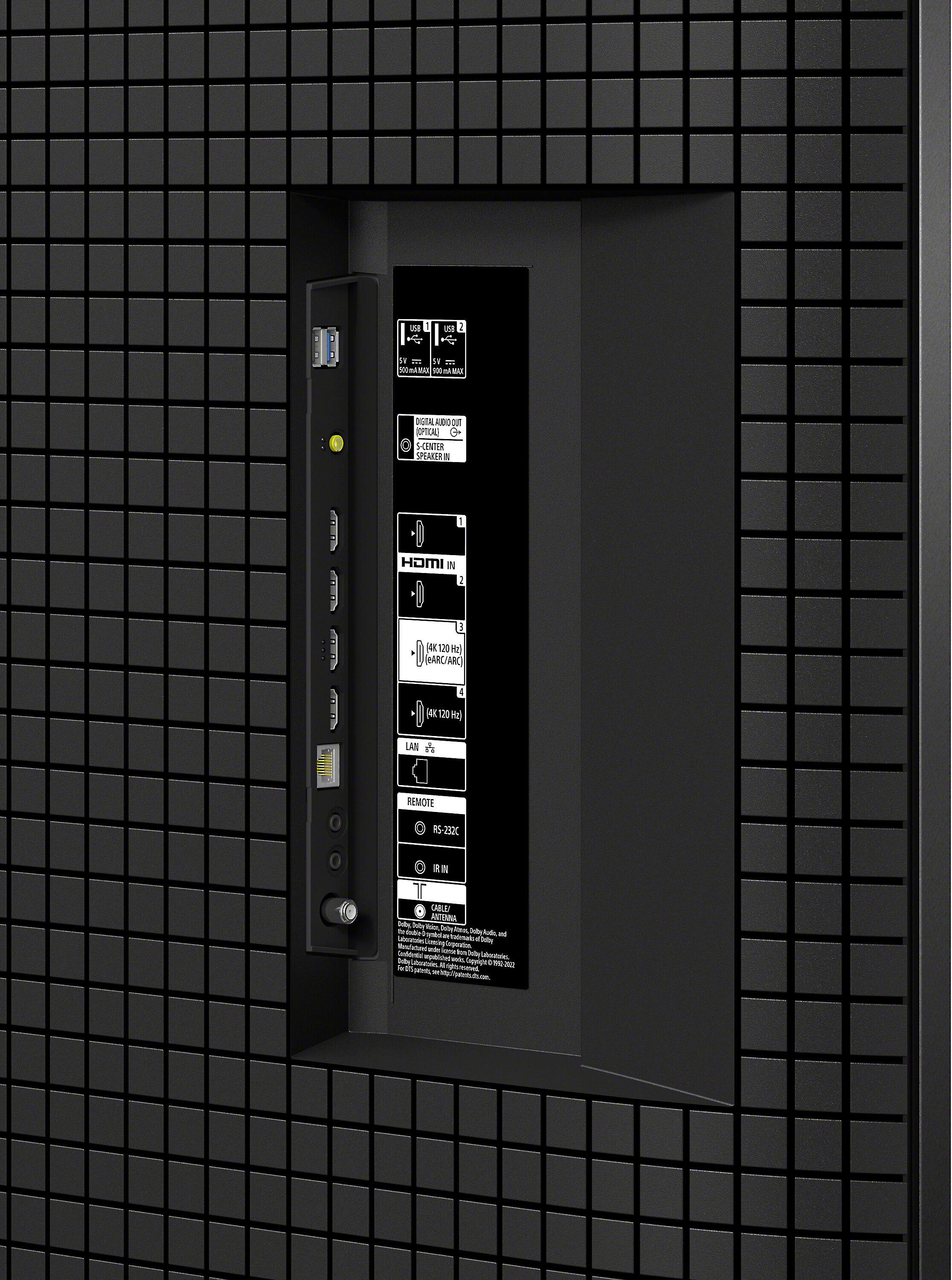
| Basic ALLM support, no VRR, 4K@60Hz maximum | VRR, ALLM, 4K@120Hz, PlayStation 5 optimization features |
| Processing Power - Impacts upscaling quality and smart TV responsiveness | |
| Q4 Lite Processor - handles basic functions adequately | XR Cognitive Processor - superior upscaling and real-time optimization |
| Smart Platform - Daily usability and app performance | |
| Tizen OS with 7-year update commitment, Samsung ecosystem integration | Google TV with superior content discovery and faster interface |
| Local Dimming - Controls contrast and prevents light bleeding | |
| Basic frame dimming across larger screen sections | Thousands of individual zones for precise brightness control |
| Color Technology - Determines color accuracy and vibrancy | |
| Quantum Dot technology with 100% Color Volume (TÜV certified) | XR Triluminos Pro with expanded color gamut and natural reproduction |
| Input Lag - Critical for responsive gaming experience | |
| Low input lag in game mode (exact specs not specified) | Under 8.5ms in game mode with automatic optimization |
| Audio System - Built-in sound quality without external speakers | |
| 20W 2CH with Object Tracking Sound Lite and Q-Symphony | Enhanced spatial audio with Voice Zoom 3 and Acoustic Multi-Audio |
| Best For - Target audience and optimal use cases | |
| Budget-conscious buyers, secondary rooms, casual viewing and gaming | Home theater enthusiasts, serious gamers, premium viewing experience |
The primary difference is display technology. The Samsung Q6F uses standard QLED with basic LED backlighting, while the Sony BRAVIA 7 features advanced Mini LED technology with thousands of dimming zones. This gives the Sony significantly better contrast control, brighter HDR performance, and more uniform picture quality across the screen.
The Sony BRAVIA 7 is substantially better for gaming. It offers 120Hz refresh rate, VRR (Variable Refresh Rate), and 4K@120Hz gaming support for modern consoles like PlayStation 5 and Xbox Series X. The Samsung Q6F is limited to 60Hz and lacks VRR, making it suitable only for casual gaming.
The Sony BRAVIA 7 delivers superior picture quality thanks to its Mini LED backlighting system. It provides better contrast, higher peak brightness, and more precise control over dark and bright areas of the screen. The Samsung Q6F offers good color accuracy with Quantum Dot technology but can't match the Sony's contrast performance.
Yes, but with important differences. The Samsung Q6F supports HDR10+ and Quantum HDR but lacks Dolby Vision. The Sony BRAVIA 7 supports all major HDR formats including Dolby Vision, HDR10, and HLG, making it more compatible with premium streaming content from Netflix and Disney+.
The Sony BRAVIA 7 performs better in bright environments due to its superior peak brightness capabilities and Mini LED backlighting. The Samsung Q6F can struggle with ambient light reflection and doesn't achieve the same brightness levels needed to overcome room lighting.
The Samsung Q6F runs Tizen OS with Samsung TV Plus free channels and SmartThings integration, plus a 7-year update commitment. The Sony BRAVIA 7 uses Google TV, which many users find more responsive and intuitive, with better content discovery and AirPlay 2 support for Apple devices.
For dedicated home theater setups, the Sony BRAVIA 7 is the clear winner. Its Mini LED technology provides the deep blacks and bright highlights essential for cinematic viewing, especially in darkened rooms. The comprehensive HDR support including Dolby Vision ensures compatibility with premium movie content.
Both handle streaming well, but the Sony BRAVIA 7 has advantages. Its Dolby Vision support provides better picture quality for premium Netflix content, and the faster Google TV interface is more responsive when navigating between apps. The Samsung Q6F works fine for standard streaming but lacks some premium format support.
Both TVs offer decent built-in audio for their class. The Sony BRAVIA 7 features Acoustic Multi-Audio with Voice Zoom 3 for clearer dialogue, while the Samsung Q6F includes Object Tracking Sound Lite with Q-Symphony soundbar compatibility. Neither replaces a dedicated sound system for serious home theater use.
There's a significant difference in refresh rates. The Samsung Q6F operates at 60Hz (50Hz in some regions), adequate for most content and casual use. The Sony BRAVIA 7 supports 120Hz, which is essential for smooth gaming with modern consoles and reduces motion blur in sports and action content.
Value depends on your priorities. The Samsung Q6F provides excellent value for buyers wanting QLED color technology at a budget-friendly price point. The Sony BRAVIA 7 costs significantly more but justifies the premium with superior display technology, gaming features, and overall performance that will satisfy demanding users longer.
Choose the Samsung Q6F if you want good QLED performance for casual viewing, streaming, and light gaming without premium pricing. Select the Sony BRAVIA 7 if you're serious about gaming, home theater viewing, or want the best possible picture quality and are willing to pay more for Mini LED technology and comprehensive HDR support.
We've done our best to create useful and informative comparisons to help you decide what product to buy. Our research uses advanced automated methods to create this comparison and perfection is not possible - please contact us for corrections or questions. These are the sites we've researched in the creation of this article: tomsguide.com - bestbuy.com - samsung.com - rtings.com - youtube.com - rtings.com - bestbuy.com - samsung.com - samsung.com - samsung.com - manuals.plus - shopjetson.com - samsung.com - samsung.com - samsung.com - samsung.com - bestbuy.com - jefflynch.com - bestbuy.com - bestbuy.com - avsforum.com - avsforum.com - crutchfield.com - sony.com - rtings.com - schaeferstv.com - youtube.com - displayspecifications.com

Privacy Policy
Terms and Conditions - Affiliate Policy
Home Security
© Copyright 2008-2026.
11816 Inwood Rd #1211, Dallas, TX 75244