

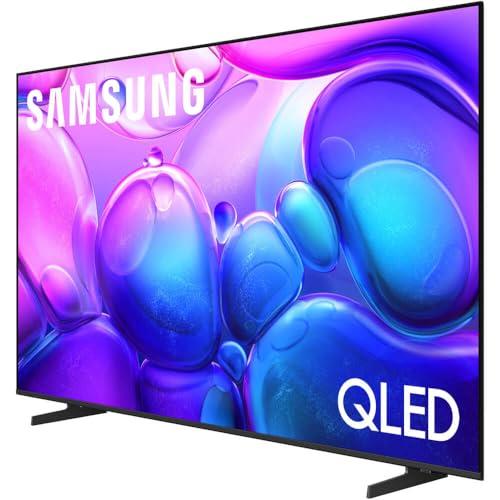
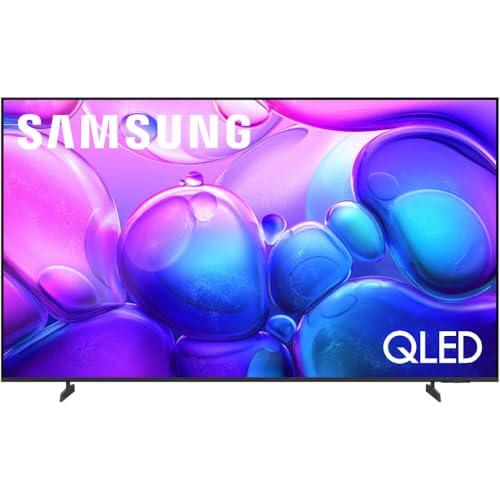
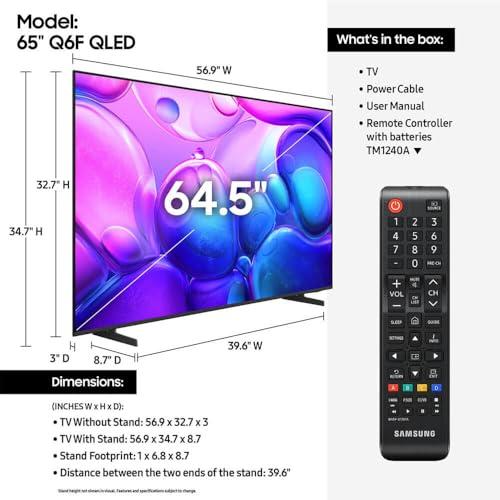
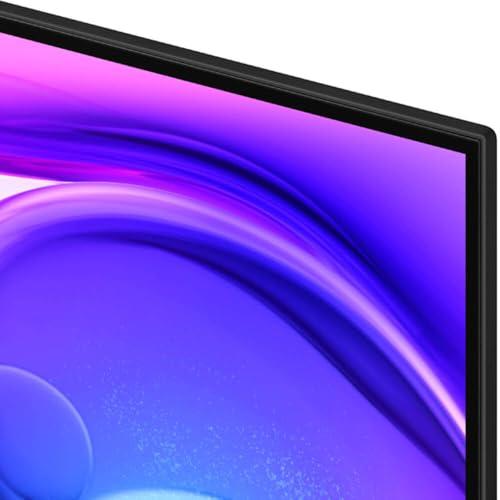
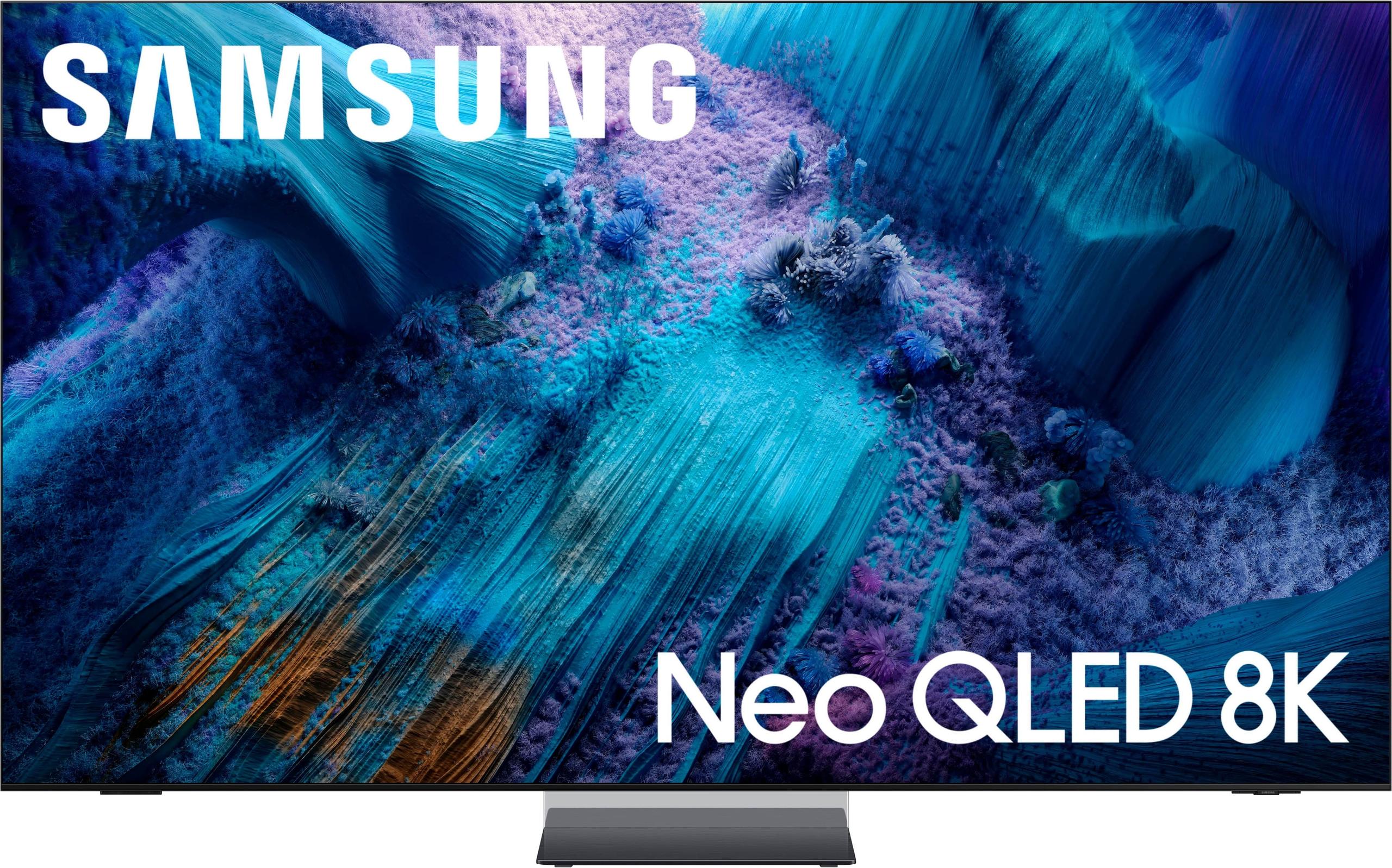
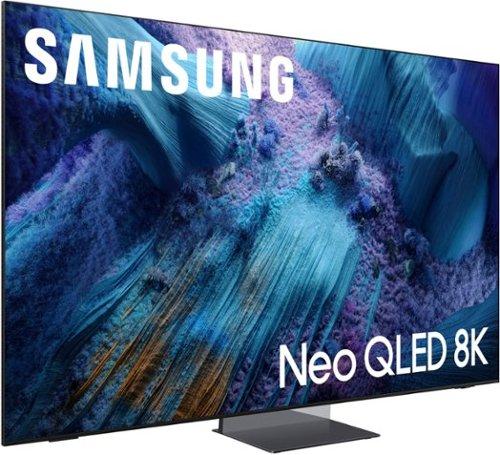
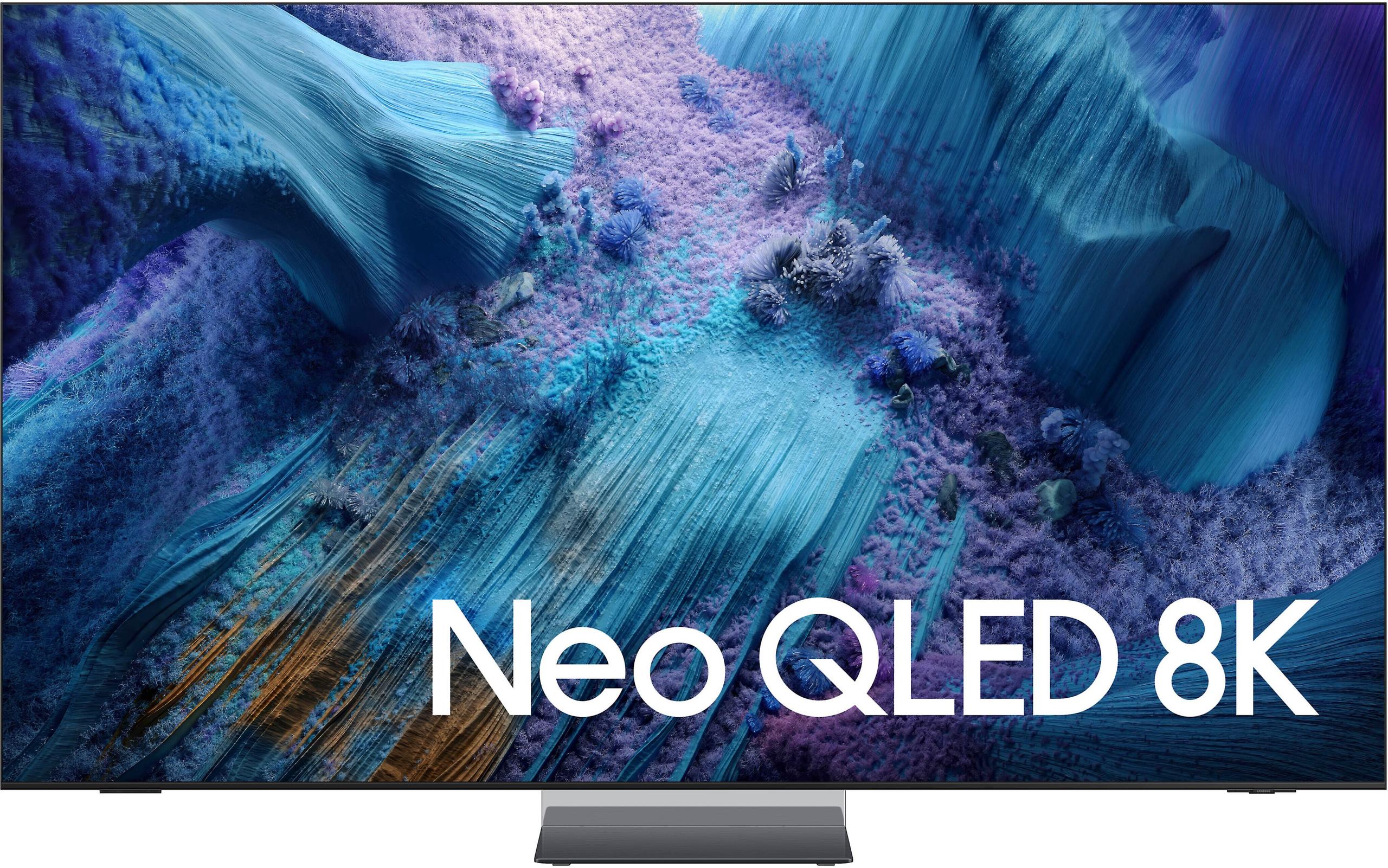
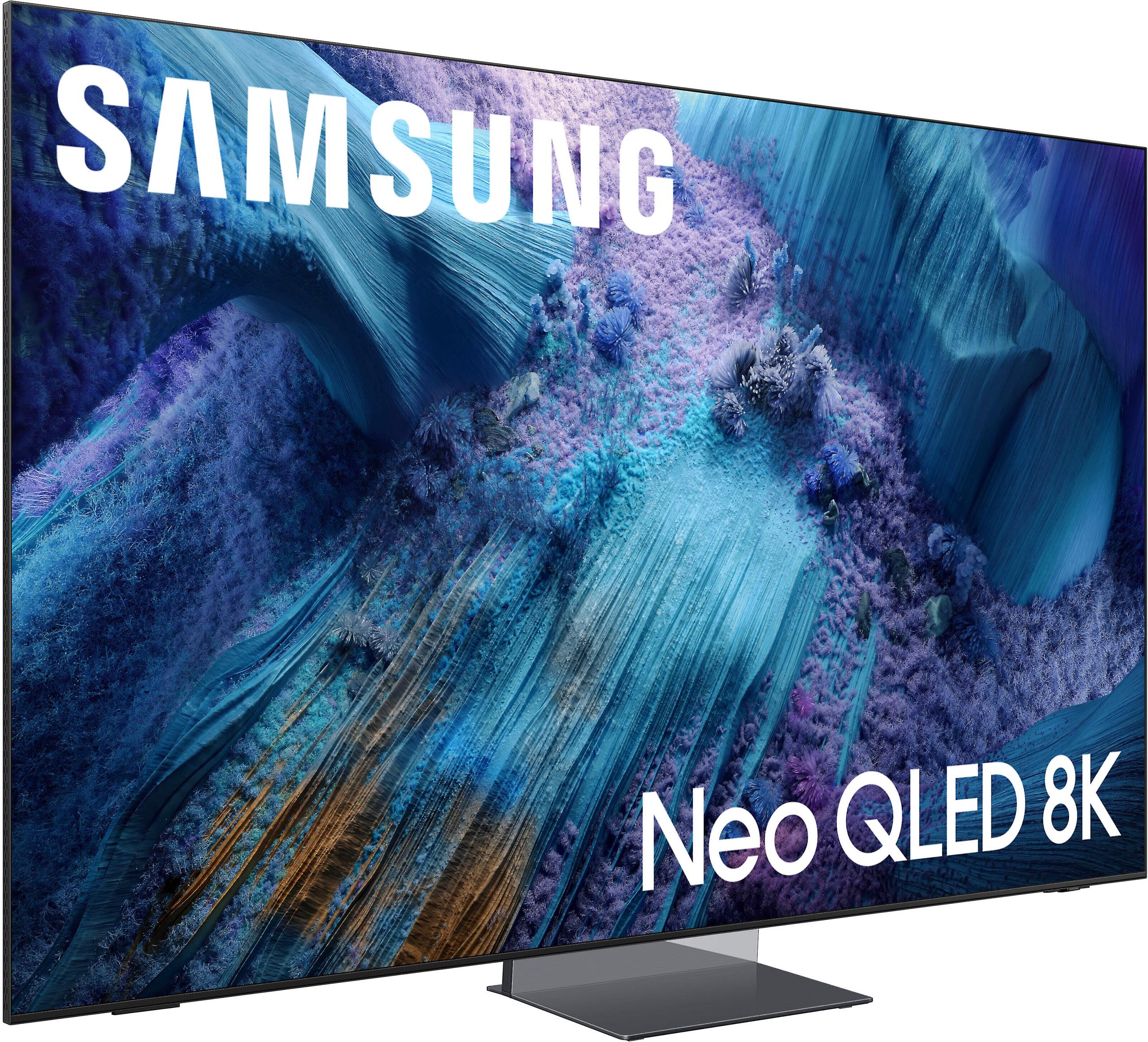
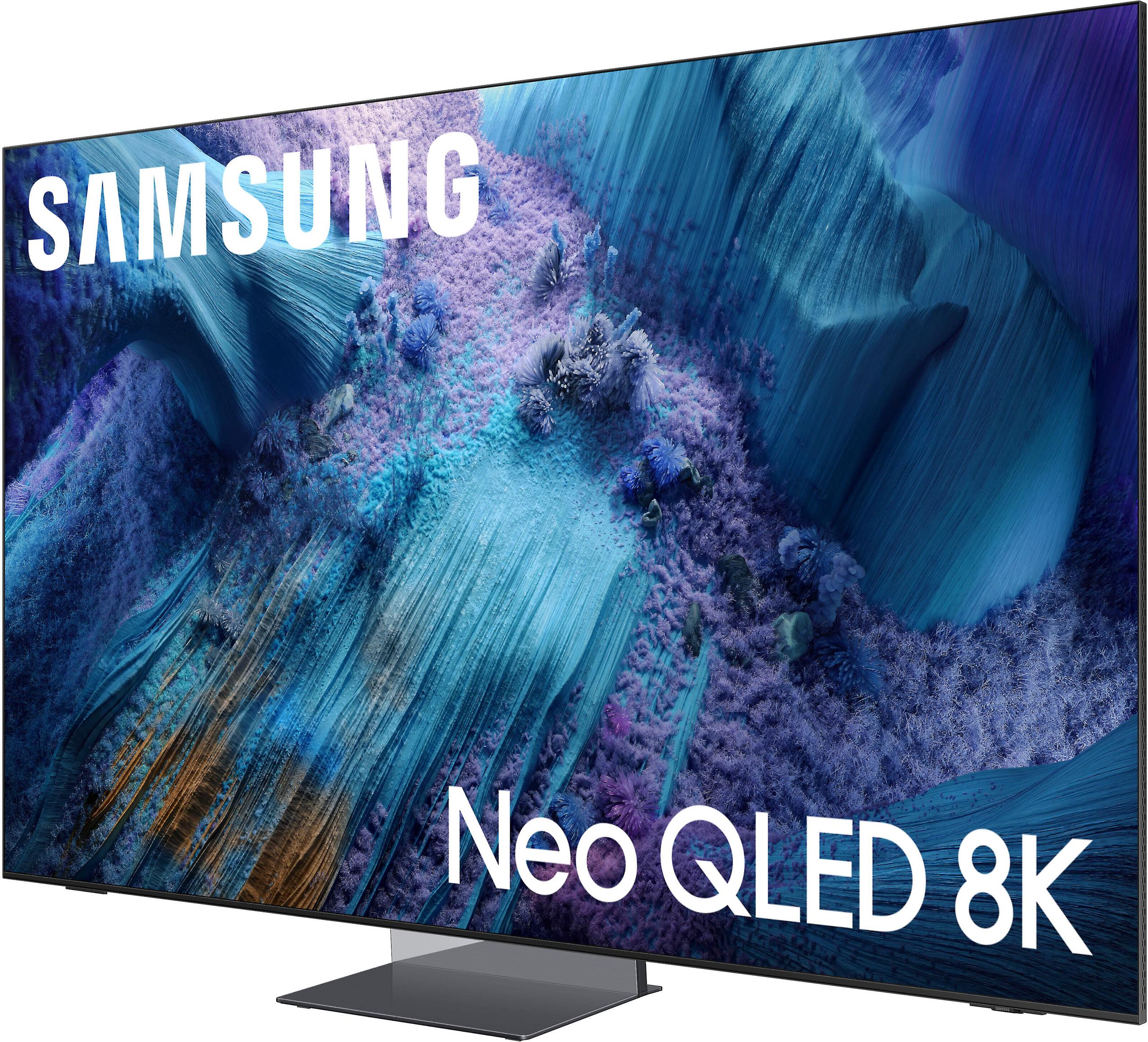


Samsung released both the Q6F QLED and QN990F Neo QLED as part of their 2025 TV lineup, representing vastly different approaches to home entertainment. The gap between entry-level and flagship TVs has never been wider, and these two models perfectly illustrate why understanding the technology behind your TV matters more than ever.
Today's TV market revolves around display technology that would have seemed impossible just a decade ago. At the heart of every modern TV is the backlight system—essentially, how the TV creates the light that becomes your picture. This fundamental difference shapes everything from how dark your blacks look to whether you can see the screen clearly in a bright room.
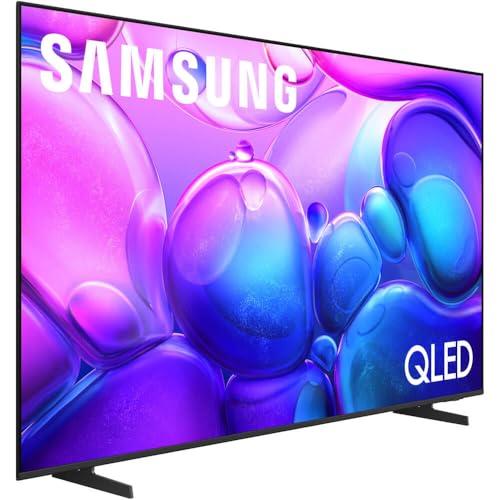
The Samsung Q6F uses what's called edge-lit LED technology. Picture a smartphone's flashlight shining from the sides of your TV screen, with various layers and filters creating the colors and images you see. It's cost-effective and works well for most viewing, but it has inherent limitations in creating truly deep blacks or providing uniform brightness across the entire screen.
The QN990F, on the other hand, uses Mini LED technology—thousands of tiny LEDs placed directly behind the screen in a grid pattern. Each group of these LEDs can dim or brighten independently, creating what's called local dimming zones. Think of it like having 1,920 individual flashlights that can turn on or off based on what the picture needs, rather than just edge lighting that affects the whole screen at once.
The most dramatic difference between these TVs becomes apparent the moment you watch anything with dark scenes. The Q6F's edge-lit design means that when you're watching a movie with black bars or dark space scenes, those areas will appear more gray than truly black. This happens because the entire screen is lit from the edges, making it impossible to turn off light in specific areas.
Our research into professional reviews consistently shows the QN990F achieving much deeper blacks thanks to its Mini LED zones. When a zone needs to be dark, it simply dims those specific LEDs while keeping bright areas brilliant. The result is contrast that approaches what you'd get from premium OLED TVs, but with much higher peak brightness—a crucial advantage for bright rooms.
In practical terms, this means the Q6F works perfectly fine for daytime TV watching, sports, and most streaming content. However, if you're planning movie nights or enjoy cinematically dark content like sci-fi or thrillers, the QN990F's superior black levels create a significantly more immersive experience.
High Dynamic Range (HDR) content—which includes most Netflix shows, 4K Blu-rays, and streaming movies—requires a TV that can display both very bright and very dark areas simultaneously. This is where the technology gap becomes most apparent.
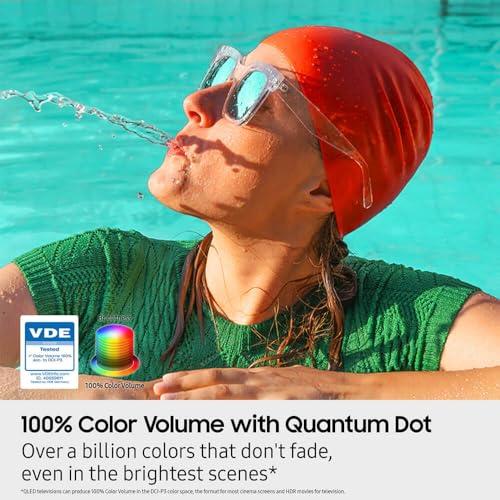
The Q6F delivers respectable HDR performance for its price range, with quantum dots helping create more accurate colors than standard LED TVs. Quantum dots are microscopic particles that convert light into very pure colors, resulting in more vibrant reds, greens, and blues than traditional LED displays.
However, the QN990F takes HDR to another level entirely. Professional measurements show it reaching over 1,200 cd/m² of peak brightness in HDR content—roughly three times brighter than many budget TVs. This extreme brightness isn't just about making things look brighter; it's about creating the contrast ratio that makes HDR content look realistic. When you're watching a sunset scene, those bright highlights can truly pop while maintaining detail in darker areas.
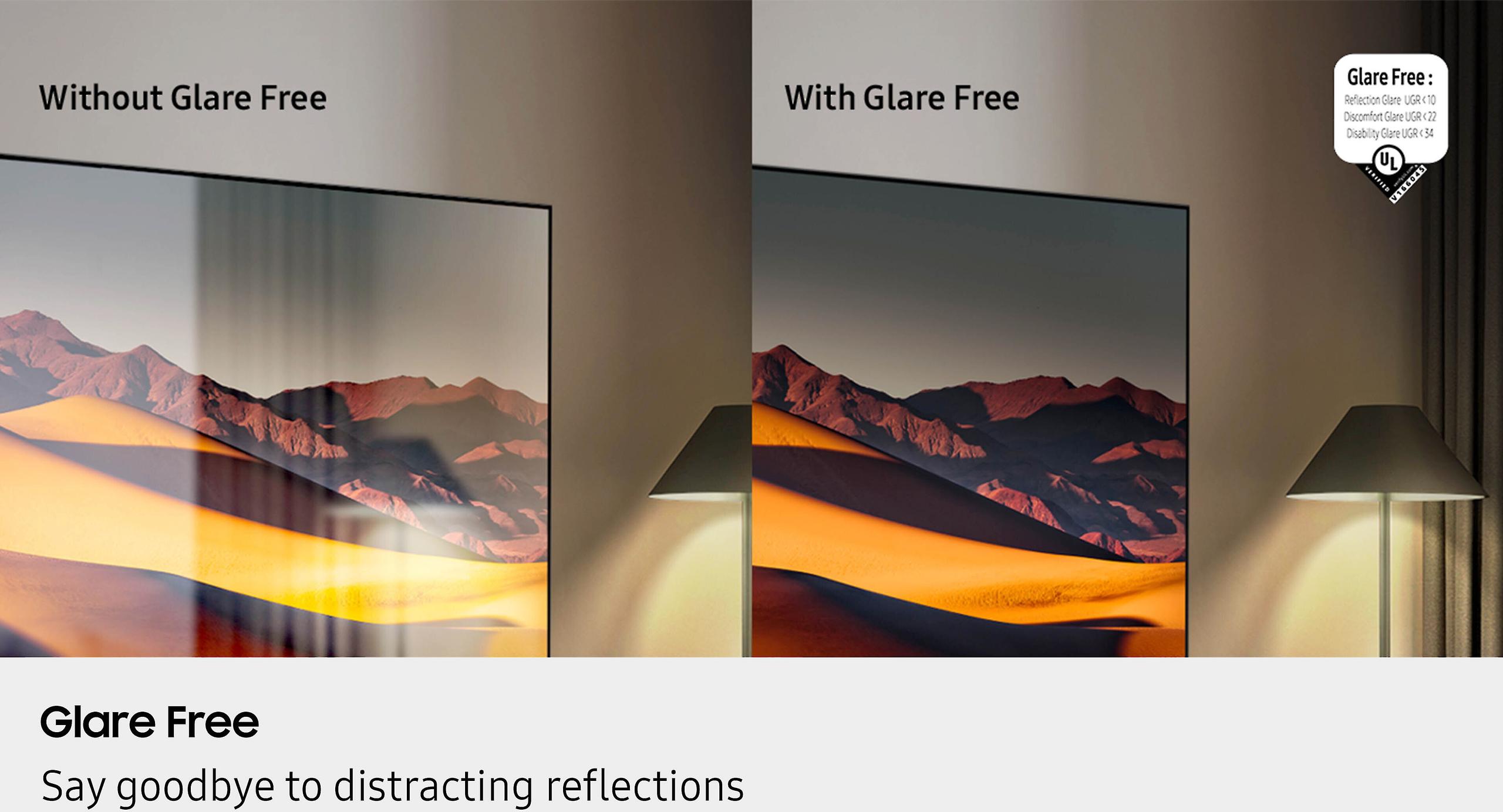
Room lighting significantly impacts TV viewing, and Samsung has addressed this differently in each model. The Q6F uses a standard glossy screen that can reflect lights and windows, potentially causing distracting reflections during daytime viewing.
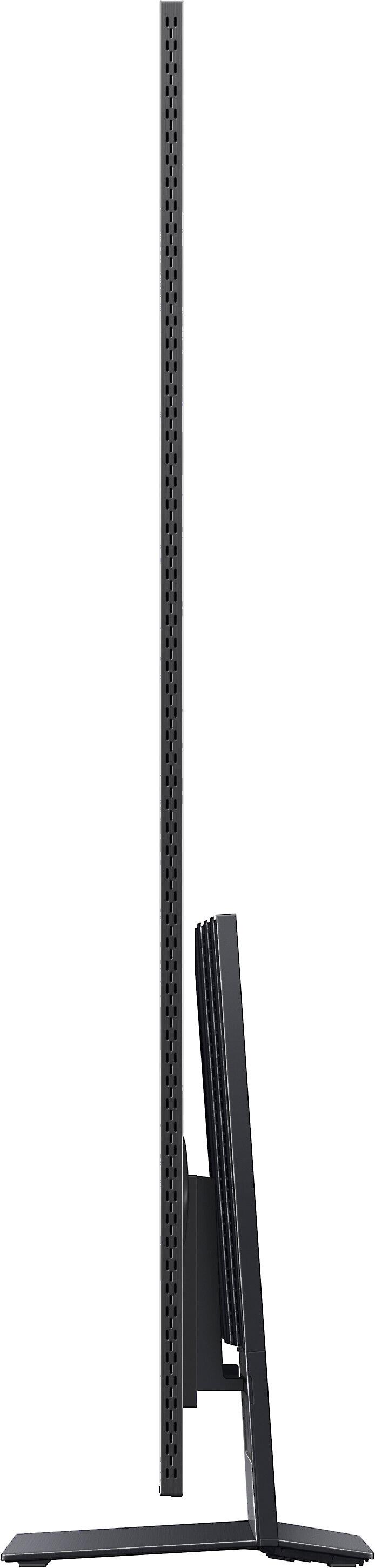
The QN990F features Samsung's matte anti-glare coating—the same technology they use on their premium OLED TVs. This coating virtually eliminates reflections, making it excellent for bright living rooms or spaces with large windows. However, there's a trade-off: in very bright rooms, this matte coating can make blacks appear slightly purple rather than pure black. For most users, this is a worthwhile compromise for the elimination of distracting reflections.
The resolution difference represents perhaps the most debated aspect of this comparison. The Q6F offers 4K resolution with nearly 8.3 million pixels, while the QN990F delivers 8K with over 33 million pixels—four times the detail.
Here's the reality: almost no content is currently available in native 8K. You're not streaming 8K Netflix, and 8K Blu-rays don't exist yet. So why consider 8K? The answer lies in upscaling—the TV's ability to take lower-resolution content and intelligently add detail to make it look sharper.
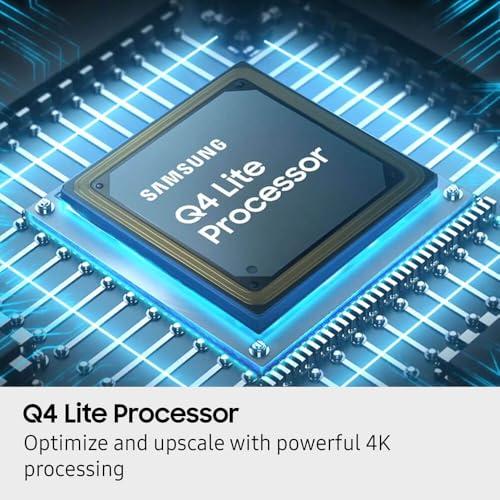
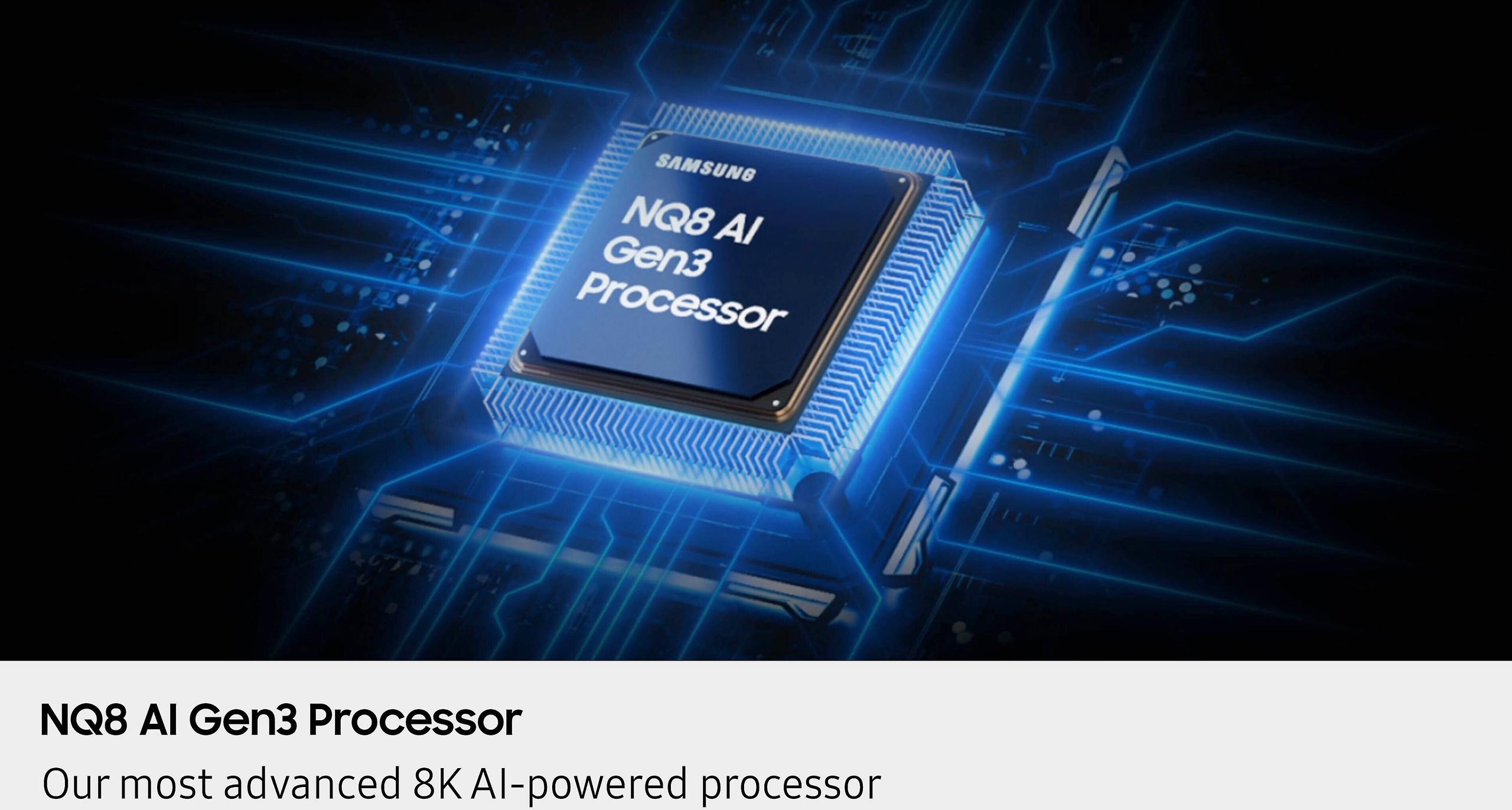
The QN990F's NQ4 AI Gen 3 processor uses machine learning with 768 neural networks to analyze every frame and add realistic detail. When upscaling a 4K movie to 8K, it doesn't just stretch the image; it predicts what additional detail should exist based on patterns it has learned from millions of images. The result is noticeably sharper text, more defined textures, and cleaner edges compared to native 4K displays.
This processing power becomes particularly valuable with lower-quality content. Those older Netflix shows or cable TV programs that look soft on most 4K TVs can appear surprisingly sharp on the QN990F. However, the Q6F's Q4 processor also provides decent upscaling for its price range, making most content look crisp and clear.
Gaming has become a crucial TV consideration, especially with the PlayStation 5 and Xbox Series X capable of 4K gaming at high frame rates. This is where the technology gap becomes a chasm.
The Q6F offers basic 60Hz refresh rate support, meaning it can display 60 frames per second maximum. This works fine for casual gaming and most older console games, but you'll miss out on the smooth, fluid motion that modern consoles can deliver.
The QN990F represents a gaming powerhouse, supporting 4K at 240Hz and even 8K at 165Hz. Variable Refresh Rate (VRR) technology synchronizes the TV's refresh rate with your console's output, eliminating screen tearing and stuttering. Auto Low Latency Mode (ALLM) automatically switches to the TV's fastest response settings when it detects a gaming signal.
For competitive gamers or anyone serious about gaming, these features transform the experience. Fast-paced games like racing titles or first-person shooters benefit dramatically from higher refresh rates, creating smoother motion and more responsive controls.
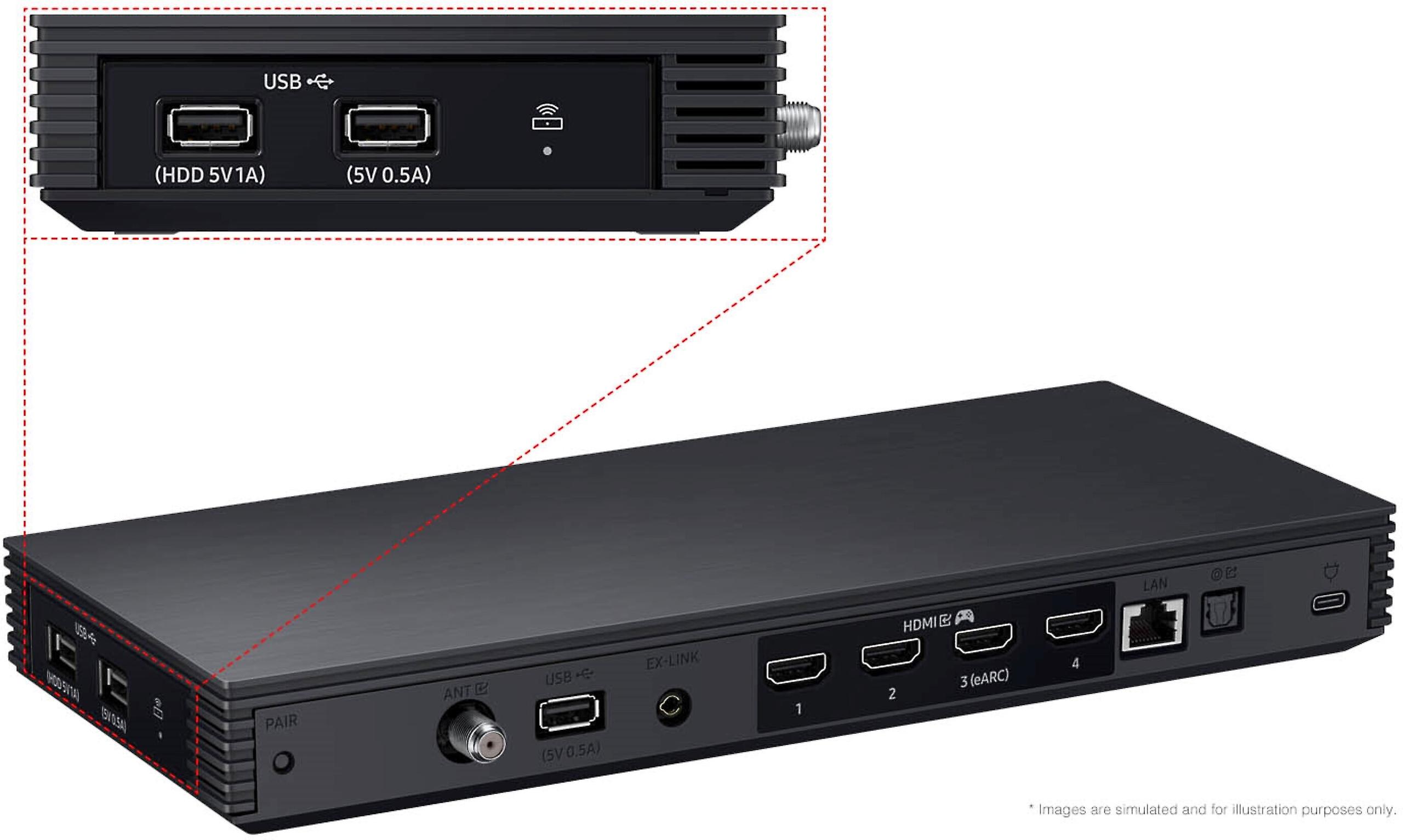
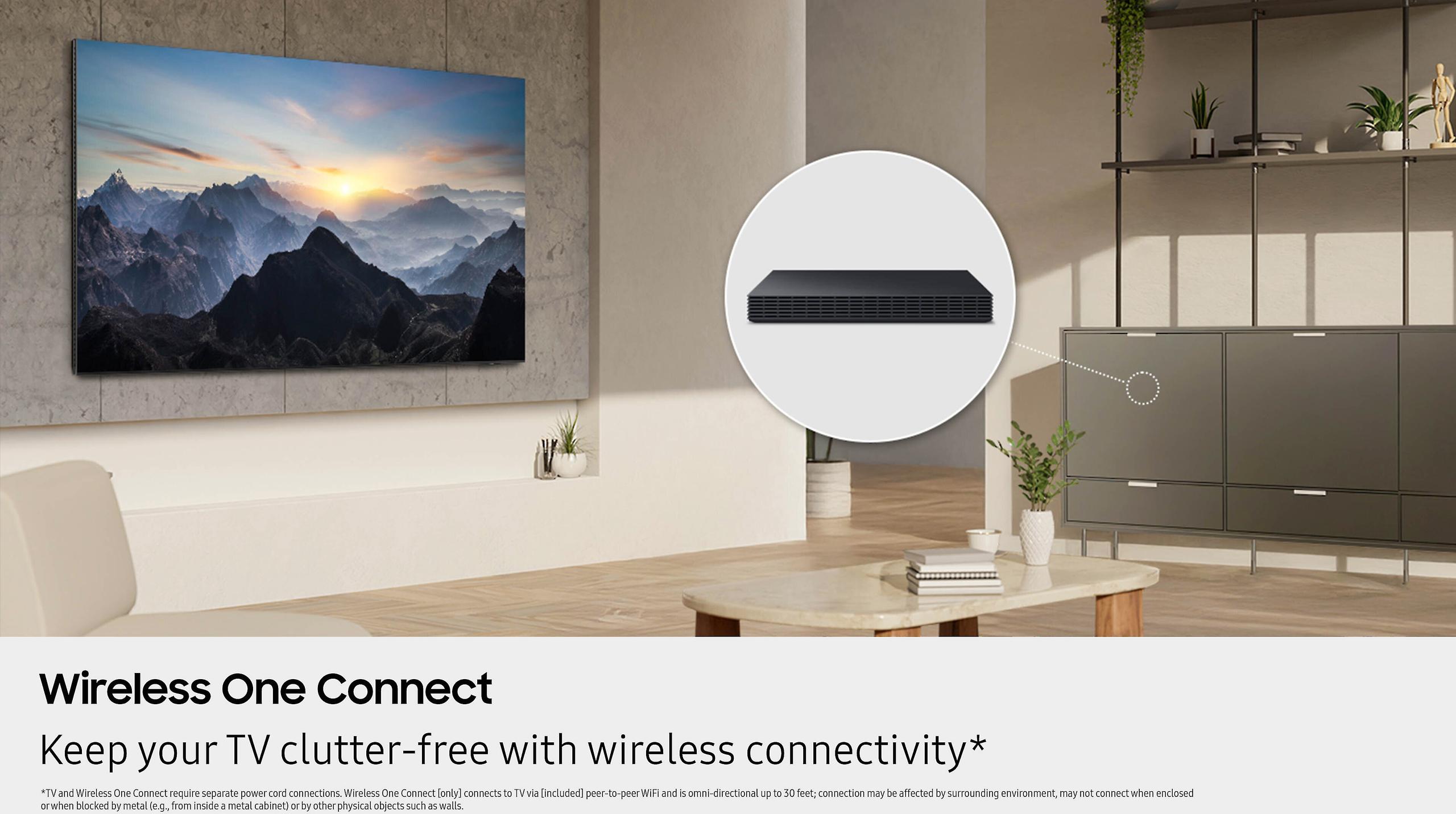
However, there's an important caveat with the QN990F: its Wireless One Connect box, while elegant for cable management, adds input latency that serious gamers will want to avoid. Fortunately, the TV includes a direct HDMI port for latency-critical gaming.
Both TVs run Samsung's Tizen operating system, which has evolved into one of the better smart TV platforms. The interface is responsive, and Samsung TV Plus provides hundreds of free streaming channels. Both support major streaming apps and voice assistants.
The QN990F adds Samsung Vision AI, which provides real-time subtitle translation and intelligent content recommendations. The Wireless One Connect box also enables a completely cable-free installation, with all your devices connecting to a separate box that transmits wirelessly to the TV. This creates an incredibly clean setup, especially for wall-mounted installations.
TV audio quality varies dramatically between these models. The Q6F includes basic stereo speakers that provide clear dialogue and reasonable volume, suitable for most casual viewing.
The QN990F features a 4.2.2 channel speaker system with dedicated height channels for Dolby Atmos support. Object Tracking Sound Pro technology moves audio around the room to match on-screen action, creating a much more immersive experience. While it can't match a dedicated surround sound system, it's remarkably good for built-in TV audio.
One limitation worth noting: the QN990F doesn't support DTS audio formats, which could be problematic if you have a collection of 4K Blu-rays that use DTS soundtracks.
At the time of writing, these TVs occupy completely different price segments. The Q6F represents excellent value for buyers wanting quantum dot color enhancement without premium pricing. It delivers solid 4K performance that will satisfy most viewers, especially those upgrading from older LED TVs.
The QN990F commands flagship pricing that reflects its cutting-edge technology. While expensive, it offers features and performance that won't be mainstream for several years, making it a long-term investment for early adopters and home theater enthusiasts.
For dedicated home theater setups, the choice depends on your priorities and room conditions. The Q6F can certainly anchor a modest home theater, especially in rooms with controlled lighting. Its quantum dot color reproduction will make movies look vibrant and engaging.
However, the QN990F transforms home theater viewing. The combination of Mini LED local dimming, extreme brightness, 8K upscaling, and Dolby Atmos audio creates an experience that rivals commercial movie theaters. The anti-glare coating also makes it suitable for multi-purpose rooms where complete light control isn't possible.
Choose the Q6F if you:
Choose the QN990F if you:
The Samsung Q6F and QN990F represent two completely different philosophies in TV design. The Q6F delivers mainstream performance at an accessible price, perfect for most viewers who want a significant upgrade from older TVs without breaking the bank.
The QN990F showcases what's possible when cost isn't the primary constraint. Its Mini LED technology, 8K resolution, and advanced gaming features represent the future of television technology, available today for those willing to invest in it.
Your choice ultimately depends on how you watch TV, your room conditions, and whether you value having the latest technology. Both are excellent TVs within their respective categories—the key is matching your needs and budget to the right technology level.
Remember that TV technology evolves rapidly, but fundamental differences in display technology tend to remain relevant for years. The local dimming and brightness advantages of Mini LED, or the cost-effectiveness of edge-lit QLED, will likely remain true throughout these TVs' lifespans, making your choice today one you'll live with for many years to come.
| Samsung 65" QLED Q6F 4K Smart TV 2025 | Samsung 65" Neo QLED QN990F 8K Smart TV 2025 |
|---|---|
| Display Technology - Determines picture quality and black levels | |
| Edge-lit QLED with quantum dots | Mini LED Neo QLED with 1,920 dimming zones |
| Resolution - Future-proofing and content sharpness | |
| 4K (3,840 x 2,160) - Perfect for current content | 8K (7,680 x 4,320) - Future-proof with excellent upscaling |
| Processor - AI enhancement and smart features | |
| Q4 AI processor with basic optimization | NQ4 AI Gen 3 with 768 neural networks |
| Peak Brightness - Critical for HDR and bright rooms | |
| Standard brightness levels for moderate rooms | 1,219 cd/m² - Exceptional for very bright spaces |
| Local Dimming - Controls contrast and black levels | |
| No true local dimming (software simulation only) | 1,920 individual zones for precise contrast control |
| Refresh Rate - Gaming performance and motion clarity | |
| 60Hz maximum (basic gaming only) | Up to 4K @ 240Hz, 8K @ 165Hz (premium gaming) |
| Gaming Features - Console compatibility | |
| Basic 60Hz gaming support | VRR, ALLM, 4x HDMI 2.1 ports, 8K @ 120Hz capable |
| Anti-Glare Technology - Reduces reflections | |
| Standard glossy screen (reflections possible) | Matte anti-glare coating (virtually eliminates reflections) |
| Audio System - Built-in sound quality | |
| 2-channel basic speakers (20W RMS) | 4.2.2 channel with Dolby Atmos and Object Tracking Sound Pro |
| HDR Support - Enhanced dynamic range | |
| Quantum HDR with HDR10, HDR10+ | Neo Quantum HDR Plus with HDR10, HDR10+ (no Dolby Vision) |
| Connectivity - Cable management and setup | |
| Standard rear HDMI ports | Wireless One Connect Box for cable-free installation |
| Smart Features - AI and advanced capabilities | |
| Tizen OS with Samsung TV Plus | Tizen OS plus Samsung Vision AI with real-time translation |
| Target Buyer - Best fit scenarios | |
| Budget-conscious buyers wanting solid 4K performance | Enthusiasts wanting flagship technology and future-proofing |
The Samsung Q6F offers excellent value for budget-conscious buyers who want quantum dot color enhancement and solid 4K performance. The Samsung QN990F provides flagship-level picture quality with Mini LED technology and 8K resolution, but at a significantly higher price point. For most buyers, the Q6F delivers the best bang for your buck unless you specifically need premium gaming features or have a very bright room.
The primary difference is the backlight technology. The Samsung Q6F uses edge-lit LED backlighting, while the Samsung QN990F features Mini LED technology with 1,920 individual dimming zones. This gives the QN990F dramatically better black levels, contrast, and brightness control, resulting in superior picture quality overall.
Currently, almost no content is available in native 8K, making the Samsung Q6F's 4K resolution perfectly adequate for today's streaming and gaming needs. However, the Samsung QN990F's advanced 8K upscaling using AI processing makes even 4K content look noticeably sharper and more detailed, providing future-proofing as 8K content becomes more available.
The Samsung QN990F is dramatically superior for gaming, supporting 4K at 240Hz, 8K at 165Hz, Variable Refresh Rate (VRR), and Auto Low Latency Mode (ALLM). The Samsung Q6F is limited to 60Hz refresh rate, making it suitable only for casual gaming. Serious gamers should choose the QN990F without question.
The Samsung QN990F excels in bright rooms thanks to its much higher peak brightness (over 1,200 cd/m²) and matte anti-glare coating that virtually eliminates reflections. The Samsung Q6F can struggle with reflections and may appear washed out in very bright spaces, making it better suited for rooms with controlled lighting.
Both TVs run Samsung's Tizen operating system with similar core functionality, but the Samsung QN990F includes Samsung Vision AI for real-time subtitle translation and advanced content recommendations. The QN990F also features a Wireless One Connect box for cable-free installation, while the Samsung Q6F uses standard connectivity.
The picture quality difference is substantial. The Samsung QN990F delivers much deeper blacks, higher brightness, better contrast, and superior HDR performance thanks to its Mini LED technology. Whether this justifies the premium price depends on your viewing habits and budget—the Samsung Q6F still provides good picture quality for casual viewing.
For dedicated home theater use, the Samsung QN990F is significantly better with its Mini LED local dimming, higher peak brightness, superior contrast, and Dolby Atmos audio system. However, the Samsung Q6F can work well for modest home theater setups, especially in rooms with controlled lighting where its limitations are less apparent.
The Samsung QN990F features a 4.2.2 channel speaker system with Dolby Atmos and Object Tracking Sound Pro, providing much more immersive audio than the Samsung Q6F's basic 2-channel speakers. For serious home theater use, the QN990F's audio system is dramatically superior, though both TVs benefit from external sound systems.
The Samsung QN990F provides significantly better HDR performance with much higher peak brightness and precise local dimming control. While the Samsung Q6F supports HDR formats and delivers decent HDR for its price range, it cannot match the contrast and brightness levels that make HDR content truly impressive on the QN990F.
The Samsung Q6F lacks true local dimming, has limited brightness for very bright rooms, and offers only basic gaming features. The Samsung QN990F requires calibration for best picture quality, lacks Dolby Vision support, has limited 8K content available, and the Wireless One Connect adds gaming latency when not using the direct HDMI port.
Choose the Samsung Q6F if you want solid 4K performance at an affordable price, primarily watch streaming content, and don't need advanced gaming features. Choose the Samsung QN990F if you want the best possible picture quality, are a serious gamer, have a bright room, value cutting-edge technology, or are setting up a premium home theater system.
We've done our best to create useful and informative comparisons to help you decide what product to buy. Our research uses advanced automated methods to create this comparison and perfection is not possible - please contact us for corrections or questions. These are the sites we've researched in the creation of this article: tomsguide.com - bestbuy.com - samsung.com - rtings.com - youtube.com - rtings.com - bestbuy.com - samsung.com - samsung.com - samsung.com - manuals.plus - shopjetson.com - samsung.com - samsung.com - samsung.com - samsung.com - bestbuy.com - jefflynch.com - samsung.com - abt.com - bestbuy.com - pcnation.com - samsung.com - videoandaudiocenter.com - exertisalmo.com - displayspecifications.com - theapplianceplug.com - news.samsung.com

Privacy Policy
Terms and Conditions - Affiliate Policy
Home Security
© Copyright 2008-2026.
11816 Inwood Rd #1211, Dallas, TX 75244