

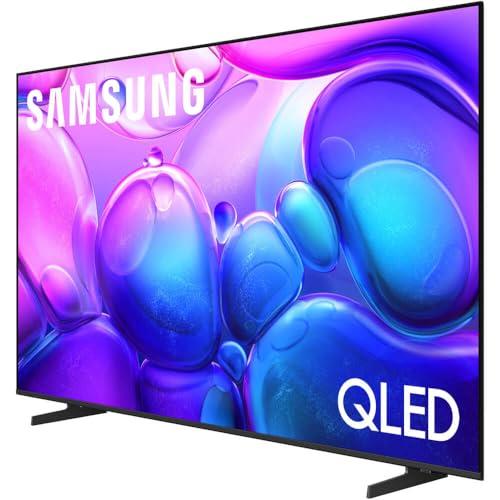
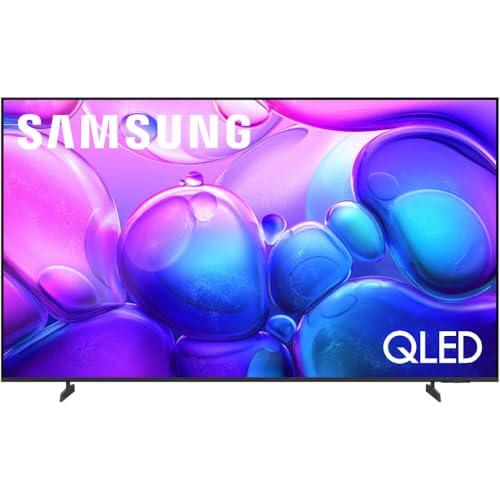
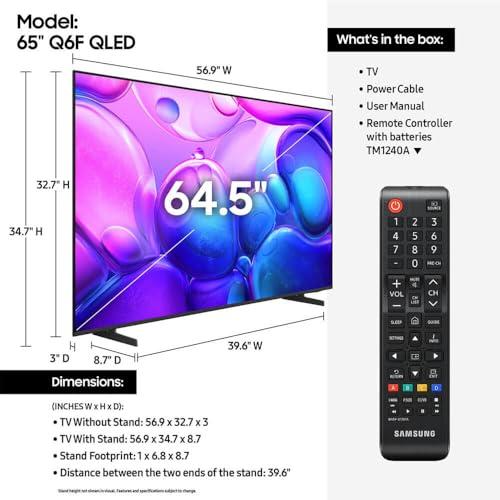


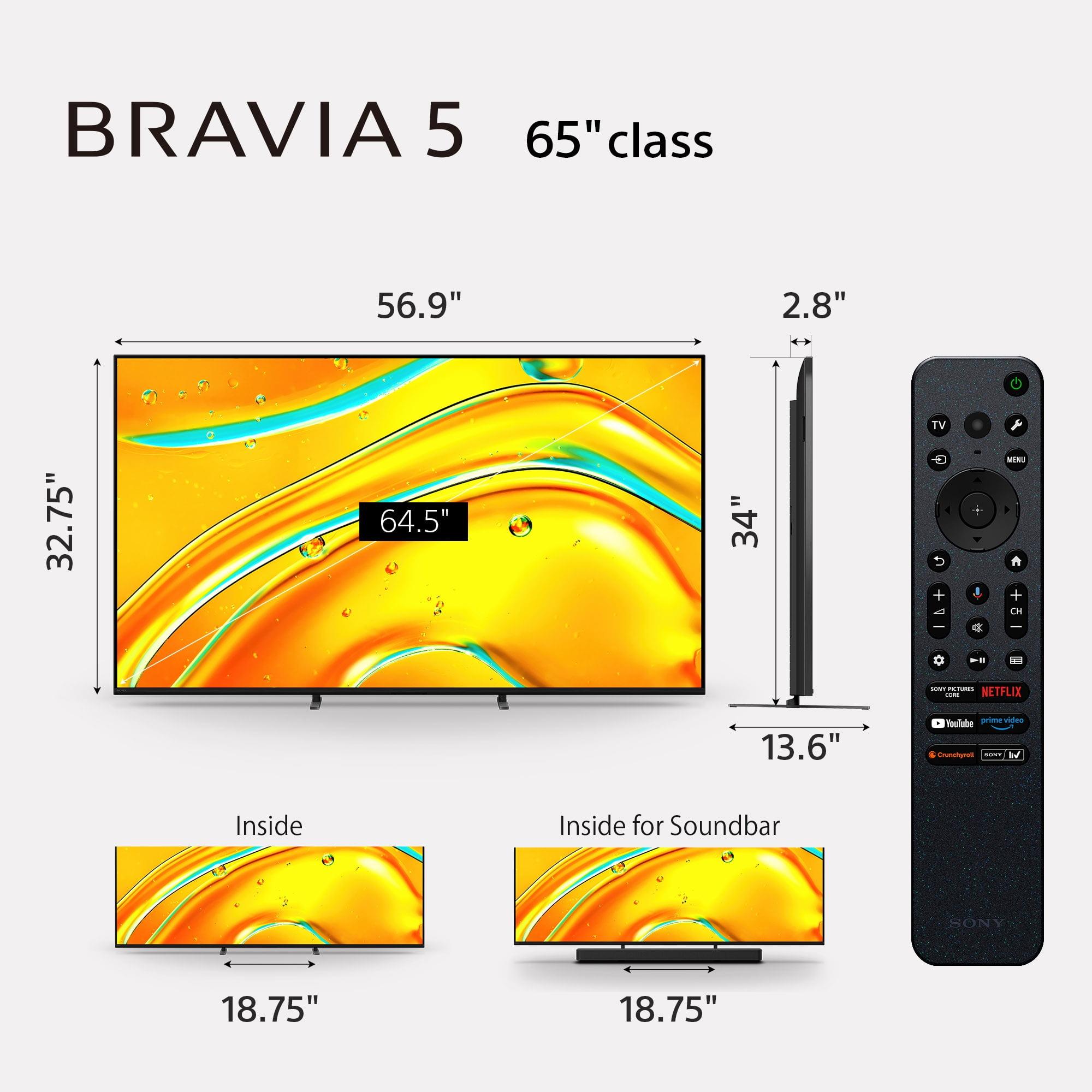
Shopping for a premium 65-inch 4K TV in 2025 means navigating a landscape where display technology has evolved dramatically. The Samsung Q6F and Sony BRAVIA 5 represent two compelling but fundamentally different approaches to delivering exceptional picture quality. Understanding their core differences will help you make the right choice for your home theater setup.
Both the Samsung Q6F and Sony BRAVIA 5 launched in 2025, representing significant technological leaps from their predecessors. The biggest story in TV technology over the past few years has been the mainstream adoption of Mini LED backlighting and quantum dot color enhancement. These technologies, which were once reserved for the most expensive models, have now filtered down to more accessible price points.
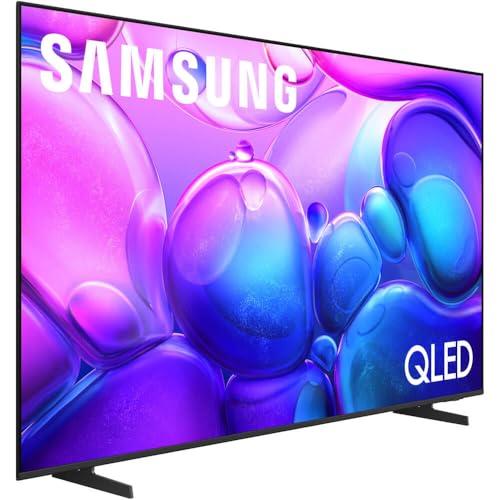
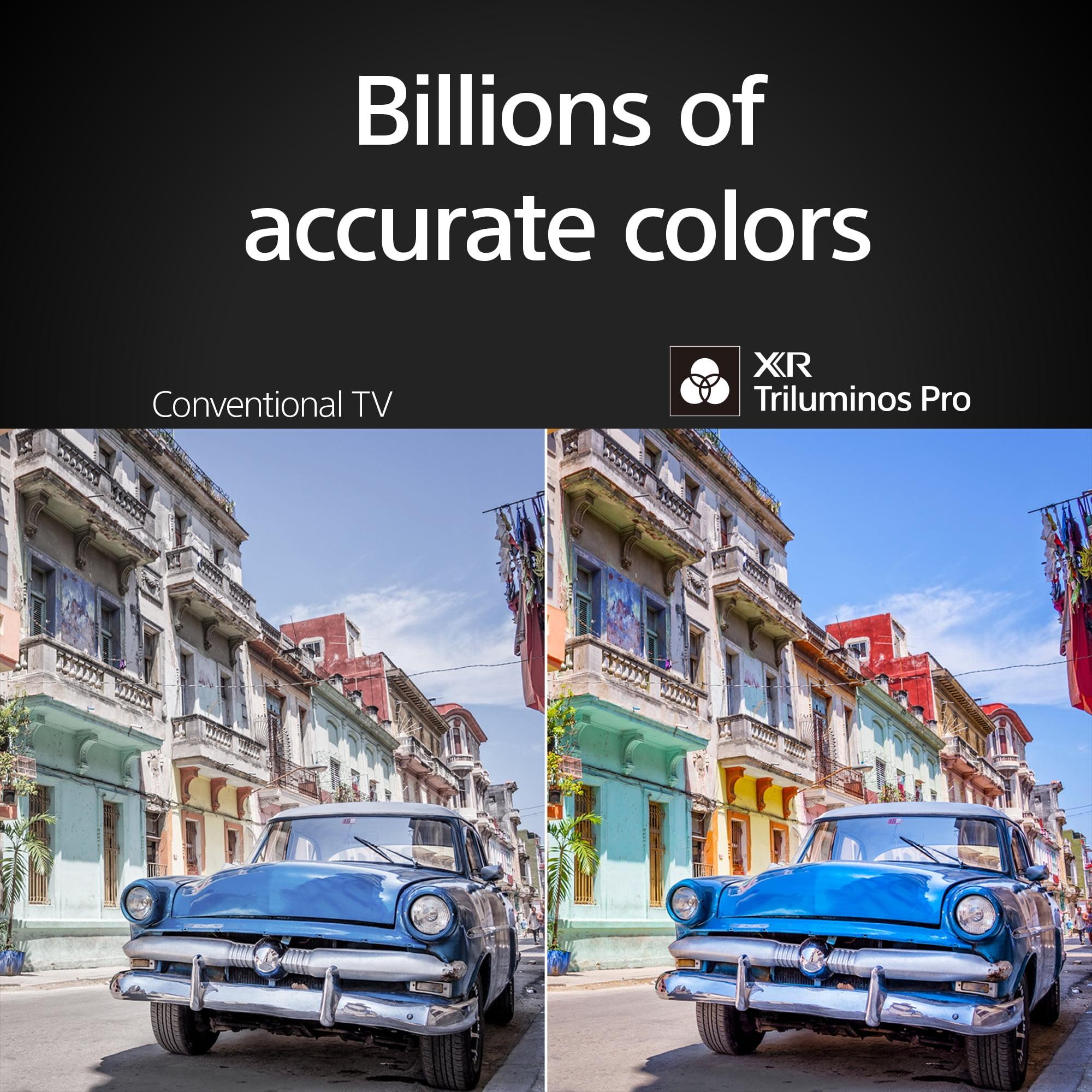
The Samsung Q6F positions itself as an entry point into Samsung's QLED ecosystem, using quantum dot technology to deliver vibrant colors. Quantum dots are microscopic semiconductor particles that produce pure colors when hit by light – think of them as tiny color filters that make reds more red and blues more blue. Meanwhile, the Sony BRAVIA 5 represents Sony's push into Mini LED technology, using thousands of individually controlled LED lights behind the screen for precise brightness control.
When evaluating premium 4K TVs, the most critical factors are display technology (how the TV creates the picture), processing power (how smart the TV is at making content look good), gaming capabilities (especially important for console owners), smart platform quality, and audio performance. The approach each manufacturer takes in these areas determines who the TV is best suited for.
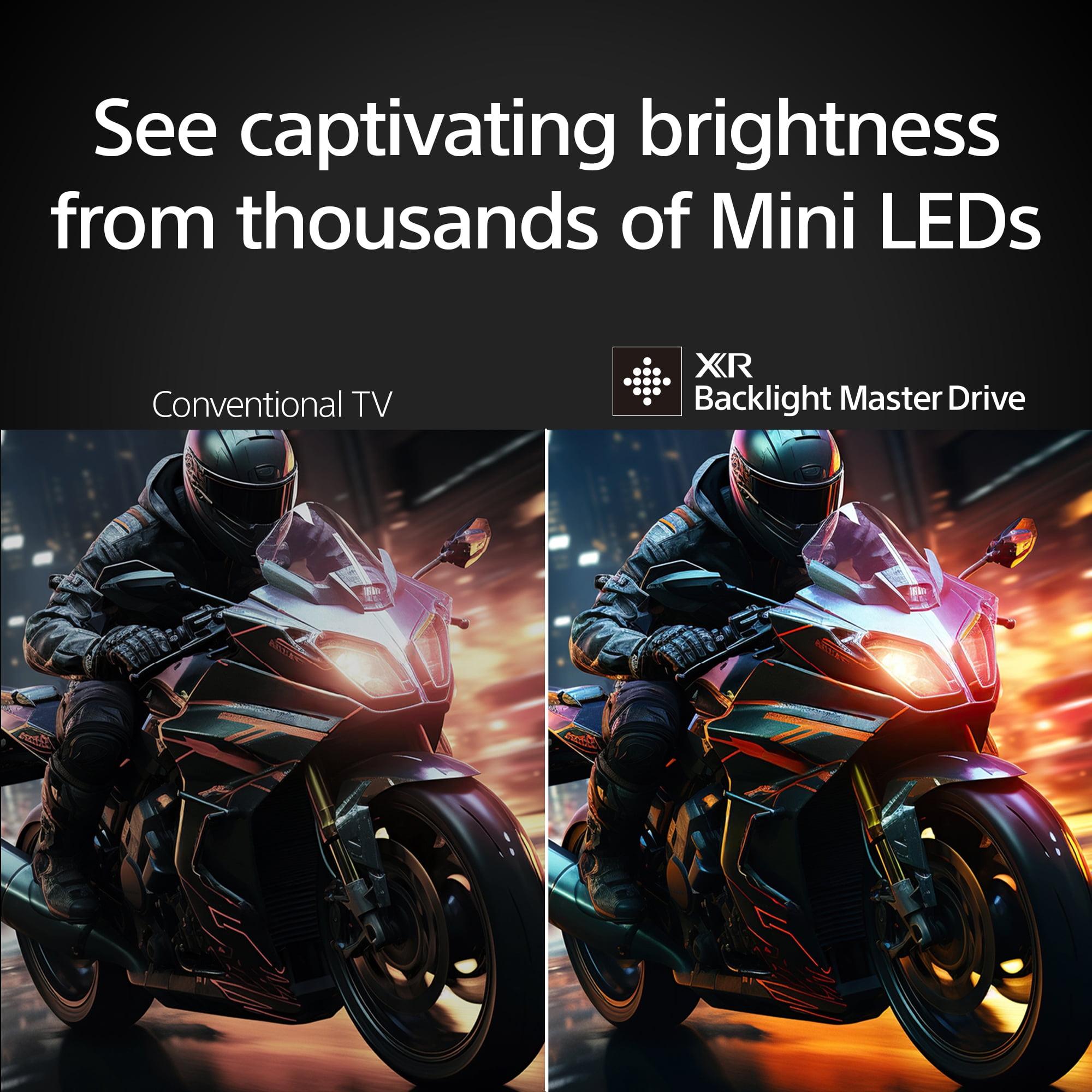
The most fundamental distinction between these TVs lies in their backlighting systems. The Sony BRAVIA 5 uses Mini LED technology with what Sony calls XR Backlight Master Drive. This system employs thousands of tiny LEDs arranged in hundreds of dimming zones behind the LCD panel. When a scene shows a bright star against a dark sky, the Mini LED system can illuminate just the LEDs behind the star while keeping surrounding areas dark. This creates what's called local dimming – the ability to control brightness in specific screen areas independently.
Traditional LED TVs, like those from previous generations, typically use dozens of larger LEDs arranged around the screen's edges or in a grid pattern with far fewer dimming zones. The Samsung Q6F uses a more conventional LED backlight with UHD Dimming, which provides some localized brightness control but nowhere near the precision of Mini LED systems.
The practical difference is striking when watching movies with dark scenes. In a space battle sequence, the Sony BRAVIA 5 can display bright explosions against truly dark space, while the Samsung Q6F might show slightly gray blacks around bright objects – what technicians call "blooming" or "haloing."
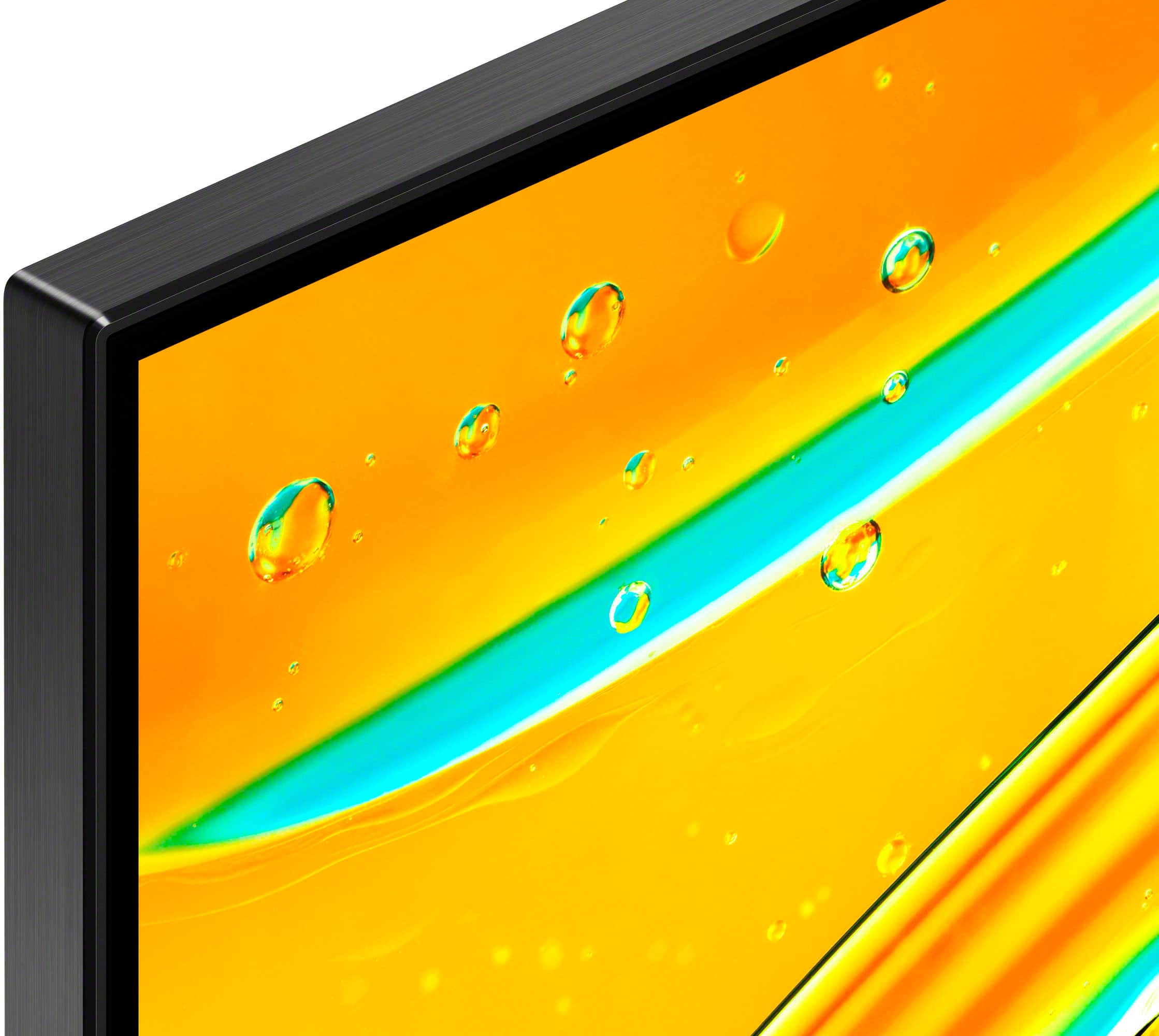
However, the Samsung Q6F fights back with quantum dot technology. Its QLED panel can achieve higher peak brightness levels and delivers what Samsung claims is 100% color volume in the DCI-P3 color space (the standard used in movie theaters). This means colors remain vibrant even at high brightness levels, making it particularly effective in bright rooms with lots of ambient light.
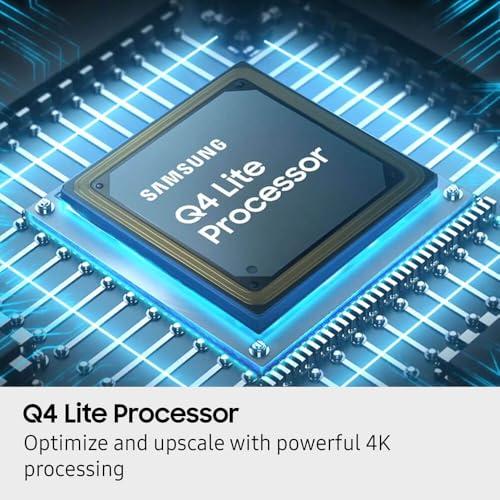
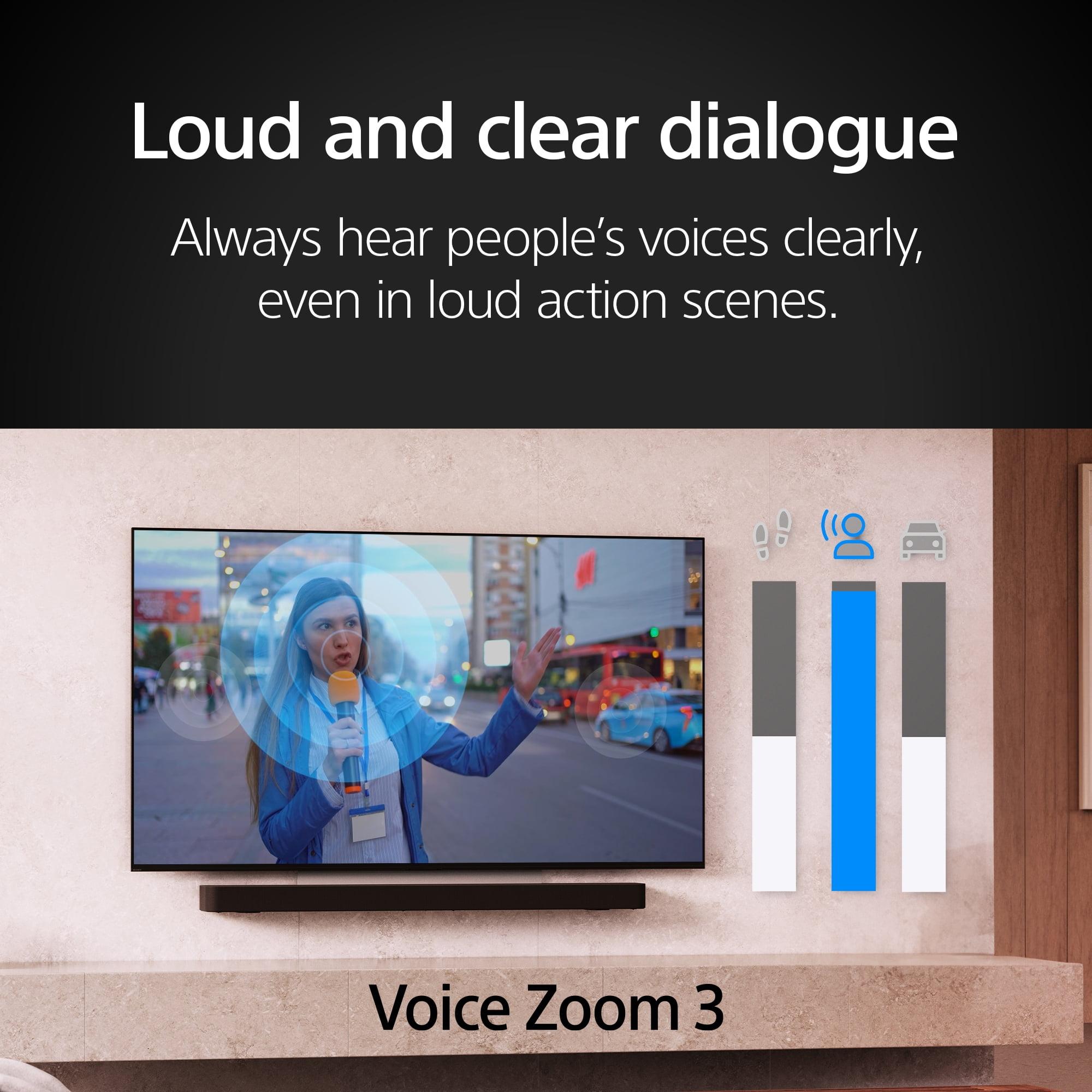
The processing power behind these displays also differs significantly. Sony's XR Processor uses what they call "cognitive intelligence" – algorithms designed to analyze images the way human brains process visual information. It focuses on enhancing the parts of the image your eyes naturally gravitate toward, like a person's face in a crowded scene. The Samsung Q6F uses the Q4 Lite Processor, which handles standard 4K upscaling and picture optimization but lacks the advanced AI features found in Sony's system.
For anyone who owns a PlayStation 5, Xbox Series X/S, or gaming PC, the differences in gaming performance are decisive. The Sony BRAVIA 5 operates at a native 120Hz refresh rate, meaning it can display up to 120 frames per second. The Samsung Q6F tops out at 60Hz (50Hz in some international markets).
This refresh rate difference matters enormously for gaming. Modern consoles can output certain games at 120 frames per second, creating noticeably smoother motion and more responsive controls. Racing games, first-person shooters, and sports games all benefit dramatically from higher refresh rates. It's the difference between fluid, lifelike motion and the slightly stuttery movement you might notice when panning the camera quickly in a game.
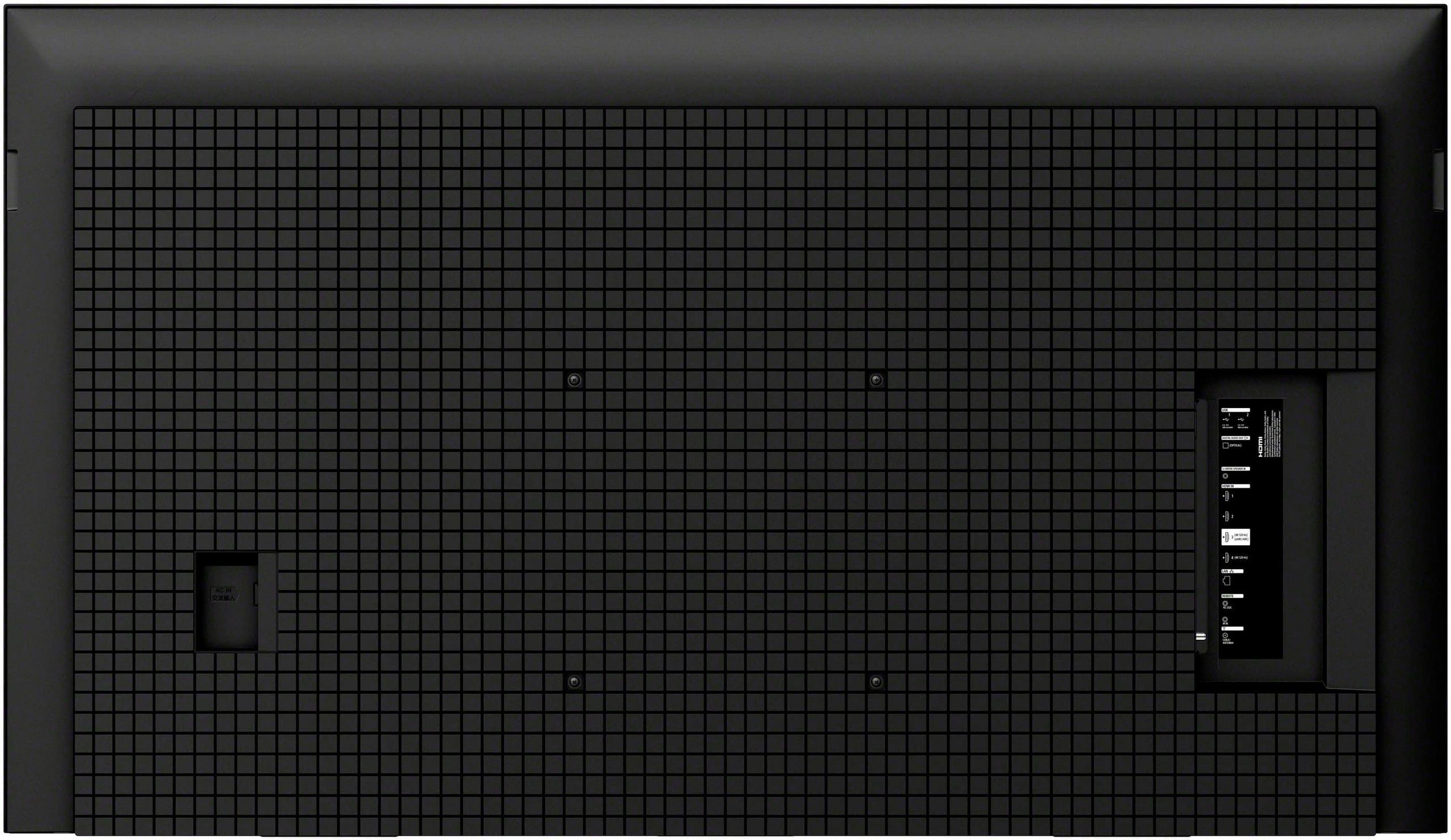
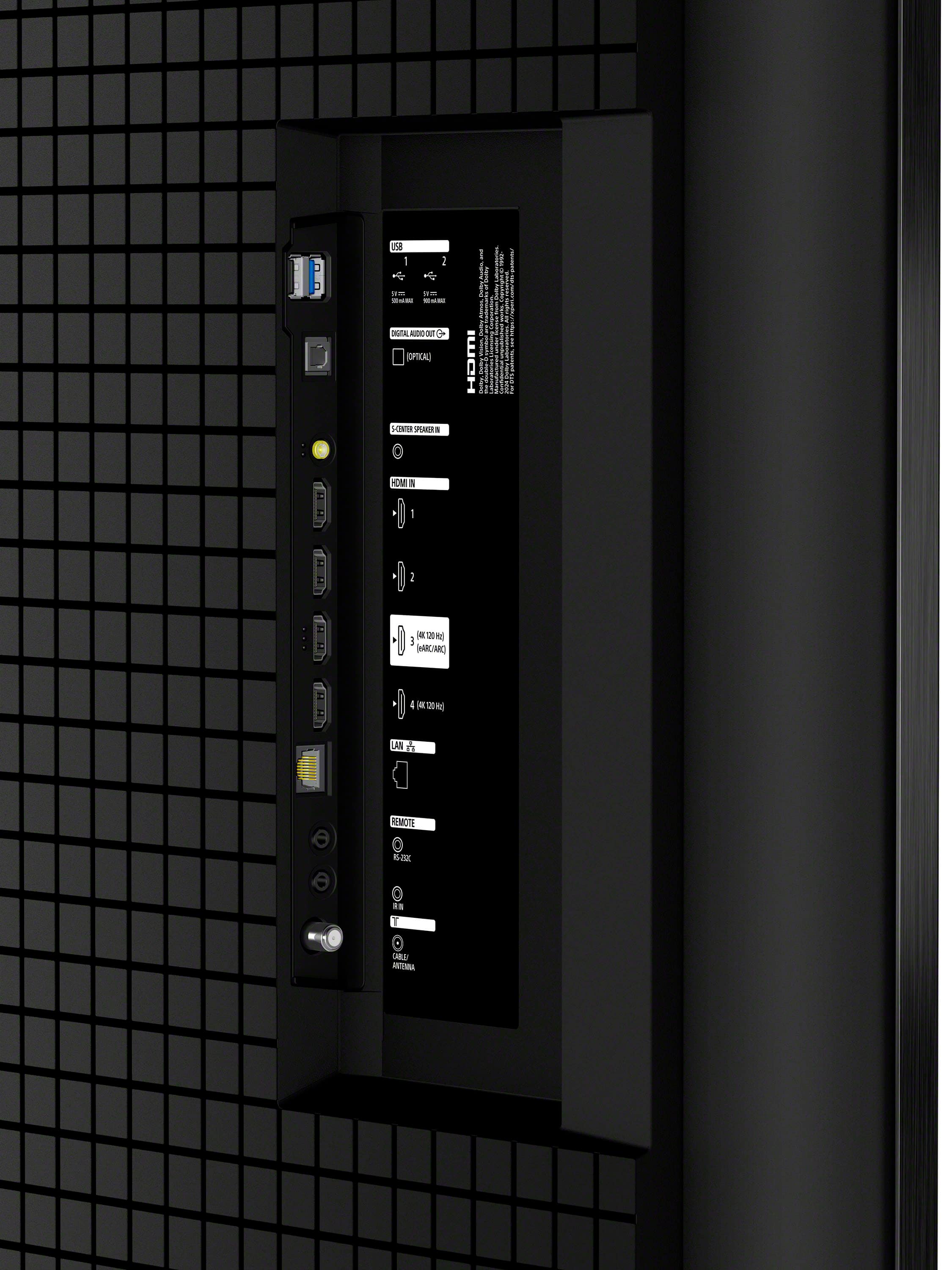
The Sony BRAVIA 5 also includes two HDMI 2.1 ports that support 4K gaming at 120Hz, along with Variable Refresh Rate (VRR) technology. VRR synchronizes the TV's refresh rate with the console's frame output, eliminating screen tearing and stuttering when frame rates fluctuate. The TV supports both G-SYNC (NVIDIA's VRR standard) and HDMI Forum VRR, ensuring compatibility with all gaming devices.
The Samsung Q6F does include gaming features like Auto Low Latency Mode (ALLM), which automatically switches to game mode when it detects a console, and basic VRR support. However, its 60Hz limitation means you're missing out on the smoothest gaming experiences available today.
For context, this gaming performance gap has become increasingly important since 2020, when the current generation of consoles launched with 120Hz gaming capabilities. TVs that can't take advantage of these features are essentially leaving performance on the table.
Built-in TV audio has traditionally been an afterthought, but both manufacturers have made significant improvements in recent years. The Sony BRAVIA 5 includes a 40W multi-driver speaker system with Dolby Atmos and DTS:X support. Dolby Atmos creates three-dimensional sound by bouncing audio off your ceiling, while DTS:X provides similar spatial audio effects. The TV's Acoustic Multi-Audio feature attempts to align sound with objects on screen – if a car drives from left to right, the audio follows.
The Samsung Q6F offers a more modest 20W 2-channel speaker system with Object Tracking Sound Lite (OTS Lite) and Q-Symphony compatibility. Q-Symphony is Samsung's technology that allows the TV's speakers to work alongside compatible Samsung soundbars, rather than being disabled when external audio is connected.
In our research of user experiences and professional reviews, the audio quality difference is substantial. The Sony BRAVIA 5 consistently receives praise for delivering room-filling sound that doesn't immediately demand a soundbar upgrade. Many users report being pleasantly surprised by the built-in audio quality, particularly for dialogue clarity and mid-range presence.
This audio advantage shouldn't be underestimated. A quality soundbar can easily cost $300-800, so getting respectable built-in audio provides real value and simplifies your setup.
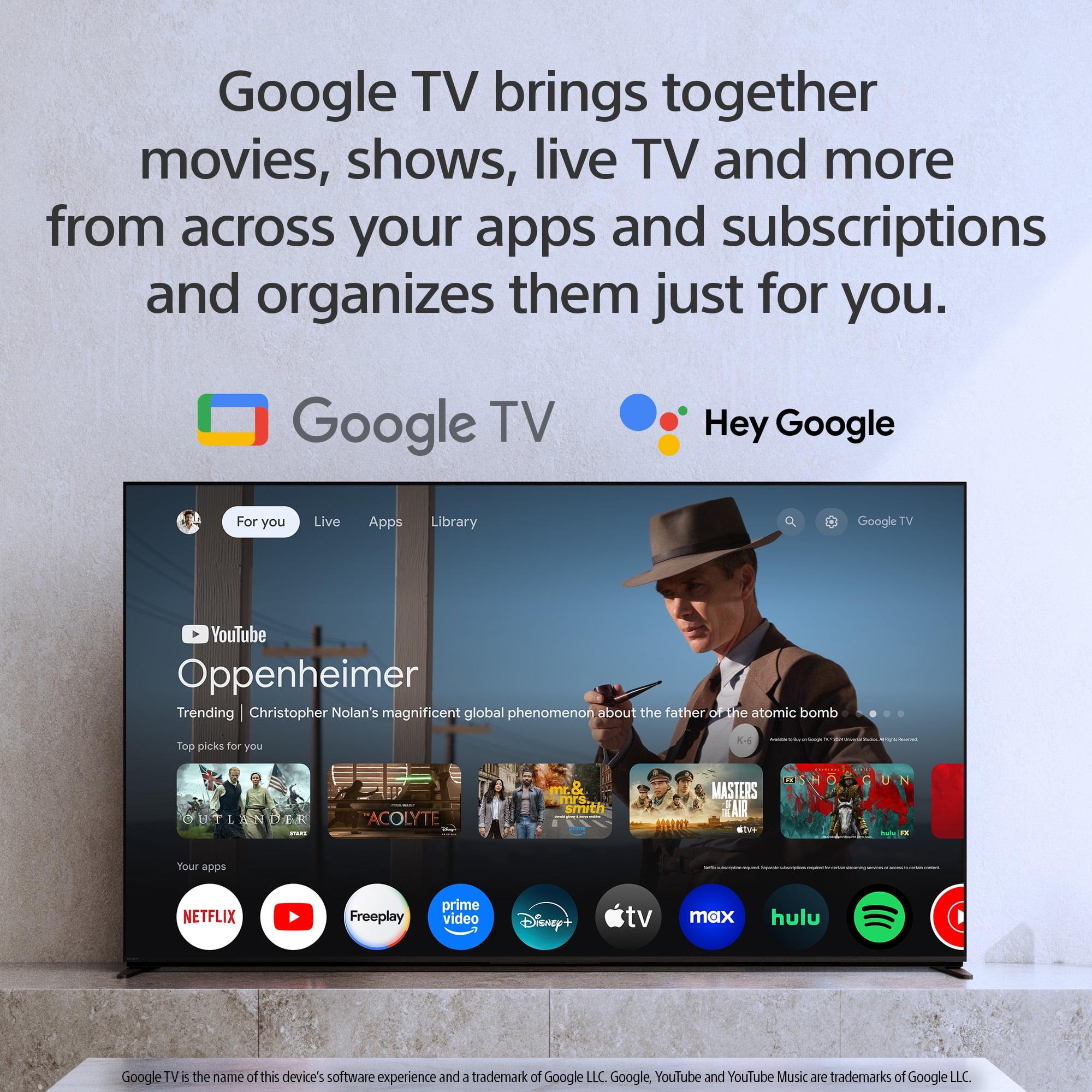
The smart TV experience represents another philosophical difference between these manufacturers. The Sony BRAVIA 5 runs Google TV, which has evolved significantly since its introduction. Google TV provides excellent content discovery, surfacing shows and movies from across your streaming services based on your viewing history. The interface feels intuitive and fast, with Google Assistant integration for voice control.
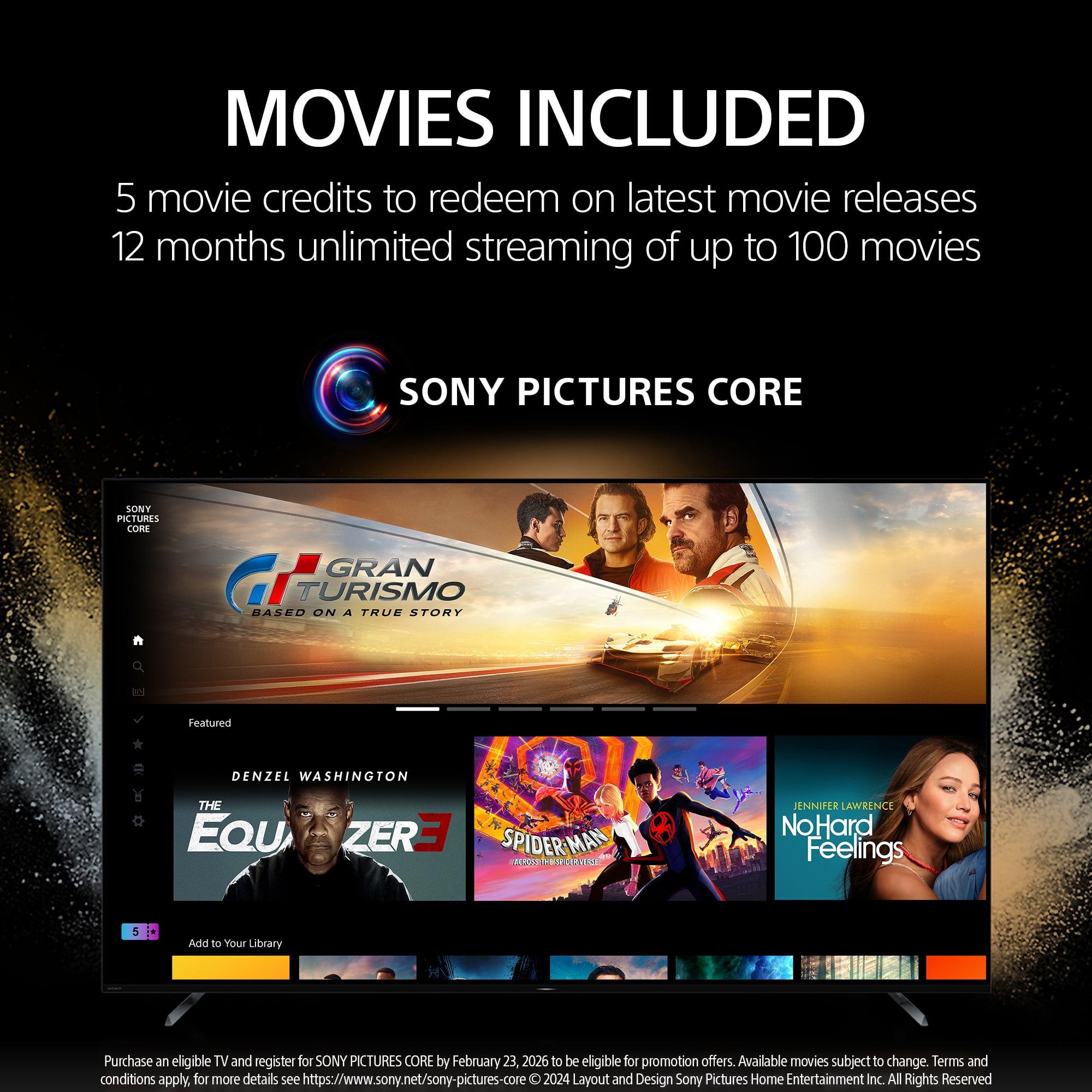
Sony has also included Sony Pictures Core, their exclusive streaming service that provides access to a library of 4K movies with what they call "Pure Stream" technology – streams that approach Blu-ray quality at 80Mbps. This is significantly higher bandwidth than typical streaming services use, potentially delivering better picture quality for supported content.
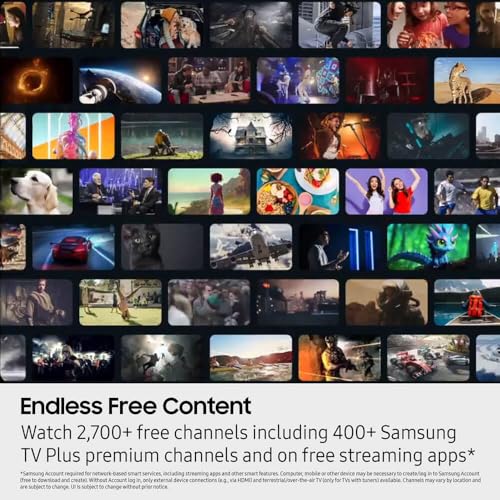
The Samsung Q6F uses Samsung's Tizen operating system, which has matured into a responsive, feature-rich platform. Tizen excels at smart home integration through Samsung's SmartThings ecosystem, supporting Matter (the new smart home standard) and functioning as an IoT hub. Samsung TV Plus provides access to hundreds of free streaming channels, which can be valuable for cord-cutters.
Both platforms support the major streaming apps you'd expect – Netflix, Disney+, Amazon Prime Video, Apple TV+, and others. The choice often comes down to ecosystem preference: Google TV integrates better with Android phones and Google services, while Tizen works seamlessly with Samsung phones and smart home devices.
For dedicated home theater use, several factors become particularly important. The Sony BRAVIA 5's Mini LED backlighting provides superior performance in dark rooms, where its ability to produce true blacks becomes most apparent. When watching movies in a darkened room, the contrast between bright and dark elements creates a more cinematic experience.
The TV's support for Dolby Vision HDR (High Dynamic Range) is also significant for home theater enthusiasts. Dolby Vision uses dynamic metadata to optimize HDR on a scene-by-scene basis, rather than applying static settings for an entire movie. This results in more accurate colors and better highlight detail. The Samsung Q6F supports HDR10+ but lacks Dolby Vision, which could matter if you're building a library of 4K Blu-rays or streaming high-quality content.
However, the Samsung Q6F might actually perform better in rooms with significant ambient light. Its higher peak brightness and quantum dot color technology can maintain vibrant, punchy colors even when competing with daylight or room lighting.
For sound in a home theater context, while the Sony BRAVIA 5's built-in audio is impressive, serious home theater setups will eventually want dedicated speakers or a soundbar. Both TVs include eARC (enhanced Audio Return Channel) support for sending high-quality audio to external systems.
The Sony BRAVIA 5 makes the most sense for users who prioritize cutting-edge technology and gaming performance. If you own a PlayStation 5 or Xbox Series X/S, the 120Hz capability alone justifies considering this model. The Mini LED backlighting provides a significant upgrade in picture quality, particularly in dark room viewing, that represents genuine technological advancement over standard LED systems.
This TV also appeals to users who prefer Google's ecosystem and want the best possible built-in audio without immediately purchasing a soundbar. The processing power and upscaling capabilities make it particularly good at improving the quality of streaming content, which matters since most of our viewing now comes from Netflix, Disney+, and similar services rather than broadcast TV.
The Samsung Q6F serves a different audience – primarily budget-conscious buyers who want to experience quantum dot color technology without paying flagship prices. At the time of writing, entry-level QLED pricing makes this TV significantly more affordable than the Sony while still delivering vibrant colors and decent smart features.
This TV works particularly well for bright room viewing, where its higher peak brightness can overcome ambient light better than many competitors. It's also the better choice for users deeply embedded in Samsung's ecosystem, particularly those who use Samsung phones, tablets, or smart home devices.
The Samsung also makes sense for casual viewers who primarily watch streaming content and broadcast TV at 60Hz or lower frame rates. If gaming isn't a priority and you don't plan to use the TV in a dark room home theater setup, the Samsung Q6F delivers solid performance at a more accessible price point.
Based on our research and analysis of expert reviews and user experiences, the Sony BRAVIA 5 offers substantially more advanced technology and future-proofing for what amounts to a reasonable premium over entry-level QLED pricing. The Mini LED backlighting, 120Hz gaming capability, and superior audio system represent meaningful upgrades that enhance the daily viewing experience.
However, the Samsung Q6F shouldn't be dismissed. For users with budget constraints or specific use cases like bright room viewing, it provides a solid entry point into premium color technology. Samsung's smart platform and ecosystem integration also offer real advantages for users already invested in their products.
The key decision factors come down to gaming priorities, room lighting conditions, and budget flexibility. If you game on modern consoles or plan to keep this TV for several years as streaming and gaming technology continues advancing, the Sony BRAVIA 5's additional capabilities provide genuine value. For more casual viewing needs or tighter budgets, the Samsung Q6F delivers satisfying performance without the premium features you might not use.
Either choice represents a significant upgrade over older TV technology, but they serve different priorities and budgets in ways that make the decision clearer once you understand your specific needs.
| Samsung 65" QLED Q6F | Sony BRAVIA 5 65" Mini LED |
|---|---|
| Display Technology - Determines contrast quality and black levels | |
| QLED with standard LED backlight and UHD Dimming | Mini LED with XR Backlight Master Drive (thousands of dimming zones) |
| Refresh Rate - Critical for gaming and smooth motion | |
| 60Hz (50Hz in some regions) | 120Hz native |
| Processor - Affects upscaling and picture optimization | |
| Q4 Lite Processor with basic 4K upscaling | XR Processor with cognitive AI enhancement |
| Gaming Features - Essential for console owners | |
| HDMI 2.1 limited to 4K 60Hz, basic VRR support | Two HDMI 2.1 ports with 4K 120Hz, G-SYNC, full VRR |
| HDR Support - Impacts color and brightness range | |
| Quantum HDR, HDR10+ (no Dolby Vision) | HDR10, Dolby Vision, HLG, IMAX Enhanced |
| Audio System - Built-in sound quality | |
| 20W 2-channel speakers with OTS Lite | 40W multi-driver system with Dolby Atmos/DTS:X |
| Smart Platform - Interface and app ecosystem | |
| Samsung Tizen OS with SmartThings integration | Google TV with Sony Pictures Core exclusive content |
| Color Technology - Vibrancy and accuracy | |
| Quantum Dot with 100% color volume | XR Triluminos Pro with expanded color gamut |
| Peak Brightness - Performance in bright rooms | |
| Higher sustained brightness (typical of QLED) | Moderate brightness focused on contrast accuracy |
| Value Positioning - Target market and pricing tier | |
| Entry-level QLED for budget-conscious buyers | Mid-tier premium with advanced Mini LED technology |
The Sony BRAVIA 5 delivers superior picture quality thanks to its Mini LED backlighting technology with thousands of individual dimming zones. This creates deeper blacks and better contrast compared to the Samsung Q6F's standard LED backlight. However, the Samsung Q6F offers more vibrant colors through quantum dot technology and higher peak brightness, making it better for bright rooms.
The Sony BRAVIA 5 is significantly better for gaming with its 120Hz refresh rate, two HDMI 2.1 ports supporting 4K at 120fps, and full VRR support including G-SYNC. The Samsung Q6F is limited to 60Hz gaming and lacks the advanced gaming features needed for next-gen consoles like PlayStation 5 and Xbox Series X/S.
Both TVs offer excellent smart platforms but serve different preferences. The Sony BRAVIA 5 runs Google TV with superior content discovery and includes Sony Pictures Core for exclusive 4K movie streaming. The Samsung Q6F uses Tizen OS with better smart home integration through SmartThings and Samsung TV Plus for free streaming channels.
The Sony BRAVIA 5 has significantly better built-in audio with a 40W multi-driver system supporting Dolby Atmos and DTS:X for spatial sound. The Samsung Q6F offers a more basic 20W 2-channel system with Object Tracking Sound Lite, though it supports Q-Symphony for integration with Samsung soundbars.
The Sony BRAVIA 5 excels in dark room environments due to its Mini LED technology providing precise local dimming and true blacks. It also supports Dolby Vision HDR for enhanced contrast and color accuracy. The Samsung Q6F is better suited for bright rooms where its higher peak brightness can overcome ambient lighting.
Yes, there's a major difference. The Sony BRAVIA 5 offers a native 120Hz refresh rate for smooth motion and gaming, while the Samsung Q6F is limited to 60Hz (50Hz in some regions). This 120Hz capability makes the Sony BRAVIA 5 much more suitable for modern gaming and sports viewing.
The Sony BRAVIA 5 typically offers better value despite a higher price point, providing Mini LED technology, 120Hz gaming, and superior audio that would normally be found in much more expensive TVs. The Samsung Q6F provides good value as an entry-level QLED option for budget-conscious buyers who don't need advanced gaming features.
The Sony BRAVIA 5 supports a wider range of HDR formats including HDR10, Dolby Vision, HLG, and IMAX Enhanced for maximum compatibility with streaming services and 4K Blu-rays. The Samsung Q6F supports Quantum HDR and HDR10+ but lacks Dolby Vision support, which is used by Netflix, Disney+, and other major streaming platforms.
The Samsung Q6F offers three HDMI ports compared to the standard configuration on most TVs, though they're limited to 4K 60Hz. The Sony BRAVIA 5 includes two HDMI 2.1 ports capable of 4K 120Hz gaming plus additional standard HDMI ports. Both offer Wi-Fi, Bluetooth, and eARC support for soundbars.
The Sony BRAVIA 5 uses Sony's XR Processor with cognitive AI that analyzes images like human perception, providing superior upscaling and picture optimization. The Samsung Q6F features the Q4 Lite Processor, which handles basic 4K upscaling and picture enhancement but lacks the advanced AI features found in Sony's system.
The Samsung Q6F performs better in bright environments due to its quantum dot technology and higher peak brightness levels, which help maintain color vibrancy against ambient lighting. The Sony BRAVIA 5 is optimized more for contrast accuracy and may struggle slightly in very bright rooms, though its Mini LED system still provides good brightness when needed.
Choose the Sony BRAVIA 5 if you prioritize gaming performance, dark room viewing, superior built-in audio, or want the latest Mini LED technology. Select the Samsung Q6F if you have a tighter budget, primarily watch TV in bright rooms, prefer Samsung's smart home ecosystem, or don't need 120Hz gaming capabilities. The Sony BRAVIA 5 offers more advanced technology while the Samsung Q6F provides solid performance at an entry-level QLED price point.
We've done our best to create useful and informative comparisons to help you decide what product to buy. Our research uses advanced automated methods to create this comparison and perfection is not possible - please contact us for corrections or questions. These are the sites we've researched in the creation of this article: tomsguide.com - bestbuy.com - samsung.com - rtings.com - youtube.com - rtings.com - bestbuy.com - samsung.com - samsung.com - samsung.com - manuals.plus - shopjetson.com - samsung.com - samsung.com - samsung.com - samsung.com - bestbuy.com - jefflynch.com - rtings.com - pro.sony - youtube.com - electronics.sony.com - electronics.sony.com - electronics.sony.com - bestbuy.com - electronics.sony.com - youtube.com - bestbuy.com - videoandaudiocenter.com - valueelectronics.com - youtube.com - sony.ca - perpichtv.com - sony.com - displayspecifications.com - pioneertvandappliance.com - flatpanelshd.com

Privacy Policy
Terms and Conditions - Affiliate Policy
Home Security
© Copyright 2008-2026.
11816 Inwood Rd #1211, Dallas, TX 75244