




Samsung released both the Q6F and QN70F as part of their 2025 TV lineup, marking significant improvements in AI processing and smart features compared to previous years. The TV market has become increasingly sophisticated, with manufacturers pushing boundaries in display technology, gaming capabilities, and intelligent features. These two models represent different approaches to delivering premium viewing experiences—one focused on value, the other on performance.
The 4K TV market has matured into distinct performance tiers that cater to different viewing habits and budgets. At the foundation, you'll find basic LED TVs that handle everyday viewing well but lack advanced features. Above that sits the QLED category, which uses Quantum Dot technology—essentially tiny nanocrystals that produce purer, more vibrant colors when illuminated by blue LEDs.
The newest frontier is Neo QLED technology, which combines Quantum Dots with Mini LED backlighting. Mini LEDs are significantly smaller than traditional LEDs (often 40 times smaller), allowing manufacturers to pack thousands more into the same space. This creates more precise lighting zones, better contrast, and brighter highlights—similar to how a high-resolution photo looks sharper because it has more pixels packed into the same area.
When shopping for a 4K TV today, the most important factors are picture quality (brightness, contrast, color accuracy), gaming performance, smart features, and long-term value. The Samsung Q6F and QN70F approach these priorities differently, making them suitable for distinct user groups.
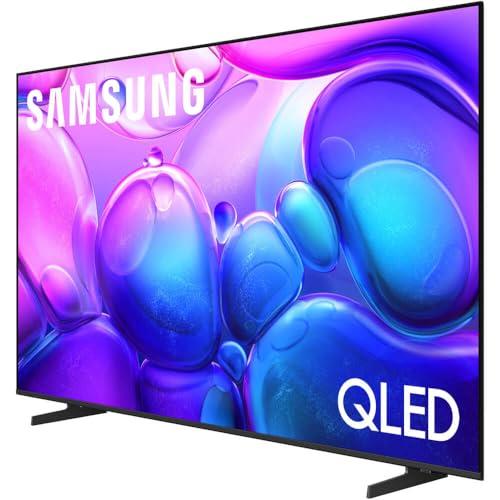
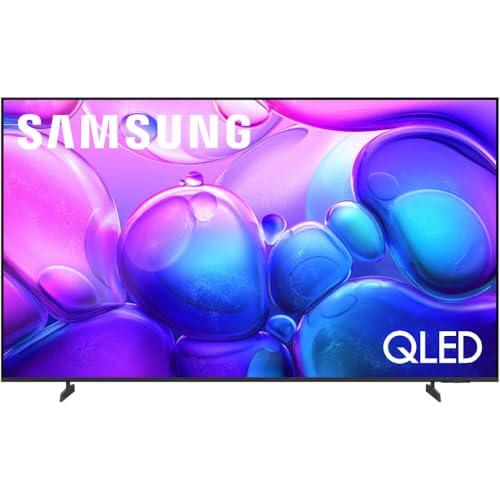
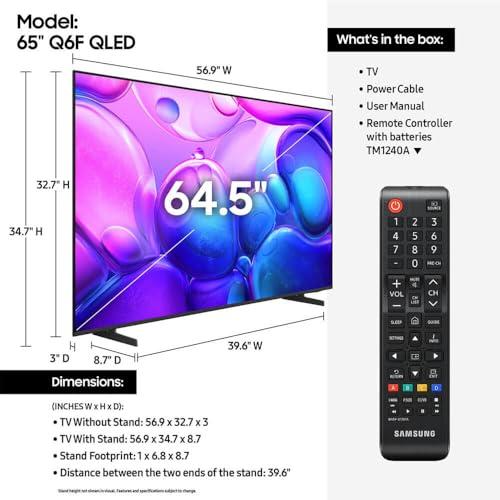
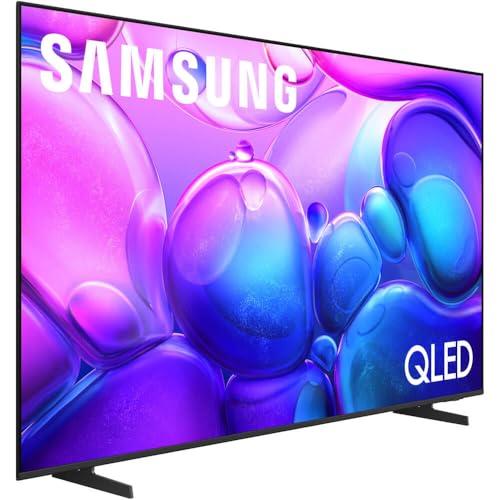
The Samsung Q6F represents Samsung's entry-level QLED approach for 2025. It uses traditional edge-lit LED backlighting, where LEDs are positioned around the perimeter of the screen and light guides distribute illumination across the panel. This design keeps costs down while still delivering the vibrant colors that make QLED technology appealing.
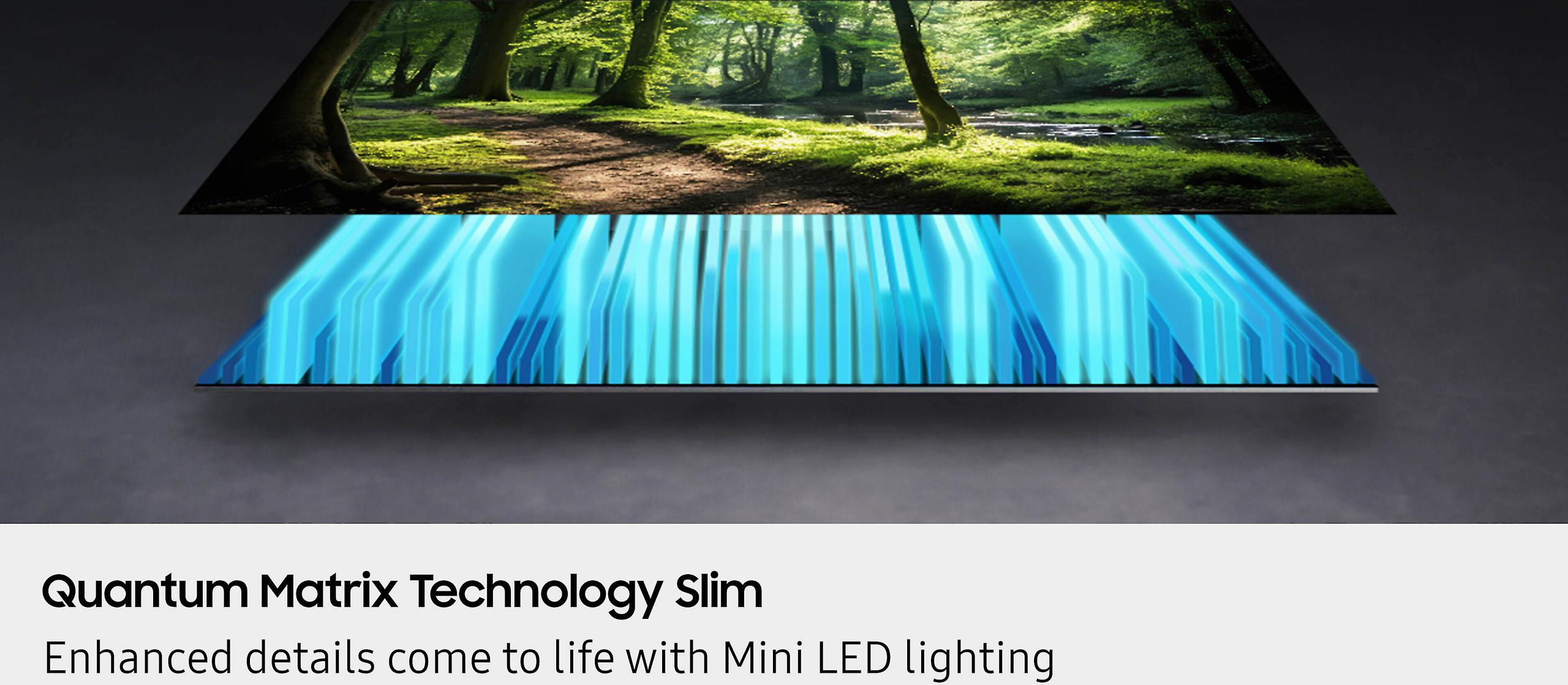
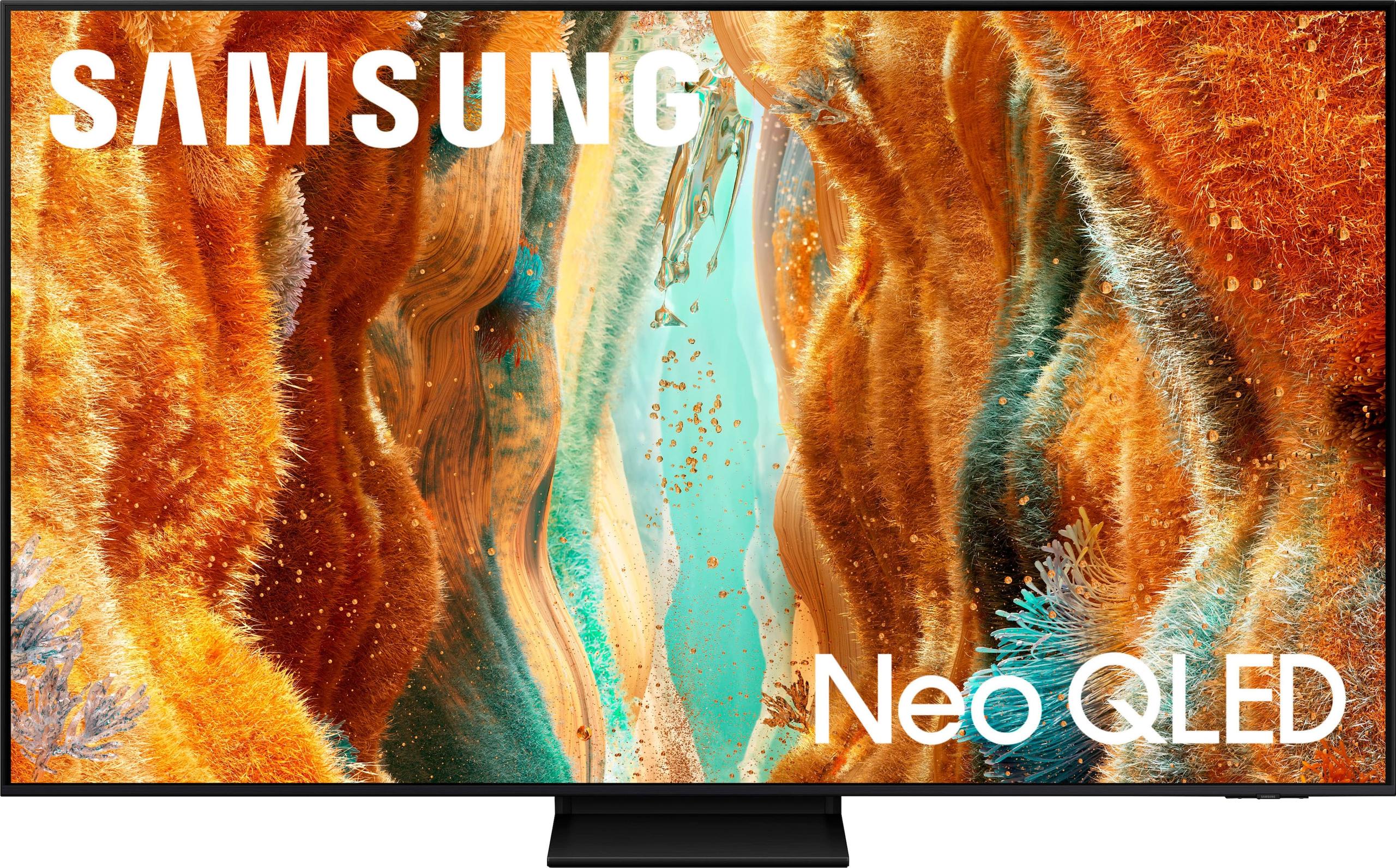
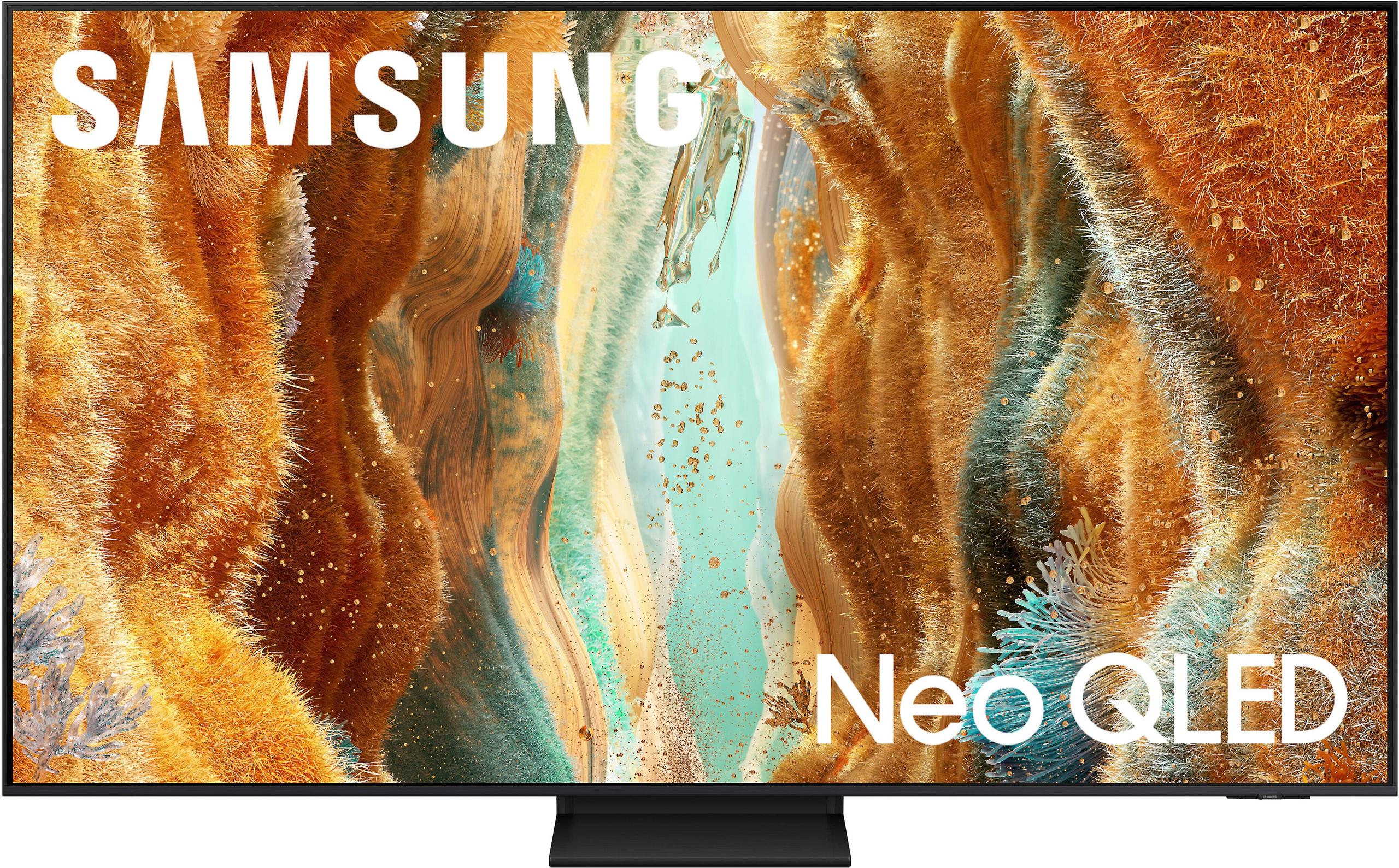
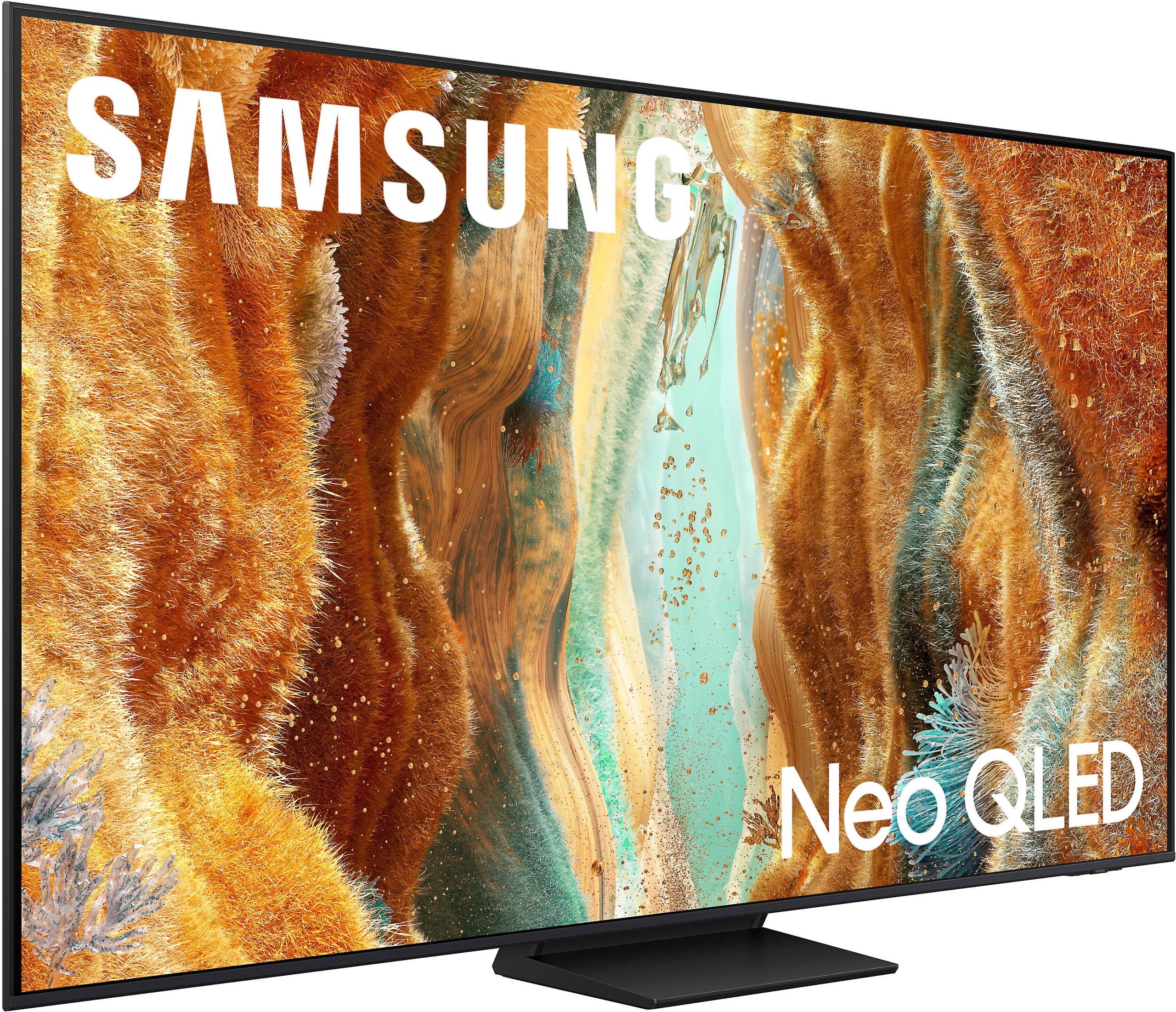
The Samsung QN70F takes a more advanced approach with Neo QLED technology. It features Mini LED backlighting arranged in precise zones behind the panel, combined with Samsung's Quantum Matrix Technology Slim. This creates what Samsung calls "precise lighting control"—essentially, the TV can brighten or dim specific areas of the screen independently, resulting in deeper blacks and brighter highlights.
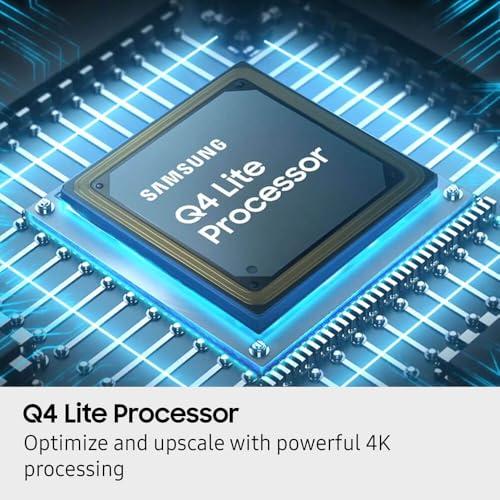
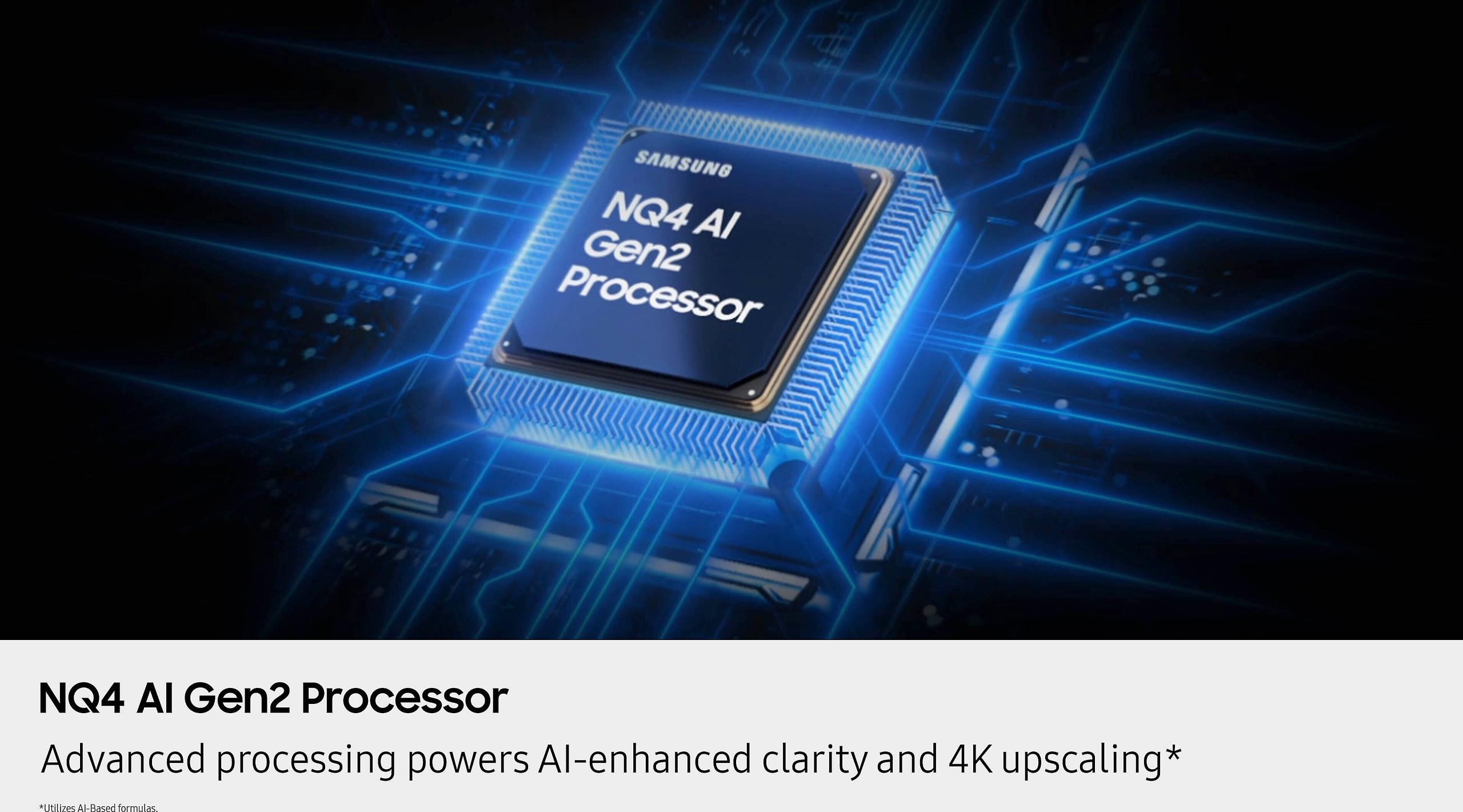
Both TVs run Samsung's 2025 Tizen operating system with Vision AI capabilities, but they're powered by different processors that significantly impact performance. The Q6F uses the Q4 Lite processor, while the QN70F features the more powerful NQ4 AI Gen2 processor with 20 neural networks for real-time optimization.
The fundamental difference between these TVs lies in their backlighting systems, and this impacts everything from movie night to daytime sports viewing. The Q6F's edge-lit design creates relatively uniform brightness across the entire screen, which works well for most content but struggles with high-contrast scenes—think a campfire scene in a dark forest or bright clouds against a deep blue sky.
The QN70F's Mini LED system addresses this limitation head-on. With thousands of tiny LEDs arranged behind the panel, it can selectively brighten or dim different areas of the screen. When watching that same campfire scene, the flames appear brighter while the surrounding darkness remains truly dark, creating a more realistic and immersive image.
This technical difference translates to real viewing benefits. Based on user reviews and expert evaluations, the QN70F consistently delivers deeper blacks and more impactful contrast ratios. The Q6F produces what users describe as "vibrant colors that really pop," but it can't match the dramatic contrast that makes HDR content truly shine.
Brightness capability becomes crucial when you're watching TV during the day or in rooms with lots of windows. The QN70F's Mini LED technology inherently produces higher peak brightness levels, making it more versatile in various lighting conditions. Users report it handles "fair amounts of light" effectively, while the Q6F performs best in more controlled lighting environments.
Both TVs support HDR10+ (High Dynamic Range), which uses dynamic metadata to optimize brightness and color on a scene-by-scene basis. However, the QN70F's superior brightness capabilities make HDR content more impactful—bright highlights appear more brilliant, and the increased contrast makes colors appear more saturated and lifelike.
Neither TV supports Dolby Vision, which is Samsung's ongoing strategy to promote their own HDR10+ standard. For most viewers, HDR10+ provides excellent results, though some streaming services and 4K Blu-rays offer Dolby Vision content that these TVs can't fully optimize.
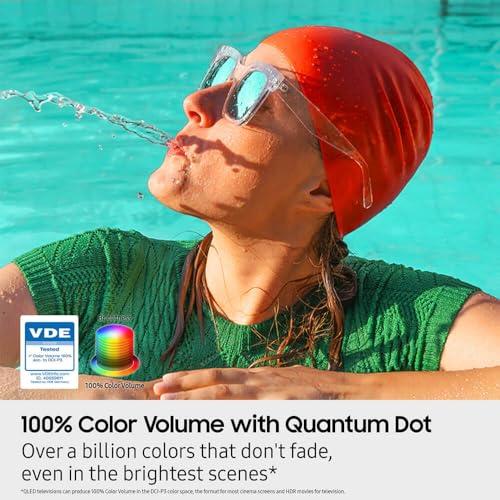
Both TVs feature Quantum Dot technology, which produces what Samsung claims is "100% color volume"—essentially, they can display vibrant colors at any brightness level. User reviews consistently praise both models for their color accuracy, with the Q6F receiving particular acclaim for colors that "absolutely stunning" viewers.
Where they diverge significantly is processing power. The QN70F's NQ4 AI Gen2 processor uses artificial intelligence to upscale lower-resolution content in real-time. This means your Netflix shows, cable TV, and even older DVDs look sharper and more detailed. The processor analyzes each frame and enhances details, reduces noise, and optimizes colors based on what you're watching.
The Q6F's Q4 Lite processor handles basic upscaling competently, and users report satisfaction with streaming quality. However, the difference becomes noticeable when watching older content or lower-bitrate streaming services—the QN70F simply produces cleaner, more detailed images.
Gaming has become a major consideration for TV buyers, especially with the PlayStation 5 and Xbox Series X pushing 4K gaming at high refresh rates. Here, the differences between these TVs become stark and decisive.
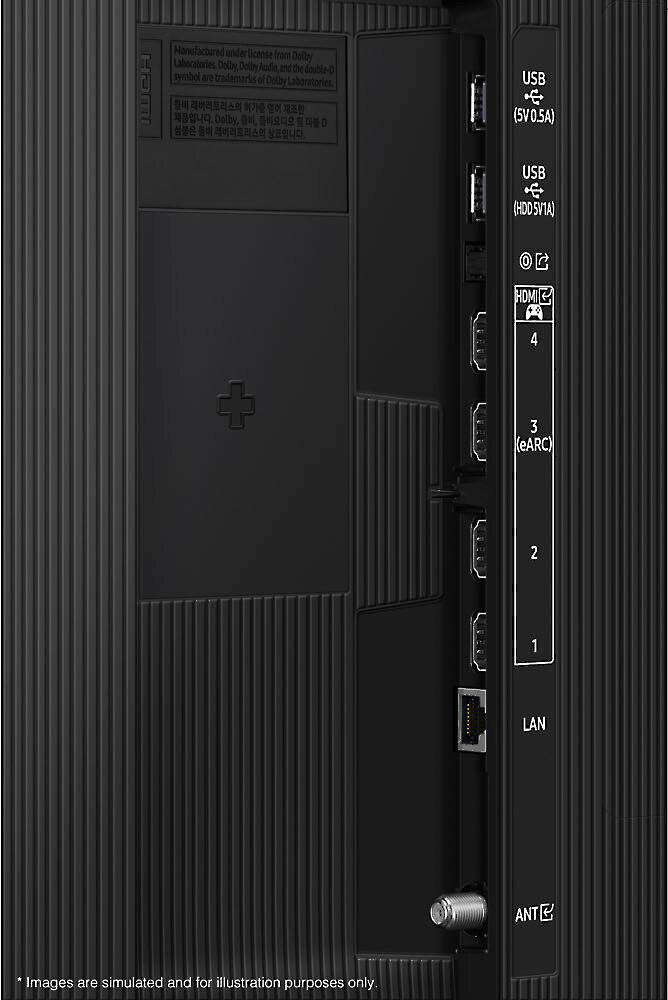
The QN70F features a 100Hz native refresh rate that can handle up to 144Hz for gaming, along with four HDMI 2.1 ports. This means it can display 120 frames per second from next-generation consoles, resulting in smoother motion and more responsive gameplay. The TV also supports Variable Refresh Rate (VRR), which synchronizes the display refresh rate with the game's frame rate to eliminate screen tearing and stuttering.
The Q6F, in contrast, is limited to 60Hz refresh rate and lacks HDMI 2.1 support. While this handles most gaming scenarios adequately, it can't take advantage of the advanced gaming features that modern consoles offer. For casual gaming—think playing occasionally or using older consoles—the Q6F performs perfectly well.
Both TVs include Auto Low Latency Mode (ALLM), which automatically switches to a low-input-lag mode when it detects a gaming console. However, the QN70F adds VRR support and a dedicated Game Bar interface that provides real-time information about refresh rate, HDR status, and input lag.
For serious gamers, particularly those with PlayStation 5 or Xbox Series X, the QN70F is the clear choice. The high refresh rate capability and VRR support provide tangible benefits in competitive gaming and make fast-paced games feel more responsive and smooth.
Both TVs showcase Samsung's 2025 Vision AI improvements, which represent a significant step forward from previous years' smart TV capabilities. The AI can identify what you're watching and automatically adjust picture and sound settings for optimal viewing—no more fumbling with picture modes for different content types.
The standout Vision AI feature is "Click to Search," which provides instant information about actors, shows, or products appearing on screen. "Live Translate" offers real-time subtitle translations for foreign content, making international shows and movies more accessible. These features work across both models, though the QN70F's more powerful processor executes them more quickly and accurately.
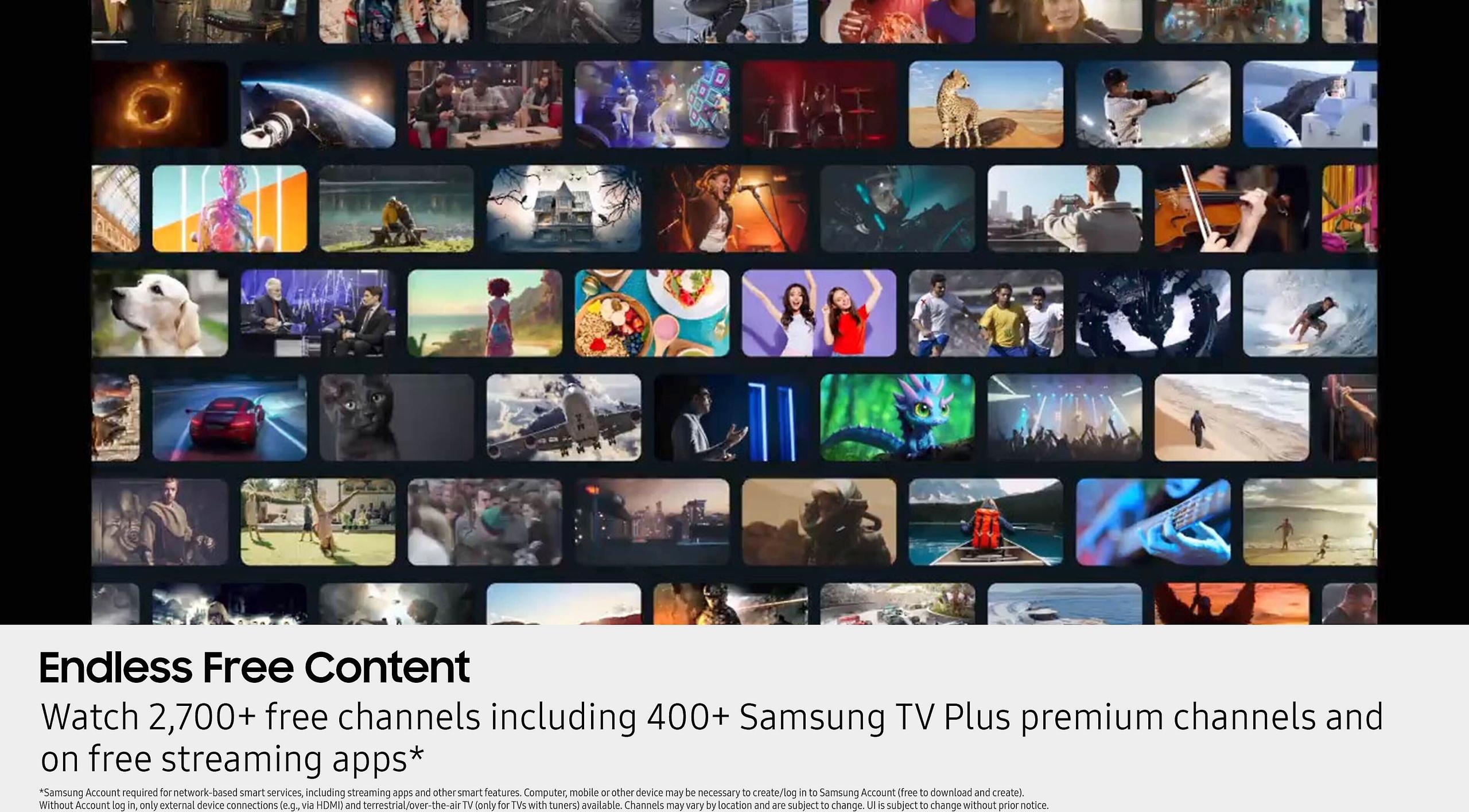
Both TVs include Samsung TV Plus, which provides access to hundreds of free streaming channels without additional subscriptions. The interface is intuitive and responsive, with Samsung's Tizen operating system receiving praise for its speed and ease of use.
Voice control through Bixby, Alexa, and Google Assistant works effectively on both models. The TVs integrate with Samsung's SmartThings ecosystem, allowing control of compatible smart home devices directly from the TV interface. This integration has improved significantly since Samsung's earlier smart TV attempts, making these 2025 models genuinely useful as smart home hubs.
Both TVs feature 2-channel speaker systems rated at 20W, with the QN70F adding Active Voice Amplifier Pro for enhanced dialogue clarity. User feedback indicates both models produce adequate audio for everyday viewing, with the Q6F earning praise for sound that "fills the room nicely."
However, neither TV excels in audio performance compared to dedicated soundbars or surround sound systems. The slim profiles that make these TVs attractive for wall mounting also limit the space available for robust speakers. For serious home theater applications, plan on adding external audio equipment to either model.
The QN70F does include support for Q-Symphony, which allows compatible Samsung soundbars to work in harmony with the TV's built-in speakers for richer sound. This feature can provide a noticeable improvement for users who add Samsung audio equipment later.
At the time of writing, these TVs occupy different price segments that reflect their technological differences. The Q6F represents Samsung's effort to make QLED technology accessible to budget-conscious buyers, while the QN70F serves as an entry point into their premium Neo QLED lineup.
The Q6F excels at delivering core QLED benefits—vibrant colors, smart features, and solid 4K performance—at an attractive price point. User reviews consistently highlight satisfaction with picture quality, with many rating it 5 out of 5 stars and recommending it to friends. For viewers who primarily watch streaming services, cable TV, and casual gaming, it provides everything needed for an enjoyable experience.
The trade-offs are clear: limited gaming capabilities, lower peak brightness, and less sophisticated processing. However, if these limitations don't impact your viewing habits, the Q6F delivers excellent value.
The QN70F commands a premium that reflects its advanced technology. Mini LED backlighting, superior processing power, gaming capabilities, and better HDR performance justify the higher cost for users who can take advantage of these features.
Reviews consistently describe it as offering "premium picture quality" and "exceeding expectations for the price." For gaming enthusiasts, home theater fans, or anyone wanting a TV that remains competitive for years to come, the additional cost provides meaningful value.
The Q6F makes sense for several specific scenarios. If you're furnishing a secondary TV for a bedroom or guest room, its combination of good picture quality and smart features at a lower price point is compelling. It's also ideal for households where gaming is limited to casual use and where the TV will primarily display streaming content and cable programming.
College students, young professionals, or families prioritizing value over premium features will find the Q6F meets their needs without compromising on the core viewing experience. The vibrant QLED colors and Samsung's reliable smart TV platform provide years of enjoyable viewing.
The QN70F targets users who want their TV to excel across multiple use cases. Serious gamers with PlayStation 5 or Xbox Series X will immediately benefit from the high refresh rate and VRR support. Home theater enthusiasts will appreciate the superior contrast and brightness for movie nights.
The advanced processing power also makes the QN70F better suited for rooms with significant ambient lighting, where its higher brightness capability maintains picture quality during daytime viewing. If you frequently watch 4K movies, HDR content, or plan to keep your TV for many years, the QN70F's advanced features provide lasting value.
For dedicated home theater use, both TVs have strengths and limitations. The Q6F can create an enjoyable movie-watching experience, particularly in darker rooms where its brightness limitations are less noticeable. The vibrant QLED colors make animated movies and colorful content particularly engaging.
The QN70F better suits serious home theater applications. The Mini LED backlighting creates the contrast necessary for dramatic movie scenes, while the superior brightness handles HDR content more effectively. The wide viewing angle technology ensures better picture quality for multiple seating positions.
However, both TVs' audio systems will require supplementation for true home theater performance. Plan on adding a soundbar or surround sound system to either model for the full cinematic experience.
The decision between the Samsung Q6F and QN70F ultimately comes down to matching features with your specific needs and budget. The Q6F delivers solid QLED performance at an accessible price, making it an excellent choice for value-conscious buyers who don't need advanced gaming features.
The QN70F justifies its premium through meaningful technological advances that provide better picture quality, gaming capabilities, and long-term relevance. If you can accommodate the higher cost and will benefit from its advanced features, it represents excellent value in Samsung's 2025 lineup.
Both TVs showcase Samsung's commitment to improving the smart TV experience, with 2025 bringing notable advances in AI processing and user interface design. Either choice will provide years of reliable service, but understanding their different strengths ensures you select the model that best matches your viewing habits and expectations.
For most buyers who can afford the difference, the QN70F's superior technology and future-proof features make it the smarter long-term investment. However, the Q6F remains an outstanding value for budget-conscious buyers who prioritize essential features over premium performance.
| Samsung 65" QLED Q6F 4K Smart TV 2025 | Samsung 65" QN70F Neo QLED 4K Vision AI Smart TV 2025 |
|---|---|
| Display Technology - The foundation that determines picture quality and contrast | |
| Traditional QLED with edge-lit LED backlighting | Neo QLED with Mini LED backlighting and Quantum Matrix Technology Slim |
| Processor - Affects upscaling quality and smart TV responsiveness | |
| Q4 Lite Processor (basic AI upscaling) | NQ4 AI Gen2 Processor with 20 neural networks (advanced real-time optimization) |
| Refresh Rate - Critical for gaming and smooth motion in sports | |
| 60Hz native (standard for casual viewing) | 100Hz native, up to 144Hz for gaming (essential for next-gen consoles) |
| Gaming Features - Determines compatibility with PlayStation 5 and Xbox Series X | |
| Basic Auto Game Mode, 60Hz gaming only | 4 HDMI 2.1 ports, VRR, ALLM, 4K at 144Hz, Game Bar interface |
| HDR Support - Enhances contrast and color in movies and streaming | |
| HDR10+ with Quantum HDR (good for most content) | Neo Quantum HDR with HDR10+ (superior brightness for impactful HDR) |
| Local Dimming - Controls how well dark scenes appear with bright highlights | |
| Basic edge-lit dimming (uniform brightness across screen) | Advanced Mini LED zones (precise control for deeper blacks and brighter whites) |
| Peak Brightness - Affects daytime viewing and HDR impact | |
| Standard QLED brightness (best in controlled lighting) | Higher Mini LED brightness (excellent for bright rooms and HDR content) |
| Audio System - Built-in sound quality before adding external speakers | |
| 2CH, 20W with OTS Lite and Q-Symphony | 2CH, 20W with Active Voice Amplifier Pro, OTS Lite, and Q-Symphony |
| Smart Features - AI capabilities and streaming experience | |
| Tizen OS with Vision AI, Samsung TV Plus, voice control | Enhanced Tizen OS with advanced Vision AI processing, faster performance |
| Design Profile - Wall mounting and room aesthetics | |
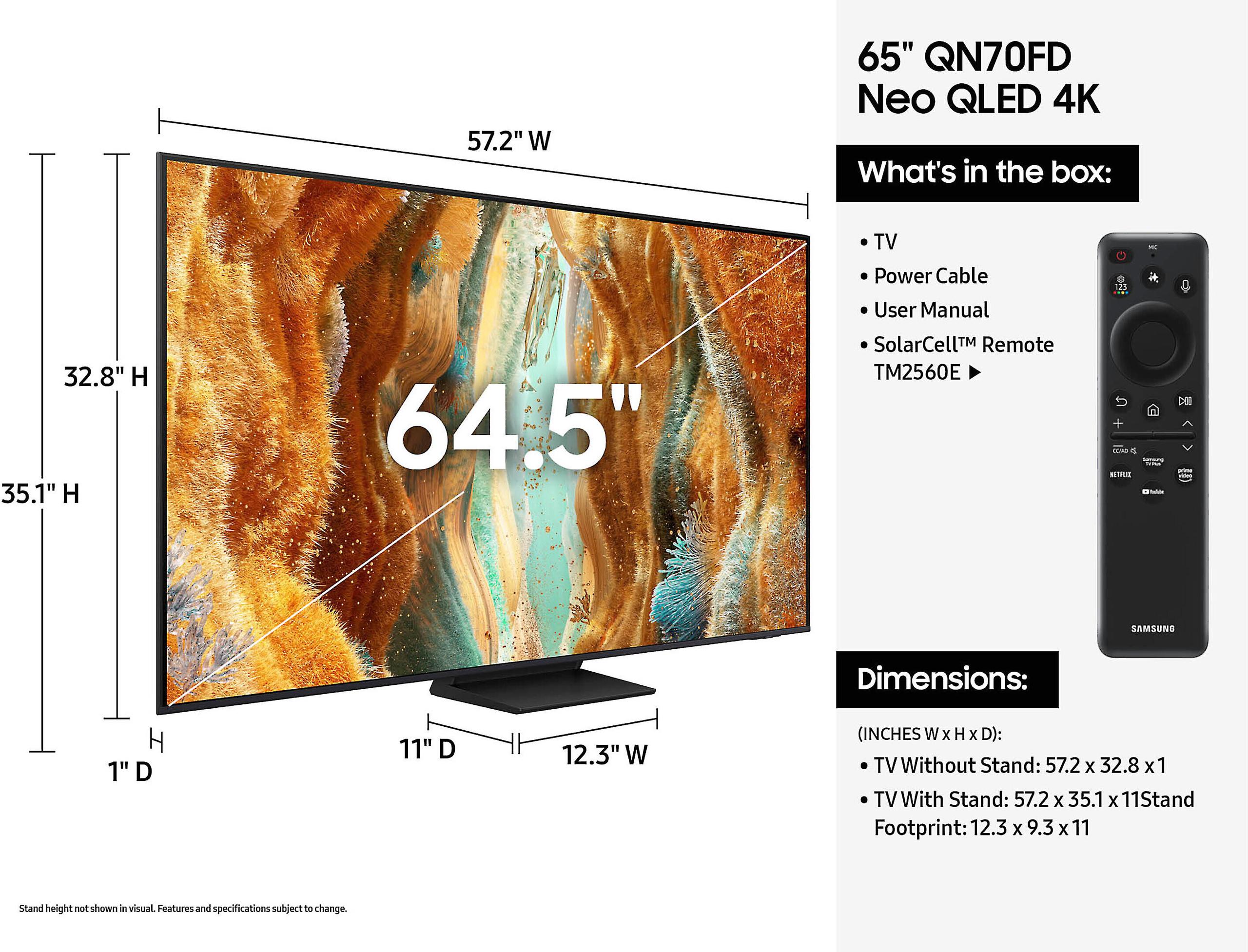
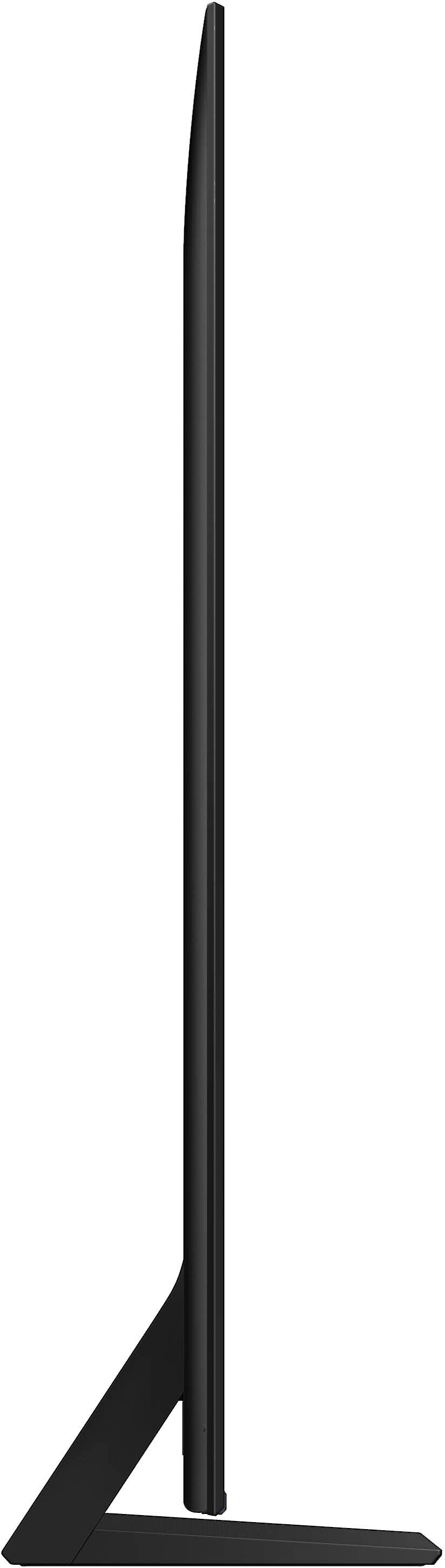
| Standard QLED thickness, lightweight for mounting | AirSlim design (~1 inch deep), premium ultra-thin profile |
| Best For - Target user and primary use cases | |
| Budget-conscious buyers, casual gaming, secondary TVs, streaming focus | Gaming enthusiasts, home theater, bright rooms, future-proofing, premium features |
The primary difference is display technology. The Samsung Q6F uses traditional QLED with edge-lit LED backlighting, while the Samsung QN70F features advanced Neo QLED technology with Mini LED backlighting. This gives the QN70F superior contrast, deeper blacks, and brighter highlights for a more premium viewing experience.
The Samsung QN70F is significantly better for next-gen gaming. It offers 100Hz refresh rate (up to 144Hz), four HDMI 2.1 ports, Variable Refresh Rate (VRR), and can display 4K at 120fps. The Samsung Q6F is limited to 60Hz and lacks these advanced gaming features, making it suitable only for casual gaming.
Yes, if you value contrast and brightness. The Samsung QN70F delivers noticeably better picture quality with its Mini LED technology, offering deeper blacks, brighter highlights, and superior HDR performance. The Samsung Q6F still provides excellent QLED colors but can't match the contrast capabilities of the QN70F.
The Samsung QN70F handles bright rooms much better due to its higher peak brightness from Mini LED technology. The Samsung Q6F performs best in controlled lighting environments and may appear washed out in very bright conditions.
Both TVs run Samsung's 2025 Tizen OS with Vision AI capabilities, Samsung TV Plus, and voice control. However, the Samsung QN70F has a more powerful NQ4 AI Gen2 processor that executes these features faster and provides better upscaling of lower-resolution content compared to the Q6F's Q4 Lite processor.
For serious home theater setups, the Samsung QN70F is the better choice. Its Mini LED backlighting creates the dramatic contrast needed for cinematic experiences, with deeper blacks and brighter highlights that make HDR movies more impactful. The Samsung Q6F can provide an enjoyable movie experience but lacks the contrast performance for premium home theater applications.
Both the Samsung Q6F and Samsung QN70F have adequate 2-channel, 20W speaker systems for everyday viewing. The QN70F adds Active Voice Amplifier Pro for clearer dialogue. However, for home theater use or immersive audio, you'll want to add a soundbar or surround sound system to either TV.
The Samsung QN70F is more future-proof with its HDMI 2.1 ports, high refresh rate capabilities, and advanced processing. These features ensure compatibility with future gaming consoles and streaming standards. The Samsung Q6F will serve well for current needs but may feel outdated sooner due to its limited gaming and connectivity features.
Both TVs handle streaming services excellently, but the Samsung QN70F provides a superior experience. Its more powerful processor offers better upscaling of compressed streaming content, while the Mini LED backlighting enhances the contrast in movies and shows. The Samsung Q6F still delivers good streaming quality with vibrant QLED colors.
The Samsung Q6F offers better value for budget-conscious buyers who don't need advanced gaming features or premium contrast performance. The Samsung QN70F provides better value for those who can utilize its gaming capabilities, superior picture quality, and future-proof features. The "better value" depends on your specific needs and budget.
Yes, both support HDR10+ for enhanced contrast and colors. However, the Samsung QN70F delivers significantly better HDR performance due to its higher peak brightness and superior contrast from Mini LED technology. The Samsung Q6F handles HDR content well but with less dramatic impact.
For secondary rooms or bedrooms, the Samsung Q6F is often the better choice due to its lower cost while still providing excellent QLED picture quality and smart features. The Samsung QN70F makes more sense as a primary TV where you'll fully utilize its gaming features and premium picture quality.
We've done our best to create useful and informative comparisons to help you decide what product to buy. Our research uses advanced automated methods to create this comparison and perfection is not possible - please contact us for corrections or questions. These are the sites we've researched in the creation of this article: tomsguide.com - bestbuy.com - samsung.com - rtings.com - youtube.com - rtings.com - bestbuy.com - samsung.com - samsung.com - samsung.com - manuals.plus - shopjetson.com - samsung.com - samsung.com - samsung.com - samsung.com - bestbuy.com - jefflynch.com - youtube.com - wifihifi.com - samsung.com - samsung.com - samsung.com - samsung.com - flatpanelshd.com - news.samsung.com - bestbuy.com

Privacy Policy
Terms and Conditions - Affiliate Policy
Home Security
© Copyright 2008-2026.
11816 Inwood Rd #1211, Dallas, TX 75244