

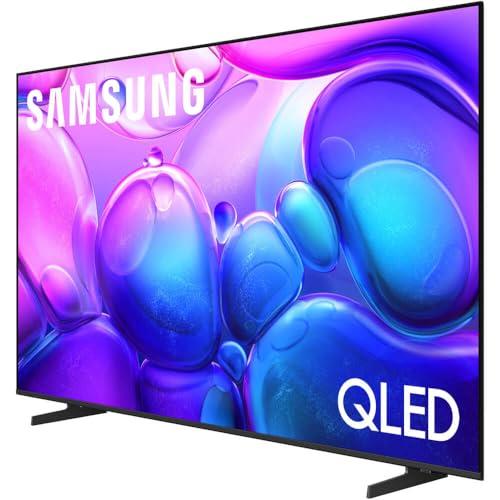
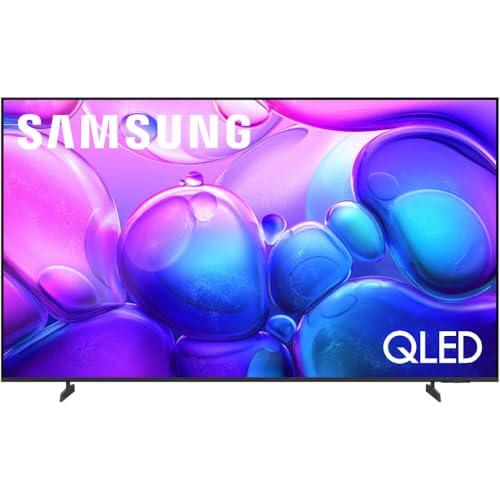
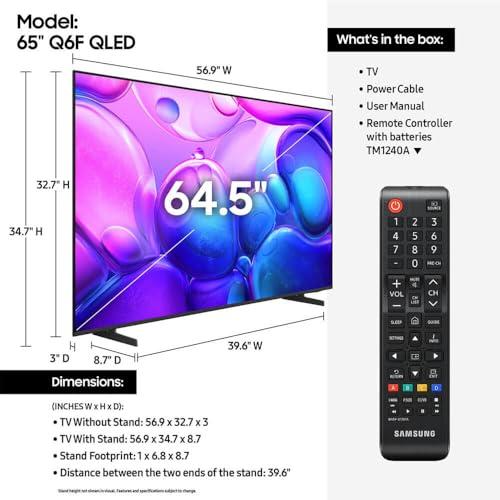
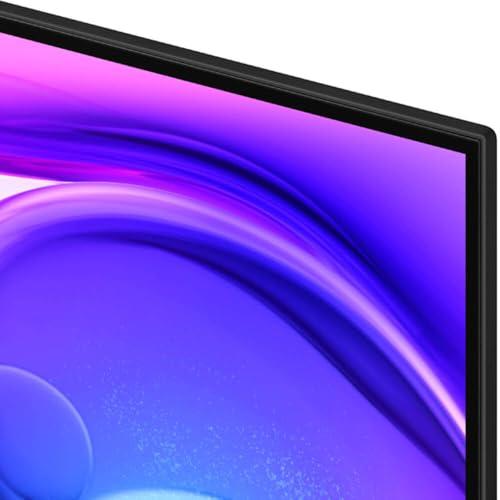

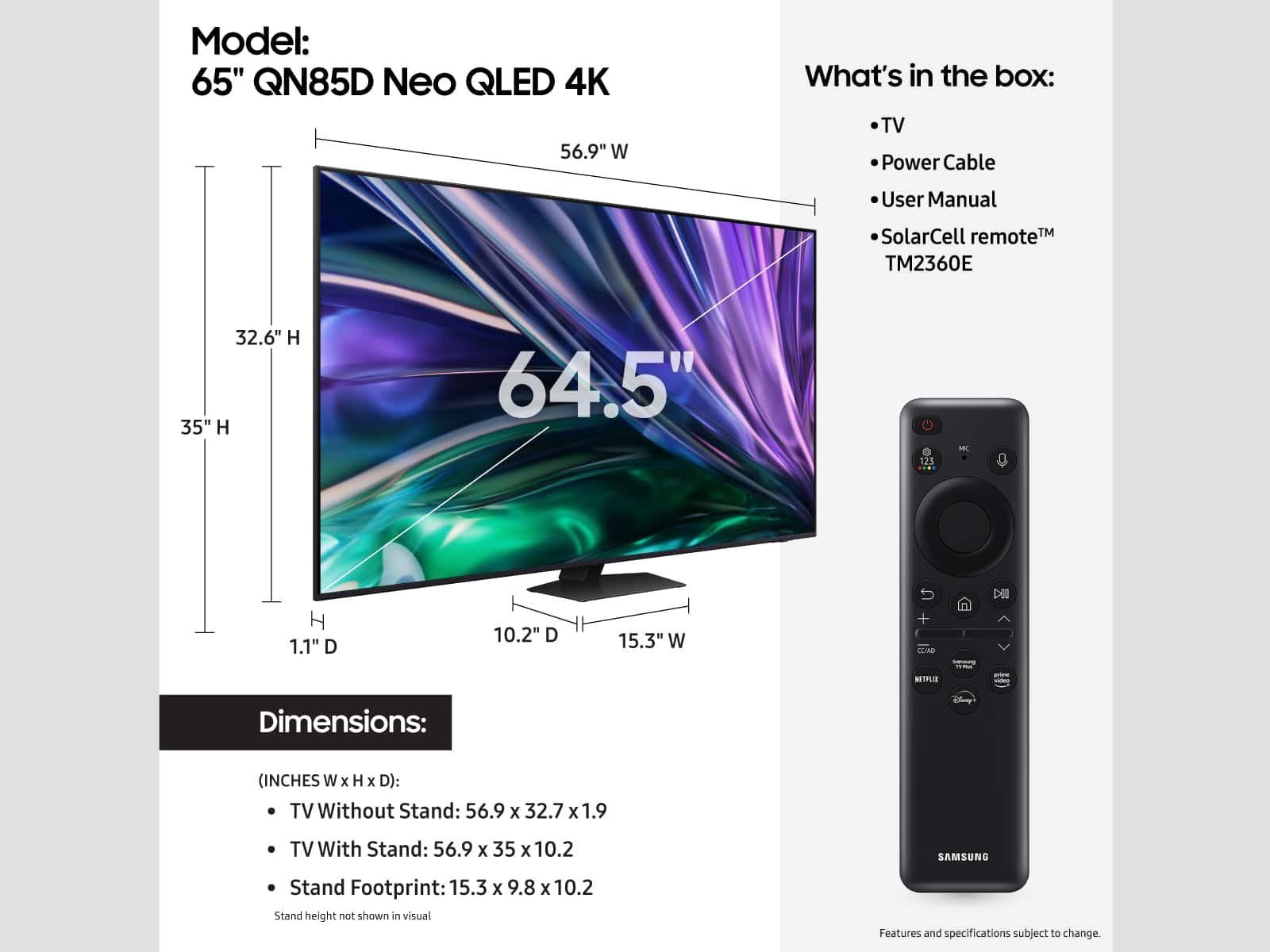
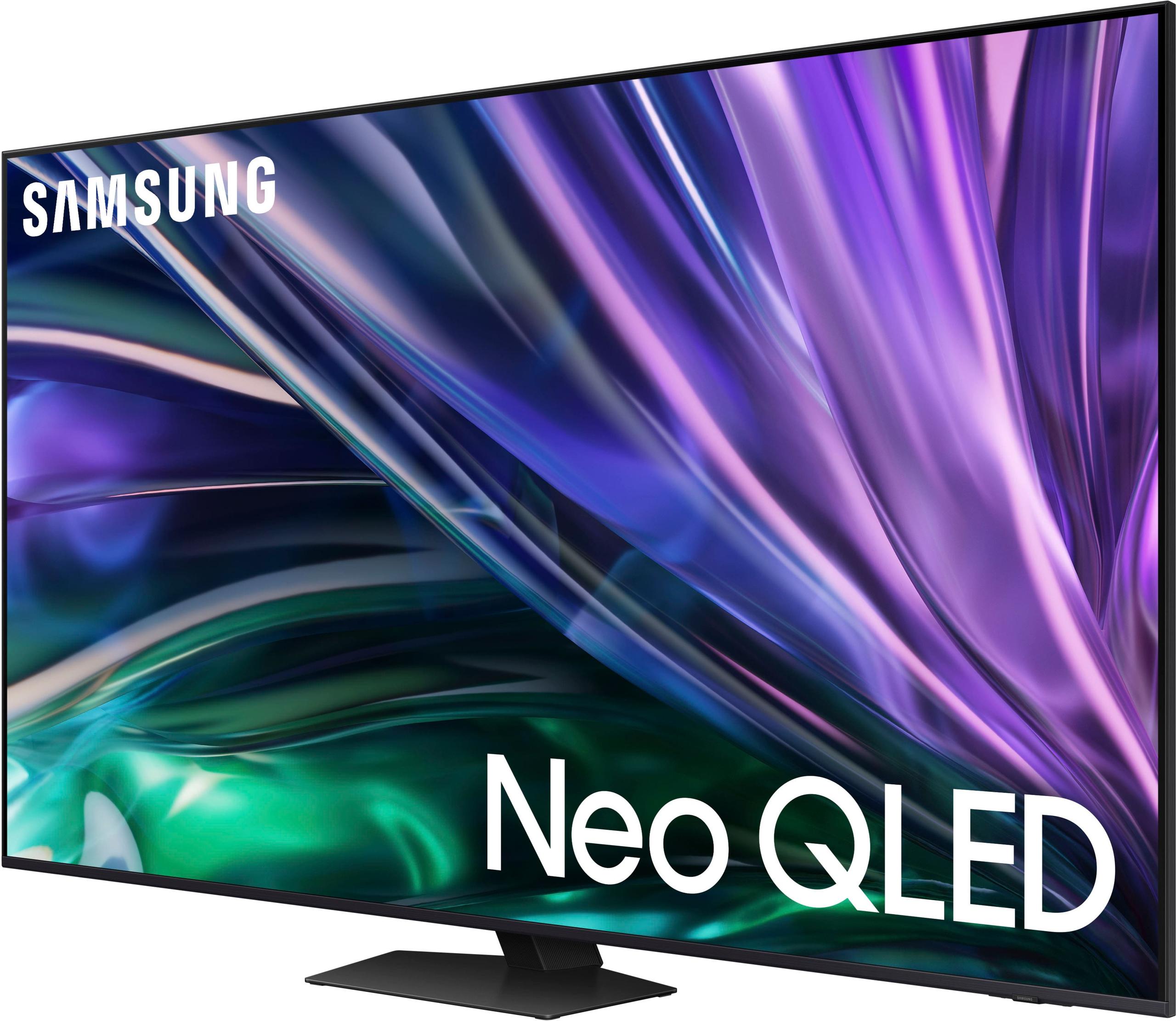

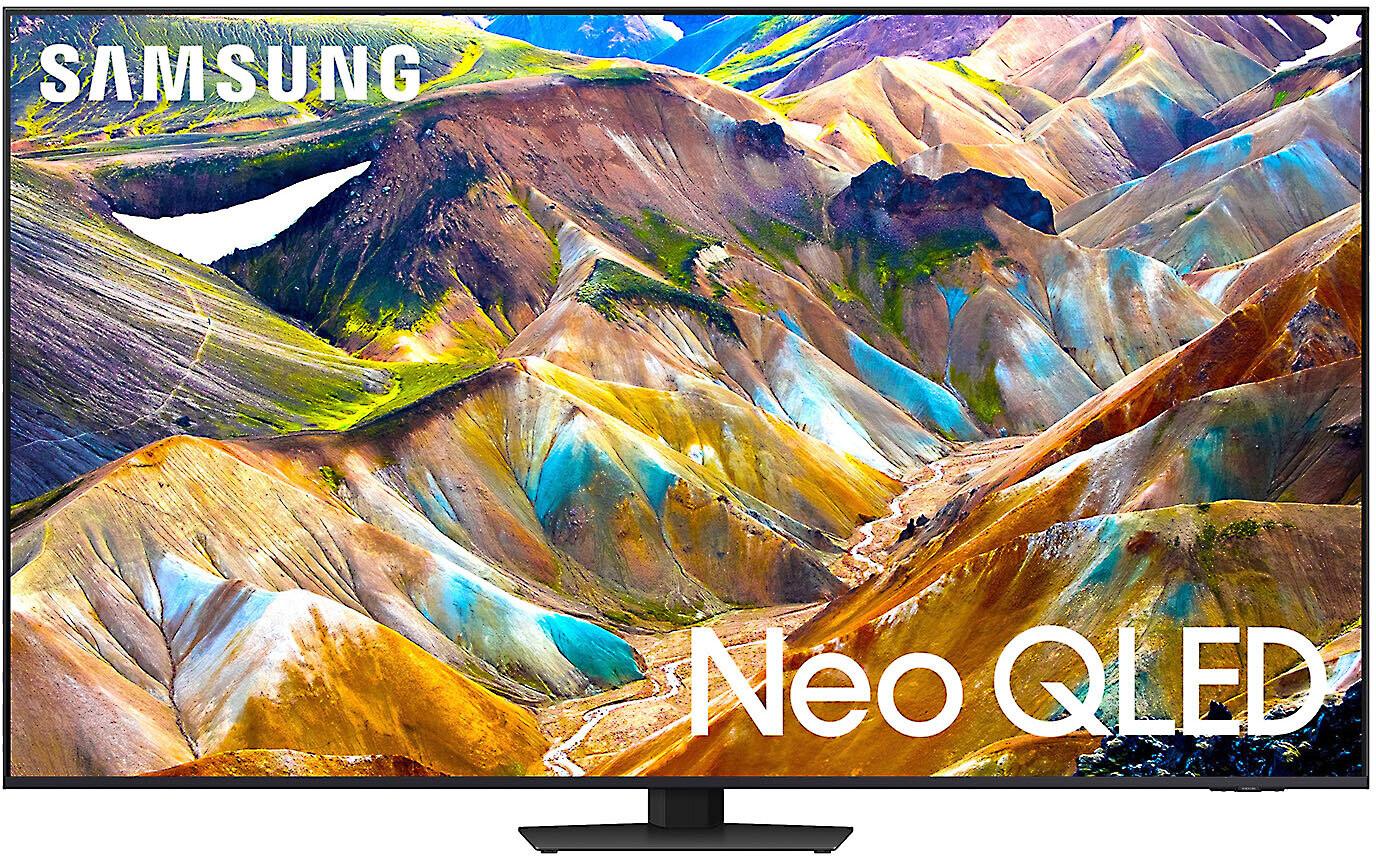
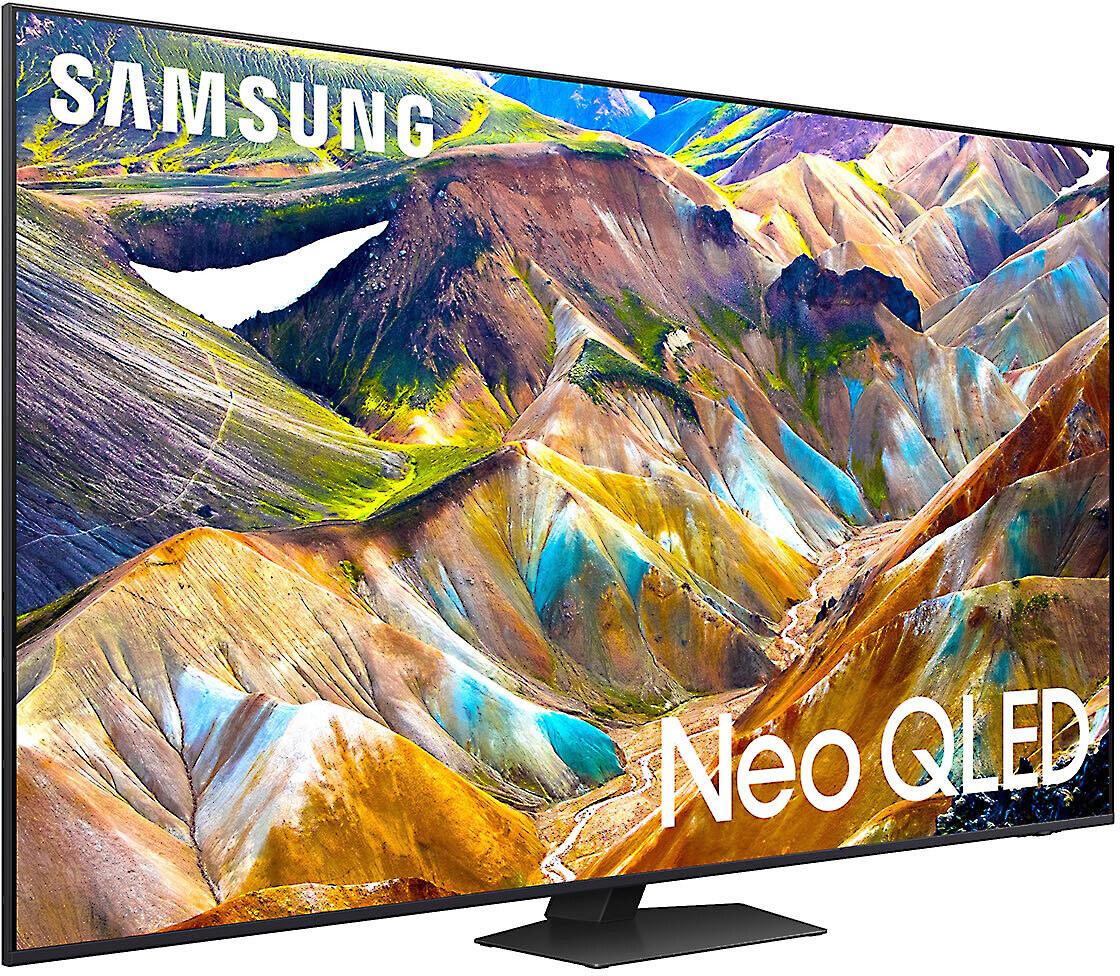
Choosing between Samsung's 65" QLED Q6F (2025) and 65" OLED S90D (2024) represents one of the most common dilemmas facing TV buyers today. These aren't just two different models—they represent fundamentally different approaches to creating the best possible picture. While both deliver 4K resolution on a 65-inch screen, the technology under the hood couldn't be more different.
Understanding these differences matters because they directly impact what you see on screen, how much you'll pay, and whether you'll still love your TV in five years. Let's dive deep into what makes each approach unique and help you figure out which one deserves a spot in your living room.
At its core, this comparison boils down to QLED versus OLED—two technologies that achieve brilliant colors and sharp images through completely different methods. Think of it like comparing a sports car to a luxury sedan: both get you where you're going, but the experience is notably different.
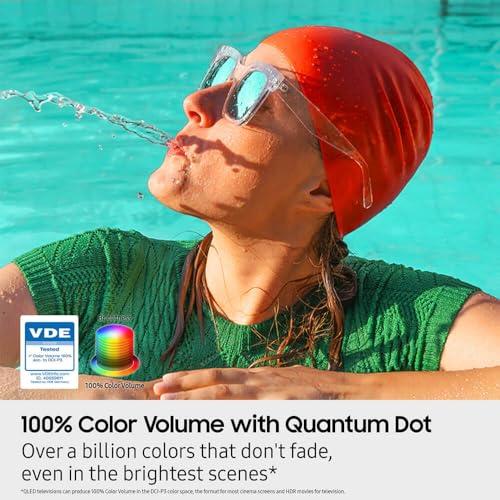
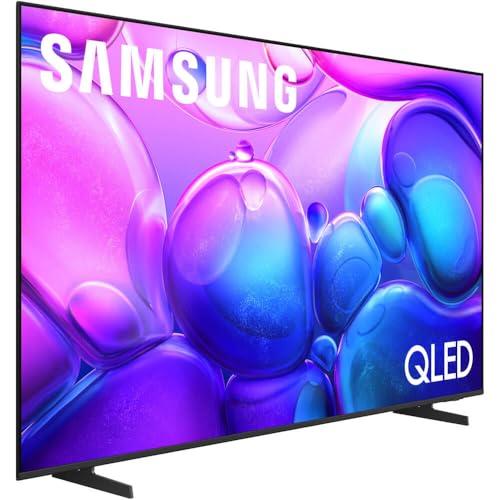
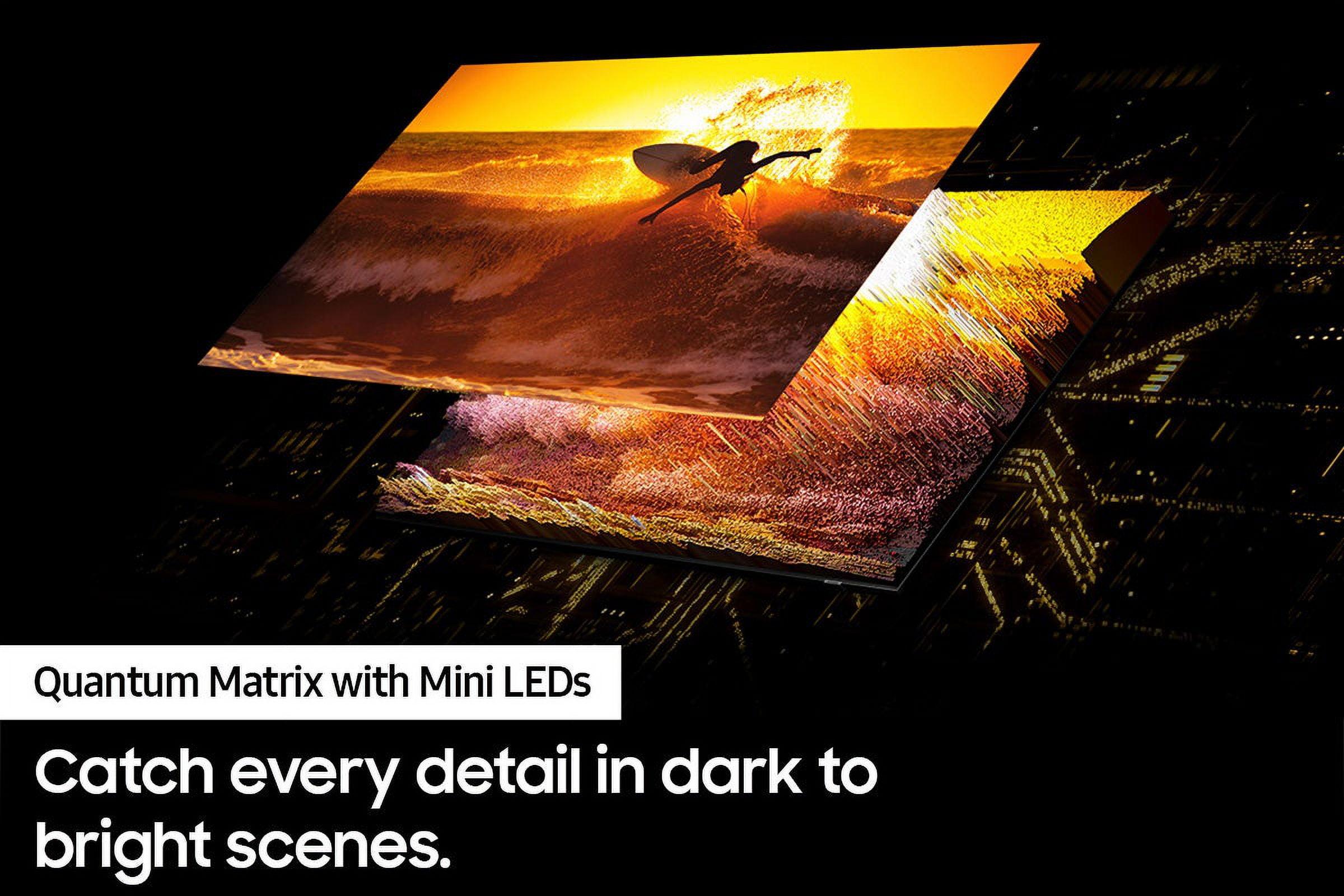
The Samsung Q6F uses QLED technology, which stands for Quantum Dot Light Emitting Diode. Don't let the fancy name fool you—it's essentially a very smart LED TV. Behind the screen sits a backlight (usually LEDs along the edges or across the back) that shines through layers including a quantum dot film. These quantum dots are microscopic particles that convert blue LED light into precisely the right colors, achieving what Samsung calls "100% color volume." The key thing to remember: the backlight is always on, and the TV controls brightness by blocking or allowing light through.
The Samsung S90D, on the other hand, uses OLED technology—Organic Light Emitting Diode. Here's where it gets interesting: each individual pixel generates its own light. When the TV wants to show black, those pixels simply turn off completely. No backlight, no light bleeding through—just perfect darkness. The S90D specifically uses QD-OLED, which combines traditional OLED's pixel-level control with quantum dot color enhancement.
This fundamental difference shapes everything else about these TVs, from how they look in your room to what they cost at the store.
When evaluating TV picture quality, contrast ratio matters more than almost any other specification. It's the difference between the brightest whites and the darkest blacks your TV can display, and it's where the S90D absolutely dominates.
Because OLED pixels turn completely off for black content, the S90D achieves what's technically called an infinite contrast ratio. In practical terms, this means when you're watching a movie like "Interstellar" with those dramatic space scenes, the blackness of space looks genuinely black—not the grayish-black you see on most TVs. Stars pop against this perfect darkness with remarkable three-dimensional depth.
The Q6F, being an entry-level QLED, uses edge-lit dimming. This means LEDs along the screen's edges provide all the backlighting, and the TV can't independently control brightness in different screen areas. When a scene calls for both bright and dark areas, you'll notice the dark parts look more gray than black, and sometimes bright objects create a halo effect around them—something called "blooming."
This contrast difference becomes most noticeable in dark rooms. If you love watching movies with the lights off, the S90D will provide a dramatically more cinematic experience. For daytime viewing with lots of ambient light, the difference becomes less pronounced, though it's still noticeable.
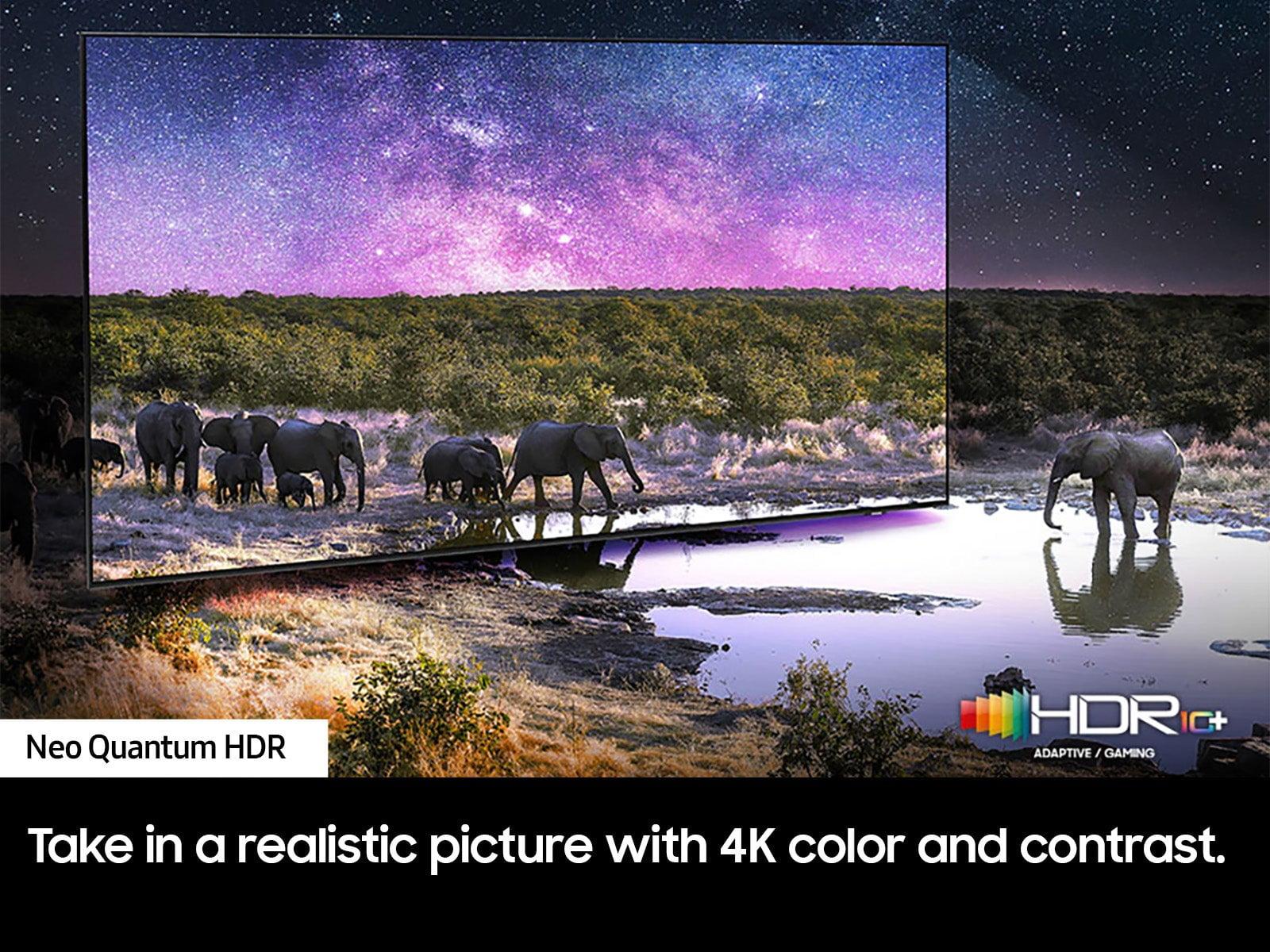
Both TVs excel at color reproduction, but they take different approaches. The Q6F's Quantum Dot technology delivers impressively vibrant colors, particularly in bright scenes. Samsung's marketing claims of "100% color volume" aren't just hype—quantum dots really do help produce colors that remain saturated even at high brightness levels.
The S90D combines OLED's natural color accuracy with quantum dot enhancement, creating what many consider the best of both worlds. Colors appear more natural and lifelike, without the sometimes over-saturated look that can plague lesser QLED TVs. Skin tones look particularly realistic, and subtle color gradations in things like sunsets or painted walls appear smooth rather than banded.
For HDR content (High Dynamic Range—basically content mastered with brighter highlights and deeper shadows), both TVs support HDR10+, which dynamically adjusts brightness and color scene-by-scene. Neither supports Dolby Vision, which some competing brands offer, but HDR10+ covers most streaming content adequately.
Here's where the physics of each technology create a clear winner. OLED panels maintain consistent color and brightness no matter where you sit, making the S90D ideal for families or anyone who entertains guests regularly.
The Q6F, like most LCD-based TVs, suffers from viewing angle limitations. Sit directly in front, and the picture looks great. Move 30 degrees to either side, and you'll notice colors shift, contrast drops, and the image becomes less engaging. This isn't necessarily a dealbreaker if you have a dedicated viewing spot, but it's worth considering your room layout.
Gaming capabilities create perhaps the starkest difference between these TVs. If you own a PlayStation 5, Xbox Series X, or plan to upgrade your gaming setup, the S90D offers features the Q6F simply cannot match.
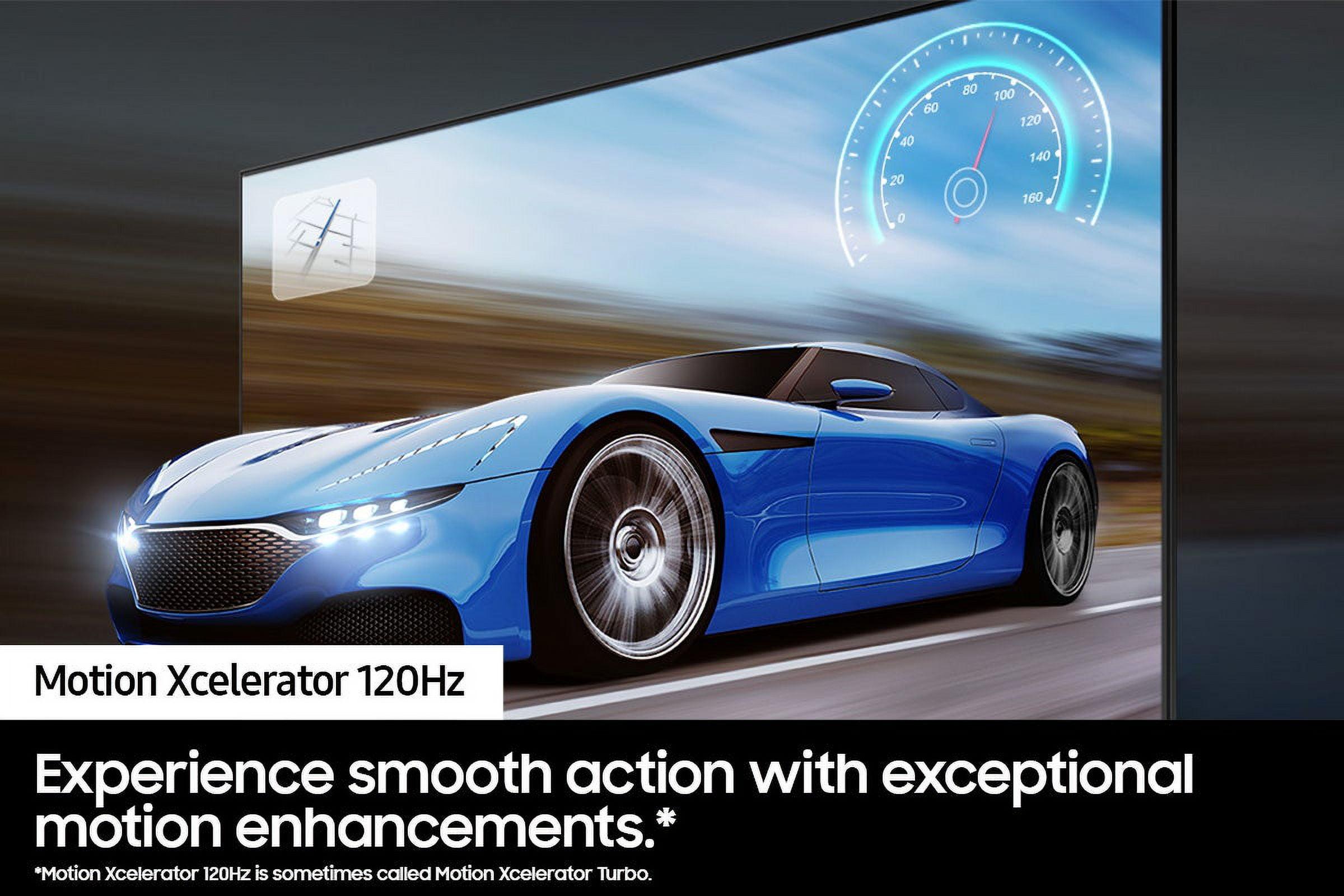
The S90D includes four HDMI 2.1 ports supporting 4K resolution at 120 frames per second, Variable Refresh Rate (VRR) to eliminate screen tearing, and Auto Low Latency Mode (ALLM) for minimal input lag. Its Motion Xcelerator 144Hz technology provides incredibly smooth motion with virtually no blur behind fast-moving objects. For competitive gaming or enjoying the latest titles at their highest settings, these features make a dramatic difference.
The Q6F tops out at 60Hz refresh rate with basic gaming features. While it includes Auto Game Mode and decent input lag performance for its class, it can't take advantage of next-generation console features. If gaming is a priority, particularly serious gaming, this limitation significantly impacts the TV's long-term value.
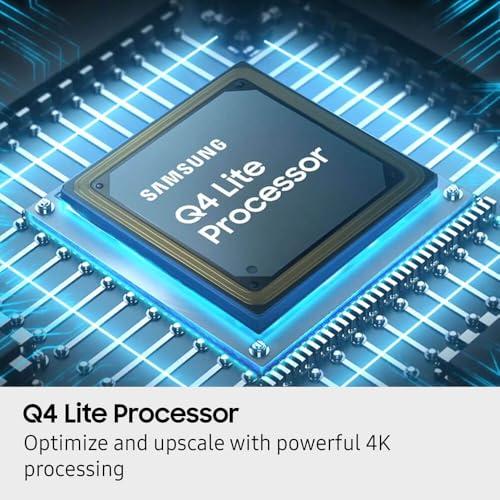
Both TVs run Samsung's Tizen operating system, but there are meaningful differences in processing power and capabilities. The S90D uses Samsung's NQ4 AI Gen2 processor with 20 specialized neural networks that enhance both picture and sound quality in real-time. This processor analyzes content and applies optimizations like AI upscaling (making lower-resolution content look better at 4K) and scene-by-scene HDR enhancement.
The Q6F, being a 2025 model, benefits from Samsung's latest software features and likely includes updated security protocols through Samsung Knox. However, it uses a lower-tier processor befitting its entry-level positioning. The difference becomes noticeable when watching older content or lower-quality streaming—the S90D does a better job making everything look crisp and detailed.
Both TVs support voice assistants (Bixby, Alexa, Google Assistant), Samsung's free TV Plus streaming service, and comprehensive app ecosystems. Smart TV performance feels equally responsive on both models for typical streaming and browsing tasks.
TV audio often gets overlooked, but there are notable differences here. The S90D includes Dolby Atmos support and Object Tracking Sound, which creates the illusion that audio moves across the screen to match on-screen action. While no TV's built-in speakers replace a dedicated sound system, the S90D's audio capabilities are more sophisticated.
The Q6F offers Object Tracking Sound Lite and decent stereo performance for its price range, but lacks the immersive audio features of its premium counterpart.
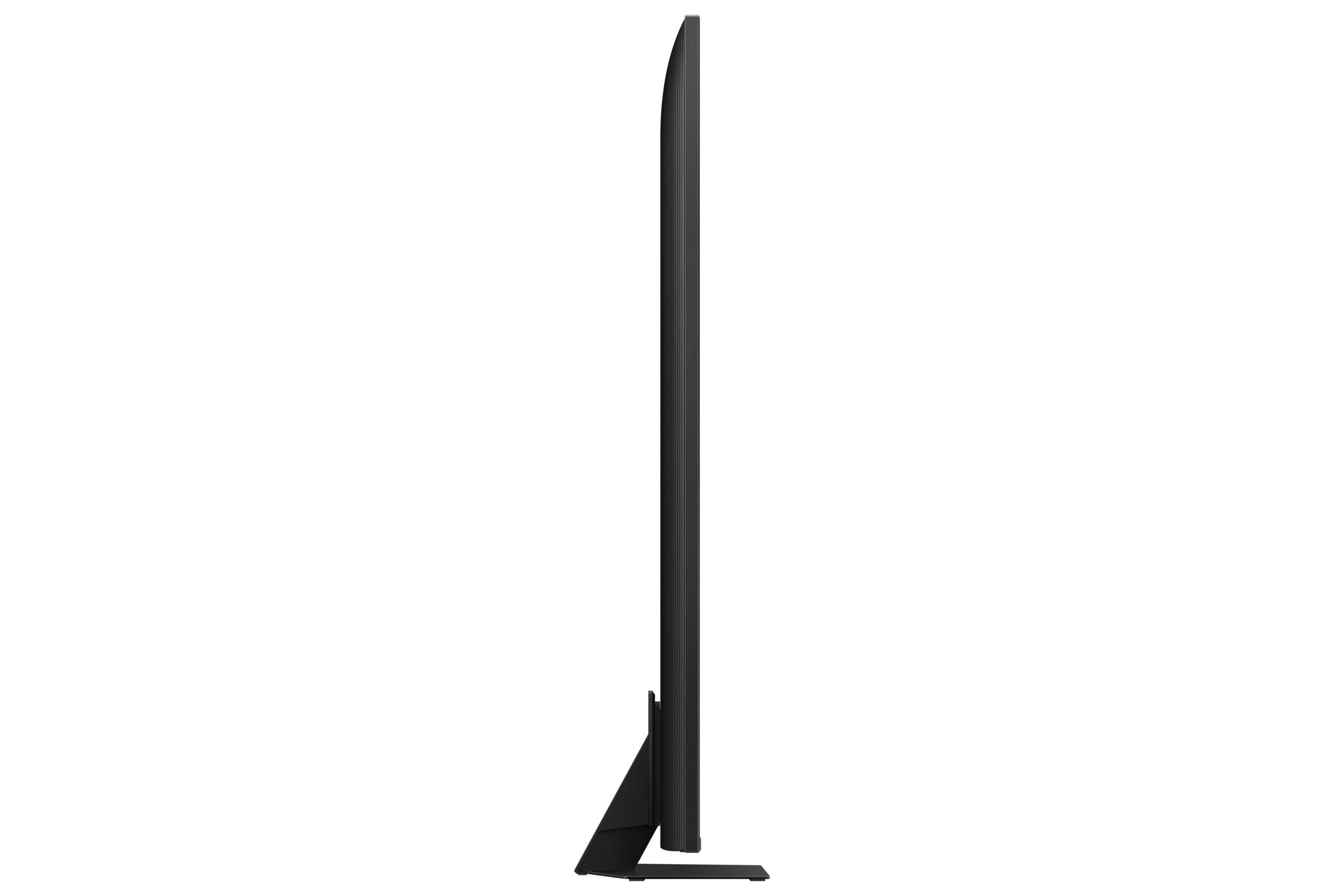
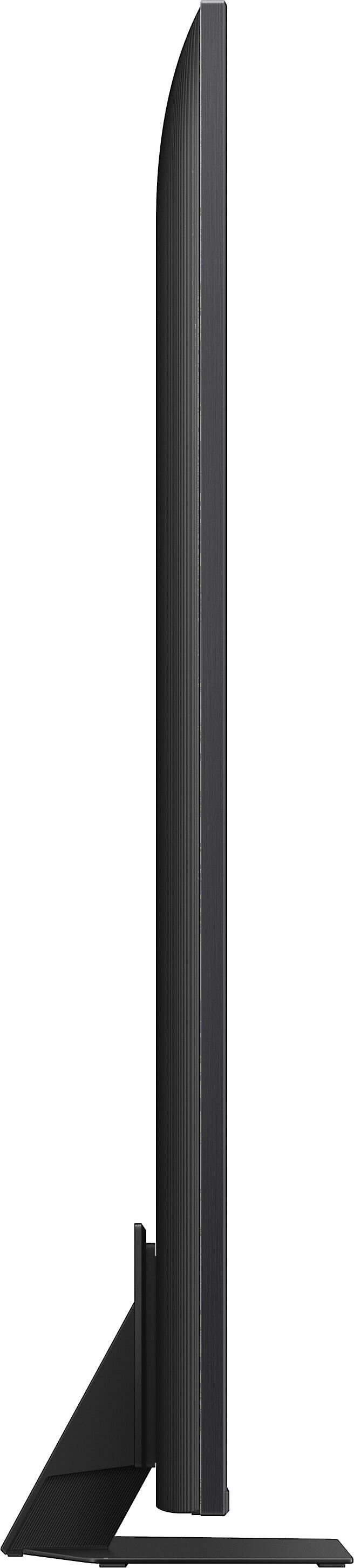
The design differences reflect each TV's market positioning. The S90D features premium materials, an ultra-thin profile made possible by OLED technology, and an anti-reflective screen coating that reduces glare in moderately lit rooms.
The Q6F uses more basic construction with a thicker chassis necessitated by its edge-lit backlight system. While not unattractive, it clearly comes from Samsung's entry-level design language rather than their premium lineup.
OLED's one significant drawback is potential burn-in—permanent image retention that can occur with static content displayed for extended periods. Modern OLEDs like the S90D include extensive burn-in mitigation features, and with normal varied viewing habits, burn-in rarely becomes an issue. However, if you plan to use the TV as a computer monitor or frequently watch news channels with persistent logos, this deserves consideration.
The Q6F faces no burn-in risk but may feel dated sooner as streaming quality and gaming standards continue evolving. Its 60Hz limitation and basic processing power represent compromises that become more apparent over time.
At the time of writing, the pricing creates an interesting value dynamic. Entry-level 65-inch QLEDs like the Q6F typically retail in the $600-$900 range, making them accessible to budget-conscious buyers seeking a significant upgrade from basic LED TVs.
Premium OLEDs like the S90D traditionally commanded $2000+ price tags, but Samsung's competitive positioning has brought QD-OLED technology down to much more reasonable levels. While still significantly more expensive than entry-level options, the performance difference is dramatic enough to justify the premium for many buyers.
For dedicated home theater use, the S90D is the clear choice. Its perfect black levels, wide viewing angles, and superior contrast create the cinematic experience most movie enthusiasts seek. The ability to display HDR content with both bright highlights and deep shadows simultaneously—something the Q6F struggles with—makes action movies, nature documentaries, and visually spectacular content significantly more engaging.
If your viewing room has substantial ambient light or you primarily watch television rather than movies, the Q6F becomes more competitive, especially considering the significant price difference.
The Samsung S90D makes sense for buyers who prioritize picture quality above all else, enjoy movies and gaming in controlled lighting environments, and want a TV that will still feel premium years from now. Its gaming capabilities alone justify the premium for serious gamers, while its picture quality advantages benefit anyone who appreciates visual excellence.
The Samsung Q6F serves buyers with strict budget constraints, those who watch TV primarily in bright rooms, and viewers who want a solid 4K smart TV without premium features. It's also the safer choice for users concerned about burn-in or who need a TV for varied usage including computer display duties.
Technology rarely offers clear-cut winners, but this comparison comes close. Unless budget constraints make the decision for you, the Samsung S90D delivers substantially superior performance across almost every meaningful metric. The picture quality difference alone—particularly for dark room viewing—represents a generational leap that transforms the viewing experience.
The Q6F serves its purpose as an affordable entry into Samsung's ecosystem, but it feels like a compromise rather than an optimization. For most buyers, saving a bit longer for the S90D will provide years of additional enjoyment and future-proofing that justify the higher upfront cost.
In a market where TVs often last 7-10 years, investing in the better technology upfront typically proves wise. The S90D represents that investment, while the Q6F serves immediate budget needs with acceptable performance.
| Samsung 65" QLED Q6F 4K Smart TV 2025 | Samsung 65" OLED S90D TV |
|---|---|
| Display Technology - Core difference that affects all picture quality aspects | |
| QLED with edge-lit LED backlight and Quantum Dot enhancement | QD-OLED with self-emissive pixels and Quantum Dot color |
| Black Levels - Most noticeable difference for movie watching | |
| Grayish blacks due to always-on backlight | Perfect blacks with pixels that turn completely off |
| Contrast Ratio - Critical for HDR and dark scene detail | |
| Limited by edge-lit dimming (typical 3,000:1) | Infinite contrast ratio with OLED technology |
| Peak Brightness - Important for HDR content and bright rooms | |
| Higher peak brightness typical of QLED (estimated 400-600 nits) | Good OLED brightness with anti-glare coating (estimated 800+ nits) |
| Refresh Rate - Essential for gaming and sports | |
| 60Hz with Motion Xcelerator | 120Hz native with Motion Xcelerator 144Hz |
| Gaming Features - Critical for PS5/Xbox Series X owners | |
| Basic Auto Game Mode, limited HDMI 2.1 support | Four HDMI 2.1 ports, VRR, 4K@120Hz, ultra-low input lag |
| Viewing Angles - Important for family rooms and entertaining | |
| Limited viewing angles with color shift off-center | Excellent viewing angles with consistent picture quality |
| Color Performance - Affects how vibrant and accurate content appears | |
| Good Quantum Dot color volume for entry-level | Premium QD-OLED with wider color gamut and natural tones |
| Processor - Impacts upscaling and smart TV performance | |
| Q4 Lite Processor (2025 generation) | NQ4 AI Gen2 Processor with 20 AI neural networks |
| Audio Quality - Affects built-in sound experience | |
| Object Tracking Sound Lite, basic 2CH setup | Dolby Atmos support with Object Tracking Sound |
| Burn-in Risk - Long-term reliability consideration | |
| No burn-in risk with LED technology | Potential OLED burn-in with static content (rare with normal use) |
| Smart TV Features - Both run latest Tizen OS | |
| 2025 Tizen with Samsung Knox Security | 2024 Tizen with comprehensive app ecosystem |
| Design and Build Quality - Affects aesthetics and room integration | |
| Basic QLED construction, standard thickness | Premium OLED design with ultra-thin profile |
| Target Use Case - Who each TV serves best | |
| Budget-conscious buyers, bright rooms, basic 4K viewing | Premium picture quality seekers, gamers, home theater enthusiasts |
The Samsung 65" QLED Q6F uses QLED technology with an LED backlight and quantum dot enhancement, while the Samsung 65" OLED S90D uses OLED technology where individual pixels emit their own light. This fundamental difference means the S90D can achieve perfect blacks by turning pixels completely off, while the Q6F relies on dimming zones and will show grayish blacks in dark scenes.
The Samsung OLED S90D is significantly better for dark room movie watching. Its OLED technology delivers perfect blacks and infinite contrast ratio, making dark scenes look truly cinematic. The Samsung QLED Q6F will show gray blacks due to its always-on backlight, which reduces the immersive movie experience in dark environments.
The Samsung S90D is excellent for next-gen gaming with four HDMI 2.1 ports, 120Hz refresh rate, VRR support, and ultra-low input lag. The Samsung Q6F is limited to 60Hz with basic gaming features, making it unsuitable for taking full advantage of PS5 or Xbox Series X capabilities.
The Samsung OLED S90D has substantially better picture quality with superior contrast, perfect blacks, wider viewing angles, and more natural colors. While the Samsung QLED Q6F offers decent picture quality for its price range, it cannot match the S90D's premium display performance.
The Samsung QLED Q6F typically performs better in very bright rooms due to higher peak brightness levels common in QLED technology. The Samsung OLED S90D includes anti-glare coating and performs well in moderately bright rooms, but may struggle in extremely bright environments compared to the Q6F.
The Samsung QLED Q6F is significantly more affordable as an entry-level model, typically costing several hundred dollars less than premium OLED TVs. However, the Samsung S90D offers exceptional value for OLED technology and dramatically superior performance that many consider worth the premium cost.
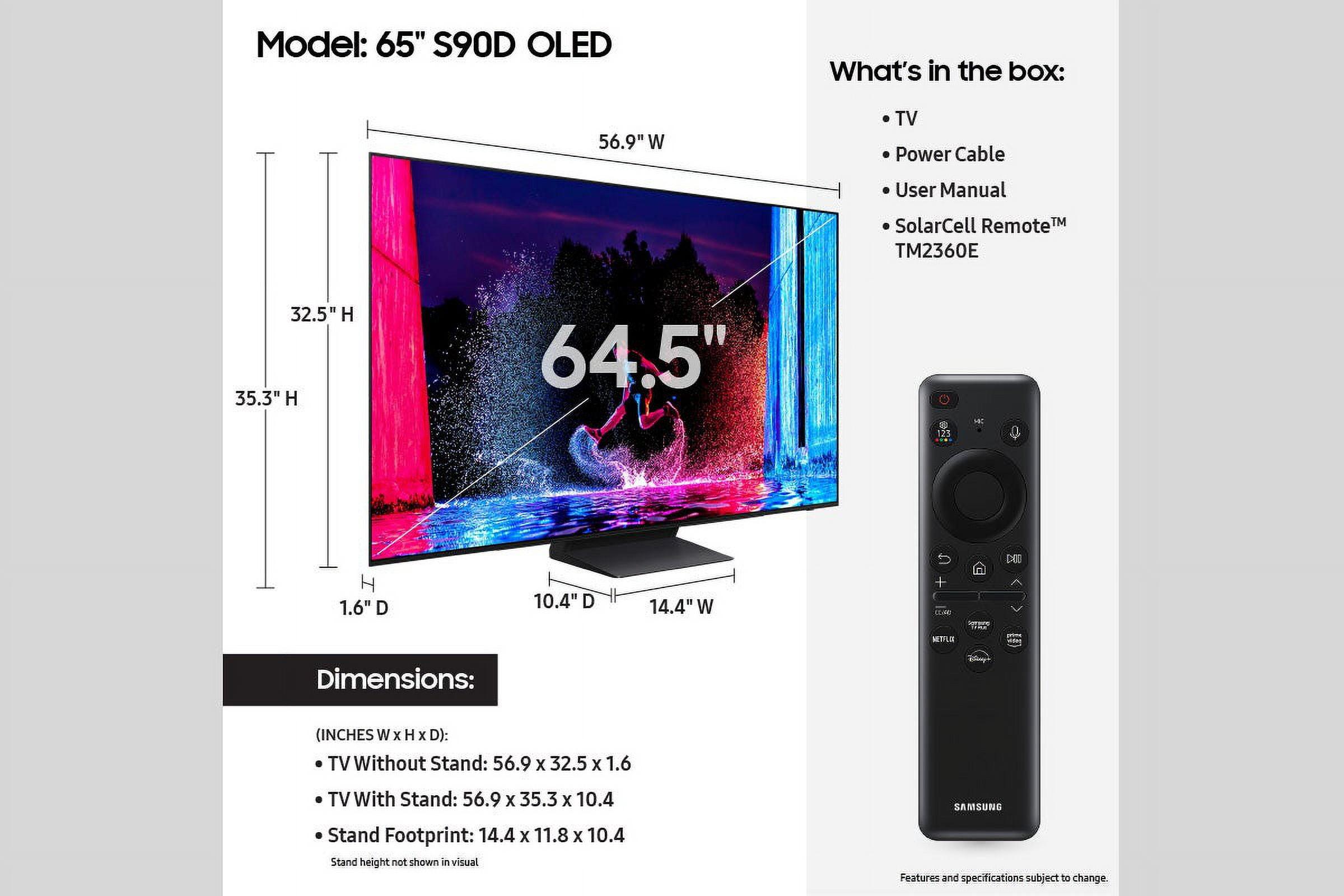
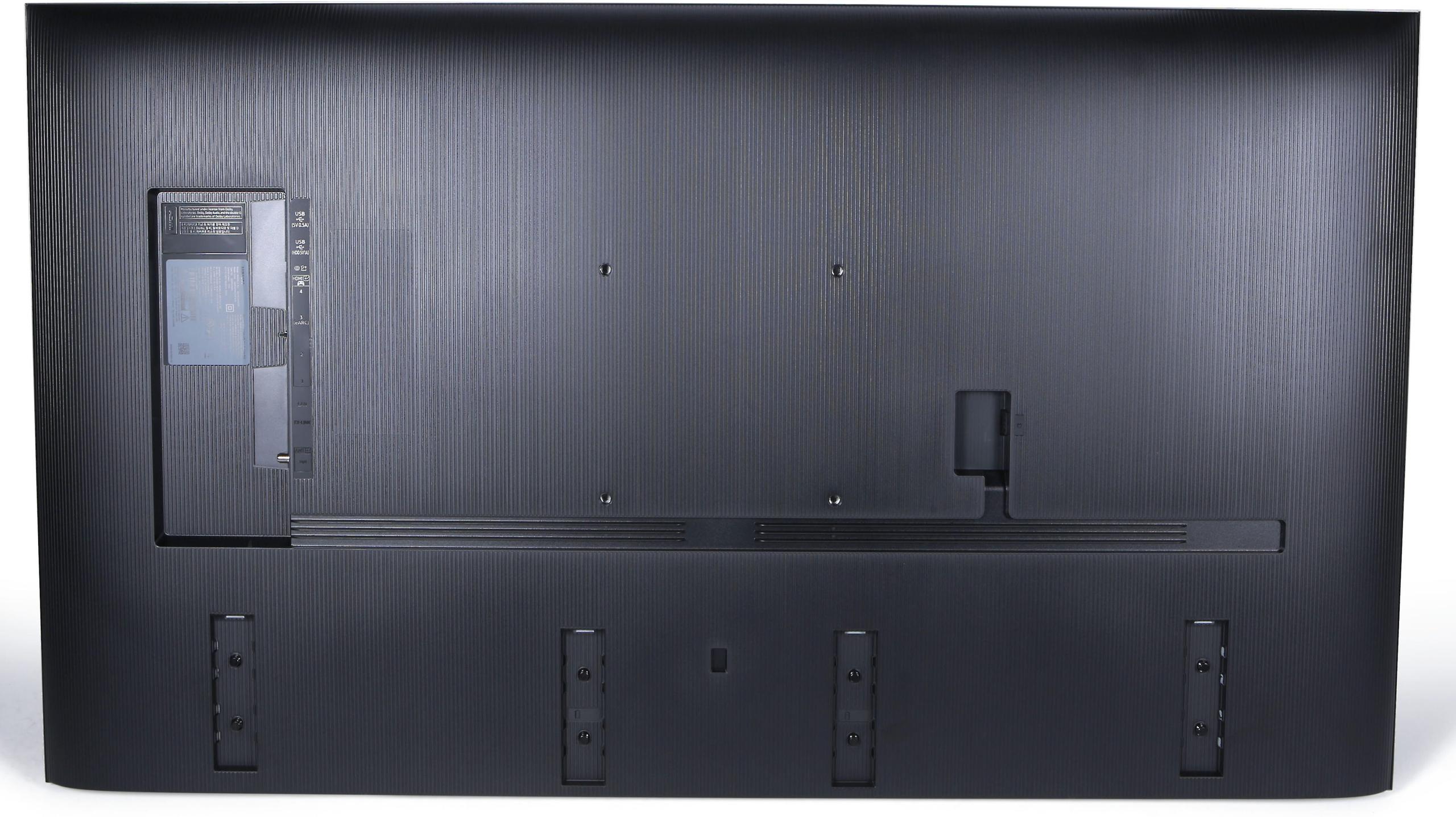
Yes, both the Samsung Q6F and Samsung S90D support standard VESA wall mounting. The S90D is thinner and lighter due to OLED technology, making it slightly easier to wall mount, while the Q6F has standard thickness typical of LED TVs.
Both TVs run Samsung's Tizen smart TV platform with comprehensive app support. The Samsung Q6F benefits from 2025 software updates and Samsung Knox security, while the Samsung S90D has more powerful processing for better performance. Smart features are comparable between both models.
Both the Samsung QLED Q6F and Samsung OLED S90D support HDR10 and HDR10+ but neither supports Dolby Vision. The S90D delivers superior HDR performance due to better contrast and brightness control, making HDR content more impactful than on the Q6F.
The Samsung QLED Q6F has no burn-in risk and may last longer in terms of avoiding panel degradation. The Samsung OLED S90D includes modern burn-in protection but OLED panels can potentially develop burn-in with static content over time, though this is rare with normal viewing habits.
Yes, viewing angles differ significantly. The Samsung OLED S90D maintains consistent picture quality from any viewing position, making it ideal for family rooms or entertaining. The Samsung QLED Q6F has limited viewing angles with noticeable color shift and reduced contrast when viewed from the sides.
For dedicated home theater use, the Samsung OLED S90D is the clear choice due to its perfect blacks, superior contrast, and cinematic picture quality in dark rooms. The Samsung Q6F works for casual viewing but cannot deliver the premium home theater experience that the S90D provides.
We've done our best to create useful and informative comparisons to help you decide what product to buy. Our research uses advanced automated methods to create this comparison and perfection is not possible - please contact us for corrections or questions. These are the sites we've researched in the creation of this article: tomsguide.com - bestbuy.com - samsung.com - rtings.com - youtube.com - rtings.com - bestbuy.com - samsung.com - samsung.com - samsung.com - manuals.plus - shopjetson.com - samsung.com - samsung.com - samsung.com - samsung.com - bestbuy.com - jefflynch.com - bestbuy.com - valueelectronics.com - youtube.com - cnet.com - bestbuy.com - videoandaudiocenter.com - youtube.com - samsung.com - samsung.com - pcrichard.com - samsung.com

Privacy Policy
Terms and Conditions - Affiliate Policy
Home Security
© Copyright 2008-2026.
11816 Inwood Rd #1211, Dallas, TX 75244