

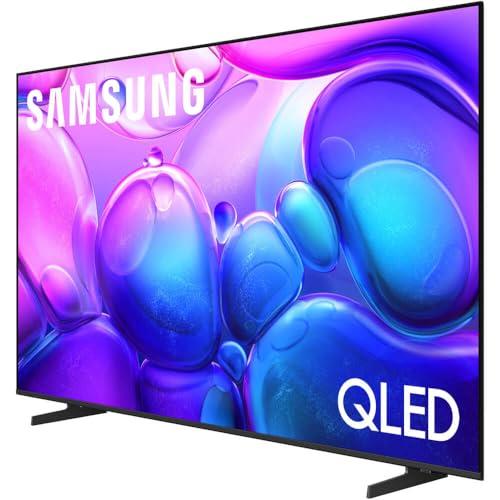
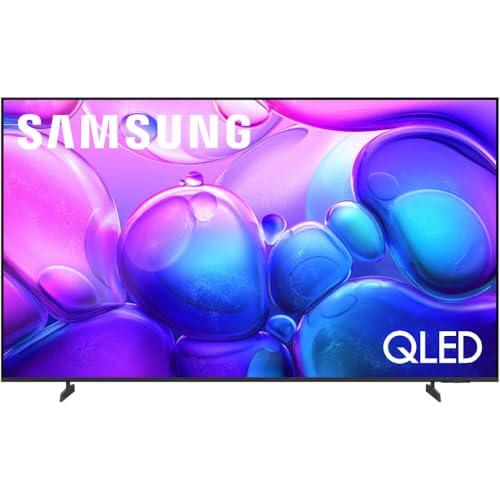
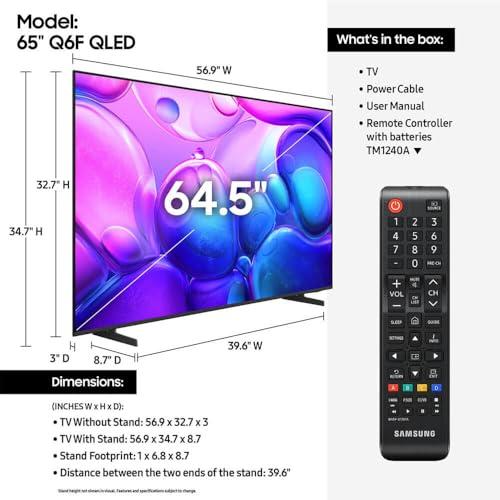
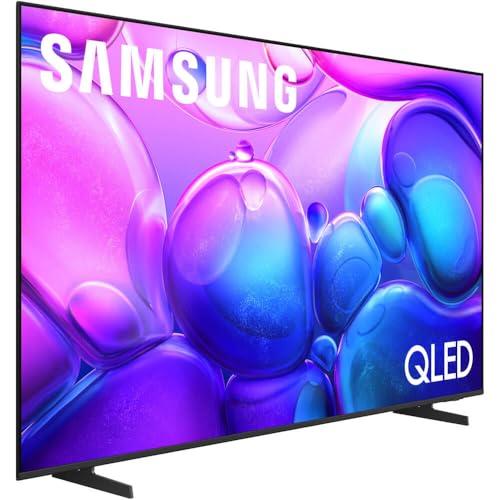
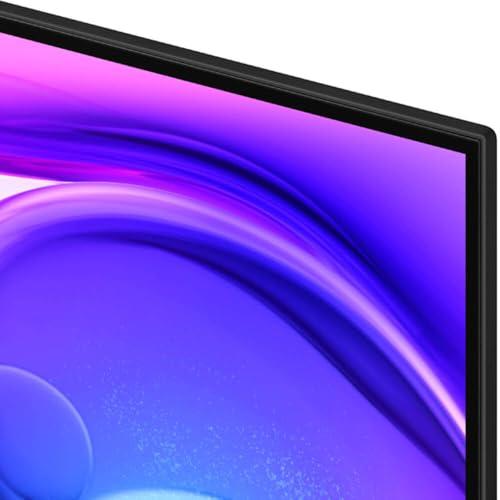
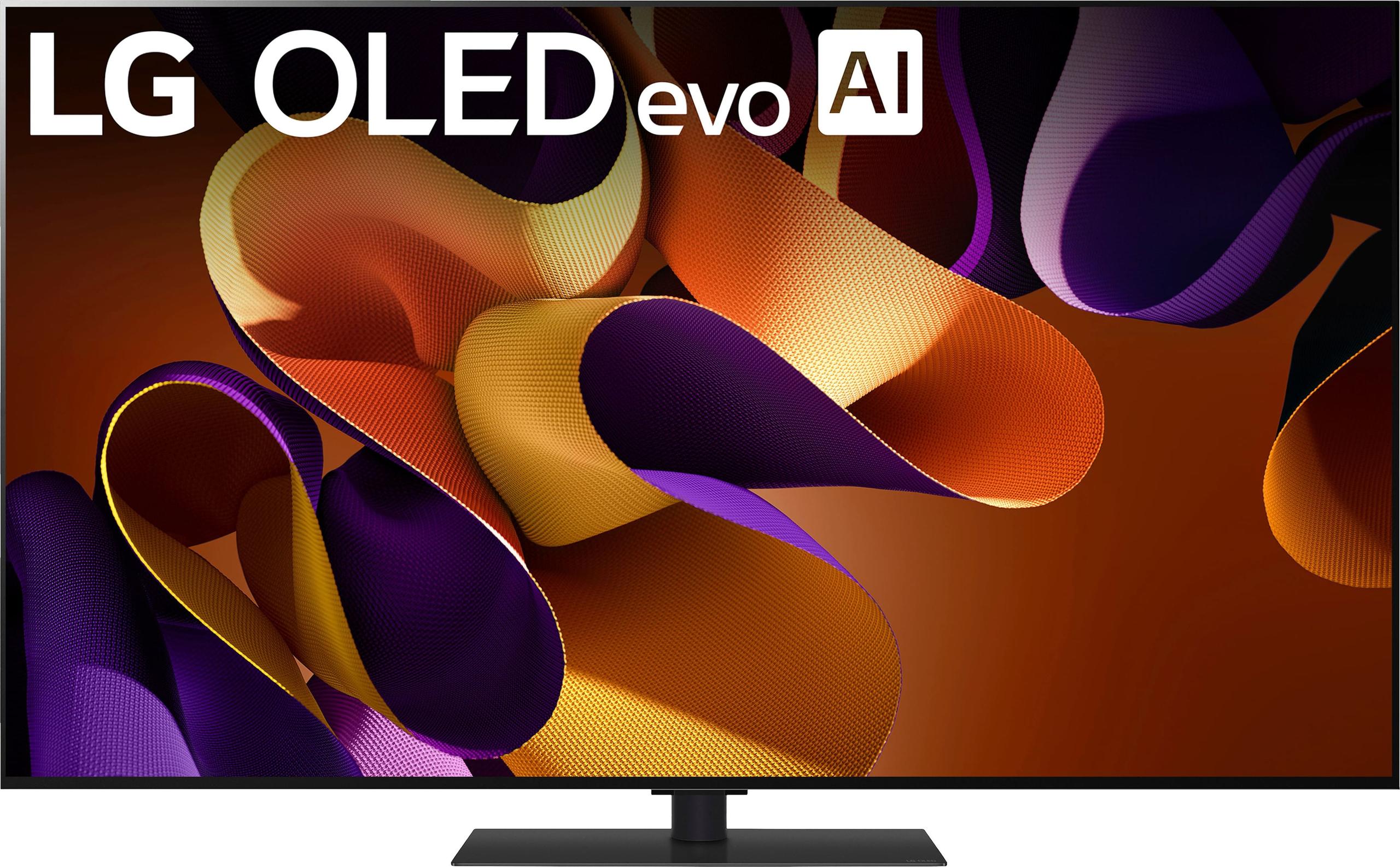
Shopping for a premium 65-inch TV in 2024-2025 means choosing between two fundamentally different technologies. The Samsung 65" QLED Q6F 4K Smart TV 2025 represents the budget-friendly entry into quantum dot technology, while the LG 65" G4 Series OLED evo 4K UHD Smart TV 2024 showcases the pinnacle of self-illuminating display technology. Both deliver 4K resolution and smart features, but their approaches to creating that picture couldn't be more different.
Understanding this difference matters because it affects everything from how movies look in your living room to whether you'll be happy with your purchase five years from now. Let's break down what separates these technologies and help you decide which fits your home and viewing habits.
The core difference between these TVs lies in how they create light and color. The Samsung Q6F uses QLED technology, which is essentially an LED-backlit LCD panel enhanced with quantum dots—microscopic particles that convert blue LED light into pure red and green wavelengths. This quantum dot layer sits between the backlight and the LCD panel, boosting color saturation and brightness beyond what traditional LED TVs can achieve.
The LG G4, on the other hand, uses OLED (Organic Light Emitting Diode) technology where each individual pixel produces its own light through organic compounds that glow when electricity passes through them. Think of it like having 8.3 million tiny light bulbs that can turn on, dim, or switch off completely independent of each other.
This fundamental difference creates a ripple effect across every aspect of performance. OLED pixels can achieve perfect black levels because they literally turn off, while QLED displays always have some level of backlight bleeding through even in dark scenes. However, QLED displays typically achieve higher peak brightness levels, especially in bright room conditions.
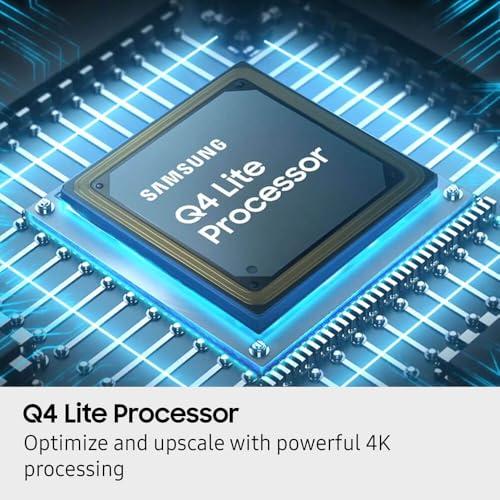
The Samsung Q6F, released in 2025, sits at the entry level of Samsung's QLED lineup. It's positioned for buyers who want quantum dot color enhancement without the premium pricing of higher-end models like the Q8F or Q9F series. Samsung equips it with their Q4 Lite processor and targets viewers who prioritize value while still getting access to smart features and decent HDR performance.
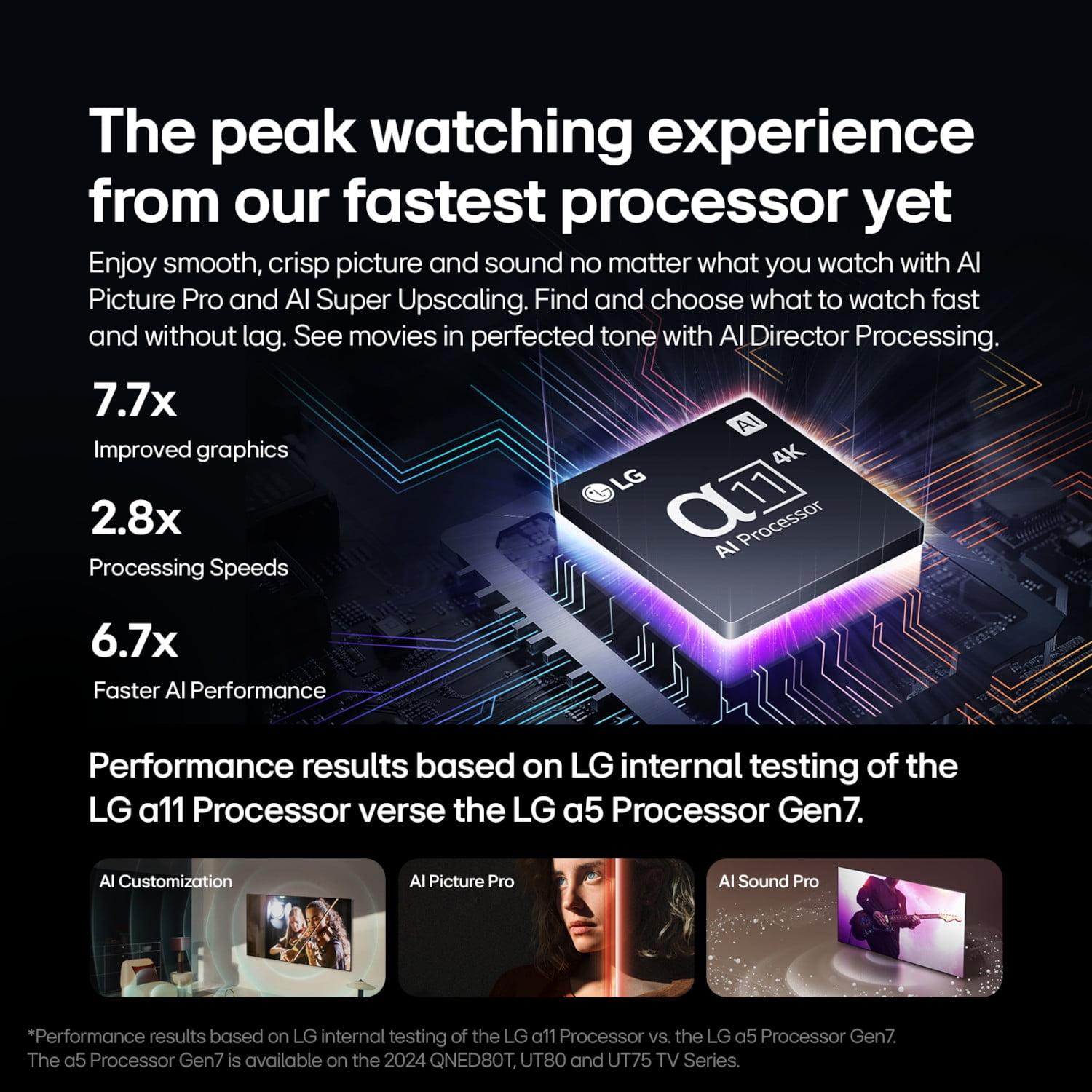
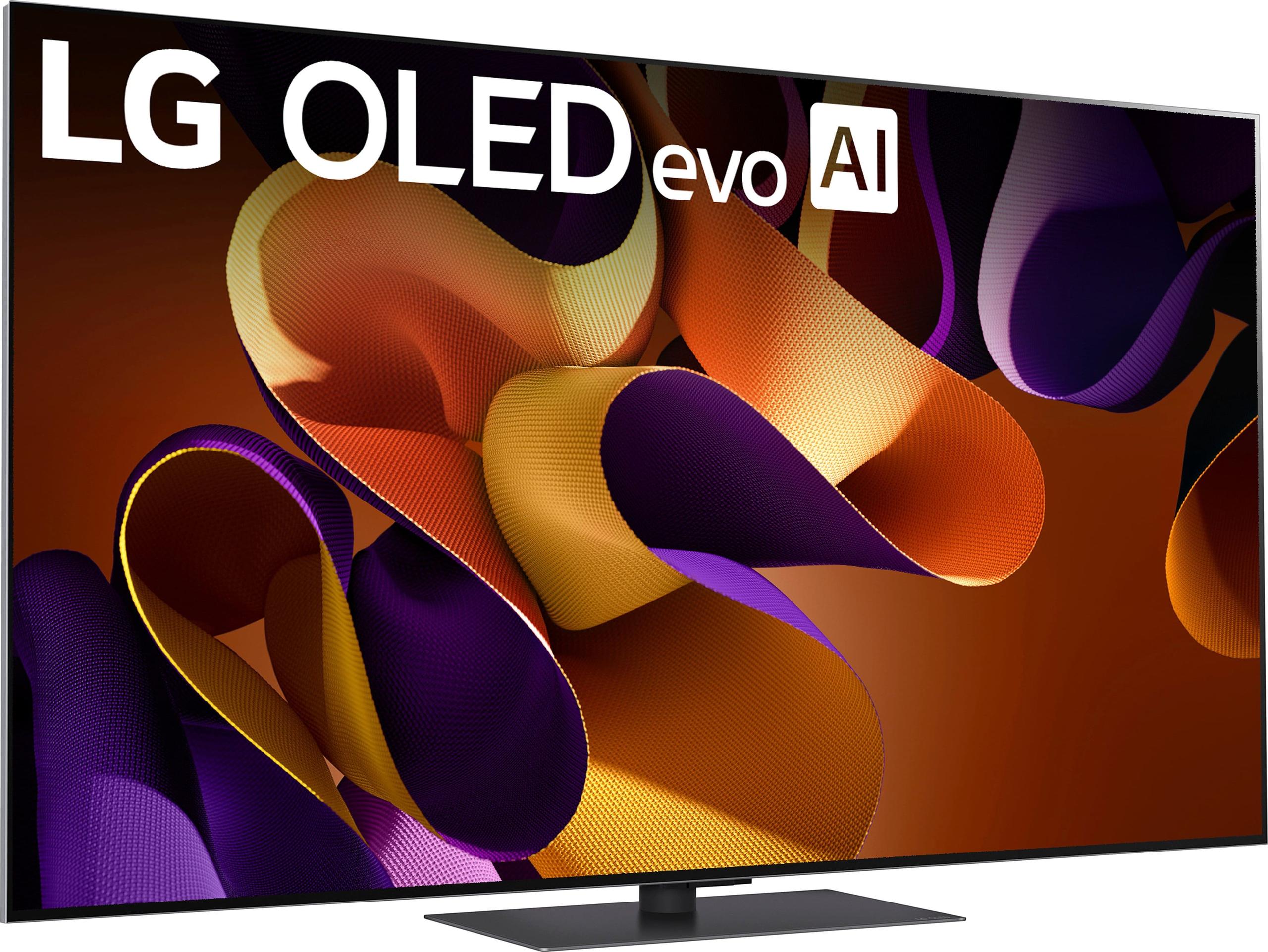
The LG G4, launched in 2024, represents LG's flagship gallery-series OLED. At the time of writing, it commands a premium price reflecting its advanced Micro Lens Array (MLA) technology, powerful α11 AI processor, and comprehensive gaming features. LG positions this as a home theater centerpiece that doubles as living room art when not displaying content.
The pricing gap between these models is significant, with the LG G4 typically costing substantially more than the Samsung Q6F. However, this price difference reflects genuine technology and feature disparities rather than just brand positioning.
Brightness capability determines how well a TV handles HDR (High Dynamic Range) content and performs in bright rooms. The Samsung Q6F achieves respectable peak brightness levels typical of entry-level QLED displays, making it suitable for most living room environments. Its Quantum HDR with HDR10+ support provides enhanced contrast and color in compatible content, though it lacks Dolby Vision—a significant omission given how many streaming services use this premium HDR format.
The LG G4 represents a breakthrough in OLED brightness technology. Its Micro Lens Array technology uses tiny lenses to direct more light forward from each pixel, achieving peak brightness around 1,500 nits—roughly 150% brighter than previous OLED generations. This addresses one of OLED's traditional weaknesses in bright room viewing while maintaining the technology's contrast advantages.
For HDR content, the difference becomes apparent quickly. The LG G4 supports HDR10, Dolby Vision, and HLG, providing maximum compatibility with streaming services like Netflix, Disney+, and Apple TV+ that predominantly use Dolby Vision. The Samsung Q6F's HDR10+ support is useful but less universal.
In practical terms, if you're watching "The Batman" on HBO Max or "Stranger Things" on Netflix, the LG G4 will display the content exactly as the creators intended, while the Samsung Q6F will tone-map Dolby Vision content to HDR10, potentially losing some subtle details in highlights and shadows.
This is where OLED technology shows its fundamental advantage. The LG G4 achieves infinite contrast because its pixels can turn completely off, creating true black levels that make dark movie scenes look genuinely cinematic. When watching something like "Dune" or "Blade Runner 2049," the difference is immediately apparent—space scenes have inky black backgrounds that make stars and spacecraft pop with realistic depth.
The Samsung Q6F, using edge-lit or direct-lit LED backlighting without local dimming zones, cannot achieve these black levels. Dark scenes appear more grayish, and you might notice light bleeding around bright objects against dark backgrounds—a phenomenon called blooming. While Samsung's Quantum Dot technology helps with color saturation, it cannot overcome this fundamental limitation of LCD technology.
For home theater enthusiasts, this contrast difference matters enormously. Movies are mastered assuming perfect blacks, so the LG G4 displays them as directors intended while the Samsung Q6F compresses the full contrast range.
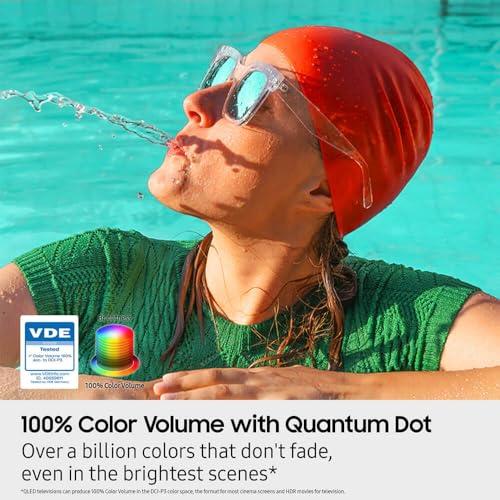
Both TVs approach color differently. The Samsung Q6F uses quantum dots to achieve 100% Color Volume, creating particularly vibrant reds, greens, and blues that can look stunning with animated content or sports broadcasts. This "pop" factor makes colors appear more saturated than real life, which many viewers prefer for casual viewing.
The LG G4 achieves approximately 73% Rec.2020 color space coverage with exceptional accuracy, especially in Filmmaker Mode. This means colors appear more natural and true-to-life, matching what cinematographers intended. For movie watching, this accuracy matters more than raw saturation.
The choice here depends on preference and content. If you primarily watch sports, news, or animated content, the Samsung Q6F's punchy colors might appeal more. For movies and prestige TV shows, the LG G4's accuracy provides a more cinematic experience.
Gaming capabilities separate these TVs significantly. The Samsung Q6F offers basic gaming features including Auto Game Mode (ALLM) and Gaming Hub integration, but its 60Hz refresh rate and limited HDMI 2.1 implementation restrict its appeal for serious gamers. It works fine for casual gaming on older consoles but cannot take full advantage of PlayStation 5 or Xbox Series X capabilities.
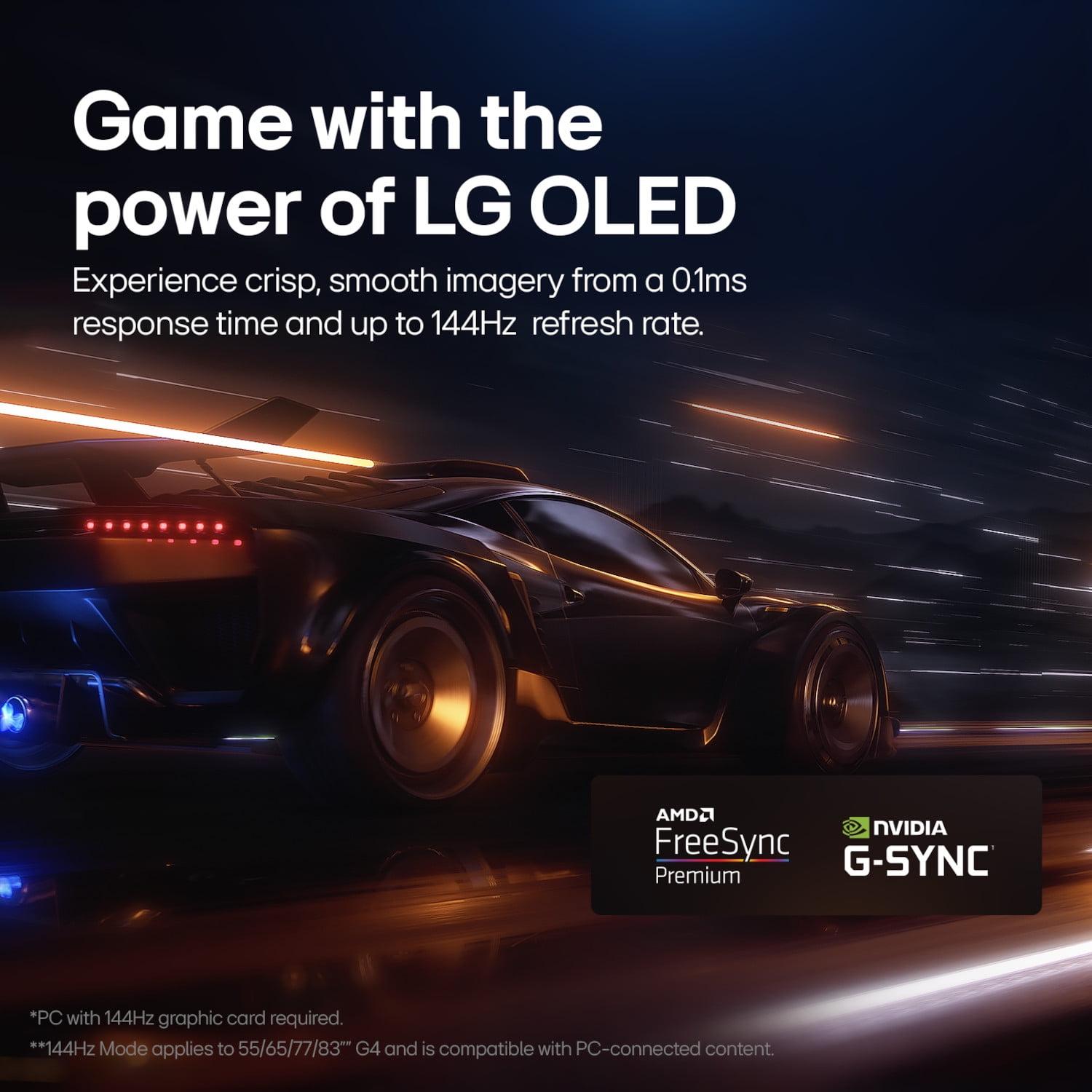
The LG G4 excels for gaming enthusiasts. Its native 120Hz refresh rate can handle up to 144Hz with Variable Refresh Rate (VRR), while its 0.1ms response time eliminates motion blur in fast-paced games. All four HDMI ports support HDMI 2.1 with full bandwidth, accommodating multiple next-gen consoles or a high-end gaming PC.
The VRR support particularly matters for modern gaming. This technology synchronizes the TV's refresh rate with your console's frame rate, eliminating screen tearing and stuttering. Both NVIDIA G-Sync and AMD FreeSync Premium compatibility means the LG G4 works optimally with any gaming hardware.
For competitive gaming, input lag—the delay between controller input and screen response—becomes crucial. The LG G4 achieves some of the lowest input lag measurements available, while the Samsung Q6F offers acceptable but not exceptional performance.
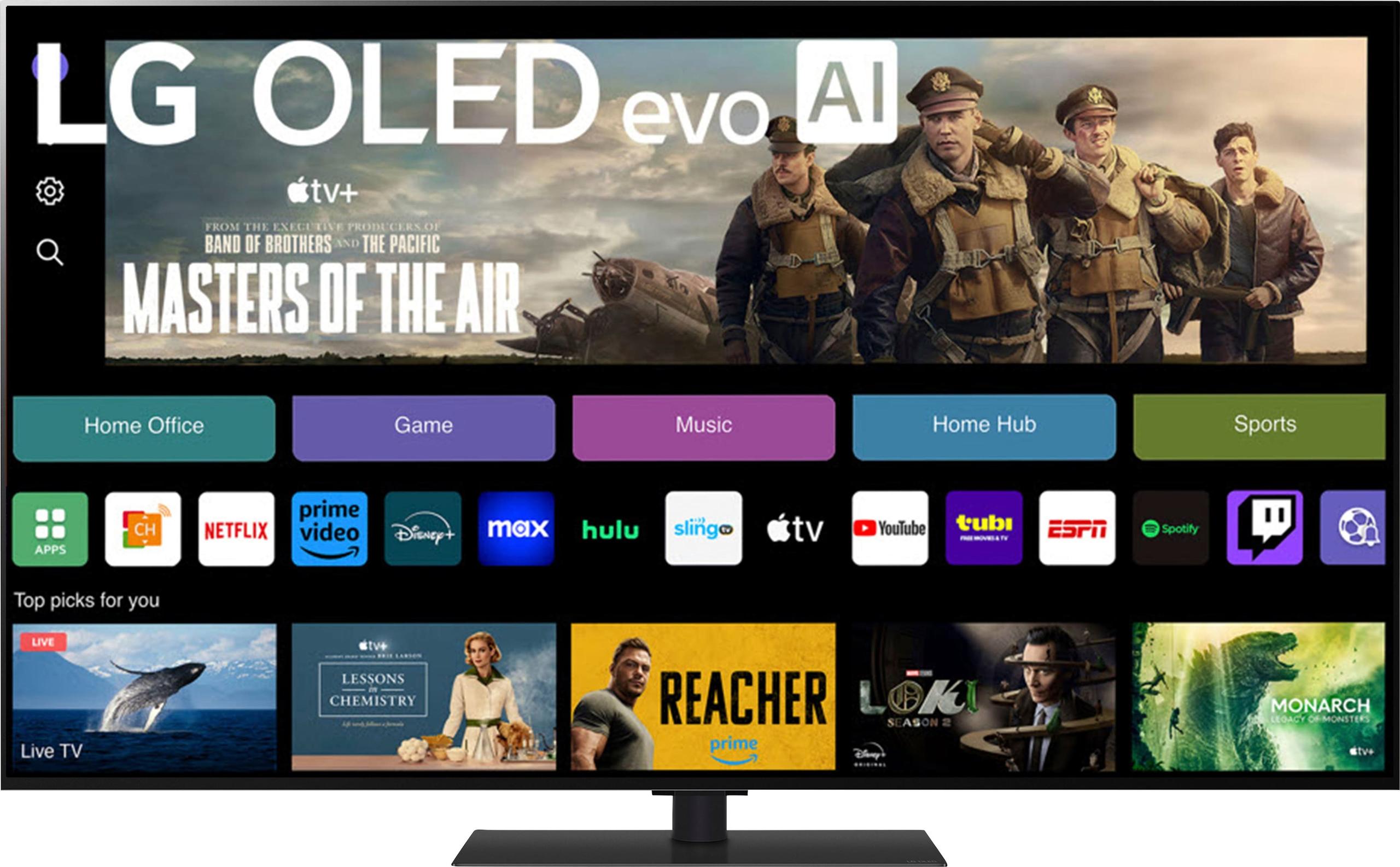
Both TVs run mature smart platforms, though with different strengths. The Samsung Q6F uses Tizen OS with Samsung TV Plus, providing access to over 1,200 free streaming channels. Its integration with Samsung's SmartThings ecosystem appeals to users with Samsung appliances, phones, or smart home devices. Voice control through Bixby, Alexa, or Google Assistant provides hands-free operation.
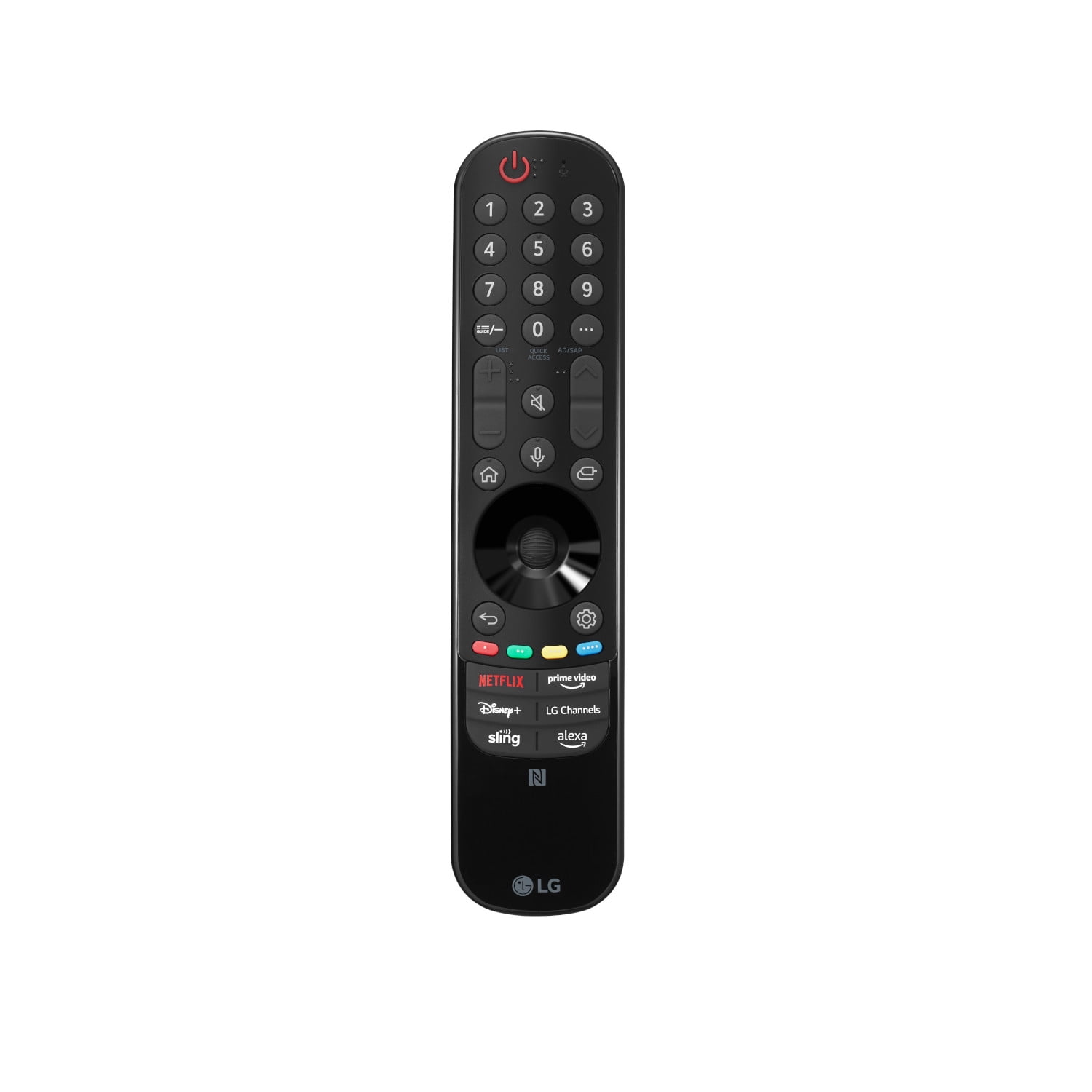
The LG G4 runs webOS 24 with AI-powered features and content recommendations. LG Channels offers over 300 free streaming options, while cloud gaming integration with GeForce NOW and Amazon Luna expands entertainment options beyond traditional TV viewing. The Magic Remote's point-and-click interface feels more intuitive than traditional directional pad remotes.
Both platforms receive regular updates and support major streaming apps, so daily usability comes down to personal preference and ecosystem compatibility.
Audio represents one area where the price difference shows clearly. The Samsung Q6F's 2CH 20W speaker system provides clear dialogue and basic stereo separation but lacks the power for immersive movie soundtracks. Object Tracking Sound Lite simulates audio movement across the screen, while Q-Symphony allows coordination with Samsung soundbars.
The LG G4's 4.2 channel 60W system delivers significantly more powerful sound with AI Sound Pro technology that virtually up-mixes stereo content to simulated 11.1.2 surround sound. Dolby Atmos support provides overhead audio effects when available.
However, both TVs benefit from external audio solutions for serious home theater use. The thin profiles required for modern TV design simply cannot accommodate the speaker drivers needed for full-range, high-volume audio reproduction.
The Samsung Q6F uses a traditional TV design with basic feet and conventional styling. It works well on TV stands but doesn't make a design statement when wall-mounted.
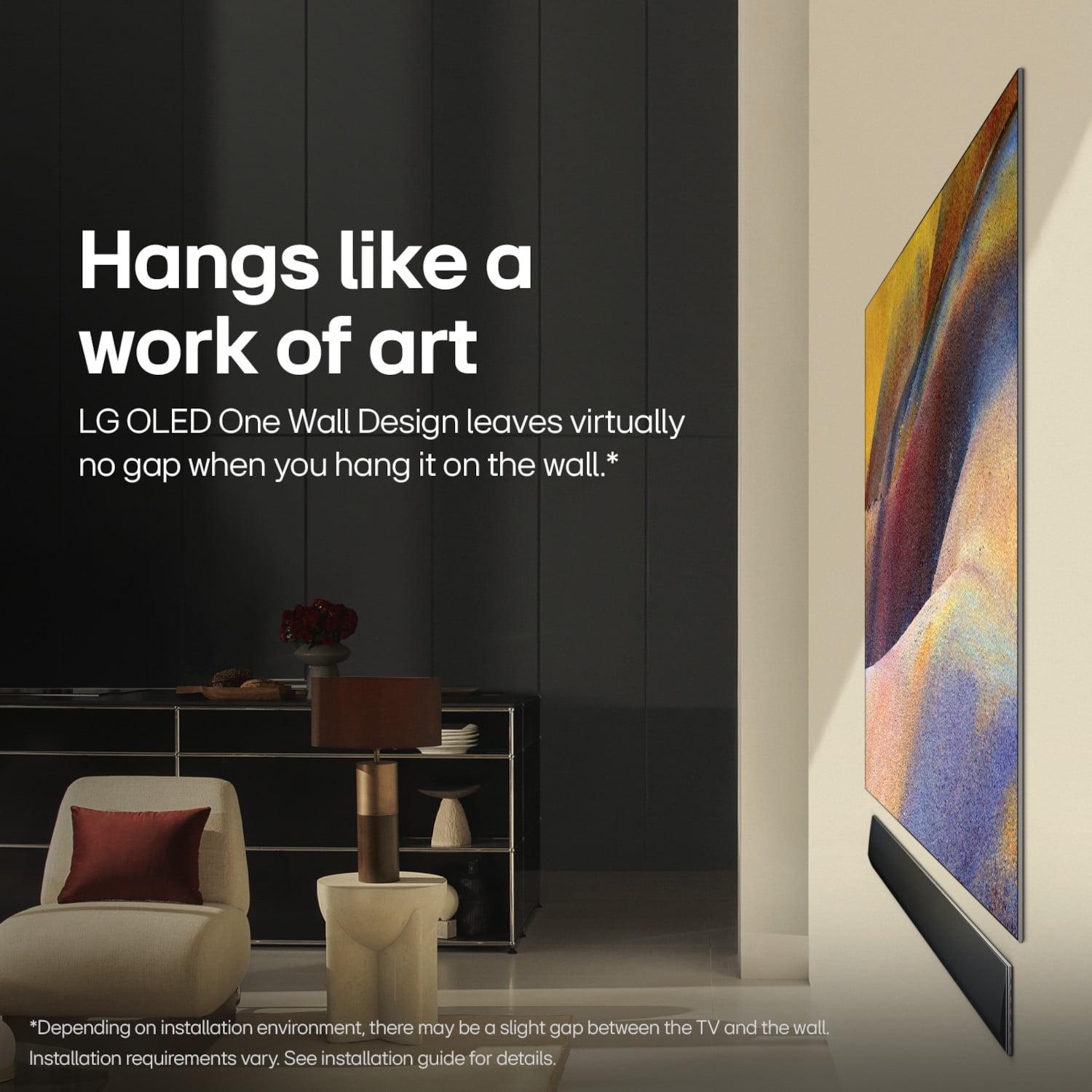
The LG G4 embraces the "gallery" concept with its ultra-slim profile and flush wall-mount capability. When not displaying content, it can show artwork or photos, blending into your décor rather than dominating it. The included stand provides flexibility for both table placement and wall mounting.
For home theater installations, the LG G4's design philosophy aligns better with creating an immersive viewing environment that doesn't feel dominated by technology.
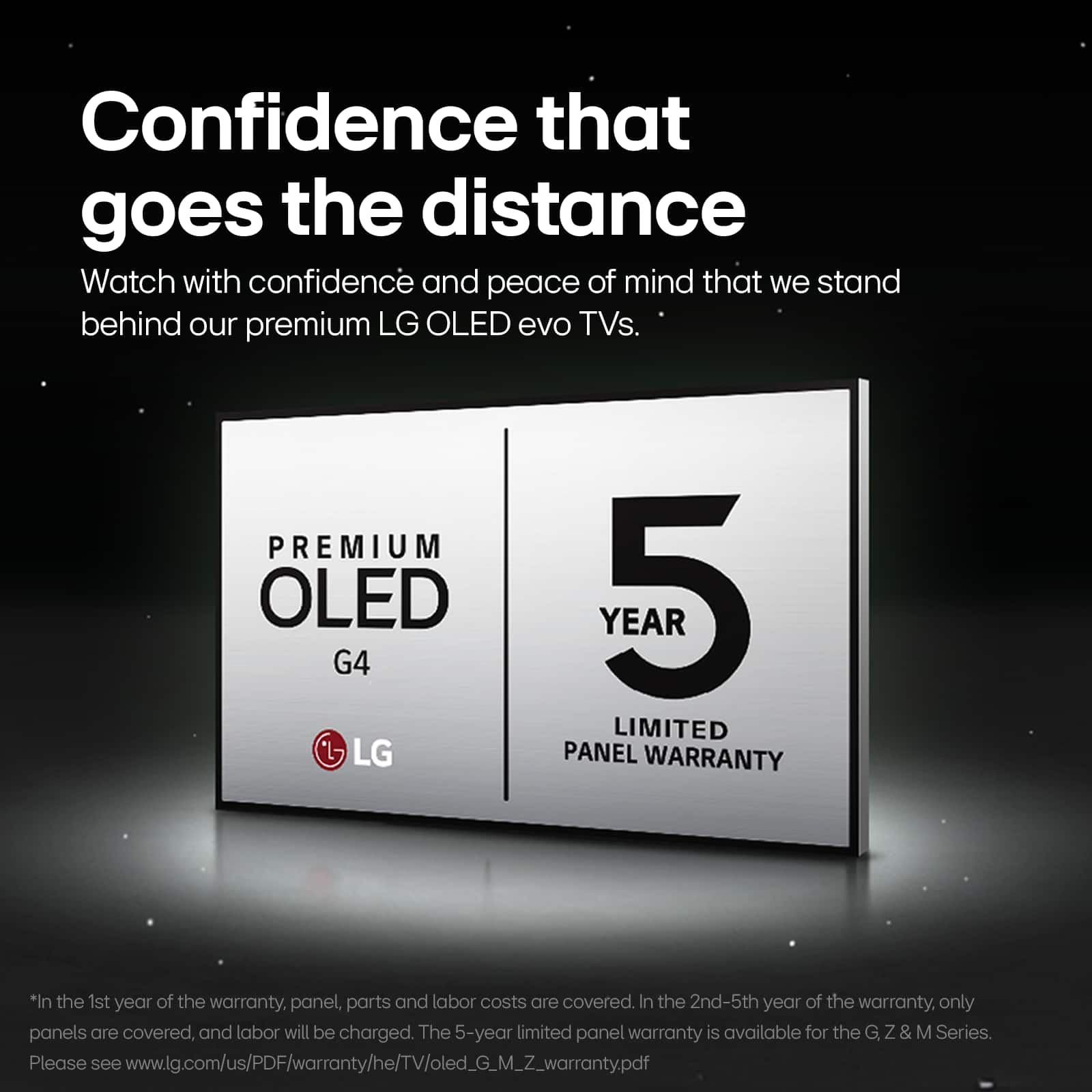
OLED technology historically raised burn-in concerns—permanent image retention from static content like news tickers or video game interfaces. However, LG addresses this with a comprehensive 5-year panel warranty that covers burn-in, demonstrating confidence in the technology's reliability.
The Samsung Q6F uses proven LED technology with minimal burn-in risk but offers standard warranty coverage. Its quantum dot layer should maintain color accuracy over many years of use.
Modern OLED panels include numerous burn-in protection features including pixel shifting, automatic brightness limiting, and screen savers that activate with static content. For typical viewing patterns involving varied content, burn-in risk is minimal.
The Samsung Q6F makes sense for budget-conscious buyers who want quantum dot color enhancement without premium pricing. It excels in bright rooms where its LED backlight can compete with ambient light, making it ideal for family rooms with large windows or open floor plans. If you primarily watch sports, news, or cable TV, and you're invested in Samsung's ecosystem, the Q6F provides solid value.
Choose the Samsung Q6F if you:
The LG G4 targets users who prioritize picture quality and don't mind paying for premium performance. Its perfect blacks and accurate colors create a cinematic experience that budget displays cannot match. Serious gamers will appreciate its 120Hz capabilities and comprehensive VRR support, while movie enthusiasts benefit from Dolby Vision compatibility and Filmmaker Mode accuracy.
Choose the LG G4 if you:
The LG G4 is objectively superior in nearly every performance metric, justifying its premium pricing for users who prioritize picture quality. Its perfect blacks, accurate colors, gaming capabilities, and comprehensive HDR support create an experience that budget displays cannot approach.
However, the Samsung Q6F serves an important market segment by delivering quantum dot color enhancement at accessible pricing. For buyers with budget constraints or bright viewing environments, it provides a path into QLED technology with respectable smart features and decent performance.
The decision ultimately comes down to budget and priorities. If picture quality matters most and you can afford the premium, the LG G4 delivers a home theater experience worthy of its flagship positioning. If value and bright-room performance are priorities, the Samsung Q6F offers a sensible compromise that brings quantum dot technology within reach of more buyers.
Consider your viewing environment, content preferences, and budget carefully. Both TVs will likely serve you well for years, but the LG G4 provides a noticeably superior experience that becomes more apparent over time as you watch more varied content and appreciate the technology's capabilities.
| Samsung 65" QLED Q6F 4K Smart TV 2025 | LG 65" G4 Series OLED evo 4K UHD Smart TV 2024 |
|---|---|
| Display Technology - Fundamental difference affecting all performance characteristics | |
| QLED (LED backlight + Quantum Dots) | OLED evo with Micro Lens Array (MLA) |
| Black Levels - Critical for movie watching and contrast | |
| Limited by LED backlight, some light bleeding | Perfect blacks, infinite contrast ratio |
| Peak Brightness - Important for HDR and bright room viewing | |
| High brightness suitable for bright rooms | ~1,500 nits (150% brighter than previous OLED) |
| Refresh Rate - Essential for gaming and smooth motion | |
| 60Hz native | 120Hz native, up to 144Hz with VRR |
| HDR Support - Affects streaming compatibility and picture quality | |
| HDR10, HDR10+ (no Dolby Vision) | HDR10, Dolby Vision, HLG (full compatibility) |
| Gaming Features - Next-gen console readiness | |
| Auto Game Mode, Gaming Hub, limited VRR | 4x HDMI 2.1, G-Sync/FreeSync, 0.1ms response |
| Processor - Powers smart features and picture processing | |
| Q4 Lite Processor | α11 AI Processor 4K (6.7x faster AI performance) |
| Audio System - Built-in sound quality | |
| 2CH 20W with OTS Lite | 4.2CH 60W with AI Sound Pro, Dolby Atmos |
| Smart Platform - Daily usability and app ecosystem | |
| Tizen OS, Samsung TV Plus (1,200+ channels) | webOS 24, LG Channels (300+ channels), cloud gaming |
| Viewing Angles - Important for wide seating arrangements | |
| Limited, color shifting at angles | Excellent from all positions |
| Warranty Coverage - Long-term protection and peace of mind | |
| Standard warranty | 5-year panel warranty (includes burn-in protection) |
| Design Philosophy - Integration with home décor | |
| Traditional TV with basic stand | Gallery design, flush wall-mount, art display mode |
| Color Performance - Saturation vs accuracy trade-offs | |
| 100% Color Volume, vibrant/punchy colors | 73% Rec.2020, exceptional accuracy for movies |
| Best Use Cases - Who should choose each | |
| Budget QLED, bright rooms, Samsung ecosystem | Premium home theater, gaming, movie accuracy |
The LG G4 Series OLED delivers superior picture quality with perfect blacks, infinite contrast, and exceptional color accuracy. The Samsung Q6F QLED offers vibrant colors and good brightness but cannot match OLED's contrast performance. For movies and premium content, the LG G4 provides a more cinematic experience.
The LG G4 OLED is significantly better for gaming with its 120Hz refresh rate, 0.1ms response time, four HDMI 2.1 ports, and support for both G-Sync and FreeSync. The Samsung Q6F offers basic gaming features but is limited to 60Hz, making it less suitable for next-gen consoles like PlayStation 5 or Xbox Series X.
Both TVs handle bright rooms well, but they excel in different ways. The Samsung Q6F QLED typically achieves higher sustained brightness across the full screen, making it excellent for daytime viewing. The LG G4 reaches impressive peak brightness (1,500 nits) for HDR content while maintaining superior contrast that can actually look better in moderately lit rooms.
No, only the LG G4 OLED supports Dolby Vision, along with HDR10 and HLG. The Samsung Q6F supports HDR10 and HDR10+ but lacks Dolby Vision, which is used by major streaming services like Netflix, Disney+, and Apple TV+. This gives the LG G4 better compatibility with premium streaming content.
Both TVs offer comprehensive smart platforms. The Samsung Q6F runs Tizen OS with Samsung TV Plus (1,200+ free channels) and excellent SmartThings integration. The LG G4 uses webOS 24 with AI features and cloud gaming support. The choice depends on your ecosystem preference, with Samsung better for SmartThings users and LG offering more gaming options.
The Samsung Q6F QLED has virtually no burn-in risk due to its LED technology. The LG G4 OLED has minimal burn-in risk with normal viewing and includes a 5-year warranty that covers burn-in protection. Modern OLED panels have extensive burn-in prevention features, making this concern less significant than in previous generations.
The LG G4 OLED is superior for home theater use with its perfect blacks, accurate colors, Dolby Vision support, and Filmmaker Mode for cinematic viewing. Its gallery design also integrates better into dedicated theater spaces. The Samsung Q6F works for casual home theater but cannot match OLED's contrast performance for dark room movie watching.
The LG G4 has significantly better built-in audio with its 4.2-channel 60W system, AI Sound Pro, and Dolby Atmos support compared to the Samsung Q6F's 2-channel 20W speakers. However, both TVs benefit from external sound systems or soundbars for optimal home theater audio performance.
The Samsung Q6F QLED offers better value for budget-conscious buyers, delivering quantum dot color enhancement and smart features at an accessible price. The LG G4 OLED provides premium performance that justifies its higher cost for users prioritizing picture quality, gaming features, and design. Value depends on your budget and feature priorities.
Yes, both the Samsung Q6F and LG G4 display native 4K content beautifully and include upscaling for lower resolution sources. The LG G4's α11 AI processor provides more advanced upscaling and processing, while the Samsung Q6F's Q4 Lite processor offers solid performance for the price point.
The LG G4 OLED has dramatically better viewing angles, maintaining consistent picture quality from virtually any position. The Samsung Q6F QLED shows typical LED limitations with color shifting and contrast loss at wider angles. For open floor plans or wide seating arrangements, the LG G4 is clearly superior.
The LG G4 OLED includes an exceptional 5-year panel warranty that covers burn-in protection, demonstrating LG's confidence in their OLED technology. The Samsung Q6F comes with standard warranty coverage typical of LED TVs. The extended warranty makes the LG G4 a more secure long-term investment despite its higher upfront cost.
We've done our best to create useful and informative comparisons to help you decide what product to buy. Our research uses advanced automated methods to create this comparison and perfection is not possible - please contact us for corrections or questions. These are the sites we've researched in the creation of this article: tomsguide.com - bestbuy.com - samsung.com - rtings.com - youtube.com - rtings.com - bestbuy.com - samsung.com - samsung.com - samsung.com - manuals.plus - shopjetson.com - samsung.com - samsung.com - samsung.com - samsung.com - bestbuy.com - jefflynch.com - hometechnologyreview.com - hometechnologyreview.com - whathifi.com - hometechnologyreview.com - youtube.com - tomsguide.com - tomsguide.com - smarthomesounds.co.uk - rtings.com - rtings.com - bhphotovideo.com - youtube.com - schaeferstv.com - bestbuy.com - costco.com - lg.com - lg.com - shopsilica.com - bestbuy.com - techradar.com - bestbuy.com - bestbuy.com - lg.com - lgnewsroom.com

Privacy Policy
Terms and Conditions - Affiliate Policy
Home Security
© Copyright 2008-2026.
11816 Inwood Rd #1211, Dallas, TX 75244