

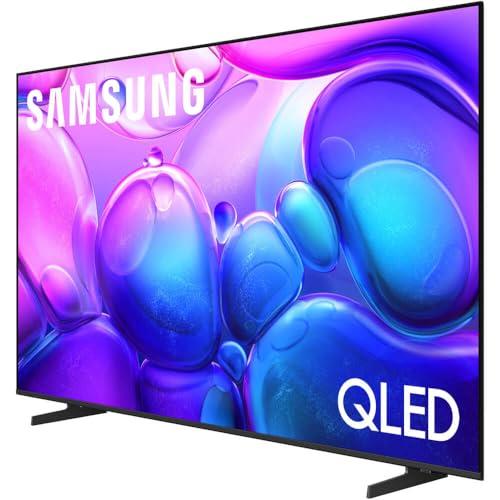
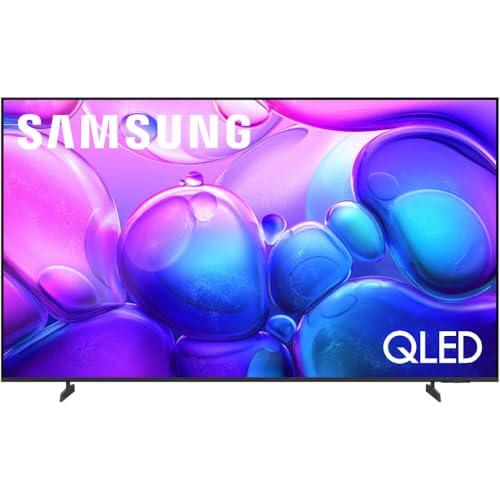
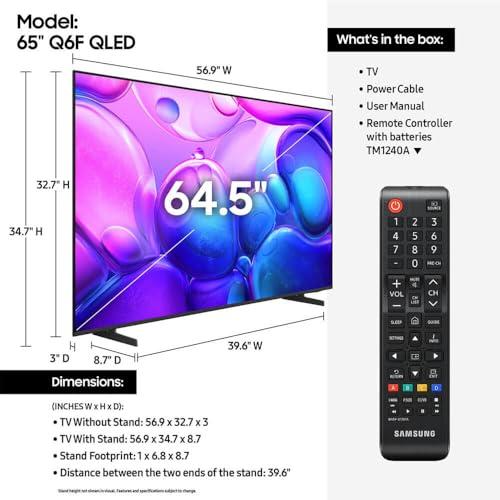
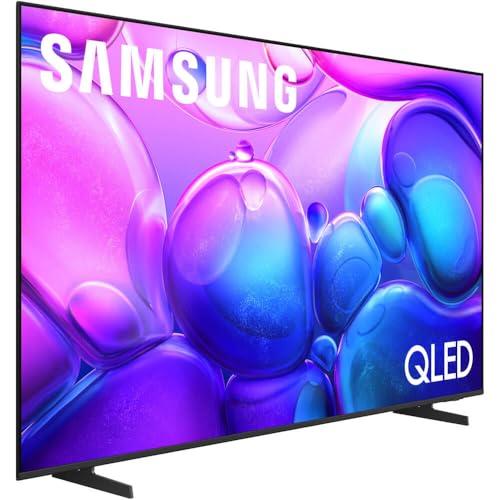
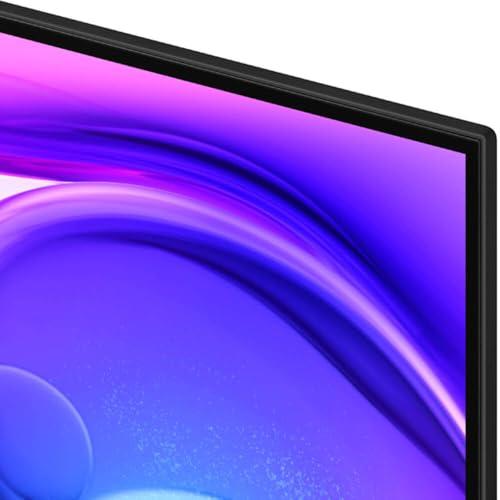
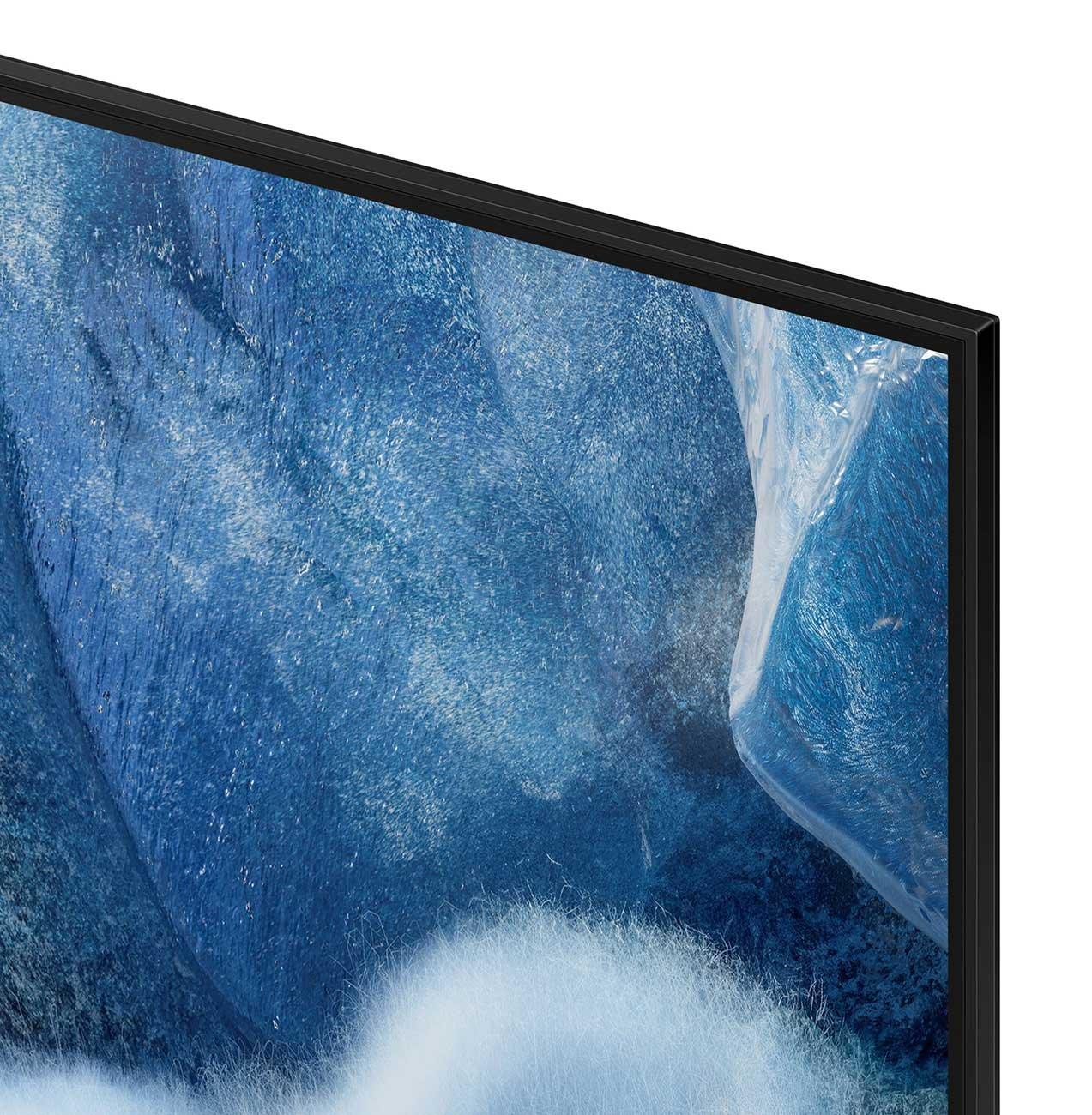
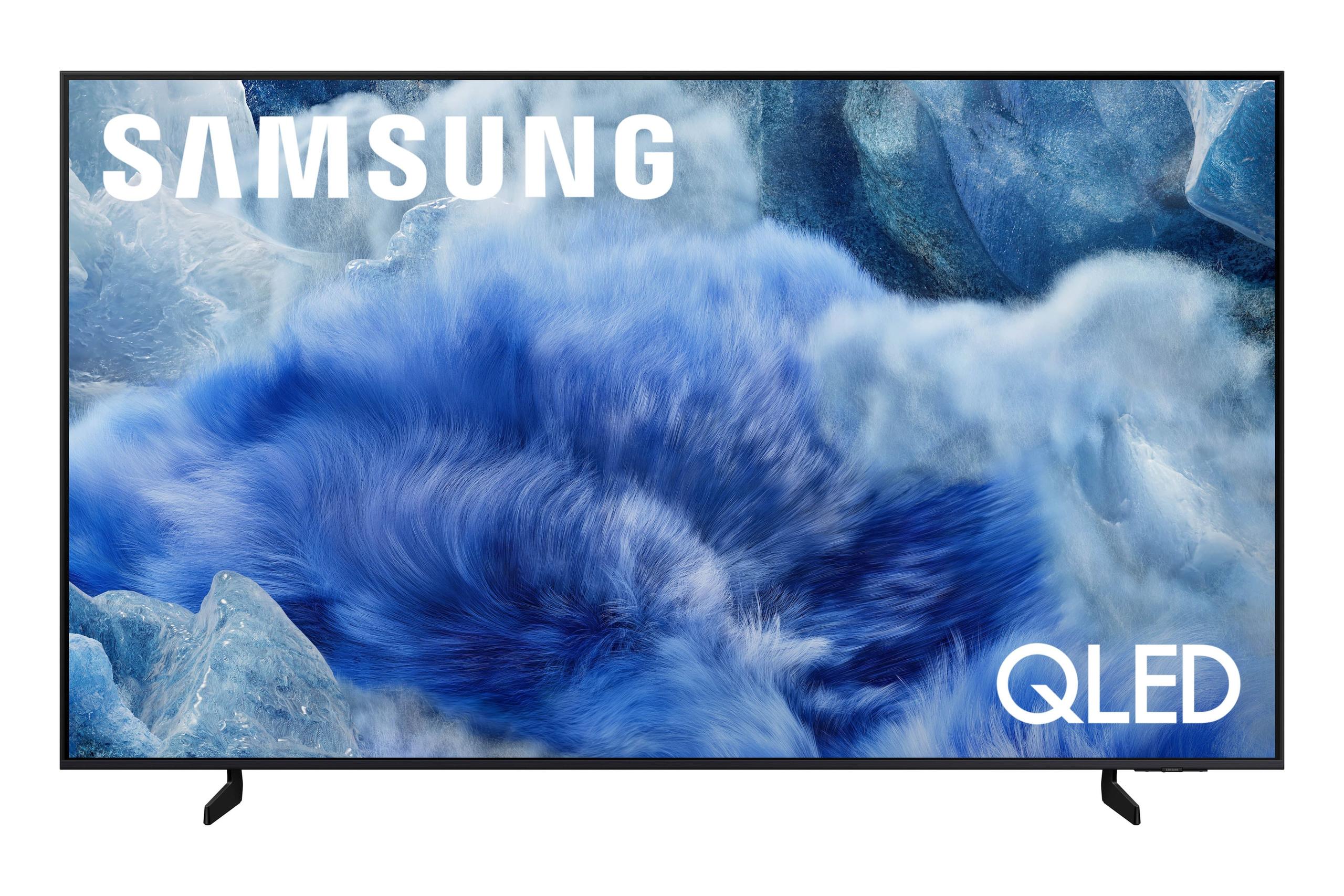
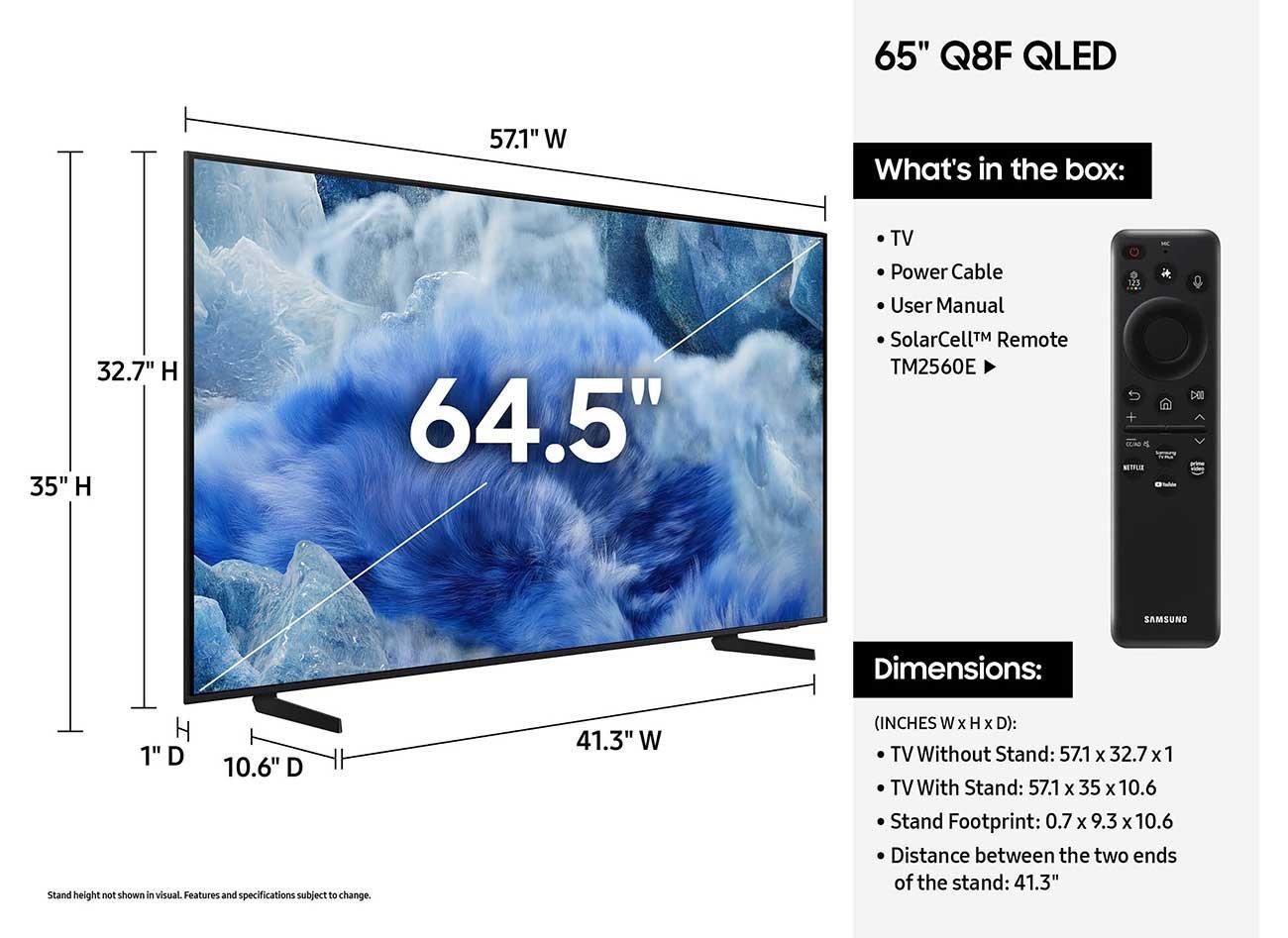
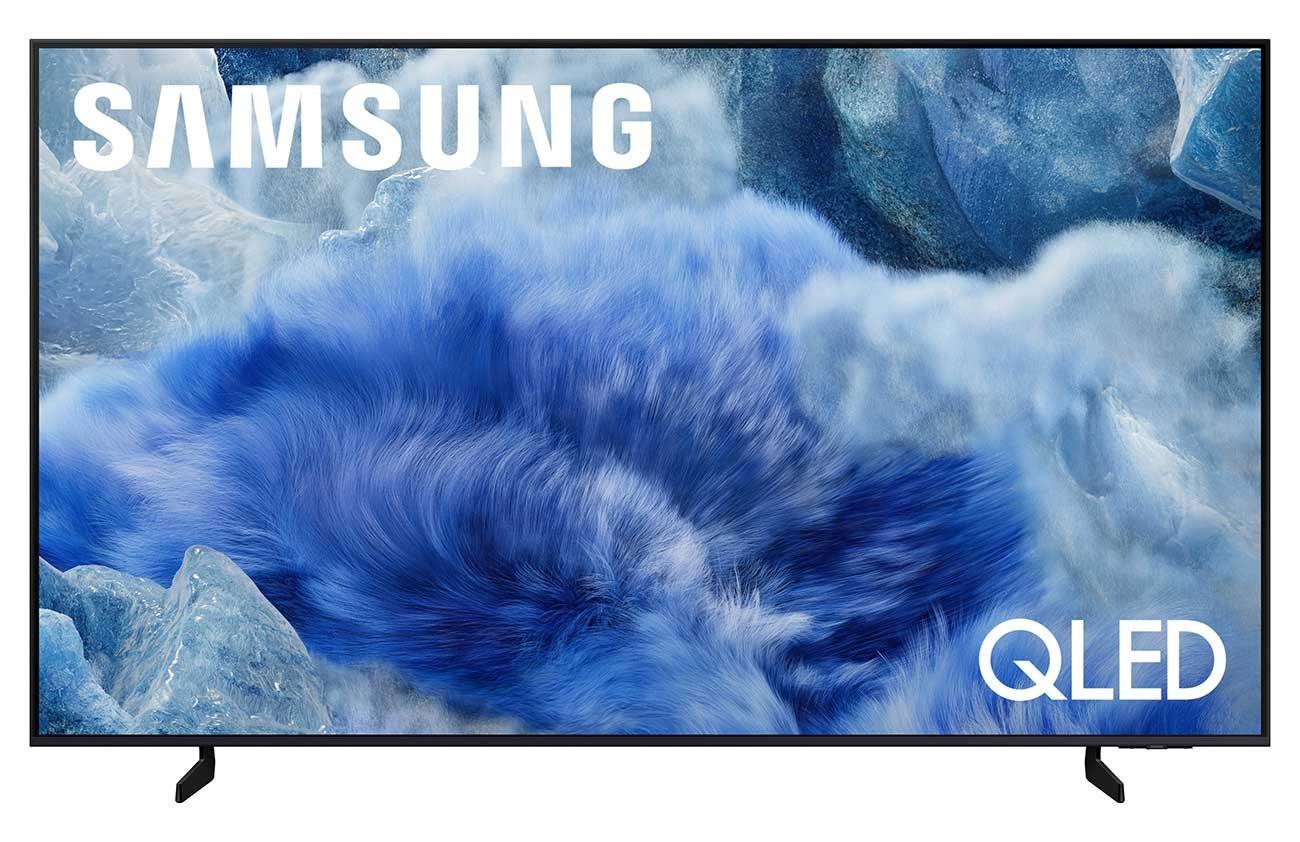
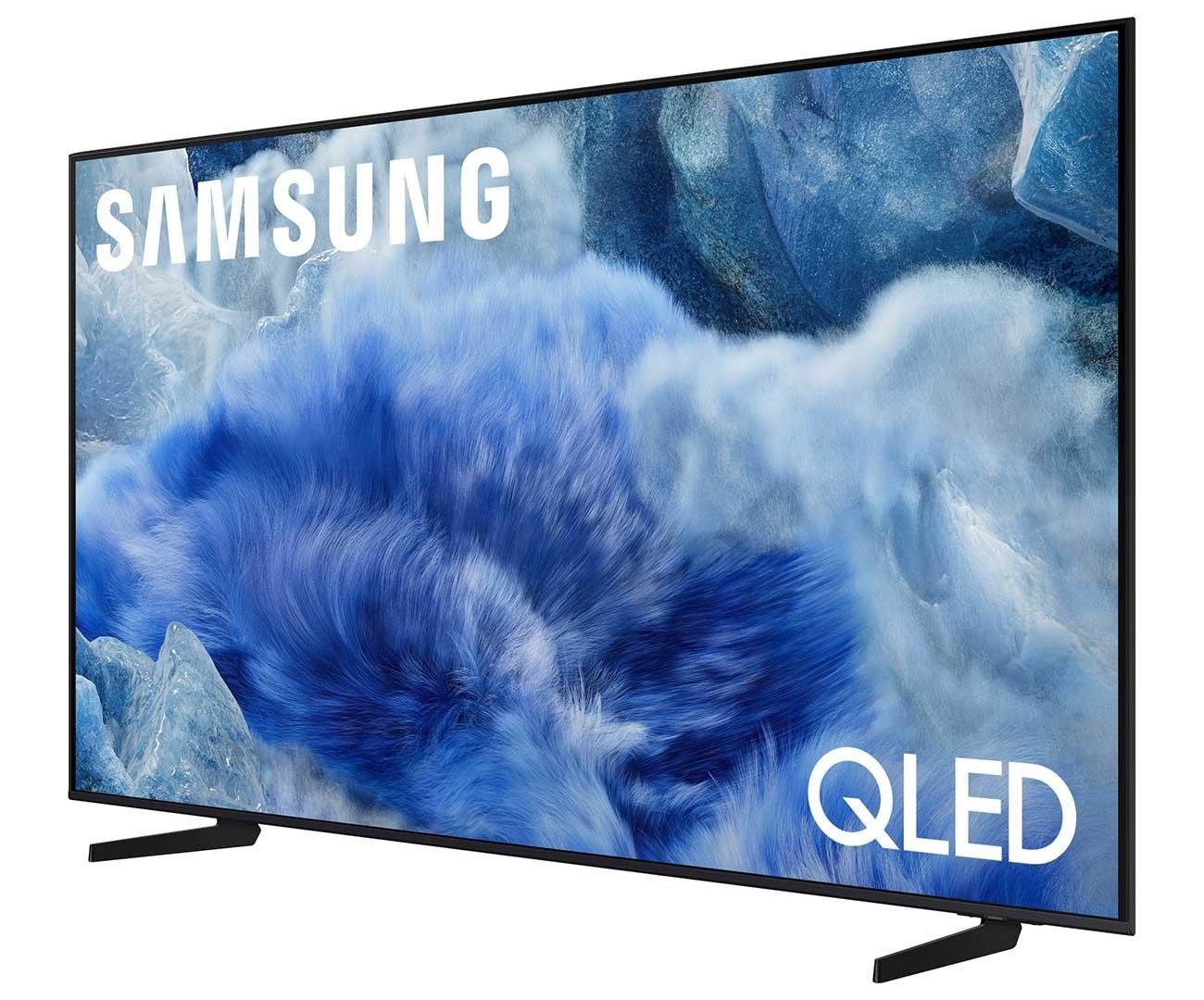
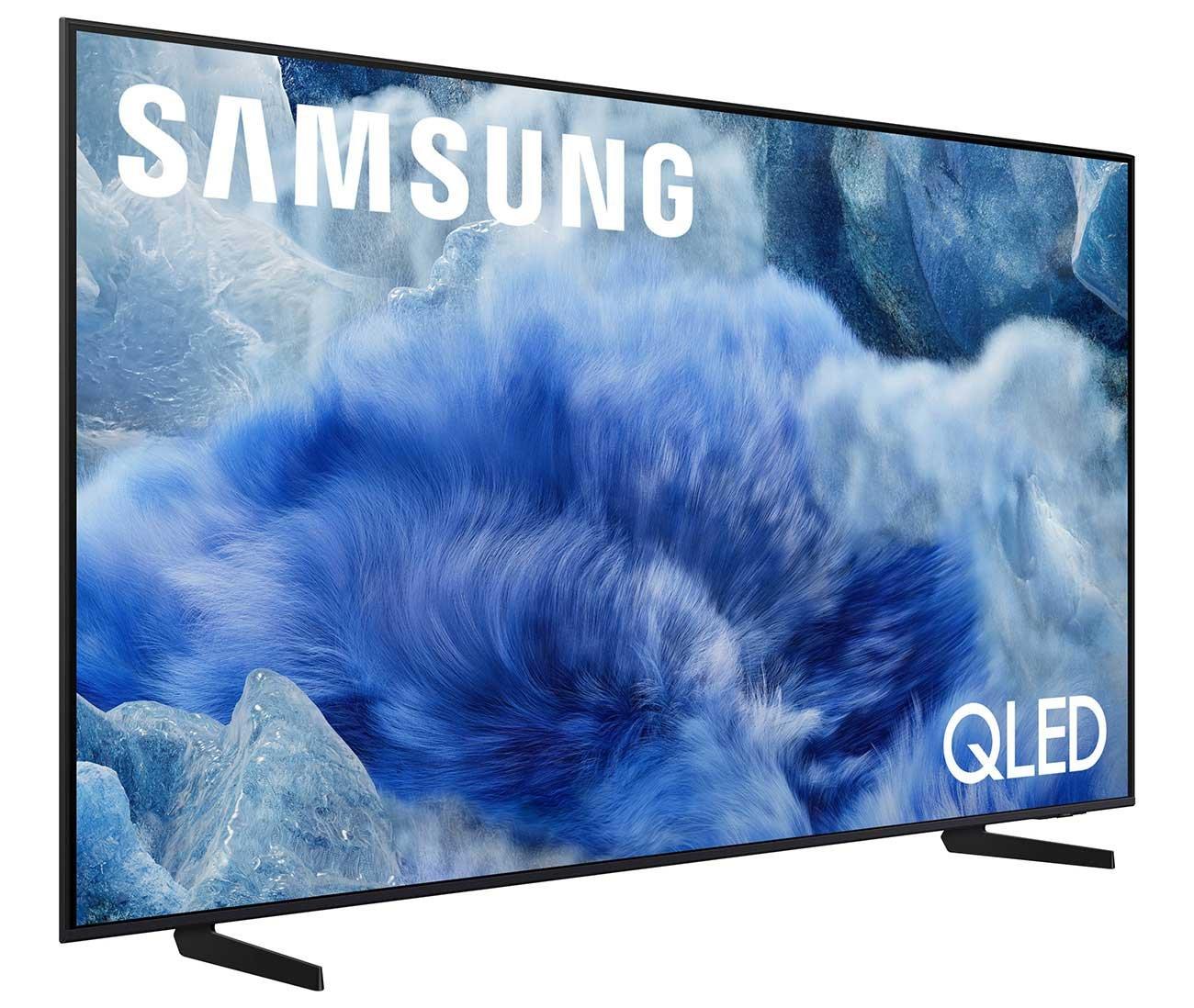
Samsung refreshed their QLED lineup in 2025 with new AI-powered features and updated processors, but the improvements weren't universally positive. Both the Q6F and Q8F represent Samsung's attempt to bring Vision AI technology to more affordable price points, though our research suggests these models actually step backward from Samsung's impressive 2024 offerings in some key areas.
If you're shopping for a 65-inch QLED TV, understanding the substantial differences between these two models will save you from buyer's remorse and help you get the performance you actually need.
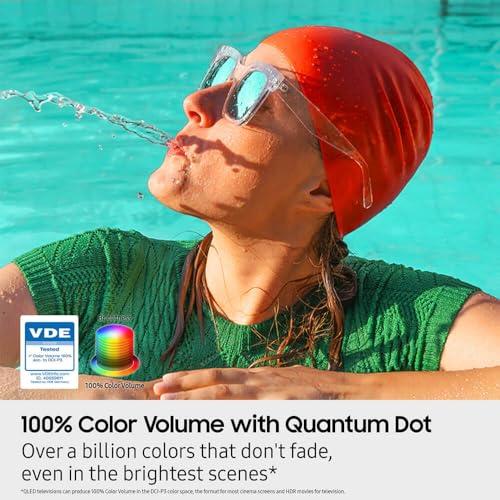
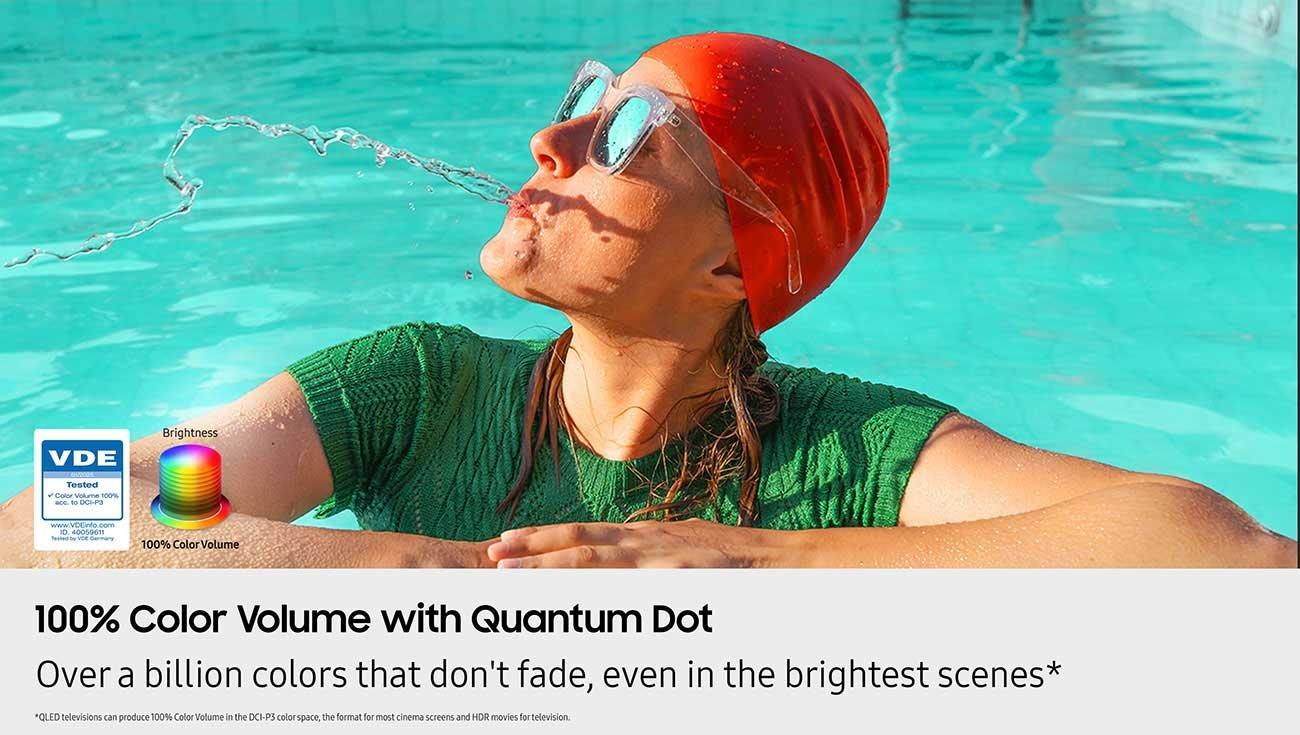
QLED stands for Quantum Dot Light Emitting Diode, which sounds complex but essentially means Samsung adds a special layer of microscopic particles called quantum dots between the LED backlight and the LCD panel. These quantum dots act like tiny color filters that can produce over a billion different shades, making colors appear more vibrant and accurate than traditional LED TVs.
The most important performance characteristics for any QLED TV are peak brightness (how bright whites can get), contrast ratio (the difference between the darkest blacks and brightest whites), color accuracy, motion handling for sports and gaming, and smart features. HDR performance – which enhances the range of colors and brightness in compatible content – depends heavily on that peak brightness number.
Based on our evaluation of expert reviews and user feedback, the Samsung Q8F significantly outperforms the Q6F in virtually every meaningful category, but at a higher price point that might not suit every budget.
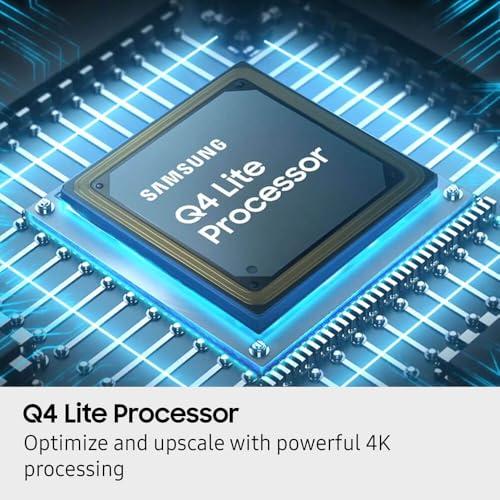
The Q6F uses Samsung's basic Q4 Lite processor with direct-lit LED backlighting. Direct-lit means the LED lights sit directly behind the LCD panel, which sounds good in theory but without local dimming zones, the entire backlight illuminates at once. This creates a thicker TV cabinet and prevents the precise control needed for deep blacks in dark movie scenes.
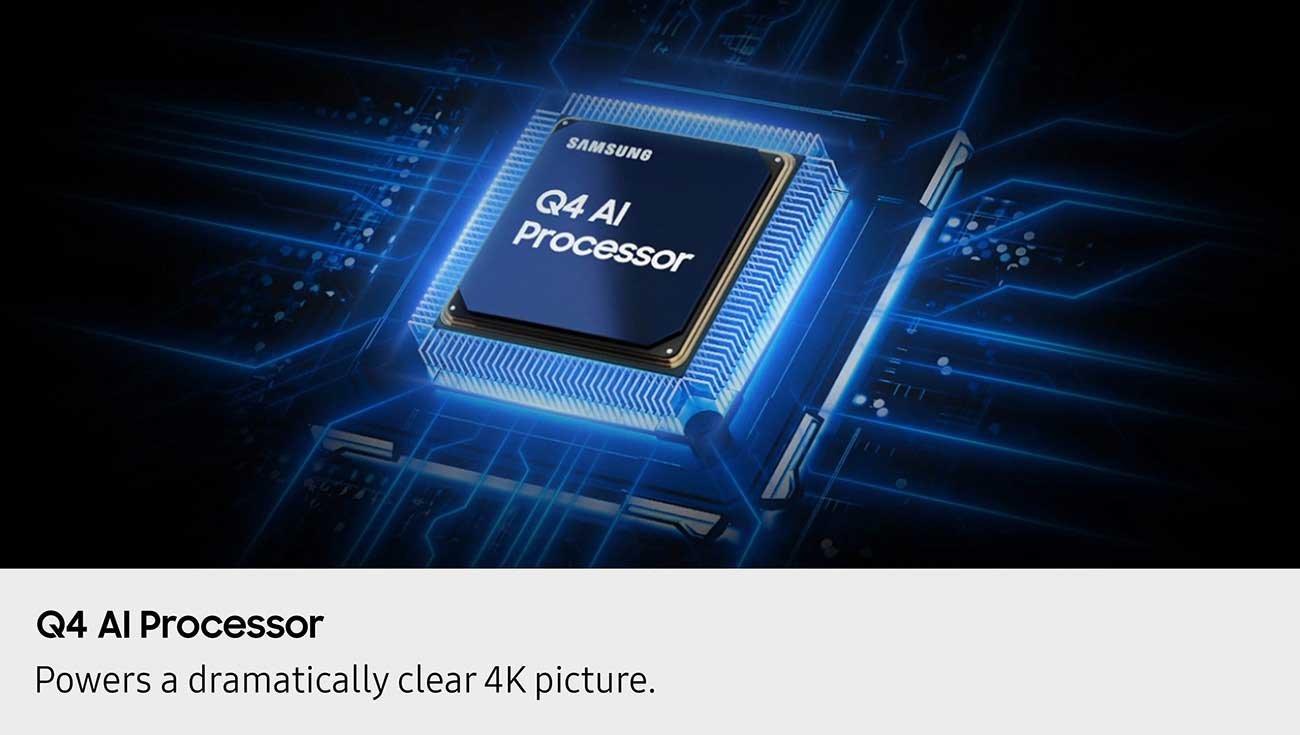
The Q8F, meanwhile, employs Samsung's newer Q4 AI Gen1 processor paired with Dual LED backlighting technology. This system uses two different types of LEDs – warm and cool – that can be independently controlled to achieve more accurate colors and better contrast. While it's still edge-lit (LEDs around the perimeter rather than behind the panel), the Dual LED approach produces noticeably better picture quality.
In practice, this means the Q8F delivers brighter, more accurate colors with better contrast between light and dark areas. If you're watching a movie with both bright outdoor scenes and dark indoor scenes, the Q8F will maintain detail in both, while the Q6F might wash out the dark areas or make bright scenes appear blown out.
However, there's an important caveat: neither TV produces the peak brightness needed for truly impressive HDR performance. Most experts recommend at least 1000 nits of peak brightness for good HDR, and both TVs fall short of this target. The Q8F gets closer, but you'll still notice that HDR content doesn't look as dramatically different from standard content as it should.
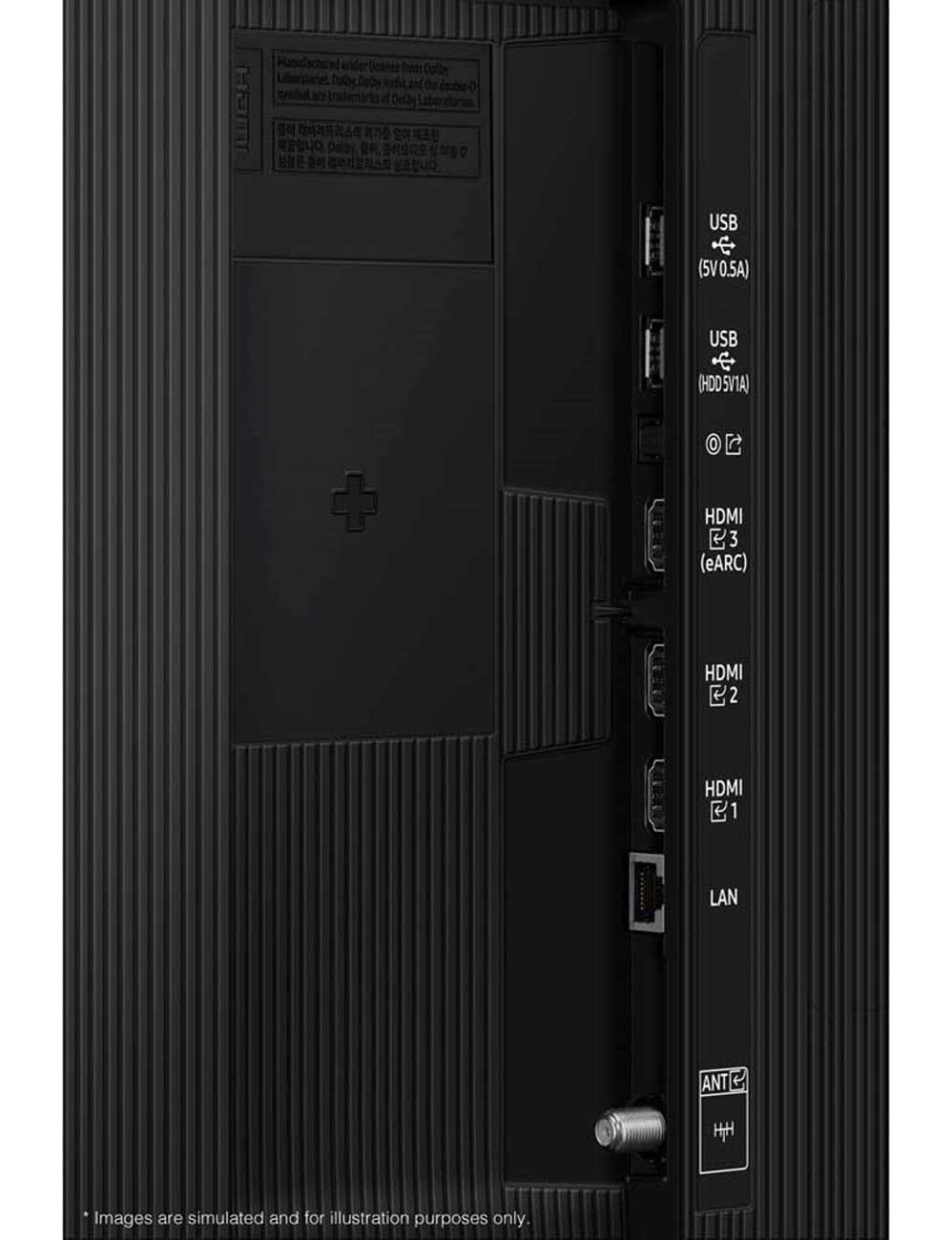
This is where the differences become impossible to ignore. The Q6F offers only 60Hz refresh rate with basic HDMI 2.0b ports, making it essentially incompatible with modern gaming. If you own a PlayStation 5 or Xbox Series X, you're missing out on the high frame rate modes these consoles were designed to deliver.
The Q8F transforms into a proper gaming display with its 144Hz refresh rate (on 55-inch and larger models), Variable Refresh Rate (VRR) support, and four HDMI 2.1 ports. VRR synchronizes the TV's refresh rate with your console's frame rate output, eliminating screen tearing and stuttering that can break immersion during fast-paced games.
The AI Auto Game Mode on the Q8F automatically detects when you're gaming and switches to optimized settings with lower input lag – the delay between pressing a button and seeing the action on screen. For competitive gaming, especially first-person shooters or fighting games, this responsiveness can be the difference between winning and losing.
Motion Accelerator 144Hz helps maintain smooth motion during rapid camera movements or action sequences. If you've ever noticed blur or judder when spinning quickly in a game, this feature significantly reduces those artifacts.
The Gaming Hub integration provides easy access to cloud gaming services like Xbox Game Pass and GeForce Now directly through the TV interface, without needing a separate console for some games.
Samsung's 2025 Vision AI represents their attempt to make TVs more intelligent, but the implementation varies dramatically between models. The Q6F includes only basic AI capabilities through its Q4 Lite processor – essentially just improved 4K upscaling that makes lower-resolution content look slightly sharper on the 4K panel.
The Q8F showcases Vision AI's full potential with scene recognition that analyzes what you're watching and automatically adjusts picture settings. Watching a nature documentary? The TV boosts greens and blues for more vivid landscapes. Switching to a dark thriller? It adjusts contrast and shadow detail to preserve atmosphere while maintaining visibility.
AI Mode provides a quick-access menu for these adaptive settings, learning your preferences over time. The Daily Board feature transforms the TV into an information display when not in use, showing weather, news, and calendar events like a smart home hub.
Live Translate offers real-time language translation for certain broadcasts, though this feature's usefulness depends heavily on the content you watch and languages you need.
Far-field voice control means you can talk to the TV from across the room without using the remote, similar to smart speakers. This works well for basic commands like "turn up the volume" or "switch to Netflix," though complex navigation still works better with the remote.
Both TVs include Object Tracking Sound Lite (OTS Lite), which creates the illusion that sound follows action across the screen. When a car drives from left to right, the audio panning matches the visual movement. It's not as sophisticated as the full OTS system in Samsung's premium TVs, but it adds noticeable depth to the audio experience.
The Q8F includes Adaptive Sound+ technology that analyzes audio content in real-time and adjusts settings based on what you're watching. Dialogue gets enhanced during conversation-heavy scenes, while action sequences receive more dynamic range. The Active Voice Amplifier specifically boosts speech clarity when it detects background noise in your room, useful if you're watching TV while family members are active nearby.
Q-Symphony allows both TVs to work with compatible Samsung soundbars, using the TV's speakers in conjunction with the soundbar rather than disabling them entirely. This creates a more immersive soundscape, particularly for height and surround effects.
The Q6F features Samsung's metal stream design with a single-piece metal back panel that looks premium but results in a thicker profile due to the direct-lit backlighting system. The basic stand design is functional but not particularly elegant.
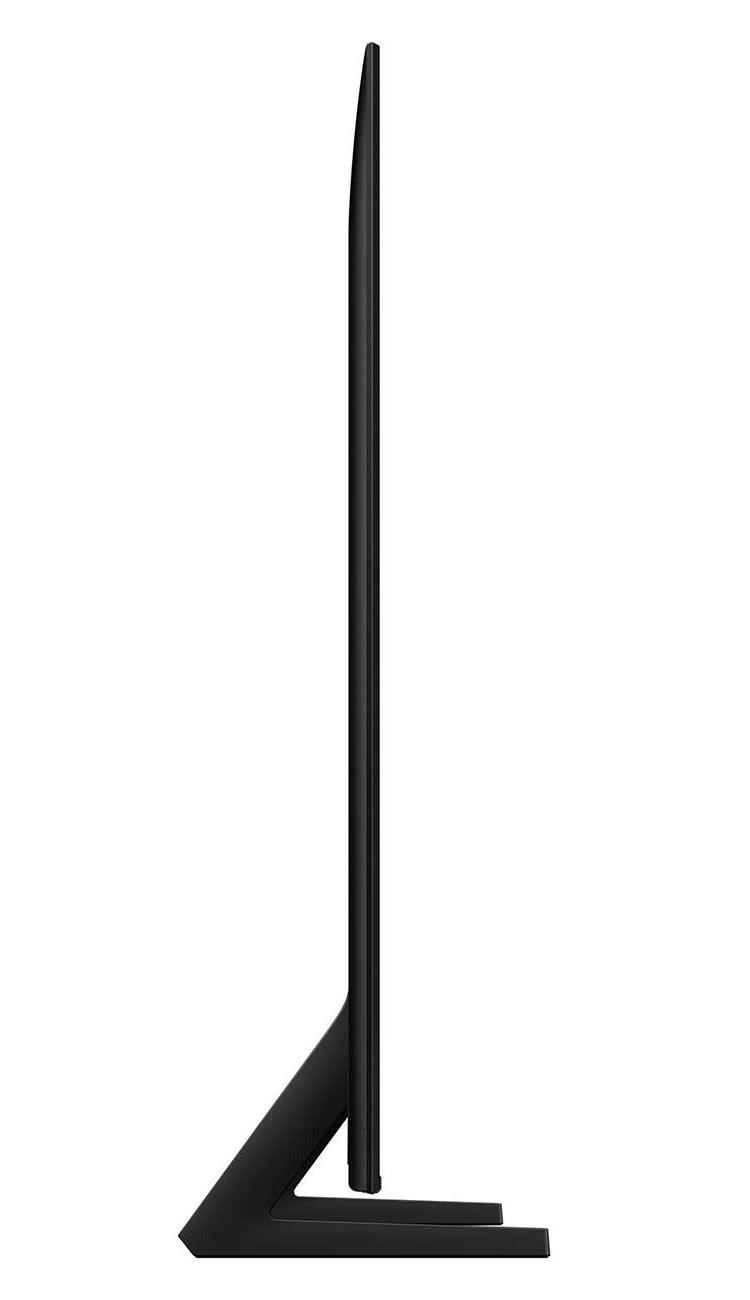
The Q8F showcases Samsung's AirSlim design philosophy, creating a notably thinner profile that integrates better with modern home decor. The Clean Cable Solution helps route cables through the stand to reduce visual clutter – a small touch that makes a big difference in a living room setup.
Ambient Mode transforms the TV into digital wall art when not in use, displaying artwork, photos, or patterns that blend with your wall color. While this might seem gimmicky, it's surprisingly effective at making the TV disappear when you're not watching.
For dedicated home theater use, both TVs have significant limitations compared to OLED displays or higher-end QLED models with full-array local dimming. The lack of true black levels means dark movie scenes won't have the depth and atmosphere that serious film enthusiasts expect.
However, the Q8F performs notably better in mixed lighting conditions common in most homes. Its higher peak brightness cuts through ambient light more effectively, while the wide viewing angle technology maintains color accuracy when you're not sitting directly centered – important for family movie nights where everyone isn't in the sweet spot.
Filmmaker Mode on both TVs disables motion smoothing and other post-processing effects that can make movies look like soap operas. This preserves the director's intended frame rate and motion characteristics, crucial for an authentic cinematic experience.
The 144Hz capability on the Q8F becomes relevant for home theater when watching high frame rate content or using the TV with a PC for media consumption. While most movies are still 24fps, some newer content and streaming services experiment with higher frame rates.
At the time of writing, the Q8F commands a moderate premium over the Q6F, but our analysis suggests it delivers substantially more value for most users. The gaming capabilities alone justify the price difference for households with current-generation consoles, while the AI features and superior picture quality benefit all viewing scenarios.
The Q6F only makes sense for users with extremely limited budgets who exclusively watch streaming content and don't game. Even then, the lack of future-proofing makes it a questionable investment given how long most people keep their TVs.
An important consideration: multiple expert reviews note that both 2025 models represent a step backward from Samsung's 2024 QLED lineup in terms of overall performance and value. The Q60D, Q70D, and Q80D from 2024 reportedly offer better performance at similar price points, suggesting Samsung prioritized AI features over fundamental picture quality improvements.
In the same price range, Hisense and TCL offer models with full-array local dimming and higher peak brightness, potentially delivering better HDR performance than either Samsung option. However, Samsung's smart platform integration and brand reliability remain strong selling points.
For users prioritizing picture quality above all else, OLED displays from LG or Samsung's own OLED lineup provide superior contrast and viewing angles, though at higher price points and with potential burn-in concerns for heavy gaming use.
Choose the Q6F only if:
The Q8F makes more sense for:
Based on our research and analysis of expert consensus, the Samsung Q8F represents significantly better value despite its higher price. The gaming features, superior picture quality, AI capabilities, and future-proof connectivity make it suitable for a much broader range of uses and user preferences.
The Q6F feels like a compromise too many, lacking the performance needed for modern entertainment while not offering enough savings to justify its limitations. Unless budget absolutely demands it, most buyers will be happier with the Q8F's comprehensive feature set.
However, both models' reported step backward from Samsung's 2024 offerings suggests exploring alternatives from other manufacturers or Samsung's own 2024 models if still available. The 2025 Vision AI features, while impressive in marketing materials, don't compensate for the fundamental performance regressions in these entry and mid-level QLED models.
For the best long-term satisfaction, consider the Q8F as the minimum viable option in Samsung's 2025 QLED lineup, while keeping expectations realistic about HDR performance and overall picture quality compared to premium models or competitor offerings.
| Samsung 65" QLED Q6F 4K Smart TV 2025 | Samsung 65" QN8F Series QLED 4K Vision AI Smart TV 2025 |
|---|---|
| Display Technology - Core picture quality foundation | |
| QLED with Direct-Lit backlighting, no local dimming | QLED with Dual LED edge-lit backlighting for better color accuracy |
| Processor - Determines upscaling and smart features | |
| Q4 Lite (basic AI, standard upscaling) | Q4 AI Gen1 (Vision AI scene optimization, better processing) |
| Refresh Rate - Critical for gaming and sports | |
| 60Hz only (inadequate for modern gaming) | 144Hz on 65" model (excellent for PS5/Xbox Series X) |
| HDR Support - Enhanced contrast and colors | |
| Standard Quantum HDR (limited peak brightness) | Quantum HDR+ with Auto HDR Remastering (better but still not ideal) |
| Gaming Features - Next-gen console compatibility | |
| None (HDMI 2.0b, no VRR, no gaming modes) | VRR, FreeSync Premium, AI Auto Game Mode, Gaming Hub |
| HDMI Connectivity - Future-proofing consideration | |
| 3x HDMI 2.0b ports | 4x HDMI 2.1 ports (supports 4K@144Hz) |
| Motion Processing - Sports and action viewing | |
| Basic Motion Xcelerator (struggles with fast content) | Motion Accelerator Turbo Plus (excellent clarity) |
| Smart AI Features - Convenience and optimization | |
| Minimal AI capabilities | Vision AI scene recognition, AI Mode, Daily Board, Live Translate |
| Audio Enhancement - Built-in sound quality | |
| Object Tracking Sound Lite only | Adaptive Sound+, Active Voice Amplifier, scene-based optimization |
| Viewing Angles - Multi-person viewing | |
| Standard (color/contrast degrades off-center) | Wide Viewing Angle technology (maintains quality at angles) |
| Voice Control - Hands-free operation | |
| Remote-based voice control only | Far-field voice interaction (works from across the room) |
| Design - Aesthetic integration | |
| Metal stream rear panel, thicker profile | AirSlim design, Clean Cable Solution, Ambient Mode |
| Target User - Best fit scenarios | |
| Budget-conscious casual viewers only | Gamers, sports fans, tech enthusiasts wanting comprehensive features |
The primary difference is gaming and AI capabilities. The Samsung Q6F is a basic QLED TV with 60Hz refresh rate suitable only for casual viewing, while the Samsung Q8F offers 144Hz gaming performance, AI-powered picture optimization, and advanced smart features. The Q8F also delivers superior picture quality with Dual LED backlighting compared to the Q6F's direct-lit system.
The Samsung Q8F is dramatically better for gaming. It features 144Hz refresh rate, Variable Refresh Rate (VRR), FreeSync Premium support, and four HDMI 2.1 ports that fully support PlayStation 5 and Xbox Series X capabilities. The Q6F only offers 60Hz with HDMI 2.0b ports, making it inadequate for modern console gaming.
No, the Samsung Q8F has noticeably better picture quality. It uses Dual LED backlighting for improved color accuracy and contrast, plus a more advanced Q4 AI processor with scene optimization. The Q6F uses basic direct-lit backlighting without local dimming and a simpler processor, resulting in inferior contrast and color performance.
The Samsung Q8F offers significantly more advanced smart features including Vision AI scene recognition, Daily Board information display, Live Translate, and far-field voice control. The Q6F provides only basic Tizen smart TV functionality without AI enhancements or advanced voice features.
The Samsung Q8F is much better for sports viewing thanks to its Motion Accelerator Turbo Plus technology that provides clear, smooth motion during fast-paced action. The Q6F has basic motion processing that struggles with sports content, often showing blur or judder during rapid movement.
For home theater use, the Samsung Q8F is the better choice due to its higher peak brightness, better contrast with Dual LED technology, and Filmmaker Mode for authentic movie viewing. However, both TVs have limitations for serious home theater enthusiasts due to insufficient peak brightness for optimal HDR performance compared to higher-end models.
The Samsung Q8F includes Wide Viewing Angle technology that maintains color accuracy and contrast when viewed from the side. The Q6F uses standard technology where colors and contrast degrade more noticeably when not sitting directly in front of the screen.
Yes, the Samsung Q8F has superior audio with Adaptive Sound+ that adjusts based on content type and room acoustics, plus Active Voice Amplifier for clearer dialogue. The Q6F offers basic audio with Object Tracking Sound Lite but lacks intelligent optimization features.
The Samsung Q8F is much more future-proof with four HDMI 2.1 ports, 144Hz capability, VRR support, and advanced AI features that will remain relevant longer. The Q6F uses older HDMI 2.0b connectivity and basic processing that may become outdated more quickly.
The Samsung Q8F features Samsung's AirSlim design for a thinner profile, Clean Cable Solution for organized wiring, and Ambient Mode for displaying art when not in use. The Q6F has a thicker profile due to direct-lit backlighting and more basic design elements without premium aesthetic features.
If budget is the primary concern and you only watch basic streaming content without gaming, the Samsung Q6F provides entry-level QLED technology at a lower price. However, the Q8F offers substantially better value for most users due to its gaming capabilities, superior picture quality, and future-proof features that justify the higher cost.
We've done our best to create useful and informative comparisons to help you decide what product to buy. Our research uses advanced automated methods to create this comparison and perfection is not possible - please contact us for corrections or questions. These are the sites we've researched in the creation of this article: tomsguide.com - bestbuy.com - samsung.com - rtings.com - youtube.com - rtings.com - bestbuy.com - samsung.com - samsung.com - samsung.com - manuals.plus - shopjetson.com - samsung.com - samsung.com - samsung.com - samsung.com - bestbuy.com - jefflynch.com - bestbuy.com - samsung.com - youtube.com - samsung.com - pcrichard.com - abt.com - images.samsung.com - cnet.com - news.samsung.com - samsung.com - bestbuy.com

Privacy Policy
Terms and Conditions - Affiliate Policy
Home Security
© Copyright 2008-2026.
11816 Inwood Rd #1211, Dallas, TX 75244