

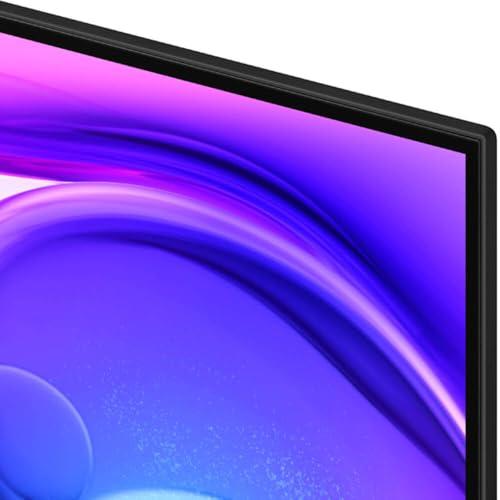
Shopping for a new TV can feel overwhelming, especially when you're comparing models from the same brand that seem similar at first glance. Samsung's 2025 lineup includes two 65-inch options that often get confused: the Crystal UHD U8000F and the QLED Q6F. While both deliver 4K resolution and Samsung's smart TV platform, they represent fundamentally different approaches to picture quality and value. Let me break down what actually matters for your viewing experience.
Both the U8000F and Q6F target the sweet spot of the TV market - buyers who want modern features without flagship pricing. Released in 2025, these models benefit from years of refinement in Samsung's smart TV platform and represent the current state of affordable 4K technology.
The TV landscape has evolved significantly since the early days of 4K. Where once you had to choose between smart features and picture quality, today's entry-level models pack impressive processing power and comprehensive streaming platforms. The real differentiator now comes down to display technology - specifically, whether you're getting standard LED backlighting or quantum dot enhancement.
When evaluating any TV in this category, the key considerations remain consistent: How good does the picture look in your specific room? How bright does it get for daytime viewing? How accurate are the colors? And crucially - is the smart platform fast and reliable enough for daily use? Both Samsung models excel in some areas while making compromises in others.
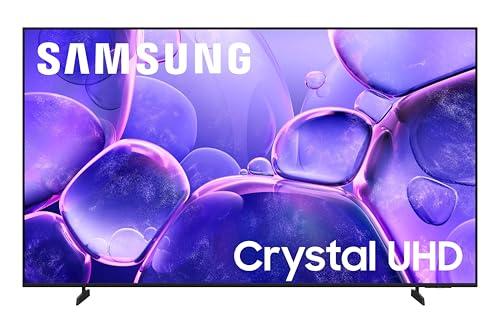
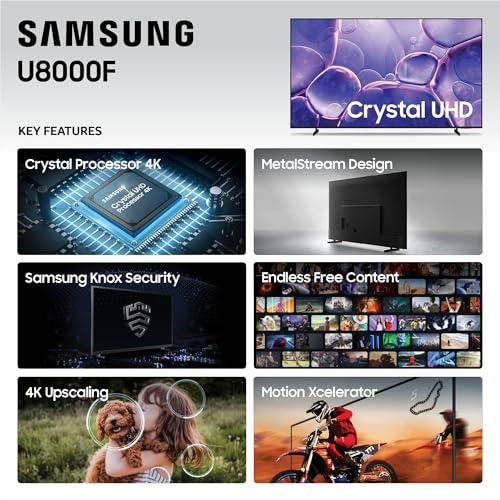
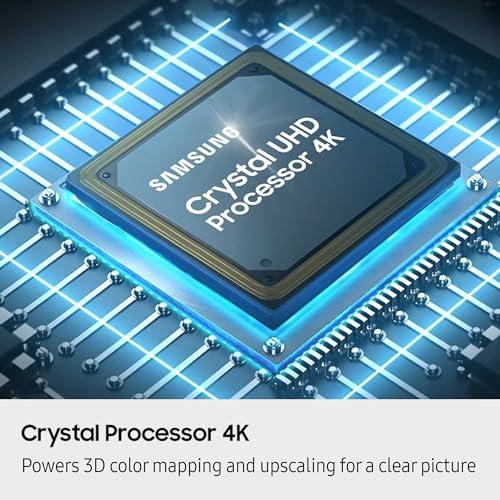
The fundamental distinction between these TVs lies in their display technology. The Crystal UHD U8000F uses Samsung's standard Crystal UHD panel with LED backlighting and a Crystal Processor 4K. Think of this as Samsung's refined version of traditional LCD TV technology - it's proven, reliable, and cost-effective.
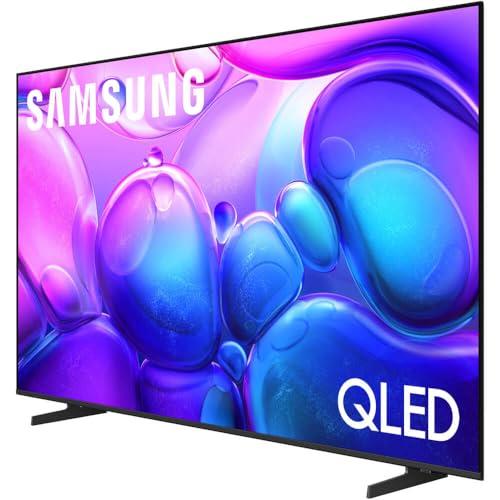
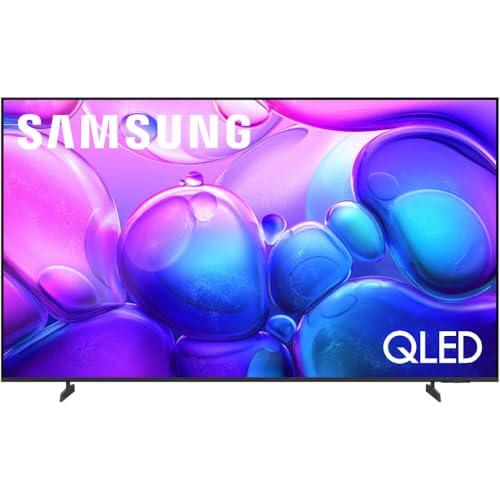
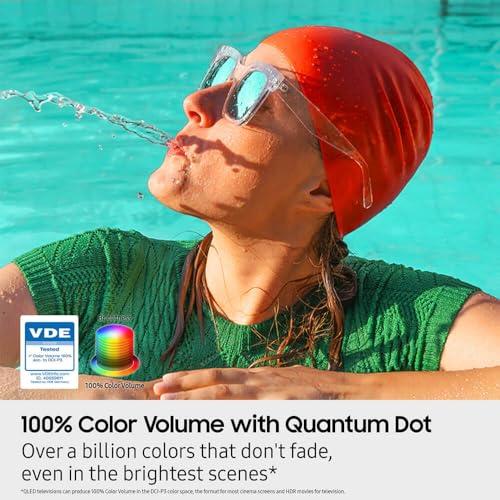
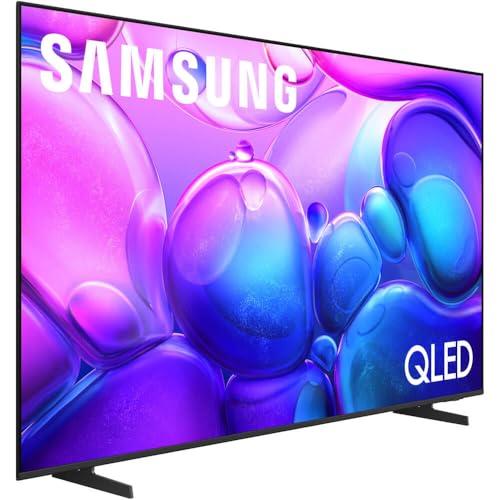
The QLED Q6F, however, incorporates quantum dot technology. Quantum dots are microscopic crystals that, when hit by light, emit very pure colors. Samsung places a layer of these quantum dots between the LED backlight and the LCD panel. This quantum dot sheet acts like a color filter, converting the blue LED light into incredibly accurate reds and greens. The result is what Samsung calls "100% color volume" - meaning the TV can display a billion different color variations with remarkable accuracy.
This isn't just marketing speak. Quantum dot technology genuinely produces more lifelike skin tones, more vibrant landscapes, and colors that remain accurate even at high brightness levels. It's the same core technology found in Samsung's premium QLEDs, just implemented in a more budget-friendly package.
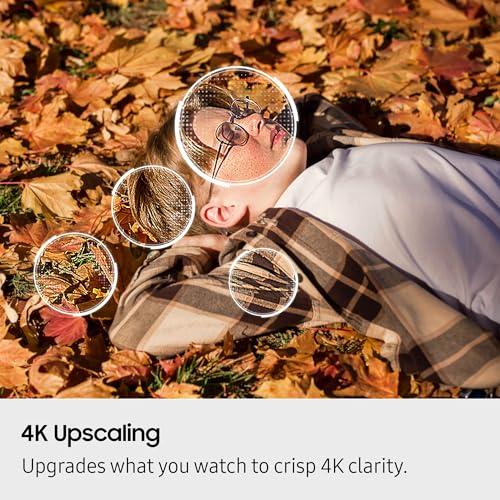
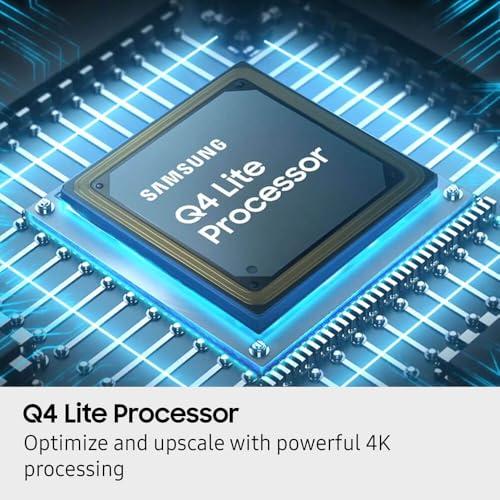
The Q6F also features Samsung's Q4 Lite Processor, which specifically optimizes content for quantum dot displays. This processor analyzes each frame and adjusts color mapping to take full advantage of the expanded color capabilities. Meanwhile, the U8000F relies on the Crystal Processor 4K for basic upscaling and optimization.
Based on our research into professional reviews and user feedback, the color difference between these models is immediately noticeable. The Q6F consistently produces more natural-looking skin tones and more accurate color reproduction across different types of content. When watching nature documentaries, the greens of foliage and blues of ocean water appear more lifelike and less artificial.
The Crystal UHD U8000F, while capable of producing vibrant colors, struggles with accuracy. Several reviews noted a persistent green tint that affects the overall picture quality, particularly in darker scenes. This color shift isn't necessarily deal-breaking for casual viewing, but it becomes noticeable when watching high-quality content or when comparing side-by-side with other displays.
Interestingly, some testing found that the U8000F actually showed more detail in certain bright outdoor scenes, particularly in sports content where grass and field details were more visible. However, this apparent advantage comes at the cost of overall color naturalism.
High Dynamic Range (HDR) is crucial for modern content, as it expands the range between the brightest whites and darkest blacks in an image. The Q6F supports Quantum HDR with HDR10+ compatibility, which uses dynamic metadata to optimize brightness and contrast on a scene-by-scene basis. This means the TV can adjust its settings hundreds of times throughout a movie to deliver the best possible picture.
The quantum dot advantage becomes particularly apparent with HDR content. Because quantum dots can produce purer colors at higher brightness levels, the Q6F can display HDR content with more impact and accuracy. Bright highlights like sunlight reflecting off water or explosions in action movies appear more realistic without washing out the surrounding image.
The U8000F supports basic HDR formats but lacks the processing power and display technology to make HDR content truly shine. While it can decode HDR signals, the limited color gamut and lower peak brightness mean you're not getting the full HDR experience that content creators intended.
Here's where both TVs show their entry-level status. Neither the U8000F nor the Q6F features local dimming technology. Local dimming divides the TV's backlight into zones that can be individually controlled, allowing for deeper blacks by dimming specific areas of the screen. Without this feature, both TVs struggle to produce truly deep blacks, which affects overall contrast and makes dark scenes appear washed out.
However, the U8000F shows more visible backlight issues in our research. Users reported noticeable backlight bleeding and blooming around bright objects in dark scenes. The Q6F, while still lacking local dimming, manages its backlighting more effectively, resulting in less distracting artifacts during movie watching.
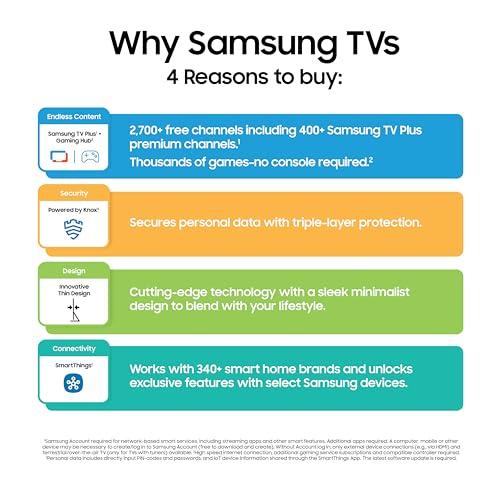
Both models run Samsung's Tizen operating system with the latest One UI interface, and this is where they're essentially identical. The platform is fast, intuitive, and packed with features. Samsung TV Plus provides access to hundreds of free streaming channels, while the Universal Guide helps you discover content across all your subscribed services.
Voice control works seamlessly with Bixby, Alexa, and Google Assistant (when connected through external devices). The SmartThings integration is particularly useful if you're building a smart home ecosystem, allowing the TV to act as a hub for controlling lights, thermostats, and other connected devices.
Samsung Knox Security protects your data and smart home connections, which is increasingly important as TVs become more connected. The web browser is functional for basic internet use, though typing with the remote remains cumbersome.
Both TVs support Apple AirPlay for iPhone and iPad users, and the interface remains responsive even when running multiple apps simultaneously. This smart platform represents one of Samsung's genuine strengths over competitors like TCL or Hisense.
For gaming, both TVs offer adequate but not exceptional performance. Both support Auto Game Mode (ALLM), which automatically switches to game mode when it detects a console, reducing input lag for more responsive gameplay.
Surprisingly, the budget U8000F includes Variable Refresh Rate (VRR) support, a feature typically found in more expensive models. VRR synchronizes the TV's refresh rate with the console's frame rate, reducing screen tearing and stuttering during gameplay. However, both TVs are limited to 60Hz refresh rates, which limits the practical benefit of VRR for most games.
The Q6F lacks VRR support but includes HGiG (HDR Gaming Interest Group) certification, which optimizes HDR settings specifically for gaming. For casual console gaming, both TVs perform adequately, but serious gamers should look at Samsung's higher-tier models with 120Hz panels and full HDMI 2.1 support.
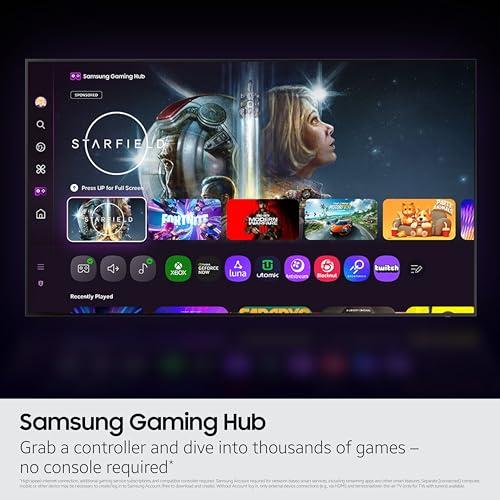
Neither TV includes Samsung's Gaming Hub or advanced gaming features, keeping them firmly in the casual gaming category.
Audio represents another area where the Q6F justifies its premium. The quantum dot model features Object Tracking Sound Lite (OTS Lite), which creates more immersive audio by simulating sound movement that matches on-screen action. When a car drives across the screen, the audio subtly shifts to follow it, creating a more engaging experience.
The Q6F also supports Q-Symphony, Samsung's technology that allows the TV speakers to work in harmony with compatible Samsung soundbars instead of being disabled when a soundbar is connected. This creates a larger, more enveloping soundstage.
Both TVs feature 20W of total power, which provides clear dialogue and adequate volume for most rooms, but neither delivers the deep bass or room-filling sound that makes action movies truly exciting. A soundbar remains a worthwhile investment for either model.
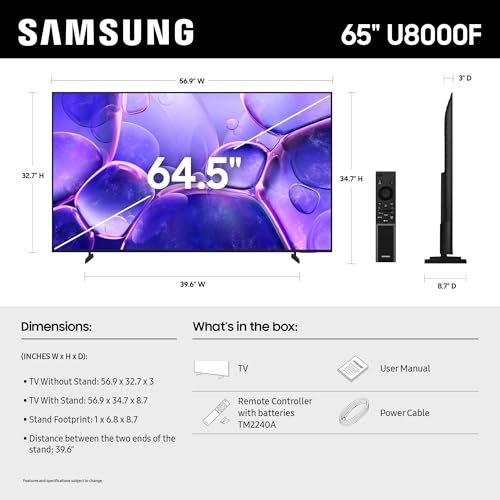
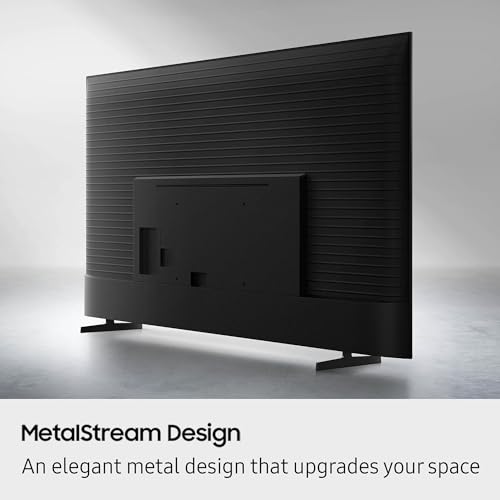
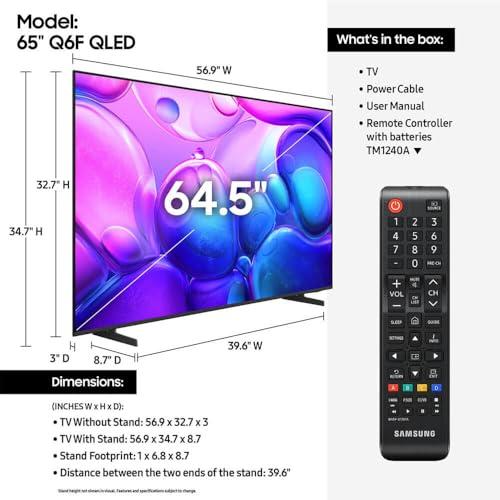
The U8000F features Samsung's MetalStream design with a notably thin profile and metal back panel - a step up from the all-plastic construction of previous budget models. This thin design makes wall mounting easier and creates a more premium appearance.
The Q6F uses a more traditional thickness but maintains Samsung's minimalist aesthetic with thin bezels and clean lines. Both TVs include basic feet stands rather than the more elegant pedestal designs found on premium models.
One concern that emerged in our research involves the Q6F's edge-lit backlighting system. Edge-lit TVs, which position LEDs around the perimeter rather than behind the entire panel, can potentially have shorter lifespans due to the concentrated heat and stress on the LEDs. While Samsung's build quality generally ensures reliable operation, this is worth considering for long-term ownership.
For dedicated home theater use, both TVs have limitations that serious movie enthusiasts should understand. Neither supports Dolby Vision, the premium HDR format used by many streaming services and 4K Blu-rays. They're limited to HDR10 and HDR10+, which still provides good HDR performance but not the absolute best available.
The narrow viewing angles of both models make them less suitable for wide seating arrangements. Colors and brightness degrade noticeably when viewed from the side, so these TVs work best with centered seating.
The Q6F edges ahead for home theater use thanks to its superior color accuracy and HDR performance, but neither model will satisfy videophiles who prioritize the absolute best picture quality. For that, you'd need to step up to Samsung's higher-tier QLEDs or consider OLED technology from other brands.
The price difference between these models represents a significant decision point. At the time of writing, the Q6F commands a substantial premium over the U8000F - often several hundred dollars more. This premium buys you quantum dot technology, better color accuracy, improved HDR performance, and enhanced audio features.
For many buyers, the Crystal UHD U8000F provides adequate performance for everyday viewing. If you primarily watch streaming content, don't prioritize color accuracy, and want to keep costs down, it delivers solid value with Samsung's excellent smart platform.
However, if you watch a lot of movies, care about color accuracy, or plan to keep the TV for many years, the Q6F's quantum dot technology provides meaningful improvements that justify the premium. The difference becomes especially apparent with high-quality content and in bright viewing environments.
Choose the Crystal UHD U8000F if: You're working with a strict budget and need a reliable 4K smart TV for casual viewing. It's ideal as a secondary TV for bedrooms or if you primarily watch streaming content and don't prioritize picture quality perfection. The VRR support is a nice bonus for casual gaming, and the thin profile works well for wall mounting.
Choose the QLED Q6F if: Picture quality matters to you and you can afford the premium. The quantum dot technology delivers noticeably better colors and HDR performance, making it worthwhile for movie watching and high-quality content. If you're planning to keep the TV for several years or it's going in your main living space, the improved experience justifies the additional cost.
Consider looking elsewhere if: You're a serious gamer who wants 120Hz and advanced gaming features, you prioritize deep blacks and contrast (OLED might be better), or you want the absolute best picture quality regardless of budget (higher-tier QLEDs offer more advanced features).
The choice ultimately comes down to how much picture quality improvement is worth to you. The Q6F is objectively better in most ways that matter, but the U8000F offers impressive value for buyers focused on getting modern smart TV features at the lowest possible price. Both represent solid entries in Samsung's 2025 lineup, just aimed at different priorities and budgets.
| Samsung 65-Inch Crystal UHD U8000F 4K Smart TV 2025 | Samsung 65" QLED Q6F 4K Smart TV 2025 |
|---|---|
| Display Technology - The core difference affecting color quality and brightness | |
| Crystal UHD with standard LED backlighting | QLED with Quantum Dot technology for 100% color volume |
| Picture Processor - Determines upscaling and optimization quality | |
| Crystal Processor 4K (basic upscaling) | Q4 Lite Processor (quantum dot optimization) |
| HDR Support - Critical for streaming movies and premium content | |
| Basic HDR, HDR10, HDR10+, HLG | Quantum HDR with HDR10+ (superior brightness and contrast) |
| Color Accuracy - Most noticeable difference in picture quality | |
| Standard color reproduction with reported green tint issues | Quantum Dot delivers natural skin tones and accurate colors |
| Peak Brightness - Affects daytime viewing and HDR impact | |
| Lower brightness levels, struggles in bright rooms | Higher quantum dot brightness, better for well-lit spaces |
| Gaming Features - Important for console users | |
| VRR support (surprising for budget model), Auto Game Mode | Auto Game Mode, HGiG certification, no VRR |
| Refresh Rate - Affects motion smoothness | |
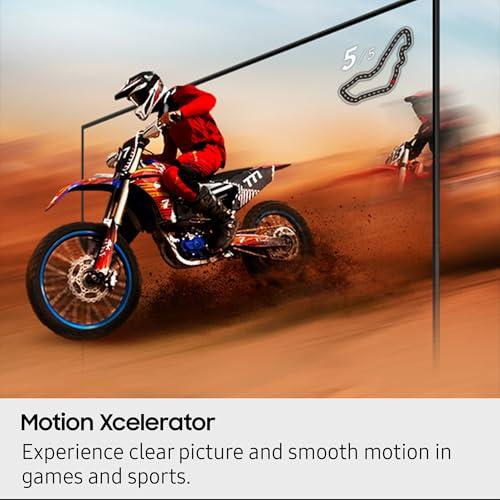
| 60Hz with Motion Xcelerator | 60Hz with Motion Xcelerator |
| Audio System - Determines if you need a soundbar immediately | |
| 20W 2CH basic audio | 20W 2CH with Object Tracking Sound Lite and Q-Symphony |
| Smart TV Platform - Both identical in features and performance | |
| Tizen OS with Samsung TV Plus, SmartThings, Knox Security | Tizen OS with Samsung TV Plus, SmartThings, Knox Security |
| Build Quality - Affects mounting options and durability | |
| MetalStream design, notably thin profile, metal back | Standard thickness, edge-lit backlighting (potential longevity concerns) |
| Local Dimming - Crucial for deep blacks and contrast | |
| None (affects dark scene performance) | None (affects dark scene performance) |
| Connectivity - Standard for both models | |
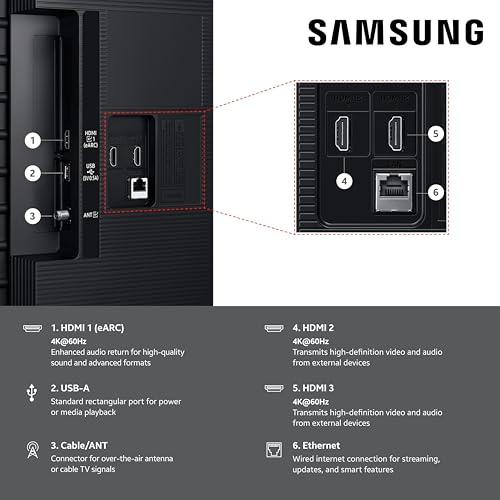
| 3 HDMI, 1 USB-A, Wi-Fi 5, Bluetooth 5.3 | 3 HDMI, 1 USB-A, Wi-Fi 5, Bluetooth 5.3 |
| Best For - Target buyer and use cases | |
| Budget buyers, secondary TVs, casual viewing, wall mounting | Picture quality prioritizers, main living room, movie watching |
The primary difference is display technology. The Samsung 65-Inch Crystal UHD U8000F uses standard LED backlighting with Crystal UHD technology, while the Samsung 65" QLED Q6F features quantum dot technology that produces more accurate colors and better brightness. The Q6F delivers what Samsung calls "100% color volume" with more natural-looking pictures, especially for skin tones and vibrant scenes.
The Samsung 65" QLED Q6F offers superior picture quality for movies and streaming content. Its quantum dot technology provides more accurate colors, better HDR performance with Quantum HDR support, and higher peak brightness levels. The Samsung 65-Inch Crystal UHD U8000F delivers adequate picture quality but has reported color accuracy issues, including a green tint that affects overall viewing experience.
Both TVs offer decent gaming performance for casual players, but with different strengths. The Samsung 65-Inch Crystal UHD U8000F surprisingly includes VRR (Variable Refresh Rate) support, which helps reduce screen tearing. The Samsung 65" QLED Q6F features HGiG certification for optimized HDR gaming but lacks VRR. Both are limited to 60Hz refresh rates, making them suitable for casual gaming rather than competitive play.
The Samsung 65" QLED Q6F performs better in bright rooms due to its quantum dot technology that produces higher peak brightness levels. This makes it more suitable for daytime viewing and well-lit living spaces. The Samsung 65-Inch Crystal UHD U8000F has lower brightness output and may struggle with glare and washed-out images in very bright environments.
Yes, both the Samsung 65-Inch Crystal UHD U8000F and Samsung 65" QLED Q6F run identical Tizen smart TV platforms with the same features. Both include Samsung TV Plus with free channels, SmartThings integration, voice control support, and Samsung Knox security. The smart TV experience is essentially the same on both models.
The Samsung 65" QLED Q6F offers better audio performance with Object Tracking Sound Lite (OTS Lite) that creates more immersive sound by following on-screen action. It also supports Q-Symphony for enhanced compatibility with Samsung soundbars. The Samsung 65-Inch Crystal UHD U8000F has basic 20W audio without these advanced sound features.
The Samsung 65" QLED Q6F uses edge-lit backlighting, which some reviews suggest may have shorter lifespans due to concentrated LED stress. The Samsung 65-Inch Crystal UHD U8000F features a notably thin MetalStream design with a metal back panel, which may offer better build quality despite being the budget option. Both should provide reliable operation with proper care.
For home theater use, the Samsung 65" QLED Q6F is the better choice due to its superior color accuracy, better HDR performance, and more immersive audio features. However, both TVs have limitations for serious home theater enthusiasts, including lack of Dolby Vision support, no local dimming, and narrow viewing angles. The Samsung 65-Inch Crystal UHD U8000F can work for casual movie watching but lacks the picture quality refinement expected in dedicated theater rooms.
Neither TV supports Dolby Vision, the premium HDR format. Both the Samsung 65-Inch Crystal UHD U8000F and Samsung 65" QLED Q6F support HDR10, HDR10+, and HLG formats. However, the Samsung 65" QLED Q6F implements HDR more effectively with its Quantum HDR technology and higher brightness capabilities.
The Samsung 65-Inch Crystal UHD U8000F is the budget-friendly option that still provides 4K resolution, Samsung's smart platform, and surprisingly includes VRR for gaming. It's adequate for casual viewing, streaming, and as a secondary TV. However, if you can stretch your budget, the Samsung 65" QLED Q6F provides meaningful picture quality improvements that justify the premium for many buyers.
Both the Samsung 65-Inch Crystal UHD U8000F and Samsung 65" QLED Q6F offer identical connectivity with 3 HDMI ports, 1 USB-A port, Wi-Fi 5, Bluetooth 5.3, and Ethernet. Both support eARC/ARC for soundbar connections and include the same wireless features like Apple AirPlay and SmartThings integration.
The Samsung 65" QLED Q6F typically offers better long-term value if you plan to keep the TV for several years and prioritize picture quality. Its quantum dot technology provides a more premium viewing experience that remains satisfying over time. The Samsung 65-Inch Crystal UHD U8000F offers excellent short-term value for budget-conscious buyers who need basic 4K smart TV functionality without premium picture quality requirements.
We've done our best to create useful and informative comparisons to help you decide what product to buy. Our research uses advanced automated methods to create this comparison and perfection is not possible - please contact us for corrections or questions. These are the sites we've researched in the creation of this article: bestbuy.com - youtube.com - youtube.com - rtings.com - youtube.com - samsung.com - hometechnologyreview.com - rtings.com - samsung.com - displayspecifications.com - samsung.com - displayspecifications.com - walmart.com - billsmith.com - dentonstv.com - samsung.com - samsung.com - samsung.com - youtube.com - bestbuy.com - bestbuy.com - youtube.com - samsung.com - donstv.com - tomsguide.com - bestbuy.com - samsung.com - youtube.com - rtings.com - bestbuy.com - samsung.com - samsung.com - samsung.com - manuals.plus - shopjetson.com - samsung.com - samsung.com - samsung.com - samsung.com - bestbuy.com - jefflynch.com

Privacy Policy
Terms and Conditions - Affiliate Policy
Home Security
© Copyright 2008-2026.
11816 Inwood Rd #1211, Dallas, TX 75244