



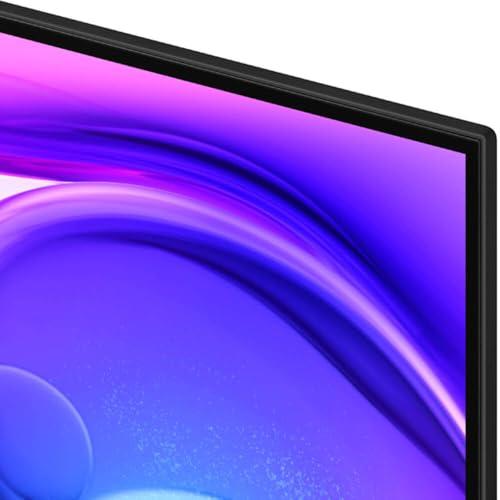
When shopping for a 65-inch TV, you're entering premium territory where every feature matters. Samsung offers two distinct approaches in this size class: the design-focused Frame 2024 and what should have been the budget-friendly Q6F 2025. However, there's a significant catch we need to address upfront.
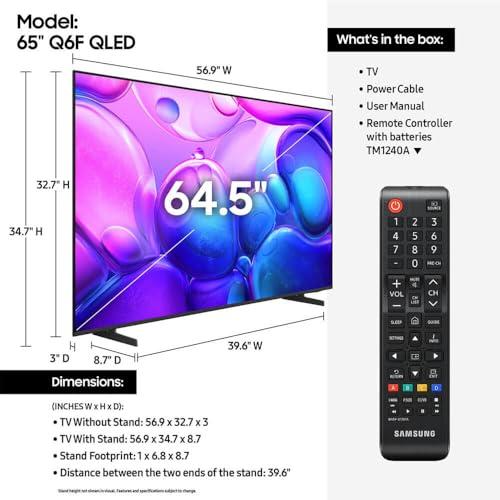
Here's where things get interesting—and frustrating. Samsung's Q6F 2025 doesn't actually exist in a 65-inch size. Despite various retail listings suggesting otherwise, Samsung's official 2025 lineup only includes the Q6F in 75-inch and 85-inch models. This means if you're specifically looking at a 65-inch Q6F listing, you're likely seeing either outdated information, a retailer error, or possibly a regional variant that hasn't been widely confirmed.
This reality check is important because it fundamentally changes the buying landscape. Instead of comparing the Frame 2024 to the Q6F 2025, you'd more realistically be looking at Samsung's Q7F 2025 or sticking with the proven Frame 2024 if the art display concept appeals to you.
Both products represent Samsung's QLED technology, which uses quantum dots—microscopic particles that emit precise colors when hit by light. Think of quantum dots as tiny color filters that can produce more accurate and vibrant colors than traditional LED TVs. The technology delivers what Samsung calls "100% color volume," meaning colors stay true even at maximum brightness levels.
The Frame 2024, released in early 2024, represents Samsung's fourth-generation approach to lifestyle TVs. Since the original Frame launched in 2017, Samsung has steadily improved the anti-glare coating, added better processors, and refined the art display features. The 2024 model brought significant upgrades including a 120Hz refresh rate and improved motion handling compared to earlier versions.
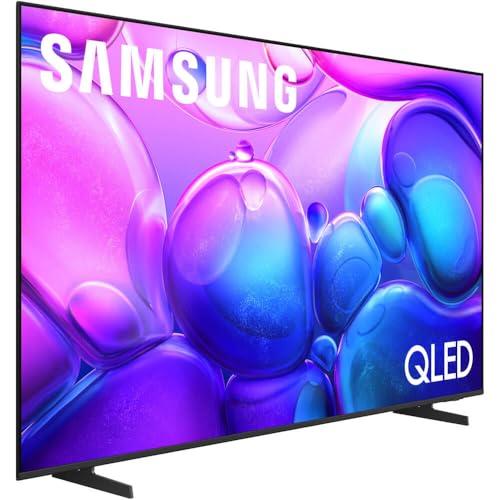
The theoretical Q6F 2025 would represent Samsung's entry-level QLED offering for 2025, positioned as the most affordable way to get quantum dot technology. However, given its apparent non-existence in 65-inch form, we'll need to extrapolate from the larger sizes and compare against what Samsung typically offers in this market segment.
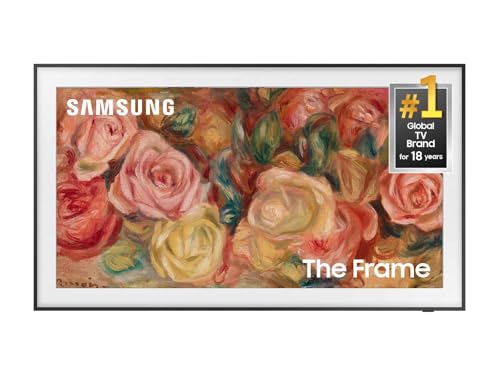
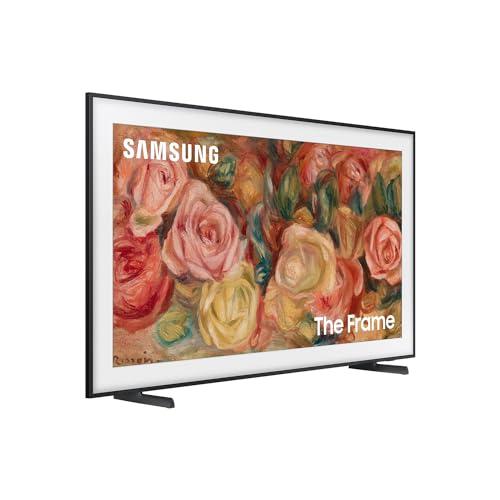
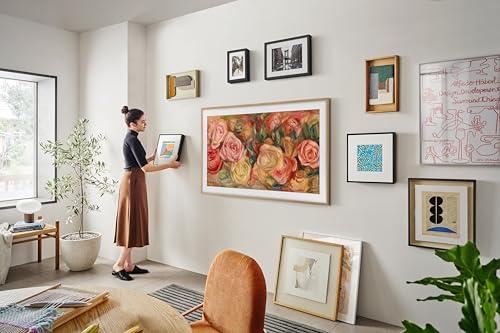
The Frame 2024 isn't trying to be just a TV—it's attempting to solve the "black rectangle" problem that many people have with modern TVs. When turned off, most TVs become imposing dark screens that dominate room aesthetics. The Frame tackles this by transforming into a digital art gallery.
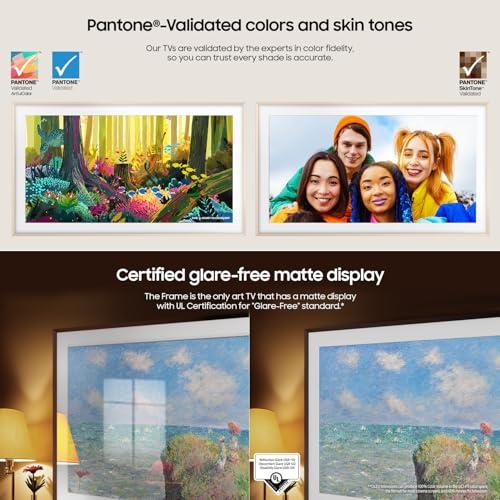
The Frame's matte display coating is perhaps its most distinctive feature. This anti-reflective technology scatters ambient light instead of creating mirror-like reflections. While this makes the TV look more like an actual painting or photograph, it does slightly reduce the perceived brightness and contrast compared to glossy screens. It's a calculated trade-off that works brilliantly in bright living rooms but might not be ideal for dedicated dark home theaters.
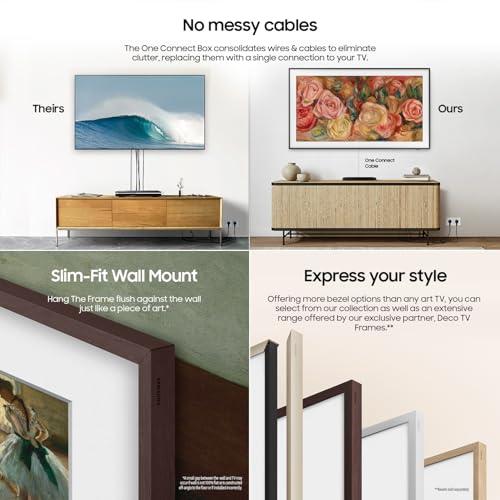
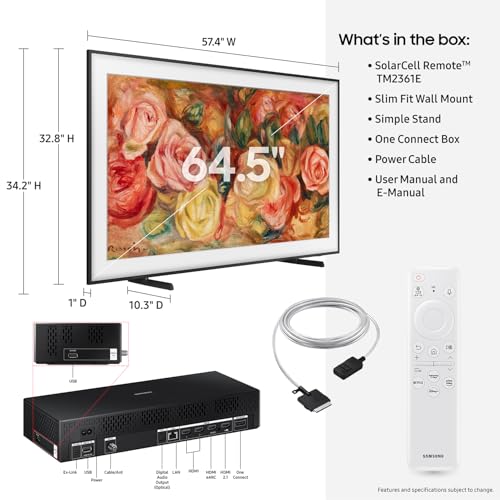
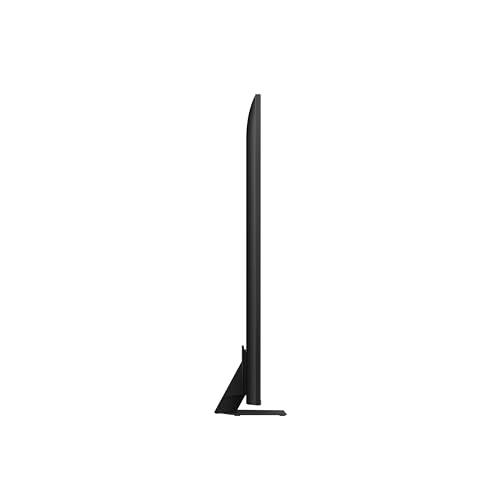
Samsung includes a slim-fit wall mount with the Frame 2024, and the TV measures just one inch thick when mounted flush to the wall. The One Connect Box—a separate unit that houses all the ports—connects to the TV via a nearly invisible cable. This means you can mount the TV like artwork while keeping all your devices connected to a box hidden in an entertainment center.
The customizable bezels are another key differentiator. These magnetic frames come in various colors and styles, from modern black to classic wood finishes. However, they're sold separately and can add considerable cost to your purchase.
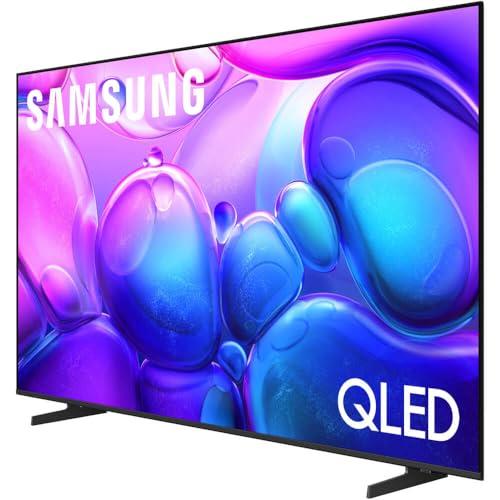
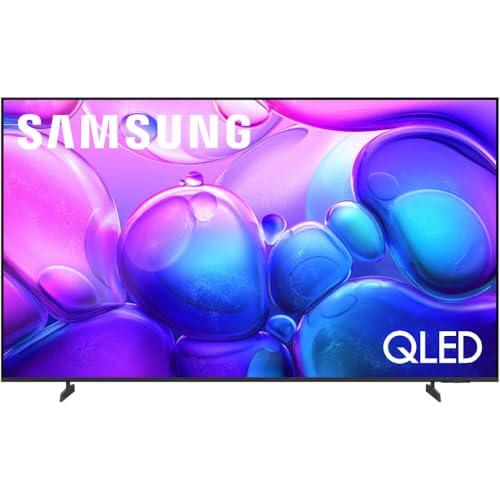
A traditional QLED like the Q6F 2025 would take a more conventional approach, prioritizing screen performance over aesthetics. These TVs typically feature glossy screens that maximize brightness and contrast, standard mounting options, and direct connections for all devices. The focus remains squarely on delivering the best possible picture quality for the money.
When it comes to raw picture performance, the comparison reveals interesting trade-offs. The Frame 2024 uses a QLED panel optimized for dual-purpose use—it needs to look good displaying both dynamic video content and static artwork.
The Frame's quantum processor handles 4K upscaling (converting lower-resolution content to fit the 4K screen) and includes HDR10+ support. HDR, or High Dynamic Range, expands the range between the darkest blacks and brightest whites, making images more lifelike. The Frame supports HDR10+ but notably lacks Dolby Vision support, which some competing TVs offer.
Peak brightness on the Frame 2024 reaches approximately 590 nits in HDR content. While this sounds technical, it practically means the TV can display reasonably bright highlights in HDR movies and shows, though it won't compete with premium TVs that can exceed 1,000 nits. For most viewing conditions, this brightness level proves adequate.
The Frame uses edge-lit LED backlighting without local dimming zones. Local dimming allows different screen areas to dim independently, creating better contrast between bright and dark scene elements. Without it, the Frame 2024 can't achieve the deep blacks that make dark movie scenes truly dramatic. This limitation becomes most apparent in dark room viewing.
The theoretical Q6F 2025, based on Samsung's typical entry-level QLED approach, would likely offer similar brightness levels but with a glossy screen that could appear more vibrant in direct comparisons. The trade-off would be increased reflections in bright rooms—exactly what the Frame's matte coating prevents.
Both TVs would deliver Samsung's signature color accuracy through quantum dot technology. Colors remain stable across different brightness levels, and skin tones typically appear natural. The quantum dots ensure that reds stay red and blues stay blue even in very bright scenes, something traditional LED TVs sometimes struggle with.
Gaming capabilities represent another significant differentiator between these approaches. The Frame 2024 includes genuine gaming-focused features that work well with modern consoles.
The 120Hz refresh rate means the TV can display up to 120 frames per second, providing smoother motion in fast-paced games. Most TVs still operate at 60Hz, so this higher refresh rate gives the Frame a legitimate advantage for gaming. Variable Refresh Rate (VRR) technology synchronizes the TV's refresh rate with the gaming device, eliminating screen tearing—those horizontal lines that can appear during rapid movement.
Input lag on the Frame 2024 measures around 9.2 milliseconds in game mode. Input lag represents the delay between pressing a controller button and seeing the action on screen. Anything under 20ms is considered excellent for gaming, so the Frame performs very well here.
Auto Low Latency Mode (ALLM) automatically switches the TV to game mode when it detects a gaming console, optimizing settings for responsiveness rather than picture processing. This feature works seamlessly with Xbox Series X/S and PlayStation 5 consoles.
The Q6F 2025, if it existed in 65-inch form, would likely offer basic gaming features. Based on Samsung's entry-level models, you'd expect 60Hz refresh rate, basic auto game mode, but potentially limited VRR support and higher input lag. These differences matter significantly if gaming represents a primary use case.
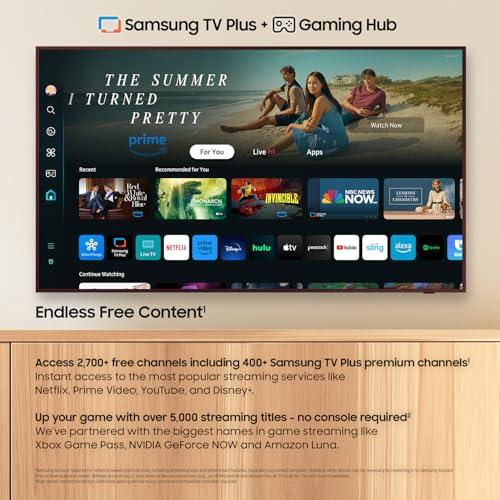
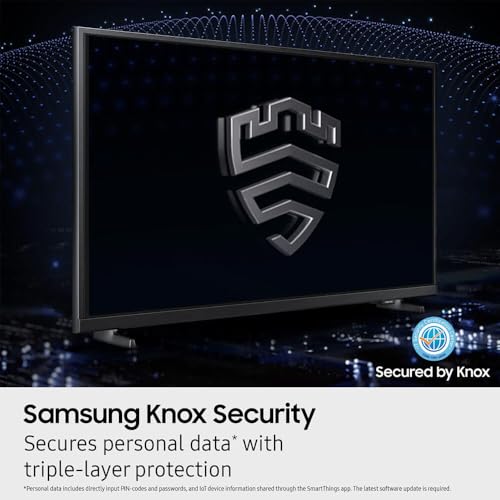
Both TVs would run Samsung's Tizen operating system, which has evolved into a capable smart TV platform. Tizen offers access to all major streaming services including Netflix, Disney+, Amazon Prime Video, and Apple TV+. The interface feels responsive, and Samsung regularly updates the software with new features and security patches.
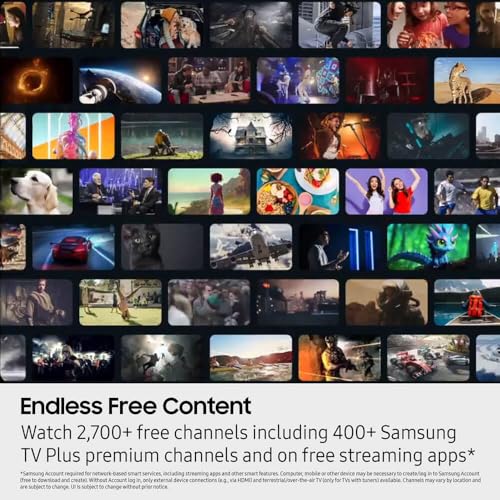
Samsung TV Plus provides free streaming channels—over 1,200 at the time of writing—covering news, sports, entertainment, and niche interests. While the content quality varies, it's genuinely useful for background viewing or discovering new shows without subscription fees.
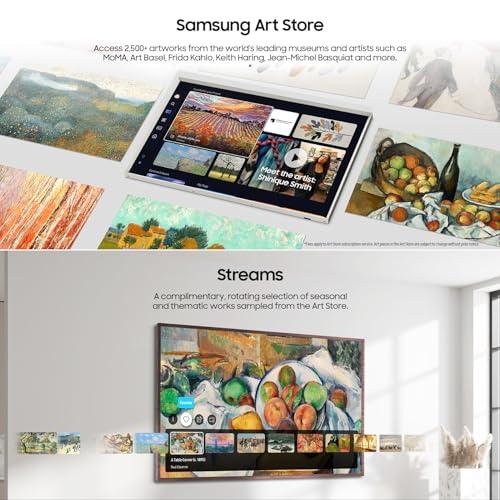
The Frame 2024 includes additional features specific to its art display function. Samsung's Art Store offers thousands of curated artworks, though accessing the full library requires a subscription after the trial period. You can also upload personal photos, and the TV includes motion sensors that turn the display on when people enter the room and off when the room remains empty.
Voice control works through Bixby (Samsung's assistant), Amazon Alexa, or Google Assistant. The included remote features a built-in microphone for voice commands. Samsung's SmartThings integration allows the TV to serve as a smart home hub, controlling compatible lights, thermostats, and other connected devices.
Both TVs support Apple AirPlay for wireless streaming from iPhones and iPads, plus screen mirroring from Samsung smartphones. The connectivity options include multiple HDMI ports, USB ports, and built-in Wi-Fi.
Television audio often gets overlooked until you're actually watching content, but the differences here are meaningful. The Frame 2024 includes a 2.0.2 channel speaker system with 40 watts of total power. The ".2" designation indicates up-firing speakers that create a basic surround sound effect by bouncing audio off the ceiling.
Object Tracking Sound technology attempts to move audio around the screen to match visual action. While not as sophisticated as dedicated surround sound systems, it creates a more immersive experience than basic TV speakers. Dolby Atmos support adds vertical sound dimension for compatible content.
The Q6F 2025 would likely include more basic audio—probably a 2-channel system with 20 watts of power and fewer advanced processing features. The difference becomes noticeable when watching action movies or sports with complex audio mixes.
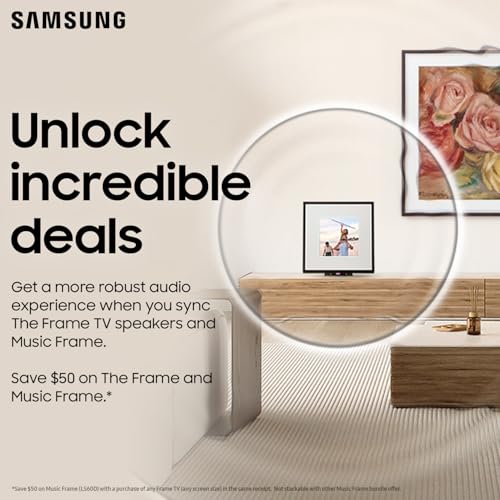
Both TVs support Q-Symphony, Samsung's technology that allows the TV speakers to work alongside compatible Samsung soundbars instead of being disabled. This creates a fuller soundstage than using either the TV or soundbar alone.
For serious movie watching, neither TV's built-in audio will match a dedicated sound system. However, the Frame 2024 provides a more complete out-of-box experience for casual viewing.
Using either TV in a dedicated home theater reveals their different strengths and limitations. The Frame 2024 works well in multipurpose living spaces where the TV serves entertainment and aesthetic functions. The matte coating reduces distracting reflections from ambient lighting, making daytime viewing more comfortable.
However, in a dark, dedicated theater room, the Frame's limitations become apparent. The lack of local dimming means black levels appear gray rather than truly black. Movie scenes with starfields, dark hallways, or night scenes don't achieve the dramatic impact possible with higher-end TVs. The matte coating, while reducing reflections, also slightly reduces perceived contrast and brightness.
For home theater use, the Frame 2024 works best in rooms with some ambient lighting where its reflection-handling capabilities shine. It's less ideal for the classic dark theater environment where deep blacks and maximum contrast create the most cinematic experience.
The theoretical Q6F 2025 would face similar limitations regarding black levels and contrast, but the glossy screen might appear slightly more dynamic in dark rooms. Neither TV offers the local dimming or peak brightness levels that make HDR content truly spectacular.
Both TVs support Filmmaker Mode, which disables motion smoothing and other processing to display movies as directors intended. This feature has become standard across Samsung's lineup and genuinely improves movie watching by eliminating the "soap opera effect" that makes films look like daytime television.
The Frame 2024 makes sense for specific buyers who value its unique capabilities. If your TV will be mounted in a living room, family room, or bedroom where it's visible even when turned off, the art display function provides genuine value. The anti-glare coating works particularly well in bright rooms with large windows or multiple light sources.
Buyers who appreciate design details and are willing to pay premium prices for aesthetic integration will find the Frame appealing. The ability to customize bezels and display personal artwork creates a personalized experience unavailable with traditional TVs. If you're already planning to hang artwork in the same space, the Frame can serve both functions.
The Frame also suits buyers who want modern gaming features without stepping up to Samsung's most expensive models. The 120Hz refresh rate, VRR support, and low input lag provide excellent gaming performance while maintaining the lifestyle-focused design.
However, the Frame 2024 doesn't make sense for everyone. If picture quality represents your top priority and aesthetics matter less, you'll find better performing TVs at similar or lower prices. The matte coating and lack of local dimming limit its performance in dark rooms compared to other options in Samsung's lineup.
The theoretical Q6F 2025 would appeal to budget-conscious buyers prioritizing basic QLED features over premium design elements. However, since this specific model and size combination doesn't appear to exist, buyers in this category should consider Samsung's Q7F 2025 or explore other manufacturers' entry-level QLED offerings.
Given the product availability issues, your practical choices differ from the original comparison. If the art display concept appeals to you and the premium price feels justified, the Frame 2024 delivers on its unique promise while providing solid overall performance.
If you're specifically looking for Samsung's most affordable QLED in 65-inch size, you'll need to look at the Q7F 2025 or consider whether the Frame 2024 might actually provide better long-term value through its dual functionality.
At the time of writing, the Frame 2024 typically commands a significant premium over entry-level QLED models. This premium reflects the specialized matte display, custom bezels, slim wall mount, and One Connect Box included in the package. Whether that premium feels worthwhile depends largely on how much you value the aesthetic integration and art display features.
The safest recommendation is to see both approaches in person before deciding. The Frame's matte display looks distinctly different from traditional glossy TVs, and this difference will either appeal to you immediately or feel like an unnecessary compromise. Similarly, the art display function either solves a real aesthetic problem in your space or represents an expensive feature you'll rarely use.
For most buyers, the decision ultimately comes down to whether they want a TV that disappears into their decor or one that maximizes performance per dollar. Both approaches have merit, but they serve different priorities and different rooms.
| Samsung 65" The Frame QLED 4K 2024 TV | Samsung 65" QLED Q6F 4K Smart TV 2025 |
|---|---|
| Product Availability - Critical for purchase decisions | |
| Available in 65" size with full retail support | Does not exist in 65" - only available in 75" and 85" sizes |
| Display Type - Affects picture quality and room integration | |
| QLED with Anti-Glare Matte Display (reduces reflections, slightly softer image) | QLED with traditional glossy display (brighter appearance, more reflections) |
| Refresh Rate - Important for gaming and sports | |
| 120Hz native (smooth gaming, supports next-gen consoles) | 50/60Hz depending on region (basic performance, limited gaming features) |
| HDR Support - Enhances color and contrast in movies | |
| HDR10, HDR10+, HLG (good but missing Dolby Vision) | HDR10, HDR10+ (similar support as Frame) |
| Peak Brightness - Critical for HDR impact and bright room viewing | |
| ~590 nits (adequate for most content, limited HDR pop) | Similar brightness expected for entry-level QLED |
| Gaming Features - Essential for console gaming | |
| VRR, ALLM, 9.2ms input lag, Game Mode (excellent for PS5/Xbox Series X) | Basic gaming features only (Auto Game Mode, higher input lag expected) |
| Audio System - Affects out-of-box entertainment experience | |
| 40W 2.0.2CH with Dolby Atmos, Object Tracking Sound (impressive for built-in speakers) | 20W 2CH basic speakers (will likely need soundbar upgrade) |
| Design Philosophy - Determines room integration approach | |
| Art Mode, customizable bezels, 1" thin wall mount, One Connect Box (premium lifestyle integration) | Traditional TV design with basic stand and direct connections |
| Smart TV Platform - Same core experience on both | |
| Tizen OS, Samsung TV Plus, Gaming Hub, Art Store integration | Tizen OS, Samsung TV Plus, Gaming Hub (same platform, no art features) |
| Local Dimming - Affects black levels and contrast | |
| None (limited dark room performance, grayish blacks) | None expected for entry-level model (similar limitations) |
| Processor - Handles upscaling and image processing | |
| Quantum Processor 4K (solid 4K upscaling and motion handling) | Q4 Lite Processor (basic processing, adequate upscaling) |
| Target Buyer - Who should consider each option | |
| Design-conscious buyers wanting dual TV/art functionality in bright living spaces | Budget shoppers seeking basic QLED features (but 65" model doesn't exist) |
The Samsung 65" The Frame QLED 4K 2024 TV is the better choice for most buyers since the Samsung 65" QLED Q6F 4K Smart TV 2025 doesn't actually exist in 65" size. Samsung only makes the Q6F 2025 in 75" and 85" models, so if you need a 65" TV, the Frame 2024 or Samsung's Q7F 2025 are your realistic options.
The Frame 2024 functions as both a TV and digital art display with a matte anti-glare screen, while the Q6F 2025 would be a traditional budget QLED focused purely on TV performance. The Frame includes Art Mode, customizable bezels, and premium design features that the Q6F lacks.
The Samsung 65" The Frame QLED 4K 2024 TV offers superior gaming performance with 120Hz refresh rate, VRR support, and 9.2ms input lag. The Q6F 2025 would likely have basic 60Hz performance and higher input lag, making the Frame much better for PlayStation 5 and Xbox Series X gaming.
Both use Samsung's QLED technology, but the Frame 2024 has a matte display that reduces reflections while slightly softening the image. The Q6F 2025 would have a glossy screen that appears brighter but creates more reflections. Neither has local dimming, so black levels are similar on both models.
The Samsung 65" The Frame QLED 4K 2024 TV excels in bright rooms thanks to its anti-glare matte coating that eliminates reflections from windows and lights. The Q6F 2025 would struggle more with reflections despite potentially appearing brighter in direct comparison.
Yes, both the Frame 2024 and Q6F 2025 run Samsung's Tizen operating system with identical streaming apps and Samsung TV Plus. However, the Frame includes additional Art Store integration and motion sensors for its art display functionality.
The Samsung 65" The Frame QLED 4K 2024 TV features superior 40W 2.0.2 channel speakers with Dolby Atmos and Object Tracking Sound. The Q6F 2025 would likely have basic 20W 2-channel speakers requiring a soundbar upgrade for quality audio.
The Frame 2024 includes a slim-fit wall mount and One Connect Box for clean cable management, mounting flush like artwork. The Q6F 2025 would require separate wall mount purchase and has all connections directly on the TV, creating a bulkier wall installation.
Neither the Samsung 65" The Frame QLED 4K 2024 TV nor Q6F 2025 excels in dark home theaters due to lack of local dimming. However, the Frame's matte display works better in multipurpose rooms with ambient lighting, while dedicated theater rooms might benefit from the Q6F's potentially brighter glossy screen.
Yes, both the Frame 2024 and Q6F 2025 support HDR10 and HDR10+ formats. Neither supports Dolby Vision, and both achieve similar peak brightness levels around 590 nits, providing decent but not exceptional HDR performance.
Since the Samsung 65" QLED Q6F 4K Smart TV 2025 doesn't exist in 65" size, you can't actually buy it. The Samsung 65" The Frame QLED 4K 2024 TV provides good value if you want the art display functionality, but consider Samsung's Q7F 2025 for traditional TV performance at a lower price point.
Don't wait for a 65" Q6F 2025 as Samsung hasn't announced this size. Buy the Frame 2024 if you want the art display features, or consider Samsung's Q7F 2025 for better traditional TV performance. The Frame remains a solid choice for design-conscious buyers who value its unique dual functionality.
We've done our best to create useful and informative comparisons to help you decide what product to buy. Our research uses advanced automated methods to create this comparison and perfection is not possible - please contact us for corrections or questions. These are the sites we've researched in the creation of this article: tomsguide.com - rtings.com - rtings.com - youtube.com - bestbuy.com - techlicious.com - youtube.com - smalllilystudio.com - theeverymom.com - livingetc.com - pcrichard.com - image-us.samsung.com - samsung.com - images.samsung.com - samsung.com - buydig.com - tvsbook.com - bestbuy.com - samsung.com - samsung.com - flatpanelshd.com - tomsguide.com - bestbuy.com - samsung.com - rtings.com - youtube.com - rtings.com - bestbuy.com - samsung.com - samsung.com - samsung.com - manuals.plus - shopjetson.com - samsung.com - samsung.com - samsung.com - samsung.com - bestbuy.com - jefflynch.com

Privacy Policy
Terms and Conditions - Affiliate Policy
Home Security
© Copyright 2008-2026.
11816 Inwood Rd #1211, Dallas, TX 75244