

Shopping for a 65-inch TV can feel overwhelming, especially when you're comparing models from different price tiers. The Samsung Q6F and Sony BRAVIA 9 represent two distinct approaches to premium television technology, and understanding their differences will help you make the right choice for your home and budget.
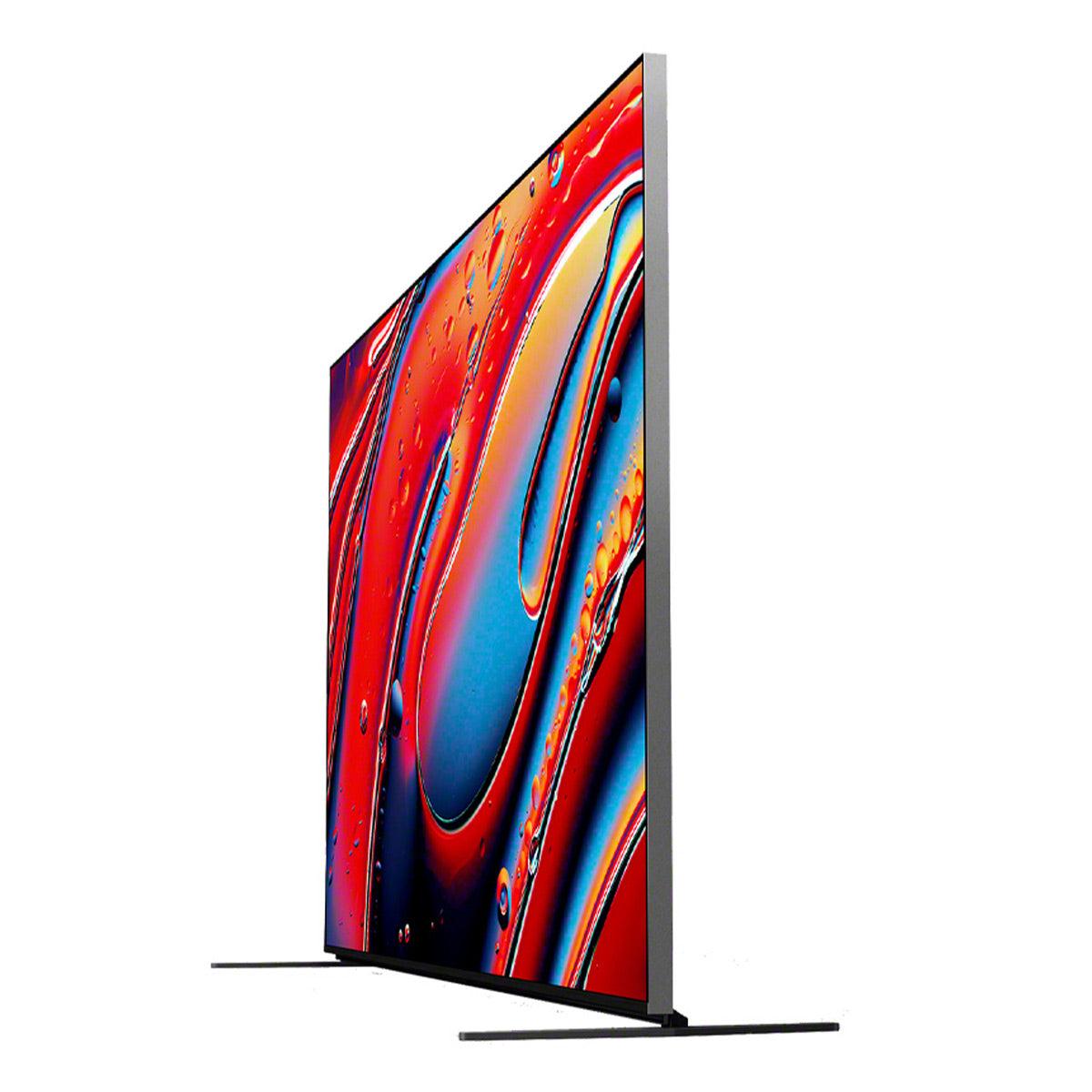
Both TVs launched in 2024-2025, riding the wave of significant improvements in LED display technology. The Sony BRAVIA 9 represents Sony's flagship Mini LED achievement, while the Samsung Q6F brings quantum dot color enhancement to Samsung's entry-level QLED lineup. At the time of writing, expect the BRAVIA 9 to cost significantly more—often double or triple the Q6F's price—making this comparison as much about value as pure performance.
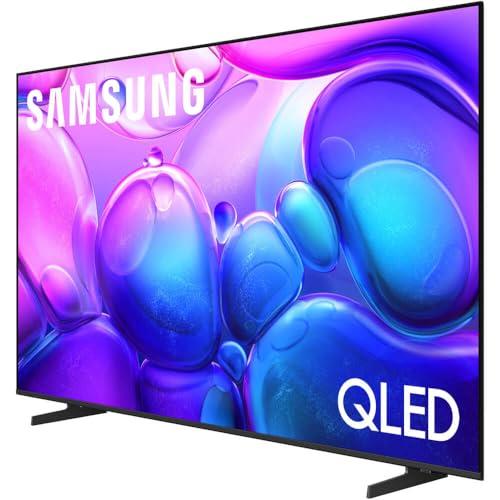
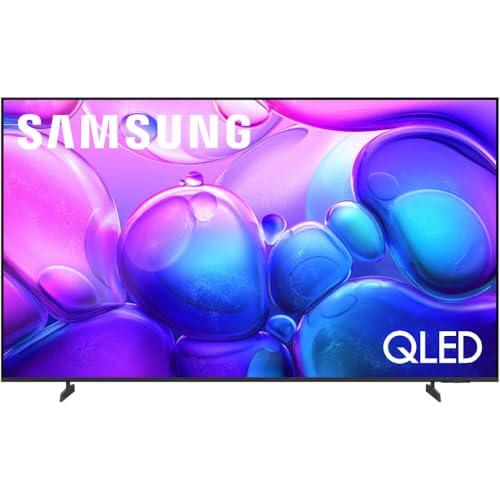
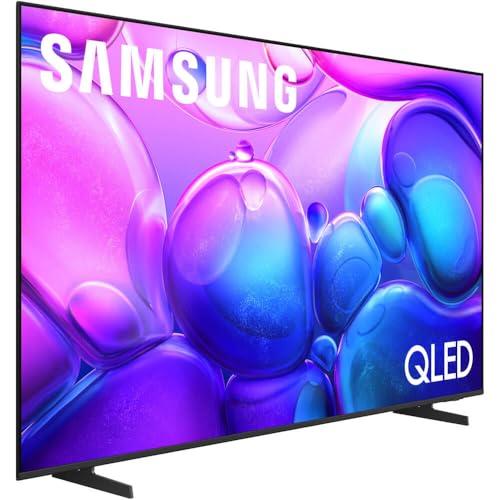
Before diving into specifics, let's clarify what these competing technologies actually do. Quantum Dot technology, found in the Samsung Q6F, uses microscopic semiconductor particles that emit specific colors when hit by blue LED light. This creates more saturated, vibrant colors compared to standard LED TVs, especially reds and greens that typically look washed out.
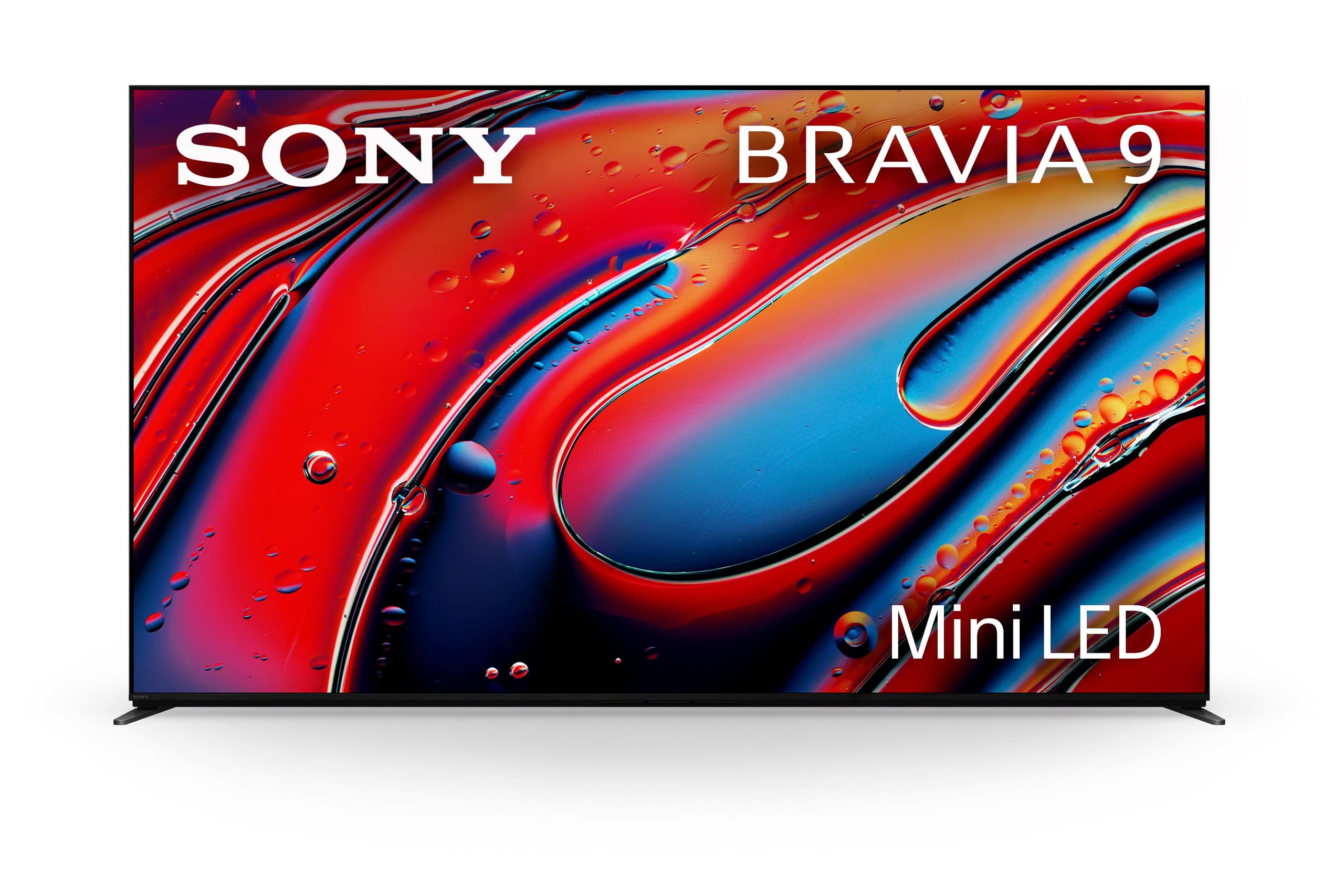
Mini LED, featured in the Sony BRAVIA 9, takes a different approach. Instead of using a few dozen large LEDs behind the screen, Mini LED employs thousands of LEDs smaller than grains of rice. This allows for precise "local dimming"—the ability to turn off LEDs in specific zones to create deeper blacks while keeping bright areas luminous. Think of it as having thousands of tiny dimmer switches instead of one master switch controlling the entire screen's backlighting.
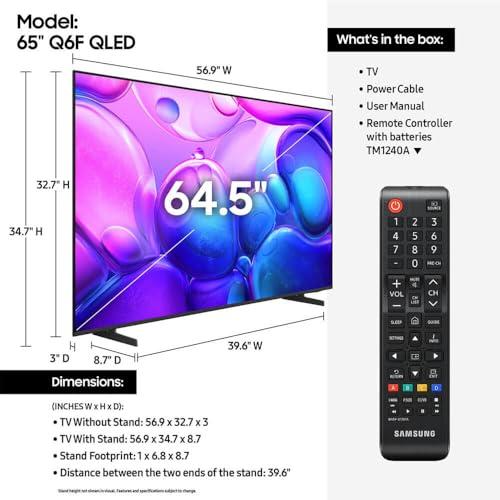
The 65-inch size hits the sweet spot for most living rooms, offering that cinematic experience without overwhelming smaller spaces. At typical viewing distances of 8-12 feet, 65 inches provides an immersive experience that makes you feel part of the action, whether you're watching the latest Marvel movie or streaming your favorite series.
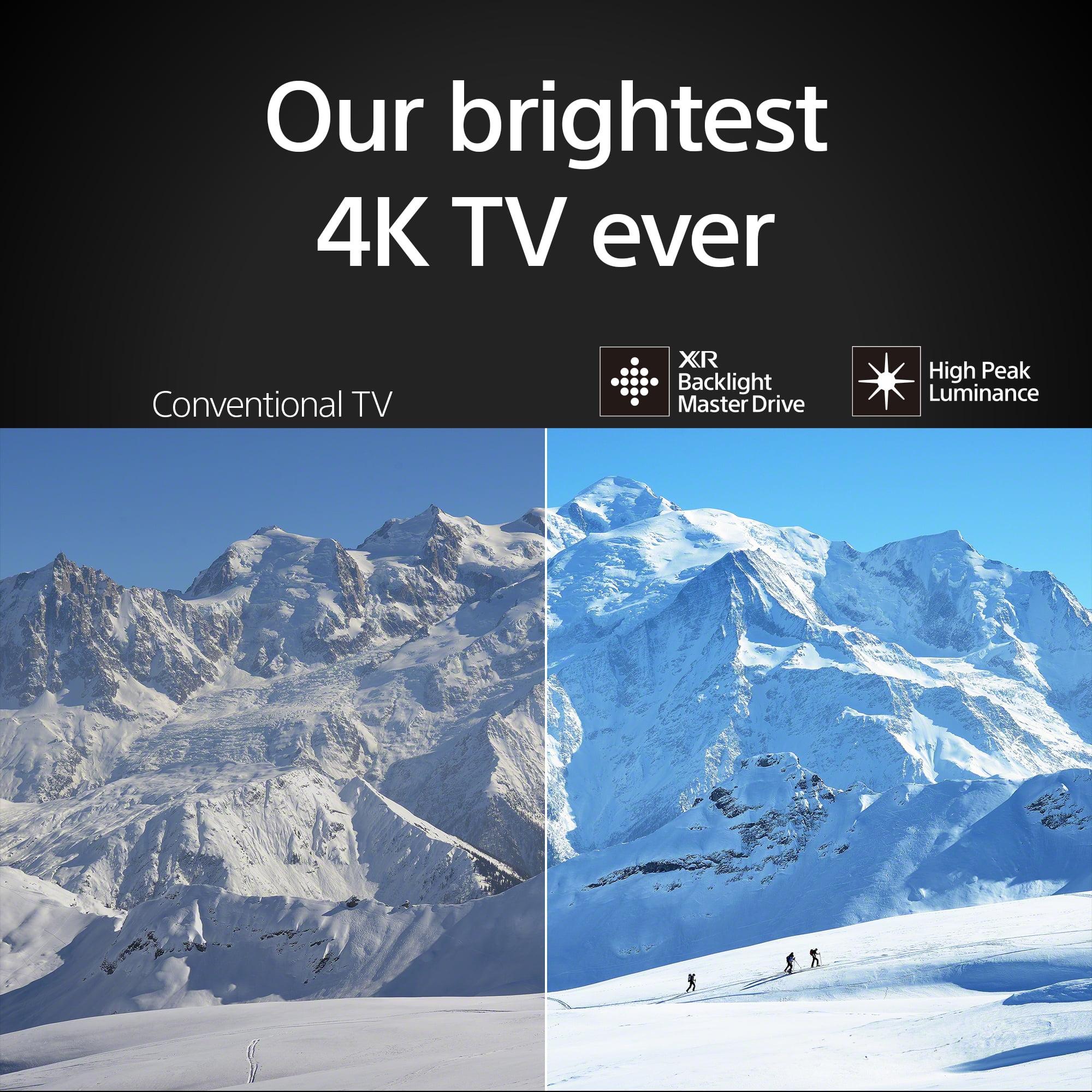
This is where the Sony BRAVIA 9 flexes its premium muscles. Sony markets this as their "brightest 4K TV ever," and our research suggests it delivers exceptional peak brightness—potentially reaching 3000+ nits in small highlight areas. For context, a typical LCD TV might peak at 400-600 nits, while bright LED TVs reach 1000+ nits. This massive brightness advantage makes HDR (High Dynamic Range) content truly shine.
HDR is essentially a technology that expands the range between the darkest darks and brightest brights in an image, creating more realistic lighting. When you're watching a scene with both a dark cave and bright sunlight, HDR allows you to see detail in both areas simultaneously instead of having to choose between washed-out shadows or blown-out highlights.
The Samsung Q6F offers respectable brightness for its price point, but it's limited by its edge-lit or direct-lit LED backlighting system. Without local dimming zones, it can't achieve the dramatic contrast that makes HDR content pop. You'll still get enhanced color from HDR10+ support, but the experience won't be as transformative.
In terms of HDR format support, the Sony BRAVIA 9 covers all major formats: HDR10, HDR10+, Dolby Vision, and HLG (Hybrid Log-Gamma). The Samsung Q6F notably lacks Dolby Vision, which is increasingly common on Netflix, Disney+, and Apple TV+ content. This isn't a deal-breaker, but it means you might miss out on the optimal viewing experience for some premium content.
Here's where Mini LED technology really shines. The Sony BRAVIA 9 can selectively dim thousands of zones behind the screen, creating black levels that approach OLED performance while maintaining the brightness advantages of LED technology. When you're watching a space scene with stars against deep black, those blacks will look genuinely dark rather than the grayish tone typical of standard LED TVs.
The Samsung Q6F, with its basic backlighting system, struggles in this area. Without local dimming, the entire backlight operates as one unit. This means dark scenes often appear washed out, and you might notice "blooming" around bright objects against dark backgrounds—like seeing a faint glow around subtitles in a nighttime scene.
For home theater enthusiasts who often watch movies in dark rooms, this contrast difference is crucial. The Sony BRAVIA 9 will deliver that authentic cinematic experience with deep, inky blacks that make colors pop and create genuine depth perception.
Both TVs take different approaches to color reproduction. The Samsung Q6F's Quantum Dot technology excels at creating vibrant, saturated colors that immediately catch your eye. Samsung's approach tends to punch up colors beyond what's strictly natural, creating that "wow factor" in showrooms. The Q6F achieves 100% color volume, meaning it can display accurate colors even at high brightness levels.
Sony's BRAVIA 9 uses XR Triluminos Pro technology, which focuses more on natural color reproduction. Colors appear more accurate to real life, which some viewers prefer for movies and dramatic content. Sony's color science has a reputation for authenticity—colors look like what your eyes would see in person rather than the enhanced saturation of some competitors.
Neither approach is inherently better; it's about preference. If you love vibrant, eye-popping colors for sports and gaming, Samsung's approach might appeal more. If you prefer natural, accurate colors for movies and serious content, Sony's tuning might be more appealing.
The Sony BRAVIA 9 offers a native 120Hz refresh rate, meaning it can display 120 unique images per second. The Samsung Q6F operates at 50/60Hz depending on your region. This difference matters significantly for sports, fast-paced movies, and especially gaming.
Higher refresh rates reduce motion blur and make fast action appear smoother. When watching football or hockey, players' movements appear more fluid on the BRAVIA 9. The difference is subtle for slower content like dramas but becomes obvious during action sequences.
Both TVs include motion smoothing technologies—Sony's XR Motion Clarity and Samsung's Motion Xcelerator—but these work differently. Sony's system operates with more raw data (120Hz vs 60Hz), allowing for more sophisticated motion processing without the artificial "soap opera effect" that many motion smoothing systems create.
For console gamers, the differences become critical. The Sony BRAVIA 9 includes two HDMI 2.1 ports that support 4K gaming at 120Hz with Variable Refresh Rate (VRR). This means PlayStation 5 and Xbox Series X games can run at their highest frame rates with minimal input lag and no screen tearing.
VRR is a technology that synchronizes the TV's refresh rate with the console's output frame rate, eliminating the stuttering that can occur when these don't match perfectly. It's particularly noticeable in fast-paced games where smooth motion is crucial for competitive play.
The Samsung Q6F supports some gaming features like Auto Low Latency Mode (ALLM) and basic VRR, but its 60Hz limitation means you can't take full advantage of next-generation console capabilities. For casual gaming, this might not matter, but serious gamers will notice the difference.
Both TVs include gaming hubs that aggregate content from various gaming platforms and streaming services, making it easier to jump between console games, cloud gaming, and gaming-related video content.
TV audio has improved dramatically in recent years, but physics still limits what thin displays can achieve. The Sony BRAVIA 9 includes a sophisticated 2.2.2-channel system with 70 watts of power, including up-firing speakers that bounce sound off your ceiling to create a more immersive soundstage.
Sony's Acoustic Multi-Audio+ system attempts to create positional audio—making it sound like voices come from actors' mouths rather than from below the screen. While it can't match a dedicated soundbar setup, it's surprisingly effective for built-in audio.
The Samsung Q6F includes a more basic 2-channel, 20-watt system. It's adequate for casual viewing but lacks the power and spatial audio capabilities of the BRAVIA 9. However, Samsung's Q-Symphony technology allows the TV speakers to work alongside compatible Samsung soundbars, potentially creating a more immersive system if you decide to upgrade later.
For home theater applications, neither TV's built-in audio will satisfy serious enthusiasts, but the Sony BRAVIA 9 might delay your need for a soundbar purchase, while the Samsung Q6F will likely require audio upgrades sooner for optimal experience.
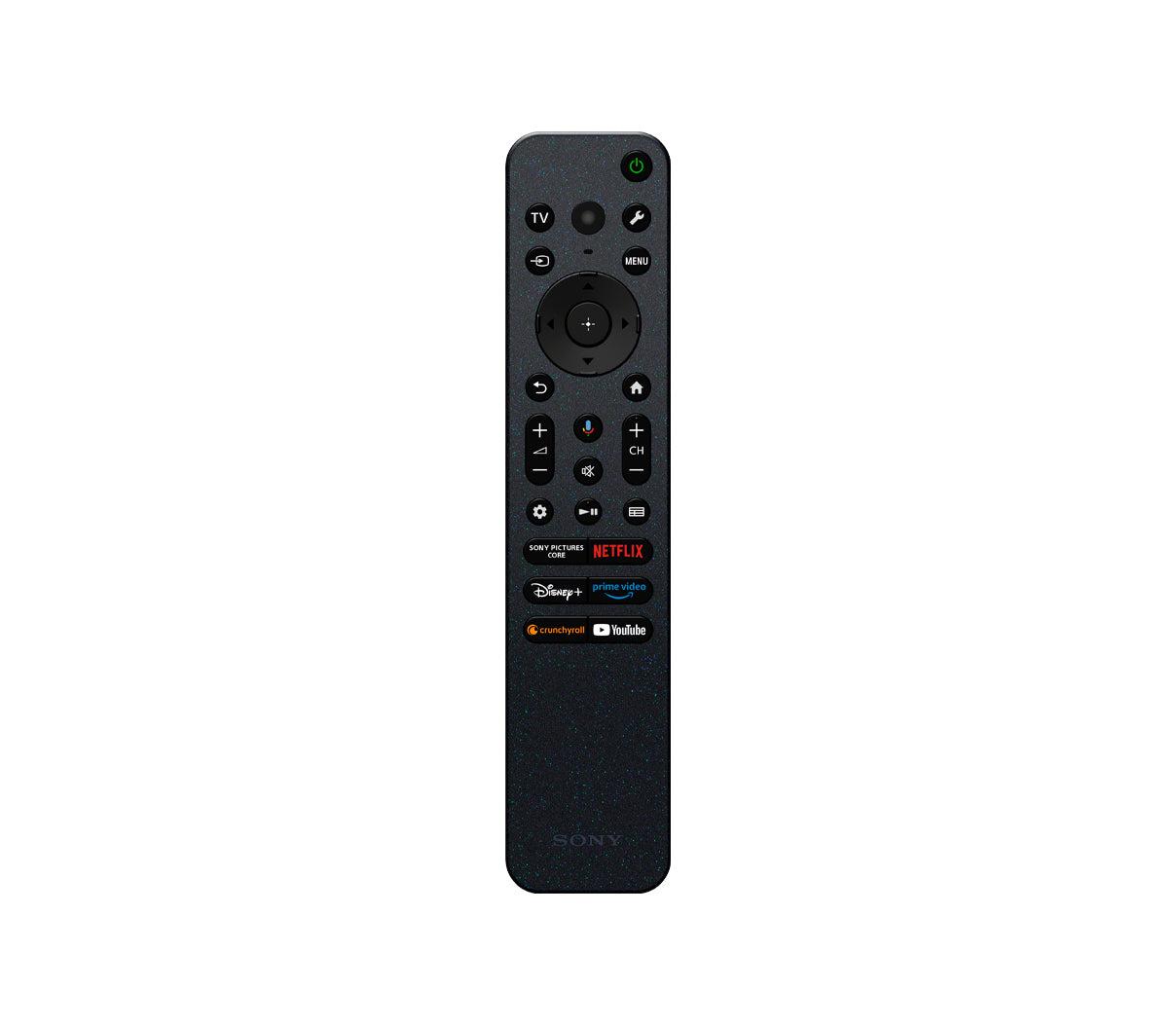
Both TVs offer mature, feature-rich smart platforms, but with different philosophies. The Sony BRAVIA 9 runs Google TV, which excels at content discovery across multiple streaming services. It learns your preferences and suggests relevant content regardless of which service hosts it. Google Assistant integration feels natural and responds quickly to voice commands.
Samsung's Samsung Q6F uses Tizen OS with the newer One UI interface. Tizen is fast and intuitive, with excellent integration into Samsung's SmartThings ecosystem. If you use Samsung phones, tablets, or smart home devices, the integration feels seamless. The TV supports multiple voice assistants (Bixby, Alexa, Google Assistant), giving you more flexibility than Sony's Google-focused approach.
Both platforms receive regular updates and support all major streaming services. The choice often comes down to ecosystem preference—Google services and Android devices pair naturally with Sony, while Samsung devices and SmartThings smart home setups work better with the Samsung TV.
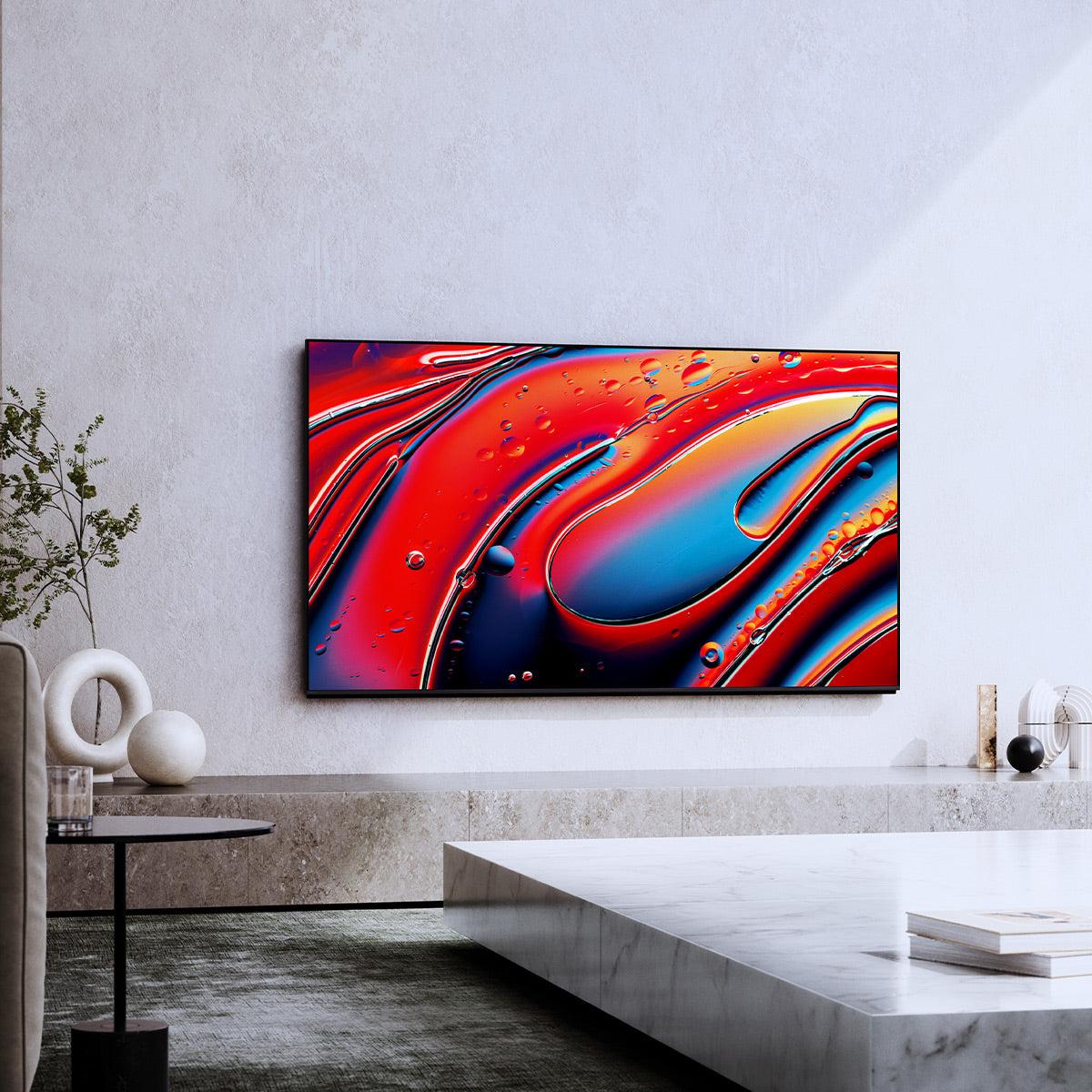
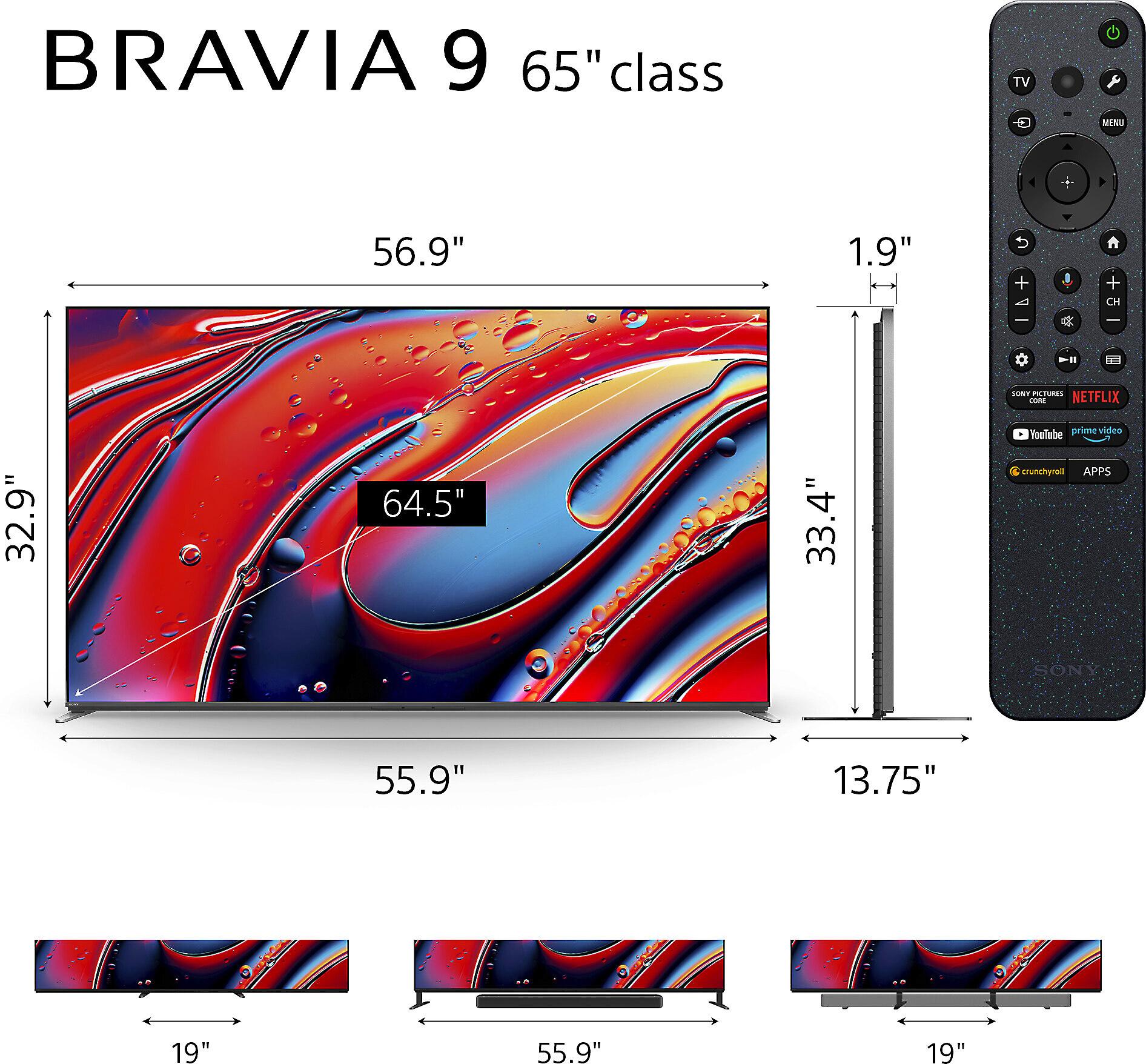
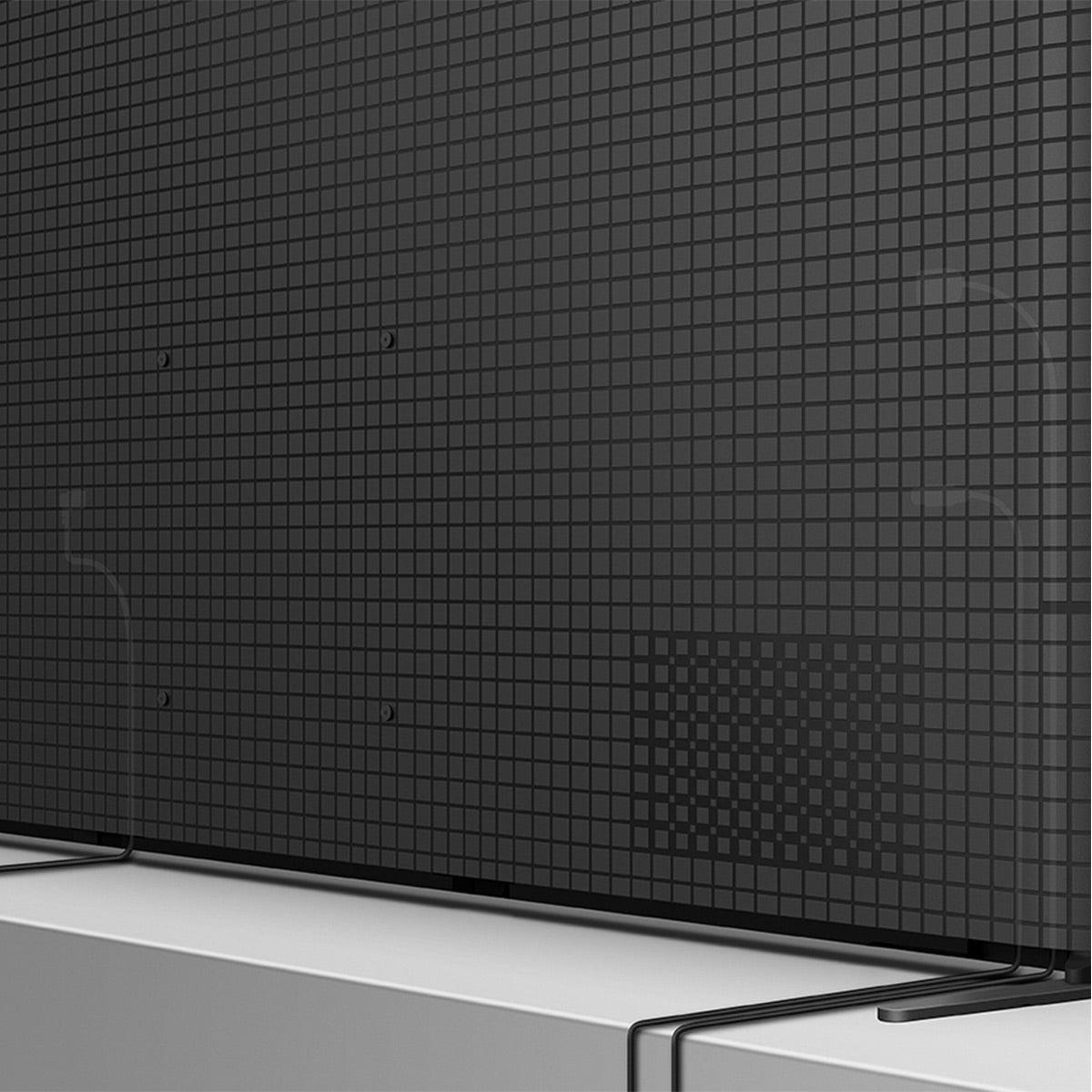
The Sony BRAVIA 9 feels premium throughout, with a multi-position stand that can accommodate different shelf depths and soundbar placements. The build quality reflects its flagship positioning, with solid construction and thoughtful cable management.
The Samsung Q6F maintains Samsung's clean design aesthetic but uses more basic materials consistent with its entry-level positioning. The stand is functional but less adjustable than Sony's solution.
Both TVs support VESA wall mounting, and the slim profiles look elegant on walls. The Sony BRAVIA 9 includes more connectivity options, including Wi-Fi 6 for faster streaming and more stable connections in busy wireless environments.
At the time of writing, the price gap between these TVs is substantial. The Samsung Q6F represents excellent value for buyers wanting quantum dot color enhancement and Samsung's smart platform without premium pricing. You're getting genuine QLED technology and solid smart features at what's likely the lowest price point for Samsung's quantum dot TVs.
The Sony BRAVIA 9 commands flagship pricing for flagship performance. You're paying for Mini LED technology, superior brightness, advanced gaming features, and premium audio. The question is whether these improvements justify the significant price premium.
For most viewers primarily streaming content in moderately lit rooms, the Samsung Q6F delivers satisfying performance at a much lower cost. The quantum dot enhancement provides notably better colors than standard LED TVs, and Samsung's smart platform covers all streaming needs effectively.
However, if you're building a serious home theater, game regularly on next-gen consoles, or frequently watch HDR content in dark rooms, the Sony BRAVIA 9's advantages become worth the investment. The contrast improvement alone transforms the viewing experience for movies and dramatic content.
Choose the Samsung Q6F if you want solid quantum dot performance without premium pricing. It's ideal for bright to moderately lit rooms, casual gaming, and streaming-focused viewing. The vibrant colors and Samsung's smart platform provide genuine value, and the money saved could go toward a quality soundbar or other home entertainment components.
Select the Sony BRAVIA 9 if picture quality is your top priority and budget allows. The Mini LED technology, superior brightness, 120Hz gaming, and premium audio justify the higher cost for enthusiasts. It's particularly compelling for dark room viewing, serious gaming, and anyone who wants flagship performance that should remain relevant for years.
Both represent solid choices in their respective market segments. The Samsung Q6F democratizes quantum dot technology, while the Sony BRAVIA 9 pushes LED display technology to its current limits. Your choice should align with your viewing habits, room environment, and budget priorities rather than seeking the objectively "better" TV—both excel in their intended roles.
| Samsung 65" QLED Q6F 4K Smart TV 2025 | Sony BRAVIA 9 65" 4K UHD Mini LED QLED Smart Google TV |
|---|---|
| Display Technology - Core difference affecting picture quality and price | |
| QLED with Quantum Dot color enhancement, edge/direct-lit LED backlighting | Mini LED with thousands of dimming zones, QLED color enhancement |
| Peak Brightness - Critical for HDR content and daytime viewing | |
| Good brightness for price point, limited by basic backlighting | Exceptional peak brightness (Sony's brightest TV ever), ideal for bright rooms |
| Contrast Performance - Most noticeable difference in dark room viewing | |
| Limited contrast due to no local dimming, blacks appear grayish | Excellent contrast with deep blacks from Mini LED local dimming |
| Refresh Rate - Essential for gaming and sports | |
| 50/60Hz (region dependent), adequate for most content | Native 120Hz, superior for gaming and fast motion |
| HDR Format Support - Determines compatibility with streaming content | |
| HDR10, HDR10+, HLG (no Dolby Vision) | HDR10, HDR10+, Dolby Vision, HLG (full format support) |
| Gaming Features - Important for console players | |
| 4K@60Hz, VRR, ALLM, Gaming Hub | 4K@120Hz, VRR, ALLM, Auto HDR Tone Mapping for PS5 |
| HDMI Connectivity - Affects future-proofing and device connections | |
| 3 HDMI ports, all support 4K@60Hz | 4 HDMI ports, 2 support HDMI 2.1 for 4K@120Hz |
| Built-in Audio - Determines if you need a soundbar immediately | |
| 2-channel 20W system with OTS Lite | 2.2.2-channel 70W with up-firing speakers and Acoustic Multi-Audio+ |
| Smart Platform - Daily user experience and app ecosystem | |
| Tizen OS with multiple voice assistants, SmartThings integration | Google TV with Google Assistant, superior content discovery |
| Color Technology - Affects vibrancy and accuracy | |
| Quantum Dot with 100% Color Volume, vibrant saturated colors | XR Triluminos Pro, natural accurate colors with wide gamut |
| Local Dimming - Key factor for contrast and blooming control | |
| None (full-array backlighting without zones) | Thousands of Mini LED dimming zones with precise control |
| Processor - Handles upscaling and image processing | |
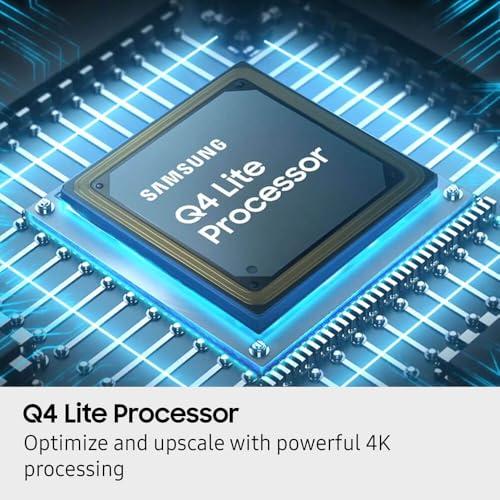
| Q4 Lite Processor with 4K upscaling | XR Processor with advanced upscaling and motion handling |
| Stand Design - Affects placement flexibility | |
| Basic feet design in Titan Gray | Multi-position adjustable stand for various setups |
| Best For | |
| Budget-conscious buyers wanting quantum dot colors and Samsung ecosystem | Home theater enthusiasts and serious gamers wanting flagship performance |
The Sony BRAVIA 9 delivers superior picture quality with its Mini LED technology, offering exceptional brightness, deeper blacks, and better contrast than the Samsung Q6F. While the Samsung Q6F provides vibrant quantum dot colors at its price point, the Sony BRAVIA 9 excels in HDR performance and dark room viewing with thousands of local dimming zones.
For casual gaming, the Samsung Q6F is adequate with 4K@60Hz support, VRR, and Gaming Hub features. However, the Sony BRAVIA 9 is significantly better for serious gamers, offering 4K@120Hz gaming, two HDMI 2.1 ports, and optimized features for PlayStation 5 and Xbox Series X consoles.
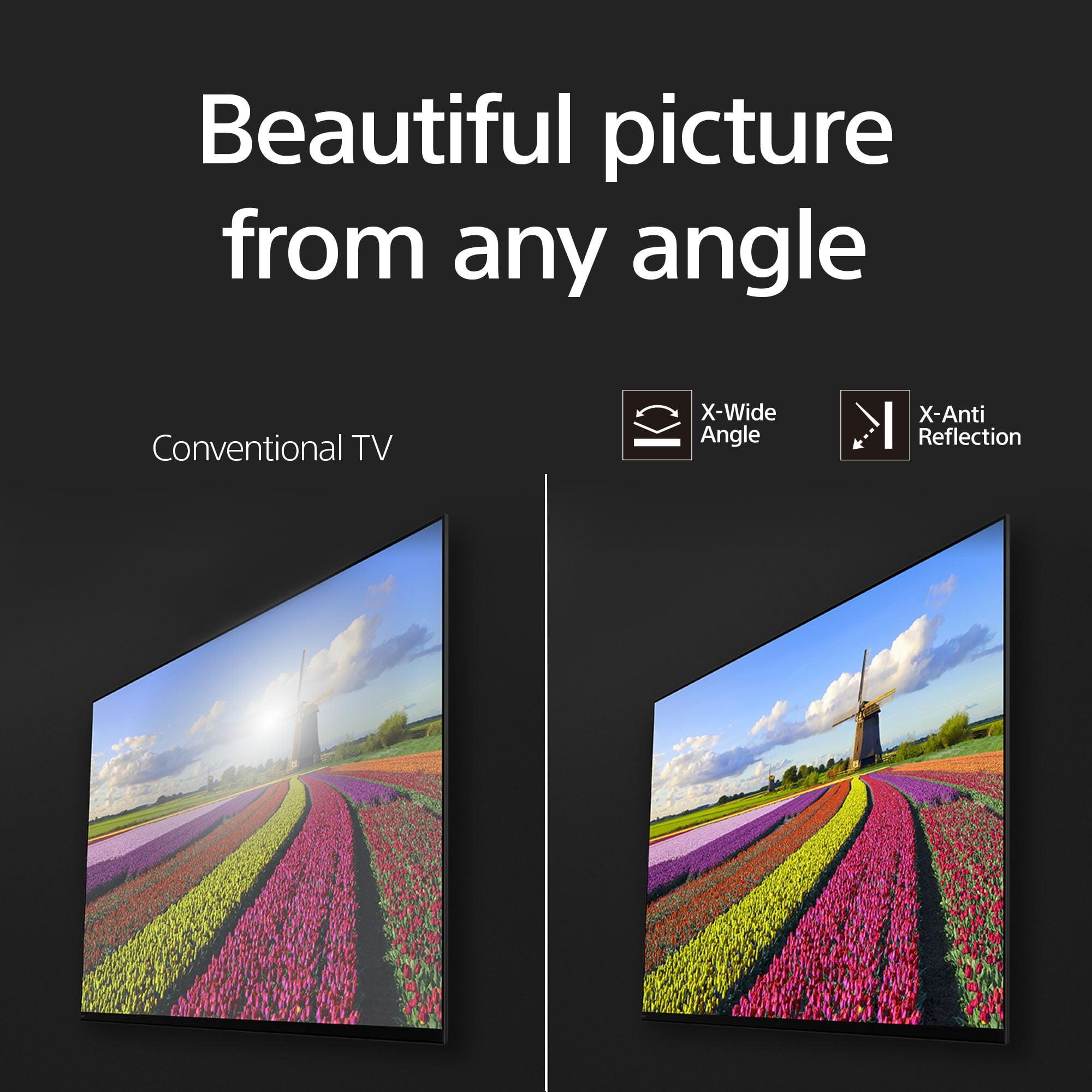
The Sony BRAVIA 9 is Sony's brightest TV ever and performs exceptionally well in bright rooms, maintaining excellent picture quality even with significant ambient light. The Samsung Q6F offers decent brightness for its category but may struggle with reflection handling and maintaining contrast in very bright environments.
The Sony BRAVIA 9 features a powerful 70W audio system with up-firing speakers that may delay your need for a soundbar upgrade. The Samsung Q6F has a basic 20W audio system that, while adequate for casual viewing, will likely require a soundbar sooner for optimal home theater experience.
Both platforms are excellent but serve different needs. The Samsung Q6F runs Tizen OS with SmartThings integration and multiple voice assistant support, ideal for Samsung ecosystem users. The Sony BRAVIA 9 uses Google TV with superior content discovery and seamless Google services integration.
The Sony BRAVIA 9 justifies its premium pricing for users prioritizing picture quality, gaming performance, and home theater experience. The Samsung Q6F offers excellent value for budget-conscious buyers who want quantum dot technology without flagship pricing. The decision depends on your priorities and budget.
The Sony BRAVIA 9 provides superior HDR performance with full format support including Dolby Vision, exceptional peak brightness, and Mini LED contrast control. The Samsung Q6F supports HDR10+ but lacks Dolby Vision and the brightness/contrast capabilities needed for optimal HDR content from Netflix, Disney+, and other services.
Yes, both the Samsung Q6F and Sony BRAVIA 9 excel with 4K content. The Samsung Q6F uses its Q4 Lite Processor for good upscaling, while the Sony BRAVIA 9 offers superior processing and can display 4K content with better contrast and motion handling.
For home theater and dark room viewing, the Sony BRAVIA 9 is clearly superior with its Mini LED local dimming creating deep blacks and excellent contrast. The Samsung Q6F lacks local dimming zones, resulting in grayish blacks and reduced contrast that's particularly noticeable in dark viewing environments.
The Sony BRAVIA 9 is optimized for next-gen consoles with 4K@120Hz support, VRR, and special PS5 integration features. The Samsung Q6F works well with consoles but is limited to 4K@60Hz gaming, making it better suited for casual rather than competitive gaming.
The Sony BRAVIA 9 excels at sports content with its native 120Hz refresh rate and XR Motion Clarity technology, providing smoother motion with less blur. The Samsung Q6F handles motion adequately with Motion Xcelerator but is limited by its 50/60Hz refresh rate.
For first-time 4K TV buyers on a budget, the Samsung Q6F provides excellent quantum dot color enhancement and smart features at an accessible price. However, if budget allows and you want a TV that will remain cutting-edge longer, the Sony BRAVIA 9 offers flagship performance that's more future-proof for evolving content standards.
We've done our best to create useful and informative comparisons to help you decide what product to buy. Our research uses advanced automated methods to create this comparison and perfection is not possible - please contact us for corrections or questions. These are the sites we've researched in the creation of this article: tomsguide.com - bestbuy.com - samsung.com - rtings.com - youtube.com - rtings.com - bestbuy.com - samsung.com - samsung.com - samsung.com - manuals.plus - shopjetson.com - samsung.com - samsung.com - samsung.com - samsung.com - bestbuy.com - jefflynch.com - bestbuy.com - bestbuy.com - youtube.com - whathifi.com - crutchfield.com - rtings.com - pcrichard.com - merlinstv.com - youtube.com - sony.ca - electronics.sony.com

Privacy Policy
Terms and Conditions - Affiliate Policy
Home Security
© Copyright 2008-2026.
11816 Inwood Rd #1211, Dallas, TX 75244