

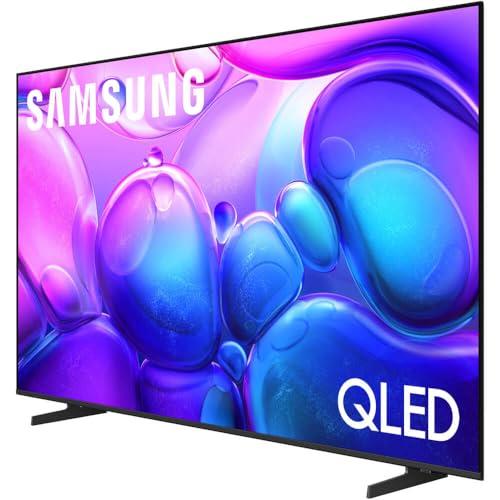
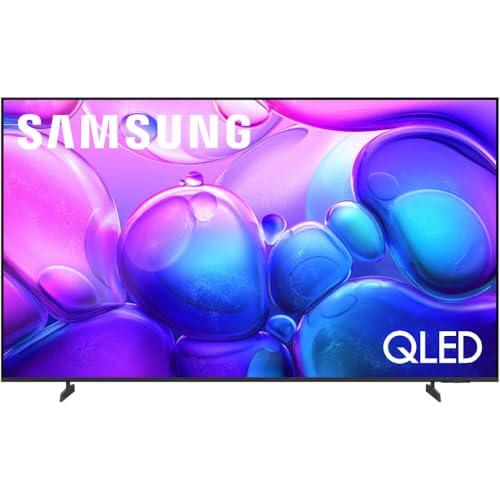
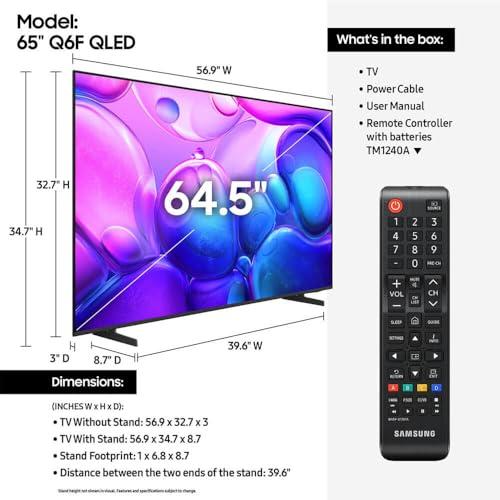
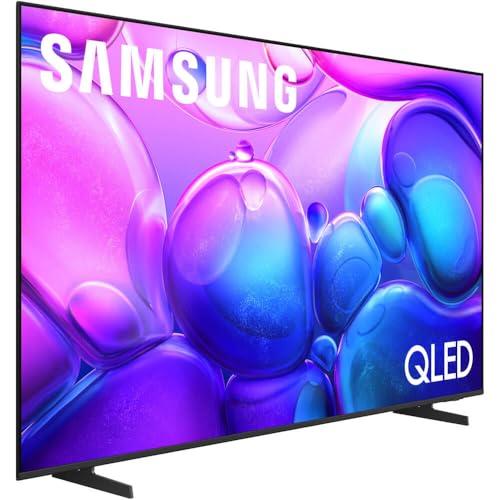
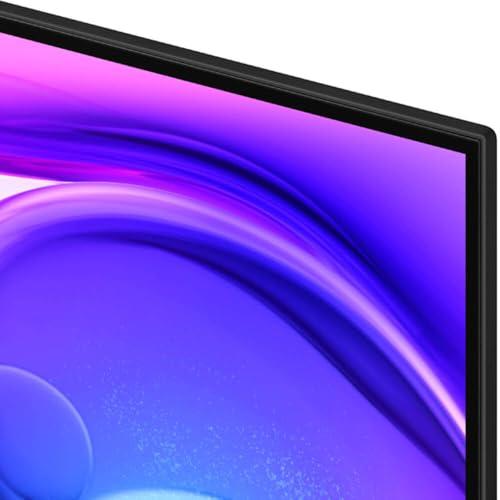
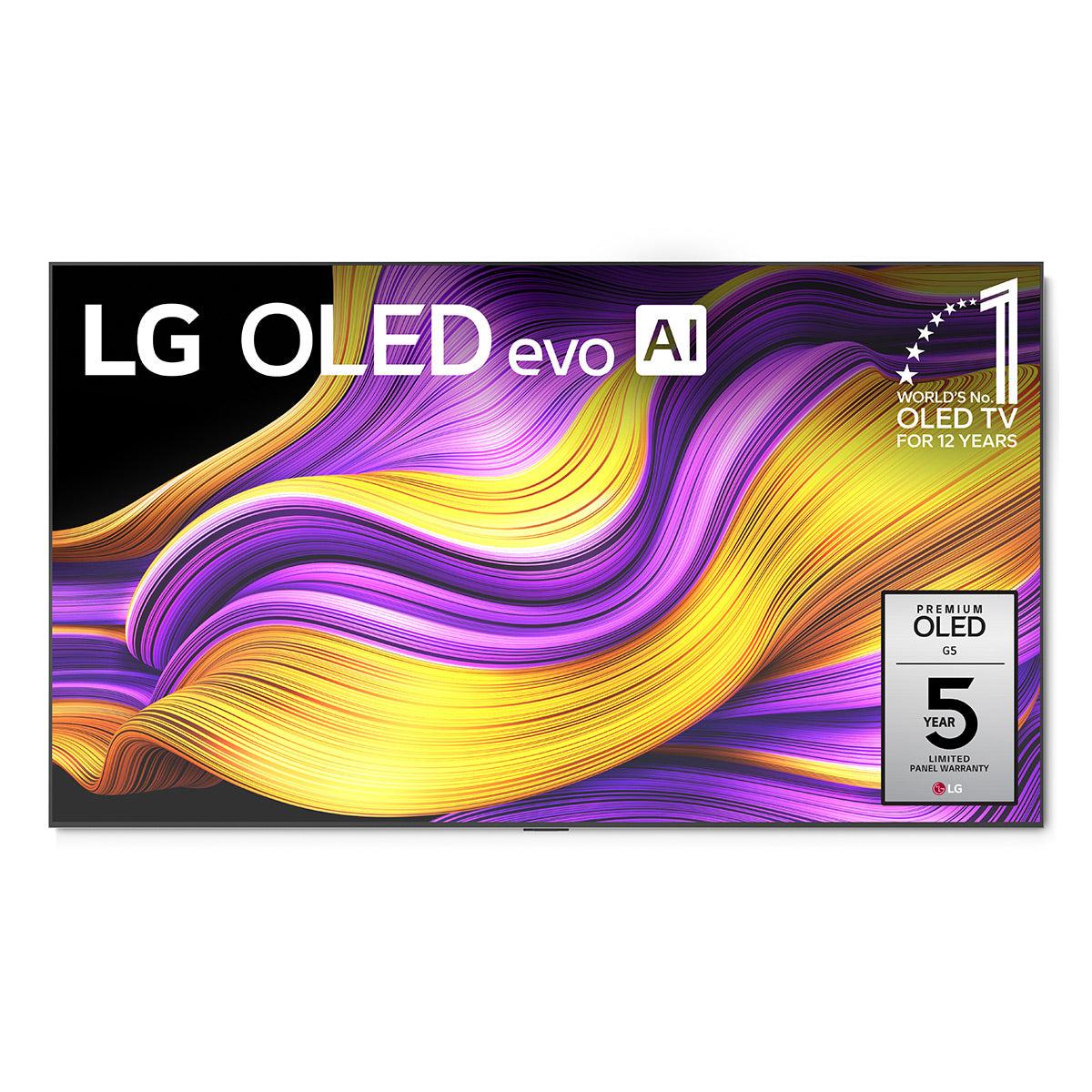
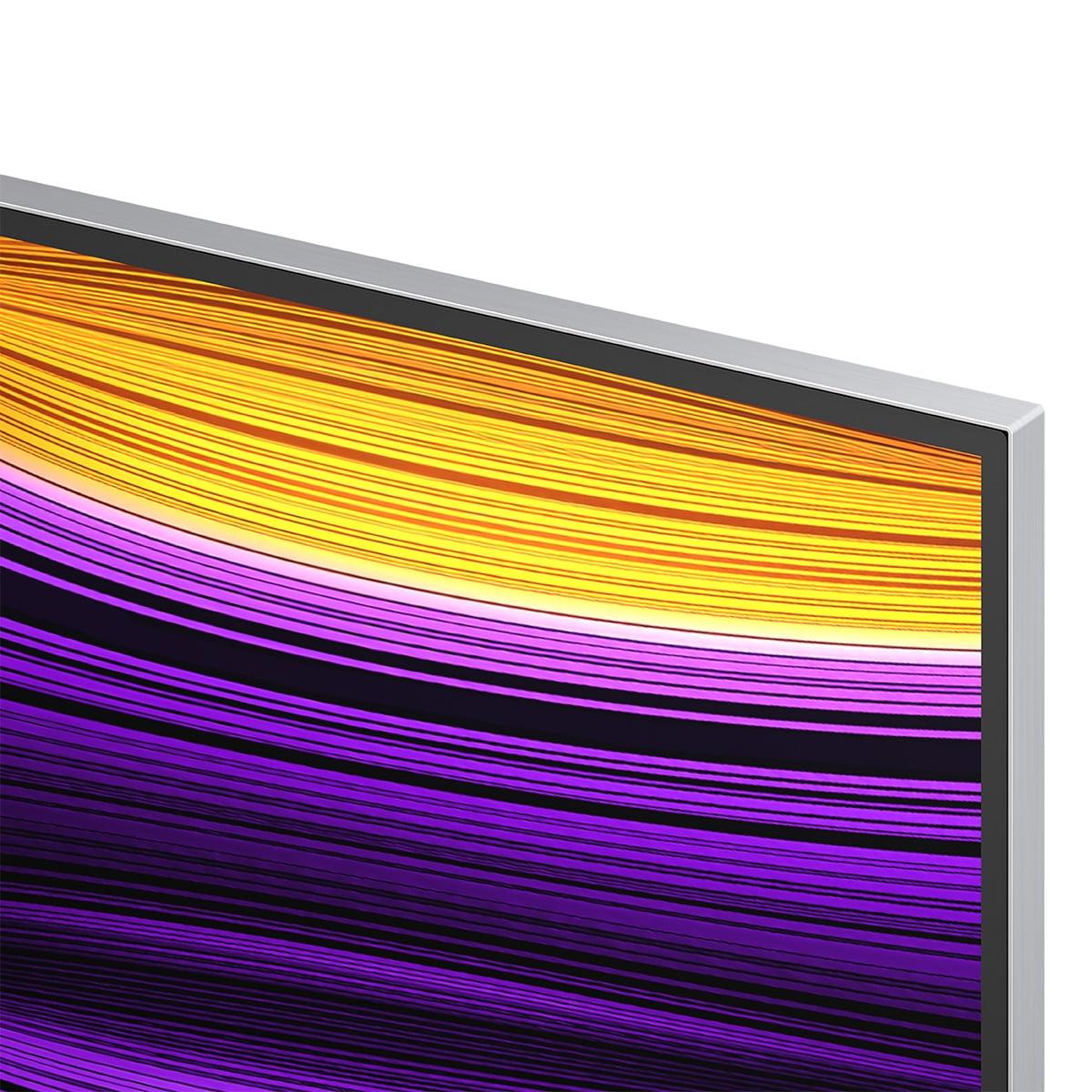
Shopping for a 65-inch TV in 2025 means navigating two completely different approaches to premium display technology. The Samsung Q6F represents the entry point into quantum dot technology, while the LG G5 pushes OLED innovation to new heights with its revolutionary tandem panel design. At the time of writing, these TVs sit in dramatically different price tiers—think mainstream versus flagship pricing—but both target the popular 65-inch sweet spot that most living rooms can accommodate.
Understanding which TV suits your needs requires looking beyond the marketing buzzwords to examine how each technology actually performs in real-world scenarios. After researching extensive user feedback and professional reviews, clear patterns emerge about when each display excels and where compromises become apparent.
The TV market has essentially split into two camps: quantum dot LED (QLED) and organic light-emitting diode (OLED) displays. Each technology tackles the fundamental challenge of creating bright, colorful images with deep blacks through completely different methods.
QLED TVs like the Samsung Q6F use traditional LED backlights combined with a quantum dot layer—microscopic semiconductor crystals that convert blue light into precise red and green colors. This approach can achieve impressive brightness levels and vibrant colors while avoiding burn-in concerns that historically plagued OLED panels.
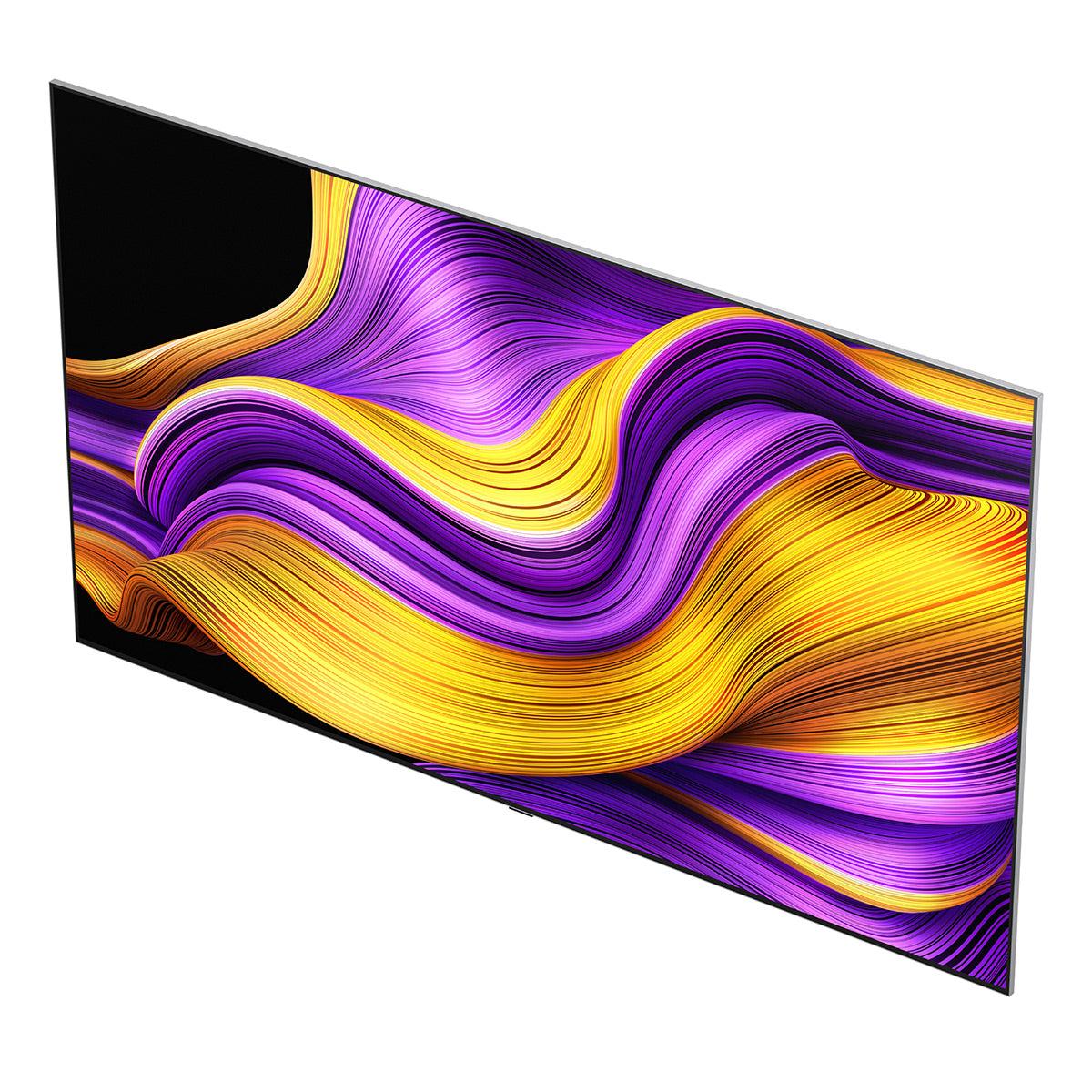
OLED displays like the LG G5 eliminate backlights entirely. Each pixel generates its own light and can turn completely off to create perfect black levels. The trade-off has traditionally been lower peak brightness, though 2025 models like the G5 have largely solved this limitation.
The key factors that should influence your decision include your viewing environment (bright versus dark rooms), usage patterns (casual viewing versus enthusiast home theater), gaming requirements, and budget considerations.
Samsung released the Q6F in 2025 as an entry-level QLED option, designed to bring quantum dot color technology to mainstream price points. It represents Samsung's effort to offer QLED benefits without the premium features found in their Q7, Q8, and higher-tier models.

The LG G5 launched in March 2025 as LG's flagship OLED, featuring their most significant panel innovation in years: a 4-layer tandem RGB structure that dramatically increases brightness while maintaining OLED's signature perfect blacks. This represents a major departure from the micro lens array (MLA) technology LG used in their 2024 G4 model.
Since 2020, both QLED and OLED technologies have made substantial improvements. QLED panels now offer better local dimming and more precise backlighting, while OLED displays have largely solved brightness limitations and significantly reduced burn-in susceptibility through better panel materials and processing algorithms.
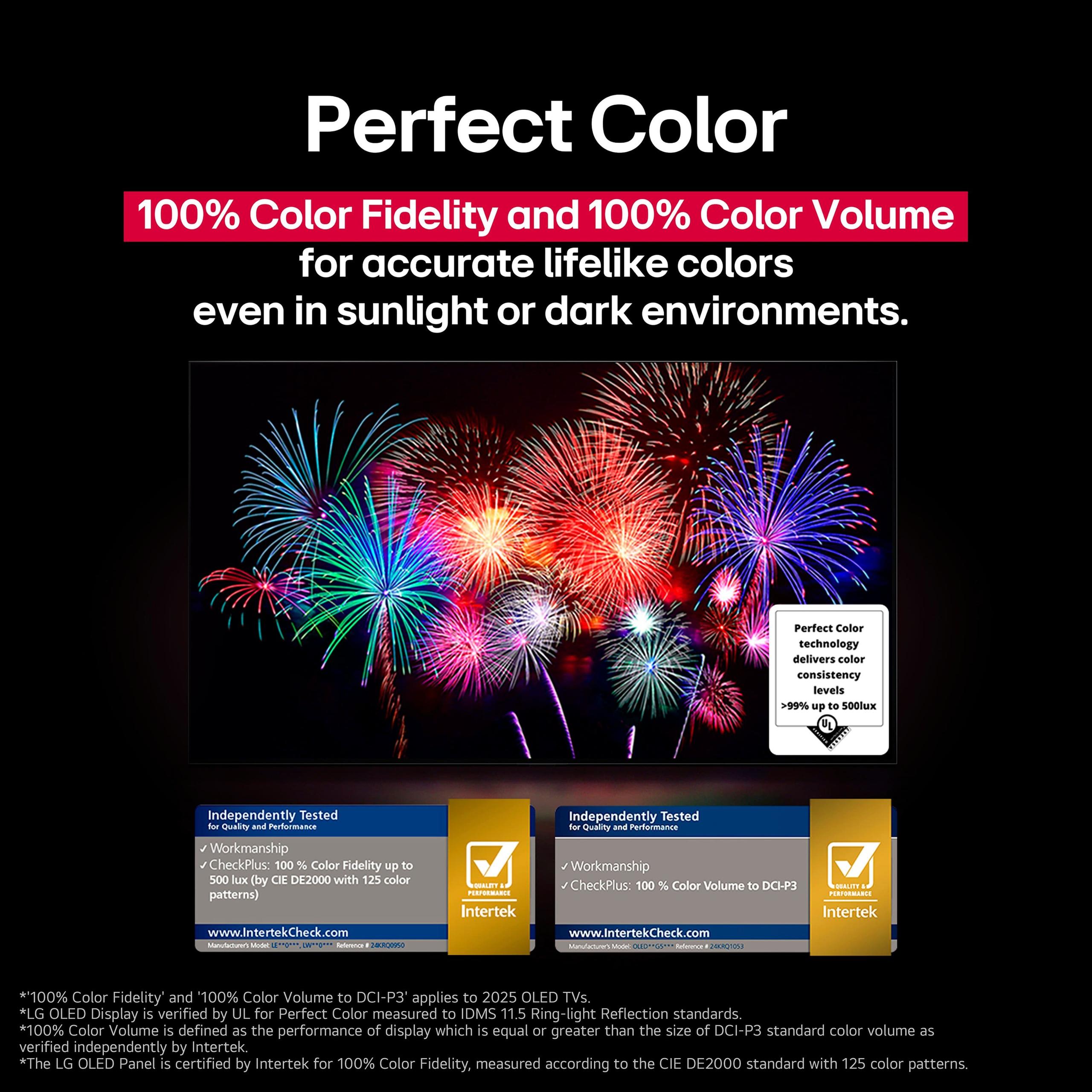
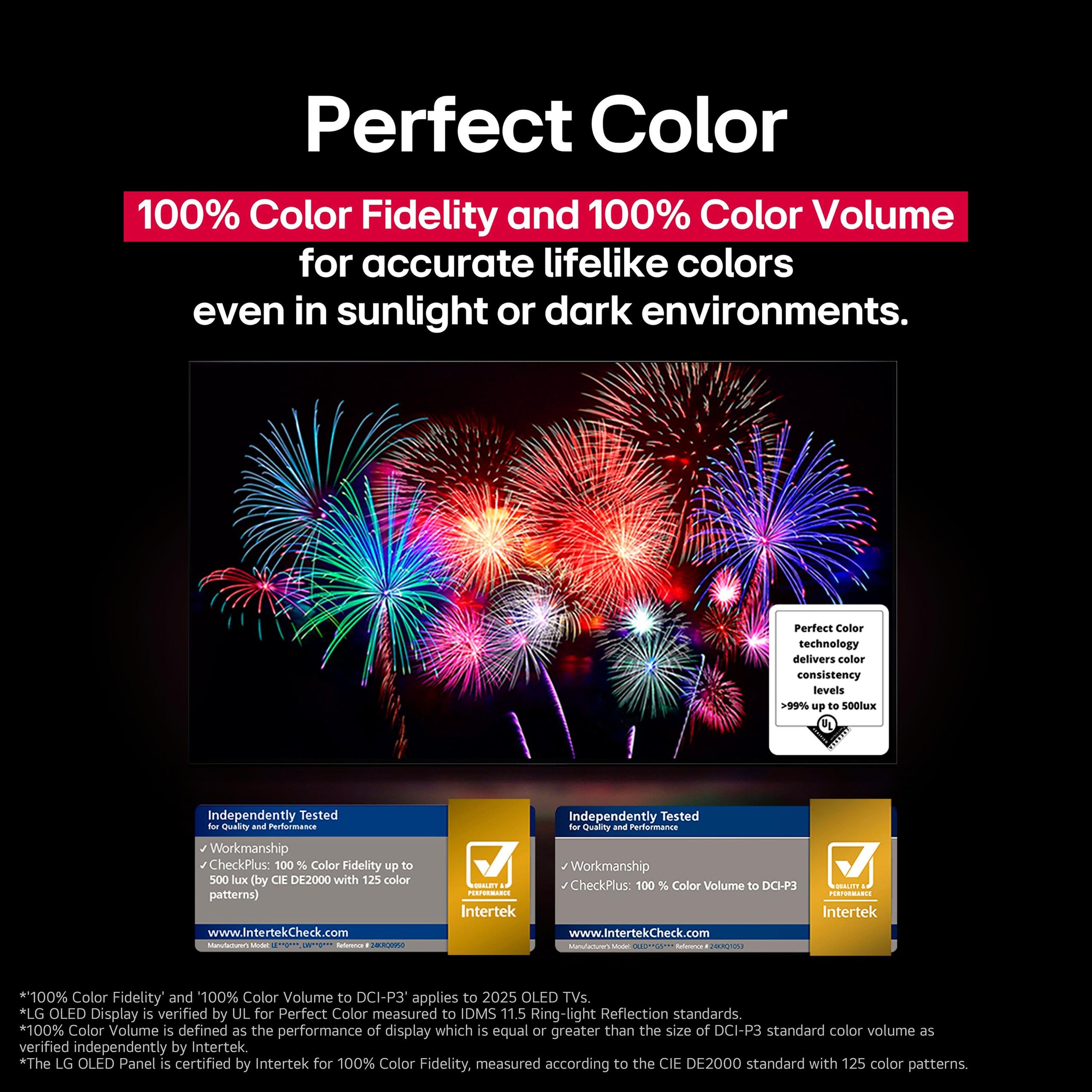
The fundamental difference between these TVs starts with how they create images. The Samsung Q6F uses quantum dots—nanoscale crystals that emit very specific wavelengths of light when excited by blue LEDs. This creates more saturated, accurate colors than traditional LED TVs, achieving what Samsung claims is 100% color volume across brightness levels.
However, the Q6F uses basic edge-lit backlighting rather than the full-array local dimming found in premium models. Edge-lighting places LEDs along the TV's perimeter, which can create uneven brightness and limited contrast control. This means bright objects on dark backgrounds may show haloing effects, and true black levels remain elusive.
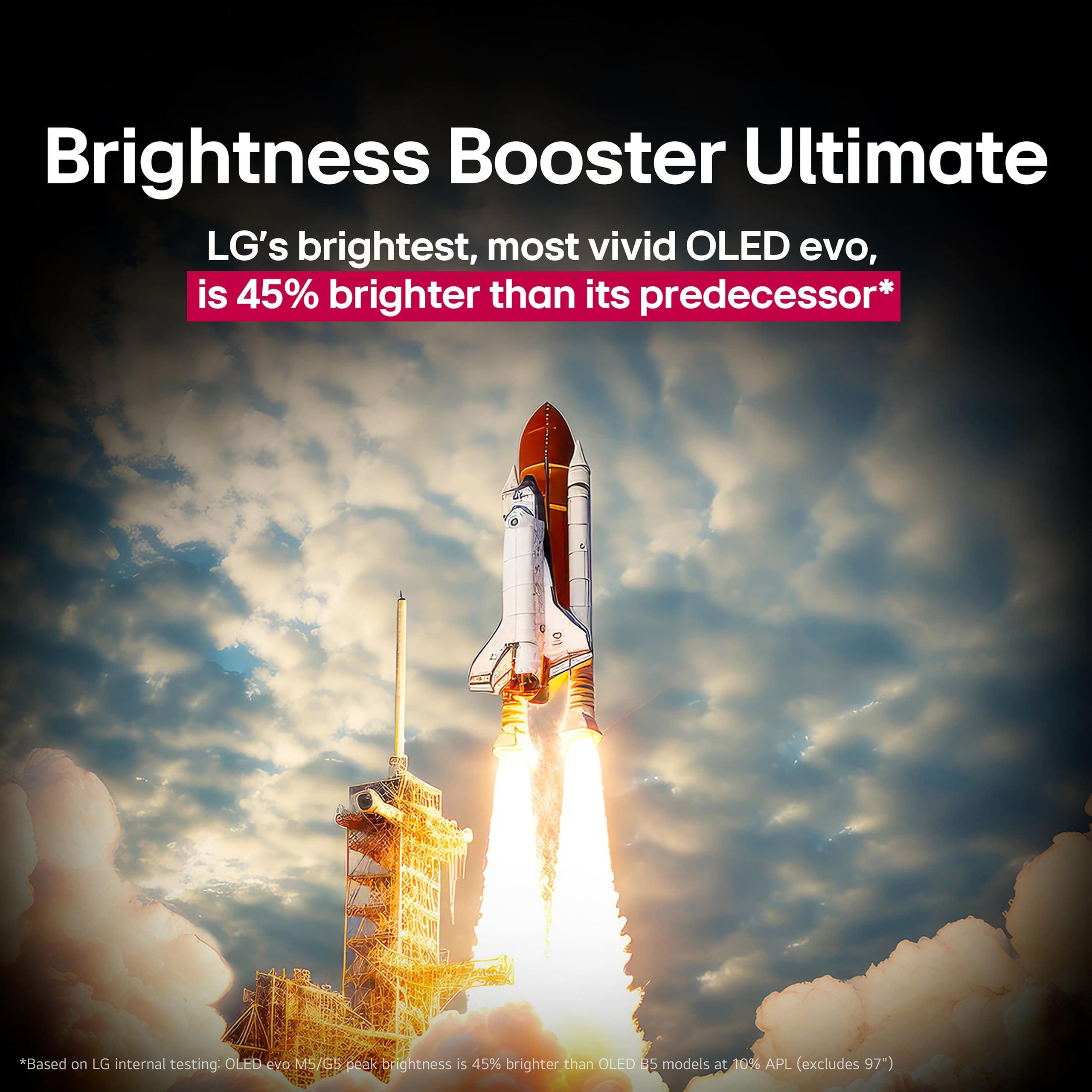
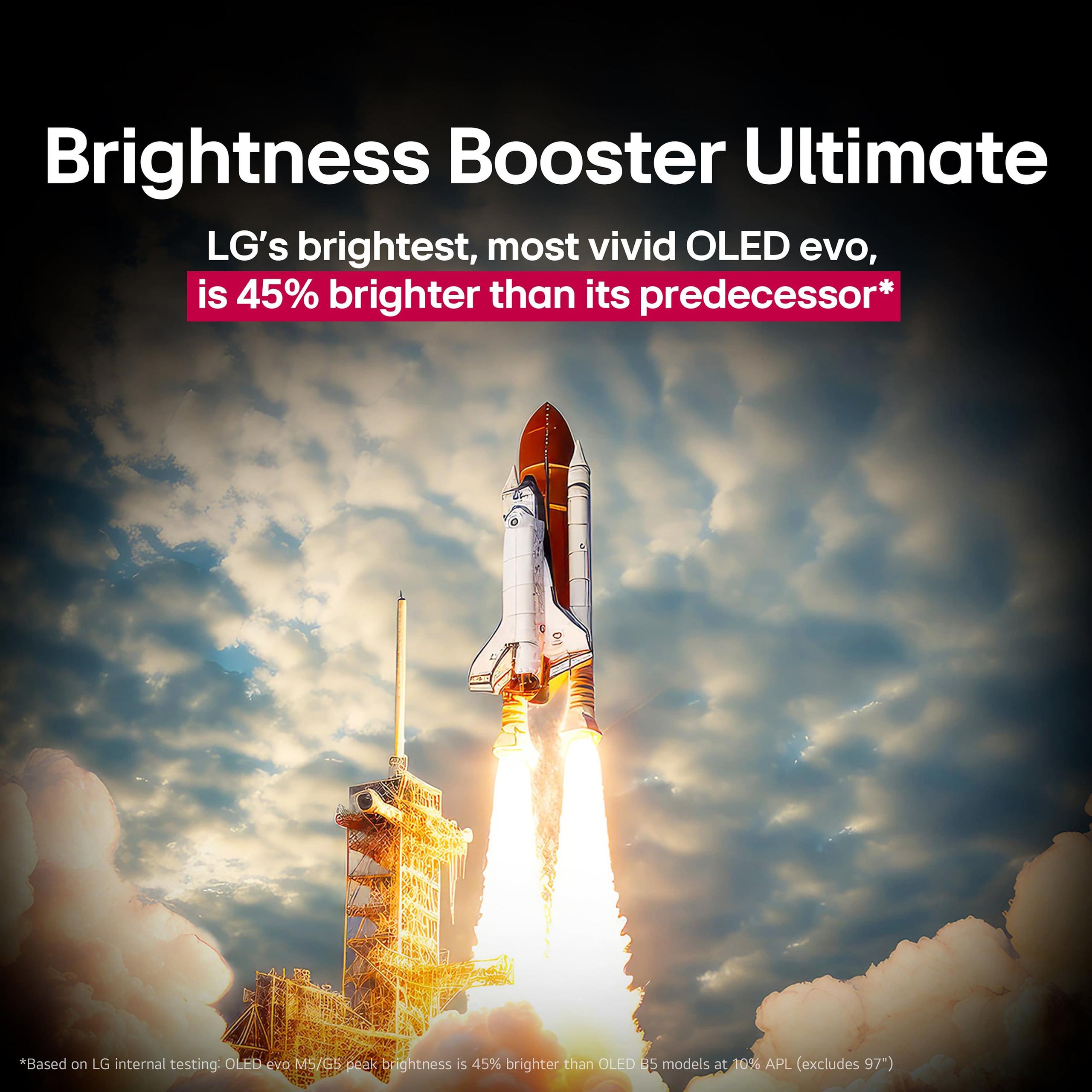
The LG G5 takes a radically different approach with its new tandem OLED structure. Instead of a single layer of organic light-emitting materials, LG stacks four layers in an RGB arrangement. This innovation allows each pixel to produce significantly more light—up to 45% brighter than previous OLED models according to LG—while maintaining the perfect blacks that make OLED special.
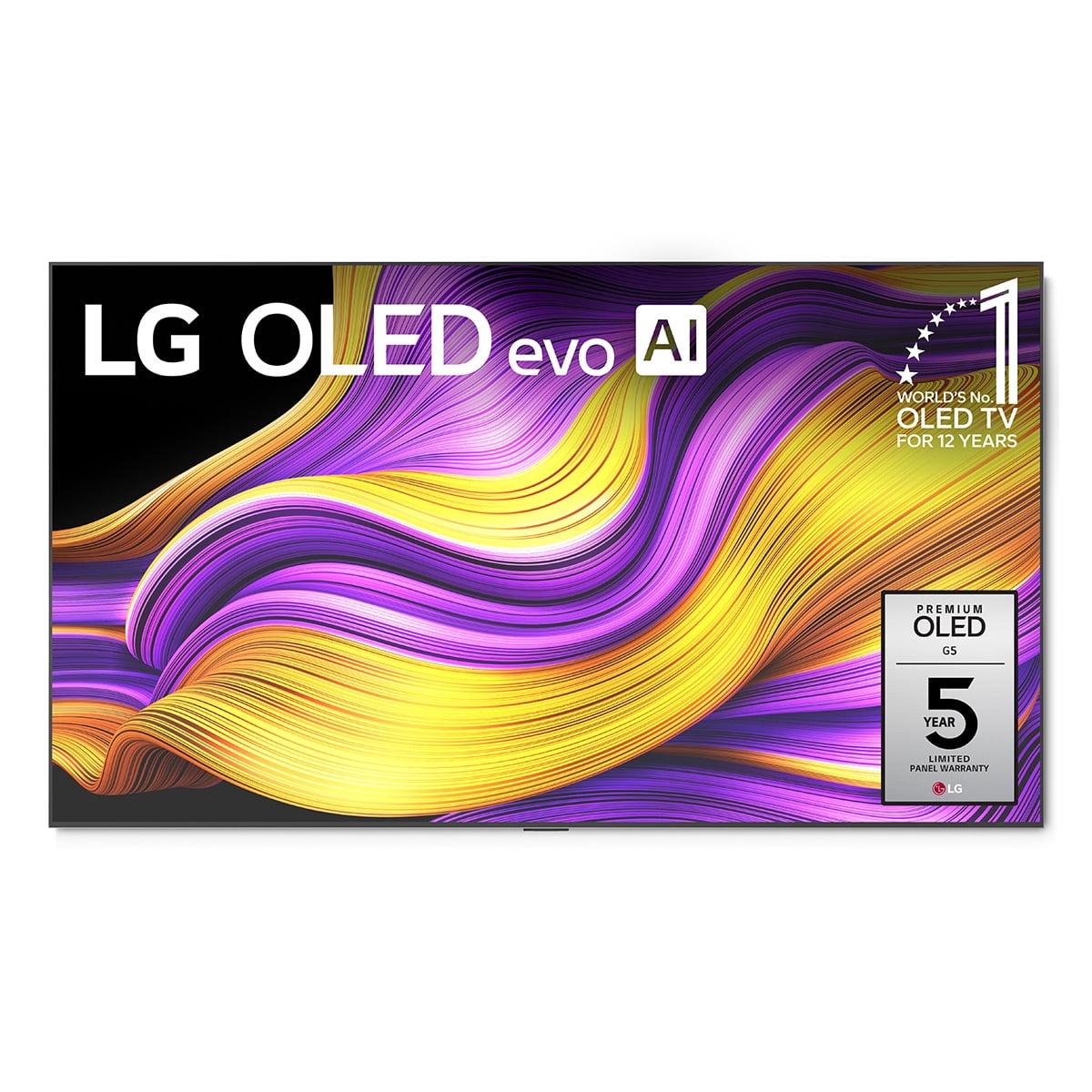
This tandem structure addresses OLED's historical weakness: brightness limitations in well-lit rooms. The G5's Brightness Booster Ultimate technology can now compete with high-end mini-LED displays while retaining OLED's advantages of infinite contrast and perfect pixel-level control.
When evaluating picture quality, several metrics matter most: peak brightness, black level performance, color accuracy, viewing angles, and motion handling. These characteristics determine how well a TV performs across different content types and viewing environments.
The Samsung Q6F delivers respectable brightness for its price tier, making it suitable for rooms with significant ambient light. However, without local dimming zones to control backlighting precisely, HDR content lacks the dramatic contrast that makes high dynamic range formats compelling. HDR10+ support helps with scene-by-scene optimization, but the TV cannot display the bright highlights and deep shadows simultaneously that premium HDR demands.
The LG G5 represents a breakthrough for OLED brightness. The tandem panel structure allows it to compete directly with mini-LED TVs in peak brightness while maintaining perfect blacks. This creates exceptional HDR impact—bright explosions pop off the screen while maintaining shadow detail. Dolby Vision support provides dynamic metadata for optimal HDR presentation, though the TV notably lacks Samsung's HDR10+ format.

Our research indicates the G5's brightness improvements make it viable for bright room viewing while retaining OLED's dark room advantages. However, some users report an HDR10 contouring issue in darker scenes that creates visible banding, though LG is expected to address this through firmware updates.
This represents the starkest difference between these displays. The Samsung Q6F's edge-lit backlighting cannot achieve true black levels—dark scenes appear grayish rather than deep black. This limitation becomes particularly noticeable when watching movies with letterbox formatting or dark content like space scenes.
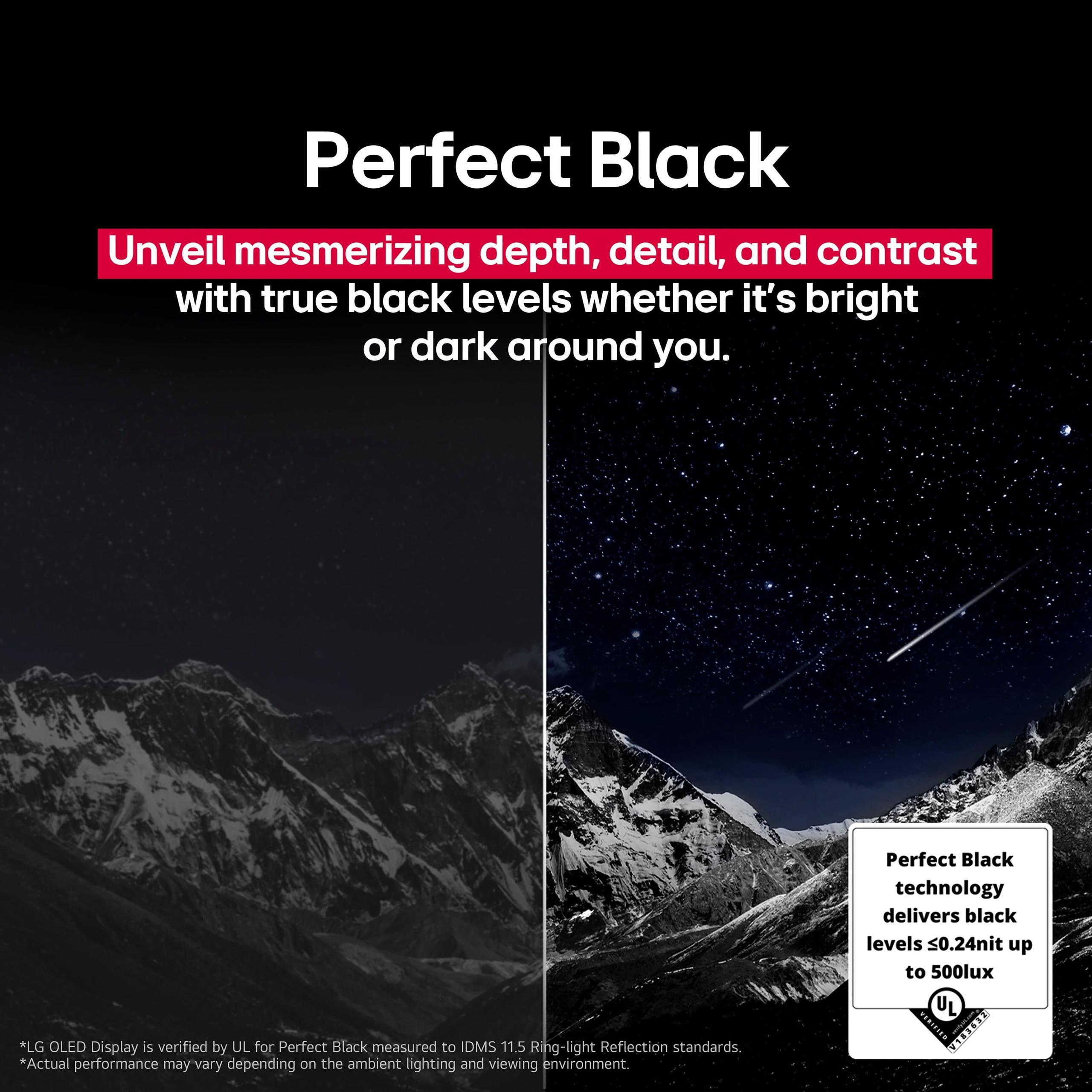
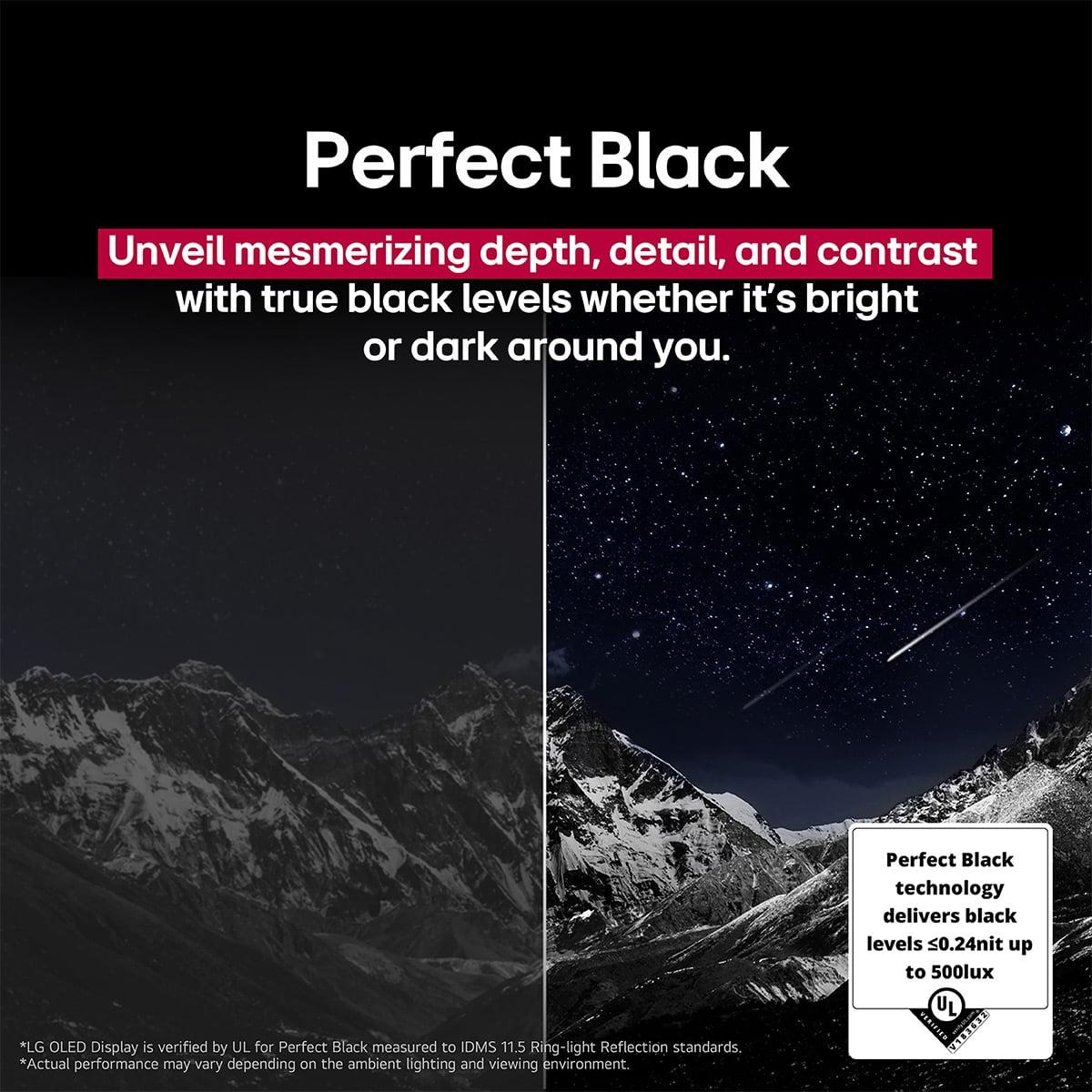
The LG G5 delivers perfect blacks by turning pixels completely off. This creates an infinite contrast ratio that makes images appear more three-dimensional and lifelike. Colors appear more saturated against true black backgrounds, and subtle shadow details remain visible without lifting overall black levels.
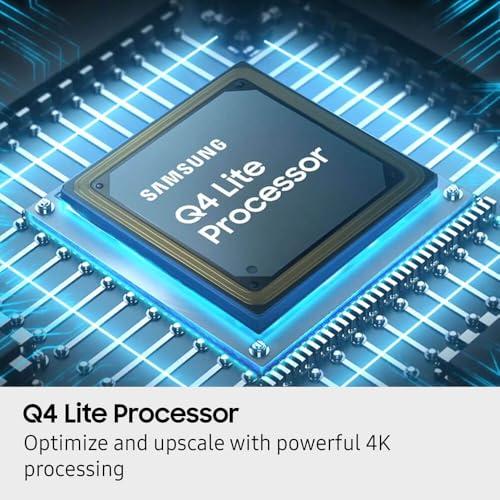
Both TVs handle color reproduction well within their respective technologies. The Samsung Q6F benefits from quantum dot technology, which creates purer, more saturated colors than traditional LED TVs. The Q4 Lite processor provides competent color processing and upscaling for lower-resolution content.
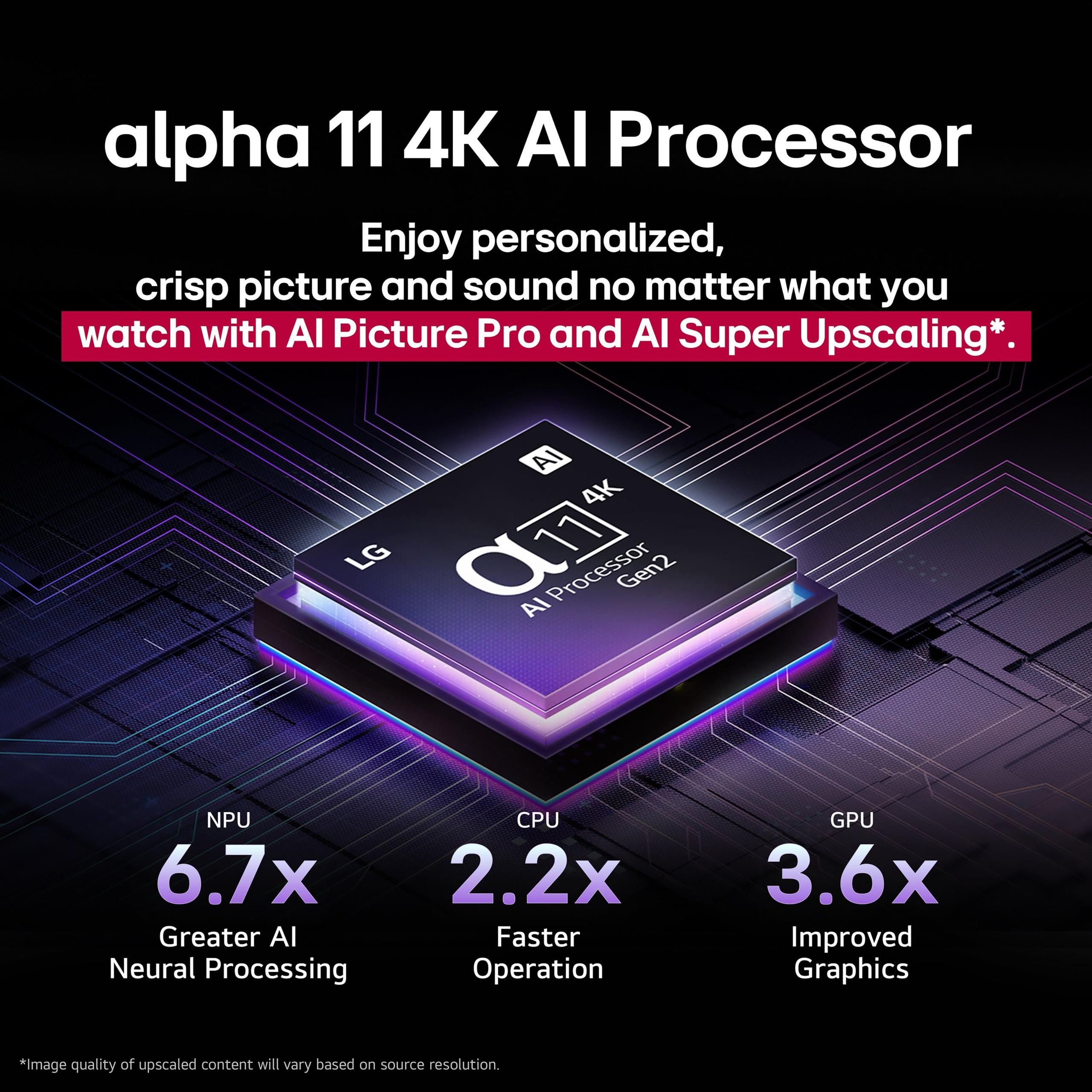
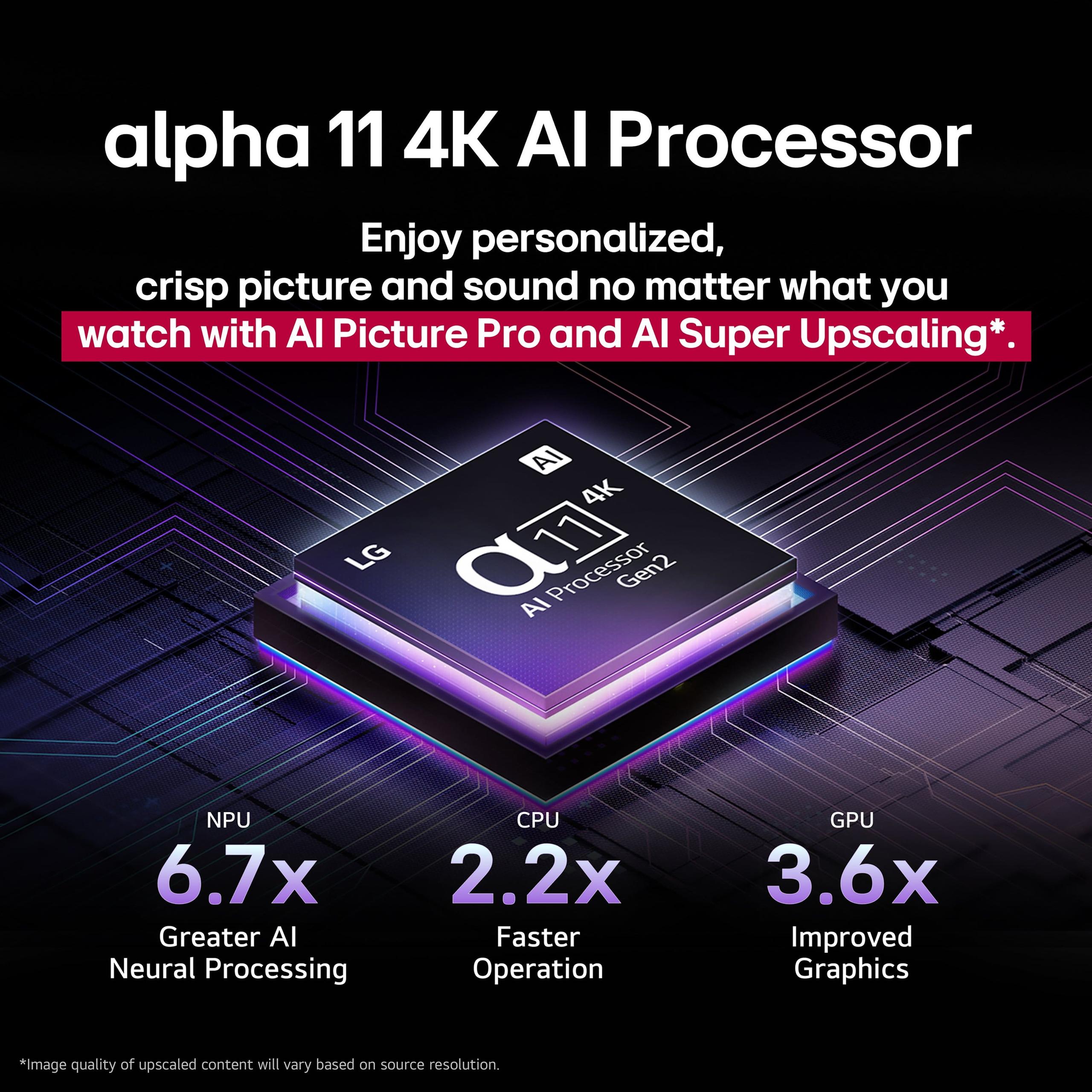
The LG G5's tandem RGB structure improves color purity and reduces the color volume limitations that affected previous OLED models at high brightness levels. The Alpha 11 AI Processor Gen 2 provides sophisticated color processing and personalized picture optimization based on viewing preferences and content analysis.
Professional reviews suggest the G5 maintains better color accuracy across different brightness levels, while the Q6F may oversaturate certain colors to appear more vivid—a common approach in consumer-oriented displays.
Gaming capabilities reveal perhaps the largest performance gap between these TVs. The Samsung Q6F targets casual gamers with basic features: 60Hz refresh rate, Auto Game Mode for reduced input lag, and adequate response time for non-competitive gaming. However, it lacks the advanced features that next-generation consoles and high-end PC gaming demand.
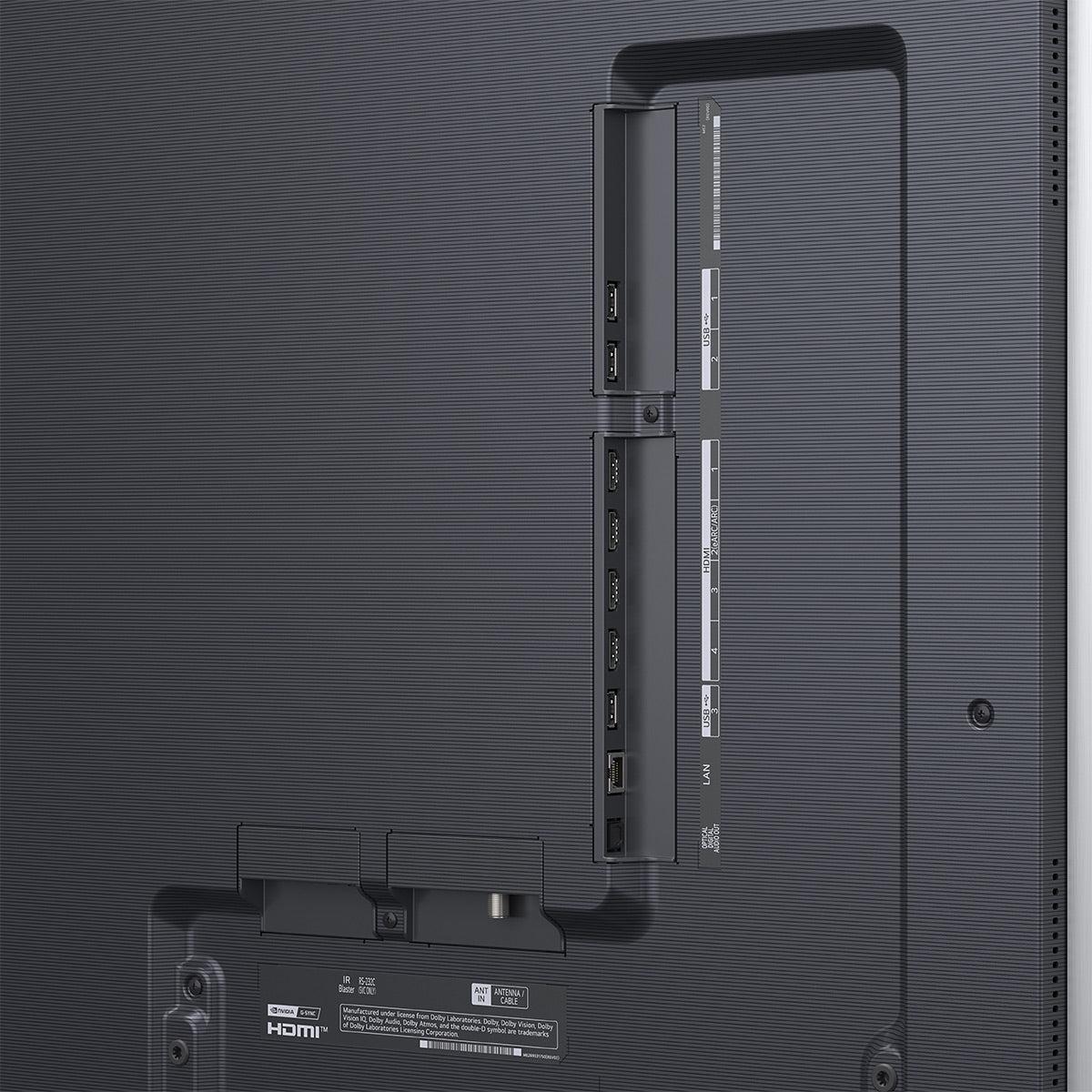
The LG G5 excels as a gaming display with four HDMI 2.1 ports supporting 4K resolution at 165Hz refresh rates—significantly higher than most gaming TVs offer. Variable Refresh Rate (VRR) technology synchronizes the TV's refresh rate with gaming sources to eliminate screen tearing, while near-instantaneous OLED response times provide crystal-clear motion without ghosting artifacts.
For competitive gaming or users with powerful gaming PCs, the G5's capabilities justify its premium positioning. OLED's pixel-level response time creates exceptionally sharp motion that LED-backlit displays simply cannot match, regardless of their processing power.
Both TVs offer modern smart TV platforms, though with different approaches. The Samsung Q6F runs Tizen OS with Samsung TV Plus providing free streaming channels, voice control through Bixby, Alexa, and Google Assistant, and basic smart home integration through Samsung's SmartThings platform.
The LG G5 features webOS 25 with more sophisticated AI integration. Quick Cards allow personalized app organization, while the Alpha 11 processor provides intelligent content recommendations and viewing optimization. The Magic Remote includes an AI button for enhanced voice control, and LG promises five years of software updates through their webOS Renew program.
Both platforms handle streaming services well, though LG's AI features feel more advanced and responsive based on user feedback we've analyzed.
Neither TV excels in audio performance—a common limitation with slim modern displays. The Samsung Q6F includes a 20W 2-channel system with Object Tracking Sound Lite, which attempts to match audio positioning with on-screen action. It's adequate for casual viewing but lacks the bass response and soundstage width for immersive experiences.
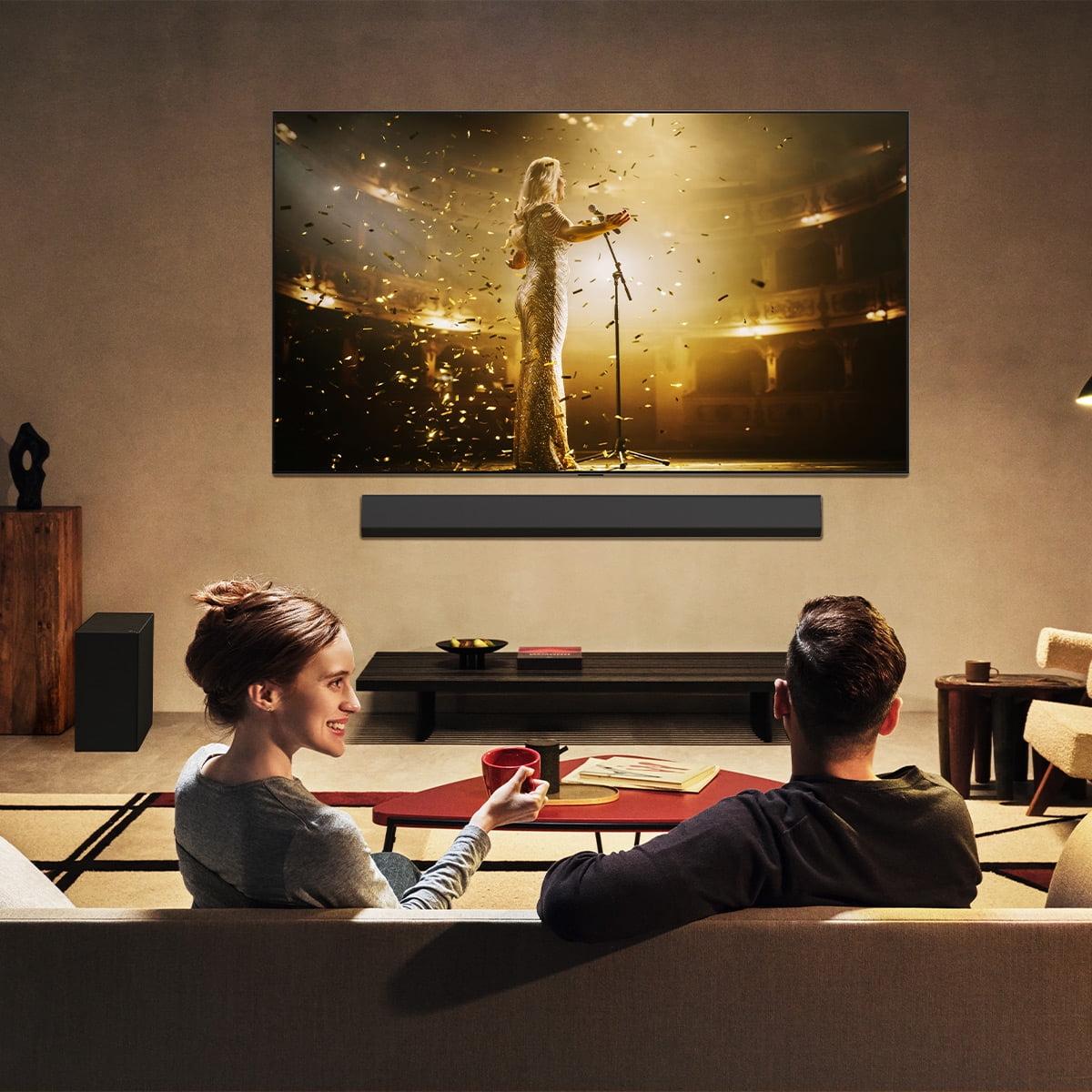
The LG G5 supports Dolby Atmos processing through its built-in speakers and offers WOW Orchestra compatibility with LG soundbars for expanded audio capabilities. However, the thin OLED design limits speaker size and bass output.
Both TVs benefit significantly from external audio solutions, whether soundbars or surround sound systems, particularly for home theater applications.
For dedicated home theater use, the technology differences become most apparent. The Samsung Q6F works acceptably in bright rooms where its quantum dot colors and decent brightness levels provide a pleasant viewing experience. However, it cannot deliver the cinematic impact that movie enthusiasts seek due to limited contrast and basic backlighting.
The LG G5 transforms dark room viewing with its perfect blacks and exceptional contrast. Movie content appears more engaging and immersive, with subtle shadow details visible while maintaining bright highlight punch. FILMMAKER MODE preserves directors' creative intent by disabling processing that might alter the intended presentation.
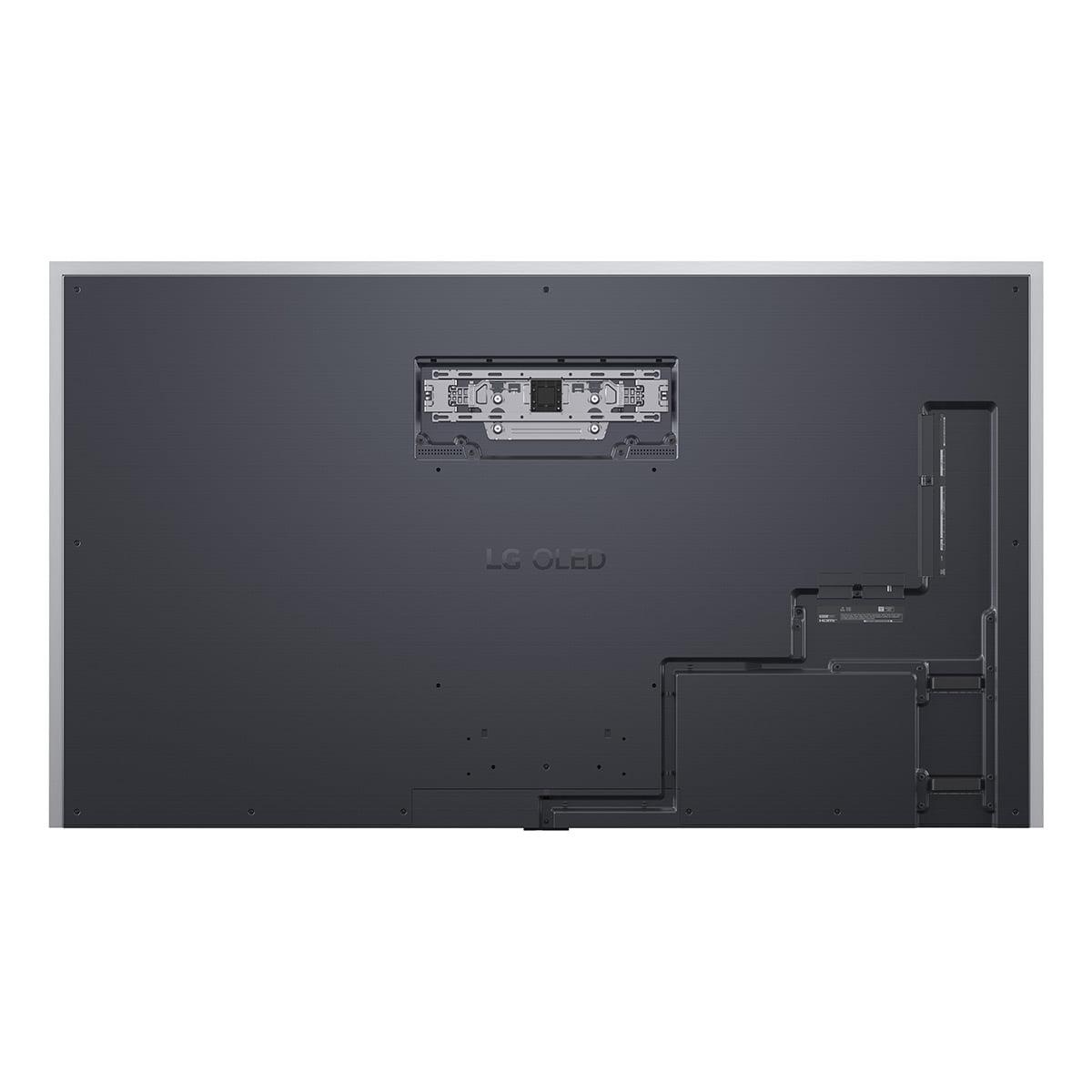
The G5's gallery design allows it to mount flush against walls, creating a more integrated, theater-like appearance when not displaying content. This aesthetic consideration matters for dedicated viewing rooms where the display serves as a focal point.
The Samsung Q6F delivers solid value for mainstream users who want 4K smart TV functionality with quantum dot color enhancement at accessible pricing. It suits families in bright living rooms who watch varied content throughout the day and don't require advanced gaming features. The TV handles streaming services well and provides a significant upgrade from older LED TVs without demanding premium investment.
The LG G5 justifies its flagship pricing for users who prioritize display quality above cost considerations. This includes serious movie enthusiasts, competitive gamers, content creators who need color accuracy, and anyone building a dedicated home theater. The 5-year panel warranty demonstrates LG's confidence in the technology and provides long-term value protection.
Choose the Samsung Q6F if you need a reliable, bright room television for general family use, have budget constraints but want modern smart features, or prefer traditional TV installation with included stand options. It provides quantum dot color benefits without premium pricing, though with corresponding limitations in contrast and gaming capabilities.
Select the LG G5 if you prioritize absolute picture quality, game with next-generation consoles or high-end PCs, watch movies in controlled lighting environments, or want a premium display that functions as wall art when not in use. The advanced OLED technology and comprehensive gaming features justify the investment for enthusiasts who will appreciate these capabilities.
The decision ultimately depends on matching your specific viewing patterns, room environment, and quality expectations with each TV's strengths. The Q6F delivers competent performance at mainstream pricing, while the G5 represents cutting-edge display technology for users who demand the best possible experience.
Consider your room's lighting, primary content types, gaming requirements, and long-term satisfaction expectations. Both TVs serve their intended markets well—the key is understanding which market segment matches your actual needs and preferences.
| Samsung 65" QLED Q6F 4K Smart TV 2025 | LG OLED evo G5 65" 4K Smart TV 2025 |
|---|---|
| Display Technology - Fundamental difference affecting picture quality and price | |
| QLED with Quantum Dots and edge-lit LED backlighting | 4-layer tandem RGB OLED with self-lit pixels |
| Peak Brightness - Critical for HDR impact and bright room viewing | |
| Good brightness for entry-level QLED, suitable for daytime viewing | Up to 45% brighter than previous OLEDs, now competitive with premium mini-LED |
| Black Levels - Determines contrast and dark scene detail | |
| Grayish blacks due to edge-lit backlighting limitations | Perfect blacks with pixels that turn completely off |
| Gaming Performance - Essential for console and PC gaming | |
| 60Hz refresh rate, basic Auto Game Mode, adequate for casual gaming | 4K@165Hz on all HDMI 2.1 ports, VRR, G-SYNC compatible, premium gaming features |
| HDR Support - Affects color and brightness range in movies | |
| HDR10, HDR10+, limited impact due to contrast limitations | Dolby Vision, HDR10, exceptional HDR impact with perfect contrast |
| Smart TV Platform - Daily usability and long-term software support | |
| Tizen OS with Samsung TV Plus, standard voice control | webOS 25 with AI features, 5-year update guarantee, advanced personalization |
| Processor - Affects upscaling quality and smart features responsiveness | |
| Q4 Lite Processor with basic AI upscaling | Alpha 11 AI Processor Gen 2 with advanced AI optimization |
| Design Approach - Installation flexibility and aesthetics | |
| Traditional TV with included stand, standard wall mounting | Gallery One Wall Design, flush wall mount included, no stand |
| Audio Quality - Built-in sound capabilities | |
| 20W 2-channel with Object Tracking Sound Lite | Dolby Atmos support, AI-enhanced audio, soundbar integration |
| Viewing Angles - Important for wide seating arrangements | |
| Limited viewing angles with color shifting at wider angles | Excellent viewing angles with minimal color/brightness loss |
| Burn-in Risk - Long-term reliability consideration | |
| No burn-in risk with LED backlighting technology | Minimal modern OLED burn-in risk, 5-year panel warranty included |
| Target User - Best fit for different needs and budgets | |
| Budget-conscious families wanting solid 4K smart TV for bright rooms | Display enthusiasts, serious gamers, home theater devotees seeking premium quality |
The LG OLED evo G5 delivers superior picture quality with perfect black levels, infinite contrast, and exceptional color accuracy thanks to its 4-layer tandem OLED panel technology. The Samsung Q6F offers good picture quality for its price tier with quantum dot colors, but cannot match the contrast and black levels of OLED technology due to its edge-lit LED backlighting.
The LG G5 is significantly better for gaming, featuring 4K@165Hz refresh rates on all HDMI 2.1 ports, Variable Refresh Rate (VRR), and near-instantaneous OLED response times. The Samsung Q6F is limited to 60Hz refresh rate with basic gaming features, making it suitable only for casual gaming rather than competitive or next-gen console gaming.
Both TVs offer good brightness, but the LG G5 achieves higher peak brightness levels thanks to its new tandem OLED structure that produces up to 45% brighter images than previous OLED models. The Samsung Q6F provides adequate brightness for daytime viewing but cannot match the G5's combination of high brightness with perfect blacks.
The Samsung Q6F uses QLED technology with quantum dots and LED backlighting to create images, while the LG G5 uses OLED technology where each pixel generates its own light. This fundamental difference means OLED can achieve perfect blacks and infinite contrast, while QLED typically offers higher brightness and no burn-in concerns.
Both TVs work well in bright rooms, though for different reasons. The LG G5 now offers excellent brightness with its new tandem panel while maintaining perfect contrast. The Samsung Q6F provides good brightness with quantum dot color enhancement at a more accessible price point, making it a solid choice for bright room viewing on a budget.
Yes, both the Samsung Q6F with Tizen OS and the LG G5 with webOS 25 support all major streaming platforms including Netflix, Amazon Prime Video, Disney+, Hulu, and more. The G5 offers more advanced AI features and personalization, while the Q6F provides reliable streaming performance with Samsung TV Plus for free content.
The LG G5 is exceptional for home theater use, delivering perfect blacks, infinite contrast, and exceptional HDR performance that creates a cinematic experience in dark rooms. The Samsung Q6F can work for home theater on a budget but lacks the contrast performance and premium features that serious movie enthusiasts typically want.
The LG G5 offers more advanced smart features with webOS 25, AI personalization, Quick Cards interface, and a 5-year software update guarantee. The Samsung Q6F provides solid smart TV functionality with Tizen OS, voice control, and Samsung TV Plus, though with fewer advanced AI features than the premium G5 model.
The LG G5 features premium build quality with its One Wall Design that mounts flush to walls and can display art when not in use, plus a 5-year panel warranty. The Samsung Q6F offers solid build quality with a traditional design, included stand, and standard mounting options at a more accessible price point.
The Samsung Q6F has no burn-in risk due to its LED backlighting technology. The LG G5 has minimal burn-in risk with modern OLED panels and includes a 5-year panel warranty for added confidence. OLED burn-in concerns have been largely addressed in recent years through improved panel materials and processing.
Value depends on your needs and budget. The Samsung Q6F offers excellent value for mainstream users wanting quantum dot color and 4K smart features without premium pricing. The LG G5 provides exceptional value for enthusiasts who prioritize cutting-edge display technology, advanced gaming features, and premium home theater performance.
Both TVs have adequate built-in audio but benefit from external sound systems. The LG G5 supports Dolby Atmos and offers soundbar integration features, while the Samsung Q6F includes Object Tracking Sound Lite and basic audio processing. For serious home theater use, both models work best with dedicated sound systems.
We've done our best to create useful and informative comparisons to help you decide what product to buy. Our research uses advanced automated methods to create this comparison and perfection is not possible - please contact us for corrections or questions. These are the sites we've researched in the creation of this article: tomsguide.com - bestbuy.com - samsung.com - rtings.com - youtube.com - rtings.com - bestbuy.com - samsung.com - samsung.com - samsung.com - manuals.plus - shopjetson.com - samsung.com - samsung.com - samsung.com - samsung.com - bestbuy.com - jefflynch.com - bestbuy.com - techradar.com - rtings.com - youtube.com - youtube.com - rtings.com - bestbuy.com - youtube.com - valueelectronics.com - lg.com - audio-videoplus.com - lg.com - lg.com - lg.com

Privacy Policy
Terms and Conditions - Affiliate Policy
Home Security
© Copyright 2008-2026.
11816 Inwood Rd #1211, Dallas, TX 75244