

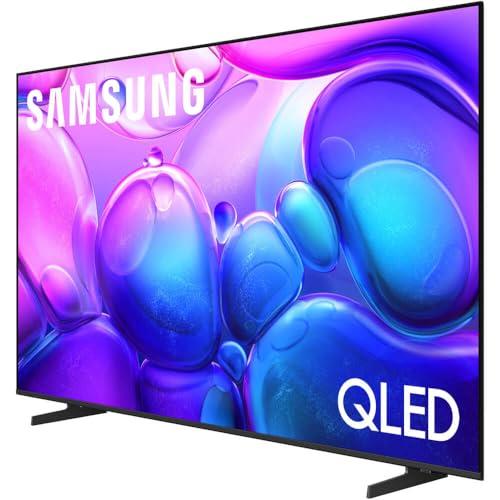
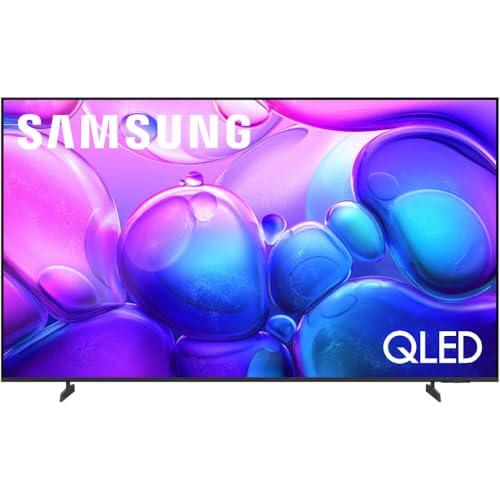
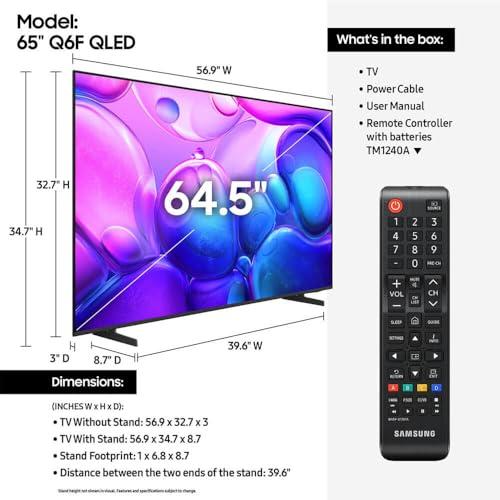
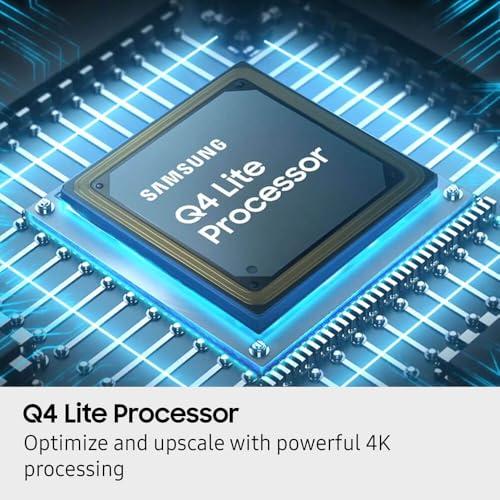
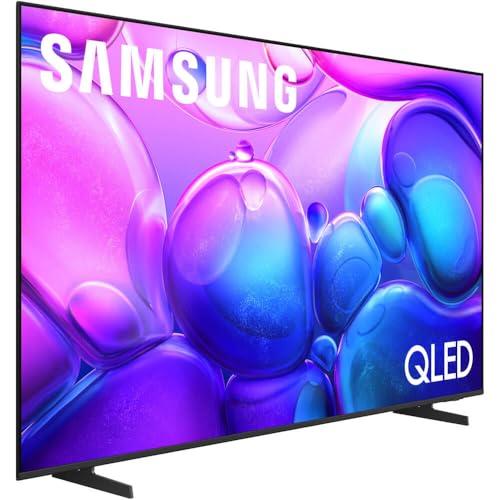
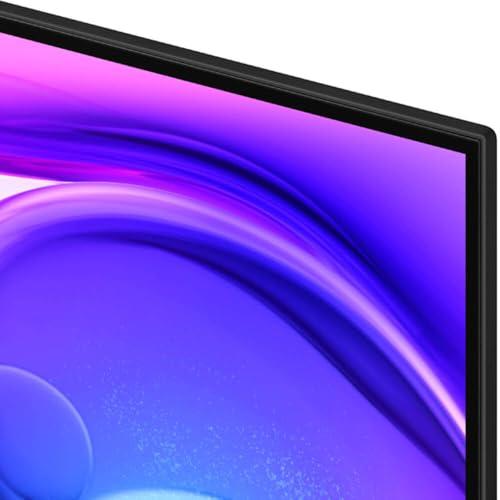
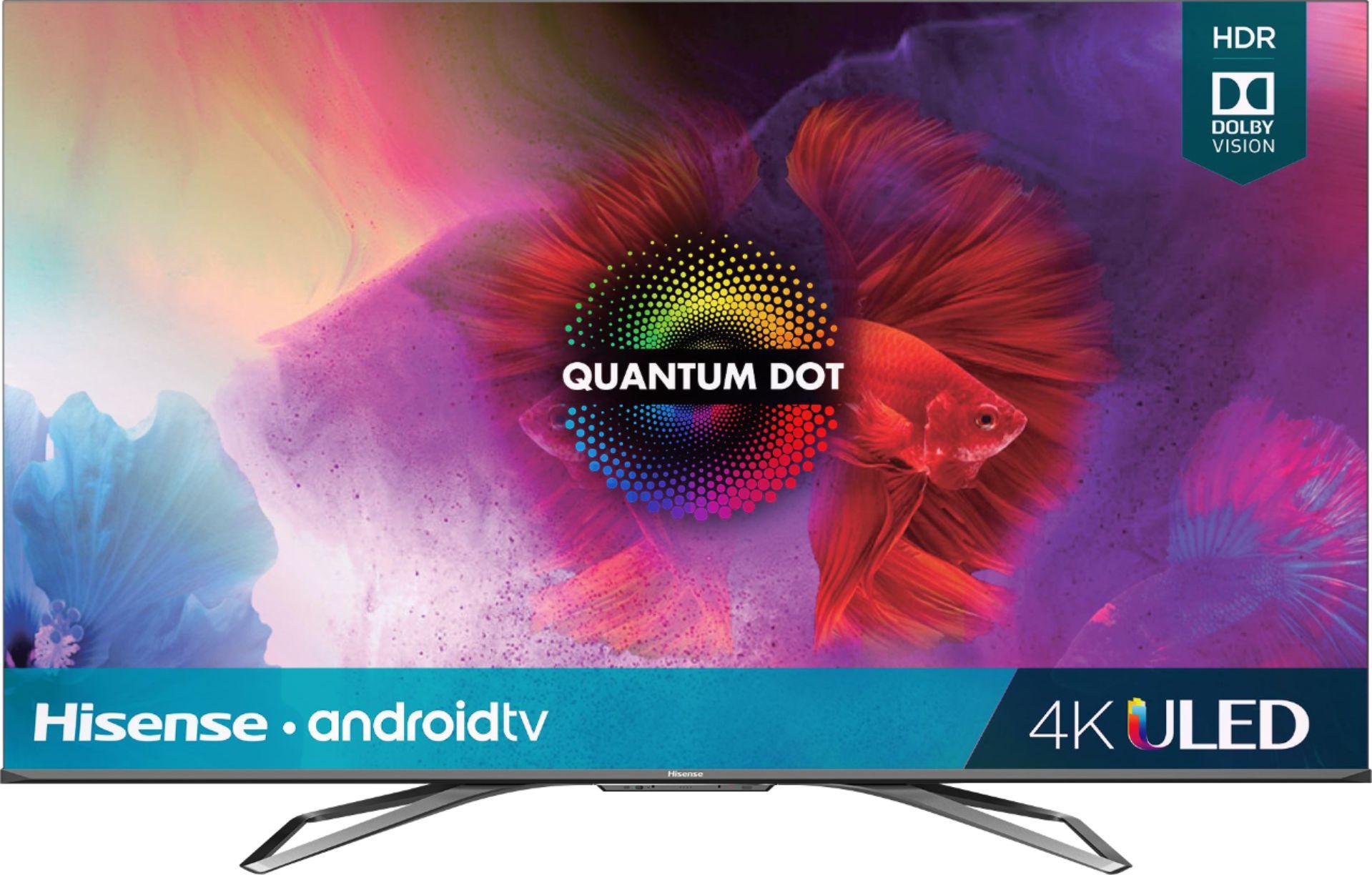
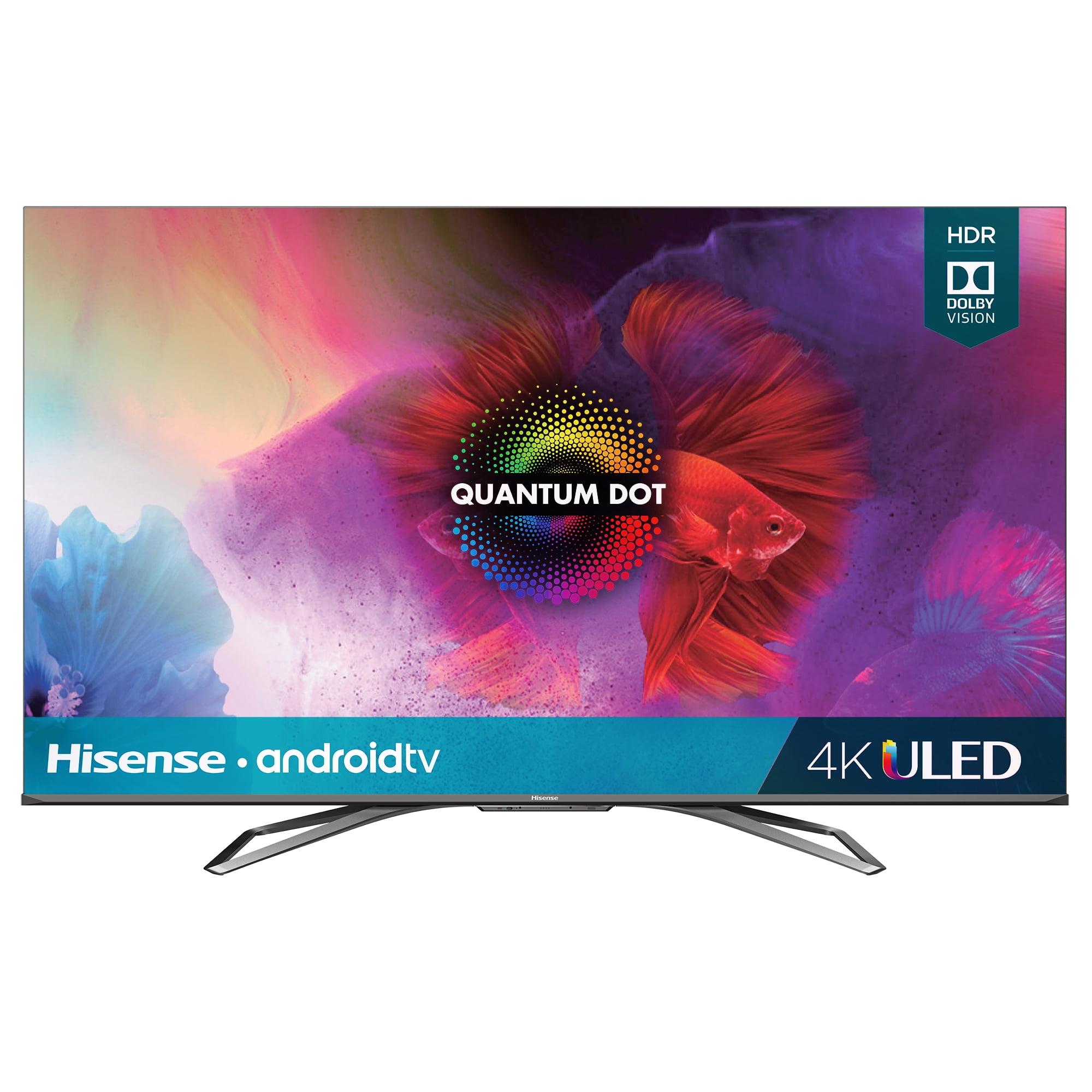
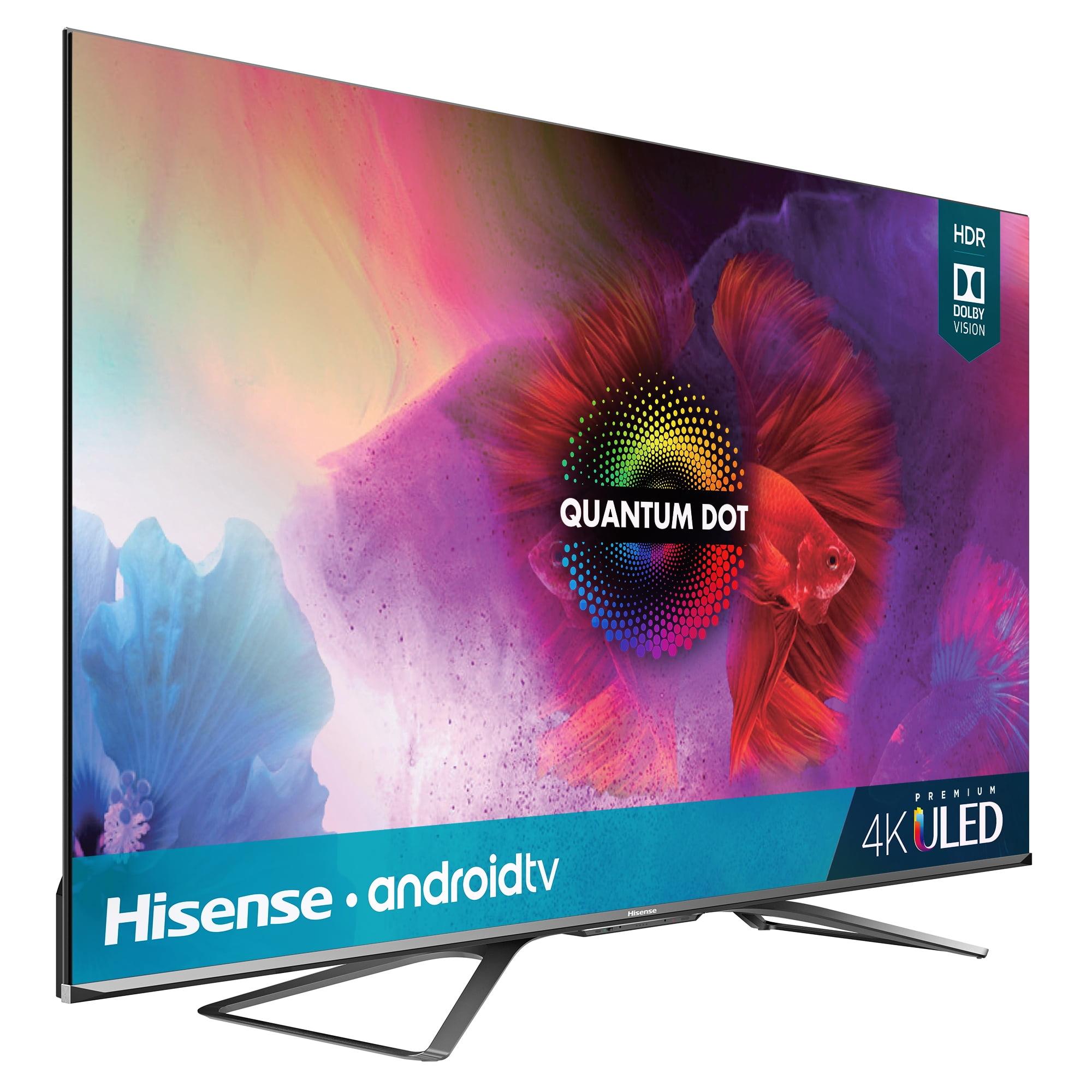

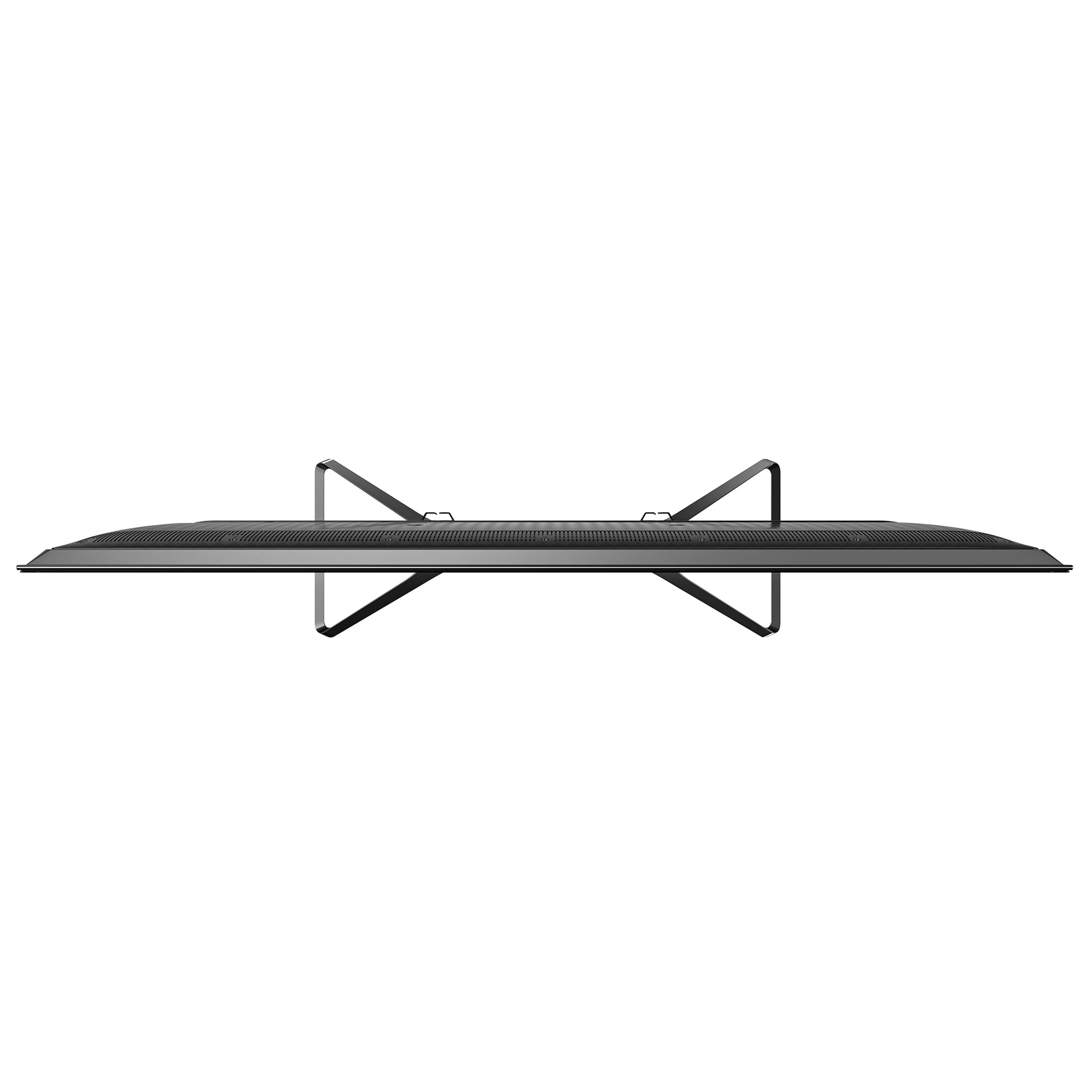
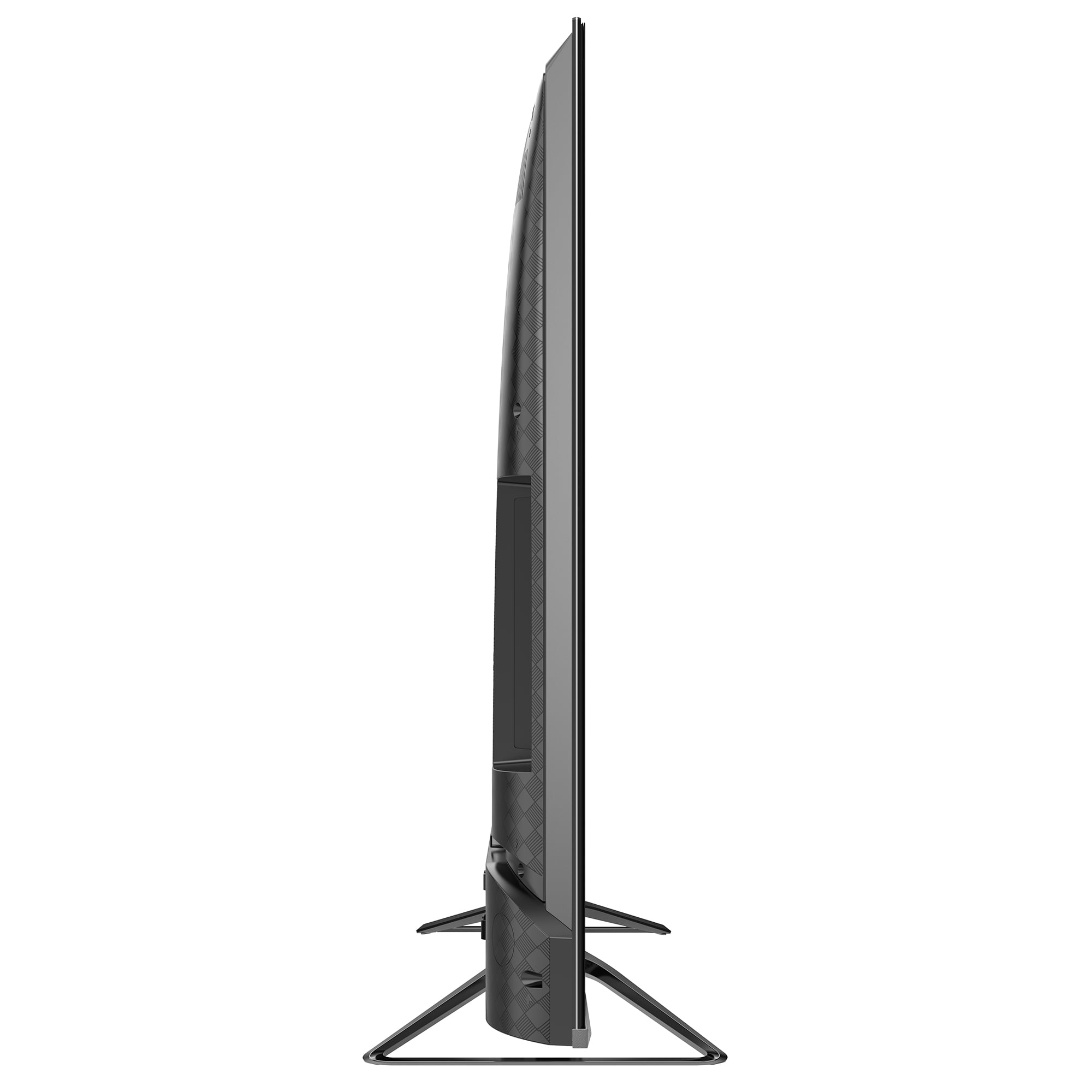
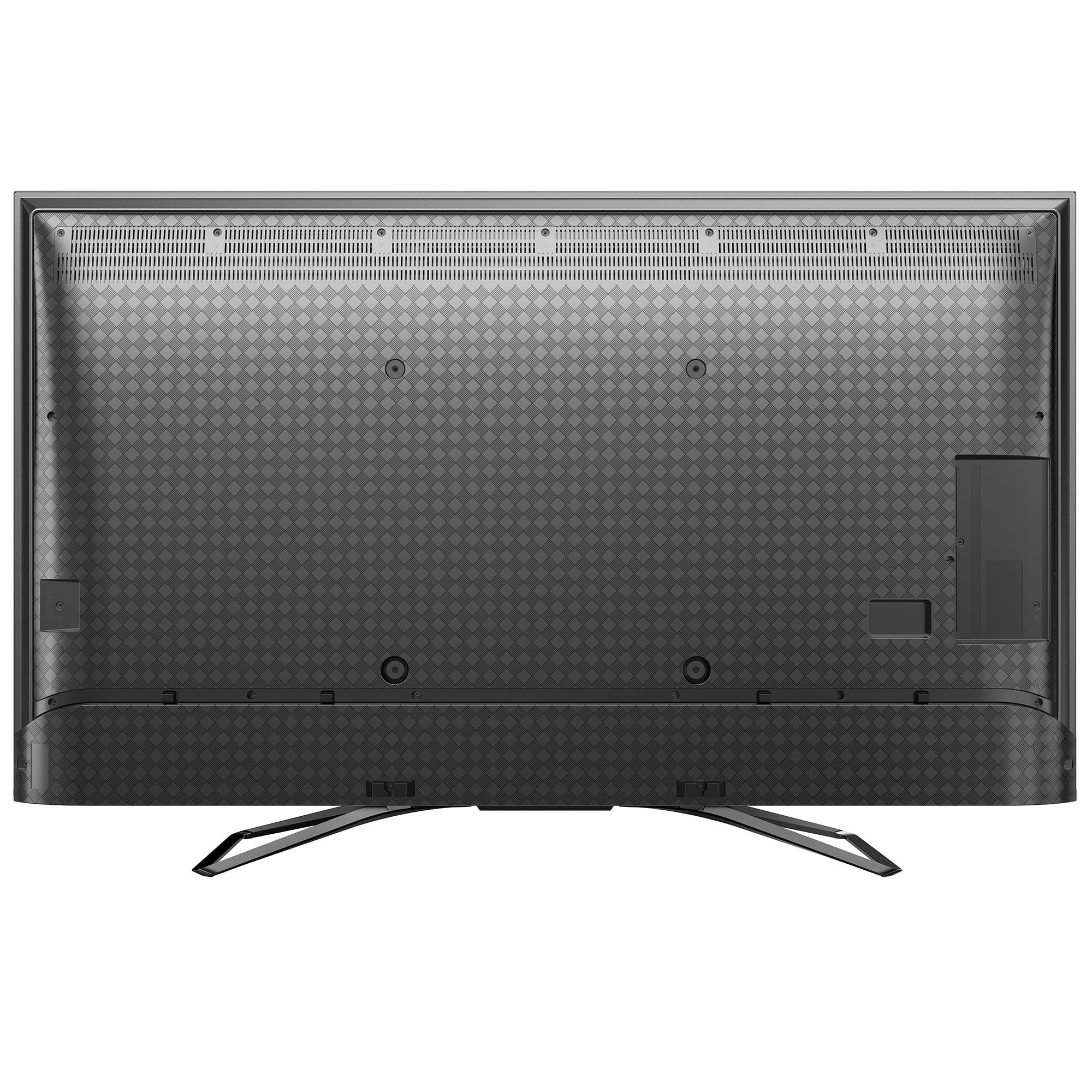
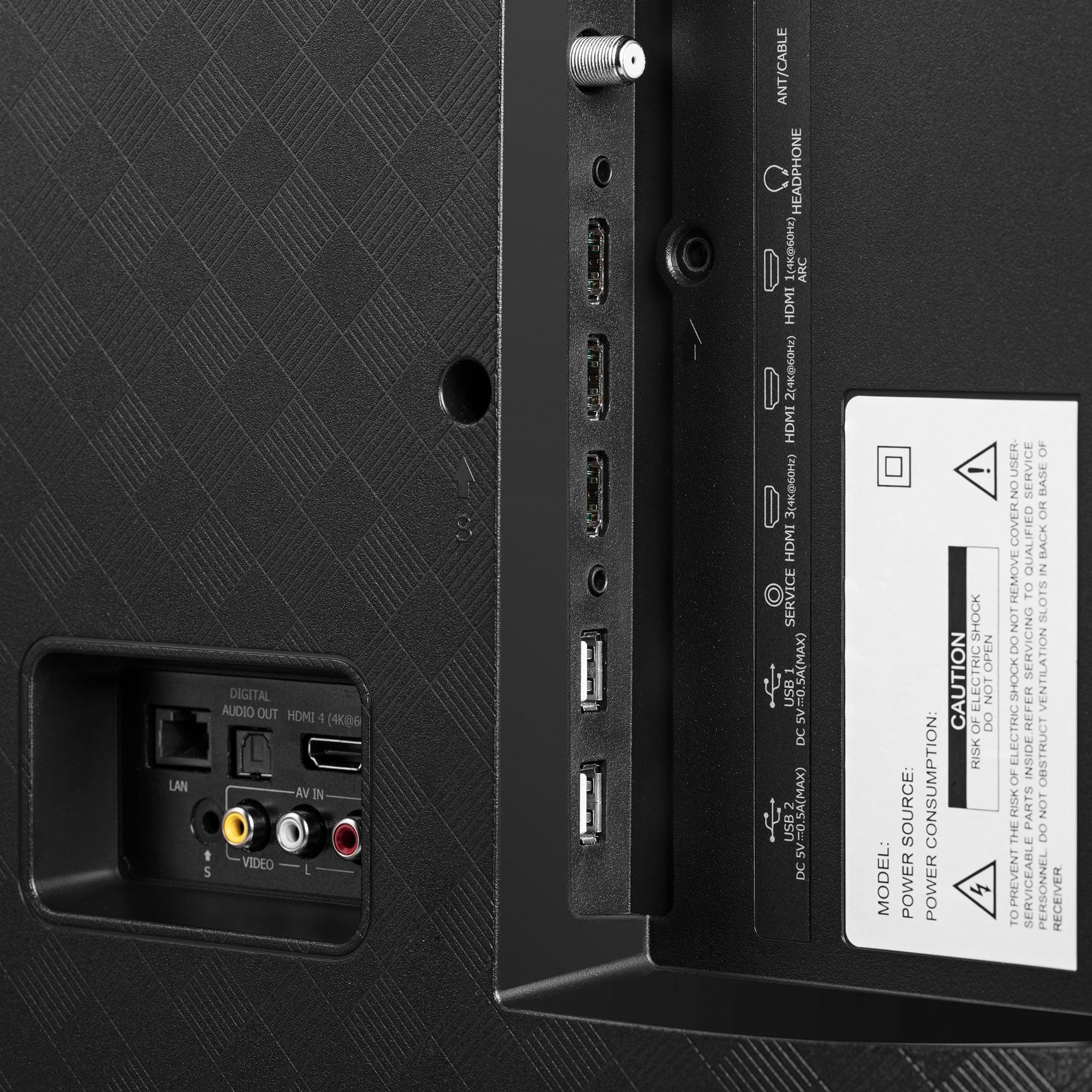
When shopping for a 65-inch 4K TV, you're entering the sweet spot of home entertainment—big enough for an immersive experience without completely dominating your living room. But choosing between the Samsung 65" QLED Q6F 2025 and the Hisense 65" H9G Quantum Series presents an interesting dilemma: do you prioritize cutting-edge picture quality or modern smart features and gaming capabilities?
These two TVs represent different philosophies in TV design. The Samsung Q6F, released in 2025, focuses on delivering contemporary features like advanced gaming support and a refined smart TV experience at an accessible price point. Meanwhile, the Hisense H9G, which hit the market around 2020, was designed as a picture quality powerhouse that punches well above its weight class through superior backlighting technology.
Before diving into the specifics, let's talk about what really matters when choosing a 65-inch TV. Picture quality sits at the top—this includes how bright the TV gets, how deep the blacks appear, and how vibrant colors look across different types of content. Smart platform usability has become increasingly important as we rely more on built-in apps rather than external streaming devices. Gaming performance now matters to more people than ever, especially with the PlayStation 5 and Xbox Series X pushing 4K gaming with variable refresh rates.
Audio quality, while often overlooked, can make or break your viewing experience, and long-term software support determines whether your TV will feel outdated in a few years. At the time of writing, both TVs occupy different price segments, with the Samsung Q6F positioned as a current entry-level QLED option and the Hisense H9G available as a discounted previous-generation model.
This is where the Hisense H9G shows its true colors—literally. With peak brightness reaching up to 1000 nits, it delivers HDR (High Dynamic Range) content with the impact it was meant to have. HDR makes bright scenes pop and dark scenes retain detail, but only if your TV can get bright enough to show the difference.
The Samsung Q6F, while adequate for most viewing conditions, simply can't match this brightness output. In practical terms, this means when you're watching a sunset scene in a movie or a bright explosion in an action film, the Hisense H9G will make those moments feel more dramatic and lifelike. If you have a bright living room with lots of windows, the H9G's superior brightness helps combat glare and maintains picture quality even during daytime viewing.
Here's where things get really interesting. The Hisense H9G features full-array local dimming (FALD) with 180 independently controlled zones. Think of this like having 180 tiny dimmers controlling different sections of your TV's backlight. When a scene shows both bright stars and a dark night sky, these zones can dim the dark areas while keeping the bright areas illuminated, creating a contrast ratio of 4500:1.
The Samsung Q6F uses what Samsung calls "UHD Dimming," but it lacks true local dimming zones. Instead, it relies on software processing to improve contrast, which simply can't compete with hardware-based solutions. In dark room viewing—the holy grail of home theater experiences—the Hisense H9G produces deeper blacks that make the overall image appear more three-dimensional and engaging.
During our research into professional reviews and user feedback, this contrast difference consistently emerges as the most significant picture quality advantage the Hisense H9G holds over the Samsung Q6F.
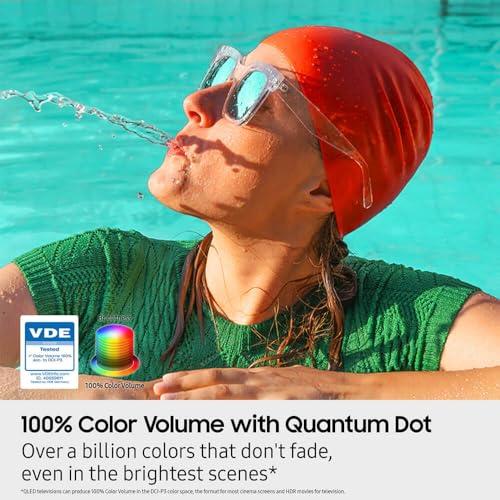
Both TVs use Quantum Dot technology, which sounds fancy but essentially means they use tiny semiconductor particles to produce more accurate and vibrant colors. The Samsung Q6F advertises "100% Color Volume with Quantum Dot," while the Hisense H9G uses its ULED processing to enhance color reproduction.
In practice, both deliver satisfying color performance that surpasses standard LCD TVs without quantum dots. The Samsung Q6F includes Samsung's Color Booster technology, which particularly enhances reds and blues for more vibrant imagery. However, the Hisense H9G's superior brightness and contrast foundation helps colors appear more natural and impactful, especially in HDR content.
The Samsung Q6F runs on Tizen OS with Samsung's One UI interface, and this is where it truly shines. Based on our evaluation of user reviews and expert opinions, Tizen consistently receives praise for its smooth operation, intuitive menu system, and quick response times. Samsung commits to seven years of software updates for their 2025 models, meaning your TV will receive new features and security updates until 2032.
The integration goes deeper than just apps. The Samsung Q6F includes Samsung Vision AI, which optimizes picture and sound based on what you're watching. The SmartThings hub functionality turns your TV into a central control point for smart home devices—you can adjust your thermostat, check security cameras, or control smart lights directly from your TV interface.
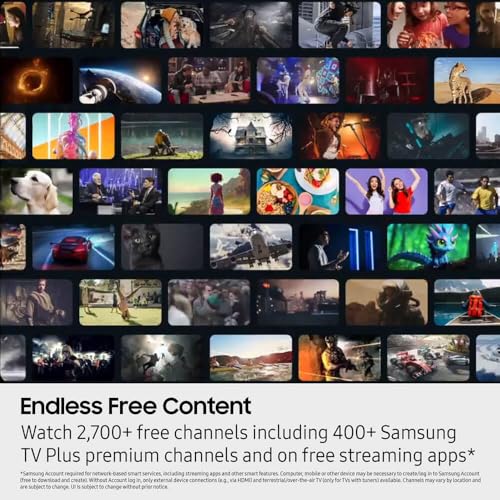
Samsung TV Plus provides access to over 1200 free streaming channels, which adds significant value without requiring additional subscriptions. The voice control supports multiple assistants: Bixby for Samsung-specific functions, built-in Alexa for smart home control, and Google Assistant compatibility for broader search capabilities.
The Hisense H9G runs Android TV, which provides access to the Google Play Store's extensive app selection. This platform offers more flexibility in app choices and integrates seamlessly with Google services. The built-in Chromecast functionality makes it easy to cast content from your phone or tablet.
However, based on user feedback we've reviewed, Android TV on the H9G can feel slower and less refined compared to Samsung's Tizen implementation. The interface occasionally stutters, and app loading times tend to be longer. Since the H9G is a 2020 model, it's also approaching the end of its software support lifecycle, which could leave it vulnerable to security issues or compatibility problems with newer streaming services.
If you own a PlayStation 5, Xbox Series X, or game on a modern PC, the Samsung Q6F offers features that the Hisense H9G simply cannot provide. Variable Refresh Rate (VRR) synchronizes your console's frame rate with the TV's refresh rate, eliminating screen tearing and providing smoother gameplay. Auto Low Latency Mode (ALLM) automatically switches the TV to its lowest input lag setting when it detects a gaming signal.
The Gaming Hub feature deserves special mention—it provides access to cloud gaming services like Xbox Cloud Gaming, NVIDIA GeForce Now, and Amazon Luna directly through your TV, no console required. For casual gamers or those interested in trying games without purchasing expensive hardware, this opens up entirely new possibilities.
HGiG (HDR Gaming Interest Group) support ensures that HDR games display with the correct brightness and contrast levels that developers intended, making your gaming visuals more accurate and immersive.
The Hisense H9G operates with a 120Hz refresh rate, which theoretically provides smoother motion than the Samsung Q6F's 60Hz panel. However, it lacks VRR support entirely, which is a significant limitation for current-generation console gaming.
Input lag on the H9G measures reasonably low in Game Mode, making it acceptable for casual gaming, but serious gamers will notice the difference when compared to TVs with full gaming feature sets. The faster response times do help with motion clarity, but this advantage is offset by the lack of modern gaming features that enhance the overall experience.
Both TVs feature 20W, 2-channel speaker systems, which represents the standard for most TVs in this size class. However, the Samsung Q6F includes Object Tracking Sound Lite (OTS Lite), which attempts to make audio follow the action on screen. While not as sophisticated as the full OTS system found in Samsung's premium models, it does provide a more engaging audio experience than standard stereo speakers.
The Q-Symphony feature allows the Samsung Q6F to work in harmony with compatible Samsung soundbars, using both the TV speakers and soundbar simultaneously for richer, fuller sound. This creates an easy upgrade path if you decide to enhance your audio setup later.
The Hisense H9G provides competent audio quality but lacks these advanced features. Both TVs benefit significantly from external audio solutions, but Samsung's integration features provide more flexibility for future upgrades.
At the time of writing, the Hisense H9G represents exceptional value for picture quality performance. The full-array local dimming and high brightness capabilities typically cost significantly more in current-generation TVs. If you prioritize visual performance above all else and don't need the latest smart features, the H9G delivers premium picture quality at a more accessible price point.
The Samsung Q6F represents better long-term value through its modern feature set and extended software support. The seven-year update commitment means you won't face obsolescence issues as quickly, and the comprehensive gaming features ensure compatibility with current and future gaming hardware.
The smart home integration capabilities also add value that extends beyond entertainment, potentially replacing the need for separate smart home hubs or control devices.
For dedicated home theater setups, the Hisense H9G edges ahead due to its superior contrast performance and brightness capabilities. The full-array local dimming creates the deep blacks that make movie watching more immersive, especially in darkened rooms where these advantages become most apparent.
However, the Samsung Q6F's Filmmaker Mode preserves directors' creative intent by disabling post-processing effects, which appeals to movie purists. The more refined smart platform also means less fumbling with interfaces when you're settling in for a movie night.
Since the Hisense H9G's 2020 release, TV technology has evolved significantly in smart features and gaming capabilities, but picture quality improvements have been more incremental. The H9G's picture quality technology remains competitive with many current models, which explains why it continues to receive positive reviews despite its age.
The Samsung Q6F, as a 2025 model, incorporates all the modern expectations for smart TV functionality and gaming compatibility, but as an entry-level QLED, it makes compromises in picture quality hardware to hit its price point.
Choose the Hisense H9G if you're building a dedicated home theater setup, primarily watch movies and TV shows, and want the best possible picture quality for your budget. The superior contrast and brightness make HDR content truly shine, and the 120Hz panel provides smooth motion for sports and action content. This TV excels when picture quality is your primary concern.
The Samsung Q6F makes more sense if you want a complete modern TV experience with gaming capabilities, smart home integration, and long-term software support. It's the better choice for households with current-generation gaming consoles, extensive smart home setups, or anyone who prioritizes having the latest features and reliable long-term support.
Both TVs serve their intended audiences well, but they represent fundamentally different approaches to value. The Hisense H9G maximizes picture quality performance, while the Samsung Q6F maximizes feature completeness and future-proofing. Your choice should align with which approach better matches your priorities and viewing habits.
| Samsung 65" QLED Q6F 2025 | Hisense 65" H9G Quantum Series |
|---|---|
| Peak Brightness - Critical for HDR impact and bright room viewing | |
| Adequate brightness for most conditions | Up to 1,000 nits (significantly better HDR performance) |
| Local Dimming - Most important factor for contrast and black levels | |
| Basic UHD Dimming (software-based contrast enhancement) | Full-array local dimming with 180 zones (hardware-based, superior blacks) |
| Contrast Ratio - Determines picture depth and realism | |
| Standard LCD contrast performance | 4,500:1 with local dimming (dramatically better dark scene detail) |
| Refresh Rate - Affects motion smoothness and gaming compatibility | |
| 60Hz with Motion Xcelerator processing | Native 120Hz (smoother motion but lacks modern gaming features) |
| Gaming Features - Essential for PS5/Xbox Series X compatibility | |
| VRR, ALLM, HGiG, Gaming Hub with cloud gaming | Game Mode only (no VRR - major limitation for current consoles) |
| Smart Platform - Long-term usability and app performance | |
| Tizen OS with 7-year update commitment (through 2032) | Android TV (approaching end of support lifecycle) |
| Voice Control and Smart Home - Convenience and integration capabilities | |
| Multi-assistant support (Bixby, Alexa, Google) + SmartThings hub | Google Assistant built-in with Chromecast |
| Audio Features - Built-in sound quality and upgrade options | |
| OTS Lite directional audio + Q-Symphony soundbar integration | Standard 2-channel stereo speakers |
| Release Year - Affects feature currency and support timeline | |
| 2025 (current generation with modern features) | 2020 (previous generation, discounted but aging) |
| Best For - Primary use case recommendation | |
| Modern gaming, smart home users, long-term ownership | Movie enthusiasts prioritizing picture quality over features |
The Hisense 65" H9G Quantum Series delivers significantly better picture quality for movies and HDR content. With full-array local dimming across 180 zones and peak brightness up to 1,000 nits, the Hisense H9G produces deeper blacks, brighter highlights, and more dramatic HDR effects. The Samsung 65" QLED Q6F 2025 uses basic UHD dimming without true local dimming, resulting in less impressive contrast and HDR performance.
The Samsung 65" QLED Q6F 2025 is significantly better for modern gaming. It includes Variable Refresh Rate (VRR), Auto Low Latency Mode (ALLM), and HGiG support that current-generation consoles require for optimal performance. The Hisense H9G lacks VRR entirely, which is a major limitation for PS5 and Xbox Series X gaming, despite having a 120Hz refresh rate.
The Samsung Q6F offers a superior smart TV experience with its Tizen OS platform. Samsung provides seven years of software updates (through 2032) and the interface is consistently praised for being smoother and more responsive. The Hisense H9G runs Android TV, which offers more app selection but can feel slower and is approaching the end of its support lifecycle as a 2020 model.
The Hisense 65" H9G Quantum Series handles bright rooms much better due to its superior peak brightness of up to 1,000 nits. This higher brightness helps combat glare and maintains picture quality during daytime viewing. The Samsung Q6F provides adequate brightness for most conditions but may struggle in very bright environments.
The Samsung 65" QLED Q6F 2025 has more advanced audio features, including Object Tracking Sound Lite (OTS Lite) that makes audio follow on-screen action and Q-Symphony support for integration with Samsung soundbars. The Hisense H9G has standard stereo speakers without these enhanced audio technologies, though both TVs benefit from external sound systems.
The Samsung Q6F provides better long-term value through its modern feature set, comprehensive gaming support, and seven-year software update commitment. The Hisense H9G offers excellent picture quality value currently but lacks modern gaming features and is approaching the end of its support lifecycle as an older model.
For dedicated home theater setups, the Hisense 65" H9G Quantum Series is the better choice. Its full-array local dimming creates the deep blacks essential for cinematic viewing in dark rooms, and the high contrast ratio makes movies more immersive. The superior brightness also ensures HDR content displays with proper impact in controlled lighting environments.
The Hisense H9G has better motion handling due to its native 120Hz refresh rate and faster response times, providing clearer images during fast-moving scenes. The Samsung Q6F uses Motion Xcelerator technology with its 60Hz panel, which helps with motion processing but cannot match the hardware advantage of the higher refresh rate.
The Hisense H9G with Android TV provides access to the Google Play Store's extensive app selection, offering more flexibility in app choices. However, the Samsung Q6F includes Samsung TV Plus with over 1,200 free channels and has excellent app support for all major streaming services, plus superior performance and reliability.
The Samsung 65" QLED Q6F 2025 excels in smart home integration with built-in SmartThings hub functionality, allowing control of compatible smart devices directly from the TV. It supports multiple voice assistants (Bixby, Alexa, Google Assistant) and can serve as a central control point for your smart home ecosystem. The Hisense H9G offers basic Google Assistant integration but lacks comprehensive smart home hub features.
The Samsung Q6F provides significantly more gaming features, including a Gaming Hub with access to cloud gaming services like Xbox Cloud Gaming, NVIDIA GeForce Now, and Amazon Luna. This allows gaming without a console. The Hisense 65" H9G Quantum Series focuses primarily on traditional console gaming with its low input lag Game Mode but lacks cloud gaming capabilities.
If picture quality is your absolute top priority, choose the Hisense H9G. Its full-array local dimming, high peak brightness, and superior contrast ratio deliver dramatically better visual performance, especially for HDR content and dark room viewing. The Samsung Q6F offers good picture quality for its class but cannot compete with the hardware advantages of the Hisense H9G's advanced backlighting technology.
We've done our best to create useful and informative comparisons to help you decide what product to buy. Our research uses advanced automated methods to create this comparison and perfection is not possible - please contact us for corrections or questions. These are the sites we've researched in the creation of this article: tomsguide.com - bestbuy.com - samsung.com - rtings.com - youtube.com - rtings.com - bestbuy.com - samsung.com - samsung.com - samsung.com - manuals.plus - shopjetson.com - samsung.com - samsung.com - samsung.com - samsung.com - bestbuy.com - jefflynch.com - rtings.com - bestbuy.com - techradar.com - youtube.com - digitaltrends.com - assets.hisense-usa.com - bestbuy.com - youtube.com - bestbuy.com

Privacy Policy
Terms and Conditions - Affiliate Policy
Home Security
© Copyright 2008-2026.
11816 Inwood Rd #1211, Dallas, TX 75244