

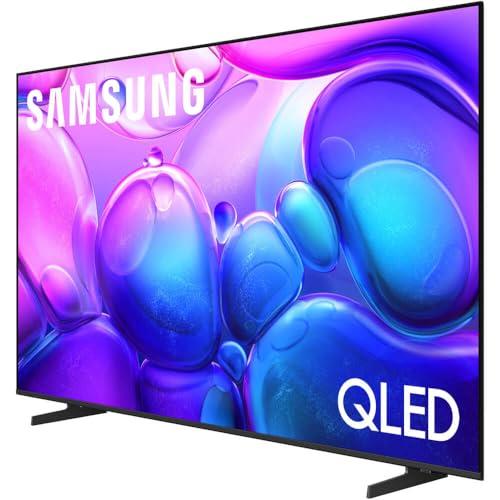
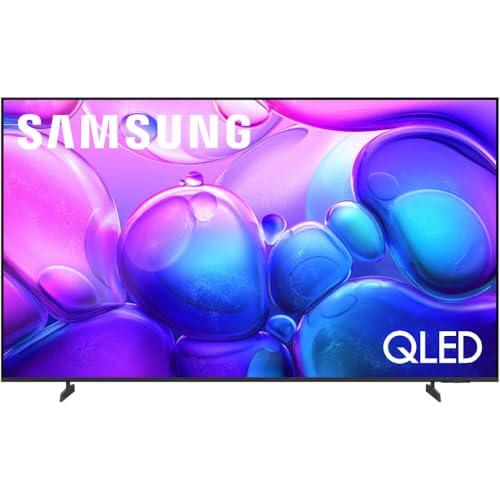
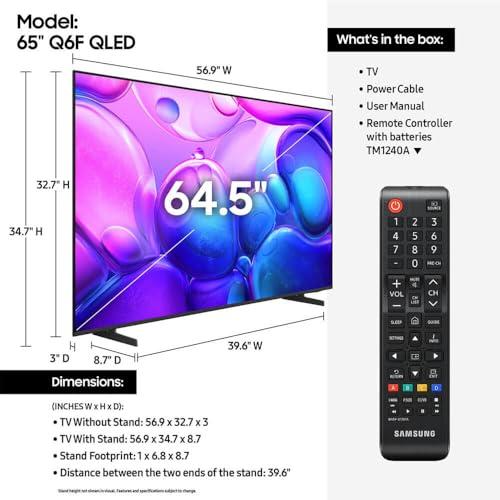
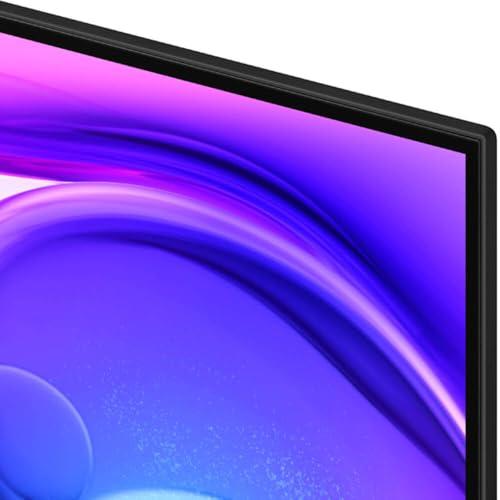
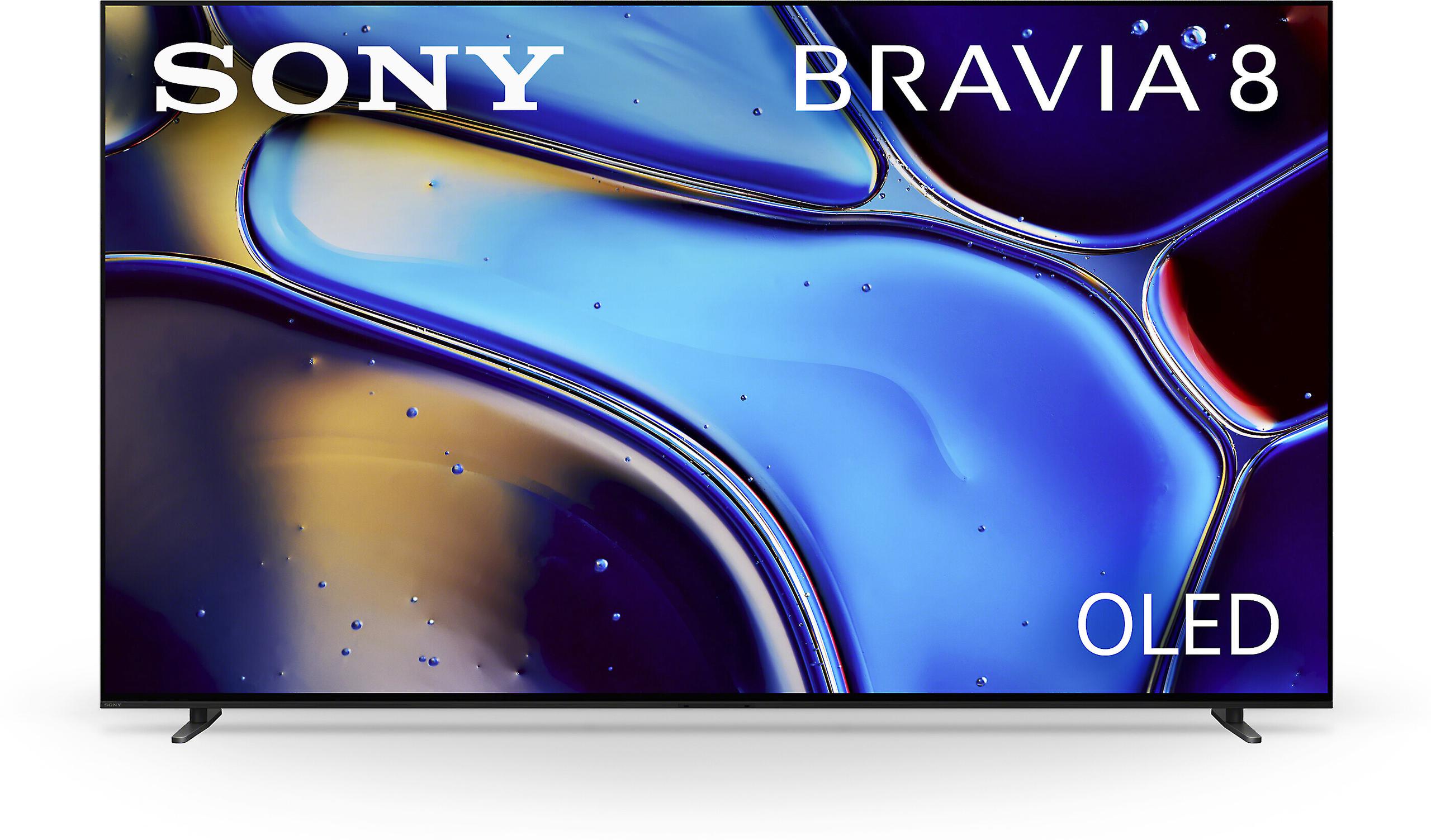
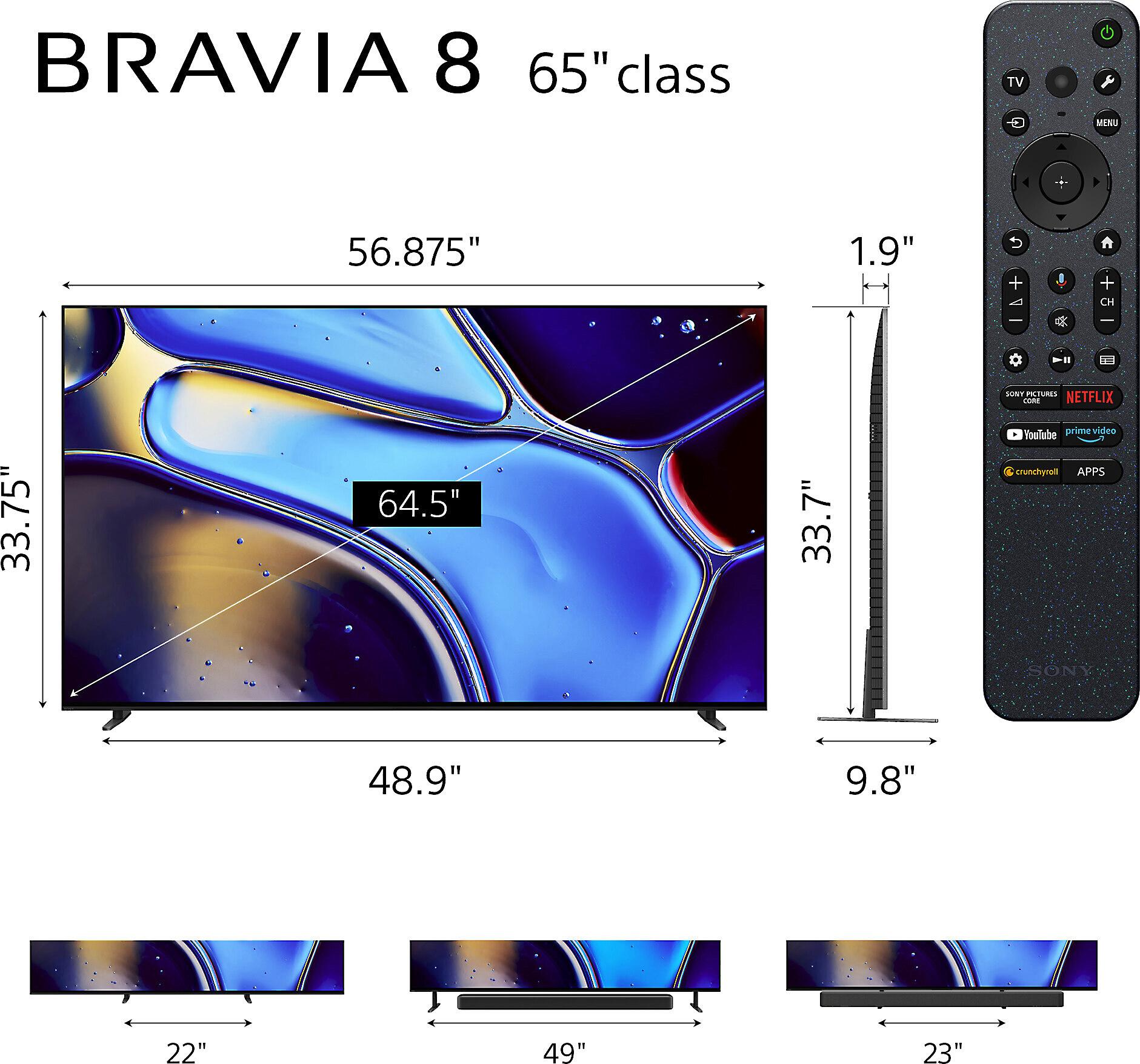
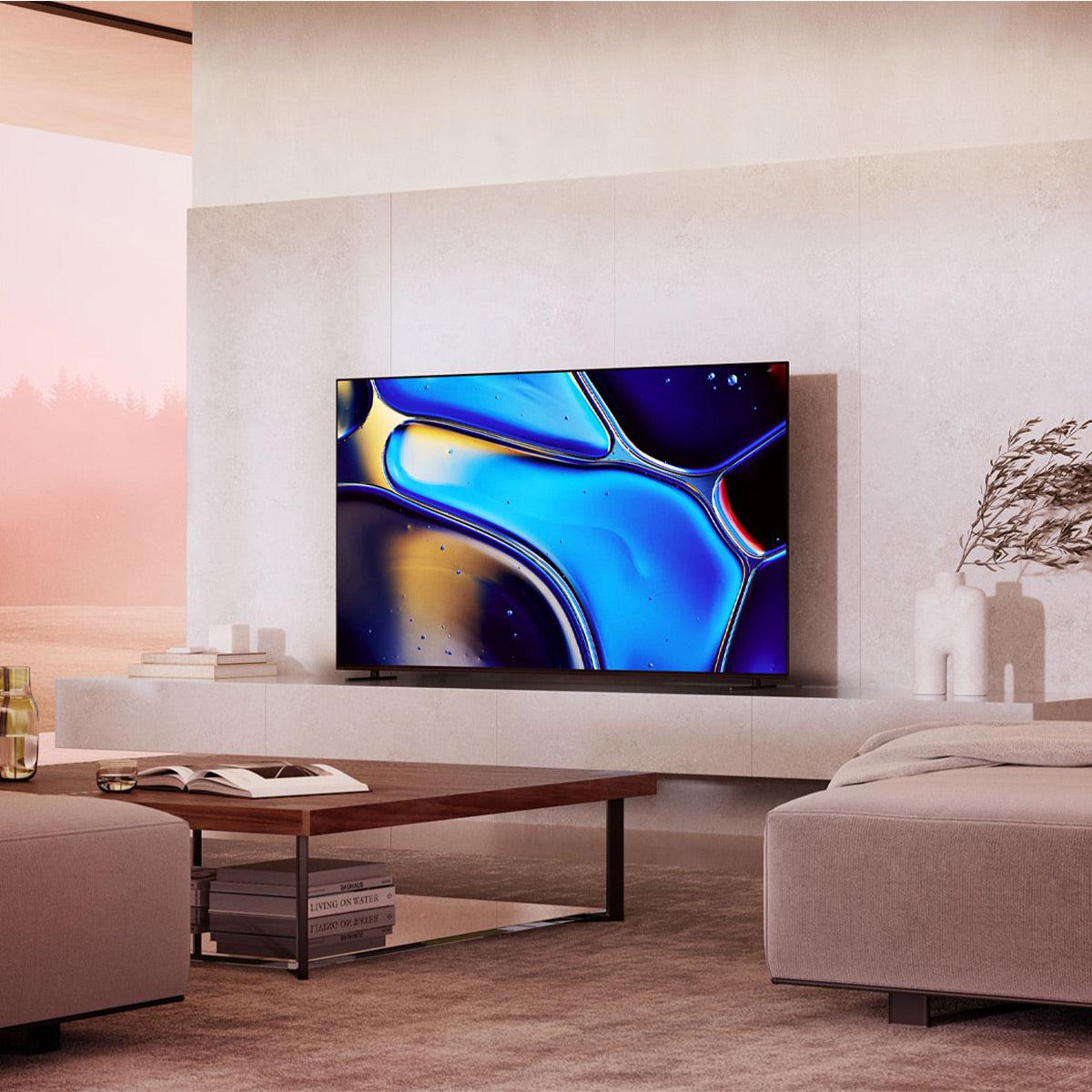
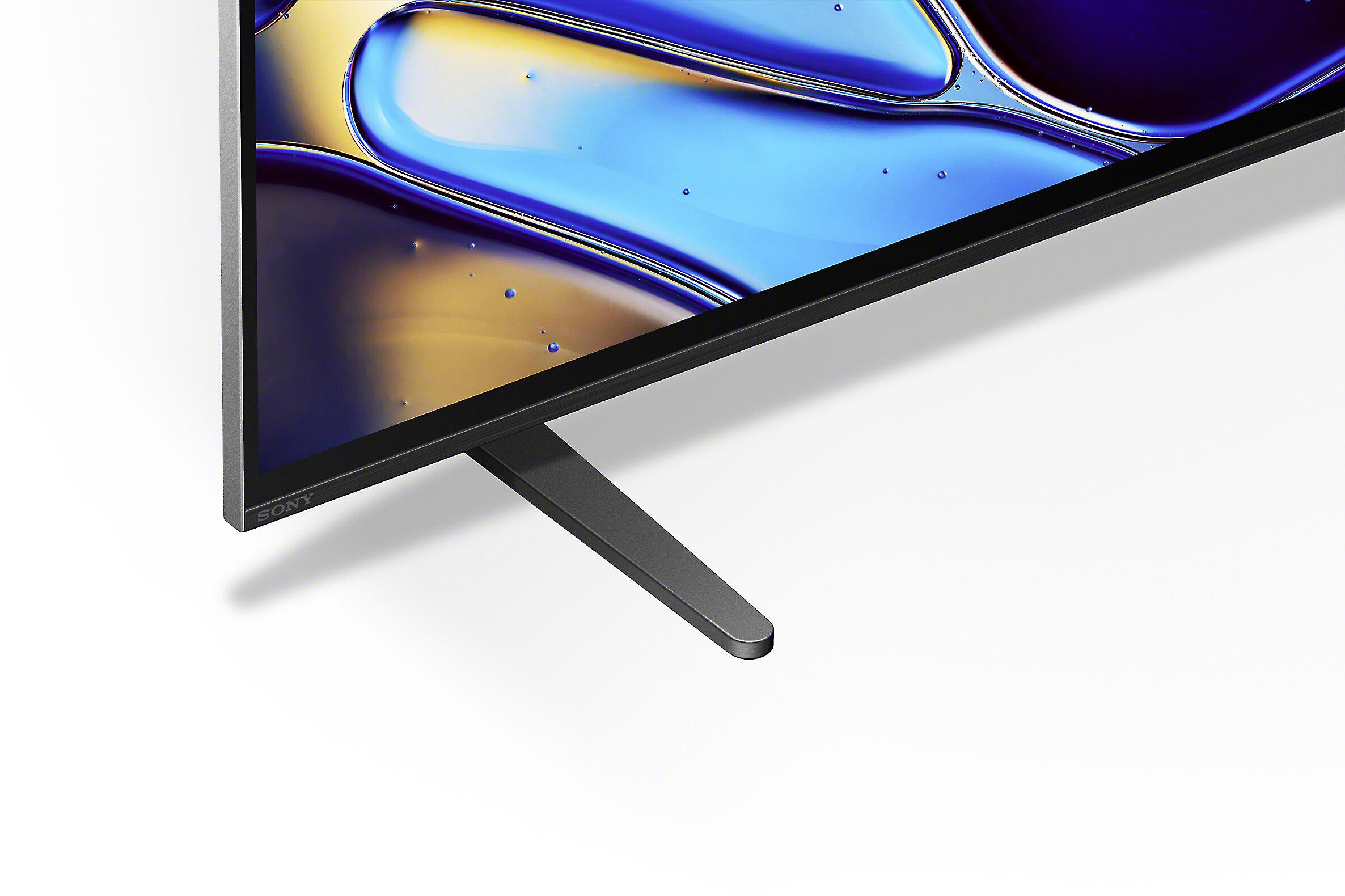
Shopping for a premium 65-inch TV in 2025 means navigating two fundamentally different technologies that approach picture quality from opposite directions. The Samsung 65" QLED Q6F represents the budget-friendly entry point into quantum dot technology, while the Sony BRAVIA 8 65" OLED showcases cutting-edge self-emissive display technology. At the time of writing, these TVs sit roughly $600-700 apart in price, but that gap represents more than just brand positioning—it reflects genuinely different approaches to creating the perfect picture.
Both TVs launched in 2024-2025, arriving during a period of significant advancement in display technology. The Samsung Q6F benefits from Samsung's refinement of quantum dot manufacturing, now producing cadmium-free quantum dots that deliver 100% color volume while meeting stricter environmental standards. Meanwhile, the Sony BRAVIA 8 incorporates the latest generation of OLED panels with improved brightness and longevity—addressing traditional OLED limitations that have kept some buyers hesitant.
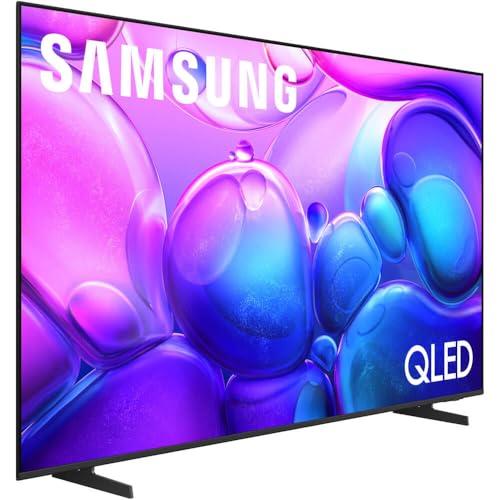
The most fundamental difference between these TVs lies in how they create light and color. The Samsung Q6F uses a traditional LCD approach enhanced with quantum dots—tiny semiconductor particles that convert blue LED light into precise red and green wavelengths. This quantum dot layer sits between the LED backlight and the LCD panel, creating more accurate colors than standard LED TVs. Think of quantum dots as extremely precise color filters that can produce exactly the right shade every time.
The Sony BRAVIA 8, however, takes a completely different approach with OLED (Organic Light-Emitting Diode) technology. Instead of using a backlight, each of the 8.3 million pixels generates its own light through organic compounds that glow when electricity passes through them. This means every pixel can brighten, dim, or turn completely off independently—something impossible with any backlit display.
This technological difference creates a cascade of performance implications that affect everything from how dark scenes look to how well the TV handles gaming. Based on our research into expert reviews and user experiences, these differences become immediately apparent in real-world viewing.
The most dramatic difference between these TVs appears in dark scenes. The Sony BRAVIA 8 achieves what display engineers call "infinite contrast ratio" because its pixels can turn completely off, creating absolute black. When you're watching a movie like Dune or Blade Runner 2049, those shadowy scenes maintain perfect detail in dark areas while bright elements like explosions or neon lights pop with incredible intensity.
The Samsung Q6F, despite its quantum dot enhancement, cannot match this performance. Its LED backlight must remain on even for black scenes, resulting in what we call "elevated blacks"—dark areas that appear slightly gray rather than true black. This becomes particularly noticeable in dimly lit rooms or during nighttime viewing. However, the Samsung Q6F compensates with significantly higher peak brightness, making it more suitable for bright living rooms with lots of windows.
Our analysis of expert reviews consistently shows the Sony BRAVIA 8 delivering superior contrast performance, with reviewers noting how black bars in movies completely disappear into the bezel, creating an almost borderless viewing experience.
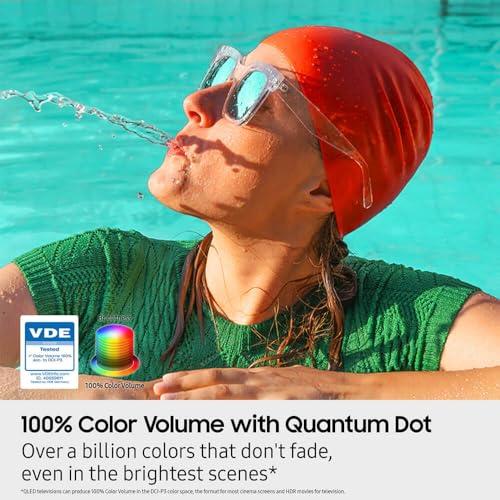
Both TVs excel at color reproduction but through different strengths. The Samsung Q6F achieves what Samsung calls "100% Color Volume," meaning it can maintain color accuracy across all brightness levels. This proves particularly valuable for HDR (High Dynamic Range) content, where colors need to remain vivid whether they're in bright sunlight or shadowy interiors.
The quantum dot technology in the Samsung Q6F produces colors by converting blue light to precise red and green wavelengths, resulting in extremely pure colors that don't shift or fade as brightness changes. This technology has matured significantly since its introduction, with Samsung's 2025 quantum dots being both brighter and more environmentally friendly than earlier generations.
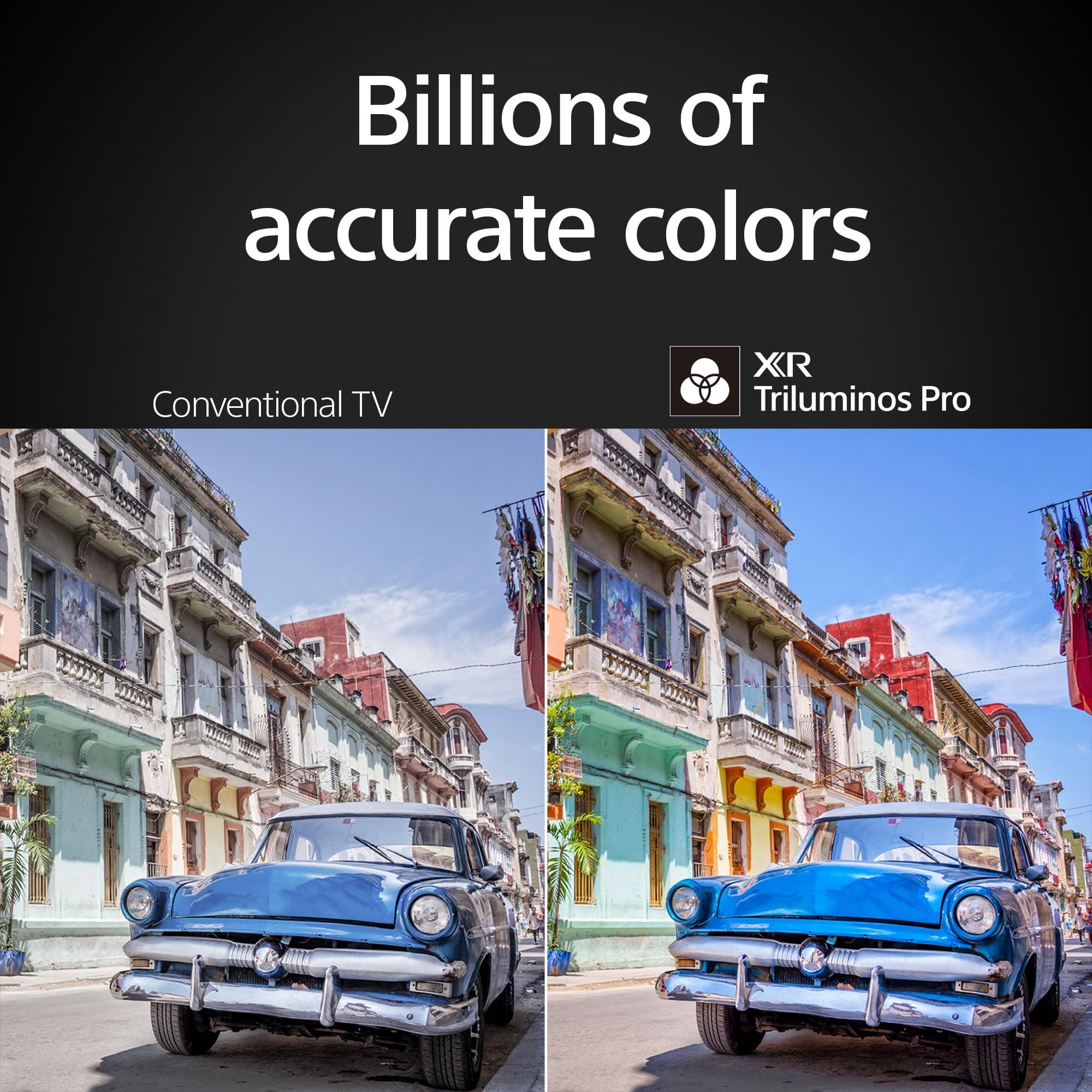
The Sony BRAVIA 8 takes a different approach with its XR Triluminos Pro technology, focusing on color accuracy rather than pure volume. OLED's inherent advantage lies in its ability to display colors at any brightness level, including near-black, where LCD displays typically struggle. User reviews consistently praise the Sony BRAVIA 8 for skin tones that look natural and landscapes that feel three-dimensional.
For peak brightness—crucial for HDR content—the Samsung Q6F typically achieves higher levels, making HDR highlights more impactful in bright rooms. The Sony BRAVIA 8 prioritizes accuracy over pure brightness, though its 2025 generation represents a significant improvement in brightness compared to earlier OLED models.
HDR support reveals another crucial difference between these TVs. The Samsung Q6F supports HDR10+ with dynamic tone mapping, which adjusts brightness and contrast scene by scene. However, it notably lacks Dolby Vision support—a significant limitation when streaming from Netflix, Disney+, or Apple TV+, where much premium content uses Dolby Vision for optimal picture quality.
The Sony BRAVIA 8 supports both HDR10 and Dolby Vision, making it compatible with virtually all HDR content. Dolby Vision's scene-by-scene optimization becomes particularly valuable in complex scenes with both very bright and very dark elements, like sunrise scenes or indoor/outdoor transitions.
Based on our research, users frequently notice the HDR difference when comparing the same Netflix series on both TVs, with the Sony BRAVIA 8 displaying more nuanced gradations in challenging scenes.
Gaming reveals the most significant performance gap between these TVs. The Sony BRAVIA 8 features a native 120Hz panel capable of displaying 4K resolution at 120 frames per second—essential for unlocking the full potential of PlayStation 5 and Xbox Series X consoles.
This 120Hz capability isn't just about smoother motion (though that's important). Modern games increasingly use Variable Refresh Rate (VRR) technology to eliminate screen tearing and stuttering. VRR allows the TV to synchronize its refresh rate with the console's frame rate, creating seamless gameplay even when frame rates fluctuate during intense action sequences.
The Samsung Q6F limits gaming to 60Hz, which restricts next-generation console performance. While 60fps gaming remains perfectly playable, you're essentially leaving performance on the table with newer consoles. The difference becomes most apparent in fast-paced games like racing simulators or first-person shooters, where the additional smoothness of 120Hz provides a competitive advantage.
Input lag—the delay between pressing a button and seeing the result on screen—affects both TVs, though the Sony BRAVIA 8 includes dedicated gaming optimizations like Auto HDR Tone Mapping for PlayStation 5, which automatically adjusts picture settings for optimal gaming performance.
Our research into gaming forums and expert reviews shows serious gamers consistently preferring the Sony BRAVIA 8 for its superior gaming capabilities, while casual gamers find the Samsung Q6F perfectly adequate for less demanding gaming sessions.
Audio represents another area where these TVs diverge significantly. The Sony BRAVIA 8 employs Acoustic Surface Audio+ technology—a fascinating approach that turns the entire screen into a speaker. Instead of traditional speakers mounted below or behind the TV, actuators vibrate the OLED panel itself to produce sound.
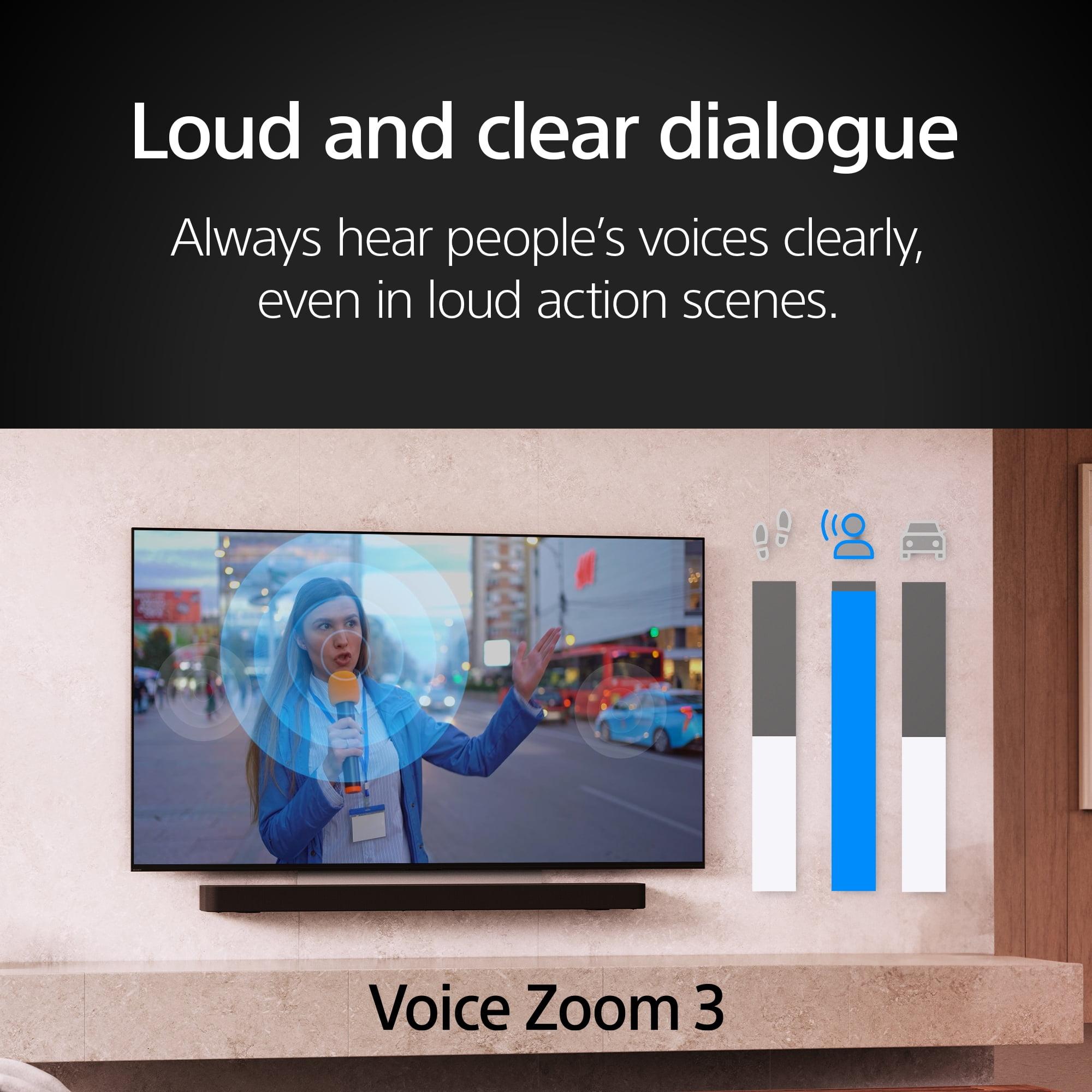
This screen-as-speaker approach creates several advantages. Dialogue appears to come directly from actors' mouths rather than from below the screen, improving dialogue clarity and creating a more immersive experience. Sound effects follow action across the screen, so a car driving from left to right creates audio that moves accordingly.
The Samsung Q6F uses more conventional speaker placement with Object Tracking Sound Lite, which attempts to match audio positioning with on-screen action through signal processing. While effective, it cannot match the physical accuracy of the Sony's approach.
Based on expert audio reviews, the Sony BRAVIA 8 provides notably superior dialogue clarity and spatial accuracy, though both TVs benefit from external soundbar additions for true home theater experiences.
Both TVs offer comprehensive smart TV capabilities through different ecosystems. The Samsung Q6F runs Samsung's Tizen platform, which has matured significantly since its introduction. Tizen provides access to all major streaming services plus Samsung TV Plus—a free service offering over 1,200 channels of content ranging from news to entertainment.
Samsung's SmartThings integration deserves particular attention. The Samsung Q6F can serve as a smart home hub, controlling compatible devices like lights, thermostats, and security cameras. This integration extends to Samsung's Knox Security system, providing advanced privacy protection for both streaming and smart home functions.
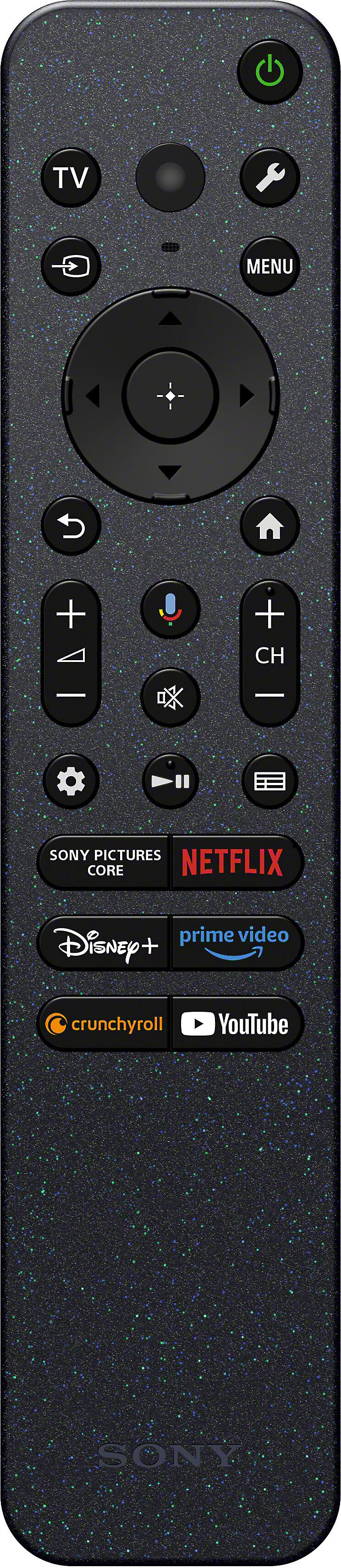
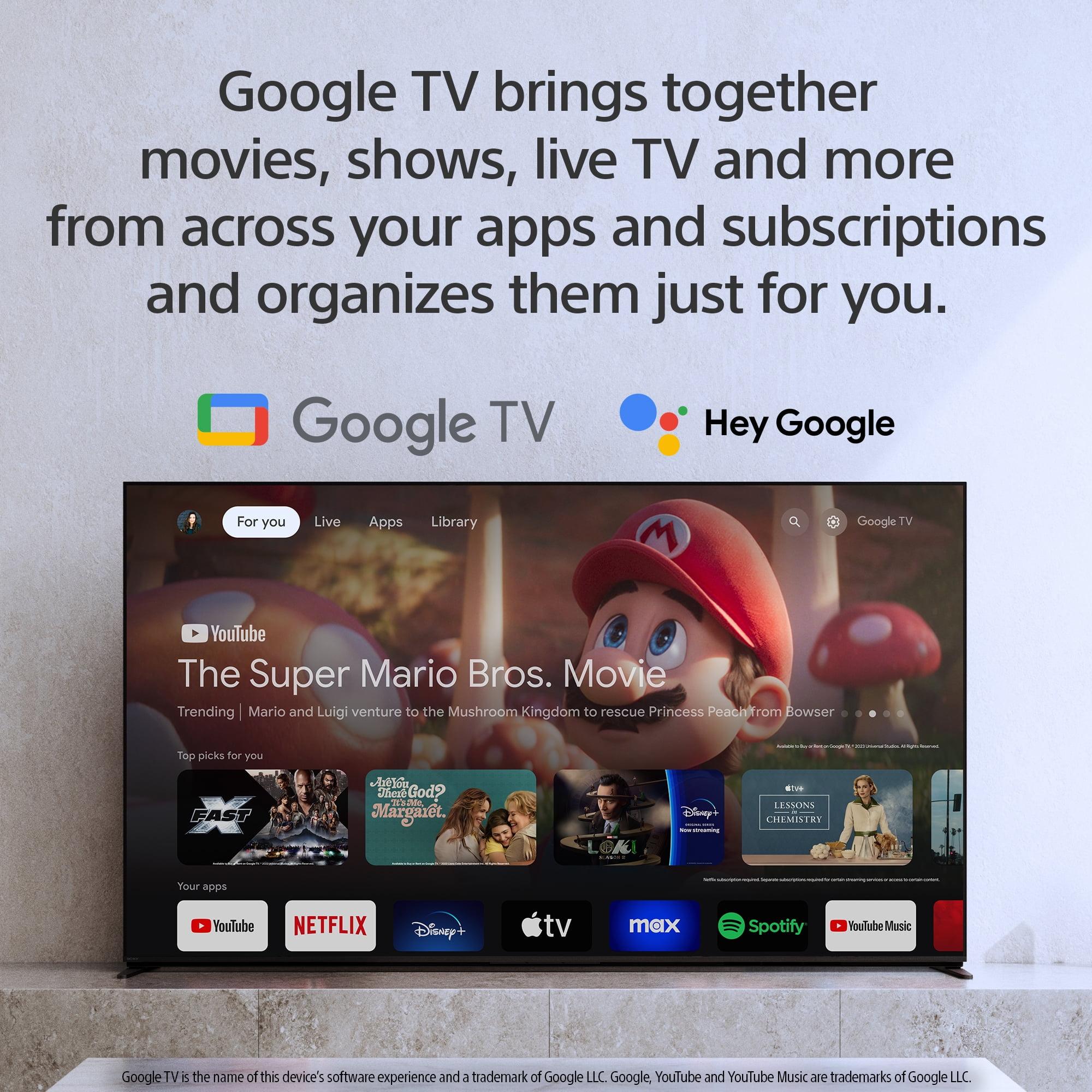
The Sony BRAVIA 8 uses Google TV, which offers deeper integration with Google services and more sophisticated content recommendations. Google TV's interface learns viewing preferences and surfaces relevant content from across multiple streaming services. The built-in Chromecast functionality allows seamless casting from phones and tablets, while Google Assistant enables voice control without requiring a separate device.
Our research shows user preferences splitting along existing ecosystem lines—Android users typically prefer the Sony's Google TV integration, while Samsung device owners appreciate the unified experience with other Samsung products.
At the time of writing, the Sony BRAVIA 8 commands approximately 70-80% higher pricing than the Samsung Q6F. This premium reflects genuine technological differences rather than pure brand positioning.
The Samsung Q6F represents exceptional value for buyers seeking quantum dot color technology, smart features, and reliable 4K performance without premium pricing. Its lower power consumption and absence of burn-in concerns make it particularly attractive for households prioritizing long-term operating costs and durability.
The Sony BRAVIA 8 justifies its premium through superior picture quality, gaming capabilities, and audio performance. For home theater enthusiasts or serious gamers, these improvements often warrant the additional investment.
Consider the total cost of ownership: the Samsung Q6F typically consumes less power (important given rising energy costs), while the Sony BRAVIA 8 may require less frequent upgrades due to its more advanced feature set.
For dedicated home theater setups, the Sony BRAVIA 8 provides significant advantages. Its perfect blacks excel in darkened rooms, while support for both HDR10 and Dolby Vision ensures compatibility with premium movie content. The Acoustic Surface Audio+ technology reduces reliance on external speakers for casual viewing, though serious home theater setups benefit from dedicated audio systems regardless of TV choice.
The Samsung Q6F works better in multi-purpose living spaces with ambient lighting, where its higher peak brightness prevents washout during daytime viewing.
Choose the Samsung Q6F if you want excellent quantum dot color technology at an accessible price point. It's ideal for households primarily streaming content during daytime hours, casual gaming, and integration with Samsung's smart home ecosystem. The absence of burn-in concerns makes it particularly suitable for families with varied viewing habits including static content like news channels or gaming interfaces.
The Sony BRAVIA 8 serves buyers demanding premium picture quality and advanced gaming capabilities. If you're investing in a PlayStation 5 or Xbox Series X, enjoy movies in darkened rooms, or prioritize the most accurate picture quality available, the Sony's technological advantages justify its premium pricing.
Both TVs represent solid choices within their respective categories, but understanding these fundamental differences ensures you're making the right investment for your specific viewing habits and room conditions. The technology gap between these TVs is real and significant—choose based on which advantages matter most for your entertainment priorities.
| Samsung 65" QLED Q6F | Sony BRAVIA 8 65" OLED |
|---|---|
| Display Technology - Determines contrast, black levels, and viewing angles | |
| QLED with LED backlight and quantum dots | OLED with 8.3 million self-emissive pixels |
| Black Levels - Critical for dark scene detail and movie watching | |
| Elevated blacks due to LED backlight always on | Perfect blacks with pixels that turn completely off |
| Peak Brightness - Essential for HDR impact and bright room viewing | |
| Higher peak brightness, excellent for bright rooms | Lower peak brightness but more accurate at all levels |
| Refresh Rate - Determines gaming smoothness and motion handling | |
| 60Hz maximum (limits next-gen console performance) | Native 120Hz with 4K/120fps support |
| HDR Format Support - Affects premium streaming content compatibility | |
| HDR10+ only (missing Dolby Vision for Netflix/Disney+) | HDR10, HDR10+, and Dolby Vision (full compatibility) |
| Gaming Features - Important for PlayStation 5 and Xbox Series X owners | |
| Basic VRR and ALLM, 60Hz gaming limit | Advanced gaming with 4K/120Hz, Auto HDR Tone Mapping |
| HDMI Connectivity - Determines device compatibility and future-proofing | |
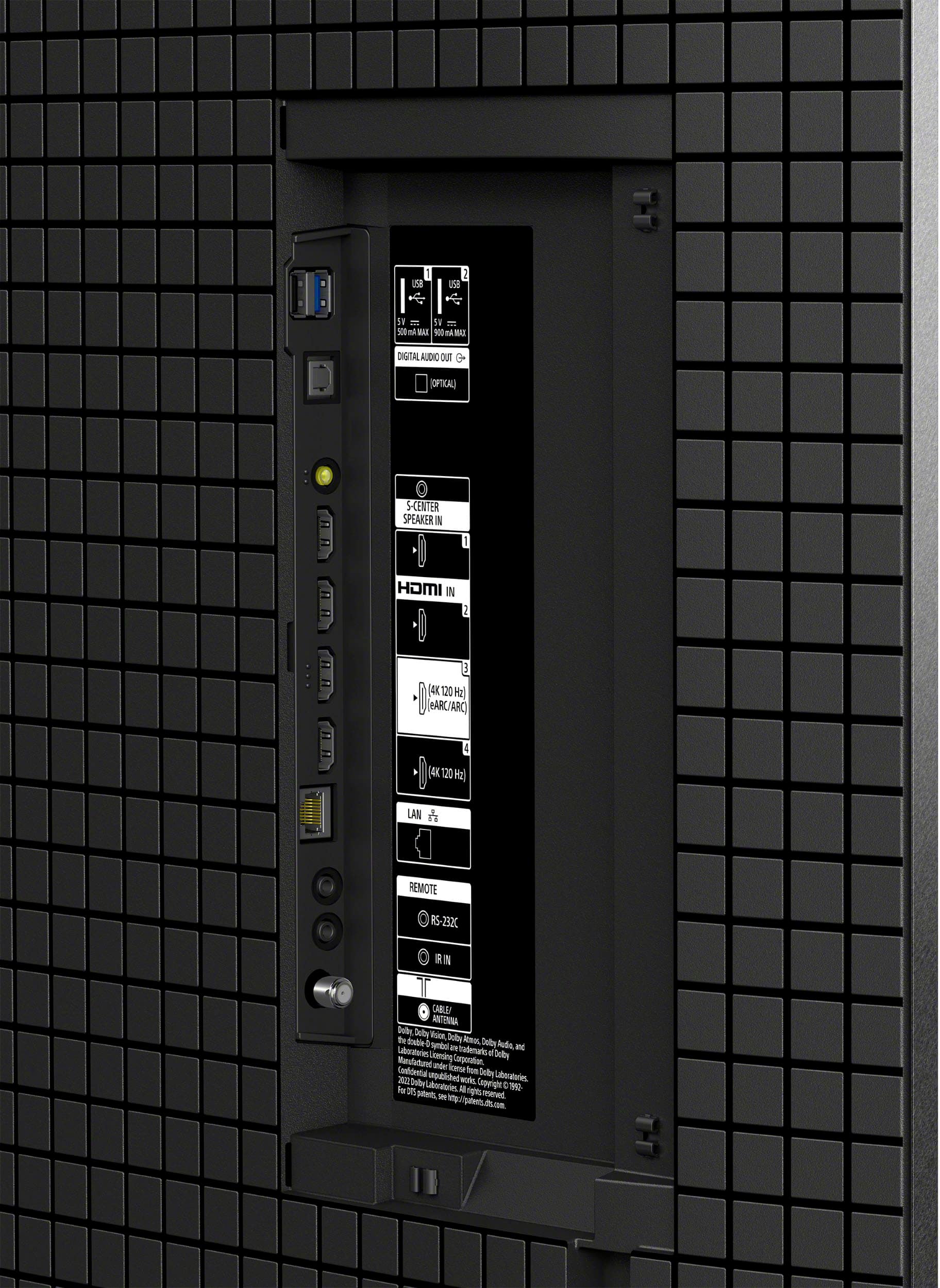
| 3 x HDMI 2.0 ports (4K/60Hz maximum) | 4 x HDMI 2.1 ports (full bandwidth, 4K/120Hz) |
| Audio Technology - Affects dialogue clarity and immersion | |
| 20W conventional speakers with Object Tracking Sound Lite | Acoustic Surface Audio+ (entire screen becomes speaker) |
| Smart TV Platform - Determines app selection and user experience | |
| Samsung Tizen with Samsung TV Plus (1,200+ free channels) | Google TV with Chromecast built-in and Google Assistant |
| Smart Home Integration - Valuable for connected home setups | |
| SmartThings Hub with Matter support and Knox Security | Google ecosystem integration with basic smart features |
| Burn-in Risk - Long-term durability consideration | |
| No burn-in risk with LCD technology | Potential OLED burn-in with static content over time |
| Power Consumption - Ongoing operating cost consideration | |
| Lower power usage typical of LED backlighting | Higher power consumption typical of OLED technology |
| Viewing Angles - Important for wide seating arrangements | |
| Limited viewing angles with color shifting | Excellent viewing angles with consistent color |
| Color Technology - Affects color accuracy and vibrancy | |
| Quantum dots with 100% Color Volume (cadmium-free) | XR Triluminos Pro with natural color reproduction |
| Processor - Determines upscaling quality and smart features | |
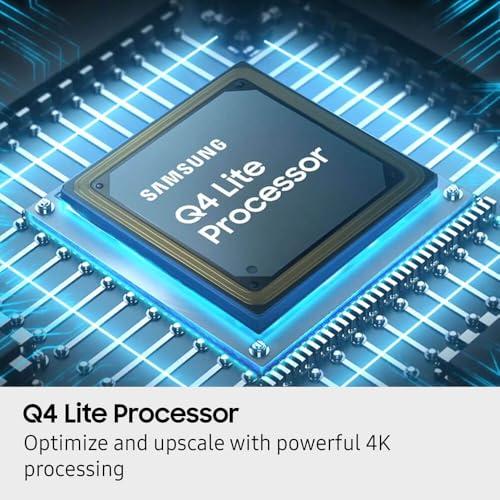
| Q4 Lite Processor (entry-level Samsung chip) | XR Processor with AI enhancement and real-time optimization |
The Sony BRAVIA 8 65" OLED delivers superior picture quality for movies due to its OLED technology that produces perfect blacks and infinite contrast. Each pixel can turn completely off, creating dramatic depth in dark scenes that's impossible with the Samsung 65" QLED Q6F. The Sony BRAVIA 8 also supports Dolby Vision HDR, which optimizes brightness and color scene-by-scene for premium streaming content on Netflix and Disney+.
Yes, the Samsung 65" QLED Q6F excels in bright rooms thanks to its higher peak brightness and anti-reflective coating. The quantum dot technology maintains vibrant colors even in well-lit environments, making it ideal for living rooms with lots of windows. The Sony BRAVIA 8 performs better in darker, controlled lighting conditions where its OLED advantages shine.
The Sony BRAVIA 8 65" OLED is significantly better for next-gen gaming with its native 120Hz panel supporting 4K at 120fps. It includes advanced gaming features like Variable Refresh Rate (VRR), Auto Low Latency Mode (ALLM), and Auto HDR Tone Mapping for PS5. The Samsung Q6F is limited to 60Hz gaming, which restricts the performance potential of modern consoles.
The Sony BRAVIA 8 has superior audio with its Acoustic Surface Audio+ technology that turns the entire screen into a speaker, creating more immersive sound positioning. The Samsung 65" QLED Q6F uses conventional speakers with Object Tracking Sound Lite. Both TVs benefit from external soundbars for true home theater setups, but the Sony BRAVIA 8 performs better on its own.
Both TVs offer comprehensive smart features but through different platforms. The Samsung Q6F runs Samsung's Tizen OS with Samsung TV Plus providing 1,200+ free channels and SmartThings smart home integration. The Sony BRAVIA 8 65" OLED uses Google TV with deeper Google services integration, Chromecast built-in, and more sophisticated content recommendations.
QLED technology in the Samsung 65" QLED Q6F uses LED backlighting enhanced with quantum dots for improved color accuracy and brightness. OLED technology in the Sony BRAVIA 8 features self-emissive pixels that create their own light, enabling perfect blacks and infinite contrast. This fundamental difference affects contrast, viewing angles, and overall picture quality performance.
The Samsung Q6F has no burn-in risk due to its LCD technology and typically consumes less power, making it potentially more durable for varied viewing habits. The Sony BRAVIA 8 65" OLED has potential burn-in concerns with static content over extended periods, though modern OLED panels have improved significantly. Both TVs offer solid build quality and manufacturer warranties.
The Sony BRAVIA 8 provides better HDR compatibility with support for HDR10, HDR10+, and Dolby Vision, ensuring optimal performance with Netflix, Disney+, and Apple TV+ content. The Samsung 65" QLED Q6F supports HDR10+ but lacks Dolby Vision, which limits its compatibility with some premium streaming content that uses Dolby Vision optimization.
The Samsung Q6F offers excellent value for budget-conscious buyers wanting quantum dot color technology and smart features at an accessible price point. The Sony BRAVIA 8 65" OLED commands a significant premium but provides genuinely superior picture quality, gaming capabilities, and audio performance that justify the investment for enthusiasts and serious users.
The Sony BRAVIA 8 65" OLED maintains consistent color and contrast from wide viewing angles, making it ideal for large seating arrangements. The Samsung Q6F has more limited viewing angles with noticeable color shifting when viewed from the sides, which is typical of LCD-based displays but less problematic for centered seating positions.
The Sony BRAVIA 8 is superior for dedicated home theater use due to its perfect blacks that excel in darkened rooms, comprehensive HDR format support including Dolby Vision, and immersive Acoustic Surface Audio+ technology. The Samsung 65" QLED Q6F works better in multi-purpose living spaces with ambient lighting where its higher brightness prevents washout.
The Sony BRAVIA 8 65" OLED supports native 120Hz refresh rates with 4K resolution at 120 frames per second on HDMI ports 3 and 4, essential for unlocking full next-gen console performance. The Samsung Q6F is limited to 60Hz maximum refresh rate across all its HDMI 2.0 ports, which restricts modern gaming capabilities but remains adequate for casual gaming.
We've done our best to create useful and informative comparisons to help you decide what product to buy. Our research uses advanced automated methods to create this comparison and perfection is not possible - please contact us for corrections or questions. These are the sites we've researched in the creation of this article: tomsguide.com - bestbuy.com - samsung.com - rtings.com - youtube.com - rtings.com - bestbuy.com - samsung.com - samsung.com - samsung.com - manuals.plus - shopjetson.com - samsung.com - samsung.com - samsung.com - samsung.com - bestbuy.com - jefflynch.com - bestbuy.com - bestbuy.com - crutchfield.com - avsforum.com - electronics.sony.com - sony.com - store.sony.co.nz - sony.com - displayspecifications.com

Privacy Policy
Terms and Conditions - Affiliate Policy
Home Security
© Copyright 2008-2026.
11816 Inwood Rd #1211, Dallas, TX 75244