

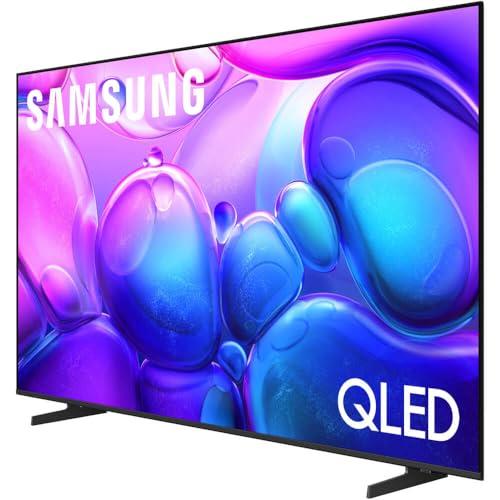
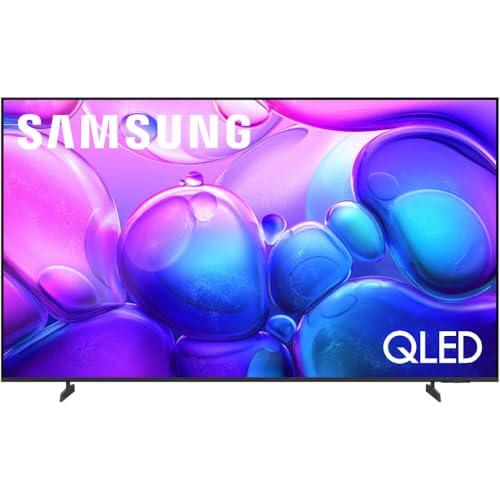
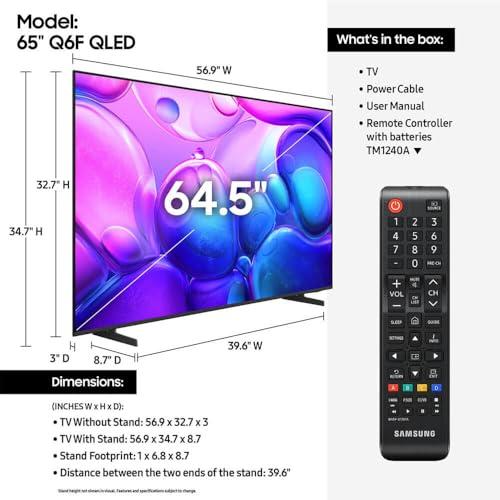

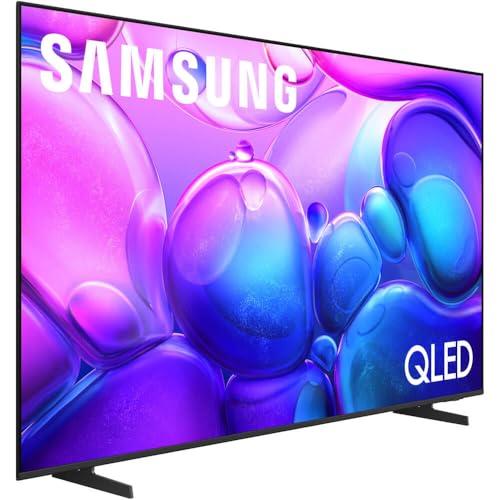
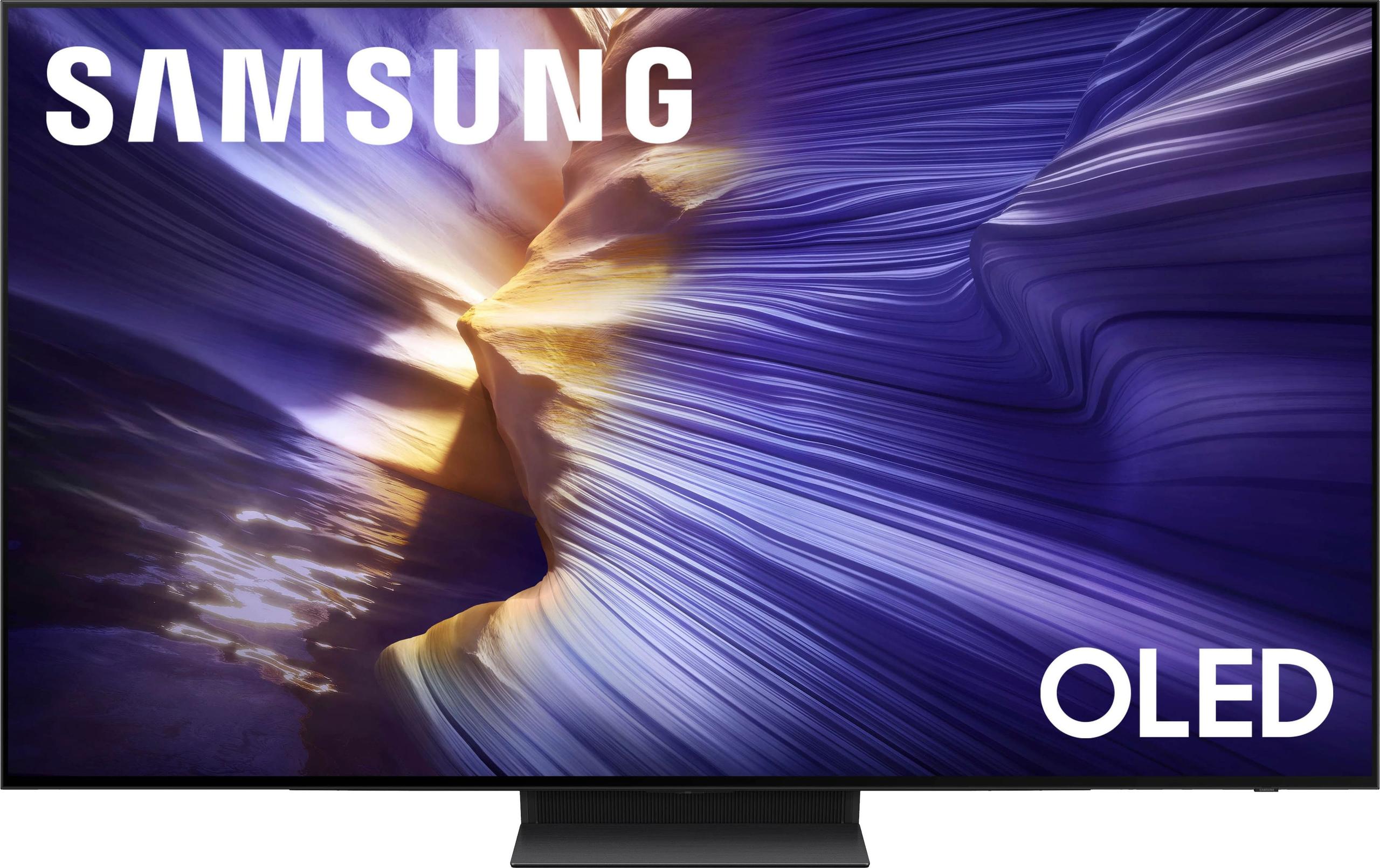
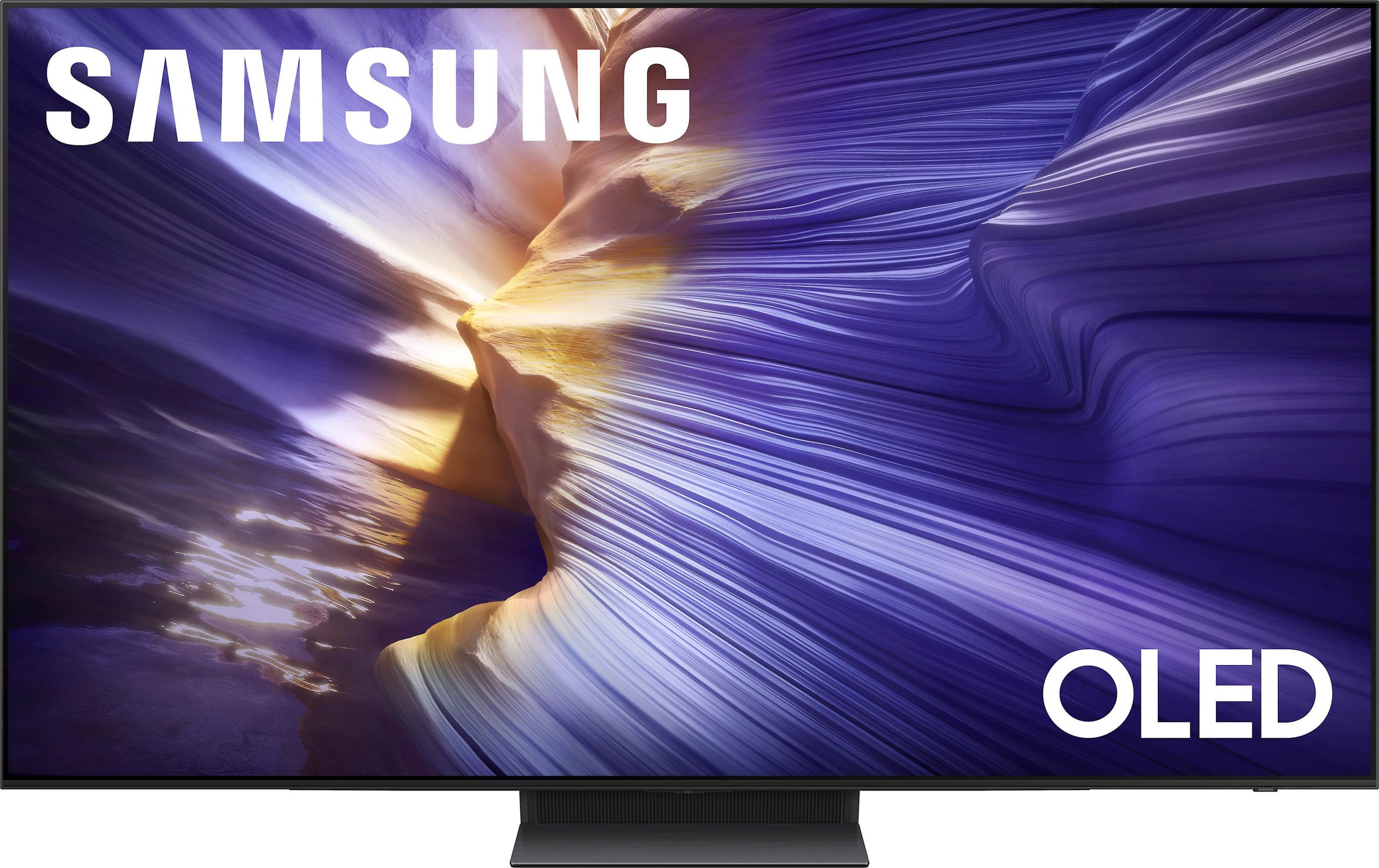
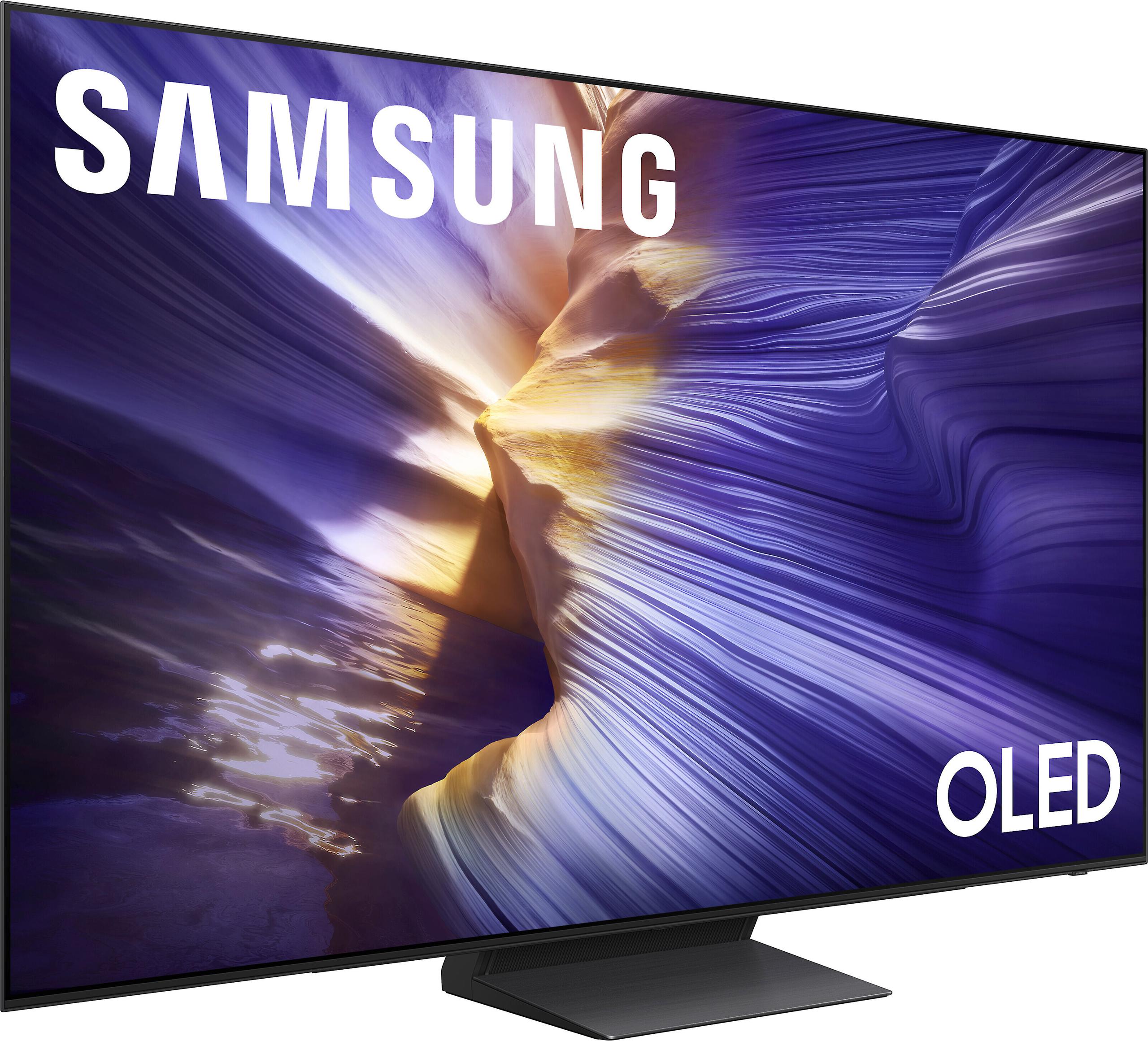
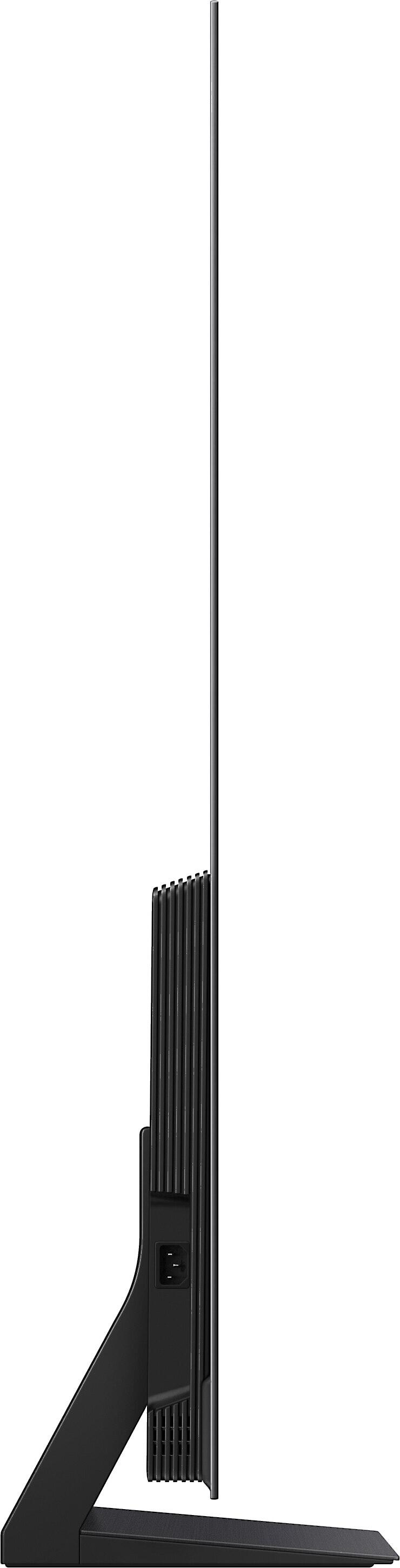
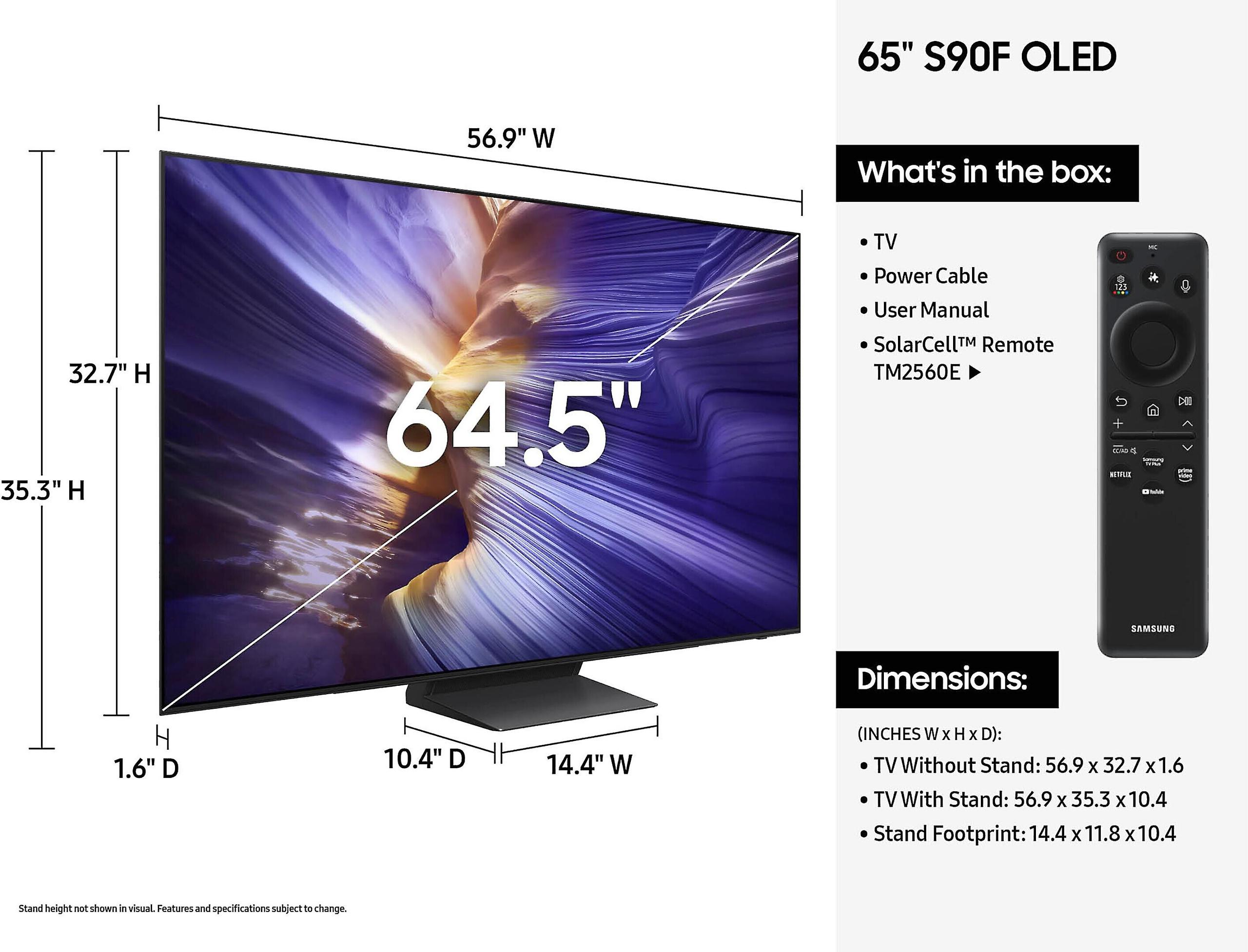

Choosing between the Samsung 65" QLED Q6F 4K Smart TV 2025 and the Samsung 65" S90F OLED 4K Vision AI Smart TV 2025 isn't just about picking a bigger screen—it's about understanding two fundamentally different approaches to creating stunning visuals. Both TVs launched in 2025 as part of Samsung's latest lineup, but they represent opposite ends of the display technology spectrum.
The core difference? The Q6F uses QLED (Quantum Dot Light Emitting Diode) technology, where a backlight shines through quantum dot filters to create colors, while the S90F employs OLED (Organic Light Emitting Diode) technology, where each pixel generates its own light. Think of QLED like a flashlight shining through colored glass, while OLED is more like having millions of tiny light bulbs that can turn on and off independently.
When shopping for a premium TV in 2025, you're essentially choosing between two evolved technologies that have matured significantly over the past few years. QLED has gotten brighter and more colorful, while OLED has become more affordable and gained better brightness capabilities. Both technologies have addressed their traditional weaknesses—QLED now offers better contrast than older LED TVs, while OLED displays have become bright enough for most living rooms.
The Q6F represents Samsung's entry point into quantum dot technology, using what's called a "standard QLED" setup. This means it uses traditional LED backlighting (either along the edges or behind the panel) combined with a quantum dot layer that converts blue light into precise red and green wavelengths. The result is more accurate, vibrant colors than you'd get from a regular LED TV, but it still can't achieve true black levels because the backlight is always somewhat active.
The S90F, on the other hand, uses Samsung's QD-OLED technology—essentially the best of both worlds. It combines OLED's pixel-level control (each pixel can turn completely off for perfect blacks) with quantum dot color enhancement. This hybrid approach delivers the contrast benefits of traditional OLED with the color vibrancy that quantum dots provide.
Here's where the technologies diverge most dramatically. The S90F OLED achieves what's called an "infinite contrast ratio" because its pixels can turn completely off, creating true black. When you're watching a movie with dark scenes—think space sequences or moody dramas—black areas of the screen are actually black, not the dark gray you get with most TVs.
The Q6F, despite its quantum dot enhancements, still relies on a backlight that can't be completely turned off in specific areas. This means black areas appear more like dark charcoal, especially noticeable in dim viewing conditions. It's the difference between looking into a turned-off TV screen versus one that's displaying a dark image.
For home theater enthusiasts, this distinction matters enormously. Watching films like "Blade Runner 2049" or "Dune" on the S90F creates an almost cinematic experience where dark scenes have genuine depth and shadow detail emerges naturally. The Q6F handles these scenes adequately but can't match that inky black foundation that makes bright elements pop.
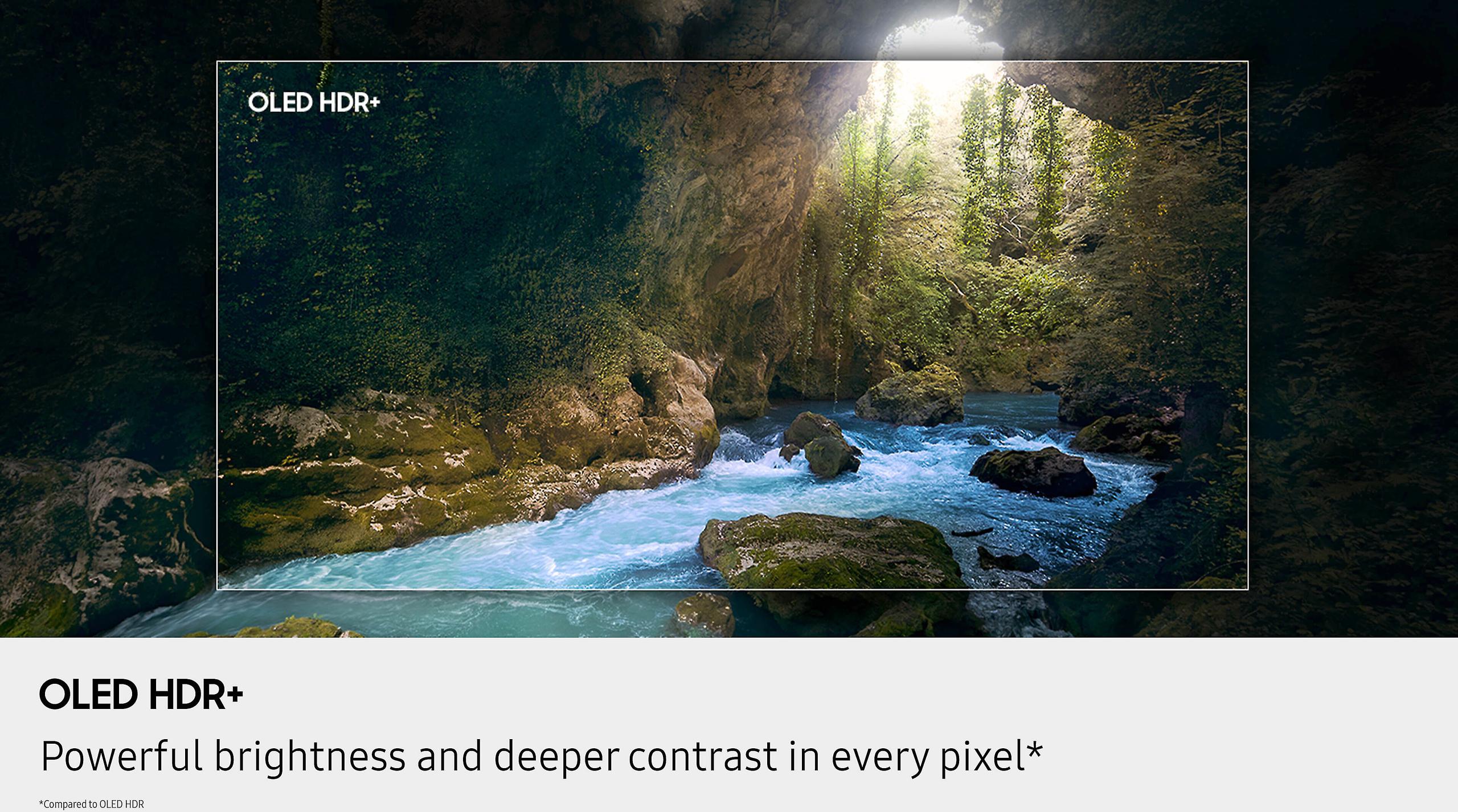
Counterintuitively, both TVs excel in brightness, but in different ways. The S90F can push small highlights—like reflections on water or bright lights in a night scene—to over 2,100 nits (a measure of brightness). For context, a typical computer monitor might peak at 400 nits, while standard HDR content targets 1,000 nits for highlights.
The Q6F achieves impressive brightness across larger areas of the screen, which can actually be more useful for bright room viewing. Where the S90F excels in creating brilliant sparkles and highlights against perfect blacks, the Q6F maintains good visibility even with sunlight streaming through windows.
This brightness difference becomes crucial depending on your viewing environment. In our research of expert reviews and user feedback, the S90F consistently outperforms in controlled lighting conditions, while the Q6F holds its own better in challenging, bright environments.
Both TVs use quantum dot technology, but the S90F implements it more sophisticatedly. Its QD-OLED panel produces colors that user reviews consistently describe as more saturated and lifelike compared to traditional OLED displays. The quantum dots convert light more efficiently, creating what experts measure as 100% DCI-P3 color coverage—essentially meaning it can display the full range of colors that filmmakers intend.
The Q6F also achieves impressive color reproduction for its price point, with Samsung claiming 100% color volume. However, the difference becomes apparent in side-by-side comparisons, where the S90F delivers more nuanced color gradations and prevents the oversaturation that sometimes plagues entry-level quantum dot displays.
This is where OLED technology shows a clear advantage. The S90F maintains color accuracy and brightness even when viewed from extreme angles—important for family movie nights or parties where people aren't sitting directly in front of the screen. Professional reviews consistently note that colors remain stable up to about 60 degrees off-center.
The Q6F, like most LED-backlit displays, shows noticeable color shifting and brightness reduction when viewed from the side. This isn't necessarily a dealbreaker for most living room setups, but it's worth considering if you have a wide seating arrangement.
Gaming capabilities have become increasingly important as PlayStation 5 and Xbox Series X push higher frame rates and more demanding visuals. The performance gap between these TVs becomes quite significant for serious gamers.
The S90F supports up to 144Hz refresh rate with its Motion Xcelerator 144Hz technology, making it genuinely future-proof for PC gaming and potentially next-generation consoles. This high refresh rate, combined with OLED's near-instantaneous pixel response times, creates exceptionally smooth motion in fast-paced games.
The Q6F operates at 60Hz (50Hz in some regions), which handles current console gaming adequately but may feel limiting as games increasingly target higher frame rates. Its Motion Xcelerator technology helps with motion processing, but it can't match the fundamental responsiveness of OLED pixels.
For competitive gaming or anyone who's experienced 120Hz+ gaming on a PC, the difference is immediately noticeable. Character movements feel more fluid, and tracking fast-moving objects becomes easier on the S90F.
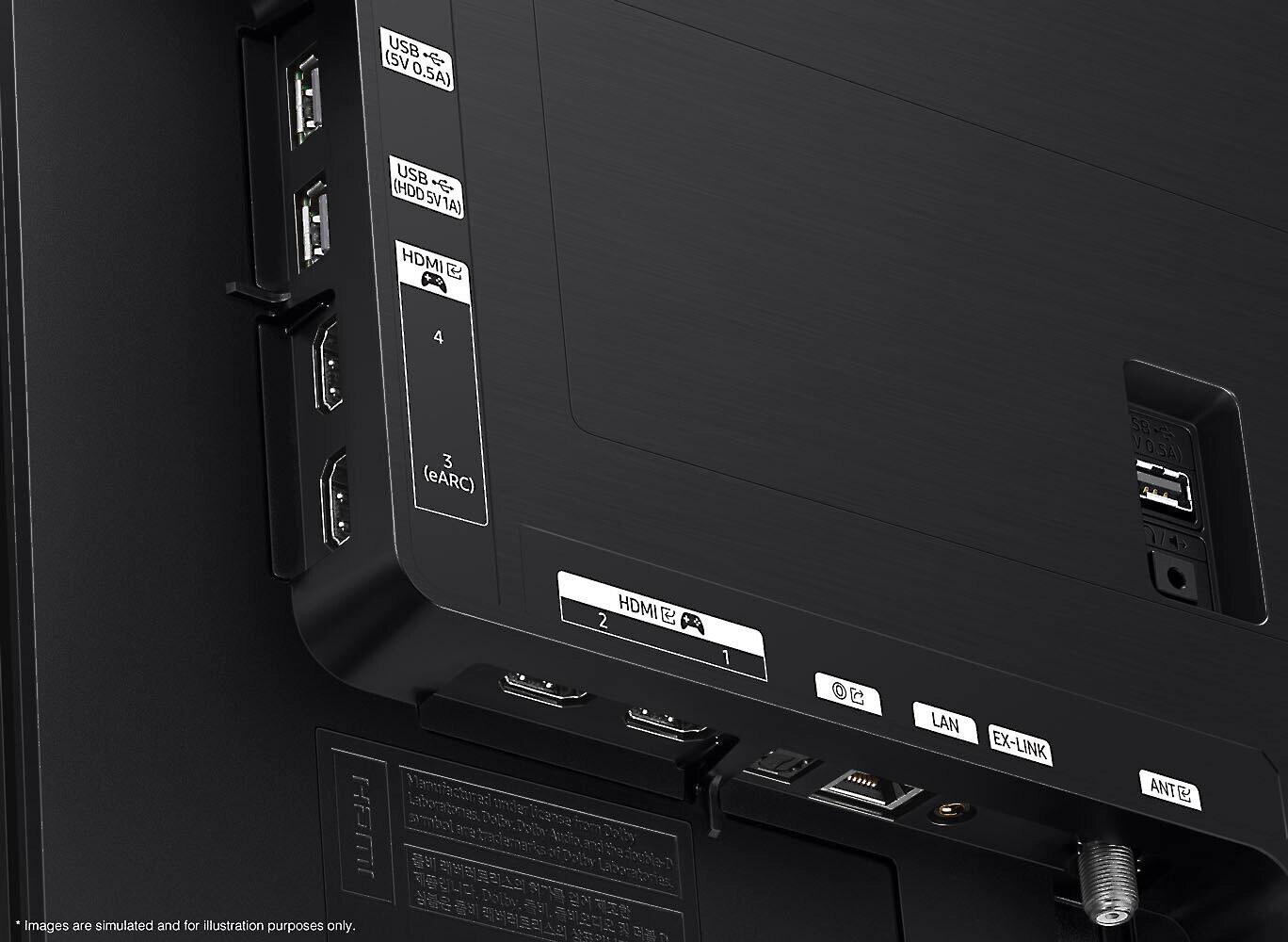
Both TVs include Gaming Hub for accessing cloud gaming services and Auto Low Latency Mode (ALLM), which automatically switches to game mode when it detects a console signal. However, the S90F offers four HDMI 2.1 ports compared to the Q6F's three standard HDMI connections.
HDMI 2.1 support means the S90F can handle 4K gaming at 120Hz with Variable Refresh Rate (VRR) support, which eliminates screen tearing by synchronizing the TV's refresh with the console's output. This creates noticeably smoother gameplay, especially in graphically demanding titles.
Input lag—the delay between pressing a button and seeing the action on screen—measures exceptionally low on the S90F, typically under 10 milliseconds in game mode. The Q6F achieves respectable input lag for casual gaming but can't match OLED's instantaneous response.
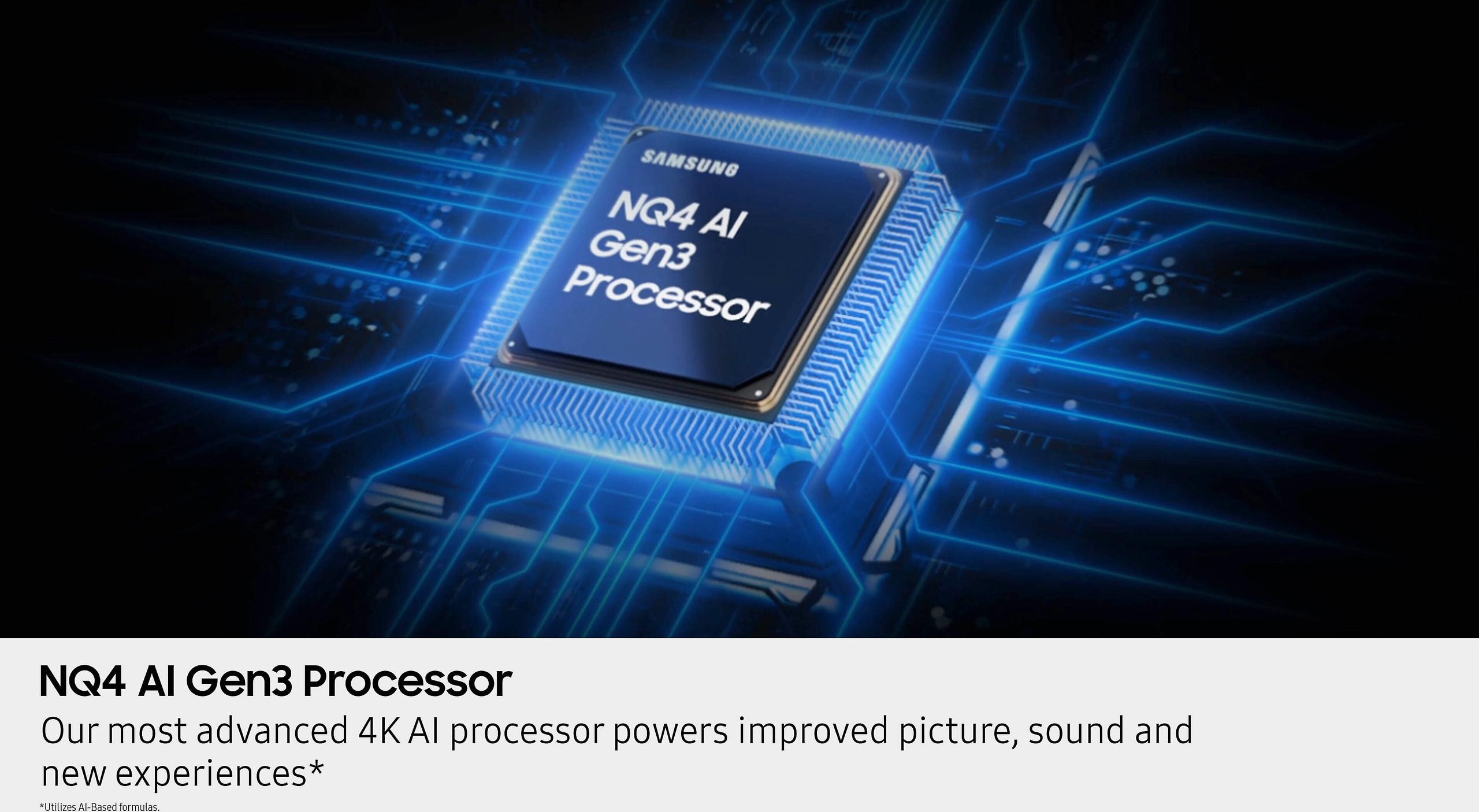
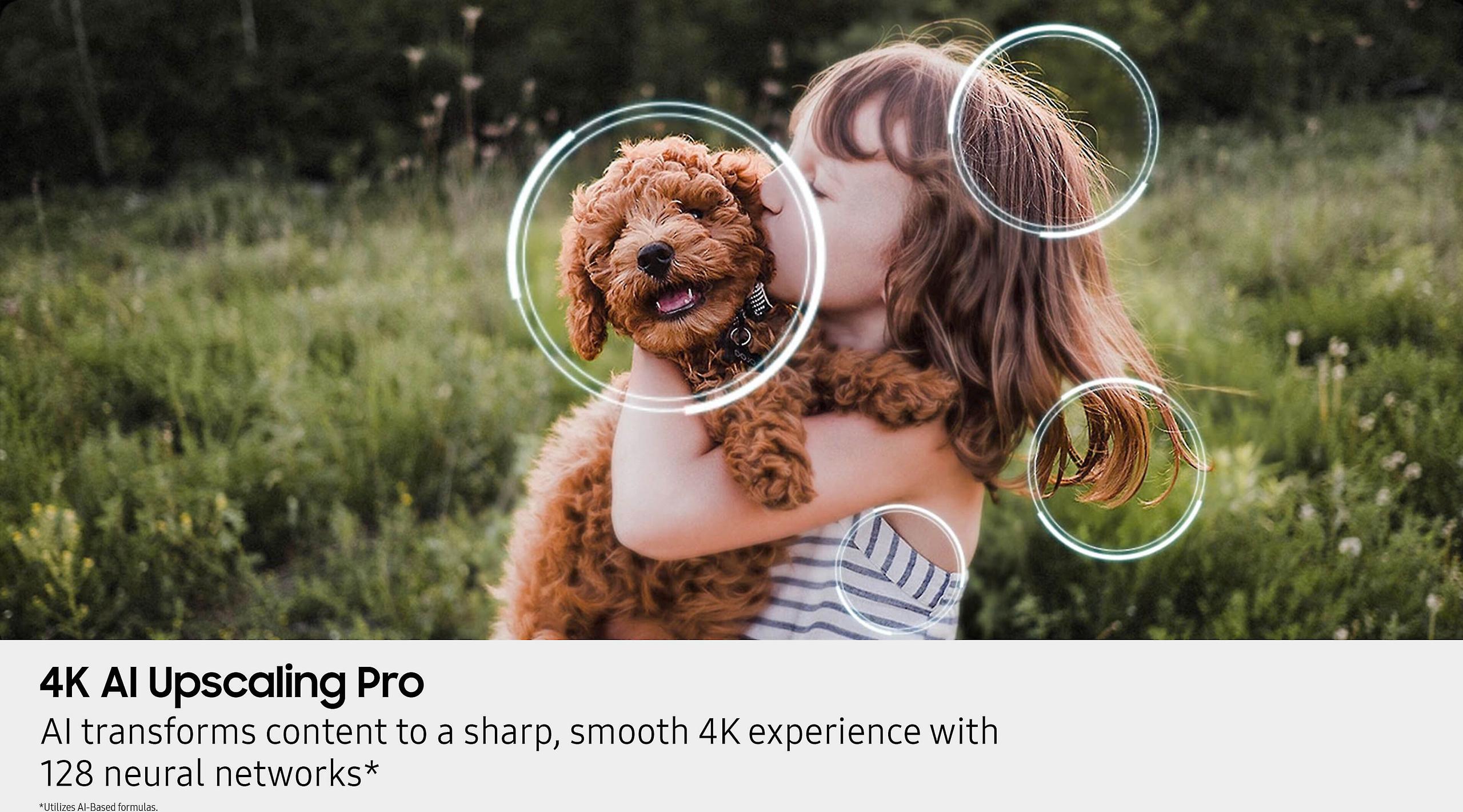
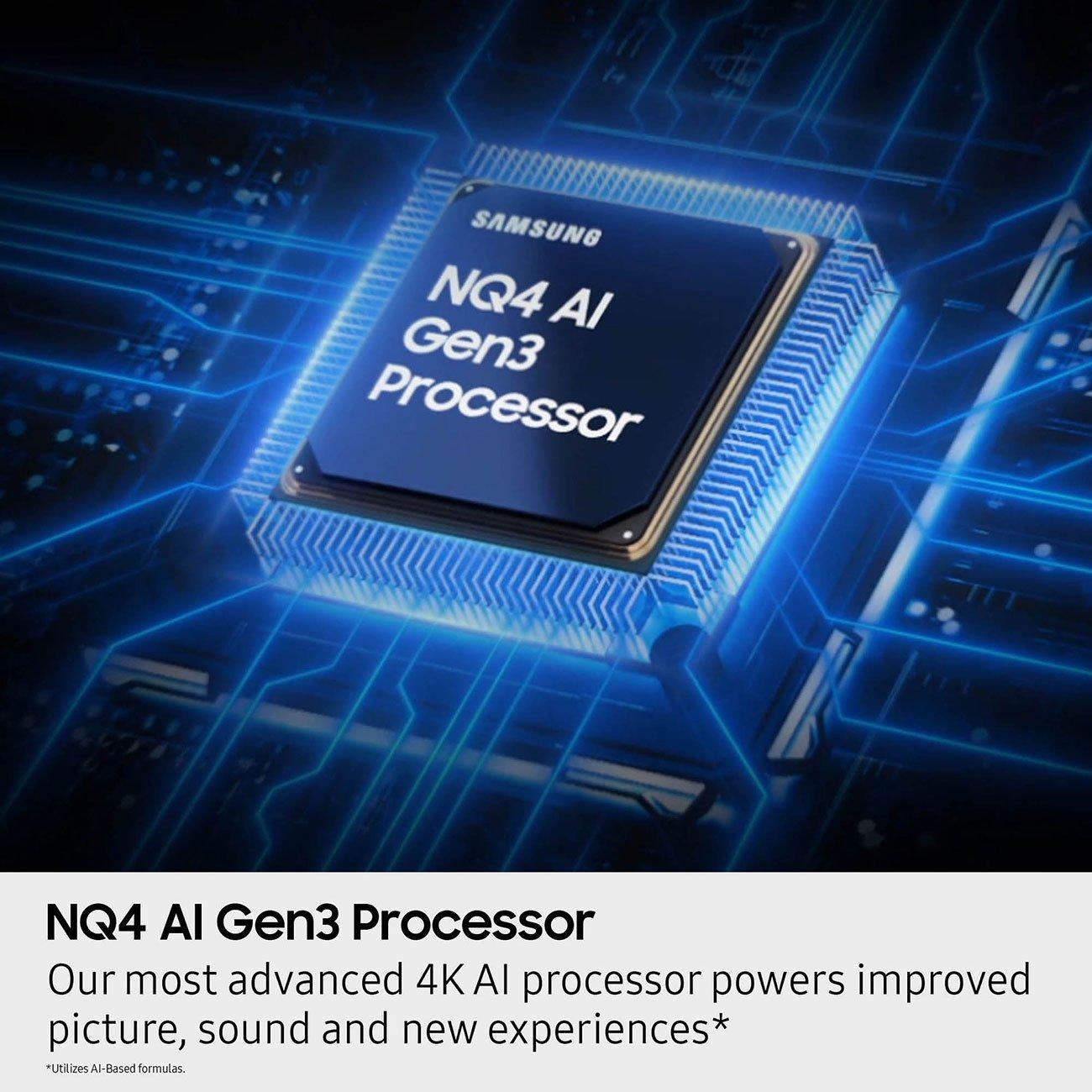
The processing difference between these TVs reflects their market positioning. The S90F uses Samsung's NQ4 AI Gen3 Processor, which represents a significant leap in AI-driven picture enhancement. This processor analyzes content in real-time using what Samsung describes as 128 neural networks, making intelligent decisions about upscaling, noise reduction, and color optimization.
The practical result is dramatically better handling of lower-quality content. Streaming services often deliver compressed 1080p video, and the S90F's 4K AI Upscaling Pro makes this content look remarkably close to native 4K. It identifies different types of content—faces, landscapes, text—and applies appropriate enhancement algorithms to each element.
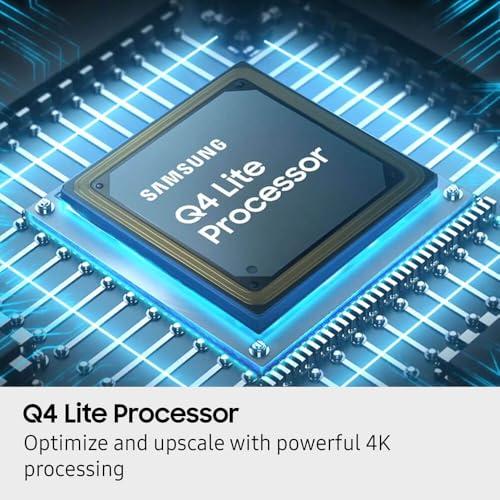
The Q6F uses the Q4 Lite Processor, which provides competent 4K upscaling but lacks the sophisticated AI analysis of its premium sibling. You'll still get good results with high-quality source material, but compressed streaming content won't receive the same level of enhancement.
The S90F includes several AI-powered features that genuinely improve the viewing experience. Auto HDR Remastering analyzes standard dynamic range content and intelligently adds HDR-like characteristics, making older shows and movies look more vibrant without appearing artificial.
Perhaps most interesting is the Pet Care feature, which uses the TV's built-in microphone to detect when pets are distressed and automatically plays calming content. While seemingly gimmicky, pet owners in user reviews have noted it actually works effectively for reducing separation anxiety.
Both TVs run Samsung's Tizen operating system with access to all major streaming apps, but the S90F benefits from more responsive performance and smoother interface animations thanks to its more powerful processor.
TV speakers rarely match dedicated audio systems, but both models make respectable efforts. The S90F includes a 40-watt 2.1 channel system with a dedicated subwoofer and Dolby Atmos processing. Its Adaptive Sound Pro feature analyzes both the content and your room's acoustics to optimize audio output.
The Q6F features a simpler 20-watt 2-channel setup with Object Tracking Sound Lite, which attempts to match audio positioning with on-screen action. While adequate for casual viewing, it lacks the depth and bass response of the S90F's more sophisticated audio system.
For serious home theater setups, you'll likely want to add a soundbar to either TV, but the S90F provides a more complete out-of-the-box audio experience.
Your viewing environment heavily influences which TV will perform better in your specific situation. The S90F excels in controlled lighting conditions—think dedicated home theater rooms or living rooms where you can manage reflections and ambient light. Its glossy screen coating handles indirect light reasonably well but struggles with direct reflections from windows or overhead lighting.
The Q6F proves more forgiving in challenging lighting situations. Its brighter overall output and less reflective screen make it suitable for rooms with unavoidable light sources. If your TV faces a window or sits in a brightly lit family room, the Q6F maintains better visibility during daytime viewing.
This practical consideration often outweighs theoretical picture quality advantages. A perfectly positioned S90F in a controlled environment will always look better than a Q6F, but a Q6F in a bright room may provide a more satisfying daily viewing experience than an S90F fighting constant reflections.
At the time of writing, these TVs occupy different price tiers that generally reflect their capabilities. The Q6F positions itself as an accessible entry into Samsung's quantum dot technology, while the S90F commands premium pricing justified by its advanced display technology and processing capabilities.
The value equation depends heavily on your priorities and usage patterns. The Q6F delivers genuinely good picture quality and smart features at a more accessible price point. For many viewers—especially those primarily watching broadcast TV, sports, and casual streaming—it provides satisfying performance without premium pricing.
The S90F represents an investment in superior technology that becomes more apparent with demanding content and longer viewing sessions. Its advanced features and processing capabilities also provide better future-proofing as streaming quality improves and gaming capabilities advance.
Choose the Samsung Q6F if you need a reliable TV for a bright family room, have budget constraints, or primarily watch broadcast and streaming content during daytime hours. Its quantum dot color enhancement provides a noticeable upgrade over basic LED TVs, and Samsung's smart TV ecosystem offers comprehensive app support and regular updates.
The Q6F also makes sense for secondary viewing areas—bedrooms, kitchens, or rec rooms—where you want good quality without premium investment.
Opt for the Samsung S90F if you're building a dedicated home theater setup, are a serious gamer with next-gen consoles, or simply want the best possible picture quality Samsung offers in this size class. Its superior contrast, advanced processing, and comprehensive gaming features justify the premium for enthusiasts who will appreciate the differences.
The S90F particularly excels for movie lovers who watch a lot of dark, cinematic content where its perfect blacks and vibrant colors create genuinely immersive experiences. If you find yourself drawn into films and want that "theater-like" experience at home, OLED technology provides benefits you'll notice every viewing session.
Ultimately, both TVs represent solid choices within their respective market segments. The Q6F offers excellent value for mainstream users, while the S90F delivers premium performance for demanding viewers. Your specific viewing habits, room conditions, and budget will determine which approach better serves your entertainment needs.
| Samsung 65" QLED Q6F 4K Smart TV 2025 | Samsung 65" S90F OLED 4K Vision AI Smart TV 2025 |
|---|---|
| Display Technology - The fundamental difference that affects all picture quality | |
| Standard QLED with LED backlighting | QD-OLED with self-illuminating pixels |
| Black Levels - Critical for movie watching and dark content | |
| Gray blacks due to backlight bleed | Perfect blacks (pixels turn completely off) |
| Peak Brightness - Important for HDR content and bright rooms | |
| Good overall brightness, excellent for bright rooms | Exceptional HDR highlights (2,100+ nits), moderate full-screen brightness |
| Refresh Rate - Essential for gaming and smooth motion | |
| 60Hz (50Hz in some regions) | 144Hz native with Motion Xcelerator 144Hz |
| Processor - Affects upscaling, AI features, and overall performance | |
| Q4 Lite Processor with basic 4K upscaling | NQ4 AI Gen3 Processor with 128 neural networks |
| HDMI Ports - Determines gaming and device connectivity | |
| 3 HDMI ports (standard HDMI) | 4 HDMI 2.1 ports with 4K@144Hz support |
| Gaming Features - Important for console and PC gaming | |
| ALLM, Gaming Hub, basic VRR support | ALLM, VRR, Gaming Hub, ultra-low input lag, 4K@144Hz |
| Viewing Angles - Affects family viewing and room layout flexibility | |
| Limited (colors shift when viewed from sides) | Excellent (maintains quality at wide angles) |
| Audio System - Built-in sound quality | |
| 20W 2CH with Object Tracking Sound Lite | 40W 2.1CH with Dolby Atmos and Adaptive Sound Pro |
| Smart Features - AI enhancements and content optimization | |
| Standard Tizen OS with basic voice control | Samsung Vision AI, Auto HDR Remastering, Pet Care, enhanced Bixby |
| Screen Coating - Affects reflection handling and bright room performance | |
| Less reflective, better for bright rooms | Glossy anti-reflective (struggles with direct light) |
| HDR Support - Important for premium streaming content | |
| HDR10, HDR10+ (no Dolby Vision) | HDR10, HDR10+ (no Dolby Vision) |
| Best Use Case - Who should choose this TV | |
| Bright family rooms, budget-conscious buyers, casual viewing | Home theaters, serious gamers, movie enthusiasts, controlled lighting |
The primary difference is display technology. The Samsung Q6F uses QLED technology with LED backlighting and quantum dots for enhanced colors, while the Samsung S90F uses OLED technology where each pixel produces its own light. This means the S90F can achieve perfect black levels and infinite contrast, while the Q6F offers better brightness in very bright rooms.
The Samsung Q6F performs better in bright rooms with lots of natural light or overhead lighting. Its LED backlighting maintains good visibility even with direct sunlight, and it has less reflective coating. The Samsung S90F can struggle with direct reflections due to its glossy screen, though it handles ambient lighting reasonably well when positioned away from direct light sources.
The Samsung S90F delivers superior picture quality for movies, especially in dark or controlled lighting environments. Its perfect black levels create true cinematic contrast, while its QD-OLED technology produces more vibrant colors. The advanced NQ4 AI Gen3 processor also provides better upscaling of lower-quality content, making streaming movies look sharper and more detailed than the Q6F.
Both TVs support gaming, but the Samsung S90F is significantly better for serious gamers. It offers 144Hz refresh rate, four HDMI 2.1 ports, VRR support, and ultra-low input lag. The Q6F is limited to 60Hz and has fewer advanced gaming features, making it suitable for casual gaming but not ideal for competitive or next-gen console gaming.
The Samsung Q6F offers better value for budget-conscious buyers who want quantum dot color enhancement and Samsung's smart TV features without premium pricing. However, the Samsung S90F provides better long-term value for enthusiasts who want superior picture quality, advanced gaming capabilities, and future-proof features that will remain relevant for years.
Yes, both the Samsung Q6F and Samsung S90F run Samsung's Tizen operating system with access to all major streaming platforms including Netflix, Disney+, Amazon Prime Video, and Apple TV+. However, the S90F benefits from a more powerful processor that provides smoother interface performance and faster app loading times.
The Samsung S90F has superior built-in audio with a 40W 2.1 channel system including a subwoofer and Dolby Atmos support. It also features Adaptive Sound Pro that optimizes audio based on content and room acoustics. The Q6F has a basic 20W 2-channel system that's adequate for casual viewing but lacks the depth and bass response of the S90F.
The Samsung S90F is much better suited for dedicated home theater use. Its perfect black levels, superior contrast, and excellent performance in dark rooms create a truly cinematic experience. The advanced processor also handles various content types better. While the Q6F can work in a home theater, it won't deliver the same level of immersion due to its limited contrast capabilities.
Both TVs handle sports content well, but the Samsung S90F provides smoother motion thanks to its 144Hz refresh rate and near-instantaneous pixel response times. Its Motion Xcelerator 144Hz technology delivers clearer fast-moving objects with less blur. The Q6F uses Motion Xcelerator technology but is limited by its 60Hz refresh rate, which can show more motion blur during fast-paced sports action.
The Samsung S90F includes advanced AI features not available on the Q6F, including Samsung Vision AI, Auto HDR Remastering that enhances standard content to HDR-like quality, and Pet Care functionality that detects pet distress and plays calming content. The Q6F has standard smart TV features with basic voice control but lacks these premium AI enhancements.
The Samsung S90F is significantly more future-proof with its 144Hz refresh rate, four HDMI 2.1 ports, advanced AI processing, and comprehensive gaming features that support next-generation consoles and PC gaming. The Q6F may feel dated sooner as gaming and streaming standards evolve, particularly with its 60Hz limitation and fewer advanced connectivity options.
Choose QLED (Q6F) if you have a bright room, need better daytime visibility, or have budget constraints. Choose OLED (S90F) if you prioritize picture quality, watch movies in controlled lighting, are a serious gamer, or want the most immersive viewing experience. OLED technology in the S90F delivers superior contrast and color but requires more careful room positioning to avoid reflections.
We've done our best to create useful and informative comparisons to help you decide what product to buy. Our research uses advanced automated methods to create this comparison and perfection is not possible - please contact us for corrections or questions. These are the sites we've researched in the creation of this article: tomsguide.com - bestbuy.com - samsung.com - rtings.com - youtube.com - rtings.com - bestbuy.com - samsung.com - samsung.com - samsung.com - manuals.plus - shopjetson.com - samsung.com - samsung.com - samsung.com - samsung.com - bestbuy.com - jefflynch.com - youtube.com - t3.com - bestbuy.com - stereonet.com - samsung.com - bestbuy.com - flatpanelshd.com - myallsouth.com - pcrichard.com - samsung.com - bestbuy.com - samsung.com - samsung.com - samsung.com

Privacy Policy
Terms and Conditions - Affiliate Policy
Home Security
© Copyright 2008-2026.
11816 Inwood Rd #1211, Dallas, TX 75244