

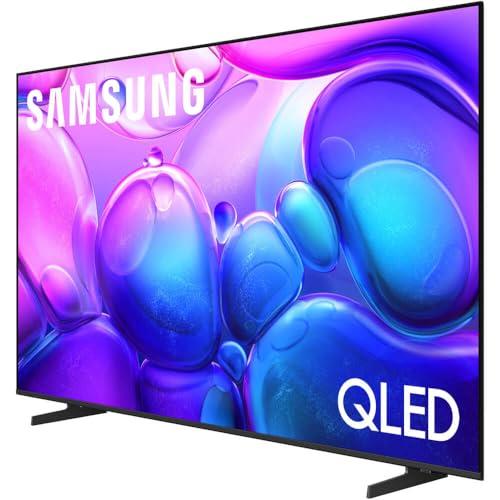
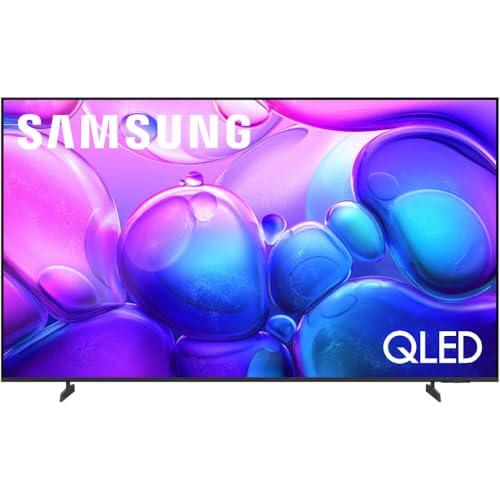
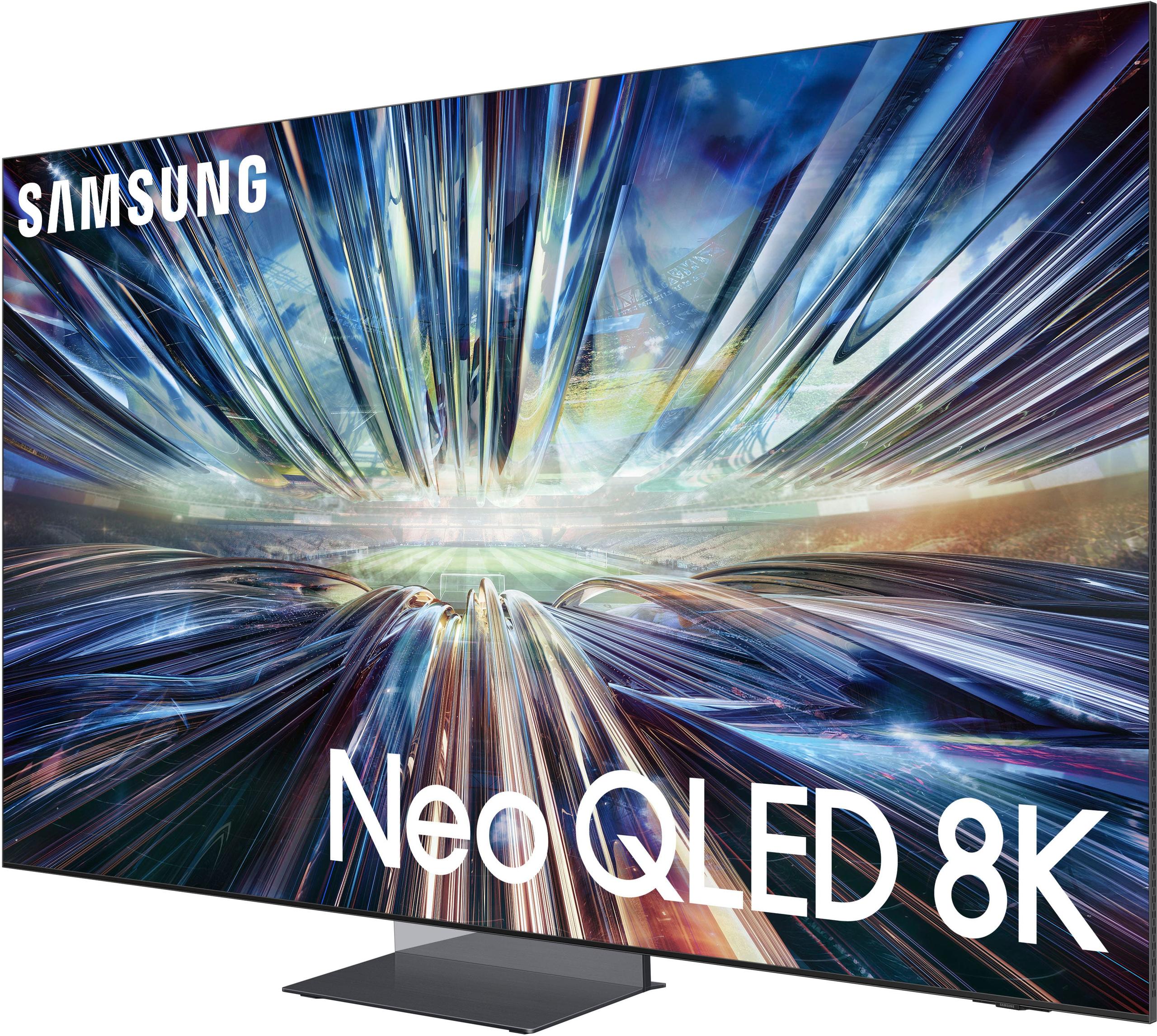
When you're shopping for a new TV in 2024 and 2025, Samsung offers options that span from budget-friendly to absolutely premium. The Samsung Q6F represents Samsung's entry into quantum dot technology, while the Samsung QN900D sits at the very top of their lineup as a flagship 8K powerhouse. Both are 65-inch smart TVs, but they're designed for completely different buyers and budgets.
The TV market has evolved dramatically in recent years. What used to be simple decisions about screen size now involve complex considerations around HDR (High Dynamic Range - technology that makes bright scenes brighter and dark scenes darker), gaming features, smart platforms, and display technologies that didn't exist a decade ago. Understanding these differences is crucial because a TV purchase is typically a 7-10 year investment.
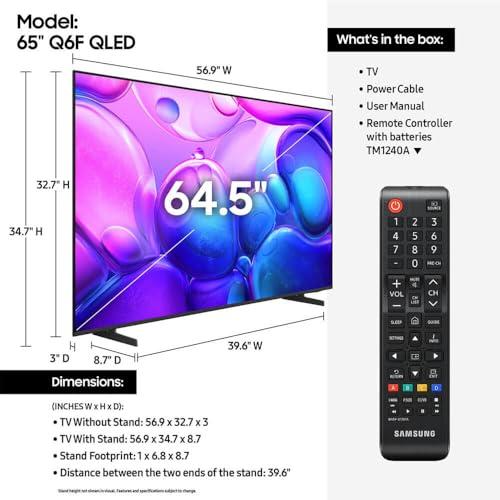
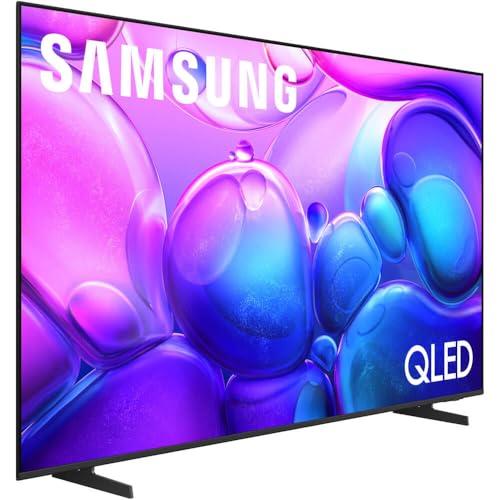
The Samsung Q6F, released in 2025, represents Samsung's effort to bring quantum dot technology - which uses tiny crystals to produce more accurate colors - to mainstream buyers. It's positioned as an entry-level QLED, meaning you get some premium Samsung technologies without the flagship price tag.
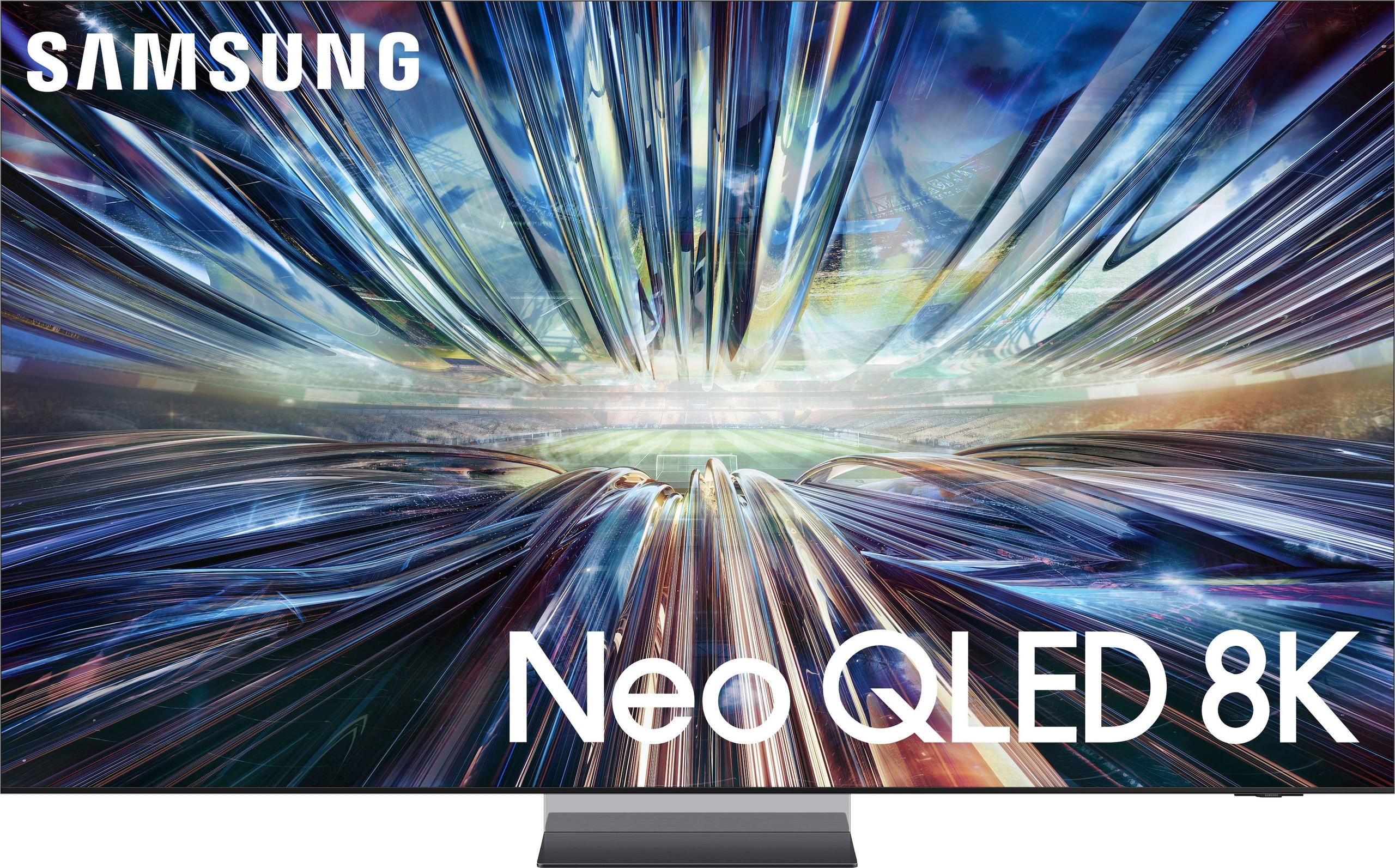
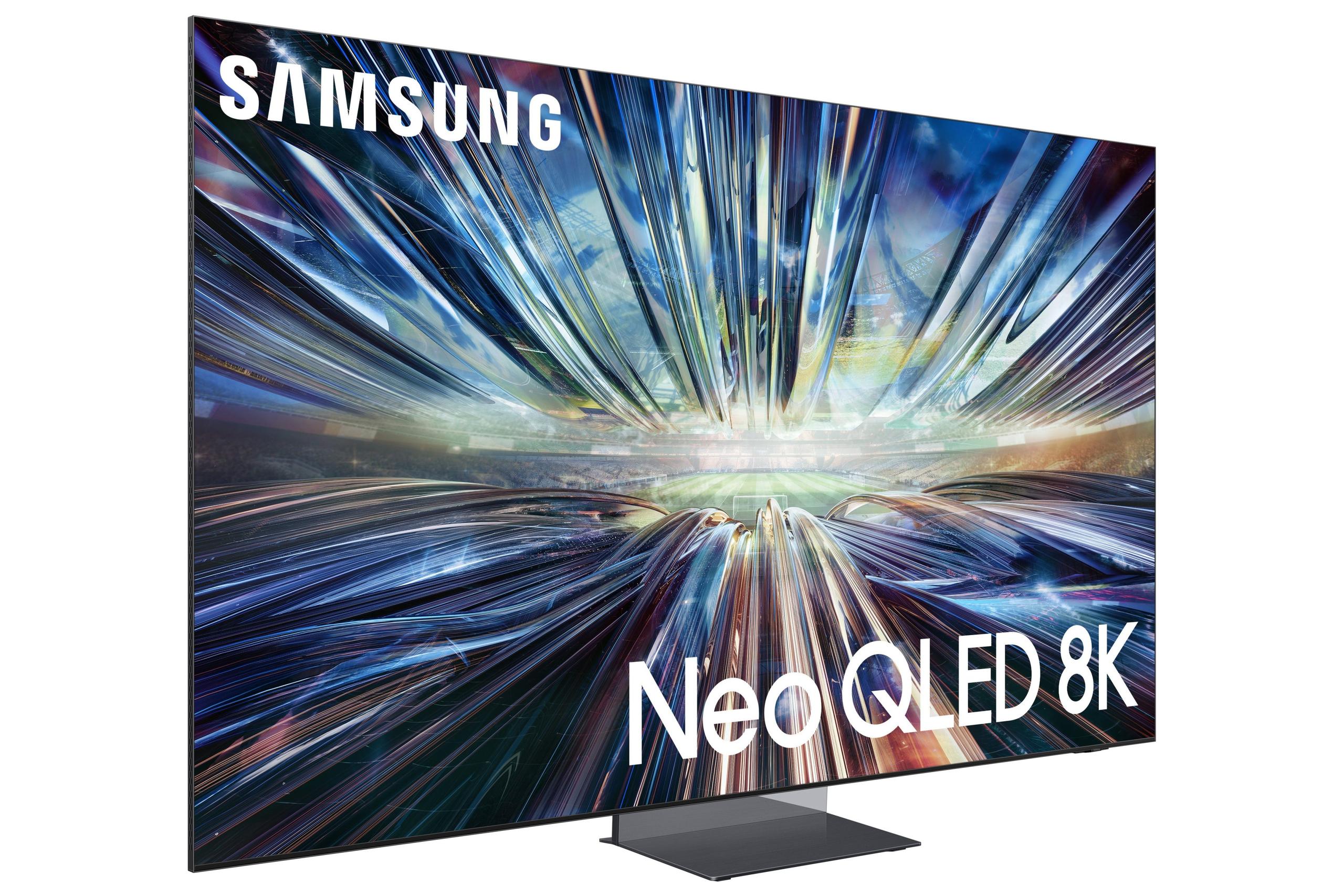
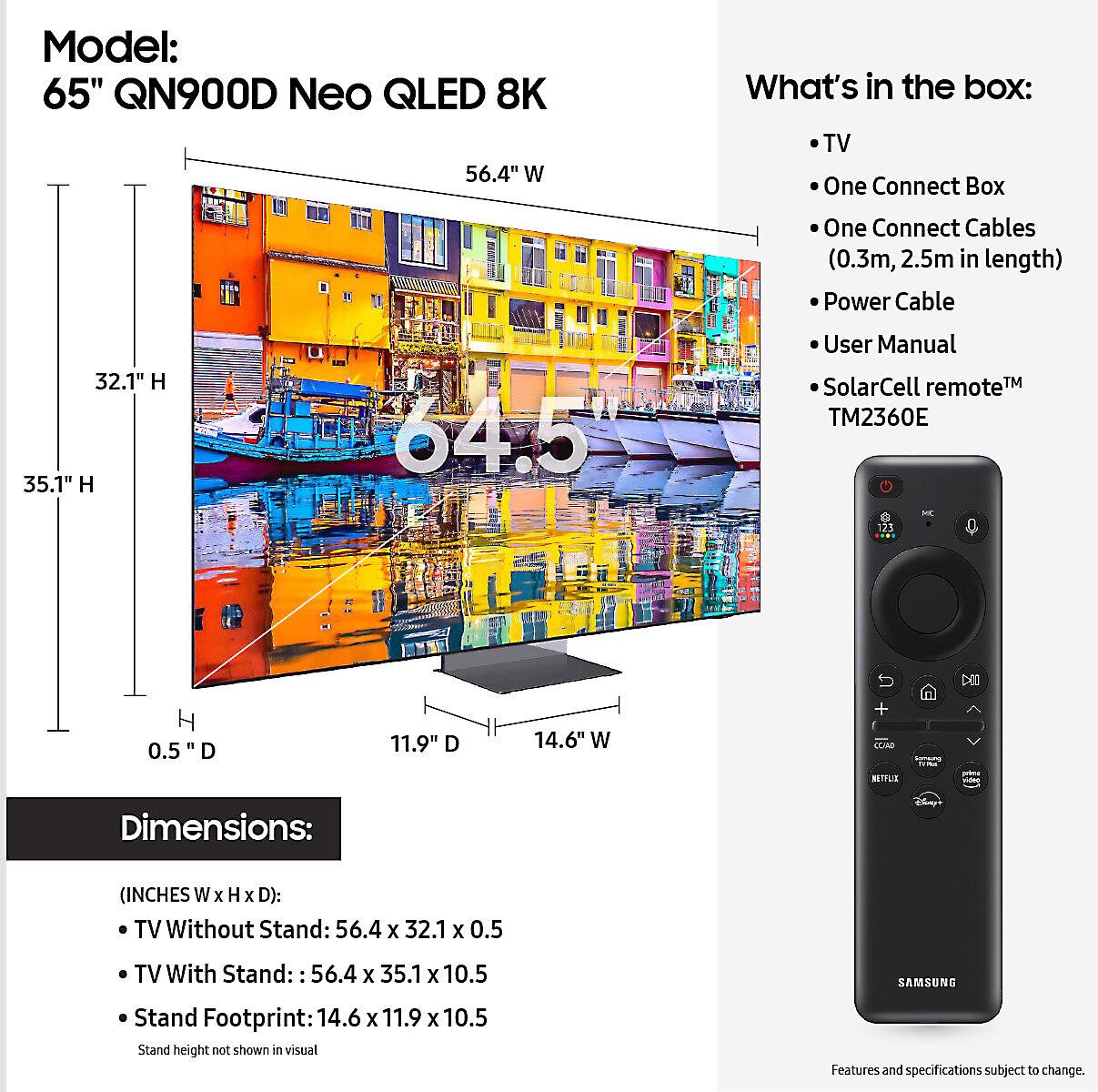
The Samsung QN900D, launched in 2024, showcases Samsung's most advanced TV technology. It's a Neo QLED, which means it uses Mini LED backlighting (thousands of tiny LEDs behind the screen for precise brightness control) combined with 8K resolution. This TV represents Samsung's vision of what premium home entertainment should look like.
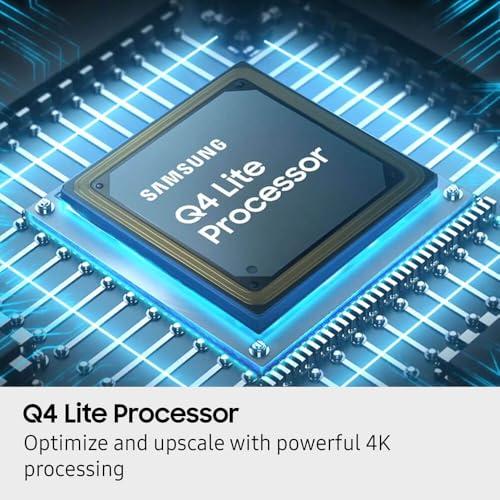
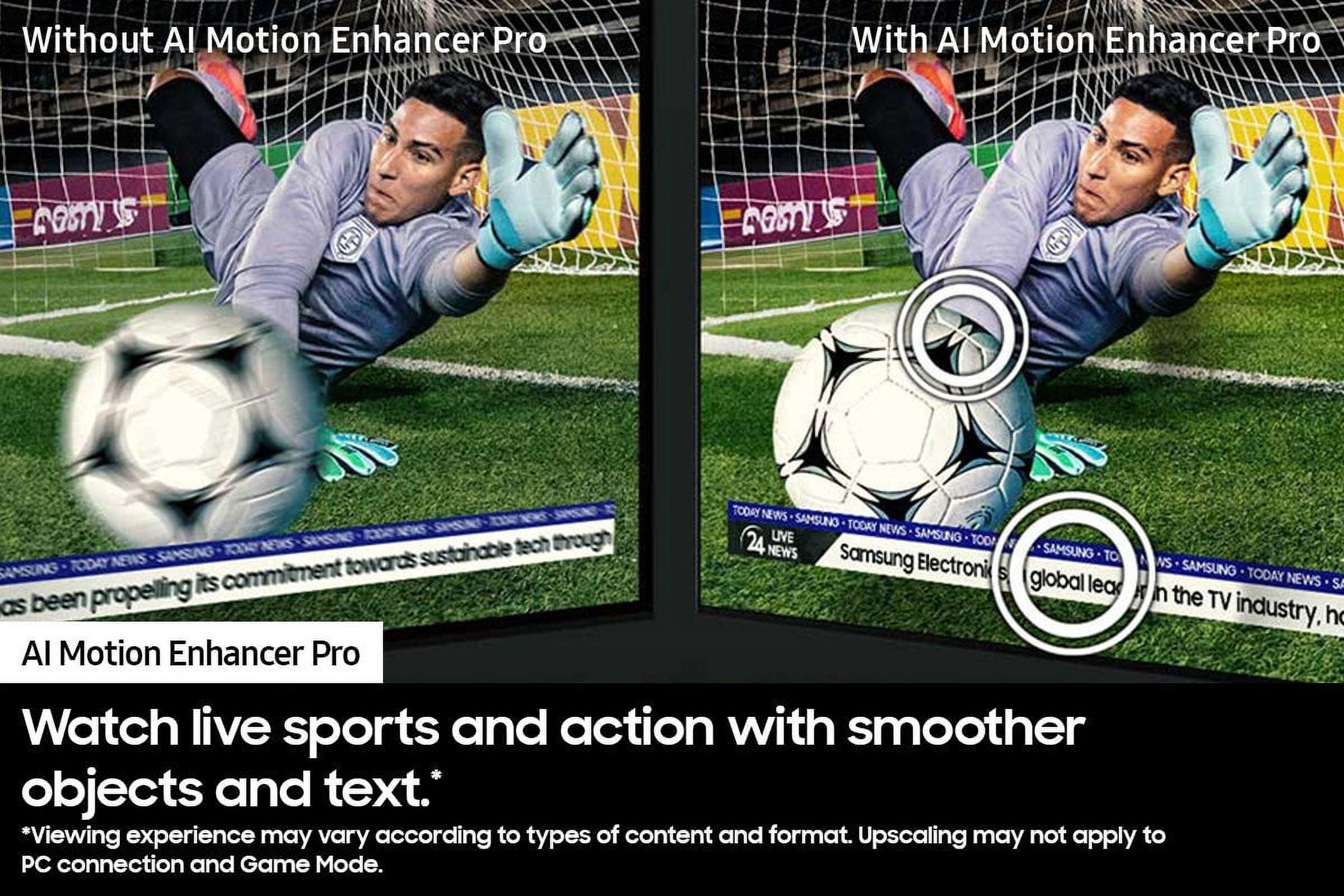
Since 2024, Samsung has refined their AI processing significantly. The neural networks (computer systems that learn and adapt) in their processors have become more sophisticated, leading to better upscaling and picture optimization. The QN900D benefits from this with its NQ8 AI Gen3 processor, while the Q6F uses a more basic Q4 Lite processor designed for essential functions rather than advanced AI features.
The most obvious difference is resolution. The Samsung Q6F displays 4K content (3,840 x 2,160 pixels), which matches most streaming content and Blu-rays perfectly. Its Q4 Lite processor handles upscaling reasonably well, making lower-resolution content look decent on the large screen.
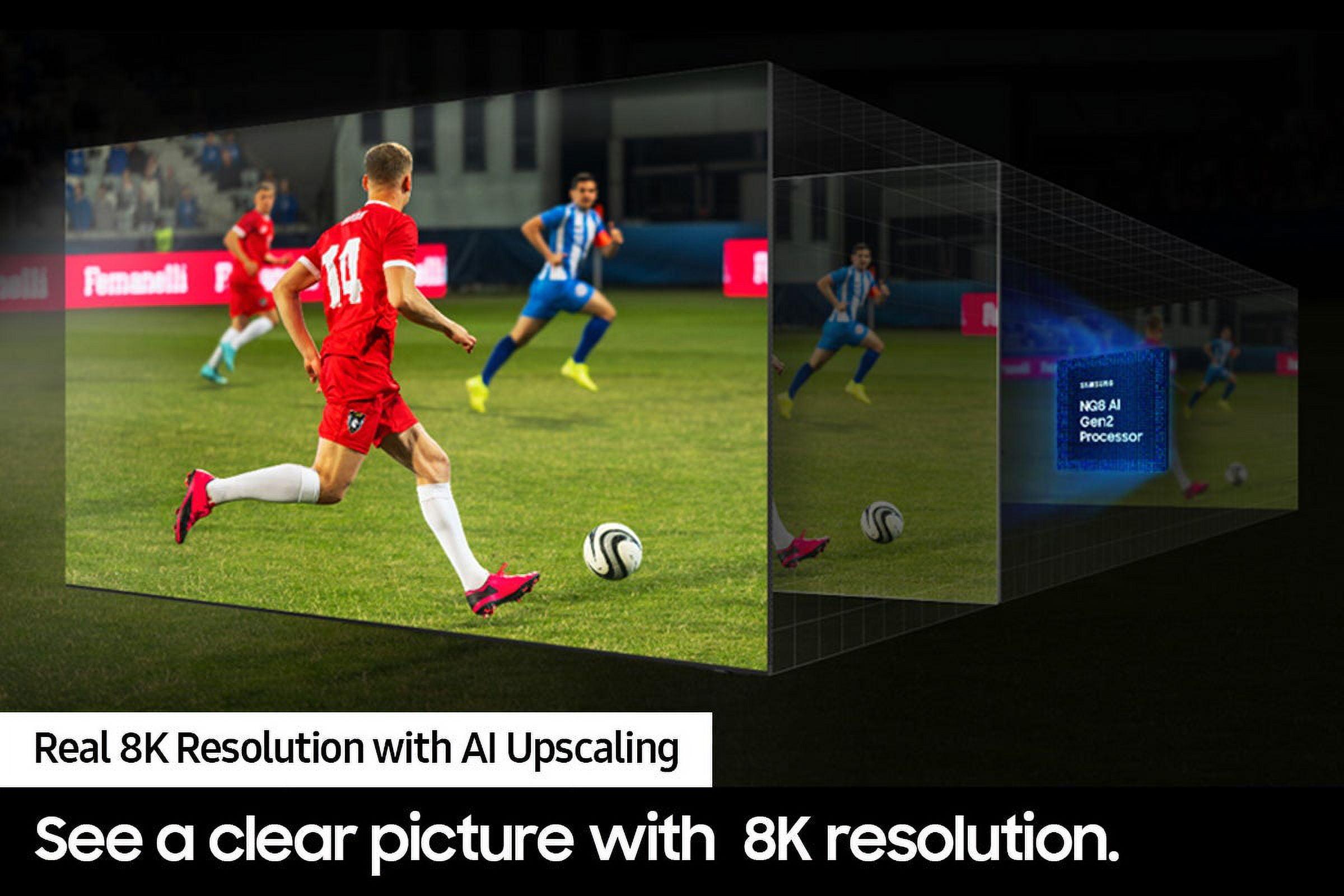
The Samsung QN900D pushes into 8K territory (7,680 x 4,320 pixels) - four times the detail of 4K. While true 8K content is still rare, the NQ8 AI Gen3 processor uses 512 neural networks to analyze and enhance everything you watch. This means your Netflix shows, cable TV, and even older DVDs get intelligently upscaled to look sharper than they would on the Q6F.
From our research into expert reviews and user experiences, the upscaling difference is substantial. The QN900D can make a 1080p movie look remarkably close to native 4K, while the Q6F provides more basic enhancement.
This is where the technology gap becomes most apparent. The Samsung Q6F uses either edge-lit or direct-lit LED backlighting, which means LEDs are positioned around the edges or behind the entire panel. While this provides decent brightness for most rooms, it can't achieve the precise control needed for exceptional contrast.
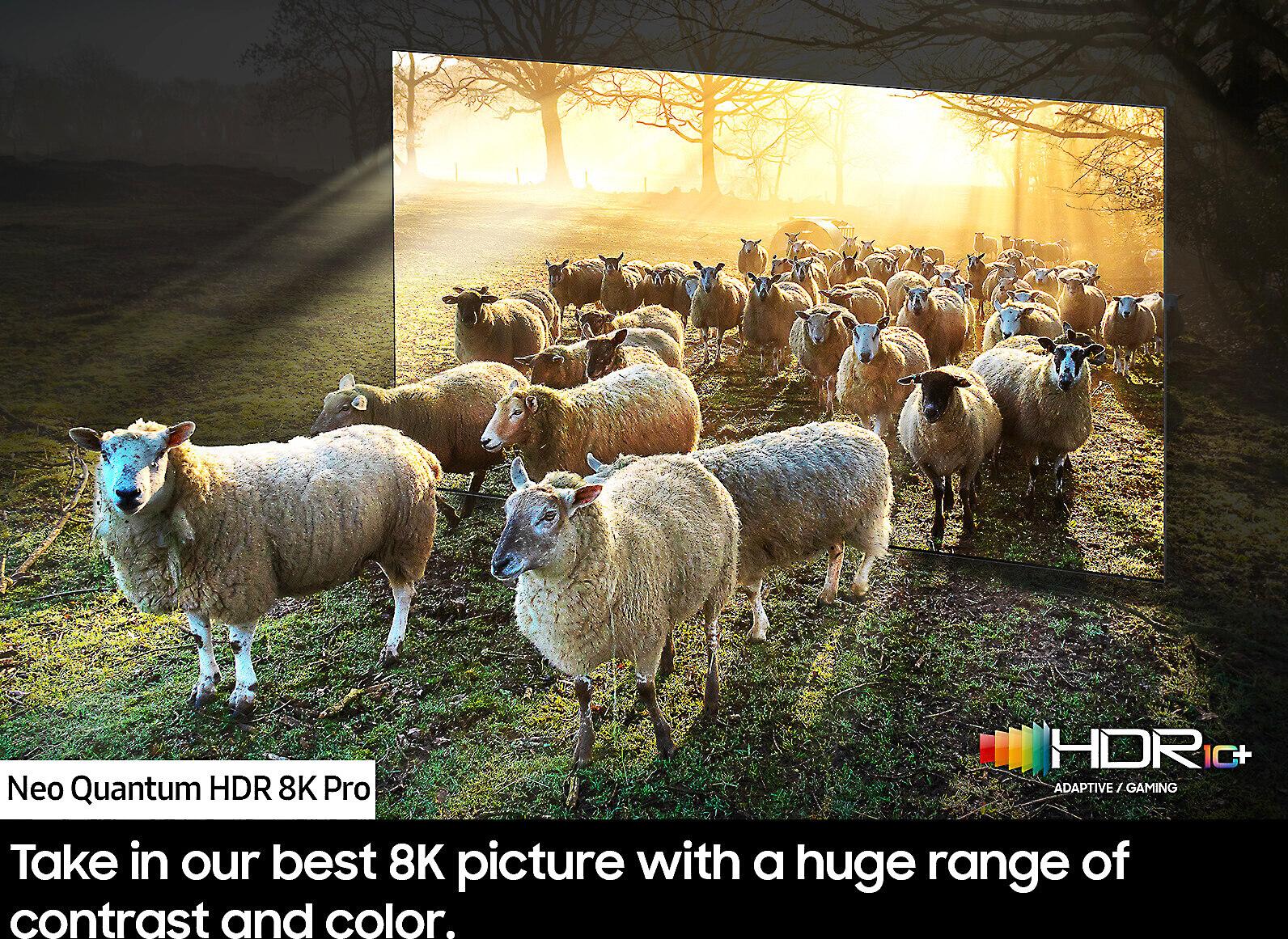
The Samsung QN900D employs Mini LED technology with Quantum Matrix Technology Pro. Instead of a few dozen backlighting zones, it has thousands of tiny LEDs that can be controlled individually. This means bright objects can be truly bright while dark areas remain genuinely dark - even within the same scene.
In practical terms, when you're watching a movie with a character holding a flashlight in a dark cave, the QN900D can make the flashlight beam brilliant while keeping the surrounding darkness truly black. The Q6F would show more of a grayish glow around dark areas, which is the traditional limitation of standard LED backlighting.
Peak brightness measurements show the QN900D can reach significantly higher levels, making it better for bright rooms and more impactful HDR content. The Q6F provides adequate brightness for most viewing situations but won't punch through bright ambient lighting as effectively.
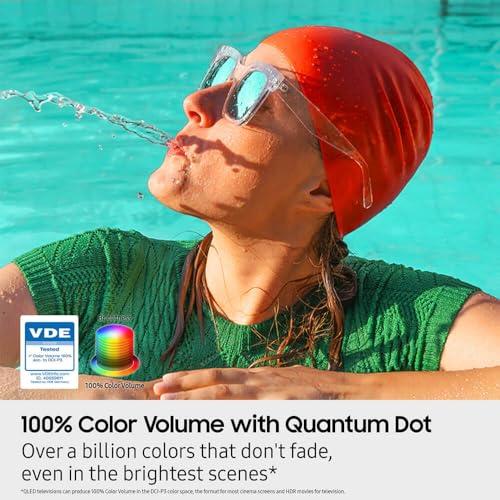
Both TVs use quantum dot technology, but at different sophistication levels. The Samsung Q6F achieves 100% Color Volume, meaning it can display accurate colors at any brightness level. This is genuinely impressive for an entry-level model and represents a significant advantage over non-quantum dot TVs in this price range.
The Samsung QN900D takes color performance further with enhanced quantum dot processing and more advanced color mapping algorithms. The difference isn't just in the number of colors displayed, but in how accurately they're rendered across different lighting conditions and how smoothly they transition in gradients.
Gaming has become a crucial TV consideration, especially with PlayStation 5 and Xbox Series X pushing higher frame rates and resolutions. The performance gap here is substantial.
The Samsung Q6F offers basic gaming features with Auto Game Mode that reduces input lag (the delay between pressing a button and seeing the action on screen) to acceptable levels for casual gaming. However, its 50Hz or 60Hz refresh rate limits it to standard frame rates.
The Samsung QN900D is built for serious gaming. It supports 4K gaming at up to 240Hz (240 frames per second) or 8K gaming at 60Hz. Its input lag measures around 5.1ms at 240Hz, which is exceptionally fast. For context, anything under 20ms is considered good for gaming, so 5.1ms is outstanding.
Variable Refresh Rate (VRR) is technology that synchronizes the TV's refresh rate with your gaming console's output to eliminate screen tearing (when the image appears to be split). The Q6F has limited VRR support, while the QN900D offers comprehensive VRR across all its HDMI ports.
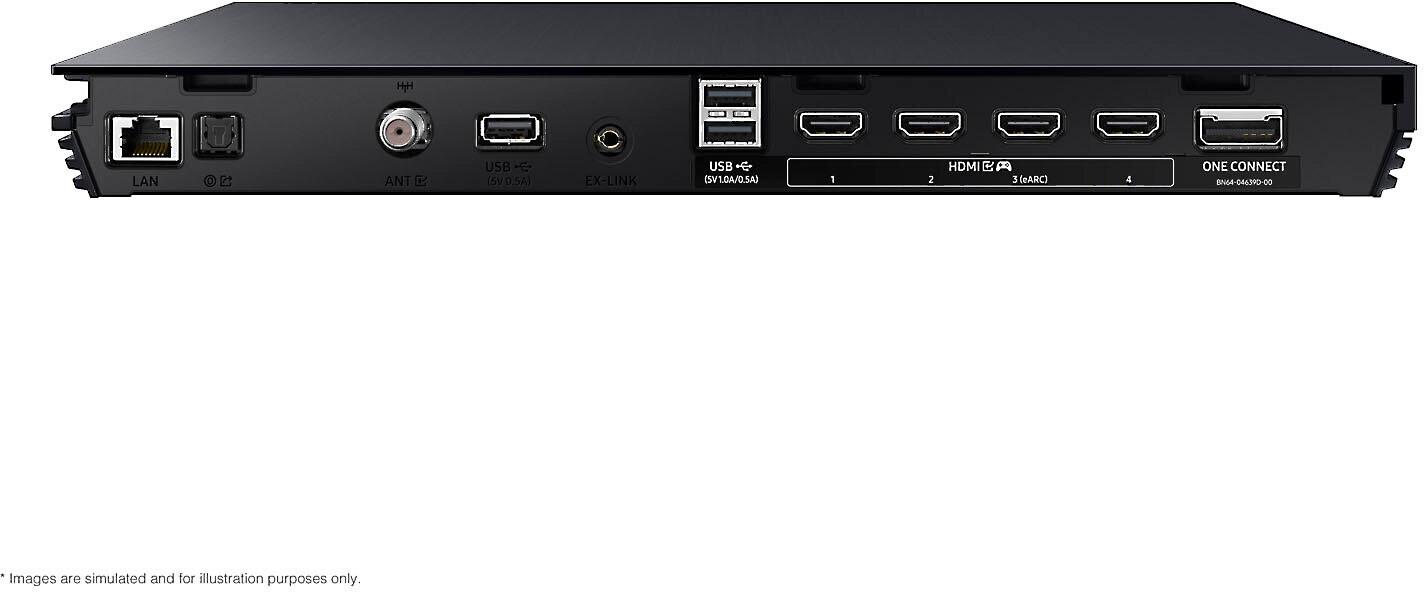
The QN900D also includes HDMI 2.1 on all four ports, supporting the full bandwidth needed for next-generation gaming. The Q6F has fewer HDMI ports and limited bandwidth for high-frame-rate gaming.
If you're planning to use a PlayStation 5, Xbox Series X, or high-end gaming PC, the QN900D will unlock capabilities that the Q6F simply can't match. For casual gaming with older consoles or less demanding titles, the Q6F performs adequately.
TV speakers often get overlooked, but they're important since many people don't immediately invest in external sound systems.
The Samsung Q6F includes a 20W, 2-channel speaker system with Object Tracking Sound Lite (OTS Lite), which attempts to make sound follow movement on screen. It's adequate for dialogue and basic sound effects but lacks the power and range for immersive movie watching.
The Samsung QN900D features a 90W, 6.2.4-channel system with True Dolby Atmos support. This means sound can come from above and around you, creating a three-dimensional audio experience. It includes technologies like Active Voice Amplifier Pro, which automatically enhances dialogue clarity, and 360 Audio for spatial sound processing.
In our evaluation of user feedback, the QN900D can often eliminate the immediate need for a soundbar, while Q6F buyers frequently look for audio upgrades relatively quickly.
Both TVs run Samsung's Tizen operating system, but the experience differs significantly due to processing power.
The Samsung Q6F handles basic smart TV functions well - streaming Netflix, browsing apps, and voice control work without major issues. However, the Q4 Lite processor can show its limitations when switching between apps quickly or handling complex interface animations.
The Samsung QN900D provides a noticeably more responsive experience. Its NQ8 AI Gen3 processor doesn't just handle the interface smoothly; it actively optimizes picture and sound settings based on what you're watching. This AI optimization learns from your viewing habits and automatically adjusts settings for different content types.
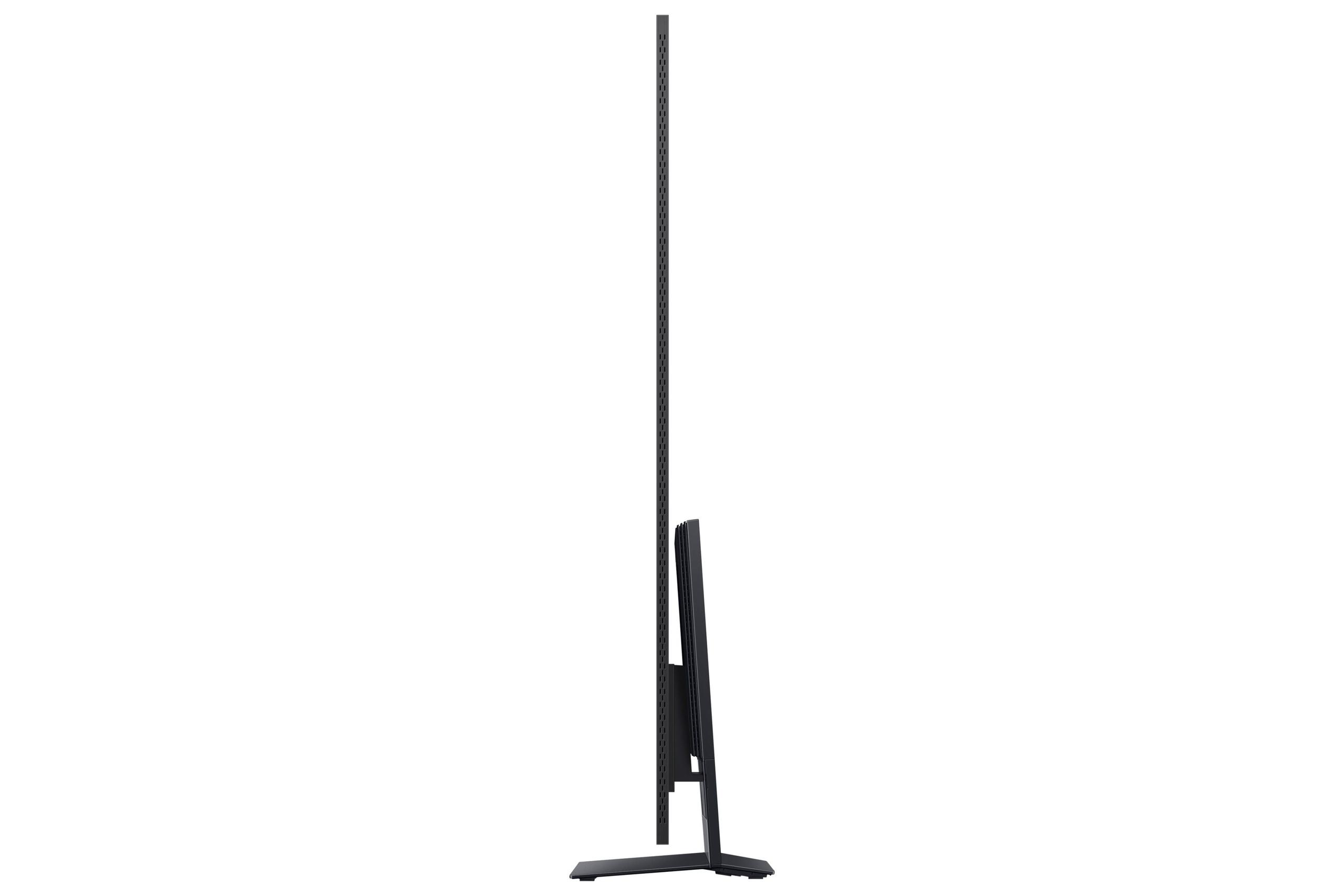
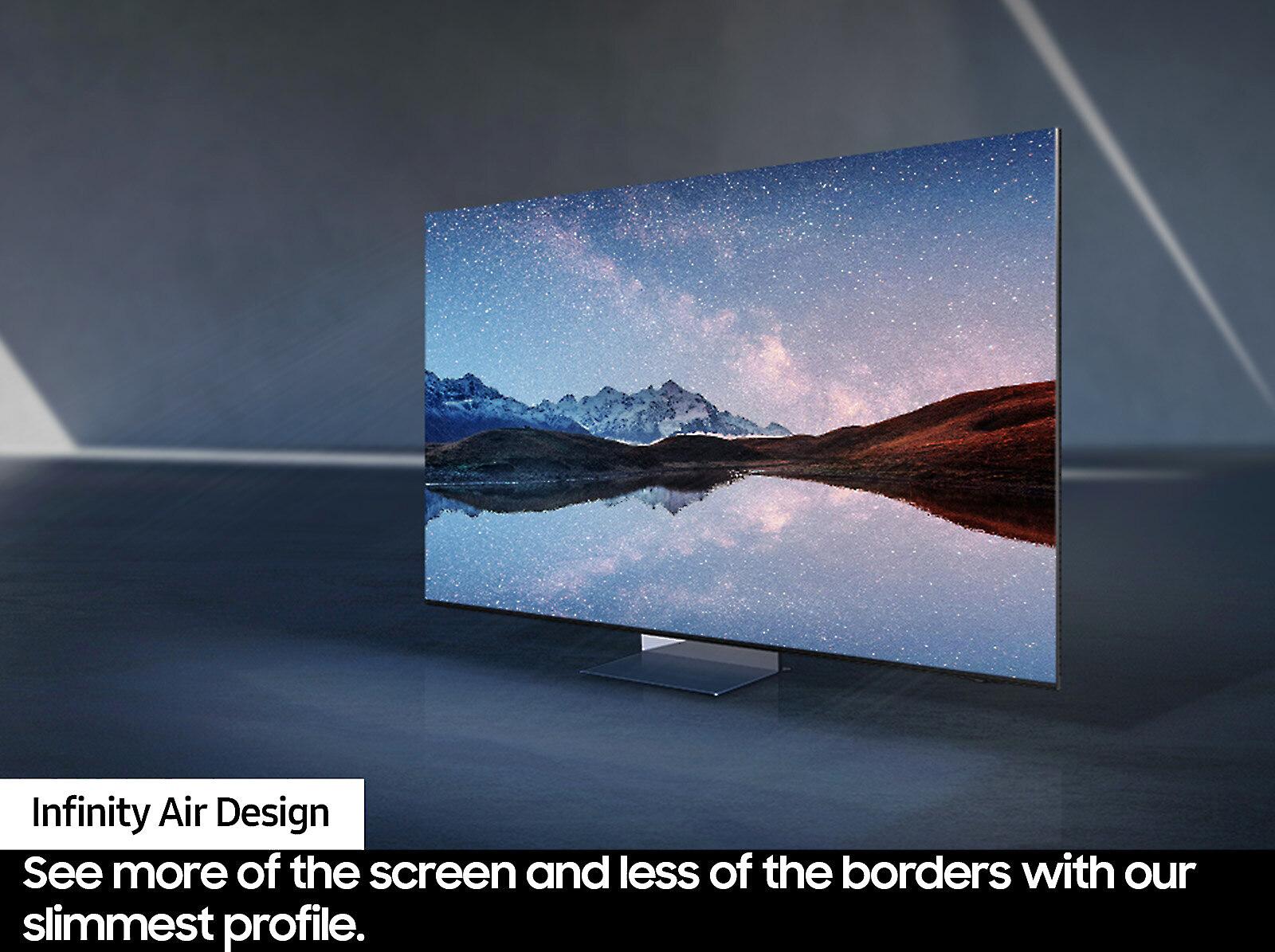
For dedicated home theater use, the differences become even more pronounced. The Samsung QN900D excels in controlled lighting environments where its superior contrast and brightness control can be fully appreciated. Its Infinity Air Design (extremely thin profile) and One Connect Box (which houses all connections) create a cleaner, more premium installation.
The Q6F works well in multipurpose living rooms but doesn't deliver the cinematic impact that serious movie enthusiasts typically want. Its viewing angles are more limited, so it works best when viewers sit directly in front of the screen.
The Samsung QN900D includes thoughtful design elements like the One Connect Box, which consolidates all your cable connections in a separate unit. This allows for much cleaner wall mounting and easier cable management. The TV itself is remarkably thin at just 12.9mm.
The Samsung Q6F uses a more traditional design with direct connections to the TV. While this is perfectly functional, it doesn't offer the same installation flexibility or premium aesthetic.
Connectivity-wise, the QN900D provides four HDMI 2.1 ports, Wi-Fi 6E, and comprehensive modern connectivity. The Q6F has three HDMI ports and Wi-Fi 5, which covers most current needs but might feel limited as technology advances.
The Samsung Q6F makes sense for several specific scenarios. If you're upgrading from an older TV and want a significant picture quality improvement without premium pricing, it delivers genuine quantum dot benefits. It's ideal for families who primarily watch streaming content, cable TV, and occasional gaming. The smart features are modern and functional, and the picture quality surpasses most TVs in its price range.
Choose the Q6F if you're furnishing a living room or bedroom where the TV will be used for varied content, you have a moderate budget, and you want Samsung's ecosystem without flagship costs. It's also smart if you're in an apartment or rental where you might upgrade again in a few years.
The Samsung QN900D is for buyers who want the absolute best performance and have the budget to match. It's ideal if you have a dedicated media room, do serious gaming, or plan to keep this TV for many years. The 8K resolution provides future-proofing as content becomes available, and the gaming features will remain relevant as consoles continue advancing.
At the time of writing, the QN900D offers exceptional value due to significant price reductions from its original MSRP, making flagship technology more accessible than usual. However, it's still a substantial investment compared to the Q6F.
These TVs serve different purposes in Samsung's lineup, and both do their jobs well. The Samsung Q6F democratizes quantum dot technology and provides solid 4K performance at an accessible price. The Samsung QN900D showcases what's possible with current TV technology and delivers performance that justifies its premium positioning.
Your choice should align with your viewing habits, room setup, and budget priorities. If you primarily stream content and want good picture quality without breaking the bank, the Q6F delivers excellent value. If you want the absolute best performance and cutting-edge features, the QN900D represents Samsung's technological peak.
The performance gap between these models is substantial, but so is the price difference. Both are solid choices within their respective categories, making this decision more about matching the right TV to your specific needs and expectations rather than picking between a good and bad option.
| Samsung 65" QLED Q6F 4K Smart TV 2025 | Samsung QN900D Series 65" Neo QLED 8K Smart TV |
|---|---|
| Display Resolution - Higher resolution provides sharper detail, especially for large screens | |
| 4K (3,840 x 2,160) with Q4 Lite upscaling | 8K (7,680 x 4,320) with NQ8 AI Gen3 upscaling |
| Backlighting Technology - Critical for contrast and picture quality in dark rooms | |
| Edge-lit/Direct-lit LED with basic local dimming | Mini LED with Quantum Matrix Technology Pro (thousands of zones) |
| Gaming Performance - Essential for console and PC gaming | |
| 50Hz/60Hz, Auto Game Mode, limited VRR | 4K @ 240Hz, 8K @ 60Hz, 5.1ms input lag, full VRR |
| HDR Support - Makes bright scenes brighter and dark scenes darker | |
| HDR10, HDR10+ (no Dolby Vision) | Neo Quantum HDR 8K+, HDR10+ Adaptive/Gaming |
| Audio System - Important if not using external speakers | |
| 20W 2-channel with Object Tracking Sound Lite | 90W 6.2.4-channel with True Dolby Atmos |
| HDMI Connectivity - Affects gaming and device compatibility | |
| 3 HDMI ports, limited bandwidth | 4 HDMI 2.1 ports with full bandwidth |
| Smart TV Processor - Impacts interface speed and AI features | |
| Q4 Lite Processor (basic functions) | NQ8 AI Gen3 with 512 neural networks |
| Design Features - Matters for premium installations | |
| Standard TV design, basic cable management | Infinity Air Design (12.9mm thin), One Connect Box |
| Wi-Fi Standard - Affects streaming performance and future-proofing | |
| Wi-Fi 5 | Wi-Fi 6E |
| Peak Brightness - Critical for HDR impact and bright room viewing | |
| Good brightness for price range | Exceptional peak brightness for premium HDR |
| Target Buyer - Who each TV is designed for | |
| Budget-conscious buyers wanting Samsung Q6F quantum dot quality | Premium buyers wanting flagship Samsung QN900D performance |
The Samsung 65" QLED Q6F 4K Smart TV 2025 is an entry-level QLED TV with 4K resolution and basic quantum dot technology, while the Samsung QN900D Series 65" Neo QLED 8K Smart TV is Samsung's flagship model with 8K resolution, Mini LED backlighting, and advanced AI processing. The QN900D offers significantly superior picture quality, gaming features, and audio performance compared to the Q6F.
The Samsung QN900D Series 65" Neo QLED 8K Smart TV is far superior for gaming. It supports 4K gaming at up to 240Hz, has 5.1ms input lag, and includes full HDMI 2.1 bandwidth on all four ports with comprehensive VRR support. The Samsung 65" QLED Q6F 4K Smart TV 2025 is limited to 50Hz/60Hz gaming with basic Auto Game Mode, making the QN900D the clear choice for serious gamers.
For most viewers, the 4K resolution on the Samsung 65" QLED Q6F 4K Smart TV 2025 is sufficient since most streaming content and Blu-rays are in 4K. However, the Samsung QN900D Series 65" Neo QLED 8K Smart TV uses advanced AI upscaling to make all content look sharper than it would on the Q6F. The 8K resolution also provides future-proofing as more 8K content becomes available.
The Samsung QN900D Series 65" Neo QLED 8K Smart TV delivers dramatically better performance in dark rooms due to its Mini LED backlighting with thousands of local dimming zones. This allows for true blacks alongside bright highlights. The Samsung 65" QLED Q6F 4K Smart TV 2025 uses basic LED backlighting that can appear grayish in dark scenes, making the QN900D ideal for home theater setups.
The Samsung QN900D Series 65" Neo QLED 8K Smart TV features a powerful 90W 6.2.4-channel system with True Dolby Atmos, providing immersive surround sound that often eliminates the need for a soundbar. The Samsung 65" QLED Q6F 4K Smart TV 2025 has a basic 20W 2-channel system that's adequate for dialogue but lacks the power and spatial audio capabilities of the QN900D.
The Samsung QN900D Series 65" Neo QLED 8K Smart TV performs better in bright rooms due to its superior peak brightness and anti-reflection technology. While the Samsung 65" QLED Q6F 4K Smart TV 2025 provides adequate brightness for most lighting conditions, the QN900D can punch through ambient light more effectively and maintain color accuracy in challenging lighting situations.
Both TVs run Samsung's Tizen operating system, but the Samsung QN900D Series 65" Neo QLED 8K Smart TV offers a significantly more responsive experience with its NQ8 AI Gen3 processor. The Samsung 65" QLED Q6F 4K Smart TV 2025 uses a Q4 Lite processor that handles basic functions well but lacks the advanced AI optimization and processing power of the QN900D.
The Samsung 65" QLED Q6F 4K Smart TV 2025 offers excellent value for budget-conscious buyers, delivering genuine quantum dot technology at an accessible price point. The Samsung QN900D Series 65" Neo QLED 8K Smart TV provides exceptional value for premium buyers, especially at current discounted pricing, offering flagship technology and future-proofing that justifies its higher cost.
The Samsung 65" QLED Q6F 4K Smart TV 2025 includes 3 HDMI ports with basic connectivity features. The Samsung QN900D Series 65" Neo QLED 8K Smart TV provides 4 HDMI 2.1 ports with full bandwidth support, plus Wi-Fi 6E and a One Connect Box for cleaner cable management. The QN900D offers more comprehensive connectivity for multiple devices.
Both TVs handle streaming well, but the Samsung QN900D Series 65" Neo QLED 8K Smart TV provides a superior experience with faster app loading, better upscaling of streaming content, and more responsive interface navigation. The Samsung 65" QLED Q6F 4K Smart TV 2025 streams content effectively but may show slower performance when switching between apps compared to the QN900D.
The Samsung QN900D Series 65" Neo QLED 8K Smart TV is specifically designed for premium home theater installations with its exceptional contrast, Infinity Air Design, and One Connect Box for clean mounting. The Samsung 65" QLED Q6F 4K Smart TV 2025 works adequately in multipurpose rooms but doesn't deliver the cinematic impact that dedicated home theater enthusiasts typically want from the QN900D.
Choose the Samsung 65" QLED Q6F 4K Smart TV 2025 if you want good picture quality at a reasonable price for mixed family viewing. Select the Samsung QN900D Series 65" Neo QLED 8K Smart TV if you prioritize the absolute best performance, do serious gaming, or want a TV that will remain cutting-edge for many years. The Q6F suits budget-conscious buyers, while the QN900D is ideal for premium performance seekers.
We've done our best to create useful and informative comparisons to help you decide what product to buy. Our research uses advanced automated methods to create this comparison and perfection is not possible - please contact us for corrections or questions. These are the sites we've researched in the creation of this article: tomsguide.com - bestbuy.com - samsung.com - rtings.com - youtube.com - rtings.com - bestbuy.com - samsung.com - samsung.com - samsung.com - manuals.plus - shopjetson.com - samsung.com - samsung.com - samsung.com - samsung.com - bestbuy.com - jefflynch.com - rtings.com - videoandaudiocenter.com - bestbuy.com - avsforum.com - bestbuy.com - walts.com - images.samsung.com - samsung.com - merlinstv.com - samsung.com - avsforum.com - samsung.com

Privacy Policy
Terms and Conditions - Affiliate Policy
Home Security
© Copyright 2008-2026.
11816 Inwood Rd #1211, Dallas, TX 75244