

![LG B5 Series OLED 65" 4K Smart TV 2025[1][7][9]](https://images.hometheaterreview.com/htr-stateless/2025/07/31238cd0-lg-b5-series-oled-65-4k-smart-tv-2025179.jpg)
![LG B5 Series OLED 65" 4K Smart TV 2025[1][7][9]](https://images.hometheaterreview.com/htr-stateless/2025/07/3368ce40-25ef-4d07-b442-bb0af89e3a29.jpg)
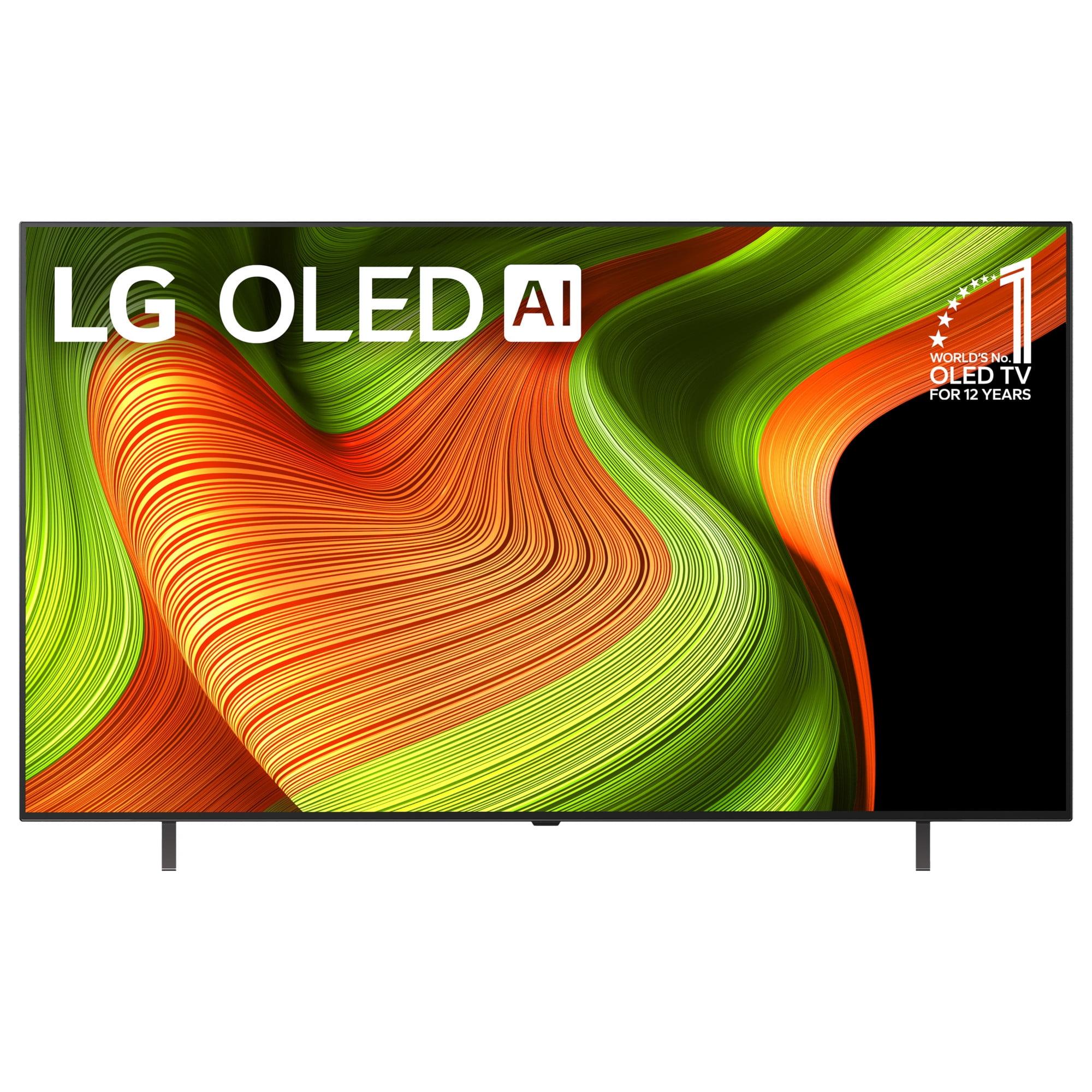
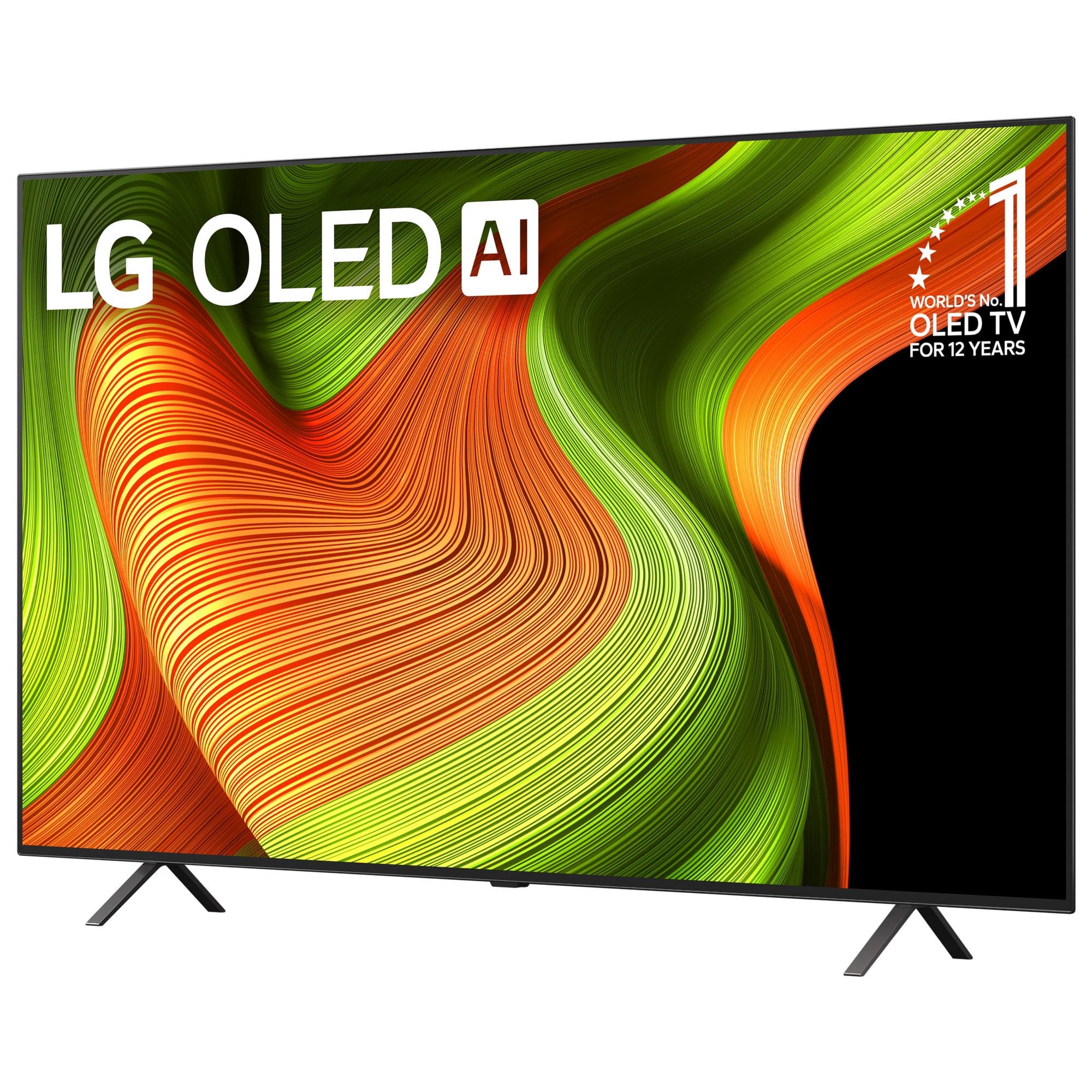
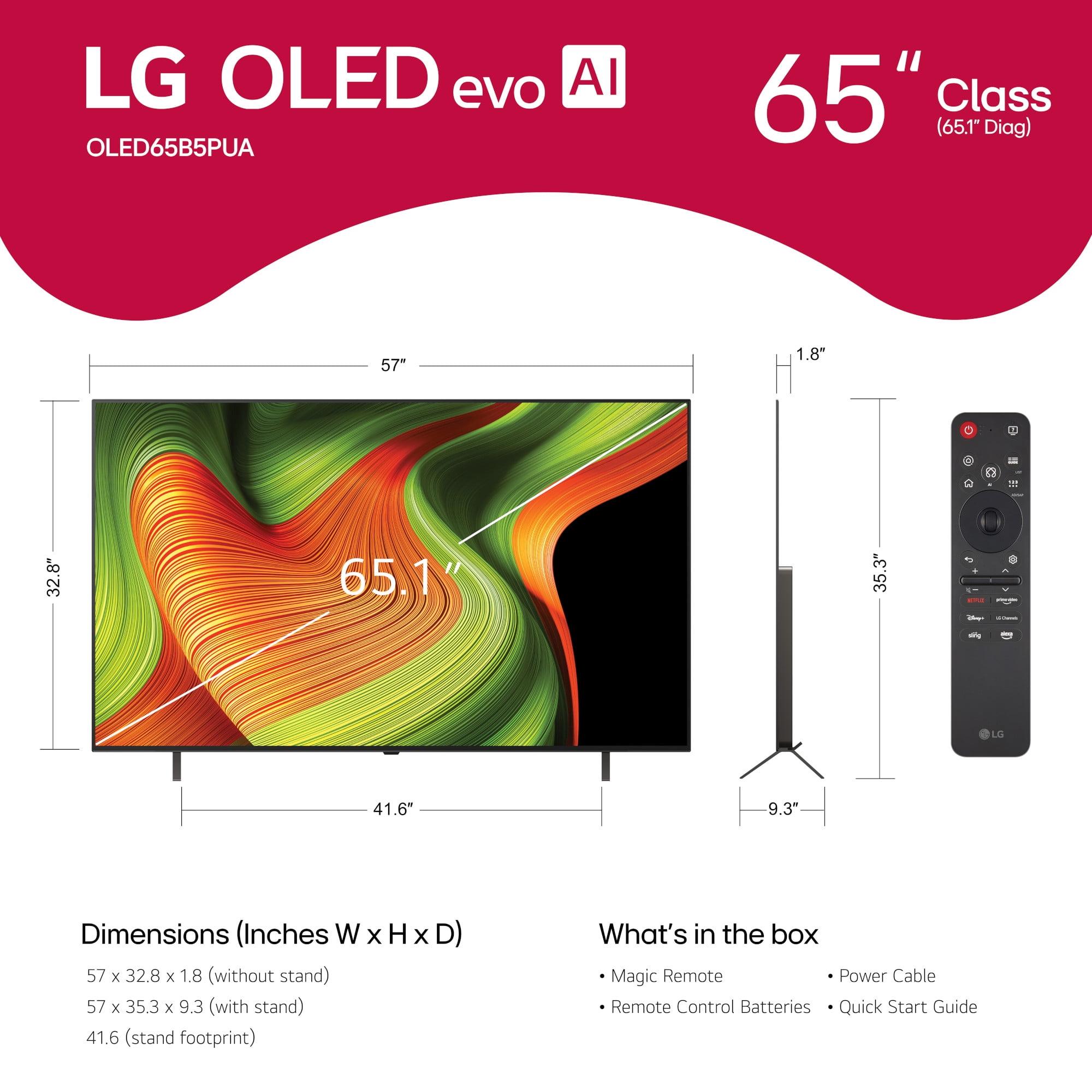
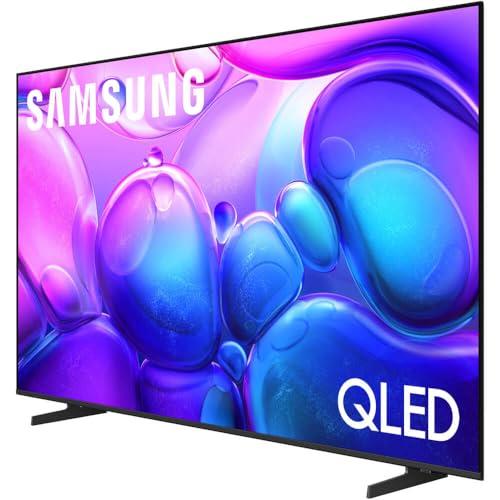
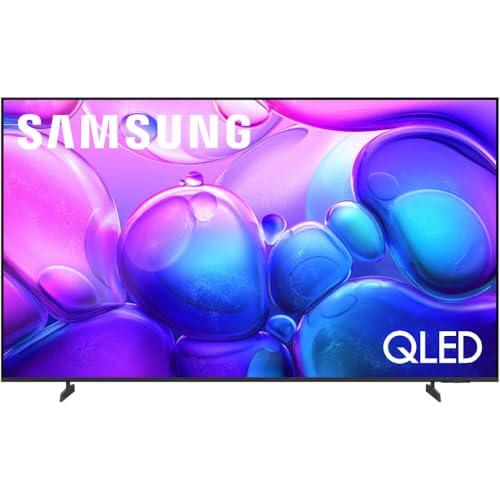
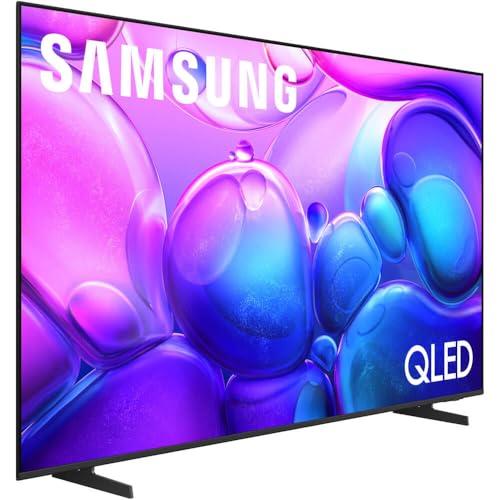
The television landscape in 2025 has evolved dramatically, with two distinct technologies battling for supremacy in your living room. On one side, we have Samsung's refined QLED technology with the Samsung 65" QLED Q6F, and on the other, LG's self-lit OLED approach with the LG B5 Series OLED. Both arrived in 2025 as entry-level options in their respective premium categories, but they couldn't be more different in how they create the images you see on screen.
Understanding these differences isn't just about specs—it's about finding the right TV for your specific viewing habits, room setup, and entertainment preferences. After extensive research into user experiences and professional reviews, it's clear that each technology excels in different scenarios, making your choice highly dependent on your personal priorities.
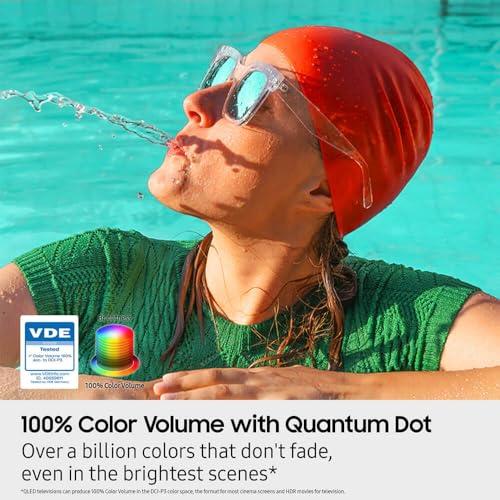
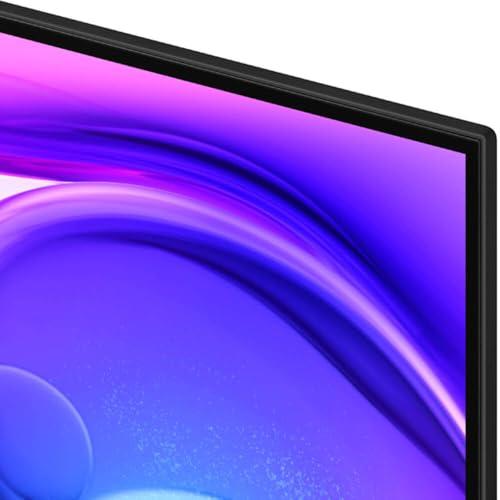
The core difference between these TVs lies in their display technology, which affects everything from picture quality to power consumption. The Samsung Q6F uses QLED (Quantum Dot Light Emitting Diode) technology, where a traditional LED backlight shines through a quantum dot sheet to produce colors. Think of it like a sophisticated color filter that can create incredibly vibrant, saturated colors—Samsung claims 100% color volume, meaning these colors stay accurate even at extreme brightness levels.
The LG B5, meanwhile, uses OLED (Organic Light Emitting Diode) technology where each of the 8.3 million pixels generates its own light. When a pixel needs to be black, it simply turns off completely. This fundamental difference creates what OLED enthusiasts call "perfect blacks"—something the Samsung, despite its quantum dot wizardry, simply cannot achieve because its LED backlight is always on to some degree.
Both technologies have evolved significantly since their introduction. Samsung's quantum dot technology has matured to eliminate the cadmium content that was previously used, making it more environmentally friendly while maintaining color performance. LG's OLED panels in 2025 have improved brightness capabilities compared to earlier generations, though they still can't match the peak brightness of QLEDs.
This is where the technologies diverge most dramatically. Our research consistently shows that the LG B5 delivers superior contrast performance, particularly in dark room viewing. When watching movies like Dune or Blade Runner 2049, the difference is immediately apparent—space scenes look truly black rather than the dark gray you might notice on LED-backlit displays.
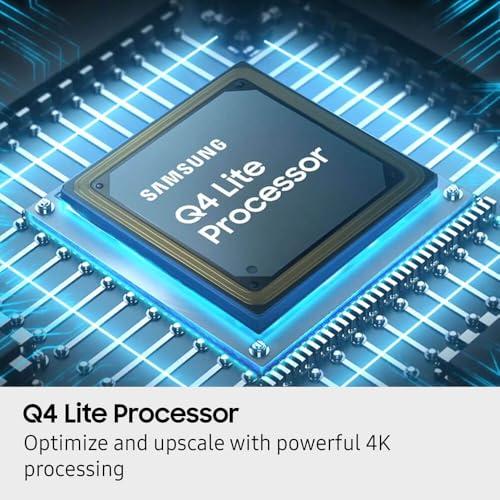
The Samsung Q6F, however, compensates with its UHD Dimming technology and Mega Contrast processing. While it can't achieve true blacks, Samsung's Q4 Lite Processor does an impressive job of making dark scenes appear deeper than you'd expect from an LED-backlit display. The contrast enhancer actively adjusts the picture based on ambient lighting, which actually makes it more versatile in varying room conditions.
Here's where the Samsung Q6F takes a decisive lead. QLED technology can push significantly higher peak brightness levels, making it superior for bright room viewing and certain HDR content. The Quantum HDR with HDR10+ support means dynamic tone mapping that adjusts scene-by-scene, optimizing the contrast and color for each moment of content.
The LG B5 supports Dolby Vision, which many consider superior to HDR10+ for its more sophisticated metadata and wider adoption among streaming services. However, peak brightness measurements show the Samsung achieving higher nits in both SDR and HDR content. In practical terms, this means the Samsung will look more vibrant in a sun-drenched living room, while the LG excels in dedicated home theater environments with controlled lighting.
Samsung's quantum dot technology produces colors that really pop—some might say they're almost hyper-realistic. The Q4 Lite Processor continuously analyzes content and adjusts color temperature, saturation, and brightness automatically. This processing tends to make content look more vivid than the creator intended, which many viewers actually prefer for everyday viewing.
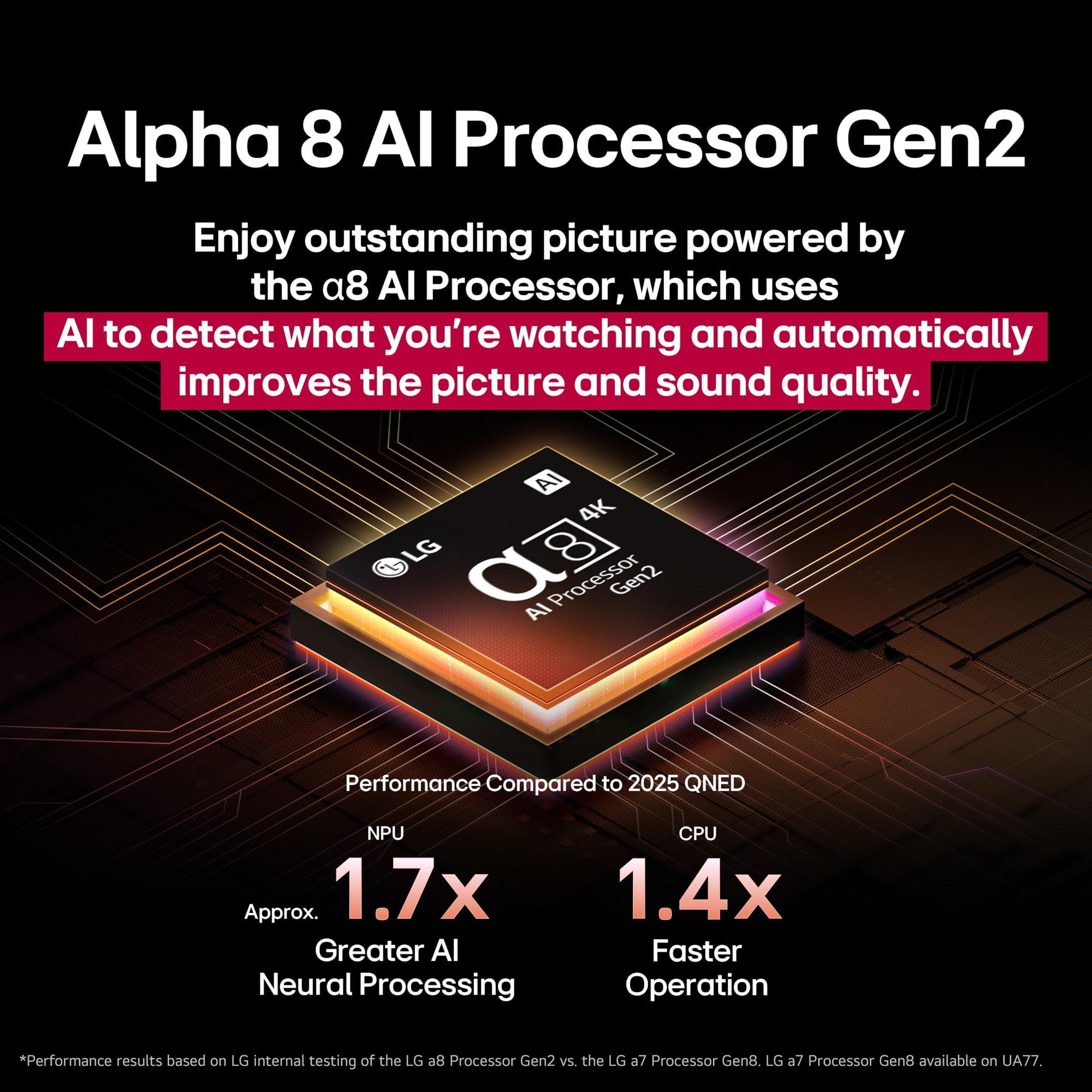
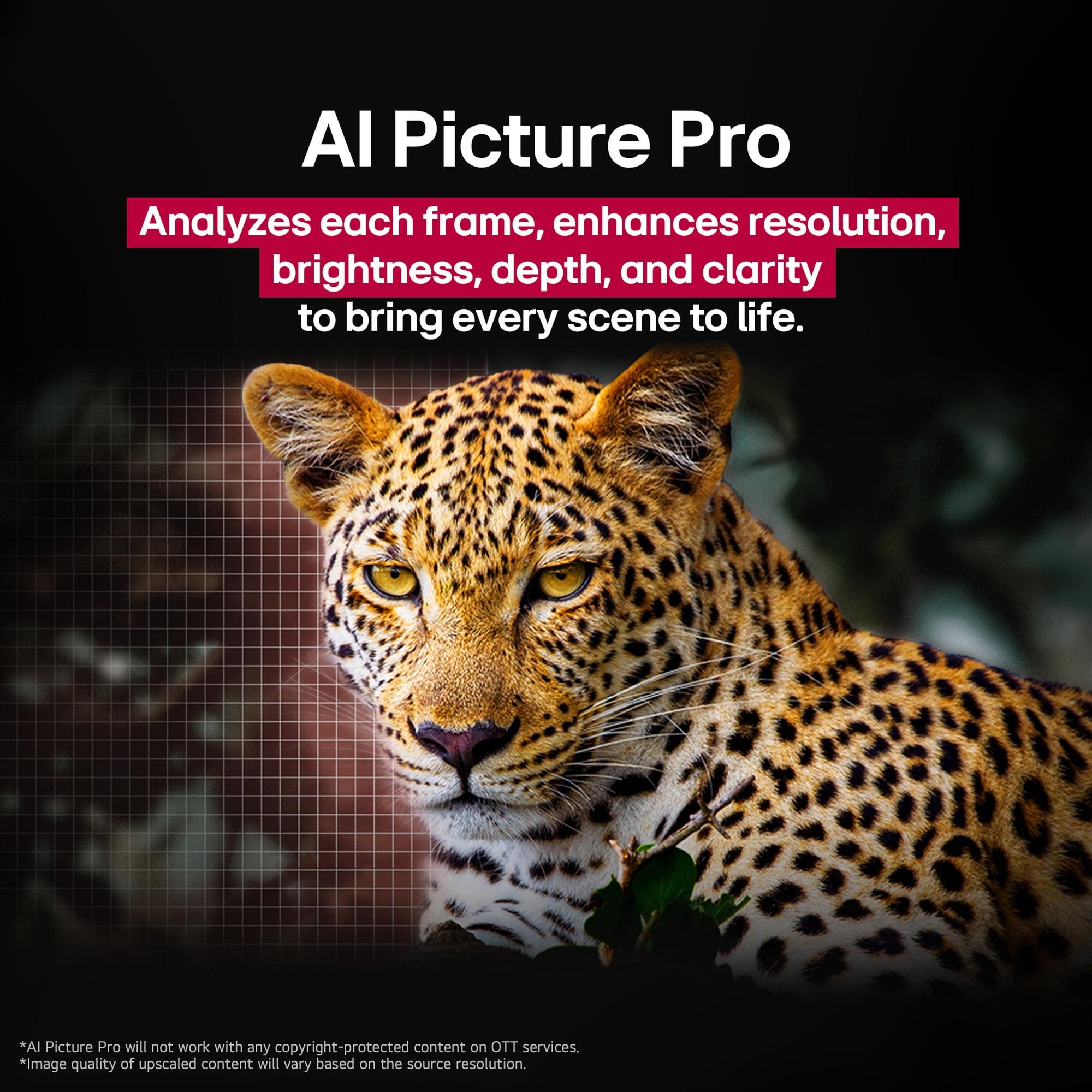
The LG B5's Alpha 8 AI Processor Gen2 takes a different approach, focusing on accuracy and filmmaker intent. The Filmmaker Mode preserves the original aspect ratios, color temperature, and frame rates that directors intended. This makes it particularly appealing for serious movie enthusiasts who want to see content as it was meant to be seen.
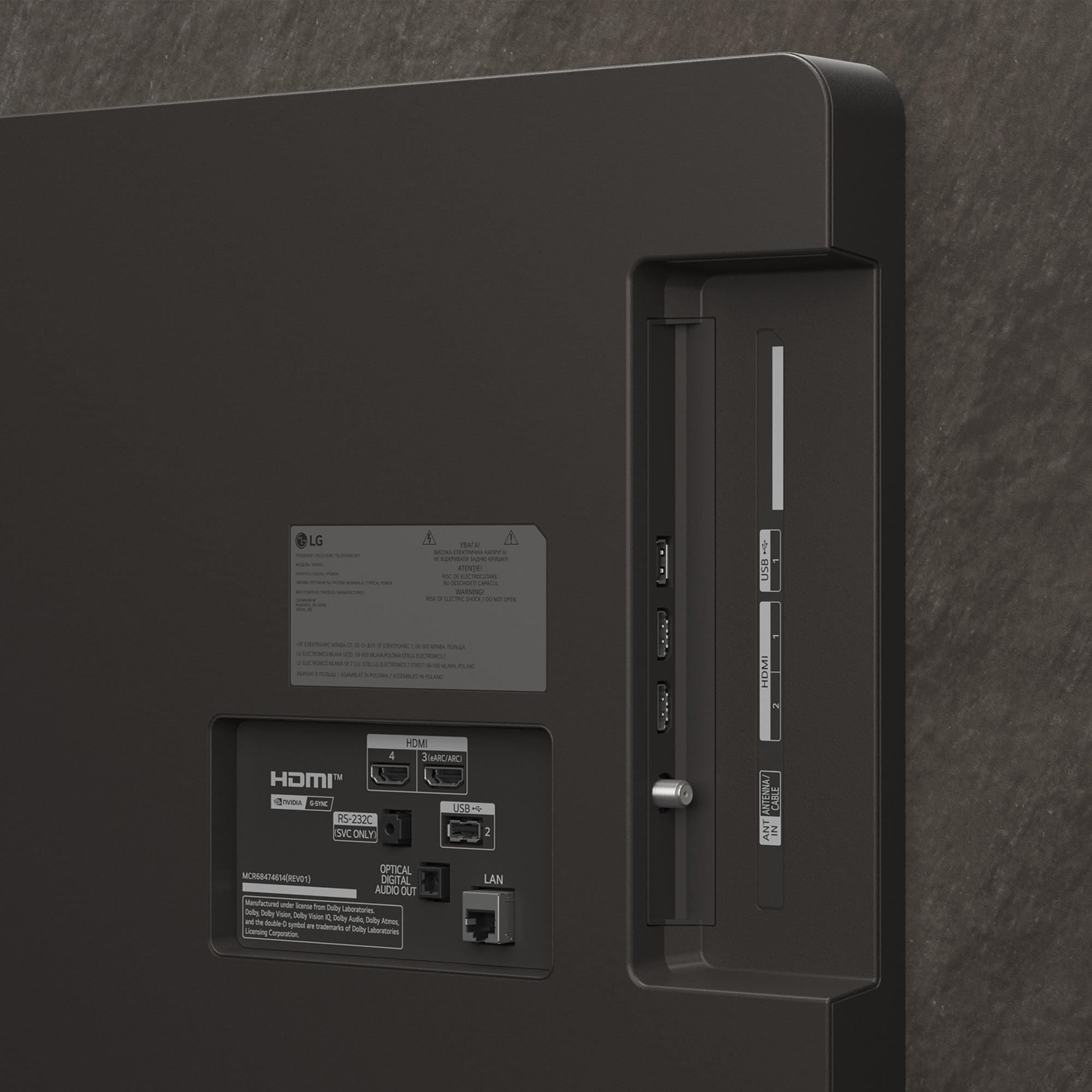
Gaming is where the LG B5 absolutely dominates. The native 120Hz refresh rate versus the Samsung's 60Hz limitation tells most of the story, but the details matter more. Four HDMI 2.1 ports on the LG versus three standard HDMI ports on the Samsung means the LG can handle multiple next-generation consoles and gaming PCs simultaneously at full 4K/120Hz resolution.
The response time difference is dramatic—0.1ms on the LG B5 compared to 10-15ms on the Samsung. While both numbers sound small, that difference is immediately noticeable in fast-paced games like Call of Duty or Rocket League. The LG's support for both NVIDIA G-Sync and AMD FreeSync Premium means smoother gameplay with reduced tearing, regardless of your graphics card choice.
The Samsung Q6F isn't terrible for gaming—its Auto Game Mode and VRR support make it adequate for casual gaming. But if you've invested in a PlayStation 5, Xbox Series X, or a high-end gaming PC, you're not getting the full potential from your hardware with the Samsung's 60Hz limitation.
Gaming Hub appears on both TVs, offering cloud gaming services like Xbox Game Pass Ultimate directly on the TV without needing a console. However, cloud gaming benefits significantly from the LG's lower input lag and higher refresh rate capabilities.
Both TVs offer sophisticated smart platforms, but with different strengths. The Samsung Q6F runs Tizen OS with Samsung's One UI interface, which feels familiar if you've used recent Samsung phones or tablets. The integration with SmartThings makes it particularly appealing if you have other Samsung devices—your TV can serve as a hub for smart home controls, and features like Q-Symphony let it work seamlessly with Samsung soundbars.
The LG B5 runs webOS 25, which has evolved into one of the most intuitive smart TV interfaces available. The AI features are more sophisticated—AI Voice ID creates personalized profiles that remember your preferences, while AI Search and the AI Concierge provide more natural interaction with the TV. Quick Cards allow you to organize apps into categories, which seems simple but makes daily navigation much faster.
Connectivity-wise, the LG includes Wi-Fi 6E compared to the Samsung's Wi-Fi 5. This might seem like a minor technical detail, but Wi-Fi 6E offers significantly faster wireless speeds and less congestion, which matters more as 4K and 8K streaming becomes commonplace.
Neither TV will blow you away with built-in audio—both feature 2-channel 20W speakers that get the job done but nothing more. The Samsung Q6F includes Object Tracking Sound Lite, which attempts to make audio follow movement on screen, but the effect is subtle with just two speakers.
The LG B5's AI Sound Pro offers 9.1.2 channel upscaling, creating a more immersive soundscape from the basic stereo speakers. It supports Dolby Atmos processing, though without height speakers, you're not getting true Atmos effects.
Both TVs really shine when paired with dedicated soundbars from their respective manufacturers. Samsung's Q-Symphony technology and LG's soundbar integration both offer enhanced audio experiences that make the TV speakers feel like part of a larger audio system rather than separate components.
For dedicated home theater setups, the LG B5 has significant advantages. The perfect blacks and infinite contrast ratio create a more cinematic experience, especially in dark rooms where you can fully appreciate the technology. The support for Dolby Vision and Filmmaker Mode means you're seeing movies as directors intended, with accurate colors and proper aspect ratios.
The Samsung Q6F works better in multi-purpose rooms where ambient light is a factor. Its higher peak brightness means HDR content remains impactful even with some lights on, and the vivid colors can actually enhance the viewing experience for certain content like sports or nature documentaries.
Motion handling differs between the technologies. OLED's instant pixel response eliminates motion blur almost entirely, making it superior for action movies and sports. The Samsung's Motion Xcelerator helps, but it can't match OLED's natural motion clarity.
OLED technology comes with some long-term considerations. Burn-in, where static images can leave permanent marks on the screen, remains a potential issue despite improvements. Modern OLEDs include pixel shift technology and automatic brightness limiting to minimize this risk, but it's still something to consider if you frequently watch news channels with static logos or use the TV for gaming with persistent UI elements.
The Samsung Q6F doesn't face burn-in concerns, and LED backlights typically maintain their brightness longer than OLED panels, which can dim slightly over many years of use. However, quantum dot sheets are now cadmium-free and should maintain color accuracy for many years.
Both manufacturers offer solid warranty coverage and software update commitments. Samsung promises seven years of software updates from 2023, while LG offers five years through their webOS ReNew program. These commitments help protect your investment as streaming services and smart features evolve.
Your room's lighting conditions significantly influence which TV performs better. The Samsung Q6F excels in bright environments—large windows, overhead lighting, or open floor plans where controlling light is difficult. The quantum dot technology and higher brightness levels ensure the picture remains vibrant and visible even with significant ambient light.
The LG B5 performs best in controlled lighting environments. This doesn't mean you need a dedicated theater room, but it does mean you'll appreciate it more in spaces where you can dim lights during viewing. The perfect blacks that make OLED special become less noticeable in bright rooms, diminishing one of its key advantages.
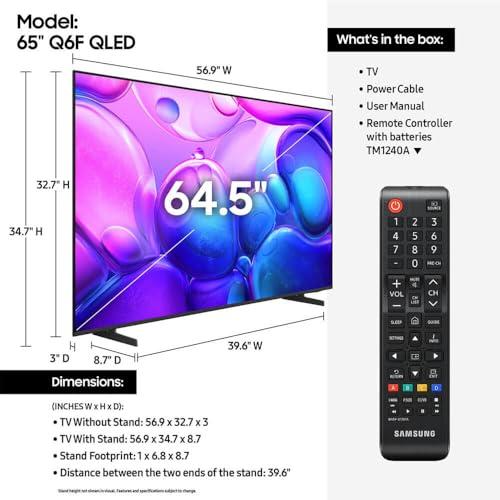
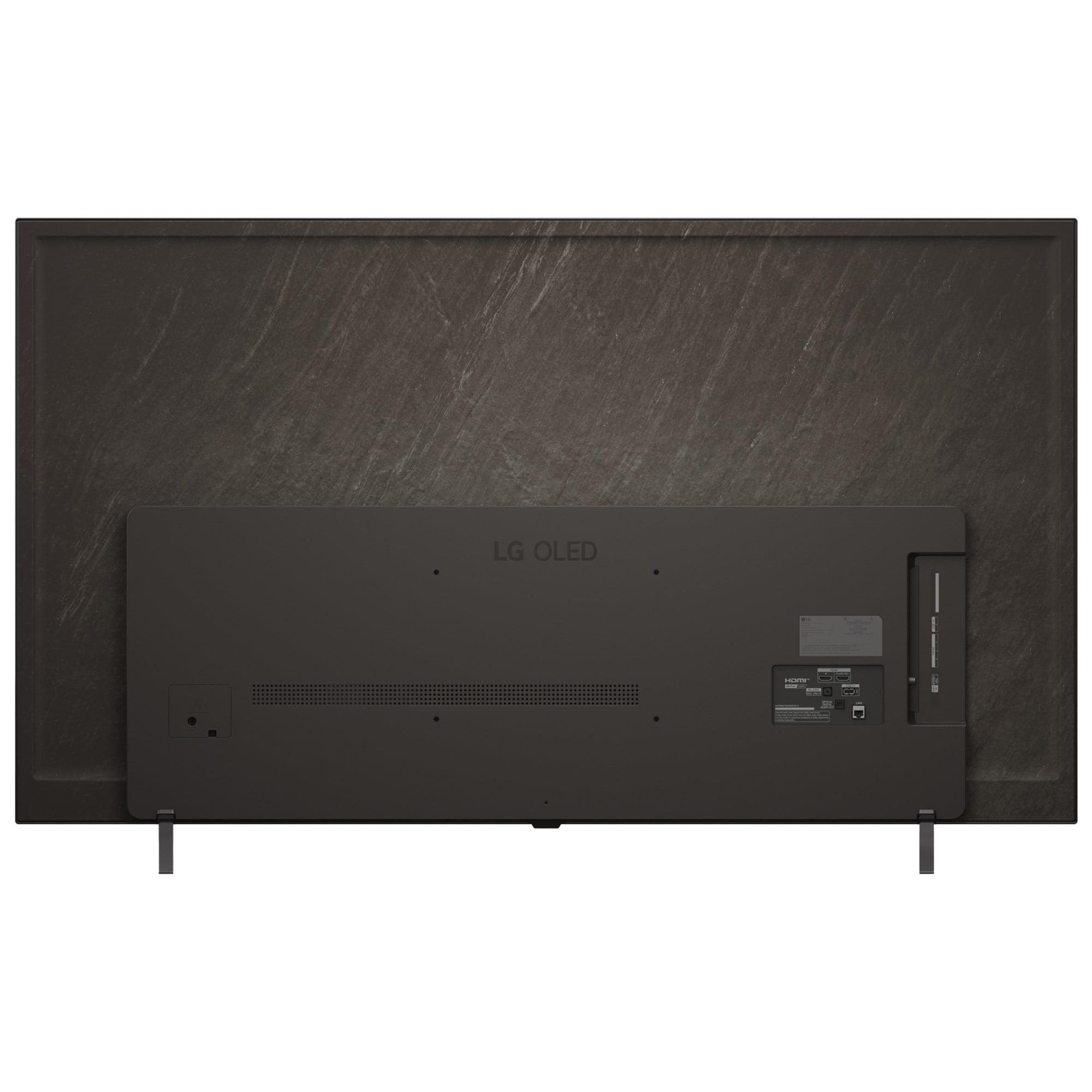
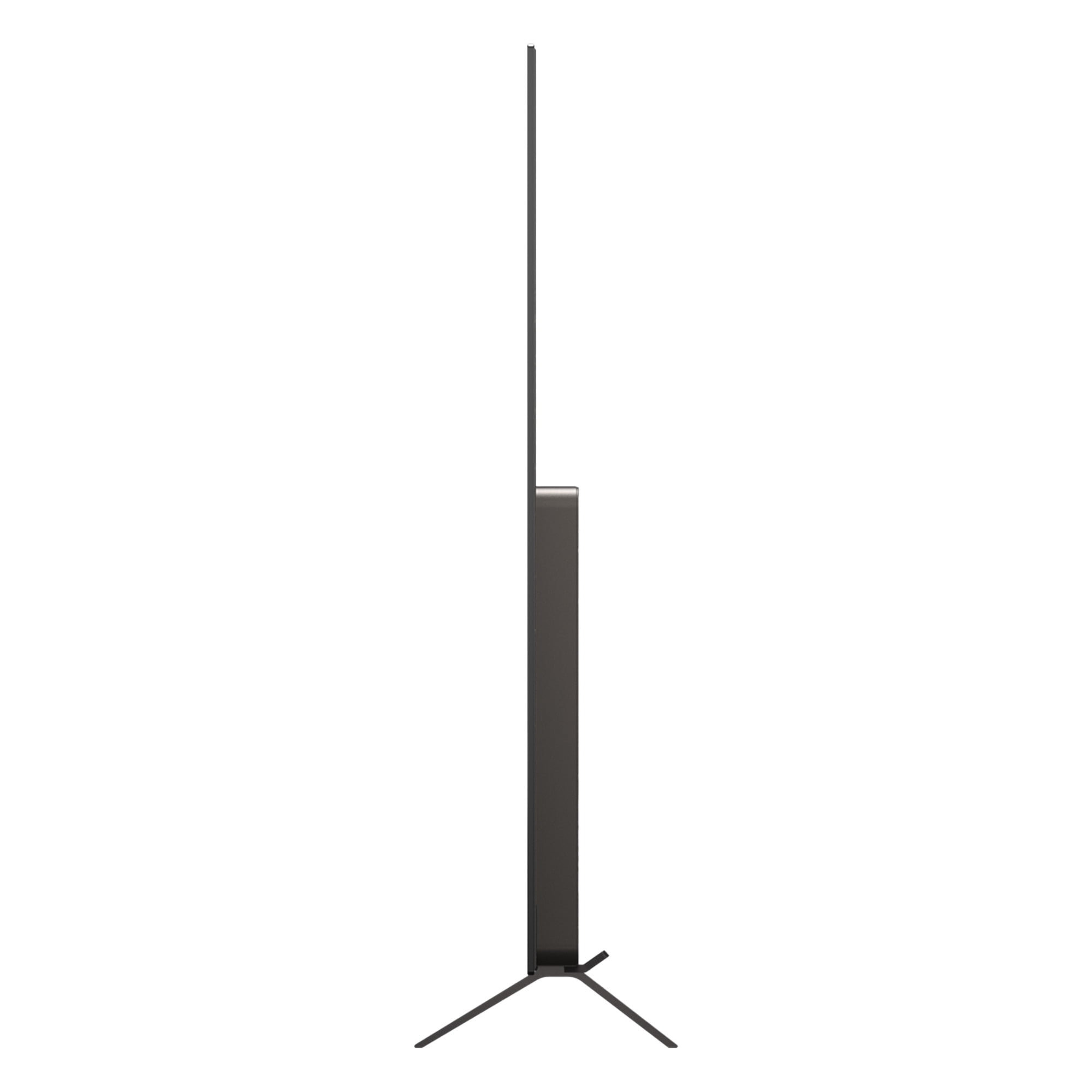
Both TVs support VESA mounting, but the LG's ultra-thin profile makes it particularly attractive when wall-mounted. The Samsung's slightly thicker design isn't unattractive, but OLED's thinness remains impressive even in 2025.
After evaluating user experiences and professional reviews, clear usage patterns emerge for each TV. The Samsung Q6F makes sense if your TV lives in a bright family room where it needs to perform well during daytime viewing. It's also the better choice for casual users who prioritize vibrant, eye-catching colors over technical accuracy, or for those already invested in Samsung's ecosystem of devices and services.
The LG B5 is the clear winner for serious gamers, movie enthusiasts, and anyone who wants cutting-edge display technology. If you have a PlayStation 5 or Xbox Series X, the gaming advantages alone justify choosing the LG. For home theater setups where picture quality is paramount, OLED's contrast superiority creates a more immersive experience.
At the time of writing, both TVs represent solid value in their respective categories, with the LG typically commanding a premium that reflects its advanced gaming features and OLED technology. The Samsung often offers better value for buyers who don't need OLED's specific advantages.
The decision ultimately comes down to your priorities: brightness and versatility versus contrast and gaming performance. Both are excellent TVs that will serve most users well, but understanding these fundamental differences ensures you choose the one that best matches your viewing habits and room setup.
| Samsung 65" QLED Q6F 4K Smart TV 2025 | LG B5 Series OLED 65" 4K Smart TV 2025 |
|---|---|
| Display Technology - Fundamental difference affecting all picture quality aspects | |
| QLED with Quantum Dot sheet and LED backlighting | WOLED with 8.3 million self-lit pixels |
| Black Levels & Contrast - Critical for movie watching and dark content | |
| Deep grays with UHD Dimming (cannot achieve true black) | Perfect blacks with infinite contrast ratio |
| Peak Brightness - Essential for bright room viewing and HDR impact | |
| Higher peak brightness, excellent for bright rooms | ~668 nits (better for controlled lighting environments) |
| Gaming Refresh Rate - Determines smoothness for gaming and sports | |
| 60Hz native (limits next-gen gaming potential) | 120Hz native (fully supports modern gaming) |
| Gaming Response Time - Input lag affects competitive gaming performance | |
| 10-15ms in Game Mode (adequate for casual gaming) | 0.1ms ultra-low latency (excellent for serious gaming) |
| HDMI 2.1 Ports - Number of high-bandwidth gaming/streaming devices supported | |
| 3 HDMI ports (4K/60Hz maximum) | 4 HDMI 2.1 ports (4K/120Hz each) |
| HDR Format Support - Affects streaming service compatibility | |
| HDR10+ and Quantum HDR | Dolby Vision, HDR10 Pro, Filmmaker Mode |
| Processor - Determines upscaling quality and AI features | |
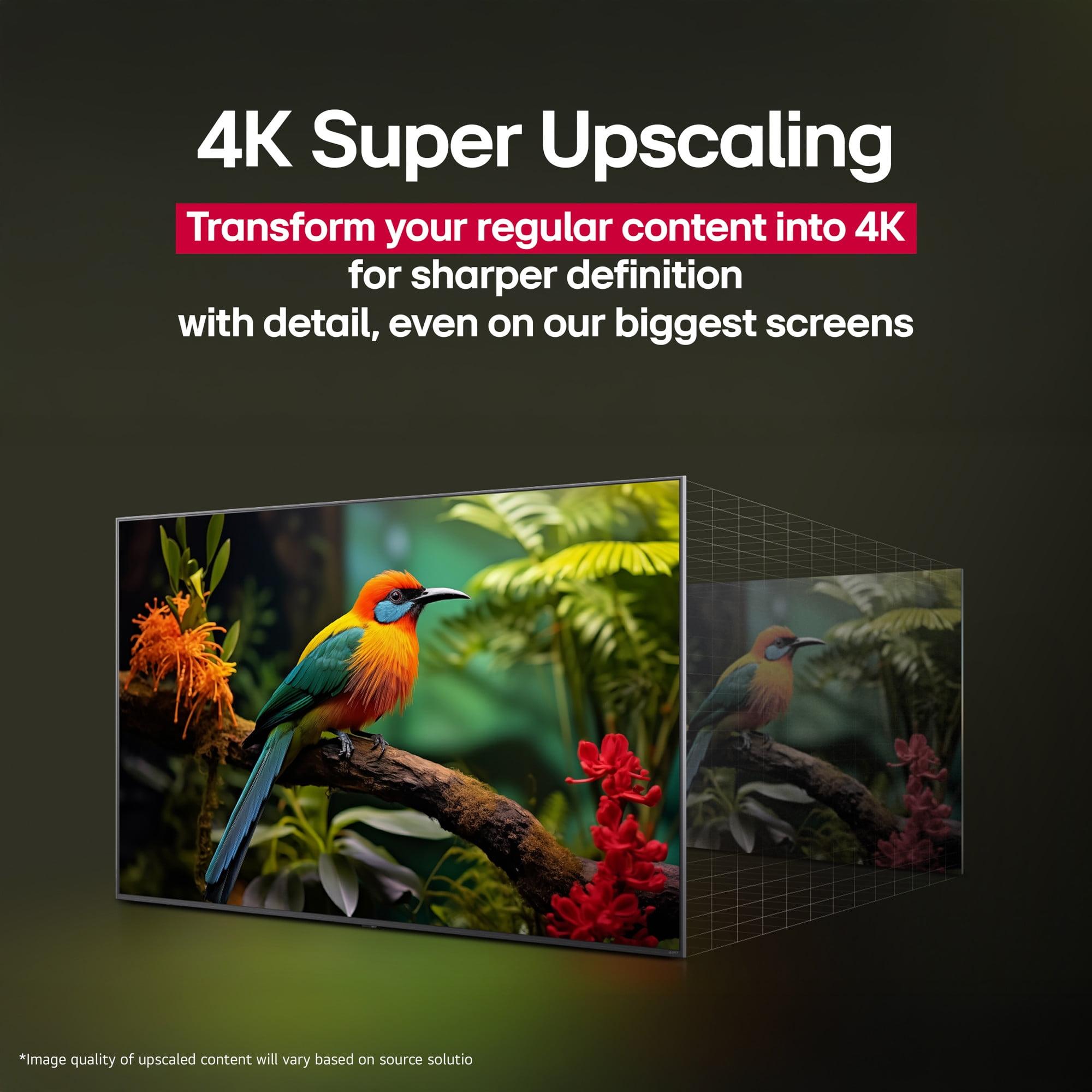
| Q4 Lite Processor with 4K upscaling | Alpha 8 AI Processor Gen2 (1.4x faster processing) |
| Smart TV Platform - Interface and long-term software support | |
| Tizen OS with One UI (7 years updates from 2023) | webOS 25 with AI enhancements (5 years updates) |
| Wi-Fi Standard - Network speed capability for 4K streaming | |
| Wi-Fi 5 (older standard, slower speeds) | Wi-Fi 6E (latest standard, faster speeds) |
| Best Room Environment - Where each TV performs optimally | |
| Bright rooms with ambient light | Dark or controlled lighting environments |
| Gaming Features - Support for advanced gaming technologies | |
| Auto Game Mode, VRR, Gaming Hub | NVIDIA G-Sync, AMD FreeSync Premium, VRR, ALLM, HGiG |
| Burn-in Risk - Long-term reliability consideration | |
| No burn-in risk with LED technology | Minimal but possible burn-in risk with OLED |
The LG B5 Series OLED delivers superior picture quality for movies due to its perfect blacks and infinite contrast ratio. Each pixel can turn completely off, creating true darkness that makes colors pop and details visible in dark scenes. The Samsung Q6F offers excellent brightness and vibrant colors but cannot achieve the deep blacks that enhance the cinematic experience.
The LG B5 OLED is significantly better for gaming with its 120Hz refresh rate, 0.1ms response time, and four HDMI 2.1 ports supporting 4K/120Hz. It includes NVIDIA G-Sync and AMD FreeSync Premium for smooth gameplay. The Samsung Q6F is limited to 60Hz and has higher input lag, making it suitable only for casual gaming.
The Samsung Q6F performs much better in bright rooms thanks to its QLED technology that achieves higher peak brightness levels. The quantum dot display maintains color accuracy even in direct sunlight. The LG B5 OLED can appear washed out in bright environments and is better suited for controlled lighting conditions.
No, they support different HDR formats. The Samsung Q6F supports HDR10+ and Quantum HDR but lacks Dolby Vision. The LG B5 OLED supports Dolby Vision and HDR10 Pro but does not support HDR10+. Consider which streaming services you use most, as Netflix and Disney+ favor Dolby Vision while Amazon Prime uses both formats.
Both TVs offer excellent smart features but with different strengths. The LG B5 runs webOS 25 with advanced AI features like voice ID and personalized recommendations, plus Wi-Fi 6E for faster connectivity. The Samsung Q6F uses Tizen OS with strong SmartThings integration and longer software support (7 years vs 5 years).
The Samsung Q6F has no burn-in risk and LED backlights typically maintain brightness longer. The LG B5 OLED has minimal burn-in risk with modern protections, but it's still a consideration for heavy gaming or news watching with static elements. Both offer solid warranty coverage and regular software updates.
The LG B5 OLED is ideal for dedicated home theater rooms with its perfect blacks, accurate colors, and Filmmaker Mode that preserves directors' intentions. The infinite contrast creates a more immersive cinematic experience in dark rooms. The Samsung Q6F works better for multi-purpose rooms where some ambient light is present.
Both TVs have similar 2-channel 20W speakers that are adequate but not exceptional. The Samsung Q6F includes Object Tracking Sound Lite, while the LG B5 offers AI Sound Pro with Dolby Atmos processing. Both benefit significantly from pairing with dedicated soundbars from their respective manufacturers.
The LG B5 OLED handles motion better due to its instant pixel response that eliminates motion blur completely. This makes it superior for fast-paced sports and action content. The Samsung Q6F uses Motion Xcelerator technology but cannot match OLED's natural motion clarity, though it's still acceptable for most sports viewing.
The LG B5 OLED offers superior connectivity with four HDMI 2.1 ports, Wi-Fi 6E, and two USB ports. The Samsung Q6F has three HDMI ports (not 2.1), Wi-Fi 5, and one USB port. The LG's connectivity is more future-proof for multiple gaming consoles and high-bandwidth streaming.
Value depends on your priorities. The Samsung Q6F typically offers better value for bright room viewing and casual use, with excellent color and smart features at a competitive entry-level QLED price. The LG B5 OLED provides better value for serious gamers and movie enthusiasts who want cutting-edge display technology and superior contrast performance.
Choose QLED (Samsung Q6F) if you watch TV primarily in bright rooms, prefer vibrant colors, don't need advanced gaming features, and want no burn-in concerns. Choose OLED (LG B5) if you watch movies in darker rooms, are a serious gamer, want the best contrast for home theater, and don't mind minimal burn-in risk for superior picture quality.
We've done our best to create useful and informative comparisons to help you decide what product to buy. Our research uses advanced automated methods to create this comparison and perfection is not possible - please contact us for corrections or questions. These are the sites we've researched in the creation of this article: tomsguide.com - bestbuy.com - samsung.com - rtings.com - youtube.com - rtings.com - bestbuy.com - samsung.com - samsung.com - samsung.com - manuals.plus - shopjetson.com - samsung.com - samsung.com - samsung.com - samsung.com - bestbuy.com - jefflynch.com - eftm.com - bestbuy.com - rtings.com - youtube.com - rtings.com - tomsguide.com - youtube.com - nationalproductreview.com.au - lg.com - manchesterbrothers.com - avsforum.com - lg.com - lg.com - lg.com - lg.com - retailspecs.com - american-homeappliance.com - perpichtv.com

Privacy Policy
Terms and Conditions - Affiliate Policy
Home Security
© Copyright 2008-2026.
11816 Inwood Rd #1211, Dallas, TX 75244