


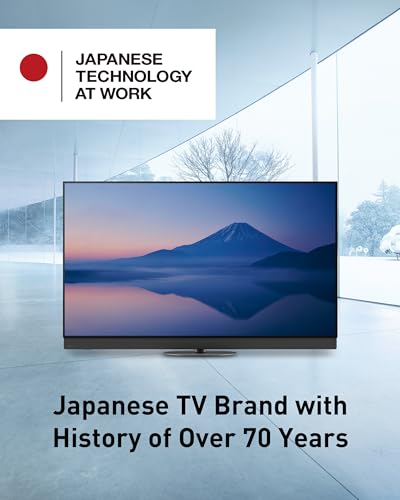
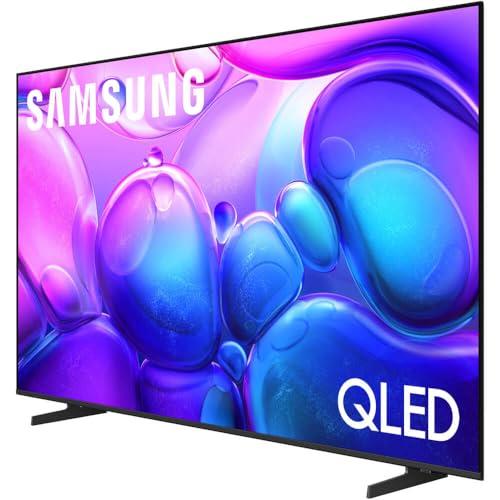
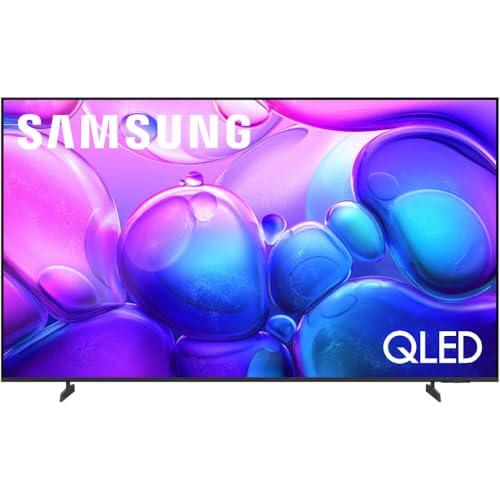
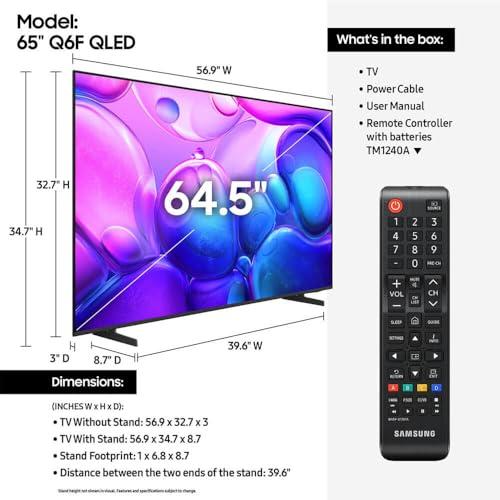

When shopping for a 65-inch 4K TV, you'll quickly discover that not all displays are created equal. The Panasonic Z95B Series 65" OLED 4K Smart Fire TV and Samsung 65" QLED Q6F 4K Smart TV 2025 represent two completely different philosophies in television design—and their price tags reflect that difference dramatically.
At the time of writing, the Panasonic Z95B commands flagship pricing in the $3,000+ range, while the Samsung Q6F sits comfortably in budget territory under $700. That's not a typo—we're talking about a price difference of over $2,500 between these 65-inch models. But what exactly are you getting (or giving up) for that money?
The core difference between these TVs lies in how they produce light and color. The Panasonic Z95B uses OLED (Organic Light-Emitting Diode) technology, where each pixel generates its own light. Think of it like having 8.3 million tiny light bulbs that can turn completely on, completely off, or anything in between. When a pixel needs to display black, it simply turns off—creating true, perfect black levels.
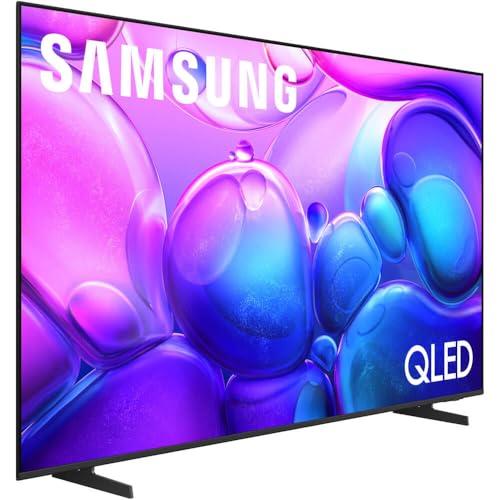
The Samsung Q6F, on the other hand, uses QLED (Quantum Dot Light-Emitting Diode) technology. This is essentially an enhanced LED-LCD TV where a backlight shines through quantum dot particles that convert blue light into precise red and green wavelengths. The "Q" in QLED refers to these quantum dots—microscopic semiconductor particles that improve color purity and brightness.
Here's where it gets interesting: QLED TVs like the Samsung Q6F typically produce much brighter images than OLED displays, but they can't achieve true black levels because the backlight is always on to some degree. OLED TVs like the Panasonic Z95B deliver perfect blacks and infinite contrast ratios, but they're generally not as bright as their QLED counterparts.
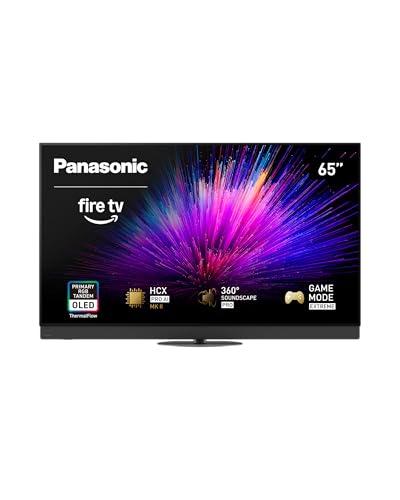
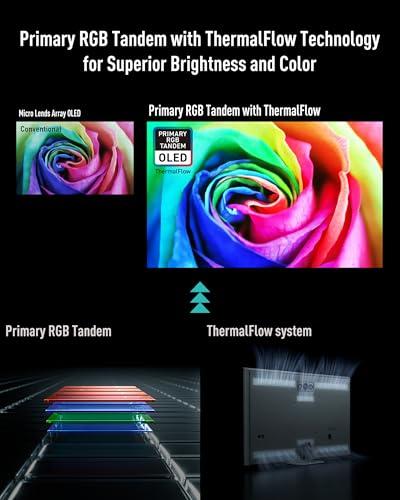
Released in 2025, the Panasonic Z95B represents a significant leap forward in OLED technology. The biggest innovation is its Primary RGB Tandem OLED panel—a mouthful of technical terms that translates to some impressive real-world benefits.
Traditional OLED panels use white OLED subpixels with color filters, but this Primary RGB Tandem design uses dedicated red, green, and blue OLED materials in a four-layer emission structure. Specifically, it includes one red layer, one green layer, and two blue layers. This approach increases light efficiency by about 40% compared to conventional OLED panels, meaning brighter, more vibrant images without sacrificing the perfect blacks that make OLED special.
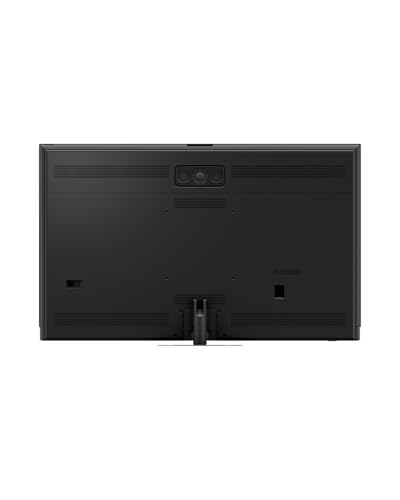
What really sets the Panasonic Z95B apart is its ThermalFlow cooling system. OLED panels generate heat, and heat is the enemy of sustained brightness and longevity. Panasonic borrowed aerodynamic principles from race car design to create a cooling system that maintains peak panel performance over time. Think of it as a sophisticated ventilation system that keeps the OLED materials operating at optimal temperatures.
The HCX Pro AI Processor MK II handles the brain work, using artificial intelligence and mathematical models to optimize picture quality in real-time. It's particularly impressive at upscaling lower-resolution content—taking that 1080p Netflix show and making it look surprisingly good on a 4K screen by intelligently filling in the missing detail.
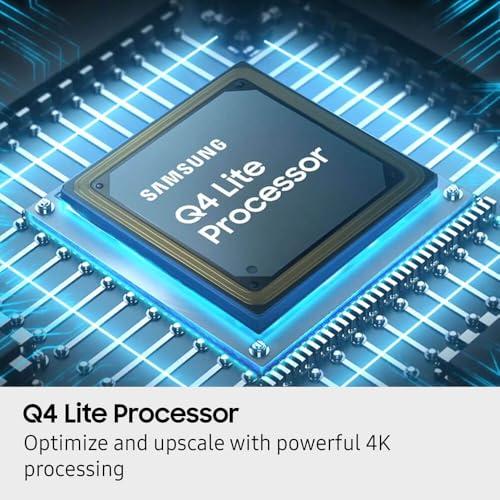
The 2025 Samsung Q6F takes a different approach, prioritizing affordability while still delivering quantum dot color enhancement. The Q4 Lite Processor may not have the AI sophistication of Panasonic's offering, but it handles 4K upscaling competently and optimizes both picture and sound based on what you're watching.
Samsung's Quantum Dot technology in the Q6F delivers what the company calls "100% Color Volume"—essentially meaning colors stay vibrant and accurate even at high brightness levels. The quantum dots act like incredibly precise color filters, ensuring that red stays red and blue stays blue, regardless of how bright the scene gets.
The Samsung Q6F uses either edge-lit or direct-lit LED backlighting (Samsung isn't entirely clear on this specification). Edge-lit means LEDs are positioned around the perimeter of the screen, while direct-lit places LEDs directly behind the panel. Neither approach offers local dimming in this price range, which means the entire backlight adjusts together rather than dimming specific zones for better contrast.
Based on our research of expert reviews and user feedback, the picture quality difference between these TVs is substantial—exactly what you'd expect given their price gap.
The Panasonic Z95B delivers what many consider reference-level picture quality. Perfect black levels create an infinite contrast ratio, meaning bright objects appear to float against completely dark backgrounds. This is particularly noticeable in movie scenes with bright stars against dark space, or neon signs at night. The OLED's pixel-level control means you won't see any haloing or blooming around bright objects—a common issue with LED-backlit displays.
Color accuracy on the Panasonic Z95B is exceptional, particularly after proper calibration. The TV supports both Dolby Vision and HDR10+ (a rare combination), meaning it can properly display content mastered in either dynamic HDR format. Filmmaker Mode preserves the director's creative intent by turning off post-processing effects, while Prime Video Calibrated Mode optimizes the display specifically for Amazon's streaming service.
The Samsung Q6F approaches picture quality differently. While it can't match OLED's perfect blacks, it typically produces brighter images overall. This brightness advantage makes it more suitable for well-lit rooms where an OLED might look washed out. The quantum dot color enhancement does deliver impressive color saturation, though it may appear more "punchy" than accurate compared to professional reference monitors.
However, the Samsung Q6F has some notable limitations. Viewing angles are restricted—colors shift and contrast degrades when you move off-center. Black levels appear more like dark gray, particularly noticeable in dark movie scenes. Without local dimming, bright objects in dark scenes can cause the entire image to appear slightly washed out.
HDR (High Dynamic Range) performance represents one of the most significant differences between these displays. HDR content contains a much wider range of brightness and color information than standard video, but your TV needs to decode and display that information properly.
The Panasonic Z95B supports virtually every HDR format: HDR10, HDR10+, HLG, and Dolby Vision IQ. The "IQ" designation means it uses ambient light sensors to optimize the HDR presentation based on your room's lighting conditions. Interestingly, several reviews noted that HDR10 content actually looked better than Dolby Vision on this model, with fewer artifacts in darker scenes.
The Samsung Q6F supports HDR10, HDR10+, and HLG but notably lacks Dolby Vision support. This isn't unusual for Samsung TVs, as the company prefers HDR10+ (which they helped develop) over Dolby's competing standard. While both formats achieve similar results, some streaming content is exclusively mastered in Dolby Vision, meaning you might miss out on the optimal viewing experience for certain shows and movies.
In terms of actual HDR performance, the Panasonic Z95B excels at shadow detail—those subtle gradations in dark scenes that reveal hidden details. The Samsung Q6F handles bright HDR highlights better due to its higher peak brightness, but it can't match the OLED's performance in darker content.
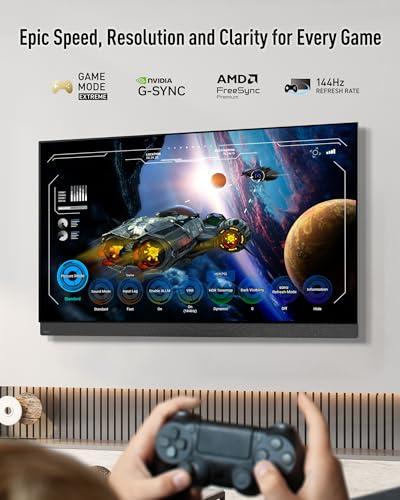
Gaming capabilities reveal another significant gap between these TVs. The Panasonic Z95B was clearly designed with next-generation gaming in mind, supporting refresh rates up to 144Hz with Variable Refresh Rate (VRR) technology. VRR synchronizes the TV's refresh rate with your gaming console's frame rate, eliminating screen tearing and stuttering for smoother gameplay.
The TV also supports both AMD FreeSync Premium and NVIDIA G-SYNC Compatible standards, meaning it works optimally with graphics cards from either manufacturer. Game Mode Extreme reduces input lag to extremely low levels—the delay between when you press a button and when the action appears on screen.
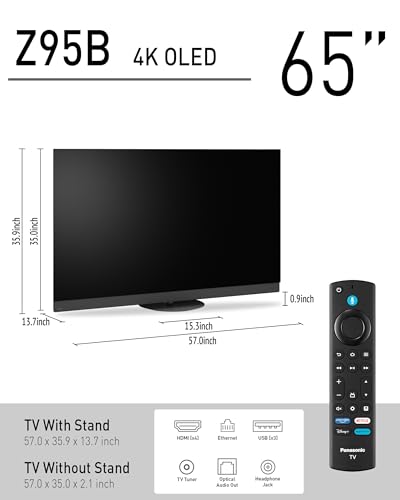
However, the Panasonic Z95B has one significant limitation: only two HDMI 2.1 ports. If you have a PlayStation 5, Xbox Series X, and a high-end gaming PC, you'll need to do some cable swapping or invest in an HDMI switch.
The Samsung Q6F takes a more basic approach to gaming. Its 60Hz refresh rate and standard VRR support are adequate for casual gaming, but it can't take full advantage of next-generation consoles' capabilities. All HDMI ports are limited to 4K at 60Hz maximum, though it does support Auto Game Mode (ALLM) for automatic low-latency switching when gaming.
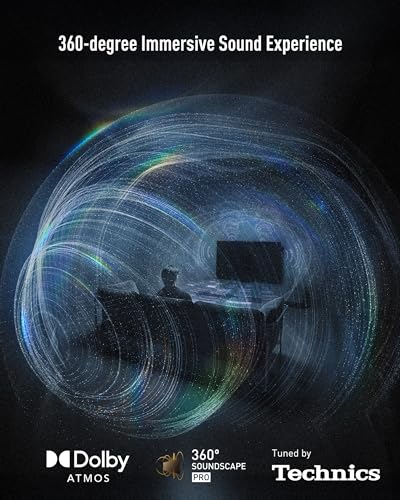
This category showcases one of the most dramatic differences between these TVs. The Panasonic Z95B features what Panasonic calls "360° Soundscape Pro"—a sophisticated 5.1.2 channel audio system with Dolby Atmos support. The speaker configuration includes line array drivers, side-firing speakers, and up-firing speakers that bounce sound off your ceiling to create height effects.
Technics (Panasonic's premium audio brand) tuned this system specifically for the TV's acoustics. The result is genuinely impressive built-in audio that can eliminate the need for a separate soundbar in many rooms. The 170-watt total power output provides adequate volume for most spaces, and the spatial audio processing creates a surprisingly wide soundstage.
The Samsung Q6F includes a basic 2-channel stereo system with 20 watts of total power. While Object Tracking Sound Lite attempts to make audio follow on-screen action, the limited speaker configuration can't compete with the Panasonic's setup. Samsung does include Q-Symphony compatibility, which allows the TV's speakers to work in harmony with compatible Samsung soundbars, but you'll likely want to budget for external audio with this model.
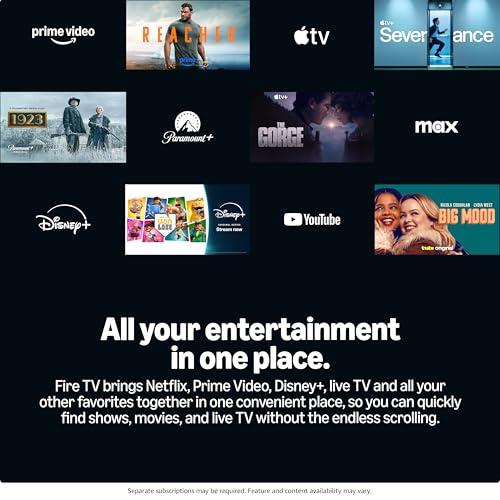
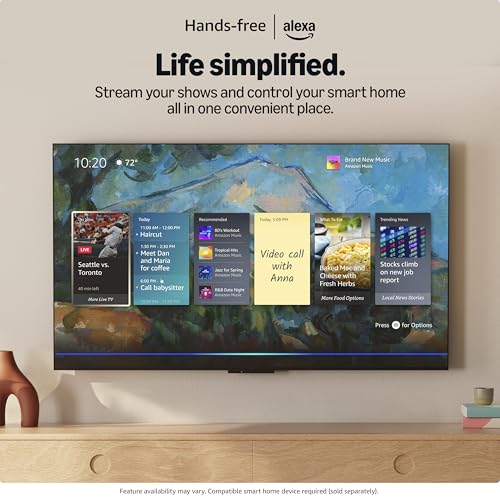
Both TVs run capable smart TV platforms, though with different approaches. The Panasonic Z95B uses Amazon's Fire TV OS, which provides a content-forward interface with personalized recommendations from various streaming services. Hands-free Alexa integration lets you control the TV, search for content, and manage smart home devices using voice commands. Apple AirPlay support allows easy streaming from iOS devices.
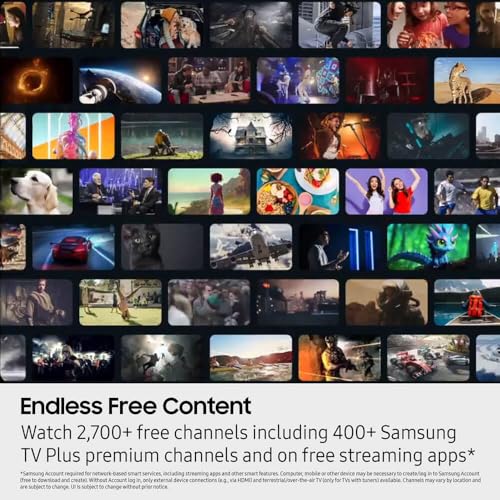
The Samsung Q6F runs Samsung's Tizen OS, which has evolved into one of the most responsive and feature-rich smart TV platforms. Samsung TV Plus provides access to hundreds of free streaming channels, while SmartThings integration allows the TV to act as a smart home hub. The interface generally feels snappier than Fire TV, though some users prefer Amazon's content discovery approach.
For dedicated home theater setups, the Panasonic Z95B clearly takes the lead. Its perfect black levels, wide viewing angles, and comprehensive HDR support make it ideal for darkroom movie watching. The built-in Dolby Atmos audio system can serve as the foundation for a surround sound setup, though serious enthusiasts will likely still prefer a dedicated receiver and speaker system.
The TV's Filmmaker Mode and professional calibration support (including Calman and ISFccc compatibility) ensure you're seeing movies as directors intended. The variety of HDR format support means you won't miss out on the optimal viewing experience regardless of how your content was mastered.
The Samsung Q6F faces some challenges in home theater applications. Limited viewing angles mean off-center seats won't enjoy optimal picture quality. The lack of local dimming and perfect blacks can make dark movie scenes appear flat. However, its high brightness capability makes it better suited for rooms with ambient light that can't be completely controlled.
The decision between these TVs ultimately comes down to budget, viewing priorities, and room setup. The Panasonic Z95B makes sense if you're building a serious home theater setup, prioritize picture quality above all else, and can justify the premium pricing. It's particularly compelling if you watch a lot of movies and TV shows in darkened rooms where OLED's advantages shine brightest.
The Samsung Q6F serves buyers who want a large 4K TV with smart features and decent picture quality without breaking the bank. It's ideal for bright living rooms, casual viewing, and situations where the TV will primarily display cable/satellite programming and streaming content rather than carefully mastered 4K movies.
For gaming enthusiasts, the choice depends on your setup. If you have next-generation consoles and want to experience 120Hz gaming, the Panasonic Z95B is the clear winner despite its HDMI port limitation. Casual gamers will find the Samsung Q6F perfectly adequate.
The $2,500+ price difference reflects fundamentally different product philosophies. You're not just paying more for better specifications with the Panasonic Z95B—you're buying into an entirely different class of display technology with premium features that justify the cost for the right user. The Samsung Q6F delivers solid value by focusing on the essentials: good color, adequate brightness, and reliable smart TV functionality at an accessible price point.
Both TVs serve their intended markets well, but understanding these differences will help you choose the one that best matches your needs, budget, and viewing environment.
| Panasonic Z95B Series 65" OLED 4K Smart Fire TV | Samsung 65" QLED Q6F 4K Smart TV 2025 |
|---|---|
| Display Technology - Fundamentally affects contrast, blacks, and viewing experience | |
| Primary RGB Tandem OLED with perfect blacks and infinite contrast | Quantum Dot QLED with LED backlighting, no local dimming |
| Peak Brightness - Critical for HDR impact and bright room viewing | |
| Moderate OLED brightness, optimized for dark rooms | Higher peak brightness, better for bright environments |
| Black Levels - Essential for movie watching and dark scene detail | |
| Perfect blacks (pixels turn completely off) | Dark gray blacks due to always-on backlight |
| Viewing Angles - Important for family seating arrangements | |
| Excellent color accuracy from any angle | Limited angles, color shifting when viewed off-center |
| HDR Format Support - Determines compatibility with streaming content | |
| HDR10, HDR10+, Dolby Vision IQ, HLG (comprehensive support) | HDR10, HDR10+, HLG (no Dolby Vision support) |
| Gaming Performance - Matters for next-gen console owners | |
| 144Hz, VRR, FreeSync Premium, G-SYNC Compatible, 2 HDMI 2.1 ports | 60Hz, basic VRR, 3 HDMI ports limited to 4K@60Hz |
| Built-in Audio - Reduces need for external speakers | |
| 360° Soundscape Pro 5.1.2 Dolby Atmos system (170W, Technics-tuned) | Basic 2CH stereo (20W), requires external audio for quality sound |
| Smart TV Platform - Affects daily usability and app performance | |
| Fire TV OS with hands-free Alexa, comprehensive streaming apps | Tizen OS with Samsung TV Plus, generally more responsive interface |
| Processor & Upscaling - Important for non-4K content quality | |
| HCX Pro AI Processor MK II with advanced AI upscaling | Q4 Lite Processor with basic 4K upscaling |
| Professional Features - Valuable for home theater enthusiasts | |
| Filmmaker Mode, Prime Video Calibrated, Calman/ISFccc calibration support | Filmmaker Mode, Color Booster, basic picture adjustments |
| Burn-in Risk - Long-term reliability consideration | |
| OLED susceptible to permanent image retention with static content | No burn-in risk with quantum dot LED technology |
| Value Positioning - Market segment and target buyer | |
| Flagship OLED competing with premium models, justifies cost for picture quality | Entry-level QLED offering solid features at accessible pricing |
The Panasonic Z95B OLED is significantly better for dark room viewing. Its OLED technology produces perfect blacks by turning pixels completely off, creating an infinite contrast ratio that makes movies look cinematic. The Samsung Q6F QLED uses LED backlighting that can't achieve true blacks, resulting in a washed-out appearance in dark scenes.
OLED TVs like the Panasonic Z95B have pixels that generate their own light and can turn completely off for perfect blacks. QLED TVs like the Samsung Q6F use LED backlights shining through quantum dot filters, producing brighter images but unable to achieve true black levels. This fundamental difference affects contrast, viewing angles, and overall picture quality.
The Samsung Q6F QLED performs better in bright rooms due to its higher peak brightness and better reflection handling. The Panasonic Z95B OLED, while excellent in dark environments, can appear dimmer and more washed out when competing with ambient light from windows or overhead lighting.
The Panasonic Z95B offers superior gaming support with 144Hz refresh rate, VRR, and HDMI 2.1 ports that fully utilize PlayStation 5 and Xbox Series X capabilities. The Samsung Q6F is limited to 60Hz gaming and basic features, making it suitable for casual gaming but not optimal for next-generation console performance.
The Panasonic Z95B OLED features a sophisticated 360° Soundscape Pro system with 5.1.2 Dolby Atmos speakers that can eliminate the need for a soundbar in many setups. The Samsung Q6F has basic stereo speakers that provide adequate sound but will likely require external audio equipment for quality home theater experience.
The Panasonic Z95B supports all major HDR formats including Dolby Vision, HDR10+, HDR10, and HLG, ensuring compatibility with any streaming content. The Samsung Q6F QLED supports HDR10+, HDR10, and HLG but lacks Dolby Vision support, which could limit optimal viewing of some Netflix and streaming content.
This depends on your budget and priorities. The Samsung Q6F offers excellent value for buyers wanting a large 4K TV with smart features at an affordable price point. The Panasonic Z95B OLED provides premium picture quality and features that justify its higher cost for serious home theater enthusiasts.
Both TVs handle 4K streaming effectively, though with different strengths. The Panasonic Z95B uses advanced AI processing for superior upscaling and picture optimization. The Samsung Q6F provides solid 4K streaming performance with quantum dot color enhancement, though with less sophisticated processing capabilities.
The Samsung Q6F QLED has significant viewing angle limitations with color shifting and contrast degradation when viewed off-center. The Panasonic Z95B OLED maintains excellent picture quality from virtually any viewing angle, making it better for larger families or wide seating arrangements.
The Panasonic Z95B is specifically designed for home theater use with perfect blacks, comprehensive HDR support, Filmmaker Mode, and professional calibration options. The Samsung Q6F can work in home theater setups but lacks the contrast performance and viewing angles needed for optimal cinematic experiences.
The Panasonic Z95B uses Fire TV OS with hands-free Alexa and comprehensive streaming app support. The Samsung Q6F QLED runs Tizen OS, which is generally more responsive with Samsung TV Plus free channels and SmartThings integration. Both platforms are capable, with the choice often coming down to ecosystem preference.
The Panasonic Z95B OLED has potential burn-in risks with static content like news tickers or gaming HUDs, though modern OLEDs have improved significantly. The Samsung Q6F has no burn-in concerns due to its LED technology, making it more worry-free for varied content consumption patterns.
We've done our best to create useful and informative comparisons to help you decide what product to buy. Our research uses advanced automated methods to create this comparison and perfection is not possible - please contact us for corrections or questions. These are the sites we've researched in the creation of this article: rtings.com - whathifi.com - techradar.com - tomsguide.com - youtube.com - youtube.com - youtube.com - avsforum.com - bestbuy.com - manuals.plus - na.panasonic.com - panasonic.com - displayspecifications.com - valueelectronics.com - flatpanelshd.com - valueelectronics.com - displayspecifications.com - flatpanelshd.com - tomsguide.com - bestbuy.com - samsung.com - rtings.com - youtube.com - rtings.com - bestbuy.com - samsung.com - samsung.com - samsung.com - manuals.plus - shopjetson.com - samsung.com - samsung.com - samsung.com - samsung.com - bestbuy.com - jefflynch.com

Privacy Policy
Terms and Conditions - Affiliate Policy
Home Security
© Copyright 2008-2026.
11816 Inwood Rd #1211, Dallas, TX 75244