

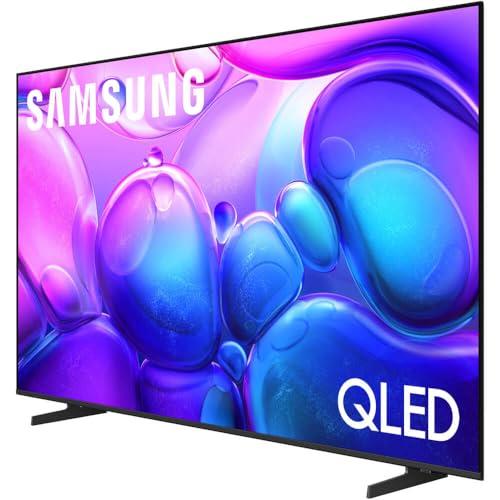
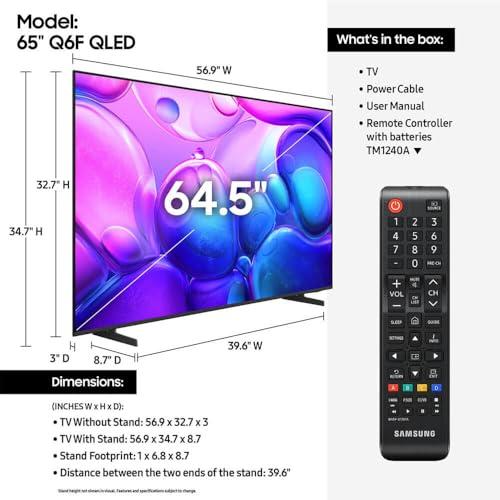
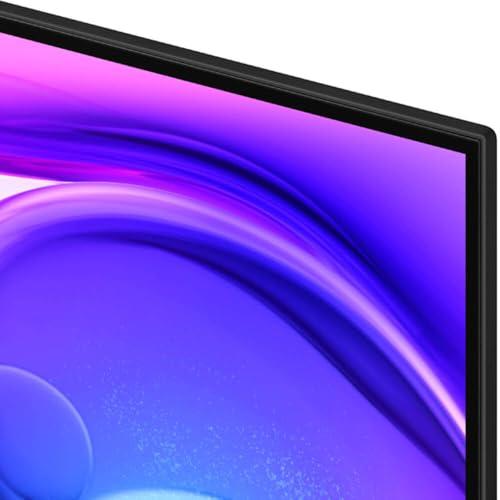
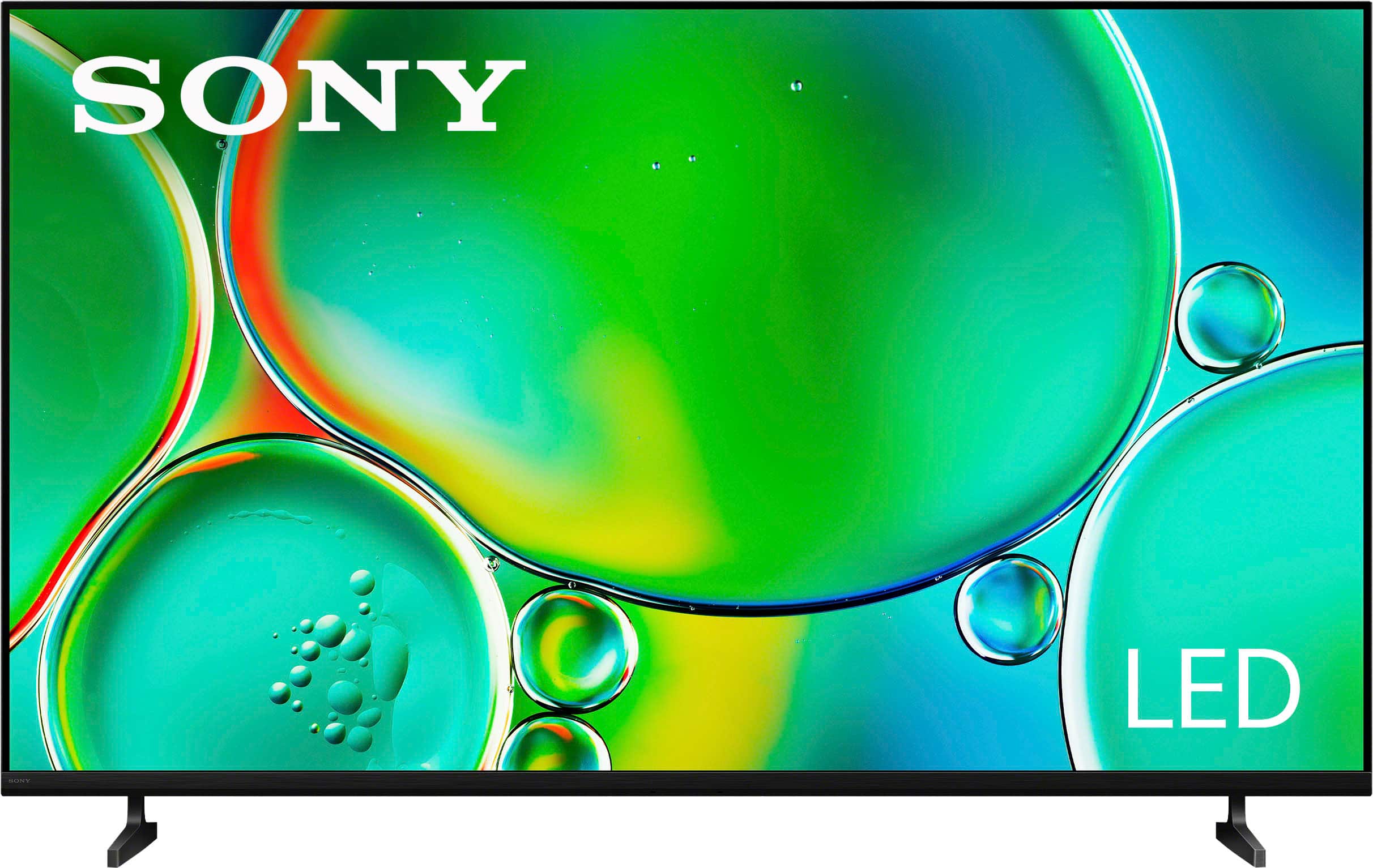
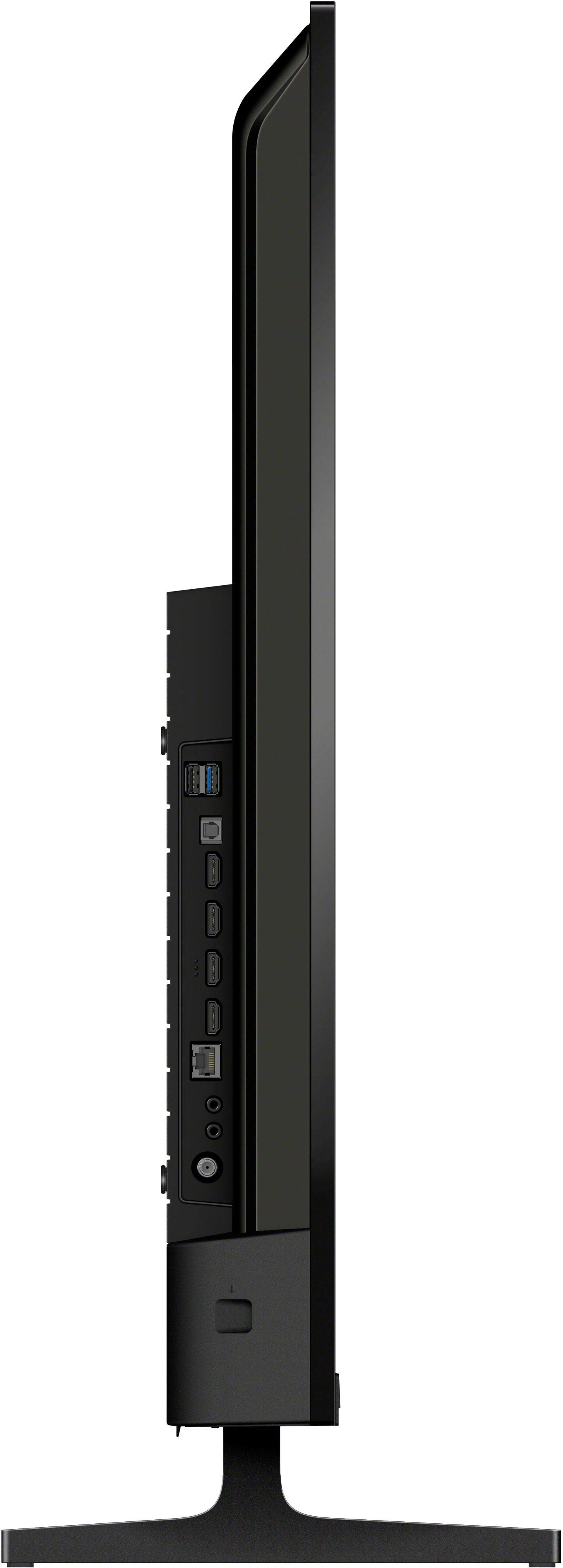
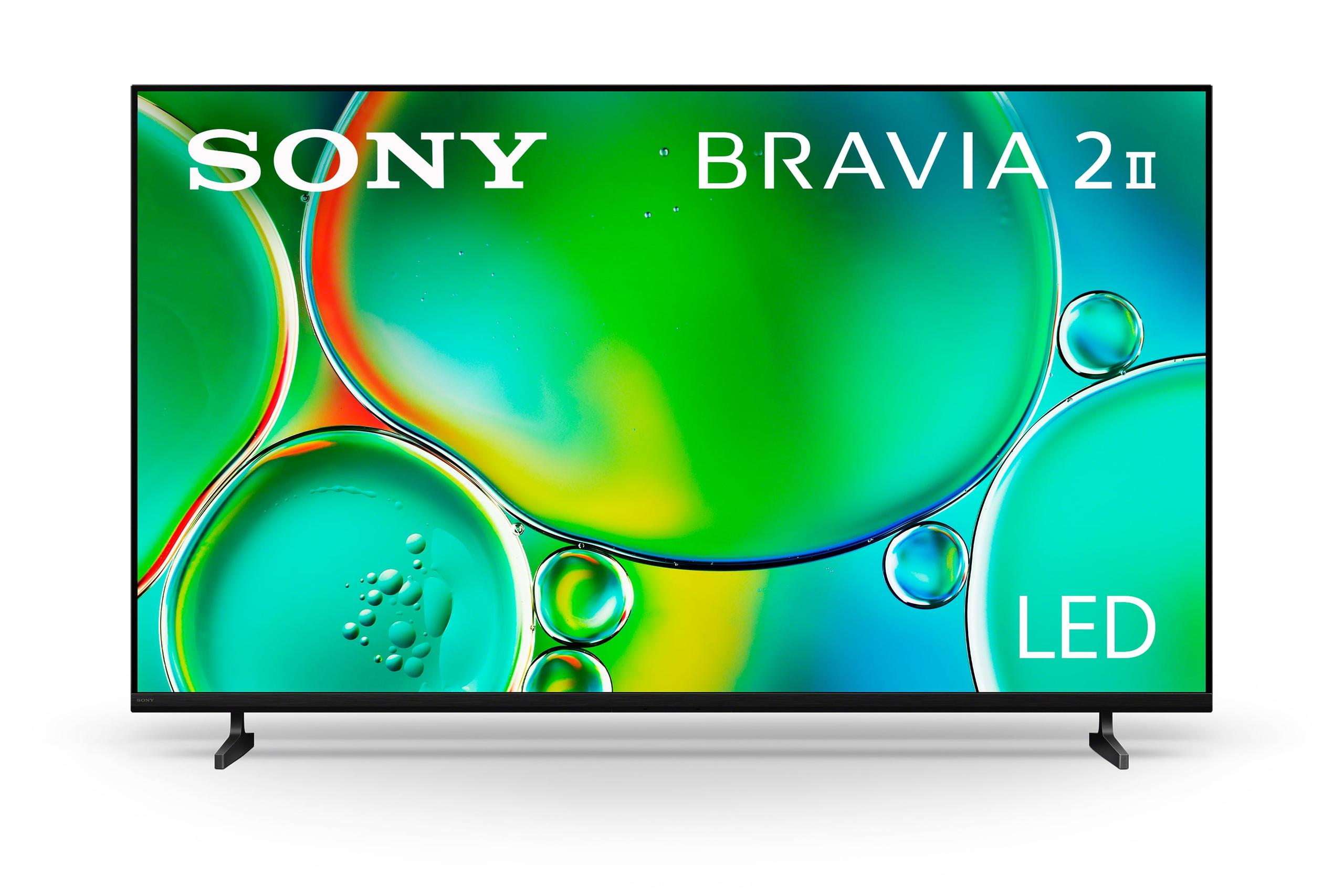



The entry-level 4K TV market in 2025 presents an interesting dilemma for budget-conscious buyers. You want the crisp detail of Ultra HD without breaking the bank, but choosing between display technologies can feel overwhelming. Two standout options emerged this year: the Samsung 65" QLED Q6F and the Sony BRAVIA 2 II 65" 4K LED. Both promise excellent 4K viewing experiences at accessible prices, but they take fundamentally different approaches to get there.
Understanding what separates these TVs matters because your choice will shape your viewing experience for years to come. The Samsung Q6F brings quantum dot color technology to the entry level, while the Sony BRAVIA 2 II focuses on processing excellence and audio performance. Let's dig into what makes each tick and which might work better for your specific needs.
Both televisions launched in 2025 as manufacturers refined their entry-level offerings based on years of consumer feedback. The Samsung Q6F represents Samsung's push to democratize quantum dot technology—previously reserved for mid-range and premium models. Meanwhile, the Sony BRAVIA 2 II upgrades Sony's basic LED approach with direct backlighting and enhanced processing power.
The improvements since 2023-2024 entry-level models are substantial. Better processors enable superior upscaling of HD content to 4K resolution, smart platforms have become more responsive, and audio systems pack more punch. Both manufacturers also added gaming optimizations that weren't standard in budget TVs just two years ago.
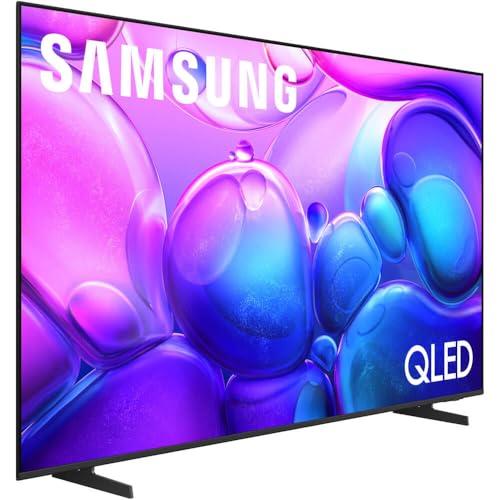
The Samsung Q6F uses QLED technology, which sounds complicated but works elegantly. Traditional LED TVs create white light that passes through color filters, losing brightness and color purity in the process. Samsung's quantum dots—microscopic particles smaller than viruses—sit between the LED backlight and LCD panel, converting blue LED light into precise red and green wavelengths.
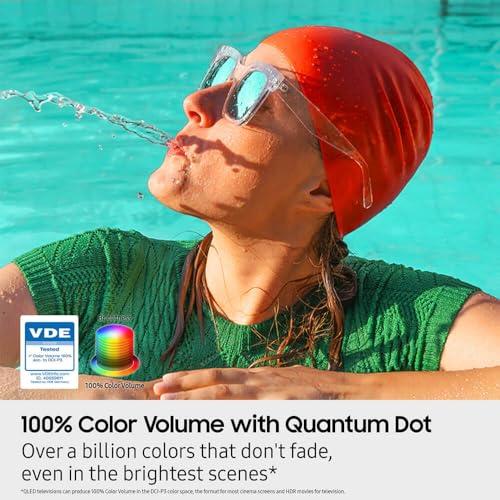
This quantum dot layer delivers what Samsung calls "100% Color Volume," meaning the TV can reproduce vivid colors at any brightness level. Think of it like having a painter's palette with perfectly pure pigments instead of muddy mixed colors. The result? Colors pop with intensity that makes nature documentaries feel almost three-dimensional.
The Q6F's quantum dot sheet is TÜV-certified as a "Real Quantum Dot Display" and uses cadmium-free materials, addressing environmental concerns from earlier quantum dot implementations. During our research into user experiences, this color advantage consistently impressed viewers upgrading from older LCD TVs.
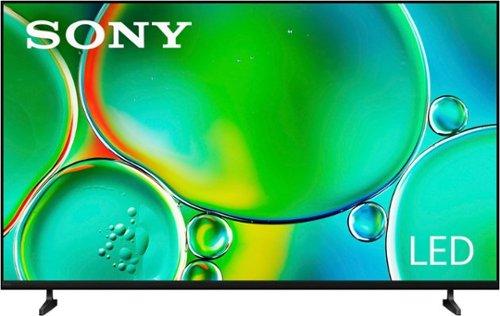
The Sony BRAVIA 2 II takes a different path with direct LED backlighting—LEDs positioned behind the entire screen rather than just along the edges. This creates more uniform brightness across the panel, eliminating the uneven lighting that plagues cheaper edge-lit displays.
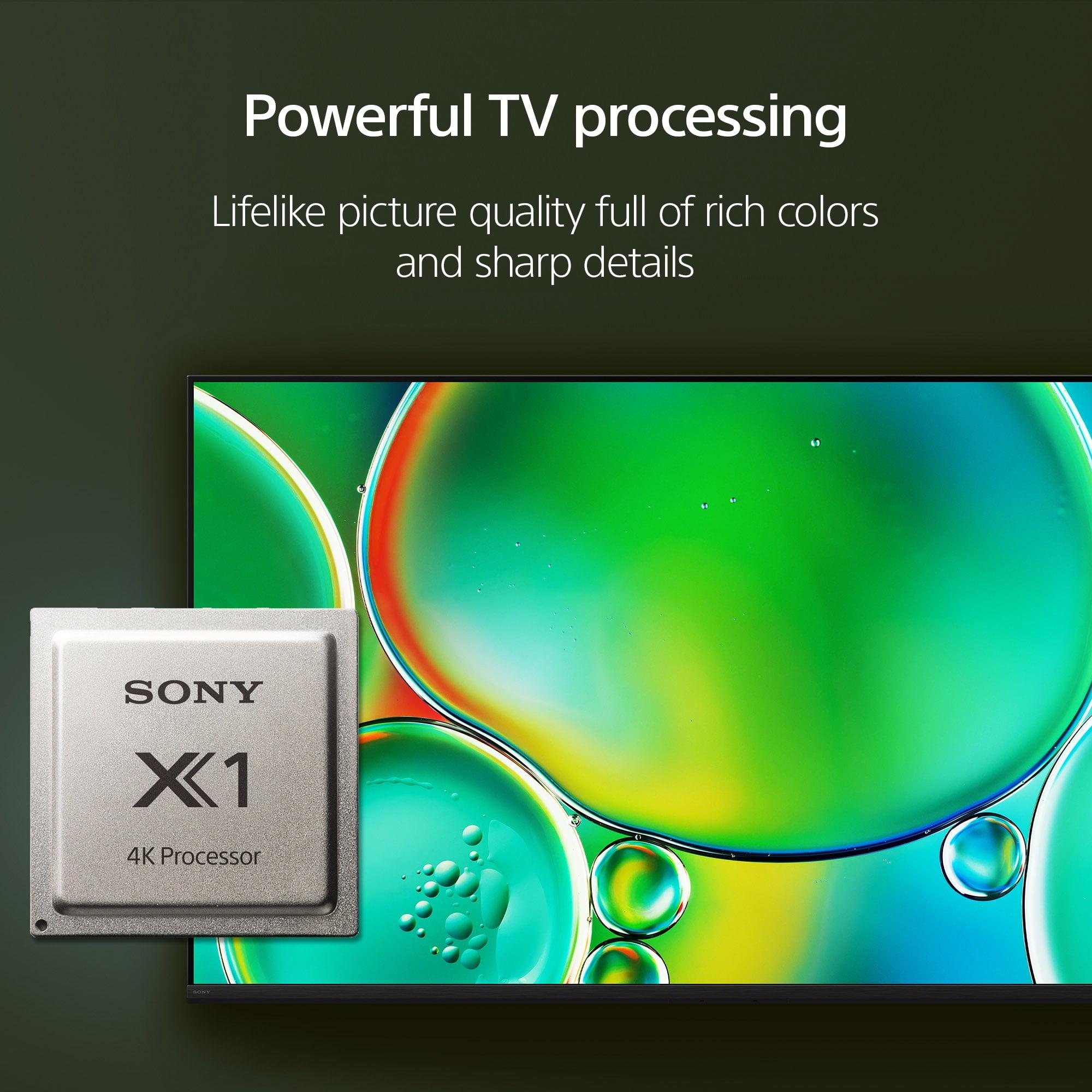
Sony's strength lies in its 4K Processor X1 paired with 4K X-Reality PRO technology. This isn't just marketing fluff—Sony maintains a massive database of how different types of content should look, from film grain in movies to grass textures in sports broadcasts. The processor analyzes incoming video in real-time and applies appropriate enhancements.
The Live Color technology deserves special mention. Instead of oversaturating everything like some budget TVs do, it intelligently expands colors only within the TV's reproducible range, maintaining the creator's intent while maximizing the panel's capabilities.
Based on professional reviews and user feedback, these TVs approach color reproduction differently. The Samsung Q6F produces more saturated, eye-catching colors that make streaming content and gaming visually striking. Quantum dots excel at reproducing pure reds, greens, and blues that lesser displays struggle with.
However, the Sony BRAVIA 2 II often delivers more natural, film-accurate colors. Sony's decades of working with Hollywood studios show in their color processing—skin tones look realistic, and movie scenes maintain their intended mood rather than appearing artificially enhanced.
For most casual viewers, Samsung's approach proves more immediately impressive. The extra color saturation makes everything from Netflix shows to YouTube videos appear more engaging. But home theater enthusiasts who prioritize director's intent might prefer Sony's more measured approach.
High Dynamic Range (HDR) makes the biggest difference in modern TV viewing, expanding the range between the darkest blacks and brightest whites your TV can display. Both models support HDR, but with important distinctions.
The Samsung Q6F supports HDR10+ with dynamic tone mapping, meaning it adjusts brightness and contrast scene-by-scene rather than applying static settings to entire movies. Combined with quantum dots' ability to maintain color at high brightness levels, this creates impressive HDR performance for an entry-level model.
The Sony BRAVIA 2 II supports HDR10 and HLG but lacks HDR10+ or Dolby Vision support. However, Sony's processing expertise helps extract detail from HDR content that might otherwise appear washed out on lesser displays. The direct LED backlighting also provides better contrast than edge-lit competitors.
In practical terms, the Samsung typically delivers brighter, more dramatic HDR scenes that wow viewers with spectacular sunsets or explosive action sequences. The Sony presents HDR content more subtly but often with better detail preservation in both shadows and highlights.
Your choice of smart platform affects daily usability more than any other feature. The Samsung Q6F runs Tizen with One UI, Samsung's mature smart TV platform. Navigation feels snappy, and Samsung TV Plus provides hundreds of free streaming channels without subscription requirements.
Samsung's ecosystem integration shines if you own other Samsung devices. SmartThings Hub functionality lets the TV control compatible smart home devices, while Q-Symphony allows Samsung soundbars to work in harmony with the TV's speakers for enhanced audio.
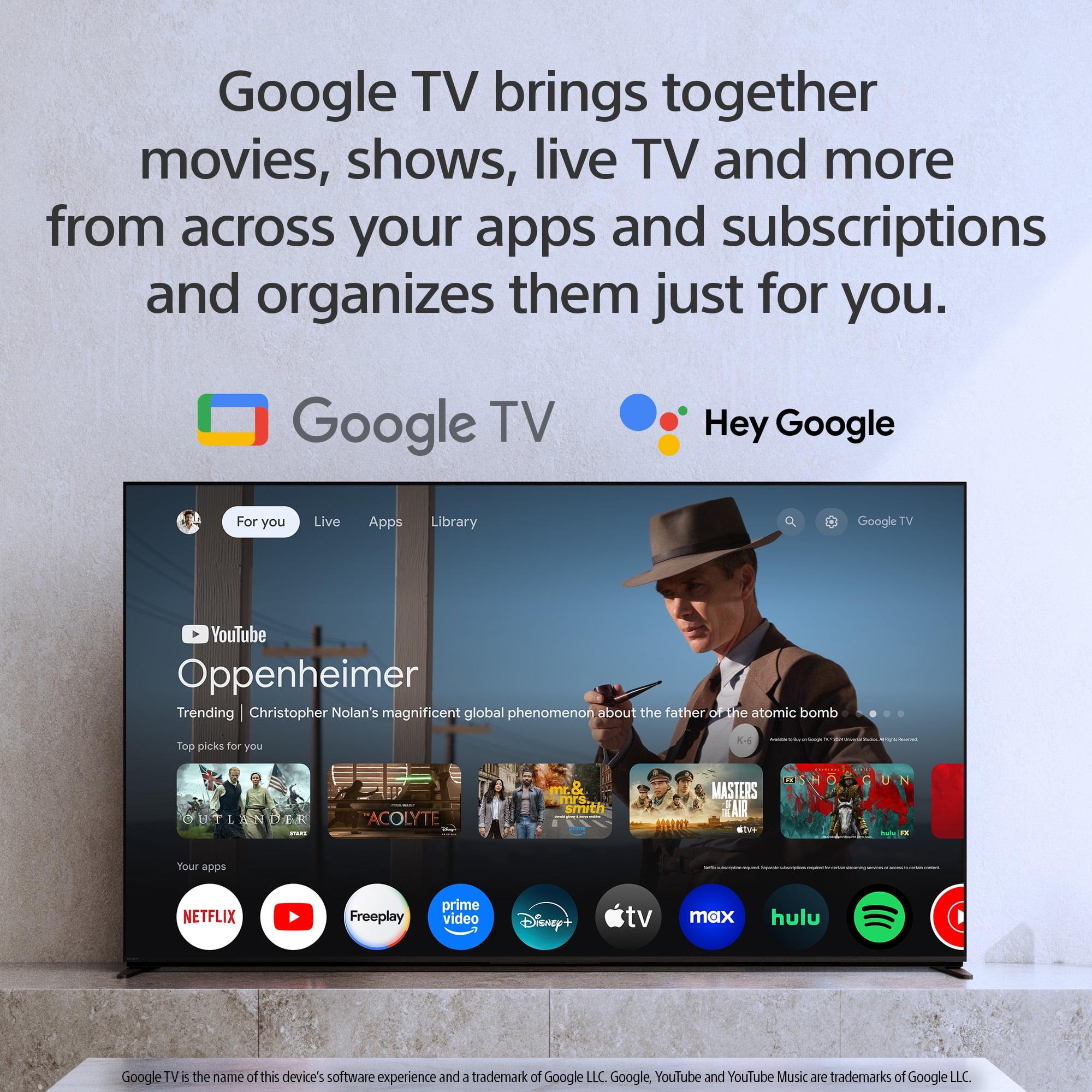
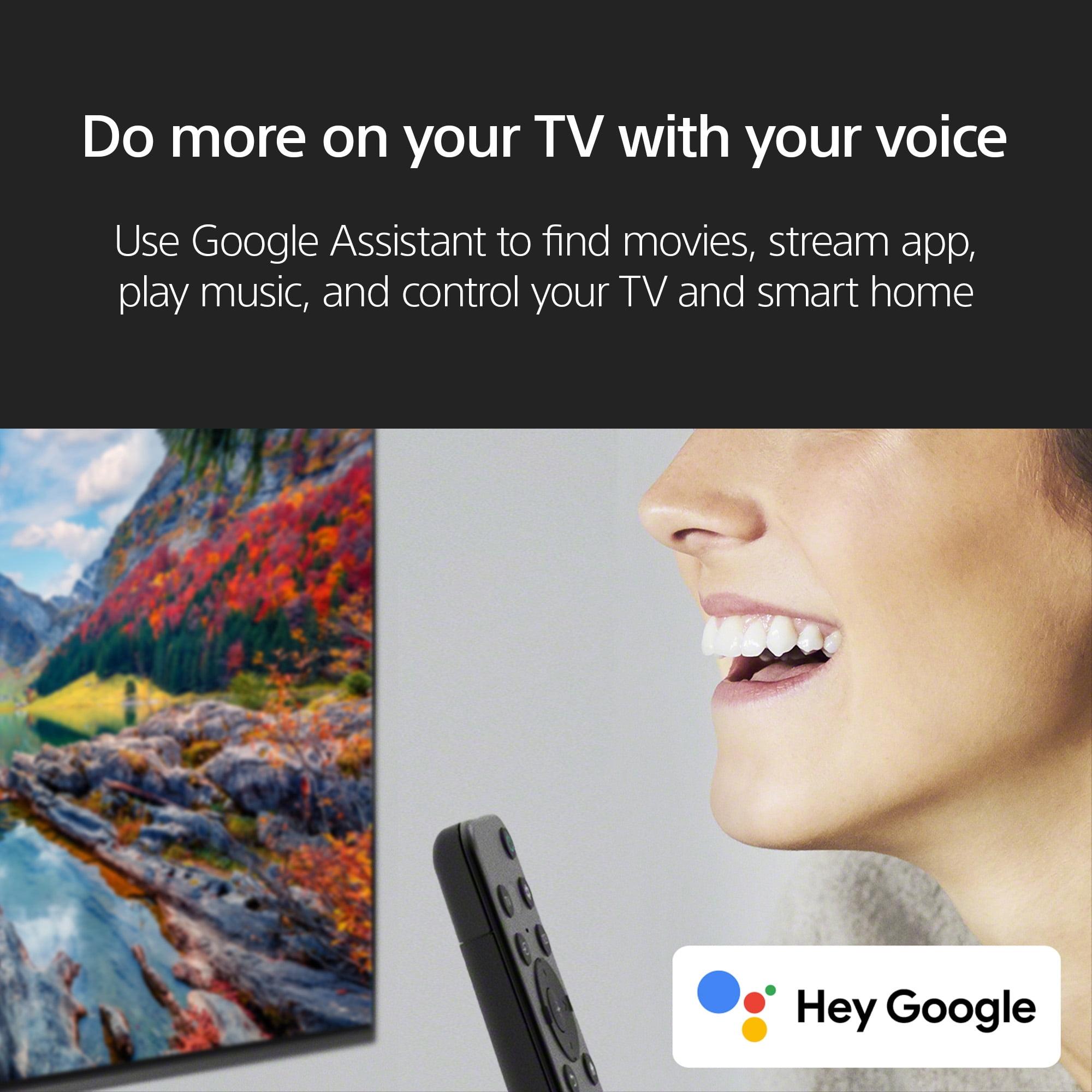
The Sony BRAVIA 2 II uses Google TV, which feels like Android for televisions. App selection is vast, Google Assistant integration is seamless, and content recommendations improve over time based on your viewing habits.
Google TV's strength lies in its cross-platform compatibility and extensive app ecosystem. If you're invested in Google services or prefer Android's flexibility, Sony's approach feels more familiar and customizable.
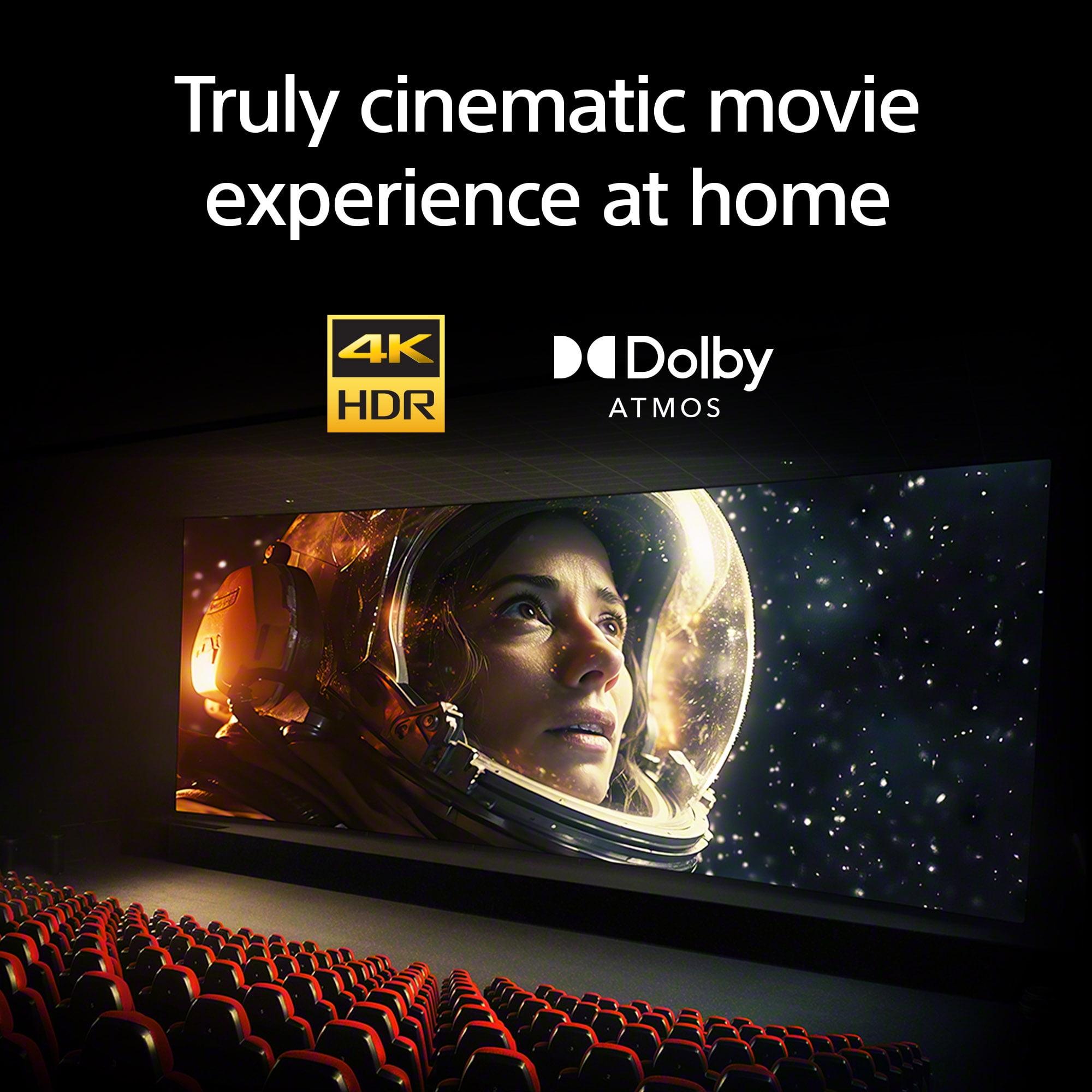
Audio represents the Sony BRAVIA 2 II's most decisive advantage. Its 40W Open Baffle speaker system with Dolby Atmos support delivers twice the power of Samsung's 20W 2CH setup. More importantly, Sony's Clear Phase technology optimizes acoustic timing for better dialogue clarity and spatial audio effects.
The difference is immediately noticeable when watching movies or streaming shows. Dialogue cuts through background music more clearly, and action sequences feel more immersive without a soundbar. The Samsung Q6F produces adequate sound for casual viewing, but you'll likely want external speakers sooner.
For apartment dwellers or anyone who can't add a soundbar immediately, Sony's audio advantage is worth considering seriously. The built-in audio experience feels complete rather than merely functional.
Both TVs surprised us with their gaming capabilities during research. The Samsung Q6F and Sony BRAVIA 2 II support Auto Low Latency Mode (ALLM), which automatically switches to game mode when detecting console input, and Variable Refresh Rate (VRR) for smoother gameplay.
The Samsung Q6F includes HGiG (HDR Gaming Interest Group) support, ensuring games display HDR content as developers intended. Combined with quantum dots' color advantages, gaming visuals appear vibrant and engaging.
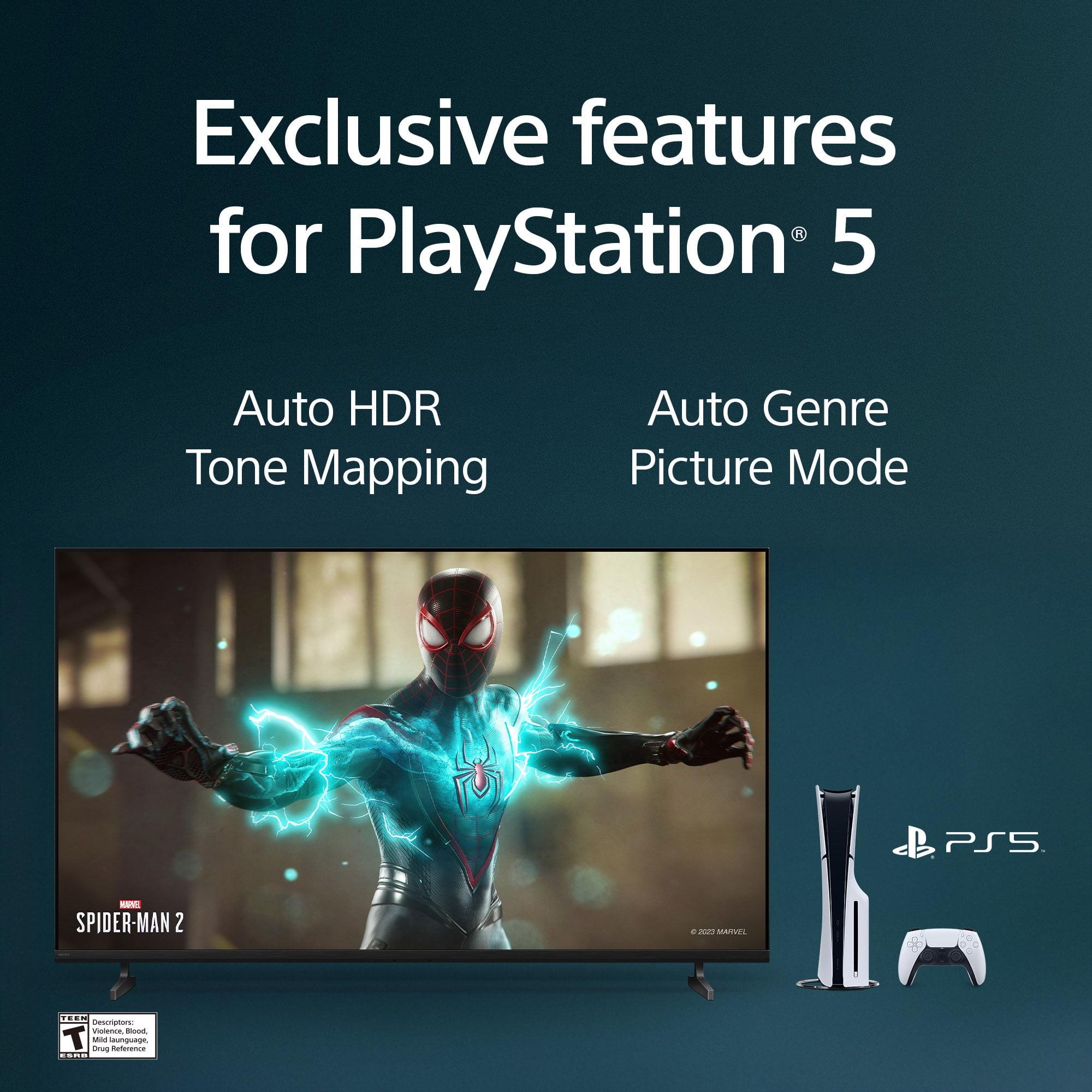
The Sony BRAVIA 2 II features PlayStation 5-specific optimizations including Auto HDR Tone Mapping and Auto Genre Picture Mode. If you own Sony's console, these features automatically adjust picture settings for optimal gaming without manual tweaking.
Both TVs max out at 60Hz refresh rates, limiting their appeal for competitive PC gaming but perfectly adequate for console gaming and casual play.
For dedicated home theater use, both models make compromises typical of entry-level displays. Neither offers full-array local dimming, which means dark movie scenes won't achieve the deep blacks of premium TVs or OLEDs.
The Samsung Q6F typically performs better in controlled lighting thanks to higher peak brightness and better HDR handling. Its quantum dot technology maintains color accuracy even in dim viewing conditions where other LCD displays might appear washed out.
The Sony BRAVIA 2 II excels at upscaling lower-resolution content—crucial since much streaming content isn't native 4K. Sony's processing makes HD movies and shows look remarkably clean when upscaled, reducing artifacts that might distract from cinematic immersion.
Both support Filmmaker Mode, which disables motion smoothing and other processing to display movies as directors intended. This feature has become essential for serious movie watching.
At the time of writing, both televisions compete in similar price ranges, making the choice about features rather than budget. The Samsung Q6F delivers premium display technology at an accessible price point, bringing quantum dot benefits traditionally reserved for expensive models.
The Sony BRAVIA 2 II provides better overall balance with superior audio, processing, and gaming integration. While it lacks quantum dots' color punch, its more complete feature set offers better long-term satisfaction for many users.
Consider total cost of ownership when deciding. If you'll need a soundbar soon anyway, the Samsung's display advantages might outweigh Sony's audio benefits. But if built-in audio suffices for your needs, Sony delivers better immediate value.
Choose the Samsung Q6F if vibrant, saturated colors matter most to your viewing experience. This TV excels for casual viewing, sports, and gaming where visual impact trumps absolute accuracy. Its quantum dot technology delivers colors that consistently impress guests and make streaming content feel more engaging.
The Samsung also works better in bright rooms where its higher peak brightness and color saturation cut through ambient light more effectively. If your TV sits near windows or in a well-lit family room, these advantages become crucial for daily viewing satisfaction.
Choose the Sony BRAVIA 2 II if you prioritize overall viewing experience over pure visual spectacle. Its superior audio eliminates the immediate need for external speakers, while better processing makes all content look cleaner and more refined.
Sony's approach suits viewers who watch diverse content types and want consistent quality across everything from streaming shows to Blu-ray movies. The PlayStation 5 optimizations also make it the clear choice for Sony console owners.
Neither TV represents a wrong choice—both deliver solid 4K experiences with distinct advantages. The Samsung Q6F impresses with its quantum dot color technology and bright, engaging picture quality that makes everyday viewing more visually striking. The Sony BRAVIA 2 II provides a more balanced experience with superior audio, processing, and gaming features that create long-term satisfaction.
Your decision should align with your viewing priorities and room conditions. Want colors that pop and impress visitors? Samsung's quantum dot advantage delivers. Need complete out-of-box performance with excellent audio and processing? Sony's approach serves better.
Both represent significant improvements over entry-level TVs from just a few years ago, bringing technologies that were once premium features to accessible price points. Either choice will provide years of satisfying 4K viewing—the question is which approach better matches your specific needs and preferences.
| Samsung 65" QLED Q6F | Sony BRAVIA 2 II 65" LED |
|---|---|
| Display Technology - Core difference affecting color and brightness | |
| QLED with Quantum Dots (100% Color Volume, vibrant colors) | Direct LED LCD (uniform backlighting, natural colors) |
| Picture Processor - Determines upscaling and image quality | |
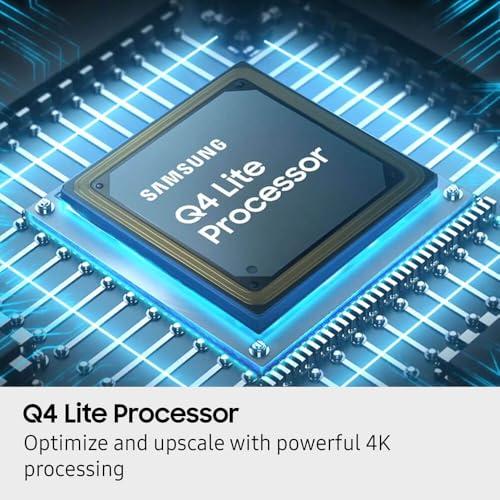
| Q4 Lite Processor with 4K upscaling | 4K Processor X1 with 4K X-Reality PRO |
| HDR Support - Critical for modern streaming content | |
| Quantum HDR with HDR10+ (scene-by-scene optimization) | HDR10 and HLG (lacks HDR10+ dynamic mapping) |
| Audio System - Affects need for external soundbar | |
| 20W 2CH with OTS Lite (basic but functional) | 40W Open Baffle with Dolby Atmos (excellent built-in audio) |
| Smart Platform - Daily interface and app ecosystem | |
| Tizen with Samsung TV Plus (great Samsung integration) | Google TV with Assistant (extensive app selection) |
| Gaming Features - Console compatibility and performance | |
| ALLM, VRR, HGiG support (multi-platform optimized) | ALLM, VRR, PS5-specific optimizations (Sony console focused) |
| Refresh Rate - Smoothness for sports and action content | |
| 60Hz with Motion Xcelerator (adequate for most content) | 60Hz with Motionflow XR (superior motion handling) |
| Connectivity - Future-proofing and device compatibility | |
| 3 HDMI ports, Wi-Fi 5, Bluetooth | 4 HDMI 2.0 ports, Wi-Fi 6, Bluetooth 5.3 |
| Voice Control - Hands-free operation and smart home | |
| Bixby, Alexa, Google Assistant support | Built-in Google Assistant with Alexa compatibility |
| Color Certification - Verified performance standards | |
| TÜV Real Quantum Dot Display (cadmium-free) | No specific color certifications |
| Best Use Case - Where each TV excels most | |
| Bright rooms, vibrant content, Samsung ecosystem users | Mixed lighting, movie watching, audio-conscious buyers |
The Samsung Q6F delivers more vibrant, eye-catching colors thanks to its quantum dot technology, making it excellent for streaming content and gaming. The Sony BRAVIA 2 II produces more natural, film-accurate colors with superior upscaling of HD content. For casual viewing and bright rooms, Samsung's approach impresses more, while Sony suits home theater enthusiasts who prioritize accuracy.
The Samsung Q6F uses QLED with quantum dots that convert blue LED light into pure red and green wavelengths, creating 100% Color Volume and more saturated colors. The Sony BRAVIA 2 II uses direct LED backlighting without quantum dots, focusing on uniform lighting and natural color reproduction through advanced processing instead.
Both the Samsung Q6F and Sony BRAVIA 2 II support modern gaming features like ALLM and VRR at 60Hz. The Samsung includes HGiG for better HDR gaming across all consoles, while the Sony offers PlayStation 5-specific optimizations. Choose Samsung for multi-platform gaming or Sony if you primarily use a PS5.
The Sony BRAVIA 2 II has significantly better built-in audio with 40W Dolby Atmos speakers that provide clear dialogue and decent bass. The Samsung Q6F has basic 20W speakers that work for casual viewing but will likely require a soundbar upgrade sooner for satisfying audio experience.
The Samsung Q6F runs Tizen with excellent Samsung ecosystem integration, Samsung TV Plus free channels, and SmartThings compatibility. The Sony BRAVIA 2 II uses Google TV with broader app selection, better voice search, and seamless Android device integration. Choose based on your existing device ecosystem preferences.
Both TVs work well for casual home theater use but have entry-level limitations. The Samsung Q6F performs better in controlled lighting with superior HDR handling and brightness. The Sony BRAVIA 2 II excels at upscaling movies and has better built-in audio, reducing the immediate need for external speakers in smaller home theater setups.
The Samsung Q6F supports HDR10+ with dynamic tone mapping and quantum dots that maintain color at high brightness, creating more dramatic HDR scenes. The Sony BRAVIA 2 II supports HDR10 and HLG with excellent processing but lacks HDR10+ support. Samsung provides more impressive HDR performance for streaming content.
The Samsung Q6F excels for sports with vibrant colors that make grass and team uniforms pop, plus quantum dots maintain color accuracy in bright rooms. The Sony BRAVIA 2 II offers superior motion handling with Motionflow XR technology, reducing blur during fast action. Both provide good sports viewing with different strengths.
Both the Samsung Q6F and Sony BRAVIA 2 II compete closely on value. Samsung brings premium quantum dot technology to entry-level pricing with impressive color performance. Sony provides better overall balance with superior audio, processing, and more HDMI ports. Choose Samsung for display technology or Sony for complete out-of-box experience.
The Samsung Q6F performs better in bright rooms thanks to higher peak brightness and quantum dots that maintain color saturation under ambient light. The Sony BRAVIA 2 II has adequate brightness but may appear washed out in very bright conditions. If your TV faces windows or sits in a well-lit family room, Samsung is the safer choice.
The Sony BRAVIA 2 II has broader app support through Google TV's extensive ecosystem and receives faster updates. The Samsung Q6F offers solid app selection through Tizen plus Samsung TV Plus for free streaming channels. Both support major streaming services, but Sony provides more flexibility for niche apps and future compatibility.
Choose the Samsung Q6F if you want impressive colors that make streaming content pop and plan to add a soundbar later. Choose the Sony BRAVIA 2 II if you prefer balanced performance with excellent built-in audio and superior content processing. Both represent solid first 4K TV choices with different strengths for various viewing preferences.
We've done our best to create useful and informative comparisons to help you decide what product to buy. Our research uses advanced automated methods to create this comparison and perfection is not possible - please contact us for corrections or questions. These are the sites we've researched in the creation of this article: tomsguide.com - bestbuy.com - samsung.com - rtings.com - youtube.com - rtings.com - bestbuy.com - samsung.com - samsung.com - samsung.com - manuals.plus - shopjetson.com - samsung.com - samsung.com - samsung.com - samsung.com - bestbuy.com - jefflynch.com - bestbuy.com - notebookcheck.net - rtings.com - youtube.com - youtube.com - rtings.com - avsforum.com - croma.com - totonstv.com - electronics.sony.com - listenup.com - pcrichard.com - youtube.com - flanners.com - brandsmartusa.com - displayspecifications.com - pioneertvandappliance.com - donstv.com

Privacy Policy
Terms and Conditions - Affiliate Policy
Home Security
© Copyright 2008-2026.
11816 Inwood Rd #1211, Dallas, TX 75244