

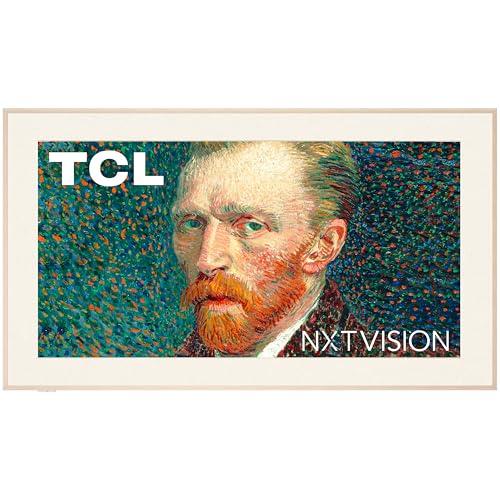

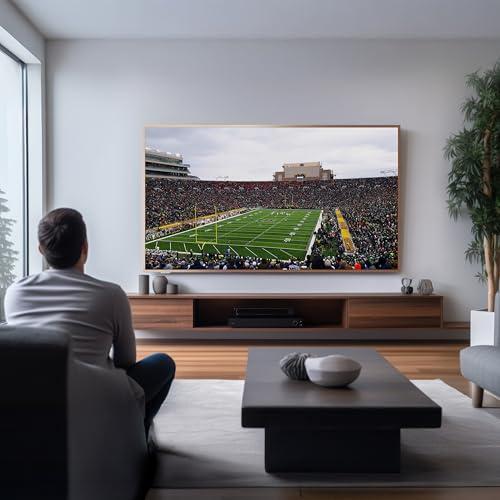


When shopping for a 65-inch TV, you'll typically find models that follow a predictable formula: big screen, sharp picture, smart features, done. But the TCL NXTVISION QLED Art Frame TV and Sony BRAVIA 5 Mini LED represent two fundamentally different philosophies about what a modern TV should be. One reimagines the television as a piece of living room art, while the other focuses on delivering exceptional picture quality through cutting-edge display technology.
Understanding these differences is crucial because picking the wrong one could leave you disappointed, regardless of how much you spend. Let's dig into what makes each TV unique and help you figure out which approach better fits your home and viewing habits.
Both the TCL NXTVISION and Sony BRAVIA 5 launched with the goal of solving different problems entirely. The TCL, released in 2024, tackles what designers call the "black rectangle problem" – that awkward moment when your TV is off and becomes a giant dark void dominating your wall. Sony's 2025 BRAVIA 5, meanwhile, focused on advancing picture quality technology while keeping costs reasonable for mainstream buyers.
The 65-inch TV market sits in a sweet spot where screens are large enough for cinematic experiences but prices remain accessible for most households. At this size, picture quality differences become much more noticeable, making the choice between these approaches even more critical.
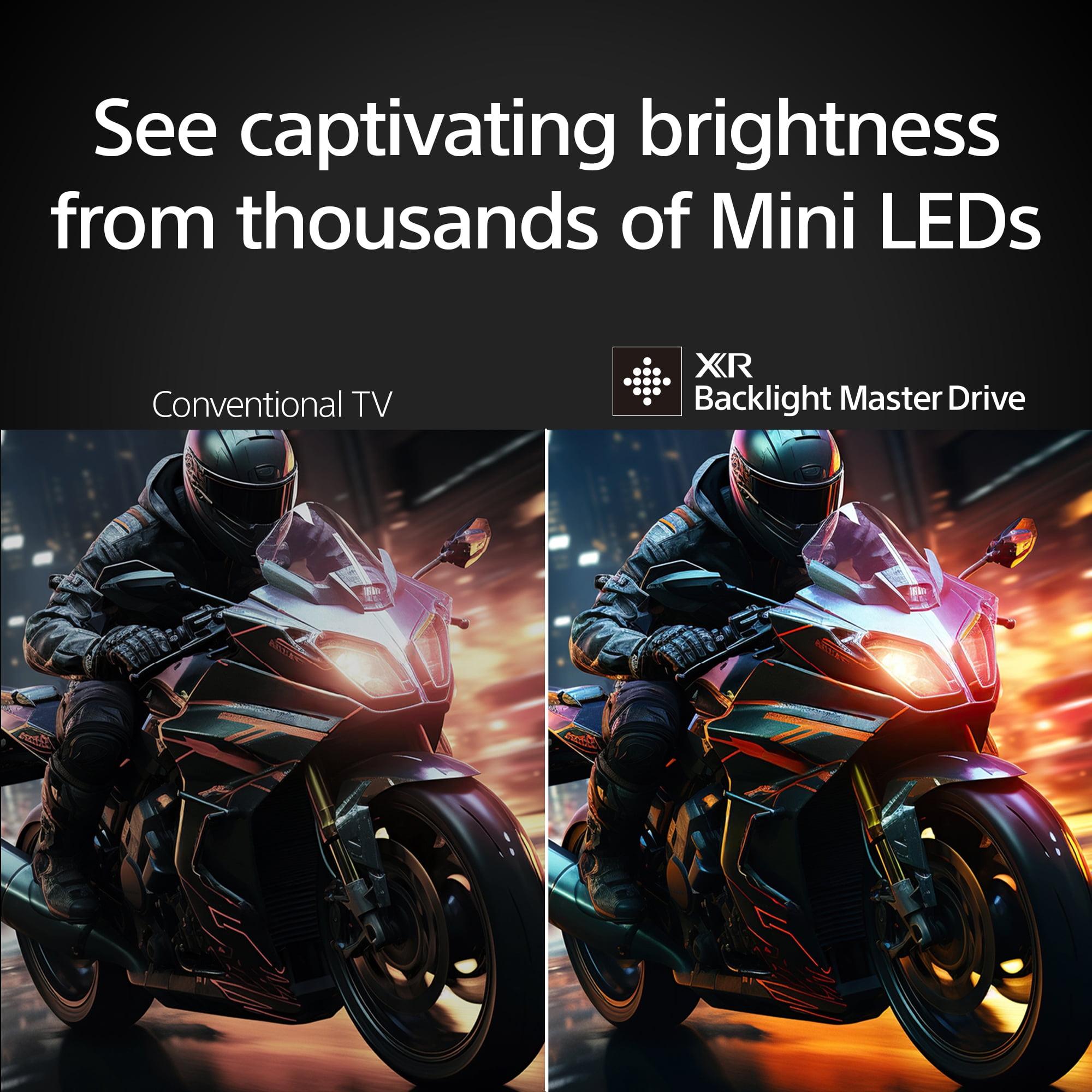
The Sony BRAVIA 5 uses Mini LED backlighting, a technology that sounds simple but represents a major leap forward. Instead of having a few dozen LED lights behind the screen like traditional TVs, Mini LED systems pack thousands of tiny LEDs into the same space. Think of it like the difference between painting with a house brush versus a fine art brush – more LEDs mean more precise control over brightness and darkness.
Sony's implementation, called XR Backlight Master Drive, can individually control these thousands of Mini LEDs to create what's called "local dimming." When you're watching a movie with a bright explosion against a dark sky, the TV can make the explosion area blazing bright while keeping the surrounding sky truly black. This creates dramatically better contrast – the difference between the brightest whites and deepest blacks – which makes everything from Netflix shows to video games look more realistic and engaging.
The technical result is impressive. Our research into professional reviews shows the Sony BRAVIA 5 can produce much deeper blacks and brighter highlights than traditional LED TVs, with significantly less "blooming" – that annoying halo effect you sometimes see around bright objects in dark scenes.
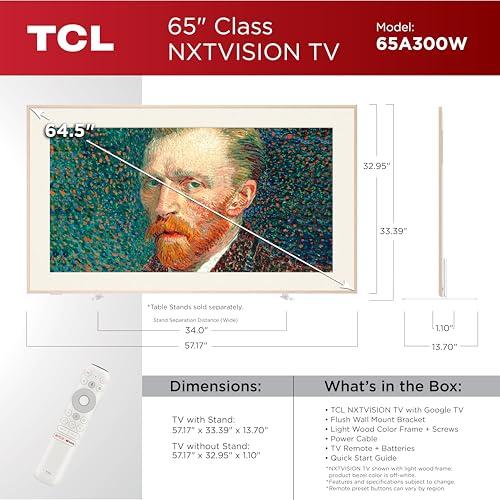
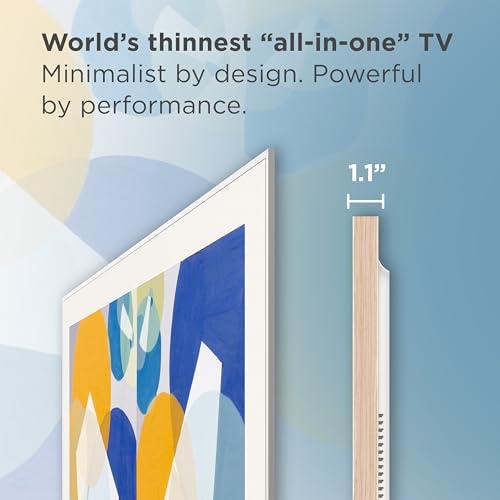
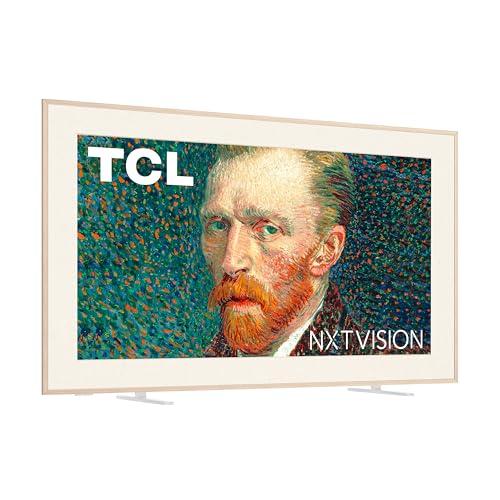
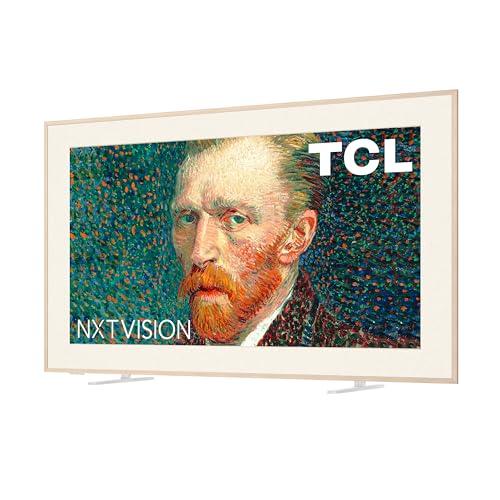
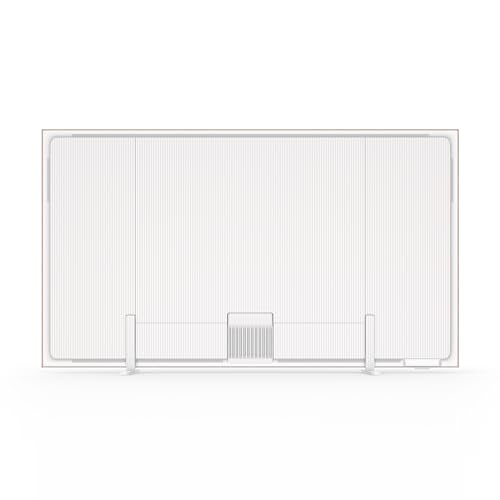
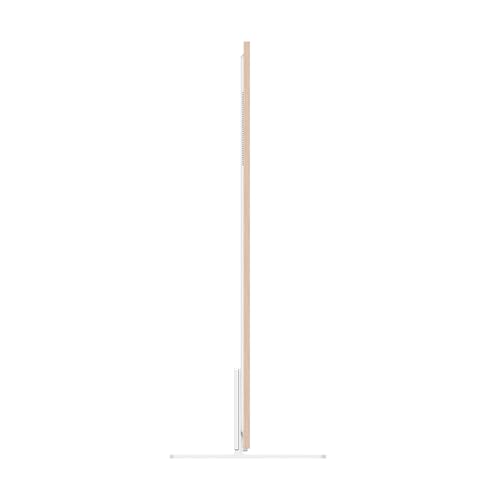
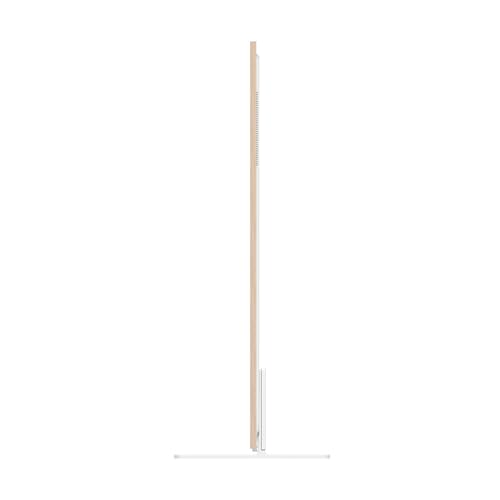
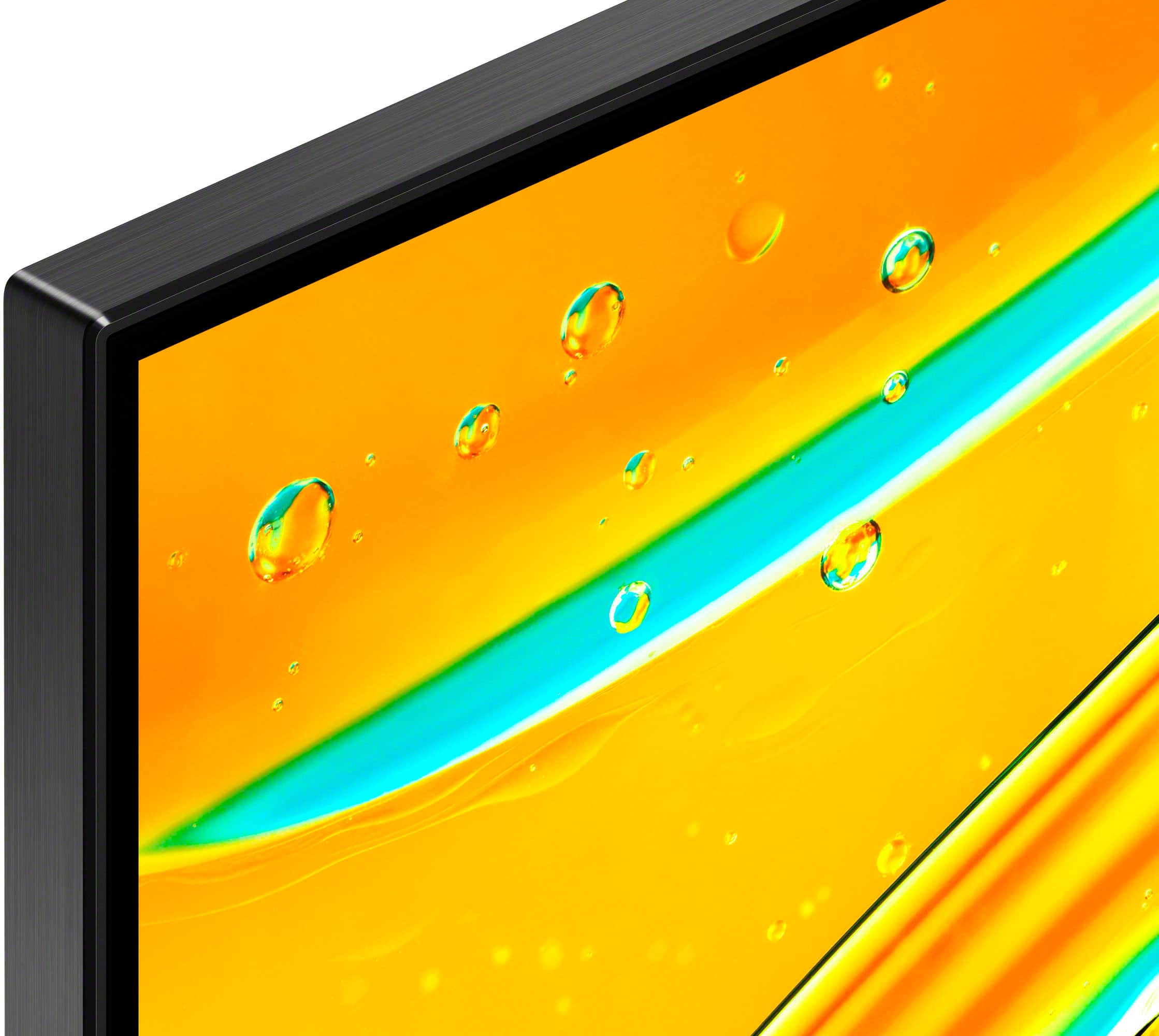
The TCL NXTVISION takes an entirely different path with edge-lit LED backlighting combined with QLED (Quantum Dot LED) technology. Edge-lighting means the LEDs sit around the edges of the screen rather than behind it, allowing for that ultra-thin 1.1-inch profile that makes it look like a framed painting on your wall.
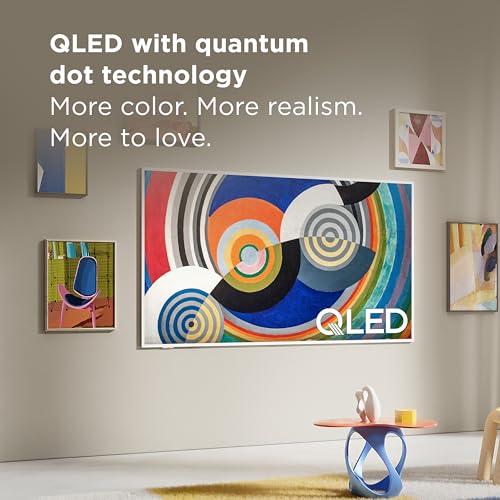
While this can't match Mini LED's contrast performance – physics simply won't allow edge-lit systems to control brightness as precisely – TCL compensates with quantum dot technology. These microscopic particles convert blue LED light into perfectly pure reds and greens, creating more vibrant and accurate colors than standard LED TVs can produce.
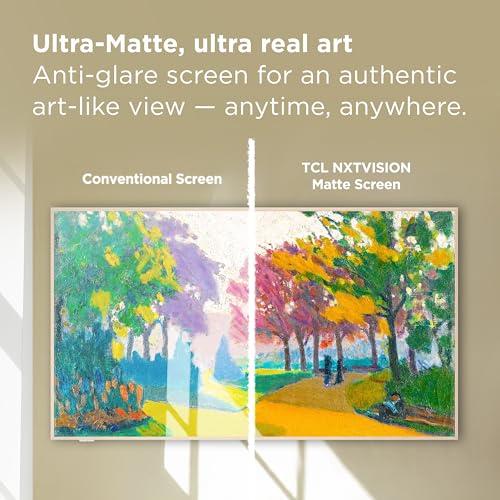
The real magic, though, is the ultra-matte anti-glare screen. Most TVs have glossy screens that reflect room lights like mirrors. TCL's matte coating scatters these reflections, making the screen look more like actual canvas or paper. This serves the dual purpose of reducing glare during TV watching and making artwork look authentically non-digital when the TV is in art mode.
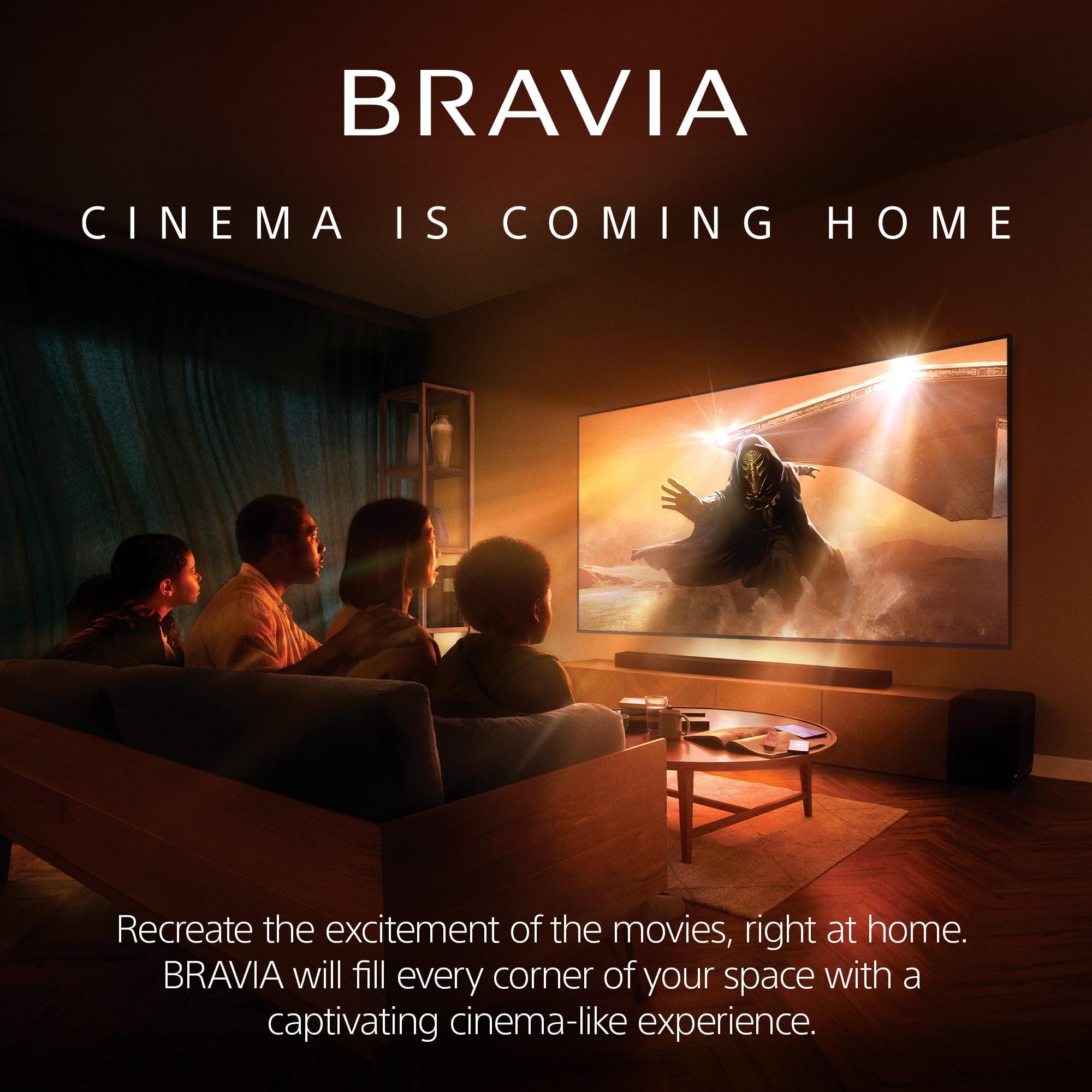
High Dynamic Range (HDR) content – found on Netflix, Disney+, and Ultra HD Blu-rays – contains brightness information far beyond what standard TV shows include. To display HDR properly, TVs need both high peak brightness and precise contrast control.
Here's where the technological differences become stark. The Sony BRAVIA 5's Mini LED system excels at HDR because it can simultaneously display bright sun-drenched scenes and dark shadow details within the same frame. Professional reviews consistently praise Sony's HDR implementation, noting how highlights pop without losing detail in darker areas.
The TCL NXTVISION, constrained by its edge-lit design, struggles more with HDR content. While it supports all major HDR formats including Dolby Vision IQ and HDR10+, the lack of precise local dimming means bright scenes might look washed out and dark scenes might appear grayish rather than truly black. However, for standard dynamic range content – regular cable TV, older movies, and most streaming – the difference is less noticeable.
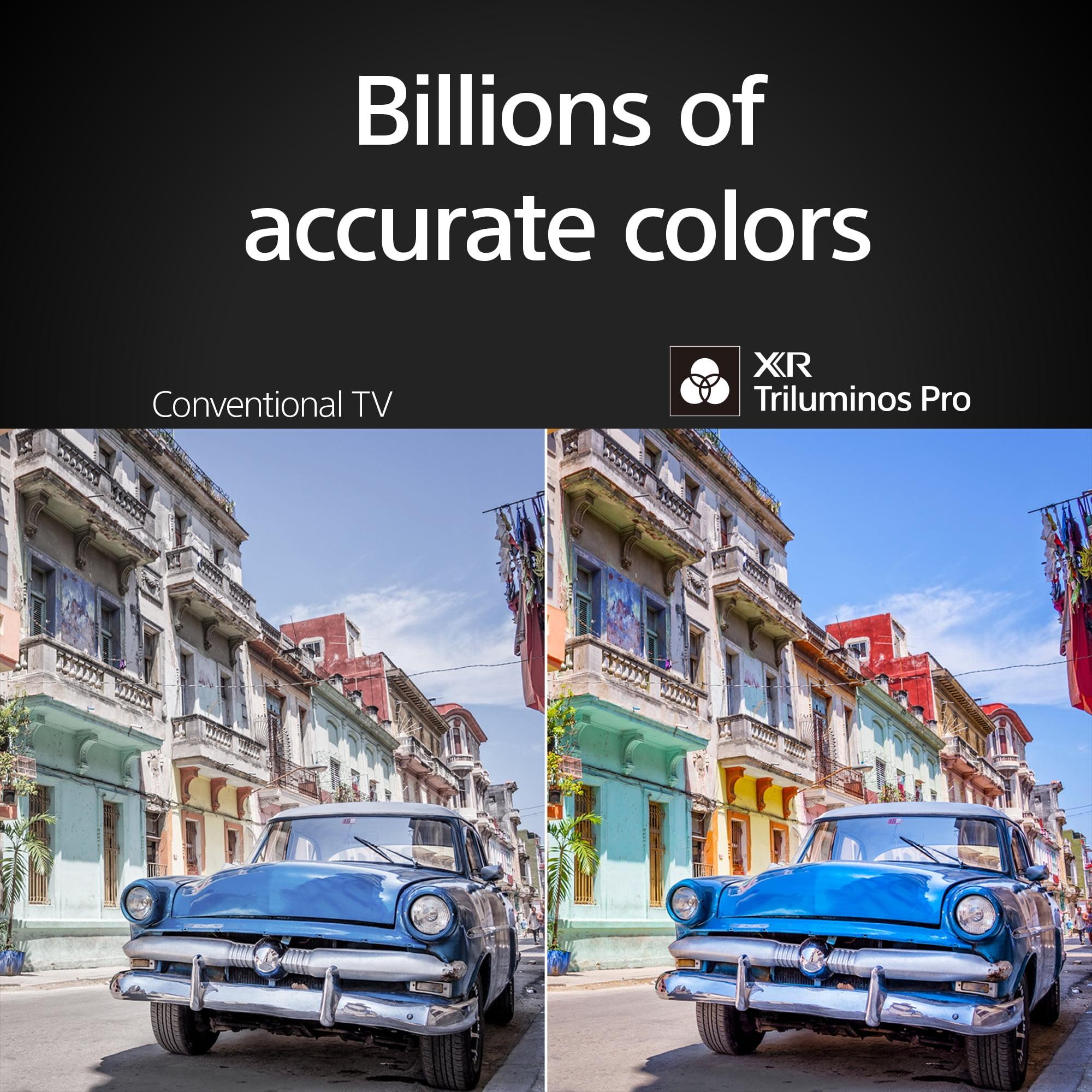
Both TVs approach color reproduction differently. The TCL's quantum dot technology creates incredibly vibrant colors that can look almost artificially vivid – great for animated content and sports, but sometimes oversaturated for movies. Sony's approach emphasizes color accuracy, using their XR Triluminos Pro system to reproduce colors as filmmakers intended.
Based on professional reviews, Sony's color accuracy tends to be superior for movie watching, while TCL's more saturated approach might appeal to viewers who prefer punchy, Instagram-like visuals. Neither approach is inherently wrong; it depends on your preferences and viewing habits.
Modern gaming demands have transformed TV requirements. Both models support 4K gaming at high refresh rates, but with important differences that serious gamers should understand.
The TCL NXTVISION supports some impressive gaming specs: 4K resolution at up to 144Hz refresh rate, and 1080p at a blazing 240Hz. These higher refresh rates mean games feel more responsive and motion appears smoother, especially important for competitive gaming. The TV also supports AMD FreeSync Premium, which synchronizes the TV's refresh rate with your gaming console or PC's output to eliminate screen tearing – that annoying horizontal line that can appear during fast movement.
The Sony BRAVIA 5 maxes out at 120Hz for 4K gaming, which is still excellent but not quite as future-proof as TCL's higher rates. It supports both G-SYNC (for NVIDIA graphics cards) and HDMI Forum VRR (Variable Refresh Rate), providing good compatibility across different gaming systems.
However, professional reviews reveal a significant weakness: the Sony has notably slow pixel response times. This means when objects move quickly across the screen – racing cars, flying projectiles in shooters, or fast character movements – they appear blurry or ghosted. For casual gaming this might not matter, but competitive gamers will likely find it frustrating.
If you own a PlayStation 5, both TVs offer special integration features, but the Sony BRAVIA 5 provides deeper integration with Sony's gaming ecosystem. This includes automatic picture mode switching and optimized settings when the PS5 is detected.
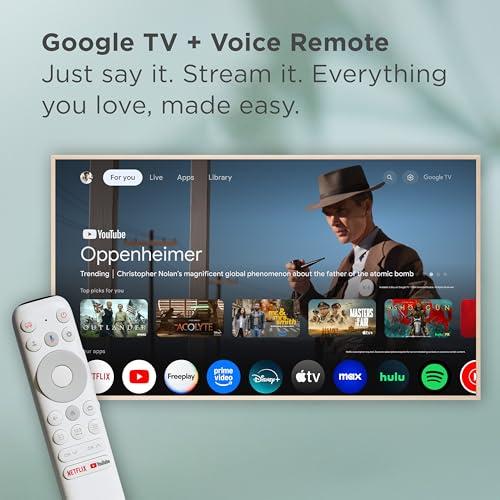
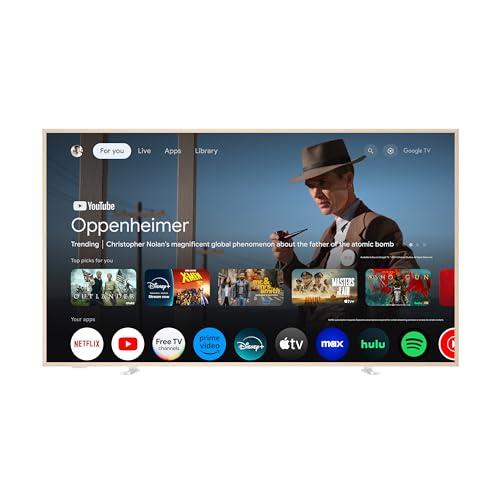
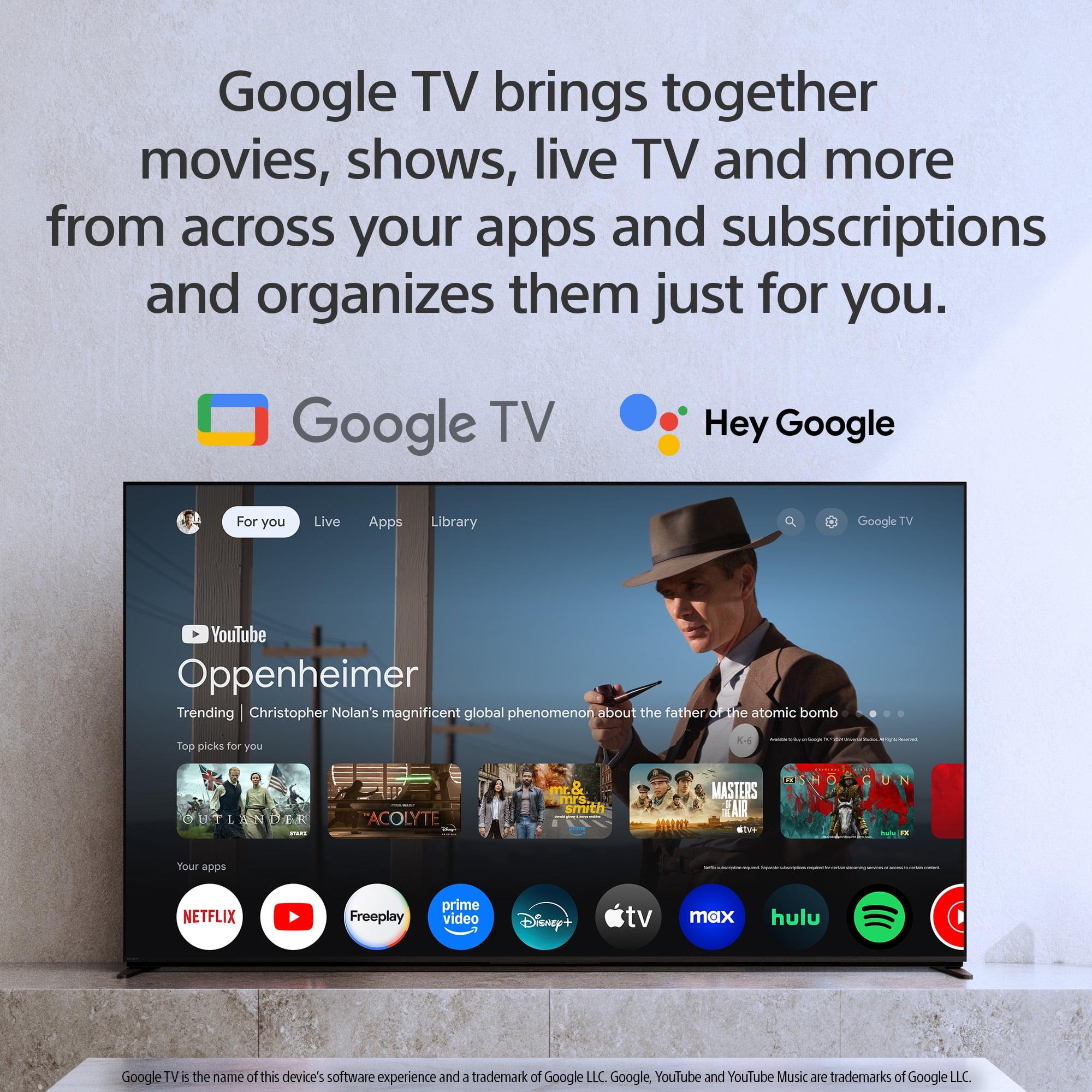
Both TVs run Google TV, which has evolved into one of the better smart TV platforms. It aggregates content from different streaming services, provides personalized recommendations, and supports voice control through Google Assistant.
The Sony BRAVIA 5 uses Google TV version 12, which tends to feel more responsive and includes some newer features. However, both platforms offer access to all major streaming services: Netflix, Amazon Prime Video, Disney+, YouTube, and dozens of others.
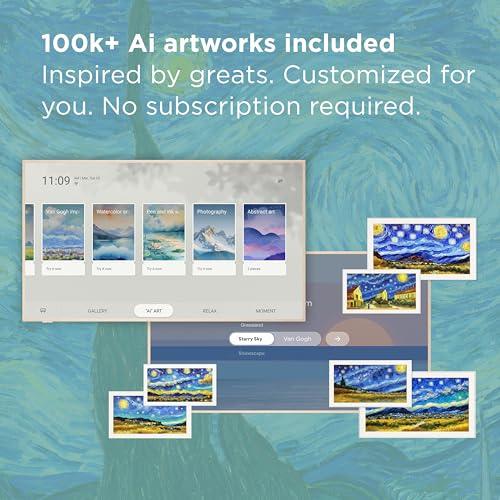
Where they differ significantly is in specialized features. The TCL NXTVISION includes an extensive art library with over 400 curated artworks, plus AI-generated art capabilities that can create unique pieces based on your preferences. Multiple matte finish options help different art styles look authentic. This transforms the TV into a rotating digital gallery when you're not actively watching content.
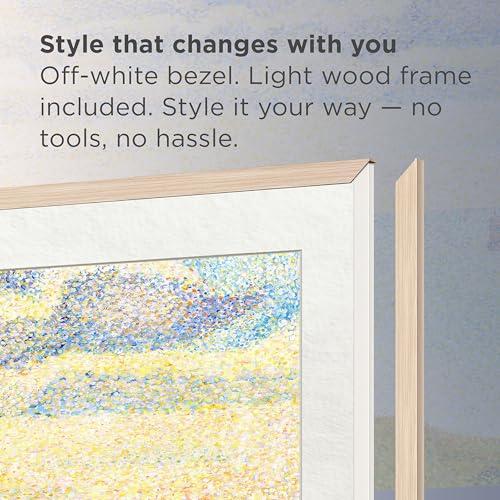
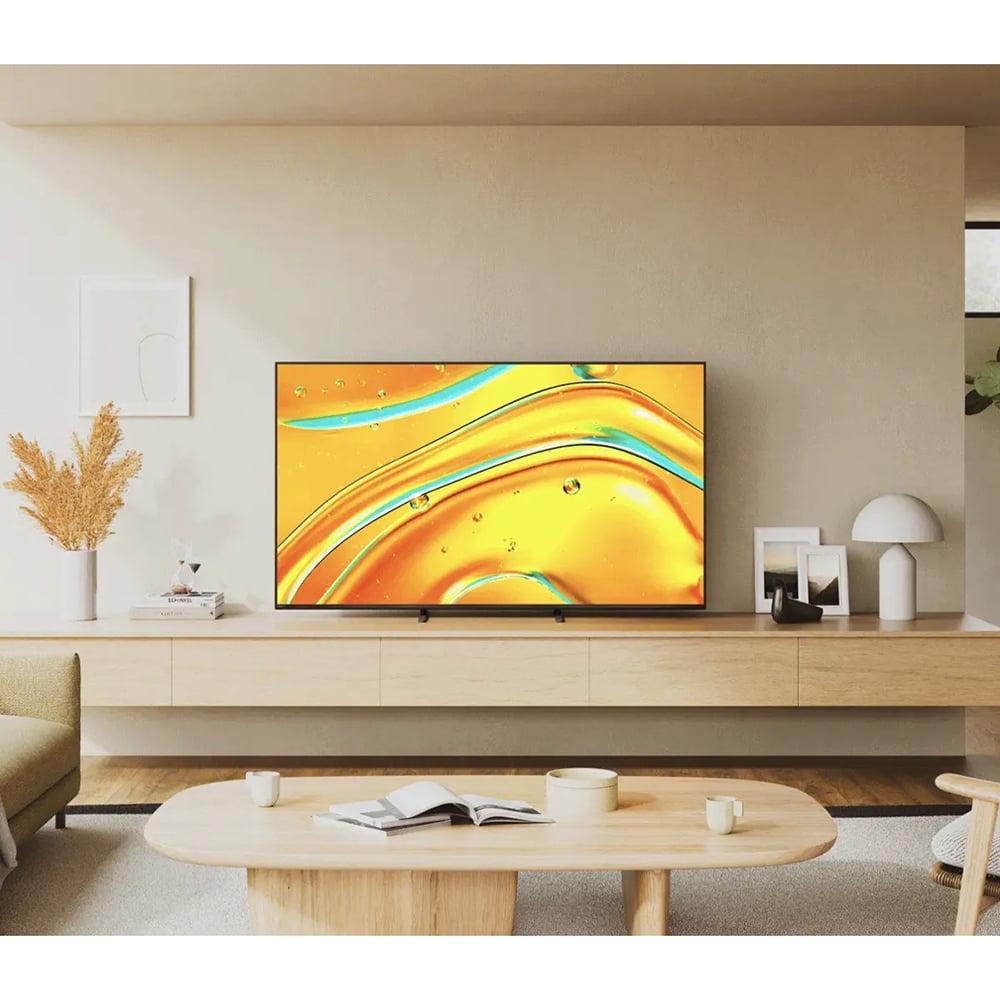
The TCL NXTVISION's art functionality deserves deeper exploration because it's genuinely innovative. When activated, the TV displays artwork with the same ultra-matte finish that eliminates the "screen" appearance. Combined with the included magnetic wood-like frame and flush wall mounting system, it genuinely looks like framed art rather than a TV displaying a picture.
This matters more than you might expect. In our research, users consistently report that the art mode changes how they use their living spaces. Instead of a dominant black rectangle demanding attention, the TV becomes part of the room's aesthetic. Guests often don't realize it's a TV until it's turned on.
The system includes personal photo gallery modes, so you can display your own photography or family pictures with the same canvas-like appearance. For photography enthusiasts, this transforms personal images into gallery-worthy displays.
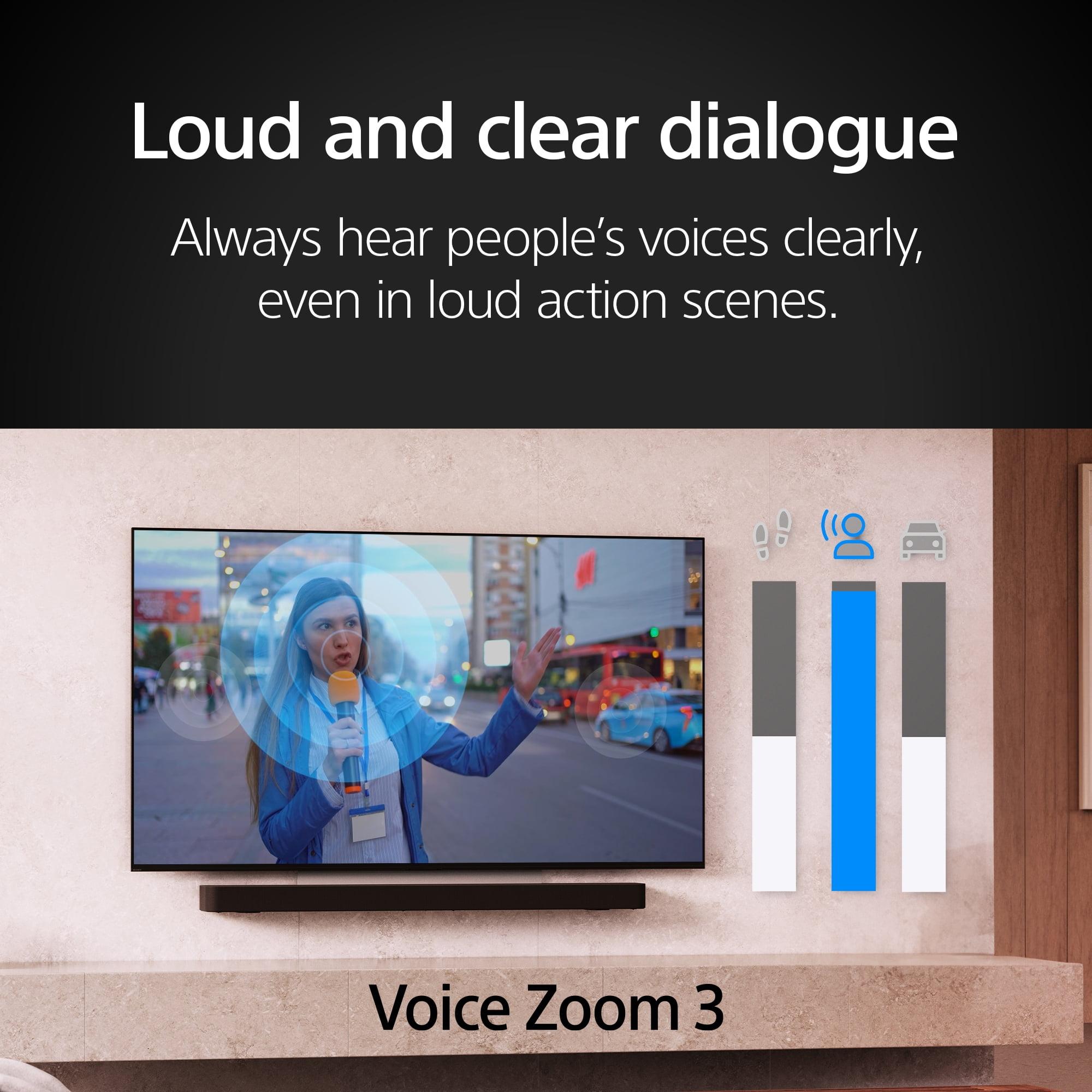
Audio often gets overlooked in TV comparisons, but it significantly impacts the viewing experience. The Sony BRAVIA 5 includes more sophisticated audio processing, with features like Voice Zoom 3 that uses AI to enhance dialogue clarity – especially helpful with modern movies where dialogue can get buried in sound effects.
Sony's Acoustic Center Sync is particularly interesting for home theater enthusiasts. When paired with compatible Sony soundbars, the TV's speakers can function as a center channel, creating a more immersive surround sound experience without requiring a separate center speaker.
The TCL NXTVISION provides solid audio with Dolby Atmos support, but its ultra-thin design necessarily limits speaker size and power. For serious movie watching, you'll likely want to pair either TV with a soundbar or home theater system, but Sony's integration features give it an edge for audio enthusiasts.
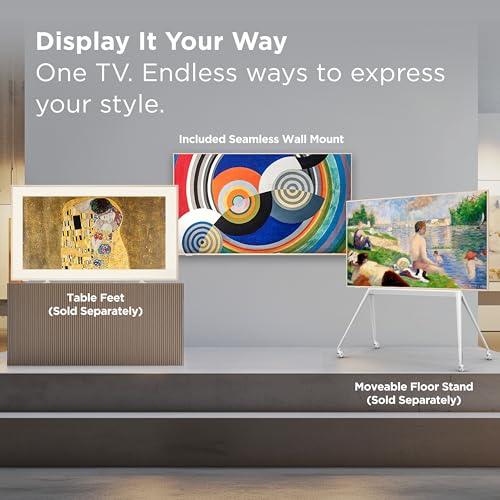
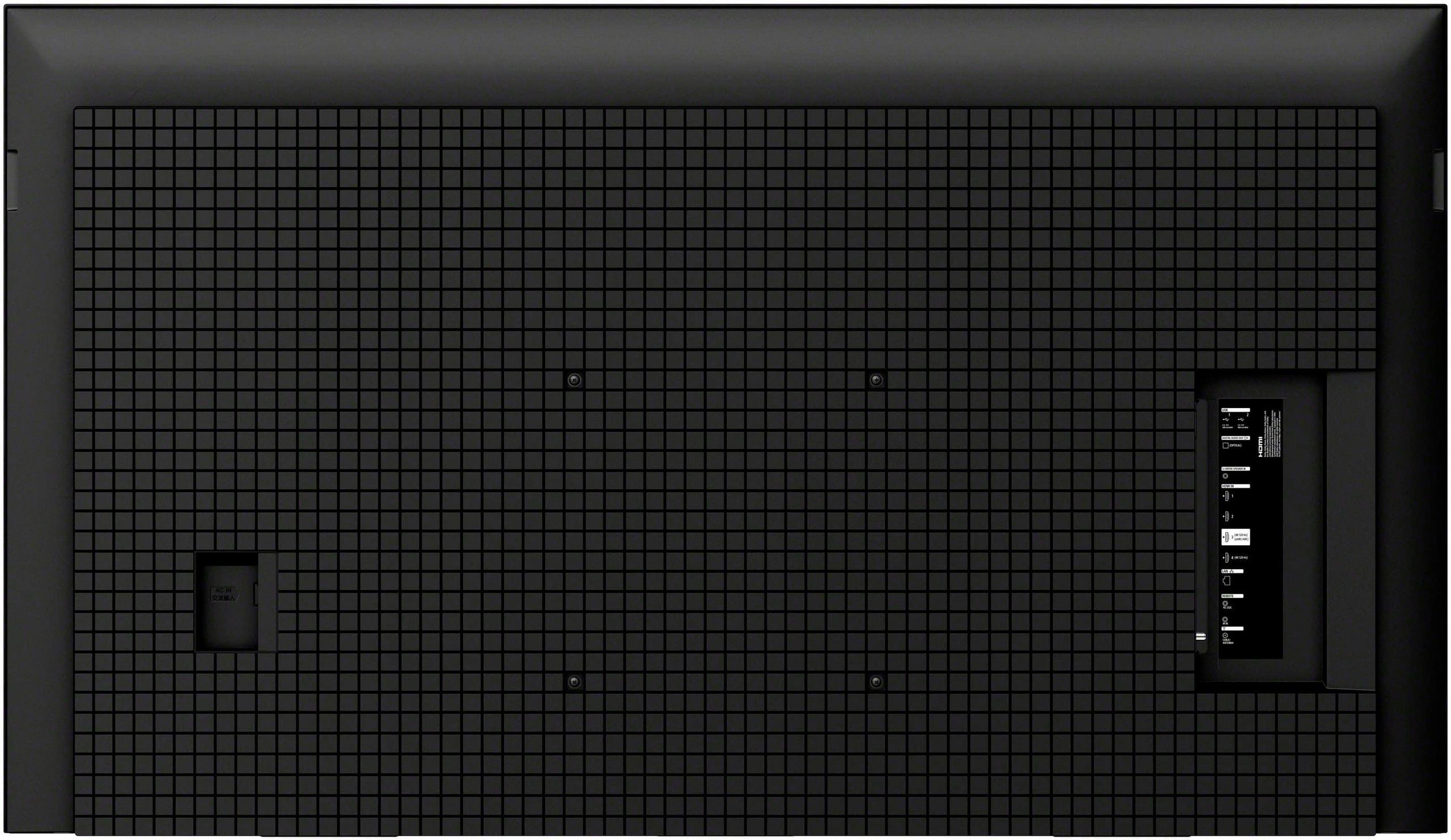
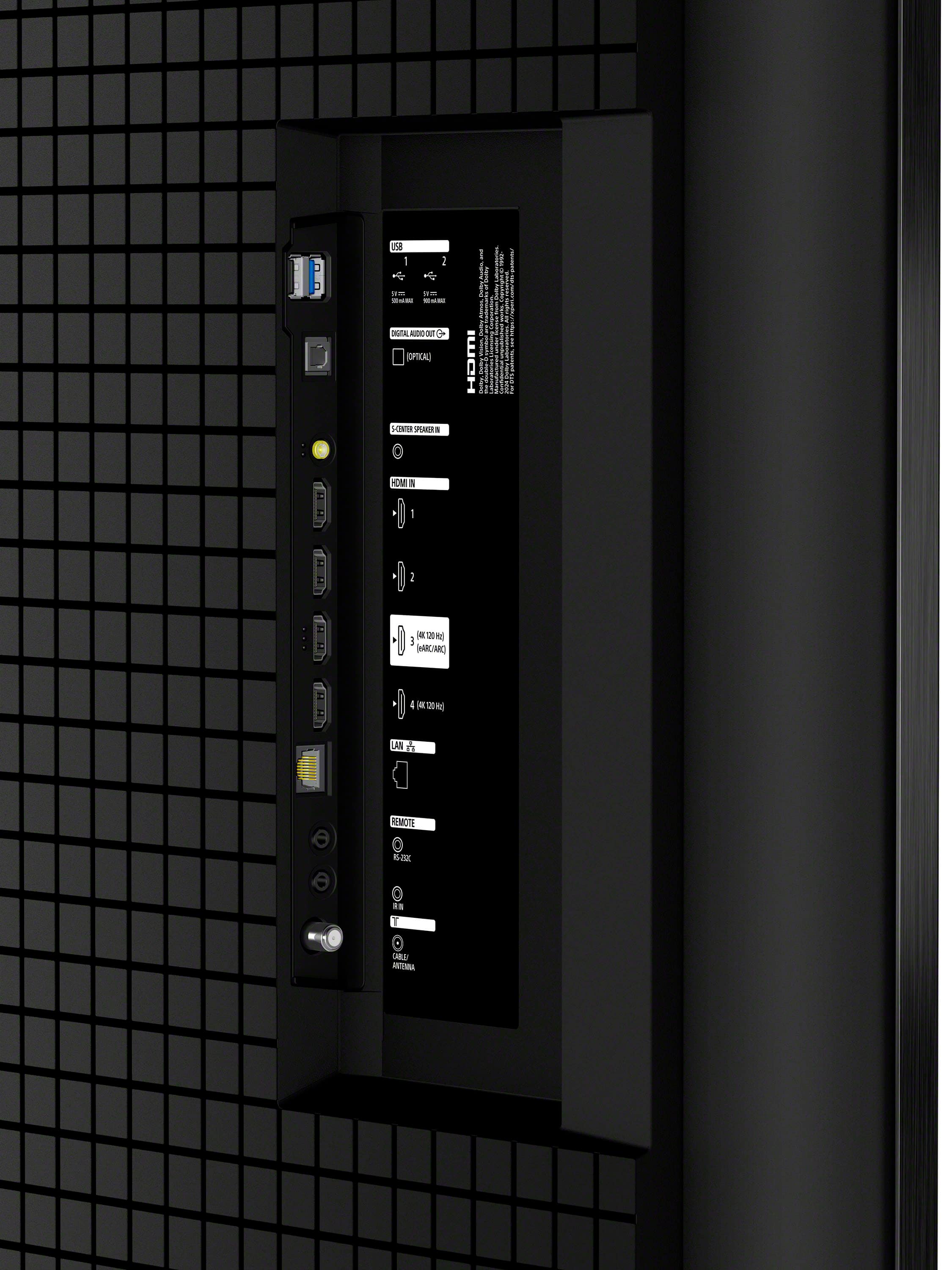
The TCL NXTVISION commits fully to its art TV concept. It doesn't include a table stand – wall mounting is essentially required. The included flush mount system makes installation straightforward, but you'll need to plan for this. The ultra-thin profile and magnetic frame system create a genuinely premium appearance that justifies the design constraints.
However, this commitment has practical implications. Moving the TV becomes more complex, and you can't easily reposition it for different seating arrangements or cleaning. The matte screen, while excellent for reducing glare, can make bright content appear slightly less sharp than glossy screens.
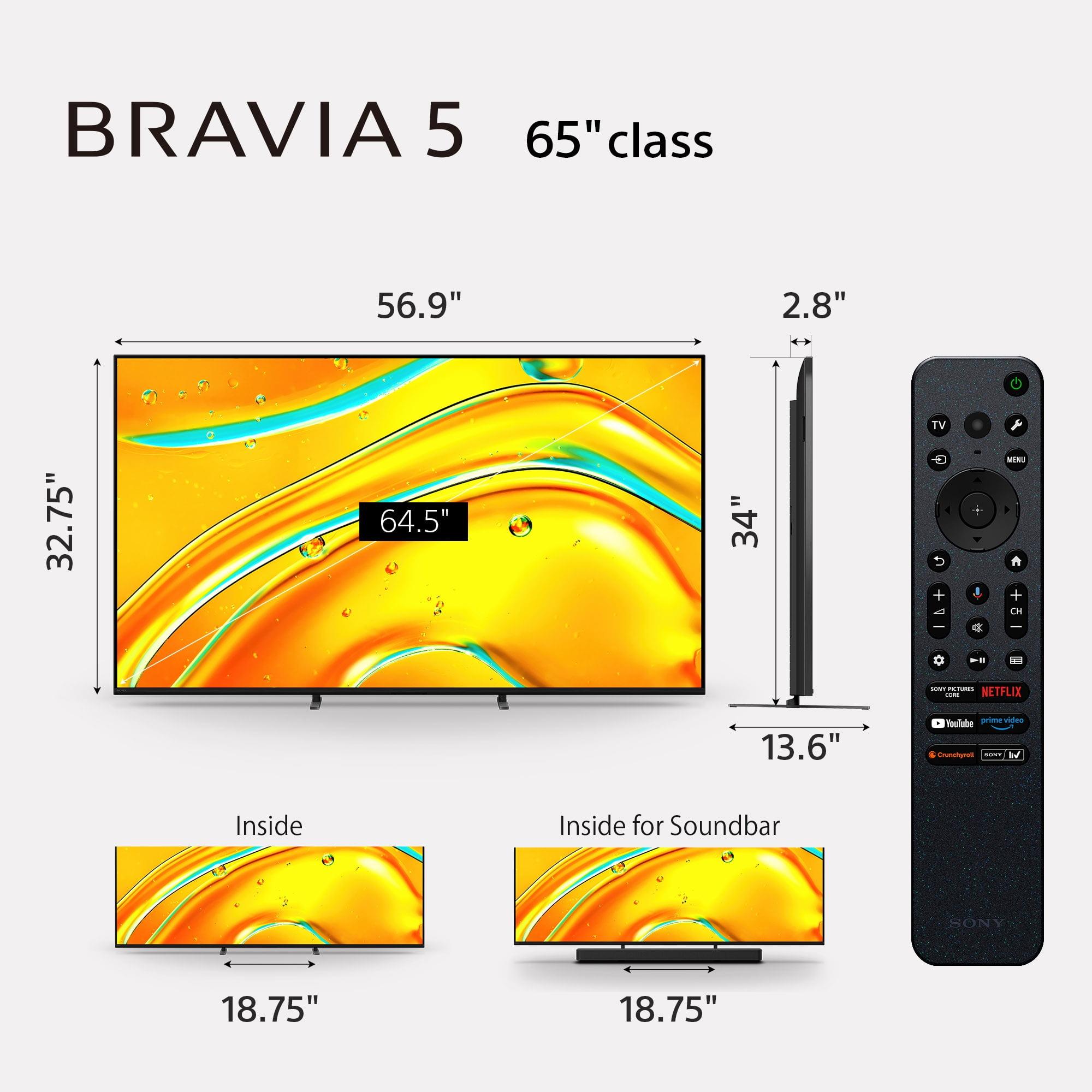
The Sony BRAVIA 5 follows conventional TV design with both wall mounting and table stand options. The included stand is adjustable, allowing placement of soundbars underneath. This flexibility makes it easier to accommodate different room layouts and furniture arrangements.
The TV's thickness (about 2.25 inches) is reasonable for a Mini LED model, though not nearly as dramatic as TCL's art TV profile. For most users, this represents a better balance of performance and practical flexibility.
For dedicated home theater setups, the Sony BRAVIA 5 emerges as the clear winner. Its superior contrast ratio, better HDR performance, and professional color accuracy create a more cinematic experience. The Mini LED backlighting particularly shines (pun intended) in dark rooms where you can appreciate deep blacks and bright highlights.
The TCL NXTVISION works acceptably for home theater use, especially for older content or streaming shows, but its edge-lit limitations become more apparent in dark room viewing where contrast differences are most visible.
However, if your "home theater" is actually a living room with significant ambient lighting, TCL's anti-glare screen provides advantages Sony can't match. The ability to watch comfortably during daytime or with room lights on is genuinely valuable for families.
At the time of writing, both TVs occupy similar price ranges in the premium 65-inch segment, though the Sony BRAVIA 5 frequently goes on sale, sometimes reducing its price significantly below MSRP. This makes value comparisons complex and timing-dependent.
The TCL NXTVISION justifies its pricing through unique functionality no traditional TV offers. If you value the art display capabilities and aesthetic integration, you're essentially getting two products in one. The ultra-thin design and anti-glare screen provide practical benefits beyond the artistic features.
The Sony BRAVIA 5 represents more straightforward value – superior picture quality technology at a competitive price point, especially when on sale. For viewers focused primarily on TV and movie watching, it delivers better performance per dollar spent.
These TVs represent genuinely different approaches to modern television design. The TCL NXTVISION innovates by solving the aesthetic integration problem that traditional TVs create, while the Sony BRAVIA 5 advances picture quality technology in more conventional ways.
Neither approach is inherently superior – they serve different user priorities. TCL's art TV concept is genuinely innovative and solves real problems for design-conscious buyers. Sony's Mini LED implementation provides measurably better picture quality for traditional viewing.
The decision ultimately comes down to whether you view your TV primarily as a display device for content or as a piece of living room furniture that happens to show great content. Both can do the job well, but they excel in different aspects of the modern TV experience.
For most buyers focused on traditional TV viewing, especially those who can find the Sony BRAVIA 5 on sale, it represents better value for picture quality. But for buyers who've always wished their TV could disappear into their décor when not in use, the TCL NXTVISION offers something genuinely unique that no amount of picture quality improvements can replicate.
| TCL 65" NXTVISION QLED 4K Art Frame TV | Sony BRAVIA 5 65" Mini LED 4K Google TV 2025 |
|---|---|
| Display Technology - Determines contrast, brightness control, and overall picture quality | |
| QLED with edge-lit LED backlighting | Mini LED with local dimming zones |
| Screen Thickness - Impacts wall mounting aesthetics and room integration | |
| Ultra-slim 1.1" depth (flush mount design) | Standard 2.25" depth with table stand option |
| Anti-Glare Treatment - Critical for bright room viewing and art display authenticity | |
| Ultra-matte anti-glare screen (eliminates reflections) | Standard glossy screen (prone to reflections) |
| Art Display Features - Unique functionality for aesthetic integration | |
| 400+ curated artworks, AI art generation, magnetic frames | None (traditional TV only) |
| Gaming Refresh Rates - Higher rates provide smoother motion for competitive gaming | |
| 4K @ 144Hz, 1080p @ 240Hz with AMD FreeSync Premium | 4K @ 120Hz with G-SYNC and HDMI Forum VRR |
| Gaming Response Time - Lower is better for fast-paced gaming without motion blur | |
| Good response times for edge-lit TV | Poor response times cause noticeable motion blur |
| HDR Peak Brightness - Higher brightness makes HDR content more impactful | |
| Limited by edge-lit design (adequate for most content) | Excellent Mini LED brightness with precise control |
| Local Dimming - Creates better contrast by controlling brightness in screen zones | |
| None (edge-lit limitation) | Thousands of Mini LED zones with precise control |
| Installation Options - Flexibility for different room setups | |
| Wall mount only (flush mount included, no table stand) | Wall mount or adjustable table stand included |
| Smart Platform - Both use Google TV but different versions | |
| Google TV (standard version) | Google TV version 12 (newer, more responsive) |
| Audio Integration - Enhanced sound system compatibility | |
| Standard 20W speakers with Dolby Atmos passthrough | Acoustic Center Sync for Sony soundbar integration |
| Color Technology - Affects color vibrancy and accuracy | |
| QLED quantum dots (vibrant, saturated colors) | XR Triluminos Pro (accurate, filmmaker-intended colors) |
| Release Year - Indicates technology generation and future support | |
| 2024 model | 2025 model (newer processor and features) |
The Sony BRAVIA 5 Mini LED delivers superior picture quality for traditional viewing thanks to its Mini LED backlighting with thousands of local dimming zones. This creates deeper blacks, brighter highlights, and better contrast overall. The TCL NXTVISION uses edge-lit QLED technology that produces vibrant colors but can't match the contrast performance of Mini LED for dark room movie watching.
The TCL NXTVISION QLED Art Frame TV functions as a full-featured 4K TV with all standard viewing capabilities. The art display feature is an additional function that activates when the TV is not in use. You can watch Netflix, play games, and use all smart TV features normally, then switch to art mode to display paintings or personal photos when you're done watching.
The TCL NXTVISION offers better gaming performance with support for 4K at 144Hz and 1080p at 240Hz refresh rates, plus AMD FreeSync Premium. The Sony BRAVIA 5 is limited to 120Hz but suffers from slow response times that cause motion blur during fast gaming. For competitive gaming, the TCL NXTVISION is the better choice despite the Sony's Mini LED advantages.
The TCL NXTVISION excels in bright rooms thanks to its ultra-matte anti-glare screen that virtually eliminates reflections from windows and room lights. The Sony BRAVIA 5 has a traditional glossy screen that reflects light sources, making it less suitable for bright environments. If you have significant ambient lighting, the TCL NXTVISION provides a much more comfortable viewing experience.
Value depends on your priorities. The Sony BRAVIA 5 frequently goes on sale and offers excellent picture quality technology for the price, making it great value for traditional TV viewing. The TCL NXTVISION costs more but provides unique dual-purpose functionality as both a TV and art display, plus superior gaming performance. Neither is overpriced for what they deliver.
Yes, but with important differences. The TCL NXTVISION is designed specifically for wall mounting with an included flush mount system and ultra-thin 1.1" profile that looks like a framed painting. The Sony BRAVIA 5 can be wall mounted using standard VESA mounts but also includes a table stand for more flexibility in placement options.
Both the TCL NXTVISION and Sony BRAVIA 5 run Google TV with access to all major streaming services like Netflix, Disney+, and Amazon Prime Video. The Sony BRAVIA 5 uses a newer version of Google TV that tends to be more responsive. The main difference is that the TCL NXTVISION includes additional art-focused features and AI art generation capabilities.
The TCL NXTVISION requires wall mounting as it doesn't include a table stand, but comes with everything needed for flush installation. The Sony BRAVIA 5 offers more flexibility with both wall mount and table stand options included. If you prefer tabletop placement or might move your TV frequently, the Sony BRAVIA 5 provides more installation flexibility.
The Sony BRAVIA 5 is superior for home theater use due to its Mini LED technology providing excellent contrast in dark rooms, better HDR performance, and more accurate colors for cinematic content. The TCL NXTVISION works adequately for home theater but its edge-lit design can't match the deep blacks and precise brightness control that make movies truly cinematic.
The Sony BRAVIA 5 offers more advanced audio processing with features like Voice Zoom 3 for enhanced dialogue and can integrate with Sony soundbars as a center channel speaker. The TCL NXTVISION provides solid audio with Dolby Atmos support but is limited by its ultra-thin design. Both TVs benefit from adding a soundbar for optimal audio performance.
The TCL NXTVISION is specifically designed to solve this problem with its art display mode, ultra-matte screen, and included decorative frame that makes it look like wall art when not in use. The Sony BRAVIA 5 appears as a traditional black rectangle when off. If aesthetics and room integration matter to you, the TCL NXTVISION transforms your space in ways no conventional TV can match.
Sony has a longer established reputation in premium TVs with strong customer support and proven reliability. TCL has rapidly improved in recent years and offers competitive warranties, but Sony generally provides more consistent long-term support. The Sony BRAVIA 5 represents a safer choice for buyers prioritizing brand reputation, while the TCL NXTVISION offers innovative features from a brand that's earned respect in the TV market.
We've done our best to create useful and informative comparisons to help you decide what product to buy. Our research uses advanced automated methods to create this comparison and perfection is not possible - please contact us for corrections or questions. These are the sites we've researched in the creation of this article: rtings.com - tcl.com - bestbuy.com - tcl.com - bestbuy.com - tcl.com - youtube.com - rcwilley.com - businessinsider.com - bestbuy.com - target.com - youtube.com - support.tcl.com - nfm.com - woodruffappliance.com - flatpanelshd.com - tcl.com - rtings.com - pro.sony - youtube.com - electronics.sony.com - electronics.sony.com - electronics.sony.com - bestbuy.com - electronics.sony.com - youtube.com - bestbuy.com - videoandaudiocenter.com - valueelectronics.com - youtube.com - sony.ca - perpichtv.com - sony.com - displayspecifications.com - pioneertvandappliance.com - flatpanelshd.com

Privacy Policy
Terms and Conditions - Affiliate Policy
Home Security
© Copyright 2008-2026.
11816 Inwood Rd #1211, Dallas, TX 75244