

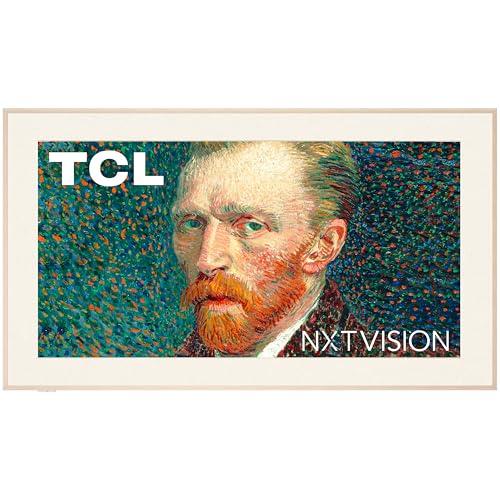

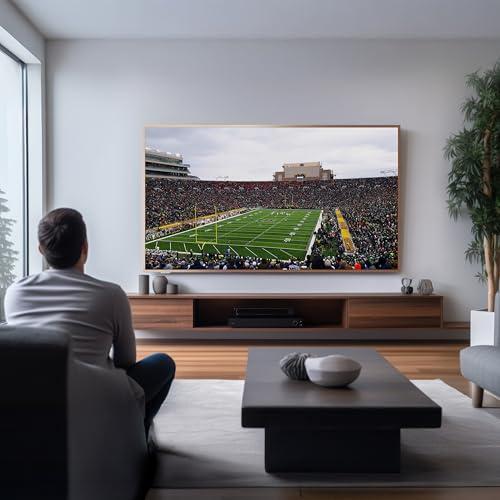


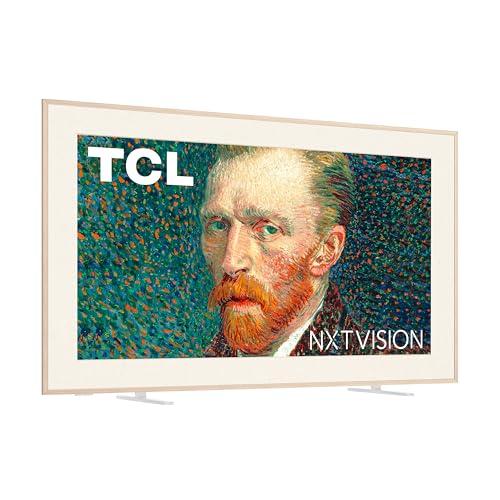
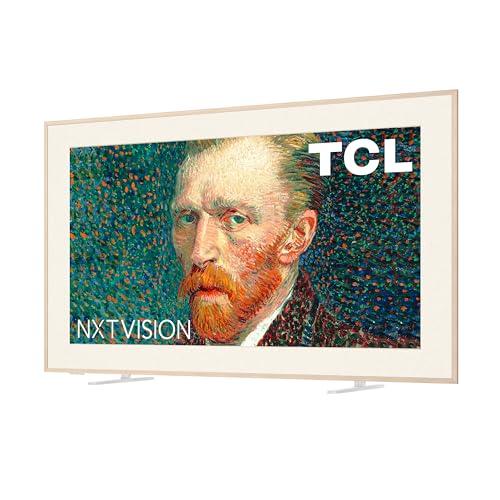
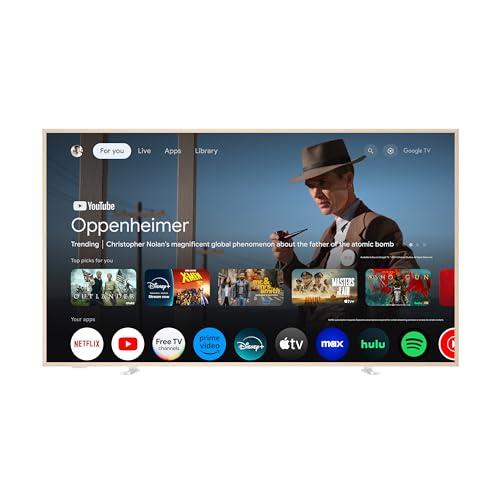
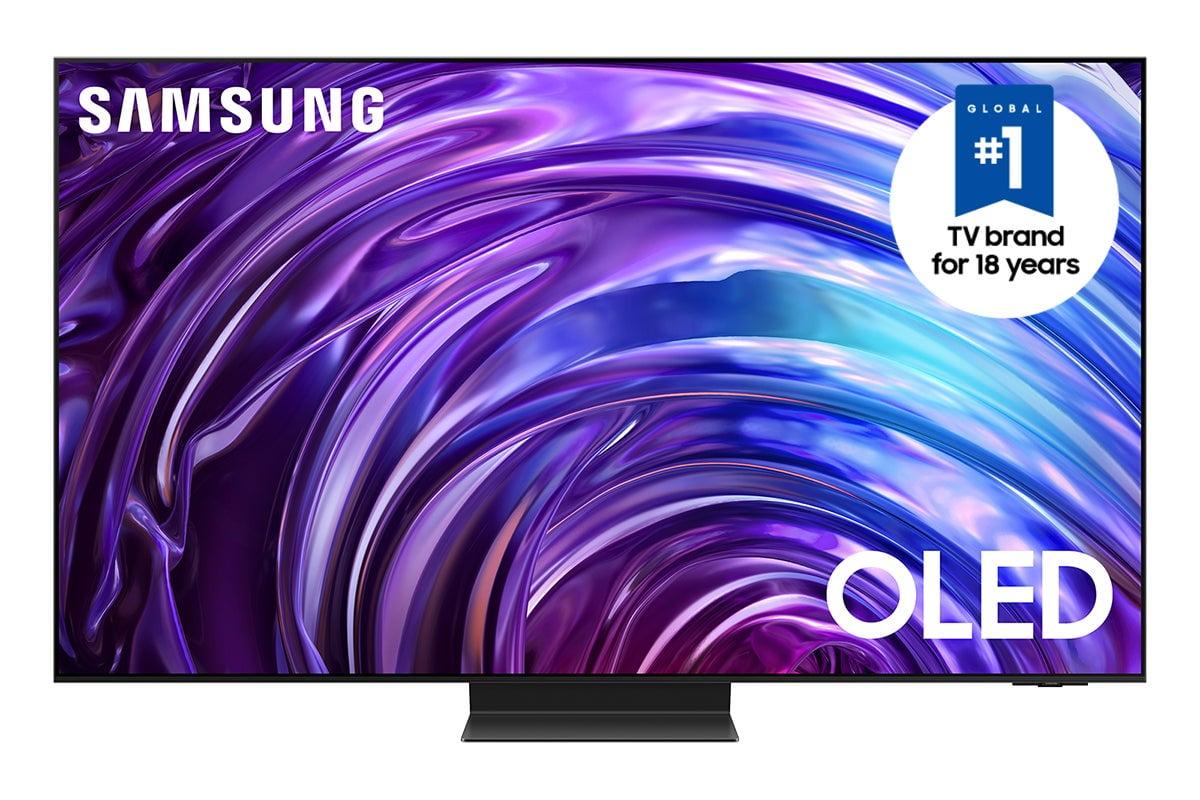
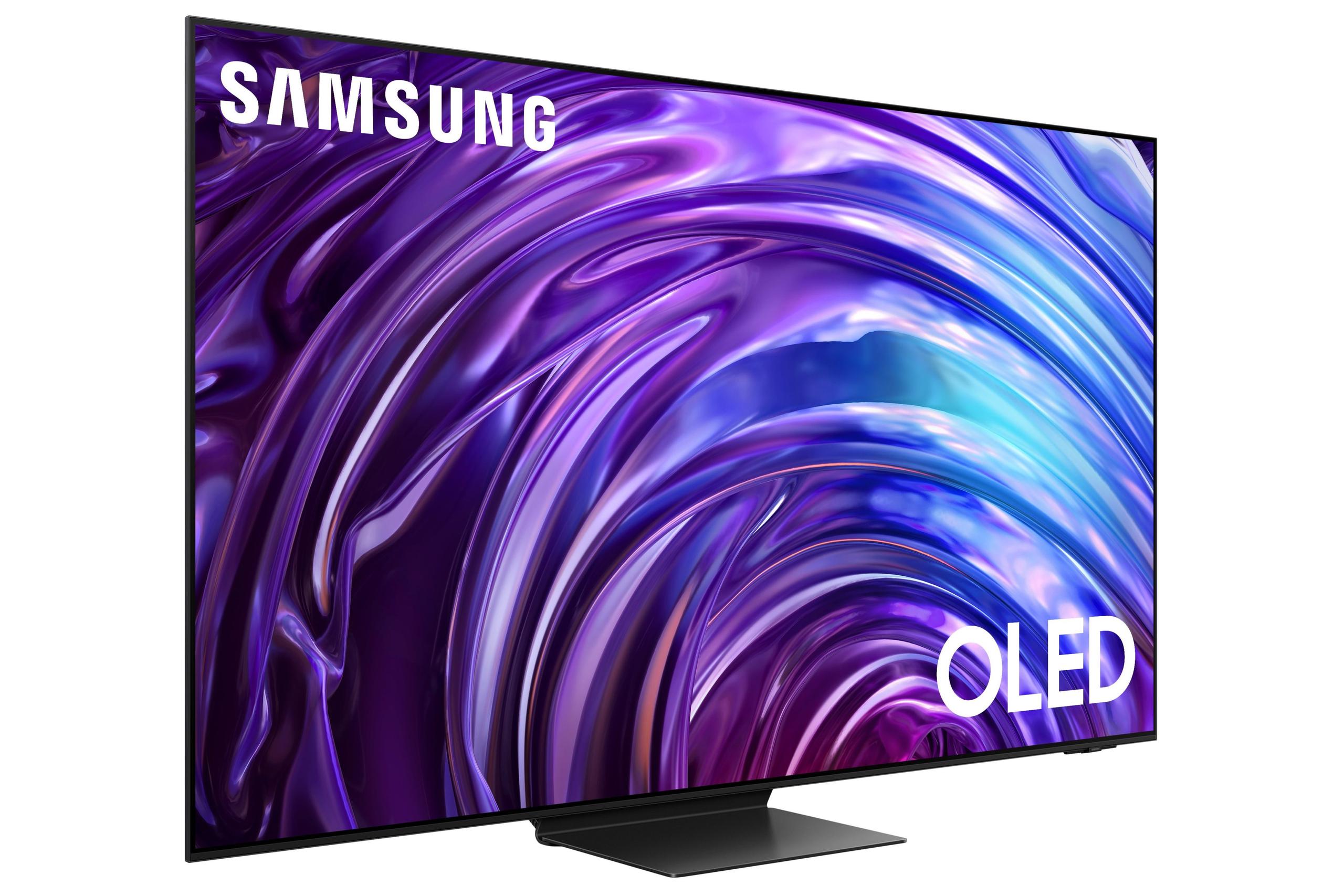
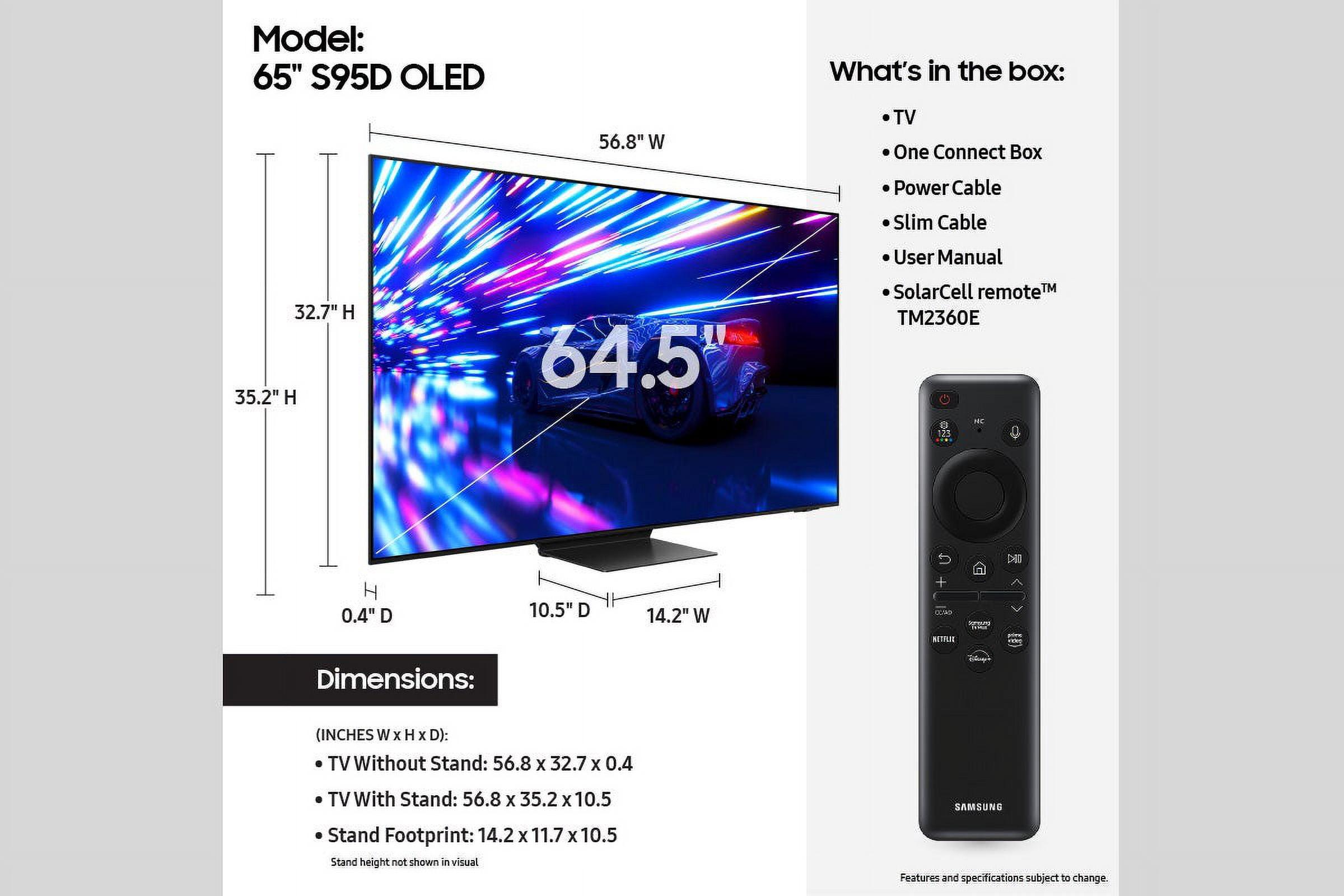
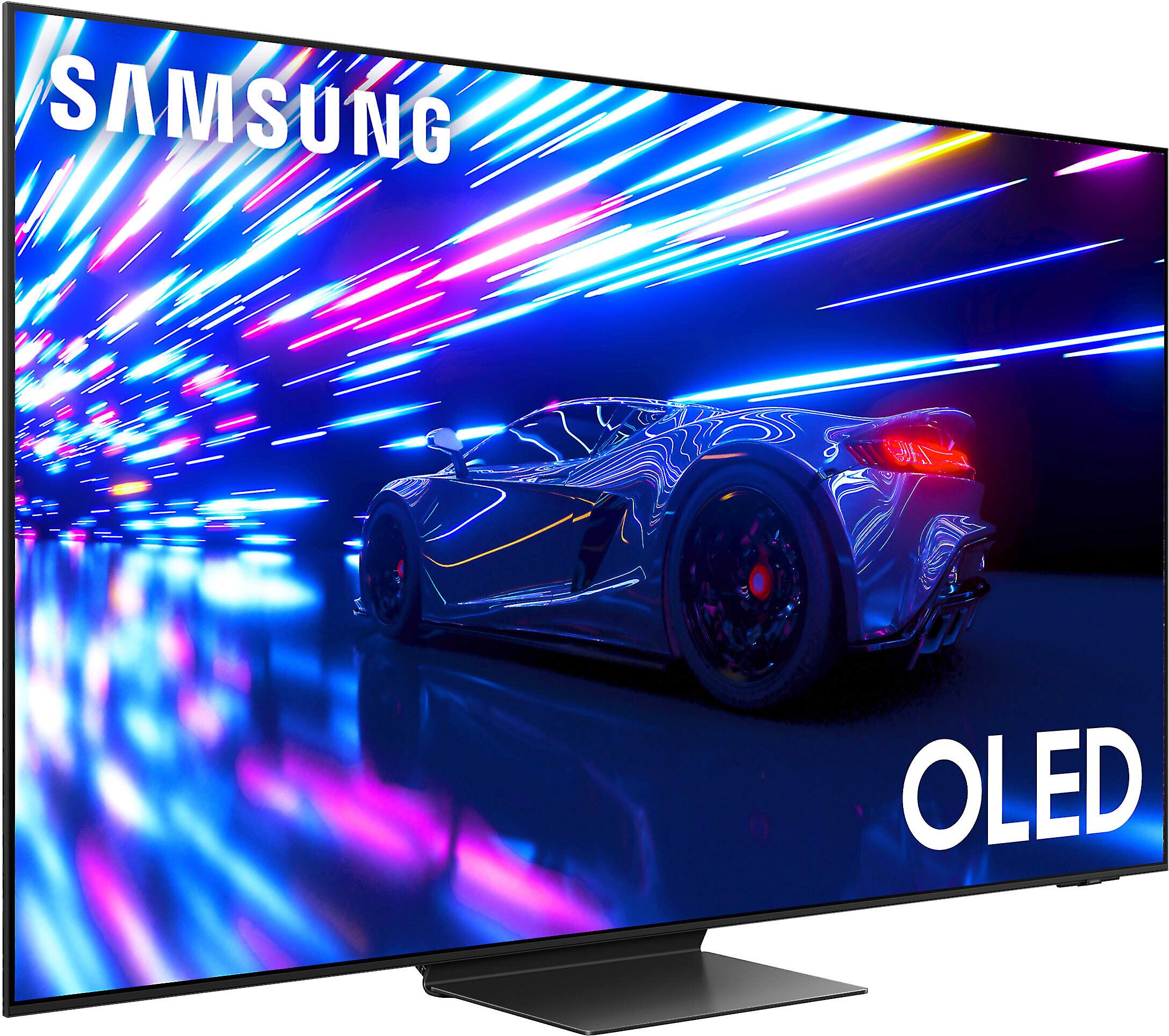
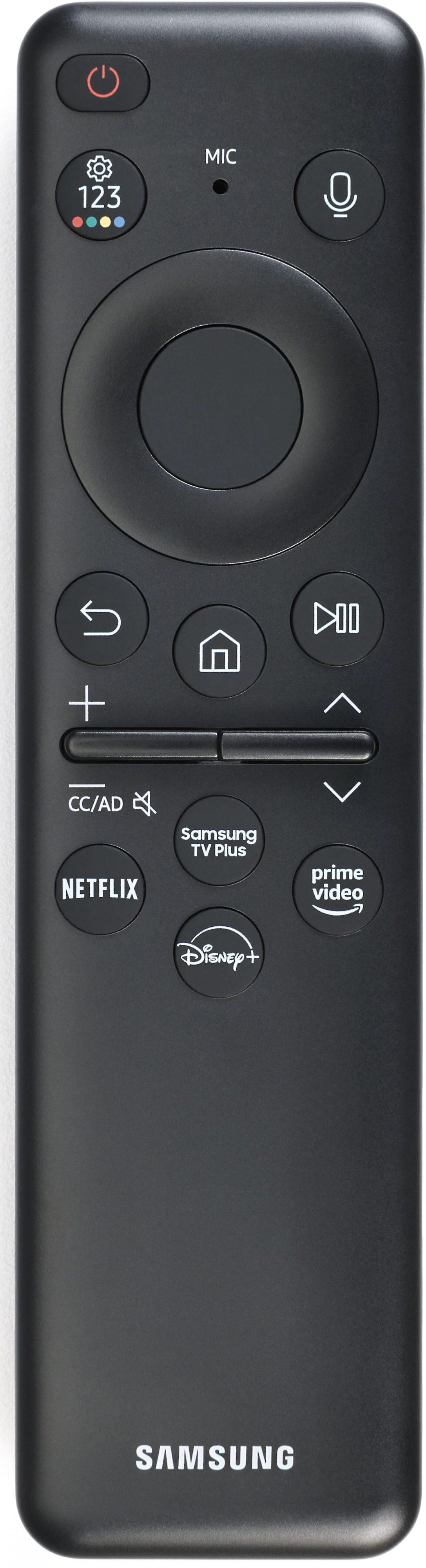
The television market has evolved dramatically in recent years, splitting into fascinating new directions. On one side, we have traditional home theater TVs pushing picture quality to new heights. On the other, a new category of "lifestyle TVs" that prioritize room integration and decorative function alongside entertainment. This divide is perfectly illustrated by comparing the TCL 65" NXTVISION QLED Art Frame TV with the Samsung 65" S95D 4K OLED Smart TV.
Both launched in 2024, these 65-inch premium displays represent completely different philosophies. The TCL NXTVISION pioneered the art TV segment with its ultra-slim design and matte anti-glare screen, while the Samsung S95D refined QD-OLED technology to deliver what many consider the best overall picture quality available today.
Understanding which approach suits your needs requires diving deep into how these technologies work and where they excel. At the time of writing, the Samsung S95D commands a premium price reflecting its flagship positioning, while the TCL NXTVISION offers more accessible pricing for its unique lifestyle features.
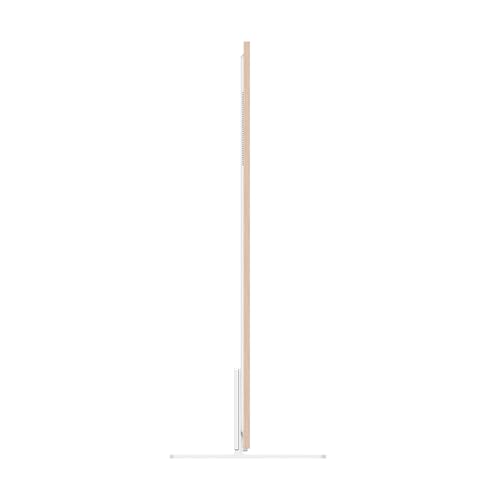
The TCL NXTVISION represents something genuinely new in television design. When powered off, it displays a curated library of over 400 artworks or your personal photos, transforming into what appears to be a framed canvas on your wall. This isn't just a screensaver—the entire TV is engineered around this concept.
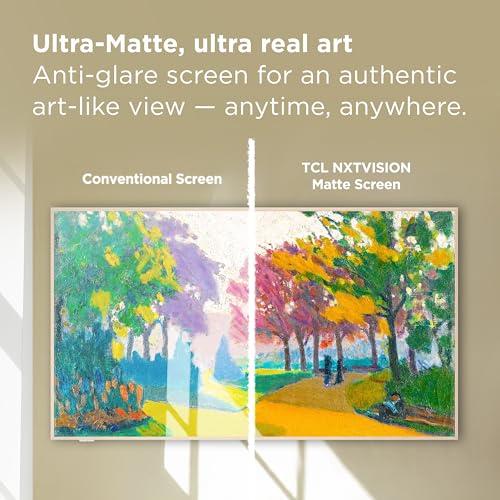
The magic starts with the ultra-matte anti-glare screen coating. Unlike traditional TV screens that reflect room lighting, this specialized surface scatters light to eliminate reflections almost entirely. When displaying artwork, the screen genuinely resembles canvas texture. This matte coating is so effective that you can place the TV directly opposite bright windows without the usual glare washing out the image.
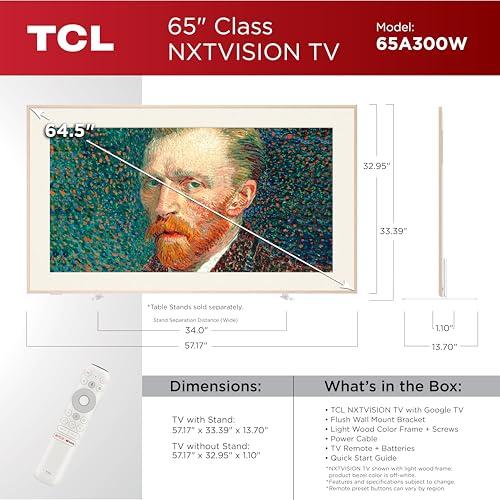
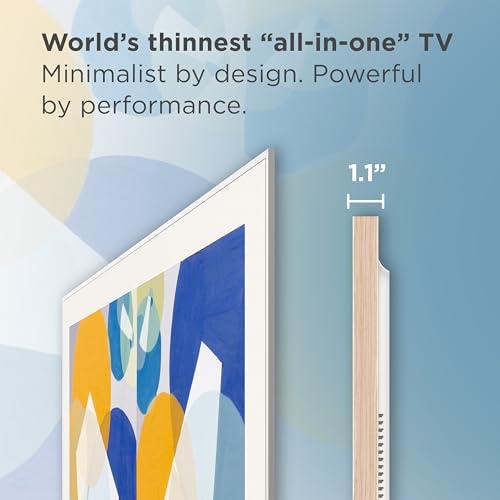
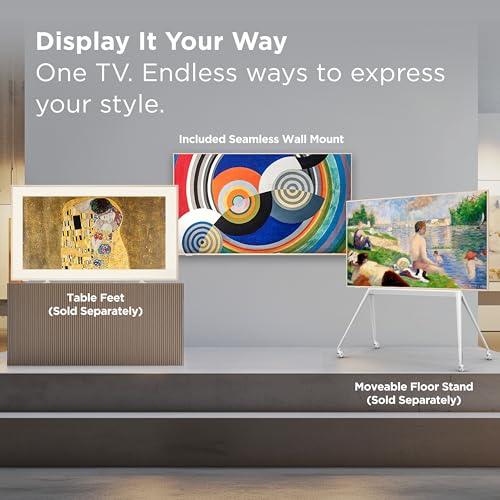
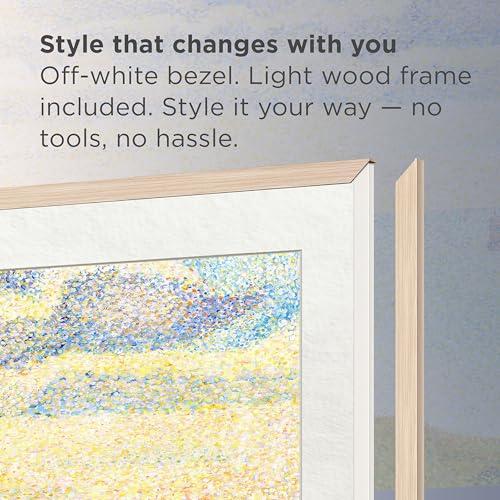
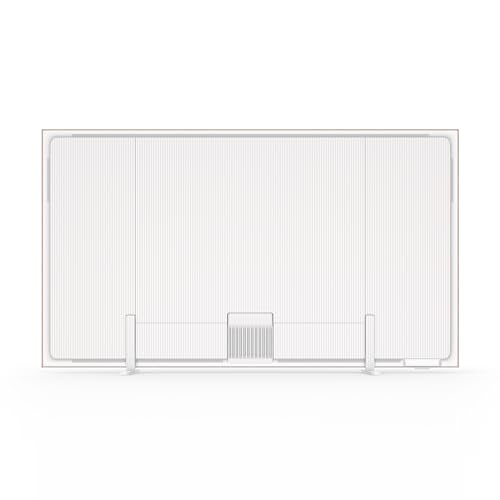
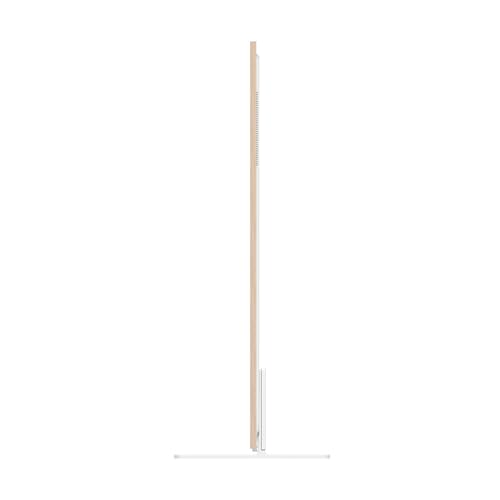
The physical design reinforces this gallery aesthetic. At just 1.1 inches deep, the TCL NXTVISION is among the world's thinnest TVs. The built-in chassis eliminates external boxes, and the included flush wall mount creates a seamless installation. Magnetic wooden frames can be swapped to match your décor, completing the illusion of hanging artwork.
But there's a trade-off. The edge-lit QLED design uses LED strips around the screen perimeter to illuminate the entire panel. While this enables the ultra-slim profile, it fundamentally limits contrast performance. The backlight is always on, meaning blacks appear gray rather than true black. In dark movie scenes, you'll notice this limitation compared to self-emissive displays.
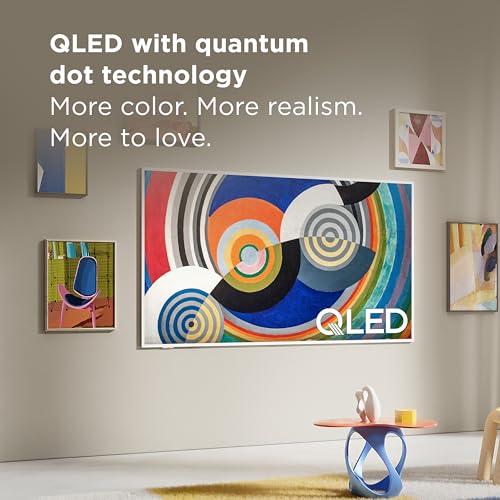
The quantum dot technology does deliver vibrant, saturated colors through microscopic particles that convert blue LED light into precise red and green wavelengths. The KSF phosphor coating further enhances color separation, particularly for reds and greens. Colors pop with intensity, though they may appear slightly oversaturated compared to cinema standards.
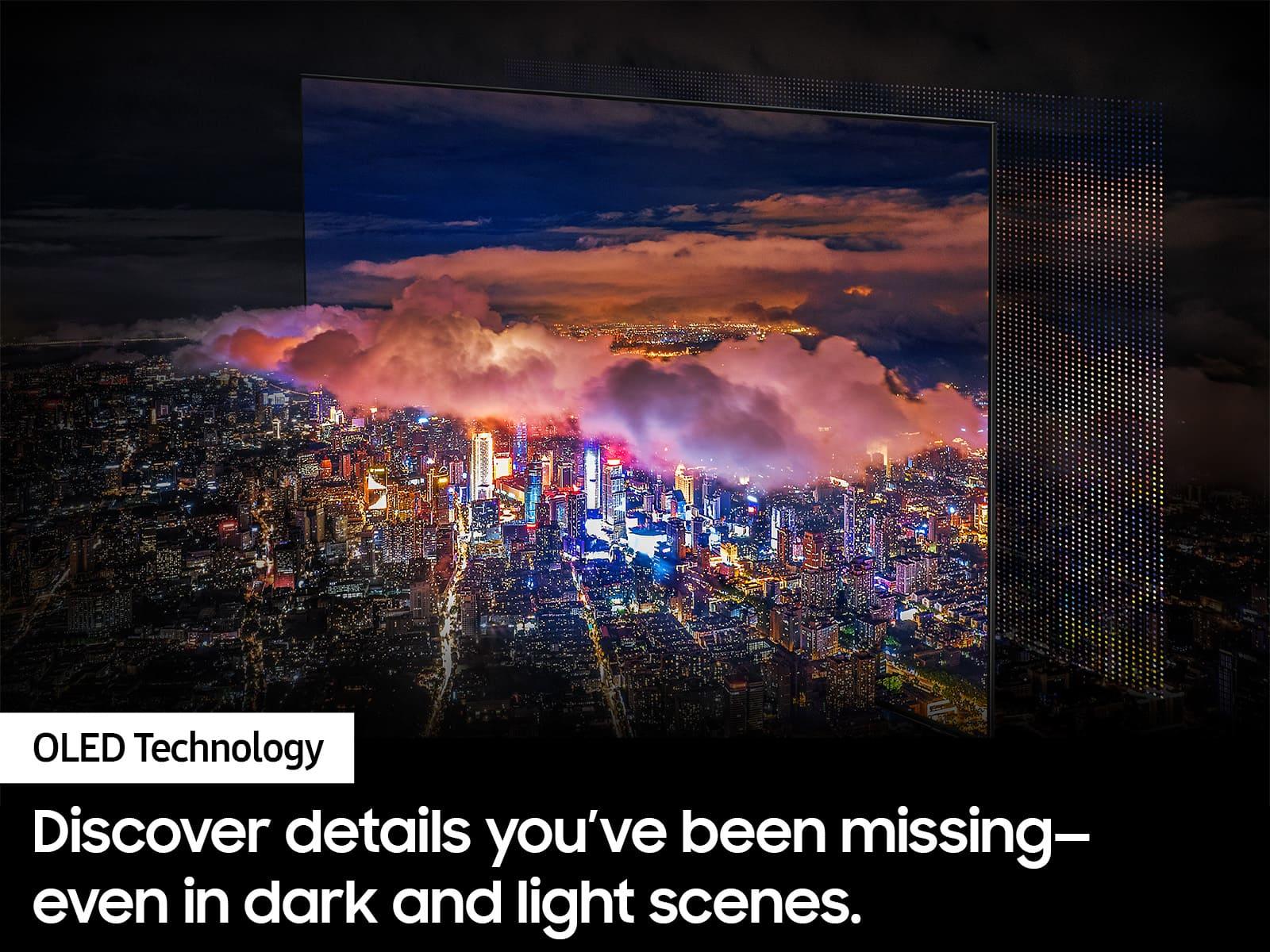
The Samsung S95D takes a completely different approach, prioritizing ultimate picture quality above all else. QD-OLED technology combines quantum dots with OLED's fundamental advantage: each pixel produces its own light and can turn completely off.
This creates what's called "infinite contrast ratio." When displaying a star field in space, the stars shine brightly while the surrounding space is absolutely black—not dark gray, but true absence of light. This dramatic contrast makes images appear to have genuine depth, as if bright objects float in three-dimensional space.
The Samsung S95D pushes approximately 1,700 nits peak brightness. While this might seem modest compared to some LED TVs claiming 4,000+ nits, the meaningful difference is how this brightness works with perfect blacks. A white spaceship against black space at 1,700 nits with infinite contrast often appears more dramatic than a 3,000-nit LED TV with gray blacks and light bleed.
Color accuracy on the Samsung S95D is Pantone-validated, meaning it reproduces colors as they were intended by content creators. Skin tones appear natural, and mixed lighting scenes maintain realistic color balance. This precision comes from combining quantum dot color enhancement with OLED's precise per-pixel control.
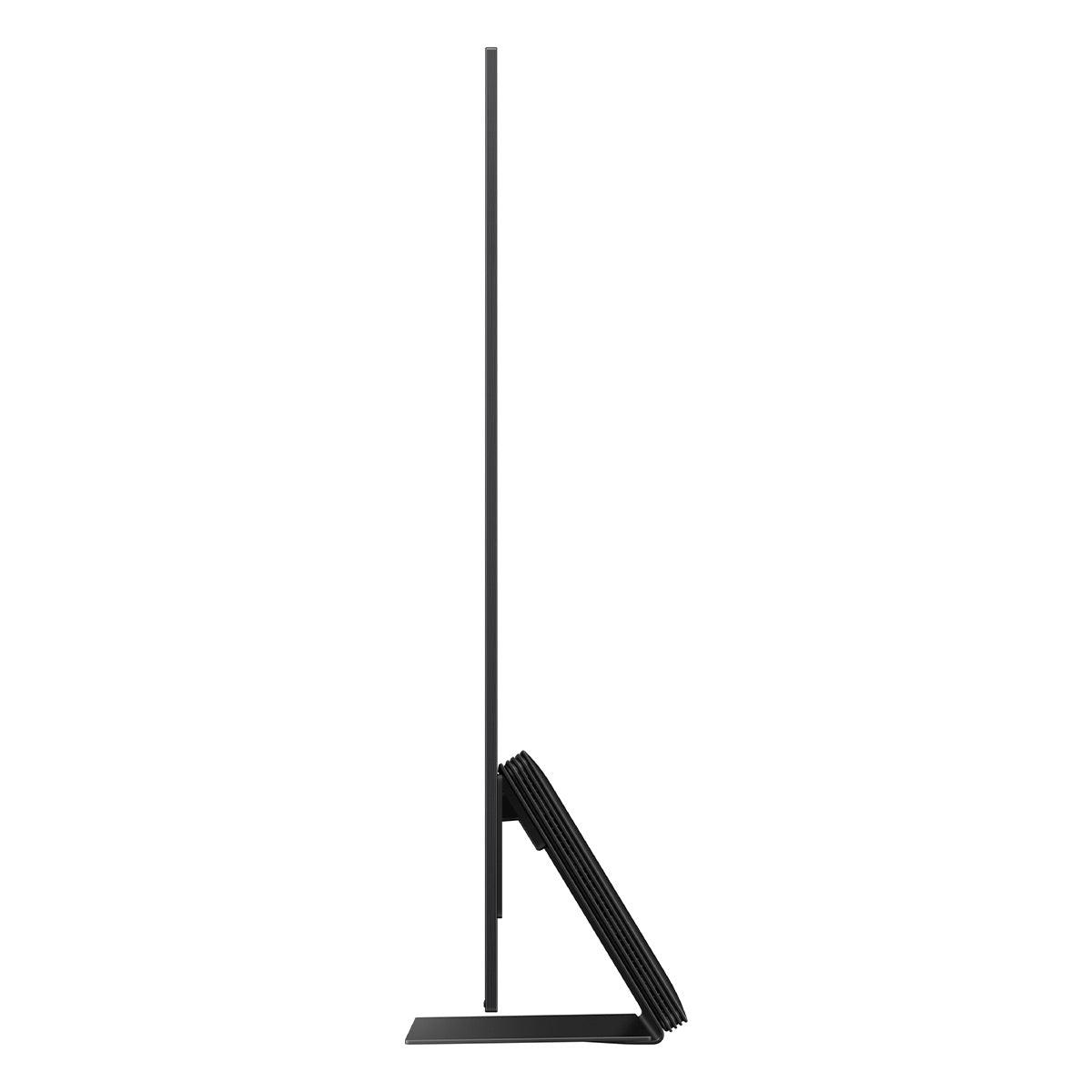
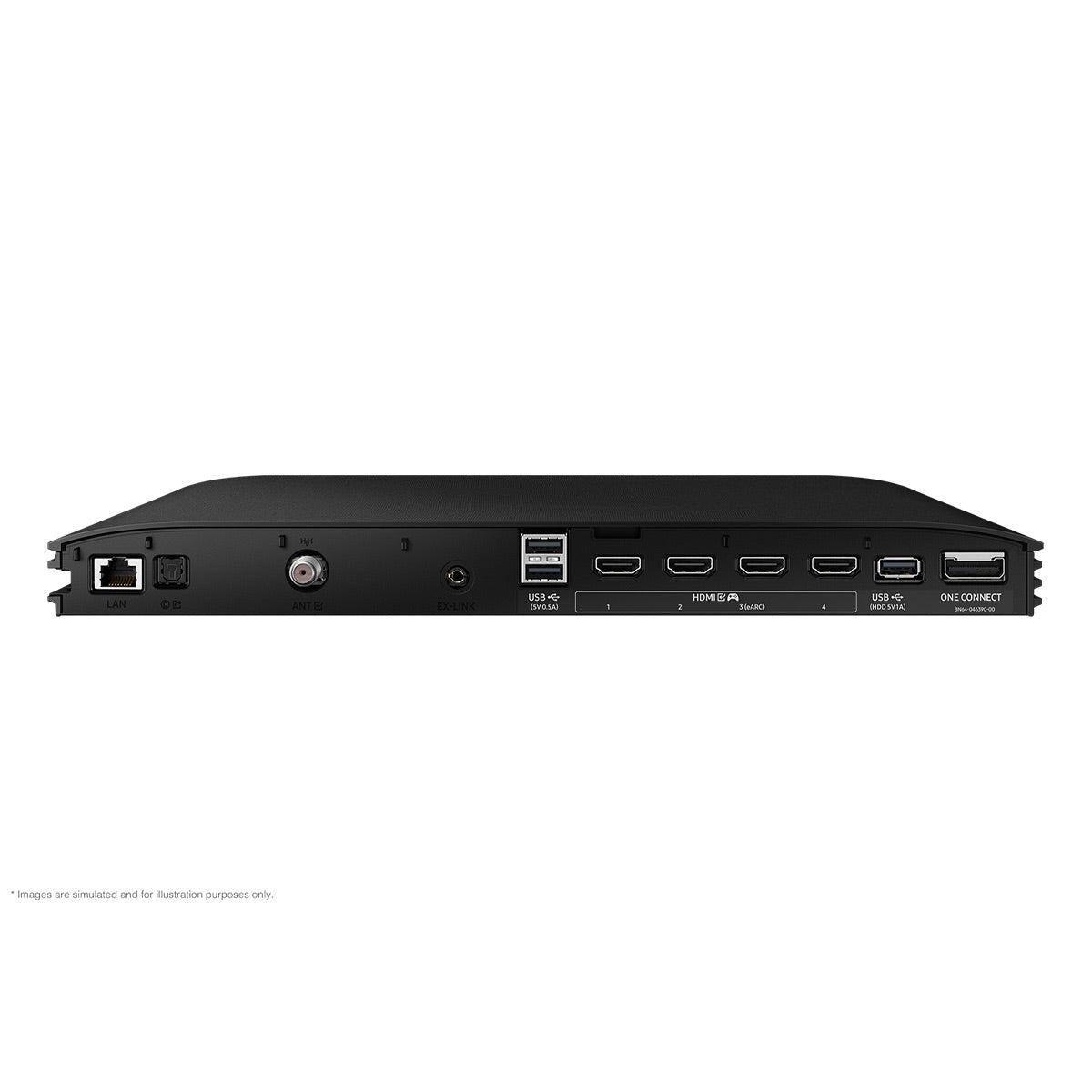
The One Connect Box houses all inputs and processing, connecting to the display panel through a single slim cable. This keeps the actual screen impossibly thin while providing full connectivity. It's an elegant engineering solution, though it does require finding space for the external box.
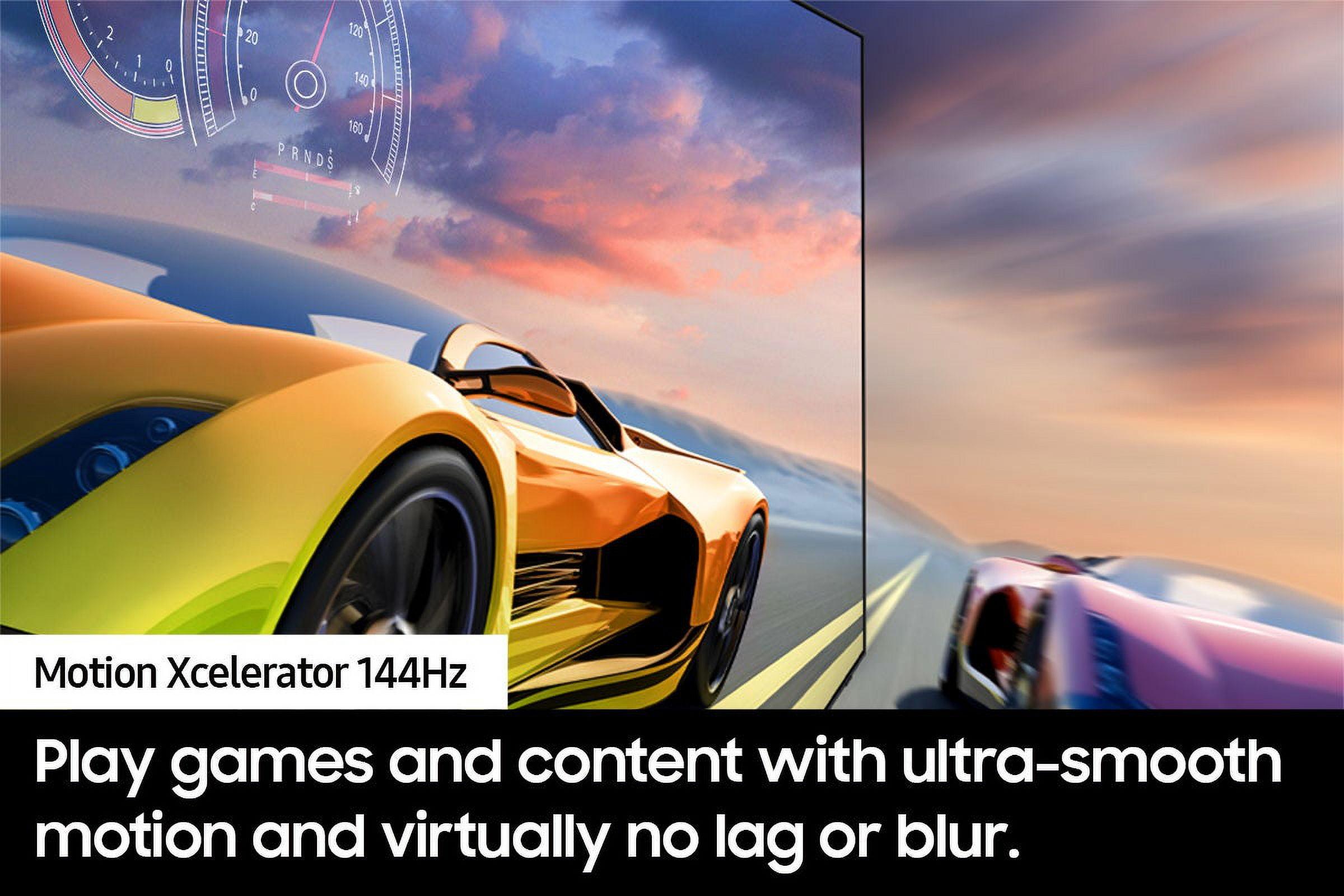
Gaming reveals stark differences between these approaches. On paper, the TCL NXTVISION appears superior with support for 240Hz variable refresh rate (VRR) and two HDMI 2.1 ports handling 4K at 144Hz. However, real-world gaming experience tells a different story.
Variable refresh rate synchronizes the TV's refresh with your gaming console or PC's frame output, eliminating screen tearing—that jarring horizontal line that appears when frame rates don't match. The TCL NXTVISION supports multiple VRR technologies including AMD FreeSync Premium, but with significant limitations.
VRR only functions in Game Mode, and you cannot simultaneously display 4:4:4 chroma (important for sharp text in PC gaming) and use VRR. You must choose one or the other. More problematically, when gaming at 144Hz, the entire screen flashes due to gamma setting changes as the TV switches between different refresh rate modes.
The pixel response time—how quickly pixels change from one color to another—is quite slow on the TCL NXTVISION. Fast-moving objects leave noticeable blur trails, reducing clarity in action games or sports titles. The motion processing can help but introduces its own artifacts.
The Samsung S95D offers a more polished gaming experience. Input lag measures just 9 milliseconds, among the fastest available. OLED's naturally fast pixel response eliminates motion blur, and the 120Hz native refresh rate handles all current gaming scenarios smoothly. Samsung Gaming Hub provides integrated cloud gaming access, turning the TV into a complete gaming platform.
For competitive gaming where every millisecond matters, the Samsung S95D clearly wins. The TCL NXTVISION can handle casual gaming acceptably, but serious gamers will notice the compromises.
Here's where the TCL NXTVISION truly shines. The ultra-matte anti-glare coating nearly eliminates reflections from windows, lamps, or overhead lighting. In bright living rooms where traditional TVs become unwatchable mirrors, the TCL NXTVISION maintains clear, vibrant images.
This anti-glare performance extends beyond just reducing reflections. The coating helps maintain color saturation and contrast even in challenging lighting conditions. When displaying artwork during daytime, the screen genuinely resembles a framed painting rather than an obvious television screen.
OLED TVs like the Samsung S95D generally handle reflections better than traditional LCD TVs due to their processing and coating technologies, but they cannot match the specialized anti-glare performance of the TCL NXTVISION. In a bright living room with large windows, the difference is immediately obvious.
However, this matte coating does have trade-offs. In darker rooms, the coating can slightly soften fine details compared to glossy screens. The effect is minimal and most viewers won't notice, but videophiles in dedicated dark rooms might prefer the sharper appearance of conventional screens.
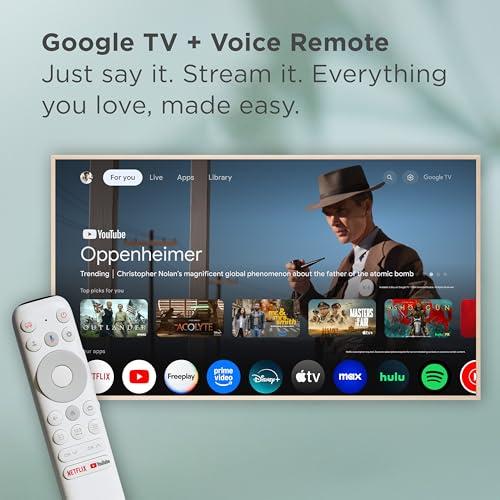
Both TVs run different smart platforms with distinct advantages. The TCL NXTVISION uses Google TV, which offers the broadest app compatibility and seamless integration with Google services. Built-in Chromecast allows easy casting from phones and tablets, while Google Assistant provides comprehensive voice control.
The art features genuinely enhance daily living. The AI art generation can create unique images based on text prompts, while the curated gallery includes classical paintings, photography, and contemporary works. Multiple matte settings adjust the canvas texture appearance, and personal photo galleries can display family memories in slideshow format.
The Samsung S95D runs Tizen OS, which provides a more curated but polished experience. App selection is good but not quite as comprehensive as Google TV. Samsung Gaming Hub integration is superior, offering cloud gaming from Xbox, Nvidia GeForce Now, and other platforms directly through the TV without additional hardware.
Both platforms receive regular updates, though Google TV's open ecosystem typically sees faster feature additions and broader compatibility with new services.
Audio performance in ultra-thin TVs faces fundamental physics limitations—thin enclosures cannot move much air, limiting bass response and overall volume. Both TVs handle this challenge differently.
The TCL NXTVISION includes 20 watts of total power through dual 10-watt speakers with Dolby Atmos processing. The Enhanced Dialogue Mode specifically boosts speech frequencies, helping with movie and TV show clarity. While adequate for casual viewing, the thin profile severely limits dynamic range and bass response.
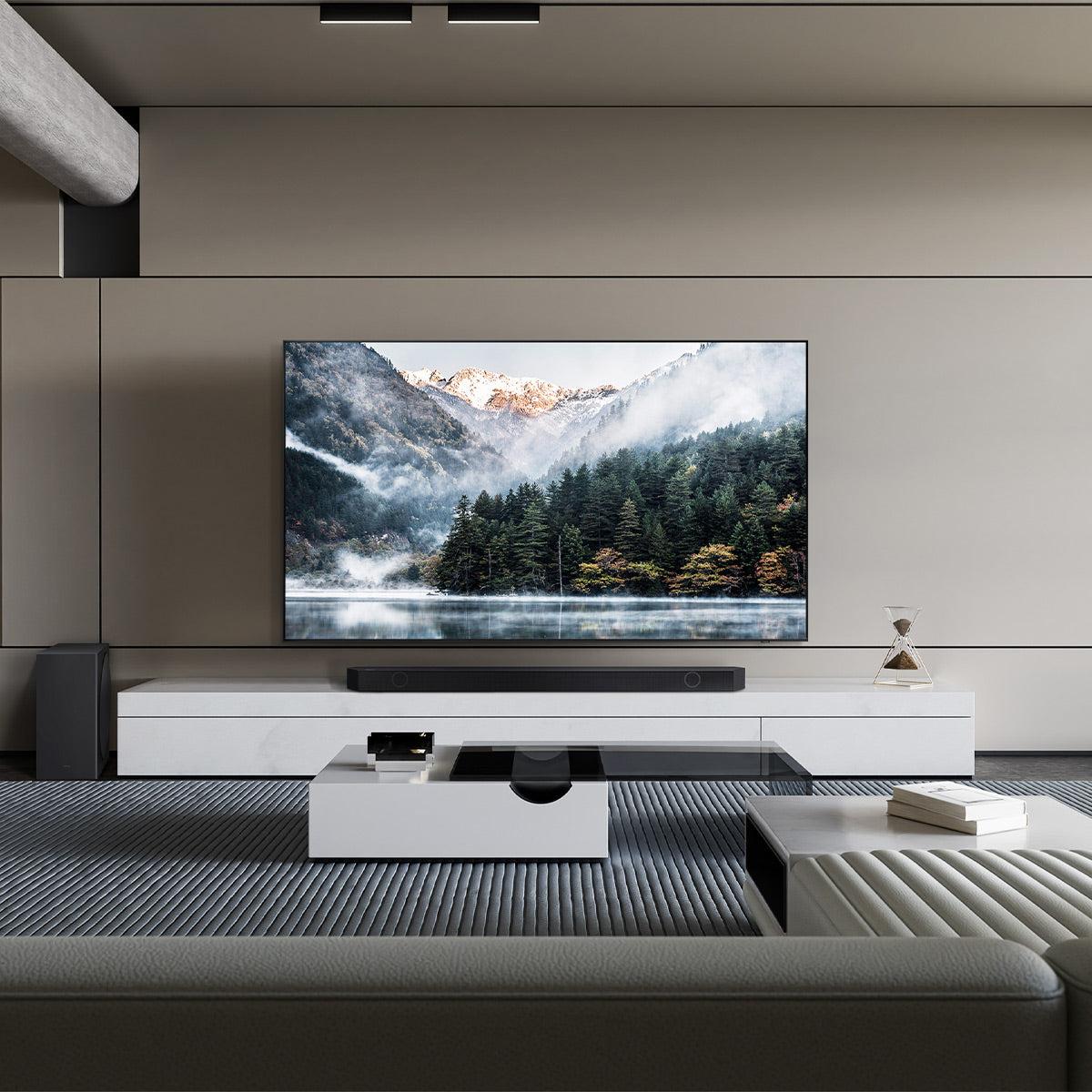
The Samsung S95D features Object Tracking Sound+, which uses multiple speakers and processing to make audio appear to follow on-screen action. A helicopter panning across the screen will have its sound move accordingly. This creates a more immersive experience even without a separate sound system.
Neither TV will satisfy serious audiophiles or home theater enthusiasts. Both benefit significantly from soundbars or dedicated audio systems, though the Samsung S95D provides a more engaging experience with its built-in speakers.
For dedicated home theater use, the Samsung S95D represents a clear choice. The perfect black levels create that "theater in space" experience where the screen boundaries disappear in dark rooms. HDR content displays with the dramatic contrast intended by filmmakers, and the accurate color reproduction ensures you're seeing content as created.
The TCL NXTVISION faces inherent limitations in home theater scenarios. The edge-lit design means dark scenes appear washed out compared to OLED, and the ultra-matte coating can slightly soften fine details that videophiles treasure. However, for mixed-use spaces where the TV must function in various lighting conditions, its versatility has merit.
Viewing angles tell an interesting story. The Samsung S95D maintains consistent color and contrast across wide seating arrangements, typical of OLED technology. The TCL NXTVISION offers good but not exceptional viewing angles, with some color shifting at extreme angles.
Burn-in remains a consideration with any OLED display, though modern panels have dramatically reduced this risk. The Samsung S95D includes multiple protection mechanisms and won't experience burn-in with normal viewing habits. However, if you plan to display static images for many hours—such as using the TV primarily for art display—there's theoretical risk over years of use.
The TCL NXTVISION has zero burn-in risk due to its LCD technology. This makes it ideal for the art display function, where static images might remain on-screen for hours. For mixed use including long gaming sessions with persistent HUD elements, this represents a meaningful advantage.
Both TVs should provide many years of reliable service with normal use, though the TCL NXTVISION offers greater peace of mind for unconventional usage patterns.
The decision ultimately depends on your priorities and viewing environment. The TCL NXTVISION revolutionizes how TVs integrate into living spaces, offering genuine value for users who want their display to disappear into the décor when not actively watching. Its exceptional bright-room performance and unique art features create utility beyond traditional television functions.
The Samsung S95D delivers reference-quality picture performance that satisfies the most demanding viewers. For home theater enthusiasts, serious gamers, or anyone prioritizing absolute picture quality, it represents the current pinnacle of display technology.
At the time of writing, pricing reflects these different approaches. The Samsung S95D commands premium pricing appropriate for flagship display technology, while the TCL NXTVISION offers more accessible entry into the lifestyle TV category.
Consider the TCL NXTVISION if your TV will live in a bright room, you value the art display functionality, or you want a conversation-starting piece that guests won't immediately recognize as a television. Choose the Samsung S95D if picture quality is paramount, you have a dedicated viewing space, or you're building a serious gaming setup.
Both represent successful but fundamentally different approaches to premium television design. Your choice should align with how you actually use and live with your TV, not just how it performs in ideal demonstration conditions.
| TCL 65" NXTVISION QLED 4K Art Frame TV | Samsung 65" S95D 4K OLED Smart TV |
|---|---|
| Display Technology - Fundamentally different approaches to picture quality | |
| Edge-lit QLED with Quantum Dots (vibrant colors, gray blacks) | QD-OLED with per-pixel lighting (perfect blacks, infinite contrast) |
| Screen Depth - Critical for wall mounting and room integration | |
| Ultra-slim 1.1" depth with built-in chassis (flush gallery look) | Standard TV depth with external One Connect Box |
| Anti-Glare Performance - Essential for bright living rooms | |
| Ultra-matte coating eliminates reflections (game-changing for daytime) | Standard OLED coating (good but not exceptional glare handling) |
| Peak Brightness - Affects HDR impact and daytime viewing | |
| High Brightness+ LED (solid for bright rooms) | ~1,700 nits (excellent when paired with perfect blacks) |
| Black Level Performance - Most noticeable difference in dark scenes | |
| Gray blacks due to always-on edge lighting | Perfect blacks with pixels that turn completely off |
| Gaming Input Lag - Critical for competitive gaming | |
| Not specified but includes VRR limitations | 9ms (excellent for all gaming scenarios) |
| Refresh Rate - Higher numbers aren't always better | |
| 120Hz native, 240Hz VRR (with significant limitations) | 120Hz native (consistent performance across all modes) |
| Art Display Features - Unique lifestyle functionality | |
| 400+ curated artworks, AI art generation, magnetic frames | None (traditional TV design and function) |
| Smart Platform - Affects app selection and ease of use | |
| Google TV (broadest app compatibility, Google integration) | Samsung Tizen OS (polished but more limited app selection) |
| Burn-in Risk - Important for static content and art display | |
| Zero risk due to LCD technology | Minimal risk with modern OLED protection |
| Viewing Angles - Matters for wide seating arrangements | |
| Good but some color shifting at extreme angles | Excellent consistency across all viewing positions |
| Color Accuracy - Cinema vs vibrant presentation | |
| Quantum Dot enhanced, more saturated/punchy colors | Pantone-validated, cinema-accurate color reproduction |
| Audio System - Built-in sound quality | |
| 20W Dolby Atmos (adequate for casual viewing) | Object Tracking Sound+ (superior spatial audio) |
| Installation Complexity - Ease of setup | |
| Flush wall mount included, no external boxes | One Connect Box requires additional placement planning |
| Best Use Case - Who should buy each TV | |
| Bright rooms, art display, lifestyle integration focus | Dark rooms, home theater, ultimate picture quality priority |
The Samsung 65" S95D 4K OLED Smart TV delivers superior overall picture quality with perfect blacks, infinite contrast ratio, and Pantone-validated colors. The TCL 65" NXTVISION QLED 4K Art Frame TV offers vibrant quantum dot colors but cannot match OLED's contrast performance due to its edge-lit design, which produces gray blacks instead of true blacks.
Yes, the TCL 65" NXTVISION QLED 4K Art Frame TV is specifically designed for art display with over 400 curated artworks, AI art generation, and an ultra-matte anti-glare screen that mimics canvas texture. It includes magnetic wooden frames and a flush wall mount for a gallery-like appearance. The Samsung 65" S95D 4K OLED Smart TV lacks these art-focused features entirely.
The TCL 65" NXTVISION QLED 4K Art Frame TV excels in bright rooms thanks to its ultra-matte anti-glare coating that nearly eliminates reflections from windows and lamps. While the Samsung 65" S95D 4K OLED Smart TV handles reflections better than most TVs, it cannot match the specialized anti-glare performance of the NXTVISION.
QLED TVs like the TCL 65" NXTVISION QLED 4K Art Frame TV use LED backlighting with quantum dot enhancement for vibrant colors but cannot achieve true blacks. OLED TVs like the Samsung 65" S95D 4K OLED Smart TV have self-emitting pixels that can turn completely off, creating perfect blacks and infinite contrast for superior dark room performance.
The Samsung 65" S95D 4K OLED Smart TV offers superior gaming performance with 9ms input lag, fast OLED pixel response, and consistent 120Hz performance. While the TCL 65" NXTVISION QLED 4K Art Frame TV supports higher refresh rates on paper, it has slow pixel response times, VRR limitations, and screen flashing issues at 144Hz.
The Samsung 65" S95D 4K OLED Smart TV is ideal for home theater use with perfect blacks, accurate colors, and dramatic contrast that creates a cinematic experience in dark rooms. The TCL 65" NXTVISION QLED 4K Art Frame TV is better suited for mixed-use living spaces rather than dedicated home theaters due to its edge-lit limitations.
The TCL 65" NXTVISION QLED 4K Art Frame TV runs Google TV with broader app compatibility, built-in Chromecast, and comprehensive voice control. The Samsung 65" S95D 4K OLED Smart TV uses Tizen OS, which offers a polished experience with good but more limited app selection compared to Google TV.
The TCL 65" NXTVISION QLED 4K Art Frame TV has zero burn-in risk due to its LCD technology, making it ideal for displaying static art for extended periods. The Samsung 65" S95D 4K OLED Smart TV has minimal burn-in risk with modern OLED protection, but theoretical risk exists with prolonged static image display.
The TCL 65" NXTVISION QLED 4K Art Frame TV is ultra-slim at just 1.1 inches deep with a built-in chassis and includes a flush wall mount for seamless gallery-style installation. The Samsung 65" S95D 4K OLED Smart TV requires an external One Connect Box and uses standard VESA mounting.
The Samsung 65" S95D 4K OLED Smart TV offers superior audio with Object Tracking Sound+ that makes audio follow on-screen action. The TCL 65" NXTVISION QLED 4K Art Frame TV provides adequate 20W Dolby Atmos audio but is limited by its ultra-thin profile.
The Samsung 65" S95D 4K OLED Smart TV works better as a PC monitor with fast response times and excellent text clarity. The TCL 65" NXTVISION QLED 4K Art Frame TV has limitations for PC use, including the inability to simultaneously use VRR and 4:4:4 chroma (important for sharp text).
Value depends on your priorities: the TCL 65" NXTVISION QLED 4K Art Frame TV offers unique art display features and excellent bright-room performance at a more accessible price point. The Samsung 65" S95D 4K OLED Smart TV commands premium pricing but delivers reference-quality picture performance and gaming capabilities.
We've done our best to create useful and informative comparisons to help you decide what product to buy. Our research uses advanced automated methods to create this comparison and perfection is not possible - please contact us for corrections or questions. These are the sites we've researched in the creation of this article: rtings.com - tcl.com - bestbuy.com - tcl.com - bestbuy.com - tcl.com - youtube.com - rcwilley.com - businessinsider.com - bestbuy.com - target.com - youtube.com - support.tcl.com - nfm.com - woodruffappliance.com - flatpanelshd.com - tcl.com - techradar.com - videoandaudiocenter.com - avsforum.com - cnet.com - abt.com - merlinstv.com - nfm.com - rtings.com - flintsfurniture.com - samsung.com - bestbuy.com - displayspecifications.com

Privacy Policy
Terms and Conditions - Affiliate Policy
Home Security
© Copyright 2008-2026.
11816 Inwood Rd #1211, Dallas, TX 75244