

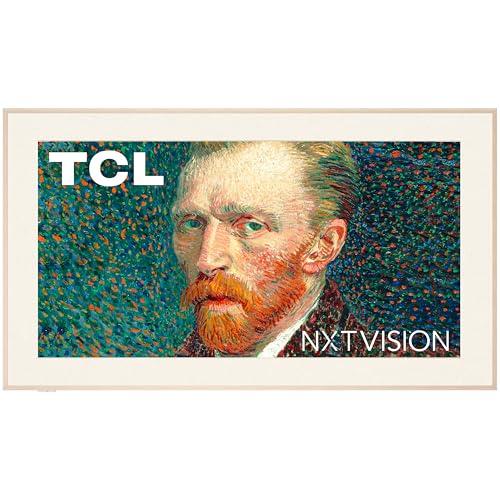

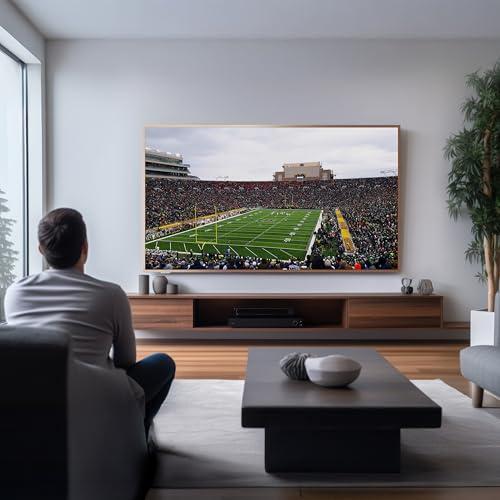


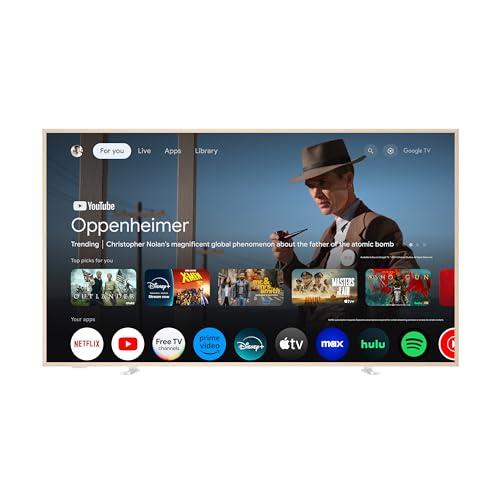
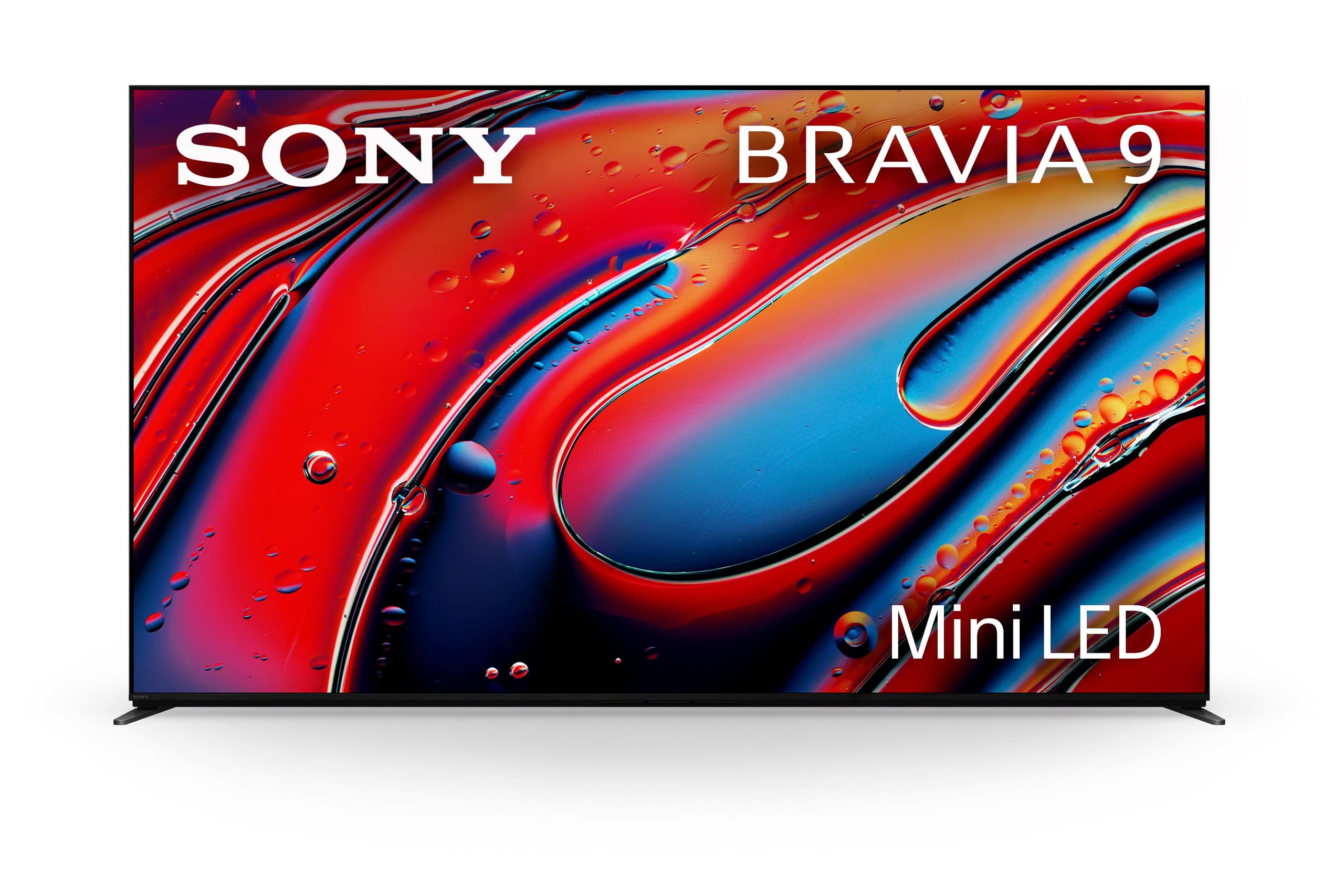
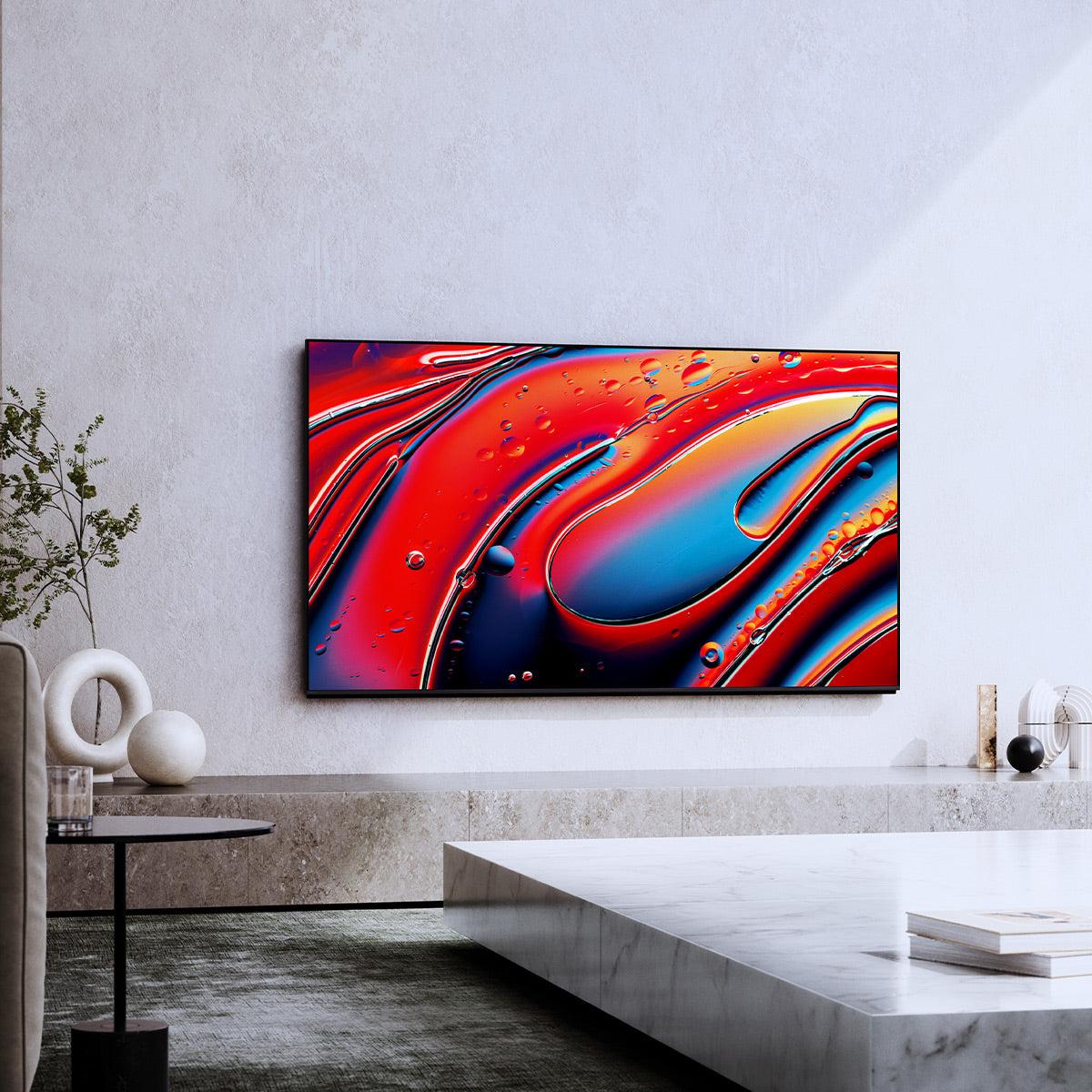
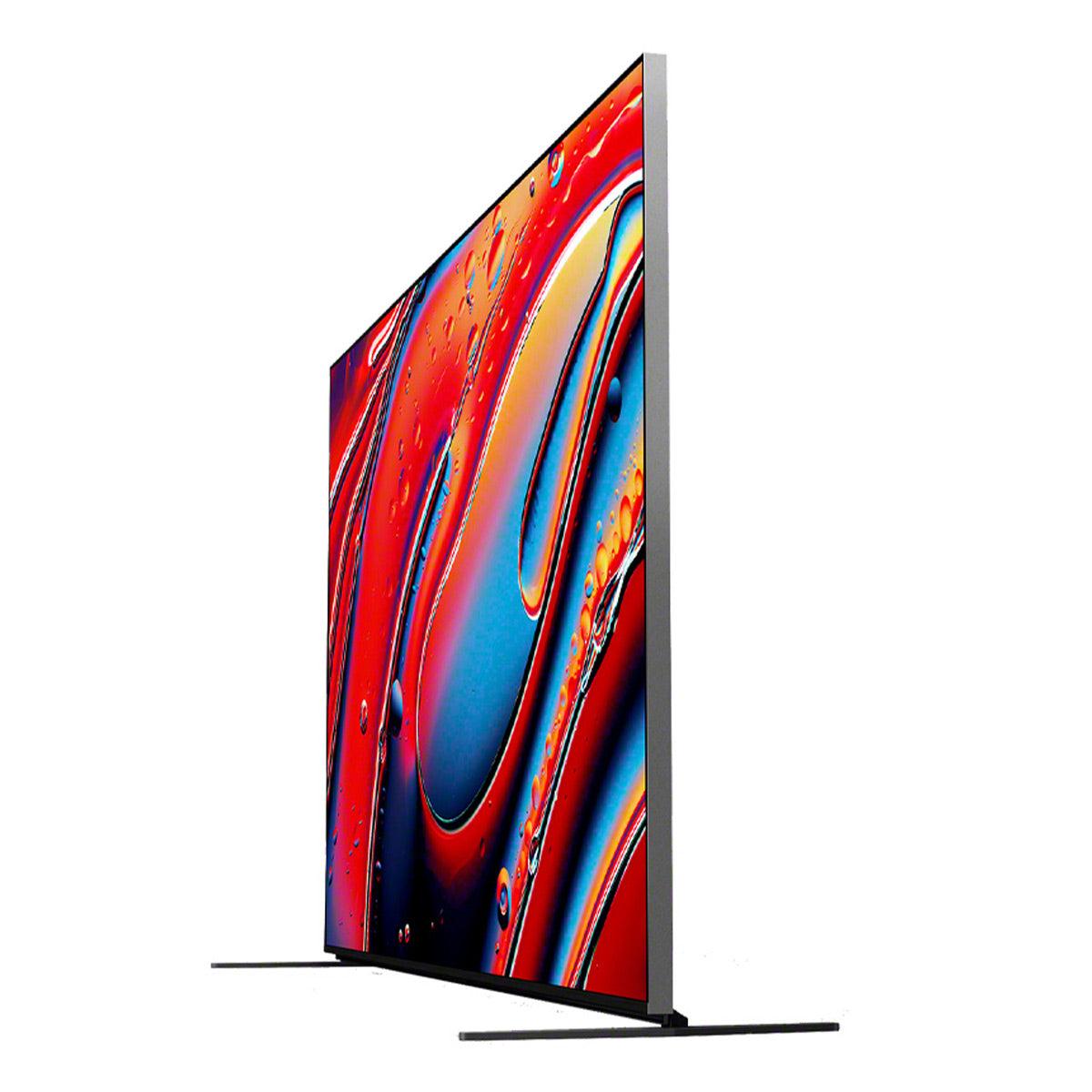
When shopping for a premium 65-inch TV in 2024, you're facing one of the most interesting decisions the TV market has ever offered. The TCL NXTVISION represents a revolutionary approach to television design, treating your TV as a piece of wall art when not in use. Meanwhile, the Sony BRAVIA 9 delivers what many consider the pinnacle of LED TV picture quality. Both launched in 2024, but they couldn't be more different in their core philosophies.
This isn't just a typical TV comparison where we're splitting hairs over minor differences. These two models represent fundamentally different visions of what a modern television should be, and understanding their trade-offs will help you make the right choice for your specific needs and priorities.
The premium 65-inch TV market has evolved dramatically over the past few years. We're no longer just comparing brightness levels and color accuracy—though those remain crucial. Today's buyers must consider whether they want a TV that disappears into their living space as functional art, or one that delivers the most cinematic experience possible when actively watching content.
The key considerations have expanded beyond traditional metrics. Yes, picture quality remains paramount for most buyers, but design philosophy, installation requirements, gaming capabilities, and even how the TV looks when turned off now play major roles in purchasing decisions. Both the TCL NXTVISION and Sony BRAVIA 9 excel in different areas, making this comparison particularly valuable for understanding what matters most to you.
The most significant difference between these TVs lies in their backlighting approaches, which affects everything from picture quality to physical design.
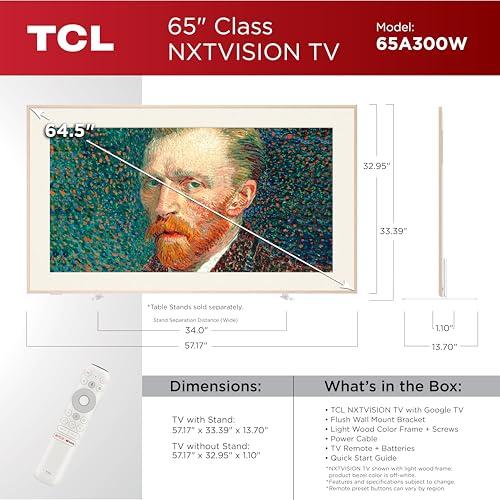
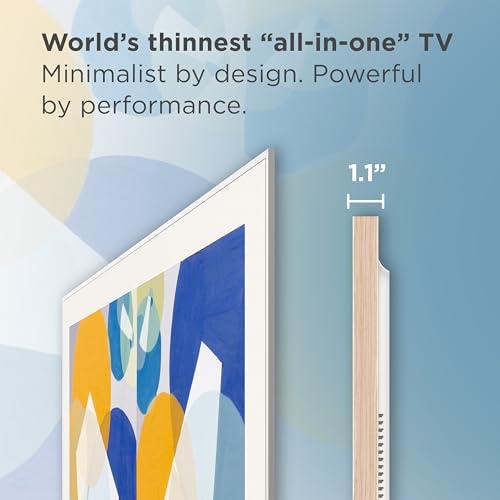
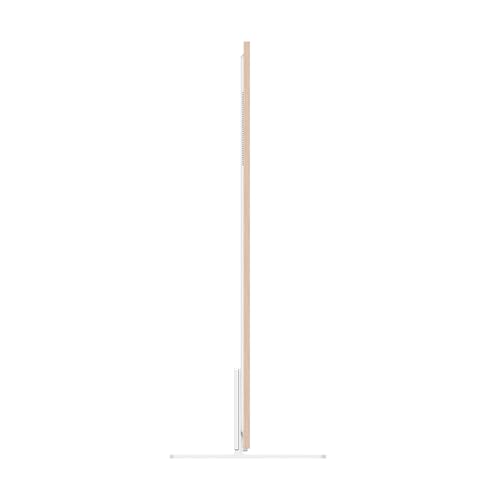
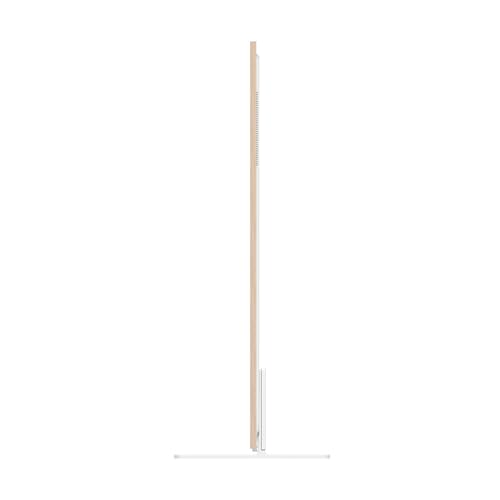
The TCL NXTVISION uses edge-lit LED technology, where LEDs are positioned around the perimeter of the panel rather than behind it. This allows TCL to achieve an incredibly slim 1.1-inch profile—genuinely thin enough to look like a framed painting when wall-mounted. The trade-off is that edge-lighting can only provide basic frame dimming, meaning the entire screen brightens or dims together rather than controlling different areas independently.
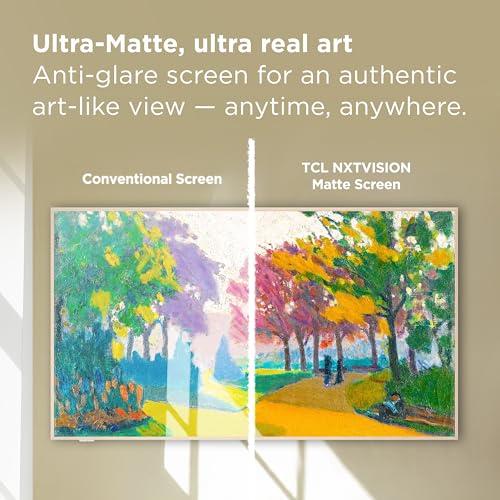
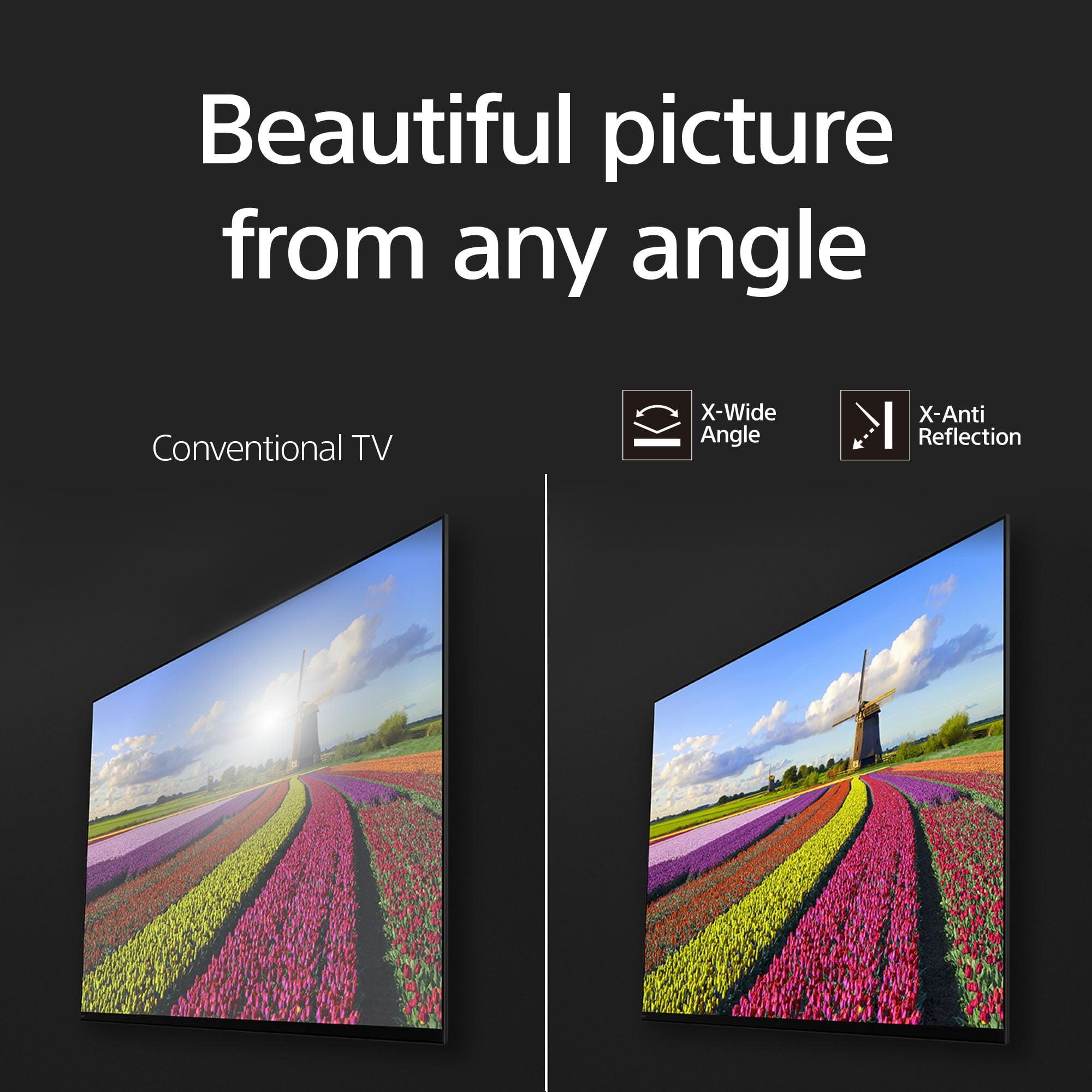
TCL pairs this with an ultra-matte anti-glare coating that's specifically designed to make the screen look like canvas when displaying artwork. This isn't just marketing—the coating genuinely transforms how the display appears, reducing reflections to nearly zero and creating that authentic art gallery aesthetic.
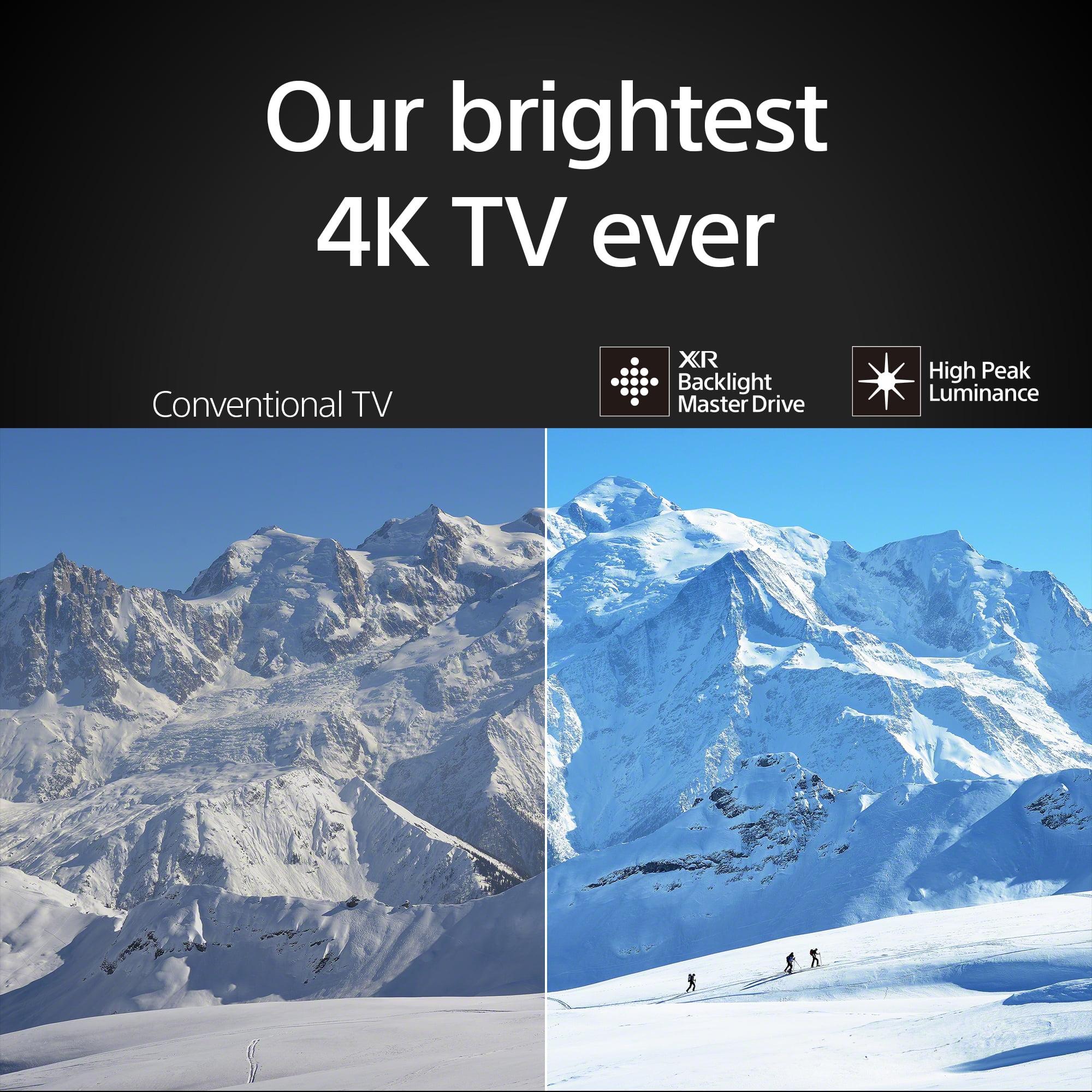
The Sony BRAVIA 9 takes the opposite approach with full-array Mini LED backlighting. Instead of LEDs around the edges, thousands of tiny LEDs are distributed across the entire panel. Sony's XR Backlight Master Drive system can control these LEDs in precise zones, brightening some areas while dimming others within the same image. This local dimming capability is crucial for achieving deep blacks alongside bright highlights—the foundation of excellent contrast.
Sony claims these are among the smallest LED controllers available, and the result is their brightest 4K TV ever, exceeding 1,000 nits peak brightness. For context, most standard TVs max out around 400-600 nits, while premium models typically reach 800-1,000 nits.
Based on our research into professional reviews and user feedback, the picture quality differences between these TVs are substantial and favor the Sony BRAVIA 9 decisively.
HDR (High Dynamic Range) content requires significant brightness to display the full range from deep shadows to brilliant highlights. The Sony BRAVIA 9 excels here with its Mini LED array delivering over 1,000 nits peak brightness. This isn't just about watching content in bright rooms—though that's important—it's about HDR content appearing as intended.
When you're watching a sunset scene in a nature documentary or an explosion in an action movie, those bright elements should genuinely pop off the screen. The TCL NXTVISION, with its edge-lit system, simply cannot match these brightness levels. HDR content will look good, but it won't have that "wow factor" that makes you appreciate the technology.
The difference becomes even more pronounced in dark scenes. Sony's local dimming can make parts of the screen nearly black while keeping other areas bright. The TCL NXTVISION can only adjust the entire screen's brightness, resulting in grayer blacks and less dramatic contrast.
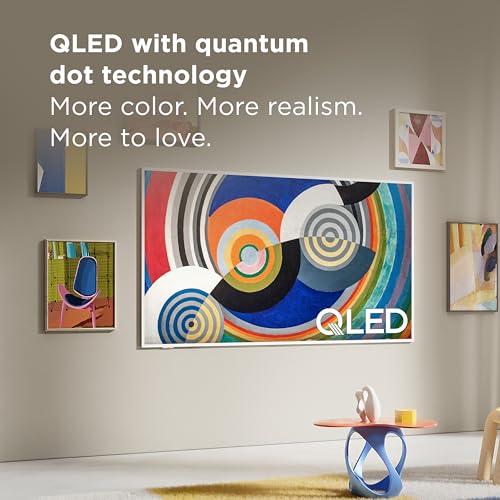
Both TVs use QLED quantum dot technology, which enhances color vibrancy and accuracy compared to standard LED displays. Quantum dots are tiny particles that emit specific colors when hit by light, allowing for more precise color reproduction and access to a wider color gamut.
However, the Sony BRAVIA 9 pairs this with their Cognitive Processor XR, designed to match the professional mastering monitors used in post-production studios. This means the colors you see at home should closely match what directors intended. The TCL NXTVISION uses their AIPQ PRO processor, which is competent but not at the same professional level.
From expert reviews, the Sony consistently delivers more accurate skin tones and natural-looking colors across different content types. The TCL can produce vibrant colors, but they're not always as accurate or consistent.
For sports and action content, motion handling becomes crucial. The Sony BRAVIA 9 uses XR Motion Clarity to reduce blur and maintain smooth motion during fast-paced scenes. User feedback consistently praises Sony's motion processing as natural-looking without the "soap opera effect" that can make movies look artificial.
The TCL NXTVISION offers Motion Rate 480 with MEMC (Motion Estimation, Motion Compensation), which inserts frames to smooth motion. However, our research indicates the TCL suffers from slower pixel response times, meaning you'll notice more blur trailing behind fast-moving objects, particularly during gaming or sports.
This category reveals one of the most interesting aspects of this comparison. On paper, the TCL NXTVISION appears to be the gaming powerhouse.
The TCL NXTVISION supports 4K at 144Hz and 1080p at an impressive 240Hz through its Game Accelerator 240 technology. These are genuinely high refresh rates that competitive gamers appreciate for fast-paced shooters and racing games.
However, the real-world experience tells a different story. Based on detailed technical reviews, the TCL NXTVISION has several significant gaming limitations:
You cannot use Variable Refresh Rate (VRR) and 4:4:4 chroma subsampling simultaneously. VRR eliminates screen tearing by matching the display's refresh rate to your graphics card's output, while 4:4:4 chroma ensures sharp text for PC gaming. Having to choose between smooth gameplay and sharp text is a meaningful compromise.
The TV also experiences screen flashing when switching to 144Hz due to gamma curve adjustments, and VRR only works properly in Game Mode, which may affect picture quality settings.
The Sony BRAVIA 9 supports 4K at 120Hz with full HDMI 2.1 features including VRR, ALLM (Auto Low Latency Mode), and Auto HDR Tone Mapping optimized for PlayStation 5. While the refresh rates are lower than TCL's on paper, user reviews consistently report a more reliable, consistent gaming experience without the mode-switching limitations.
For most gamers, especially those playing single-player games or using consoles, the Sony's approach provides a better overall experience. The higher refresh rates on the TCL NXTVISION mainly benefit competitive PC gamers willing to work around the limitations.
Audio often gets overlooked in TV reviews, but it significantly impacts your daily viewing experience. The difference here is substantial.
The TCL NXTVISION includes a basic 20-watt system with two 10-watt speakers. While it supports advanced audio formats like Dolby Atmos and DTS:X, the limited power means you're not getting the full benefit of these technologies.
The Sony BRAVIA 9 features a 70-watt, 2.2.2-channel system with up-firing speakers built into the TV's frame. This Acoustic Multi-Audio+ system creates a more immersive soundstage where audio follows the action on screen. The Voice Zoom 3 technology specifically enhances dialogue clarity—something particularly valuable if you watch a lot of movies or shows with complex audio mixing.
From user feedback, the Sony's audio is impressive enough that many owners delay purchasing a separate soundbar, while TCL NXTVISION owners typically feel the need to upgrade the audio immediately.
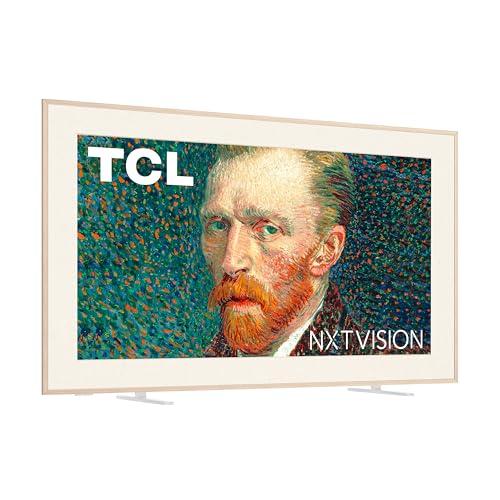
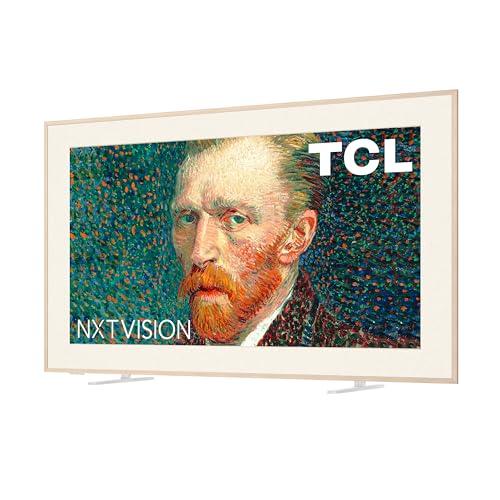
Here's where the TCL NXTVISION truly shines and offers something no other TV in this price range can match. When not actively watching content, this TV can display over 400 curated artworks, AI-generated images, or your personal photos with multiple matte finish options.
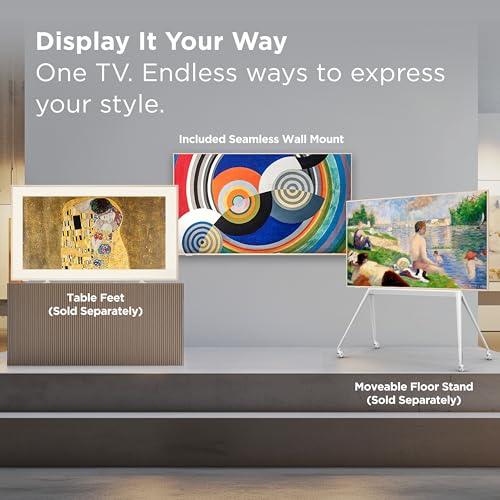
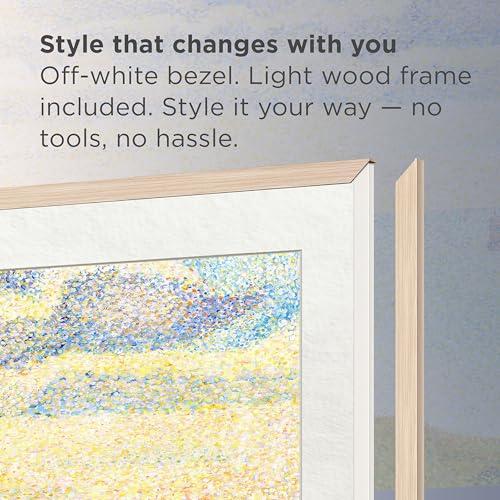
The ultra-matte screen coating is genuinely impressive. Unlike glossy TV screens that reflect room lighting and windows, this matte surface makes displayed art look remarkably similar to a real canvas or print. The magnetic wooden bezels can be swapped to match your décor, and the included flush wall mount creates a seamless installation that genuinely looks like wall art.
The AI art generation feature is particularly interesting, capable of creating over 100,000 unique images based on various styles and prompts. For many users, this transforms a TV from something that dominates the room when off into something that enhances it.
This functionality addresses a real problem: traditional TVs become black rectangles when not in use, often the room's visual focal point for all the wrong reasons. The TCL NXTVISION solves this elegantly.
The installation requirements differ significantly between these TVs and will influence your decision.
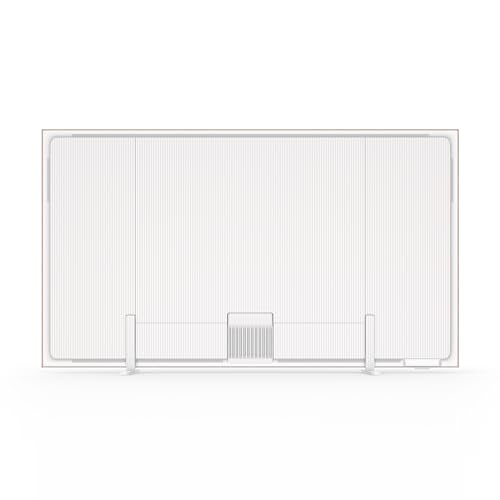
The TCL NXTVISION is designed primarily for wall mounting with its included flush mount system. At 1.1 inches deep, it looks genuinely integrated into the wall when properly installed. However, TCL uses a proprietary mounting system rather than standard VESA mounts, so you're locked into their accessories. Optional floor stands are available separately but add to the total cost.
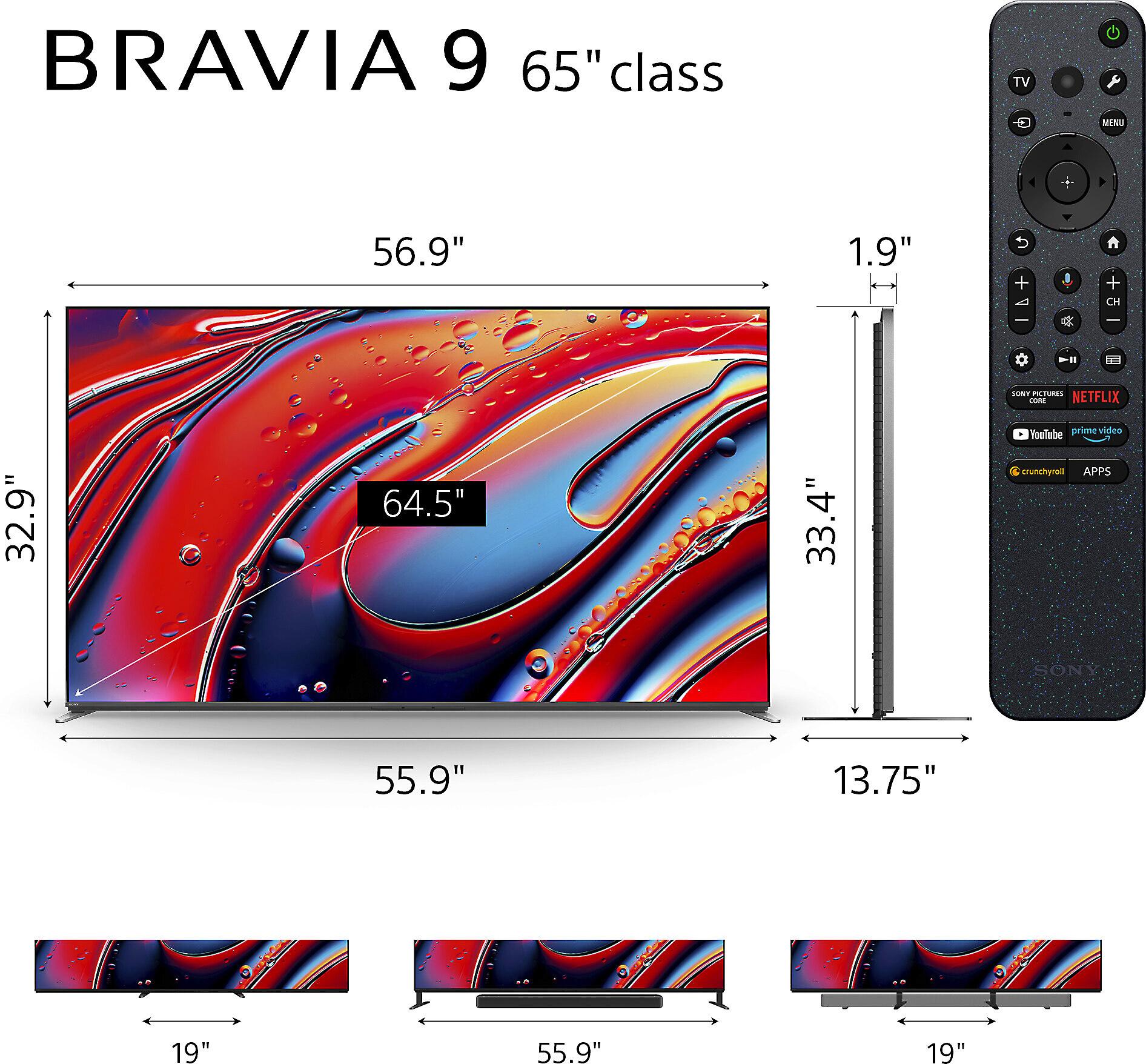
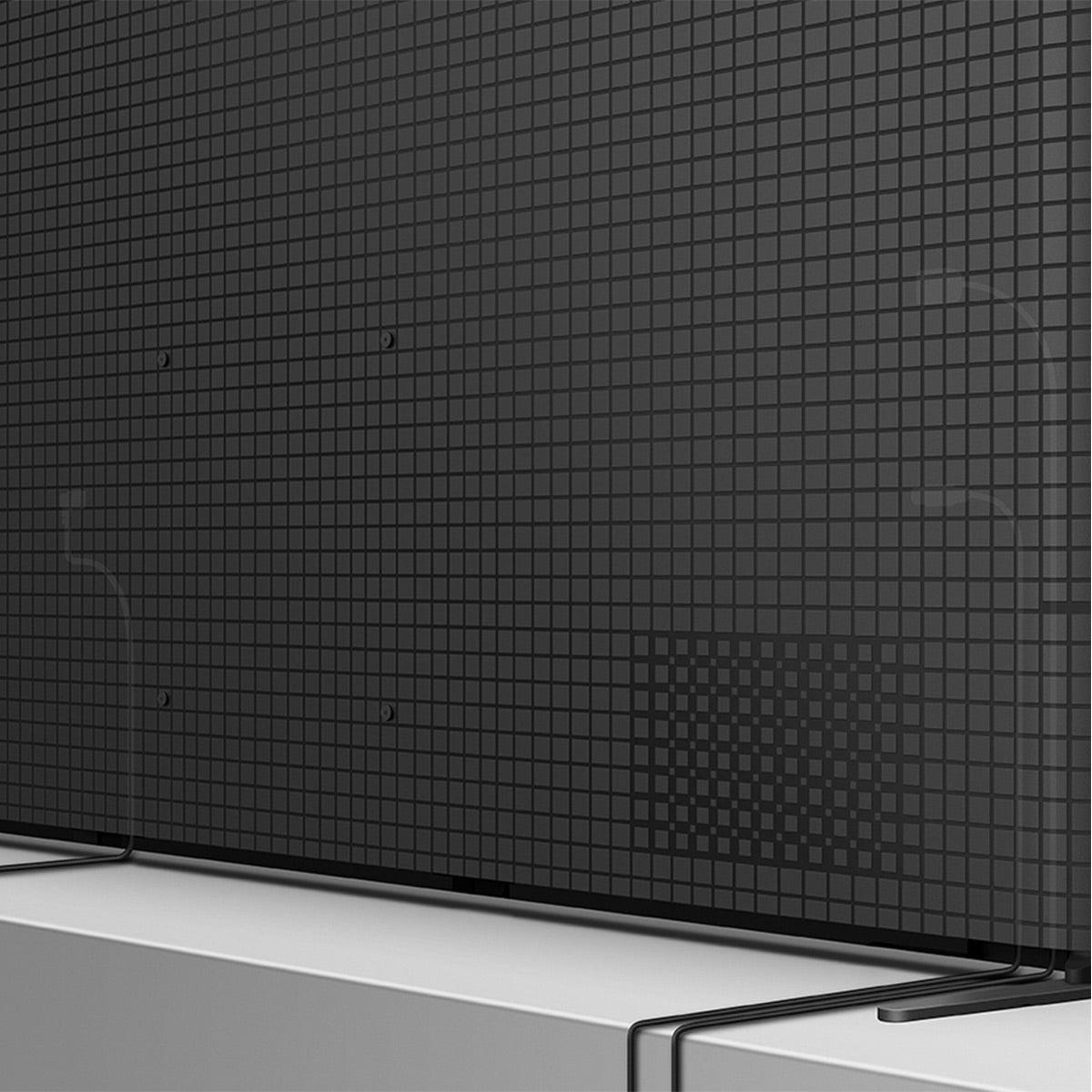
The Sony BRAVIA 9 follows traditional TV design principles with a standard VESA 300mm x 300mm mount pattern and an adjustable table stand. It's substantially heavier due to the Mini LED array and more robust construction, but offers standard installation flexibility.
At the time of writing, these TVs occupy different price segments, with the Sony BRAVIA 9 commanding a significant premium over the TCL NXTVISION. This price difference reflects their different approaches and target markets.
The TCL NXTVISION offers unique art functionality and decent TV performance at a more accessible price point. You're essentially getting two products: a competent 4K TV and a digital art display system. For buyers primarily interested in the aesthetic integration and willing to accept some picture quality compromises, this represents excellent value.
The Sony BRAVIA 9 targets buyers prioritizing ultimate picture quality and are willing to pay premium pricing for Mini LED technology and professional-grade processing. If your primary concern is getting the best possible image quality and audio performance, the Sony justifies its higher cost.
For dedicated home theater setups, the Sony BRAVIA 9 is the clear choice. Its superior brightness, contrast, and color accuracy create a more cinematic experience, particularly with HDR content. The better audio system also matters more in theater environments where you want immersive sound.
The TCL NXTVISION's matte coating, while excellent for art display, can slightly reduce image sharpness and color saturation compared to glossy screens optimized for picture quality. In a dedicated theater room where aesthetics matter less than performance, this trade-off works against it.
However, in living rooms where the TV must function as both entertainment center and décor element, the TCL NXTVISION's art functionality becomes genuinely valuable.
After researching extensive professional reviews and user feedback, our recommendation depends entirely on what matters most to you.
Choose the TCL NXTVISION if you want a TV that transforms your living space when not in use. The art functionality isn't a gimmick—it genuinely changes how a TV integrates into your home. The ultra-slim design and flush mounting create a premium aesthetic that no traditional TV can match. You'll get decent picture quality and impressive gaming specifications (despite their limitations) at a more accessible price point.
Choose the Sony BRAVIA 9 if picture quality is your primary concern. The Mini LED technology delivers superior brightness, contrast, and color accuracy that makes HDR content genuinely impressive. The better audio system and more reliable gaming performance create a better overall entertainment experience. You'll pay more, but you're getting Sony's flagship LED technology.
The TCL NXTVISION revolutionizes TV design and aesthetic integration while providing adequate performance. The Sony BRAVIA 9 represents the current pinnacle of LED TV picture quality without any design innovation. Both approaches have merit, but they serve different needs and preferences.
For most buyers, the decision comes down to whether the unique art TV functionality and significant cost savings of the TCL NXTVISION justify accepting lower picture quality, or whether superior performance justifies the premium pricing of the Sony BRAVIA 9. Neither choice is wrong—they're simply optimized for different priorities.
| TCL 65" NXTVISION QLED 4K Art Frame TV | Sony BRAVIA 9 65" 4K UHD Mini LED QLED Smart Google TV |
|---|---|
| Display Technology - Determines contrast, brightness, and overall picture quality | |
| Edge-lit LED with basic frame dimming | Full-array Mini LED with thousands of local dimming zones |
| Peak Brightness - Critical for HDR content and bright room viewing | |
| Moderate brightness levels (~600-700 nits estimated) | Over 1,000 nits (Sony's brightest 4K TV ever) |
| Design Philosophy - Fundamentally different approaches to TV aesthetics | |
| Ultra-slim 1.1" art TV with matte anti-glare screen | Traditional premium TV design optimized for picture quality |
| Gaming Refresh Rates - Higher numbers benefit competitive gaming | |
| 4K @ 144Hz, 1080p @ 240Hz (with limitations) | 4K @ 120Hz (more reliable implementation) |
| Gaming Features - Real-world usability matters more than specs | |
| Cannot use VRR and 4:4:4 simultaneously, screen flashing issues | Full HDMI 2.1 with consistent VRR, ALLM, no mode limitations |
| Built-in Audio - Affects whether you need a separate soundbar | |
| 20W basic system (2 x 10W speakers) | 70W advanced 2.2.2 channel system with up-firing speakers |
| Art Display Features - Unique functionality when TV is off | |
| 400+ curated artworks, AI art generation, personal photo gallery | None (traditional TV appearance when off) |
| Wall Mounting - Installation requirements and aesthetics | |
| Proprietary flush mount included, 1.1" depth for seamless look | Standard VESA 300x300mm mount, traditional TV thickness |
| Smart Platform - Both identical for streaming and apps | |
| Google TV with voice control | Google TV with voice control |
| HDR Support - Both support major formats | |
| Dolby Vision IQ, HDR10+, HDR10, HLG | Dolby Vision, HDR10+, HDR10, HLG |
| Processor - Affects picture optimization and upscaling | |
| AIPQ PRO Processor with Motion Rate 480 | Cognitive Processor XR (professional mastering monitor grade) |
| Best For - Target use cases where each TV excels | |
| Aesthetic integration, art display, moderate picture quality needs | Maximum picture quality, home theater, premium performance |
The Sony BRAVIA 9 delivers superior picture quality with its Mini LED technology and full-array local dimming. It produces deeper blacks, brighter highlights, and more accurate colors compared to the TCL NXTVISION's edge-lit system. For cinematic viewing, the Sony's professional-grade processing provides a more immersive experience.
Yes, the TCL NXTVISION genuinely functions as digital art with its ultra-matte anti-glare screen that mimics canvas texture. It includes 400+ curated artworks, AI art generation, and personal photo display. The 1.1-inch slim profile and flush wall mount create an authentic gallery appearance that transforms your living space.
While the TCL NXTVISION offers higher refresh rates (4K@144Hz, 1080p@240Hz), it has significant limitations including inability to use VRR and 4:4:4 simultaneously. The Sony BRAVIA 9 provides more reliable gaming with 4K@120Hz, consistent VRR performance, and ALLM without mode-switching compromises.
The Sony BRAVIA 9 features a 70W, 2.2.2-channel system with up-firing speakers that creates immersive sound. The TCL NXTVISION has a basic 20W system that typically requires a soundbar upgrade. For integrated audio quality, Sony offers a significantly better experience.
The Sony BRAVIA 9 handles bright rooms better with its superior peak brightness exceeding 1,000 nits. While the TCL NXTVISION's matte screen reduces reflections excellently for art display, the Sony's higher brightness overcomes ambient light more effectively for regular TV viewing.
The Sony BRAVIA 9 is the clear choice for dedicated home theaters with its superior contrast, brightness, and color accuracy creating a more cinematic experience. The TCL NXTVISION's matte coating slightly reduces image sharpness, making it better suited for living room entertainment rather than pure theater environments.
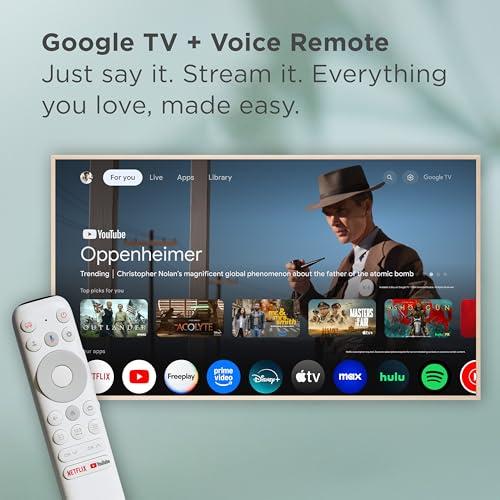
Both the TCL NXTVISION and Sony BRAVIA 9 run Google TV with identical smart features, voice control, and streaming service access. The main difference is the TCL's additional art display functionality rather than core smart TV capabilities.
Value depends on priorities: the TCL NXTVISION offers unique art functionality and decent performance at a lower cost. The Sony BRAVIA 9 commands a premium but delivers flagship Mini LED technology and superior picture quality. Consider whether art features or peak performance matters more to you.
The TCL NXTVISION uses a proprietary flush wall mount for its 1.1-inch slim profile, limiting mounting options but creating seamless aesthetics. The Sony BRAVIA 9 offers standard VESA mounting flexibility and includes an adjustable table stand, providing more installation versatility.
The Sony BRAVIA 9 provides superior HDR with its higher peak brightness and local dimming creating dramatic contrast between bright highlights and deep shadows. Both TVs support major HDR formats, but the TCL NXTVISION's edge-lit system cannot match Sony's HDR impact.
The Sony BRAVIA 9 handles sports better with superior motion processing and brightness that maintains image quality during fast action. The TCL NXTVISION can display sports adequately but suffers from slower pixel response times causing motion blur during rapid movement.
Choose the TCL NXTVISION if you want aesthetic integration and art display functionality alongside decent TV performance. Select the Sony BRAVIA 9 if picture quality is your priority and you're willing to pay more for flagship performance. Consider whether the TV's appearance when off matters as much as its viewing performance when on.
We've done our best to create useful and informative comparisons to help you decide what product to buy. Our research uses advanced automated methods to create this comparison and perfection is not possible - please contact us for corrections or questions. These are the sites we've researched in the creation of this article: rtings.com - tcl.com - bestbuy.com - tcl.com - bestbuy.com - tcl.com - youtube.com - rcwilley.com - businessinsider.com - bestbuy.com - target.com - youtube.com - support.tcl.com - nfm.com - woodruffappliance.com - flatpanelshd.com - tcl.com - bestbuy.com - bestbuy.com - youtube.com - whathifi.com - crutchfield.com - rtings.com - pcrichard.com - merlinstv.com - youtube.com - sony.ca - electronics.sony.com

Privacy Policy
Terms and Conditions - Affiliate Policy
Home Security
© Copyright 2008-2026.
11816 Inwood Rd #1211, Dallas, TX 75244