




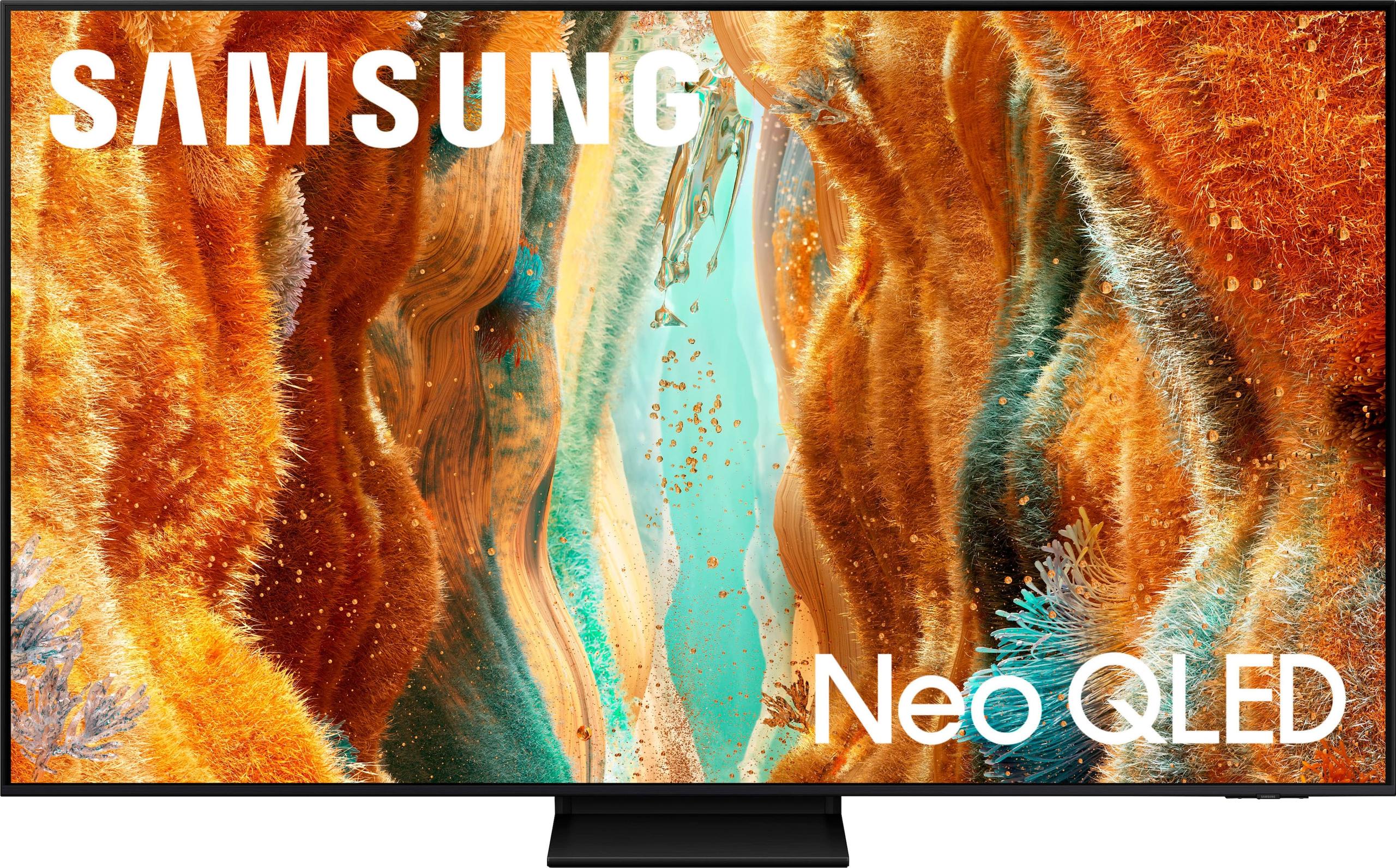
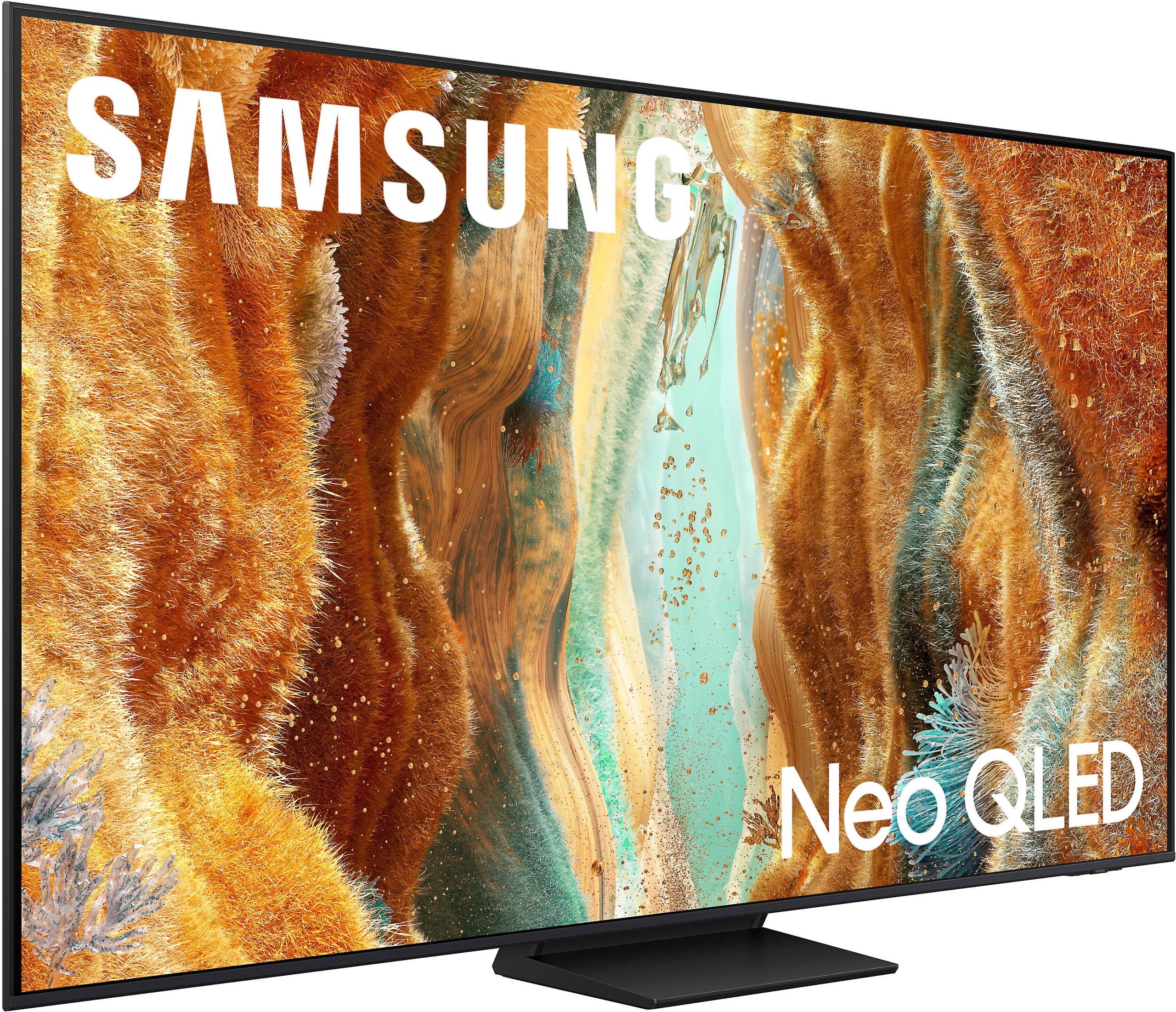
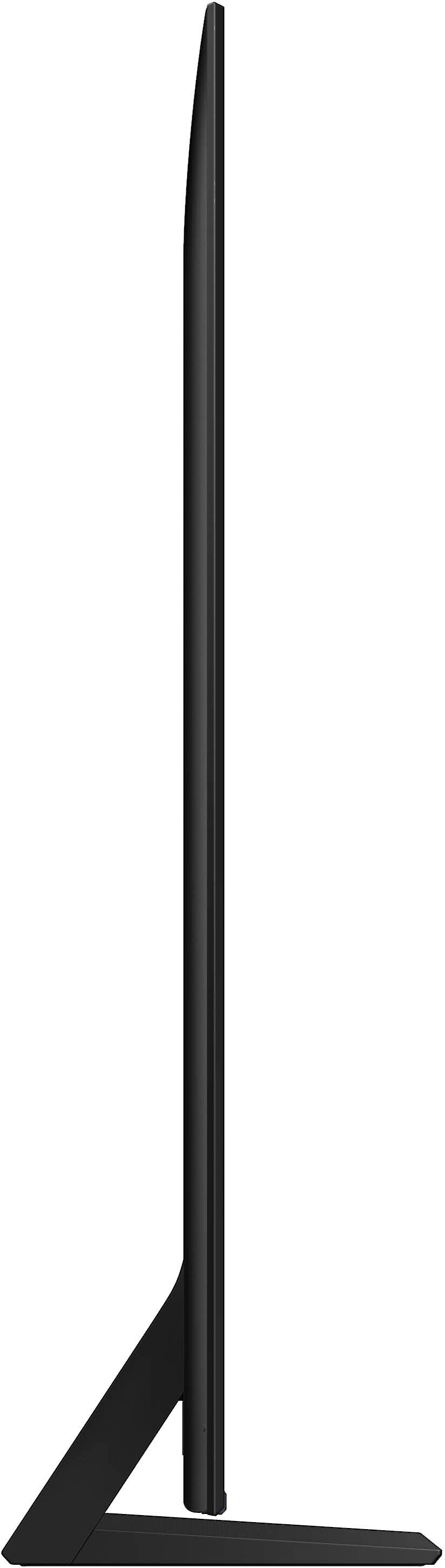
When shopping for a premium 65-inch 4K TV, you'll face a fascinating choice between two completely different philosophies. The TCL NXTVISION treats your wall like a gallery, doubling as both television and art display. Meanwhile, the Samsung QN70F Neo QLED focuses purely on delivering exceptional picture quality and gaming performance. Both released in recent years—the TCL in 2024 and the Samsung in 2025—represent the latest thinking in their respective approaches to premium television design.
Understanding which TV suits your needs requires diving deep into what makes each one special. Let's explore how these two very different televisions stack up across the metrics that matter most.
The television market has evolved beyond simple entertainment devices. Some TVs now serve double duty as decorative elements, while others push the boundaries of display technology for the best possible viewing experience.
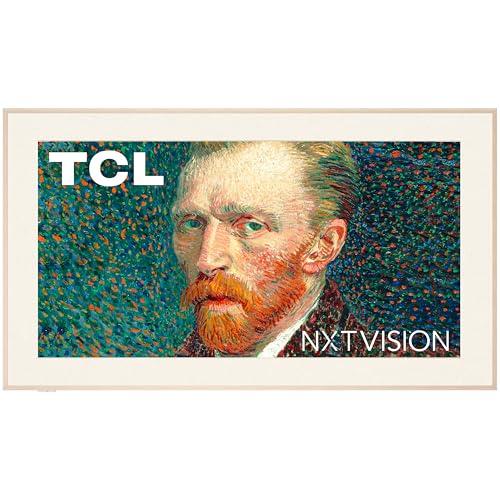
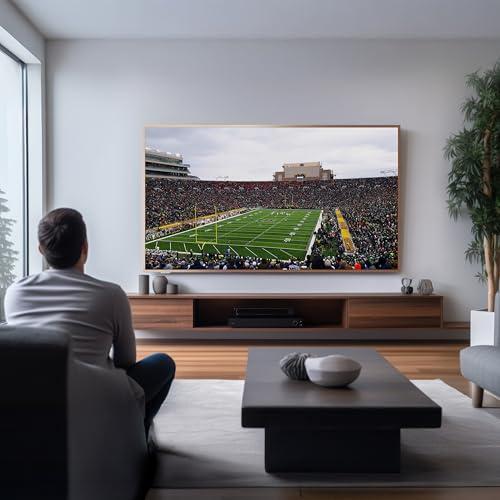
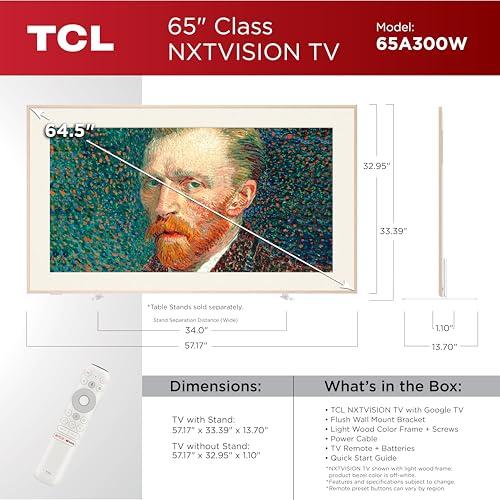
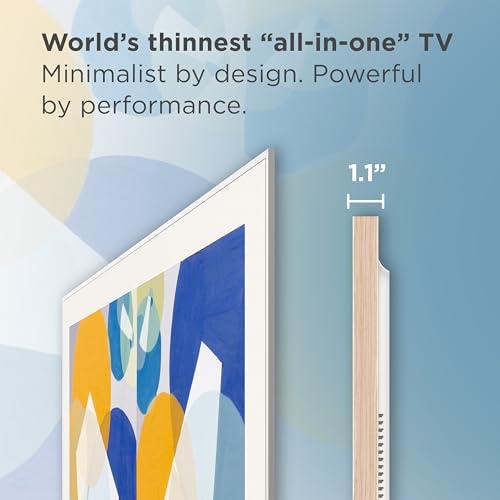
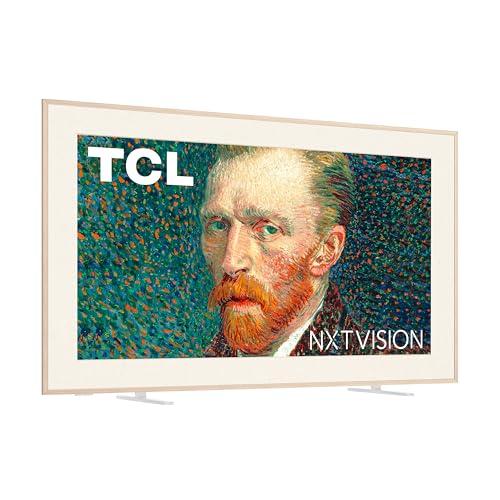
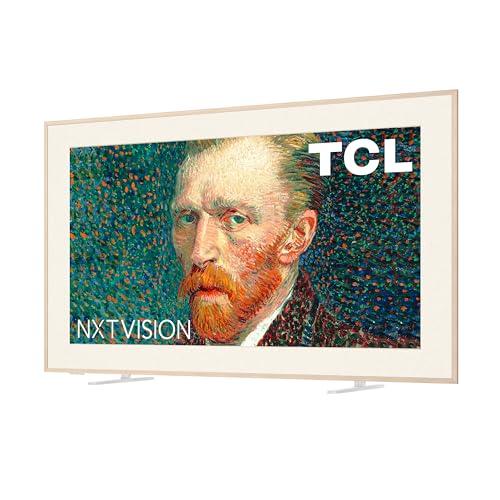
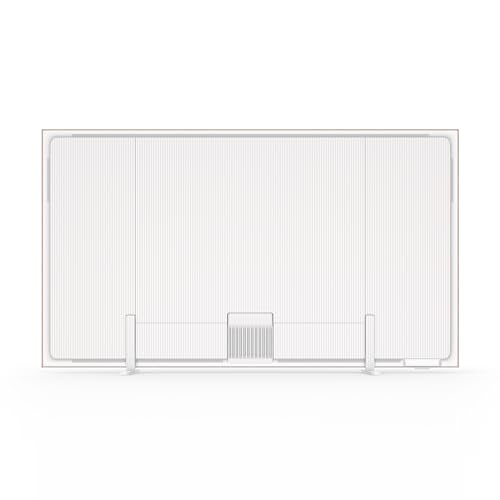
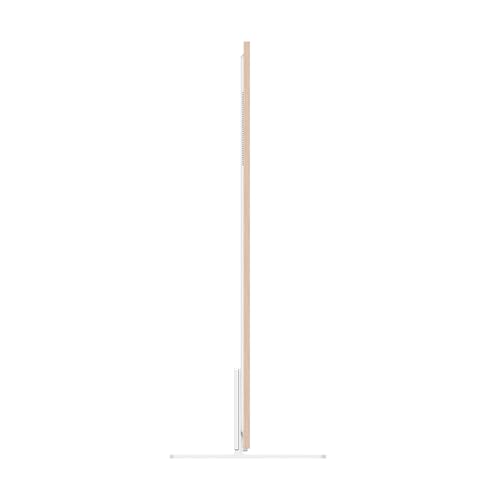
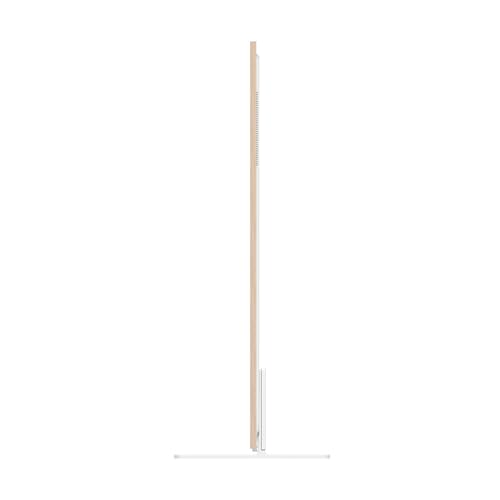
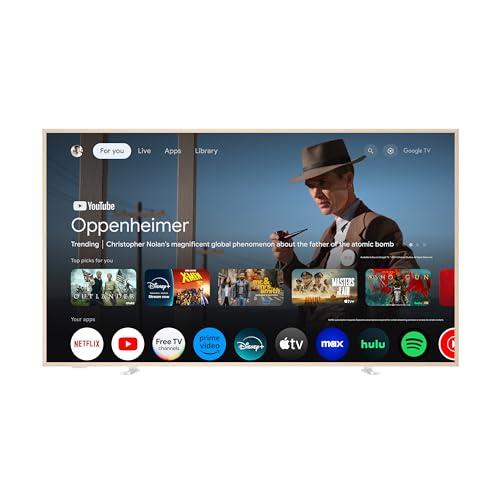
The TCL NXTVISION belongs to what we call the "lifestyle TV" category, directly competing with Samsung's popular Frame series. At just 1.1 inches deep, it's designed to disappear into your wall like a framed painting. When you're not watching Netflix, it displays artwork from its library of over 400 curated pieces, complete with AI-generated options that can create unique images based on your preferences.
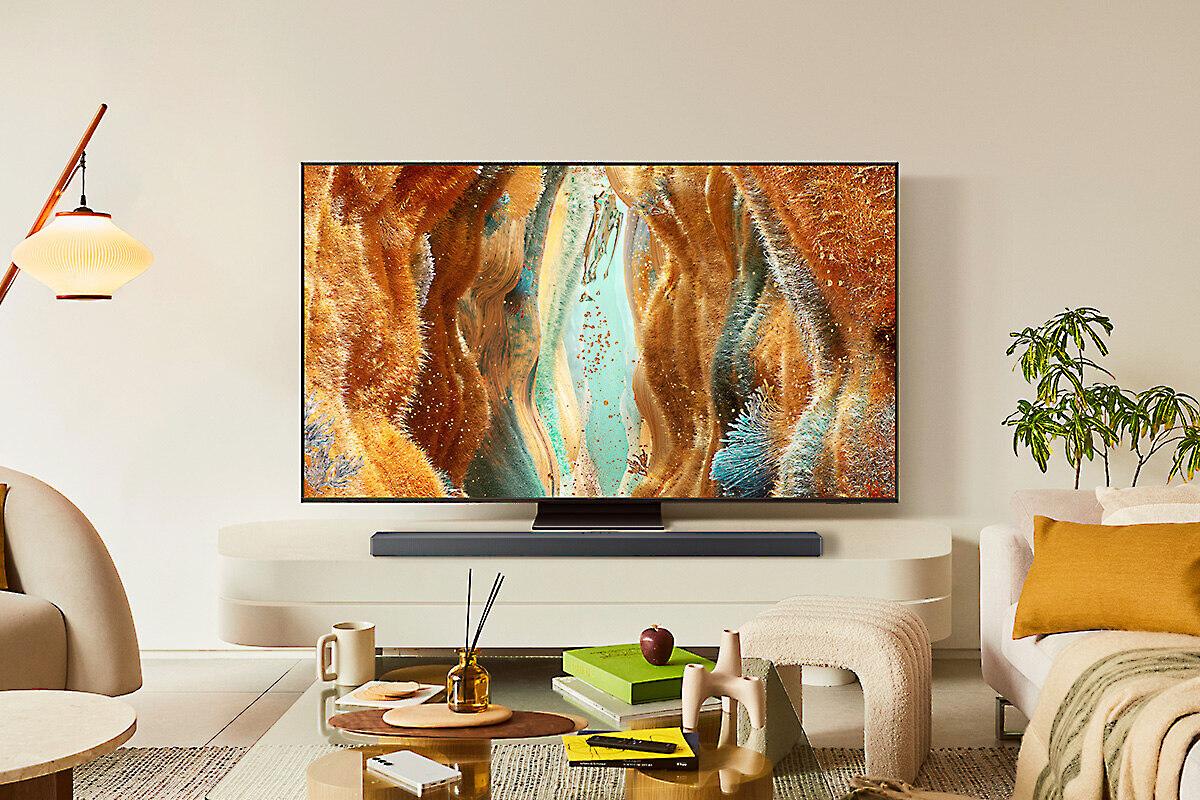
The Samsung QN70F, on the other hand, represents Samsung's entry-level Neo QLED technology—a fancy term for TVs that use thousands of tiny LEDs (called Mini-LEDs) instead of larger, traditional LEDs. This approach delivers better contrast and more precise lighting control, which translates to deeper blacks and brighter highlights in your favorite movies and shows.
Both TVs cost roughly the same at the time of writing, but they deliver value in completely different ways. The question isn't which one is better—it's which approach better matches your priorities.
The biggest difference between these TVs lies in how they create the images you see. This backlighting technology affects everything from how dark scenes look to how well the TV handles bright room viewing.
The TCL NXTVISION uses what's called edge-lit LED backlighting. Imagine a thin light strip running along the edges of the screen that illuminates the entire display. While this approach enables the TV's impossibly thin profile, it comes with trade-offs. Edge-lighting can create brightness inconsistencies, where some parts of the screen appear dimmer than others, particularly noticeable during dark scenes with bright elements.
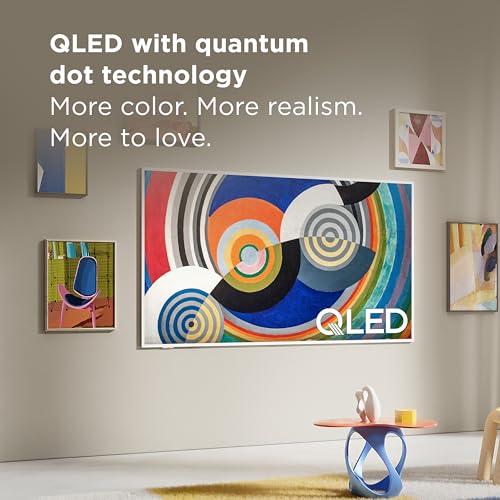
However, TCL pairs this with QLED (Quantum Dot Light Emitting Diode) technology, which uses microscopic particles called quantum dots to enhance color reproduction. Think of quantum dots as tiny color filters that help create more vibrant and accurate colors than standard LED TVs. The NXTVISION also includes a KSF phosphor coating—a technical enhancement that particularly improves red, green, and blue color separation.
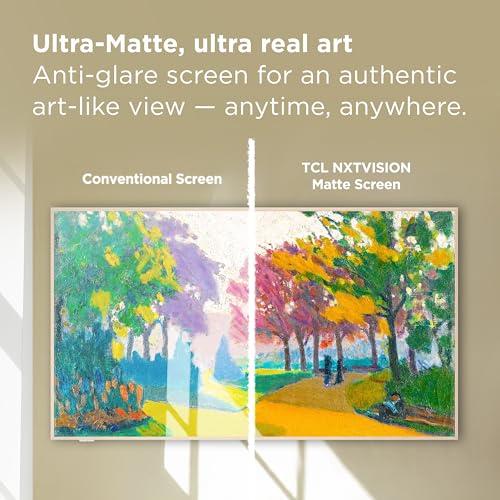
The standout feature here is the ultra-matte anti-glare screen coating. Most TVs have glossy screens that reflect room lighting, but the NXTVISION's matte finish scatters reflections, making it much easier to watch in bright rooms. This coating also gives displayed artwork a canvas-like appearance that enhances the art TV experience.
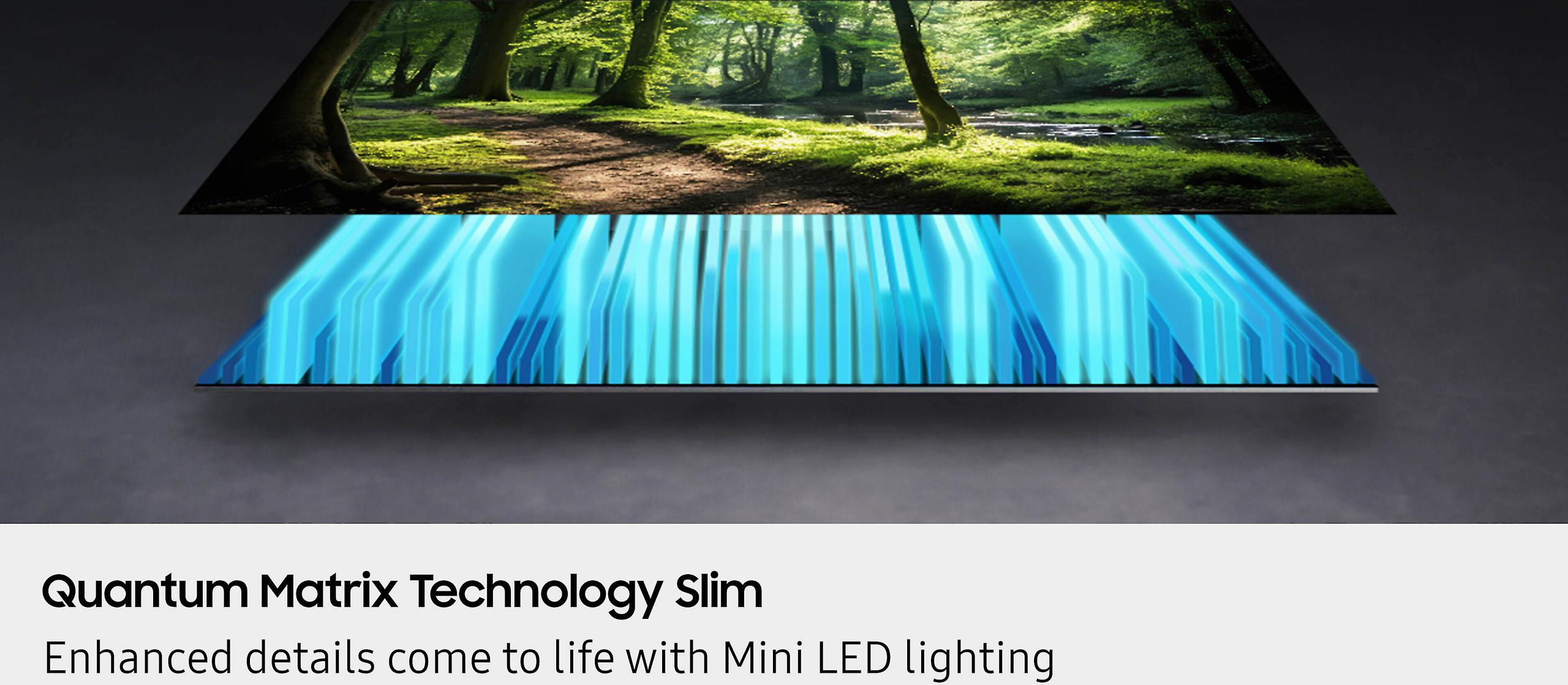
The Samsung QN70F uses Mini-LED backlighting, part of Samsung's Quantum Matrix Technology Slim. Instead of edge lighting, this system places thousands of tiny LEDs directly behind the screen in a grid pattern. Each group of these Mini-LEDs can be controlled independently—a feature called local dimming.
Local dimming means the TV can make specific areas of the screen very bright while keeping others completely dark, all at the same time. This creates much better contrast than edge-lit systems. When you're watching a movie with a campfire scene at night, the fire appears brilliantly bright while the surrounding darkness looks truly black, not the gray-ish black you might see on lesser TVs.
The Samsung also uses quantum dot technology, but combines it with the superior backlighting for better overall results. The trade-off? The TV can't achieve the ultra-thin profile of the TCL because it needs space for all those Mini-LEDs.
Based on our research into professional reviews and user feedback, the picture quality differences are significant. The Samsung QN70F consistently delivers better contrast, deeper blacks, and more uniform brightness across the screen. HDR (High Dynamic Range) content—which includes most modern movies and shows on Netflix, Amazon Prime, and Disney+—looks noticeably more impactful on the Samsung due to its ability to get brighter and darker simultaneously.
The TCL NXTVISION, while delivering vibrant colors thanks to its quantum dot technology, struggles with dark room performance. Reviews consistently note that blacks appear gray rather than truly black, and the overall contrast feels flat compared to Mini-LED competitors. However, its matte screen gives it a significant advantage in bright rooms where the Samsung might suffer from reflections.
Both TVs target gamers with high refresh rate capabilities, but their real-world gaming performance tells different stories.
Modern gaming, especially on PlayStation 5, Xbox Series X, and high-end PCs, benefits from several key technologies:
On paper, the TCL NXTVISION looks like a gaming powerhouse. It supports refresh rates up to 144Hz and claims to handle 4K gaming at 144Hz and 1080p gaming at an impressive 240Hz through its "Game Accelerator 240" feature. It's also certified for AMD FreeSync Premium, a VRR technology popular with PC gamers.
However, our research reveals significant implementation issues. The TV only supports VRR when in Game Mode, and here's a crucial limitation: you cannot use VRR and 4:4:4 chroma simultaneously. Chroma subsampling affects text clarity and fine details—important for PC gaming where you need to read small text clearly.
More problematically, users report screen flashing when the TV switches between different refresh rates, caused by the TV changing its gamma and overdrive settings. This creates a jarring experience during games that vary their frame rates. The TV also suffers from slow pixel response times, creating motion blur during fast action sequences—exactly what high refresh rates are supposed to eliminate.
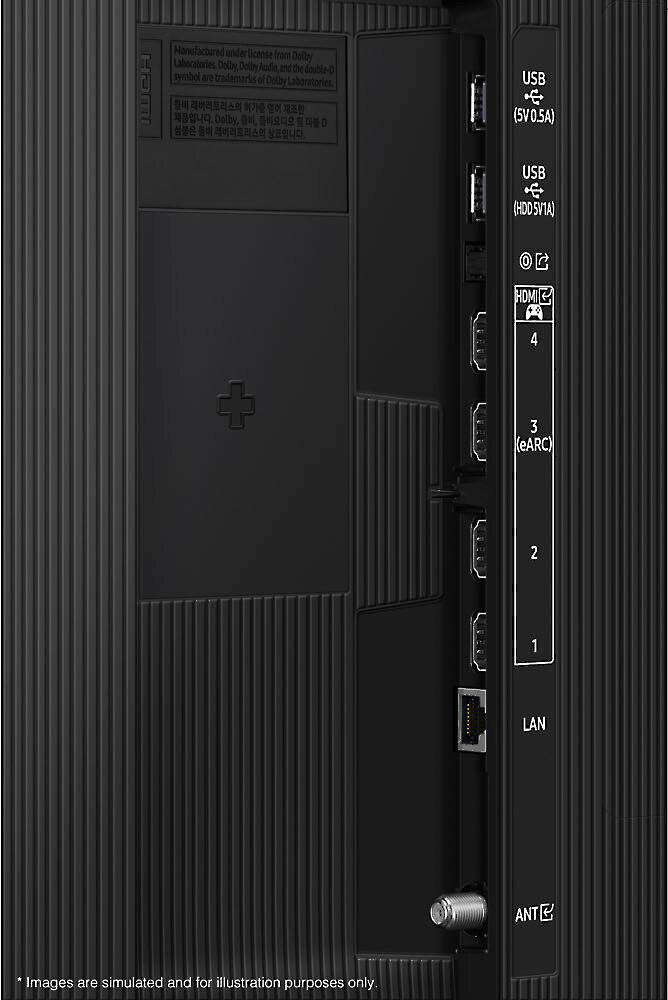
The Samsung QN70F takes a more conservative but reliable approach. It supports 4K gaming at 120Hz (not quite as high as the TCL's claimed 144Hz) but implements these features more consistently. All four HDMI ports support the full HDMI 2.1 bandwidth, compared to just two on the TCL.
Samsung's VRR implementation appears more stable based on user reports, with fewer compatibility issues across different gaming devices. The Mini-LED backlighting also helps with gaming by providing better contrast in dark game environments—crucial for competitive games where you need to spot enemies hiding in shadows.
While the Samsung might not match the TCL's peak refresh rate specifications, it delivers a more reliable gaming experience with fewer frustrating quirks.
The choice between Google TV and Samsung's Tizen platform represents more than just different interfaces—it affects your entire smart TV experience.
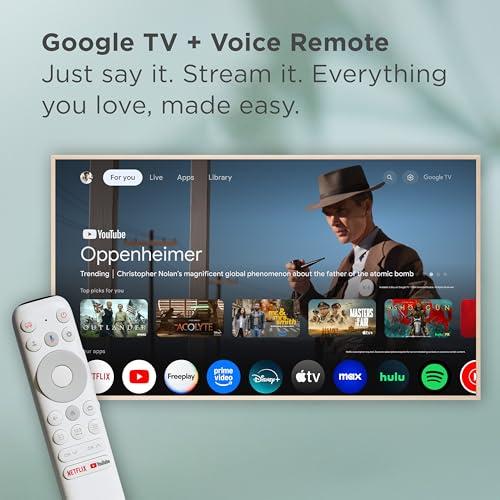
The NXTVISION runs Google TV, which excels at content discovery and integration with Google services. If you use a Pixel phone, Chromecast regularly, or rely heavily on Google Assistant, this integration feels natural and seamless. The platform also supports Apple AirPlay 2 and HomeKit, making it friendly to iPhone users as well.
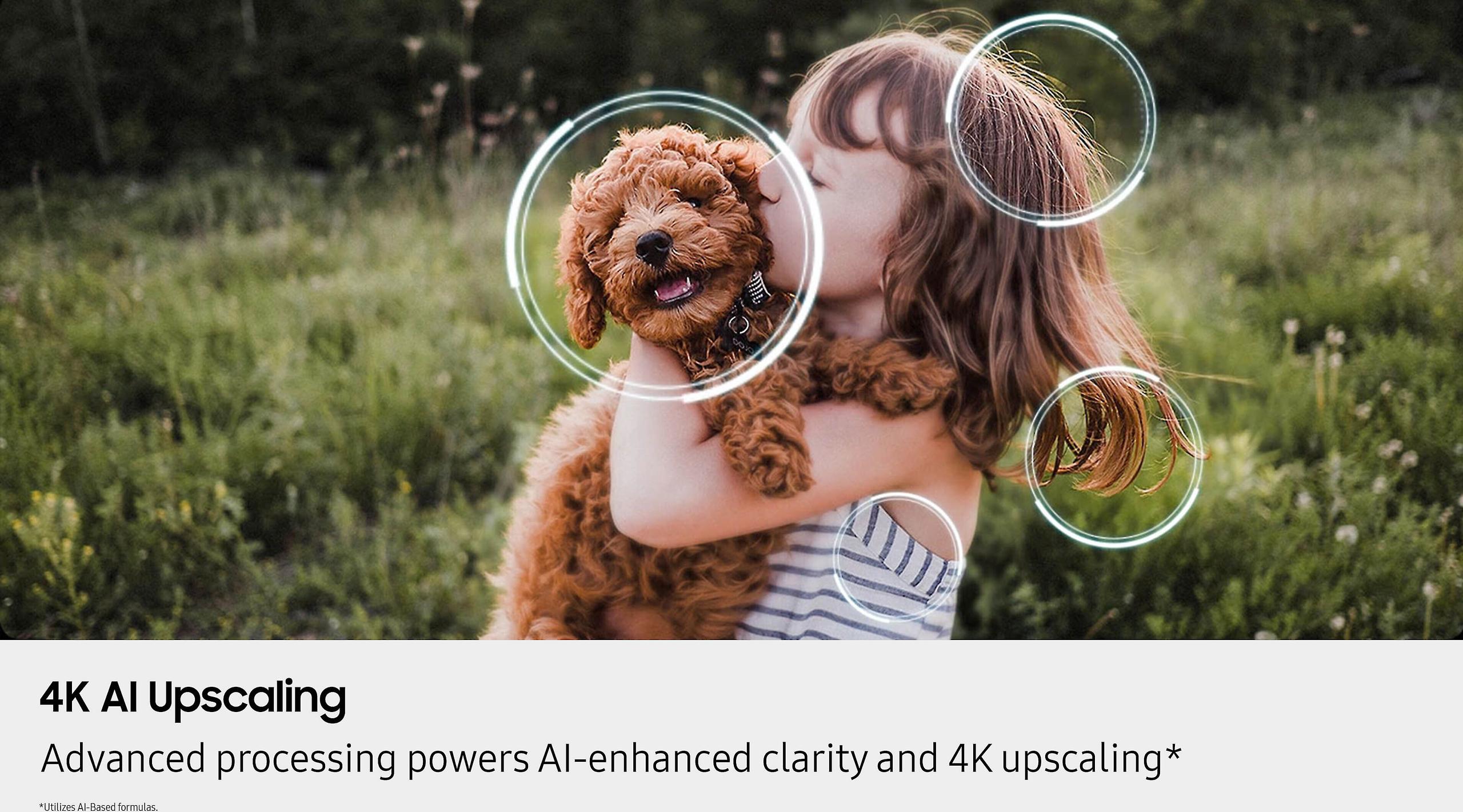
The TV's AIPQ PRO Processor handles image processing and upscaling—the technology that makes lower resolution content look better on the 4K display. While effective for standard content, it's not quite as sophisticated as Samsung's latest AI processing.
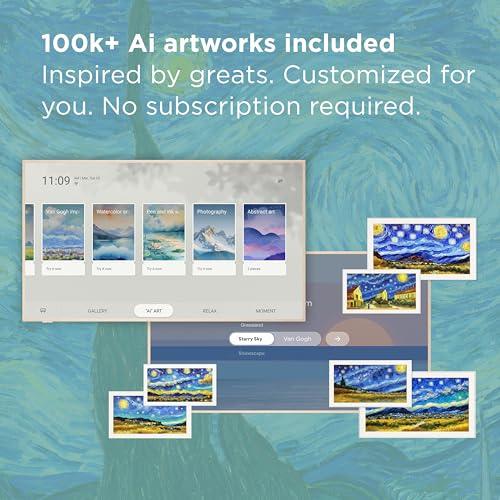
For art display, the TCL shines with its curated library and AI art generation. You can create custom artwork based on prompts, display personal photos in gallery mode, and choose from different matte options to customize the look. This isn't just a screensaver—it's a comprehensive art display system.
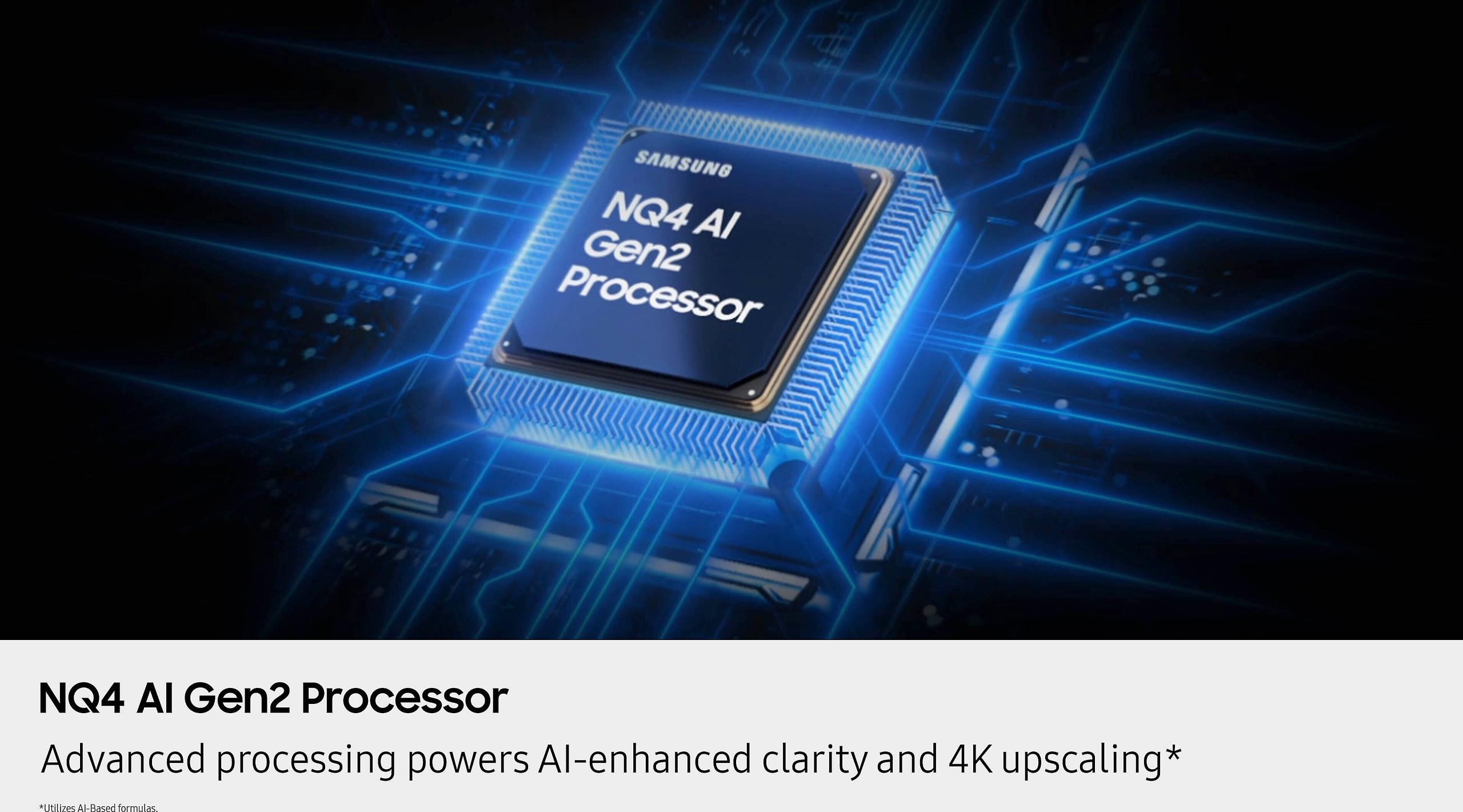
The Samsung QN70F represents Samsung's 2025 Vision AI initiative, introducing features that feel genuinely futuristic. The NQ4 AI Gen2 processor powers advanced upscaling that can make older shows and movies look remarkably close to native 4K quality.
The "Click to Search" feature lets you point at any actor or object on screen to get instant information—perfect for those "where do I know that actor from?" moments. "Live Translate" can provide real-time subtitle translations for foreign content, expanding your viewing options significantly.
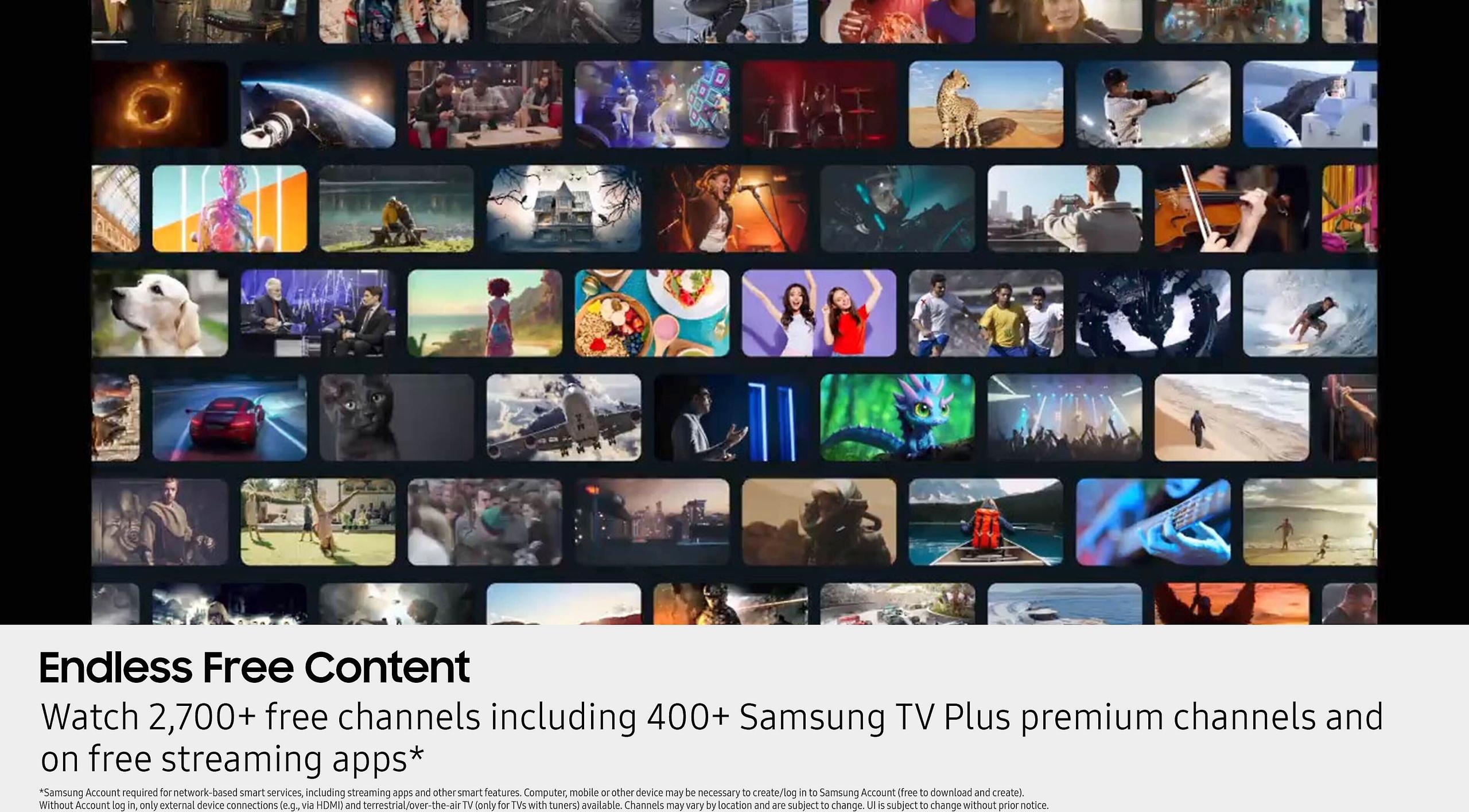
Samsung's Tizen OS has matured considerably since its introduction, offering smooth performance and comprehensive app support. The platform integrates well with Samsung's ecosystem, including Galaxy phones and Samsung soundbars through Q-Symphony technology.
Neither TV will replace a dedicated sound system, but their audio approaches differ meaningfully.
The TCL NXTVISION delivers 20 watts of total audio power through two 10-watt speakers. It supports Dolby Atmos and DTS:X for immersive surround sound experiences, plus an Enhanced Dialogue Mode that improves voice clarity—helpful for watching dialogue-heavy content or shows with heavy accents.
The Samsung QN70F uses Object Tracking Sound Lite, which attempts to move audio around the screen to match on-screen action. While not as sophisticated as the full Object Tracking Sound systems in Samsung's premium models, it creates a more immersive experience than traditional TV speakers. The Active Voice Amplifier Pro feature intelligently boosts dialogue volume when it detects background noise, ensuring you don't miss important conversations.
For serious audio enthusiasts, both TVs support eARC (enhanced Audio Return Channel) for connecting high-quality soundbars, but the Samsung's Q-Symphony compatibility with Samsung soundbars creates a more integrated audio ecosystem.
The TCL NXTVISION's art functionality deserves special attention because it's genuinely transformative for the right user.
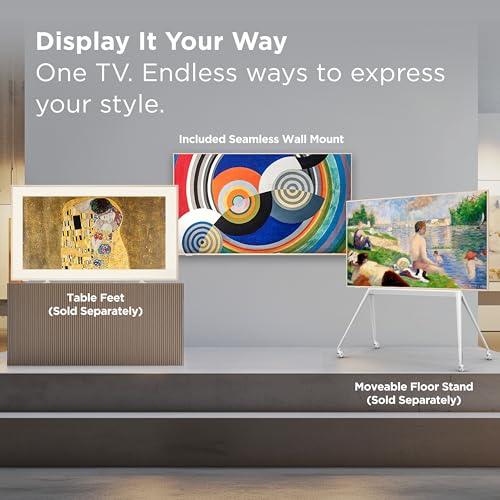
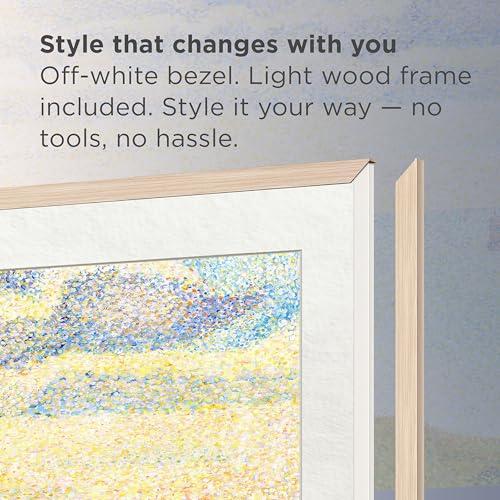
When the TV enters art mode, it doesn't just display a screensaver—it becomes a piece of wall art. The ultra-matte screen coating eliminates the glossy "TV look," making displayed images appear like printed artwork or paintings. The included magnetic wood-like frames can be swapped to match your decor, and the flush wall mount (included with the TV) creates a seamless gallery appearance.
The art library includes over 400 professionally curated pieces spanning various styles and periods. The AI art feature can generate unique pieces based on text prompts—want abstract art featuring ocean themes in blue and gold? The TV can create that. Personal photos can be displayed in gallery mode with customizable matting options.
This isn't comparable to Samsung's separate Frame series in quality, but it's impressive for a TV that also prioritizes traditional performance. The Samsung QN70F offers no equivalent feature, focusing entirely on entertainment performance.
At the time of writing, both TVs occupy similar price ranges in the premium 65-inch market, but they deliver value in completely different ways.
The TCL NXTVISION offers unique functionality that no traditional TV can match. You're paying for the dual-purpose design, included premium mounting hardware, and lifestyle integration features. However, you're accepting compromises in pure picture quality and gaming performance.
The Samsung QN70F represents better value for traditional TV performance. You get superior backlighting technology, more reliable gaming features, and Samsung's latest AI processing—all technology that would typically cost significantly more in higher-tier models. You're paying for proven performance rather than aesthetic innovation.
For dedicated home theater use, the choice becomes clearer. The Samsung QN70F excels in controlled lighting environments where its superior contrast and HDR performance shine. Dark movie scenes look properly black, and bright highlights create the dramatic impact that filmmakers intended.
The TCL NXTVISION's matte screen, while excellent for bright rooms, can reduce perceived contrast and sharpness in ideal viewing conditions. However, if your theater room doubles as a living space where the TV is visible during the day, the art functionality might justify the performance trade-offs.
Both TVs support Filmmaker Mode, which disables motion smoothing and color enhancements to display movies as directors intended. However, the Samsung's Mini-LED technology provides a more authentic cinematic experience with better shadow detail and highlight reproduction.
Choose the TCL NXTVISION if you value aesthetic integration above all else. This TV makes sense for living rooms, bedrooms, or any space where the television needs to blend into the decor when not in use. It's ideal for bright rooms with lots of ambient light, and perfect for users who want their technology to feel more like furniture than electronics.
The Samsung QN70F is the clear choice for performance-focused users. If you're a serious gamer, movie enthusiast, or simply want the best possible picture quality, Samsung's Mini-LED technology and mature feature implementation deliver superior results. It's also the smarter choice for future-proofing, with more reliable high refresh rate support and Samsung's advanced AI features.
Consider your primary use case honestly. If you find yourself distracted by a black rectangle on your wall when the TV is off, the TCL might transform your relationship with the device. If you primarily care about how content looks when you're actively watching, the Samsung provides meaningfully better performance for the same investment.
Both represent solid choices in their respective categories, but they're solving fundamentally different problems. The TCL NXTVISION asks whether your TV can be art, while the Samsung QN70F focuses on being the best possible TV. Your answer to that philosophical question should guide your purchase decision.
| TCL 65" NXTVISION QLED 4K Art Frame TV | Samsung 65" QN70F Neo QLED 4K Vision AI Smart TV 2025 |
|---|---|
| Display Technology - Affects contrast, brightness uniformity, and overall picture quality | |
| Edge-lit LED with QLED quantum dots | Mini-LED backlighting with Neo QLED |
| Screen Thickness - Critical for wall mounting and aesthetic integration | |
| 1.1 inches (ultra-thin art TV design) | ~1 inch (standard premium TV profile) |
| Screen Finish - Impacts glare resistance and viewing in bright rooms | |
| Ultra-matte anti-glare coating (excellent for bright rooms, reduces contrast) | Standard glossy finish (better contrast, more reflections) |
| Art Mode Capability - Whether TV can function as wall art when not in use | |
| Full art TV with 400+ curated works, AI art generation, magnetic frames | No art mode (traditional TV only) |
| Gaming Refresh Rate - Higher rates mean smoother motion for gaming | |
| Up to 144Hz (with implementation issues and screen flashing) | Up to 144Hz (more stable implementation) |
| HDMI 2.1 Ports - Number of ports supporting latest gaming features | |
| 2 out of 4 ports support HDMI 2.1 | All 4 ports support HDMI 2.1 |
| VRR Gaming Support - Reduces screen tearing but has limitations on TCL | |
| VRR only in Game Mode, cannot use with 4:4:4 chroma simultaneously | Standard VRR implementation across modes |
| Smart Platform - Different ecosystems with varying app support and features | |
| Google TV with Chromecast built-in | Samsung Tizen with Vision AI features |
| AI Processing - Affects upscaling quality and adaptive features | |
| AIPQ PRO Processor (basic AI upscaling) | NQ4 AI Gen2 Processor (advanced AI with Click to Search, Live Translate) |
| HDR Performance - Better on Samsung due to superior backlighting | |
| Dolby Vision IQ, HDR10+, limited by edge-lighting | Neo Quantum HDR with better peak brightness from Mini-LED |
| Audio System - Both adequate for casual viewing, neither replaces soundbar | |
| 20W (2x10W), Dolby Atmos, Enhanced Dialogue Mode | Object Tracking Sound Lite, Active Voice Amplifier Pro |
| Installation Accessories - TCL includes premium mounting hardware | |
| Flush wall mount and magnetic frames included | Standard TV mounting (mount sold separately) |
| Best Use Case - Choose based on your primary priority | |
| Bright rooms, aesthetic integration, art display when TV is off | Dark rooms, gaming, traditional TV performance, home theater |
The Samsung QN70F Neo QLED delivers superior picture quality thanks to its Mini-LED backlighting technology. It provides better contrast, deeper blacks, and more uniform brightness across the screen compared to the TCL NXTVISION's edge-lit LED system. The Samsung also handles HDR content more effectively with brighter highlights and darker shadows.
Yes, the TCL NXTVISION is specifically designed as an art TV. It features over 400 curated artworks, AI art generation capabilities, and can display personal photos in gallery mode. The ultra-matte screen and included magnetic frames create a canvas-like appearance that mimics real artwork on your wall.
The Samsung QN70F is the better gaming choice despite the TCL NXTVISION's higher refresh rate specifications. The Samsung offers more stable VRR implementation, four full HDMI 2.1 ports, and fewer compatibility issues. The TCL suffers from screen flashing when switching refresh rates and cannot use VRR with 4:4:4 chroma simultaneously.
The TCL NXTVISION runs Google TV with built-in Chromecast and supports Apple AirPlay 2. The Samsung QN70F uses Samsung's Tizen platform with advanced Vision AI features like Click to Search and Live Translate. Both platforms offer comprehensive app support and voice control capabilities.
The TCL NXTVISION excels in bright rooms due to its ultra-matte anti-glare screen coating that significantly reduces reflections. The Samsung QN70F's glossy screen can suffer from reflections in bright environments, though it delivers better contrast in controlled lighting conditions.
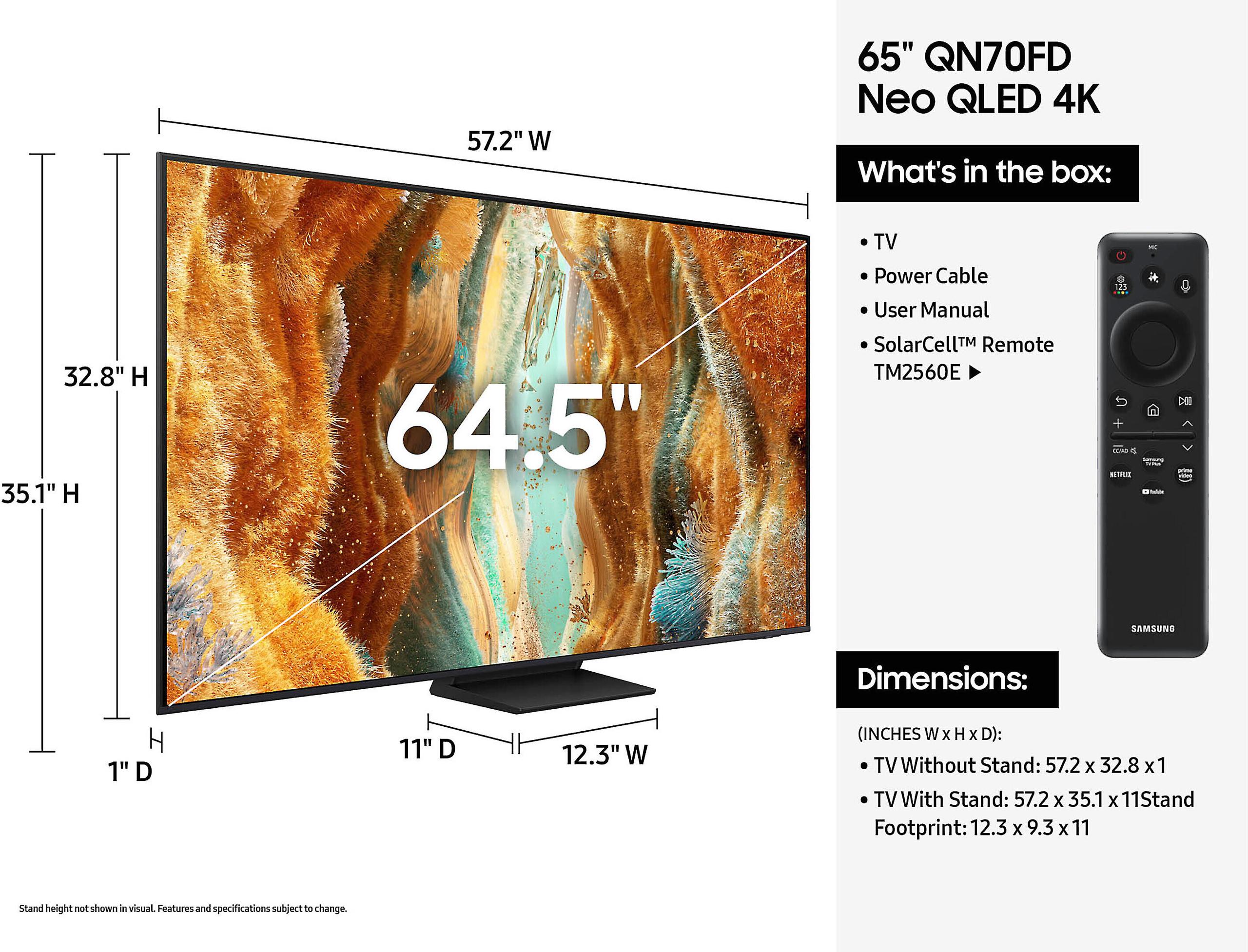
The TCL NXTVISION is extremely thin at just 1.1 inches and includes a proprietary flush wall mount for seamless gallery-style installation. The Samsung QN70F is approximately 1 inch thick but requires a separate VESA-compatible mount. The TCL is specifically designed for aesthetic wall integration.
Both TVs support major HDR formats. The TCL NXTVISION supports Dolby Vision IQ, HDR10+, HDR10, and HLG. The Samsung QN70F features Neo Quantum HDR with HDR10+ support. However, the Samsung's Mini-LED backlighting provides superior HDR performance with better peak brightness.
The Samsung QN70F has a slight audio advantage with Object Tracking Sound Lite and Active Voice Amplifier Pro technologies. The TCL NXTVISION offers 20W speakers with Dolby Atmos support and Enhanced Dialogue Mode. Both TVs benefit from connecting external soundbars for optimal audio performance.
The Samsung QN70F is better suited for dedicated home theater use due to its superior contrast, deeper blacks, and better HDR performance in dark room environments. The TCL NXTVISION's matte screen can reduce perceived contrast in ideal viewing conditions, though it offers unique aesthetic benefits when the theater doubles as a living space.
The TCL NXTVISION supports up to 144Hz and claims 4K at 144Hz gaming through Game Accelerator 240. The Samsung QN70F supports 4K gaming at 120Hz with Motion Xcelerator technology. Despite lower specifications, the Samsung provides more reliable gaming performance with fewer implementation issues.
Yes, both TVs offer voice control capabilities. The TCL NXTVISION includes hands-free Google Assistant and comes with a voice remote. The Samsung QN70F features built-in Bixby and Alexa support with far-field voice interaction, allowing voice commands from across the room without a remote.
The value depends on your priorities. The TCL NXTVISION offers unique dual-purpose functionality as both TV and art display, including premium mounting accessories. The Samsung QN70F provides superior picture quality and gaming performance with advanced Mini-LED technology. Choose the TCL for aesthetic integration or the Samsung for traditional TV performance.
We've done our best to create useful and informative comparisons to help you decide what product to buy. Our research uses advanced automated methods to create this comparison and perfection is not possible - please contact us for corrections or questions. These are the sites we've researched in the creation of this article: rtings.com - tcl.com - bestbuy.com - tcl.com - bestbuy.com - tcl.com - youtube.com - rcwilley.com - businessinsider.com - bestbuy.com - target.com - youtube.com - support.tcl.com - nfm.com - woodruffappliance.com - flatpanelshd.com - tcl.com - rtings.com - youtube.com - wifihifi.com - samsung.com - samsung.com - samsung.com - samsung.com - flatpanelshd.com - news.samsung.com - bestbuy.com

Privacy Policy
Terms and Conditions - Affiliate Policy
Home Security
© Copyright 2008-2026.
11816 Inwood Rd #1211, Dallas, TX 75244