

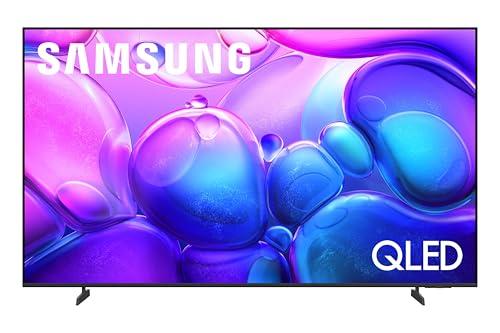



Shopping for a new TV in 2024 means navigating two very different philosophies. On one side, you have traditional televisions focused purely on delivering the best viewing experience possible. On the other, there's a growing category of "lifestyle TVs" that aim to blend seamlessly into your home décor when not displaying content. The Samsung 75-Inch QLED Q6F Series 2025 Smart TV and TCL 65" NXTVISION QLED 4K Art Frame TV represent these opposing approaches perfectly.
At the time of writing, the Samsung Q6F costs significantly less than the TCL NXTVISION despite offering a much larger 75-inch screen compared to the TCL's 65-inch display. This price difference immediately signals that we're comparing products with fundamentally different value propositions. The Samsung focuses on maximizing entertainment value per dollar, while the TCL commands a premium for its unique aesthetic features.
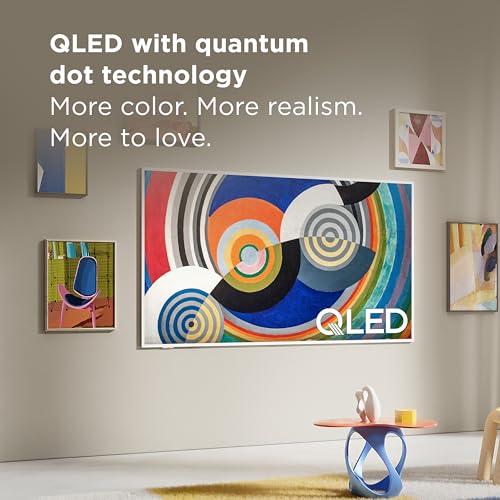
Both televisions use QLED technology, which stands for Quantum Dot Light Emitting Diode. This technology places a layer of microscopic quantum dots between the LED backlight and the LCD panel. These quantum dots absorb blue light from the LEDs and convert it into precise red and green wavelengths, resulting in more accurate and vibrant colors than traditional LED TVs can produce.
However, that's where the similarities end. The Samsung Q6F represents Samsung's entry-level QLED offering for 2025, designed to bring quantum dot technology to budget-conscious consumers who still want solid performance. Meanwhile, the TCL NXTVISION, released in 2024, pioneered a new category of art frame televisions that prioritize aesthetics and room integration alongside traditional TV functionality.
The key considerations when choosing between these approaches involve more than just picture quality. You need to think about how the TV will fit into your living space, whether you value the art display functionality, and how important screen size is to your viewing experience.
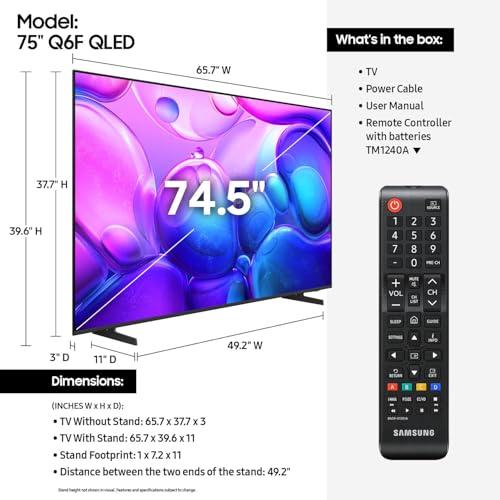
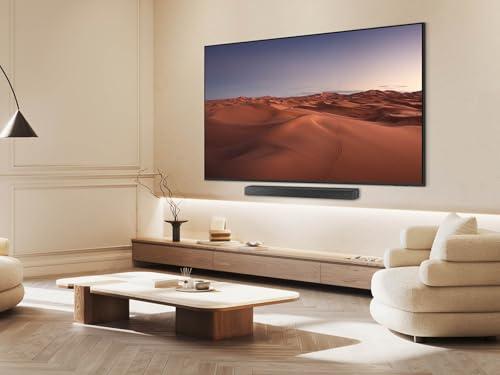
The design differences between these televisions couldn't be more stark. The Samsung Q6F follows conventional TV design principles with a focus on performance and value. It features Samsung's metal stream rear panel—a single sheet of metal construction that provides durability while keeping costs reasonable. The adjustable plastic feet can be positioned for narrow or wide placement, and there's enough clearance for most soundbars.
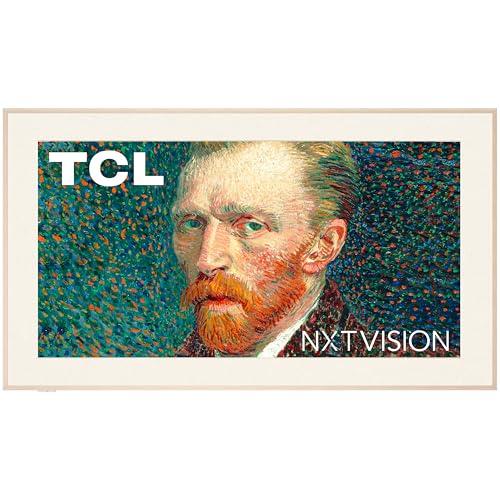
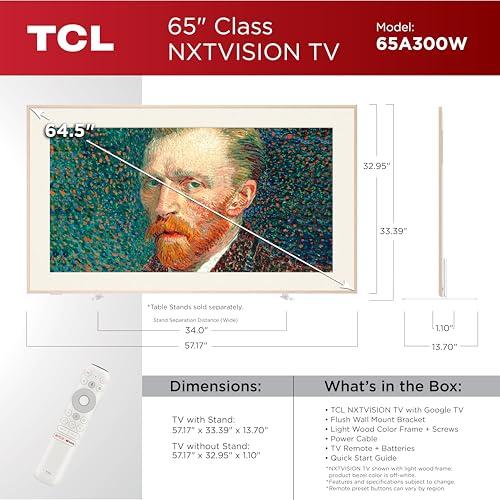
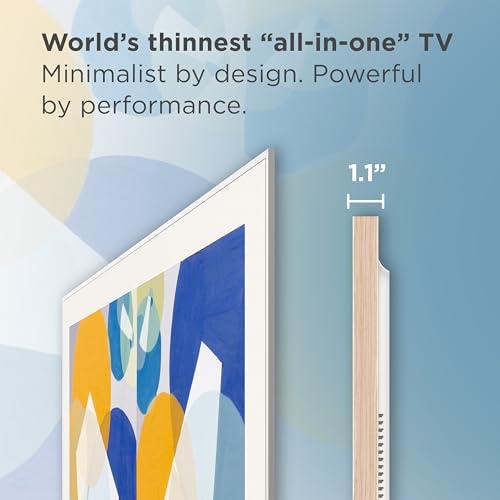
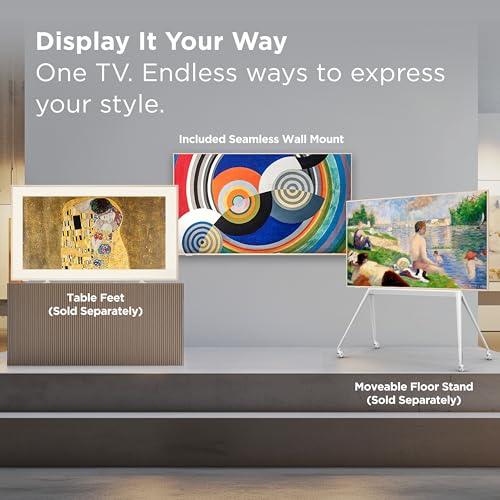
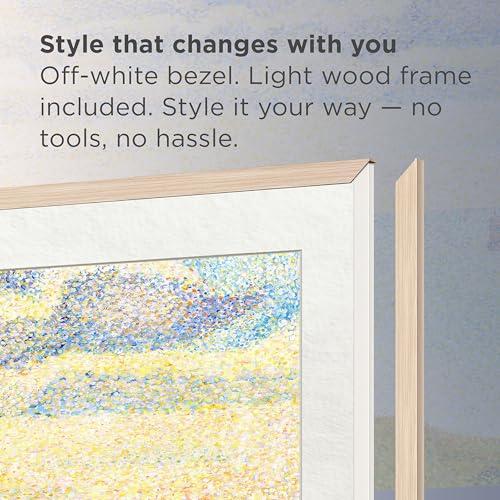
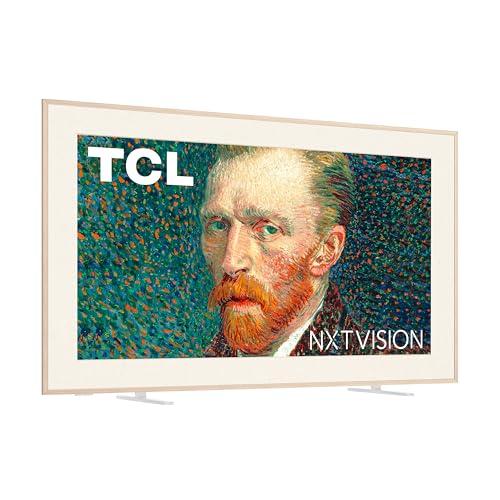
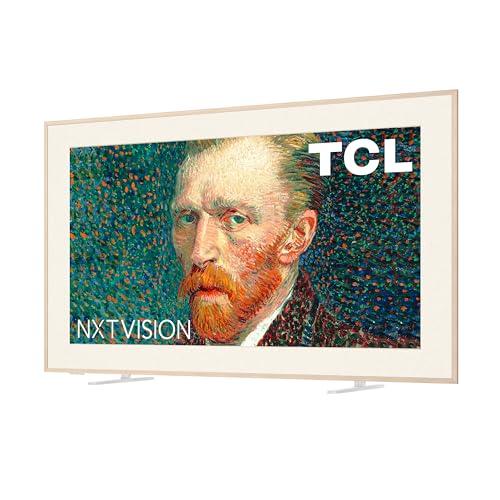
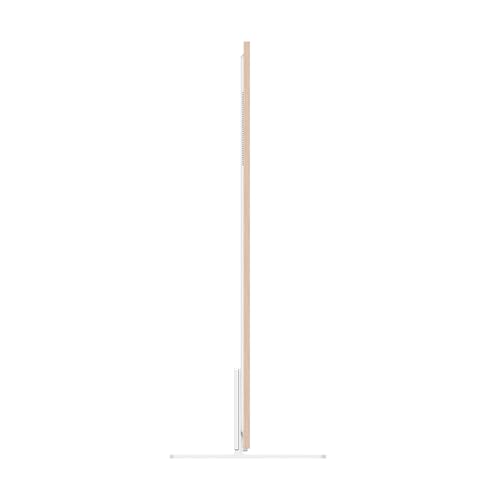
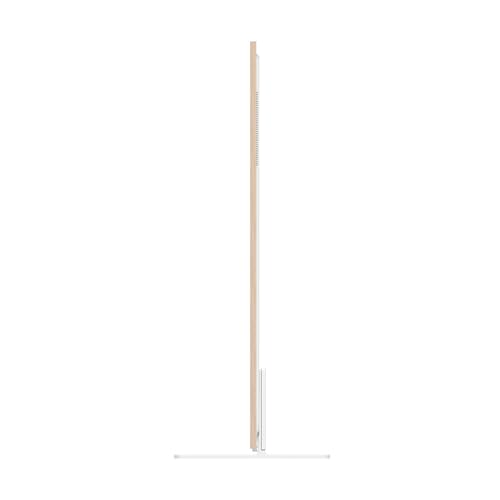
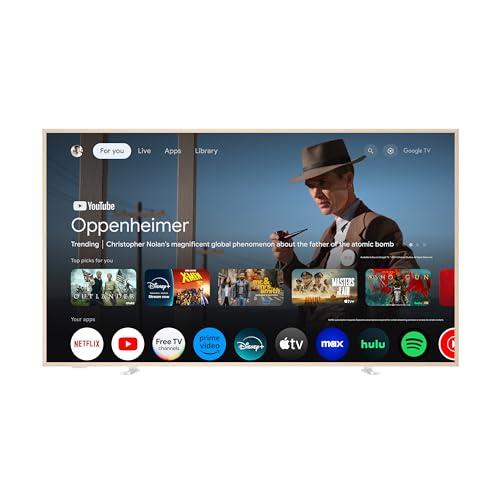
The TCL NXTVISION, however, represents a radical departure from traditional TV design. At just 1.1 inches deep, it's one of the thinnest televisions ever made, specifically engineered to mount flush against the wall like a framed piece of art. The included magnetic light wood frame can be swapped out (though finding replacement colors proves challenging), and the ultra-matte screen finish mimics the texture of canvas artwork.
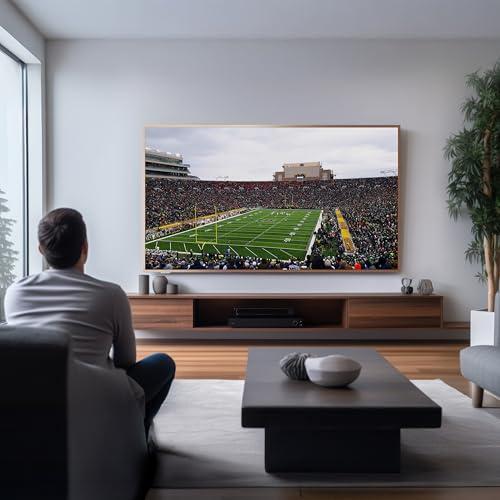
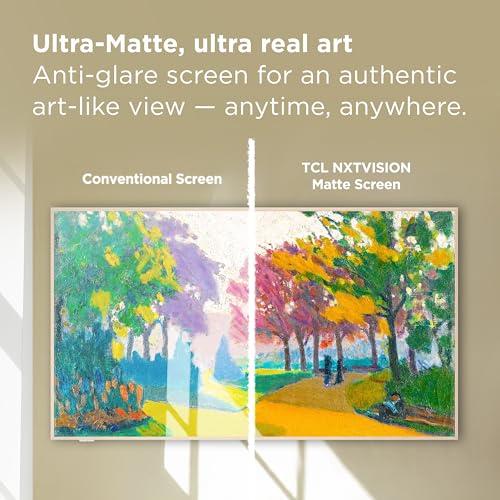
This ultra-matte screen deserves special attention because it's genuinely transformative for bright room viewing. Traditional glossy TV screens act like mirrors, reflecting lamps, windows, and anything else in the room back at you. The TCL's matte finish virtually eliminates these reflections, making it far more comfortable to watch during the day or in rooms with multiple light sources.
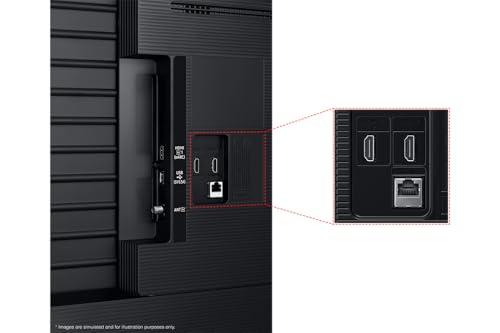
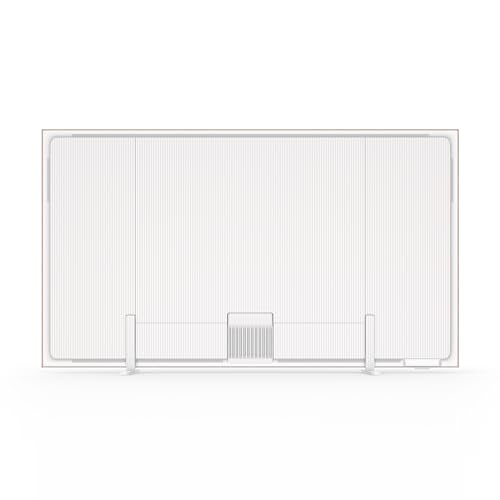
However, the art frame design comes with practical compromises. Unlike Samsung's Frame TV, which uses an external One Connect box to hide cables, the TCL NXTVISION has all its ports built into the TV itself. This means power cables, HDMI cords, and other connections are visible behind the mounted TV, potentially compromising the clean aesthetic the design is trying to achieve.
The 10-inch diagonal difference between these televisions translates to a substantial 30% more viewing area with the Samsung Q6F. For pure entertainment value, this size advantage cannot be understated. Watching movies, sports, or playing games simply feels more immersive on the larger screen.
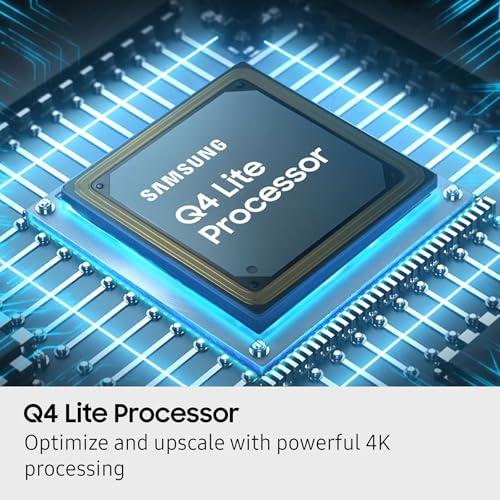
But screen size alone doesn't tell the whole story. The Samsung Q6F uses Samsung's Q4 Lite processor, which handles several important tasks. First, it performs 4K upscaling, taking lower-resolution content like 1080p Blu-rays or streaming video and intelligently filling in the missing pixels to match the TV's 4K resolution. The processor also applies dynamic tone mapping for HDR content, adjusting brightness and contrast scene by scene for optimal viewing.
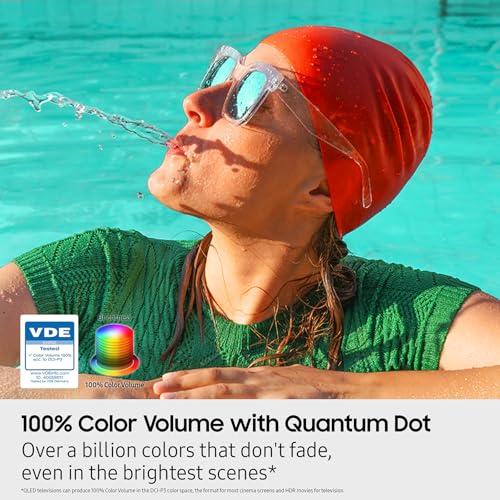
The Samsung achieves 100% Color Volume according to the DCI-P3 color space standard, meaning it can reproduce a billion different color combinations at any brightness level. This is particularly important for HDR content, where you want bright colors to remain vivid rather than washing out.
The TCL NXTVISION uses its own AIPQ PRO processor with similar upscaling capabilities, but our research suggests the overall picture processing isn't quite as refined as Samsung's implementation. However, the TCL does support more HDR formats, including Dolby Vision IQ, which the Samsung Q6F lacks. Dolby Vision IQ automatically adjusts HDR mapping based on your room's ambient lighting, theoretically providing better HDR performance in various lighting conditions.
Where the TCL truly excels is in brightness uniformity and reflection handling. The edge-lit LED design with High Brightness+ technology provides even illumination across the screen, while that ultra-matte coating makes it usable in conditions where most TVs would be unwatchable due to glare.
However, both televisions suffer from the limitations of entry-level QLED technology. Neither offers local dimming, which means they can't selectively darken specific areas of the screen for better black levels. This limitation becomes apparent when watching movies with dark scenes—blacks appear more like dark gray, reducing overall contrast and immersion.
Gaming capabilities represent an interesting reversal in these TVs' usual positioning. On paper, the TCL NXTVISION offers significantly more advanced gaming features than the Samsung Q6F. The TCL supports up to 240Hz variable refresh rate (VRR), has two HDMI 2.1 ports capable of 4K at 144Hz, and includes AMD FreeSync Premium support.
The Samsung Q6F provides more modest gaming features with 60Hz VRR, Auto Game Mode (ALLM), and Samsung's Gaming Hub, which provides access to cloud gaming services like Xbox Game Pass and NVIDIA GeForce Now without requiring a console.
However, specifications don't always translate to superior real-world performance. Both televisions use similar LCD panel technology with relatively slow pixel response times, meaning fast-moving objects in games will appear somewhat blurry regardless of the refresh rate capabilities. For casual gaming, both perform adequately, but serious competitive gamers would be better served by TVs with local dimming and faster pixel response.
The Gaming Hub on the Samsung does provide unique value for gamers who don't own consoles. Being able to stream Xbox games directly to your TV or access NVIDIA's GeForce Now service can eliminate the need for additional gaming hardware, potentially saving hundreds of dollars in console costs.
Smart TV platforms have become increasingly important as more viewers abandon cable subscriptions in favor of streaming services. The Samsung Q6F runs Samsung's Tizen operating system, which has matured significantly over the years. Samsung commits to seven years of software updates for their 2025 TVs, ensuring your smart features won't become obsolete quickly.
Tizen integrates well with Samsung's broader ecosystem. If you own Samsung phones, tablets, or smart home devices, the TV can serve as a SmartThings hub, controlling everything from smart lights to security cameras. The built-in voice assistants (Bixby, Alexa, and Google Assistant compatibility) provide multiple options for voice control.
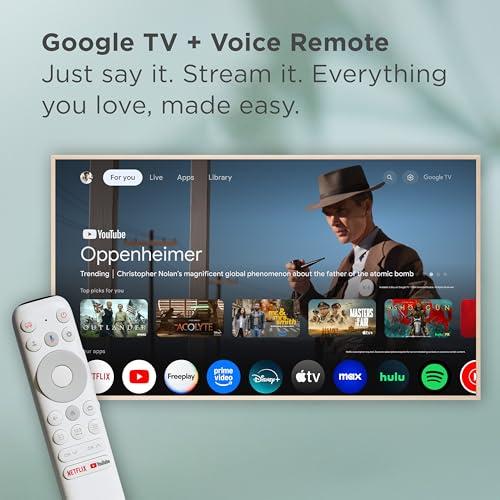
The TCL NXTVISION uses Google TV, which offers a clean, content-focused interface with excellent recommendation algorithms. Google TV excels at surfacing content from across your various streaming subscriptions, making it easier to find something to watch. However, TCL doesn't provide the same long-term software update commitment as Samsung, which could be a concern for buyers planning to keep their TV for many years.
The art mode functionality of the TCL deserves special mention. The curated art library includes over 400 pieces, and the AI art generation feature can create thousands of unique images. When combined with the ultra-matte screen, displayed artwork genuinely looks like it could be hanging in a gallery. However, unlike Samsung's Frame TV, the TCL NXTVISION lacks a motion sensor, so it won't automatically switch to art mode when you leave the room, potentially impacting energy consumption.
Both televisions feature identical 20-watt, 2-channel speaker systems—adequate for casual viewing but limited for any serious audio experience. The ultra-thin profile of the TCL NXTVISION particularly constrains speaker design, as there's simply no room for larger drivers or acoustic chambers.
The Samsung Q6F includes Object Tracking Sound Lite, which uses signal processing to make audio appear to move across the screen with on-screen action. It also supports Q-Symphony, allowing the TV's speakers to work in harmony with compatible Samsung soundbars rather than shutting off when external audio is connected.
For either television, investing in a soundbar or separate audio system significantly improves the experience. The Samsung's slightly thicker profile allows for marginally better built-in audio, but the difference isn't dramatic enough to influence your purchasing decision.
At the time of writing, the price difference between these televisions reveals their fundamentally different value propositions. The Samsung Q6F offers substantially more screen area at a lower total cost, making it an exceptional value for pure entertainment purposes.
When you calculate the cost per square inch of screen real estate, the Samsung delivers approximately twice the value of the TCL NXTVISION. For families prioritizing movie nights, sports viewing, or gaming sessions, this size advantage translates to a measurably more immersive experience.
However, the TCL's price premium reflects features you simply can't get elsewhere at this price point. The ultra-matte screen technology, flush mounting system, and art display functionality serve specific needs that traditional TVs cannot address. If your TV needs to function as living room décor when not displaying content, the TCL provides unique value despite its higher cost.
For dedicated home theater setups, both televisions present limitations that serious enthusiasts should consider. Neither offers local dimming, limiting their ability to produce the deep blacks and high contrast ratios that make movies truly cinematic. Peak brightness levels, while adequate for most content, don't reach the levels needed to make HDR highlights truly pop in dark viewing environments.
The Samsung Q6F's larger screen size provides inherent advantages for home theater use. The increased screen area creates a more immersive viewing experience, particularly important for movie watching where you want to feel transported into the content.
However, the TCL NXTVISION's ultra-matte screen introduces an interesting trade-off. While it eliminates reflections that can ruin movie watching in rooms with ambient light, the matte coating also slightly reduces perceived contrast and color vibrancy compared to glossy screens in completely dark environments.
For most viewers building a casual home theater, the Samsung Q6F provides better overall value due to its size advantage and solid picture processing. Home theater enthusiasts seeking the ultimate experience would likely want to consider higher-end models from either manufacturer with local dimming and higher peak brightness capabilities.
The Samsung 75-Inch QLED Q6F Series 2025 Smart TV makes sense for buyers who prioritize traditional TV performance and value. If you're looking for the biggest, most capable screen your budget allows, the Samsung delivers exceptional entertainment value. It's ideal for family rooms, bedrooms, or any space where the TV serves primarily as an entertainment device rather than décor.
The Samsung also makes sense for gamers who want access to cloud gaming services without buying a console, or for users heavily invested in Samsung's ecosystem of smart home devices. The seven-year software update commitment provides peace of mind for long-term ownership.
The TCL 65" NXTVISION QLED 4K Art Frame TV serves a more specific audience: design-conscious consumers who need their TV to blend into their living space aesthetically. If your TV will be visible in your main living area and you want it to display artwork when not in use, the TCL's unique capabilities justify its price premium.
The TCL also excels in challenging lighting conditions. If your TV will be in a bright room with lots of windows or ambient lighting, the ultra-matte screen makes viewing far more comfortable than traditional glossy displays.
Choose the Samsung 75-Inch QLED Q6F Series 2025 Smart TV if you want maximum entertainment value per dollar. The larger screen, solid picture processing, comprehensive smart features, and strong long-term software support make it an excellent choice for most buyers prioritizing performance over aesthetics.
Choose the TCL 65" NXTVISION QLED 4K Art Frame TV if your TV needs to serve double duty as room décor, if you have challenging lighting conditions, or if you're willing to pay a premium for unique aesthetic features. Despite its smaller screen and higher price, it provides capabilities no traditional TV can match.
Both televisions represent solid entries in their respective categories, but they serve fundamentally different needs. Understanding whether you value screen size and traditional performance or aesthetics and room integration will guide you to the right choice for your specific situation.
| Samsung 75-Inch QLED Q6F Series 2025 Smart TV | TCL 65" NXTVISION QLED 4K Art Frame TV |
|---|---|
| Screen Size - Bigger screen creates more immersive viewing experience | |
| 75 inches (30% more viewing area) | 65 inches (more suitable for smaller rooms) |
| Display Technology - Both use quantum dots for enhanced color | |
| QLED with Q4 Lite processor, UHD dimming | QLED PRO with ultra-matte anti-glare coating |
| Design Philosophy - Traditional vs lifestyle TV approach | |
| Conventional TV design with adjustable stand | Ultra-slim 1.1" art frame with flush wall mounting |
| HDR Support - Better contrast and color in compatible content | |
| Quantum HDR with HDR10+ | Dolby Vision IQ, HDR10+, HDR10, HLG (more formats) |
| Gaming Features - Important for console and PC gaming | |
| 60Hz VRR, ALLM, Gaming Hub with cloud gaming | 240Hz VRR, HDMI 2.1, AMD FreeSync Premium |
| Smart Platform - Affects long-term usability and updates | |
| Tizen OS with 7-year update commitment | Google TV (shorter update timeline) |
| Anti-Glare Performance - Critical for bright room viewing | |
| Standard glossy screen with some reflection issues | Ultra-matte coating virtually eliminates reflections |
| Art Display Mode - Turns TV into digital artwork when not watching | |
| Not available | 400+ curated artworks plus AI art generation |
| Audio System - Built-in sound quality | |
| 20W 2CH with Object Tracking Sound Lite | 20W 2CH with Dolby Atmos processing |
| Smart Home Integration - Connects with other devices | |
| SmartThings Hub, Matter support, multiple voice assistants | Google Assistant, standard smart home compatibility |
| Installation Approach - How it mounts and integrates | |
| Standard wall mount or adjustable feet | Flush mounting system with visible cables behind TV |
| Motion Handling - Reduces blur in fast action scenes | |
| Motion Xcelerator at 60Hz | Motion Rate 480 with MEMC at higher refresh rates |
The Samsung 75-Inch QLED Q6F Series 2025 Smart TV generally offers better overall picture quality with its Q4 Lite processor, 100% Color Volume certification, and advanced upscaling. However, the TCL 65" NXTVISION QLED 4K Art Frame TV excels in bright rooms due to its ultra-matte anti-glare screen that virtually eliminates reflections.
The primary difference is their design philosophy: the Samsung Q6F is a traditional 75-inch entertainment-focused TV, while the TCL NXTVISION is a 65-inch lifestyle TV designed to double as wall art with its ultra-slim profile and flush mounting system.
The TCL 65" NXTVISION has superior gaming specs with 240Hz VRR, HDMI 2.1 ports, and AMD FreeSync Premium. However, the Samsung 75-Inch QLED Q6F offers unique cloud gaming through Gaming Hub, allowing you to play Xbox and other games without a console.
Yes, the Samsung Q6F provides 30% more viewing area than the TCL NXTVISION at a lower total cost, making it exceptional value for families who prioritize screen size and immersive viewing experiences.
The TCL NXTVISION genuinely transforms into convincing wall art thanks to its ultra-matte screen, thin profile, and curated art library with 400+ pieces. The magnetic wood frame and flush mounting create a gallery-like appearance when displaying artwork.
The TCL 65" NXTVISION is significantly better for bright rooms due to its revolutionary ultra-matte anti-glare coating that eliminates reflections. Traditional TVs like the Samsung Q6F can be difficult to watch in bright conditions due to glare.
Both the Samsung 75-Inch QLED Q6F and TCL NXTVISION support all major streaming services, but they use different smart platforms. The Samsung runs Tizen OS with 7-year update commitment, while the TCL uses Google TV with excellent content recommendations.
The Samsung Q6F offers superior smart home integration with built-in SmartThings Hub, Matter support, and compatibility with multiple voice assistants (Bixby, Alexa, Google Assistant). The TCL NXTVISION provides standard Google Assistant integration but lacks advanced hub functionality.
Both TVs work for casual home theater use, but the Samsung 75-Inch QLED Q6F is better due to its larger screen creating more immersive viewing. However, serious home theater enthusiasts should consider higher-end models with local dimming and higher peak brightness from either brand.
Both the Samsung Q6F and TCL 65" NXTVISION have identical 20W 2-channel speakers that are adequate for casual viewing. The Samsung includes Object Tracking Sound and soundbar integration, while the TCL offers Dolby Atmos processing, but both benefit significantly from external audio systems.
The Samsung 75-Inch QLED Q6F Series 2025 Smart TV offers better long-term value with Samsung's commitment to 7 years of software updates. While the TCL NXTVISION provides solid build quality, TCL typically offers shorter update cycles for their smart TV platforms.
Choose the TCL 65" NXTVISION QLED 4K Art Frame TV if you prioritize aesthetics and need your TV to blend into your décor as artwork, have a bright room requiring anti-glare technology, or prefer the unique flush mounting design over the larger screen size of the Samsung Q6F.
We've done our best to create useful and informative comparisons to help you decide what product to buy. Our research uses advanced automated methods to create this comparison and perfection is not possible - please contact us for corrections or questions. These are the sites we've researched in the creation of this article: youtube.com - rtings.com - cnet.com - youtube.com - rtings.com - samsung.com - bestbuy.com - samsung.com - samsung.com - bestbuy.com - manuals.plus - arrowassociatedstores.com - samsung.com - samsung.com - samsung.com - flatpanelshd.com - device.report - rtings.com - tcl.com - bestbuy.com - tcl.com - bestbuy.com - tcl.com - youtube.com - rcwilley.com - businessinsider.com - bestbuy.com - target.com - youtube.com - support.tcl.com - nfm.com - woodruffappliance.com - flatpanelshd.com - tcl.com

Privacy Policy
Terms and Conditions - Affiliate Policy
Home Security
© Copyright 2008-2026.
11816 Inwood Rd #1211, Dallas, TX 75244