




When shopping for a 65-inch 4K TV, you'll encounter two fundamentally different philosophies that serve completely different needs. The TCL NXTVISION QLED Art Frame TV, released in 2024, represents the emerging lifestyle TV category—designed to blend into your home décor when not actively displaying content. Meanwhile, the Sony BRAVIA 2 II, launched in 2025, takes the traditional approach of delivering reliable 4K performance at an accessible price point.
These TVs couldn't be more different in their core mission, and understanding which philosophy matches your needs will save you from buyer's remorse. Let's dive deep into what each offers and, more importantly, which situations call for each approach.
The TV market has split into distinct camps over the past few years. Traditional manufacturers like Sony have focused on refining picture quality and making premium features more affordable, while newer players like TCL have pushed into lifestyle categories that treat TVs as furniture rather than just electronics.
This divide reflects how we actually use TVs today. Many people want their large screen to disappear into the room when Netflix isn't running, while others prioritize getting the best picture quality for their dollar. Neither approach is wrong—they just serve different lifestyles and priorities.
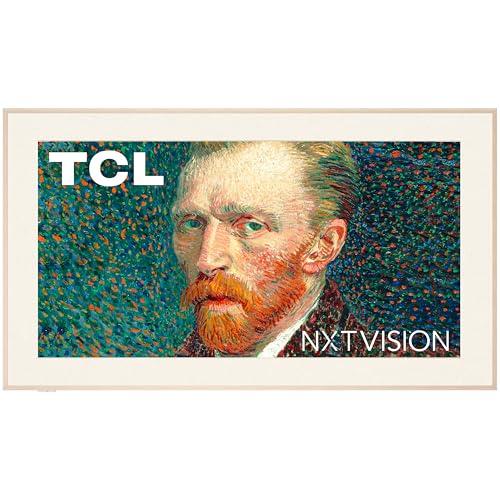
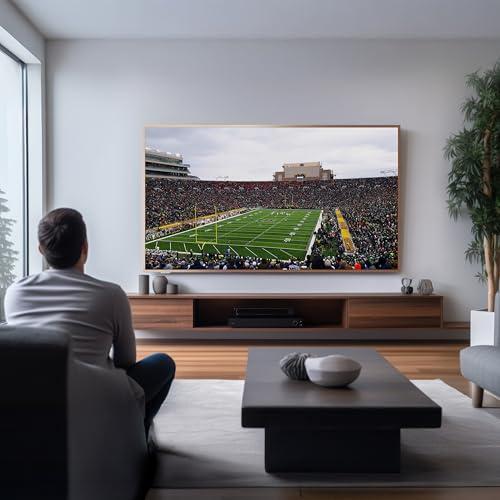
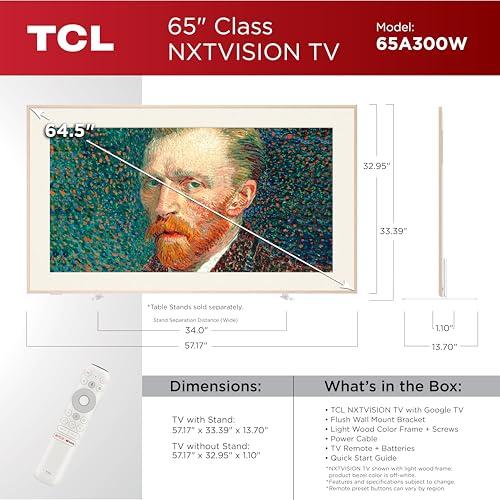
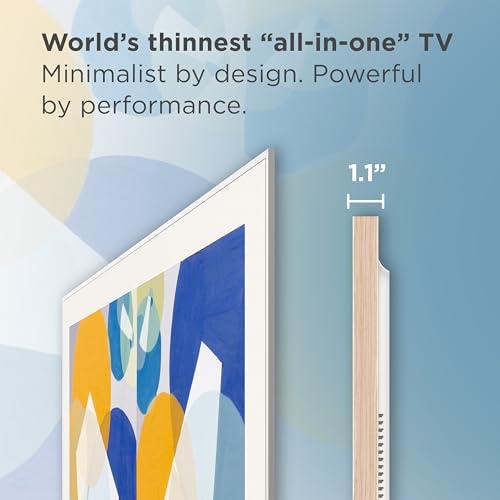
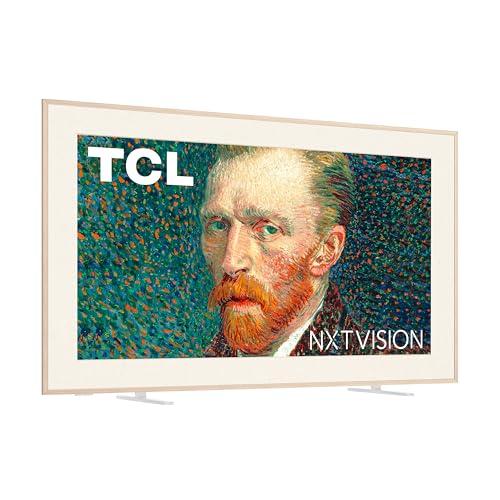
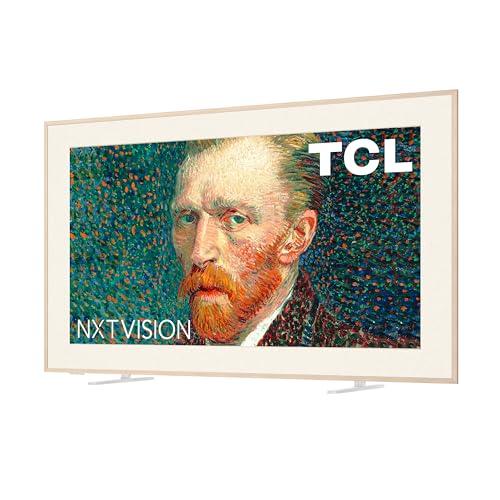
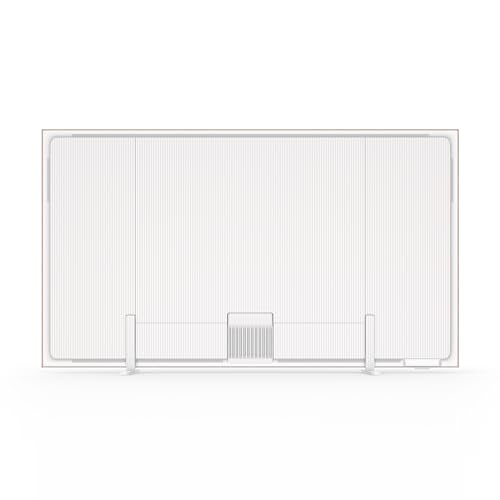
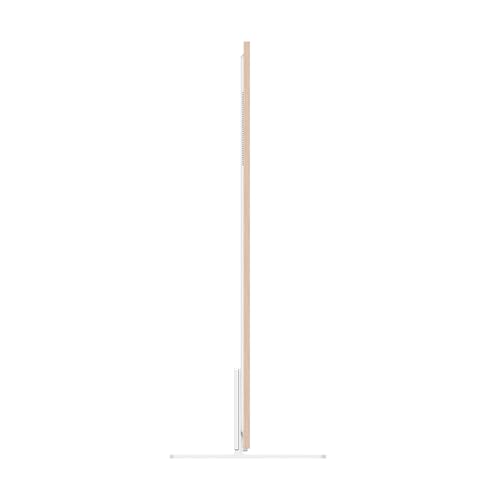
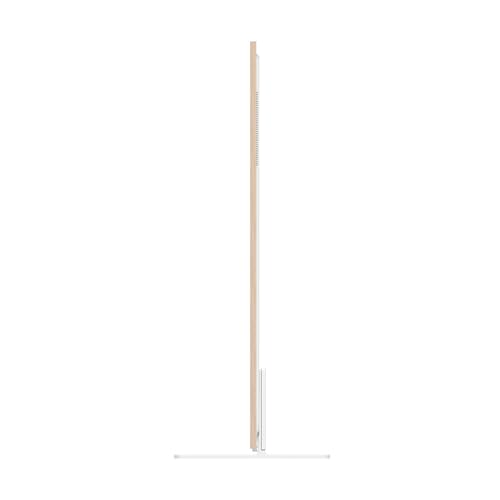
The TCL NXTVISION represents something genuinely new in the TV world. At just 1.1 inches thick, it's among the thinnest all-in-one televisions ever made—thin enough to genuinely look like a framed painting when mounted flush against your wall.
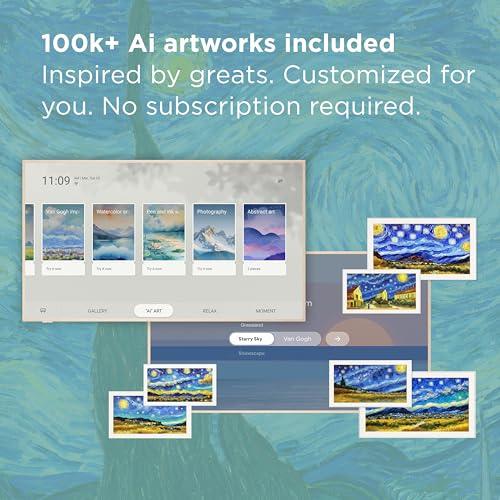
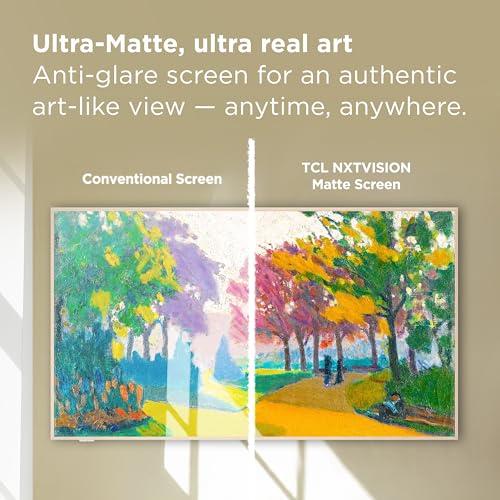
But the real innovation lies in its ultra-matte anti-glare screen. Most TVs reflect room light like mirrors, creating distracting glares and reflections. TCL's matte coating eliminates virtually all reflections, allowing the screen to display artwork with the texture and appearance of an actual canvas. When you're not watching TV, it can cycle through a curated library of over 400 artworks or generate AI-created images that match your décor preferences.
This isn't just a gimmick—the anti-glare technology genuinely transforms how the TV performs in bright rooms. Traditional TVs become nearly unwatchable during daytime with windows open, but the TCL NXTVISION maintains excellent visibility even in direct sunlight. The matte finish does reduce some color pop compared to glossy screens, but the trade-off proves worthwhile for most room configurations.
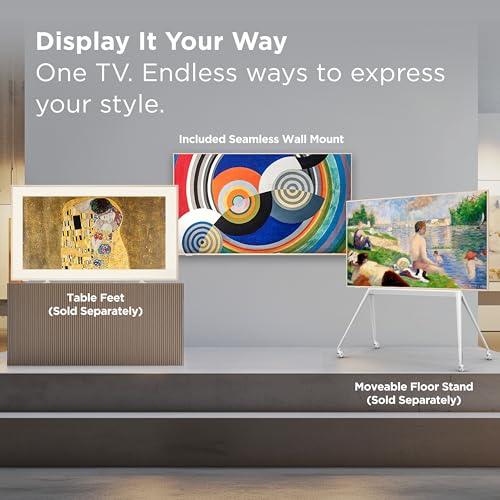
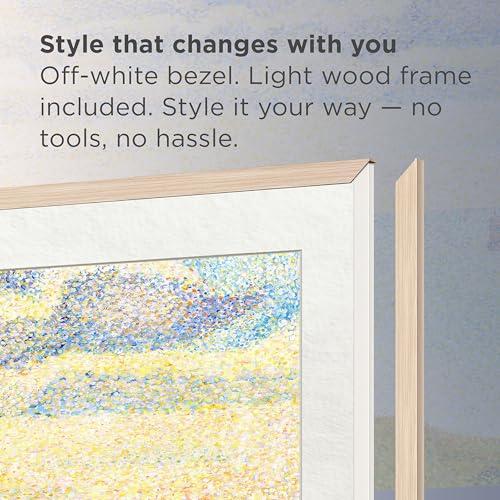
The design extends beyond just the screen. The TV includes magnetic wooden frames that you can swap to match your room's aesthetics, plus a proprietary flush wall mount that creates a seamless, gallery-like installation. There's no traditional stand included—this TV was designed from the ground up for wall mounting as art.
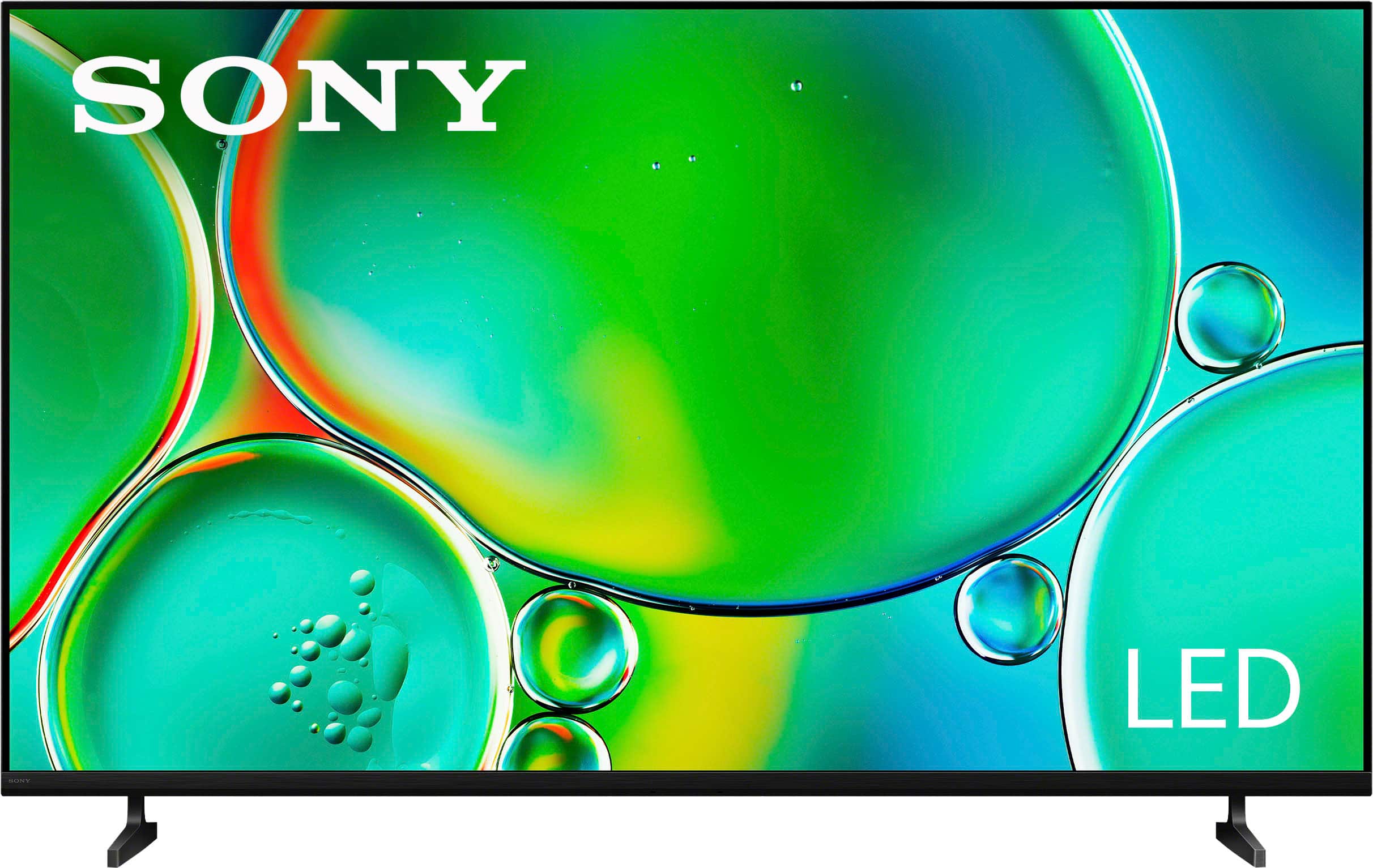
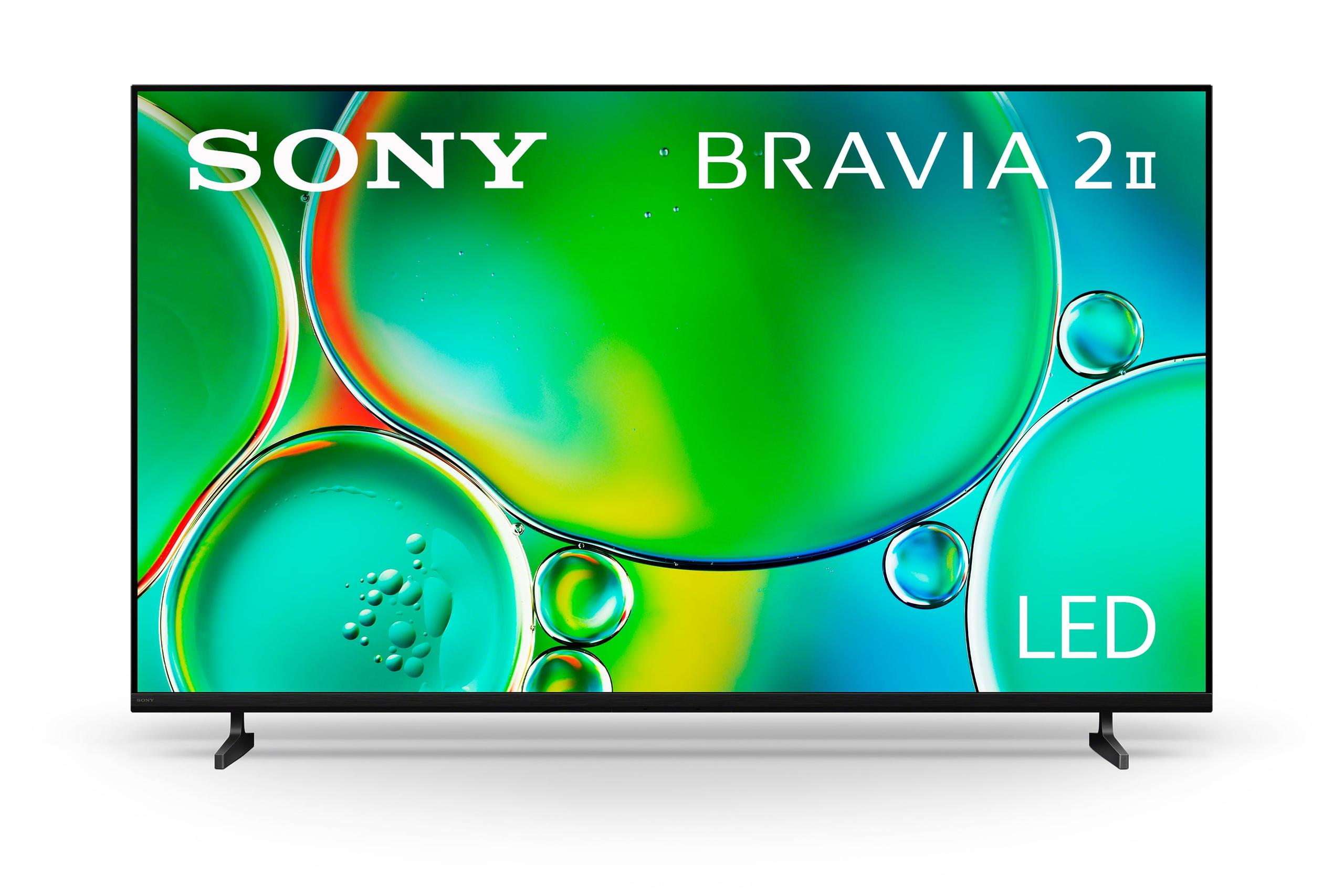
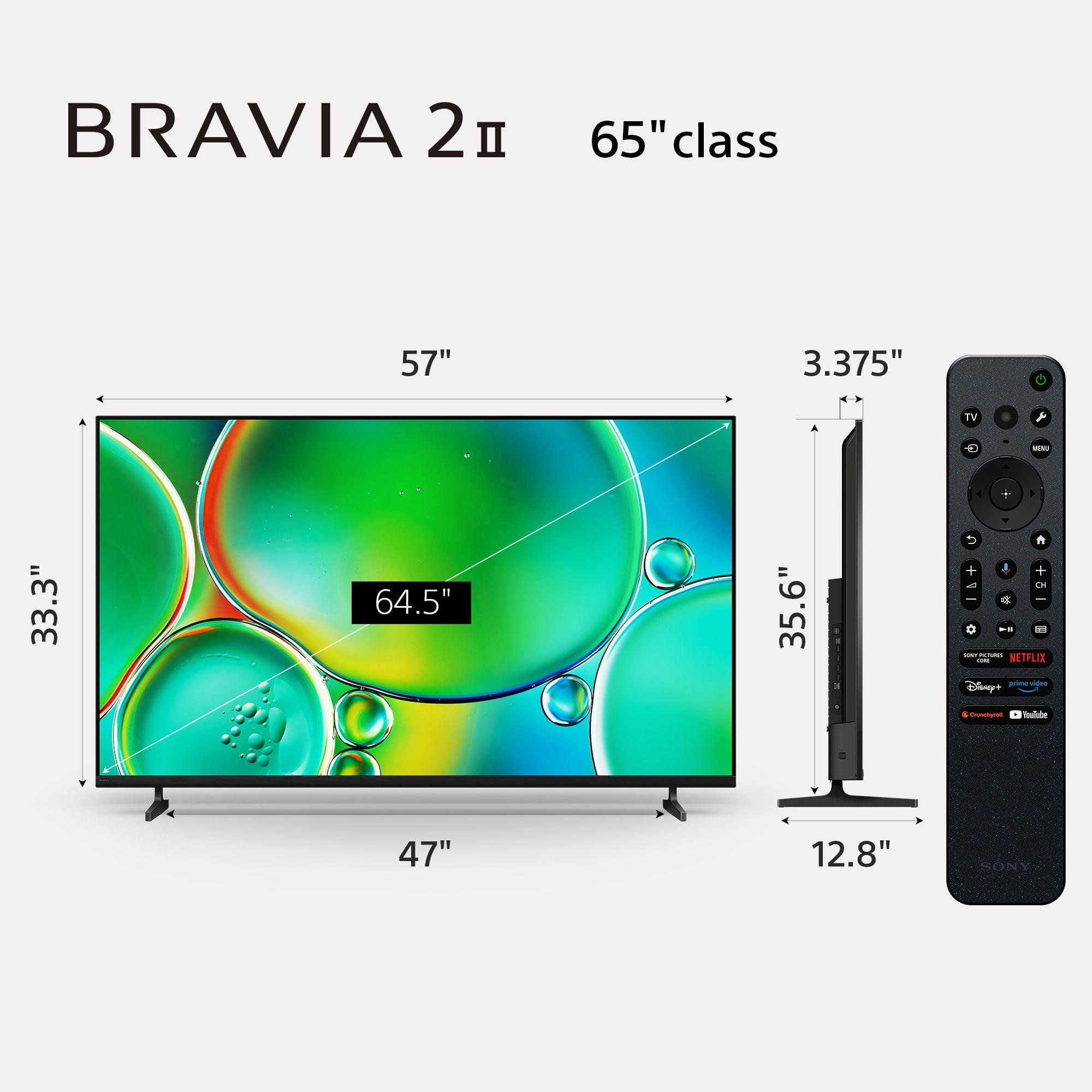
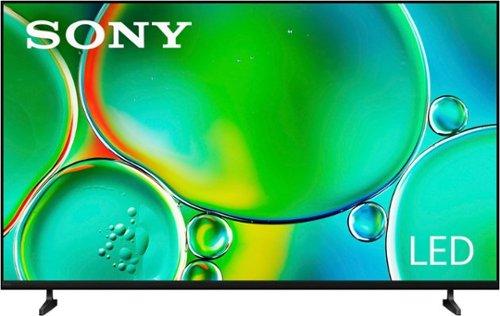
The Sony BRAVIA 2 II takes the opposite approach, focusing entirely on delivering reliable 4K performance without the premium features that drive up costs. Sony launched this model in 2025 as their most affordable entry point into 4K, bringing their established picture processing technology to budget-conscious buyers.
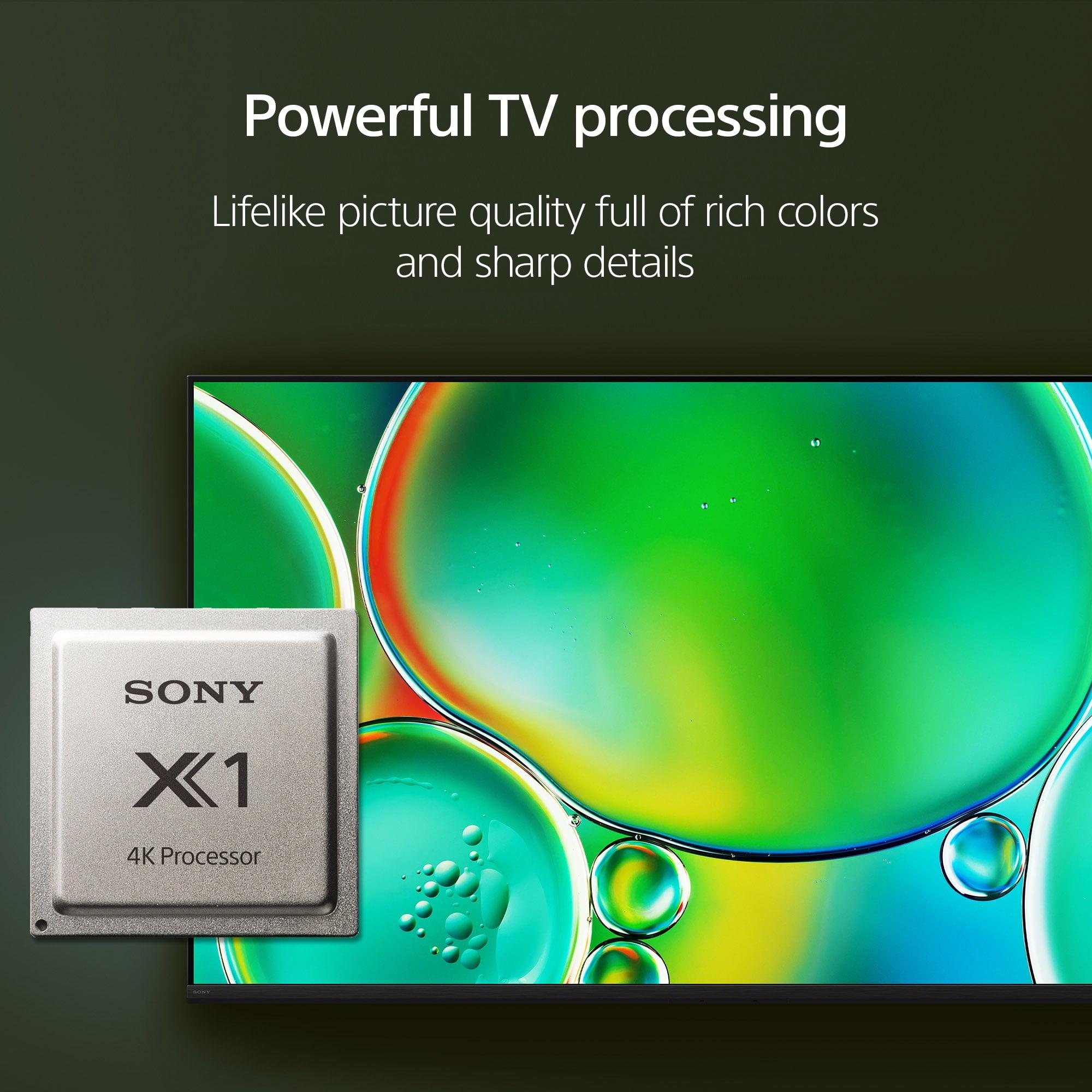
The key strength here is Sony's 4K Processor X1, which previously appeared only in higher-end Sony models. This processor excels at upscaling lower-resolution content—taking 1080p Netflix shows or cable TV and making them look sharp on the 4K display. The X-Reality PRO engine analyzes each frame against a database of reference images to enhance detail and reduce artifacts.
Sony also uses direct-lit LED backlighting, where LEDs are positioned directly behind the entire screen rather than just around the edges. This creates more uniform brightness across the display compared to edge-lit designs, reducing the "flashlight effect" where corners appear dimmer than the center.
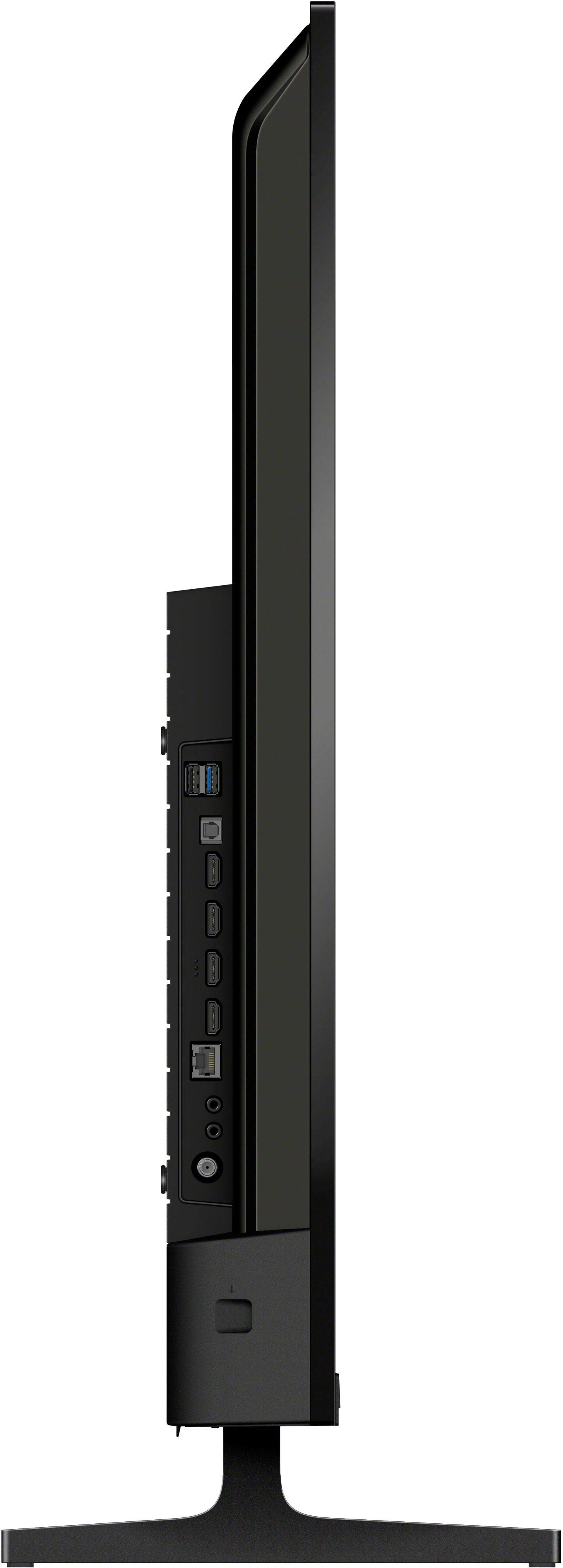
The Sony BRAVIA 2 II includes a traditional stand and follows conventional TV design principles—it looks like what most people expect from a television. For many buyers, this familiarity is actually a benefit rather than a limitation.
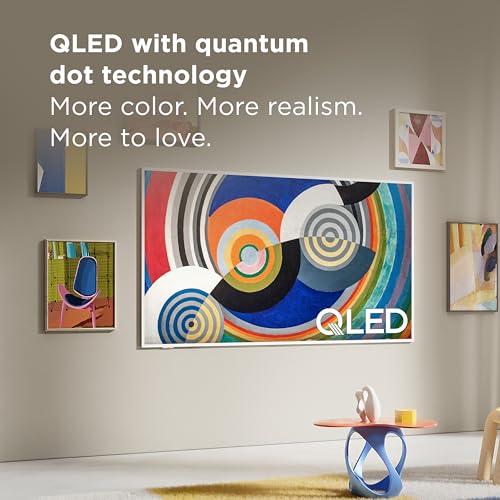
Here's where the technical differences become crucial for your viewing experience. The TCL NXTVISION uses QLED (Quantum Light-Emitting Diode) technology, which places a layer of quantum dots between the backlight and LCD panel. These microscopic particles convert blue LED light into precise red and green wavelengths, creating more accurate and vibrant colors than traditional LED displays.
The quantum dot layer allows the TCL to display 1.07 billion colors compared to the roughly 16.7 million colors of standard LED panels. In practical terms, this means skin tones look more natural, sunsets display more nuanced color gradations, and animated content appears more vivid and lifelike.
However, the TCL NXTVISION uses edge-lit backlighting, where LEDs are positioned only around the screen's perimeter. While this enables the ultra-slim design, it can create subtle brightness variations across the screen and limits contrast performance compared to direct-lit designs.
The Sony BRAVIA 2 II sacrifices the color advantages of quantum dots but gains the uniformity benefits of direct-lit backlighting. Sony's Live Color technology and 4K Processor X1 work together to optimize the more limited color palette, often producing more natural-looking (if less saturated) images than competing budget TVs.
High Dynamic Range (HDR) content includes brightness and color information beyond what standard video can display, creating more realistic contrast between dark shadows and bright highlights. But HDR only works if your TV supports the specific format used by your content.
The TCL NXTVISION supports every major HDR format: Dolby Vision IQ, HDR10+, HDR10, and HLG. Dolby Vision IQ is particularly valuable because it adjusts HDR settings based on your room's ambient lighting—brightening dark scenes when you're watching during the day, then optimizing for darker viewing at night.
This comprehensive HDR support means the TCL will properly display premium content from Netflix (which uses Dolby Vision), Amazon Prime Video (HDR10+), and broadcast TV (HLG). The quantum dot technology also helps these HDR formats achieve their intended color impact.
The Sony BRAVIA 2 II supports only HDR10 and HLG, missing both Dolby Vision and HDR10+. This limitation means you won't get the full visual experience from premium streaming content that uses these advanced formats. The content will still play, but it'll be converted to basic HDR10, losing some of the director's intended color grading and dynamic range optimization.
For home theater enthusiasts, this HDR limitation is significant. If you're building a dedicated movie-watching setup, the TCL's comprehensive format support provides much better future-proofing and content compatibility.
Gaming performance reveals the starkest difference between these TVs. The TCL NXTVISION was designed with serious gamers in mind, featuring a native 120Hz panel that can display up to 144Hz refresh rates for 4K content and an incredible 240Hz for 1080p gaming.
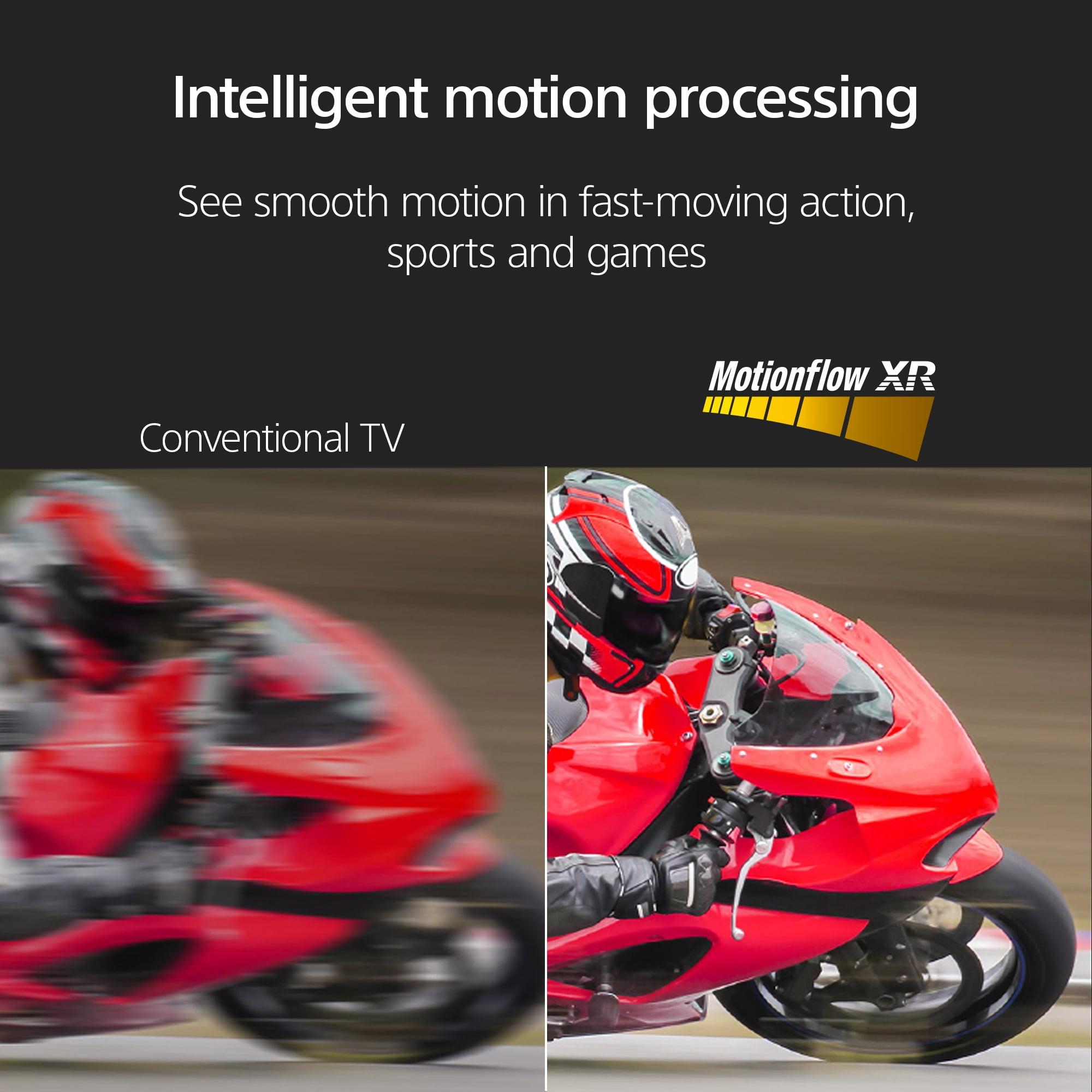
These higher refresh rates eliminate motion blur and create smoother gameplay, especially crucial for competitive gaming where split-second reactions matter. The TV includes two HDMI 2.1 ports with full 48Gbps bandwidth, supporting all the advanced gaming features of PlayStation 5 and Xbox Series X consoles.
Variable Refresh Rate (VRR) technology synchronizes the TV's refresh rate with your gaming console or PC's frame rate output, eliminating screen tearing—those horizontal lines that appear when frame rates don't match perfectly. The TCL supports AMD FreeSync Premium and all major VRR formats, creating a seamless gaming experience.
Auto Low Latency Mode (ALLM) automatically switches the TV to gaming mode when it detects a console, reducing input lag—the delay between pressing a button and seeing the action on screen. Combined with the dedicated Game Accelerator 240 processing, the TCL achieves some of the lowest input lag measurements in its category.
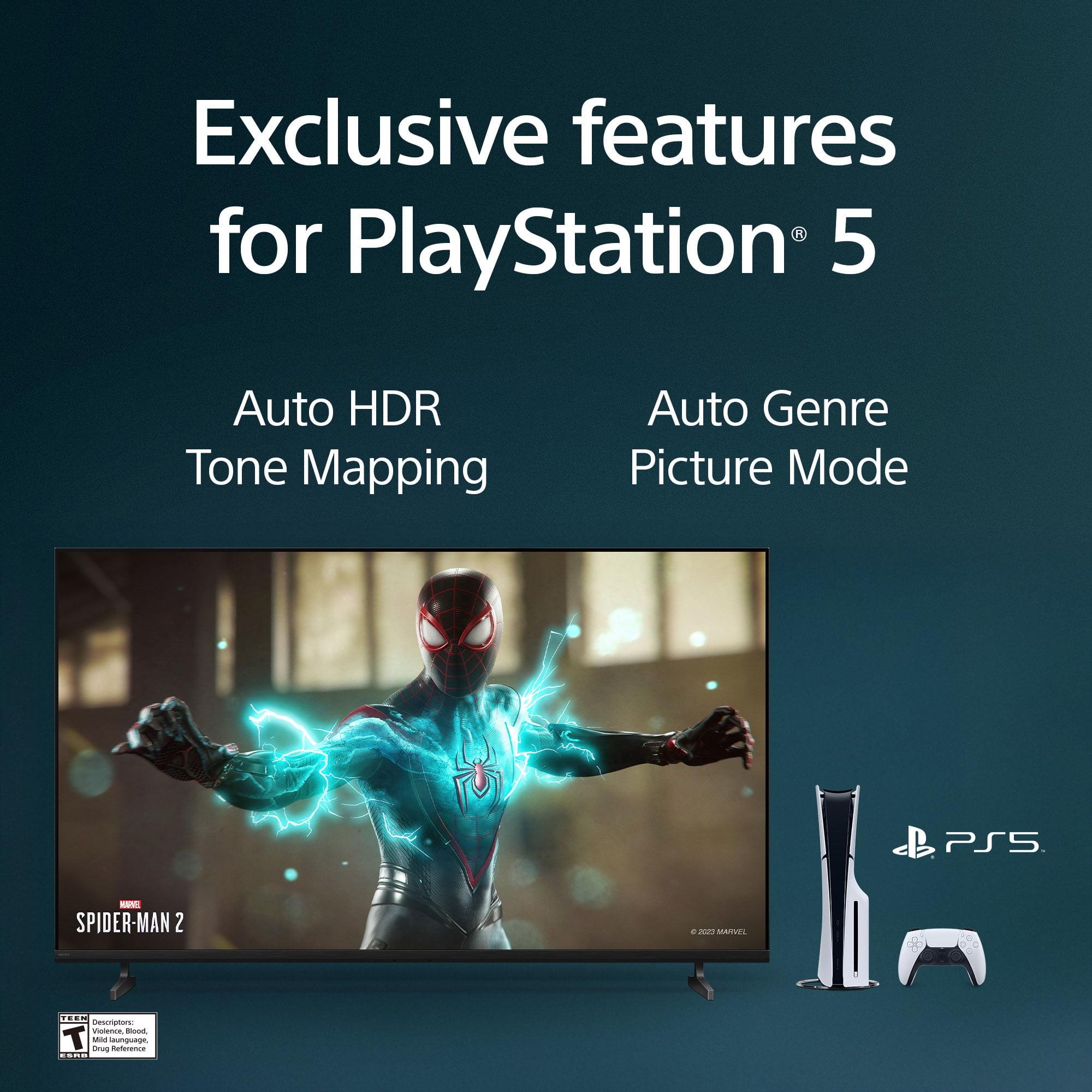
The Sony BRAVIA 2 II offers only basic gaming features with its 60Hz refresh rate and HDMI 2.0 ports. While it includes ALLM and some PlayStation 5 optimization features, it cannot display games at higher frame rates or take advantage of next-generation console capabilities.
For casual gaming—playing single-player adventures or family-friendly games—the Sony performs adequately. But competitive gamers or anyone wanting to maximize their PlayStation 5 or Xbox Series X investment should strongly consider the TCL's superior gaming capabilities.
Audio represents one area where the Sony BRAVIA 2 II clearly outperforms its competitor. Sony's 40-watt Open Baffle speaker system with Dolby Atmos and DTS:X support produces significantly more powerful and nuanced sound than the TCL's 20-watt speakers.
The Sony's Clear Phase technology optimizes acoustic timing to create better sound alignment, while the Open Baffle design allows speakers to breathe more naturally for improved bass response. For viewers who plan to rely on built-in audio without adding a soundbar, this advantage is substantial.
However, both TVs benefit significantly from external audio systems. The ultra-slim profile of the TCL NXTVISION actually works well with soundbars, creating a clean aesthetic when wall-mounted. The Sony's included stand provides more flexibility for soundbar placement.
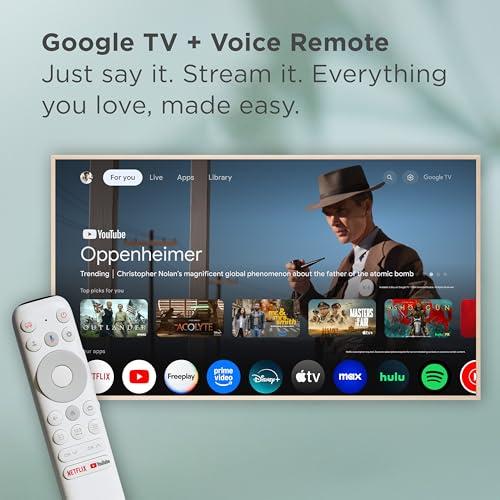
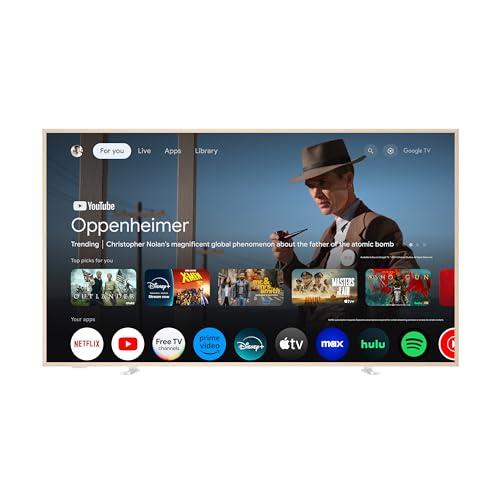
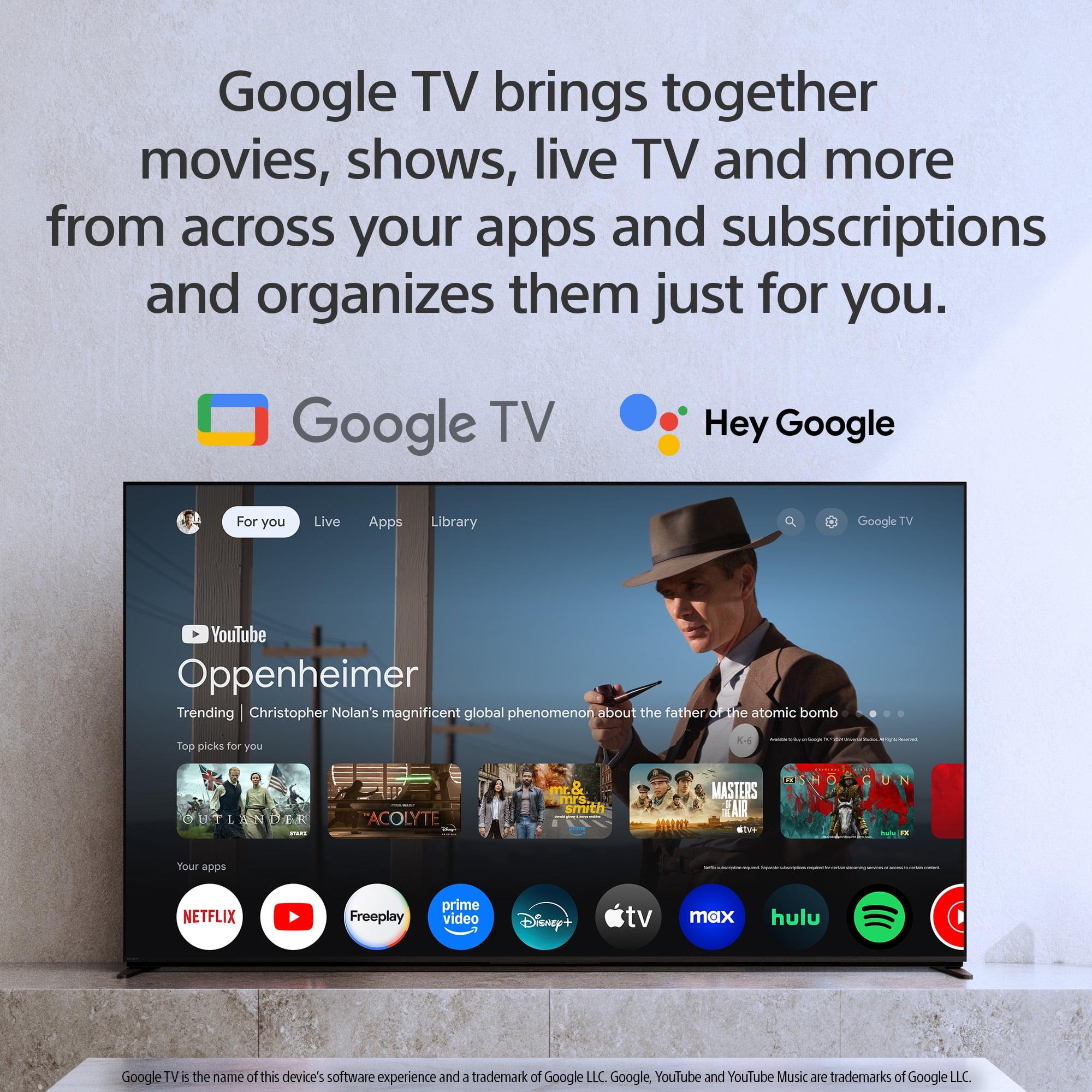
Both televisions run Google TV, providing identical access to streaming apps and voice control through Google Assistant. The user interface and app selection remain essentially the same across both models.
The processing differences lie in image optimization. The TCL's AIPQ PRO Processor uses artificial intelligence to analyze and optimize each frame in real-time, adjusting color, contrast, and motion based on content type. This AI-driven approach often produces more consistent results across different content sources.
Sony's 4K Processor X1, while proven and reliable, represents an older generation of processing technology. It excels at upscaling and provides solid image optimization, but lacks the adaptive intelligence of newer AI-based systems.
At the time of writing, these TVs target completely different market segments despite sharing the same screen size. The Sony BRAVIA 2 II positions itself as premium value—delivering Sony's reliable picture processing and build quality at entry-level pricing.
For buyers primarily concerned with getting good 4K picture quality without premium features, the Sony offers excellent value. The direct-lit backlighting, established brand reliability, and strong built-in audio create a compelling package for traditional TV viewing.
The TCL NXTVISION commands a significant premium for its lifestyle features and gaming capabilities. The art TV functionality, ultra-slim design, and comprehensive gaming features justify higher pricing for buyers who value these specific capabilities.
However, when comparing gaming performance specifically, the TCL offers features typically found in TVs costing significantly more. The 120Hz panel, HDMI 2.1 connectivity, and advanced gaming features often require stepping up to premium models from other manufacturers.
The TCL NXTVISION makes sense for several specific buyer profiles. Design-conscious homeowners who want their TV to blend seamlessly into living spaces will appreciate the art display functionality and ultra-slim mounting. Serious gamers needing 120Hz performance and HDMI 2.1 features for next-generation consoles should strongly consider this model. Anyone with bright rooms where glare becomes problematic will benefit from the anti-glare coating.
The Sony BRAVIA 2 II serves traditional TV buyers excellently. Budget-conscious consumers wanting reliable 4K performance from an established brand get excellent value. Families who prioritize strong built-in audio to avoid purchasing additional speakers will appreciate Sony's superior sound system. Anyone preferring conventional TV design with included stands and familiar aesthetics will find Sony's approach more appealing.
These televisions succeed in completely different ways, making the choice dependent on your specific needs and priorities. The TCL NXTVISION pushes boundaries in design integration and gaming performance, while the Sony BRAVIA 2 II refines traditional TV excellence at an accessible price point.
Consider the TCL if you value cutting-edge features, design integration, or serious gaming capabilities. Choose the Sony if you prioritize value, traditional functionality, and proven reliability over innovative features.
Both represent smart purchases within their intended markets—the key is honestly assessing which market matches your actual viewing habits and home environment.
| TCL 65" NXTVISION QLED 4K Art Frame TV | Sony BRAVIA 2 II 65" 4K LED Google TV 2025 |
|---|---|
| Display Technology - Affects color vibrancy and overall picture quality | |
| QLED with Quantum Dot (1.07 billion colors, more vibrant) | Standard LED with Live Color (natural but less saturated colors) |
| Refresh Rate - Critical for gaming and sports viewing | |
| Native 120Hz, supports up to 144Hz VRR (smooth gaming) | Native 60Hz with motion interpolation (basic performance) |
| HDR Format Support - Determines compatibility with premium streaming content | |
| Dolby Vision IQ, HDR10+, HDR10, HLG (comprehensive) | HDR10, HLG only (missing premium formats) |
| Design Philosophy - How it fits into your living space | |
| Ultra-slim 1.1" art TV with magnetic frames, flush mount | Traditional TV design with included stand, standard depth |
| Anti-Glare Technology - Performance in bright rooms | |
| Ultra matte anti-glare screen (excellent for daytime viewing) | Standard glossy screen (reflections in bright light) |
| Gaming Features - Next-gen console compatibility | |
| 2x HDMI 2.1, AMD FreeSync Premium, Game Accelerator 240 | 4x HDMI 2.0, PS5 optimization, ALLM only |
| Audio System - Built-in sound quality | |
| 20W speakers with Dolby Atmos (adequate but limited power) | 40W Open Baffle system with Clear Phase (significantly better) |
| Backlighting Type - Affects brightness uniformity | |
| Edge-lit High Brightness+ LED (slimmer but less uniform) | Direct-lit LED with Frame Dimming (more uniform illumination) |
| Art Display Features - When not watching TV | |
| 400+ curated artworks, AI art generation, personal gallery | Standard screensaver options only |
| Processor Technology - Image optimization and upscaling | |
| AIPQ PRO with AI-driven real-time optimization | 4K Processor X1 with X-Reality PRO upscaling |
| Connectivity Standards - Future-proofing | |
| Wi-Fi 5, Bluetooth 5.0, 2x HDMI 2.1 + 2x HDMI 2.0 | Wi-Fi 6, Bluetooth 5.3, 4x HDMI 2.0 |
| Target Market - Best suited for | |
| Design enthusiasts, serious gamers, bright room viewing | Budget-conscious buyers, traditional TV users, audio priority |
The TCL NXTVISION QLED Art Frame TV is significantly better for gaming. It features a native 120Hz refresh rate, two HDMI 2.1 ports, AMD FreeSync Premium, and Game Accelerator 240 technology. The Sony BRAVIA 2 II only offers 60Hz refresh rate and HDMI 2.0 ports, making it suitable for casual gaming but not ideal for competitive players or next-gen consoles.
The TCL NXTVISION excels in bright rooms thanks to its ultra matte anti-glare screen that eliminates reflections, making it perfect for daytime viewing. The Sony BRAVIA 2 II uses a standard glossy screen that can show reflections and glare in bright lighting conditions, though its direct-lit backlighting helps maintain decent visibility.
Both offer excellent picture quality but in different ways. The TCL NXTVISION uses QLED quantum dot technology for more vibrant colors and supports all major HDR formats including Dolby Vision. The Sony BRAVIA 2 II provides more natural colors with superior brightness uniformity due to direct-lit backlighting, but only supports basic HDR10 and HLG formats.
Only the TCL NXTVISION QLED Art Frame TV is designed for art display, featuring over 400 curated artworks, AI art generation, and a canvas-like matte screen. It includes magnetic wooden frames and flush wall mounting for a gallery appearance. The Sony BRAVIA 2 II is a traditional TV without art display capabilities.
The Sony BRAVIA 2 II has superior built-in audio with a 40W Open Baffle speaker system featuring Dolby Atmos and Clear Phase technology. The TCL NXTVISION offers only 20W speakers, though both TVs benefit from adding a soundbar for the best audio experience.
For dedicated home theater use, the TCL NXTVISION is better due to its comprehensive HDR format support (Dolby Vision IQ, HDR10+) and QLED color technology, which are crucial for premium streaming content. The Sony BRAVIA 2 II lacks Dolby Vision support, limiting its home theater potential despite good basic performance.
The Sony BRAVIA 2 II offers better traditional value with reliable 4K performance, strong audio, and Sony's proven processing at an entry-level price. The TCL NXTVISION provides premium value for buyers who want art display features, gaming performance, and comprehensive HDR support, but at a higher cost.
The Sony BRAVIA 2 II includes a Slim T Shape Blade Stand in the box for tabletop placement. The TCL NXTVISION QLED Art Frame TV is designed for wall mounting only and includes a flush wall mount, but no traditional stand - it must be wall-mounted or you need to purchase a separate floor stand.
Both TVs run Google TV with identical streaming app access. However, the TCL NXTVISION provides a better streaming experience for premium content due to Dolby Vision support on Netflix and other services. The Sony BRAVIA 2 II will play the same content but without the enhanced HDR optimization.
The TCL NXTVISION is ultra-thin at just 1.1 inches deep and includes a proprietary flush wall mount for a seamless, art-like appearance. The Sony BRAVIA 2 II has standard TV depth and can be wall-mounted using VESA mounting, but won't achieve the same flush, gallery-style look.
The Sony BRAVIA 2 II has four HDMI 2.0 ports plus Wi-Fi 6 and Bluetooth 5.3 connectivity. The TCL NXTVISION has four HDMI ports total (two HDMI 2.1, two HDMI 2.0) with Wi-Fi 5 and Bluetooth 5.0. For gaming and future devices, the TCL's HDMI 2.1 ports are more valuable despite fewer total ports.
The Sony BRAVIA 2 II benefits from Sony's established reputation for TV reliability and typically offers longer warranty coverage through certain retailers. The TCL NXTVISION comes with standard TCL warranty coverage. Sony generally has better service network availability, though both brands offer adequate support for their respective price points.
We've done our best to create useful and informative comparisons to help you decide what product to buy. Our research uses advanced automated methods to create this comparison and perfection is not possible - please contact us for corrections or questions. These are the sites we've researched in the creation of this article: rtings.com - tcl.com - bestbuy.com - tcl.com - bestbuy.com - tcl.com - youtube.com - rcwilley.com - businessinsider.com - bestbuy.com - target.com - youtube.com - support.tcl.com - nfm.com - woodruffappliance.com - flatpanelshd.com - tcl.com - bestbuy.com - notebookcheck.net - rtings.com - youtube.com - youtube.com - rtings.com - avsforum.com - croma.com - totonstv.com - electronics.sony.com - listenup.com - pcrichard.com - youtube.com - flanners.com - brandsmartusa.com - displayspecifications.com - pioneertvandappliance.com - donstv.com

Privacy Policy
Terms and Conditions - Affiliate Policy
Home Security
© Copyright 2008-2026.
11816 Inwood Rd #1211, Dallas, TX 75244