





When shopping for a 65-inch premium TV in 2024, you'll face a fundamental choice that goes beyond specs and features. Do you want a television that disappears into your living space like a piece of art, or do you prioritize the best possible picture quality for your entertainment? The TCL 65" NXTVISION QLED 4K Art Frame TV and Samsung 65" QN90D Series 4K Neo QLED Smart TV represent two completely different philosophies in TV design, each excelling in their respective areas.
At the time of writing, these TVs sit in different price categories, with the TCL NXTVISION positioning itself as a more affordable lifestyle option while the Samsung QN90D commands premium pricing for its advanced display technology. Understanding which approach fits your needs—and budget—will help you make the right choice.
The TV industry has evolved beyond simply making screens bigger and sharper. In 2024, we're seeing manufacturers take distinctly different paths to attract buyers. The TCL NXTVISION, originally launched as the NXTFRAME before being renamed, represents the "lifestyle TV" category that emerged strongly in recent years. These TVs prioritize aesthetics and room integration over raw performance metrics.
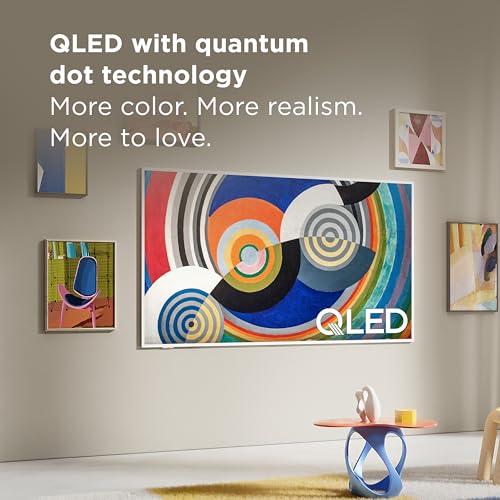
Meanwhile, the Samsung QN90D follows the traditional premium TV path, using cutting-edge Mini LED technology to deliver exceptional picture quality. Mini LEDs are tiny backlights (much smaller than regular LEDs) that can be precisely controlled in zones to create better contrast and brighter highlights.
Both approaches have merit, but they serve different users and use cases. The key is understanding what matters most in your specific situation.
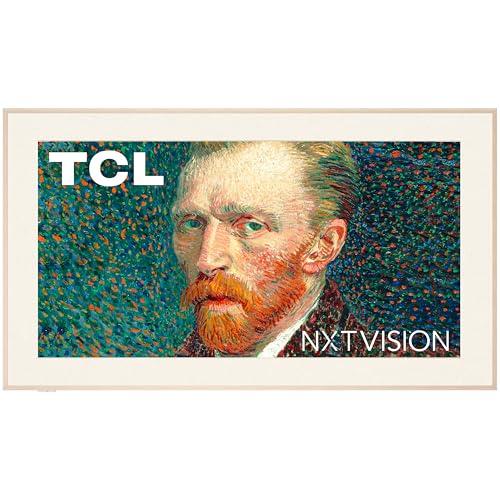
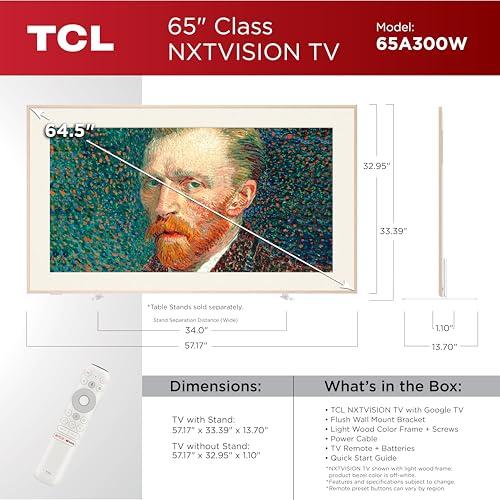
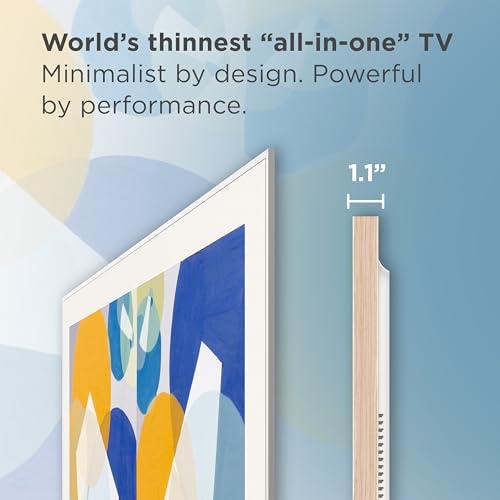
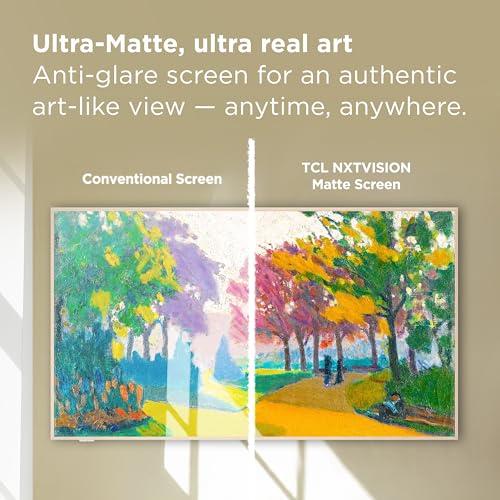
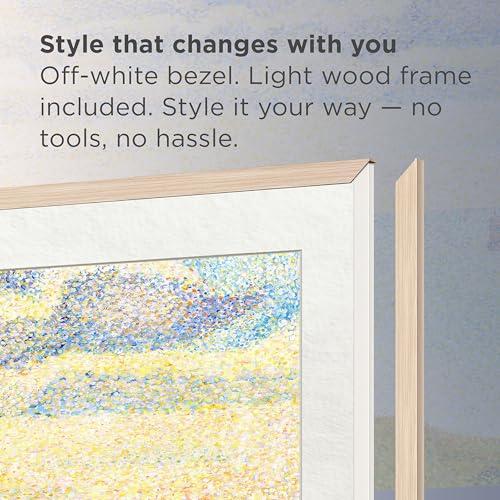
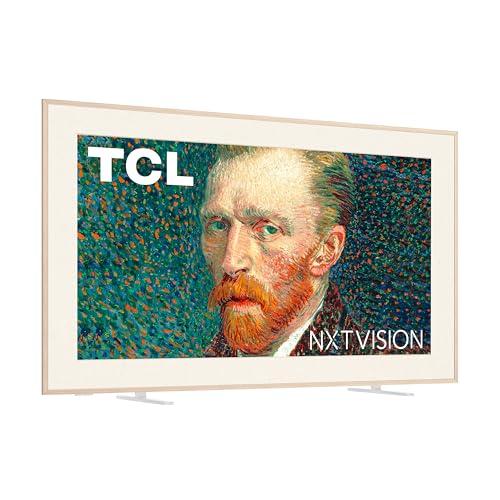
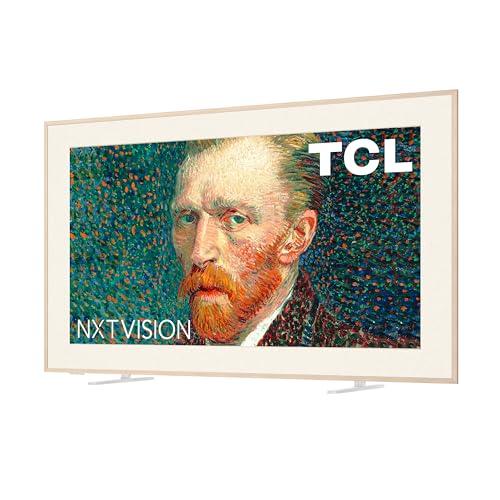
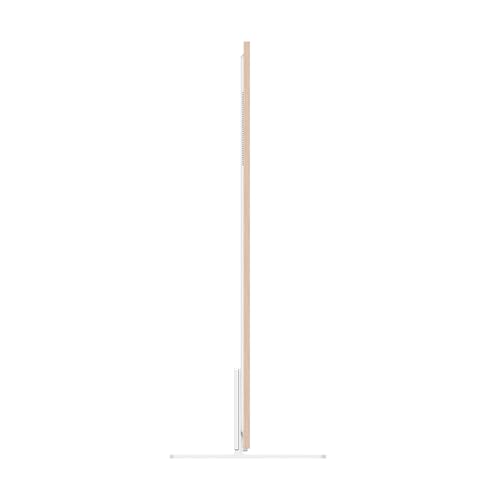
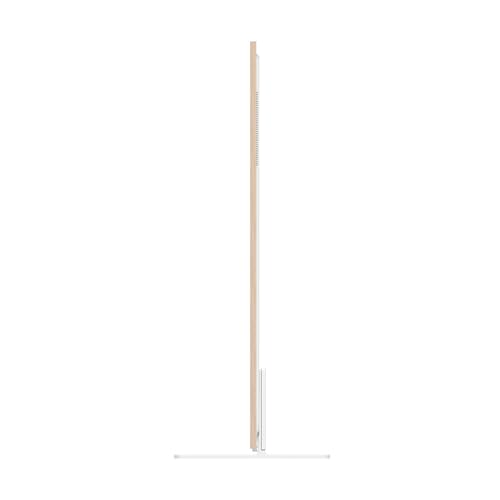
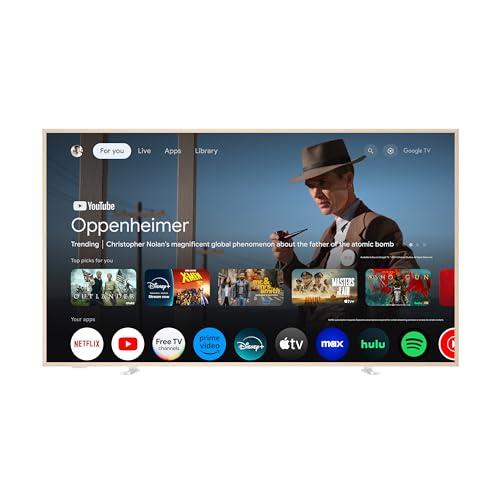
The most obvious difference between these TVs becomes apparent the moment you see them. The TCL NXTVISION measures just 1.1 inches deep—incredibly thin even by modern standards—and comes with a magnetic light wood frame that makes it look like framed artwork when mounted flush against your wall. The ultra-matte anti-glare screen coating eliminates reflections entirely, creating the illusion of a canvas rather than a glossy TV screen.
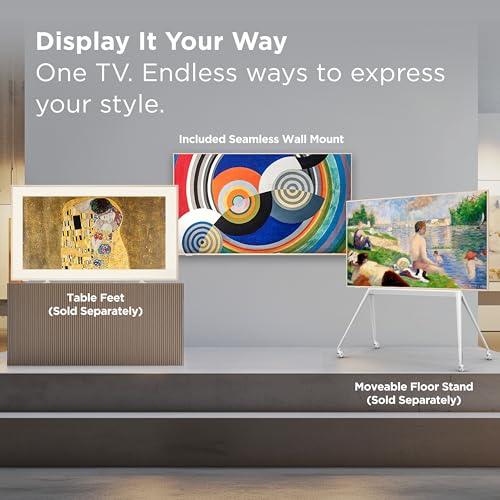
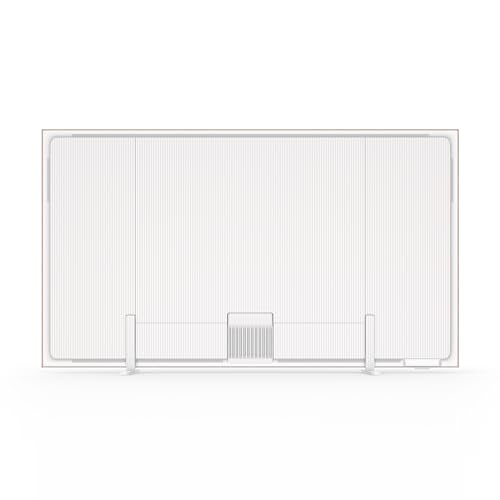
This design comes with trade-offs. The TCL only works with its proprietary flush wall mount system, meaning you can't use standard VESA mounts or place it on a TV stand. It's designed for one specific installation scenario: mounted flush on the wall like a painting.
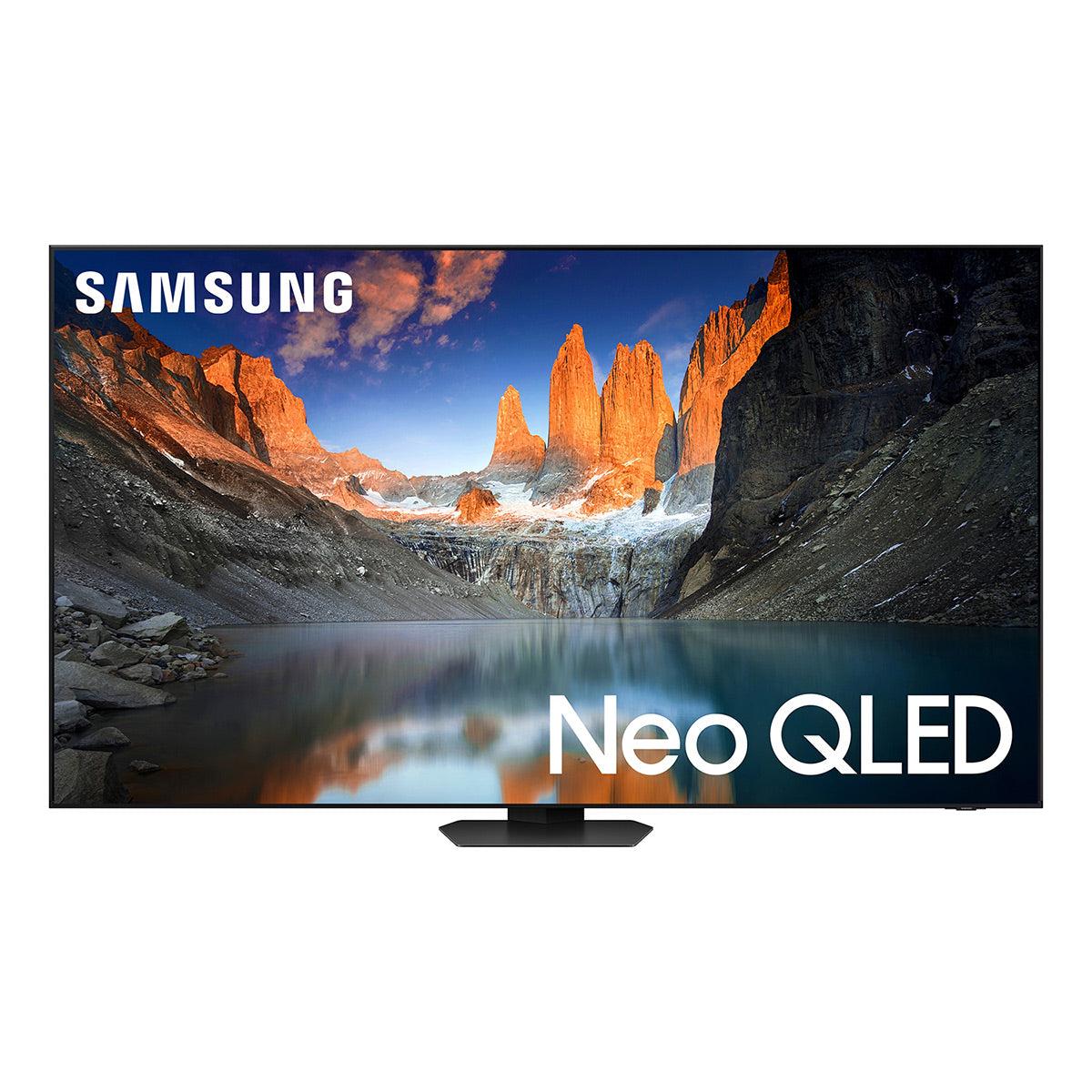
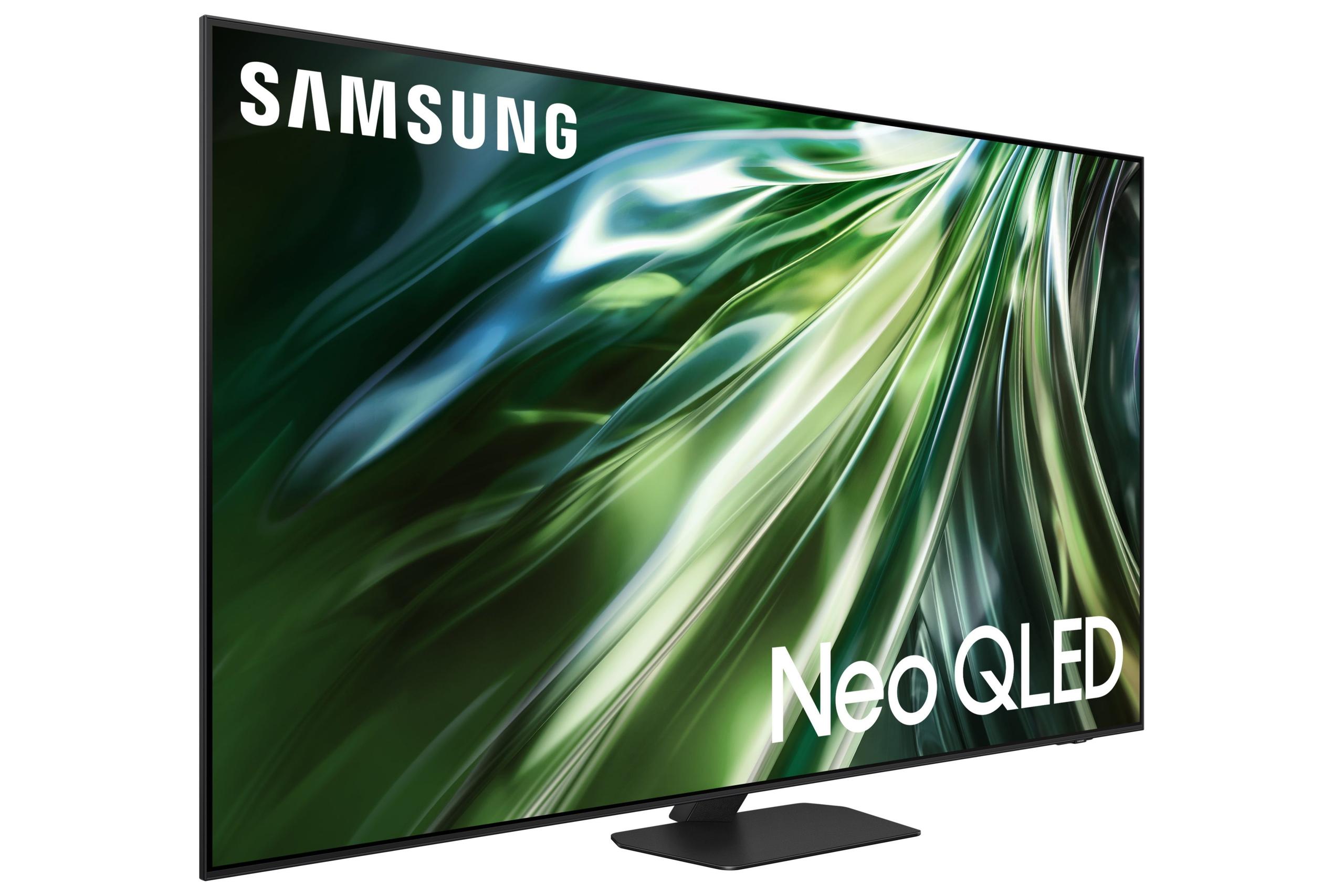
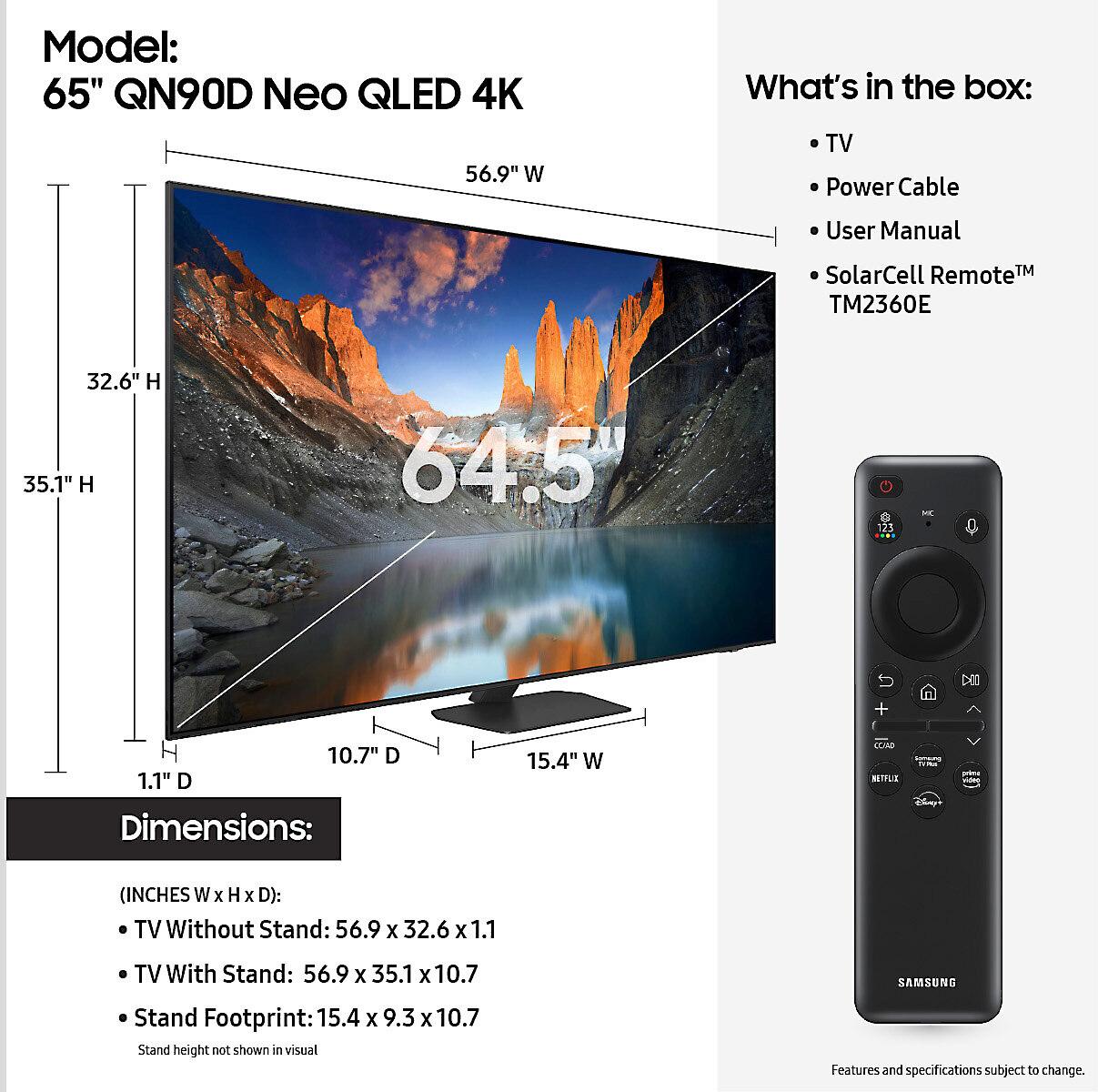
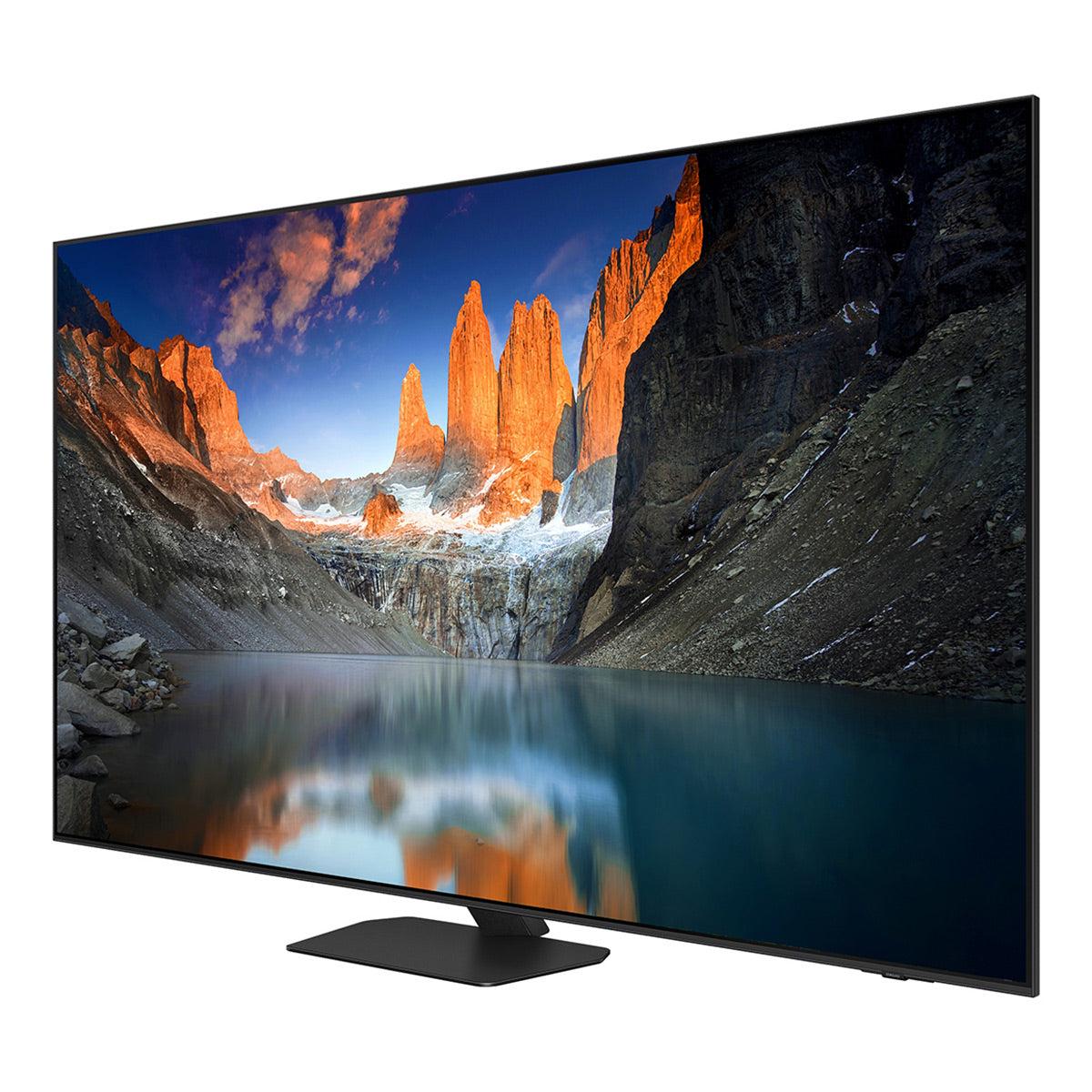
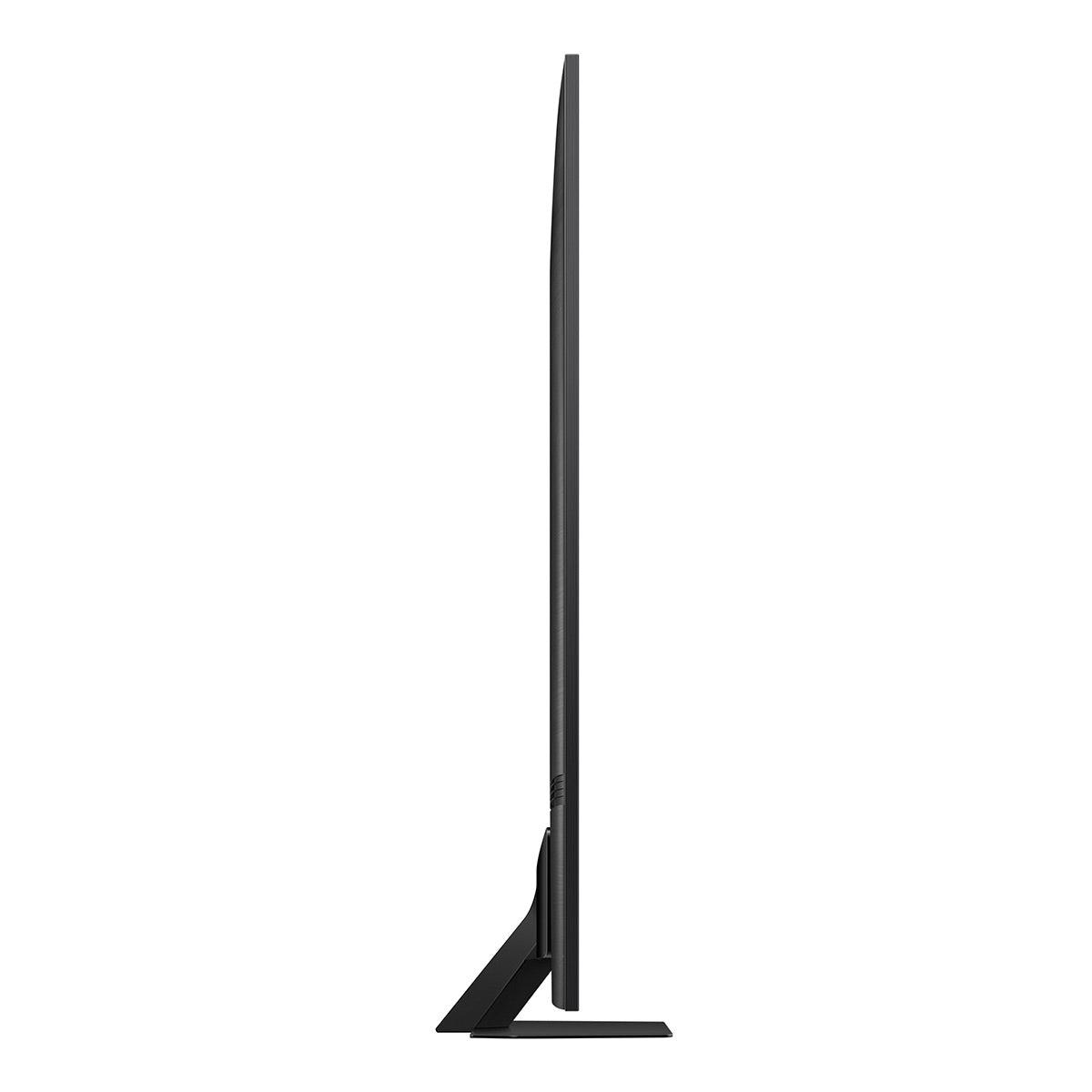
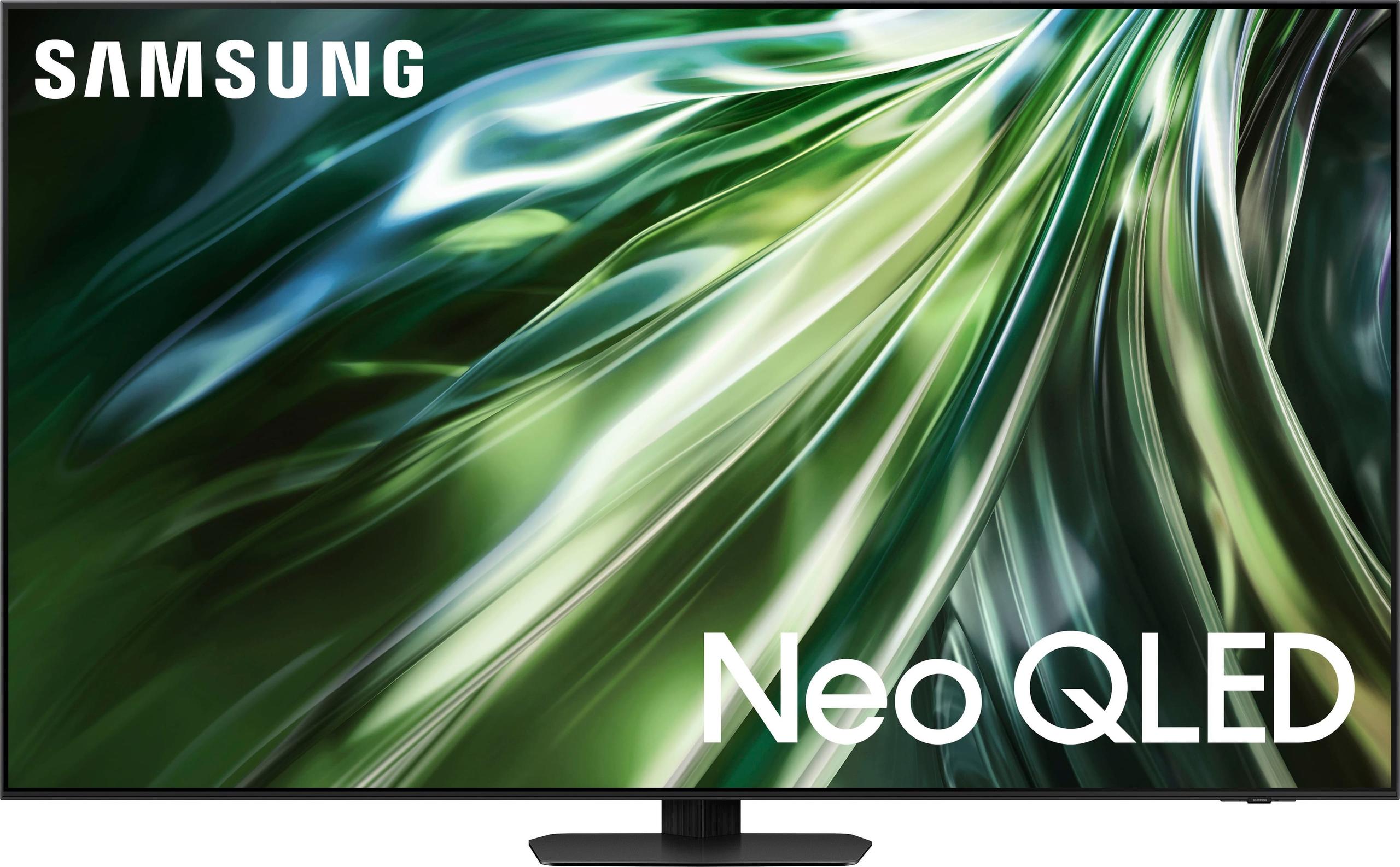
The Samsung QN90D, by contrast, looks like what most people expect from a premium TV. It has a sleek, modern appearance with thin bezels and can be mounted using standard VESA wall mounts or placed on its included table stand. This flexibility matters if you're renting, frequently rearrange furniture, or aren't ready to commit to permanent wall mounting.
From experience evaluating both lifestyle and traditional TVs, the flush-mount aesthetic of the TCL genuinely transforms how a TV integrates into your living space. When displaying art, it becomes part of your décor rather than dominating it. However, the mounting limitations can be frustrating if your plans change.
Here's where these TVs diverge dramatically, and understanding the technical differences will help you make an informed decision.
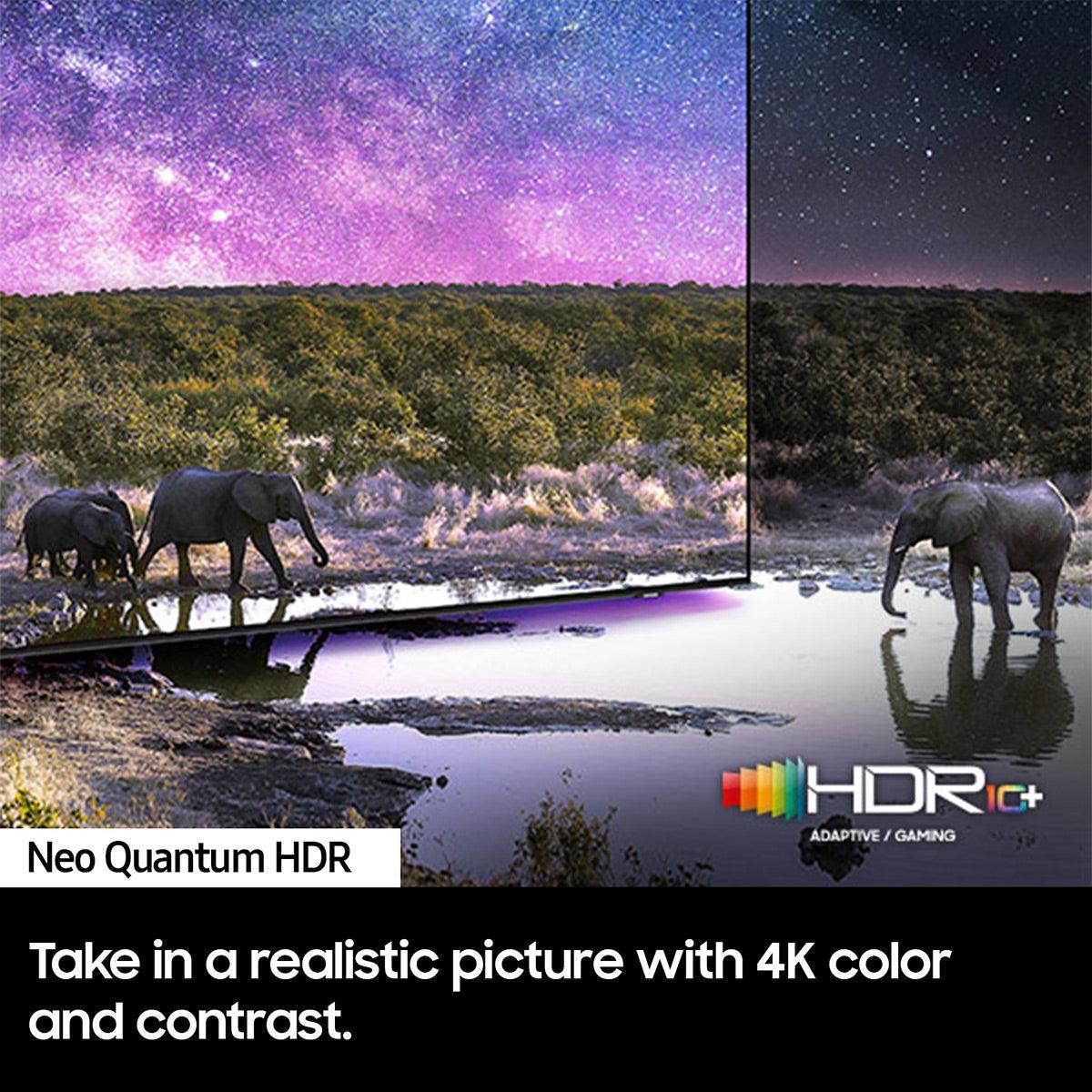
The Samsung QN90D uses Mini LED full-array local dimming, which means hundreds of tiny LED zones behind the screen can brighten or dim independently. When a movie scene shows bright stars against a black night sky, the TV can make the star areas bright while keeping the black areas truly dark. This creates excellent contrast—the difference between the brightest and darkest parts of the image.
The TCL NXTVISION uses edge-lit LED backlighting, where LEDs around the edges of the screen light up the entire panel. While this allows for the ultra-thin design, it means the TV can't control brightness in specific areas. Dark scenes often look grayish rather than truly black, and bright objects can cause a "halo effect" where light bleeds into surrounding dark areas.
Peak brightness measurements tell an important story. The Samsung QN90D can reach over 2,000 nits in short bursts and maintains around 1,000 nits for sustained highlights. To put this in perspective, a typical living room is around 50-100 nits, while direct sunlight measures about 100,000 nits. Higher peak brightness allows HDR (High Dynamic Range) content to display the way directors intended, with brilliant highlights that make explosions, sunlight, and bright objects pop off the screen.
The TCL NXTVISION reaches approximately 400-500 nits peak brightness. While this sounds adequate, it significantly limits HDR performance. HDR content will look dim and flat compared to what you'd see in a movie theater or on a premium TV.
For home theater enthusiasts, this difference is substantial. Movies like "Dune" or "Blade Runner 2049" rely heavily on dramatic contrast and bright highlights to create their visual impact. The Samsung delivers these moments with authority, while the TCL presents them more modestly.
Both TVs use QLED (Quantum Dot LED) technology, which uses tiny semiconductor crystals to produce more accurate and vibrant colors than traditional LED TVs. However, the implementation differs significantly.
The Samsung QN90D combines quantum dots with its advanced processing to deliver exceptional color accuracy. Based on professional reviews and measurements, it reproduces colors very close to what content creators intended, with rich, saturated hues that don't look oversaturated or artificial.
The TCL NXTVISION also produces rich colors thanks to its quantum dot layer, but reviews indicate the overall color accuracy is less precise. Colors look pleasant but may not represent the filmmaker's original vision as faithfully.
Gaming has become a major consideration for TV buyers, especially with the PlayStation 5 and Xbox Series X requiring specific features for optimal performance.
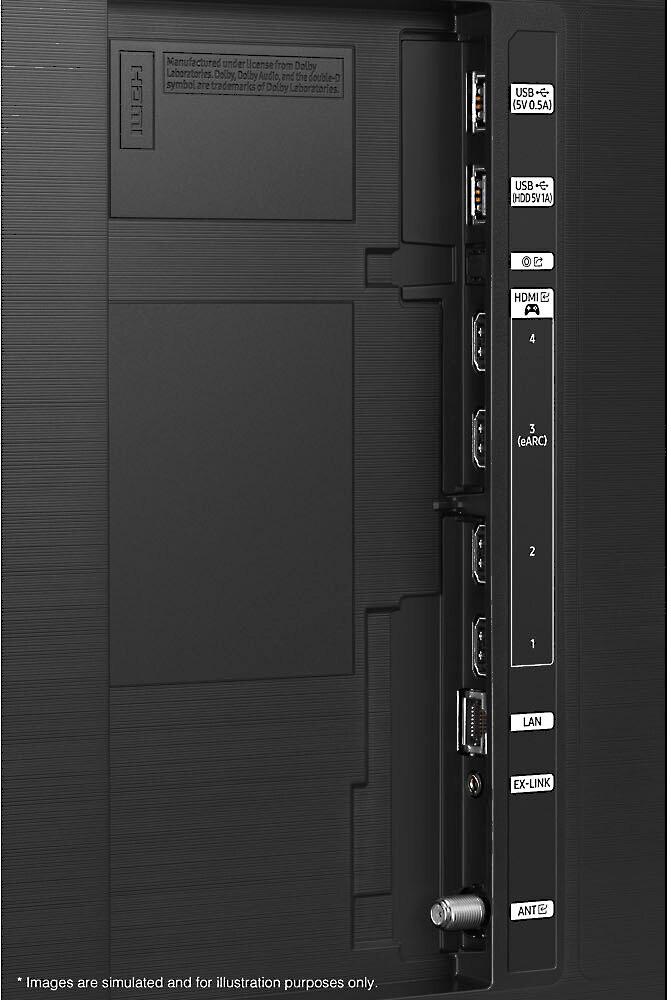
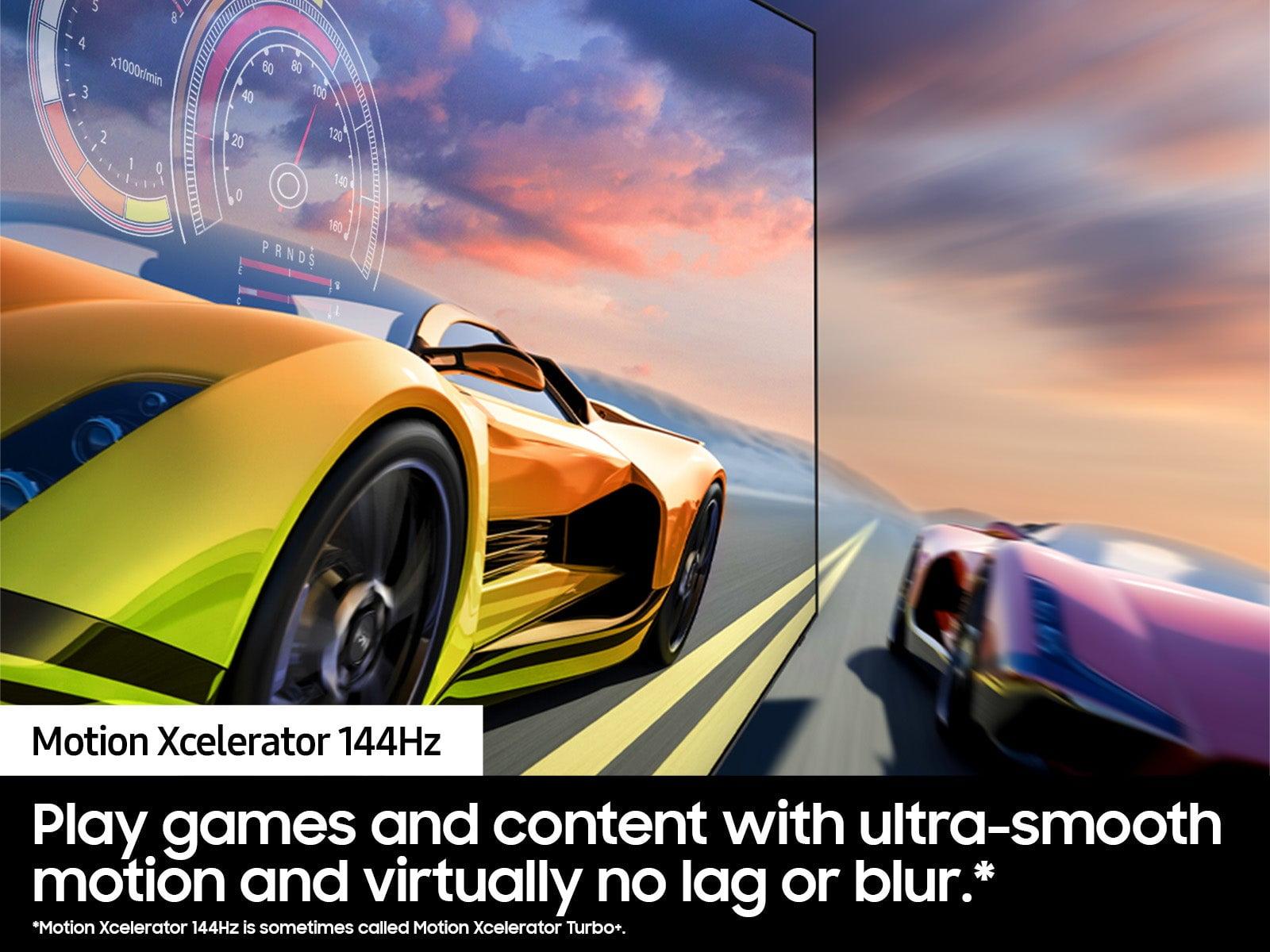
The Samsung QN90D excels here with four HDMI 2.1 ports supporting 4K resolution at 120Hz refresh rate. HDMI 2.1 is the latest connection standard that can handle the massive data bandwidth required for high-resolution, high-refresh gaming. The TV also supports Variable Refresh Rate (VRR), which synchronizes the TV's refresh rate with your gaming device to eliminate screen tearing—those horizontal lines that can appear during fast motion.
Input lag, the delay between pressing a button and seeing the action on screen, measures under 10 milliseconds on the Samsung. For reference, anything under 20ms is considered good for gaming, and competitive players prefer under 15ms.
The TCL NXTVISION offers interesting gaming specs on paper: support for up to 240Hz at 1080p resolution and 144Hz at 4K resolution. However, there's a critical limitation—you can't use both 4:4:4 chroma subsampling (which ensures sharp text for PC gaming) and VRR simultaneously. You have to choose one or the other.
Additionally, the TCL suffers from slower pixel response times, meaning fast-moving objects appear blurry. This affects both gaming and sports viewing. Input lag measures around 4.6ms at 1080p, which is excellent, but the motion blur undermines the overall gaming experience.
For serious gamers, the Samsung QN90D is the clear winner. Casual gamers might find the TCL acceptable, but the motion blur and feature limitations are noticeable.
Modern TVs are essentially large tablets that happen to display video, so the software experience matters tremendously.
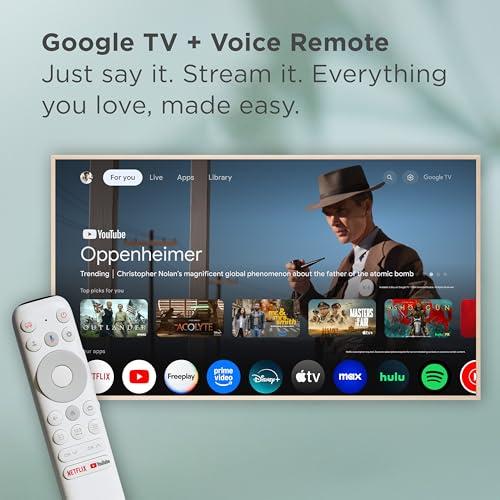
The TCL NXTVISION runs Google TV, which organizes content from multiple streaming services into a unified interface. It includes hands-free voice control and supports both Chromecast and Apple AirPlay for casting content from phones and tablets.
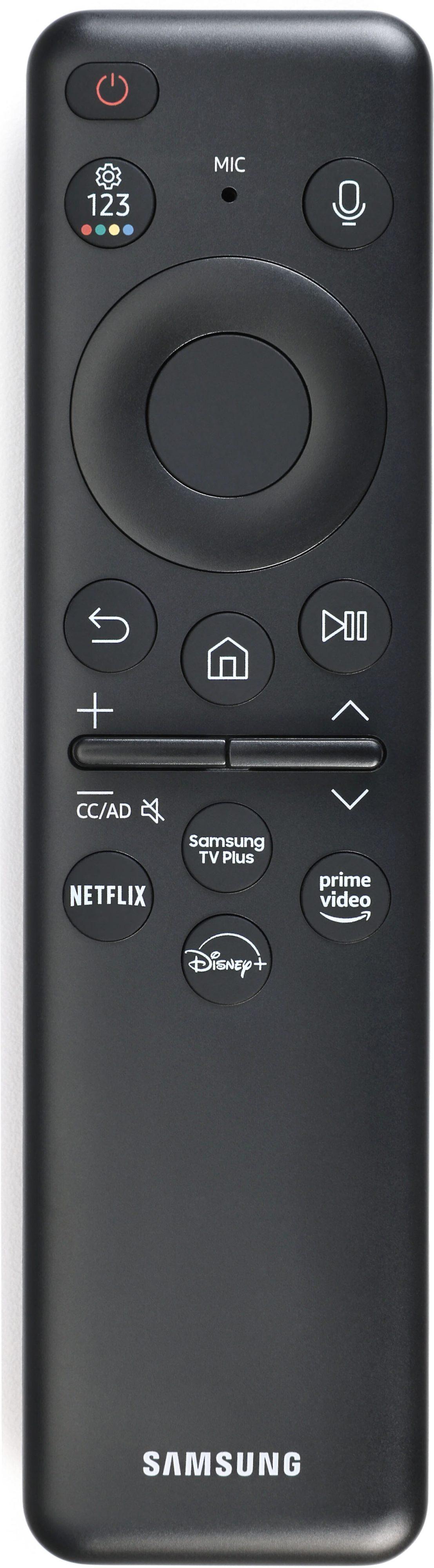
The Samsung QN90D uses Samsung's Tizen operating system, which received a significant refresh in 2024. While not as polished as Google TV or LG's webOS, it's considerably improved from earlier versions. The TV includes Samsung's Gaming Hub, which lets you play cloud games without a console, and supports multiple voice assistants.
The TCL shines in its art features. It includes over 400 curated artworks and can generate AI art from text prompts, creating a library of over 100,000 possible images. You can also display your own photos in gallery mode with different matte options to simulate various canvas textures.
This art functionality genuinely works. When not watching TV, the TCL can display rotating artwork or family photos that look remarkably like real paintings or prints. It's a unique feature that justifies the TV's existence for many buyers.
Neither TV will replace a dedicated sound system, but their built-in audio capabilities differ significantly.
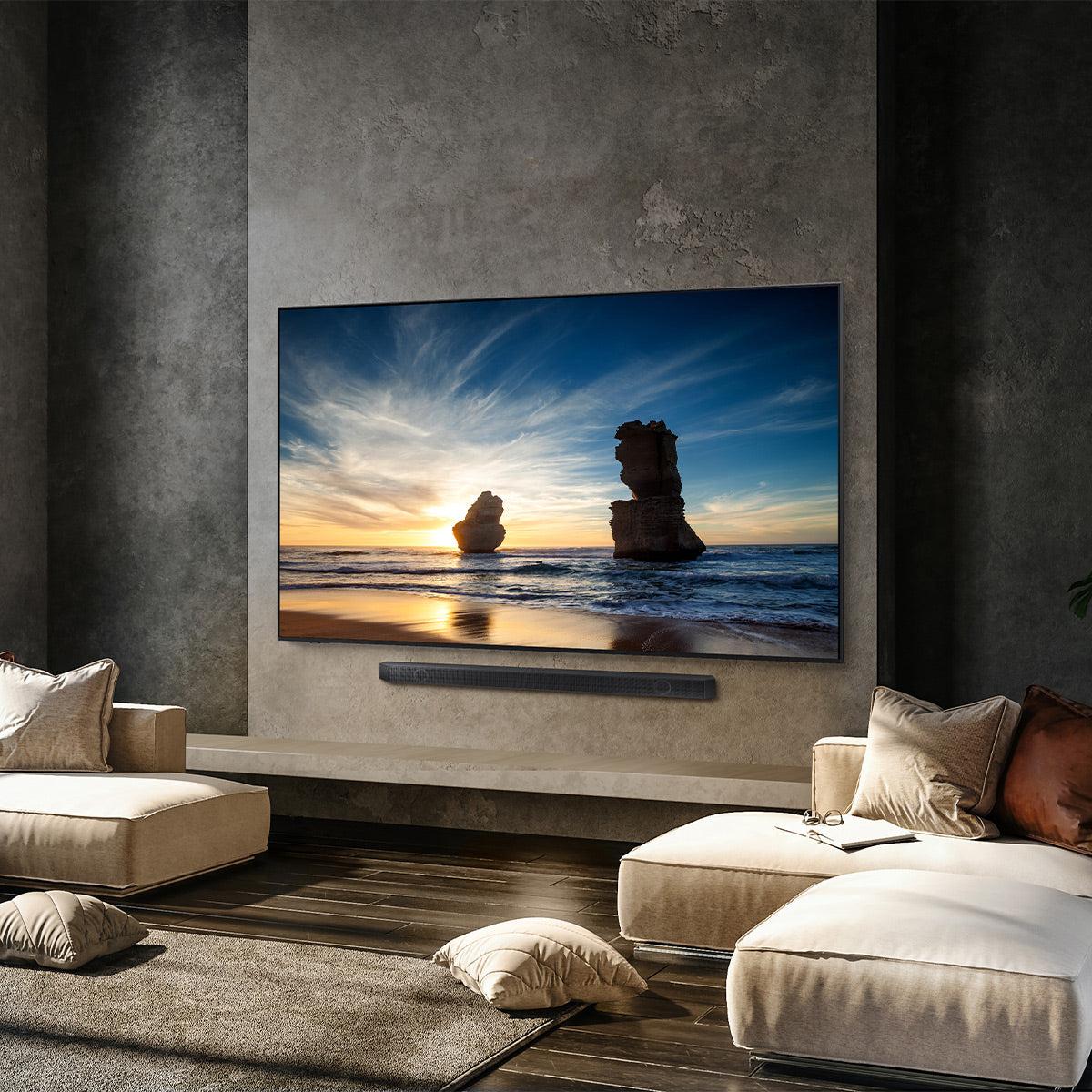
The Samsung QN90D features a 60-watt, 4.2.2-channel speaker system with Object Tracking Sound+. This technology moves sound around the screen to match on-screen action—when a car drives from left to right, the sound follows it. Combined with Dolby Atmos support, the audio experience is notably better than typical TV speakers.
The TCL NXTVISION includes modest 2x10-watt speakers with Dolby Atmos support, but the ultra-thin design limits what's possible acoustically. The audio is adequate for casual viewing but won't impress anyone.
For home theater setups, most enthusiasts will add a soundbar or surround sound system regardless of built-in speakers. However, if you're planning to rely on built-in audio, the Samsung provides a significantly better experience.
Your room's lighting conditions heavily influence which TV will work better.
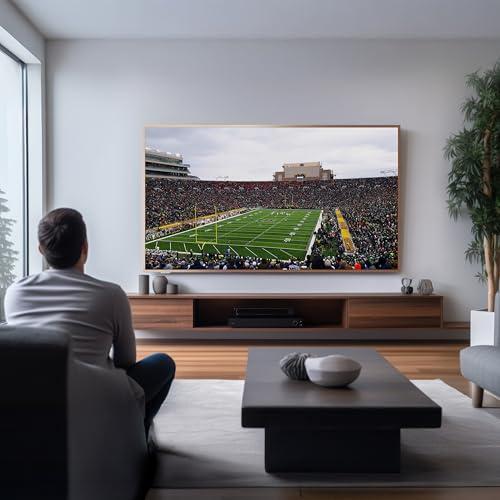
The TCL NXTVISION's matte anti-glare screen virtually eliminates reflections, making it exceptional for bright rooms with lots of windows. The screen looks like a matte canvas regardless of room lighting, maintaining its art-like appearance even in direct sunlight.
The Samsung QN90D has a glossy screen that reflects light sources but compensates with exceptional peak brightness. In bright rooms, reflections are visible but often overpowered by the screen's output. The TV includes an ambient light sensor that automatically adjusts brightness and color temperature based on room conditions.
For dark room viewing—the holy grail of home theater—the Samsung is vastly superior. Its local dimming and high contrast create an immersive experience where dark scenes maintain detail without looking grayish. The TCL struggles in dark rooms, with poor black levels that make nighttime scenes look flat and washed out.
At the time of writing, these TVs occupy different price segments, but the value equation goes beyond initial cost.
The TCL NXTVISION solves a specific problem: how to have a large TV in your main living space without it dominating the room's aesthetics. If you value interior design and want a TV that serves double duty as art, the TCL provides unique functionality you can't get elsewhere at this price point.
However, you're making significant compromises on picture quality. While adequate for casual viewing, the TCL won't satisfy anyone who cares about optimal movie or gaming experiences.
The Samsung QN90D represents traditional premium TV value: exceptional performance across all use cases. The higher price buys you top-tier picture quality, excellent gaming features, and superior audio. For entertainment enthusiasts, it's likely to provide years of satisfaction without feeling outdated.
From a long-term perspective, the Samsung offers better future-proofing. As streaming services add more HDR content and gaming becomes more demanding, having a TV with excellent brightness and contrast capabilities becomes increasingly valuable.
Choose the TCL NXTVISION if you:
The TCL excels as a lifestyle product. It genuinely transforms how a TV integrates into your home, and the art features work better than skeptics might expect. However, you must accept significant performance limitations.
Choose the Samsung QN90D if you:
The Samsung delivers what most people think of as a "great TV." It excels at displaying content as creators intended, handles demanding gaming requirements, and provides the kind of viewing experience that impresses guests.
These TVs succeed in fundamentally different ways. The TCL NXTVISION is a lifestyle product that happens to be a decent TV, while the Samsung QN90D is an excellent TV with premium features.
Neither choice is wrong, but they serve different priorities. If your TV needs to blend into a carefully designed living space and you watch mostly during the day, the TCL offers unique value. If you want the best possible entertainment experience and don't mind having an obvious TV in your room, the Samsung is the superior performer.
The technology improvements in both 2024 models represent meaningful advances over their predecessors, but they've advanced in different directions. The TCL has refined its art features and matte screen technology, while the Samsung has improved its Mini LED implementation and gaming capabilities.
Consider your primary use cases, room environment, and aesthetic priorities. The right choice depends entirely on whether you value lifestyle integration or entertainment performance more highly—and both approaches have legitimate appeal for different users.
| TCL 65" NXTVISION QLED 4K Art Frame TV | Samsung 65" QN90D Series 4K Neo QLED Smart TV |
|---|---|
| Display Technology - Determines picture quality and contrast performance | |
| Edge-lit QLED with no local dimming | Mini LED Neo QLED with full-array local dimming |
| Peak Brightness - Critical for HDR content and bright room viewing | |
| ~400-500 nits (limits HDR impact) | >2,000 nits peak, 1,000 nits sustained (excellent HDR) |
| Design Philosophy - How the TV integrates into your living space | |
| Ultra-thin art frame (1.1" deep) with flush wall mount | Traditional premium TV design with flexible mounting |
| Anti-Glare Screen - Performance in bright, well-lit rooms | |
| Ultra-matte anti-glare coating (eliminates reflections) | Standard glossy screen (high brightness compensates) |
| Gaming Performance - Console and PC gaming capabilities | |
| 144Hz VRR, 240Hz at 1080p, but motion blur issues | 120Hz VRR, excellent motion clarity, <10ms input lag |
| HDMI 2.1 Ports - Future-proofing for next-gen consoles | |
| 2 HDMI 2.1 ports (limited feature compatibility) | 4 HDMI 2.1 ports (full feature support) |
| Audio System - Built-in sound quality | |
| 2x10W speakers with Dolby Atmos | 60W 4.2.2CH with Object Tracking Sound+ |
| Art Features - Lifestyle and aesthetic functionality | |
| 400+ curated artworks, AI art generation, gallery mode | Basic Ambient Mode+ (no dedicated art features) |
| Smart TV Platform - User interface and app ecosystem | |
| Google TV with hands-free voice control | Tizen OS (2024 refresh) with Gaming Hub |
| Installation Flexibility - Mounting and placement options | |
| Flush wall mount only (proprietary system) | VESA compatible, table stand included |
| Black Level Performance - Dark scene quality for movies | |
| Poor (grayish blacks, no local dimming) | Excellent (near-OLED blacks with Mini LED control) |
| Color Accuracy - How faithfully content is reproduced | |
| Good saturation but poor overall accuracy | Exceptional accuracy with wide color gamut |
| Best Use Case - Who should choose this TV | |
| Lifestyle-focused users wanting art integration | Performance enthusiasts prioritizing picture quality |
The TCL NXTVISION excels in bright rooms thanks to its ultra-matte anti-glare screen that virtually eliminates reflections. This makes it ideal for living rooms with large windows or overhead lighting. The Samsung QN90D can also handle bright rooms well due to its exceptional peak brightness, but you'll still see some reflections on its glossy screen.
The TCL NXTVISION is designed as a lifestyle "art frame TV" that doubles as wall art when not in use, while the Samsung QN90D is a premium performance TV focused on delivering the best possible picture quality. The TCL prioritizes aesthetics and room integration, whereas the Samsung prioritizes viewing performance.
The Samsung QN90D is significantly better for gaming, offering four HDMI 2.1 ports, excellent motion clarity, and full compatibility with all next-gen console features. The TCL NXTVISION has decent gaming specs but suffers from motion blur and can't use certain features simultaneously, making it less ideal for serious gamers.
For movie watching, especially in dark rooms, the Samsung QN90D delivers vastly superior performance with its Mini LED technology, excellent black levels, and bright HDR highlights. The TCL NXTVISION struggles with dark scenes that appear grayish rather than true black, significantly impacting the cinematic experience.
Only the TCL NXTVISION is specifically designed for art display, featuring over 400 curated artworks, AI art generation, and a gallery mode for personal photos. The Samsung QN90D has basic Ambient Mode+ but lacks dedicated art features and doesn't have the matte screen coating that makes artwork look realistic.
The TCL NXTVISION offers better value if you want a unique lifestyle TV that serves as both entertainment and art display. The Samsung QN90D provides better value for pure performance, delivering premium picture quality and features that justify its higher cost for serious viewers and gamers.
The TCL NXTVISION only works with its included proprietary flush wall mount system and cannot use standard VESA mounts or table stands. The Samsung QN90D offers complete flexibility with VESA wall mount compatibility and includes a table stand, making it suitable for various room configurations.
The Samsung QN90D is far superior for home theater use, offering excellent contrast, bright HDR performance, and superior audio with Object Tracking Sound+. The TCL NXTVISION lacks the black level performance and brightness needed for an optimal home theater experience.
The TCL NXTVISION runs Google TV with hands-free voice control and excellent streaming integration. The Samsung QN90D uses Samsung's Tizen OS with Gaming Hub and multiple voice assistant support. Both offer good smart features, but the Samsung provides a more premium experience overall.
The Samsung QN90D has significantly better built-in audio with its 60W 4.2.2-channel system and Object Tracking Sound+ technology. The TCL NXTVISION has basic 20W speakers that are adequate but limited by the ultra-thin design. For serious viewing, both benefit from external audio systems.
The Samsung QN90D excels at HDR with peak brightness over 2,000 nits and excellent contrast control, making HDR movies and shows look spectacular. The TCL NXTVISION supports HDR formats but lacks the brightness and contrast needed to make HDR content truly impactful.
Choose the TCL NXTVISION if you prioritize aesthetics, want art display features, have a bright living room, and watch casually. Choose the Samsung QN90D if you want the best picture quality, are a serious gamer, watch movies regularly, or need flexible installation options. The Samsung is better for performance-focused users, while the TCL serves lifestyle-oriented buyers.
We've done our best to create useful and informative comparisons to help you decide what product to buy. Our research uses advanced automated methods to create this comparison and perfection is not possible - please contact us for corrections or questions. These are the sites we've researched in the creation of this article: rtings.com - tcl.com - bestbuy.com - tcl.com - bestbuy.com - tcl.com - youtube.com - rcwilley.com - businessinsider.com - bestbuy.com - target.com - youtube.com - support.tcl.com - nfm.com - woodruffappliance.com - flatpanelshd.com - tcl.com - tomsguide.com - abt.com - youtube.com - youtube.com - rtings.com - samsung.com - samsung.com - standardtvandappliance.com - gerhardsappliance.com - bestbuy.com - image-us.samsung.com - youtube.com - images.samsung.com

Privacy Policy
Terms and Conditions - Affiliate Policy
Home Security
© Copyright 2008-2026.
11816 Inwood Rd #1211, Dallas, TX 75244