

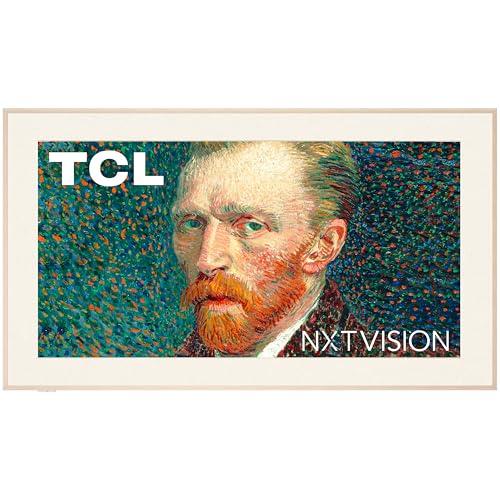

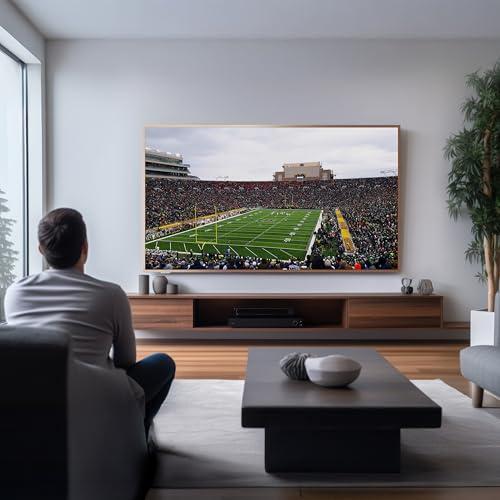

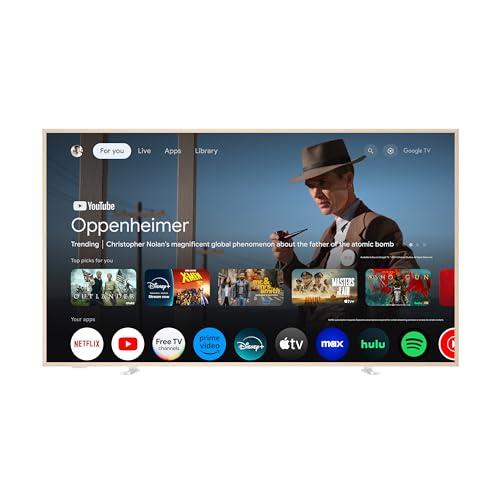
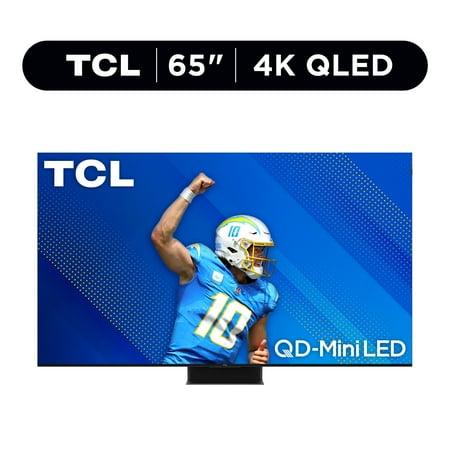




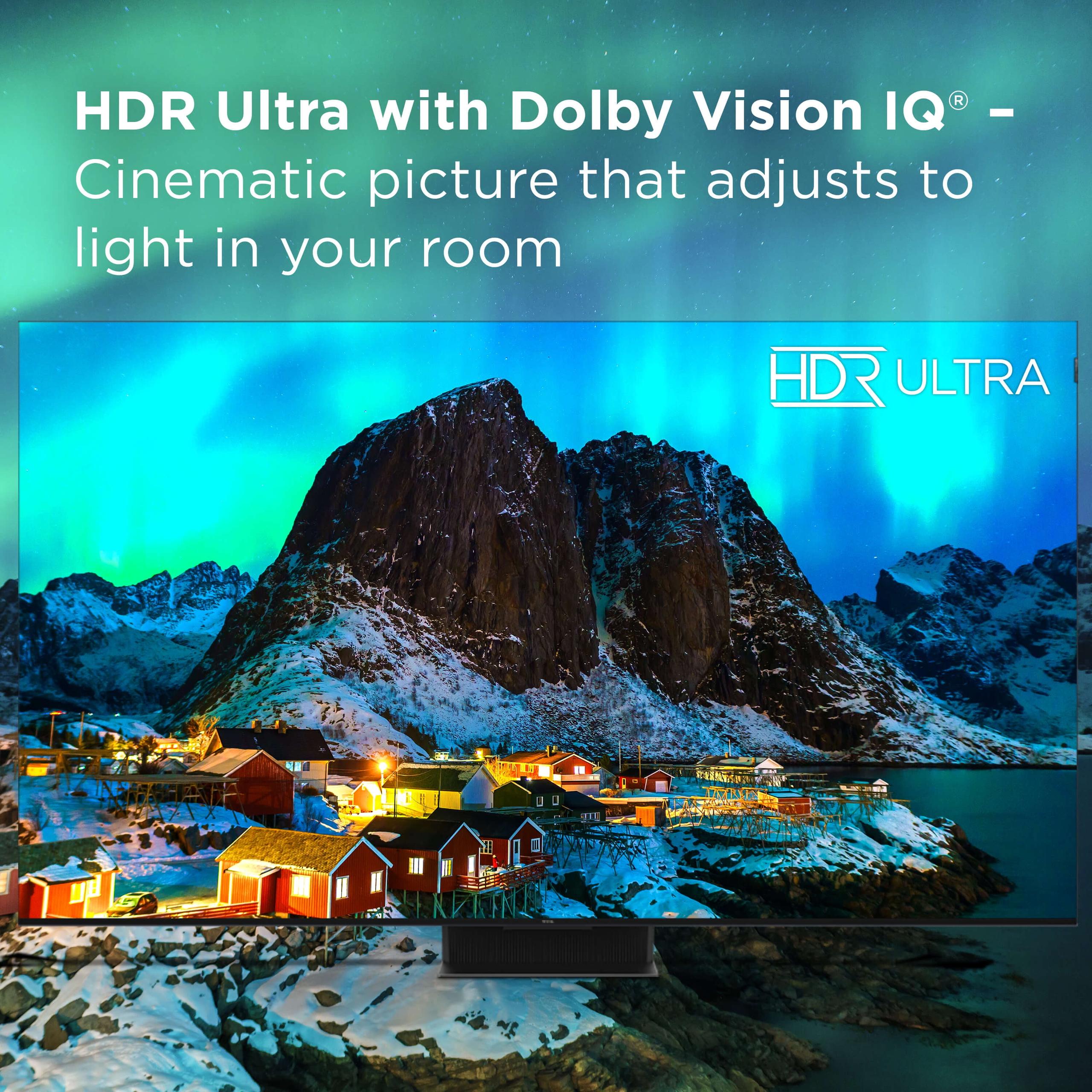
When shopping for a 65-inch TV, you might assume that all premium models serve the same basic purpose - delivering great picture quality for movies, shows, and games. But TCL's 2024 lineup breaks that assumption entirely with two TVs that couldn't be more different in their core philosophy. The TCL 65" NXTVISION QLED 4K Art Frame TV transforms your living room into an art gallery, while the TCL 65" QM8 Mini-LED Smart TV focuses purely on delivering flagship-level performance.
At the time of writing, these TVs represent two distinct approaches to premium television design, and understanding their differences is crucial for making the right choice. The NXTVISION belongs to the emerging "Art TV" category, where aesthetics and dual functionality matter as much as traditional performance. The QM8, on the other hand, represents the latest evolution of high-performance Mini-LED technology that's been rapidly improving since around 2022.
The television market has evolved significantly in recent years. Traditional TVs focused solely on picture quality, gaming features, and audio performance. But starting around 2022, manufacturers began exploring TVs that serve multiple functions in the home. Samsung pioneered this with The Frame TV, and now TCL's NXTVISION competes directly in this space.
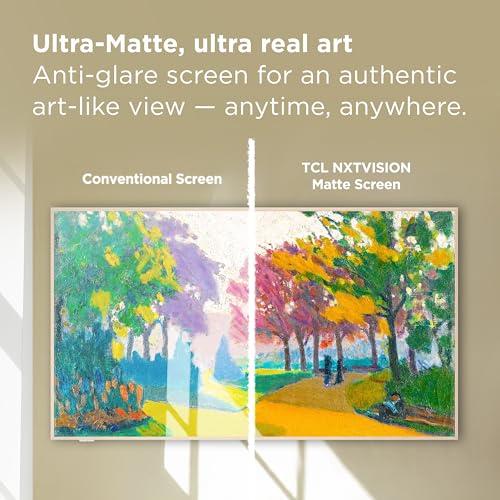
Art TVs like the NXTVISION prioritize seamless integration into your home's décor. They're designed to disappear when not in use, displaying artwork or photos that make them look like framed pictures hanging on your wall. This requires specific design choices - ultra-thin profiles, matte screens that reduce glare, flush mounting systems, and curated art libraries.
Performance TVs like the QM8 take the opposite approach. Every design decision serves the goal of delivering the best possible viewing experience. This means thicker profiles to accommodate advanced backlighting systems, glossy screens optimized for contrast, powerful processors, and premium audio components.
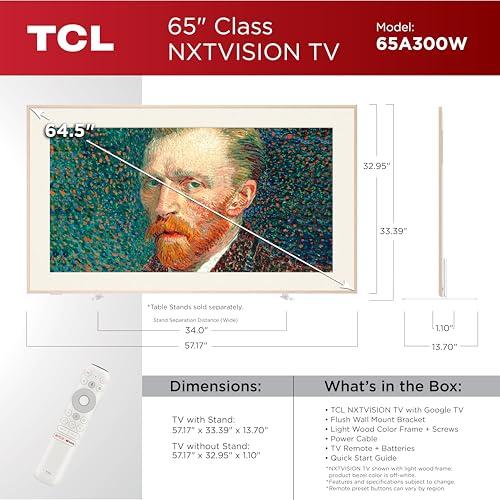
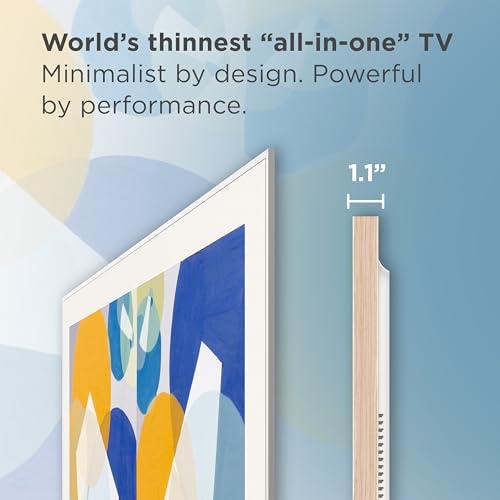
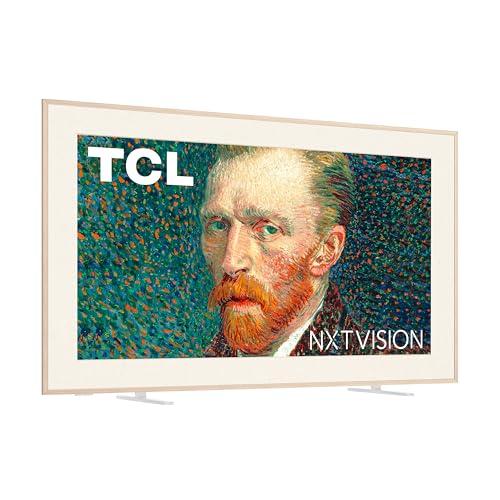
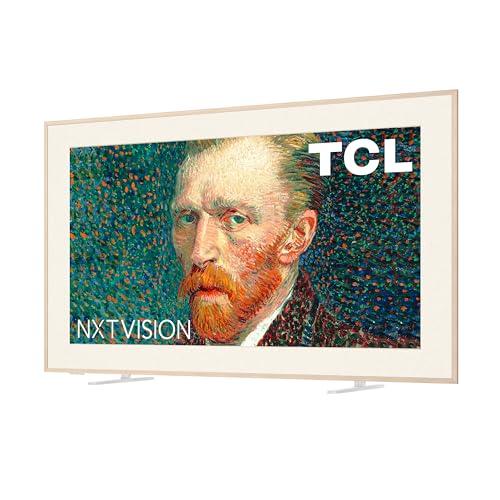
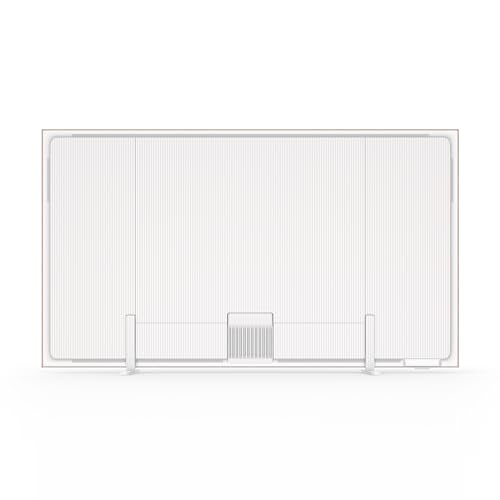
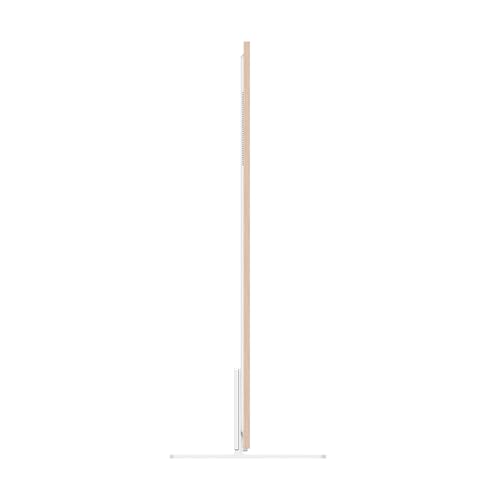
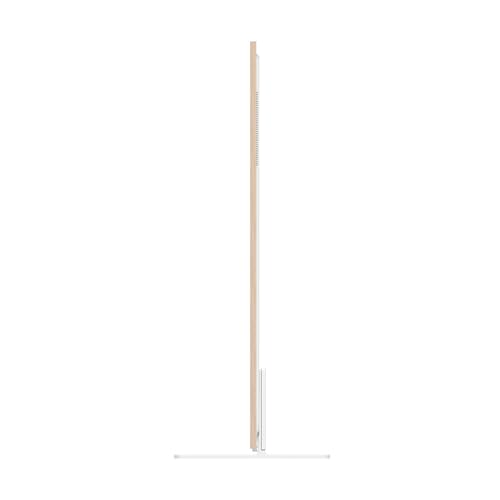
The physical differences between these TVs immediately reveal their priorities. The NXTVISION measures just 1.1 inches deep, making it one of the world's thinnest all-in-one TVs. This ultra-slim profile comes from building all electronics directly into the panel, eliminating the traditional external box that most TVs require. The result is a TV that sits virtually flush against your wall using TCL's proprietary mounting system.
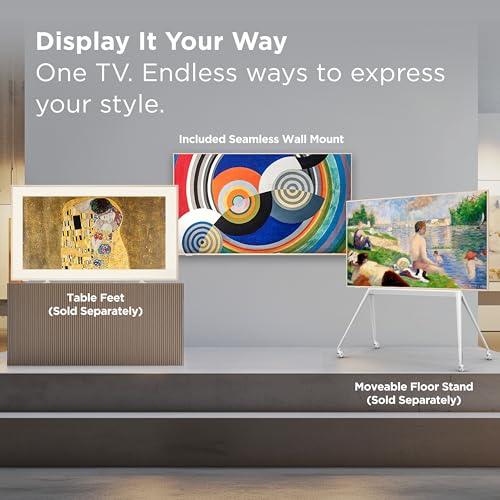
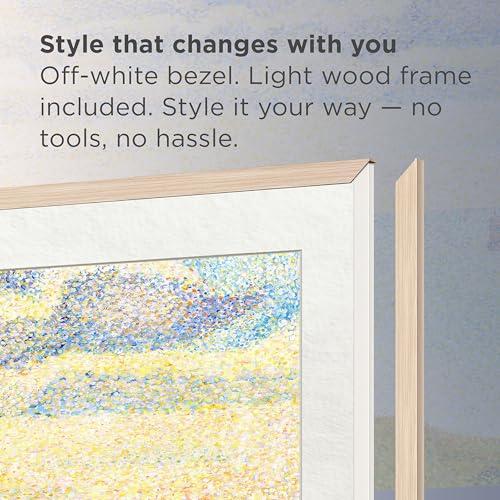
This mounting approach differs significantly from standard VESA mounts (the industry standard for TV wall brackets). While VESA mounts offer flexibility and compatibility with various brackets, the NXTVISION's custom flush mount creates an art-like appearance where the TV appears to float on your wall with minimal gap. TCL includes a magnetic wood-like frame that can be swapped to match your décor, plus an off-white bezel that mimics traditional picture frames.
The QM8 takes a more conventional approach at 1.97 inches deep - nearly twice as thick as the NXTVISION. This additional depth serves a crucial purpose: housing the sophisticated Mini-LED backlight system that delivers the TV's exceptional performance. The QM8 uses standard VESA mounting (300x300mm), giving you flexibility in wall brackets and stands, plus it includes a center-mounted table stand.
From a practical standpoint, the NXTVISION essentially requires wall mounting to achieve its intended aesthetic effect. The QM8 offers more placement flexibility, whether wall-mounted or sitting on a media console.
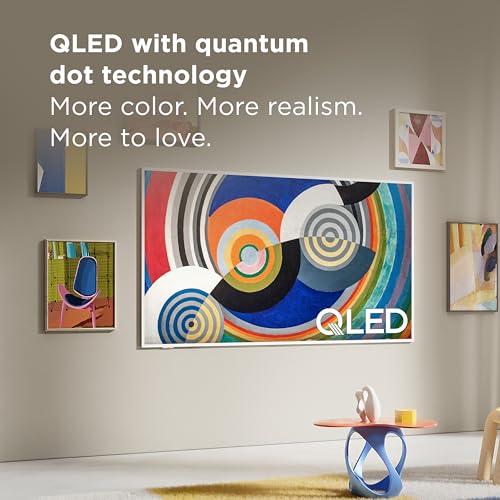
Here's where these TVs diverge most dramatically. The NXTVISION uses edge-lit LED backlighting with quantum dot technology (QLED). Edge-lighting means LEDs are positioned around the TV's perimeter, illuminating the entire screen from the edges. This approach enables the ultra-thin design but comes with significant compromises.
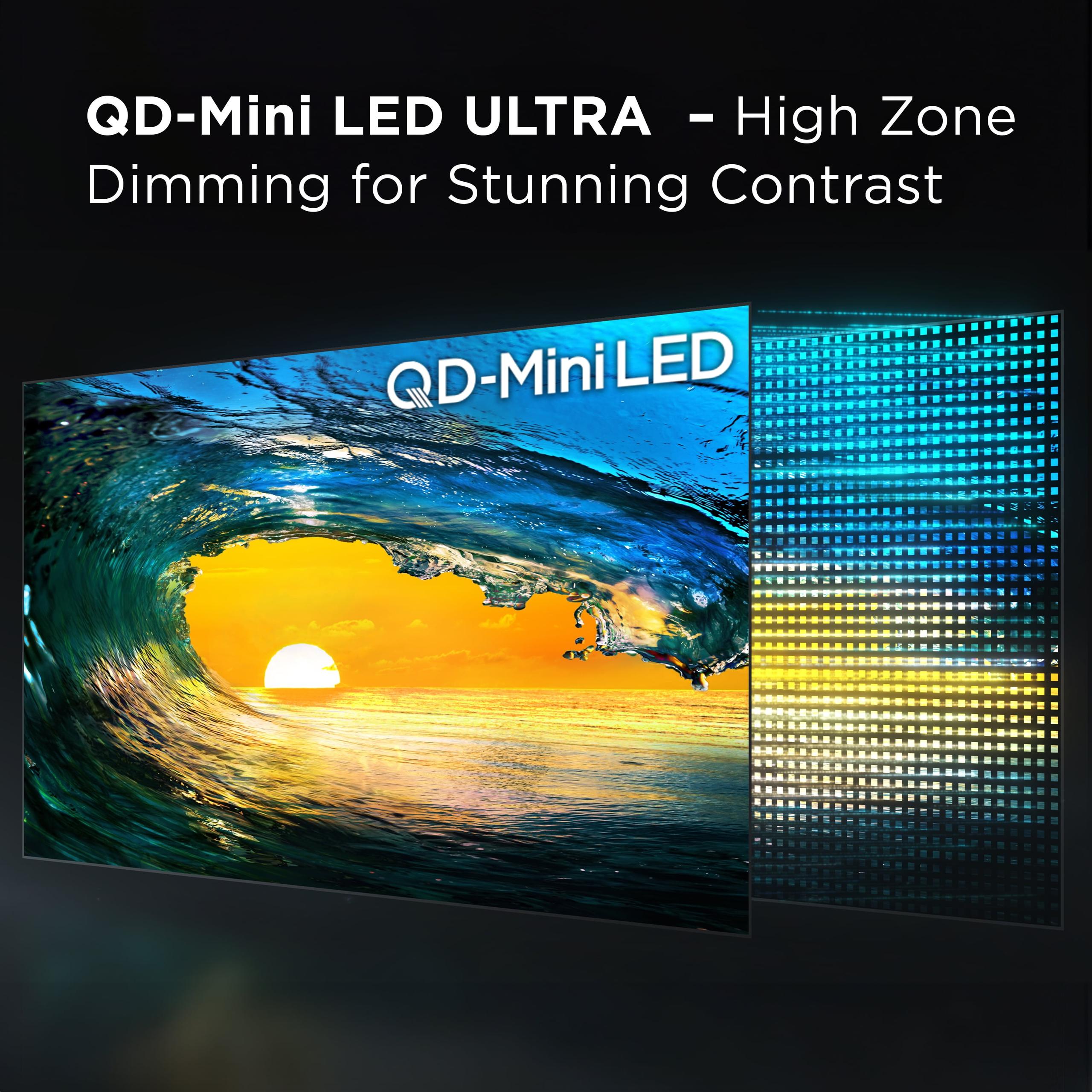
Most importantly, the NXTVISION lacks local dimming zones entirely. Local dimming is a technology where sections of the backlight can dim or brighten independently to create better contrast - darker darks and brighter brights in different parts of the same image. Without this feature, dark movie scenes appear grayish rather than truly black, and HDR content (High Dynamic Range, which provides wider contrast and color ranges) loses much of its impact.
The QM8 employs QD-Mini LED technology, which represents a significant advancement in TV backlighting. Mini-LED uses thousands of tiny LEDs as the backlight source, allowing for up to 5,000 individual dimming zones. Each zone can adjust its brightness independently, creating the deep blacks and bright highlights that make HDR content truly impressive.
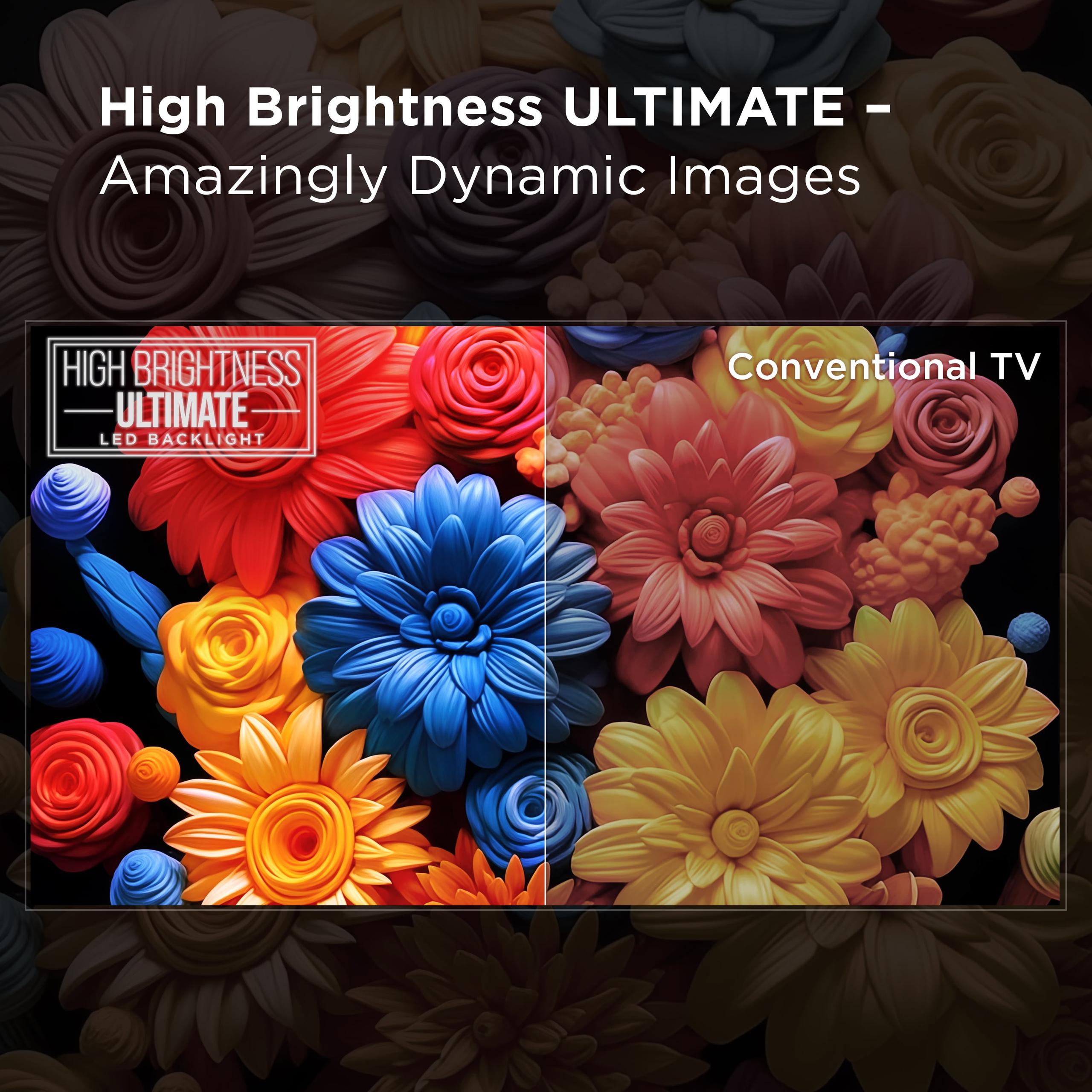
The brightness difference is substantial. Based on our research of professional reviews, the QM8 achieves HDR5000 certification, meaning it can display highlights at up to 5,000 nits of brightness. For context, a bright sunny day measures around 100,000 nits, while indoor lighting typically ranges from 100-1,000 nits. The NXTVISION, with its edge-lit system, produces significantly lower peak brightness.
This brightness difference matters tremendously for HDR content. When watching movies like "Dune" or "Blade Runner 2049" that feature dramatic lighting contrasts, the QM8 can display the intended visual impact - brilliant sunlight, explosive highlights, and deep shadows within the same frame. The NXTVISION compresses this range, making HDR content look more like standard dynamic range material.
However, the NXTVISION has one significant advantage: its ultra-matte anti-glare screen coating. This specialized coating dramatically reduces reflections from windows, lamps, and other light sources. In bright rooms, this can actually make the NXTVISION more watchable than glossy TVs like the QM8, despite its lower overall performance. The matte coating also makes displayed artwork look more like actual canvas, enhancing the art TV functionality.
Both TVs use quantum dot technology, but implement it differently. Quantum dots are microscopic semiconductor particles that, when hit by light, emit very pure, saturated colors. This technology significantly expands the color gamut (the range of colors a display can show) compared to traditional LED TVs.
The NXTVISION features TCL's AIPQ PRO Processor, which uses artificial intelligence to optimize image quality. However, based on professional reviews we've analyzed, the TV struggles with color accuracy. The matte screen coating, while excellent for reducing reflections, also mutes color vibrancy and contrast. Colors appear less saturated and "punchy" compared to glossy displays.
The QM8 steps up to the AIPQ ULTRA Processor, which incorporates more advanced machine learning algorithms for image optimization. Professional reviews consistently praise its color accuracy, both out-of-the-box and after calibration. The TV covers nearly the complete DCI-P3 color space, which is the standard used for digital cinema projection.
For most content, this means the QM8 displays colors closer to what directors and content creators intended. Skin tones look more natural, landscapes appear more vivid, and animated content pops with the intended vibrancy.
Modern gaming demands have pushed TV manufacturers to prioritize features like high refresh rates, low input lag, and variable refresh rate support. Both TVs offer impressive gaming specifications on paper, but their real-world performance differs significantly.
Both the NXTVISION and QM8 feature 120Hz native panels with support for up to 144Hz variable refresh rate (VRR). VRR synchronizes the TV's refresh rate with your gaming console's output, eliminating screen tearing (visual artifacts where parts of different frames appear simultaneously). Both TVs support multiple VRR standards including FreeSync, G-Sync Compatible, and HDMI VRR.
The NXTVISION offers Game Accelerator 240, supporting 4K gaming at 144Hz and 1080p gaming at up to 240Hz. However, professional reviews reveal that the TV's slow pixel response time creates noticeable motion blur during fast-paced gaming. This means that while the TV can accept high-framerate signals, the actual image quality during motion suffers.
The QM8 features Game Accelerator 288, pushing 1080p gaming support up to 288Hz. More importantly, reviews consistently praise its excellent response time and incredibly low input lag. Input lag is the delay between when you press a button and when the action appears on screen - crucial for competitive gaming. The QM8's superior motion handling makes it significantly better for action games, sports games, and any content with fast movement.
For home theater gaming, the QM8's superior HDR performance becomes particularly important. Games like "The Last of Us Part II," "Ghost of Tsushima," and "Horizon Forbidden West" are designed with HDR in mind, using wide contrast ranges to create dramatic lighting effects. The QM8 can display these effects as intended, while the NXTVISION compresses the visual range.
Audio represents one of the most significant differences between these TVs. The NXTVISION's ultra-slim design severely limits speaker size and audio processing capabilities. It includes a basic 20W system with two 10W speakers and supports advanced audio formats like Dolby Atmos, but the physical constraints mean limited bass response and overall volume.
The QM8 incorporates an ONKYO-tuned 2.1.2 channel speaker system with 80W total power. This includes dedicated left and right speakers, a built-in subwoofer for bass, and up-firing drivers for Dolby Atmos height effects. The up-firing speakers bounce sound off your ceiling to create the illusion of audio coming from above - crucial for the three-dimensional soundscapes that Dolby Atmos creates.
For home theater use, this audio difference is substantial. The QM8's built-in audio system can handle most content without requiring a separate soundbar or surround sound system. The NXTVISION practically demands external audio for anything beyond casual viewing.
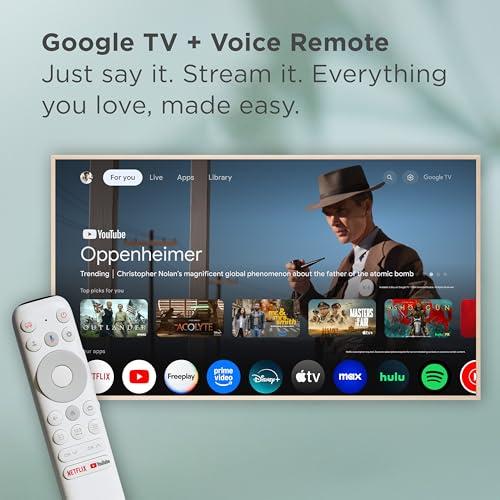
Both TVs run Google TV, which replaced Android TV as Google's smart platform. Google TV offers a more refined interface with better content recommendations and easier navigation. Both support major streaming services, voice control through Google Assistant, and smart home integration with Amazon Alexa and Apple HomeKit.
The connectivity specs are nearly identical: four HDMI ports (two supporting HDMI 2.1 for high-bandwidth gaming), USB ports for external storage, Ethernet for wired internet, and built-in Wi-Fi. However, the QM8 includes Wi-Fi 6, the latest wireless standard that offers faster speeds and better performance in congested wireless environments.
The QM8 also includes ATSC 3.0 NextGen TV support, which enables improved over-the-air broadcast quality and interactive features. While not widely utilized yet, this represents future-proofing for broadcast television improvements.
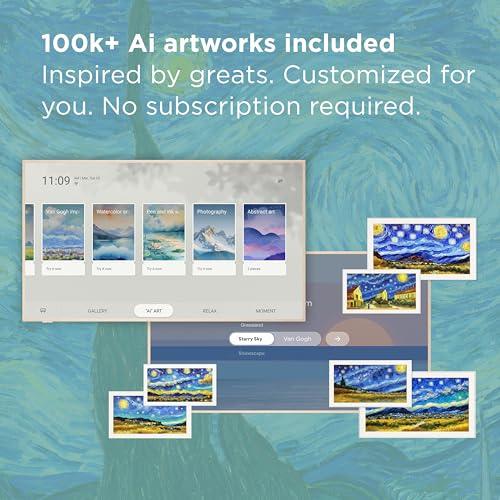
The NXTVISION's defining feature is its art functionality, which goes well beyond displaying static images. The TV includes a curated library of over 400 artworks spanning various styles and periods, from classical paintings to contemporary photography. More impressively, it features AI art generation that can create over 100,000 unique images based on your preferences.
The art mode includes multiple display options to simulate different types of artwork. You can adjust the matte level to mimic various canvas textures, change the frame style through the magnetic system, and even display personal photos in gallery mode. Motion sensors can automatically switch between art mode when the room is empty and TV mode when someone enters.
This functionality addresses a real problem in modern homes: the black rectangle of a turned-off TV dominating your living space. The NXTVISION can genuinely disappear into your décor, becoming a piece of art rather than obviously being a television.
However, this comes with significant trade-offs. The matte screen coating that makes artwork look authentic also reduces the vibrancy and contrast of video content. You're essentially choosing between having a TV that looks great when off versus one that performs best when on.
At the time of writing, both TVs command premium prices, but they target completely different user priorities. The NXTVISION asks you to pay extra for its unique aesthetic integration and accept inferior traditional TV performance. The QM8 justifies its premium pricing through flagship-level picture quality, gaming performance, and audio capabilities.
For home theater enthusiasts, the choice is clear. The QM8's superior HDR performance, local dimming, higher brightness, and premium audio system make it dramatically better for movies, TV shows, and gaming. The difference isn't subtle - it's the gap between a good TV and an excellent one.
The NXTVISION makes sense for specific users and scenarios. If you prioritize interior design and want a TV that enhances your décor rather than dominating it, the unique aesthetic integration justifies the performance compromises. This is particularly true for formal living rooms, bedrooms, or spaces where the TV needs to blend seamlessly into the environment.
The NXTVISION also excels in bright rooms with lots of ambient light. Its anti-glare coating can make it more watchable than glossy TVs during daytime viewing, even if the overall picture quality is lower. For casual viewing - news, daytime TV, basic streaming - this might matter more than ultimate performance.
Choose the NXTVISION if you're primarily interested in a TV that doubles as home décor. You value the aesthetic integration, plan to use the art functionality regularly, and do mostly casual viewing in bright rooms. You're willing to accept significantly lower picture quality for the unique form factor and design benefits.
Choose the QM8 if picture quality, gaming performance, or home theater experience matter to you. You want the best HDR performance, superior gaming capabilities, excellent built-in audio, and flagship-level features. You're comfortable with a traditional TV design in exchange for superior performance.
For most buyers focused on getting the best television experience, the QM8 is clearly superior. Its Mini-LED technology, advanced processing, gaming features, and audio system justify its premium positioning. The performance gap is substantial enough that casual viewers will notice the difference in HDR content, sports, and movies.
The NXTVISION serves a niche but legitimate market need. If the art TV functionality genuinely adds value to your lifestyle and home, it offers something no traditional TV can match. Just understand that you're making significant performance compromises for those aesthetic benefits.
Both TVs represent thoughtful approaches to modern television design, but they serve fundamentally different purposes. Understanding your priorities - performance versus aesthetics, traditional TV functionality versus dual-purpose integration - will lead you to the right choice for your specific needs and viewing habits.
| TCL 65" NXTVISION QLED 4K Art Frame TV | TCL 65" QM8 Mini-LED Smart TV |
|---|---|
| Display Technology - Determines picture quality, contrast, and HDR performance | |
| Edge-lit LED with QLED quantum dots, no local dimming | QD-Mini LED with up to 5,000 local dimming zones |
| Peak Brightness - Critical for HDR content and bright room viewing | |
| Standard LED brightness with matte coating reducing perceived brightness | HDR5000 certification (5,000 nits peak) for impactful highlights |
| Screen Coating - Affects reflections, color vibrancy, and art display quality | |
| Ultra-matte anti-glare coating (excellent for bright rooms, reduces color pop) | High-gloss coating optimized for contrast and color vibrancy |
| Design Profile - Important for wall mounting and aesthetic integration | |
| Ultra-slim 1.1" deep with flush wall mount system | Traditional 1.97" deep with standard VESA mounting |
| Art Display Features - Key differentiator for dual-purpose functionality | |
| 400+ curated artworks, AI art generation, magnetic frame system | Standard TV interface, no art display functionality |
| Gaming Performance - Input lag and motion handling for responsive gameplay | |
| Game Accelerator 240, slow response time causes motion blur | Game Accelerator 288, excellent response time with minimal blur |
| Audio System - Built-in sound quality affects need for external speakers | |
| Basic 20W system (2x 10W speakers) | ONKYO 2.1.2 system with 80W, subwoofer, and up-firing drivers |
| HDR Support - Enhanced contrast and color range for premium content | |
| HDR ULTRA support but limited by edge-lighting and matte coating | HDR ULTRA with full Mini-LED performance for cinematic experience |
| Connectivity - Future-proofing and wireless performance | |
| Wi-Fi 5, 4 HDMI ports (2x HDMI 2.1) | Wi-Fi 6, 4 HDMI ports (2x HDMI 2.1), ATSC 3.0 NextGen TV |
| Best Use Case - Primary intended audience and scenarios | |
| Art display priority, bright rooms, casual viewing, design integration | Picture quality priority, gaming, home theater, performance focus |
The TCL 65" QM8 Mini-LED Smart TV offers significantly better picture quality than the TCL 65" NXTVISION QLED 4K Art Frame TV. The QM8 features up to 5,000 local dimming zones and 5,000 nits peak brightness, delivering deep blacks and brilliant highlights that make HDR content truly impactful. The NXTVISION uses basic edge-lighting without local dimming, resulting in grayish blacks and compressed HDR performance.
The primary difference is their core purpose: the TCL 65" NXTVISION QLED 4K Art Frame TV is designed as a dual-purpose art display and TV, featuring an ultra-slim 1.1-inch profile and matte anti-glare screen for displaying artwork. The TCL 65" QM8 Mini-LED Smart TV focuses purely on performance, offering flagship picture quality with Mini-LED backlighting and premium audio. The NXTVISION sacrifices picture quality for aesthetic integration, while the QM8 prioritizes viewing experience.
The TCL 65" QM8 Mini-LED Smart TV is significantly better for gaming. While both TVs support 144Hz VRR and HDMI 2.1, the QM8 has excellent response times with minimal motion blur and incredibly low input lag. The NXTVISION suffers from slow response times that create noticeable motion blur during fast-paced gaming, making the QM8 the clear choice for serious gamers.
Yes, the TCL 65" NXTVISION QLED 4K Art Frame TV is specifically designed for this purpose. It includes over 400 curated artworks, AI art generation capabilities, and personal photo gallery modes. The ultra-matte screen coating makes displayed artwork look like actual canvas, and it comes with a magnetic wood-like frame to enhance the art gallery aesthetic. The TCL 65" QM8 Mini-LED Smart TV doesn't offer any art display functionality.
The TCL 65" NXTVISION QLED 4K Art Frame TV performs better in very bright rooms due to its ultra-matte anti-glare screen coating, which dramatically reduces reflections from windows and lighting. However, the TCL 65" QM8 Mini-LED Smart TV can overcome bright room conditions through its superior peak brightness of 5,000 nits. For most bright room scenarios, the QM8 offers better overall performance despite some reflections.
The TCL 65" NXTVISION QLED 4K Art Frame TV is extremely thin at just 1.1 inches deep, making it one of the world's thinnest all-in-one TVs with a built-in chassis. The TCL 65" QM8 Mini-LED Smart TV measures 1.97 inches deep - nearly twice as thick but still relatively slim for a Mini-LED TV. The NXTVISION's ultra-thin profile enables flush wall mounting that looks like artwork.
The TCL 65" QM8 Mini-LED Smart TV has dramatically better audio with its ONKYO-tuned 2.1.2 channel system delivering 80W total power, including a built-in subwoofer and up-firing drivers for Dolby Atmos. The TCL 65" NXTVISION QLED 4K Art Frame TV has only a basic 20W system with two 10W speakers, limited by its ultra-slim design. The QM8 can handle most content without needing external speakers.
The TCL 65" QM8 Mini-LED Smart TV is excellent for home theater use, offering flagship-level HDR performance, deep blacks from local dimming, and premium built-in audio. The TCL 65" NXTVISION QLED 4K Art Frame TV is not ideal for home theater due to its compressed HDR performance, grayish blacks, and limited audio capabilities. For serious movie watching, the QM8 delivers the cinematic experience that home theater enthusiasts expect.
Yes, both the TCL 65" NXTVISION QLED 4K Art Frame TV and TCL 65" QM8 Mini-LED Smart TV run Google TV and support all major streaming services including Netflix, Prime Video, Disney+, and YouTube. Both offer voice control through Google Assistant and smart home integration. The QM8 includes Wi-Fi 6 for faster wireless performance compared to the NXTVISION's Wi-Fi 5.
The TCL 65" NXTVISION QLED 4K Art Frame TV uses a proprietary flush wall mount system that sits tight against the wall for a seamless art-like appearance, though this limits mounting bracket options. The TCL 65" QM8 Mini-LED Smart TV uses standard VESA mounting (300x300mm), offering more flexibility in wall bracket choices and installation options. Both are relatively easy to mount, but the QM8 offers more mounting versatility.
While both TVs have HDMI 2.1 ports suitable for PC connection, the TCL 65" QM8 Mini-LED Smart TV is better suited for monitor use due to its superior response time and glossy screen optimized for text clarity. The TCL 65" NXTVISION QLED 4K Art Frame TV uses a BGR subpixel layout and matte coating that may impact text sharpness for PC use, though it works fine for general computing tasks.
For most buyers prioritizing traditional TV performance, the TCL 65" QM8 Mini-LED Smart TV offers better value with its flagship picture quality, gaming capabilities, and premium audio. The TCL 65" NXTVISION QLED 4K Art Frame TV provides value only if you specifically want its art display functionality and aesthetic integration. The QM8 delivers superior performance across all traditional TV use cases, making it the better choice for most users.
We've done our best to create useful and informative comparisons to help you decide what product to buy. Our research uses advanced automated methods to create this comparison and perfection is not possible - please contact us for corrections or questions. These are the sites we've researched in the creation of this article: rtings.com - tcl.com - bestbuy.com - tcl.com - bestbuy.com - tcl.com - youtube.com - rcwilley.com - businessinsider.com - bestbuy.com - target.com - youtube.com - support.tcl.com - nfm.com - woodruffappliance.com - flatpanelshd.com - tcl.com - rtings.com - rtings.com - techradar.com - tcl.com - the-gadgeteer.com - nfm.com - ecoustics.com - careyscommunications.com - pcrichard.com - tcl.com

Privacy Policy
Terms and Conditions - Affiliate Policy
Home Security
© Copyright 2008-2026.
11816 Inwood Rd #1211, Dallas, TX 75244