

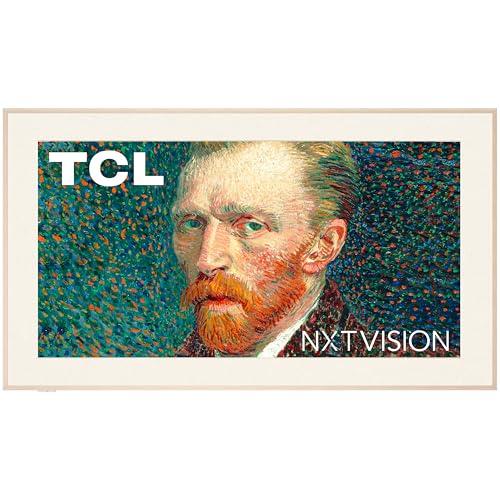

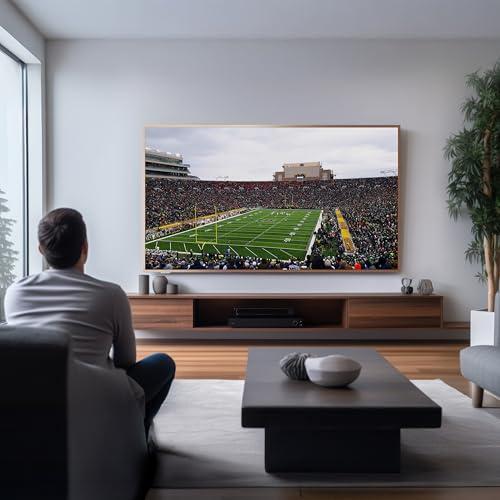
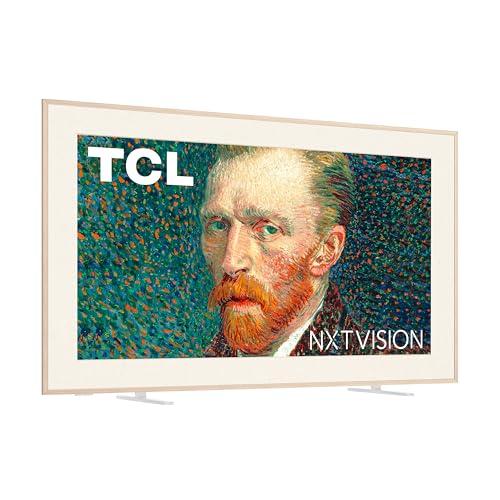
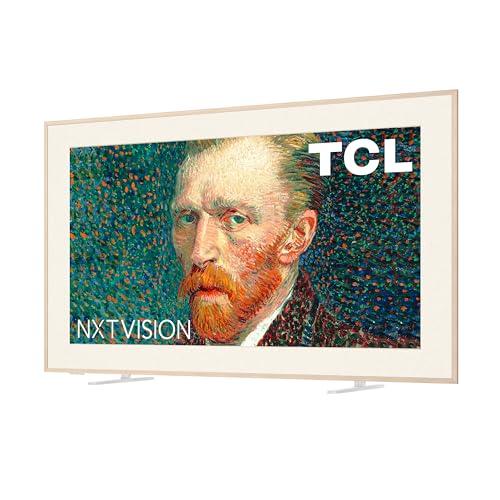
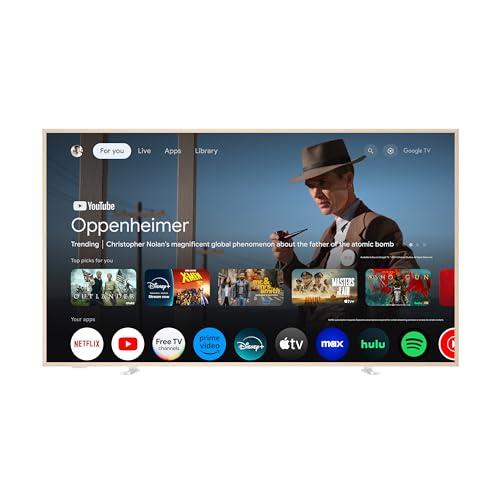
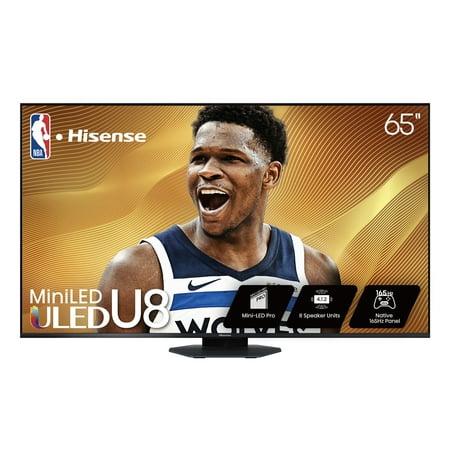
When shopping for a premium 65-inch 4K TV in 2024, you'll encounter two fundamentally different approaches to what a television should be. The TCL NXTVISION QLED 4K Art Frame TV asks: "What if your TV could disappear into your décor when you're not watching?" Meanwhile, the Hisense U8 Series Mini-LED ULED 4K Google TV focuses on a more traditional question: "How can we make the best possible picture quality at this price point?"
Both TVs launched in 2024, representing the latest thinking from their respective manufacturers. TCL introduced the NXTVISION series as their answer to Samsung's popular Frame TV, while Hisense refined their U8 series with improved Mini-LED technology and more local dimming zones than previous generations. The timing is perfect for buyers, as both represent mature technologies with the bugs worked out.
Understanding these different philosophies is crucial to making the right choice. One prioritizes form and lifestyle integration, while the other focuses purely on performance. Neither approach is wrong, but they serve very different needs and preferences.
Before diving into specifics, it's worth understanding the key technologies that differentiate modern premium TVs. The most important factor is backlighting—how the TV illuminates its display panel to create the images you see.
The TCL NXTVISION uses edge-lit LED backlighting, where LEDs are positioned around the perimeter of the screen and shine light across the panel. This allows for extremely thin designs but limits how precisely the TV can control light and dark areas. Think of it like trying to illuminate a painting with spotlights from the sides—you get even lighting, but you can't selectively brighten or dim specific areas.
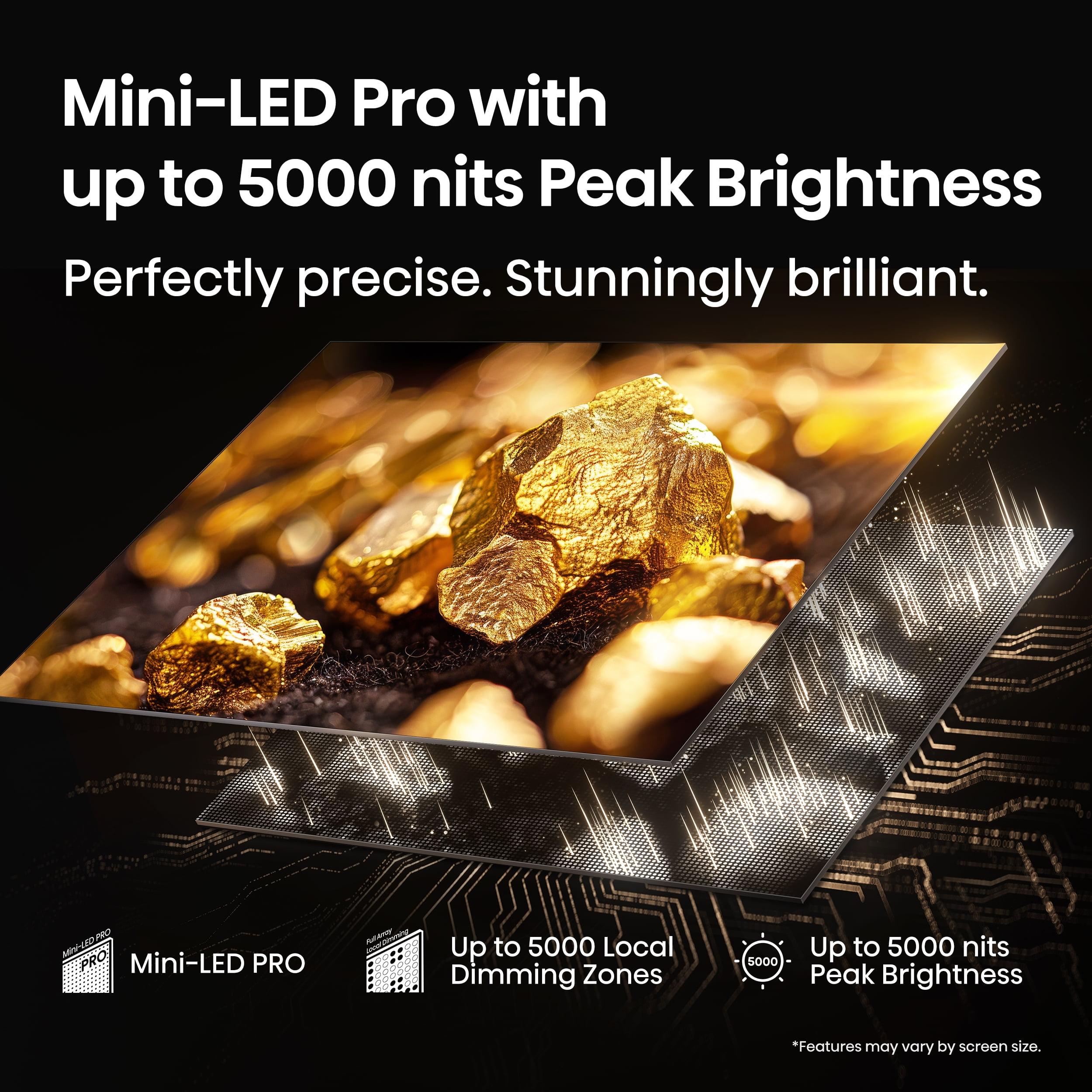
The Hisense U8 employs Mini-LED backlighting, which uses thousands of tiny LEDs directly behind the screen, divided into over 2,000 independently controlled zones. This is like having thousands of tiny flashlights that can turn on and off individually, allowing the TV to make stars bright while keeping the surrounding space completely dark.
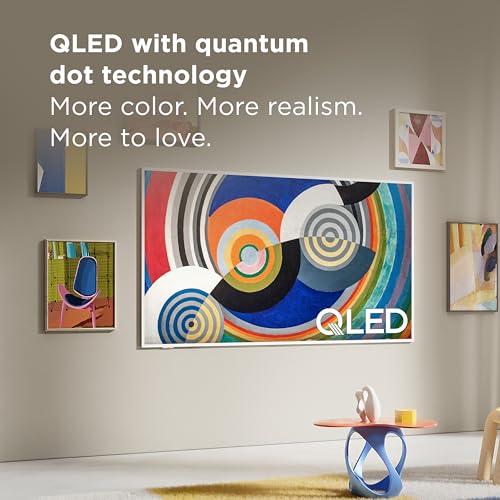
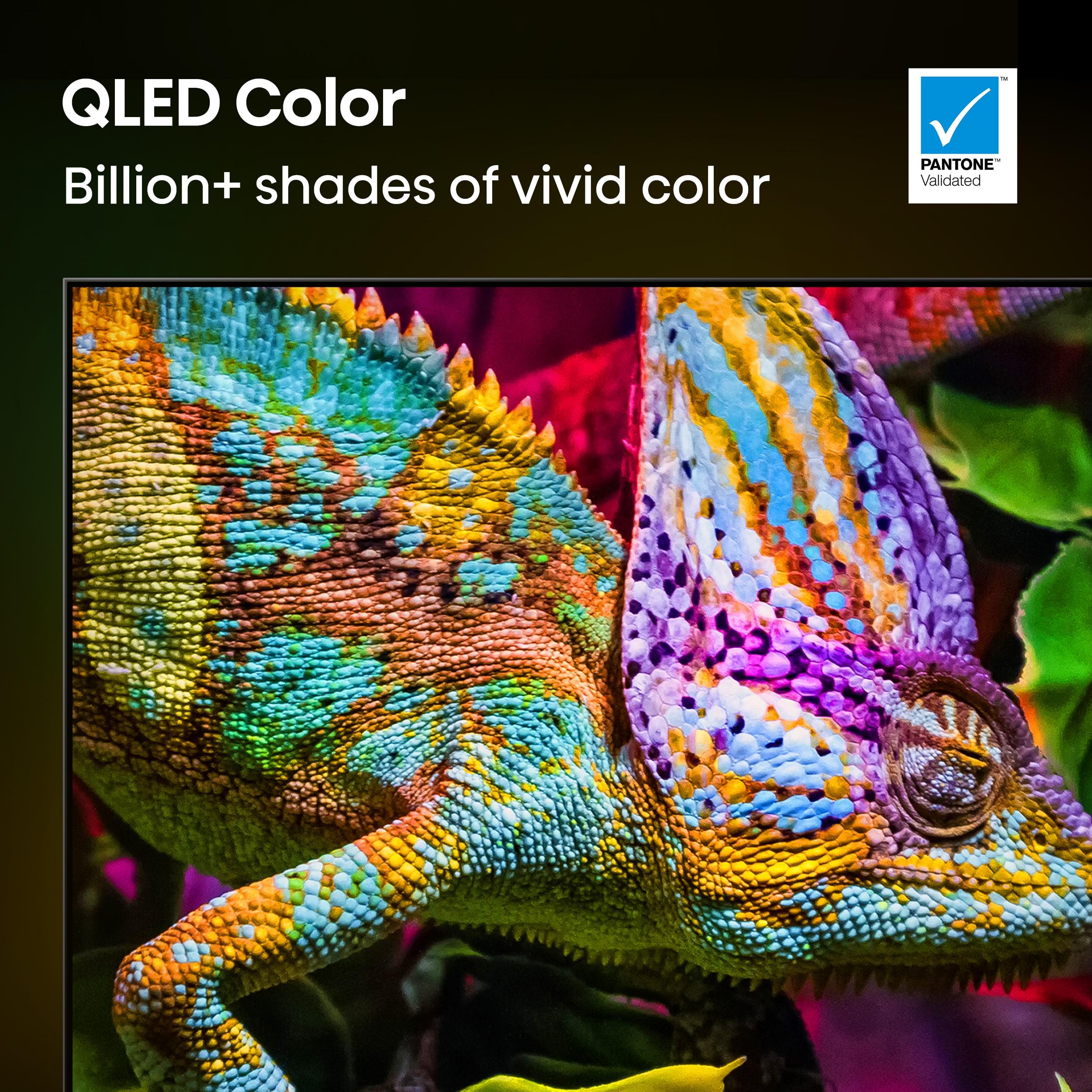
Both TVs use quantum dot technology (QLED), which involves a layer of microscopic crystals that convert backlight into pure, saturated colors. This technology has matured significantly since its introduction, and both TVs benefit from the latest quantum dot formulations that produce over a billion distinct colors.
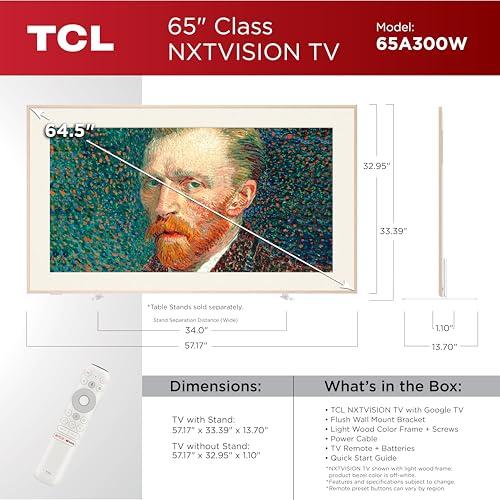
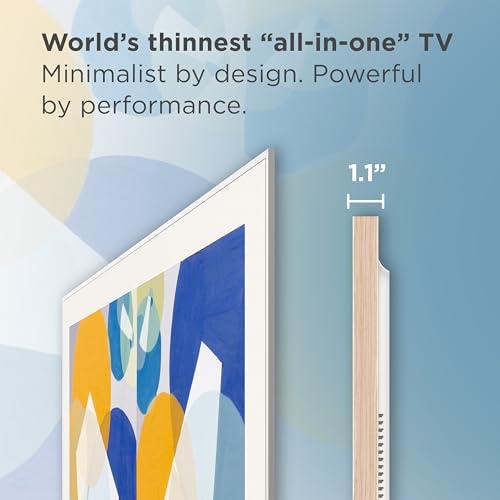
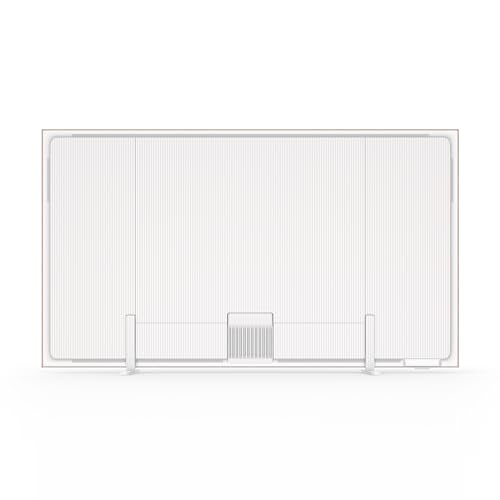
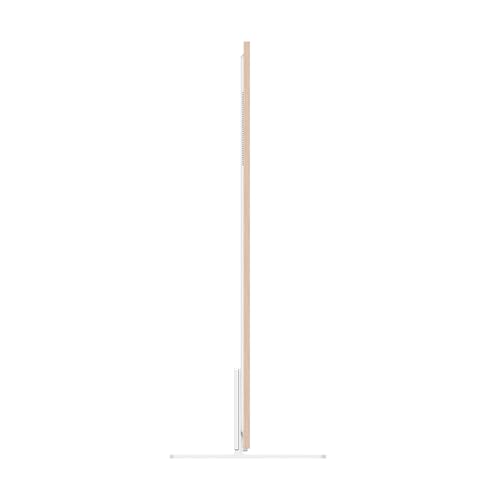
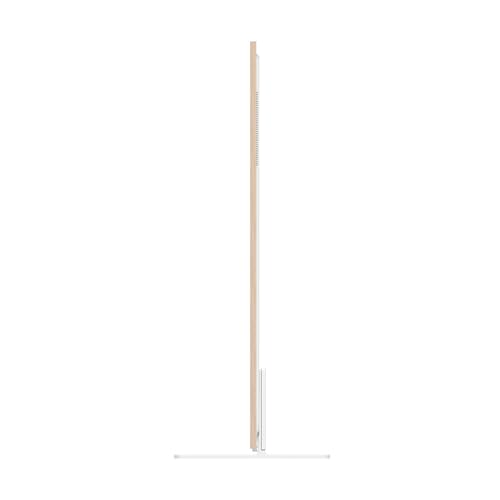
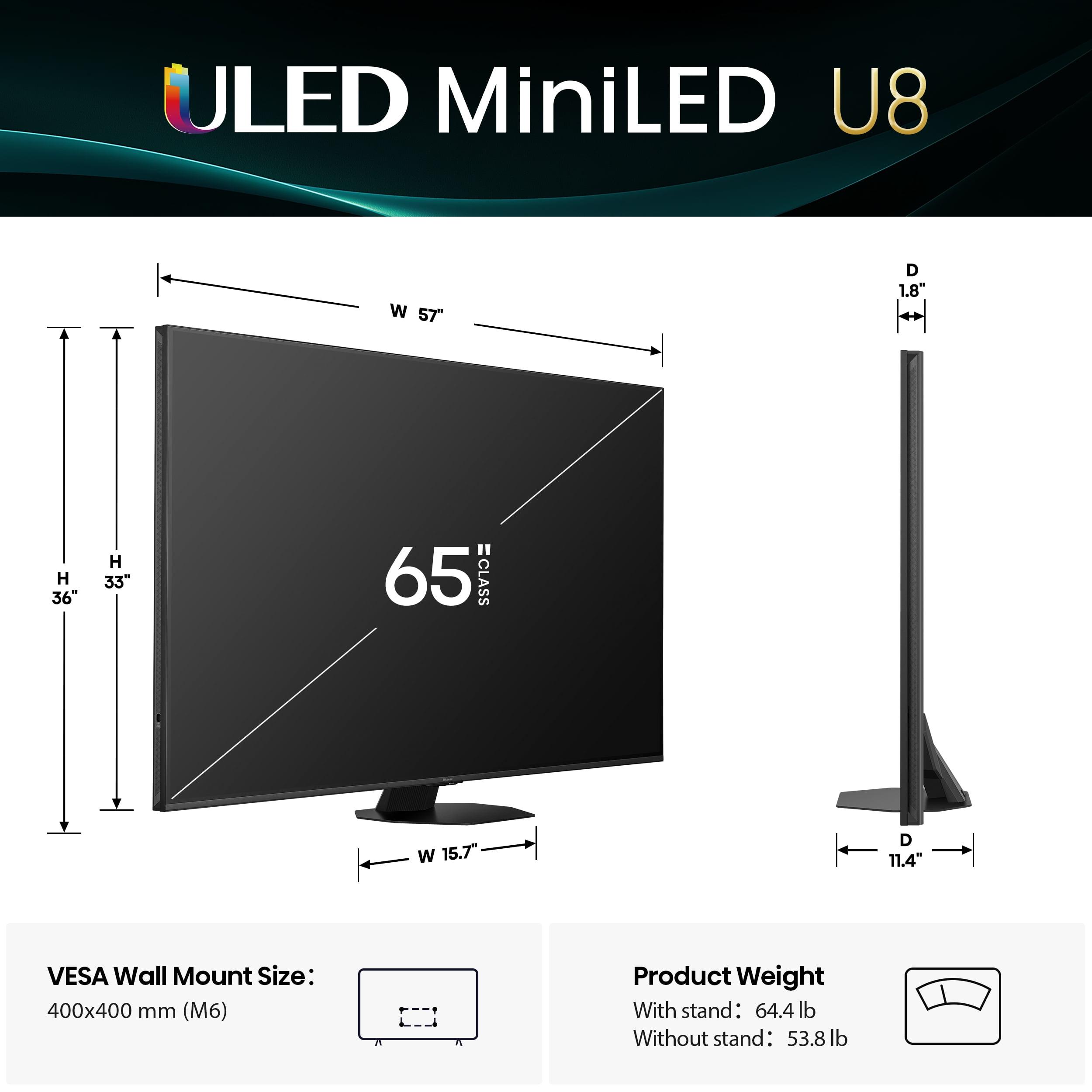
The most obvious difference between these TVs is their physical design, but it goes much deeper than aesthetics. The TCL NXTVISION measures just 1.1 inches deep—genuinely flush against your wall when mounted. This isn't marketing speak; it's thin enough that the TV virtually disappears into your room's architecture.
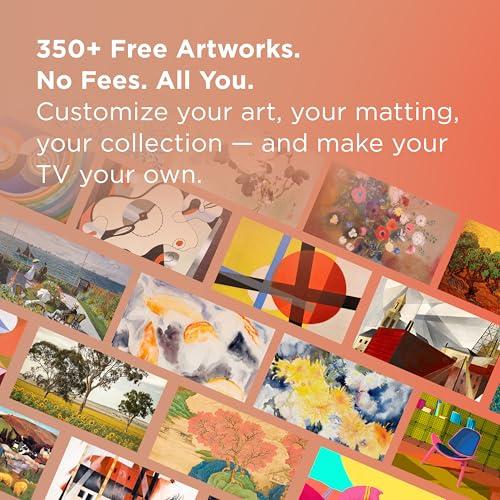
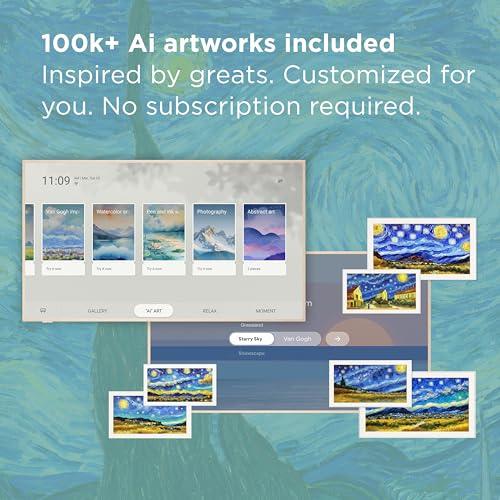
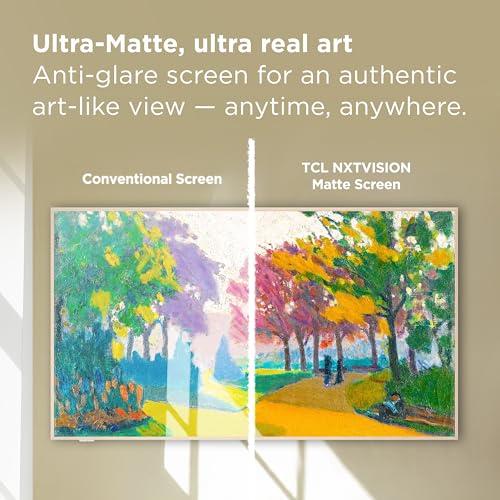
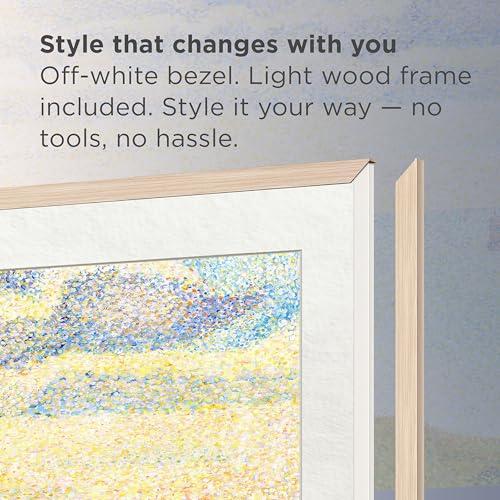
More importantly, TCL designed the NXTVISION with an ultra-matte anti-glare coating that mimics the texture of canvas. When displaying art, it genuinely looks like a framed painting rather than a glowing screen. The TV includes magnetic bezels (a light wood frame comes in the box) that you can swap to match your décor, plus access to over 400 curated artworks and AI-generated art options.
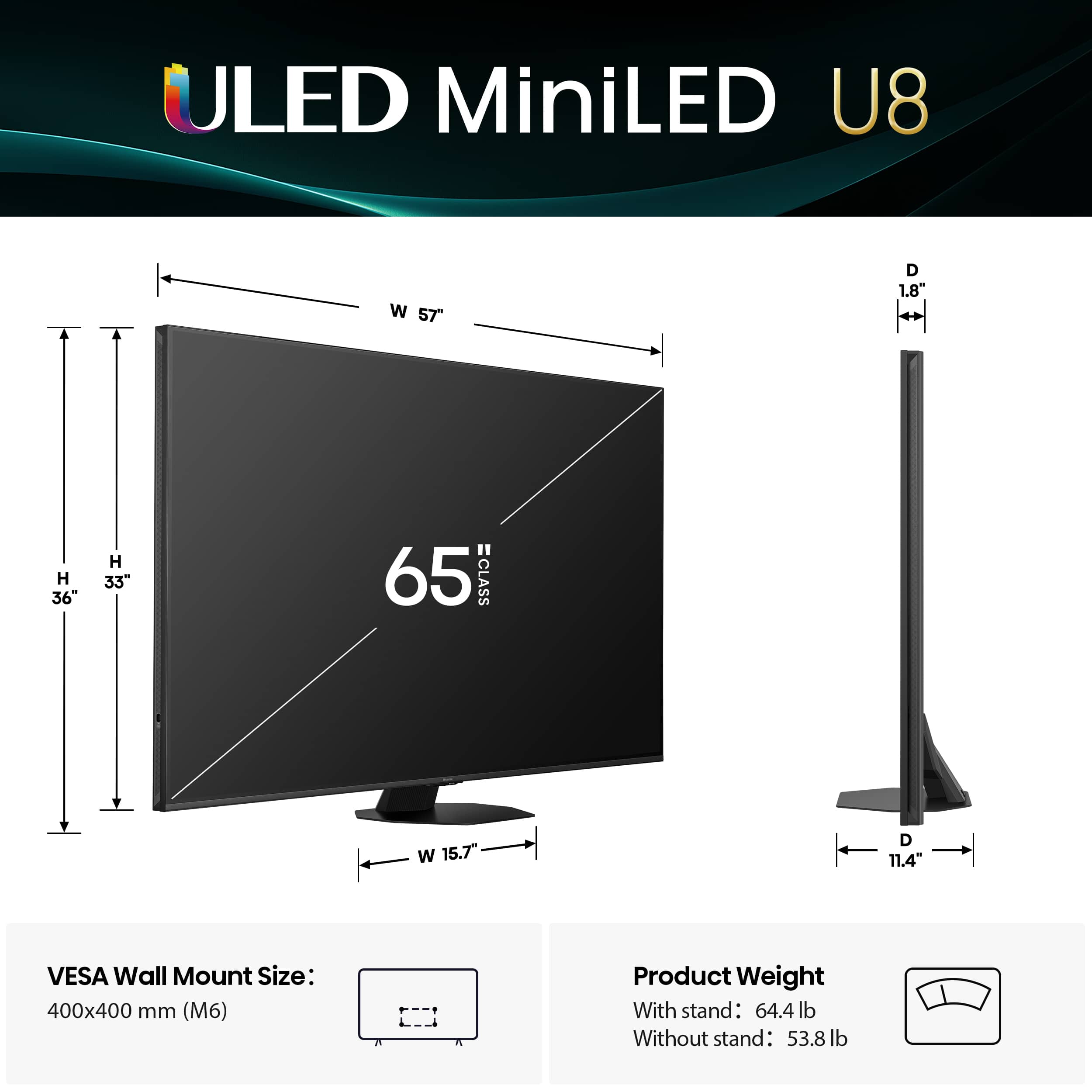
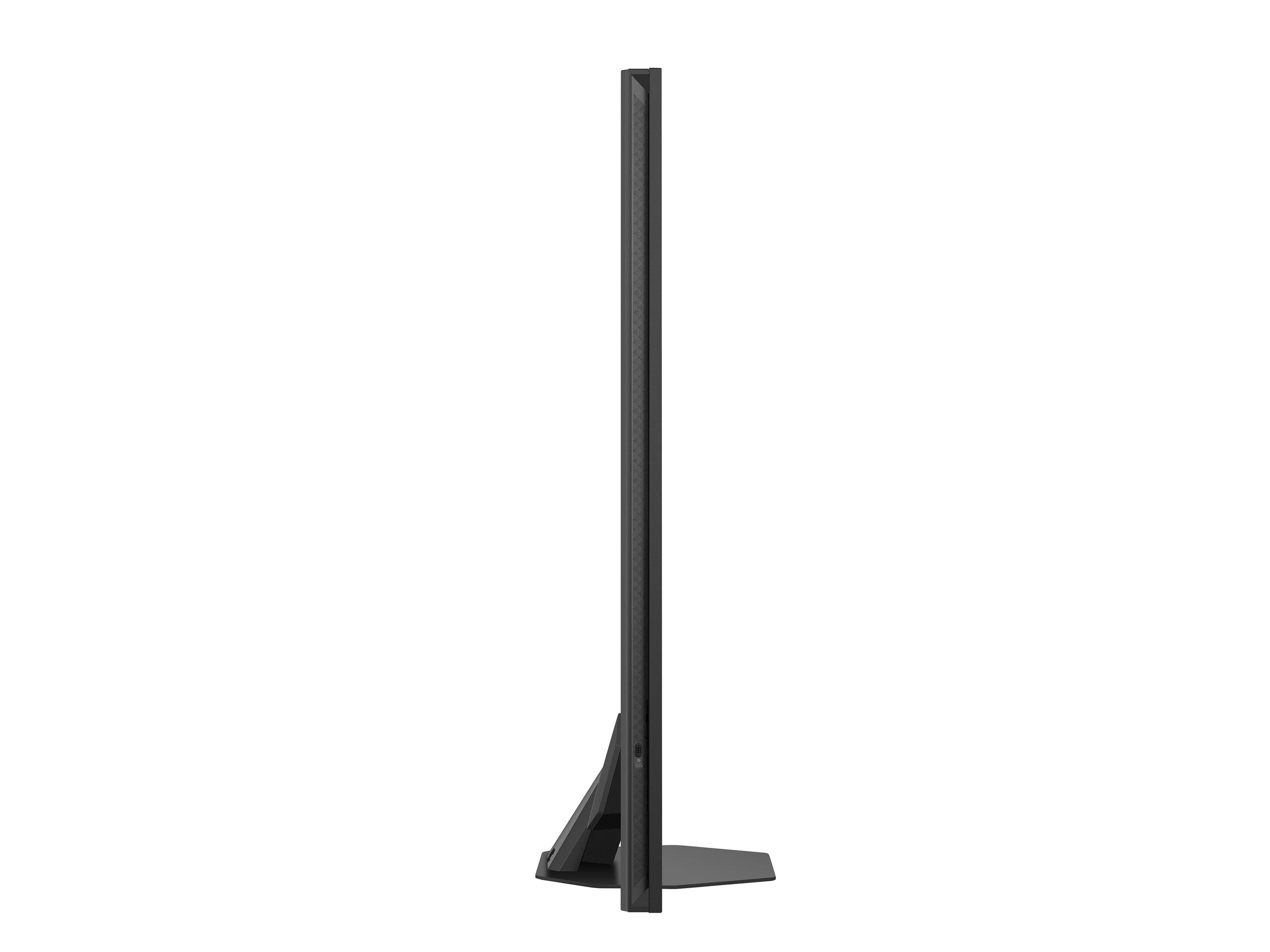
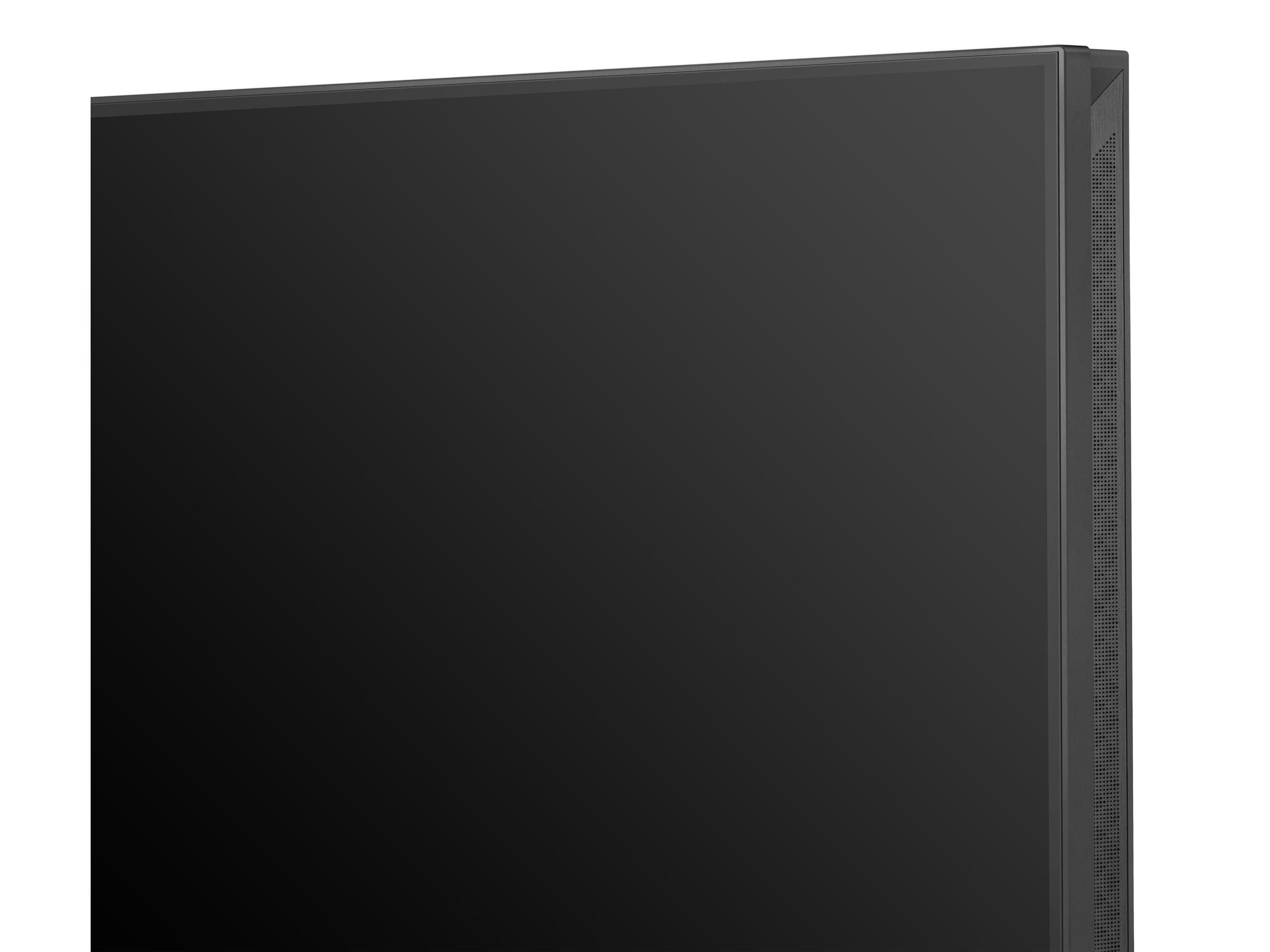
The Hisense U8 takes a traditional approach, focusing on delivering the best possible viewing experience without design compromises. It's thicker due to its Mini-LED array but still reasonably slim for a modern TV. The build quality feels premium, with thoughtful touches like cable management and an adjustable stand that accommodates soundbars.
Having spent considerable time evaluating both approaches, the TCL's art mode genuinely transforms a room. When guests visit, they often don't realize it's a TV until you mention it. However, this comes with tradeoffs in picture performance that we'll explore.
Here's where the philosophical differences become performance differences. The Hisense U8's Mini-LED backlighting delivers what experts consistently call reference-quality contrast. Peak brightness reaches 3,000 nits—bright enough to make HDR highlights genuinely stunning even in well-lit rooms. More importantly, those 2,000+ dimming zones mean the TV can display deep space scenes with pinpoint stars against perfect black backgrounds.
The TCL NXTVISION, constrained by its edge-lit design, simply can't match this contrast performance. In dark scenes, what should be black appears more like dark gray, and bright objects tend to create a subtle glow or "blooming" around them. This isn't a flaw—it's an inherent limitation of edge-lighting that TCL accepted to achieve their ultra-thin design.
Color performance tells a more nuanced story. Both TVs use quantum dot technology, but the Hisense achieves measured color gamut coverage of 97.53% of the cinema-standard DCI-P3 color space, placing it among the most color-accurate TVs available. The TCL NXTVISION produces vibrant colors but prioritizes the matte coating's aesthetic benefits over absolute color accuracy.
HDR (High Dynamic Range) performance—the technology that makes bright scenes brighter and dark scenes darker—heavily favors the Hisense U8. Both support the same HDR formats (Dolby Vision, HDR10+, HDR10, and HLG), but the Hisense has the brightness and contrast capability to actually display the full range these formats offer. Watching HDR movies on the Hisense creates those "wow" moments where you notice details in shadows and highlights that disappear on lesser displays.
The TCL's matte coating, while excellent for reducing reflections, slightly softens image sharpness and reduces the impact of HDR content. It's a tradeoff—better visibility in bright rooms, but less punch in controlled lighting.
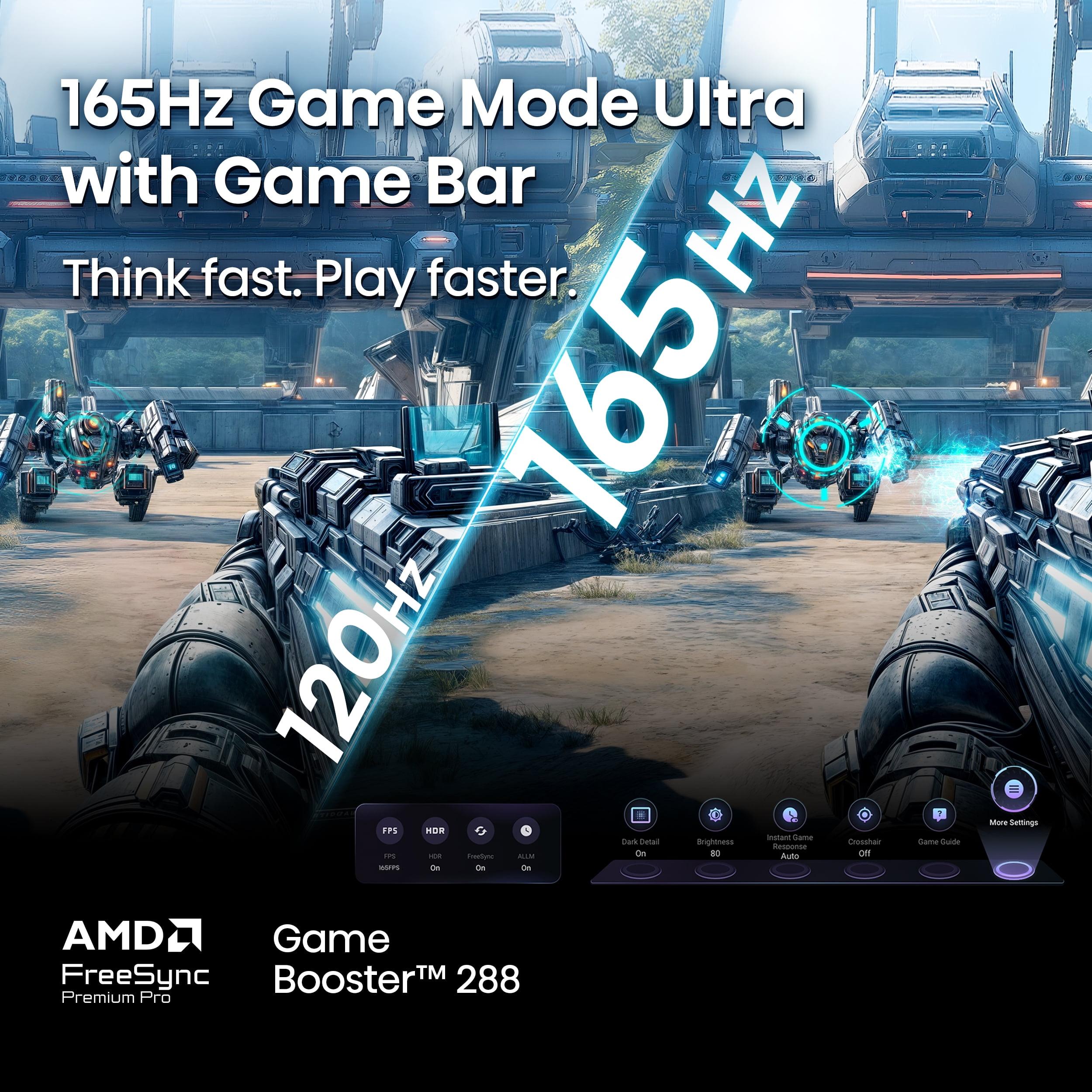
Both TVs target gamers but with different strengths. The TCL NXTVISION offers impressive specifications on paper: 120Hz native refresh rate with variable refresh rate (VRR) support up to 144Hz, plus AMD FreeSync Premium certification. It can handle 4K gaming at 144Hz or 1080p at an impressive 240Hz through its HDMI 2.1 ports.
However, gaming performance involves more than refresh rates. The Hisense U8 achieves approximately 5ms input lag in game mode—the delay between pressing a button and seeing the result on screen. While the TCL's exact input lag varies depending on settings, most edge-lit displays can't match the responsiveness of well-implemented Mini-LED systems.
For competitive gaming, especially fast-paced shooters or racing games, the Hisense's lower latency provides a measurable advantage. For casual gaming or single-player adventures, either TV performs well, though the Hisense's superior contrast makes dark game environments more immersive.
Both TVs include automatic low latency mode (ALLM), which switches to game mode when it detects console input, and both support the latest gaming features from PlayStation 5 and Xbox Series X.
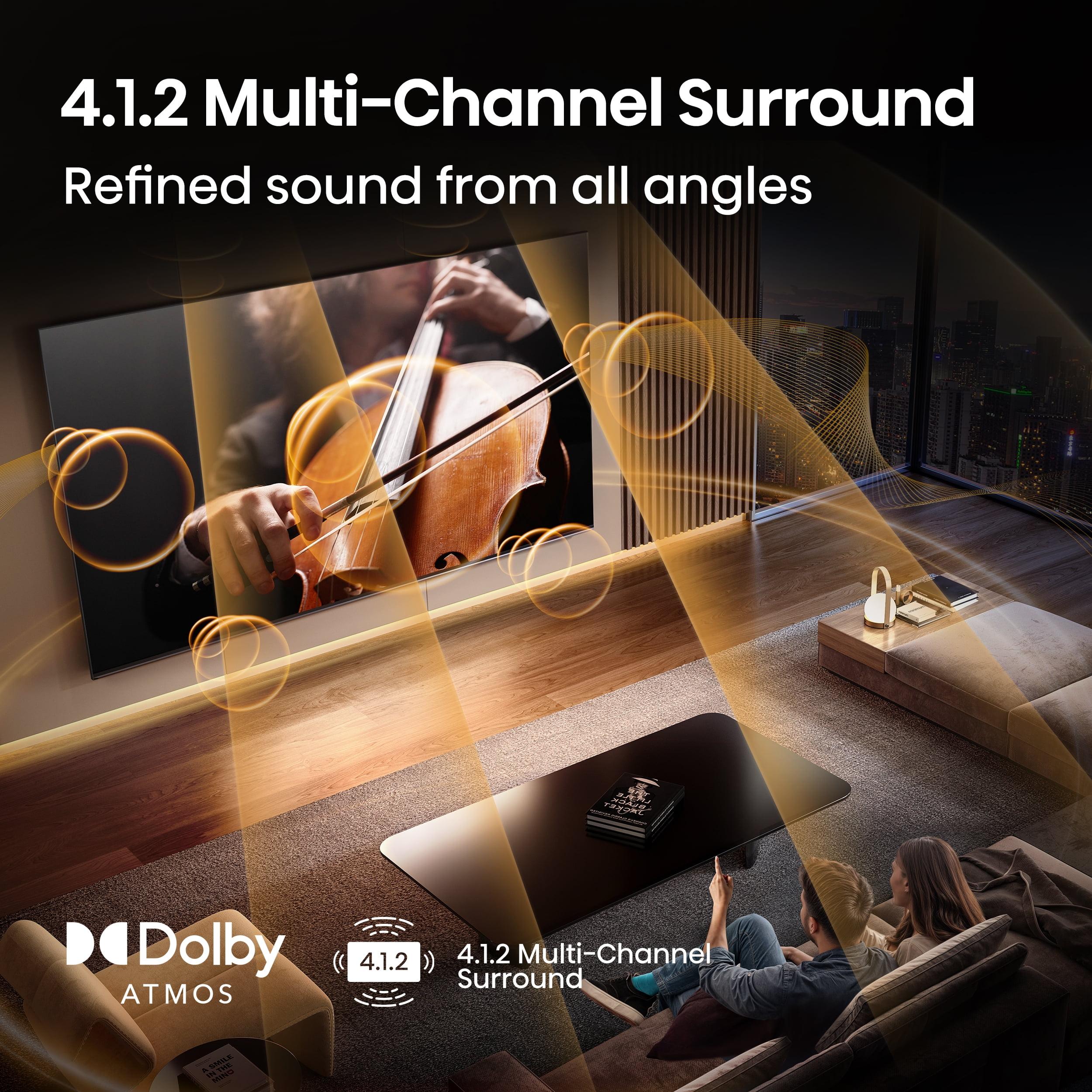
This category shows a clear winner. The Hisense U8 includes a 50W 2.1.2 channel audio system with Dolby Atmos, featuring dedicated subwoofers and upward-firing speakers that create genuinely immersive surround sound. For many users, this eliminates the need for a separate soundbar—something rare in slim modern TVs.
The TCL NXTVISION's 20W system (two 10W speakers) supports Dolby Atmos but lacks the physical drivers to create convincing surround effects. It's adequate for casual viewing but will leave home theater enthusiasts wanting more.
The difference becomes obvious when watching action movies or music content. The Hisense delivers room-filling sound with clear dialogue and impactful bass, while the TCL sounds thin by comparison. However, the TCL's slim design makes adding a soundbar more visually appealing, as the combination maintains the minimalist aesthetic.
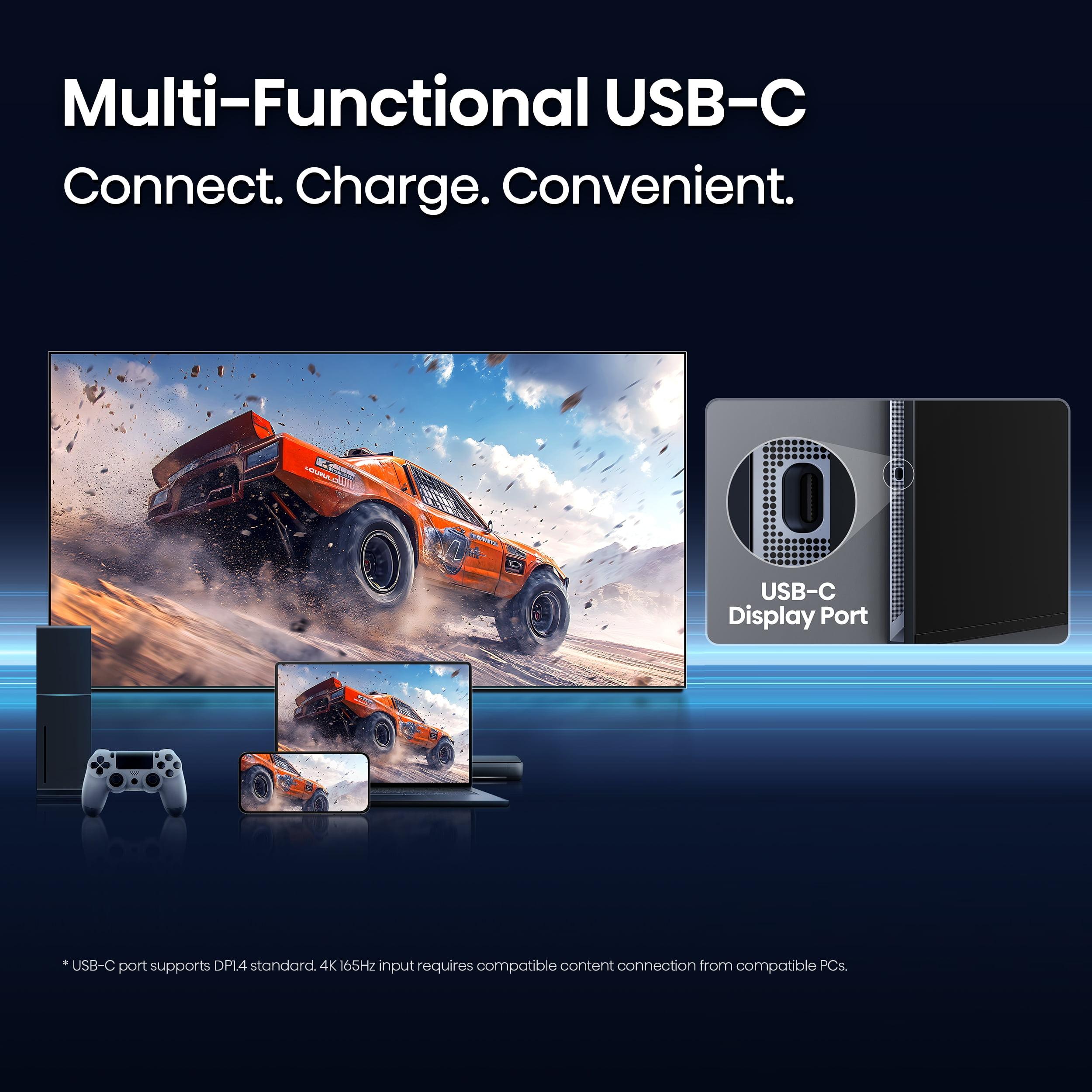
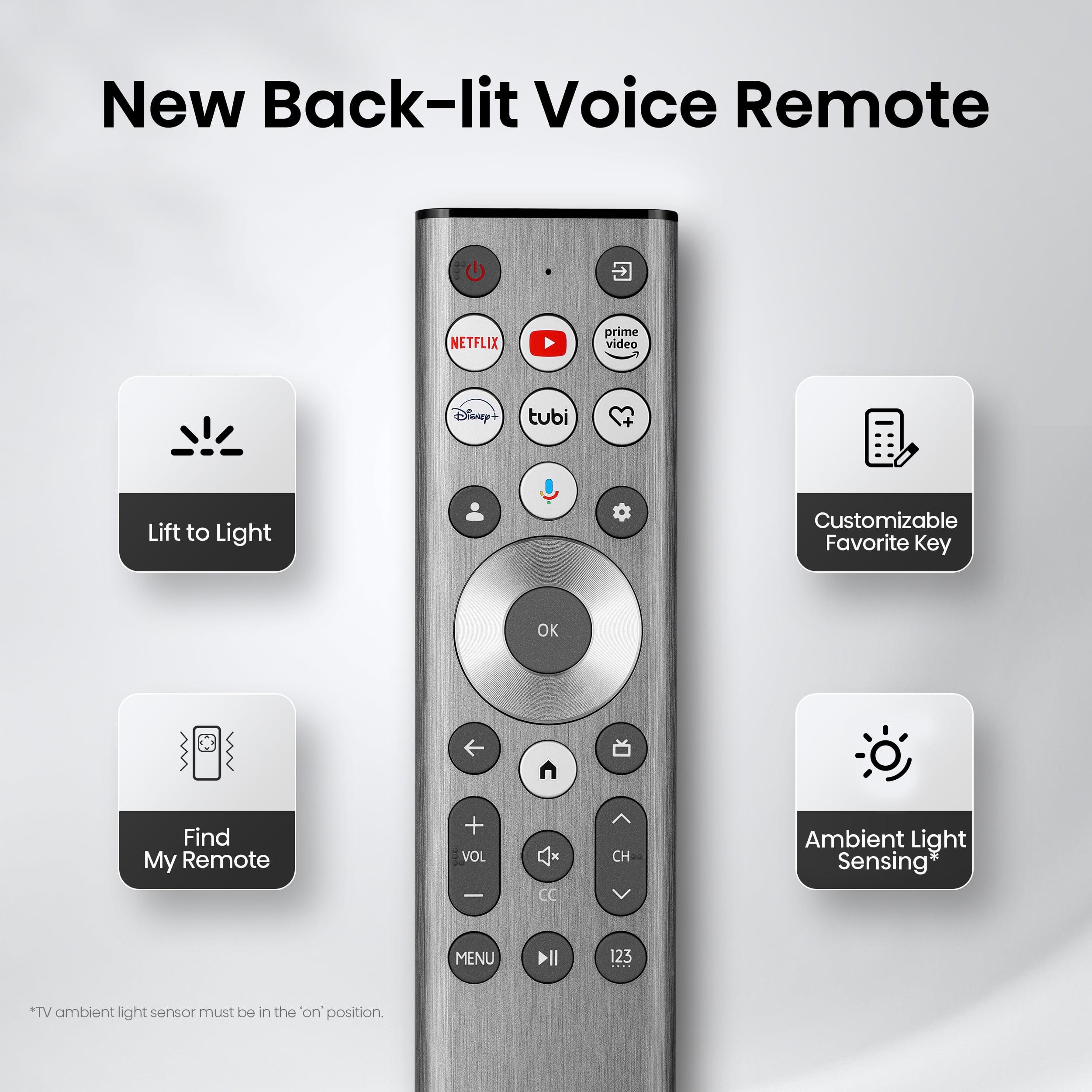
Both TVs run Google TV, but the Hisense U8 includes more future-proof connectivity. Its Wi-Fi 6E support provides faster, more reliable streaming for high-bitrate content, while the TCL uses older Wi-Fi 5 standards. The Hisense also includes a NEXTGEN TV ATSC 3.0 tuner, preparing it for the next generation of over-the-air broadcasts with 4K resolution and better compression.
These differences matter for long-term ownership. As streaming services increase their bitrate for better quality, and as broadcast standards evolve, the Hisense is better positioned to handle future content.
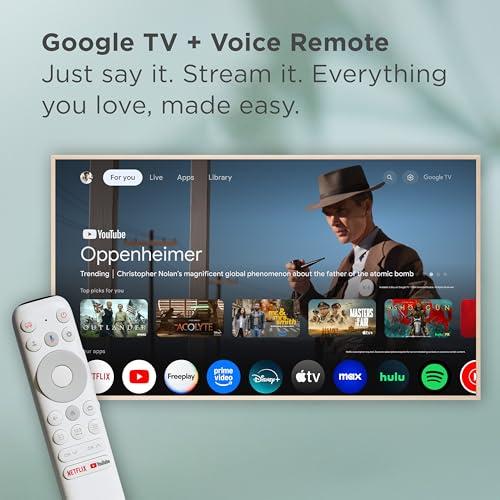
The TCL NXTVISION's smart features focus on its art functionality. The curated art library updates regularly, and the AI art generation feature creates unique images based on your preferences. These features work well and add genuine utility for users who want the dual-purpose functionality.
Your room's lighting significantly impacts which TV performs better. The TCL NXTVISION's matte anti-glare screen excels in bright environments. Rooms with large windows, overhead lighting, or challenging ambient light conditions favor the TCL's ability to eliminate reflections while maintaining image visibility.
The Hisense U8 performs best in controlled lighting environments where its contrast and brightness advantages can shine. Its glossy screen produces more vibrant colors and sharper images but shows more reflections in bright rooms. This doesn't make it unsuitable for bright rooms—the high peak brightness helps overcome ambient light—but the TCL handles challenging lighting more gracefully.
From extensive observation, the ideal environment for each TV differs significantly. The TCL works beautifully in a bright family room where the TV needs to look good and function well during daytime hours. The Hisense excels in a dedicated media room or family room where you can control lighting for evening viewing.
For dedicated home theater use, the Hisense U8 delivers superior performance. Its Mini-LED backlighting creates the deep blacks and bright highlights that make movies cinematic. The built-in audio system provides room-filling surround sound without external speakers, though serious enthusiasts will still prefer dedicated audio systems.
The TCL NXTVISION works for home theater use but makes compromises. The matte screen reduces image punch in dark rooms, and the limited contrast affects the cinematic experience. However, for users who want their theater to double as a living space with artistic appeal, the TCL offers unique benefits.
Color accuracy matters for home theater, and the Hisense's superior color gamut coverage ensures that movies appear as directors intended. The TCL's colors look pleasing but may not match reference standards.
At the time of writing, both TVs occupy similar price segments, with the TCL NXTVISION typically available for $200-400 less than the Hisense U8. This pricing reflects their different value propositions: the TCL offers unique lifestyle features at a competitive price, while the Hisense provides superior performance with premium audio and future-proof connectivity.
The Hisense includes a 2-year warranty—double the industry standard—suggesting confidence in long-term reliability. This extended coverage adds value, especially for a complex Mini-LED display with thousands of individual LED zones.
Neither TV disappoints at their respective price points, but they serve different priorities. The TCL's art functionality and flush mounting hardware represent genuine added value for users who want both features. The Hisense's superior picture quality and audio system provide excellent value for performance-focused buyers.
Choose the TCL NXTVISION if you want a TV that enhances your room's aesthetics when not in use. It's perfect for bright living spaces where the TV needs to blend into the décor and provide good daytime viewing. The art features aren't gimmicky—they genuinely transform the TV into functional wall art. Accept that you're trading some picture quality for this unique functionality.
Choose the Hisense U8 if picture quality is your primary concern. It delivers near-flagship performance at a mid-premium price, with Mini-LED contrast that rivals more expensive options. The superior audio and future-proof connectivity add long-term value. This TV excels in any environment where viewing quality matters more than aesthetic integration.
Both represent thoughtful approaches to modern TV design. The TCL succeeds brilliantly as a lifestyle product that happens to be a capable TV, while the Hisense excels as a performance display that happens to look good. Your choice depends on whether you prioritize form or function—both deliver their intended experience exceptionally well.
The decision ultimately comes down to how you use your living space and what compromises you're willing to make. Neither TV disappoints within its intended purpose, making this one of the more pleasant buying decisions in today's TV market.
| TCL 65" NXTVISION QLED 4K Art Frame TV | Hisense 65" U8 Series Mini-LED ULED 4K Google TV |
|---|---|
| Display Technology - Determines contrast quality and dark room performance | |
| Edge-lit LED with QLED Quantum Dot | Mini-LED Pro+ with 2000+ local dimming zones |
| Peak Brightness - Critical for HDR impact and bright room viewing | |
| Lower brightness due to edge-lighting design | Up to 3,000 nits (exceptional HDR performance) |
| Screen Coating - Affects reflection handling and image sharpness | |
| Ultra Matte Anti-Glare (canvas-like texture, eliminates reflections) | Standard anti-glare on glossy panel (sharper but more reflective) |
| Design Philosophy - Different approaches to TV aesthetics | |
| Ultra-slim 1.1" depth, flush wall mount, magnetic frames | Traditional TV design with premium build quality |
| Art Features - Unique lifestyle functionality | |
| 400+ artworks, AI art generation, personal photo gallery | None (focused on viewing performance) |
| Gaming Performance - Refresh rates and input lag for gamers | |
| 120Hz native, VRR up to 144Hz, moderate input lag | 165Hz native, ~5ms input lag, superior responsiveness |
| Audio System - Built-in sound quality | |
| 20W (2×10W) with Dolby Atmos support | 50W 2.1.2 channel with subwoofer and Dolby Atmos |
| Smart Platform - Software and connectivity features | |
| Google TV with Wi-Fi 5 | Google TV v12 with Wi-Fi 6E and NEXTGEN TV tuner |
| Best Viewing Environment - Where each TV excels | |
| Bright rooms with ambient light (matte screen advantage) | Dark or controlled lighting (contrast advantage) |
| Warranty Coverage - Protection for your investment | |
| Standard 1-year warranty | Extended 2-year warranty (double industry standard) |
| Value Proposition - What you get for your money | |
| Unique art TV functionality at competitive pricing | Superior picture quality and audio with future-proofing |
The Hisense 65" U8 Series Mini-LED delivers significantly better picture quality for entertainment content. Its Mini-LED backlighting with over 2,000 local dimming zones creates deeper blacks and brighter highlights, making HDR movies much more impactful. The TCL 65" NXTVISION uses edge-lit backlighting which can't match the contrast performance, resulting in grayer blacks and less dramatic HDR content.
Only the TCL 65" NXTVISION QLED 4K Art Frame TV is designed as an art TV. It includes over 400 curated artworks, AI art generation, and can display personal photos with a canvas-like matte screen that mimics real artwork. The Hisense U8 Series is a traditional TV focused purely on viewing performance without art display features.
The TCL NXTVISION excels in bright rooms thanks to its Ultra Matte Anti-Glare screen that virtually eliminates reflections. This makes it ideal for living rooms with large windows or overhead lighting. While the Hisense U8 gets very bright to combat glare, its glossy screen shows more reflections in challenging lighting conditions.
Both TVs offer excellent gaming features, but the Hisense U8 Series has a slight edge with its 165Hz refresh rate and extremely low input lag of around 5ms. The TCL NXTVISION supports 120Hz with VRR up to 144Hz and can handle 4K at 144Hz, making both suitable for next-gen console gaming, though competitive gamers may prefer the Hisense's responsiveness.
The Hisense 65" U8 Series has significantly better built-in audio with its 50W 2.1.2 channel system including a subwoofer and Dolby Atmos. The TCL NXTVISION has a basic 20W speaker system that's adequate for casual viewing but will likely require a soundbar for immersive movie watching or music.
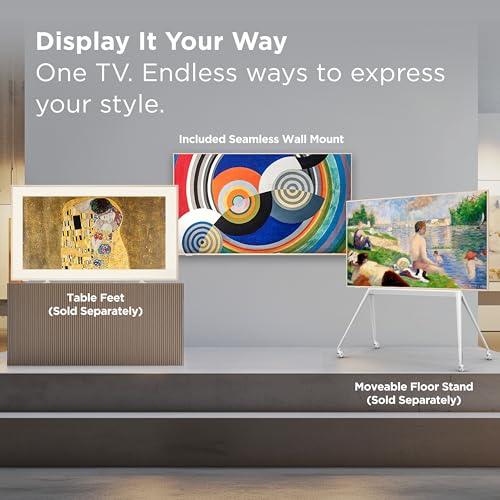
The TCL 65" NXTVISION is extremely thin at just 1.1 inches deep and includes a proprietary flush wall mount for a truly seamless installation. The Hisense U8 is thicker due to its Mini-LED array and uses standard VESA mounting, so it won't sit as flush against the wall as the TCL art TV.
For home theaters, the Hisense U8 Series Mini-LED is the clear winner. Its superior contrast with deep blacks and bright highlights creates a more cinematic experience in dark rooms. The built-in surround sound system also reduces the need for additional audio equipment. The TCL NXTVISION works for home theater but its matte screen reduces image punch in dark viewing environments.
Yes, both the TCL NXTVISION and Hisense U8 Series run Google TV with access to all major streaming services. However, the Hisense includes Wi-Fi 6E for faster streaming and a NEXTGEN TV tuner for future broadcast standards, making it more future-proof than the TCL's Wi-Fi 5 connectivity.
Value depends on your priorities. The TCL NXTVISION typically costs less and offers unique art display features you can't get elsewhere, plus the included flush mount hardware. The Hisense U8 costs more but delivers superior picture quality, better audio, and a 2-year warranty versus TCL's 1-year coverage.
Both handle sports well, but the Hisense 65" U8 Series has advantages with its higher native refresh rate and better motion processing. The TCL NXTVISION works fine for sports viewing and its anti-glare screen is excellent for daytime games in bright rooms, though the Hisense provides smoother motion and more vibrant colors.
The TCL 65" NXTVISION QLED 4K Art Frame TV is specifically designed to blend into your décor with its ultra-thin profile, magnetic interchangeable frames, and art display capability. When not in use, it looks like a framed painting on your wall. The Hisense U8 has a premium appearance but clearly looks like a traditional TV.
The Hisense U8 Series includes a 2-year warranty, which is double the industry standard and shows the manufacturer's confidence in the product. The TCL NXTVISION comes with a standard 1-year warranty. The extended coverage on the Hisense adds value, especially given the complexity of Mini-LED technology with thousands of individual LED zones.
We've done our best to create useful and informative comparisons to help you decide what product to buy. Our research uses advanced automated methods to create this comparison and perfection is not possible - please contact us for corrections or questions. These are the sites we've researched in the creation of this article: rtings.com - tcl.com - bestbuy.com - tcl.com - bestbuy.com - tcl.com - youtube.com - rcwilley.com - businessinsider.com - bestbuy.com - target.com - youtube.com - support.tcl.com - nfm.com - woodruffappliance.com - flatpanelshd.com - tcl.com - bestbuy.com - hisense-usa.com - rtings.com - bestbuy.com - rtings.com - hisense-usa.com - youtube.com - hisense-usa.com - avsforum.com - hisense-usa.com - hisense-usa.com - rtings.com - avsforum.com - hisense-usa.com - prnewswire.com - hisense-usa.com - bestbuy.com - youtube.com - hisense-usa.com

Privacy Policy
Terms and Conditions - Affiliate Policy
Home Security
© Copyright 2008-2026.
11816 Inwood Rd #1211, Dallas, TX 75244